Abundant Health

Up to date health information tailored for you

  • Home
  • Blog
  • Recipes
  • Shop
  • Contact
You are here: Home / 2023 / Archives for July 2023

Archives for July 2023

Nine Vegetables that are Healthier for You when Cooked

July 9, 2023 by Laura Brown - [rt_reading_time label="Reading Time:" postfix="minutes" postfix_singular="minute"]

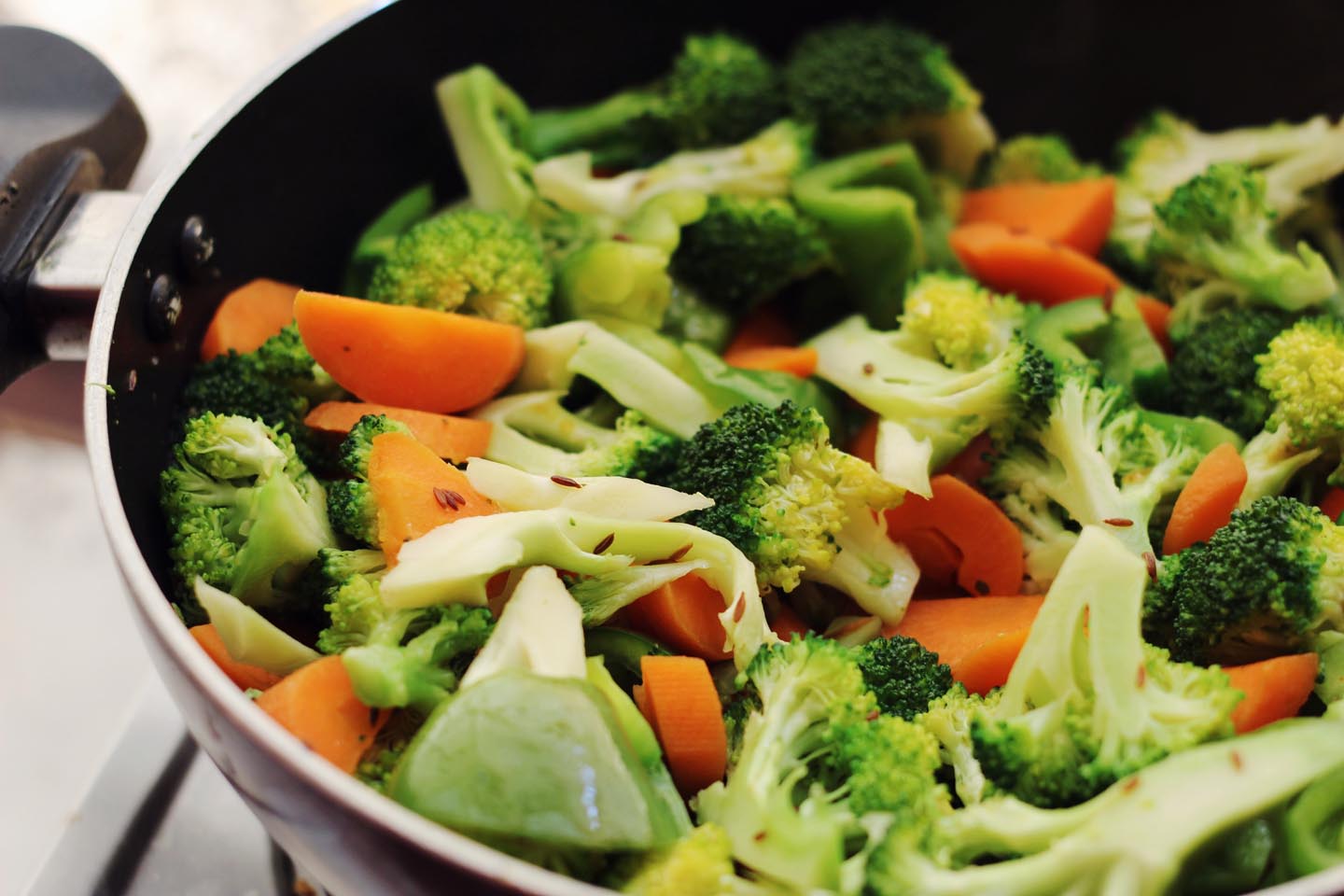
Cooked Vegetables

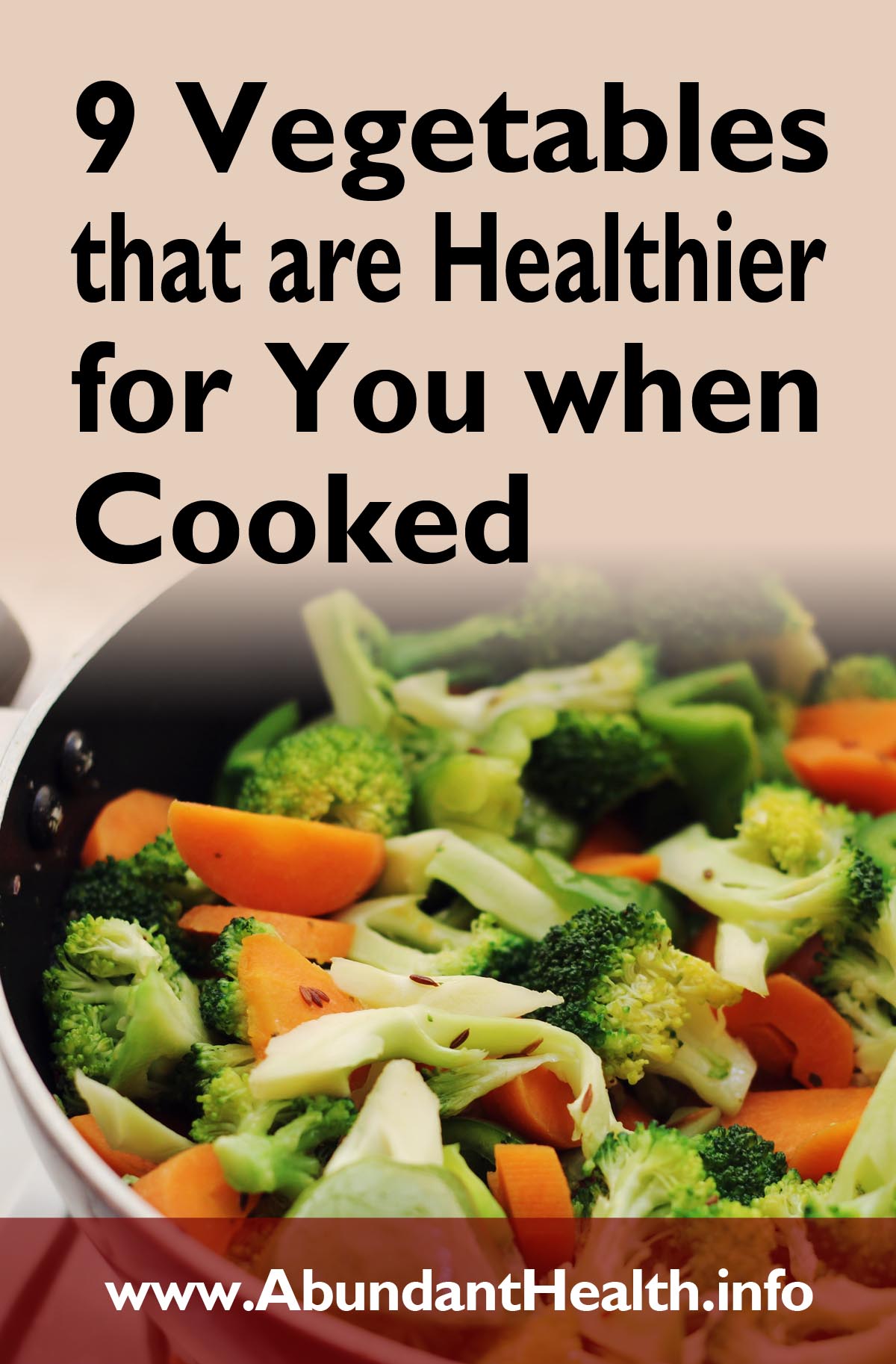
Raw food diets are a fairly recent trend, including raw veganism. The belief being that the less processed food is, the better. However, not all food is more nutritious when eaten raw. Indeed, some vegetables are actually more nutritious when cooked. Here are nine of them.
Nine Vegetables that are Healthier for You when Cooked

1. Asparagus

All living things are made up of cells, and in vegetables, important nutrients are sometimes trapped within these cell walls. When vegetables are cooked, the walls break down, releasing the nutrients that can then be absorbed more easily by the body.((Gibson R et.al. Improving the bioavailability of nutrients in plant foods at the household level. Proceedings of the Nutrition Society (2006), 65, 160–168))

Cooking asparagus breaks down its cell walls, making vitamins A, B9, C and E more available to be absorbed.
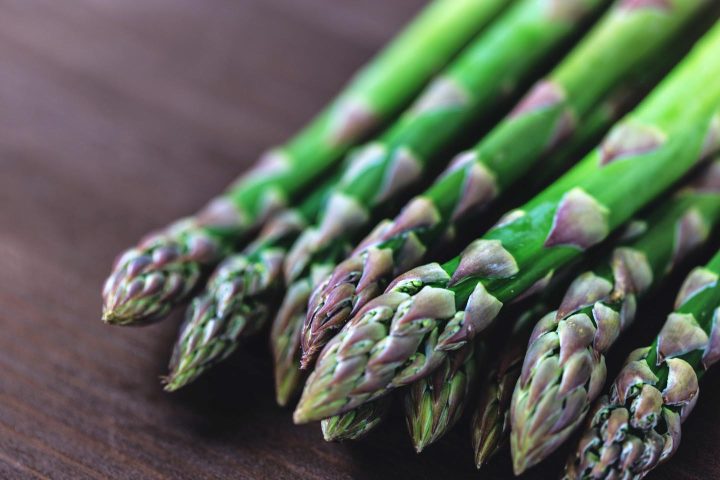
Asparagus

2. Mushrooms

Mushrooms contain large amounts of the antioxidant ergothioneine, which is released during cooking.((Rodriguez Estrada, A.E., Lee, HJ., Beelman, R.B. et al. Enhancement of the antioxidants ergothioneine and selenium in Pleurotus eryngii var. eryngii basidiomata through cultural practices. World J Microbiol Biotechnol 25, 1597–1607 (2009). https://doi.org/10.1007/s11274-009-0049-8)) Antioxidants help break down “free radicals”, chemicals that can damage our cells, causing illness and ageing.

3. Spinach

Spinach is rich in nutrients, including iron, magnesium, calcium and zinc. However, these nutrients are more readily absorbed when the spinach is cooked. This is because spinach is packed with oxalic acid (a compound found in many plants) that blocks the absorption of iron and calcium. Heating spinach releases the bound calcium, making it more available for the body to absorb.((Gibson R et.al. Improving the bioavailability of nutrients in plant foods at the household level. Proceedings of the Nutrition Society (2006), 65, 160–168))

Research suggests that steaming spinach maintains its levels of folate (B9), which may reduce the risk of certain cancers.((Neerja Rana, Arti Ghabru and Devina Vaidya. Defensive function of fruits and vegetables. Journal of Pharmacognosy and Phytochemistry 2019; 8(3): 1872-1877))

4. Tomatoes

Cooking, using any method, greatly increases the antioxidant lycopene in tomatoes. Lycopene has been associated with a lower risk of a range of chronic diseases including heart disease and cancer.((Sanjiv Agarwal and Akkinappally Venketeshwer Rao. Tomato lycopene and its role in human health and chronic diseases. CMAJ September 19, 2000 163 (6) 739-744;)) This increased lycopene amount comes from the heat that helps to break down the thick cell walls, which contain several important nutrients.

Although cooking tomatoes reduces their vitamin C content by 29%, their lycopene content increased by more than 50% within 30 minutes of cooking.((Dewanto V, Wu X, Adom KK, Liu RH. Thermal processing enhances the nutritional value of tomatoes by increasing total antioxidant activity. J Agric Food Chem. 2002 May 8;50(10):3010-4. doi: 10.1021/jf0115589.))

Cooked tomatoes

5. Carrots

Cooked carrots contain more beta-carotene than raw carrots, which is a substance called a carotenoid that the body converts into vitamin A. This fat-soluble vitamin supports bone growth, vision and the immune system.

Cooking carrots with the skins on more than doubles their antioxidant power.((Miglio C et. al. Effects of Different Cooking Methods on Nutritional and Physicochemical Characteristics of Selected Vegetables. J. Agric. Food Chem. 2008, 56, 1, 139–147. https://doi.org/10.1021/jf072304b)) You should boil carrots whole before slicing as it stops these nutrients from escaping into the cooking water. Avoid frying carrots as this has been found to reduce the amount of carotenoid.((Abdollah Ghavami, W. Andy Coward and Les J. C. Bluck. The effect of food preparation on the bioavailability of carotenoids from carrots using intrinsic labelling. British Journal of Nutrition , Volume 107 , Issue 9 , 14 May 2012 , pp. 1350 – 1366
DOI: https://doi.org/10.1017/S000711451100451X))

6. Bell peppers

Bell peppers are a great source of immune-system-boosting antioxidants, especially the carotenoids, beta-carotene, beta-cryptoxanthin and lutein. Heat breaks down the cell walls, making the carotenoids easier for your body to absorb.((Feng X. et.al. omparative analysis of carotenoids and metabolite characteristics in discolored red pepper and normal red pepper based on non-targeted metabolomics. https://doi.org/10.1016/j.lwt.2021.112398)) As with tomatoes, vitamin C is lost when peppers are boiled or steamed because the vitamin can leach out into the water. Try roasting them instead.

7. Brassica

Brassica, which include broccoli, cauliflower and brussels sprouts, are high in glucosinolates (sulfur-containing phytochemicals), which the body can convert into a range of cancer-fighting compounds. For these glucosinolates to be converted into cancer-fighting compounds, an enzyme within these vegetables called myrosinase has to be active.

Research has found that steaming these vegetables preserves both the vitamin C and myrosinase and, therefore, the cancer-fighting compounds you can get from them. Chopping broccoli and letting it sit for a minimum of 40 minutes before cooking also allows this myrosinase to activate.((Vallejo, .F., Tomás-Barberán, .F. & García-Viguera, .C. Glucosinolates and vitamin C content in edible parts of broccoli florets after domestic cooking. Eur Food Res Technol 215, 310–316 (2002). https://doi.org/10.1007/s00217-002-0560-8))

Similarly, sprouts, when cooked produce indole, a compound that may reduce the risk of cancer. Cooking sprouts also causes the glucosinolates to break down into compounds that are known to have cancer-fighting properties.((Cieślik E et. al. Effects of some technological processes on glucosinolate contents in cruciferous vegetables. Food Chemistry, Volume 105, Issue 3, 2007, Pages 976-981, https://doi.org/10.1016/j.foodchem.2007.04.047.))
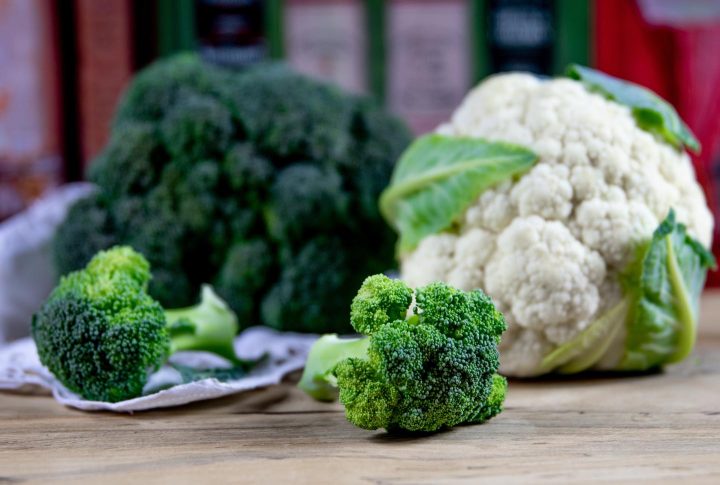
Broccoli and cauliflower

8. Green beans

Green beans have higher levels of antioxidants when they are baked, microwaved, griddled or even fried as opposed to boiled or pressure cooked.((Jiménez-Monreal A et. al. Influence of Cooking Methods on Antioxidant Activity of Vegetables. https://doi.org/10.1111/j.1750-3841.2009.01091.x))

9. Kale

Kale is healthiest when lightly steamed as it deactivates enzymes that prevent the body from using the iodine it needs for the thyroid, which helps regulate your metabolism.((Curley P. Dietary and Lifestyle Interventions to Support Functional Hypothyroidism. Inquiries Journal 2009, Vol. 1 No. 12))

For all vegetables, higher temperatures, longer cooking times and larger quantities of water cause more nutrients to be lost. Water-soluble vitamins (C and many of the B vitamins) are the most unstable nutrients when it comes to cooking because they leach out of vegetables into the cooking water. So avoid soaking them in water, use the least amount of water when cooking and use other cooking methods, such as steaming or roasting. Also, if you have cooking water left over, use it in soups or gravies as it holds all the leached nutrients.

Healthy Fruits

Stay Always Up to Date

Sign up to our newsletter and stay always informed with news and tips around your health.

Sign Up Now!

This article is republished from The Conversation under a Creative Commons license. Read the original article.


The Conversation

Filed Under: Nutrition Tagged With: raw food diet, vegetables, vitamins

Why Perfectionism is Causing You Stress

July 2, 2023 by Martin Neumann - [rt_reading_time label="Reading Time:" postfix="minutes" postfix_singular="minute"]

Why Perfectionism is Causing You Stress

Perfectionism is quite a common character trait, that affects about 30% of the general population and increases to almost 80% among the gifted population. Besides being pretty common, perfectionism is also on the rise. It can significantly interfere with your daily life and your stress response, so it is important to identify perfectionistic character traits and find some way to deal with them.

Why Perfectionism is Causing You Stress

A perfectionist has often some common traits with a high achiever. Both are people who are often pushing themselves to their limits and strive for excellence. They are very much goal oriented. But while the high achiever is celebrating his achievements, the perfectionist is only focusing on his failures, and that he missed hitting the mark he was supposed to achieve. While the high achiever strives to be the best he can be, the perfectionist just wants to avoid looking stupid because he has made a mistake. He is driven to give more than he can because he doesn’t feel to be good enough. Achieving more, looking perfect, and pleasing everyone becomes a way to define his self-worth.

Perfectionism is an effort to get a sense of self-worth through achievements. The problem is, that a perfectionist is never reaching the point of feeling that his accomplishments are sufficient or adequate, so he constantly feels bad about himself.  Perfectionism is normally linked to limited self-esteem.

The cause of perfectionism is often found in childhood and could be caused by the following parenting styles:

  • Having overly demanding parents, that expected their kids to be close to perfect, sometimes responding to any kind of shortcomings with some form of punishment. The child internalizes that it is only loveable if it is pleasing the parents and doing everything just right.
  • Having perfectionist, goal-oriented parents, that children tend to model. Sometimes parents are praising their kids excessively for achievements instead of commending them for their effort.
  • Having parents that were not emotionally available for their children, and the child trying to get the attention of parents with outstanding accomplishments or thinking to get appreciation by being perfect.
  • Having dysfunctional parents that may not know how to treat their kids appropriately. The child may not understand the reason for his parents to be alcoholic or depressed or with some other mental problems and often sees himself as the cause of the problem. In an effort to help their parents to improve, the child may try to behave and perform perfectly, thinking this will resolve their parent’s problem.
  • Growing up in a chaotical home, some children try to create an environment of control and predictability that is lacking in their home, by indulging in some perfectionistic rituals.

Perfectionists tend to hyper-focus on even the tiniest flaws. If you focus on the things you’re unable to do perfectly, you may end up doing nothing at all, out of fear of failure. When a minor setback feels like a major personal failure, that’s when perfectionism becomes a burden.

A woman being distressed about a mistake she has made

Perfectionists believe they’re committed to excellence, but they’re actually avoiding feelings of inadequacy. They define their worth according to their performance but are never satisfied with the result. Perfectionists aren’t trying to achieve something great. They’re trying to avoid failure. If you’re a perfectionist, ask yourself why. What do you gain? What does it cost you? Do you take pleasure in being perfect? How do you feel when you’re less than perfect?

Being a perfectionist has several disadvantages:

  1. You waste a lot of time. Some things don’t require a high level of attention. To spend more time than necessary is a waste of an important resource: your time. If success is important to you, allocating your time wisely is an important consideration.
  2. It creates a lot of stress. When you see only one way to be successful at something, there’s no room for error. Perfectionists aren’t happy people. There’s a constant anxiety that can’t be completely satisfied.
  3. You lose sight of the big picture. Bogging yourself down with trivial details can limit your awareness of the bigger objective.
  4. You can’t relax until you feel that everything is done and done perfectly.
  5. You’re never happy with your results. You might be satisfied, but you’re never happy.
A man typing on a typewriter and repeating the copy many times because of perfectionism

7 Signs That You’re a Perfectionist

There are some warning signs that could show that you have tendencies to perfectionism. If several of those apply to you, then you should work on your mindset and remove the root of perfectionism.

  1. You take things too far. No matter what you do, you take it to the limit. Everything has to be done as well as possible, whether it’s folding the laundry, parking the car, or doing something more meaningful.
  2. You long for your high school days. High school is perfect for perfectionists. The competition isn’t too great on average, and your achievements are witnessed by all. Your work is also clearly judged quantitatively. You know exactly where you stand.
  3. You’re judgmental of others. Your standards of acceptability are so high that no one can consistently achieve them. If you find yourself with fewer friends than you’d like, your commitment to be perfect might be the primary cause.
  4. You’re too hard on yourself. By the same token, you can’t live up to your expectations either. This leads to feelings of disappointment and shame. Are you more successful than most of the people you know, but less pleased with yourself than they are with themselves? Do you find it hard to be proud of yourself? Do you feel happy and proud when you’re successful, or do you merely feel a sense of relief?
  5. You have a hard time accepting help, because you think you can do everything by yourself. And if you delegate something, you feel the other person does not do it right, so you prefer to do it for yourself.
  6. You overthink any decision you need to make, to be sure you do the right thing.  You spend hours researching your options, decide on the best, and still regret it afterward if you find out there would have been a better option.
  7. You procrastinate excessively. The need to be perfect creates anxiety and makes it hard to get started. You know you’re in for a lot of work and self-induced drama. Under those circumstances, anyone would be hesitant to get started!

I guess you can see how a perfectionist is getting stressed out about any kind of mistake, because he is defining his self-worth by his achievements, and any mistake is considered to be fatal. If you are dealing with that problem, you need to find strategies to overcome your perfectionistic traits and define your self-worth in a healthier way.

A confident man having a healthy self-esteem

If you are a Christian, be sure to define your self-worth by the worth that your Creator has put on you. Be sure to internalize, that you have a loving Heavenly Father that takes care of you, no matter whether you have achieved to live up to your perfectionistic expectations or not. Take some Bible Promises to redefine your self-worth, like for example:

I have loved you with an everlasting love; I have drawn you with unfailing kindness.

Jeremiah 31:3

As you develop a new foundation for your self-worth, you can start to get more relaxed about your mistakes and enjoy the process of becoming the best version of yourself. Because you deserve it to put the self-constructed stress aside and live a more fulfilling life!

Do you need a guide to help you understand how to cope with Stress in an all inclusive approach? Learn how to combat stress, mentally, physically, emotionally and strategically in your life.

Get Me the Guide

Filed Under: Mental Health, Stress Management Tagged With: perfectionism

Primary Sidebar

Social Channels

Coronavirus Immunity Challenge

Boost your immune system to be bullet-proof for the pandemic.

I Want to Participate

Recent Posts

  • 5 Habits to Live Longer
  • Better Sleep Can Protect Against Dementia
  • Finding Peace In Your Crazy-Busy World
  • Flaxseed – An Ancient Plant Rediscovered
  • Platelets – Triggers for Life or Death
  • Boderline Personality Disorder
  • In Praise of Almonds and Nuts
  • Are You Stuck in the Clutter Trap?

Categories

  • Body Systems (16)
    • Cell Function (2)
    • Circulatory System (1)
    • Digestive Tract (10)
    • Immune System (4)
  • Diseases (27)
    • Cancer (2)
    • Cold (1)
    • COVID-19 (11)
    • Dementia (1)
    • Diabetes (1)
    • Digestive Diseases (2)
    • Heart Disease (2)
    • Kidneys (1)
    • Metabolic Syndrome (2)
    • Skin (1)
  • Healthy Lifestyle (42)
    • Exercise (11)
    • Gardening (2)
    • Sleep (7)
    • Sunlight (2)
    • Temperance (14)
    • Water (4)
  • Mental Health (87)
    • Addictions (6)
    • Anxiety (7)
    • Burnout (1)
    • Depression (7)
    • Psychosomatic Diseases (6)
    • Stress Management (45)
    • Trust (6)
  • Nutrition (56)
  • Obesity (9)
  • Phases of Life (14)
    • Adults (3)
    • Babies and Infants (1)
    • Children (3)
    • Seniors (5)
    • Teenagers (3)
  • Therapies (7)
    • Herbs (5)
    • Hydrotherapy (1)
  • Uncategorized (3)

Archives

  • January 2025 (1)
  • March 2024 (5)
  • February 2024 (4)
  • January 2024 (4)
  • December 2023 (5)
  • November 2023 (4)
  • October 2023 (5)
  • September 2023 (4)
  • August 2023 (3)
  • July 2023 (2)
  • June 2023 (4)
  • May 2023 (4)
  • April 2023 (5)
  • March 2023 (4)
  • February 2023 (4)
  • January 2023 (4)
  • December 2022 (4)
  • November 2022 (4)
  • October 2022 (5)
  • September 2022 (4)
  • August 2022 (4)
  • July 2022 (5)
  • June 2022 (4)
  • May 2022 (5)
  • April 2022 (4)
  • March 2022 (4)
  • February 2022 (4)
  • January 2022 (5)
  • December 2021 (3)
  • November 2021 (4)
  • October 2021 (6)
  • September 2021 (4)
  • August 2021 (4)
  • July 2021 (5)
  • June 2021 (4)
  • May 2021 (3)
  • April 2021 (5)
  • March 2021 (4)
  • February 2021 (4)
  • January 2021 (5)
  • December 2020 (3)
  • November 2020 (4)
  • October 2020 (5)
  • September 2020 (5)
  • August 2020 (3)
  • July 2020 (1)
  • June 2020 (1)
  • May 2020 (1)
  • April 2020 (1)
  • March 2020 (1)

Copyright © 2026 · Abundant Health - Privacy Policy - Medical Disclaimer