Abundant Health

Up to date health information tailored for you

  • Home
  • Blog
  • Recipes
  • Shop
  • Contact
You are here: Home / 2023 / Archives for November 2023

Archives for November 2023

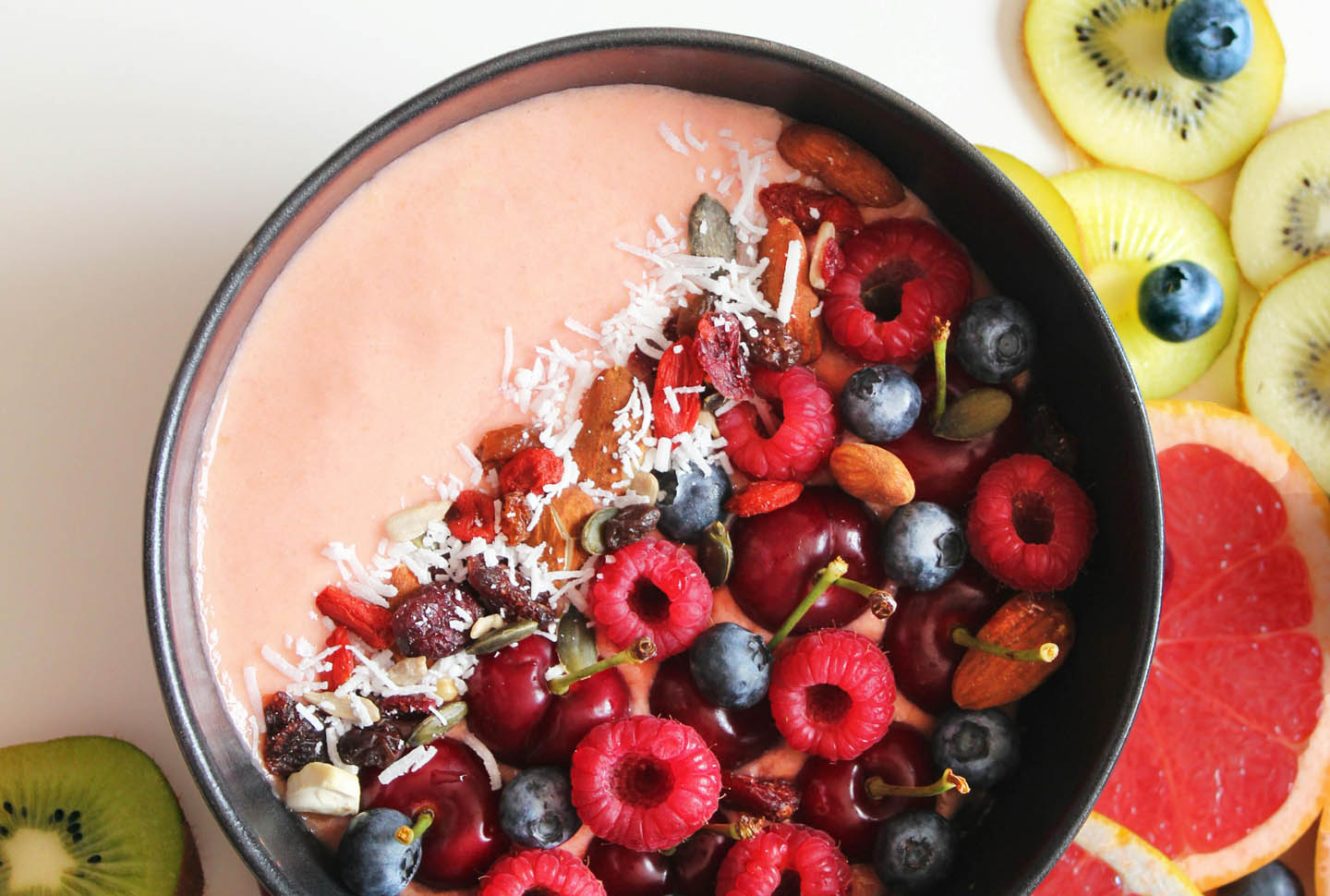
Benefits from an Anti-Inflammatory Diet

November 26, 2023 by Lauren Ball - [rt_reading_time label="Reading Time:" postfix="minutes" postfix_singular="minute"]

Benefits from an Anti-Inflammatory Diet

There is a lot of health buzz around the term “inflammation” right now. From new scientific discoveries((Barney, J. Inflammation discovery could slow aging, prevent age-related diseases. MedicalXPress, July 24, 2023)) to celebrities((Patterson C. Gwyneth Paltrow Addresses ‘Backlash’ Over Anti-Inflammatory Diet, Says She Eats ‘More Than Bone Broth’. People.com March 17, 2023)) and social media influencers, it seems like everyone is talking about this important bodily process and its potential impact on our health.
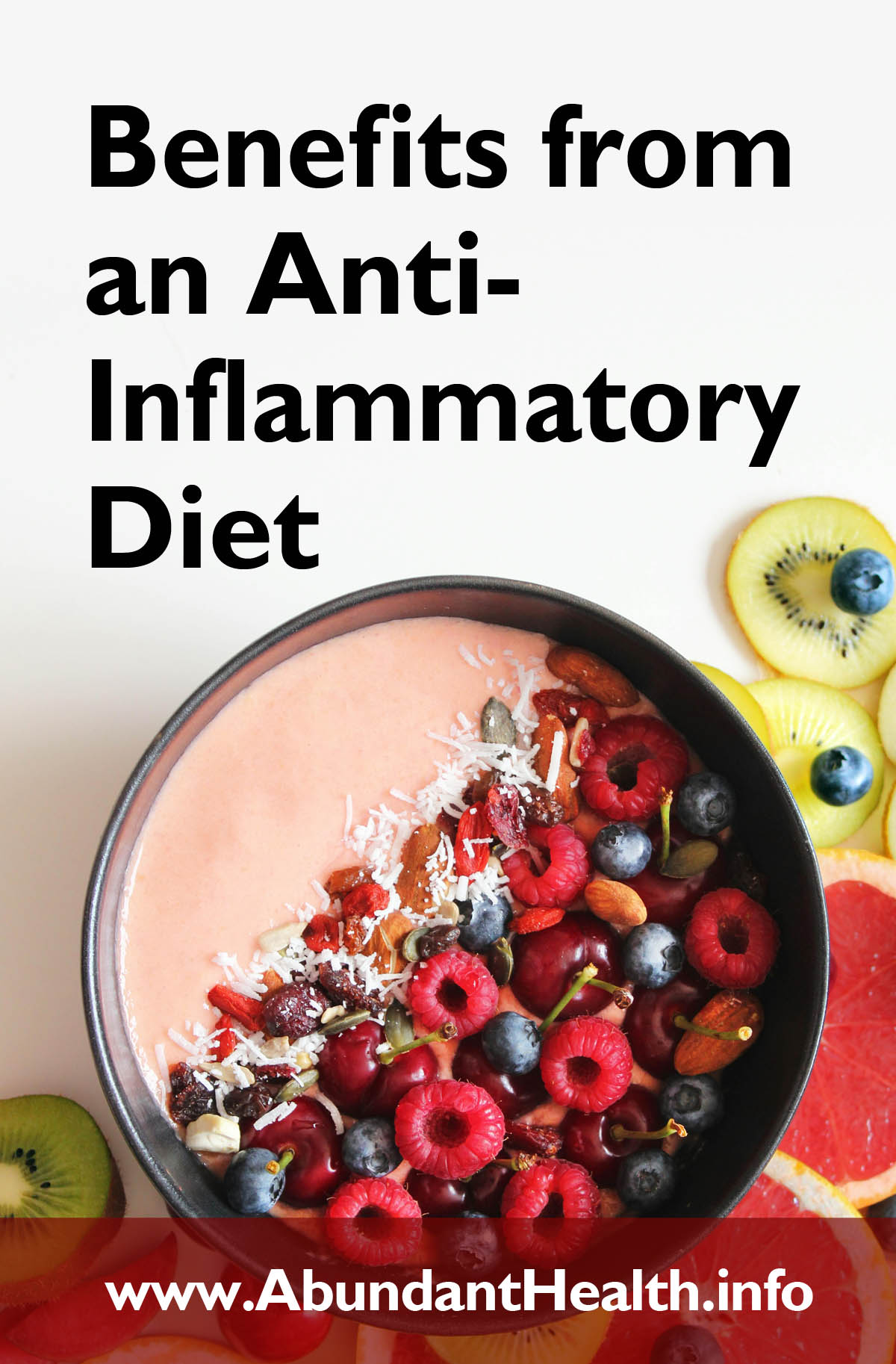
Benefits from an Anti-Inflammatory Diet

“Inflammaging” is a specific term you may also have seen. It’s an age-related increase in persistent, low-grade inflammation in blood and tissue, which is a strong risk factor for many conditions and diseases.((Franceschi, C., Garagnani, P., Parini, P. et al. Inflammaging: a new immune–metabolic viewpoint for age-related diseases. Nat Rev Endocrinol 14, 576–590 (2018). https://doi.org/10.1038/s41574-018-0059-4))

So, can an anti-inflammatory diet help reduce inflammation? Let’s take a look.

What is inflammation?

When our body becomes injured or encounters an infection, it activates defense mechanisms to protect itself. It does this by instructing our cells to fight off the invader. This fighting process causes inflammation, which often presents as swelling, redness and pain.((Furman, D., Campisi, J., Verdin, E. et al. Chronic inflammation in the etiology of disease across the life span. Nat Med 25, 1822–1832 (2019). https://doi.org/10.1038/s41591-019-0675-0))

In the short term, inflammation is a sign your body is healing, whether from a grazed knee or a cold.

If inflammation persists for a longer time it’s called “chronic”. That can indicate a health problem((Schett, G., Neurath, M.F. Resolution of chronic inflammatory disease: universal and tissue-specific concepts. Nat Commun 9, 3261 (2018). https://doi.org/10.1038/s41467-018-05800-6)) such as arthritis, heart disease, diabetes, dementia or other autoimmune disorders.

The signs and symptoms((Pahwa R, Goyal A, Jialal I. Chronic Inflammation. 2023 Aug 7. In: StatPearls [Internet]. Treasure Island (FL): StatPearls Publishing; 2023 Jan–. PMID: 29630225.)) of chronic inflammation may be present from several months to years and include:

  1. persistent pain
  2. chronic fatigue or insomnia
  3. joint stiffness
  4. skin problems
  5. elevated blood markers (such as C-reactive protein)((C-reactive protein (CRP) blood test https://www.healthdirect.gov.au/c-reactive-protein-CRP-blood-test))
  6. gastrointestinal issues (constipation, diarrhoea, acid reflux)
  7. depression, anxiety and mood disorders
  8. unintended weight gain or loss
  9. frequent colds or flu.
Psicossomático - O Corpo Fala

What role does diet play?

The relationship between food and inflammation is well recognized.((Dario Giugliano, Antonio Ceriello, Katherine Esposito, The Effects of Diet on Inflammation: Emphasis on the Metabolic Syndrome, Journal of the American College of Cardiology, Volume 48, Issue 4, 2006, Pages 677-685, ISSN 0735-1097, https://doi.org/10.1016/j.jacc.2006.03.052.)) Overall, some food components may activate the immune system by producing pro-inflammatory cytokines (small proteins important in cell signaling) or reducing inflammation by the production of anti-inflammatory cytokines.

A “pro-inflammatory diet” may increase inflammation in the body over the long term.((Hockey M. Clear evidence for a link between pro-inflammatory diets and 27 chronic diseases. Here’s how you can eat better. The Conversation. April 22, 2021)) Such diets are usually low in fresh produce like fruits, vegetables and wholegrains, and high in commercially baked goods, fried foods, added sugars and red and processed meats.

In contrast, an “anti-inflammatory” diet is associated with less inflammation in the body. There is no single anti-inflammatory diet. Two well-recognized, evidence-backed examples are the Mediterranean diet and the Dietary Approaches to Stop Hypertension (DASH) diet.

Anti-inflammatory diets typically include the following elements:

1. high in antioxidants. These compounds help the body fight free radicals or unstable atoms, that in high quantities are linked to illnesses such as cancer and heart disease. The best way to consume antioxidants is by eating lots of fruits and vegetables. Research shows frozen, dried and canned fruits and vegetables can be just as good as fresh.((Kuhnle G et.al. Frozen and tinned foods can be just as nutritious as fresh produce – here’s how. The Conversation. March 21, 2021))
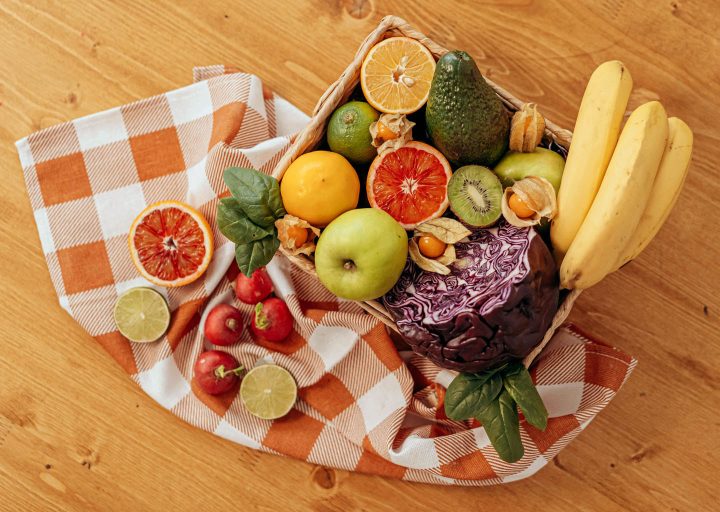
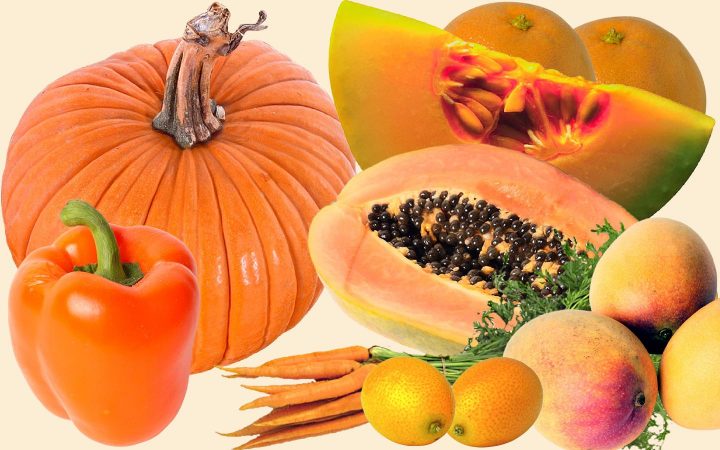
An assortment of colorful, antioxidant rich fruits and vegetables

2. high in “healthy”, unsaturated fatty acids. Monounsaturated fats and omega-3-fatty acids are found in fish, seeds, nuts, and plant-based oils (olive oil and flaxseed oil).

3. high in fiber and prebiotics. Carrots, cauliflower, broccoli and leafy greens are good sources of fiber. Prebiotics promote the growth of beneficial microorganisms in our intestines and can come from onions, leeks, asparagus, garlic, bananas, lentils and legumes.

4. low in processed foods. These contain refined carbohydrates (pastries, pies, sugar-sweetened beverages, deep-fried foods and processed meats).

Rheumatoid arthritis, dementia, depression

There is mixed evidence for the role of anti-inflammatory diets in rheumatoid arthritis pain management. A recent 2021 systematic review (where researchers carefully group and examine the available evidence on a topic) found eating an anti-inflammatory diet likely leads to significantly lower pain in people with rheumatoid arthritis when compared with other diets.((Schönenberger KA, Schüpfer AC, Gloy VL, Hasler P, Stanga Z, Kaegi-Braun N, Reber E. Effect of Anti-Inflammatory Diets on Pain in Rheumatoid Arthritis: A Systematic Review and Meta-Analysis. Nutrients. 2021 Nov 24;13(12):4221. doi: 10.3390/nu13124221.))

However, the 12 studies included in the review had a high risk of bias – likely because people knew they were eating healthy foods – so the confidence in the evidence was low.

A hand from an Arthritis sufferer

Inflammation is strongly implicated in the development of neurodegenerative diseases like Alzheimer’s disease and related dementia((McGrattan AM, McGuinness B, McKinley MC, Kee F, Passmore P, Woodside JV, McEvoy CT. Diet and Inflammation in Cognitive Ageing and Alzheimer’s Disease. Curr Nutr Rep. 2019 Jun;8(2):53-65. doi: 10.1007/s13668-019-0271-4.)) and evidence suggests anti-inflammatory diets might help to protect the brain.

A 2016 review showed an anti-inflammatory diet may be protective against cognitive impairment and dementia, but that further large randomized controlled trials are needed.((Petersson SD, Philippou E. Mediterranean Diet, Cognitive Function, and Dementia: A Systematic Review of the Evidence. Adv Nutr. 2016 Sep 15;7(5):889-904. doi: 10.3945/an.116.012138.)) A 2021 study followed 1,059 people for three years and observed their diet. They reported those with a greater pro-inflammatory diet had an increased risk of developing dementia.((Charisis S, Ntanasi E, Yannakoulia M, Anastasiou CA, Kosmidis MH, Dardiotis E, Gargalionis AN, Patas K, Chatzipanagiotou S, Mourtzinos I, Tzima K, Hadjigeorgiou G, Sakka P, Kapogiannis D, Scarmeas N. Diet Inflammatory Index and Dementia Incidence: A Population-Based Study. Neurology. 2021 Dec 14;97(24):e2381-e2391. doi: 10.1212/WNL.0000000000012973.))

Inflammation has also been linked with mental health, with people eating a pro-inflammatory diet reporting more symptoms of depression.((Adjibade M, Lemogne C, Touvier M, Hercberg S, Galan P, Assmann KE, Julia C, Kesse-Guyot E. The Inflammatory Potential of the Diet is Directly Associated with Incident Depressive Symptoms Among French Adults. J Nutr. 2019 Jul 1;149(7):1198-1207. doi: 10.1093/jn/nxz045.)) Diet is the fundamental element of lifestyle approaches to managing anxiety and mental health.((Manger S. Lifestyle interventions for mental health. doi: 10.31128/AJGP-06-19-4964))

More broadly, a 2021 review paper examined recent research related to anti-inflammatory diets and their effect on reducing inflammation associated with aging. It found compounds commonly found in anti-inflammatory diets could help alleviate the inflammatory process derived from diseases and unhealthy diets.((Stromsnes K, Correas AG, Lehmann J, Gambini J, Olaso-Gonzalez G. Anti-Inflammatory Properties of Diet: Role in Healthy Aging. Biomedicines. 2021; 9(8):922. https://doi.org/10.3390/biomedicines9080922))

What about turmeric?

A favorite on social media and vitamin shelves, turmeric is promoted as having anti-inflammatory benefits. These are linked to a specific compound called curcumin, which gives turmeric its distinctive yellow color.((Amalraj A, Pius A, Gopi S, Gopi S. Biological activities of curcuminoids, other biomolecules from turmeric and their derivatives – A review. J Tradit Complement Med. 2016 Jun 15;7(2):205-233. doi: 10.1016/j.jtcme.2016.05.005.))
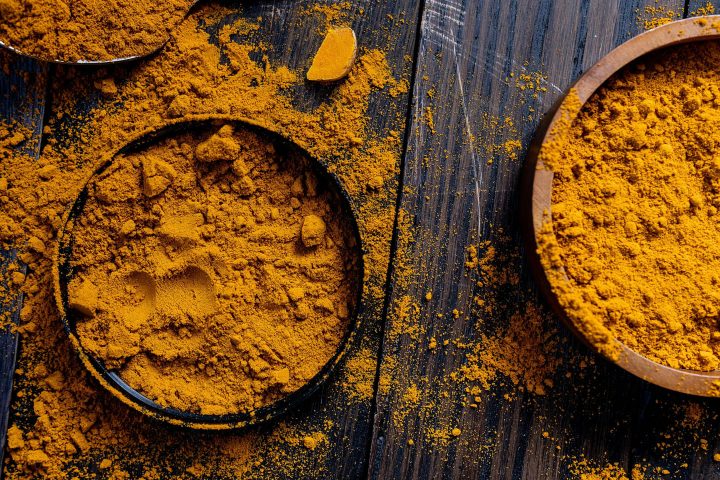
Tumeric powder

Research suggests curcumin might act as an anti-inflammatory agent in the body but high-quality clinical trials in humans are lacking.((Basnet P, Skalko-Basnet N. Curcumin: An Anti-Inflammatory Molecule from a Curry Spice on the Path to Cancer Treatment. Molecules. 2011; 16(6):4567-4598. https://doi.org/10.3390/molecules16064567)) Most of the existing studies have been conducted in lab settings using cells((Chowdhury, I, Banerjee, S, Driss, A, et al. Curcumin attenuates proangiogenic and proinflammatory factors in human eutopic endometrial stromal cells through the NF-κB signaling pathway. J Cell Physiol. 2019; 234: 6298–6312. https://doi.org/10.1002/jcp.27360)) or in animals.((Sarker MR, Franks S, Sumien N, Thangthaeng N, Filipetto F, Forster M. Curcumin Mimics the Neurocognitive and Anti-Inflammatory Effects of Caloric Restriction in a Mouse Model of Midlife Obesity. PLoS One. 2015 Oct 16;10(10):e0140431. doi: 10.1371/journal.pone.0140431.)) So it’s unclear how much curcumin is needed to see anti-inflammatory benefits or how well we absorb it.((Hewlings SJ, Kalman DS. Curcumin: A Review of Its Effects on Human Health. Foods. 2017 Oct 22;6(10):92. doi: 10.3390/foods6100092.))

Overall, adding turmeric to your food may provide your body with some health benefits, but don’t rely on it to prevent or treat disease on its own.

Safe eating

Inflammation is a major factor in the link between diet and many health conditions.

Eating an anti-inflammatory diet is considered safe, likely to support health and to prevent future chronic conditions. If you are looking for tailored dietary advice or an anti-inflammatory meal plan, it’s best to speak with an accredited practicing dietitian.
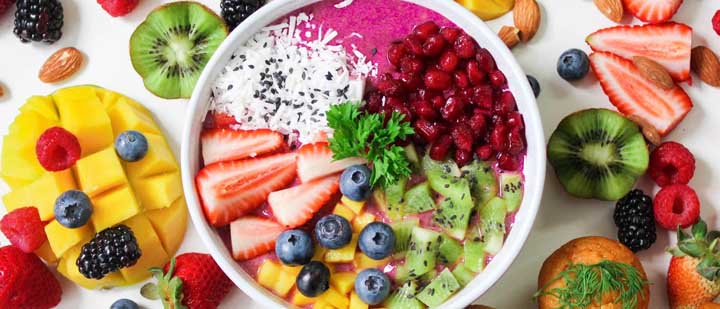
Healthy Fruits

Stay Always Up to Date

Sign up to our newsletter and stay always informed with news and tips around your health.

Sign Up Now!

Filed Under: Diseases, Nutrition Tagged With: anti-inflammatory diet, arthritis, tumeric

Four Habits That Can Reduce Your Stress Levels

November 19, 2023 by Martin Neumann - [rt_reading_time label="Reading Time:" postfix="minutes" postfix_singular="minute"]

4 Habits That Can Reduce Your Stress Levels

We all have habits. Some of those habits are more helpful for us than others. What if yours could help you to control your stress?

4 Habits That Can Reduce Your Stress Levels

We are all exposed to stress. It becomes problematic if we are facing high levels of chronic stress. Some of us face more stress than others. For instance, if you’re in a particularly challenging job, or you’re struggling with your relationship, you might find that your stress levels are overly high.

The good news? There are simple things you can do to reduce your stress levels!

Here are 4 simple stress-reducing habits to develop:

Journaling

Journaling is an often-underestimated practice. Writing down your thoughts and feelings helps you to organize them more effectively. This can also help with processing complex ideas or coming up with creative solutions for your challenges.

  • There are tons of ways to get started with journaling. Some people simply grab a notepad and a pen and get to it. Others prefer using journaling apps that come with prompts to guide them. It’s all about finding what works for you.
  • You can use many different styles. Some like to write in the format of a letter to themselves or someone they have issues with. That can help to let go of traumatic events of the past. You can also write down some keywords or abstract thoughts. Choose any format that works for you.
  • If you don’t want to waste paper, or simply prefer typing, don’t worry. You can create your journal just as well on your computer.
A woman sitting in a lawn writing a journal

Exercise

If you’re constantly facing high levels of stress, you might think you don’t have time to exercise. After long days at work or tough days looking after the kids, sometimes all you want to do is sit down and relax.

  • While there’s nothing wrong with taking a break, it does help to get more physical activity into your schedule whenever you can. Making a regular dose of exercise part of your daily schedule could make a huge impact on your life.
  • You could do something simple, like walking the dog or taking a bike ride. Or you could look into joining health classes and learning how to do something new. There are even classes you can take online these days.
  • Exercise is great for boosting endorphins, strengthening self-esteem, and protecting you against a range of ailments.
  • Try to get in an exercise block close to your stressor. If you had a stressful phone call, get up and run three times around the block. Get a walk just before going to work if you expect some stressful events to happen that day.
A couple walking at the beach

Enjoy some music

Here’s a hobby we can probably all get behind. Who doesn’t love music?

  • Music is capable of influencing our mood. It can make us feel motivated or relaxed. Therapists and medical professionals often recommend listening to music for its health-enhancing properties.
  • Music can be a fantastic way to relieve stress, physically and emotionally, and it can even reduce your stress perception, by allowing you to relax more completely.
  • There are tons of ways to add a little music to your day. You can play your favorite songs on your commute to work or just play some music in the background when you’re cooking in the kitchen.
  • Choose wisely the music you use at every occasion. Different music styles can produce different effects on the body. Choose a music that will fit the occasion and is aligned with your personal taste. It will help you to reduce your stress levels and give a boost to your mood.
A woman with headphones listening to relaxing music

Socialize

Finally, it’s worth remembering from time to time that human beings are social creatures. When we’re feeling sad, stressed, or less than our best, it’s common to want to isolate. However, the best thing you can usually do during these difficult times is to connect with others.

  • You don’t need to be face-to-face to feel the benefits. Whenever possible you can give a friend or family member a call or video chat with them.
  • If you do happen to have access to someone nearby that you love, arrange to have a cup of tea with them or just give them a hug the next time you’re nearby.
  • Remembering that you’re not in this alone is great for your mood, and socializing can significantly strengthen your confidence too.

Instilling these enjoyable habits into your daily routines will have a positive impact on your life, while greatly reducing your stress levels. Try it! You’ll like it!

Do you need a guide to help you understand how to cope with Stress in an all inclusive approach? Learn how to combat stress, mentally, physically, emotionally and strategically in your life.

Get Me the Guide

Filed Under: Mental Health, Stress Management Tagged With: exercise, journaling, music, socializing

From An Apple a Day to Functional Foods

November 12, 2023 by Janet Colson - [rt_reading_time label="Reading Time:" postfix="minutes" postfix_singular="minute"]

From An Apple a Day to Functional Foods

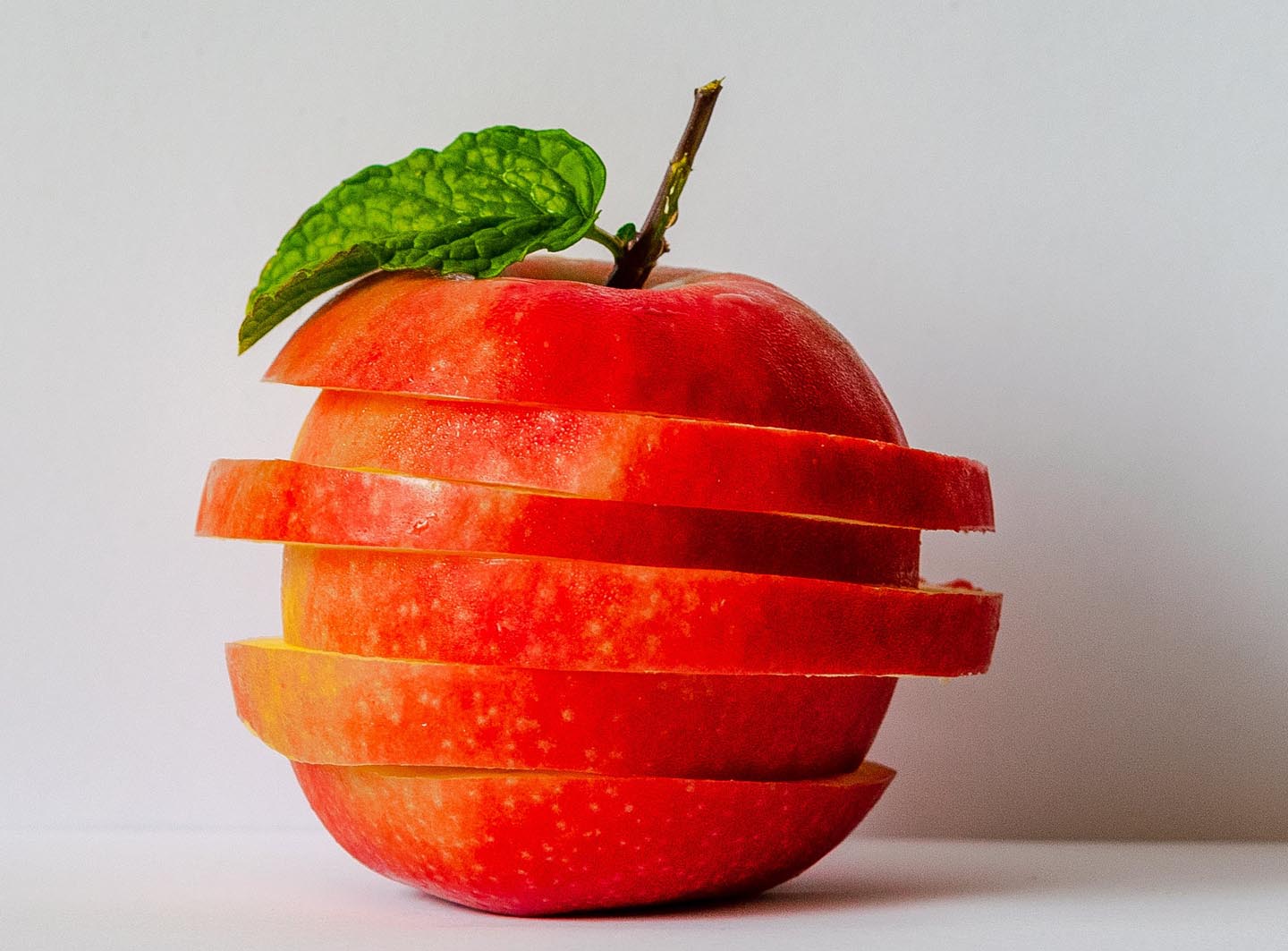
We’ve all heard that an apple a day keeps the doctor away, but how true is that?

From An Apple a Day to Functional Foods

Apples are not high in vitamin A, nor are they beneficial for vision like carrots. They are not a great source of vitamin C and therefore don’t fight off colds as oranges do.

However, apples contain various bioactive substances – natural chemicals that occur in small amounts in foods and that have biological effects in the body.((Nezbedova L, McGhie T, Christensen M, Heyes J, Nasef NA, Mehta S. Onco-Preventive and Chemo-Protective Effects of Apple Bioactive Compounds. Nutrients. 2021; 13(11):4025. https://doi.org/10.3390/nu13114025)) These chemicals are not classified as nutrients like vitamins. Because apples contain many health-promoting bioactive substances, the fruit is considered a “functional” food.((Functional Food. ScienceDirect Index Page))

For years, I have taught university classes on nutrients such as vitamins, minerals, carbs, proteins and fats. But recently I developed a course specifically on functional foods. The class explores the various bioactive substances in food and how some may even function like a medicine.

Functional foods defined

Functional foods are not the same as superfoods. “Superfood” is a buzzword marketers use to promote foods like kale, spinach and blueberries. Labeling them as “super” appeals to the public and increases sales. But superfood is generally meant to imply a food that has superior nutritional value and that is high in nutrients that are beneficial for health.((Cobos Á, Díaz O. ‘Superfoods’: Reliability of the Information for Consumers Available on the Web. Foods. 2023; 12(3):546. https://doi.org/10.3390/foods12030546)) For example, salmon and tuna are considered superfoods because the omega-3 fats they contain have been linked to heart health.((Yang Hu et. al. Marine Omega‐3 Supplementation and Cardiovascular Disease: An Updated Meta‐Analysis of 13 Randomized Controlled Trials Involving 127 477 Participants. DOI: 10.1161/JAHA.119.013543))

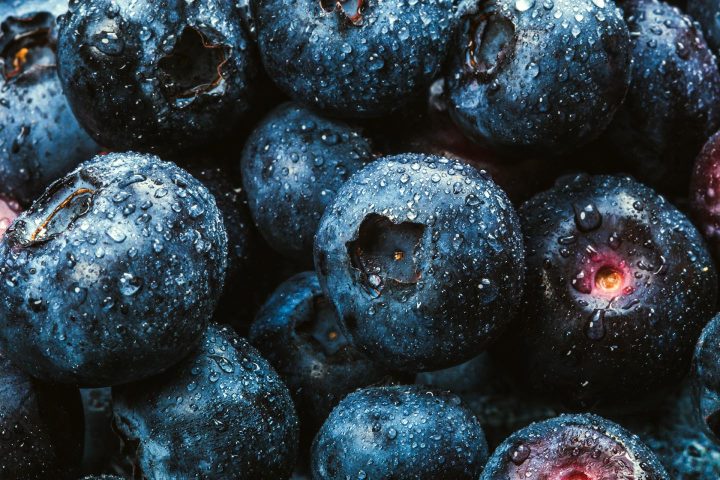
Close up of fresh blueberries

Superfood advertisements claim that eating the food will improve some aspect of health. The problem is that most of those claims are not based on scientific research like the criteria for functional foods are.((Prakash Singh M et.al. Superfood: Value and Need. DOI: 10.2174/1573401317666210420123013))

In addition to the nutrients that our bodies need for growth and development, functional foods contain a variety of bioactive substances, each with a unique function in the body. The bioactive substances can be found naturally in foods or added during processing.((Funcional Food Center: https://www.functionalfoodscenter.net/))

The list of bioactive components in foods grows daily as research expands. Though the components themselves are not new, the evidence-based research confirming their health benefits is.((Samtiya M, Aluko RE, Dhewa T, Moreno-Rojas JM. Potential Health Benefits of Plant Food-Derived Bioactive Components: An Overview. Foods. 2021; 10(4):839. https://doi.org/10.3390/foods10040839))

The carotenoids are the most easily recognizable examples of bioactive substances. They are a group of 850 different pigments that give yellow, orange and red fruits and vegetables their color.((Maoka, T. Carotenoids as natural functional pigments. J Nat Med 74, 1–16 (2020). https://doi.org/10.1007/s11418-019-01364-x)) Carotenoids primarily function as antioxidants, which means they promote health by helping to prevent damage to the body’s cells. Various individual carotenoids may function in different ways.

Beta-carotene is the most well-known carotenoid because of the high amounts found in carrots.((Sharma, K.D., Karki, S., Thakur, N.S. et al. Chemical composition, functional properties and processing of carrot—a review. J Food Sci Technol 49, 22–32 (2012). https://doi.org/10.1007/s13197-011-0310-7)) Beta-carotene converts to vitamin A in the body after we consume it. Vitamin A is needed for normal vision.

Lutein and zeaxanthin are the yellow carotenoids found in corn and peppers. The two help support vision, especially among older adults.((Buscemi S, Corleo D, Di Pace F, Petroni ML, Satriano A, Marchesini G. The Effect of Lutein on Eye and Extra-Eye Health. Nutrients. 2018; 10(9):1321. https://doi.org/10.3390/nu10091321))

Research suggests that the carotenoids from foods and the other categories of bioactive substances may help prevent certain cancers and improve heart health.((Câmara JS, Albuquerque BR, Aguiar J, Corrêa RCG, Gonçalves JL, Granato D, Pereira JAM, Barros L, Ferreira ICFR. Food Bioactive Compounds and Emerging Techniques for Their Extraction: Polyphenols as a Case Study. Foods. 2021; 10(1):37. https://doi.org/10.3390/foods10010037)) It’s important to note that carotenoid-rich fruits and vegetables are associated with reduced risks of cardiovascular disease and some cancers but that carotenoids in supplements offer fewer benefits.((Black HS, Boehm F, Edge R, Truscott TG. The Benefits and Risks of Certain Dietary Carotenoids that Exhibit both Anti- and Pro-Oxidative Mechanisms—A Comprehensive Review. Antioxidants. 2020; 9(3):264. https://doi.org/10.3390/antiox9030264))

History of the functional food movement

Though the adage about apples and health originated in the 1800s,((Davis MA, Bynum JPW, Sirovich BE. Association Between Apple Consumption and Physician Visits: Appealing the Conventional Wisdom That an Apple a Day Keeps the Doctor Away. JAMA Intern Med. 2015;175(5):777–783. doi:10.1001/jamainternmed.2014.5466)) nutrition is a relatively young science – and the idea of functional foods and bioactive components is even younger.

From the early 1900s to the 1970s, nutrition research focused on vitamin deficiencies. The public was encouraged to eat more vitamin-fortified, processed foods to prevent nutrient deficiency diseases like scurvy, which is caused by a severe vitamin C deficit, or rickets, caused by prolonged vitamin D deficiency.

This emphasis on eating in order to correct nutrient deficiencies had the tendency to cause people to focus on certain nutrients, which can contribute to overeating.((Mozaffarian D, Rosenberg I, Uauy R. History of modern nutrition science—implications for current research, dietary guidelines, and food policyBMJ 2018; 361 :k2392 doi:10.1136/bmj.k2392)) This, combined with an increased availability of highly processed foods, resulted in weight gain, which led to increased rates of diabetes, high blood pressure and heart disease.((David S Ludwig et.al. The carbohydrate-insulin model: a physiological perspective on the obesity pandemic. https://doi.org/10.1093/ajcn/nqab270.))

In 1980, the U.S. government published the first dietary guidelines that encouraged people to avoid fat, sugar and salt.((1980 Dietary Guidelines for Americans.)) Public health messaging encouraged people to replace fatty foods with starchy foods such as breads and pasta.

The logic of this recommendation was that if people consume less fat, they should increase their calories from carbohydrates to ensure adequate calories. That nutritional advice contributed to((Mozaffarian D, Rosenberg I, Uauy R. History of modern nutrition science—implications for current research, dietary guidelines, and food policyBMJ 2018; 361 :k2392 doi:10.1136/bmj.k2392)) the skyrocketing obesity((Controlling the global obesity epidemic. WHO)) and diabetes rates((The Facts, Stats, and Impacts of Diabetes. CDC)) that continue today.((Global, regional, and national burden of diabetes from 1990 to 2021, with projections of prevalence to 2050: a systematic analysis for the Global Burden of Disease Study 2021. https://doi.org/10.1016/S0140-6736(23)01301-6))

Japan’s focus on foods for health

Historically, the Japanese were one of the healthiest populations on Earth.((Tsugane, S. Why has Japan become the world’s most long-lived country: insights from a food and nutrition perspective. Eur J Clin Nutr 75, 921–928 (2021). https://doi.org/10.1038/s41430-020-0677-5)) However, as the 21st century approached, many Japanese people had adopted the American diet and developed health problems similar to those in the U.S.((Teramoto T. “Japan Diet” and Health—The Present and Future. DOI: https://doi.org/10.3177/jnsv.65.S29))

Three Japanese ladies in traditional outfit strolling a street

As a result, the Japanese government became concerned about its citizens’ expanding waistlines and declining health.((Hasegawa, M, Akter, S, Hu, H, et al. Five-year cumulative incidence of overweight and obesity, and longitudinal change in body mass index in Japanese workers: The Japan Epidemiology Collaboration on Occupational Health Study. J Occup Health. 2020; 62:e12095. https://doi.org/10.1002/1348-9585.12095)) To correct this problem, Japan became the first country to introduce the concept of functional foods in the 1980s.((Soichi ARAI, Toshihiko OSAWA, Hajime OHIGASHI, Masaaki YOSHIKAWA, Shuichi KAMINOGAWA, Michiko WATANABE, Tadashi OGAWA, Kazuyoshi OKUBO, Shaw WATANABE, Hoyoku NISHINO, Kazuki SHINOHARA, Takatoshi ESASHI, Tsuneo HIRAHARA, A Mainstay of Functional Food Science in Japan—History, Present Status, and Future Outlook, Bioscience, Biotechnology, and Biochemistry, Volume 65, Issue 1, 1 January 2001, Pages 1–13, https://doi.org/10.1271/bbb.65.1
Shun Iwatani, Naoyuki Yamamoto. Functional food products in Japan: A review. https://doi.org/10.1016/j.fshw.2019.03.011.))

Today, Japan uses the phrase “Food for Specialized Health Uses” for products that can be scientifically shown to promote health.((Food for Specified Health Uses (FOSHU). Ministry of Health, Labour and Welfare))

It has paid off. Japan has more than 1,000 foods and beverages approved as food for specialized health uses,((“Reversal phenomenon”: Japan’s Food with Functional Claims market set for new record as FOSHU launches slip. NutraIngredients Asia)) such as hypoallergenic rice.((Swinbanks, D., O’Brien, J. Japan explores the boundary between food and medicine. Nature 364, 180 (1993). https://doi.org/10.1038/364180a0)) Rice allergies, though uncommon, are a major problem for Japanese people who have them because rice is a staple food.

About half of Japan’s health claims relate to improving digestion using bioactive prebiotic dietary fibers.

The bioactive components in apples

An apple’s natural dietary fibers are one of the bioactive components that lead to its being classified as a functional food. The fiber pectin is found mainly in an apple’s pulp.

Pectin functions to reduce the amount of sugar and fat that is absorbed into the body.((Kim Sun Jo et.al. Metabolic and Cardiovascular Benefits of Apple and Apple-Derived Products: A Systematic Review and Meta-Analysis of Randomized Controlled Trials. DOI: 10.3389/fnut.2022.766155)) This helps reduce the risk of diabetes and heart disease.

Apple peels are also packed with fiber that acts as a laxative.

In addition, apples contain high amounts of natural chemicals known as polyphenols that have vital roles in promoting health and reducing chronic disease.((Cory H et.al. The Role of Polyphenols in Human Health and Food Systems: A Mini-Review. DOI: 10.3389/fnut.2018.00087)) More than 8,000 polyphenols have been identified in various plant foods. Because they are mainly in the peel, whole apples are better sources of polyphenols than juice or applesauce.((Francini A, Sebastiani L. Phenolic Compounds in Apple (Malusx domesticaBorkh.): Compounds Characterization and Stability during Postharvest and after Processing. Antioxidants. 2013; 2(3):181-193. https://doi.org/10.3390/antiox2030181))

Anthocyanins((Mattioli R, Francioso A, Mosca L, Silva P. Anthocyanins: A Comprehensive Review of Their Chemical Properties and Health Effects on Cardiovascular and Neurodegenerative Diseases. Molecules. 2020; 25(17):3809. https://doi.org/10.3390/molecules25173809)) are a subclass of the polyphenols that give the apple peel much of its red color.((Espley, R.V., Hellens, R.P., Putterill, J., Stevenson, D.E., Kutty-Amma, S. and Allan, A.C. (2007), Red colouration in apple fruit is due to the activity of the MYB transcription factor, MdMYB10. The Plant Journal, 49: 414-427. https://doi.org/10.1111/j.1365-313X.2006.02964.x)) Diets high in anthocyanins help improve heart health((Taylor C Wallace. Anthocyanins in Cardiovascular Disease. https://doi.org/10.3945/an.110.000042)) and are being studied for use in treating Alzheimer’s disease.((Swathi Suresh, Rukaiah Fatma Begum, Ankul Singh S, Chitra V. Anthocyanin as a therapeutic in Alzheimer’s disease: A systematic review of preclinical evidences. https://doi.org/10.1016/j.arr.2022.101595))

Another of the primary polyphenols in apples is phloridzin.((Niederberger, K., Tennant, D., & Bellion, P. (2020). Dietary intake of phloridzin from natural occurrence in foods. British Journal of Nutrition, 123(8), 942-950. doi:10.1017/S0007114520000033)) Researchers have studied the role of phloridzin in helping to control blood glucose for more than 100 years.((Pavy, F. W., Brodie, T. G., Siau, R. L., (1903), On the mechanism of phloridzin glycosuria. The Journal of Physiology, 29 doi: 10.1113/jphysiol.1903.sp000969.)) Recent studies confirm that it plays an important role in regulating blood glucose levels by decreasing the amount of glucose absorbed from the small intestine and increasing excretion from the kidneys.((Mena, P., Crozier, A., Williamson, G., Effects of Polyphenols on Glucose-Induced Metabolic Changes in Healthy Human Subjects and on Glucose Transporters. Mol. Nutr. Food Res.2022, 66, 2101113. https://doi.org/10.1002/mnfr.202101113))

Revisiting the original question

So if apples are functional foods that promote health, do they really help keep the doctor away?

Researchers have tried to figure this out. One U.S. team analyzed the apple-eating patterns and number of doctor visits among more than 8,000 adults. Of those, about 9% ate one apple daily. Once adjusted for demographic and health-related factors, the researchers found that the daily apple eaters used marginally fewer prescription medications than the non-apple eaters. But the number of doctor’s visits was about the same between the two groups.((Davis MA, Bynum JPW, Sirovich BE. Association Between Apple Consumption and Physician Visits: Appealing the Conventional Wisdom That an Apple a Day Keeps the Doctor Away. JAMA Intern Med. 2015;175(5):777–783. doi:10.1001/jamainternmed.2014.5466))

If one apple a day is not enough to make us healthy, what about eating two or three?

A group of European researchers found that eating two apples a day improved heart health in 40 adults.((Athanasios Koutsos, Samantha Riccadonna, Maria M Ulaszewska, Pietro Franceschi, Kajetan Trošt, Amanda Galvin, Tanya Braune, Francesca Fava, Daniele Perenzoni, Fulvio Mattivi, Kieran M Tuohy, Julie A Lovegrove. Two apples a day lower serum cholesterol and improve cardiometabolic biomarkers in mildly hypercholesterolemic adults: a randomized, controlled, crossover trial. https://doi.org/10.1093/ajcn/nqz282.)) And Brazilian investigators found that eating three apples daily improved weight loss and blood glucose levels in 40 overweight women.

While eating an apple a day won’t necessarily cut down substantially on prescription medications or doctors visits, it could be one step in the direction of making the transition to eating more healthful, fiber-filled, whole foods.

Apples require no cooking or refrigeration at least for a week or so, and one red delicious apple costs about 50 U.S. cents.

So next time you are in the grocery store, grab some apples and – if you feel like it – try eating at least one a day.

Healthy Fruits

Stay Always Up to Date

Sign up to our newsletter and stay always informed with news and tips around your health.

Sign Up Now!

This article is republished from The Conversation under a Creative Commons license. Read the original article.

The Conversation

Filed Under: Nutrition Tagged With: functional foods, Phytochemicals

Save that Avocado Seed for Your Next Cup of Tea

November 5, 2023 by Cheryl Silvera - [rt_reading_time label="Reading Time:" postfix="minutes" postfix_singular="minute"]

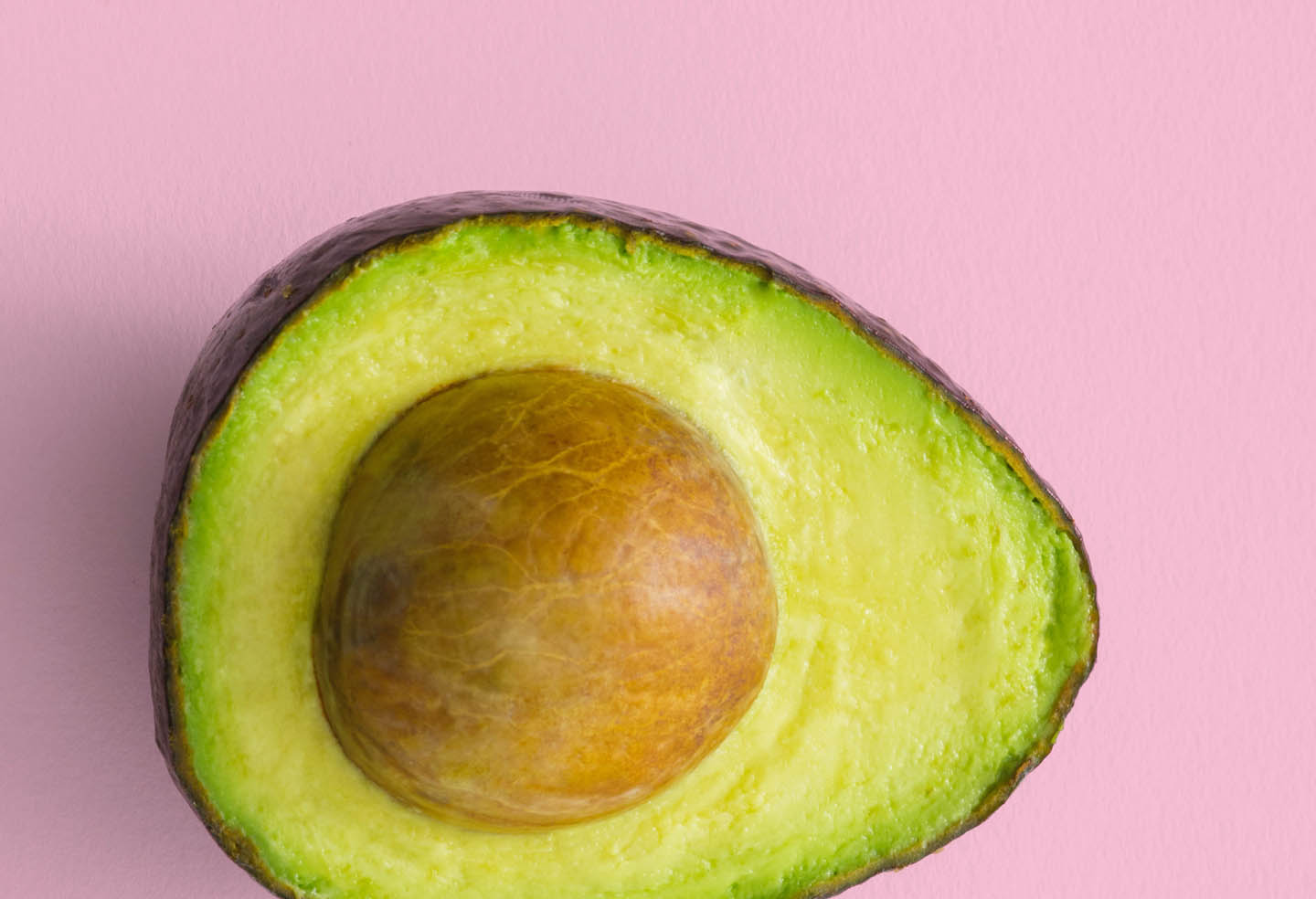
Avocado Seed

Growing up on the island of Jamaica, Avocados (called “pear” by most Jamaicans), while in season, were a staple at almost every meal. We were chasing through the brush to bring back the prized Pear to our families or simply sit and eat as friends. Everyone in the district knew where a Pear tree was to be found and avidly watched it for the ripening fruit.

Save that Avocado Seed for Your Next Cup of Tea

Typically, we would have Pear and green bananas for breakfast with whatever vegetable was at hand, callaloo (a cousin to spinach) or cabbage. Pear and bread for Lunch. Pear and rice for dinner. According to the Jamaican Rural Agricultural Development Authority, the “Most common varieties grown are Simmonds, ripening in the summer months, and Collinson, Lula ripening in December to February.”((https://rada.gov.jm/post-harvest-management-avocado)) Whatever the growing season for avocado in your region of the world they are well loved by most people.

The avocado pear belongs to the plant group Persea Americana and is found in almost all kitchens. Traditionally only the creamy, buttery yellowish-green flesh is eaten. “It’s fruit, sometimes also referred to as an alligator or avocado pear, is botanically a large berry containing a single large seed.”((https://en.wikipedia.org/wiki/Avocado)) It is, therefore, one of those foods mentioned in the Bible as good for food.

God said to the first created man, Adam, “Behold, I have given you every plant yielding seed that is on the face of all the earth, and every tree with seed in its fruit. You shall have them for food” (Genesis 1:29).

Another look at the humble Avocado Seed

“Current research has shown that avocado seeds may improve hypercholesterolemia,((Hypercholesterolemia, also called high cholesterol)) and be useful in the treatment of hypertension, inflammatory conditions and diabetes.” In addition, the research further states, “Seeds have also been found to possess insecticidal, fungicidal, and anti-microbial activities. The avocado seeds are rich in phenolic compounds.”((https://pubmed.ncbi.nlm.nih.gov/23448442/
Dabas D, Shegog RM, Ziegler GR, Lambert JD. Avocado (Persea americana) seed as a source of bioactive phytochemicals. Curr Pharm Des. 2013;19(34):6133-40. doi: 10.2174/1381612811319340007. PMID: 23448442.))

What are the phenolic benefits? Research on antioxidants states, “… phenolic compound in plants exerts diverse pharmacological effects, including antioxidant, antibacterial, antiviral, anticancer, anti-inflammatory, anti-aging, and anti-arteriosclerotic activities.”((Matsumura Y, Kitabatake M, Kayano S-i, Ito T. Dietary Phenolic Compounds: Their Health Benefits and Association with the Gut Microbiota. Antioxidants. 2023; 12(4):880. https://doi.org/10.3390/antiox12040880))

So, the next time you are tempted to throw out the avocado seed. Think again and upcycle for your health.

Making the tea

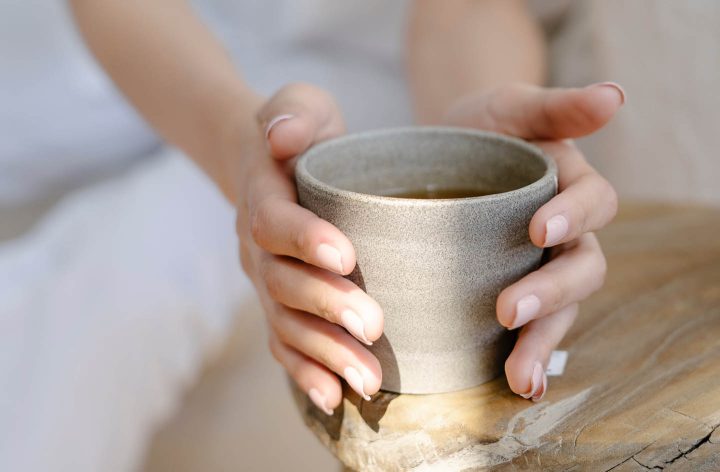
To make the tea, air-dry the avocado seed, keeping the membrane and using it also. Grate the dried seed and add to boiling water. 4 cups of water to a seed are the usual ratio. Alternatively, adding the whole seed to the boiling water, then removing it after a few minutes to chop it into smaller pieces is also a good way to go.

A cup of tea

Further benefits of Avocado

The overall health benefits of Avocados are worth noting. While I typically write on brain health, the body is a whole and not to be separated simply by brain food and benefits to the other parts. However, that being said, the brain benefits from nutrients found in avocados.

B-vitamins

Most plant-based eaters must be mindful of their B-vitamins—deficiencies in B-vitamins can lead to various health complications. Avocados are rich in B6. A deficiency in B6 is linked to declining cognition.((https://pubmed.ncbi.nlm.nih.gov/14584010/))

Antioxidant Vitamins

Avocado fruit is a good source of vitamin C.((USDA (U.S. Department of Agriculture) Avocado, almond, pistachio and walnut Composition. Nutrient Data Laboratory. USDA National Nutrient Database for Standard Reference, Release 24. Washington, DC: U.S. Department of Agriculture; 2011.)) Vitamin C acts as one of the neuron transporters in the brain.((Harrison FE, May JM. Vitamin C function in the brain: vital role of the ascorbate transporter SVCT2. Free Radic Biol Med. 2009 Mar 15;46(6):719-30. doi: 10.1016/j.freeradbiomed.2008.12.018. Epub 2009 Jan 6. PMID: 19162177; PMCID: PMC2649700.))

Potassium

The potassium found in an Avocado may control blood pressure. Potassium may help ward off dementia.((Vintimilla RM, Large SE, Gamboa A, Rohlfing GD, O’Jile JR, Hall JR, O’Bryant SE, Johnson LA. The Link between Potassium and Mild Cognitive Impairment in Mexican-Americans. Dement Geriatr Cogn Dis Extra. 2018 Apr 24;8(1):151-157. doi: 10.1159/000488483. PMID: 29805381; PMCID: PMC5968281.))

Phenolics

Avocado fruit phenolics may reduce oxidative and inflammatory stress, enhancing blood flow to help maintain vascular health. Good vein health is good brain health as the veins take the blood to the brain.

Eye Health

Avocados may contribute to eye health. Avocados contain lutein which is expected to be more highly bioavailable than most other fruit and vegetable sources. Lutein also improves cognition in brain health.((Yagi A, Nouchi R, Butler L, Kawashima R. Lutein Has a Positive Impact on Brain Health in Healthy Older Adults: A Systematic Review of Randomized Controlled Trials and Cohort Studies. Nutrients. 2021 May 21;13(6):1746. doi: 10.3390/nu13061746. PMID: 34063827; PMCID: PMC8223987.))

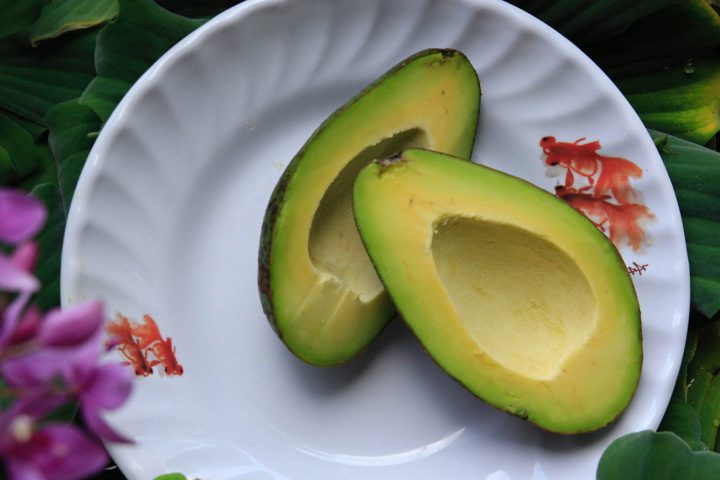
A tasty cut avocado

 The Magnesium connection

Let us have a look at the magnesium connection for brain health. “Magnesium assists with neurological pathways that, when not functioning correctly, are believed to lead to mood disorders like depression and anxiety. Several observational studies have linked lower magnesium levels with increased depression.”((https://www.hsph.harvard.edu/nutritionsource/magnesium/))

Also, the Signs of deficiency of Magnesium may include:

  • Fatigue, weakness
  • Poor appetite
  • Nausea, vomiting
  • Numbness or tingling in the skin
  • Muscle cramps
  • Seizures
  • Abnormal heart rate

Call to Action

In writing about the health benefits of God’s plants, we emphasize taking care of our bodies because it is the temple of God (1 Corinthians 6:19).

Sadly, we often wait until something is wrong before we attend to our health needs. The adage “If it ain’t broke, don’t fix it!” should not be our mainstay regarding our health. The Word of God, the Bible, asks us to offer our best to the Master and to keep our bodies in the best health (Proverbs 3:9). When God has spared our lives to share the gospel, more is asked of us in the care of our bodies (Luke 12:48). Let’s prepare for the coming of the Lord as if it is the last day to get it right with our health. Pray. Trust God. Eat to the glory of God (1 Corinthians 10:31) and be well.

Healthy Fruits

Stay Always Up to Date

Sign up to our newsletter and stay always informed with news and tips around your health.

Sign Up Now!

This article was originally published on the Time to Get Ready website.

Filed Under: Herbs, Nutrition, Therapies

Primary Sidebar

Social Channels

Coronavirus Immunity Challenge

Boost your immune system to be bullet-proof for the pandemic.

I Want to Participate

Recent Posts

  • 5 Habits to Live Longer
  • Better Sleep Can Protect Against Dementia
  • Finding Peace In Your Crazy-Busy World
  • Flaxseed – An Ancient Plant Rediscovered
  • Platelets – Triggers for Life or Death
  • Boderline Personality Disorder
  • In Praise of Almonds and Nuts
  • Are You Stuck in the Clutter Trap?

Categories

  • Body Systems (16)
    • Cell Function (2)
    • Circulatory System (1)
    • Digestive Tract (10)
    • Immune System (4)
  • Diseases (27)
    • Cancer (2)
    • Cold (1)
    • COVID-19 (11)
    • Dementia (1)
    • Diabetes (1)
    • Digestive Diseases (2)
    • Heart Disease (2)
    • Kidneys (1)
    • Metabolic Syndrome (2)
    • Skin (1)
  • Healthy Lifestyle (42)
    • Exercise (11)
    • Gardening (2)
    • Sleep (7)
    • Sunlight (2)
    • Temperance (14)
    • Water (4)
  • Mental Health (87)
    • Addictions (6)
    • Anxiety (7)
    • Burnout (1)
    • Depression (7)
    • Psychosomatic Diseases (6)
    • Stress Management (45)
    • Trust (6)
  • Nutrition (56)
  • Obesity (9)
  • Phases of Life (14)
    • Adults (3)
    • Babies and Infants (1)
    • Children (3)
    • Seniors (5)
    • Teenagers (3)
  • Therapies (7)
    • Herbs (5)
    • Hydrotherapy (1)
  • Uncategorized (3)

Archives

  • January 2025 (1)
  • March 2024 (5)
  • February 2024 (4)
  • January 2024 (4)
  • December 2023 (5)
  • November 2023 (4)
  • October 2023 (5)
  • September 2023 (4)
  • August 2023 (3)
  • July 2023 (2)
  • June 2023 (4)
  • May 2023 (4)
  • April 2023 (5)
  • March 2023 (4)
  • February 2023 (4)
  • January 2023 (4)
  • December 2022 (4)
  • November 2022 (4)
  • October 2022 (5)
  • September 2022 (4)
  • August 2022 (4)
  • July 2022 (5)
  • June 2022 (4)
  • May 2022 (5)
  • April 2022 (4)
  • March 2022 (4)
  • February 2022 (4)
  • January 2022 (5)
  • December 2021 (3)
  • November 2021 (4)
  • October 2021 (6)
  • September 2021 (4)
  • August 2021 (4)
  • July 2021 (5)
  • June 2021 (4)
  • May 2021 (3)
  • April 2021 (5)
  • March 2021 (4)
  • February 2021 (4)
  • January 2021 (5)
  • December 2020 (3)
  • November 2020 (4)
  • October 2020 (5)
  • September 2020 (5)
  • August 2020 (3)
  • July 2020 (1)
  • June 2020 (1)
  • May 2020 (1)
  • April 2020 (1)
  • March 2020 (1)

Copyright © 2026 · Abundant Health - Privacy Policy - Medical Disclaimer