Abundant Health

Up to date health information tailored for you

  • Home
  • Blog
  • Recipes
  • Shop
  • Contact
You are here: Home / Archives for Diseases

Diseases

Better Sleep Can Protect Against Dementia

March 31, 2024 by Andrée-Ann Baril - [rt_reading_time label="Reading Time:" postfix="minutes" postfix_singular="minute"]

Better Sleep Can Prevent Dementia

Dementia is a progressive loss of cognitive abilities, such as memory, that is significant enough to have an impact on a person’s daily activities. It can be caused by a number of different diseases, including Alzheimer’s, which is the most common form. Dementia is caused by a loss of neurons over a long period of time. Since, by the time symptoms appear, many changes in the brain have already occurred, many scientists are focusing on studying the risk and protective factors for dementia.
Better Sleep Can Protect Against Dementia

A risk factor, or conversely, a protective factor, is a condition or behaviour that increases or reduces the risk of developing a disease, but does not guarantee either outcome. Some risk factors for Alzheimer’s disease and dementia, such as age or genetics, are not modifiable, but there are several other factors we can influence, specifically lifestyle habits and their impact on our overall health.((Livingston G. et.al. Dementia prevention, intervention, and care: 2020 report of the Lancet Commission. https://doi.org/10.1016/S0140-6736(20)30367-6))

These risk factors include depression, lack of physical activity, social isolation, high blood pressure, obesity, diabetes, excessive alcohol consumption and smoking, as well as poor sleep.

We have been focusing our research on the question of sleep for over 10 years, particularly in the context of the Framingham Heart Study.((Framingham Heart Study (FHS) https://www.nhlbi.nih.gov/science/framingham-heart-study-fhs)) In this large community-based cohort study, ongoing since the 1940s, the health of surviving participants has been monitored to the present day. As researchers in sleep medicine and epidemiology, we have expertise in researching the role of sleep and sleep disorders in cognitive and psychiatric brain aging.

As part of our research, we monitored and analyzed the sleep of people aged 60 and over to see who did — or did not — develop dementia.

Sleep as a risk or protective factor against dementia

Sleep appears to play an essential role in a number of brain functions, such as memory. Good quality sleep could therefore play a vital role in preventing dementia.((Musiek ES, Ju YS. Targeting Sleep and Circadian Function in the Prevention of Alzheimer Disease. JAMA Neurol. 2022;79(9):835–836. doi:10.1001/jamaneurol.2022.1732))

Sleep is important for maintaining good connections in the brain.((Xie L. et. al. Sleep Drives Metabolite Clearance from the Adult Brain. https://doi.org/10.1126/science.1241224)) Recently, research has revealed that sleep seems to have a function similar to that of a garbage truck for the brain: deep sleep could be crucial for eliminating metabolic waste from the brain, including clearing certain proteins, such as those known to accumulate in the brains of people with Alzheimer’s disease.((Astara K. et.al. Sleep disorders and Alzheimer’s disease pathophysiology: The role of the Glymphatic System. A scoping review, Mechanisms of Ageing and Development, Volume 217, 2024, 111899, https://doi.org/10.1016/j.mad.2023.111899.))

However, the links between deep sleep and dementia still have to be clarified.
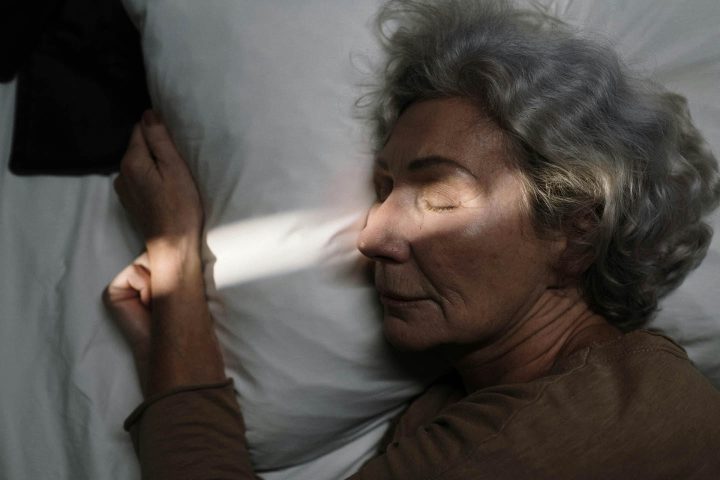
A senior woman sleeping

What is deep sleep?

During a night’s sleep, we go through several sleep stages that succeed one another and are repeated.((Normal sleep. CEAMS))

NREM sleep (non-rapid eye movement sleep) is divided into light NREM sleep, NREM sleep and deep NREM sleep, also called slow-wave sleep. The latter is associated with several restorative functions. Next, REM sleep (rapid eye movement sleep) is the stage generally associated with the most vivid dreams. An adult generally spends around 15 to 20 per cent of each night in deep sleep, if we add up all the periods of deep NREM sleep.

Several sleep changes are common in adults, such as going to bed and waking up earlier, sleeping for shorter periods of time and less deeply, and waking up more frequently during the night.

Loss of deep sleep linked to dementia

Participants in the Framingham Heart Study were assessed using a sleep recording — known as polysomnography — on two occasions, approximately five years apart, in 1995-1998 and again in 2001-2003.((Himali JJ, Baril A, Cavuoto MG, et al. Association Between Slow-Wave Sleep Loss and Incident Dementia. JAMA Neurol. 2023;80(12):1326–1333. doi:10.1001/jamaneurol.2023.3889))

Many people showed a reduction in their deep slow-wave sleep over the years, as is to be expected with aging. Conversely, the amount of deep sleep in some people remained stable or even increased.

Our team of researchers from the Framingham Heart Study followed 346 participants aged 60 and over for a further 17 years to observe who developed dementia and who did not.

Progressive loss of deep sleep over time was associated with an increased risk of dementia, whatever the cause, and particularly Alzheimer’s type dementia. These results were independent of many other risk factors for dementia.

Although our results do not prove that loss of deep sleep causes dementia, they do suggest that it could be a risk factor in the elderly. Other aspects of sleep may also be important, such as its duration and quality.

A senior woman making tea in her antique home

Strategies to improve deep sleep

Knowing the impact of a lack of deep sleep on cognitive health, what strategies can be used to improve it?

First and foremost, if you’re experiencing sleep problems, it’s worth talking to your doctor. Many sleep disorders are underdiagnosed and treatable, particularly through behavioral (i.e. non-medicinal) approaches.

Adopting good sleep habits can help, such as going to bed and getting up at consistent times or avoiding bright or blue light in bed, like that of screens.

You can also avoid caffeine, limit your alcohol intake, maintain a healthy weight, be physically active during the day, and sleep in a comfortable, dark and quiet environment.

The role of deep sleep in preventing dementia remains to be explored and studied. Encouraging sleep with good lifestyle habits could have the potential to help us age in a healthier way.
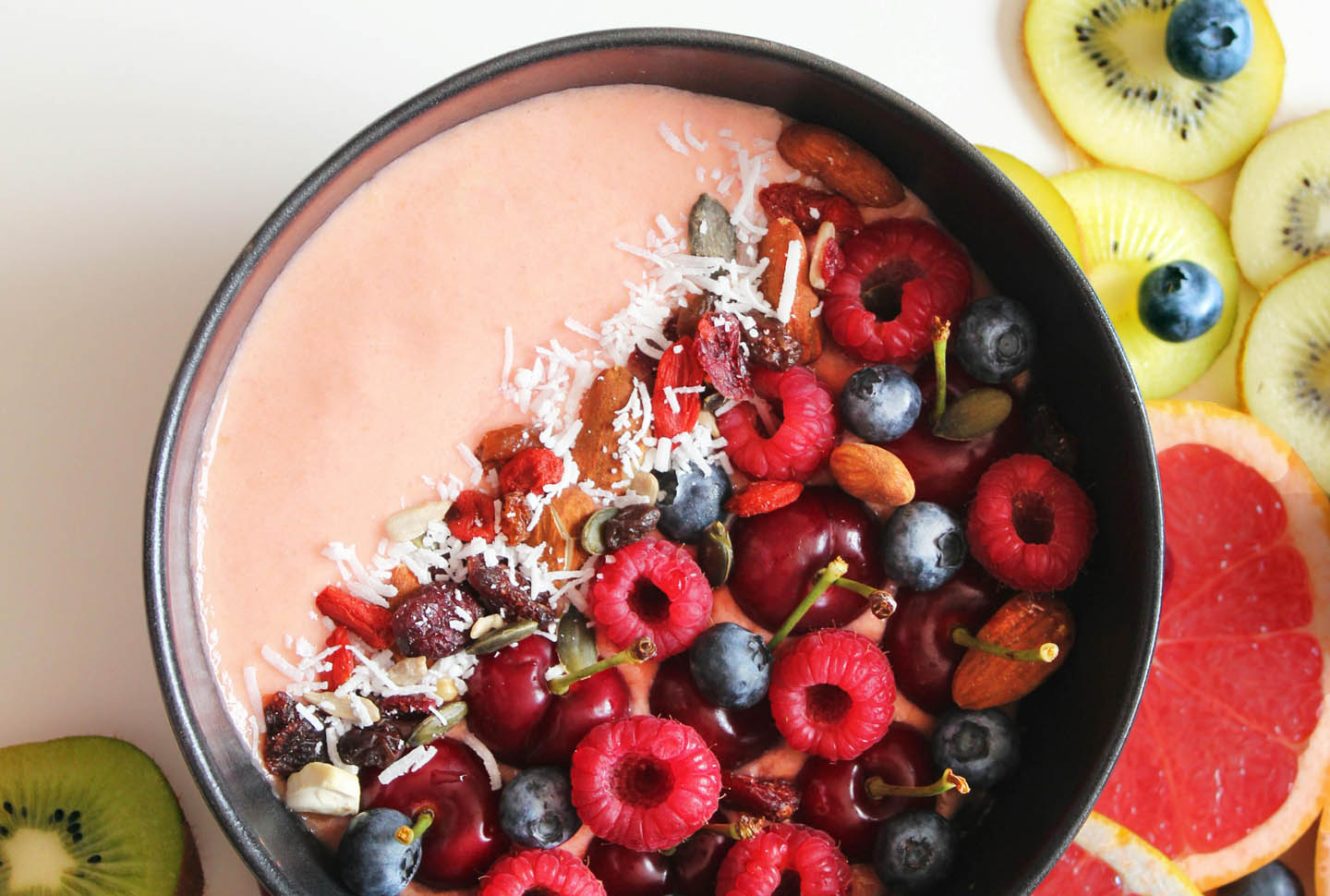
Healthy Fruits

Stay Always Up to Date

Sign up to our newsletter and stay always informed with news and tips around your health.

Sign Up Now!

This article is republished from The Conversation under a Creative Commons license. Read the original article.

The Conversation

Filed Under: Dementia, Diseases, Healthy Lifestyle, Phases of Life, Seniors, Sleep

Platelets – Triggers for Life or Death

March 10, 2024 by Bernell Baldwin - [rt_reading_time label="Reading Time:" postfix="minutes" postfix_singular="minute"]

Platelets – Triggers for Life or Death

President Eisenhower was astonished. Two fitness scientists, Kraus and Webber, had just shown that American young people were flabby. On average, they were less flexible, had less endurance, and were weaker. Being more active, European youth easily outclassed Americans. it got to lke. None of this second-class status for Americans! He would arise and mount a national fitness campaign that would make Americans first in the world for physical fitness. So he flew to Colorado, played 27 holes of golf in one day! Ate a couple of big hamburgers meanwhile. And … got a heart attack that shocked and shook the nation. What triggered a coronary heart attack in this vigorous man? And why, later, did he suffer a stroke that grazed the speech center in his brain? Why? Largely PLATELETS, that’s why.

Platelets – Triggers for Life or Death

What are these platelets and why are they so important in heart attacks and strokes? Let’s take a look at the applied physiology of these tiny floating Band-Aids in the blood. We should have about 150,000 to 400,000 of them in every cubic millimeter of our blood. That adds up to about a trillion per person. What are they good for?

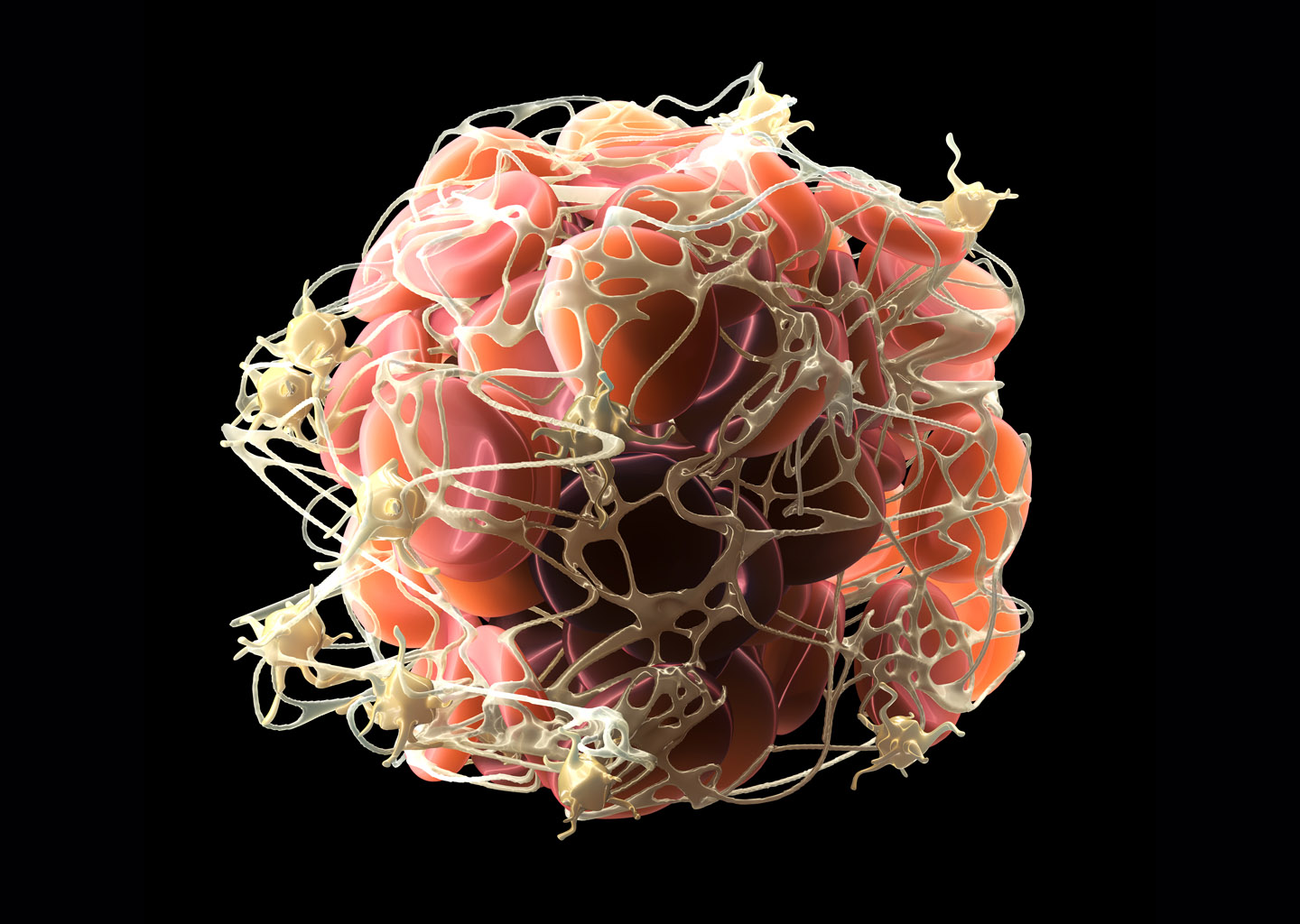
They keep us from bleeding to death when we cut ourselves. They go to work instantly to initiate blood clotting. First, they reach out sticky fingers and grab other platelets. Then they lock arms with myriads of other platelets. They also anchor to nearby wounded blood vessels or non-vascular tissues. immediately they eject clot-forming substances that unleash a cascade of enzymatically propelled reactions that change fluid blood into a semi-solid plug laced with a network of fibrin strands to stabilize it. Normally the resulting clot stops the hemorrhage or repairs tiny defects inside any of our blood vessels.

In health, when platelets are not trigger-happy, this clot should be just the right size to deal with the extent of the injury. In combination with healthy blood and normal vessels, balanced platelet function should repair, not ruin.

When platelets are deficient in number or power we may hemorrhage, even bleed to death. And on the other hand, when platelets are excessively stimulated we can get abnormal, even disastrous clotting which produces thrombosis or embolism. Thrombosis is the formation of an abnormal clot within a blood vessel. An embolus is a floating clot, abnormal tissue, or other material. In this case it is a clot that has broken loose from a thrombus, and sails at high speed down the blood vessel to jam in another, narrower, place. Thrombosis is all too common in heart attacks and strokes; excessive platelet function can ruin us for good.

We used to think that high cholesterol constituted the heart-attack problem. No more. True, excess fat, especially animal fat and cholesterol, smoking, high blood pressure, diabetes, or 20 other diseases, deficient exercise, and aging can add up to dangerous plaques that can so narrow the insides of crucial arteries that they make for trouble. But now we realize that the most common cause of the final plugging of a vessel in the heart or brain is a new injury to an already existing plaque. It cracks or splits open, launching an enlarged clot or thrombus that jams the blood vessel shut. This leads all too often to a painful or even deadly heart attack. Because of their crucial role as triggers of coagulation, these mighty little midgets (platelets) are at the center of concern for this role in the deaths of thousands of people and the crippling of millions of others.

What are platelets like?

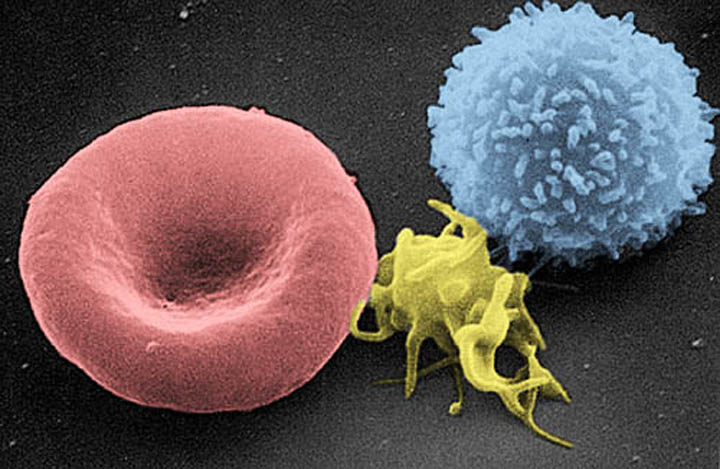
Off-duty platelets float around in the circulation from eight to twelve days, like smaller leaves in the edge of a stream. But under the microscope, they look like navy beans compared to walnut-sized red blood cells. The more they are studied the more interesting and complicated they become. Full of machinery for starting, sustaining, and anchoring clots, they also have built-in power plants called mitochondria, membrane pumps to stay viable, and projectile-like guns to shoot clotting chemicals at damaged areas. Platelets are also equipped with micro-muscles poised to pull blood vessels or tissues together after they have anchored into them. And then when the emergency is all over and their job is done they contain lysosomes ready to dissolve themselves.

A platelet together with red and white blood cells
A platelet (in yellow) between a red and white blood cell

Life spans of platelets

The life span of red blood cells is about 120 days. Platelets live one-tenth as long. By isotopic labeling, we have learned that under the best of conditions human platelets can live 12 days. In smokers they survive only 10 days on average. This means the extra making and handling of about 80 billion platelets per day. If vegetable fat is consumed liberally, survival goes down to nine days. But if animal fat is emphasized, then down to eight days.((Fitzgerald GA, Jennings LK, and Patrono C, Eds. Platelet-Dependent Vascular Occlusion. The New York Academy of sciences, New York, NY, 1994, pp 1-328.))

The spleen should monitor platelet quality. Ideally, if platelets can’t be cleaned up enough for front-line duty they are disassembled. In view of their crucial role, not only in normal clotting or repair of blood vessels, but also their ominous role in life-threatening heart attacks and crippling strokes, there is a most significant question:

How can we keep our platelets cool instead of inflamed?

We can do much to avoid premature or damaging platelet activation by keeping our heads cool. Anger flushes the blood with hormones that irritate platelets. Calm people tend to have calm blood. ((Wenneberg SR, Schneider RH, et al. Anger on correlates with platelet aggregation (abs). .Behav Med 22(4): 174-177, 1997)) Severe stress also can aggravate stickiness of platelets, thus pushing them in the direction of dangerous blood clots.

Tobacco smoke

Either active or passive smoking is poisonous to platelets. These little midgets get angry and ready to fight – too sticky.((Rama Sastry BV and Gujrati VR. Activation of PAF-Acetylhydrolase by Nicotine and Cotinine and Their Possible Involvement in Arterial Thrombosis. Dept of Anesthesiology and Pharmacology y, Vanderbilt University Medical Center, Nashville, TN 37232-2125, p 312-314)) Trouble! There is more than just clotting involved. Platelet-derived growth factor (pDGF) can overdrive cell growth in the walls of coronary arteries over a period of months or years, which pushes overgrowth inside of cholesterol/fat plaques. This overgrowth inside of a coronary artery can strangle its internal diameter, a process called stenosis. In the heart this contributes to pain in the chest or angina pectoris. Recent research has shown that besides platelets, several other cell types can also make pDGF. In any case, keeping platelets cool is a wise objective in healthful living.

Alcohol rebound

When people drink alcohol on the weekend and then sober up to face the week of work, the platelets show ALCOHOL REBOUND. They react by getting too sticky. ((Ruf JC. Platelet rebound effect of alcohol withdrawal and wine drinking in rats. Relation to tannins and lipid peroxidation (abs). Artherioscler Thromb Vasc Biol 15 (1). 140-4, 1995))

Overexertion can be deadly

The New England Journal of Medicine, the most prestigious medical journal in the world, for December 2, 1993 has two lead articles, one first editorial and five letters, all about excessive exercise. They cite over two thousand cases that indicate that jogging or any exercise of six METS or more (one MET, metabolic equivalent = 3.5 ml of oxygen used per kg body weight per minute) is dangerous. They think excess exertion triggers 25,000 heart attacks per year VIA PLATELETS. ((Mittleman MA, et al. Triggering of Acute Myocardial Infarction by Heavy Physical Exertion. The New Eng J of Med 329- 1677-83, 1993.
Willich SN, et al. Physical Exertion as a Trigger of Acute Myocardial Infarction, The New Eng J of Med 329. 1684-1690, 1993)) These authors show that over-exertion doubles heart attack risk in the most fit exercisers, but increases the risk for weekend over-exercisers 120 times. Jogging or overexertion as in snow shoveling, pushing a car by yourself, competitive tennis, basketball, and racquet ball, to mention a few huffing and puffing activities, can kill people by several mechanisms. This newer evidence indicates that overexertion is dangerous, especially to the very people who need exercise the most – those at risk.

An exhausted soccer player exaggerating in his exercise levels

Excessive exercise markedly increases the output of hormones that activate platelets. In addition, deficient blood flow to the liver impairs its ability to make a clot-dissolving enzyme called PLASMIN. These two mechanisms add up to a double whammy for the predisposed coronary artery. Marathoners commonly show 300% excess clotting factors in their blood, and have dramatic elevations of platelet counts and adhesiveness. ((Rock G, Tittley P and Pipe A. Coagulation factor changes following endurance exercise (abs). Clin Sport Med 7 (2). 94-9, 1997.))

Tradition claims that the first marathoner died at the conclusion of his run. Modern imitators all too often die in running shoes. Keep your platelets cool!

More moderate exercise can help balance your autonomic nervous system while you are getting your workout for the whole person instead of just your muscles, heart, and lungs. New exercise is whole-person oriented.

Cool diet for cooler platelets

In the still-current and active health laws given by Moses anciently, the Bible declares: “It shall be a perpetual statute for your generations throughout all your dwellings, that YE EAT NEITHER FAT NOR BLOOD.” Leviticus 3:17. And years after Pentecost, and after the first generally assembled conference, chairman James declared to the empowered Holy-Spirit-led New Testament church, “Therefore l judge that we should not trouble those from among the Gentiles who are turning to God, but that we write to them to abstain from things polluted by idols, from sexual immorality, from things strangled, and FROM BLOOD.” Acts 15:19.20 NKJ. Also see verse 29. Today everyone knows the manifold dangers of animal fat, but most eat meat with the blood regularly, not realizing that dead platelets in the meat are dangerous. Platelet Factors 3 and 4 are both thermostable (not destroyed by heat).((Wintrobe AM, Lee GR, et al. Glinical Hematology. Lea & Febiger, Philadelphia PA, 1974, p 397-398)) Even thorough cooking cannot destroy the platelet-inflaming properties of the blood in the meat. Furthermore, tissue juices of animal flesh are dangerous to the delicate balance of blood coagulation.

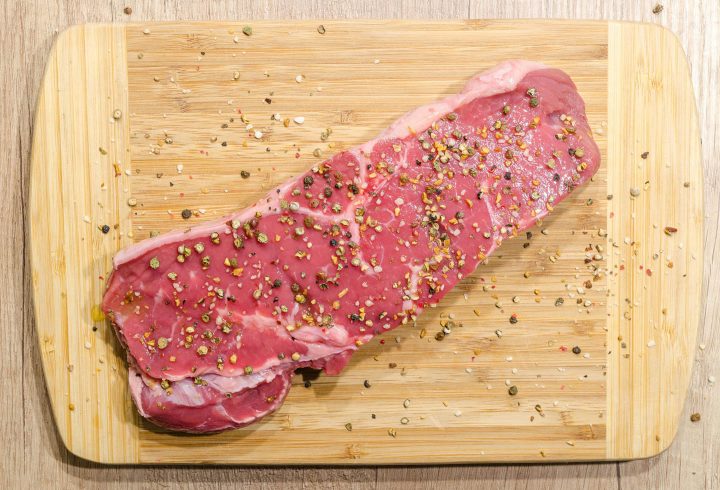
A piece of raw meat on a cutting board containing plenty of blood

‘No wonder one meal of meat increases the number AND the stickiness of platelets. ((Ratnaff OD and Forbes CD. Disorders of Hemostasis, 3rd ed, Saunders, Philadelphia, PA, 1996, p 12.)) Meat is procoagulant; even kosher meat is highly saturated and cholesterol-laden. Ordinary steaks, chops, chicken, and even fish have the blood left in them for two reasons, flavor and profits. What we need to understand is that to eat blood is a violation of health principles of both Acts 15:20,29 in the New Testament and Leviticus 3:17 of the Old Testament, as well as a serious violation of the physiological laws of hemostasis (maintaining healthful balance of blood coagulation and control of bleeding). Such conventional and presumptuous behavior imagines that our platelets in this stressful world are made of stainless steel, our coronaries are Teflon, and our hearts will never die!

Other factors that can over-stimulate blood clotting are high levels of homocysteine, promoted by inadequate dietary intake of certain vitamins; folate, and sometimes vitamin B-6, or pyridoxine, rarely by B-12. Incriminated also are drinking five or more cups of coffee per day, and by that villain of health – smoking. Combining these risk factors elevates the homocysteine to dangerous levels,((Best CH and Taylor NB. The Physiological Basis of Medical Practice, The Williams & Wilkins Co, Baltimore, MD, 1950, p 100)) and that is not to mention also: obesity, hypertension, blood sludging, trauma, foreign or otherwise damaged or eroded surfaces, inflammation, and of course imbalances in coagulation factors. These powerful substances must always be kept in check and balance, otherwise an avalanche of coagulation can strike in the most vulnerable of places – heart or brain.

Summary

It is becoming more obvious by the month, that President Eisenhower probably suffered his famous heart attack as did thousands of others, by years of conventional living, and then came that fateful day which converged the clot-pushing factors of big stress, massive overexercise, and meat eating. His platelets must have gone wild. The results derailed a great national fitness program but launched heart research into the modern era. For society at large, we all must learn that cutting corners can cut the heart and wound the brain. We must live wisely to keep living abundantly.

Healthy Fruits

Stay Always Up to Date

Sign up to our newsletter and stay always informed with news and tips around your health.

Sign Up Now!

Filed Under: Body Systems, Circulatory System, Diseases, Heart Disease

Benefits from an Anti-Inflammatory Diet

November 26, 2023 by Lauren Ball - [rt_reading_time label="Reading Time:" postfix="minutes" postfix_singular="minute"]

Benefits from an Anti-Inflammatory Diet

There is a lot of health buzz around the term “inflammation” right now. From new scientific discoveries((Barney, J. Inflammation discovery could slow aging, prevent age-related diseases. MedicalXPress, July 24, 2023)) to celebrities((Patterson C. Gwyneth Paltrow Addresses ‘Backlash’ Over Anti-Inflammatory Diet, Says She Eats ‘More Than Bone Broth’. People.com March 17, 2023)) and social media influencers, it seems like everyone is talking about this important bodily process and its potential impact on our health.

Benefits from an Anti-Inflammatory Diet

“Inflammaging” is a specific term you may also have seen. It’s an age-related increase in persistent, low-grade inflammation in blood and tissue, which is a strong risk factor for many conditions and diseases.((Franceschi, C., Garagnani, P., Parini, P. et al. Inflammaging: a new immune–metabolic viewpoint for age-related diseases. Nat Rev Endocrinol 14, 576–590 (2018). https://doi.org/10.1038/s41574-018-0059-4))

So, can an anti-inflammatory diet help reduce inflammation? Let’s take a look.

What is inflammation?

When our body becomes injured or encounters an infection, it activates defense mechanisms to protect itself. It does this by instructing our cells to fight off the invader. This fighting process causes inflammation, which often presents as swelling, redness and pain.((Furman, D., Campisi, J., Verdin, E. et al. Chronic inflammation in the etiology of disease across the life span. Nat Med 25, 1822–1832 (2019). https://doi.org/10.1038/s41591-019-0675-0))

In the short term, inflammation is a sign your body is healing, whether from a grazed knee or a cold.

If inflammation persists for a longer time it’s called “chronic”. That can indicate a health problem((Schett, G., Neurath, M.F. Resolution of chronic inflammatory disease: universal and tissue-specific concepts. Nat Commun 9, 3261 (2018). https://doi.org/10.1038/s41467-018-05800-6)) such as arthritis, heart disease, diabetes, dementia or other autoimmune disorders.

The signs and symptoms((Pahwa R, Goyal A, Jialal I. Chronic Inflammation. 2023 Aug 7. In: StatPearls [Internet]. Treasure Island (FL): StatPearls Publishing; 2023 Jan–. PMID: 29630225.)) of chronic inflammation may be present from several months to years and include:

  1. persistent pain
  2. chronic fatigue or insomnia
  3. joint stiffness
  4. skin problems
  5. elevated blood markers (such as C-reactive protein)((C-reactive protein (CRP) blood test https://www.healthdirect.gov.au/c-reactive-protein-CRP-blood-test))
  6. gastrointestinal issues (constipation, diarrhoea, acid reflux)
  7. depression, anxiety and mood disorders
  8. unintended weight gain or loss
  9. frequent colds or flu.
Psicossomático - O Corpo Fala

What role does diet play?

The relationship between food and inflammation is well recognized.((Dario Giugliano, Antonio Ceriello, Katherine Esposito, The Effects of Diet on Inflammation: Emphasis on the Metabolic Syndrome, Journal of the American College of Cardiology, Volume 48, Issue 4, 2006, Pages 677-685, ISSN 0735-1097, https://doi.org/10.1016/j.jacc.2006.03.052.)) Overall, some food components may activate the immune system by producing pro-inflammatory cytokines (small proteins important in cell signaling) or reducing inflammation by the production of anti-inflammatory cytokines.

A “pro-inflammatory diet” may increase inflammation in the body over the long term.((Hockey M. Clear evidence for a link between pro-inflammatory diets and 27 chronic diseases. Here’s how you can eat better. The Conversation. April 22, 2021)) Such diets are usually low in fresh produce like fruits, vegetables and wholegrains, and high in commercially baked goods, fried foods, added sugars and red and processed meats.

In contrast, an “anti-inflammatory” diet is associated with less inflammation in the body. There is no single anti-inflammatory diet. Two well-recognized, evidence-backed examples are the Mediterranean diet and the Dietary Approaches to Stop Hypertension (DASH) diet.

Anti-inflammatory diets typically include the following elements:

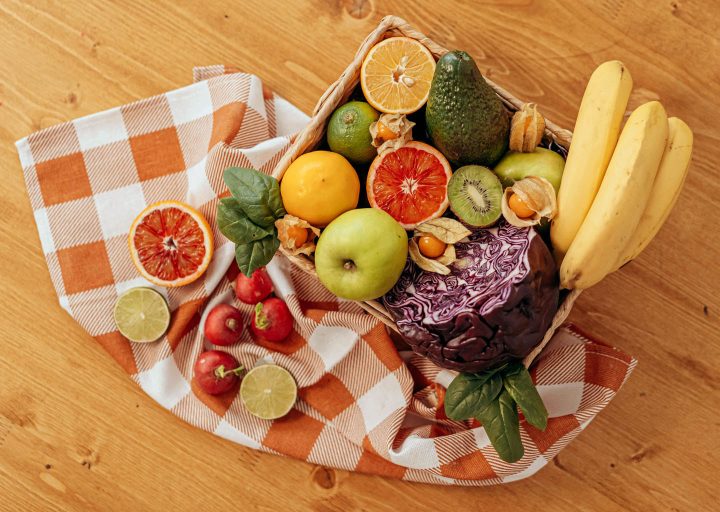
1. high in antioxidants. These compounds help the body fight free radicals or unstable atoms, that in high quantities are linked to illnesses such as cancer and heart disease. The best way to consume antioxidants is by eating lots of fruits and vegetables. Research shows frozen, dried and canned fruits and vegetables can be just as good as fresh.((Kuhnle G et.al. Frozen and tinned foods can be just as nutritious as fresh produce – here’s how. The Conversation. March 21, 2021))

An assortment of colorful, antioxidant rich fruits and vegetables

2. high in “healthy”, unsaturated fatty acids. Monounsaturated fats and omega-3-fatty acids are found in fish, seeds, nuts, and plant-based oils (olive oil and flaxseed oil).

3. high in fiber and prebiotics. Carrots, cauliflower, broccoli and leafy greens are good sources of fiber. Prebiotics promote the growth of beneficial microorganisms in our intestines and can come from onions, leeks, asparagus, garlic, bananas, lentils and legumes.

4. low in processed foods. These contain refined carbohydrates (pastries, pies, sugar-sweetened beverages, deep-fried foods and processed meats).

Rheumatoid arthritis, dementia, depression

There is mixed evidence for the role of anti-inflammatory diets in rheumatoid arthritis pain management. A recent 2021 systematic review (where researchers carefully group and examine the available evidence on a topic) found eating an anti-inflammatory diet likely leads to significantly lower pain in people with rheumatoid arthritis when compared with other diets.((Schönenberger KA, Schüpfer AC, Gloy VL, Hasler P, Stanga Z, Kaegi-Braun N, Reber E. Effect of Anti-Inflammatory Diets on Pain in Rheumatoid Arthritis: A Systematic Review and Meta-Analysis. Nutrients. 2021 Nov 24;13(12):4221. doi: 10.3390/nu13124221.))

However, the 12 studies included in the review had a high risk of bias – likely because people knew they were eating healthy foods – so the confidence in the evidence was low.

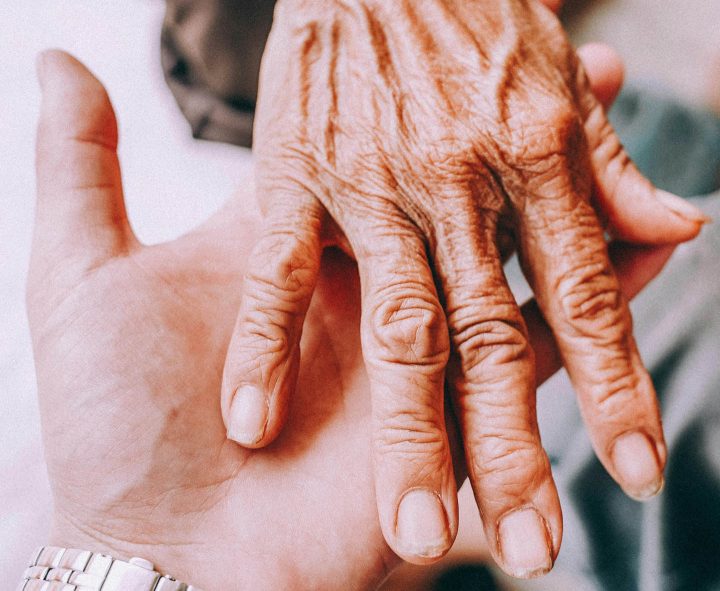
A hand from an Arthritis sufferer

Inflammation is strongly implicated in the development of neurodegenerative diseases like Alzheimer’s disease and related dementia((McGrattan AM, McGuinness B, McKinley MC, Kee F, Passmore P, Woodside JV, McEvoy CT. Diet and Inflammation in Cognitive Ageing and Alzheimer’s Disease. Curr Nutr Rep. 2019 Jun;8(2):53-65. doi: 10.1007/s13668-019-0271-4.)) and evidence suggests anti-inflammatory diets might help to protect the brain.

A 2016 review showed an anti-inflammatory diet may be protective against cognitive impairment and dementia, but that further large randomized controlled trials are needed.((Petersson SD, Philippou E. Mediterranean Diet, Cognitive Function, and Dementia: A Systematic Review of the Evidence. Adv Nutr. 2016 Sep 15;7(5):889-904. doi: 10.3945/an.116.012138.)) A 2021 study followed 1,059 people for three years and observed their diet. They reported those with a greater pro-inflammatory diet had an increased risk of developing dementia.((Charisis S, Ntanasi E, Yannakoulia M, Anastasiou CA, Kosmidis MH, Dardiotis E, Gargalionis AN, Patas K, Chatzipanagiotou S, Mourtzinos I, Tzima K, Hadjigeorgiou G, Sakka P, Kapogiannis D, Scarmeas N. Diet Inflammatory Index and Dementia Incidence: A Population-Based Study. Neurology. 2021 Dec 14;97(24):e2381-e2391. doi: 10.1212/WNL.0000000000012973.))

Inflammation has also been linked with mental health, with people eating a pro-inflammatory diet reporting more symptoms of depression.((Adjibade M, Lemogne C, Touvier M, Hercberg S, Galan P, Assmann KE, Julia C, Kesse-Guyot E. The Inflammatory Potential of the Diet is Directly Associated with Incident Depressive Symptoms Among French Adults. J Nutr. 2019 Jul 1;149(7):1198-1207. doi: 10.1093/jn/nxz045.)) Diet is the fundamental element of lifestyle approaches to managing anxiety and mental health.((Manger S. Lifestyle interventions for mental health. doi: 10.31128/AJGP-06-19-4964))

More broadly, a 2021 review paper examined recent research related to anti-inflammatory diets and their effect on reducing inflammation associated with aging. It found compounds commonly found in anti-inflammatory diets could help alleviate the inflammatory process derived from diseases and unhealthy diets.((Stromsnes K, Correas AG, Lehmann J, Gambini J, Olaso-Gonzalez G. Anti-Inflammatory Properties of Diet: Role in Healthy Aging. Biomedicines. 2021; 9(8):922. https://doi.org/10.3390/biomedicines9080922))

What about turmeric?

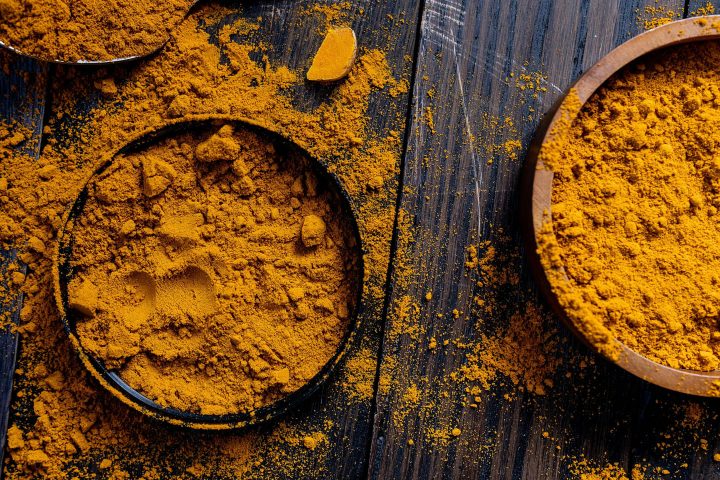
A favorite on social media and vitamin shelves, turmeric is promoted as having anti-inflammatory benefits. These are linked to a specific compound called curcumin, which gives turmeric its distinctive yellow color.((Amalraj A, Pius A, Gopi S, Gopi S. Biological activities of curcuminoids, other biomolecules from turmeric and their derivatives – A review. J Tradit Complement Med. 2016 Jun 15;7(2):205-233. doi: 10.1016/j.jtcme.2016.05.005.))

Tumeric powder

Research suggests curcumin might act as an anti-inflammatory agent in the body but high-quality clinical trials in humans are lacking.((Basnet P, Skalko-Basnet N. Curcumin: An Anti-Inflammatory Molecule from a Curry Spice on the Path to Cancer Treatment. Molecules. 2011; 16(6):4567-4598. https://doi.org/10.3390/molecules16064567)) Most of the existing studies have been conducted in lab settings using cells((Chowdhury, I, Banerjee, S, Driss, A, et al. Curcumin attenuates proangiogenic and proinflammatory factors in human eutopic endometrial stromal cells through the NF-κB signaling pathway. J Cell Physiol. 2019; 234: 6298–6312. https://doi.org/10.1002/jcp.27360)) or in animals.((Sarker MR, Franks S, Sumien N, Thangthaeng N, Filipetto F, Forster M. Curcumin Mimics the Neurocognitive and Anti-Inflammatory Effects of Caloric Restriction in a Mouse Model of Midlife Obesity. PLoS One. 2015 Oct 16;10(10):e0140431. doi: 10.1371/journal.pone.0140431.)) So it’s unclear how much curcumin is needed to see anti-inflammatory benefits or how well we absorb it.((Hewlings SJ, Kalman DS. Curcumin: A Review of Its Effects on Human Health. Foods. 2017 Oct 22;6(10):92. doi: 10.3390/foods6100092.))

Overall, adding turmeric to your food may provide your body with some health benefits, but don’t rely on it to prevent or treat disease on its own.

Safe eating

Inflammation is a major factor in the link between diet and many health conditions.

Eating an anti-inflammatory diet is considered safe, likely to support health and to prevent future chronic conditions. If you are looking for tailored dietary advice or an anti-inflammatory meal plan, it’s best to speak with an accredited practicing dietitian.

Healthy Fruits

Stay Always Up to Date

Sign up to our newsletter and stay always informed with news and tips around your health.

Sign Up Now!

Filed Under: Diseases, Nutrition Tagged With: anti-inflammatory diet, arthritis, tumeric

The Relation Between COVID, Long COVID and Your Gut Microbiome

June 11, 2023 by Dr. Samuel White - [rt_reading_time label="Reading Time:" postfix="minutes" postfix_singular="minute"]

The Relation Between COVID, Long COVID and Your Gut Microbiome

A vast combination of microorganisms live in our gut, including bacteria, fungi and viruses. Collectively, we refer to this as the microbiome. Despite their tiny size, these microbes have significant effects on our health and wellbeing. In fact, the microbiome is often referred to as the “second brain” due to the extensive relationship it has with the body’s organs and systems.

The Relation Between COVID, Long COVID and Your Gut Microbiome

One role in particular the microbes in our gut play is supporting immune function. They help to control local and systemic inflammation, the process by which the immune system protects us from harmful pathogens.((Zheng, D et. al. Interaction between microbiota and immunity in health and disease. https://doi.org/10.1038/s41422-020-0332-7))

So it’s not entirely surprising that research has shown the make-up of bacteria in the gut may influence the severity of a COVID infection.((Kageyama, Y et.al. Lactobacillus plantarum induces innate cytokine responses that potentially provide a protective benefit against COVID‑19: A single‑arm, double‑blind, prospective trial combined with an in vitro cytokine response assay. Experimental and Therapeutic Medicine, 23, 20. https://doi.org/10.3892/etm.2021.10942)) At the same time, evidence is beginning to suggest a COVID infection could affect the balance of bacteria in the gut, which might go some way to explaining why some people have persistent symptoms after a COVID infection.((Bernard-Raichon, L et.al. Gut microbiome dysbiosis in antibiotic-treated COVID-19 patients is associated with microbial translocation and bacteremia. https://doi.org/10.1038/s41467-022-33395-6))

The microbes in our gut provide essential signals for our immune responses across the body, including in the lungs. A “healthy” gut microbiome comprises a broad range of bacteria, though is not identical in every person. Studies have previously shown that a healthy gut microbiome can improve the immune response to respiratory infections by regulating immune cells and messages.((Shanahan F et. al. The Healthy Microbiome—What Is the Definition of a Healthy Gut Microbiome? https://doi.org/10.1053/j.gastro.2020.09.057))

On the flip side, evidence shows a poorer composition of gut bacteria increases susceptibility to influenza infections in the lungs,((Looft T, Allen H. Collateral effects of antibiotics on mammalian gut microbiomes, Gut Microbes, 3:5, 463-467, https://doi.org/10.4161/gmic.21288)) and leads to reduced clearance of germs from the lungs in mice.((Fagundes C et. al. Transient TLR Activation Restores Inflammatory Response and Ability To Control Pulmonary Bacterial Infection in Germfree Mice. J Immunol 1 February 2012; 188 (3): 1411–1420. https://doi.org/10.4049/jimmunol.1101682))

With COVID, it similarly appears that the make-up of the gut microbiome can influence the course of disease. Research has shown an association between the microbiome profile and levels of inflammatory markers in patients with COVID, where patients with a poorer combination of gut bacteria show signs of too much inflammation. This suggests the microbiome influences the severity of a COVID infection via effects on the immune response.((Yeoh YK, Zuo T, Lui GC, et al. Gut microbiota composition reflects disease severity and dysfunctional immune responses in patients with COVID-19. Gut 2021;70:698-706. https://gut.bmj.com/content/70/4/698))

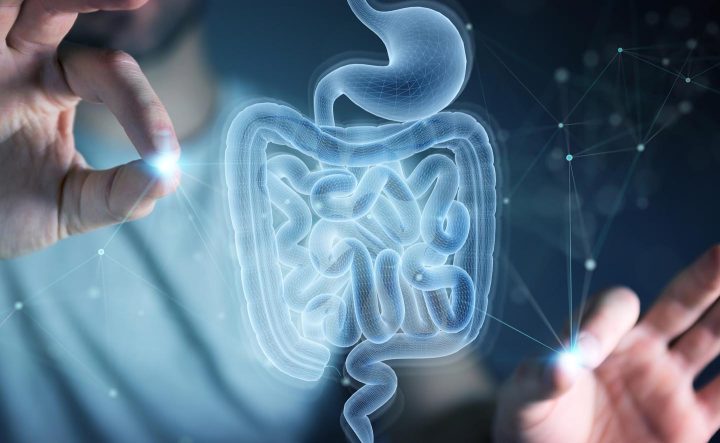
A wire model of a digestive system in the hand of a therapist.

Unbalancing the microbiome

Just as the composition of our gut bacteria appears to influence how we fare with COVID, the reverse might also be true – a COVID infection could affect the make up of our gut bacteria. Specifically, it seems COVID might throw off the balance between “good” and “bad” microbes in a person’s microbiome.

Studies have shown a significant difference in the gut microbiome between COVID patients and healthy people.((Zuo T, Liu Q, Zhang F, et al. Depicting SARS-CoV-2 faecal viral activity in association with gut microbiota composition in patients with COVID-19. Gut 2021;70:276-284. https://gut.bmj.com/content/70/2/276)) We see a reduction in bacterial diversity in the gut in COVID patients – so a smaller range of species, as well as substantial differences in the species of bacteria present.((Bernard-Raichon, L., Venzon, M., Klein, J. et al. Gut microbiome dysbiosis in antibiotic-treated COVID-19 patients is associated with microbial translocation and bacteremia. Nat Commun 13, 5926 (2022). https://doi.org/10.1038/s41467-022-33395-6))

Notably, scientists have observed a reduction in a group known as commensal bacteria in COVID patients, which act on the immune system to help prevent invasion by pathogens.((Yeoh YK, Zuo T, Lui GC, et al. Gut microbiota composition reflects disease severity and dysfunctional immune responses in patients with COVID-19. Gut 2021;70:698-706. https://gut.bmj.com/content/70/4/698)) This may increase our risk of other infections after COVID. Simultaneously, there appears to be an increase in a variety of opportunistic pathogenic bacteria that are known to cause infections.

This “imbalance” is called dysbiosis, and these changes have been shown to still be present in patients 30 days post-infection.((Yeoh YK, Zuo T, Lui GC, et al. Gut microbiota composition reflects disease severity and dysfunctional immune responses in patients with COVID-19. Gut 2021;70:698-706. https://gut.bmj.com/content/70/4/698))

Recent studies have suggested gut dysbiosis is linked to the movement of gut bacteria into the blood during a COVID infection.((Bernard-Raichon, L., Venzon, M., Klein, J. et al. Gut microbiome dysbiosis in antibiotic-treated COVID-19 patients is associated with microbial translocation and bacteremia. Nat Commun 13, 5926 (2022). https://doi.org/10.1038/s41467-022-33395-6)) In mice, COVID caused changes in a variety of parameters associated with gut barrier permeability, meaning things can theoretically move more easily through the gut wall.

In 20% of human COVID patients in this same study, certain bacteria from the gut had migrated into the bloodstream. This group was at higher risk of developing a secondary infection in the blood.

Research is now also showing that dysbiosis following COVID may contribute to long COVID,((Lantinga MA, Mönkemüller K. COVID-19 in gastroenterology and hepatology: Where will we be? United European Gastroenterol J. 2021 Sep;9(7):743-744. https://doi.org/10.1002%2Fueg2.12121)) with gut dysbiosis more prevalent in patients presenting with long-term COVID symptoms.((Giannos, P. and Prokopidis, K. (2022), Gut dysbiosis and long COVID-19: Feeling gutted. J Med Virol, 94: 2917-2918. https://doi.org/10.1002/jmv.27684)) This makes sense because dysbiosis seems to put the body in a heightened and constant state of inflammation – something that’s associated with chronic COVID symptoms.((Yeoh YK, Zuo T, Lui GC, et al. Gut microbiota composition reflects disease severity and dysfunctional immune responses in patients with COVID-19. Gut 2021;70:698-706. https://gut.bmj.com/content/70/4/698))

Supporting your immunity

As we continue to develop a more comprehensive understanding of gut microbes and their role in inflammation, how can you help keep your immune system healthy to protect yourself against COVID and other infections?

Certain nutrients, including vitamins A, C, D and E as well as iron, zinc and omega-3 fatty acids, all have positive effects on immune responses against viral infection.((Zhang, L, Liu, Y. Potential interventions for novel coronavirus in China: A systematic review. J Med Virol. 2020; 92: 479– 490. https://doi.org/10.1002/jmv.25707))

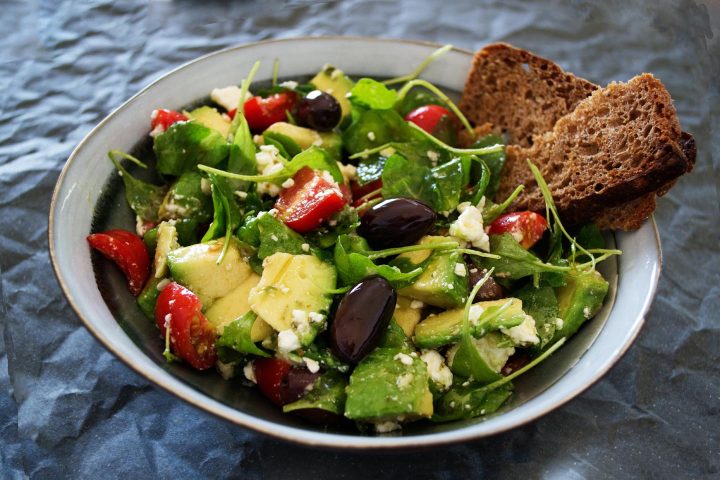
A Mediterranean diet, which is rich in vitamins, minerals and dietary fiber, has an anti-inflammatory effect in the gut.((Ganesan, K.; Chung, S.K.; Vanamala, J.; Xu, B. Causal Relationship between Diet-Induced Gut Microbiota Changes and Diabetes: A Novel Strategy to Transplant Faecalibacterium prausnitzii in Preventing Diabetes. Int. J. Mol. Sci. 2018, 19, 3720. https://doi.org/10.3390/ijms19123720)) Interestingly, a strain of bacteria known as Faecalibacterium prausnitzii is key to immune regulation.((Nagpal R, Shively CA, Register TC, Craft S, Yadav H. Gut microbiome-Mediterranean diet interactions in improving host health. F1000Res. 2019 May 21;8:699. https://doi.org/10.12688%2Ff1000research.18992.1)) It’s frequently low in the western diet, but abundant in the Mediterranean diet.

A typical salad of a mediterranean diet

Ideally you should avoid too many refined cereals, sugars and animal fats, which can all heighten inflammation in the body.((Trompette, A., Gollwitzer, E., Yadava, K. et al. Gut microbiota metabolism of dietary fiber influences allergic airway disease and hematopoiesis. Nat Med 20, 159–166 (2014). https://doi.org/10.1038/nm.3444))

Probiotics, supplementary blends of live bacteria, may also have benefits. A blend of bacterial strains Lactiplantibacillus plantarum and Pediococcus acidilactici was shown to reduce the quantity of virus detected in the nasal passage and lungs, as well as the duration of symptoms in COVID patients.((Gutiérrez-Castrellón P et. al. Probiotic improves symptomatic and viral clearance in Covid19 outpatients: a randomized, quadruple-blinded, placebo-controlled trial, Gut Microbes,14:1,DOI: 10.1080/19490976.2021.2018899))

This combination also significantly increased the production of COVID-specific antibodies, suggesting probiotics act directly by interacting with the immune system, rather than solely changing the composition of the gut microbiome.

Finally, moderate exercise can also help support the immune system to fight COVID.((da Silveira MP et. al. Physical exercise as a tool to help the immune system against COVID-19: an integrative review of the current literature. Clin Exp Med. 2021 Feb;21(1):15-28. https://doi.org/10.1007%2Fs10238-020-00650-3))

Healthy Fruits

Stay Always Up to Date

Sign up to our newsletter and stay always informed with news and tips around your health.

Sign Up Now!

This article is republished from The Conversation under a Creative Commons license. Read the original article.
The Conversation

Filed Under: Body Systems, COVID-19, Digestive Tract, Diseases, Immune System Tagged With: microbiome

Does Fibromyalgia Come From Your Mind?

March 26, 2023 by Dr. Cesar Vasconcellos de Souza - [rt_reading_time label="Reading Time:" postfix="minutes" postfix_singular="minute"]

Fibromyalgia

In this article, we are going to analyze the psychological aspects of this disease called fibromyalgia. Fibro comes from fiber, mio means muscle, and algia is pain. Therefore, fibromyalgia is pain in the muscle fibers, in a literal translation, but there are several other symptoms in this complex disease, affecting 2% of the population in the United States.

Does Fibromyalgia Come From Your Mind?

Fibromyalgia is characterized by body pains of at least three months, fatigue, sleep disturbances, which can be insomnia, or non-restorative sleep, tingling in the hands, feet, and middle of the back, intestine sometimes constipated and sometimes with diarrhea, and mood changes including discouragement. About 25% of fibromyalgia patients have depression, that is, one in four people.

Commonly it involves anxiety, difficulty in concentrating and performing common tasks, headache, and swelling in the body. In fibromyalgia, there are some pain points in the body, in the trapezius muscle which is in the shoulder area, on both sides of the neck, in the buttocks, in the region of the joints of arms and legs, and some other places.

The cause of fibromyalgia is still unknown. It is believed to be due to the decrease of a neurotransmitter called serotonin in the brain, the person loses the ability to regulate pain and the impulses are misinterpreted. It is a painful syndrome, without inflammation. It affects twenty women for one man.

It appears at any age, but most commonly between forty and sixty years of age. It is common for women with fibromyalgia to be perfectionists, taking on too much at home and at work. Clinical histories reveal that before they became ill, they were the best at work, they were super mothers, and superwomen at home. With the disease, they feel limited and by ceasing to be the best, it is lowering their self-esteem.

The more they feel inferior, the more symptoms appear. The patients themselves are amazed at the disease because they were very well, they felt super powerful, they did everything, solved everything for everyone, and colleagues and family members are also puzzled, saying that these people are inventing the disease and that they have nothing at all. It is common for people with fibromyalgia to go from doctor to doctor. Some uninformed people may think that the person only has psychological problems and nothing else.

The main specialist to be consulted with symptoms of fibromyalgia is the rheumatologist. It cannot be said that fibromyalgia is curable, but it is controllable. There are no tests that identify the disease, the diagnosis is clinical. The specialist will order tests to evaluate a differential diagnosis, that is, excluding other possible diseases, especially of the thyroid, which can have some symptoms that would mix with the symptoms of fibromyalgia.

Blood tests

The individual with fibromyalgia can improve by 20% when the well-informed doctor tells him that he is not crazy and that he has such a disease. He can improve another 20% when he finds out that the disease, although painful, does not kill, and for the other 60%, medicine has many limitations to offer a cure.

It is necessary to start a permanent lifestyle change including aerobic exercises, such as daily walking, using more natural foods, pure water, family understanding, looking for relaxation that reduces tension and improves sleep, also reducing the tragic interpretation of events, and learning a strategy of dealing with problems without overloading himself. It may be useful a temporary medication to improve mood, for sleep, and also using an analgesic. It is important that the fibromyalgia patient makes an effort to change their own behavior at the pace they can.

Among those suffering from this disease, some are perfectionists, very demanding, take on burdens that are not theirs, and in this case, you need to learn to set limits, not to take on what is not your responsibility, even if others complain that you have stopped doing what you did before, and learn to disconnect from the problems that they want to throw at you for you to assume, and that does not mean that you have become an irresponsible person.

It is not uncommon in families where someone has fibromyalgia, to see a tendency for some members of that family to omit themselves, and to throw the load on a single person, and this person, accepting this, takes on everyone’s problems, looking for solutions alone, that is, taking on burdens that are not theirs.

But if that person tends to take on everything, the other family members or co-workers settle in and leave the burdens on him, that person will be overworked. So this person ends up carrying other people’s problems, and this can become so suffocating and so heavy, that there comes a time when the body and mind say: We can’t take it anymore!

an overworked student feeling tired

Then symptoms may arise, which may be, for example, those of fibromyalgia. It is possible to be a responsible, productive, helpful person without taking on what is not yours, and not absorbing unfair criticism from those who want to play on the person what they should assume. Fibromyalgia also affects children and adolescents and occurs mainly in girls between nine and fifteen years of age.

This gives rise to symptoms that may be, for example, fibromyalgia. It is possible to be a responsible, productive, helpful person, without taking on what is not yours, and without absorbing unfair criticism from those who want to throw all the responsibility at the person.

Fibromyalgia also affects children and adolescents and occurs mainly in girls between nine and fifteen years of age. The symptoms are similar to those of adults, adding frequent school absences due to illness. Some scientific studies have shown that children and young people with fibromyalgia had an average of 41 days of absence from school per year, while in the general population, the average is 9 days per year.

From a psychological point of view, people with fibromyalgia have a worse quality of life, and have more symptoms of depression and anxiety, generating a greater amount of suffering behaviors. Some studies have shown that young people with fibromyalgia seem to come from families whose members are more disorganized and anxious, and this would influence the way they face life’s problems.

Fibromyalgia treatment involves medications only for the control of symptoms, such as pain, insomnia, excessive anxiety, and depression. Physiotherapy, the practice of physical exercises, preferably outdoors, as well as psychotherapy are needed. It helps a lot to learn coping strategies for everyday problems to help with stress reduction. If that involves the cause of your illness, it will also be the best form of cure.

Healthy Fruits

Stay Always Up to Date

Sign up to our newsletter and stay always informed with news and tips around your health.

Sign Up Now!

Filed Under: Diseases, Mental Health, Psychosomatic Diseases Tagged With: fibromyalgia, overworked, perfectionism

Chronic Pain: Roots and Remedies

March 5, 2023 by Vicki Griffin - [rt_reading_time label="Reading Time:" postfix="minutes" postfix_singular="minute"]

Chronic Pain

It all began with a slip on icy steps, a broken hip, an injured back, and a messy lawsuit. Surgery and medication had not resolved Jim’s pain.

Chronic Pain: Roots and Remedies

“I can’t believe it,” he complained: “Here I am, an executive being reprimanded for poor work. I am taking high doses of pain pills that are affecting my personality and performance, but not touching the pain.”

Jim was constantly stressed and used caffeine and sugary drinks to quench the fatigue and depression that dogged his steps. His anger and depression combined with his preoccupation with his pain affected his marriage; he and his wife were now separated.

He quit exercising and gained weight. His travel fare consisted of fast-food burgers, candy bars, and beer. He developed diabetes and obesity — which exacerbated his pain and depression.

Jim feels alone, but he isn’t. Chronic pain — pain that persists for more than six months — affects around 100 million Americans and is associated with conditions that include physical injury, headache, arthritis, cancer, and diabetes-linked nerve pain.((PNAS Oct 2001; 98 (21): 11845-11846)) Many pain therapies are either inadequate or cause side effects.

Jim’s story shows that chronic pain can involve physical insult combined with emotional, psychological, and social factors that affect the nervous system at the molecular level.

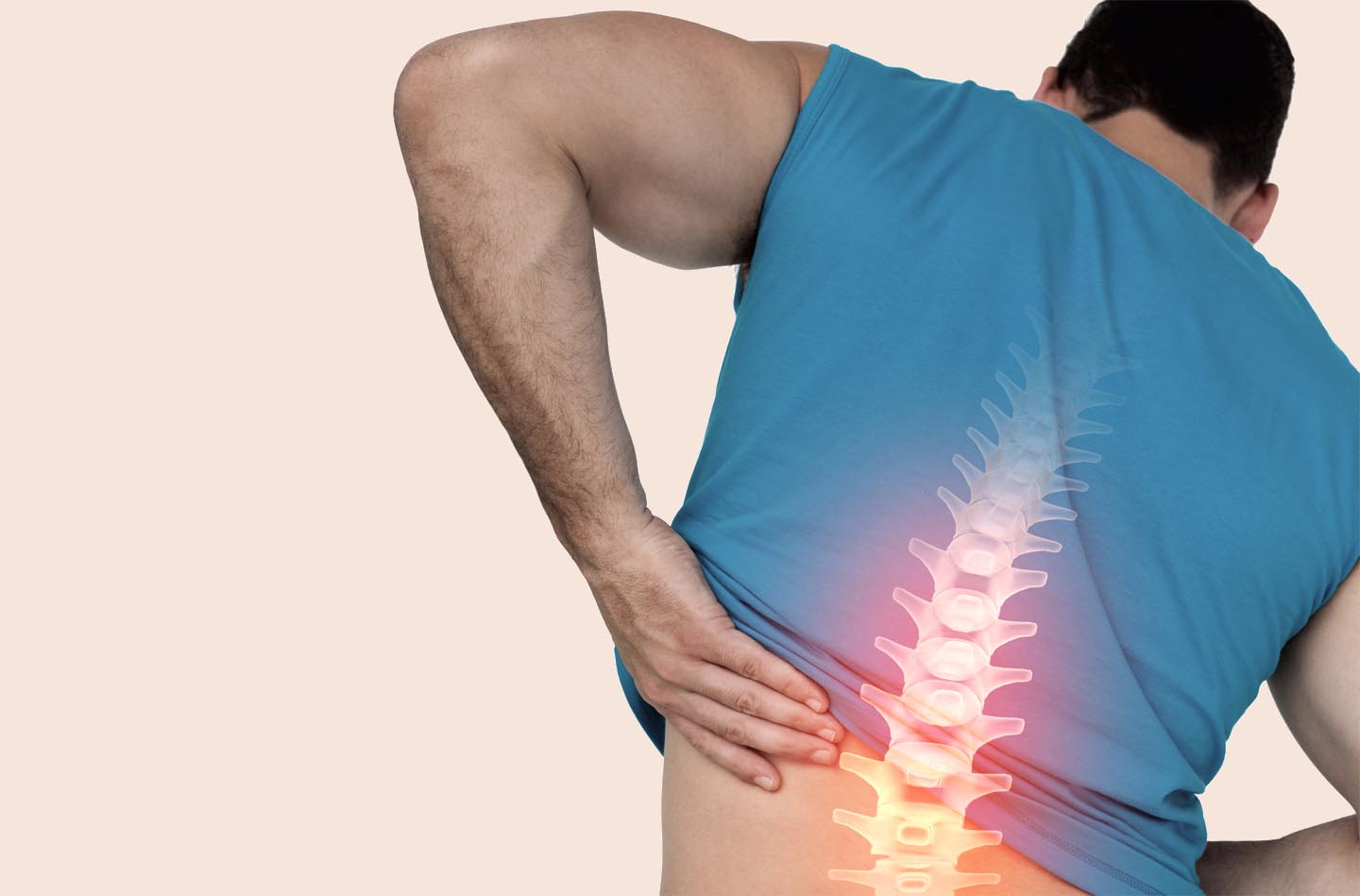
Pain can persist long after an injury is healed, so in one sense chronic pain can become its own self-perpetuating condition. This is particularly true of back, neck, and headache pain. Seven out of ten chronic back-pain patients have no detectible physical basis for their pain.((Deal R. Chronic Pain, 2nd ed. INR, Concord, CA 2009.)) Some patients have physical signs of injury or deterioration, but experience no pain.

For those who suffer, this does not mean their pain is imaginary; it represents telltale changes in neurons that heighten pain sensitivity without cause, somewhat like a faulty smoke detector that shrieks when there is no fire at all or shrieks at the mere strike of a match.

A smoke detector in maintenance

“Pain kindlers” are factors that increase pain, and “pain dampeners” turn down the “volume” on chronic pain. 

Avoiding pain kindlers and increasing pain dampeners can tip the pain scale toward relief — and may even help “reeducate” the nervous system to permanently turn down the “volume” on its own malfunctioning pain system. Here are a few:

Expectation: Anticipating pain can amplify the pain response.((Pain 2008 Apr;135(3):240-50.)) Psychological factors play a large role in pain perception.((Prog Brain Res 2000;122:245-53.)) Patients who expect a shot to hurt will experience more pain than those who do not. A pessimistic attitude increases suffering. Positive expectations and optimism increases mood-elevating chemicals and reduce a sense of helplessness. This leads to faster recovery from wounds, lower pain perception, and better coping abilities, even with severe injuries.((Rehab Psychol 2010 Feb;44(1):12-22.))

Stress and mood: Chronic stress raises a person’s risk of developing a pain disorder.((J Pers April 2004;72:2.)) Catastrophizing, anxiety, depression, guilt, and negativity all heighten the sensitivity and activity of pain circuits, causing the sufferer to attach negative emotional meaning to his or her pain.((J Pers April 2004;72:2.))

Depression is a major factor underlying chronic pain.((Biol Psych 2010 Mar 17, epub.)) Treating depression and expressing gratitude can lessen pain and help you cope with existing pain. Think about the positives in your life and verbalize thankfulness for them each day.

Nutrition: Soda pop, caffeine, refined sweets, fried food, and large amounts of animal fat increase the body’s production of pro-inflammatory chemicals that increase pain sensitivity. They also contribute to obesity and other chronic disorders that enhance pain, arthritis, joint stiffness, and slow recovery from injuries.

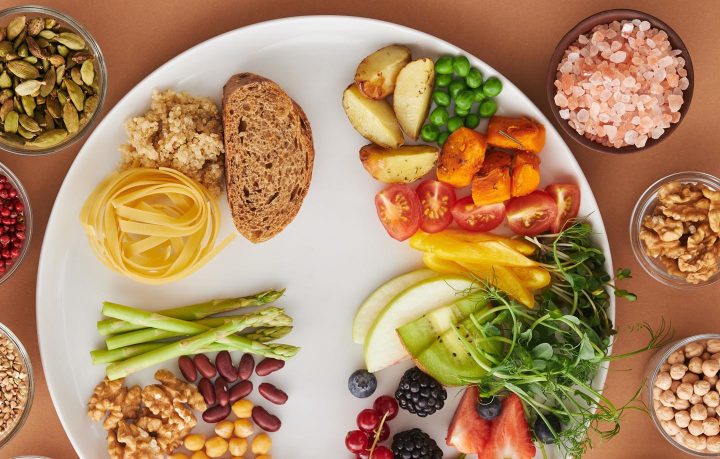
Meals rich in fresh fruits, vegetables, whole grains, beans, legumes, olives, avocados, and nuts (especially walnuts), lower inflammation. These foods contain many stress-reducing nutrients, including magnesium. Drinking plenty of fresh water is a great way to eliminate toxins associated with pain and injury. Supplementation with vitamin D3 may also alleviate some types of chronic pain.((http://pain-topics.org/pdf/vitamind-PPM-JulAug2008.pdf)) Have your vitamin D levels checked.

A plate of fruits, vegetables and whole grains

Exercise: Engaging in regular exercise suited to your ability improves mood, reduces anxiety, and increases flexibility, range-of-motion, muscle strength, oxygenation, and circulation. It can reduce pain and improve energy levels in chronic fatigue and fibromyalgia patients. Work with your doctor, but be persistent and consistent, and challenge yourself as you grow stronger! Exercise outdoors to get the sunshine advantage.

Sleep: Sunshine and exercise aid in developing a sound sleep pattern. Deep, regular sleep improves mood and can dampen pain perception. Caffeine, alcohol, and late-night eating can interfere with a good night’s rest.

Connections: Connect with others who are less fortunate than you. This is a great way to put your own challenges in perspective and turn your attention away from your pain. Surround yourself with encouraging people to gain strength during the ups and downs in your healing journey.

Connect with your doctor and other health care practitioners for guidance and available medical technologies.

Connect with God. He promises strength and comfort and has given us strategies for coping with and reducing pain. 

Looking for Answers

So, why do some face a life of chronic pain while others are healed?  We don’t have all the answers. But for all who come to Him for help, God promises “power to the weak, and to those who have no might He increases strength” (Isaiah 40:29). “The Lord will strengthen him on his bed of illness; (He) will sustain him on his sickbed” (Psalm 41:3).

Though your life here may be scarred by suffering, through faith you can look forward to a new life in heaven when Jesus returns. His promise is: “And God will wipe away every tear from their eyes; there shall be no more death, nor sorrow, nor crying. There shall be no more pain, for the former things have passed away” (Revelation 21:4).

No more pain! Guaranteed.

Healthy Fruits

Stay Always Up to Date

Sign up to our newsletter and stay always informed with news and tips around your health.

Sign Up Now!

This article was originally published on the Time to Get Ready website.

Filed Under: Diseases, Healthy Lifestyle Tagged With: chronic pain

Next Page »

Primary Sidebar

Social Channels

Coronavirus Immunity Challenge

Boost your immune system to be bullet-proof for the pandemic.

I Want to Participate

Recent Posts

  • 5 Habits to Live Longer
  • Better Sleep Can Protect Against Dementia
  • Finding Peace In Your Crazy-Busy World
  • Flaxseed – An Ancient Plant Rediscovered
  • Platelets – Triggers for Life or Death
  • Boderline Personality Disorder
  • In Praise of Almonds and Nuts
  • Are You Stuck in the Clutter Trap?

Categories

  • Body Systems (16)
    • Cell Function (2)
    • Circulatory System (1)
    • Digestive Tract (10)
    • Immune System (4)
  • Diseases (27)
    • Cancer (2)
    • Cold (1)
    • COVID-19 (11)
    • Dementia (1)
    • Diabetes (1)
    • Digestive Diseases (2)
    • Heart Disease (2)
    • Kidneys (1)
    • Metabolic Syndrome (2)
    • Skin (1)
  • Healthy Lifestyle (42)
    • Exercise (11)
    • Gardening (2)
    • Sleep (7)
    • Sunlight (2)
    • Temperance (14)
    • Water (4)
  • Mental Health (87)
    • Addictions (6)
    • Anxiety (7)
    • Burnout (1)
    • Depression (7)
    • Psychosomatic Diseases (6)
    • Stress Management (45)
    • Trust (6)
  • Nutrition (56)
  • Obesity (9)
  • Phases of Life (14)
    • Adults (3)
    • Babies and Infants (1)
    • Children (3)
    • Seniors (5)
    • Teenagers (3)
  • Therapies (7)
    • Herbs (5)
    • Hydrotherapy (1)
  • Uncategorized (3)

Archives

  • January 2025 (1)
  • March 2024 (5)
  • February 2024 (4)
  • January 2024 (4)
  • December 2023 (5)
  • November 2023 (4)
  • October 2023 (5)
  • September 2023 (4)
  • August 2023 (3)
  • July 2023 (2)
  • June 2023 (4)
  • May 2023 (4)
  • April 2023 (5)
  • March 2023 (4)
  • February 2023 (4)
  • January 2023 (4)
  • December 2022 (4)
  • November 2022 (4)
  • October 2022 (5)
  • September 2022 (4)
  • August 2022 (4)
  • July 2022 (5)
  • June 2022 (4)
  • May 2022 (5)
  • April 2022 (4)
  • March 2022 (4)
  • February 2022 (4)
  • January 2022 (5)
  • December 2021 (3)
  • November 2021 (4)
  • October 2021 (6)
  • September 2021 (4)
  • August 2021 (4)
  • July 2021 (5)
  • June 2021 (4)
  • May 2021 (3)
  • April 2021 (5)
  • March 2021 (4)
  • February 2021 (4)
  • January 2021 (5)
  • December 2020 (3)
  • November 2020 (4)
  • October 2020 (5)
  • September 2020 (5)
  • August 2020 (3)
  • July 2020 (1)
  • June 2020 (1)
  • May 2020 (1)
  • April 2020 (1)
  • March 2020 (1)

Copyright © 2026 · Abundant Health - Privacy Policy - Medical Disclaimer