Abundant Health

Up to date health information tailored for you

  • Home
  • Blog
  • Recipes
  • Shop
  • Contact
You are here: Home / Archives for Phases of Life / Teenagers

Teenagers

What is Getting Teenagers Stressed Out?

April 24, 2022 by Martin Neumann - [rt_reading_time label="Reading Time:" postfix="minutes" postfix_singular="minute"]

What is getting Teenagers stressed out?

One of the most prevalent times for stress to arise in one’s life is in the teenage years. This time involves a lot of changes that can be stressful for many. So what is getting a teenager really stressed out?

What is getting Teenagers stressed out?

At the earlier end, many kids are going through puberty and through their awkward years. This is the point in time when bullying can be the worst, as teens start to become a bit more grown-up, but not fully, and still make poor decisions by picking on people.

The stresses at this age vary greatly from person to person, but one of the most prevalent ones is bullying and harassment. By this age, many people are still kind of awkward, but they’re at the point where they are getting interested in people of the opposite sex.

This involves some kind of identity changes that can lead to some inner conflicts. While children tend to harass those of the opposite sex, teenagers start to feel to be attracted, and while some are showing their change in attitude, others might be teasing them for that.

As the attraction grows, teenagers tend to want to impress acquaintances of the opposite sex. This can mean showing the best side of themselves, maybe even showing off a facade that is not their true self, or others trying to impress by doing risky things they would not do if nobody was watching.

A teenager group

All of those is mixed with the quest of defining his own identity and self-worth. Some are stressed out and devastated when getting rejected from somebody else, especially being rejected from somebody of the opposite sex. Teenagers want to be accepted by their collegues and have a desire to belong to a group that values them in some way.

The teenage years involve a lot of changes that can be stressful. As a child, many decisions are being made for you. A teenager is exactly at the phase where he starts making lots of the decisions for himself, without having the prior experience on how to deal with this new reality in a proper way. Many times they do not want to rely on others in their decision making, in order to show their growing independence, but are still struggling to keep up with the stress of being responsible of the consequences of doing a right or a wrong choice.

Another problem, especially towards the later years of high school, is figuring out what they want to do with their lives. Often, teens are pressured about what they want to do for the rest of their lives, as if they have to have it all figured out by age 18.

This couldn’t be farther from the truth. They’re expected to make decisions about where they want to go to college, if they want to go at all, and if so, what they will major in. For many people, this is a stressful process of applications and trying to figure out what their passion is.

It’s certainly a lot to take in, and if they don’t have the right guidance, they’ll feel overwhelmed quickly. Finally, towards the tail end of this age group, you have the people who are in college.

College comes with a ton of stress factors that aren’t well known to everyone. In college, you have a lot more independence than you do in high school, but that comes with its fair share of drawbacks.

Students are often left out to dry by the university and their professors, who both assume the student is capable of doing everything on their own. They might find it hard to adjust, and with the realization that they’ll soon be working a full-time job, many can begin to panic from the get-go.

A perplexed student

Teens and young adults don’t show their stress very clearly, so it can be hard to pick up on it. Many don’t want people to worry about them too much, so they just suppress their stress and worries and just hope things go well.

Some will just try to act as though everything is fine, until one day they just kind of break down. Some show that they’re stressed out by secluding themselves from others, so as to not show off their problems to others.

You might notice that someone is spending a lot more time on their own, being reclusive by going home as soon as they get the chance to just be alone. This isn’t always a sign of stress, because some people are just naturally introverted.

But if someone is normally social and suddenly starts wanting to be on their own all the time, there’s clearly something wrong there. You also might want to watch their eating habits, since some people will either eat much more or a lot less when they’re stressed out.

This can lead to undesired weight fluctuations that can cause even more stress. Moving up into college, some students try to alleviate their stress by partying. Many students will resort to heavy drinking for the sake of getting the negative thoughts out of their head.

By using alcohol as a coping mechanism, they put themselves at risk to develop alcoholism. Some will even start using drugs, which can put them at risk of an overdose, addiction, and getting arrested.

No one solution will work for everyone’s problems, but there are common ways that you can go about trying to help people in this age range. As a rule of thumb, you should never, ever try to come at them aggressively to try to fix their problems for them with already predefined solutions.

Teenagers do not appreciate this kind of intervention. They’ll just deny anything’s wrong and seclude themselves further from you. You should always try to get them to open up a bit, and then casually move it towards thinking about solutions.

A teenage girl in a counseling session.

When it comes to teens, your first step should be to teach them to handle the situation as best as they can on their own. If that fails to work, then you might intervene yourself, instead of trying to get administrators or teachers involved, because they’ll feel really embarrassed if the teachers have to step in for a school bully problem – and it may make matters worse.

You need them to feel as if they can trust you as a parent, because if they don’t, they’ll never open up to you fully. Make it a point for them to know first and foremost they you have their back and support them fully, no matter what.

Then, you’ll have a much better shot at getting them to open up to you. When it comes to young adults, getting them to go to a counselor might be a good option. Many universities and high schools give free counseling, and sometimes just blowing off a good amount of steam can fix a lot of problems.

If the resource is there, why not take advantage of it? And there may be even other reference figures in the life of a teenager, whom they can trust and can serve them as a counselor. Be sure to explain to them that bottling up their emotions isn’t a good way to go about anything in life, and by just getting things off of their chest, they’ll find a lot more support and they’ll feel a lot better not having to brace against it on their own. Nothing creates additional stress quite like loneliness.

As a conclusion, there are quite a bit of stressors involved in the various changes taking place in a teenage life. Much of this can be mitigated if they know they have somebody they can trust and that will support them in their journey of finding their independence. Showing them acceptance and strengthening their feeling of self-worth can also go a long way to make this transition period less stressful. Avoid to be in a conflict course and give proper support to the teenagers in your life and you will see how grateful they are that you have made a difference in their lives when they needed it most.

Do you need a guide to help you understand how to cope with Stress in an all inclusive approach? Learn how to combat stress, mentally, physically, emotionally and strategically in your life.


Get Me the Guide

Filed Under: Mental Health, Phases of Life, Stress Management, Teenagers

What Caffeine is doing to You and Your Child?

March 13, 2022 by Dr. Cesar Vasconcellos de Souza - [rt_reading_time label="Reading Time:" postfix="minutes" postfix_singular="minute"]

A cup of coffee

Caffeine is a drug that is heavily used in various forms all over the world. An article by Jennifer Temple from the Department of Exercise and Nutrition Sciences at the University at Buffalo, shows the results of studies on the effects of caffeine in children.((Temple JL.  Caffeine use in children: what we know, what we have left to learn, and why we should worry.  Neurosci Biobehav Rev. 2009;33(6):793-806.  doi:10.1016/j.neubiorev.2009.01.001))

What Caffeine is doing to You and Your Child?

Let’s see what Dr. Jennifer and other scientists say about caffeine consumption. Caffeine is a substance that acts on our brain, legally permitted, easy to obtain, and socially acceptable to consume. Previously, it was relatively restricted to adults, but caffeinated beverages nowadays are being regularly consumed by children. In addition, some drinks that contain caffeine are marketed specifically for children starting with the tender age of 4 years.

Caffeine is classified as a stimulant drug typically used for its ability to activate the central nervous system. Although generally recognized as safe by the US Food and Drug Administration, the FDA, excessive caffeine use can result in serious health risks, and in rare cases can lead to death.

The use of caffeine in children has not been sufficiently studied so far. Children and teenagers are the fastest growing population of caffeine users, with an increase of 70% in the last 30 years. Along with this goes the development of new caffeine-containing drinks, called energy drinks, which contain levels of caffeine ranging from 50mg, equivalent to a can of soda to 500mg, the equivalent of five cups of coffee, and often very high levels of sugar.

Energy drink sales have grown by over 50% since 2005, and they are unfortunately the fastest growing segment of the beverage industry. Energy drinks are marketed specifically to young adults and children, with ads showing high-risk activities, extreme sports like rock climbing or paragliding, using catchy slogans, which is a commercial wickedness to do so.

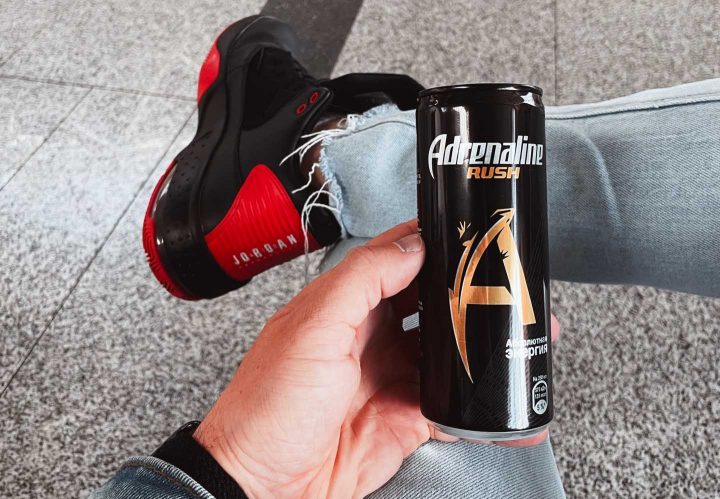
An adolescent consuming an energy drink

Caffeine is found in coffee, black tea, chocolate, mate tea, green tea and guarana. It is naturally produced in the grains and leaves of the plants used to make these products. Caffeine is also used as an additive in other products such as soft drinks, energy drinks and pain relievers. Caffeine levels can vary greatly in these products, depending on the concentration and preparation, as in the case of tea and coffee, or the amount added as in the case of soft drinks and energy drinks.

Even though caffeine consumption is banalized by many, there are according to Dr. Jennifer two things that should be considered about caffeine consumption by children and teens. First, there is a wide range of caffeine use among teenagers, with some consuming considerably more than average, which makes them also vulnerable of developing other types of high-risk behavior.

Second, due to the paucity of research on caffeine use in adolescents, we do not know the “safe” level of caffeine use in this population. Consumption of caffeinated beverages in general and consumption of soft drinks in particular is of concern because of their potentially negative health effects, as well as their established relationship with sleep disturbance, obesity and tooth decay. In addition to traditional caffeine-containing products like coffee, tea and soda, people can now get their caffeine fix from a variety of nontraditional sources. It appears that caffeinated consumables are being marketed to younger populations.

In addition to its well-known effects on sleep disturbances and restlessness, caffeine exerts some more behavioral effects. Its use produces tolerance and dependence, that is, tolerance means the need to use larger doses to obtain the same stimulating effect, and dependence is addiction.

A teenager suffering from insomnia

Acute caffeine use has dose-dependent effects on mood, attention span and physiology. For example, moderate doses of caffeine ranging from 200 to 300mg often produce the perception of heightened feelings of well-being, improved concentration and increased arousal and energy, but high doses above 400 mg lead to feelings of anxiety, nausea, agitation, headache, fatigue and nervousness. Worse though, acute administration of a moderate dose of caffeine of 200 to 300 mg, already decreases heart rate and increases blood pressure. In children and adolescents, caffeine consumption may be driven by peer pressure or a desire for increased sports performance.

Irregularly high levels of caffeine consumption, like above 400 to 450 mg per day increase the risk of cardiovascular disease. High levels of caffeine use are also associated with calcium excretion and bone loss, which may contribute to osteoporosis.

Dr. Jennifer continues to point out, that although data differ between studies, most agree that high levels of caffeine consumption in women trying to become pregnant may be associated with lower rates of conception, and higher rates of miscarriage. As with other peer-reviewed articles, the consensus is that some high levels of caffeine consumption can have adverse effects on fertility, and the recommendation is that women trying to get pregnant should limit caffeine to less than 300 milligrams per day, and it’s even better not to use it at all.

In children, the main vehicle for caffeine is soft drinks, which also contain a lot of sugar. This facilitates the development of caffeine dependence, and perhaps also contributes to an increased preference for foods and beverages containing added sugar. Sugar activates reward pathways similar to drugs like cocaine, amphetamine and nicotine.

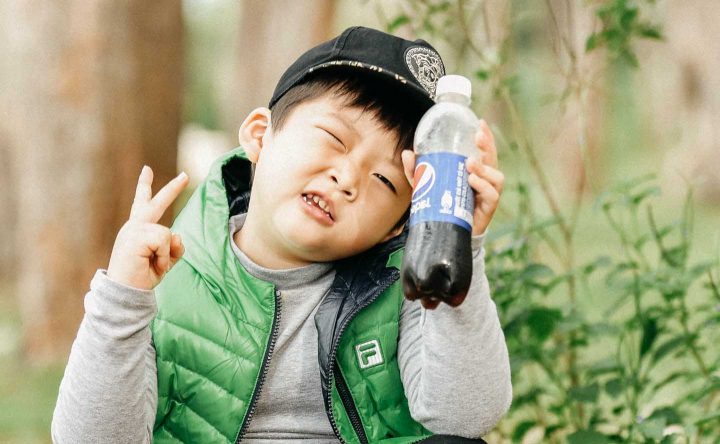
A child consuming a soft drink

Childhood and adolescence are periods of rapid growth and the final stage of brain development. In order to maximize growth and development, adequate sleep and nutrition are essential. Caffeine use disrupts sleep patterns, and excessive soda consumption is associated with a poor diet, excess weight, and tooth decay. If caffeine increases preferences for sweet foods and beverages, it can contribute to excess energy intake, and increase the risk of overweight and obesity in adulthood. Children and teens can be particularly vulnerable to caffeine, as their brains are still undergoing significant development, in specific areas of the brain involved in executive function, impulsivity control and planning.

Consumption of energy drinks can lead to several negative consequences, especially in children and adolescents, because of their high caffeine content, explains Dr. Jennifer. First, she says, children and adolescents may be more susceptible to caffeine intoxication, which results in a number of physiological and psychological effects, and can in some cases lead to death.

Second, in addition to the harmful effects of energy drinks, they are often combined with alcohol as a way to increase the symptoms of euphoria. This can lead to increased alcohol intake and consequently an increase in harmful alcohol-related symptoms.

Third, excessive consumption of energy drinks has been associated with involvement in various high-risk behaviors, including smoking, drinking, illicit drug use, risky sexual behavior and fighting.

I want to end by leaving a text by a last century writer, who already gave us this advice over 100 years ago:

Tea and coffee do not nourish the system. The relief obtained from them is sudden, before the stomach has time to digest them. This shows that what the users of these stimulants call strength is only received by exciting the nerves of the stomach, which convey the irritation to the brain, and this in turn is aroused to impart increased action to the heart and short-lived energy to the entire system. All this is false strength that we are the worse for having. They do not give a particle of natural strength.((Ellen White. Temperance, p. 75. Pacific Press))

So the best attitude to caffeine is to avoid its use in whatever forms it is present in beverages and foods. It preserves your health, and your brain as well. Cutting caffeine out of your life is worth it!

Healthy Fruits

Stay Always Up to Date

Sign up to our newsletter and stay always informed with news and tips around your health.

Sign Up Now!

Filed Under: Children, Healthy Lifestyle, Teenagers, Temperance

Acne – Battle of Hormones

May 15, 2021 by Esther Neumann - [rt_reading_time label="Reading Time:" postfix="minutes" postfix_singular="minute"]

Akne

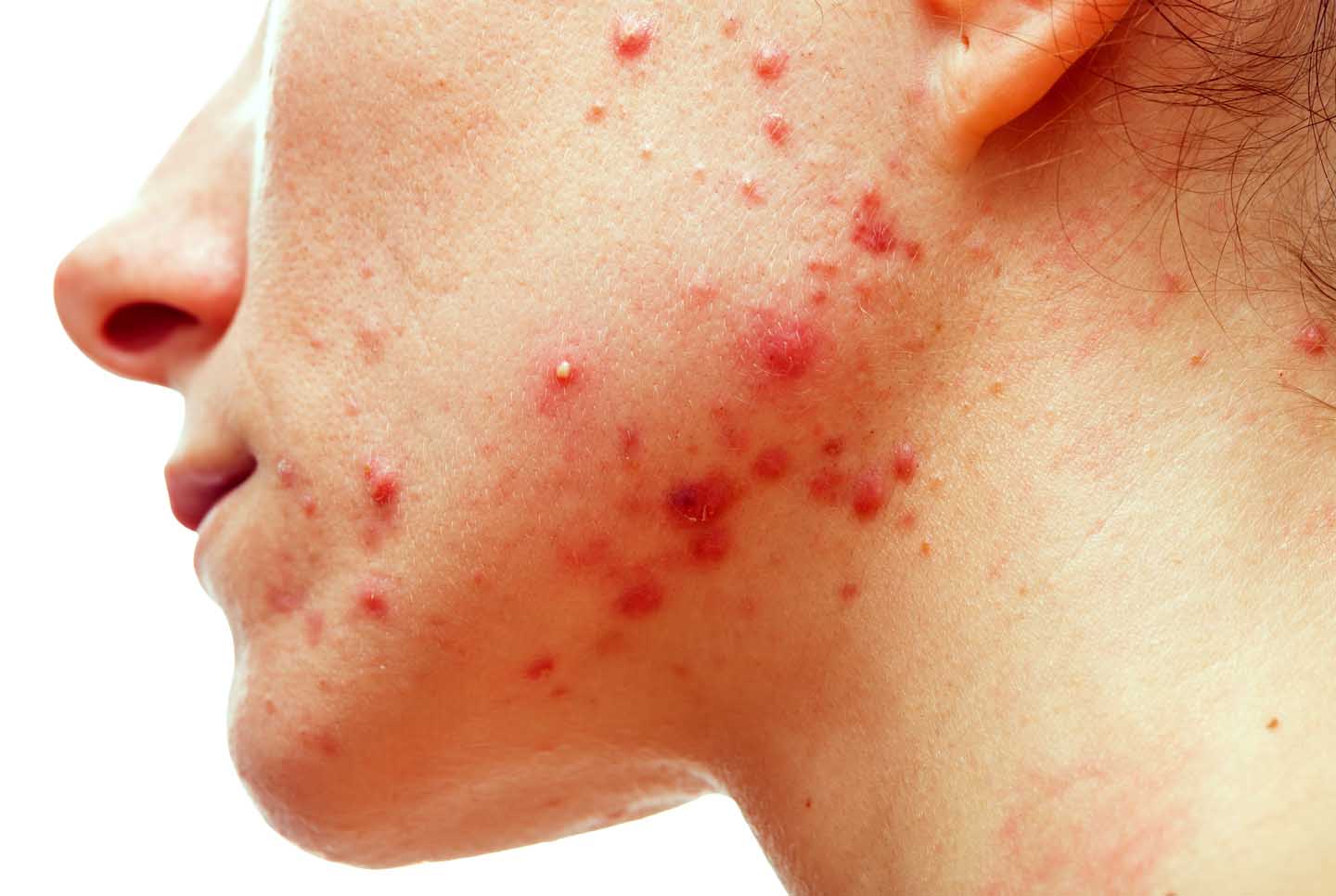
Acne takes worldwide the top position of all dermatological diagnoses. 80 – 85% of all teenagers suffer from acne to a greater or lesser extent. Inadequate treatment in more severe cases can lead to physical and psychological consequences. It is generally believed that acne is a disease of puberty. But adults and already toddlers can suffer from it.

Acne - Battle of Hormones

Most of those affected in the second decade of life have a mild form of acne. The clinical presentation mostly regresses between the ages of 20 and 25. 30% have courses that require specialized medical treatment.

Acne is caused by a combination of several pathophysiological factors: overproduction of skin fats by the sebaceous glands of the skin, cornification disorders and microbial colonization of the sebaceous gland sheath as well as inflammatory changes. During puberty, the production of male sex hormones, so-called androgens, increases in boys and girls. The sebaceous glands are thus stimulated to increase the production of sebum. The oily skin has a stronger cornification on the surface than dry or normal skin, which results in a narrowing of the excretory ducts. The skin fat is therefore very difficult to excrete and accumulates.

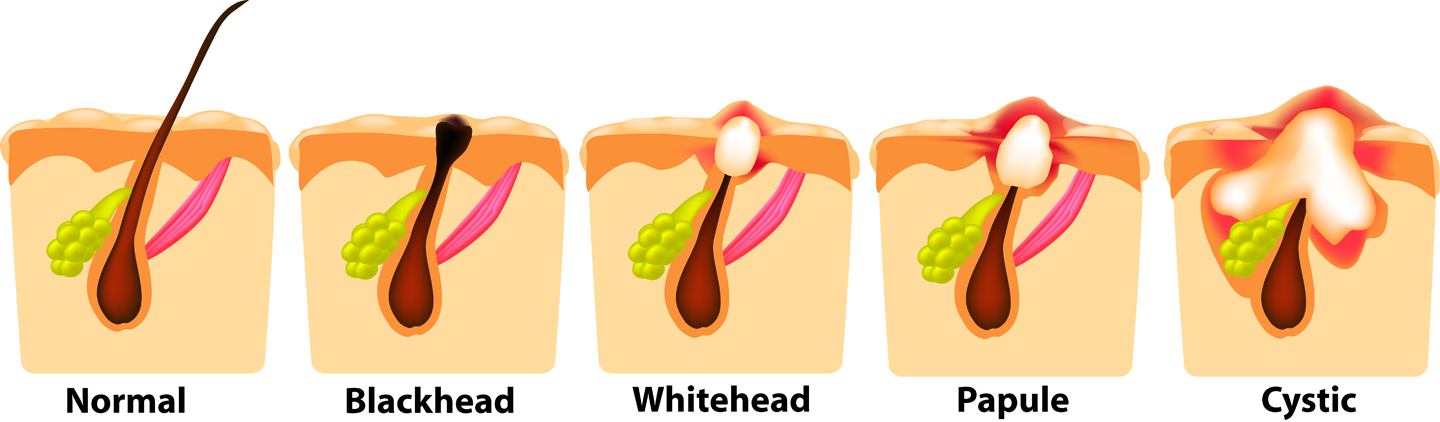
For the further course of the inflammatory process, it plays a role whether excessive colonization of bacteria can occur. As a metabolic product, free fatty acids are produced, which irritate the surrounding tissue. Initially, red nodules (papules) form, which can become ulcerated and then turn into pustules.

Types of Acne

Forms of acne can be classified by cause, age or severity of occurrence.

Acne neonatorum and acne infantum are forms that affect newborns and children. The formation is usually minor and healing occurs spontaneously, unless there are serious hormonal disorders. Acne vulgaris occurs during puberty and often extends into adulthood (acne tarda). It develops in the areas rich in sebaceous glands on the face, neck, chest and back.

The non-inflammatory comedonic acne only forms blackheads (comedones) or at most lightly inflamed papules (skin thickening). Papulopustular acne is the transition to inflammatory pustules and papules. The severe form is acne conglobata with large inflammatory nodules, abscesses, fistulas and scars.

Progression of Acne

Acne caused by environmental causes can in principle occur at any age. Acne aestivalis is also called Mallorca acne. It occurs after intense exposure to UV rays. Acne cosmetica occurs after long-term application of high-fat cosmetics. Acne medicamentosa is caused by drugs containing barbiturates, lithium or corticosteroids, misuse of anabolic steroids or overdoses of vitamins B6 and B12. People who take higher doses of vitamin D also suffer from acne more often.

Acne venenata is contact acne that can be triggered by chlorine, tar or lubricating oils. This list is not complete, but it should suffice to illustrate the wide range of causes and manifestations.

Consequences and Complications

Inflammation caused by acne can be accompanied by redness, swelling, and pressure pain. In the case of major inflammation, swelling of the lymph nodes can also occur. Squeezing out blackheads and pustules can lead to smear infections and boil formation. Severe forms of acne are associated with scarring. Psychological and social problems can arise. Those affected feel stigmatized or bullied. Self-esteem suffers. The pressure of suffering is often very high.

Teenager mit Akne

Acne and Diet

The influence of diet is still widely discussed, for the reason that there are not enough studies on the subject. The few studies show that there is a link between the consumption of dairy products and the formation of acne.((Adebamowo C et.al. High school dietary dairy intake and teenage acne. DOI: 10.1016/j.jaad.2004.08.007
LaRosa C et.al. Consumption of dairy in teenagers with and without acne. DOI: 10.1016/j.jaad.2016.04.030
Landro A et.al. Family history, body mass index, selected dietary factors, menstrual history, and risk of moderate to severe acne in adolescents and young adults. DOI: 10.1016/j.jaad.2012.02.018)) It is more pronounced in girls than in boys. It is not the fat content of the milk that matters, but the hormones in the milk. These are not associated with fat but with whey proteins. Even whey protein supplements manifested the same effects.((Pontes T et.al. Incidence of acne vulgaris in young adult users of protein-calorie supplements in the city of João Pessoa–PB. DOI: 10.1590/abd1806-4841.20132024)) Milk also contains other bioactive molecules such as steroids and growth factors that could also play a role in the development of acne.

What role milk really plays can vary from person to person. Certainly it is worth trying to avoid dairy products for a few weeks. My daughter had suffered badly from acne. Whenever she has completely canceled dairy products, her skin became very beautiful. But if she was careless, she spontaneously deteriorated. She also ate a lot of boiled carrots during this difficult time, and the beta carotene in them is the precursor of vitamin A. Vitamin A is very important for the skin structure. If there is a vitamin A deficiency, infections occur. Apricots, mangoes, oranges, peppers, spinach and Swiss chard also contain many carotenoids.

Salt should not be used too much, as high salt consumption promotes fluid retention in the skin, which can worsen inflammation of the sebaceous glands.

A fiber-rich diet with lots of fruits and vegetables, legumes and grains is appropriate because the fiber binds hormones such as androgens and excretes them. One study shows that blood serum and urine levels of androgens are lower in people who eat a high fiber diet.

Omega 3 fatty acids also play a role. They have anti-inflammatory and inhibitory effects on the formation of leukotriene B4, which together with the androgens stimulate the production of sebum. Omega 6 fatty acids on the other hand have an inflammatory effect and will increase acne formation.((Cordain L. Implications for the role of diet in acne. DOI: 10.1016/j.sder.2005.04.002)) Omega 3 fatty acids are found in nuts, flaxseed, chia, wheat germ as well as flax, chia, hemp, canola, walnut and wheat germ oil. Teenagers who eat a lot of saltwater fish high in omega 3 fatty acids have significantly less acne. But fish is no longer recommended today because of the high levels of heavy metals.

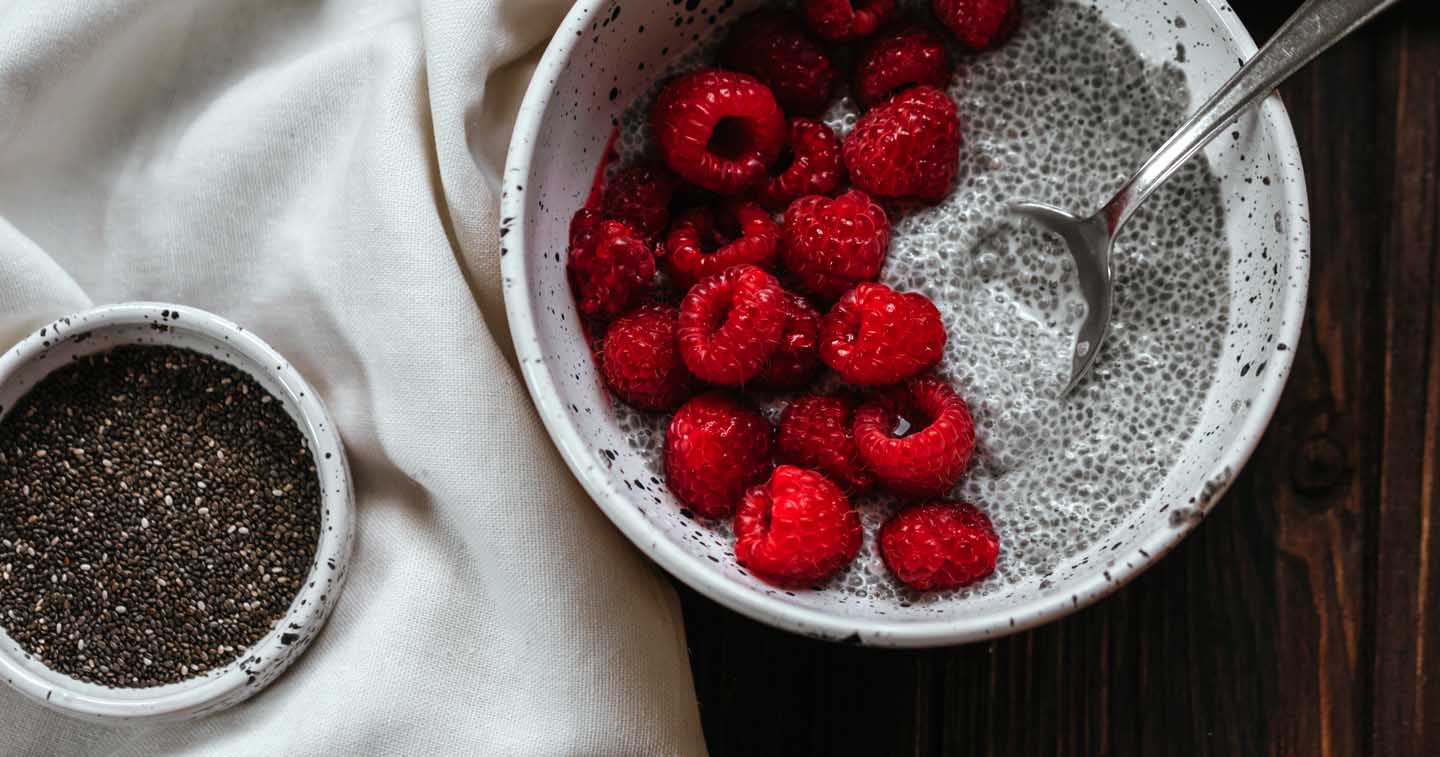
Chia as Omega 3 source - Photo by Polina Kovaleva from Pexels

Lukotrienes are tissue hormones derived from arachidonic acid. Arachidonic acids occur in very high quantities in lard and hard cheeses such as Emmental. They should be avoided in acne and all other inflammatory processes.

There was found a link between eating chocolate and the development of acne. This was true also for the consumption of dark chocolate and pure cocoa powder.((Vongraviopap S. et.al. Dark chocolate exacerbates acne. DOI: 10.1111/ijd.13188
Caperton C et.al. Double-blind, Placebo-controlled Study Assessing the Effect of Chocolate Consumption in Subjects with a History of Acne Vulgaris. J Clin Aesthet Dermatol. 2014 May;7(5):19-23. PMCID: PMC4025515)) The consumption of fat, sugar and other refined products was associated as well with a higher risk of acne.((Aksu A et.al. Acne: prevalence and relationship with dietary habits in Eskisehir, Turkey. DOI: 10.1111/j.1468-3083.2011.04329.x)) This might be due to the increased release of insulin, which in turn makes the androgen hormones more active.((Julson E. Top 7 Foods That Can Cause Acne. Healthline, January 24, 2018))

Soybeans and derived products can have a beneficial effect. They contain phytoestrogens, which help to achieve a hormonal balance. Tumeric has anti-inflammatory properties, and probiotics can help as well to control inflammation. Vitamin A, D, E and zinc can help to strengthen the immune system and fight the bacteria involved in acne formation.((Julson E. Top 7 Foods That Can Cause Acne. Healthline, January 24, 2018))

Lifestyle Factors

Unfortunately, many teenagers suffering from acne smoke. High levels of arachidonic acid and polycyclic aromatic hydrocarbons have been found in cigarette smoke. These substances promote the development of inflammatory tissue hormones. The motto: “You are fine without smoke” should be spread much more widely among young people for many reasons.

Many acne patients have noticed for themselves that stress plays a large role. Around exam dates and in girls around the time of their menses, pustules can really flourish. If a new pimple is found on the nose in front of the mirror, it can be very stressful. It shows who has a good self-esteem or whether this nonsense on the nose can throw you off track.

The acne years coincide with the problem years due to the detachment from the parental home. This can involve a large amount of stress. An open ear within family circles and a more relaxed approach to the social pressures can help a lot. In a difficult case, you should seek professional help.

Pharmacological Treatment

Any treatment for acne requires patience. In difficult cases, you should work with a dermatologist. There are many active ingredients that suppress sebum production and normalize the cornification process. Alpha-hydroxy acids, benzoyl peroxide, linoleic acid creams, retinoids (vitamin E), isotretionin, salicylic acid, zinc and zinc compounds, hormones in women and antibiotics in severe cases are some of the agents used. The treatment depends on the clinical manifestations and is arranged together with the doctor. False concepts and expectations are widespread. Realistic goals must be explained and the patient’s personal responsibility must be emphasized. But before you shoot cannons on flies, it is advisable to first take a close look at your diet and lifestyle. Because many of the drugs also have side effects.

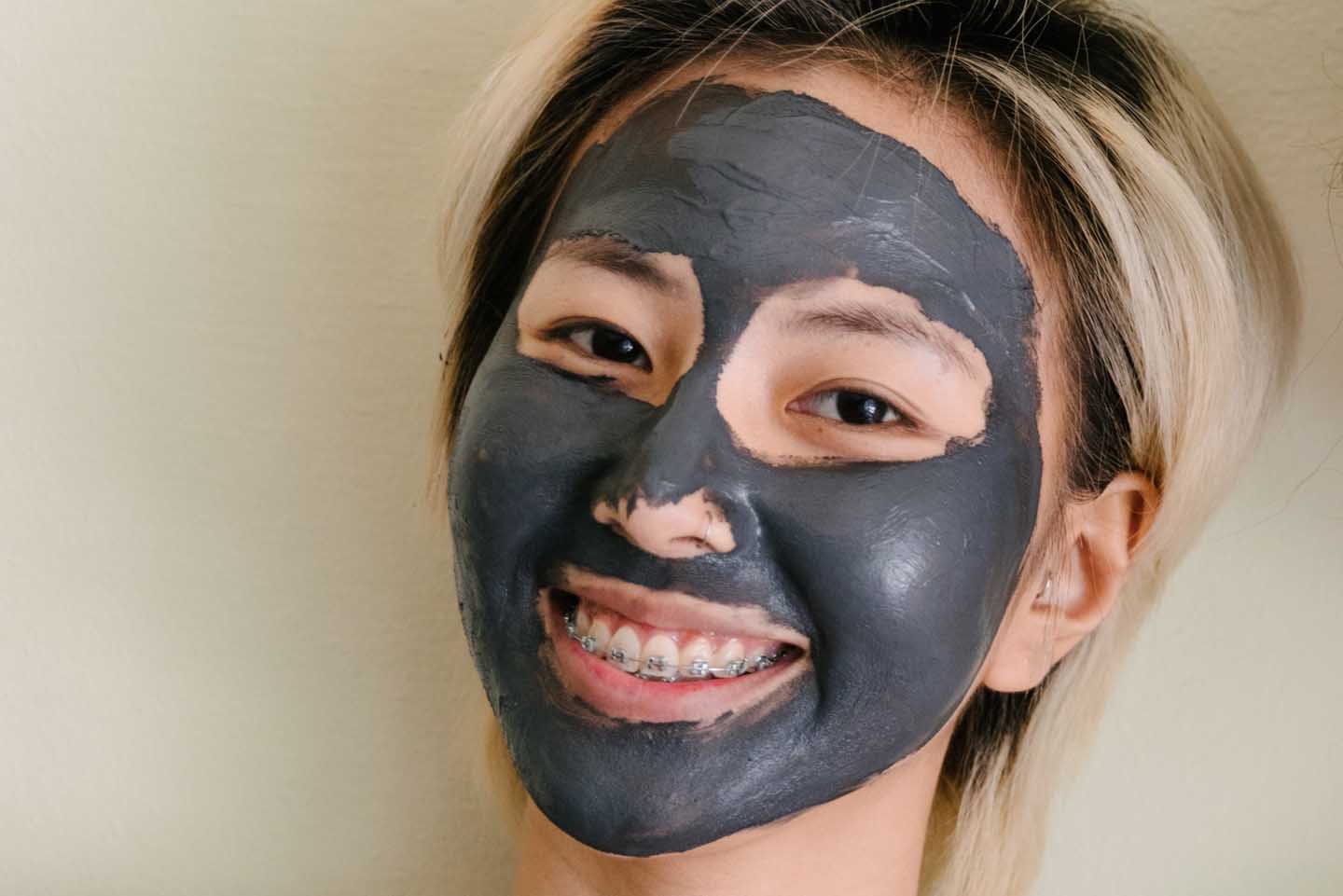
Recipe for an Acne Treatment Mask

Acne treatment mask - Foto by Ketut Subiyanto from Pexels
  • Use Luvos healing earth or powdered clay, amount as required
  • Mix with herbal tea until you have a spreadable mass.
  • Apply the compound to the affected areas using a brush, spatula or spoon.
  • Leave it until the mask is largely dry and then rub it off with your fingers to peel the skin at the same time. Then wash off the residue or wipe it off with a damp cosmetic tissue.

Herbs that are good for making the herbal tea for the pack: thyme, rosemary, peppermint, witch hazel
If the skin is rather sensitive: use sage or chamomile tea.
If you want, you can also take a facial steam bath before the pack with the mentioned teas.

Recipes

The beta carotene of carrots is absorbed better if they are cooked. It is though important to not cook them excessively, but preferably just cook them tender in steam, in order to not leak out the nutrients.

Carrot Spread

  • 2 large carrots
  • 2 garlic cloves
  • 1 small onion
  • 1 large tomato
  • 1 pinch of salt
  • 2 tbs. olive oil
  • 1 pinch of oregano optional
  • 1 tsp. nutritional yeast
  1. Cook the carrot with little water
  2. Saute the onion and garlic without oil, then add tomatoes, salt and oregano

  3. Blend the carrot with a little cooking water

  4. Add the remaining ingredients and blend well

  5. Add the olive oil
DiabeticDiet, GlutenFreeDiet, VeganDiet

Carrot Sushi

  • 1 large carrot
  • rice (tofu or guacamole for filling)
  1. Cut the carrot into thin slices. At best use a slicer to slice the carrot lengthwise.

  2. Steam for 10 minutes.

  3. Roll in the form of sushi.

  4. Stuff with cooked rice, tofu or guacamole.

Carrot Sweet Balls

  • 1 large grated carrot
  • 4 tablespoons shredded coconut
  • 3 tablespoon brown sugar or honey
  1. Grate the carrot with a fine grater.
  2. In a frying pan cook the carrot and sugar and stir to avoid sticking.

  3. Cover for a few minutes over low heat.
  4. When the carrot is cooked and starting to dry, add the grated coconut and stir for a few minutes until it starts to bind.
  5. Allow to cool slightly and mold into balls.
Dessert
GlutenFreeDiet, LowFatDiet, VeganDiet

Carrot Bread

  • 2 large carrots
  • 1 cup of oatmeal
  • 1/2 teaspoon salt
  1. Cut the carrots into slices.
  2. Cook until well cooked. You do not need to remove the skin.
  3. Smash the carrots while still hot with a fork.
  4. Add salt to taste and oatmeal until you achieve the right consistency. The dough is a little sticky. Wait about 5 minutes, as the oats absorb moisture and the dough will be easier to shape.
  5. Mold in the shape of small balls.
  6. Bake for 20 to 30 minutes until golden brown.

Eat preferably warm.

Appetizer
DiabeticDiet, GlutenFreeDiet, LowFatDiet, VeganDiet

Now we want a few recipes who provide us with good sources of Omega 3.

Chia Yogurt

  • 1 cup of coconut milk
  • 4 tablespoon chia
  • 1 small mango
  • 1 chopped apple
  • ¼ cup of raisins
  1. Put the coconut milk into a container and stir in the chia until it is well mixed.

  2. Take to the refrigerator for 6 hours or until the next day.

  3. Afterward mix with sliced mango, apple and raisins.

  4. If you prefer, place in a bowl layers of chia yogurt interspersed with the fruit. Serve pure or with granola.

Breakfast
DiabeticDiet, GlutenFreeDiet, LowCalorieDiet

Flaxseed Salt

The flaxseed salt can be used like sesame salt as a seasoning for salads and other dishes

  • ½ cup flaxseed
  • 1 tbsp salt
  1. Put the flaxseed into a skillet and roast for a few minutes on low heat, stirring every few seconds.

  2. When seeds start to pop in larger quantity, put on a lid and take the skillet off the heat.

  3. Let the seeds cool to room temperature.

  4. Transfer seeds to a spice grinder and mix with the salt.

  5. Pulse for a few seconds. If needed repeat until seeds are finely ground.

To get the maximum benefits of the Omega 3 fatty acids, keep inside an airtight container in the fridge and use within 3-4 days. Never buy flaxseed already ground, because Omega 3 fats oxidize and get rancid very quickly.

Healthy Fruits

Stay Always Up to Date

Sign up to our newsletter and stay always informed with news and tips around your health.

Sign Up Now!

Filed Under: Diseases, Skin, Teenagers

Primary Sidebar

Social Channels

Coronavirus Immunity Challenge

Boost your immune system to be bullet-proof for the pandemic.

I Want to Participate

Recent Posts

  • 5 Habits to Live Longer
  • Better Sleep Can Protect Against Dementia
  • Finding Peace In Your Crazy-Busy World
  • Flaxseed – An Ancient Plant Rediscovered
  • Platelets – Triggers for Life or Death
  • Boderline Personality Disorder
  • In Praise of Almonds and Nuts
  • Are You Stuck in the Clutter Trap?

Categories

  • Body Systems (16)
    • Cell Function (2)
    • Circulatory System (1)
    • Digestive Tract (10)
    • Immune System (4)
  • Diseases (27)
    • Cancer (2)
    • Cold (1)
    • COVID-19 (11)
    • Dementia (1)
    • Diabetes (1)
    • Digestive Diseases (2)
    • Heart Disease (2)
    • Kidneys (1)
    • Metabolic Syndrome (2)
    • Skin (1)
  • Healthy Lifestyle (42)
    • Exercise (11)
    • Gardening (2)
    • Sleep (7)
    • Sunlight (2)
    • Temperance (14)
    • Water (4)
  • Mental Health (87)
    • Addictions (6)
    • Anxiety (7)
    • Burnout (1)
    • Depression (7)
    • Psychosomatic Diseases (6)
    • Stress Management (45)
    • Trust (6)
  • Nutrition (56)
  • Obesity (9)
  • Phases of Life (14)
    • Adults (3)
    • Babies and Infants (1)
    • Children (3)
    • Seniors (5)
    • Teenagers (3)
  • Therapies (7)
    • Herbs (5)
    • Hydrotherapy (1)
  • Uncategorized (3)

Archives

  • January 2025 (1)
  • March 2024 (5)
  • February 2024 (4)
  • January 2024 (4)
  • December 2023 (5)
  • November 2023 (4)
  • October 2023 (5)
  • September 2023 (4)
  • August 2023 (3)
  • July 2023 (2)
  • June 2023 (4)
  • May 2023 (4)
  • April 2023 (5)
  • March 2023 (4)
  • February 2023 (4)
  • January 2023 (4)
  • December 2022 (4)
  • November 2022 (4)
  • October 2022 (5)
  • September 2022 (4)
  • August 2022 (4)
  • July 2022 (5)
  • June 2022 (4)
  • May 2022 (5)
  • April 2022 (4)
  • March 2022 (4)
  • February 2022 (4)
  • January 2022 (5)
  • December 2021 (3)
  • November 2021 (4)
  • October 2021 (6)
  • September 2021 (4)
  • August 2021 (4)
  • July 2021 (5)
  • June 2021 (4)
  • May 2021 (3)
  • April 2021 (5)
  • March 2021 (4)
  • February 2021 (4)
  • January 2021 (5)
  • December 2020 (3)
  • November 2020 (4)
  • October 2020 (5)
  • September 2020 (5)
  • August 2020 (3)
  • July 2020 (1)
  • June 2020 (1)
  • May 2020 (1)
  • April 2020 (1)
  • March 2020 (1)

Copyright © 2026 · Abundant Health - Privacy Policy - Medical Disclaimer