Abundant Health

Up to date health information tailored for you

  • Home
  • Blog
  • Recipes
  • Shop
  • Contact
You are here: Home / Archives for Healthy Lifestyle / Sleep

Sleep

Better Sleep Can Protect Against Dementia

March 31, 2024 by Andrée-Ann Baril - [rt_reading_time label="Reading Time:" postfix="minutes" postfix_singular="minute"]

Better Sleep Can Prevent Dementia

Dementia is a progressive loss of cognitive abilities, such as memory, that is significant enough to have an impact on a person’s daily activities. It can be caused by a number of different diseases, including Alzheimer’s, which is the most common form. Dementia is caused by a loss of neurons over a long period of time. Since, by the time symptoms appear, many changes in the brain have already occurred, many scientists are focusing on studying the risk and protective factors for dementia.
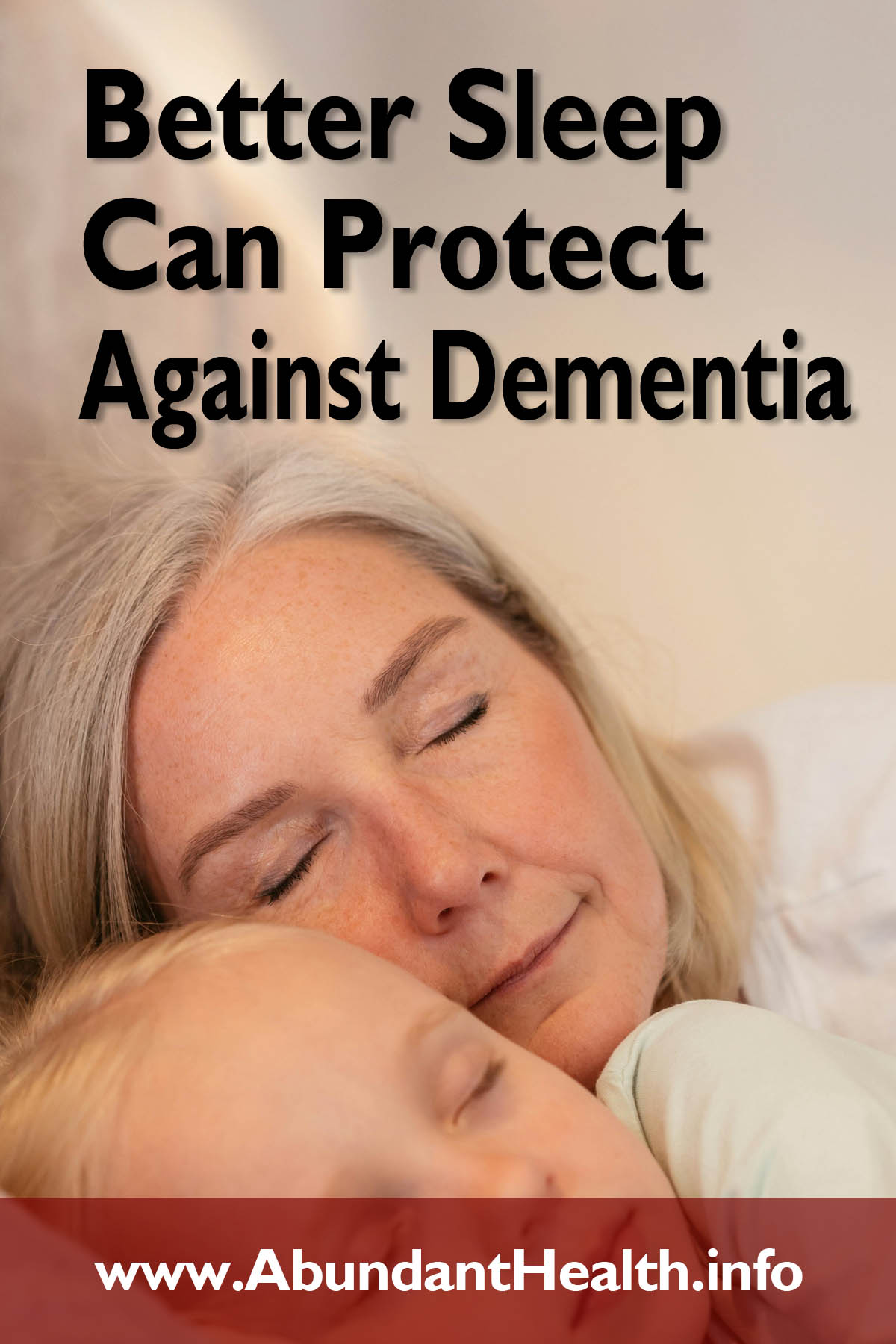
Better Sleep Can Protect Against Dementia

A risk factor, or conversely, a protective factor, is a condition or behaviour that increases or reduces the risk of developing a disease, but does not guarantee either outcome. Some risk factors for Alzheimer’s disease and dementia, such as age or genetics, are not modifiable, but there are several other factors we can influence, specifically lifestyle habits and their impact on our overall health.((Livingston G. et.al. Dementia prevention, intervention, and care: 2020 report of the Lancet Commission. https://doi.org/10.1016/S0140-6736(20)30367-6))

These risk factors include depression, lack of physical activity, social isolation, high blood pressure, obesity, diabetes, excessive alcohol consumption and smoking, as well as poor sleep.

We have been focusing our research on the question of sleep for over 10 years, particularly in the context of the Framingham Heart Study.((Framingham Heart Study (FHS) https://www.nhlbi.nih.gov/science/framingham-heart-study-fhs)) In this large community-based cohort study, ongoing since the 1940s, the health of surviving participants has been monitored to the present day. As researchers in sleep medicine and epidemiology, we have expertise in researching the role of sleep and sleep disorders in cognitive and psychiatric brain aging.

As part of our research, we monitored and analyzed the sleep of people aged 60 and over to see who did — or did not — develop dementia.

Sleep as a risk or protective factor against dementia

Sleep appears to play an essential role in a number of brain functions, such as memory. Good quality sleep could therefore play a vital role in preventing dementia.((Musiek ES, Ju YS. Targeting Sleep and Circadian Function in the Prevention of Alzheimer Disease. JAMA Neurol. 2022;79(9):835–836. doi:10.1001/jamaneurol.2022.1732))

Sleep is important for maintaining good connections in the brain.((Xie L. et. al. Sleep Drives Metabolite Clearance from the Adult Brain. https://doi.org/10.1126/science.1241224)) Recently, research has revealed that sleep seems to have a function similar to that of a garbage truck for the brain: deep sleep could be crucial for eliminating metabolic waste from the brain, including clearing certain proteins, such as those known to accumulate in the brains of people with Alzheimer’s disease.((Astara K. et.al. Sleep disorders and Alzheimer’s disease pathophysiology: The role of the Glymphatic System. A scoping review, Mechanisms of Ageing and Development, Volume 217, 2024, 111899, https://doi.org/10.1016/j.mad.2023.111899.))

However, the links between deep sleep and dementia still have to be clarified.
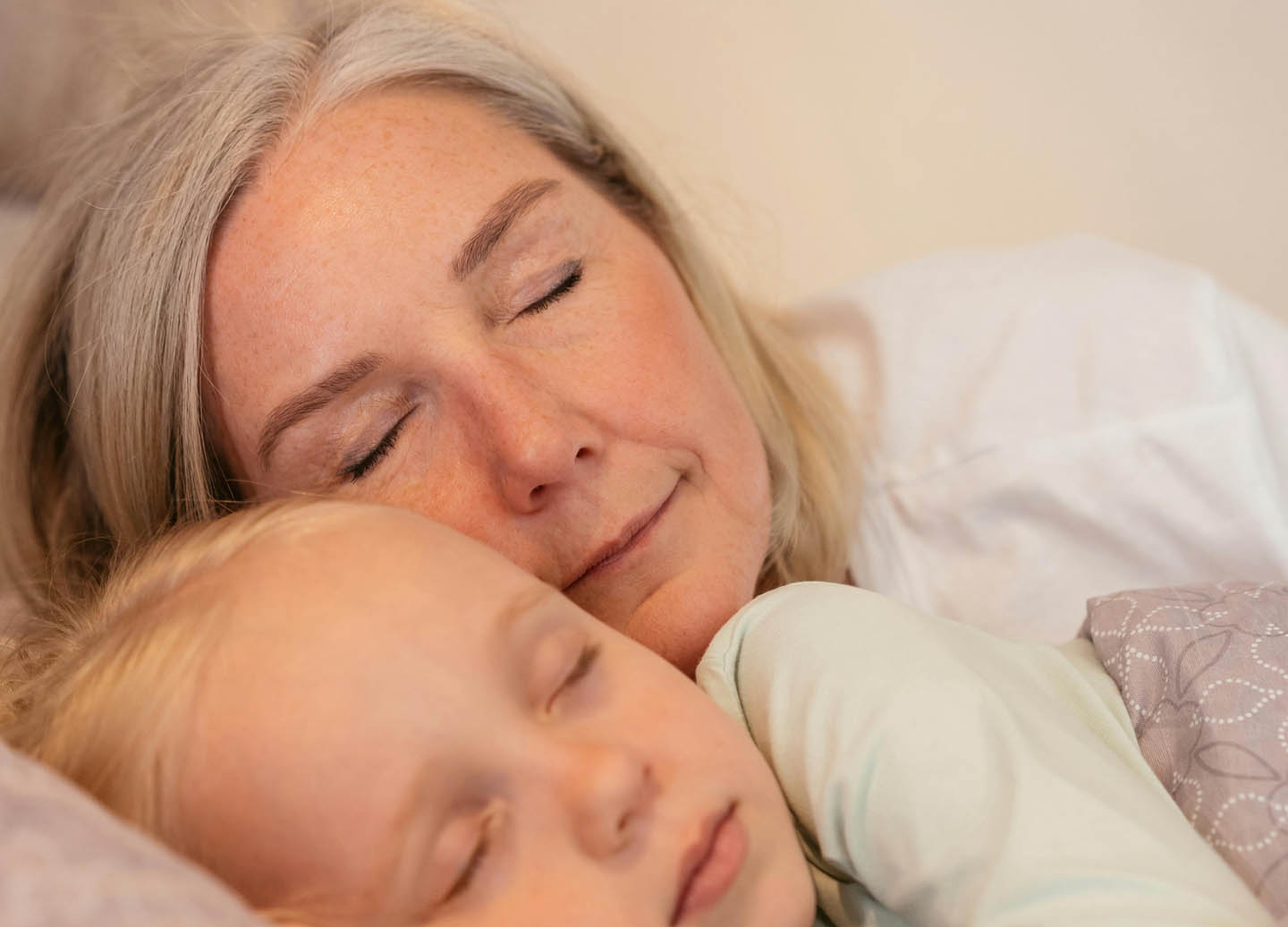
A senior woman sleeping

What is deep sleep?

During a night’s sleep, we go through several sleep stages that succeed one another and are repeated.((Normal sleep. CEAMS))

NREM sleep (non-rapid eye movement sleep) is divided into light NREM sleep, NREM sleep and deep NREM sleep, also called slow-wave sleep. The latter is associated with several restorative functions. Next, REM sleep (rapid eye movement sleep) is the stage generally associated with the most vivid dreams. An adult generally spends around 15 to 20 per cent of each night in deep sleep, if we add up all the periods of deep NREM sleep.

Several sleep changes are common in adults, such as going to bed and waking up earlier, sleeping for shorter periods of time and less deeply, and waking up more frequently during the night.

Loss of deep sleep linked to dementia

Participants in the Framingham Heart Study were assessed using a sleep recording — known as polysomnography — on two occasions, approximately five years apart, in 1995-1998 and again in 2001-2003.((Himali JJ, Baril A, Cavuoto MG, et al. Association Between Slow-Wave Sleep Loss and Incident Dementia. JAMA Neurol. 2023;80(12):1326–1333. doi:10.1001/jamaneurol.2023.3889))

Many people showed a reduction in their deep slow-wave sleep over the years, as is to be expected with aging. Conversely, the amount of deep sleep in some people remained stable or even increased.

Our team of researchers from the Framingham Heart Study followed 346 participants aged 60 and over for a further 17 years to observe who developed dementia and who did not.

Progressive loss of deep sleep over time was associated with an increased risk of dementia, whatever the cause, and particularly Alzheimer’s type dementia. These results were independent of many other risk factors for dementia.

Although our results do not prove that loss of deep sleep causes dementia, they do suggest that it could be a risk factor in the elderly. Other aspects of sleep may also be important, such as its duration and quality.

A senior woman making tea in her antique home

Strategies to improve deep sleep

Knowing the impact of a lack of deep sleep on cognitive health, what strategies can be used to improve it?

First and foremost, if you’re experiencing sleep problems, it’s worth talking to your doctor. Many sleep disorders are underdiagnosed and treatable, particularly through behavioral (i.e. non-medicinal) approaches.

Adopting good sleep habits can help, such as going to bed and getting up at consistent times or avoiding bright or blue light in bed, like that of screens.

You can also avoid caffeine, limit your alcohol intake, maintain a healthy weight, be physically active during the day, and sleep in a comfortable, dark and quiet environment.

The role of deep sleep in preventing dementia remains to be explored and studied. Encouraging sleep with good lifestyle habits could have the potential to help us age in a healthier way.

Healthy Fruits

Stay Always Up to Date

Sign up to our newsletter and stay always informed with news and tips around your health.

Sign Up Now!

This article is republished from The Conversation under a Creative Commons license. Read the original article.

The Conversation

Filed Under: Dementia, Diseases, Healthy Lifestyle, Phases of Life, Seniors, Sleep

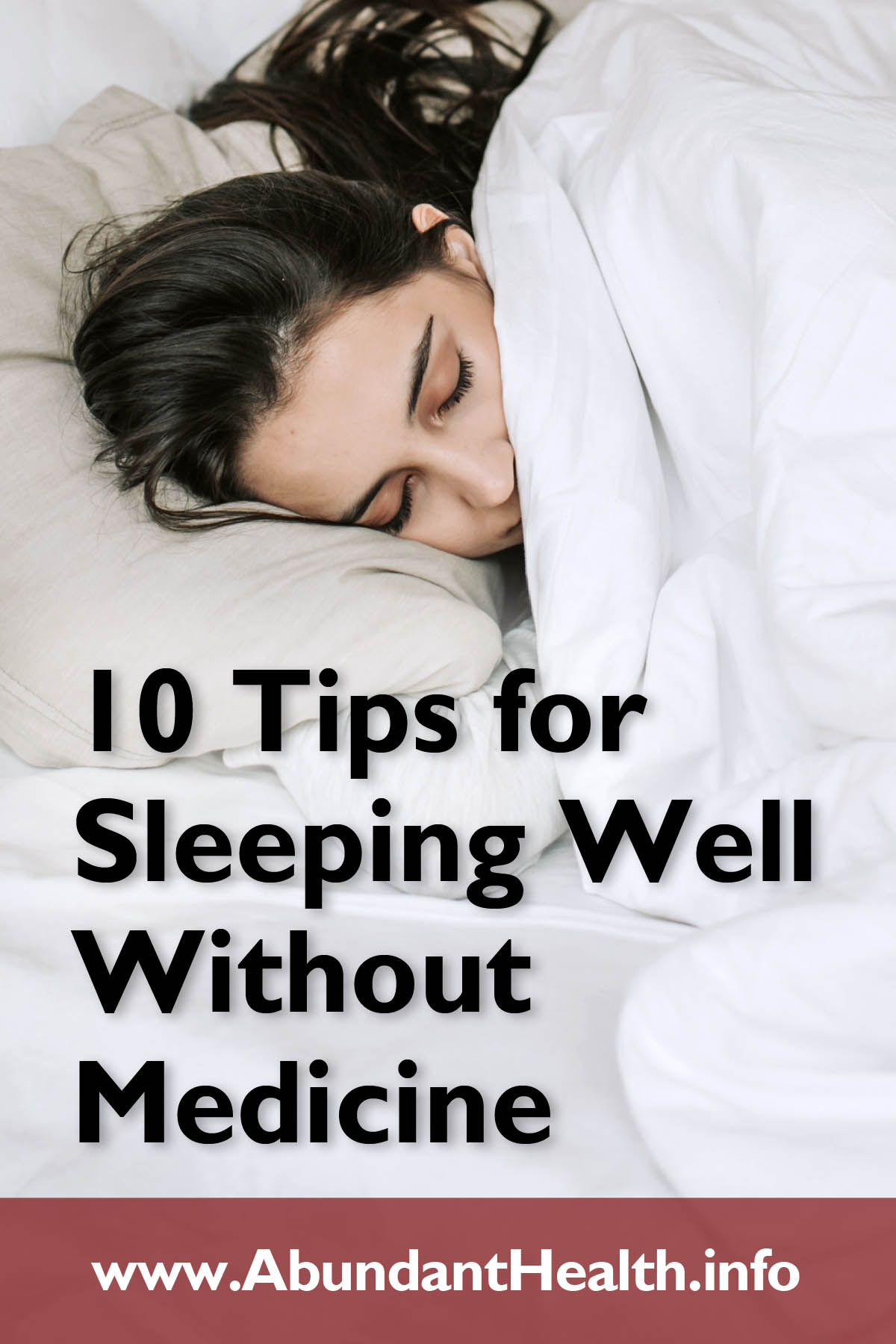
10 Tips for Sleeping Well Without Medicine

October 8, 2023 by Dr. Cesar Vasconcellos de Souza - [rt_reading_time label="Reading Time:" postfix="minutes" postfix_singular="minute"]

10 Tips for Sleeping Well Without Medicine

Do you sleep well? Do you wake up rested? Do you have insomnia? Is sleep really important for our mental health? Let’s think for a moment about some important issues in relation to sleep.

10 Tips for Sleeping Well Without Medicine

Levels of cortisol, the hormone produced by the adrenal glands, are highest in the morning because it is important for our body to function during the day. When night comes, cortisol levels drop so that we can rest. And, opposed to cortisol, at the end of the day, when it gets dark, if the person remains in a dark environment when sleeping, the production of a neurohormone increases, which is melatonin.

Sleep is essential for proper rest of mind and body. Melatonin, then produced by the pineal gland in our brain, plays a fundamental role during sleep. Serotonin and melatonin alike are produced from an amino acid called tryptophan, obtained from foods such as nuts, legumes, bananas, brown rice, potatoes, beans, lentils, nuts, avocados, soybeans, and derivatives. Tryptophan is transformed into serotonin, and this turns into melatonin.

The concentration of serotonin is increased during the day in the pineal gland while there is light, contrary to what occurs with melatonin. When light enters our eyes and travels towards our retina, which is the back of the eyeball, the optic nerve and its connections carry this information to the pineal gland, inhibiting the production of melatonin. The peak of melatonin production occurs between two and three o’clock in the morning, with a normal lifestyle and a dark environment. The less melatonin there is, the worse your sleep will be, and consequently the more tired you will be.

Melatonin is an antioxidant, capable of crossing the blood brain barrier, being able to perform functions in brain cells, called neurons. As melatonin levels drop, there may be a simultaneous decline in brain function. Sleep disorders can also be one of the effects of decreased melatonin. As we age, the pineal gland starts to function less and there is a drop in melatonin production. This ends up causing some elderly patients to complain about their sleep quality or insomnia. However, they may easily fall asleep when they shouldn’t during the day, for example while watching TV.

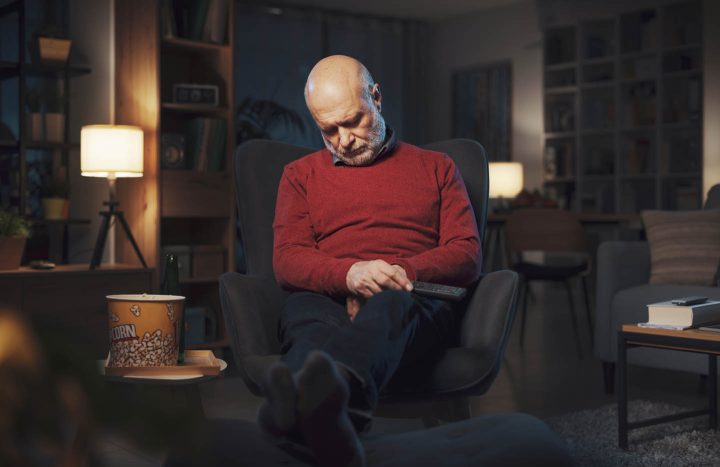
A senior falling asleep in front of the TV

Sleep is produced by specific brain activities. Certain bodily functions change during sleep. Blood pressure and heart rate decrease, growth hormone is secreted in stage 4 Sleep, called non-REM. Body temperature in the later stages of sleep also drops. Sleep is divided into two categories: REM (Rapid Eye Movement) sleep, and non-REM sleep. This non-REM sleep is classified into four phases. The majority of dreams occur during REM sleep and correspond to between 20% and 25% of total sleep.

Sleep specialists at Oxford University reported a study in which they chose four volunteers who tend to sleep deeply. They were hooked up to devices that track sleep quite accurately. They slept for 8 hours straight on the first three nights, when they didn’t have to go through any kind of interruption in that experiment. Over the next three nights, they slept only 4 hours, as their sleep was interrupted by the study team. The scientists filled out a questionnaire each day to identify any emotional changes and recorded daily videos of these participants in the scientific experiment.

Do you know the result? It was found that there was an increase in anxiety, depression and stress. There was also an increase in paranoia and a feeling of distrust towards other people. The scientists were amazed that after just three nights of sleep deprivation these symptoms appeared. Three of the four volunteers found the experience to be unpleasant, but one participant said he was unaffected and felt fine. However, in the questionnaires it was found that positive feelings decreased significantly after two nights of interrupted sleep, while negative feelings began to increase. In other words, although he said he was feeling well, there were signs that his mental health was beginning to suffer by having his sleep interrupted on three nights.

An irritated woman

The research, considered the largest controlled study of psychological treatment for mental health, strongly suggests that insomnia can cause mental health problems, rather than insomnia simply being a consequence. Daniel Freeman, Professor of Clinical Psychology at Oxford University, who led the study, believes that one of the reasons sleep deprivation is so harmful to our brains is because it encourages repetitive negative thinking. He said: “We have more negative thoughts when we are sleep deprived, and what’s more, we get caught up in them.” He did not state, however, that a few nights of poor sleep mean that the person will develop a mental illness, but that the risk, in fact, increases. Sleeping well protects your mental health.

Do you want some tips to sleep better? So first, get just enough sleep to feel good. Staying in bed longer than necessary can lead to superficial sleep the following night. Second, avoid coffee, black tea, Cola soft drinks, and chocolate, as caffeine impairs sleep. What’s more: stop smoking, as nicotine can have a stimulating effect and disturb your sleep. Exercise daily, as it promotes muscle relaxation and contributes to better quality sleep. Seek treatment for sinusitis, rhinitis and asthma, as they can disrupt sleep, causing many nighttime wake ups. Another point that helps you sleep better is maintaining regular times for going to bed and getting up, as this helps maintain the regularity of your biological rhythm.

Avoid heavy meals at night. It is best to have your last meal two hours before going to bed. It is also important to avoid watching TV in the bedroom. I know a lot of people do it, but it’s best to avoid it. Sounds, light and temperature can interfere with sleep quality. Your body needs a pleasant temperature, quiet and dark environment for good sleep. The best time to produce restful sleep is between nine in the evening and six in the morning. And one last thing: only use sleeping pills under medical advice. I hope you have a good sleep today!

Healthy Fruits

Stay Always Up to Date

Sign up to our newsletter and stay always informed with news and tips around your health.

Sign Up Now!

Filed Under: Healthy Lifestyle, Mental Health, Sleep

Gas and Oil – For Our Body

May 15, 2022 by Esther Neumann - [rt_reading_time label="Reading Time:" postfix="minutes" postfix_singular="minute"]

Gas and Oil

Every driver knows what fuel his car runs best on. He also knows what kind of oil the engine needs. He is very well informed about the tire pressure and, of course, about the engine’s performance. Let’s be honest: do you know your body as well as you know your car? Which oil do you work best with?

Gas and Oil - For Our Body

Research has found that our lifestyle and diet have a huge impact on our genes. Put simply, we can turn genes on or off with our diet and lifestyle. Only after being switched on will they have any impact on our health. It is therefore very important to pay particular attention to these two factors. Not only our car needs optimal care. Our body needs them even more. We can replace a car after a few years, but not our body.

Clear Sight

We take good care that there is always enough water in our car’s windscreen washer system. And what about our bodies? Did you know that brain cells are extraordinarily sensitive to dehydration? The brain is no longer optimally supplied with blood and can no longer perform. Visibility is clouded, like in a car with a dirty windshield. Did you know that the kidneys can no longer produce sufficient dilution of the urine if you drink too little water? The concentration of the substances that have to be excreted is constantly increasing, and the risk of kidney stones is going up. The bladder can be impacted, since without sufficient liquid transport from the kidney, it is no longer sufficiently perfused. This is followed by a massive increase in disease-causing germs. A painful urinary infection is the consequence. If you drink enough, you flush your entire urinary system optimally.

A glass of water

Fill Up the Tank, Please

Everyone who drives away makes sure that there is enough fuel in the car, otherwise they won’t get to their destination. Be sure to fill up the tank of your body in the morning! Blood sugar levels are below normal after waking up. During the night, the glucose was used up for a great many energetic processes. That’s why you have to recharge your batteries with a hearty, wholesome breakfast. Fresh fruits, whole wheat bread bread with a tasty spread, an oatmeal or a granola are the right fuel to start the day.

Oil Change

How many types of oil are offered in the car accessories section! It’s the same in the grocery store. Most car owners know what kind of oil the engine needs. Who knows which oil is ideal for his body? Omega-3 fatty acids are not just empty buzzwords or good for advertising. Omega-3 fatty acids are the big stars protecting the heart and blood vessels. They reduce blood triglycerides, blood pressure and the risk of coronary heart disease. They probably also lower the risk of developing Alzheimer’s disease and reduce certain rheumatic complaints. They lower the cholesterol level and alleviate neurodermatitis.

And where do we find omega-3 fatty acids? In a number of vegetable oils and in the fish oil of cold-water fish, i.e. salmon, herring, mackerel, tuna and sardines. Unfortunately, toxic heavy metals such as lead and mercury are very often found in fish. Therefore, it is more advisable to switch to good vegetable oils. Linseed, canola, chia, hemp, walnut and soybean oil contain many omega-3 fatty acids.

Flaxseed and linseed oil

Animal fats should be avoided, especially lard. They have a lot of arachidonic acid, which has an inflammatory effect. Unfortunately, fast food or store-bought baked goods frequently use industrial margarine containing trans-fatty acids, which are detrimental for our cells. However, the industry is trying to get rid of this flaw.

Pit Stop

In motorsport, a pit stop is a very short stop at a designated place where various interventions, small repairs and adjustments can be made at lightning speed. Our body also needs a pit stop – but a longer one than in sports. Rest and enough sleep are seen by many today as a luxury. On average, we now sleep about an hour and a half less than a generation before us did. Many adults and even children complain about the consequences of lack of sleep: susceptibility to colds, reduced performance, lack of concentration and a higher frequency of accidents.

In addition to healthy sleep, relaxation during the day is also very important. Lots of things distract us and steal what we need for ourselves – every now and then a few relaxing minutes after work is done. This can be something different for everyone. For some, it means closing your eyes and listening within; for the other to let their eyes wander outside the window. It’s good if they get to see flowers and green trees, just something different than in the working world.

If you can take a walk in nature, you have double the benefit. Feel the wind, breathe the fresh air, listen to the birds singing, enjoy the moment that is all yours and for a moment don’t think about the future or the past. This fills you with gratitude and calm for what you have just been able to accomplish in the past day.

A stroll in nature

When these pit stops are followed by the weekly day of rest after the six working days, you will experience an oasis in a stressed world. It is not for nothing that our Creator set this day for us. It is also good for our soul.

Our bodies are worth far more than a car. It is worth thinking about what kind of performance we expect from it and how we want to take care of it. However, it is also worthwhile to immediately put the knowledge gained into practice. You will reap the benefits for yourself.

Healthy Fruits

Stay Always Up to Date

Sign up to our newsletter and stay always informed with news and tips around your health.

Sign Up Now!

Filed Under: Healthy Lifestyle, Nutrition, Sleep, Water

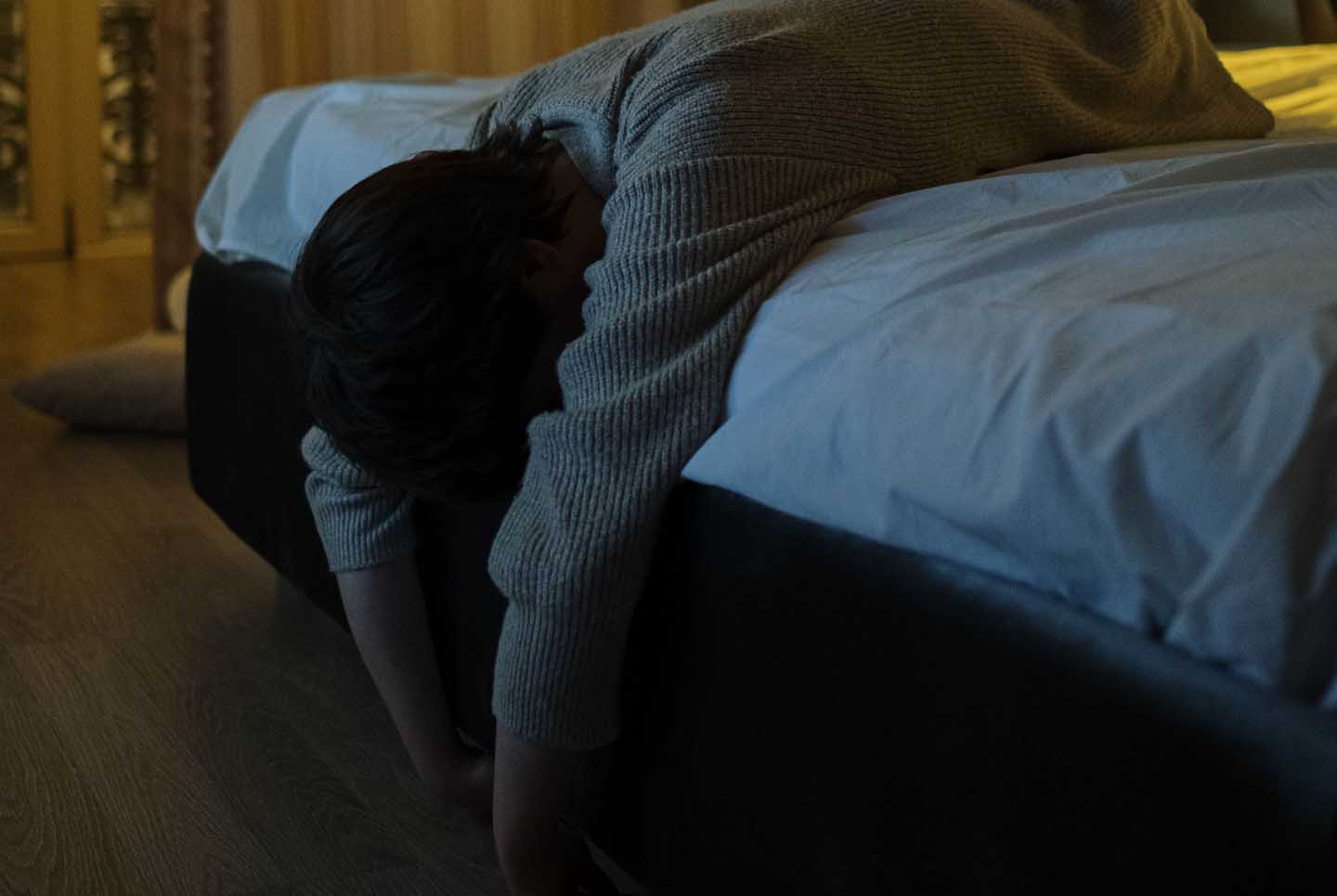
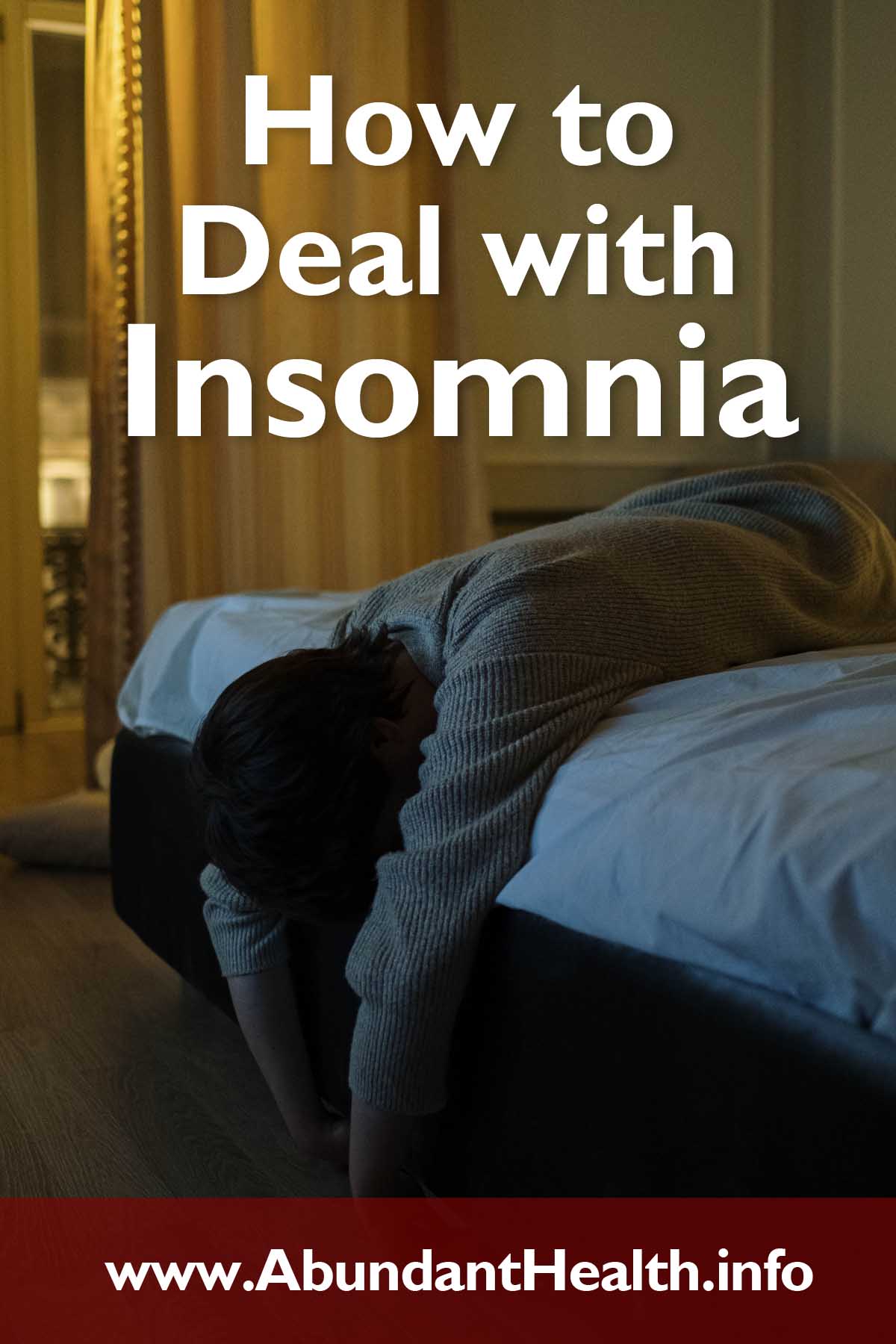
How to Deal with Insomnia

February 13, 2022 by Dr. Cesar Vasconcellos de Souza - [rt_reading_time label="Reading Time:" postfix="minutes" postfix_singular="minute"]

Insonia

Insomnia is something that is profoundly affecting our lives. It is draining our energy, affecting our health, our mood, our relationships and much more. In this article we will have some tips how to take care of insomnia.

How to Deal with Insomnia

There are at least three types of insomnia:

  • Initial Insomnia: The person takes more time to fall asleep.
  • Intermittent Insomnia: the person sleeps, wakes up, sleeps, wakes up with many awakening episodes during the night.
  • Terminal Insomnia: the person wakes up very early, at dawn and cannot go back to sleep. In fact, this insomnia is the most common in cases of depression.

We can also distinguish between:

  • Transient Insomnia: Occurs only for a period of a person’s life. Usually because of some temporary short time stress.
  • Chronic Insomnia: it is the one that disturbs the person for many years.
  • Organic Insomnia: it is caused by some brain injury related to psychiatric diseases. In some way, all insomnia is organic because it affects the body.

Some studies show that insomnia is more common in people who are divorced, separated or widowed. It can also affect people with a low level of education, with low family income and unemployed, and may be more common in women than in men. Insomnia can arise when the person is overloaded with possible deep personal and interpersonal conflicts, in deep marital problems, in the face of unemployment, after an accident with hospitalization and in the absence of social support. Many have insomnia because they suffer from excessive anxiety, or because they stop breathing during sleep, overuse prescription drugs, or abuse caffeinated beverages. Night shift workers can also develop insomnia by desynchronizing the normal sleep-wake rhythm.

Among the drugs that promote insomnia are amphetamines used in formulas – these formulas to suppress appetite, also some antidepressants, binge drinking or chronic alcoholism. There are people who develop insomnia due to bad habits, such as having a television in the bedroom and watching TV until late, having a heavy meal at night, close to bedtime, for living in a noisy environment and sleeping during the day. And in the case of mental illnesses, insomnia appears in depression, and even more so in cases of excessive anxiety, in schizophrenia and in the individual with bipolar disorder, in the sense of getting very little sleep due to mental agitation and euphoria in the euphoric phase.

Watching TV in bed - Photo by cottonbro from Pexels

Psychologists and Psychoanalysts admit that insomnia can be the result of excessive anguish related to inner conflicts, in which the individual is unable to mentally elaborate what ails him. These conflicts overrun the protective function of the dream, generating a collapse of the dream’s symbolization function. They also believe that some people have insomnia because they have repetitive nightmares that cause them to wake up several times. This type of insomnia is normally related to a past traumatic event, or activated by a difficult existential situation, which produces an important burden of anguish for the person, generating a mental elaboration process during the night.

Tips to Deal with Insomnia

First, take care of your environment: Use a comfortable bed and pillows, a quiet, dark room with a pleasant temperature. Avoid noise, the presence of someone who snores in the environment and light, so as not to disturb your sleep. Use curtains or blinds to cut out the light coming in from the street. If you can’t use a curtain or blind, use a mask or small towel over your eyes. If you only feel comfortable and relaxed to sleep with some light, use a small, dim lamp next to your bedroom. But try to solve your anxiety so you can turn off the light. If there are other noises from the street or a factory nearby, for example, use earplugs.

Second thing is to change your lifestyle by exercising physically each day. Brisk walking in nature is the best thing to do. Do not sleep during the day. Go to bed only when you are tired and sleepy, always at the same time, even on weekends. If you can’t sleep, get up and go back to bed only when you’re drowsy. Maintain a routine of 7 to 8 hours of sleep a night. Always get up at the same time in the morning. Used to sleep late, after 22 hours? Get up earlier the next morning and your body will be ready to go to sleep earlier the next night.

Avoid obsessive thoughts like: Oh I’m not going to sleep! Oh my God, my mind won’t relax! Instead, think about this: I’m going to lie down, I’m going to relax and let sleep come. He will come when he can, just be patient with your organism. Don’t be mad at yourself because you don’t sleep. Don’t eat, don’t drink and don’t watch TV in the bed you sleep on. Avoid alcoholic beverages to try to sleep; do not ingest anything. If you get up in the middle of the night, don’t eat anything. Avoid too much liquid in the late afternoon, until bedtime.

The third aspect to help with insomnia is relaxing an hour before bed, for example, with a warm bath, avoiding TV. Swap stimulating reading for relaxing reading. Cultivate gratitude and joy. Avoid getting angry easily. Accept what you cannot change. Eliminate as much stress as possible. Avoid work overload. Take your meals calmly. Avoid assuming what is not your responsibility. Learn to say no so you don’t get overwhelmed. Look how much you can do, right?

A relaxing bath

Live today! One day at a time. Have a moment of relaxation in the middle of the day, it can be taking a walk after lunch, meditating at the Creator while looking at a beautiful landscape, saying prayers of gratitude throughout the day.

The fourth aspect is self-confidence. Research shows that people with a low level of self-worth are more prone to insomnia. So stop criticizing yourself, don’t reject yourself. And remember that even if you have a character flaw, as we all do, there is something positive that you have as well. We all have the ability to choose better behaviors. Practice setting boundaries for abusive people. You can speak firmly without attacking people.

The fifth aspect that helps with insomnia has to do with food and drinks. Eliminate stimulants such as coffee, black and green tea, chocolate, cola-type soda, guarana, and alcoholic beverages. Alcohol dehydrates, produces thirst at night and releases adrenaline that excites the brain. Eliminate food full of additives, fried foods, weight loss drugs, such as those that have amphetamines that cut sleep. Dinner should be a light snack, preferably two hours before bedtime.

A cup of coffee - Photo by Chevanon Photography on Pexels

The Sixth Aspect, Sleep Inducing Medications. Sleep medications should only be used for a short period of time, a maximum of four weeks, with extreme caution. A good alternative is hops, whose scientific name is Humulus Lupulus. Hop capsules with 250mg, using 2 to 4 capsules one hour before bedtime. Valerian, which is Valeriana Officinalis, can also be used in capsules with 250 mg, 2 to 4 capsules an hour before bedtime. Lemongrass tea, melissa or chamomile, help with sleep quality. Melatonin can be used under medical supervision for a short time.

The seventh aspect is psychotherapy. Cognitive-behavioral therapy was shown to be superior to zolpidem, which is a synthetic sleep inducer, in the study with 54 patients. In this type of psychological therapy, one learns to eliminate worrying thoughts, chronic pessimistic ideas, negative beliefs that disturb relaxation and thus disturb sleep.

Put these tips into practice and your quality of sleep will improve. Good sleep!

Healthy Fruits

Stay Always Up to Date

Sign up to our newsletter and stay always informed with news and tips around your health.

Sign Up Now!

Filed Under: Healthy Lifestyle, Sleep

9 Rules for Improving Sleep to Reduce Stress

July 17, 2021 by Martin Neumann - [rt_reading_time label="Reading Time:" postfix="minutes" postfix_singular="minute"]

9 Rules for Improving Sleep to Reduce Stress

There’s a strong correlation between how much sleep you get and how stressed you are. It’s a vicious cycle that can cause mental distress and even wreak havoc on your physical well-being.

9 Rules for Improving Sleep to Reduce Stress

It’s a well-known fact that people who don’t get enough sleep are lethargic and constantly experiencing an energy slump. This causes irritability, which also makes it hard to fall asleep. The reverse is also true. When you experience an exorbitant amount of stress during the day, it causes you to lie there awake – and that piles on more stress for the upcoming day. In many cases, this is leading to a vicious cycle that is complicating your stress more and more.

The Huffington Post conducted a poll where they asked people what their #1 stressor was. Lack of sleep was one thing that dominated the results. Stress and a lack of sleep combined can cause you to lose mental clarity and they can put more pressure on your body to perform at less than optimal standards.

For this reason it’s vital that you learn how to implement stress relief measures that also work to lull you to sleep at night. When you wake up fully refreshed, you’ll be able to tackle the world and anything it throws at you!

Rule #1 – Implement a Bedtime Technology Ban

If you want to toss and turn and have trouble to wake up in the morning, just keep your cell phone right by your bed. For some of you, that won’t be a problem – but for many people, it’s become an addiction that disrupts their sleep routine and causes a lack of sleep.

Some people have their computer right beside the bed and the glow of it lights up the room at night. The same is true for notifications that come in on cell phones – sometimes with lights and sometimes with the inclusion of sounds.

Not only is it a physical factor, but it causes a certain amount of mental unrest when you’re constantly checking emails or looking to see who posted what on Facebook.

Man using cellphone in bed - Photo by Ketut Subiyanto from Pexels

The physical distraction of the computer glow tricks your body into thinking it’s time for you to be awake. Your body won’t produce the melatonin it needs and help you get (and stay) asleep, so you toss and turn all night.

Technology doesn’t just have to be left out of the bedroom – it needs to be shut down quite awhile before you go to bed. Your mind needs time to disconnect and wind down itself, and it can’t do that if you’re constantly feeding it information. If you go to bed at 10 PM, try disconnecting around 8:30 PM. Let your stress melt away and your mind relax. By the time you go to bed, all technology should be switched off or transferred to a different room. This isn’t an easy habit to break, but by having a plan you’ll be able to implement it.

Rule #2 – Create an Environment Conducive for Sleep

Your bedroom can do a lot to improve your sleep quality. First of all, it should be completely dark at night. Our sleep cycles are influenced by the dark light cycle, and a good night’s rest requires a completely dark bedroom. No lights on, and no electronic gadgets that are emitting light. If you have street lights out of your window, invest in a good curtain to block them off. Your sleep quality will appreciate it.

Next, your bedroom should be quiet. Some people got used to sleeping with radio or TV at night, and it seems to give them a certain sense of security. Just the sleep quality suffers from that, and in the long run, it might be better to find ways to overcome this habit. If you are impacted by street noise right outside your bedroom window, you may want to invest in double or triple glass sound blocking windows for your home. Your mind needs to be able to fully relax overnight and refresh your energies for the next day.

Be sure to also avoid any distractions inside your bedroom. This room should be designed for sleep, and not for continuing the frenzy you are suffering already all day long. The TV can stay in the living room where it belongs. And the less clutter you have in the room, the more your mind will feel at rest.

A quiet bedroom

What can help a lot in the quality of your sleep is a good mattress. At the end of the day, you are spending one-third of your time in bed, and you should make sure that this time will be comfortable. A good mattress will be comfortable, but still firm, in order to give proper support to your spine. A pillow that is right for you can complement the comfort of your bed.

If you have trouble falling asleep, you can use a branch of lavender and put it below your pillow. As an alternative, you can purchase a lavender extract and sprinkle a few drops on your bed, just enough that you can smell it, but does not annoy you. For more severe sleep deficiencies you can try out to take some capsules of Valerian or Passion Flower, which are good options to induce you to sleep, giving you better conditions to resolve the underlying stress that may have caused your sleep deficiency.

Rule #3 – Wind Down Your Day With Exercise

It sounds almost backwards – putting forth extra exertion when you really need to be relaxing and calming down. But that’s just what exercise does for you! Exercise is a great stress reliever because it helps you release endorphins.

That’s why you sometimes hear of athlete’s bragging about their “runner’s high” – because although they may start out fatigued, they hit a point in their regimen where the endorphins are released and they feel good.

Feeling good is one of the first steps to you being able to sleep well tonight! Your body has probably been tensed and knotted up all day while you were at work. Allowing it to exercise gives you some relief – somewhere to pour all of that tension into. If you were sitting down all day long, this is exactly what your body needs.

Exercise also helps you sleep better at night. We joke as parents about letting our kids wear themselves out so they’re ready for a good, long nap – but the same goes for us as adults!

When the Huffington Post conducted a poll for people who exercise in terms of how they sleep, they discovered that people who exercise don’t just get more sleep – they get better sleep.

As you might suspect, the better your work out, the better you snooze each night! If you’re not used to exercising, start out slow and work your way up. You can start off with a simple 10-minute-a-day plan and increase it a bit each week.

Another good side effect of exercising is that you might shed some extra pounds! Poor sleep makes people gain weight according to recent studies – and stress definitely leads you to consume extra calories.

Try to exercise after work – but still plenty of time before going to bed. Making a strenuous workout just before bedtime will hype up your hormones. But if you do half an hour walk around 2 hours before going to bed, it will have a relaxing effect. If you exercise too close to bedtime and you discover that you still feel restless, just move your exercise up to an earlier time.

Rule #4 – Get a Soothing Bath

A soothing bath

For some people, bath time is their only time of the day when they unwind and kick stress to the curb. There are no clocks ticking, no technology vying for your attention, and nobody talking to you.

It’s just you, your warm, soothing water, and whatever environment you’ve created to help you relax. The environment for your bath is just as important as the sleeping environment you create.

If it’s off, then you can’t relax. A cold, sterile bathroom won’t lend itself to a calming environment. Some people like to invest in a bubble bath or a lavender smell, while others put up candles to create a relaxing ambiance. Soft and relaxing music might be another option to get you into a tranquil mode.

Just as you’ve made the commitment to turn off technology at bedtime, do the same for your bath time, too. You can’t really relax if your smartphone is ringing off the hook. Just enjoy the moment, and forget about everything that was stressing you out during the day.

Rule #5 – Take a Light Supper

Eating a heavy meal late at night is a surefire recipe for troubled sleep. There is an old saying that we all know: “Eat breakfast like a king, lunch like a prince and supper like a pauper. There is much truth in that.

Think for supper on something that is lightweight. This applies not only for quantity, but also the quality of our foods. What you should cut out as much as possible are fats, since they are very difficult to digest. So keep your fries for lunch and your nuts for breakfast. You should also go easy on proteins and focus more on carbohydrates for supper. So fruits together with a toast bread is a really good option, that will digest in a snap.

A light toast bread for supper

If you work all day long with your mind, you may even find that skipping supper altogether will improve your sleep. At night your body does not need this energy, and skipping supper helps you to wake up the next morning with appetite to face a substantial breakfast. Besides improving your sleep, this habit will help you a lot in your weight control, and controls your excessive sugar levels if you are diabetic. It may take you a few weeks to get used to it, but after that, you will feel the full benefit in your sleep quality.

For those who do not want to skip supper altogether, it should be lightweight and early enough to be completely digested before going to bed. A light supper should still be placed 2-3 hours before bedtime, to guarantee that digestion is done before you hit the bed. You do not want your stomach to work extra hours while you are at sleep. This will impact not only your health, but also sleep quality and your mood the next day you get up.

Rule #6 – Sleep at Regular Times

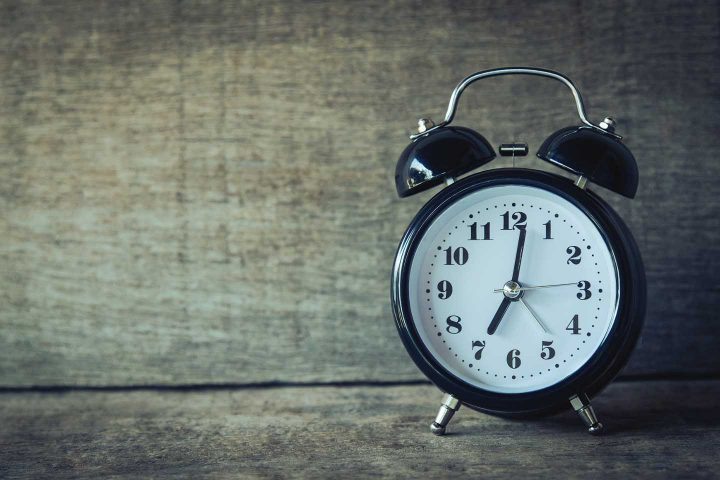
An alarm clock - Photo by Aphiwat from Pexels

Have a regular time for going to bed and a regular time to rise that allows you 8-9 hours of good sleep. Cutting corners on sleep does not help your productivity. You will be running around like crazy, thinking you cannot afford to go to bed on time and let your work be undone. The truth is, that the next morning you will be irritated and with a foggy mind, not being able to think straight on what your next step should be to get you to the goal you are looking for. More than often you will realize that you will work more hours and accomplish less.

If you are really on a tight deadline, you may be better off to go to bed an hour earlier than normal, but wake up two hours earlier and get some undistracted work time early morning, while everyone else is still asleep.

Our body is adjusting its daily hormonal cycle according to the light and dark cycle of the sun. For this reason, one hour of sleep before midnight is just as refreshing as two hours of sleep after midnight.

Getting into the habit of going to bed before 9:30 PM will help you a lot to wake up refreshed and full of energy the next day. If you have created the habit of burning the midnight candle, it may take you some time to adjust to the new schedule, but after a few weeks you surely will start to feel the benefits.

Many people created the habit to get by on a minimal sleep time during the week, but at the weekends they sleep in as much as they can. This is detrimental in two ways. First, there is no way that you can make up for sleep that you have lost during the week. You cannot recuperate the lost productivity you had during the week, nor can you make up the toll that sleep deficiency had on your health.

Second, the body gets used to a regular rhythm of activities you do during the day. If you totally change your sleeping routine on the weekend, your body gets out of sync and you cannot enjoy completely the free time you have. So if you have the habit of getting up at 6 o clock during the week, and on the weekends you can’t get out of bed before 10, this is a sure sign that you were sleep deficient on your weekday schedule. If you aim for a regular time to go to bed and a regular time to wake up, ideally even on the weekends, you help your body a lot to optimize the circadian rhythm for peak productivity.

Rule #7 – Become a Master at Time Management

During the Huffington Post surveys about sleep and stress, they noticed that most people started with phrases like, “Not enough time to…” Time is one thing we need more of and have less of in this day and age.

We have no time to relax. We push ourselves from the time our feet hit the floor in the morning right up until we go to bed – and we never get to bed on time. Instead, we give ourselves a minimal amount of sleep hours – and much of that is spent tossing and turning due to the stress of what all we couldn’t accomplish this day.

If you’ll get firm with yourself and look at how much time you waste during the day, or how much time you’re not as productive as you should be, then you’ll free up more time for sleep.

Notice that didn’t say, “free up more time to get tasks done.” Many of you will learn new time management skills and forget to learn your lesson about sleep. Instead, you’ll pack in more on your to-do list.

Make the exercise to journal for a week your daily routine. Notice all the times when you’re surfing the web or standing around chatting with co-workers. That’s time that you could be spending really accomplishing things so that once your day is done, you are rewarded with free time – “me time” – to pamper and nurture your body and mind.

A blank journal - Photo by Jessica Lewis from Pexels

You might also find that when you implement the other rules here to accomplish proper sleep hygiene, you’ll be able to get more done throughout the day. That’s because your mental clarity improves and you tend to have more energy to tackle whatever the day may bring for you.

Rule #8 – Allow Deep Breathing to Replace Naps

There are some people who get in the habit of taking a daily nap – primarily because they’ve heard that power napping can help them achieve their goals for the day.

This might be true for many people. But if sleep eludes you, then naps could be causing the problem. A 10-minute power nap where you’re basically just shutting your eyes and deep breathing is beneficial. Going to bed for 2-4 hours in the middle of the day is a recipe for disaster. You’ll never be able to go to bed at a regular bedtime and you’ll lie there frustrated and annoyed that you can’t go to sleep. It’s a hard habit to break.

Try using deep breathing to energize yourself whenever you’re in an afternoon slump. Breathe from your diaphragm and try to watch how often you’re using shallow breaths throughout the day.

Rule #9 – Resolve Your Worries Before Going to Bed

If you find yourself troubled or upset make an effort to solve the problem as best you can before bedtime. If you had an argument with your spouse, or whether you were getting wrapped up with your coworker, if you are able to resolve it before bedtime, sleep will be so much sweeter. The Apostle Paul was saying already many years ago: “Do not let the sun go down on your wrath.”((The Bible, Ephesians 4:26 NKJV))

Sometimes you find that worries are wanting to creep up on you and be your companion at bed in order to rob your sleep. Some worries are good in order to get us into action. But more often we are worried about things that we can do nothing to resolve. At this moment, we need to turn our worries over to your Heavenly Father, trusting that He is well able to take care of your needs. This experience of peace can do much more for a sweet night of rest than anything else. This is exactly what Solomon was speaking about:

When you lie down, you will not be afraid; yes, you will lie down and your sleep will be sweet.

Proverbs 3:24

I wish you can make this experience for yourself. Because if you are able to turn over your troubles into the Hand of God, then your sleep with a peace of mind that you maybe did not now for a long time. You want to try this out in your life?

Do you need a guide to help you understand how to cope with Stress in an all inclusive approach? Learn how to combat stress, mentally, physically, emotionally and strategically in your life.

Get Me the Guide

Filed Under: Healthy Lifestyle, Mental Health, Sleep, Stress Management

Stress-Induced Insomnia – A Vicious Cycle

November 8, 2020 by Martin Neumann - [rt_reading_time label="Reading Time:" postfix="minutes" postfix_singular="minute"]

Stress Induced Insomnia

Lack of sleep caused by stress is a combination that can literally kill you. Relaxation and sleep are two things that can truly make a difference in how your body and mind react to stress. Just if you are stressed, sleep may be coming more difficult. And the insomnia will drastically increase your stress levels. This can lead to a vicious cycle that can easily lead to a collapse.

Stress-Induced Insomnia - A Vicious Cycle

It does not matter what you are fixing first – the stress or the insomnia, but unless at least one is fixed, they will both get worse. The effects of stress on your body and mind can slow your productivity and make your life much less enjoyable.

Stress can be fixed if you have a commitment to seeing it through. After the stress factors are reduced, sleep should come more easily.

Causes of Stress-Induced Insomnia

Too much stress in your life may cause insomnia and vice-versa. When you try to get through the day without getting enough sleep the night before, your efficiency will suffer and you will drag through the day, just increasing your stress again.

Sleep times vary from one person to another, but most adults should get 7 to 8 hours per night to keep up energy levels, keep up mental acuity to be able to get through the work day and maintain a good quality of life.

You may experience a short-term bout of acute insomnia that lasts for only a few days. A stressful event in your life might trigger this type of insomnia, but if you experience it for more than a month, you need to take immediate action.

Stress-induced insomnia may be caused by worrying or serious concerns about your health, finances, work or loved ones. You may also experience stress-induced insomnia if you’ve just gone through a divorce or lost a loved one.

Insomnia can be caused by various other motives as well, like medications, certain diseases, an irregular sleep schedule, a disruptive sleep environment, or a number of other lifestyle habits. It is always good to deal with the real cause in order to tackle the problem head on.

Symptoms of Stress-Induced Insomnia

Dealing with the symptoms of stress-induced insomnia can make you feel disconnected from most everyone and everything. You’re not as mentally alert and you might also be irritable and anxious.

Depression may set in and cause other problems such as fatigue and inability to focus on anything. You may never feel well-rested, even when you think you get a good night’s sleep.

Mood swings are also symptoms of stress-induced insomnia. Tension headaches and aches in the shoulders and neck are caused by stress and can keep you from getting a good night’s sleep without help from medications or relaxation techniques. If you’re finding it difficult to be around people, this may be another warning sign of insomnia taking its toll.

Tension headaches can be caused by stress-induced insomnia / Photo by Andrea Piacquadio from Pexels

Stress-induced insomnia will increase your risk of developing chronic diseases. Heart disease, diabetes, premature aging and even an early death are just a few of the issues that could be caused by stress-induced insomnia.

This type of insomnia can also cause people to eat more and gain weight, drink or take drugs and exercise less. Those are all actions that cause negative consequences to our health. One of the most common risks of long-term, stress-induced insomnia is catching a common cold or any other virus coming around.

Weight gain can also be a health issue related to stress-induced insomnia. When stress hormones are released into the body, your preference for unhealthy foods containing sugar, fat and refined carbohydrates is increased. If you haven’t had enough sleep, you get a double dose of stress hormones which can lead to binge eating.

If you don’t sleep well at night, you may be tense and feel back, shoulder and neck pain when you get up in the morning. Stress during the day at work or home may make the pain worse or cause inflammation that makes it more difficult to heal. Seniors suffering from stress-induced insomnia may experience a slower healing process from medical procedures or surgeries.

Treatments for Stress-Induced Insomnia

If there are worries that keep you awake at night, you need to start working on controlling your thoughts. Cognitive-behavioral therapy may have some interesting tools for you. One of these methods is thought challenging. If a negative thought comes to your mind, you simply challenge it. Is it really true? If not, just discard the thought that was coming to your mind.

Some people are getting all wrapped up about what may happen to them tomorrow. They tend to get worried about things that never may happen at all. Jesus gave some interesting counsel about that:

Therefore I tell you, do not worry about your life, what you will eat or drink, or about your body, what you will wear. Isn’t there more to life than food and more to the body than clothing? Look at the birds in the sky: They do not sow, or reap, or gather into barns, yet your heavenly Father feeds them. Aren’t you more valuable than they are? And which of you by worrying can add even one hour to his life? … So then, do not worry about tomorrow, for tomorrow will worry about itself.  Today has enough trouble of its own.

Matthew 6:25-27 & 34

There are cases you need to make provision for something, and if it is for a good reason, go ahead and do what needs to be done. But to worry about something that probably never happens, or when it really happens you cannot change it, does not make any sense. If you believe in God, the best thing to do is to turn over your problems simply to Him, because He is able to take care of it all. And simply stop worrying, because it is probably not going to help you in any way.

You can find peace of mind by committing yourself to God in prayer. In order to do that, speak to God like a friend. Present him your worries, your struggles and your cares. Be honest. Tell whatever is on your heart. There is nothing too great for Him to carry, and nothing too small for Him to note. The more you are able to honestly express, the more you will be able to let things go.

Be confident! After having done your part, commit yourself into His hands, and accept whatever the outcome may be. We can conquer the stressors around us through the power that God is giving to us.

If you still have trouble falling asleep you can try a relaxing tea at night. Valerian and Passionflower are some herbs that can help you fall asleep easier.

A relaxing tea can help to fall asleep. Photo by Mareefe from Pexels

Sleep studies are done if nothing seems to help your insomnia or control your stress that’s keeping you awake at night. You’ll spend the night at a sleep center and during that time, your breathing, heart and brain waves and eye and body movement will be monitored.

If you’ve tried everything else but just can’t seem to get a good night’s sleep you may need to resort to meds for a short period, because the side effects of lacking a good night’s sleep are various. Just work on resolving quickly the underlying problems that caused your insomnia, so that you do not create a dependency on those medications.

Prevention Techniques for Stress-Induced Insomnia

After you get into the vicious cycle of stress-induced insomnia, you may have a long road to travel before you get back to a normal sleep pattern. The best thing you can do for yourself and your health is to prevent it from happening. But even if you are in the vicious cycle already, taking care of those basic measures will be fundamental to improve your quality of sleep.

One thing you can do if you suspect that the stress-related insomnia is caused by work is to set boundaries such as letting you spend time with family or relaxing in the evening without answering calls or emails.

Don’t get roped into so many requests that you can’t handle them all without acute stress. Just say no to the ones that aren’t that critical. Don’t check your email every few minutes. Designate a time during the day and let it go in the evening so your distractions are lessened.

Schedule the things you like to do in the evening hours. Other requests from friends or organizations should be secondary to what means the most to you and how you can unwind in the evening.

When you are at home and relaxing before bedtime, put your cellphone away. Take time to relax or converse without distractions – including television. After you watch a show, turn off the television and avoid watching it just before bedtime or especially in the bedroom after you go to bed.

News is stressful to watch any time during the day, so limit what you watch that makes you stressful to 30 minutes or less per day. The same with your computer – don’t have it on and blinking at you when you’re trying to relax. Allow for no screen time for an hour before going to bed, be it computer, cell phone or TV.

During the daytime hours it’s important to stay active. Exercise helps to reduce stress so it doesn’t bother you at bedtime and promotes a great night’s sleep. You’ll also want to plan the bedtime hours to be consistent from one day to the next – even on weekends when possible.

Avoid caffeine or alcohol and kick the smoking habit, if necessary. These substances can make your nerves jittery at bedtime and keep you from getting the required amount of sleep.

A bedtime ritual can help over time to relax your body and mind and ready it for a good night’s sleep. A warm bath, soft music or a few minutes of reading can go a long way to calm nerves and make you sleepy. Deep breathing exercises and progressive muscle relaxation may help you to relax. Make it a habit to commit yourself to God in prayer.

A relaxing bath can help wind down after a busy day. Photo by Craig Adderley from Pexels

When insomnia makes it difficult for you to function during the daytime hours, it’s best to see your doctor. A sleep disorder may need special treatment other than the type you purchase over the counter.

You should be as committed to getting the full amount of restful sleep you need as much as you are to a healthy diet and exercise to keep your body in shape. You could suffer a poor quality of life for an extended period of time unless you get the stress – and the sleep problems under control. It is true especially with stress control: A healthy sleep is the best preparation to face the problems of tomorrow.

In order to help you with the best strategies to get your stress under control, we have prepared a free guide for you. A good stress management strategy needs to use an all inclusive approach, including lifestyle changes, emotional control, and time management strategies. Download the Ten Minute Guide to Stress Control and start today to develop proper coping skills for your stress.

Do you need a guide to help you understand how to cope with Stress in an all inclusive approach? Learn how to combat stress, mentally, physically, emotionally and strategically in your life.

Get Me the Guide

Filed Under: Mental Health, Sleep, Stress Management

Next Page »

Primary Sidebar

Social Channels

Coronavirus Immunity Challenge

Boost your immune system to be bullet-proof for the pandemic.

I Want to Participate

Recent Posts

  • asdf
  • 5 Habits to Live Longer
  • Better Sleep Can Protect Against Dementia
  • Finding Peace In Your Crazy-Busy World
  • Flaxseed – An Ancient Plant Rediscovered
  • Platelets – Triggers for Life or Death
  • Boderline Personality Disorder
  • In Praise of Almonds and Nuts

Categories

  • Body Systems (16)
    • Cell Function (2)
    • Circulatory System (1)
    • Digestive Tract (10)
    • Immune System (4)
  • Diseases (27)
    • Cancer (2)
    • Cold (1)
    • COVID-19 (11)
    • Dementia (1)
    • Diabetes (1)
    • Digestive Diseases (2)
    • Heart Disease (2)
    • Kidneys (1)
    • Metabolic Syndrome (2)
    • Skin (1)
  • Healthy Lifestyle (42)
    • Exercise (11)
    • Gardening (2)
    • Sleep (7)
    • Sunlight (2)
    • Temperance (14)
    • Water (4)
  • Mental Health (87)
    • Addictions (6)
    • Anxiety (7)
    • Burnout (1)
    • Depression (7)
    • Psychosomatic Diseases (6)
    • Stress Management (45)
    • Trust (6)
  • Nutrition (56)
  • Obesity (9)
  • Phases of Life (14)
    • Adults (3)
    • Babies and Infants (1)
    • Children (3)
    • Seniors (5)
    • Teenagers (3)
  • Therapies (7)
    • Herbs (5)
    • Hydrotherapy (1)
  • Uncategorized (4)

Archives

  • November 2025 (1)
  • January 2025 (1)
  • March 2024 (5)
  • February 2024 (4)
  • January 2024 (4)
  • December 2023 (5)
  • November 2023 (4)
  • October 2023 (5)
  • September 2023 (4)
  • August 2023 (3)
  • July 2023 (2)
  • June 2023 (4)
  • May 2023 (4)
  • April 2023 (5)
  • March 2023 (4)
  • February 2023 (4)
  • January 2023 (4)
  • December 2022 (4)
  • November 2022 (4)
  • October 2022 (5)
  • September 2022 (4)
  • August 2022 (4)
  • July 2022 (5)
  • June 2022 (4)
  • May 2022 (5)
  • April 2022 (4)
  • March 2022 (4)
  • February 2022 (4)
  • January 2022 (5)
  • December 2021 (3)
  • November 2021 (4)
  • October 2021 (6)
  • September 2021 (4)
  • August 2021 (4)
  • July 2021 (5)
  • June 2021 (4)
  • May 2021 (3)
  • April 2021 (5)
  • March 2021 (4)
  • February 2021 (4)
  • January 2021 (5)
  • December 2020 (3)
  • November 2020 (4)
  • October 2020 (5)
  • September 2020 (5)
  • August 2020 (3)
  • July 2020 (1)
  • June 2020 (1)
  • May 2020 (1)
  • April 2020 (1)
  • March 2020 (1)

Copyright © 2026 · Abundant Health - Privacy Policy - Medical Disclaimer