Abundant Health

Up to date health information tailored for you

  • Home
  • Blog
  • Recipes
  • Shop
  • Contact

Blog

5 Habits to Live Longer

January 5, 2025 by Martin Neumann - [rt_reading_time label="Reading Time:" postfix="minutes" postfix_singular="minute"]

At this time of year many of us resolve to prioritise our health. So it is no surprise there’s a roaring trade of products purporting to guarantee you live longer, be healthier and look more youthful.

While an estimated 25% of longevity is determined by our genes, the rest is determined by what we do, day to day.

There are no quick fixes or short cuts to living longer and healthier lives, but the science is clear on the key principles. Here are five things you can do to extend your lifespan and improve your health.

1. Eat a predominantly plant-based diet

What you eat has a huge impact on your health. The evidence overwhelmingly shows eating a diet high in plant-based foods is associated with health and longevity.

If you eat more plant-based foods and less meat, processed foods, sugar and salt, you reduce your risk of a range of illnesses that shorten our lives, including heart disease and cancer.

Plant-based foods are rich in nutrients, phytochemicals, antioxidants and fibre. They’re also anti-inflammatory. All of this protects against damage to our cells as we age, which helps prevent disease.

No particular diet is right for everyone but one of the most studied and healthiest is the Mediterranean diet. It’s based on the eating patterns of people who live in countries around the Mediterranean Sea and emphases vegetables, fruits, wholegrains, legumes, nuts and seeds, fish and seafood, and olive oil.

2. Aim for a healthy weight

Another important way you can be healthier is to try and achieve a healthy weight, as obesity increases the risk of a number of health problems that shorten our lives.

Obesity puts strain on all of our body systems and has a whole myriad of physiological effects including causing inflammation and hormonal disturbances. These increase your chances of a number of diseases, including heart disease, stroke, high blood pressure, diabetes and a number of cancers.

In addition to affecting us physically, obesity is also associated with poorer psychological health. It’s linked to depression, low self-esteem and stress.

One of the biggest challenges we face in the developed world is that we live in an environment that promotes obesity. The ubiquitous marketing and the easy availability of high-calorie foods our bodies are hard-wired to crave mean it’s easy to consume too many calories.

3. Exercise regularly

We all know that exercise is good for us – the most common resolution we make this time of year is to do more exercise and to get fitter. Regular exercise protects against chronic illness, lowers your stress and improves your mental health.

While one of the ways exercising helps you is by supporting you to control your weight and lowering your body fat levels, the effects are broader and include improving your glucose (blood sugar) use, lowering your blood pressure, reducing inflammation and improving blood flow and heart function.

While it’s easy to get caught up in all of the hype about different exercise strategies, the evidence suggests that any way you can include physical activity in your day has health benefits. You don’t have to run marathons or go to the gym for hours every day. Build movement into your day in any way that you can and do things that you enjoy.

4. Don’t smoke

If you want to be healthier and live longer then don’t smoke or vape.

Smoking cigarettes affects almost every organ in the body and is associated with both a shorter and lower quality of life. There is no safe level of smoking – every cigarette increases your chances of developing a range of cancers, heart disease and diabetes.

Even if you have been smoking for years, by giving up smoking at any age you can experience health benefits almost immediately, and you can reverse many of the harmful effects of smoking.

If you’re thinking of switching to vapes as a healthy long term option, think again. The long term health effects of vaping are not fully understood and they come with their own health risks.

5. Prioritise social connection

When we talk about living healthier and longer, we tend to focus on what we do to our physical bodies. But one of the most important discoveries over the past decade has been the recognition of the importance of spiritual and psychological health.

People who are lonely and socially isolated have a much higher risk of dying early and are more likely to suffer from heart disease, stroke, dementia as well as anxiety and depression.

Although we don’t fully understand the mechanisms, it’s likely due to both behavioural and biological factors. While people who are more socially connected are more likely to engage in healthy behaviours, there also seems to be a more direct physiological effect of loneliness on the body.

So if you want to be healthier and live longer, build and maintain your connections to others.

Healthy Fruits

Stay Always Up to Date

Sign up to our newsletter and stay always informed with news and tips around your health.

Sign Up Now!

This article is republished from The Conversation under a Creative Commons license. Read the original article.


Filed Under: Uncategorized

Better Sleep Can Protect Against Dementia

March 31, 2024 by Andrée-Ann Baril - [rt_reading_time label="Reading Time:" postfix="minutes" postfix_singular="minute"]

Better Sleep Can Prevent Dementia

Dementia is a progressive loss of cognitive abilities, such as memory, that is significant enough to have an impact on a person’s daily activities. It can be caused by a number of different diseases, including Alzheimer’s, which is the most common form. Dementia is caused by a loss of neurons over a long period of time. Since, by the time symptoms appear, many changes in the brain have already occurred, many scientists are focusing on studying the risk and protective factors for dementia.

Better Sleep Can Protect Against Dementia

A risk factor, or conversely, a protective factor, is a condition or behaviour that increases or reduces the risk of developing a disease, but does not guarantee either outcome. Some risk factors for Alzheimer’s disease and dementia, such as age or genetics, are not modifiable, but there are several other factors we can influence, specifically lifestyle habits and their impact on our overall health.((Livingston G. et.al. Dementia prevention, intervention, and care: 2020 report of the Lancet Commission. https://doi.org/10.1016/S0140-6736(20)30367-6))

These risk factors include depression, lack of physical activity, social isolation, high blood pressure, obesity, diabetes, excessive alcohol consumption and smoking, as well as poor sleep.

We have been focusing our research on the question of sleep for over 10 years, particularly in the context of the Framingham Heart Study.((Framingham Heart Study (FHS) https://www.nhlbi.nih.gov/science/framingham-heart-study-fhs)) In this large community-based cohort study, ongoing since the 1940s, the health of surviving participants has been monitored to the present day. As researchers in sleep medicine and epidemiology, we have expertise in researching the role of sleep and sleep disorders in cognitive and psychiatric brain aging.

As part of our research, we monitored and analyzed the sleep of people aged 60 and over to see who did — or did not — develop dementia.

Sleep as a risk or protective factor against dementia

Sleep appears to play an essential role in a number of brain functions, such as memory. Good quality sleep could therefore play a vital role in preventing dementia.((Musiek ES, Ju YS. Targeting Sleep and Circadian Function in the Prevention of Alzheimer Disease. JAMA Neurol. 2022;79(9):835–836. doi:10.1001/jamaneurol.2022.1732))

Sleep is important for maintaining good connections in the brain.((Xie L. et. al. Sleep Drives Metabolite Clearance from the Adult Brain. https://doi.org/10.1126/science.1241224)) Recently, research has revealed that sleep seems to have a function similar to that of a garbage truck for the brain: deep sleep could be crucial for eliminating metabolic waste from the brain, including clearing certain proteins, such as those known to accumulate in the brains of people with Alzheimer’s disease.((Astara K. et.al. Sleep disorders and Alzheimer’s disease pathophysiology: The role of the Glymphatic System. A scoping review, Mechanisms of Ageing and Development, Volume 217, 2024, 111899, https://doi.org/10.1016/j.mad.2023.111899.))

However, the links between deep sleep and dementia still have to be clarified.

A senior woman sleeping

What is deep sleep?

During a night’s sleep, we go through several sleep stages that succeed one another and are repeated.((Normal sleep. CEAMS))

NREM sleep (non-rapid eye movement sleep) is divided into light NREM sleep, NREM sleep and deep NREM sleep, also called slow-wave sleep. The latter is associated with several restorative functions. Next, REM sleep (rapid eye movement sleep) is the stage generally associated with the most vivid dreams. An adult generally spends around 15 to 20 per cent of each night in deep sleep, if we add up all the periods of deep NREM sleep.

Several sleep changes are common in adults, such as going to bed and waking up earlier, sleeping for shorter periods of time and less deeply, and waking up more frequently during the night.

Loss of deep sleep linked to dementia

Participants in the Framingham Heart Study were assessed using a sleep recording — known as polysomnography — on two occasions, approximately five years apart, in 1995-1998 and again in 2001-2003.((Himali JJ, Baril A, Cavuoto MG, et al. Association Between Slow-Wave Sleep Loss and Incident Dementia. JAMA Neurol. 2023;80(12):1326–1333. doi:10.1001/jamaneurol.2023.3889))

Many people showed a reduction in their deep slow-wave sleep over the years, as is to be expected with aging. Conversely, the amount of deep sleep in some people remained stable or even increased.

Our team of researchers from the Framingham Heart Study followed 346 participants aged 60 and over for a further 17 years to observe who developed dementia and who did not.

Progressive loss of deep sleep over time was associated with an increased risk of dementia, whatever the cause, and particularly Alzheimer’s type dementia. These results were independent of many other risk factors for dementia.

Although our results do not prove that loss of deep sleep causes dementia, they do suggest that it could be a risk factor in the elderly. Other aspects of sleep may also be important, such as its duration and quality.

A senior woman making tea in her antique home

Strategies to improve deep sleep

Knowing the impact of a lack of deep sleep on cognitive health, what strategies can be used to improve it?

First and foremost, if you’re experiencing sleep problems, it’s worth talking to your doctor. Many sleep disorders are underdiagnosed and treatable, particularly through behavioral (i.e. non-medicinal) approaches.

Adopting good sleep habits can help, such as going to bed and getting up at consistent times or avoiding bright or blue light in bed, like that of screens.

You can also avoid caffeine, limit your alcohol intake, maintain a healthy weight, be physically active during the day, and sleep in a comfortable, dark and quiet environment.

The role of deep sleep in preventing dementia remains to be explored and studied. Encouraging sleep with good lifestyle habits could have the potential to help us age in a healthier way.

Healthy Fruits

Stay Always Up to Date

Sign up to our newsletter and stay always informed with news and tips around your health.

Sign Up Now!

This article is republished from The Conversation under a Creative Commons license. Read the original article.

The Conversation

Filed Under: Dementia, Diseases, Healthy Lifestyle, Phases of Life, Seniors, Sleep

Finding Peace In Your Crazy-Busy World

March 24, 2024 by Vicki Griffin - [rt_reading_time label="Reading Time:" postfix="minutes" postfix_singular="minute"]

Finding Peace In Your Crazy-Busy World

We live in a topsy-turvy, fast-paced world. It’s easy in the rush of crammed, hectic schedules to neglect life’s most important priorities. There is more to life than increasing its speed.((Mahathma Gandhi)) Our lives can easily become so busy…but oh, so barren. God has a special four-part “peace plan” to guide, strengthen, and inspire you with hope and energy. Let’s explore these vital elements of stress protection, physical and mental health, and spiritual vitality. Daily applying these four principles will help you flourish instead of flounder as you face life’s challenges and demands.

Finding Peace In Your Crazy-Busy World

1. A Lifestyle that Promotes Peace

Lifestyle is a major factor that affects mental, physical, social, and spiritual health. Lifestyle choices matter, especially the ones we repeat every day. They have a profound effect on brain function, which is the seat of your thinking, emotions, and decisions. “Many of the fundamental tools for the care and feeding of the brain are everyday matters. Physical and mental exercise, proper nutrition, and adequate sleep will help anyone gain cognitive clarity and emotional stability.”((Ratey, J. User’s Guide to the Brain, p. 356. Vintage Books, 2002.)) Power up your lunch and supper with crunchy, colorful fresh vegetable salads, greens, and beans. Try healthy vegetarian entrees instead of fatty meats and fried food. You won’t crave snacks with this delicious, high-fiber fare. Want real brain energy and body vigor? Water is the beverage of choice between meals instead of soda and coffee!

2. Attitudes that Produce Peace

Your mind, brain, and body are in constant communication through many different systems. Your thoughts and attitudes have a powerful effect on the rest of your body, especially your immune, nervous, and digestive systems. We can literally think ourselves into a frenzy, but God promises His peace, “perfect peace” to the one whose mind is centered upon Him (Isaiah 26:3). He invites us to trust Him with every circumstance of our life. A thankful attitude is associated with better physical and mental health, and even a longer life. “A contented mind, a cheerful spirit, is health to the body and strength to the soul.”((Ellen G. White, Counsels on Health (Mountain View, California: Pacific Press Publishing Association, 1949), 344.)) This is an attitudinal discipline that focuses on God’s truth and solutions rather than fear, circumstances, and unreliable emotions.

A woman looking into a mirror with a positive smile

3. Spiritual Principles that Secure Peace

“Spiritual well-being is at the center of a healthy lifestyle.”((Am J Crit Care 1995;4(1):77-81.)) To meet our deepest longings, God has provided spiritual principles that bring true life satisfaction. This does not come with wealth, fame, popularity, or even perfect health. It comes through making peace with God—in entering into a saving relationship with Him. Studies confirm that “Religious commitment may play a beneficial role in preventing mental and physical illness, improving how people cope with mental and physical illness, and facilitating recovery.”((Arch Fam Med 1998;7(2):118-24.)) Our natural hearts are not drawn to God, but we need Him. We are drawn to God because of our need—and God’s healing love which draws us. “We love Him because He first loved us” (1 John 4:19). God’s love is the foundation of a relationship with Him and healthy relationships with each other. We connect with God through prayer and learning about Him in His life-giving Word, the Bible. “In the day of my trouble I will call upon You, for You will answer me” (Psalm 86:7).

4. Faith that Preserves Peace

Faith is more than positive thinking—it is connecting with the living God who seeks to restore all that sin has broken and taken away. Jesus never promised an absence of problems. Jesus said: “These things I have spoken to you, that in Me you may have peace. In the world you will have tribulation; but be of good cheer, I have overcome the world” (John 16:33). Faith is the conviction that God will guide you and give you power through both good times and bad. Faith says, “Either make the problem smaller, or me bigger!” God has a plan and He cares for you in a very personal way. “For I know the thoughts that I think toward you, says the Lord, thoughts of peace and not of evil, to give you a future and a hope” (Jeremiah 29:11).

A man in nature meditating and praying

God’s Peace Plan can be Yours. Hulda Crooks experienced God’s peace plan in her lifestyle, attitude, trust in God, and faith. She was a sickly, sedentary, overweight woman for many years. She became a vegetarian, which improved her mental and physical health. But when she experienced the loss of her husband and son, she fell into depression. Hulda began walking which not only relieved her depression—it also eliminated more of her physical maladies, including constant fatigue.

Conquering Life’s Mountains. Hulda also began practicing a positive, faith-based attitude that gave her the “altitude” to stay inspired and be an inspiration to others! From aged 63 to well into her 90s, she completed 23 Mt. Whitney climbs, backpacked 212 miles of the John Muir Trail, climbed 86 Southern California peaks, and held 8 world records for seniors over the age of 80. This spunky late-bloomer caught and taught inspiration as a motivational speaker, and was affectionately known as “Grandma Whitney.” A mountain peak of Whitney is named “Crooks Peak” in her honor. God’s peace plan was fulfilled in Hulda’s life—and it can be fulfilled in yours too! Would you like to experience the fullness of Gods power, promise, and plan for your life? His peace plan is for you!

Do you need a guide to help you understand how to cope with Stress in an all inclusive approach? Learn how to combat stress, mentally, physically, emotionally and strategically in your life.

Get Me the Guide

This article was originally published on the Time to Get Ready website.

Filed Under: Mental Health, Stress Management, Trust

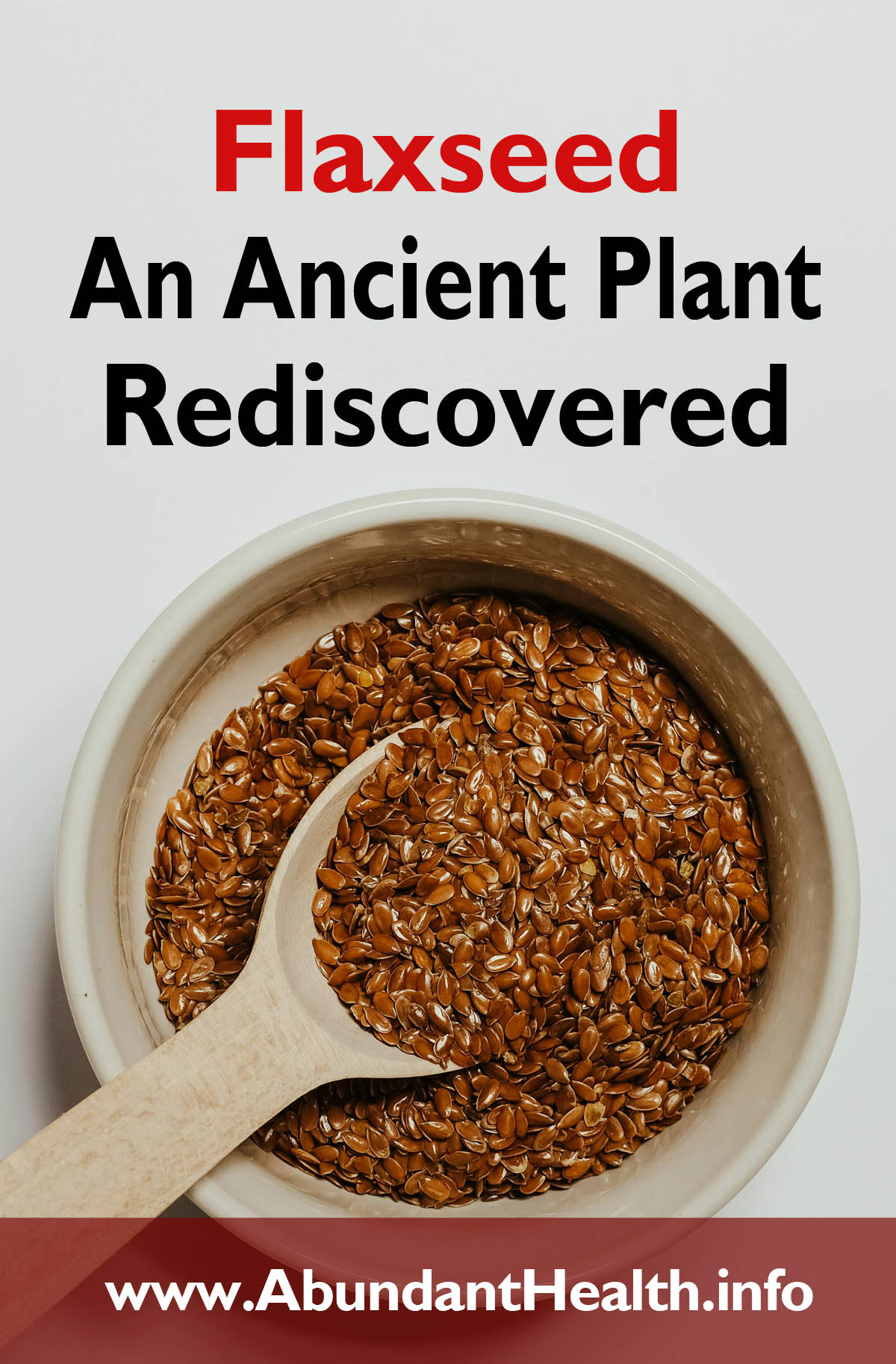
Flaxseed – An Ancient Plant Rediscovered

March 17, 2024 by Winston J Craig - [rt_reading_time label="Reading Time:" postfix="minutes" postfix_singular="minute"]

Flaxseed – An Ancient Plant Rediscovered

Flax (Unum uisita-tissimum) may be one of the world’s oldest cultivated plants. In ancient times, flax was grown for its oil-bearing seed and its fiber. The ancient Egyptians used cloth woven from flax, and Hebrew high priests, as recorded in the Judeo-Christian Scriptures, wore garments made exclusively of flax.

Flaxseed – An Ancient Plant Rediscovered

Records from early civilizations reveal that flax was also used internally as a mild laxative and for its soothing action on irritated mucous membranes. Flax was also applied to the skin as a poultice for the treatment of local inflammations and the relief of pain.

Flax is an annual plant that grows up to five feet (1.5 meter) in height. Its sky-blue flowers are known to bloom only during the morning hours. It can be grown in both temperate and tropical regions of the world, but major commercial supplies of flax come from Argentina, Canada, North Africa and Turkey.

Flaxseed, or linseed as it is called in some parts of the world, consists of the dried, ripe seeds of the fruit, a globular capsule about one-quarter of an inch long. The flat, brown and glossy seeds are rich in both insoluble and soluble fiber. They also contain very high levels of lignans, linolenic acid (an omega-3 fat), and phenolic acids such as ferulic and sinapic acids, in addition to some useful protein. Flax also contains useful levels of potassium, magnesium, folic acid, iron and zinc.

Flax Flowers
Flax has lovely sky-blue single petal flowers. By D. Gordon E. Robertson – CC BY-SA 3.0, WikiMedia

Health Promoting Properties

In the last decades, American consumers have developed a fresh interest in the health-promoting properties of flaxseed and its oil. The seed and the flour derived from flaxseed are increasingly being used in breads, cereals, bagels, and other bakery products to provide not only a pleasant nutty flavor but also to increase the nutritional and health benefits of the final product.

Flaxseed flour can be successfully used in homemade baked goods. It can be added to cooked cereal, yeast breads, and muffins. About 10 to 20 percent of the wheat flour in a recipe can be replaced with flaxseed flour without any significant changes in baking.

The present popularity of flax was spurred by the research findings that it contains a high level of lignans as well as being a rich source of omega-3 fat. These hea1th-promoting substances make flaxseed a valuable addition to the diet. Clinical studies have shown that ground flaxseed is useful for protection against cancer and for lowering the risk of heart disease in patients with elevated blood cholesterol levels. Flaxseed also has been reported to have glucose-reducing effects.

Blood Lipid Changes

Flaxseed has been shown to lower serum cholesterol levels both in subjects with normal blood lipid levels and in those with elevated lipid levels. Flaxseed lowers blood lipid levels due to its soluble fiber content and its very low saturated fat content. When fifteen patients with elevated blood cholesterol levels were fed 15 grams of ground flaxseed and 3 slices of flaxseed-containing bread daily for three months, the patients experienced about a 10% decrease in total cholesterol and LDL cholesterol levels as well as a substantial decrease in platelet clumping, while their HDL cholesterol and triglyceride levels did not significantly change. Since defatted flaxseed can also produce a major drop in LDL cholesterol with a significant reduction in atherosclerosis in rabbits after only eight weeks, the cholesterol-lowering substance in flax is probably not the unsaturated fat. Ln another study, subjects with elevated blood cholesterol levels who consumed muffins made from partially defatted flaxseed experienced, on average, an eight percent drop in their LDL cholesterol levels over three weeks while their HDL cholesterol levels were unchanged.

Valuable Oil

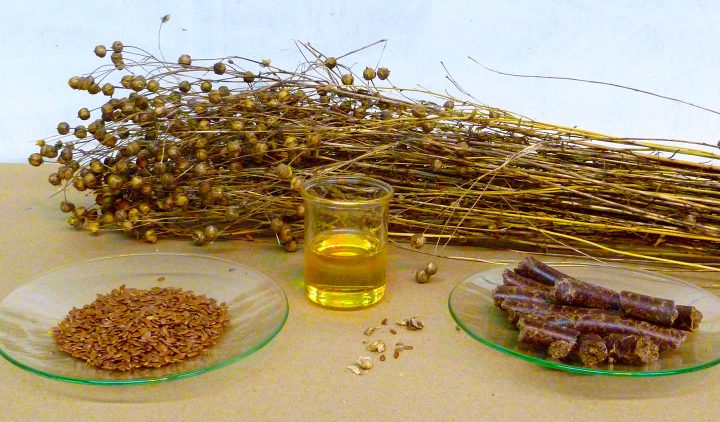
Most flaxseed oil, for edible use, is cold-pressed to minimize oxidation during its production. Flaxseed oil is generally available from health food stores either in light-proof bottled containers for food use, or in capsule form to be taken as a supplement. Such oil should be refrigerated to limit oxidation and hence rancidity of the oil. The oil in the intact seed or ground seed appears to be quite resistant to oxidation during storage.

Flax plant, seeds and oil
Flax plant, flax seeds, linseed oil, linseed cake. By Handwerker – CC BY-SA 3.0, WikiMedia

Unless fish is consumed, many Americans consume little omega-3 fat. The use of flaxseed or flaxseed oil is an easy and successful way for a vegetarian to increase the omega-3 content of their diet. Many vegetarians have a high intake of omega-6 fat from using the typical vegetable oils, such as soy and sunflower oils. Using flax will ensure an adequate intake of omega-3 and produce a more favorable ratio of omega-6 to omega-3 fat.

Omega-3 fat does not promote cancer and is known to lower triglycerides and decrease the risk of blood clots. Because of its rich omega-3 fat content flaxseed may also prove to be useful in the management of patients with autoimmune diseases such as rheumatoid arthritis and psoriasis.

Protection Against Breast Cancer

Animal studies have shown that flax added to the diet can significantly reduce the incidence of breast tumors and produce at least a 50 percent reduction in tumor size of chemically-induced cancers. The number of tumors may be reduced by almost 40 percent in carcinogen-treated rats. The cancer-protective properties of flax are believed to result from their very high level of lignans.

Flaxseed is the richest known source of lignans, with 100 to 800 times the level of lignans found in other oil seeds, cereals, and legumes. Plant lignans are metabolized in the colon by bacterial action. The breakdown products of lignan, which have a strong antioxidant activity, appear to be anti-carcinogenic. They bear a structure similar to estrogen and can bind to estrogen receptors and thereby inhibit the growth of breast cancer. Lignans may also produce positive effects in women with ovarian dysfunction.

Help for the Bowel

Today flaxseed is used as a mild laxative for chronic constipation and to relieve irritable bowel syndrome, diverticulitis, gastritis, and enteritis. Flaxseed is also used to correct bowel problems caused by the misuse and overuse of stimulant laxatives such as senna. The mucilaginous fiber in the seeds can absorb water in the colon, producing soft stools, Flaxseed fiber may also protect against colon cancer.

The use of flaxseed is considered safe. However, the use of large quantities of flax as a laxative with insufficient fluid intake can produce obstruction of the bowel. For gastritis and enteritis, the dose of coarsely ground meal is 1 tablespoon of whole seed with 150 ml of liquid, taken 2 to 3 times a day. A compress can be made from 30-50 grams (1 to 2 oz.) of flax flour, German Commission E suggests taking 1-3 tablespoons of whole or crushed flaxseed 2-3 times a day for chronic constipation. However, it is important that plenty of water be consumed with this remedy to avoid bowel obstruction.

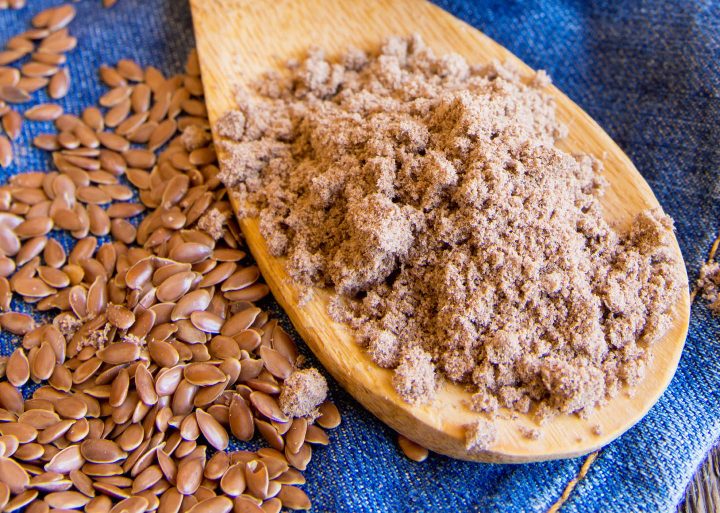
Whole and ground flax seed
The properties of flax seed are preserved best if ground fresh every day according to use.

Safety Issues

Flaxseed is known to contain some compounds, such as phytates and linatine, that may decrease the absorption of certain nutrients. While the di-peptide linatine can inhibit the utilization of vitamin B6, long-term use of flax does not seem to impair the B6 status of an individual.

Flaxseed contains small amounts of linamarin and other cyanogenic glycosides. These compounds are readily destroyed by the high temperatures normally experienced in cooking various bakery products. Any cyanogenic glycosides remaining in food will be rapidly converted in the body into thiocyanate, which may somewhat inhibit iodide uptake by the thyroid gland. Over a long period of time, goiter may develop in persons with a very low dietary iodine intake.

Conclusion

Flaxseed consumption at levels of fifty grams a day for several weeks has beneficial effects on the cardiovascular and immune systems without any harmful effects. A regular use of flaxseed flour appears to be a useful adjunct in the control of high blood cholesterol levels and provides useful protection against breast cancer.


This article was published originally in the Journal of Health and Healing, a publication of Wildwood Institute.

Healthy Fruits

Stay Always Up to Date

Sign up to our newsletter and stay always informed with news and tips around your health.

Sign Up Now!

Filed Under: Nutrition Tagged With: omega 3

Platelets – Triggers for Life or Death

March 10, 2024 by Bernell Baldwin - [rt_reading_time label="Reading Time:" postfix="minutes" postfix_singular="minute"]

Platelets – Triggers for Life or Death

President Eisenhower was astonished. Two fitness scientists, Kraus and Webber, had just shown that American young people were flabby. On average, they were less flexible, had less endurance, and were weaker. Being more active, European youth easily outclassed Americans. it got to lke. None of this second-class status for Americans! He would arise and mount a national fitness campaign that would make Americans first in the world for physical fitness. So he flew to Colorado, played 27 holes of golf in one day! Ate a couple of big hamburgers meanwhile. And … got a heart attack that shocked and shook the nation. What triggered a coronary heart attack in this vigorous man? And why, later, did he suffer a stroke that grazed the speech center in his brain? Why? Largely PLATELETS, that’s why.

Platelets – Triggers for Life or Death

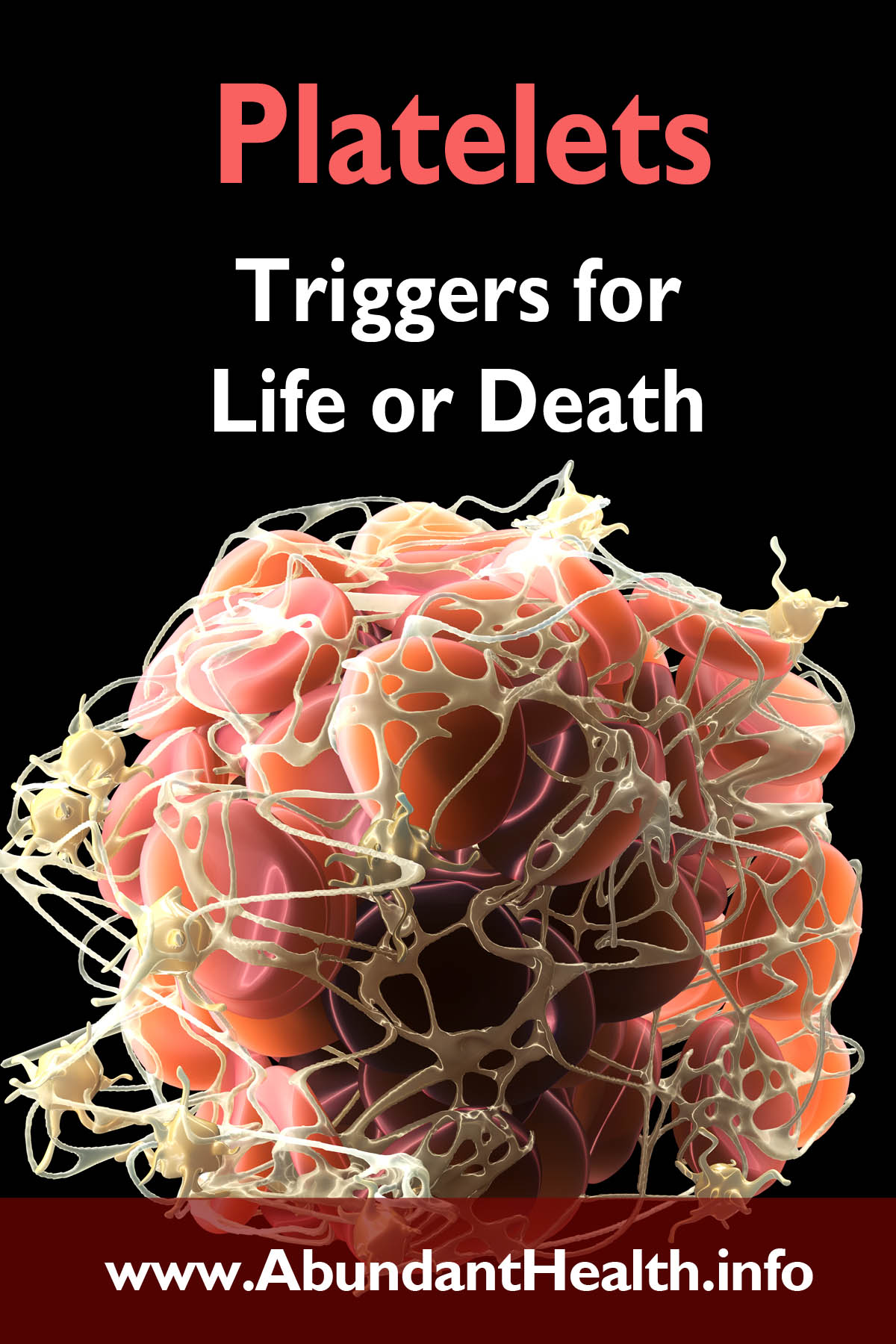
What are these platelets and why are they so important in heart attacks and strokes? Let’s take a look at the applied physiology of these tiny floating Band-Aids in the blood. We should have about 150,000 to 400,000 of them in every cubic millimeter of our blood. That adds up to about a trillion per person. What are they good for?

They keep us from bleeding to death when we cut ourselves. They go to work instantly to initiate blood clotting. First, they reach out sticky fingers and grab other platelets. Then they lock arms with myriads of other platelets. They also anchor to nearby wounded blood vessels or non-vascular tissues. immediately they eject clot-forming substances that unleash a cascade of enzymatically propelled reactions that change fluid blood into a semi-solid plug laced with a network of fibrin strands to stabilize it. Normally the resulting clot stops the hemorrhage or repairs tiny defects inside any of our blood vessels.

In health, when platelets are not trigger-happy, this clot should be just the right size to deal with the extent of the injury. In combination with healthy blood and normal vessels, balanced platelet function should repair, not ruin.

When platelets are deficient in number or power we may hemorrhage, even bleed to death. And on the other hand, when platelets are excessively stimulated we can get abnormal, even disastrous clotting which produces thrombosis or embolism. Thrombosis is the formation of an abnormal clot within a blood vessel. An embolus is a floating clot, abnormal tissue, or other material. In this case it is a clot that has broken loose from a thrombus, and sails at high speed down the blood vessel to jam in another, narrower, place. Thrombosis is all too common in heart attacks and strokes; excessive platelet function can ruin us for good.

We used to think that high cholesterol constituted the heart-attack problem. No more. True, excess fat, especially animal fat and cholesterol, smoking, high blood pressure, diabetes, or 20 other diseases, deficient exercise, and aging can add up to dangerous plaques that can so narrow the insides of crucial arteries that they make for trouble. But now we realize that the most common cause of the final plugging of a vessel in the heart or brain is a new injury to an already existing plaque. It cracks or splits open, launching an enlarged clot or thrombus that jams the blood vessel shut. This leads all too often to a painful or even deadly heart attack. Because of their crucial role as triggers of coagulation, these mighty little midgets (platelets) are at the center of concern for this role in the deaths of thousands of people and the crippling of millions of others.

What are platelets like?

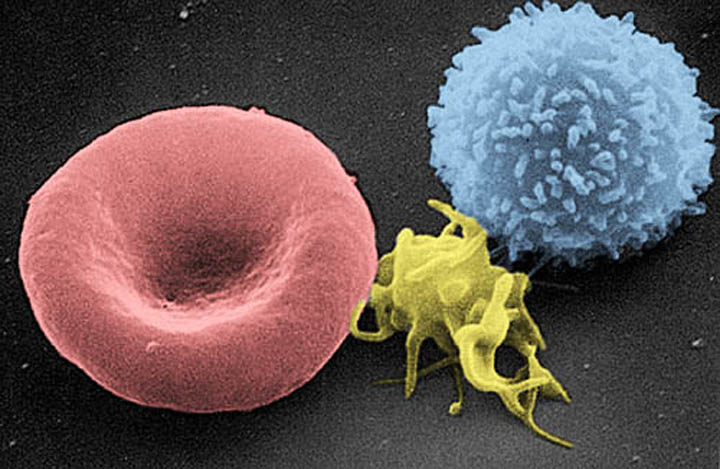
Off-duty platelets float around in the circulation from eight to twelve days, like smaller leaves in the edge of a stream. But under the microscope, they look like navy beans compared to walnut-sized red blood cells. The more they are studied the more interesting and complicated they become. Full of machinery for starting, sustaining, and anchoring clots, they also have built-in power plants called mitochondria, membrane pumps to stay viable, and projectile-like guns to shoot clotting chemicals at damaged areas. Platelets are also equipped with micro-muscles poised to pull blood vessels or tissues together after they have anchored into them. And then when the emergency is all over and their job is done they contain lysosomes ready to dissolve themselves.

A platelet together with red and white blood cells
A platelet (in yellow) between a red and white blood cell

Life spans of platelets

The life span of red blood cells is about 120 days. Platelets live one-tenth as long. By isotopic labeling, we have learned that under the best of conditions human platelets can live 12 days. In smokers they survive only 10 days on average. This means the extra making and handling of about 80 billion platelets per day. If vegetable fat is consumed liberally, survival goes down to nine days. But if animal fat is emphasized, then down to eight days.((Fitzgerald GA, Jennings LK, and Patrono C, Eds. Platelet-Dependent Vascular Occlusion. The New York Academy of sciences, New York, NY, 1994, pp 1-328.))

The spleen should monitor platelet quality. Ideally, if platelets can’t be cleaned up enough for front-line duty they are disassembled. In view of their crucial role, not only in normal clotting or repair of blood vessels, but also their ominous role in life-threatening heart attacks and crippling strokes, there is a most significant question:

How can we keep our platelets cool instead of inflamed?

We can do much to avoid premature or damaging platelet activation by keeping our heads cool. Anger flushes the blood with hormones that irritate platelets. Calm people tend to have calm blood. ((Wenneberg SR, Schneider RH, et al. Anger on correlates with platelet aggregation (abs). .Behav Med 22(4): 174-177, 1997)) Severe stress also can aggravate stickiness of platelets, thus pushing them in the direction of dangerous blood clots.

Tobacco smoke

Either active or passive smoking is poisonous to platelets. These little midgets get angry and ready to fight – too sticky.((Rama Sastry BV and Gujrati VR. Activation of PAF-Acetylhydrolase by Nicotine and Cotinine and Their Possible Involvement in Arterial Thrombosis. Dept of Anesthesiology and Pharmacology y, Vanderbilt University Medical Center, Nashville, TN 37232-2125, p 312-314)) Trouble! There is more than just clotting involved. Platelet-derived growth factor (pDGF) can overdrive cell growth in the walls of coronary arteries over a period of months or years, which pushes overgrowth inside of cholesterol/fat plaques. This overgrowth inside of a coronary artery can strangle its internal diameter, a process called stenosis. In the heart this contributes to pain in the chest or angina pectoris. Recent research has shown that besides platelets, several other cell types can also make pDGF. In any case, keeping platelets cool is a wise objective in healthful living.

Alcohol rebound

When people drink alcohol on the weekend and then sober up to face the week of work, the platelets show ALCOHOL REBOUND. They react by getting too sticky. ((Ruf JC. Platelet rebound effect of alcohol withdrawal and wine drinking in rats. Relation to tannins and lipid peroxidation (abs). Artherioscler Thromb Vasc Biol 15 (1). 140-4, 1995))

Overexertion can be deadly

The New England Journal of Medicine, the most prestigious medical journal in the world, for December 2, 1993 has two lead articles, one first editorial and five letters, all about excessive exercise. They cite over two thousand cases that indicate that jogging or any exercise of six METS or more (one MET, metabolic equivalent = 3.5 ml of oxygen used per kg body weight per minute) is dangerous. They think excess exertion triggers 25,000 heart attacks per year VIA PLATELETS. ((Mittleman MA, et al. Triggering of Acute Myocardial Infarction by Heavy Physical Exertion. The New Eng J of Med 329- 1677-83, 1993.
Willich SN, et al. Physical Exertion as a Trigger of Acute Myocardial Infarction, The New Eng J of Med 329. 1684-1690, 1993)) These authors show that over-exertion doubles heart attack risk in the most fit exercisers, but increases the risk for weekend over-exercisers 120 times. Jogging or overexertion as in snow shoveling, pushing a car by yourself, competitive tennis, basketball, and racquet ball, to mention a few huffing and puffing activities, can kill people by several mechanisms. This newer evidence indicates that overexertion is dangerous, especially to the very people who need exercise the most – those at risk.

An exhausted soccer player exaggerating in his exercise levels

Excessive exercise markedly increases the output of hormones that activate platelets. In addition, deficient blood flow to the liver impairs its ability to make a clot-dissolving enzyme called PLASMIN. These two mechanisms add up to a double whammy for the predisposed coronary artery. Marathoners commonly show 300% excess clotting factors in their blood, and have dramatic elevations of platelet counts and adhesiveness. ((Rock G, Tittley P and Pipe A. Coagulation factor changes following endurance exercise (abs). Clin Sport Med 7 (2). 94-9, 1997.))

Tradition claims that the first marathoner died at the conclusion of his run. Modern imitators all too often die in running shoes. Keep your platelets cool!

More moderate exercise can help balance your autonomic nervous system while you are getting your workout for the whole person instead of just your muscles, heart, and lungs. New exercise is whole-person oriented.

Cool diet for cooler platelets

In the still-current and active health laws given by Moses anciently, the Bible declares: “It shall be a perpetual statute for your generations throughout all your dwellings, that YE EAT NEITHER FAT NOR BLOOD.” Leviticus 3:17. And years after Pentecost, and after the first generally assembled conference, chairman James declared to the empowered Holy-Spirit-led New Testament church, “Therefore l judge that we should not trouble those from among the Gentiles who are turning to God, but that we write to them to abstain from things polluted by idols, from sexual immorality, from things strangled, and FROM BLOOD.” Acts 15:19.20 NKJ. Also see verse 29. Today everyone knows the manifold dangers of animal fat, but most eat meat with the blood regularly, not realizing that dead platelets in the meat are dangerous. Platelet Factors 3 and 4 are both thermostable (not destroyed by heat).((Wintrobe AM, Lee GR, et al. Glinical Hematology. Lea & Febiger, Philadelphia PA, 1974, p 397-398)) Even thorough cooking cannot destroy the platelet-inflaming properties of the blood in the meat. Furthermore, tissue juices of animal flesh are dangerous to the delicate balance of blood coagulation.

A piece of raw meat on a cutting board containing plenty of blood

‘No wonder one meal of meat increases the number AND the stickiness of platelets. ((Ratnaff OD and Forbes CD. Disorders of Hemostasis, 3rd ed, Saunders, Philadelphia, PA, 1996, p 12.)) Meat is procoagulant; even kosher meat is highly saturated and cholesterol-laden. Ordinary steaks, chops, chicken, and even fish have the blood left in them for two reasons, flavor and profits. What we need to understand is that to eat blood is a violation of health principles of both Acts 15:20,29 in the New Testament and Leviticus 3:17 of the Old Testament, as well as a serious violation of the physiological laws of hemostasis (maintaining healthful balance of blood coagulation and control of bleeding). Such conventional and presumptuous behavior imagines that our platelets in this stressful world are made of stainless steel, our coronaries are Teflon, and our hearts will never die!

Other factors that can over-stimulate blood clotting are high levels of homocysteine, promoted by inadequate dietary intake of certain vitamins; folate, and sometimes vitamin B-6, or pyridoxine, rarely by B-12. Incriminated also are drinking five or more cups of coffee per day, and by that villain of health – smoking. Combining these risk factors elevates the homocysteine to dangerous levels,((Best CH and Taylor NB. The Physiological Basis of Medical Practice, The Williams & Wilkins Co, Baltimore, MD, 1950, p 100)) and that is not to mention also: obesity, hypertension, blood sludging, trauma, foreign or otherwise damaged or eroded surfaces, inflammation, and of course imbalances in coagulation factors. These powerful substances must always be kept in check and balance, otherwise an avalanche of coagulation can strike in the most vulnerable of places – heart or brain.

Summary

It is becoming more obvious by the month, that President Eisenhower probably suffered his famous heart attack as did thousands of others, by years of conventional living, and then came that fateful day which converged the clot-pushing factors of big stress, massive overexercise, and meat eating. His platelets must have gone wild. The results derailed a great national fitness program but launched heart research into the modern era. For society at large, we all must learn that cutting corners can cut the heart and wound the brain. We must live wisely to keep living abundantly.

Healthy Fruits

Stay Always Up to Date

Sign up to our newsletter and stay always informed with news and tips around your health.

Sign Up Now!

Filed Under: Body Systems, Circulatory System, Diseases, Heart Disease

Boderline Personality Disorder

March 3, 2024 by Dr. Cesar Vasconcellos de Souza - [rt_reading_time label="Reading Time:" postfix="minutes" postfix_singular="minute"]

Borderline Personality Disorder

Borderline personality disorder is a serious personality disorder characterized by emotional dysregulation, extreme thinking and chaotic relationships. Those suffering from this mental disorder have various psychiatric symptoms, such as unstable and reactive moods, identity problems, feelings of irreality and depersonalization. There is a tendency towards impulsive and, especially, self-destructive behavior, manipulation, blackmail, suicidal behavior, and chronic feelings of emptiness and boredom.

Borderline Personality Disorder

These people act unpredictably, without worrying about the consequences of their actions, and tend to have bouts of anger. They are often thought of as rebellious, problematic, ingenious and temperamental, but in reality they have a deeper mental disorder than those who just have a difficult temperament. There is an individual with an impulsive personality, in which there is emotional instability and a lack of emotional control, and the borderline type itself, whose characteristics go beyond uncontrolled impulses. The person has an altered self-image, intense and unstable relationships, self-destructive behavior and difficulty creating life goals.

The word borderline comes from the English word for boundary, the demarcation line of a border. The line that separates one area from another. This term was used by Adolph Stern, who in the 1930s described a condition as one that remains on the borderline between neurosis and psychosis.

Borderline personality disorder seriously affects the whole life of the person suffering from it, causing significant damage both to themselves and to other people. These people often need psychotropic medication, such as antidepressants or mood modulators, to avoid intense emotional distress. Symptoms appear more in late adolescence and become more pronounced in early adulthood, usually persisting throughout life unless appropriate interventions are put in place.

The severity of the disorder often diminishes over time. Involvement with drugs, attempted suicide, completed suicide, are all possible outcomes if the person does not undergo proper care and psychiatric and psychological therapy.

The cause of borderline personality disorder is related to a sum of factors, including a traumatic childhood with various forms of abuse in the family of origin, separation from parents, sexual and emotional abuse, as well as a genetic predisposition and alterations or dysfunctions in brain metabolism. On average, 2% of the population suffers from this disorder, 76% of whom are women and 20% of the prison population.

Around 80% of patients with borderline personality disorder report that their parents’ marriage was or is very dysfunctional, with many conflicts. Many patients with this disorder experience neglect, or have experienced it in their past, or continue to experience neglect and physical or sexual abuse within their family of origin, but despite this, around 20 to 25% of people with borderline disorder come from structured families, with no major complications in their families.

A girl being abused by the father and with mouth covered to remain silent

To make an initial assessment as to whether or not the person has this type of disorder, it is important for the doctor to order blood tests to measure TSH levels, to rule out the possibility of a thyroid problem, and a serum calcium test to rule out a possible metabolic disease. A complete blood count is important to check for any systemic infections that could be contributing to the symptoms. Serology to rule out syphilis or HIV infection is also important, as these diseases can affect areas of the brain. In addition, neurological tests such as electroencephalography, computed tomography and magnetic resonance imaging are important to check for brain damage.

Symptoms of Borderline Disorder

Affective Symptoms

The borderliner has marked affective instability due to intense mood reactions. Then they have episodes of dysphoria. Dysphoria is when the person is screaming at one time, and at another time wants total isolation, is very euphoric at one moment, then irritable. They are anxious for a few hours and rarely, at most, for a few days. The person with this disorder also has a lot of anger, hatred and inappropriate rage, which is intense and difficult to control. For example, they show frequent displays of irritation, constant anger, a sense of revenge and sometimes they fight a lot, in the sense of even physical violence towards others.

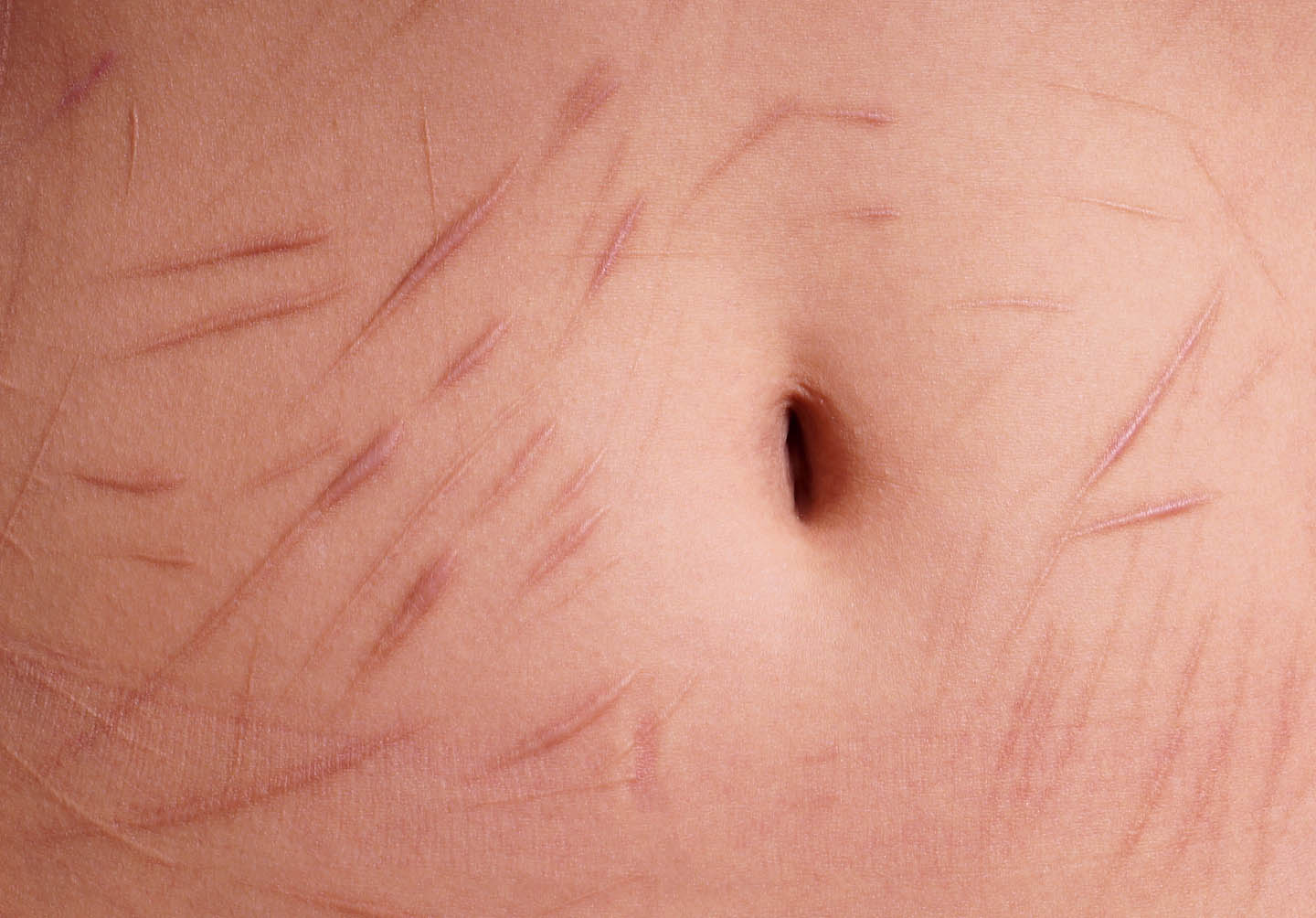
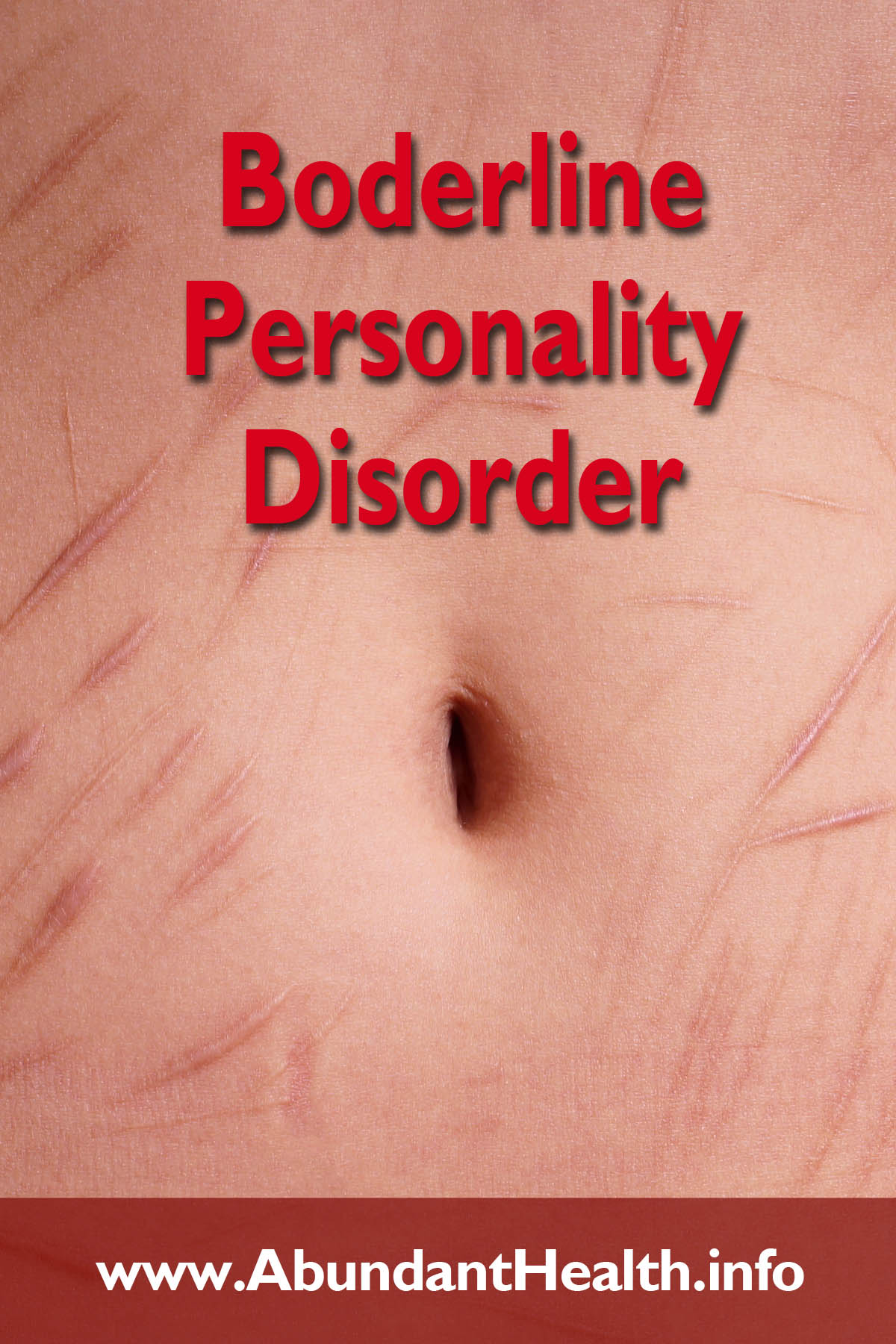
There is also the borderliner, who has chronic feelings of emptiness and boredom in their life. Now, thinking in terms of symptoms linked to impulsivity, they have recurrent suicide attempts or threats and self-mutilation behavior, which is something that is quite common, almost epidemic, among young people; self-mutilation – self-harm, cutting the skin – this happens in this type of personality disorder too.

The individual will have a pattern of very unstable, very intense interpersonal relationships, characterized by extremes of idealization: one moment that person is the queen of my life, the king of my life, and the next, a moment of devaluation, they’re useless, I don’t want them, it’s better to die; feelings of love and hate, good or bad. There is impulsivity, at least in some areas of this person’s life that are harmful to them. For example, they get involved in excessive financial spending, risky sexual behavior, drugs, alcohol, reckless driving and various kinds of compulsions.

A woman with black and white shirt, depicting the ambivalent nature of a borderliner

Interpersonal Symptoms

Now, let’s think about symptoms that occur in the relationship between a person with a borderline disorder and other people they live with. Firstly, they desperately try to avoid abandonment, real or imagined rejection. They have an unstable identity and self-image. Sexual preference fluctuates a lot; tastes and values are very and persistently unstable. Moods fluctuate constantly.

As cognitive symptoms in this person with this disorder, they start to have transient paranoid ideas related to the stress they are experiencing. What is a paranoid idea? They are ideas or suspicions of persecution: “they’re talking about me”, “there’s someone who’s going to disturb me”, and they may have symptoms of dissociation.

Psychopaths, which is an old term for a personality disorder, usually manipulate in order to obtain material or financial goods or things that give them pleasure, while people with borderline disorder manipulate and commit extreme acts in order to obtain support and affection.

These people suffering from borderline personality disorder end up pushing away those they need most. Paradoxically, at the same time as they need affection and companionship, they are capable of pushing them away in cruel and often frightening ways. They are very needy of attention and excessively manipulative, although they never admit it.

Borderlines have deep traits of masochism, of sadism; in general, they are like children in an adult body, not tolerating any limits. They are very emotionally immature, impatient, don’t know how to wait, their rewards must always be pediatric, they can’t tolerate frustration and always tend to blame others for their own failings. This is probably because borderlines have usually been children deprived of a basic need, possibly emotionally neglected at some stage in their psychic life, which in turn has caused deep and indelible marks on their personality. These marks can come from numerous traumatic events, such as parental separation, childhood sexual abuse, physical violence and even the early loss of a loved one.

So, based on this assumption, we can say that the emotional development of the person with borderline disorder has stalled dramatically before reaching the stage of full psychological maturation. In short, they are people who grow and age physically, but emotionally remain selfish and, unfortunately, very problematic children. Borderline individuals can be people who have grown up with a great sense of not having received enough attention, and generally act like angry children, seeking ways to make up for this lack of attention in their relationships; complicated ways that are immature and abnormal.

How to Change?

There are people who are difficult to live with, such as the obsessives, the emotional, the detail-oriented, the perfectionists, the inflexible, the rigid, among others. It’s not uncommon for some people to say, “Wow, what a neurotic person!” when dealing with such complicated individuals. Well, they’re like that because of some mental illness, or they’re like that because they grew up with one or more of these characteristics, which we’ve presented, of being detail-oriented, perfectionists and tragics. We know that there is a space in our mind called the unconscious, a virtual space that leads us to do or say things that can scare us. But the question also arises: do I have an unconscious mind, or am I unconscious? People can be changed, but they can also settle into their way of being and remain the same until they die.

An important questions in this regard might be: Do I want to change? Do I realize that my behavior is something that makes me suffer and makes other people suffer? Do I want to improve my personality traits, which are immature and complicated and cause suffering in the people I live with? It’s very difficult to live with people who answer such questions with arguments like: “That’s the way I am, and that’s the way I have been; it’s worked out well for me so far, why should I change?” Or others say: “I don’t have any difficulties with the way I am, it’s the other people who criticize me.” But the truth is that there is no person who doesn’t need to improve their personality. Emotional maturity is a lifelong goal.

A thoughtful person looking out the window and reflecting on life

Difficult people can change, but they need to want to change themselves because they have stopped denying that they have personality problems. Stopping denying is the first big step towards starting to change. To stop denying is to admit the existence of the problem, and this in turn is basic, and fundamental to finding ways of resolving it.

It’s not easy to change who we are, I admit that; it’s a struggle. We often get complacent and stagnate in the way we are; we want to stay in the comfort zone of our lives, to stay that way because it has worked so far. But if you realize your personal problems, your personality and cultivate the desire to improve who you are, if you work hard enough, some change will occur in your way of being. This is the opposite of remaining stuck in a rigid way of being, of existing as a person causing suffering in others, as well as self-suffering, because the person ends up running away from the truth about themselves, and lives in suffering that they do not need to experience.

In fact, many people have what we scientifically call a personality disorder. They have a very unhealthy ego, above the limitations that we all have in our personality. For some authors, these people are individuals with an abnormal personality, without, however, having a brain injury. It’s a way of being with a very strong tendency to remain that way all their lives, compromising their relationship skills in general. The personality disorder appears early in the person’s development and becomes strongly ingrained in them, making them the way they are.

Thought Patterns

Do you want to know some of the types of thoughts that people with borderline personality disorder have? Some say: “I have to be loved by all the important people in my life all the time, otherwise it means I’m worthless.” You can see how extreme it is, can’t you? Others say: “Some people are great and everything about them is perfect. Other people are completely awful and should be severely censored and punished for it.” It’s a radical way of thinking that these people have.

Another individual with borderline disorder might reason like this: “I hate it when people don’t pay attention to me.” Or they might say: “I have no control over my feelings or the things I do as a result of them.” You want to wash your hands of it, right? Others think: “When I’m alone, I become nobody and nothing.” How radical is that? Still others might think: “I can’t stop the frustration I feel when I need something from someone and I’m not able to receive it.” What do you mean you can’t stop walking around in frustration? But they live it. And others may have this thought: “What have I done to make this person look down on me?” The person may not be looking down on them, but the borderliner interprets it that way.

If someone with a personality disorder makes an effort to analyze their unhealthy tendency to think, feel and relate to others, it will be possible to relax the rigidity of their altered personality trait. This will reduce the suffering for themselves and the people they live with. Then they will learn, when they do this self-analysis, when they are honest with themselves, when they stop denying and admit that they have problems with the way they think and the way they live with people, that they can learn to control aggressive, explosive impulses and discipline their serious distorted thoughts. They will see that they hold unhealthy psychological beliefs about situations in life and relationships. They will be able to reduce unhealthy jealousy by learning that it generates a lot of quarrels. They will be able to be more merciful to themselves and other people regarding spending and other things.

So, when someone with a personality disorder decides to do what they can to improve their behavior, they can get out of this unhealthy state of being and, step by step, become more pleasant, reliable, flexible, affectionate, less dramatic, less hysterical, less aggressive and explosive, less cold and calculating, starting to have just a few traits, perhaps not dominant, of what was previously very rigid and deeply ingrained in their personality.

A man stepping out of a glass door, leaving the reflection of his face behind.

How do you treat a person with a borderline disorder?

There is medication. Various medications can be used for people with borderline personality disorder. Since this disorder is considered to be primarily a psychosocial condition, medication is indicated to treat what they experience, such as anxiety symptoms or depressive symptoms, rather than behavioral changes. Psychotherapy is another basic tool to help people with borderline personality disorder, so that they can learn, through psychoeducation, to better control their impulses, to better understand their behavior. In psychological therapy, they can learn skills they don’t have, such as becoming aware of their distorted thoughts, improving their relationships with people and dealing with frustrations. To learn this, psychotherapy will generally help the person with this disorder to:

  1. Admitting that he has a problem.
  2. Seek and receive help to change, and be actively involved.
  3. Understand and realize that there are distorted thinking patterns in his mind, based on erroneous beliefs that he has developed throughout his life.
  4. Cultivate the concept that you need to accept that perfection is a goal that we can never fully achieve. Accepting this can reduce anxiety, as well as aggression, emotional outbursts and hostility, which hinder pleasant contact with people.
  5. Look at the mistakes you’ve made unintentionally as moments to learn from, rather than belittling and distressing yourself.
  6. Allow yourself to have moments of relaxation, leisure, enjoying something pleasant, and appreciating friendships.

I wish that God would give us all a clear mind to better understand ourselves and those around us. If you live with someone with borderline disorder, it’s important that you are knowledgeable so that you can learn to set limits. If you are the one with borderline disorder, then you have learned here today some steps to get out of it or to minimize and improve it step by step.

Healthy Fruits

Stay Always Up to Date

Sign up to our newsletter and stay always informed with news and tips around your health.

Sign Up Now!

Filed Under: Mental Health

Next Page »

Primary Sidebar

Social Channels

Coronavirus Immunity Challenge

Boost your immune system to be bullet-proof for the pandemic.

I Want to Participate

Recent Posts

  • 5 Habits to Live Longer
  • Better Sleep Can Protect Against Dementia
  • Finding Peace In Your Crazy-Busy World
  • Flaxseed – An Ancient Plant Rediscovered
  • Platelets – Triggers for Life or Death
  • Boderline Personality Disorder
  • In Praise of Almonds and Nuts
  • Are You Stuck in the Clutter Trap?

Categories

  • Body Systems (16)
    • Cell Function (2)
    • Circulatory System (1)
    • Digestive Tract (10)
    • Immune System (4)
  • Diseases (27)
    • Cancer (2)
    • Cold (1)
    • COVID-19 (11)
    • Dementia (1)
    • Diabetes (1)
    • Digestive Diseases (2)
    • Heart Disease (2)
    • Kidneys (1)
    • Metabolic Syndrome (2)
    • Skin (1)
  • Healthy Lifestyle (42)
    • Exercise (11)
    • Gardening (2)
    • Sleep (7)
    • Sunlight (2)
    • Temperance (14)
    • Water (4)
  • Mental Health (87)
    • Addictions (6)
    • Anxiety (7)
    • Burnout (1)
    • Depression (7)
    • Psychosomatic Diseases (6)
    • Stress Management (45)
    • Trust (6)
  • Nutrition (56)
  • Obesity (9)
  • Phases of Life (14)
    • Adults (3)
    • Babies and Infants (1)
    • Children (3)
    • Seniors (5)
    • Teenagers (3)
  • Therapies (7)
    • Herbs (5)
    • Hydrotherapy (1)
  • Uncategorized (3)

Archives

  • January 2025 (1)
  • March 2024 (5)
  • February 2024 (4)
  • January 2024 (4)
  • December 2023 (5)
  • November 2023 (4)
  • October 2023 (5)
  • September 2023 (4)
  • August 2023 (3)
  • July 2023 (2)
  • June 2023 (4)
  • May 2023 (4)
  • April 2023 (5)
  • March 2023 (4)
  • February 2023 (4)
  • January 2023 (4)
  • December 2022 (4)
  • November 2022 (4)
  • October 2022 (5)
  • September 2022 (4)
  • August 2022 (4)
  • July 2022 (5)
  • June 2022 (4)
  • May 2022 (5)
  • April 2022 (4)
  • March 2022 (4)
  • February 2022 (4)
  • January 2022 (5)
  • December 2021 (3)
  • November 2021 (4)
  • October 2021 (6)
  • September 2021 (4)
  • August 2021 (4)
  • July 2021 (5)
  • June 2021 (4)
  • May 2021 (3)
  • April 2021 (5)
  • March 2021 (4)
  • February 2021 (4)
  • January 2021 (5)
  • December 2020 (3)
  • November 2020 (4)
  • October 2020 (5)
  • September 2020 (5)
  • August 2020 (3)
  • July 2020 (1)
  • June 2020 (1)
  • May 2020 (1)
  • April 2020 (1)
  • March 2020 (1)

Copyright © 2026 · Abundant Health - Privacy Policy - Medical Disclaimer