Abundant Health

Up to date health information tailored for you

  • Home
  • Blog
  • Recipes
  • Shop
  • Contact
You are here: Home / Archives for Phases of Life / Children

Children

What Caffeine is doing to You and Your Child?

March 13, 2022 by Dr. Cesar Vasconcellos de Souza - [rt_reading_time label="Reading Time:" postfix="minutes" postfix_singular="minute"]

A cup of coffee

Caffeine is a drug that is heavily used in various forms all over the world. An article by Jennifer Temple from the Department of Exercise and Nutrition Sciences at the University at Buffalo, shows the results of studies on the effects of caffeine in children.((Temple JL.  Caffeine use in children: what we know, what we have left to learn, and why we should worry.  Neurosci Biobehav Rev. 2009;33(6):793-806.  doi:10.1016/j.neubiorev.2009.01.001))

What Caffeine is doing to You and Your Child?

Let’s see what Dr. Jennifer and other scientists say about caffeine consumption. Caffeine is a substance that acts on our brain, legally permitted, easy to obtain, and socially acceptable to consume. Previously, it was relatively restricted to adults, but caffeinated beverages nowadays are being regularly consumed by children. In addition, some drinks that contain caffeine are marketed specifically for children starting with the tender age of 4 years.

Caffeine is classified as a stimulant drug typically used for its ability to activate the central nervous system. Although generally recognized as safe by the US Food and Drug Administration, the FDA, excessive caffeine use can result in serious health risks, and in rare cases can lead to death.

The use of caffeine in children has not been sufficiently studied so far. Children and teenagers are the fastest growing population of caffeine users, with an increase of 70% in the last 30 years. Along with this goes the development of new caffeine-containing drinks, called energy drinks, which contain levels of caffeine ranging from 50mg, equivalent to a can of soda to 500mg, the equivalent of five cups of coffee, and often very high levels of sugar.

Energy drink sales have grown by over 50% since 2005, and they are unfortunately the fastest growing segment of the beverage industry. Energy drinks are marketed specifically to young adults and children, with ads showing high-risk activities, extreme sports like rock climbing or paragliding, using catchy slogans, which is a commercial wickedness to do so.

An adolescent consuming an energy drink

Caffeine is found in coffee, black tea, chocolate, mate tea, green tea and guarana. It is naturally produced in the grains and leaves of the plants used to make these products. Caffeine is also used as an additive in other products such as soft drinks, energy drinks and pain relievers. Caffeine levels can vary greatly in these products, depending on the concentration and preparation, as in the case of tea and coffee, or the amount added as in the case of soft drinks and energy drinks.

Even though caffeine consumption is banalized by many, there are according to Dr. Jennifer two things that should be considered about caffeine consumption by children and teens. First, there is a wide range of caffeine use among teenagers, with some consuming considerably more than average, which makes them also vulnerable of developing other types of high-risk behavior.

Second, due to the paucity of research on caffeine use in adolescents, we do not know the “safe” level of caffeine use in this population. Consumption of caffeinated beverages in general and consumption of soft drinks in particular is of concern because of their potentially negative health effects, as well as their established relationship with sleep disturbance, obesity and tooth decay. In addition to traditional caffeine-containing products like coffee, tea and soda, people can now get their caffeine fix from a variety of nontraditional sources. It appears that caffeinated consumables are being marketed to younger populations.

In addition to its well-known effects on sleep disturbances and restlessness, caffeine exerts some more behavioral effects. Its use produces tolerance and dependence, that is, tolerance means the need to use larger doses to obtain the same stimulating effect, and dependence is addiction.

A teenager suffering from insomnia

Acute caffeine use has dose-dependent effects on mood, attention span and physiology. For example, moderate doses of caffeine ranging from 200 to 300mg often produce the perception of heightened feelings of well-being, improved concentration and increased arousal and energy, but high doses above 400 mg lead to feelings of anxiety, nausea, agitation, headache, fatigue and nervousness. Worse though, acute administration of a moderate dose of caffeine of 200 to 300 mg, already decreases heart rate and increases blood pressure. In children and adolescents, caffeine consumption may be driven by peer pressure or a desire for increased sports performance.

Irregularly high levels of caffeine consumption, like above 400 to 450 mg per day increase the risk of cardiovascular disease. High levels of caffeine use are also associated with calcium excretion and bone loss, which may contribute to osteoporosis.

Dr. Jennifer continues to point out, that although data differ between studies, most agree that high levels of caffeine consumption in women trying to become pregnant may be associated with lower rates of conception, and higher rates of miscarriage. As with other peer-reviewed articles, the consensus is that some high levels of caffeine consumption can have adverse effects on fertility, and the recommendation is that women trying to get pregnant should limit caffeine to less than 300 milligrams per day, and it’s even better not to use it at all.

In children, the main vehicle for caffeine is soft drinks, which also contain a lot of sugar. This facilitates the development of caffeine dependence, and perhaps also contributes to an increased preference for foods and beverages containing added sugar. Sugar activates reward pathways similar to drugs like cocaine, amphetamine and nicotine.
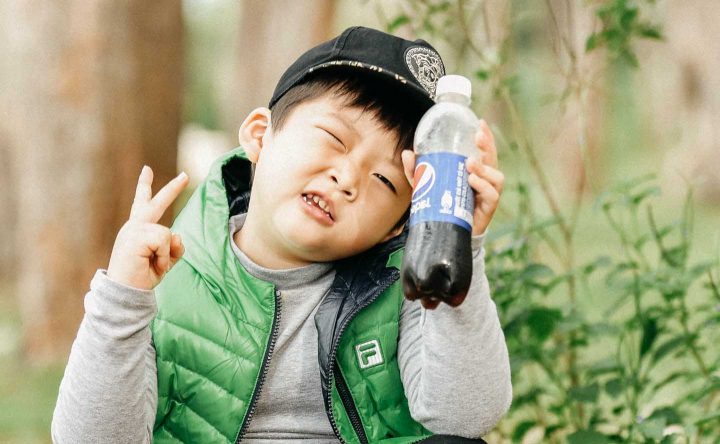
A child consuming a soft drink

Childhood and adolescence are periods of rapid growth and the final stage of brain development. In order to maximize growth and development, adequate sleep and nutrition are essential. Caffeine use disrupts sleep patterns, and excessive soda consumption is associated with a poor diet, excess weight, and tooth decay. If caffeine increases preferences for sweet foods and beverages, it can contribute to excess energy intake, and increase the risk of overweight and obesity in adulthood. Children and teens can be particularly vulnerable to caffeine, as their brains are still undergoing significant development, in specific areas of the brain involved in executive function, impulsivity control and planning.

Consumption of energy drinks can lead to several negative consequences, especially in children and adolescents, because of their high caffeine content, explains Dr. Jennifer. First, she says, children and adolescents may be more susceptible to caffeine intoxication, which results in a number of physiological and psychological effects, and can in some cases lead to death.

Second, in addition to the harmful effects of energy drinks, they are often combined with alcohol as a way to increase the symptoms of euphoria. This can lead to increased alcohol intake and consequently an increase in harmful alcohol-related symptoms.

Third, excessive consumption of energy drinks has been associated with involvement in various high-risk behaviors, including smoking, drinking, illicit drug use, risky sexual behavior and fighting.

I want to end by leaving a text by a last century writer, who already gave us this advice over 100 years ago:

Tea and coffee do not nourish the system. The relief obtained from them is sudden, before the stomach has time to digest them. This shows that what the users of these stimulants call strength is only received by exciting the nerves of the stomach, which convey the irritation to the brain, and this in turn is aroused to impart increased action to the heart and short-lived energy to the entire system. All this is false strength that we are the worse for having. They do not give a particle of natural strength.((Ellen White. Temperance, p. 75. Pacific Press))

So the best attitude to caffeine is to avoid its use in whatever forms it is present in beverages and foods. It preserves your health, and your brain as well. Cutting caffeine out of your life is worth it!

Healthy Fruits

Stay Always Up to Date

Sign up to our newsletter and stay always informed with news and tips around your health.

Sign Up Now!

Filed Under: Children, Healthy Lifestyle, Teenagers, Temperance

What is Stressing Out Kids?

February 27, 2022 by Martin Neumann - [rt_reading_time label="Reading Time:" postfix="minutes" postfix_singular="minute"]

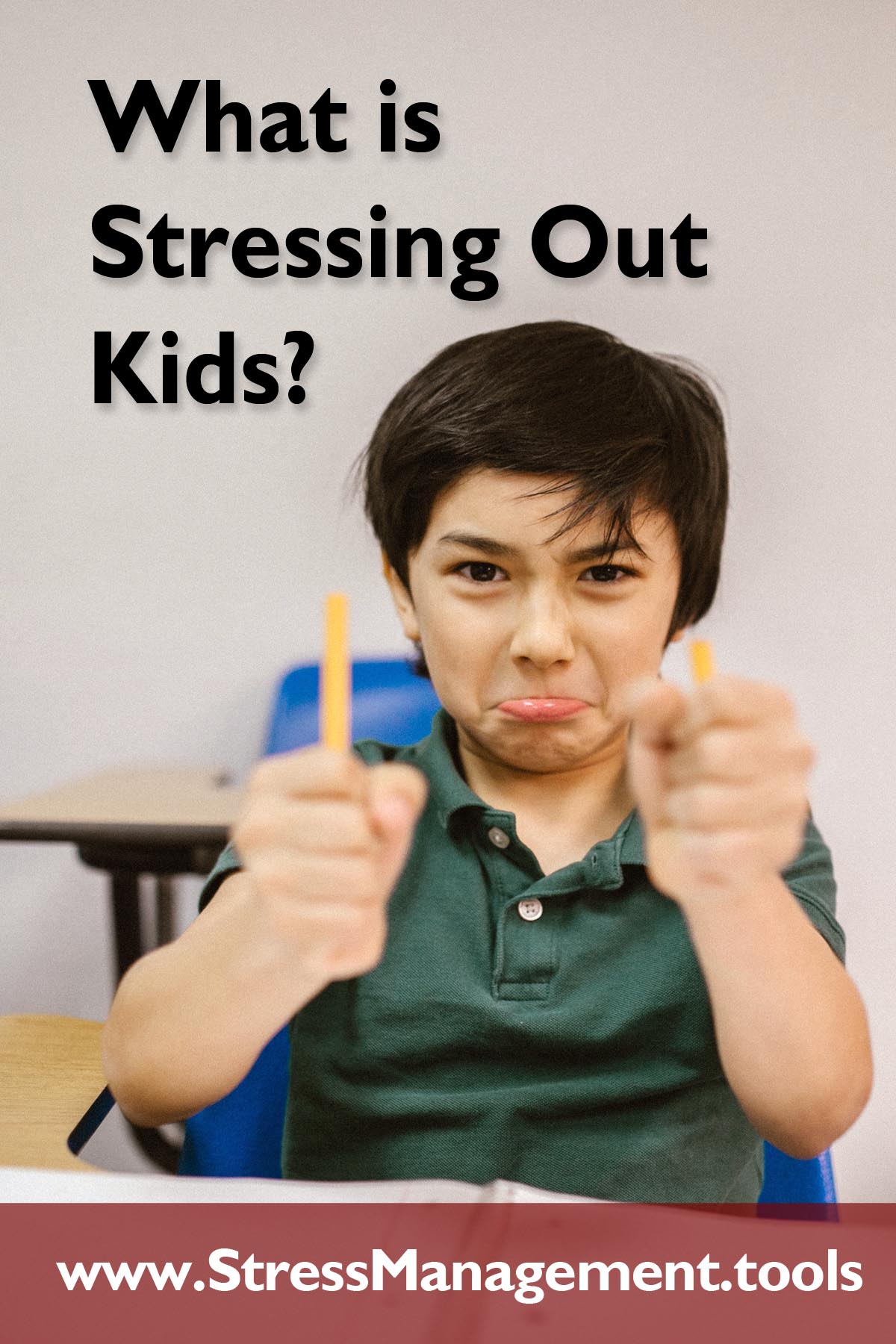
What is Stressing Out Kids?

When people think about who gets stressed out, their last thought is kids. From an adult’s perspective, kids have nothing to stress about. They don’t pay bills, they don’t have to work, and all they do is hang around all day playing, chatting with friends and eating. So what is stressing them out?

What is Stressing Out Kids?

Theoretically, all they have to do is go to school and come back home. While this sounds like a dream to most people, there are several factors in a kid’s life that can stress them out quite a bit, and it’s important to address these factors early on so that they don’t develop any problems later in life.

One of the longest running and worst causes of stress for kids is bullying. Adults don’t face this problem nearly as much, because if someone is harassing you in the real world, you can simply leave the situation or file a complaint.

If the harassment is physical, an adult would be arrested for assault. However, kids can’t just leave school or call the police if they’re getting bullied. Some might say that they can just talk to a teacher, but that seldom fixes the problem.

Kids feel as if they’re trapped there at school with their bully, and with no way out of a harmful situation, they can get extremely stressed out every day of the week.

Bullying in school

Another cause of stress in kids might be their home life. Unlike teenagers and young adults, kids can’t just drive away from home if it’s not a good place to live. They’re powerless in terms of moving away, and completely at their parent’s mercy.

If a child’s household is full of fighting or has abusive family members in it, the kid might get stressed out about even going home. They could have a fine life at school, but every day they have to go home at some point.

Abusive parents or siblings can absolutely ruin a child’s home life, stressing them out beyond your knowledge. In a similar situation to having a bully at school, kids can’t do anything to prevent or help their situation at home, due to the fact that they can’t escape in any way.

Being unable to leave your situation can cause more stress than anything. Recognizing stress in kids can be either easy or difficult, depending on the kid. In younger children, it will be fairly clear when they’re stressed out, because they’ll usually start to cry.

Young children cry whenever they’re stressed, upset, or feel as if anything is wrong. This type of sign is the easiest to recognize, and you certainly shouldn’t overlook it as them being a “whiny kid.”

There’s almost always a reason for a child to cry – you just have to be able to look for it. If you don’t, they’ll start to develop some long-running issues. Of course, there are many kids who have outgrown their standard crying days.

Older kids have a very different way of showing that they’re stressed out, and this is the point at which it can become more difficult, so you really need to be looking out for these kinds of signs.

One sign that a kid is stressed out is that they start to close off from other people. They might start to become incredibly quiet – not just around you, but also around other kids their age.

While some kids are naturally introverted and shy, this is a totally different situation. When kids start to close off, they won’t even be open with their own parents or with their closest friends.

Another way older kids start to show stress is by acting out. Kids with a bad home life and similar problems might start to act out at school, at home, and elsewhere for the sake of getting positive attention from their friends – something that they desperately need.

Another common sign involves kids becoming reluctant to do certain things. For example, if a child is reluctant to go to school, there might be deeper meaning to it than them just not wanting to go because it’s boring.

They might be getting bullied at their school, and they’re avoiding going because they’re scared of what awaits them. Similarly, they might be reluctant to come home from school if they’re afraid of their home lives.

Another common source of stress for children is if their parents are going through a divorce. Parents are very much acting as a point of reference for children. If one of the parents is suddenly leaving from home, this is quite a significant disruption of the secure environment that the child may have felt at home. These kind of changes can be pretty difficult to digest for a child and causing them a significant amount of stress, so don’t be surprised if your child will close off or get unruly when you are going through a divorce.

Kids involved in divorce of parents

There are tons of different solutions when it comes to helping kids deal with stress. The first one is addressing the problem at its source. If it’s the home life that the child is stressed about, then try to improve it by going to family counseling, where the child can clearly communicate their feelings about their home life to a counselor or to their parents directly.

You can also directly address the source of bullying by getting onto the parents of the bully, in an attempt to get the parents to reprimand them appropriately. The bully’s parents might be totally unaware of what’s going on, so informing them might help the situation. Try to understand the circumstances of their family as well. Their child may be aggressive as an outlet of other problems he is facing. Maybe you can help resolve another dilemma in the process.

Another solution for improving a child’s stress is to remove them from a stressful situation. This applies best to the bullying situation. If you’ve already tried talking to the school’s administration, to the bully’s family, and to the teachers, then it might be time to switch your child over to another school or choose a homeschooling option.

This is best done early on, so that the child doesn’t have to endure years and years of bullying. This also allows them to get a fresh start at a new location.

If you feel that you have done whatever needed to adequately limit the bullying, without being able to stop it completely, one of the best options that you can take is to just talk to your child and help them better understand the scope of time that they’re in.

While they might be stressed out about school and all of that right now, they need to know that things do get better. It can be helpful to explain to them how small of a portion of their life this will be.

Show them a timeline of a person’s life from age 0 to 100 and how small the school years are in that line of existence. It’s important to get their thoughts on their own situation as well, because it makes them feel respected, as if they have a bit of power in their tough situation.

We have seen that children can face significant stressors in their lives. If they are kept unresolved, it can develop into more serious problems in adulthood. Find a way to adequately resolve their issues, and your child will thank you for having done the right thing to protect them.

Do you need a guide to help you understand how to cope with Stress in an all inclusive approach? Learn how to combat stress, mentally, physically, emotionally and strategically in your life.

Get Me the Guide

Filed Under: Children, Mental Health, Phases of Life, Stress Management

Developing Your Children’s Taste

June 11, 2021 by Elen Duarte - [rt_reading_time label="Reading Time:" postfix="minutes" postfix_singular="minute"]

O Seu Papel no Desenvolvimento Alimentar de Seus Filhos

Did you know that your child’s eating habits are largely determined by you? An adequate and balanced diet is not only linked to the child’s growth and development. It is also directly related to disease prevention and health promotion factors in adulthood.

Developing Your Children’s Taste

In this context, behavioral nutrition plays a fundamental role in guiding food choices in the first year of life. A correct introduction of solid foods, associated with the availability and accessibility of healthy foods, in a pleasant eating environment, enables the child to start building their food preferences consistently.

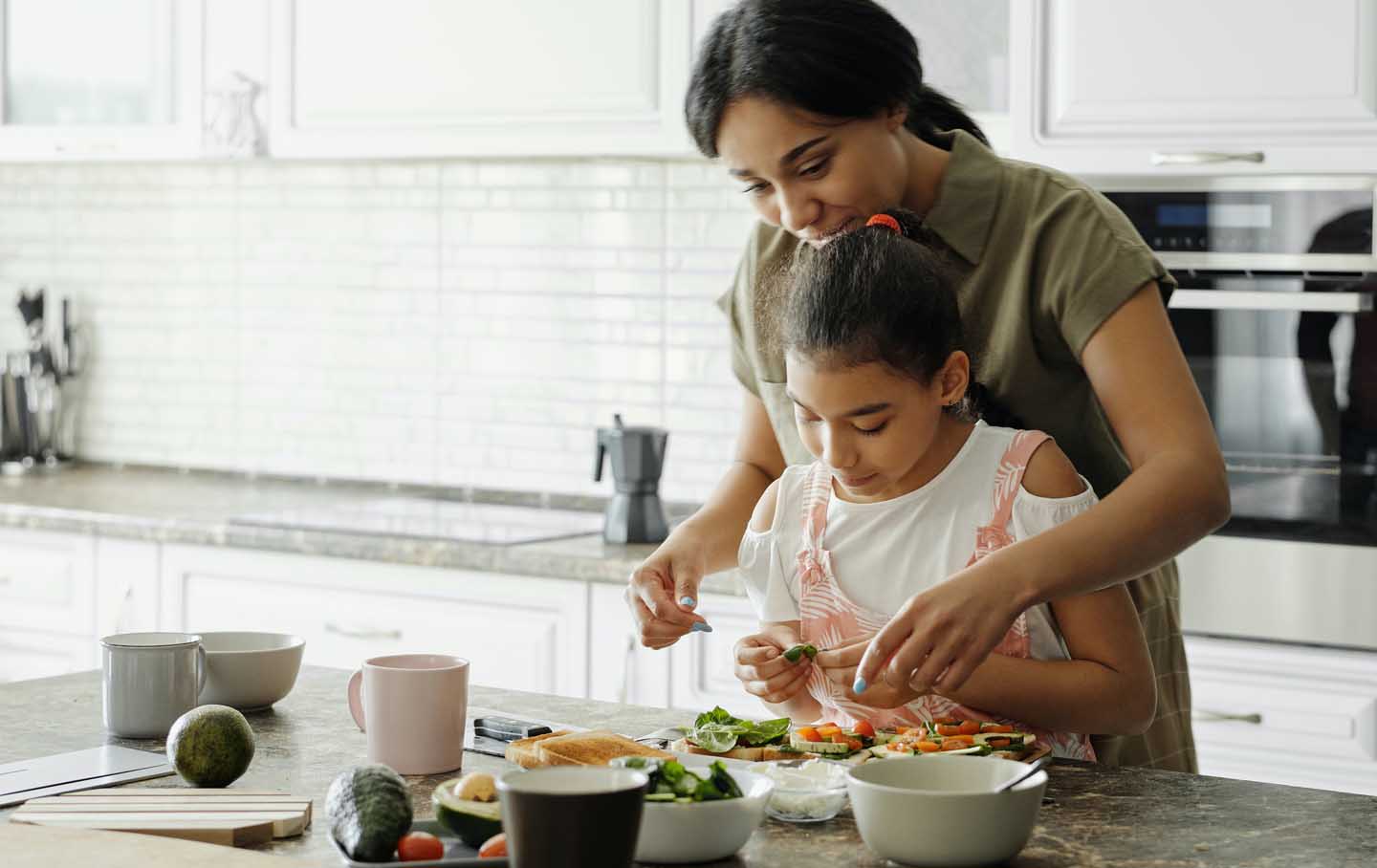
At this moment, the environment that surrounds the child is the family and the role of the parents is fundamental, as they are largely the child’s only reference of learning. Parents can promote nutritious food choices to their children by selecting healthy foods, thinking about nutritional quality and not just taste. It is up to parents to introduce food to their children, make it accessible and teach about the benefits of health-conscious food choices, while respecting the child’s innate hunger and satiety control.((Ramos M. Desenvolvimento do comportamento alimentar infantil. Jornal de Pediatria 0021-7557/00/76-Supl.3/S229))

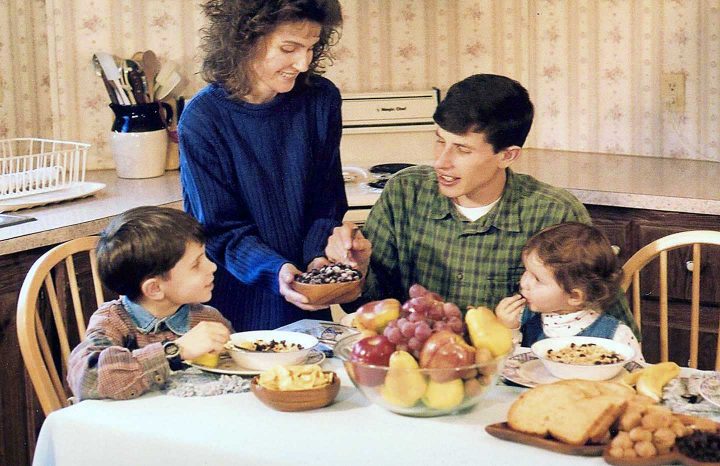
Family meals represent an important event, where a positive atmosphere is created. A study by Wardle,((Wardle J. Eating behaviour and obesity. Obes Rev. 2007 Mar;8 Suppl 1:73-5 DOI: 10.1111/j.1467-789X.2007.00322.x)) addressing the relationship between food characteristics and eating behavior, found that food preferences change as a result of personal experiences and learning involved in mealtimes. A positive environment during a meal can induce the child’s preference for foods, while a negative experience can result in a dislike of certain food choices.

Making correct food choices seems simple, however it is a complex, dynamic and multifaceted process, directed by psychosocial, cultural and economic influences.

Parents who discuss nutritional issues as a family, or, more specifically, the nutritional value of foods, provide their children with greater knowledge about nutrition, enabling children to make better food choices throughout their lives. We should mention that children learn about the importance of foods from their own experiences and also, for example, by observing their parents.

A family eating together

A project carried out by Harvard University, conducted 15 years of research on family meals and has made significant discoveries.((Lynn Barendsen. The Family Dinner Project))

Children who dine regularly in the family circle, tend to consume more nutrients from fruits and vegetables, have lower rates of obesity, and eat fewer calories than those who were eating out. Also noted were academic and emotional benefits, lower rates of drug use and depression, more resilience, broader vocabulary, greater reading ability, and overall better grades in school.((The Benefits of Home Cooking for Your Family. Huffpost, 27.05.2017))

Sitting together as a family for a meal allows us to develop valuable skills such as: listening to other people, sharing ideas, laughing, telling stories, choosing healthy foods and even passing on traditions from one generation to another.((Rossi A, Moreira EAM, Rauen MS. Determinantes do comportamento alimentar: uma revisão com enfoque na família. Rev Nutr. 2008 Dec;21(6):739-48. https://doi.org/10.1590/S1415-52732008000600012))

Studies conducted by Branen & Fletcher((Branen L, Fletcher J. Comparison of college students’ current eating habits and recollections of their childhood food practices. J Nutr Educ. 1999; 31(6):304-10. https://doi.org/10.1016/S0022-3182(99)70483-8)), found that young adults, when selecting a food item, recall the nutritional choices that were formed by their parents. This is an intriguing realization of how parents can influence their children’s eating habits in the long run.

Here are some tips to make family meal times more enjoyable:

1. Set up a healthy table. If you prefer, get everybody involved in the preparation of the table. Dividing tasks and involving children in preparation makes mealtimes easier, remember that children learn by watching, but also by doing.((Refeições em família: Como as crianças se beneficiam do contato com os pais à mesa. BBC News, Novembro 12, 2018))

2. Eliminate distractions. Turn off the television, store away cell phones and tablets, so that attention is on each other. A study carried out with 91 children and 91 parents showed that children whose families eat their meals while watching television had a lower fruit and vegetable intake and a higher consumption of pizzas, snacks and soft drinks, compared to those who did not. Furthermore, research has shown that watching television during meals is associated with a higher risk for nutritional deficiencies. Another factor linked to the practice of eating in front of the television is associated with commercial food advertisements, which induce the child to eat totally unhealthy foods. About 91% of the most frequently advertised food products tend to be high in fat, sugar and salt.

Parents should also monitor the exposure time their children spend with electronic equipment, taking into account the sedentary lifestyle associated with obesity and the possible development of chronic diseases.((Rossi A, Moreira EAM, Rauen MS. Determinantes do comportamento alimentar: uma revisão com enfoque na família. Rev Nutr. 2008 Dec;21(6):739-48. https://doi.org/10.1590/S1415-52732008000600012))

3. Celebrate the Food. Sometimes we get so used to our abundance lifestyle that we forget that there are many people in this world who die of hunger and thirst. Praying before the meals it is also a way to express thankfulness and ask for a blessing over the food.

A family thanking for the food - Photo by RODNAE Productions from Pexels

4. Have a good chat. Avoid issues that bring discomfort to the other. This is not the best time to resolve those issues. If the conversation is something light, it will encourage your children to express their views and learn to respect other people’s opinions.((Refeições em família: Como as crianças se beneficiam do contato com os pais à mesa. BBC News, Novembro 12, 2018))

The family environment should provide interactions and strengthen bonds between other family members, be safe, warm and provide adequate and healthy food. Parents have a fundamental role in their children acquiring preferences and eating habits, which can encourage healthy eating patterns for their children. Furthermore, eating together can protect the health of the whole family and add a lot of value to our lives. Get started now! Taking care of your child’s health will bring rewarding results for their lifetime!

Healthy Fruits

Stay Always Up to Date

Sign up to our newsletter and stay always informed with news and tips around your health.
Sign Up Now!

Filed Under: Children, Nutrition, Phases of Life

Primary Sidebar

Social Channels

Coronavirus Immunity Challenge

Boost your immune system to be bullet-proof for the pandemic.

I Want to Participate

Recent Posts

  • 5 Habits to Live Longer
  • Better Sleep Can Protect Against Dementia
  • Finding Peace In Your Crazy-Busy World
  • Flaxseed – An Ancient Plant Rediscovered
  • Platelets – Triggers for Life or Death
  • Boderline Personality Disorder
  • In Praise of Almonds and Nuts
  • Are You Stuck in the Clutter Trap?

Categories

  • Body Systems (16)
    • Cell Function (2)
    • Circulatory System (1)
    • Digestive Tract (10)
    • Immune System (4)
  • Diseases (27)
    • Cancer (2)
    • Cold (1)
    • COVID-19 (11)
    • Dementia (1)
    • Diabetes (1)
    • Digestive Diseases (2)
    • Heart Disease (2)
    • Kidneys (1)
    • Metabolic Syndrome (2)
    • Skin (1)
  • Healthy Lifestyle (42)
    • Exercise (11)
    • Gardening (2)
    • Sleep (7)
    • Sunlight (2)
    • Temperance (14)
    • Water (4)
  • Mental Health (87)
    • Addictions (6)
    • Anxiety (7)
    • Burnout (1)
    • Depression (7)
    • Psychosomatic Diseases (6)
    • Stress Management (45)
    • Trust (6)
  • Nutrition (56)
  • Obesity (9)
  • Phases of Life (14)
    • Adults (3)
    • Babies and Infants (1)
    • Children (3)
    • Seniors (5)
    • Teenagers (3)
  • Therapies (7)
    • Herbs (5)
    • Hydrotherapy (1)
  • Uncategorized (3)

Archives

  • January 2025 (1)
  • March 2024 (5)
  • February 2024 (4)
  • January 2024 (4)
  • December 2023 (5)
  • November 2023 (4)
  • October 2023 (5)
  • September 2023 (4)
  • August 2023 (3)
  • July 2023 (2)
  • June 2023 (4)
  • May 2023 (4)
  • April 2023 (5)
  • March 2023 (4)
  • February 2023 (4)
  • January 2023 (4)
  • December 2022 (4)
  • November 2022 (4)
  • October 2022 (5)
  • September 2022 (4)
  • August 2022 (4)
  • July 2022 (5)
  • June 2022 (4)
  • May 2022 (5)
  • April 2022 (4)
  • March 2022 (4)
  • February 2022 (4)
  • January 2022 (5)
  • December 2021 (3)
  • November 2021 (4)
  • October 2021 (6)
  • September 2021 (4)
  • August 2021 (4)
  • July 2021 (5)
  • June 2021 (4)
  • May 2021 (3)
  • April 2021 (5)
  • March 2021 (4)
  • February 2021 (4)
  • January 2021 (5)
  • December 2020 (3)
  • November 2020 (4)
  • October 2020 (5)
  • September 2020 (5)
  • August 2020 (3)
  • July 2020 (1)
  • June 2020 (1)
  • May 2020 (1)
  • April 2020 (1)
  • March 2020 (1)

Copyright © 2026 · Abundant Health - Privacy Policy - Medical Disclaimer