Abundant Health

Up to date health information tailored for you

  • Home
  • Blog
  • Recipes
  • Shop
  • Contact
You are here: Home / 2023 / Archives for January 2023

Archives for January 2023

5 Signs That You May Have an Unresolved Childhood Trauma

January 29, 2023 by Dr. Cesar Vasconcellos de Souza - [rt_reading_time label="Reading Time:" postfix="minutes" postfix_singular="minute"]

Signs of unresolved childhood trauma

A boy lived in a family where his nervous mother constantly belittled him, although she took good care of him in terms of his physical health, food, hygiene, and medical care. He grew up feeling worthless and this affected his career and some relationships, as is the case with many children who were victims of abuse in childhood and adolescence.

5 Signs That You May Have an Unresolved Childhood Trauma

Several scientific studies have shown that emotional abuse, abandonment, and emotional traumas in childhood can cause changes in the brain that will result in psychological difficulties for these individuals as they reach adulthood. Some may develop psychological disorders and even abuse substances such as alcohol, medication, and illicit drugs. Emotional and physical abuse against children can include cursing, threatening to harm the child physically, doing things that scare the child, hitting, belittling, and devaluing the child.

One of the mistakes of parents or caregivers of a child is neglect, which means failing to meet the child’s emotional needs. Neglect can happen when the father is excessively involved in work and neglects the family or when the mother is obsessed with romances or her own appearance, leaving the children in second or third place.

Taking good care of children involves believing in them, making time to play with them, taking them to the playground, making sincere compliments on their accomplishments, no matter how small, fighting to keep the family united, supporting children in their difficulties at school, in social interactions, and having a genuine love for children, sincerely wanting them to be successful in their tasks.

A father playing with his son.

The brain of children is rapidly developing and things like early exposure to electronic screens and emotionally traumatic experiences in the family, such as the presence of a drug-addicted father or mother, divorce, and constant fighting, harm the children’s brain development, which later may favor the emergence of anxiety, depression, bipolar disorder, post-traumatic stress disorder, personality disorder, among others.

Dr. Martin Teicher and colleagues at Harvard Medical School’s McLean Hospital and Northeastern University studied the relationship between abuse and brain structure, using MRI scans to discover structural brain changes among young adults who suffered abuse or neglect in childhood.

They found differences in nine brain regions in those who suffered childhood traumas, more present in brain regions that help balance emotions, impulses, and thinking. Some of the negative effects on the brain development victims of abuse and neglect in childhood are:

  • decreased size of the corpus callosum, which is a brain structure linked to motor, sensory, and cognitive performance, connecting the left and right hemispheres;
  • decreased size of the hippocampus, which is an important area in learning and memory;
  • less volume in the prefrontal cortex, in the forehead region, which affects behavior, emotional balance, and perception, among other functions.

Child abuse and neglect affect the way the brain’s chemistry works, damaging children’s behavior, how they deal with emotions, and their social interactions. Children who have emotionally uncontrolled parents may often be in a state of alert, have difficulty relaxing, feel afraid most of the time, and have learning difficulties.

According to attachment theory, when parents abuse or neglect their children, it harms the formation of a secure attachment between the child and their caregiver, causing distress in the child and influencing how the child sees himself and others.

A toddler holding the hand of his father

Child abuse also disrupts the emotional image that children build about God, as one thing is what one thinks God is, and another is how one feels about him. If the relationship of parents with their children is traumatic, predominantly neglectful and abusive, they may come to feel that God is the same way, even if they learn rationally in their religion that God is good.

Studies have shown that children who have suffered emotional abuse or neglect in childhood may later present:

  • lack of emotional control
  • feelings of devaluation
  • hopelessness
  • automatic negative thoughts and
  • difficulty dealing with stressful situations in adulthood.

The severity of the emotional disorder due to emotional suffering in childhood depends on the frequency of the traumas, the child’s age when it happened, who the abuser was, whether or not the child had a trustworthy and loving adult in their life, the duration of the abuse, the type and severity of the abuse, whether or not there was help for the child in the face of the abuse, among other factors, such as the emotional sensitivity of the child.

Adults who were victims of childhood abuse who developed emotional disorders can be treated with individual psychotherapy and, in some cases, with medication. There are different types of psychological therapy to help adults who have suffered or are suffering the consequences of child abuse, such as Exposure Therapy, which involves interacting with something that normally causes fear while gradually learning to stay calm.

Also there is family therapy, which is a psychological treatment aimed at improving relationships within the entire family and creating a better and more supportive home environment. The consultation with the family therapist happens with all members of that family nucleus at the same time.

In psychotherapy, the person can also learn to become more aware of their thoughts and feelings and be instructed on how to regulate their emotions and face stressors in a better way.

A psycotherapy session

Trauma-focused cognitive behavioral therapy focuses on helping people learn new coping skills, restructuring negative thoughts, regulating mood and overcoming trauma.

Rather than treating traumas caused by child abuse, it is better to prevent them from happening. This is done with parents who are aware of the impact of their words and actions towards their children, who are concerned with learning to manage their own dysfunctional thoughts and disturbed feelings, so they can offer better emotional education to their children.

Parents need to remember that their children did not ask to be born and deserve to be treated well. It is also important to consider that children are not to blame for the suffering that their parents had in their childhood, and that, therefore, these parents need to control themselves so as not to repeat the same mistakes that occurred in the past in their family of origin. Think about it. May God help you control your past suffering so as not to repeat it in the present. Your child deserves it.

Healthy Fruits

Stay Always Up to Date

Sign up to our newsletter and stay always informed with news and tips around your health.

Sign Up Now!

Filed Under: Mental Health Tagged With: childhood trauma, Self esteem

How to Save $50 off Your Food Bill and Still Eat Tasty, Nutritious Meals

January 22, 2023 by Clare Collins - [rt_reading_time label="Reading Time:" postfix="minutes" postfix_singular="minute"]

Save on food bill while eating healthy

Grocery prices have taken a hike upwards for a host of reasons, including the rising costs of petrol, fertilizer and labor. You could “shop around” for cheaper groceries, but that would cost you more in fuel or travel, not to mention time.

How to Save $50 off Your Food Bill and Still Eat Tasty, Nutritious Meals

Research shows a healthy diet costs low-income households 20 to 30% of their disposable income.((Lee AJ, Kane S, Ramsey R, Good E, Dick M. Testing the price and affordability of healthy and current (unhealthy) diets and the potential impacts of policy change in Australia. BMC Public Health. 2016 Apr 12;16:315. doi: 10.1186/s12889-016-2996-y)) But a healthy diet remains cheaper than one dominated by highly processed foods and drinks. Cutting your grocery bill takes planning and flexibility – and knowing your budget.

So how do you do it?

Start by checking which vegetables and fruits are in season, and find recipes that include these.((Seasonal Produce Guide. Sustainable Table))

Swap some fresh veggies and fruit with canned and frozen varieties, and substitute very expensive items for cheaper alternatives.

Have a meat-free meal at least once a week.

Next, create a grocery list. This helps save money by reducing in-store impulse buys. Look at what you already have in the pantry, fridge and freezer, and only buy what you need. This will reduce food waste.

Check online catalogues for specials before heading to the shops. Once in store, compare prices and choose brands that are cheaper. This makes nutritious meals more affordable.((Lewis M, McNaughton SA, Rychetnik L, Lee AJ. Cost and Affordability of Healthy, Equitable and Sustainable Diets in Low Socioeconomic Groups in Australia. Nutrients. 2021 Aug 23;13(8):2900. doi: 10.3390/nu13082900))

How much do households spend on groceries?

A 2021 survey in Australia found the average supermarket grocery bill was A$98 per week for a single person, $145 for two, $168 for three, $187 for four and $255 for five or more people.((Birot M. What is the average grocery bill? Canastar))

An older survey from 2016 found the average household (2.6 people) spent $269 per week across all food ($237) and alcohol ($32) purchases, both at the supermarket and other outlets.((Household Expenditure Survey, Australia: Summary of Results. Australian Bureau of Statistics))

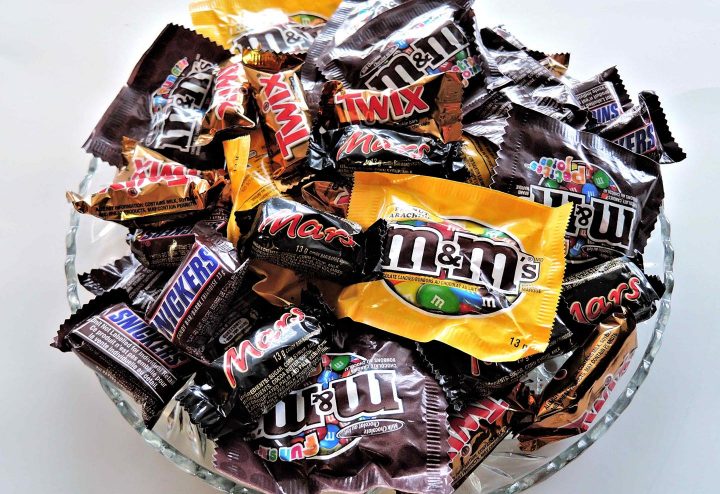
About half the money was spent was on “discretionary” items such as meals out or fast food ($80), with $20 spent on lollies, chocolate, savory snacks and potato crisps, and $10 on cakes, biscuits and puddings. At the supermarket, $26 was spent a week on fruit and vegetables.((Discretionary food and drink choices. Eat for Health))

Unhealthy snacks

A 2019 survey found the average person spent $300 a week for all food and drinks. This included groceries ($135), eating out ($52), alcohol ($31), take-aways ($22), barista coffee/tea ($13), food delivery services ($12), supplements ($12) and health foods ($11).((Food for thought: Australians spend $272 billion on food annually. Suncorp, 21 December 2019))

These surveys show it’s common to spend more on foods and drinks consumed away from home than on groceries and more on unhealthy items than healthy ones.

5 Tips to Help You Save

Putting all this together, here are five key tips to keep in mind when planning food for your household:

1. Have a food budget

Total food budget dollars will be influenced by how many people you need to feed, their age and your household income. A rough rule of thumb is it shouldn’t cost more than one-third of your total household disposable income.

Allocate target amounts in your budget for both core, nutritious foods and discretionary foods and drinks (softdrinks, chips, biscuits, cakes, lollies, pies, pastries and deli meats) and on foods away from home (coffees, fast food, pubs, clubs, bottle shops and restaurants).

2. Make a weekly plan for breakfast, lunch, dinner and snacks

Write a matching grocery list. Check the pantry, fridge and freezer to see what you already have or whether any ingredients can be swapped to save a purchase.((Running low on key ingredients? Try these swaps. No money, no time))

3. Pack your lunch

Buy a lunch box and pack it the night before. Put it in the fridge so you can grab and go in the morning. If your mornings are too busy, pack in breakfast foods too.

A lunch box prepared at home

4. Cook more meals at home

Cooking more meals at home might include cheaper and healthier versions of some of your take-out favourites such as pizza and burgers.

A study from the United States found those who cooked more at home spent half the amount of money on food eaten away-from-home than those who cooked infrequently. They also spent 17% less on food overall.((Tiwari A, Aggarwal A, Tang W, Drewnowski A. Cooking at Home: A Strategy to Comply With U.S. Dietary Guidelines at No Extra Cost. Am J Prev Med. 2017 May;52(5):616-624. doi: 10.1016/j.amepre.2017.01.017.))

Interestingly, both groups spent the same on groceries suggesting that infrequent home cookers either wasted more food, ate more, or both.

5. Cook double batches

Cook greater quantities of meals like curries, soups and casseroles, and either freeze them or have the same meal twice.

Healthy Fruits

Stay Always Up to Date

Sign up to our newsletter and stay always informed with news and tips around your health.

Sign Up Now!

This article is republished from The Conversation under a Creative Commons license. Read the original article.

The Conversation

Filed Under: Nutrition Tagged With: food budget, healthy on a budget

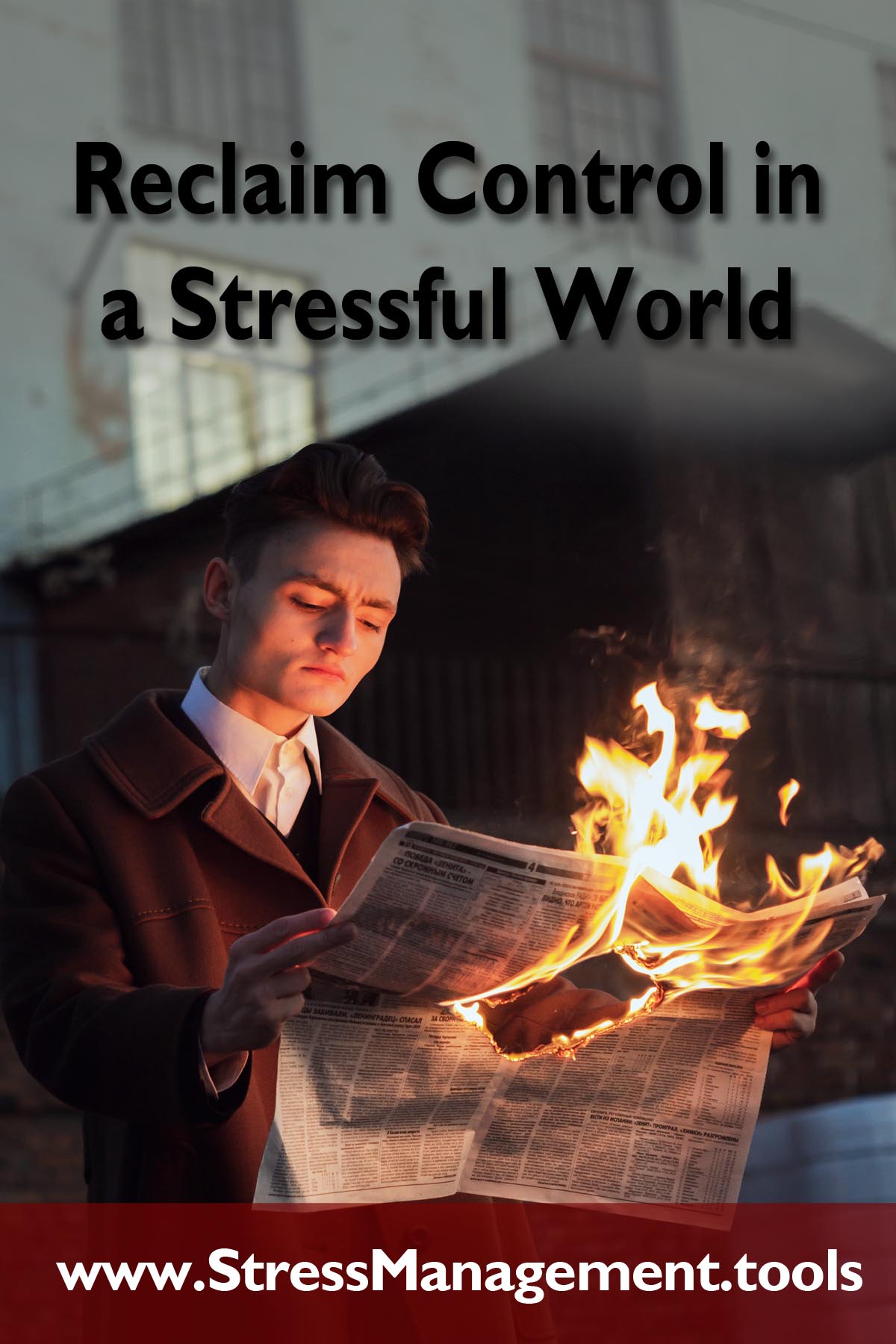
Reclaim Control in a Stressful World

January 15, 2023 by Martin Neumann - [rt_reading_time label="Reading Time:" postfix="minutes" postfix_singular="minute"]

Control in a Stressful World

Ask anyone and they’ll probably tell you that their stress levels are at an all-time high. Brought on by global health issues, economic uncertainty, and dozens of personal issues, men, women and children are suffering from emotional turmoil that’s spiraling out of control.

Reclaim Control in a Stressful World

You don’t have to live like that anymore. It’s easy to get caught up in the barrage of stress coming at you from every angle. But if you want to take back control of your mental health and not be victimized by stress overload any longer, you can implement an action plan designed to get your life under control. Whether you’re worried about your finances, relationships, health concerns or other issues, the strategies you’ll find below will free you from the chains that are contributing to your unhappiness.

You Are Not Alone – How Stress Is Weighing Us All Down

Right now, especially since the pandemic hit, stress has negatively affected people in regards to being worried about health issues, the financial impact the pandemic and inflation has caused, and other issues that hit close to home.

Recent polls are showing that stress is on the rise, and it is negatively influencing peoples’ behavior (such as making them snap in anger), causing tension in their body, and resulting in mood swings they don’t know how to manage.

It’s not only what’s happening in the world right now, the uncertainty is also a big stress factor. Nagging questions about how things will turn out are a burden none of us should be carrying, but we are.

As far as what’s causing all this stress, in the past three years, it was the pandemic, as most people reported. But the “future of the country” has also caused great concern. Job stress is a big one, and it’s no wonder with so many changes in the workplace due to the pandemic – not to mention paychecks not going as far as they once did.

Other top stress issues are responsibilities you face as a spouse and parent as well as health issues you might be facing. And while older adults are suffering on a more regular basis, the younger generations are reporting extreme levels of stress.

Women are saying they’re more stressed than men and married women have more stress than single women. Stress is affecting a large part of the population in a negative way, and detracts from our quality of life.

How to Reduce Stress Over Money Issues

Finances are one of the most common stress factors in many individual’s lives, and it is not limited only to the poor. Even the wealthy can be suffering financial stress from poor decisions, the stock market, inflation, job loss and other situations that can wipe out someone’s financial security in an instant.

Your money stress may stem from simply not earning enough to pay your bills or afford groceries. When you pair this with soaring inflation, it can be a recipe for disaster when it comes to your mental health.

It’s natural for financial stress to emerge from time to time. But if you are feeling on edge 24/7 from money woes, you need to dig yourself out of that hole and take care of the situation so that your emotional needs are met.

One thing that will help you reduce stress over your finances is to know exactly where you stand. If you are no longer opening your bills or have not looked at your credit score, it can be worse than if you had the facts laid out in front of you.

Doing accounting to find out the current financial situation

You can start a spreadsheet that tracks exactly what your income is, and also all of your monthly expenses as well as debt that you have incurred. It may be a little unsettling to initially see the numbers in front of you.

But once you know where you are standing, it will be easier for you to create a plan to become financially resilient once again. The best way to ease stress over finances is to start cutting back on careless spending.

You will feel more guilt when you are looking at the money you need if you know you have spent it on things that shouldn’t even be in your budget, like a daily coffee at Starbucks.

Even though something like this isn’t a lot of money, it can add up. Even if you only bought a small coffee every day, that would be almost $100 you would be spending just on a single beverage each month.

The next thing you want to do when it comes to achieving peace of mind with your finances is to reach out and contact those companies that you owe money to and see what arrangements can be made to lessen your burden.

Some companies will waive penalties or change the due date for you if it will help you keep your head above water. You want to make a plan to pay off your highest interest rate debt first.

Then, find ways to earn extra money. You might sell things that you have lying around the house that you no longer use on sites like Facebook Marketplace, Craigslist, or eBay.

Another thing you can do is get a side hustle such as delivering food from restaurants or grocery stores, or using your car for rideshare purposes working for companies like Uber or Lyft.

If you can’t be out of the house after your normal working hours, you can even start a business online as a freelance service provider or as an online entrepreneur who makes money by sharing good advice on a topic of your expertise.

What to If You’re Still Suffering from Pandemic Stress?

There has been a lot of fear mongering that has occurred over the past two to three years. The pandemic led people to spread misinformation from all sides, to attack one another, and to heighten their fears even if they were unfounded.

This was a health issue, but it was turned political in the process, which added even more stress to peoples’ daily lives. The stress wasn’t just about health, even though initially everyone was concerned about whether or not they would get sick or even die if they caught the coronavirus.

In the beginning stages of the pandemic, you couldn’t even get groceries without whipping out a package of disinfecting wipes and carefully cleaning every item in the bags.

Some people were masked up and some were not. Some had vaccines and others did not. Instead of everyone living their life by their own rules, which Americans have always done, you may have had to deal with people who thought differently from you confronting you about your decisions. In fact, this type of behavior still exists in some places. The fear was based on the uncertainty of what impact the unknown virus would have.

A group of people improvising on masks

However, stress from the pandemic was more than just health related. Many people experienced stress from the isolation that they felt. Whether or not your city or state had a mandatory lockdown, many people stayed home just to be on the safe side.

The isolation and loneliness that many people felt no longer socializing in public took a toll on our society. From school kids who no longer had friends to interact with, to elderly individuals who were left to fend for themselves without family to visit them, there were very few people who were unaffected by these decisions.

Another toll that was due to the pandemic is the job stress that many have to endure. Some companies were able to morph into a telecommuting situation where you were able to work from home and continue earning a paycheck.

Other companies simply had to lay off most of their staff, and you were suddenly without a steady paycheck and had to rely on government assistance. Those that were left on the job, had to work overtime to keep everything afloat. If you were a business owner, you may have lost everything that you have worked for, which is a very stressful and heartbreaking situation.

Most people have either gone back to work or started their own business at this time, but you may still have some lingering social anxiety or health concerns that you would like to manage better.

It may help you to stay informed on ways you can protect yourself. You need to focus only on what you can control for your own life and not stress yourself out about what others are doing or not doing.

It’s one thing to stay informed and another to obsess about the pandemic. You don’t want to let it consume your life on a daily basis. Keep in mind that it’s the media’s job to inflate fear so that you will click through on their links and stay tuned to their channel, so even if the information is accurate that they are reporting, you can’t rely on it to convey the correct level of alarm.

Do World News Keep You on Edge?

News of global catastrophes have never hit us this hard before. Previously, you might hear a segment on the 5 o’clock news or keep up with the world with the Sunday newspaper. But now, global news is being shoved down your throat 24/7 on every channel and website you visit.

It’s no wonder we’re stressed! Never before have you had to hear about every country’s war, famine, crime and political chaos on a daily, if not hourly basis. And the media know that it’s going to get views and clicks if they make it sound as dire as possible.

A man with a startled look examining news on a website

Whether it’s a war brewing in a far off nation or a political climate that’s teetering on the brink of instability, you don’t need to be tuned in to this day in, day out. Unless you are in immediate danger, it isn’t necessary to sabotage your mental health like this.

Drought, political decisions, plants that are shut down – ask yourself if it’s affecting you right now, or if it will be something sabotaging your daily life in the near future. If not, shelve your worry until a later date and see if it gets worked out.

There’s a reason why stress levels tend to decrease as we age. While Gen Z is highly stressed right now, older Americans are less so. Experience tells us that things we used to panic about eventually have a way of working themselves out – and it is of no use to fret about things that likely won’t materialize or can’t be controlled.

Managing the Many Personal Stress Issues in Your Life

Part of your stress might be more personal and less global or newsworthy. Everyone goes through ups and downs in life. You will – at some point – have to weather the storm or become a victim to it.

There may have been relationship woes in your life recently – a breakup with your significant other who you hoped to spend an eternity with. Recently, the pandemic affected these unions in a horrible way – maybe because people were locked down together, experiencing their own stress over money and health, and took it out on each other.

You might want to work on the relationship to see if it can be salvaged now that things are going back to normal. If things can be repaired, it is normally better for everybody involved. 

If your relationship ends, give yourself permission to grieve, but let go of the hatred and stress it brings thinking about what went wrong. You don’t want to keep one foot in the past as you try to move forward and find your own happiness.

Sometimes, you might be dealing with the stress of parenting. Parenting stress never ends. As a new parent, you stress about not knowing what you’re doing. When they’re toddlers, your stress is about everything they get into when you’re not looking for a moment.

A couple taking care of their kids

Later on you’ll have to deal with stress about schoolwork, chores, protecting your child from bullies and heartache – their health and more. Even once they leave the nest, your stress will be about their happiness and if they’re sad, you’ll be sad.

Being a parent is stressful, but in order to give your child the best life possible, you have to teach them how to be resilient in spite of what’s happening around them. The best way to do this is to lead by example.

Another stress you might be experiencing is your job. Maybe you don’t have one and are having trouble finding one. You might have to take the stress away by increasing your skills or taking something temporarily to take the financial pressure off until you find the perfect position.

Or maybe you’re employed, but unhappy at your job. If this is the case, don’t sit around stewing about your situation – make a plan to take action! You might be able to level up within the company to a better position, or find a different company or even career to pursue that will make you happier.

There are times when our personal stress is more heartbreaking. A death in the family can cause grief that’s overwhelming. Only time can ease the pain, but you can choose to focus on appreciation for having had that person in your life.

If you’re a caregiver of a disabled or special needs child or adult, it can put a physical and mental strain on you. Make sure that, in order to stress less, you give yourself some time away from your duties to relax and recharge.

There are home health aids who can step in and provide relief for you so that you can go to the spa or visit the beach and soak up the sun. Don’t feel guilty about this – because what you’re doing will allow you to be your best self for the one you’re taking care of.

Don’t Self-Soothe with Dangerous Vices

When you’re looking for stress relief, you might inadvertently turn to things that can ultimately do more harm than good. Initially, they may take the edge off and make you feel better – but over time, they can have very damaging effects.

For example, regardless of what is at the root of your stress, you might find yourself drinking a little more alcohol than you used to. It might start with one drink after a rare hard day at work, only to evolve into three or more drink on a regular basis.

A drunk man in the couch of his living room

Some people abuse their prescription pills, too. A doctor may have prescribed muscle relaxants or sleeping pills and now the person gets hooked on them just to avoid having to think about all of the stress swirling around in their head.

Non legal drugs might also become an issue. From marijuana to heroin and everything in between, there are some people who get drawn to this lifestyle as a way to escape the pain and stress they are plagued by.

Smoking (or vaping) might be something you start doing on breaks at work or at other times to relax your mind. Then one day you find that nicotine is in control and you no longer have a choice about using it.

Or you might be someone who turns to food to suppress your anxiety. Emotional eating is a big problem for both men and women, and it can turn into something that damages your health over time.

People reported gaining a lot of weight during the lockdown of the pandemic. It was stressful, and instead of going out, they would order food and grocery deliveries and binge eat since they were no longer working or socializing on the go.

Even sitting and binging on videos and shows can harm you if that’s what you choose to use to veg out and forget about your worries. Many people are now suffering from sitting disease, which is a term that describes how many health issues stem from the habit of not moving very much and sitting excessively.

And of course, your vice may not be a habit like food, alcohol or drugs, either. You might get in the habit of taking your pain out on others. You may not mean to at first, but snapping at loved ones or strangers can help you let off steam for a second, but do more harm than good.

There are even people who trauma dump on others – unloading all of their stress on their spouse, friends, family, and even people they don’t know online. Make sure you’re working with a therapist or even using self-taught methods to alleviate your stress without adopting any of these vices that can ruin your reputation and relationships and cause you more mental or physical harm.

Trade in Your Social Media Addiction for Calming Activities

If you poll younger generations, they’ll tell you that they belong to a number of different social networking sites and apps. They’ll also tell you that social media is one of the main sources of their stress.

You might have formed this addiction yourself. It’s tempting to avoid work or other demands to scroll on Facebook or TikTok for a few minutes. But these minutes end up turning into hours each week.

This can be very damaging to your psyche. Now some people will say that there is a lot of positive out social media. This is true. Social media can provide a way for people to socialize without having to get out of the house and there is a lot of positive content to be found on social media.

However, while you are trying to find the nuggets of positivity, you will inevitably encounter negative and harmful content that you are actively exposing yourself to on a daily basis.

Social media can be used to learn new things – like how to cook a certain meal or how to start a garden. But if you just let anything and everything into your feed, you will see all kinds of harmful influences.

You have to make sure you’re weeding out accounts that bring stress into your life. If you train the algorithm of the platforms you are using by engaging in content that lifts you up and hiding the content (or blocking the accounts) that cause you stress, they will provide more of what you want and less of what you don’t.

There are a lot of people trauma dumping on social media, too. And now it’s not just them telling their stories. You might be scrolling on TikTok and see an entire series posted of a woman who secretly recorded her husband being extremely abusive to her.

This is traumatic to witness and can cause your Cortisol to spiral out of control. Instead of gawking at the videos and immersing yourself in other peoples’ problems, take back control and shut that kind of content out so that you’re being lifted up when you use these tools.

You may also want to put some parameters about how often you are using social media. Sometimes, people can get hooked on these sites and platforms and spend hours each day on them.

Teenagers with cell phone addiction - Photo by cottonbro from Pexels

You want to be living life in the real world, and if it takes a digital detox to help you wean off of these sites and apps, you might want to take that approach so that you are able to find joy with those around you and in your home and work life.

Build a Stress-Relieving Routine You Can Rely On

One thing you can do to reclaim your life from stress is develop a routine that ensures you are getting stress relieving properties every single day. From the time you wake up until the time your head hits the pillow each night, you want to be engaging in self-care.

If you are the kind of person who spends all morning rushing around in a panic to get out the door, get yourself on a better sleep schedule so that you have plenty of time to wake up relaxed, eat a nutritious breakfast, and start your day off on a positive note.

There are physical things that you can do to alleviate stress. For example, you can engage in deep breathing techniques anywhere at any time to instantly calm your nerves.

In the evening after work, you may want to put on a soothing face mask and take a nice warm bath with some Epsom salts and a candle lit nearby with your favorite scent emanating from it.

A woman taking a relaxing bath

A routine that includes exercise is always beneficial in helping alleviate stress and empowering you throughout your day. Not only does this contribute to your physical health, but it also gives you a boost of endorphins that can benefit you emotionally, too.

If you have trouble sleeping at night, make sure you are setting yourself up on a proper sleep hygiene routine. This can include dimming the lights a bit and reading before bed rather than being on your phone or iPad.

If you have the opportunity, timewise, you may want to also integrate some of your favorite activities into your routine. These may not be daily, but you may be able to do things like volunteer with animals, play golf or go to the spa once or twice per month.

Another part of your stress relieving routine will be to make sure you are spending time with people who bring joy to your life. That may simply be your spouse and children or it may extend beyond that and include friends and additional family members.

Prevent Future Stress by Preparing Early and Being Aware

Sometimes, there are situations where the stress is unavoidable. You know it’s bound to happen, and instead of preparing for it, you simply brace yourself for the unknown. Instead of walking on eggshells or living your life in a heightened state of anxiety, you can alleviate a lot of that stress simply by being prepared and staying aware.

For example, if the news is something that frequently causes you concern because you are watching stories about a broken supply chain or threats of war being waged against your country, you can begin a sensible survival prepping plan that gives you peace of mind that you will be okay in a worst case scenario.

You can do this with anything that brings you stress. For example, if you know you will be stressed out at the beginning of school trying to get your kids back in a routine, start a couple of weeks early and have everything planned so that they can assist you with making their lunches and choosing their clothes the night before.

You have to walk a fine line between staying informed and becoming obsessed. It’s never a good idea to stick your head in the sand and ignore everything that’s going on in the world.

However, it’s also not smart to take the opposite approach and stay glued to mainstream media 24/7 so that they can feed you a diet of fear and anxiety. You are in control of what you allow yourself to be exposed to and how you react to it.

The key is to sit with yourself each night or at least once a week and ask yourself what it is that is causing you stress and see if it can be mitigated so that it doesn’t have power over you from that point on.

Stress has become a pandemic of its own in this world. Many people will succumb to it and live a life of depression and anxiety. You don’t have to be chained to an overload of stress if you’re willing to take steps to prevent and manage it in your life.

Do you need a guide to help you understand how to cope with Stress in an all inclusive approach? Learn how to combat stress, mentally, physically, emotionally and strategically in your life.

Get Me the Guide

Filed Under: Mental Health, Stress Management

Six Tips for Losing Weight Without Fad Diets

January 8, 2023 by Clare Collins - [rt_reading_time label="Reading Time:" postfix="minutes" postfix_singular="minute"]

weight control

Monday – start diet. Tuesday – break diet! Wednesday – plan to start again next Monday. If this is you, it’s probably time to get off the diet roller coaster and make some bigger changes to the way you eat, drink and think about food.

Six Tips for Losing Weight Without Fad Diets

Here are six tips to help you get started.

1. Improve your diet quality score

When trying to lose weight, it might be tempting to quit carbs or another food group altogether.

But to stay healthy, you need to meet your requirements for important nutrients like iron, zinc, calcium, vitamins B and C, folate and fiber. These nutrients are essential for metabolism, growth, repair and fighting disease.

Our review of diet quality indexes used to rate the healthiness of eating habits found that eating nutritious foods was associated with((Aljadani, H., Patterson, A., Sibbritt, D. et al. Diet Quality and Weight Change in Adults Over Time: A Systematic Review of Cohort Studies. Curr Nutr Rep 4, 88–101 (2015). https://doi.org/10.1007/s13668-014-0115-1)) lower weight gain over time.((Fung TT, Pan A, Hou T, Chiuve SE, Tobias DK, Mozaffarian D, Willett WC, Hu FB. Long-Term Change in Diet Quality Is Associated with Body Weight Change in Men and Women. J Nutr. 2015 Aug;145(8):1850-6. doi: 10.3945/jn.114.208785.))

Improving your diet quality means eating more fruit and vegetables, tofu, nuts and seeds, legumes, dried beans, and whole grains.

2. Mum was right – eat your veggies

Fruit and veg are high in fiber, vitamins and phytonutrients, but low in total calories. So eating more can help you manage your weight.

A study of more than 130,000 adults found that those who increased their intake of fruit and vegetables over four years lost weight. For each extra daily serve of vegetables, there was a weight loss of 110 grams over the four years. It was 240 grams for fruit. Small, but it all adds up.((Bertoia M. et.al. Changes in Intake of Fruits and Vegetables and Weight Change in United States Men and Women Followed for Up to 24 Years: Analysis from Three Prospective Cohort Studies. https://doi.org/10.1371/journal.pmed.1001878))

Farmers Market - Photo by Michigan Municipal League on Pexels, CC2.0 license 
https://www.flickr.com/photos/michigancommunities/15168955986/

Drilling down to specific fruit and veg gets interesting. Increasing cauliflower intake was associated with a four-year weight reduction of about 620 grams, with smaller reductions for capsicum (350g), green leafy vegetables (230g) and carrots (180g). The reduction was 620g for blueberries and 500g for apple or pears.

It was not good news all round, though. Corn was associated with a weight gain of 920g, peas 510g and mashed, baked or boiled potatoes 330g.

3. Limit your portion size

If you are served larger portions of food and drinks, you eat more and consume more calories. That sounds obvious, yet everybody gets caught out when offered big portions – even when you’re determined to stop when you’re full.((Rolls BJ. What is the role of portion control in weight management? Int J Obes (Lond). 2014 Jul;38 Suppl 1(Suppl 1):S1-8. doi: 10.1038/ijo.2014.82.))

Research shows offering larger portions leads adults and children to consume an extra 600 to 950 kilojoules (150-230 calories). This is enough to account for a weight gain of more than seven kilograms a year, if the calories aren’t compensated for by doing more exercise or eating less later.((Hollands GJ, Shemilt I, Marteau TM, Jebb SA, Lewis HB, Wei Y, Higgins JP, Ogilvie D. Portion, package or tableware size for changing selection and consumption of food, alcohol and tobacco. Cochrane Database Syst Rev. 2015 Sep 14;2015(9):CD011045. doi: 10.1002/14651858.CD011045.pub2.))

4. Watch what you drink

A can of soft drink contains about 600 kilojoules (150 calories). It takes 30-45 minutes to walk those calories off, depending on your size and speed. Children and adolescents who usually drink a lot sugary drinks are 55% more likely to be overweight.((Hu FB. Resolved: there is sufficient scientific evidence that decreasing sugar-sweetened beverage consumption will reduce the prevalence of obesity and obesity-related diseases. Obes Rev. 2013 Aug;14(8):606-19. doi: 10.1111/obr.12040.))

Switch to lower sugar versions, water or diet drinks. A meta-analysis of intervention studies (ranging from ten weeks to eight months) found that adults who switched had a weight reduction of about 800 grams.((Morenga L T et.al. Dietary sugars and body weight: systematic review and meta-analyses of randomised controlled trials and cohort studies. https://www.ncbi.nlm.nih.gov/books/NBK116814/))

5. Cue food

Our world constantly cues us to eat and drink. Think food ads, vending machines and chocolate bars when trying to pay for petrol or groceries. Food cues trigger cravings, prompt eating, predict weight gain and are hard to resist.((Boswell RG, Kober H. Food cue reactivity and craving predict eating and weight gain: a meta-analytic review. Obes Rev. 2016 Feb;17(2):159-77. doi: 10.1111/obr.12354.)) They can make you feel hungry even if you are not.((Jansen A, Houben K, Roefs A. A Cognitive Profile of Obesity and Its Translation into New Interventions. Front Psychol. 2015 Nov 27;6:1807. doi: 10.3389/fpsyg.2015.01807.))

A lady snacking on popcorn inside a cinema - Photo by rpb1001 on Flickr https://www.flickr.com/photos/rpb1001/257368762/

Try to minimize the time you spend in highly cued food environments. Avoid food courts, take a list when you go to the supermarket and take your own snacks to places where highly palatable food is advertised, like the movies. This will reduce autopilot eating, which sabotages your willpower.

6. Resist temptation

A treatment for food cue reactivity is called exposure therapy.((Schyns G, Roefs A, Mulkens S, Jansen A. Expectancy violation, reduction of food cue reactivity and less eating in the absence of hunger after one food cue exposure session for overweight and obese women. Behav Res Ther. 2016 Jan;76:57-64. doi: 10.1016/j.brat.2015.11.007.)) With the help of a psychologist or health professional, you expose yourself to the sight and smell of favorite foods in locations that commonly trigger overeating, like eating chocolate when watching TV. But, rather than eat the chocolate, you only have a taste without eating it.((Jansen A, Houben K, Roefs A. A Cognitive Profile of Obesity and Its Translation into New Interventions. Front Psychol. 2015 Nov 27;6:1807. doi: 10.3389/fpsyg.2015.01807.))

Over time, and with persistence, cravings for chocolate reduce, even when cues such as TV ads or people eating chocolate in front of you are present.

You can also draw on your brain’s own self-management skills to resist temptation, but it takes conscious practice. Try this food cue acronym, RROAR (remind, resist, organized alternative, remember and/or reward), to train your brain to resist temptation on autopilot.

When you feel yourself pulled by cues to eat or drink:

  • Remind yourself that you are the boss of you, not a food cue.
  • Resist the tempting food or drink initially by turning your back on the cue. (This gives you time to think about next steps.)
  • Have a pre- Organized Alternative behavior to use against food cues. Grab a drink of water, walk around the block, check your phone messages, read, take a walk in the opposite direction. Diversion works.((van Dillen LF, Andrade J. Derailing the streetcar named desire. Cognitive distractions reduce individual differences in cravings and unhealthy snacking in response to palatable food. Appetite. 2016 Jan 1;96:102-110. doi: 10.1016/j.appet.2015.09.013.))
  • Remember what your big-picture goal is. Do you want to eat better to help you feel better, reduce medications, lower blood pressure, improve diabetes control or manage your weight?

You can add another R for Reward. Financial incentives help change behavior. Each time you complete your organized alternative behavior put $1 in a jar. When it builds up, spend it on something you really want.

You need a plan

The journey off the diet roller coaster needs a cunning plan. Here’s how you can put it all together.

  1. Start by assessing your diet quality using the Healthy Eating Quiz.
  2. Next, plan weekly meals, drinks and snacks. Write a grocery list and buy extra fruit and vegetables.
  3. Swap to small plates, cups and serving utensils. You’ll serve and eat less without thinking.
  4. Aim for half your plate covered with vegetables and salad, one-quarter protein (legumes, if meat, then lean) and one-quarter grains or starchy vegetables (potato, peas, corn).
  5. Change your food environment to avoid constant prompts to eat.
  6. Minimize the places you allow yourself to eat and drink to reduce food cue exposure (not in front of TV or computer, at a desk, or in the car).
  7. Keep food out of sight (unless it is fruit and vegetables). Store in opaque containers.
  8. Remove workplace food displays, such as food fundraisers.
  9. Plan driving and walking routes that do not take you past fast-food outlets or vending machines.
  10. Prerecord TV shows and fast-forward food ads.
Healthy Fruits

Stay Always Up to Date

Sign up to our newsletter and stay always informed with news and tips around your health.
Sign Up Now!

This article was republished from The Conversation under a Creative Commons license. Read the original article.

The Conversation

Filed Under: Obesity Tagged With: Fad Diets, weight control

Primary Sidebar

Social Channels

Coronavirus Immunity Challenge

Boost your immune system to be bullet-proof for the pandemic.

I Want to Participate

Recent Posts

  • 5 Habits to Live Longer
  • Better Sleep Can Protect Against Dementia
  • Finding Peace In Your Crazy-Busy World
  • Flaxseed – An Ancient Plant Rediscovered
  • Platelets – Triggers for Life or Death
  • Boderline Personality Disorder
  • In Praise of Almonds and Nuts
  • Are You Stuck in the Clutter Trap?

Categories

  • Body Systems (16)
    • Cell Function (2)
    • Circulatory System (1)
    • Digestive Tract (10)
    • Immune System (4)
  • Diseases (27)
    • Cancer (2)
    • Cold (1)
    • COVID-19 (11)
    • Dementia (1)
    • Diabetes (1)
    • Digestive Diseases (2)
    • Heart Disease (2)
    • Kidneys (1)
    • Metabolic Syndrome (2)
    • Skin (1)
  • Healthy Lifestyle (42)
    • Exercise (11)
    • Gardening (2)
    • Sleep (7)
    • Sunlight (2)
    • Temperance (14)
    • Water (4)
  • Mental Health (87)
    • Addictions (6)
    • Anxiety (7)
    • Burnout (1)
    • Depression (7)
    • Psychosomatic Diseases (6)
    • Stress Management (45)
    • Trust (6)
  • Nutrition (56)
  • Obesity (9)
  • Phases of Life (14)
    • Adults (3)
    • Babies and Infants (1)
    • Children (3)
    • Seniors (5)
    • Teenagers (3)
  • Therapies (7)
    • Herbs (5)
    • Hydrotherapy (1)
  • Uncategorized (3)

Archives

  • January 2025 (1)
  • March 2024 (5)
  • February 2024 (4)
  • January 2024 (4)
  • December 2023 (5)
  • November 2023 (4)
  • October 2023 (5)
  • September 2023 (4)
  • August 2023 (3)
  • July 2023 (2)
  • June 2023 (4)
  • May 2023 (4)
  • April 2023 (5)
  • March 2023 (4)
  • February 2023 (4)
  • January 2023 (4)
  • December 2022 (4)
  • November 2022 (4)
  • October 2022 (5)
  • September 2022 (4)
  • August 2022 (4)
  • July 2022 (5)
  • June 2022 (4)
  • May 2022 (5)
  • April 2022 (4)
  • March 2022 (4)
  • February 2022 (4)
  • January 2022 (5)
  • December 2021 (3)
  • November 2021 (4)
  • October 2021 (6)
  • September 2021 (4)
  • August 2021 (4)
  • July 2021 (5)
  • June 2021 (4)
  • May 2021 (3)
  • April 2021 (5)
  • March 2021 (4)
  • February 2021 (4)
  • January 2021 (5)
  • December 2020 (3)
  • November 2020 (4)
  • October 2020 (5)
  • September 2020 (5)
  • August 2020 (3)
  • July 2020 (1)
  • June 2020 (1)
  • May 2020 (1)
  • April 2020 (1)
  • March 2020 (1)

Copyright © 2026 · Abundant Health - Privacy Policy - Medical Disclaimer