Abundant Health

Up to date health information tailored for you

  • Home
  • Blog
  • Recipes
  • Shop
  • Contact
You are here: Home / Archives for Mental Health / Psychosomatic Diseases

Psychosomatic Diseases

Mind/Body Health Connections

December 10, 2023 by Vicki Griffin - [rt_reading_time label="Reading Time:" postfix="minutes" postfix_singular="minute"]

Mind/Body Health Connections

It was 1944 and winter in Auschwitz, the concentration camp for Jewish prisoners in World War II. Dr. Viktor Frankl was a prisoner there. He noted the effects of discouragement and loss of hope on prisoners: He recorded that in December “the prisoners had lived in the naïve hope that they would be home again by Christmas. As the time drew near and there was no encouraging news, the prisoners lost courage and disappointment overcame them. This had a dangerous influence on their powers of resistance and a great number of them died.”((Frankl V. Man’s Search for Meaning.Simon and Schuster, New York, NY. 1984. p. 84.))

Mind/Body Health Connections

Can Attitude Really Make a Difference?

Science confirms the link between mindset and physical and mental health: “A person’s psychological state is a prominent factor in health.”((Beaton R. Effects of Stress and Psychological Disorders on the Immune System (article).)) “Attitude, social networks, and a healthy diet are woven together in their importance for physical and mental health.”((Ibid, quotation by Kathryn O. Tacy.)) These factors affect the immune system and how a person takes care of themselves.

Attitudes such as forgiveness, faith, optimism, happiness, perseverance under stress, and trust in God are linked with reduced risk for heart disease, high blood pressure, infection, ill health, and countless stress-related conditions. These attitudes also lessen the severity of illness and speed recovery when it occurs.((Ibid.))

A steady state of grief, worry, hostility, unforgiveness, hopelessness, and depression increase the risk of infection, inflammatory conditions and disease, and slower recovery from sickness.((Ader R. Psychoneuroimmunology. Elsevier Press, USA, 2007. p. 766.))

Many factors contribute to disease. Positive, perky people get sick, and critical, crabby people escape illness. However, a positive mind set is as important to good health as better-known factors such as exercise, and diet. The mind and body are intimately connected.

Remove that “Worry Wart”

Do you have a “worry wart” that needs removal? Are you plagued by a negaholic, naysayer attitude that sends you on mountain-climbing trips over molehills? Practicing the following seven suggestions may help tip your mental scales toward the positive side of life:

1. Smile. Smiling is free—but its benefits are priceless. It lowers stress hormones in the brain, improves memory and learning, and powers up the body’s immune system. It also improves your looks!

2. Express Gratitude. People who express gratitude tend to live longer, healthier lives, have stronger bones, fewer heart attacks, and lower blood pressure. Mentally rehearsing or writing a list of daily blessings is a powerful buffer against mental depression and physical illness.

3. Focus on Positives.  Continually ruminating over sad events or worrisome thoughts over stimulates a part of the brain known as “area 25” which is linked to many kinds of depression. A researcher noted: “Attitude is one thing humans have great control over, but for the most part people choose to let their attitude run them, or they think their situation has to change before their attitude can change, which is usually not the case.”((Ref. 2 and 3.)) Concentrating on positive solutions and opportunities will help “tone down” area 25 and turn off negative ruminating.
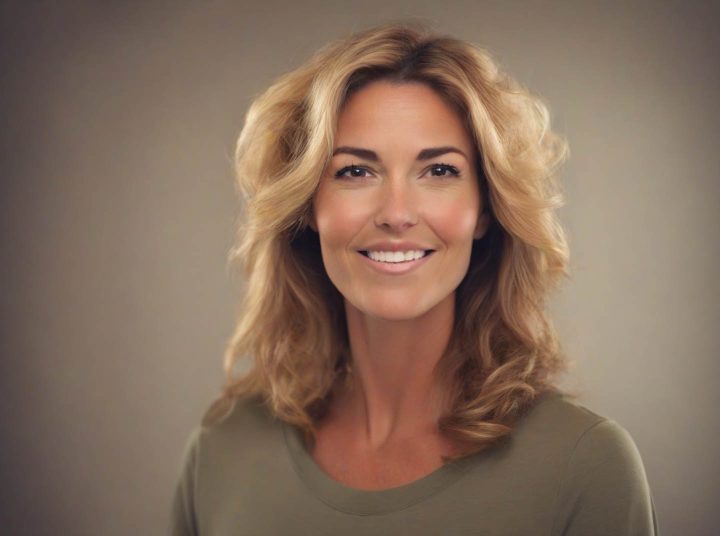
A positive looking woman expressing hope

4. Forgive. Harboring anger and grudges hurts the heart, increases stress hormones, blood pressure, and increases a host of physical diseases and mental maladies. An act may not be excusable, but it is forgivable. Charlotte Witvliet, PhD, notes that when people think about their offenders in more forgiving ways their emotional health, sense of control, and physical health improve. Forgiving others and also forgiving oneself allows you to let the injury go. The healing spirit of forgiveness is a gift that God will bestow to all who ask.

5. Get up, don’t give up. Successful people are not mistake free—they just refuse to give up. Can you think of a mistake you made that taught you some valuable lessons and caused you to move forward with a new and better plan? Maybe it was not funny at the time, but now it may even put a smile on your face as you think about it now.

6. Nurture your brain and body. Nutrition and lifestyle powerfully effect brain function, mood, memory, and learning. According to Andrew McCulloh, Director of the Mental Health Foundation, UK, we are just beginning to understand the profound link between nutrition and mental health.

Eating whole grains, fresh fruits and vegetables, nuts, and beans has a long-term mood and brain boosting effect that no snack cake can rival! Drinking water instead of caffeinated and sugary beverages improves alertness naturally. Adequate rest is essential for resisting fatigue and irritability. And daily exercise—especially in the sunshine and fresh air, has a calming, stress-lowering effect often more powerful than antidepressants.

7. Get busy about others. Offer to help someone in some way—even a little courtesy like opening a door for someone else—can boost your own health and may even help relieve depression. Studies show that those who spend regular time helping others not only cut their overall risk of death by 35%, but also improve heart health and quality of life.

Call to Action: The Living Word

Chronic anxiety and fear are the opposite of trust. Trusting in God is the most potent weapon against mental and physical illness.

“Trust in Him at all times, you people; pour out your heart before Him; God is a refuge for us.”

Psalm 62:8

God has promised to fill you with hope and peace as you trust in Him. When trouble comes, when you are perplexed, when you need a friend, God is there to calm your heart and deliver you. He has a plan for your future, guidance for each day, strength to impart during times of trial and grace to give you courage when you make mistakes. He has a plan for successful, abundant living. He is ready today to help you make choices that benefit your brain-body connection—and experience the difference it makes! He invites you to come to Him for spiritual rest and power for abundant living. Will you receive His plan?

Healthy Fruits

Stay Always Up to Date

Sign up to our newsletter and stay always informed with news and tips around your health.

Sign Up Now!

This article was originally published on the Time to Get Ready website.

Visit LifestyleMatters.com for more resources.

Filed Under: Mental Health, Psychosomatic Diseases Tagged With: mind body connection

Does Fibromyalgia Come From Your Mind?

March 26, 2023 by Dr. Cesar Vasconcellos de Souza - [rt_reading_time label="Reading Time:" postfix="minutes" postfix_singular="minute"]

Fibromyalgia

In this article, we are going to analyze the psychological aspects of this disease called fibromyalgia. Fibro comes from fiber, mio means muscle, and algia is pain. Therefore, fibromyalgia is pain in the muscle fibers, in a literal translation, but there are several other symptoms in this complex disease, affecting 2% of the population in the United States.

Does Fibromyalgia Come From Your Mind?

Fibromyalgia is characterized by body pains of at least three months, fatigue, sleep disturbances, which can be insomnia, or non-restorative sleep, tingling in the hands, feet, and middle of the back, intestine sometimes constipated and sometimes with diarrhea, and mood changes including discouragement. About 25% of fibromyalgia patients have depression, that is, one in four people.

Commonly it involves anxiety, difficulty in concentrating and performing common tasks, headache, and swelling in the body. In fibromyalgia, there are some pain points in the body, in the trapezius muscle which is in the shoulder area, on both sides of the neck, in the buttocks, in the region of the joints of arms and legs, and some other places.

The cause of fibromyalgia is still unknown. It is believed to be due to the decrease of a neurotransmitter called serotonin in the brain, the person loses the ability to regulate pain and the impulses are misinterpreted. It is a painful syndrome, without inflammation. It affects twenty women for one man.

It appears at any age, but most commonly between forty and sixty years of age. It is common for women with fibromyalgia to be perfectionists, taking on too much at home and at work. Clinical histories reveal that before they became ill, they were the best at work, they were super mothers, and superwomen at home. With the disease, they feel limited and by ceasing to be the best, it is lowering their self-esteem.

The more they feel inferior, the more symptoms appear. The patients themselves are amazed at the disease because they were very well, they felt super powerful, they did everything, solved everything for everyone, and colleagues and family members are also puzzled, saying that these people are inventing the disease and that they have nothing at all. It is common for people with fibromyalgia to go from doctor to doctor. Some uninformed people may think that the person only has psychological problems and nothing else.

The main specialist to be consulted with symptoms of fibromyalgia is the rheumatologist. It cannot be said that fibromyalgia is curable, but it is controllable. There are no tests that identify the disease, the diagnosis is clinical. The specialist will order tests to evaluate a differential diagnosis, that is, excluding other possible diseases, especially of the thyroid, which can have some symptoms that would mix with the symptoms of fibromyalgia.

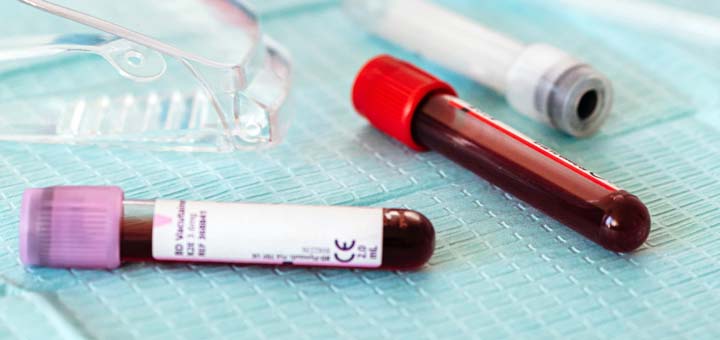
Blood tests

The individual with fibromyalgia can improve by 20% when the well-informed doctor tells him that he is not crazy and that he has such a disease. He can improve another 20% when he finds out that the disease, although painful, does not kill, and for the other 60%, medicine has many limitations to offer a cure.

It is necessary to start a permanent lifestyle change including aerobic exercises, such as daily walking, using more natural foods, pure water, family understanding, looking for relaxation that reduces tension and improves sleep, also reducing the tragic interpretation of events, and learning a strategy of dealing with problems without overloading himself. It may be useful a temporary medication to improve mood, for sleep, and also using an analgesic. It is important that the fibromyalgia patient makes an effort to change their own behavior at the pace they can.

Among those suffering from this disease, some are perfectionists, very demanding, take on burdens that are not theirs, and in this case, you need to learn to set limits, not to take on what is not your responsibility, even if others complain that you have stopped doing what you did before, and learn to disconnect from the problems that they want to throw at you for you to assume, and that does not mean that you have become an irresponsible person.

It is not uncommon in families where someone has fibromyalgia, to see a tendency for some members of that family to omit themselves, and to throw the load on a single person, and this person, accepting this, takes on everyone’s problems, looking for solutions alone, that is, taking on burdens that are not theirs.

But if that person tends to take on everything, the other family members or co-workers settle in and leave the burdens on him, that person will be overworked. So this person ends up carrying other people’s problems, and this can become so suffocating and so heavy, that there comes a time when the body and mind say: We can’t take it anymore!

an overworked student feeling tired

Then symptoms may arise, which may be, for example, those of fibromyalgia. It is possible to be a responsible, productive, helpful person without taking on what is not yours, and not absorbing unfair criticism from those who want to play on the person what they should assume. Fibromyalgia also affects children and adolescents and occurs mainly in girls between nine and fifteen years of age.

This gives rise to symptoms that may be, for example, fibromyalgia. It is possible to be a responsible, productive, helpful person, without taking on what is not yours, and without absorbing unfair criticism from those who want to throw all the responsibility at the person.

Fibromyalgia also affects children and adolescents and occurs mainly in girls between nine and fifteen years of age. The symptoms are similar to those of adults, adding frequent school absences due to illness. Some scientific studies have shown that children and young people with fibromyalgia had an average of 41 days of absence from school per year, while in the general population, the average is 9 days per year.

From a psychological point of view, people with fibromyalgia have a worse quality of life, and have more symptoms of depression and anxiety, generating a greater amount of suffering behaviors. Some studies have shown that young people with fibromyalgia seem to come from families whose members are more disorganized and anxious, and this would influence the way they face life’s problems.

Fibromyalgia treatment involves medications only for the control of symptoms, such as pain, insomnia, excessive anxiety, and depression. Physiotherapy, the practice of physical exercises, preferably outdoors, as well as psychotherapy are needed. It helps a lot to learn coping strategies for everyday problems to help with stress reduction. If that involves the cause of your illness, it will also be the best form of cure.

Healthy Fruits

Stay Always Up to Date

Sign up to our newsletter and stay always informed with news and tips around your health.

Sign Up Now!

Filed Under: Diseases, Mental Health, Psychosomatic Diseases Tagged With: fibromyalgia, overworked, perfectionism

The Fountain of Youth for the Brain

November 21, 2021 by Dr. Cesar Vasconcellos de Souza - [rt_reading_time label="Reading Time:" postfix="minutes" postfix_singular="minute"]

A Fonte da Juventude

On October 15, 2009 my first granddaughter was born. I went to visit them to meet the baby and see the whole family. I watched over and over again how the baby in the crib was always moving its little hands, arms and legs. The baby did not need to learn that physical exercise is important for health, but responds he spontaneously with physical movement to its God-given life.

The Fountain of Youth for the Brain

A child who barely moves is probably emotionally or physically sick. Normally, babies and children are always in movement. Of course, some are exaggerated and impulsive, but the normal thing is to move your body. All human physiology is made up of movements, in cells in genes, in circulation. Movement is life. It is not possible to talk about health without regular systematic physical exercise, not only on weekends, sometimes with those competitive sports that generate adrenaline and cortisol. This is the first and main reason why I go for a walk; it’s not because of physical health, but because of mental and spiritual health, because I understand that exercising my brain will work better, and that’s what I want, to discern spiritual things and the purpose of life more clearly.

A 19th century author wrote the following statement:

Right physical habits promote mental superiority. ((Ellen White. Mind, Character and Personality Volume 2, p. 443))

And she also wrote this:

There is an intimate relation between the mind and the body, and in order to reach a high standard of moral and intellectual attainment the laws that control our physical being must be heeded. To secure a strong, well-balanced character, both the mental and the physical powers must be exercised and developed.((Ellen White. Our Father Cares, p.326))

People often say that if you intend to start an exercise program, you should first see a doctor, usually a cardiologist, to see if you are cleared for this activity. This is prudent. However, a medical colleague once commented to me about what he had read in a scientific journal, which went something like this: “If a person decides not to exercise, then he will have to see a doctor.”

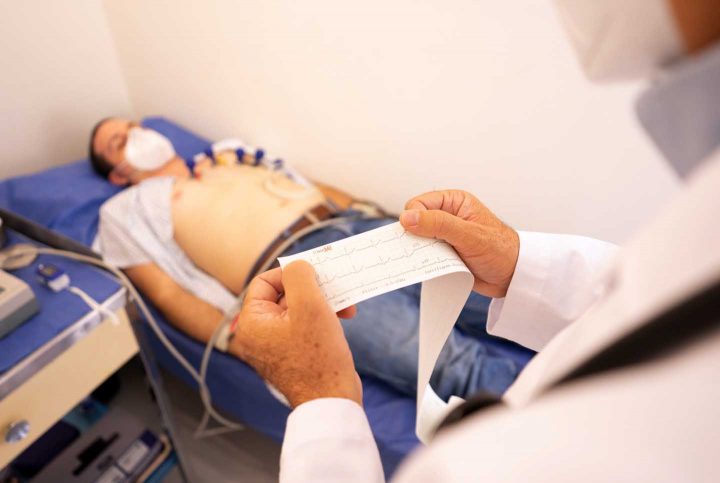
A doctor reading an ECG - Photo by Los Muertos Crew from Pexels

In the Journal of Applied Physiology of November 18, 2008, the article entitled: “Exercise, the Brain’s Fountain of Youth”, suggests that daily physical exercise keeps the brain young, and the recommendation is not to take too long to start to practice them. The earlier you start in your life, the better for your whole body and your brain. The researchers found that if a person takes a long time to start an exercise program, they run the risk of not having as many benefits, because as they age, the process of the brain creating new cells, which we call neuroplasticity, slows down, and as a consequence, memory and learning impairment occurs sooner.

But can age-related mental decline be reversed with exercise? Scientists trained mice to run on exercise wheels at 70% of their aerobic capacity every day over a five-week period. The mice started running at the age of 8 months, which is the beginning of the ripe age for a rat of that breed, or at the age of 12 months, which is the middle of the old age of the rats. Those who exercised every day had two and a half times more production of new brain cells called neurons than those who didn’t exercise. And these new neurons, the new nerve cells, integrated with the existing brain network. The researchers also concluded that treadmill exercise not only increases the quantity but also strengthens the quality of the new neurons. Rats that started exercising in mature age had better results compared to those that started at old age.

In another study, conducted by Feraz Rahman and colleagues, from the University of North Carolina, carried out with 12 healthy people aged between 60 and 80 years, they observed that regular exercise is associated with an increase in the total number of blood vessels in the brain, with an increase in blood flow in the main cerebral arteries. This would benefit areas that control functions such as consciousness, memory, emotional response and language. Assessing MRI images, experts found that those who for ten years or more had exercised about three hours a week in aerobic activity had the highest number of small vessels – 150 versus 100 for sedentary ones, and that they had the greatest blood flow in the brain.

Walking

A study presented at the 10th National Conference on Child Psychological Health in Gainesville, FL, in April 2006 and published in a journal of Pediatrics, evaluated 208 overweight and sedentary children aged 7-11 years. Those who started to exercise after class, had lower scores on a scale about anger, in addition to improved physical conditioning. The authors emphasize that physical exercise can improve mood and cognitive function, allowing children to have more self-control. So, you can see once again how important exercise is for your brain. So get going!

In general, people say: “Oh okay. Now that I’ve learned it is important, I’ll start on Monday.” No! get started today; start little by little. You are very sedentary and when you start you will feel pain: “Oh, I went for a walk yesterday and now I am in pain; it’s better to stop.” No, pain is a sign that your body is in need of training your muscles, it is in need of physical activity. Don’t get heavy in the beginning, until you can develop that aerobic, muscular exercise capacity, remembering: Physical exercise is very important for our brain, for cerebral circulation, for reasoning. It helps to learn to deal with emotions, because it’s activating brain areas that have to do with mood, with cognition. This is going to be important for your mental health.

Healthy Fruits

Stay Always Up to Date

Sign up to our newsletter and stay always informed with news and tips around your health.

Sign Up Now!

Filed Under: Exercise, Healthy Lifestyle, Mental Health, Phases of Life, Psychosomatic Diseases, Seniors

Mastering the Art of Letting Go

November 7, 2021 by Martin Neumann - [rt_reading_time label="Reading Time:" postfix="minutes" postfix_singular="minute"]

Mastering the Art of Letting Things Go

Sometimes letting go is hard – like breaking an old, addictive habit. There are so many obstacles to overcome and negativity to rethink. Being stuck in your past may be blocking your health, happiness, love, success and more.

Mastering the Art of Letting Go

Mastering the art of letting go takes courage and determination. Then, and only then, can healing occur and you get a new outlook on life. When you choose to hang on to negativity, it’s like you’re choosing to take poison every day. It’s time to take action and take the steps necessary to bring positivity back into your life.

Refusing to Let Go Is Like Poisoning Yourself Slowly

When you’re burdened by negativity in your life, it’s like a chain around your neck weighing you down and keeping you from success and happiness. Refusing to let go of the negativity can bring stress of such magnitude that it is like slowly poisoning yourself.

There are many things you can get hung up in your life. You could be disappointed in yourself or someone who has hurt you. You likely think about it every day – possibly every minute – and you’re constantly giving momentum to that negativity.

It may seem impossible to let go of those feelings, but like everything else, there are ways to let go and focus on building your energy rather than letting it slowly seep away. Fear of letting go zaps your energy and keeps you from having the inner peace you need to move forward.

Letting go is like every other bad habit that you want to rectify. In the beginning, it seems impossible, but the more you practice, the easier it will get to let go of things like toxic relationships, negative thoughts and grudges.

It may be easier if you identify one thing to let go of in the beginning. Working on one issue at a time and focusing on letting go makes it easier to go on to the next issue when you’re ready.

For example, you may be trying hard to forgive someone and still hold a grudge that’s stressing you out. Forgiveness of a wrong done to you can be one of the most difficult emotions to work through.

First, realize that forgiveness doesn’t mean you’re dismissing what was done to you. What it does mean is that you’re proposing resolution for the negative thoughts and emotions you’re having about the person.

Five Things You Should Let Go of for Stress Relief

Keeping things that bother you in the forefront of your mind can cause stress that never seems to go away. There are certain stressors that are more damaging than others and can make you feel so bad about yourself and other people in your life that you become paralyzed and unable to feel happiness.

An angry woman - Photo by Andrea Piacquadio from Pexels

There are five top stressors that people have the most trouble letting go of:

  1. Anger – Feelings of resentment, revenge and bitterness may accompany anger in your life. Unless you can work your way through the anger – whether you’re angry at a person or a situation, it can affect all areas of your life.
    You can either hold on to that anger and face the many health and emotional consequences, or learn how to forgive and move on with your life.
  2. Grief – Loss of a loved one, either in death, divorce, estrangement or other way, can cause grief that is difficult to let go of. Grief is a normal response to a loss and there are five stages that you need to deal with.
    First is denial. Then, anger, bargaining, depression and, last – acceptance. You may go through only one or two of these stages, but the important thing is ending your grief by acceptance and letting it go.
  3. Resentment – Resentment is similar to anger in that it can permeate every area of your life and keep you from enjoying people and experiences. Holding on to resentment zaps your happiness.
    One popular quote about resentment likens it to taking poison and expecting the other person to die from it. With both anger and resentment, the cure involves acceptance, forgiveness and letting go.
  4. Control – Those who have a need to control others are especially vulnerable to bringing unnecessary problems into their lives. When you let go of the need to control, you’re actually gaining.
    You’re gaining the ability to accept people as they really are rather than being disappointed over and over again, because they’re not conforming to your wishes or expectations.
  5. Past – Issues that happened in the past can haunt you until you die unless you learn how to let go of all the negativity.
    It might be that you’re clinging to the past because it was a happy time for you. Because of situations you can’t control, those happy times are gone. But feeling sentimental about those old days is not going to bring them back.
    At the other hand it could be that you cling to unhappiness from the past. Developing a more positive attitude and/or forgiveness may help you move on.

The urge to hang on to anger, grief, resentment, control and the past can be overpowering, but learning how to let go of these debilitating feelings can open doors to happiness you never thought possible.

Allow Yourself to Go Through Emotions

It’s difficult to let go of situations and people unless you go through an emotional process first – such as crying as much as you need to or expressing your thoughts or feelings in a way that gets it across to the other person.

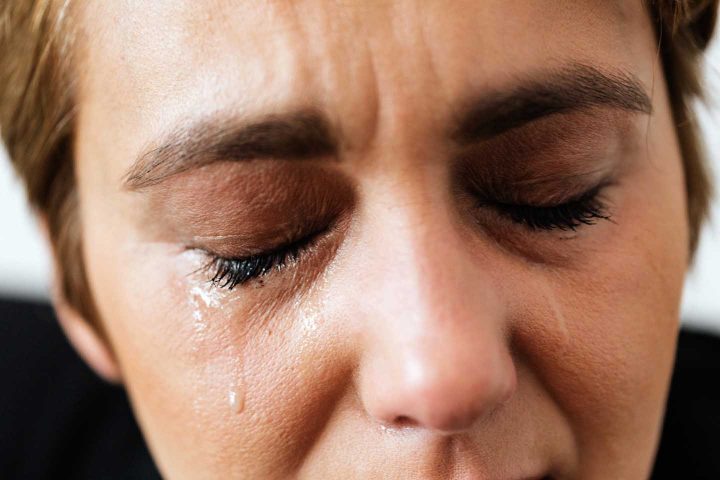
A crying lady - Photo by Karolina Grabowska from Pexels

Studies have shown that bottling up such emotions as anger can increase your cancer risk, and in many other ways chip away years from your life. When you release those emotions, blood flow increases to the frontal area of the brain and helps you let more positive emotions in.

Negative and suppressed emotions play an enormous part in the future of your mental and physical health and well-being. Such emotions often lead to unhealthful coping mechanisms to try and relieve some of the pressure caused by bottling up the emotions inside of you.

Turning to drugs, alcohol, cigarettes and junk food may all play a part in trying to deal with the bottled-up emotions, but it’s clear that coping with these feelings is much better for you than holding on to them.

You may be able to put up a facade for some time – both for others and yourself – and convince yourself that you don’t have a thing in the world that’s depressing you and stressing you out. Eventually, those bottled-up feelings will explode, just like a bottle of soda that’s been shaken and all of a sudden you take off the cap.

Rather than blowing up all at once and causing all types of consequences, it’s best to vent your emotions a bit at a time – much like slowly turning the cap of the soda bottle and letting some of the fizz happen a little at a time.

You may hide your true feelings in a relationship for being afraid to get hurt, or save up the anger inside of you and then explode all of a sudden. Or, you might vent your anger on someone else.

Rather than putting yourself at risk by bottling up your emotions, try healthy ways to vent such as exercise, talking to a therapist, controlling your thoughts, journaling or another of the many ways to deal with your emotions in a constructive way.

Learn That Forgiveness Doesn’t Mean They Got Away with Anything

Learning how to forgive can release you from some negativity in your life that are weighing you down and keeping you from the happiness you desire. Forgiving has different connotations for different people.

Resentment, anger and thoughts of revenge are generally involved in situations where you want to forgive someone. That makes it more difficult to navigate through your emotional turmoil.

If a person has hurt you seemingly beyond repair, that person has control over your feelings and emotions until you can forgive and let go. The hurt may take time to heal, but when you forgive, you’ll lessen the grip of control and set yourself free.

There are many ways to forgive. Looking for the positive in a person who once hurt you is one way, and journaling helps to find those good points. You may also try empathizing with the person.

Perhaps he or she has been going through trials in his or her life that caused the negativity toward you. Or, remember similar mistakes that you have made that hurt someone that you really didn’t mean to harm.

Forgiveness does not mean that you need to return into an unsustainable relationship. It does not mean everything is the same like before. It means that you can relief yourself from the anger and bad feelings against this person that has hurt you. But protecting yourself can mean you cut some ties with that person. Protecting yourself is part of the process of letting go.

The benefits of forgiving others are many. Your mental health and acuity will improve because you’re not always thinking about negatives. That can cause a positive change in relationships and any hostility and anxiety you may feel toward people.

A woman forgiving a man - Photo by RODNAE Productions from Pexels

As for your health – letting go of anger and using the power of forgiveness can affect your blood pressure, immune system and heart. Depression is less likely to get you down and your self-esteem can be heightened.

When you forgive, a wonderful thing happens when your brain pathways aren’t trapped into letting in negative thoughts and emotions. You can choose what you want to think about and you’re not always obsessed with getting even or hating the person who hurt you.

Think about it. You owe it to yourself that the person who hurt you isn’t controlling you any longer – and that’s what the power of forgiveness can bring into your life.

Not forgiving can take away your joy in life and prevent you from moving on from paralyzed and hurt feelings to a happier and much more inspired life. Today, scientists and medical experts concur that holding on to a serious resentment can be toxic to your health – both mental and physical.

Rather than looking at forgiveness as a sign of weakness, it’s a sign of strength – that you’re in control of your own life. Maybe you say that you are not able to forgive the other person. If you are a Christian, ask God to give you strength to do that difficult step. You surely are not going to regret.

Channel Your Distress into Something Positive

Turning your hurt feelings and distress into a positive outcome is a challenge. But when you take action, everything changes. Remember the times when you had a work task that you kept procrastinating about.

If and when you took action to complete the task you gathered momentum and were successful. If you didn’t take action, you may have suffered consequences – maybe severe, such as losing your job or needing to pick up a broken relationship.

When you’re focusing on the past and all the ways you have been hurt from others, you’re not able to see all the positive things that are going on in your life. It’s a spiraling downturn of negativity that you may never get back if you don’t take steps to break this vicious cycle. Grudges, resentment and other types of pain limit what you can do and who you can be.

You may also be tolerating problems in your life that you think you can’t control. You have accepted it as a norm, but it drains your energy because you are unsatisfied with your status quo. More often though, you are able to make some kind of positive change. It may take some courage, but looking back after the fact, you will be thanking yourself for having done the right decision.

A woman happy for having done the right decision

Pursue greatness in your life rather than bend to controlling or distressful situations or people. When you’re caught in a web of feelings of revenge, toleration, grief and resentment, you may not realize the toll it’s taking. You better get over this and try to become the very best that you can be.

At the end of the day, you have a choice to make. You can decide to continue in something that is toxic to your health, your mind and your future. Or you can decide to let things go. Simply open your hands and drop this anger, hurt feelings, emotions of discontent and feelings of worthlessness of the past. Once your hands are empty, grab for something better, something that will bring you peace and happiness in your life.

Jesus says:

I have come that they may have life, and that they may have it more abundantly.

John 10,10 NKJV

God has some plans for your life. He wants to give you a new purpose, a new destination. He wants you to live your life to the fullest potential that you can possibly be. Are you ready to let things go?

Do you need a guide to help you understand how to cope with Stress in an all inclusive approach? Learn how to combat stress, mentally, physically, emotionally and strategically in your life.

Get Me the Guide

Filed Under: Mental Health, Psychosomatic Diseases, Stress Management

How Do Emotions Influence Cancer Treatment?

July 2, 2021 by Dr. Cesar Vasconcellos de Souza - [rt_reading_time label="Reading Time:" postfix="minutes" postfix_singular="minute"]

Emoções Influenciam o Tratamento do Câncer

Have you ever noticed that some people with cancer die unexpectedly, but others with less favorable diagnosis survive? Perhaps this can often be explained by the relationship between cancer and the mind, emotions and cancer. Is there any scientific basis for us to believe that positive emotions have specific physiological effects?

How Do Emotions Influence Cancer Treatment?

About negative emotions, we already know that anger is related to the production of norepinephrine, and fear or anxiety has to do with adrenaline. Positive emotions relate to acetylcholine outside the brain, which produces muscle relaxation, and has to do with endorphins and serotonin inside the brain.

Cancer is not just a disease. There are several interrelated diseases, several changes that end up generating cancer. There may be a genetic predisposition, a lot of stress in childhood, a diet of poor nutritional quality, a contaminated environment, polluted air, free radicals, smoking, alcohol abuse and other factors. Cancer is an indication that there is something else dysfunctional in the person’s lifestyle.

Lawrence LeShan was a psychologist who worked for more than 20 years just with dying patients, and in one of his studies of 152 people with cancer, he found that some mental attitudes had a negative influence on those cancer patients.

The study came to some interesting conclusions about the emotional or mental posture found in the people surveyed, who developed some form of cancer. Let’s look at some of these results from this study. Of these 152 people, 109, or 72%, had lost their purpose to live, and were unable to establish new relationships. There may have been attempts to develop new relationships, but they failed and the person remained isolated, even surrounded by family and friends, so that is to say 72% of people suffered from loneliness.

It was found that 71 of these people, or 47%, almost half of these people, were unable to demonstrate hostility in their self-defense. In other words, she had a feeling that her desires didn’t deserve to be defended, they didn’t know how to protect themselves. They are those people that when you step on their toes, they are the ones who apologize, people who do not know how to defend themselves, even from hostile people.

The study also found that 58 people, or 38% of them, had tension, a major stress due to the death of a parent. For some individuals, the type of emotional bond with the father or mother is so ingrained that when one of them dies, the suffering of the son or daughter is much greater than in people without this type of affective bond, who also experienced a period of grief and normal sadness, but without so much suffering, and without despair. So 38% of people who developed cancer had a lot of suffering a while before the cancer appeared, with the death of the father or mother, because of this extremely strong bond they had with that parent.

A woman experiencing grief in front of the tomb

It was also found that many of the studied group showed self-depreciation, a lack of self-confidence, a lack of respect for their own achievements. It’s the people that when you praise, for example for being in a nice outfit, they say: “Oh, I bought it there at the benefit bazaar”, or when these people have passed an exam and you congratulate them, they say: “Oh, it wasn’t so hard to pass”, that is, they always devalue themselves. So this psychologist working with these people with cancer found that many of them had this self-deprecating mindset.

Other people who had cancer in the study group had a sense of despair they had lived with all their lives, a despair in the sense of looking at life with pessimism, without good prospects for the future. And also the good number of patients evaluated revealed that they had more emotions than energy to express them, and they had very few or no channels of emotional expression, there is no one to whom they could open up, that is, they swallowed, repressed more emotions than they should have done, and some cases seem to explode into cancer.

Dr. Samuel Silverman of the School of Medicine at Harvard University, he says:

If there is a latent tendency to develop cancer, the inability to express one’s feelings will strike the body at some vulnerable point.

You can fight for your life : emotional factors in the causation of cancer
Counseling with a cancer patient

Some mental attitudes that help in the prevention or treatment of Cancer from a psychological and emotional point of view are the following:

  1. Have a meaning for life beyond the desire for physical healing.
  2. Reflect on how best to be useful with what you are, the talents you already have or can be learned.
  3. Learn, that you can express emotions, opinions and still be loved and accepted.
  4. Acquire self-knowledge to live with emotional honesty, that is, not fooling yourself.
  5. Appreciating the positive traits in me, what I can do, the blessings I have received, looking positively at those things that God has placed in me, which are talents, they’re blessings.
  6. Realize that you can try to understand and love yourself, forgive yourself, accept your limitations, without fighting with you, without criticizing yourself, without belittling yourself.
  7. Also strive to make changes in your life, in search of what you want, rather then remaining in a bad situation, even if it produces some benefits, such as an economic gain.

Dr Lawrence mentions in his book a doctor who had a specialty that earned a lot of money. Then she had breast cancer and she found out that she actually would like to work in another specialty, which would earn less money, but she decided to change, resulting in better coping with the cancer.

He cites the case of another woman, a lawyer that was professionally and economically very successful, but who also had breast cancer, and during psychotherapy she discovered that she had always liked music. So this woman decided to quit her job as a lawyer and went into music.

After doing a study on these people who made important changes in their lives after cancer, it was found that they had a much better survival rate, a much better quality of life, a much better recovery from this cancer than those people who got stuck and didn’t do these changes. So it’s important to think that it is healthy for the mind that influences the immune system, to make less money, but to be happy in what you do. Think about it when you decide to make important changes in your life.

Healthy Fruits

Stay Always Up to Date

Sign up to our newsletter and stay always informed with news and tips around your health.

Sign Up Now!

Filed Under: Cancer, Diseases, Mental Health, Psychosomatic Diseases

Psychosomatic Diseases – The Body Speaks

June 4, 2021 by Dr. Cesar Vasconcellos de Souza - [rt_reading_time label="Reading Time:" postfix="minutes" postfix_singular="minute"]

Psicossomático - O Corpo Fala

Body and mind always work together. You have a suffering in your body, your mind participates. You have suffering in your mind, your body participates. Today we want to understand psychosomatic diseases, how the body and mind work together in health and illness, and how one affects the other.

Psychosomatic Diseases - The Body Speaks

I would like to start by quoting some interesting phrases:

The sympathy which exists between the mind and the body is very great. When one is affected, the other responds.((Ellen G. White. Medical Minstry p. 105))

That´s an interesting concept! Look at the next text:

Great wisdom is needed by the physicians at the Institute in order to cure the body through the mind. But few realize the power that the mind has over the body. A great deal of the sickness which afflicts humanity has its origin in the mind, and can only be cured by restoring the mind to health.((Counsels on Health p. 349))

And this author still says the following:

Sickness of the mind prevails everywhere. Nine tenths of the diseases from which men suffer have their foundation here.((Ellen G. White. Mind, Character and Personality Vol. 1 p. 59))

Isn’t this interesting? According to this text nine out of ten illnesses originate in the mind. Is this an exaggeration? Dr. Herbert Benson, a clinical physician at Harvard University in the United States says the following:

60% to 90% of patients who seek doctors at the (outpatient) clinic have their illnesses due to physical and mental stress. These are people who have had physical symptoms as a result of social and emotional problems. The average could be 75%.((Herbert Benson, Harvard University, “Timeless Healing – The Power and Biology of Belief”, 1998))

An he goes on to say:

Emotion plays a more crucial role in our physiology than most of us can understand.

According to him, feelings and emotion influence physiology, and how the body works.

Hippocrates, the so-called father of medicine, a Greek physician who lived between 460 and 370 BC, said something interesting that relates to psychosomatic diseases:

 It’s far more important to know what person the disease has than what disease the person has.

Interestingly, he recommended for example that people with asthma learn to better express their anger, in addition to other procedures that he prescribed. So it is more important to try to understand what kind of person has a certain disease, than what disease that person has. Of course, this doesn’t diminish the importance of a proper diagnosis. The diagnosis needs to be made by a doctor, so that the treatment is well indicated. But what Hippocrates was wisely trying to say, is that the professional who seeks a complete view of the person with a certain illness, can achieve better results in the treatment. So a well rounded view of the patient means researching the physical, mental, spiritual and social factors in that person’s life, rather than just focusing on that isolated symptom.

A doctor taking an anamnesis in order to prescribe a well rounded treatment - Photo by Thirdman from Pexels

It’s important to understand that we don’t get sick by compartments. The body affects the mind and the mind affects the body. Nothing is just physical and nothing is just psychological. In the development of a disease, as well as in health, there is a combination of factors in the individual’s lifestyle, which has to do with how you think, how you feel, how you express your feelings, it has to do with the way you deal with people, it has to do with your diet, whether you exercise or not, the quality of your sleep, the stress you experience at work, whether you live in a big city or a small town, it’s about all the aspects of your lifestyle.

When you have a physical symptom, it can be headache, dizziness, back pain, among many others, and you go to a medical appointment, do complementary tests, blood tests, urine and stool tests, X-ray, EEG, CT scan, magnetic resonance, ultrasound, and the doctor says you have nothing, that the results are normal, but you still have that symptom that motivated your consultation, you are dealing probably with a psychosomatic symptom, which can develop into a psychosomatic disease.

What is a Psychosomatic Disease

A psychosomatic disease is one that manifests itself in the body with physical or functional symptoms and injuries, but whose main cause originates in the mind. That means the main cause comes from emotional conflicts, psychological conflicts and mental stress. This is different from somatization, because in somatization there is no detectable disease process, either by a medical exam or a lab test. So when a person has a lot of emotional stress, he can manifest some of that stress in his body, because the body is a helper to the mind and both work in an indivisible and inseparable union. In this sense, we can say that every disease, regardless of its origin, is to a certain degree psychosomatic.

The body and mind work in harmony in such a way that when something is burdening the mind like nervous tension, sadness, excessive anxiety, it is as if the body says to the mind: Do you need help? So the mind says: Yes help me, because it is hard to deal with this suffering here. Then we throw part of our tension onto the body, and the body starts to show psychosomatic symptoms.

Each person will have the manifestation of emotional distress in one or more than one of what we call a shock organ. The shock organ is the part of your body that is most sensitive to emotional stressors. For some people, the shock organ may be the stomach, hence when there is too much stress, too much tension at work or in the family, these people feel, for example, a burning sensation in the stomach area. For others, the shock organ could be the immune system. A person experiencing a lot of tense relationships, a lot of stress, may have frequent infections, develop an autoimmune disease, who knows. In other individuals, the shock organ can be the muscular system, for example, and in the face of life pressures, these people feel muscular pain. According to studies by Dr. Dean Ornish, a cardiologist at the University of California in San Francisco, he said:

People with a heart attack have a fourfold risk of dying within six months if they remain depressed and alone.((Dean Ornish, Saving Your Heart, 2002))

He is saying here, that people who have already had the attack but survived, if they remain alone, isolated, they have a much greater risk of dying. And he cites a study at the Case Western Reserve University, and in that study he verified the following:

They surveyed 10,000 married men and found that those who answered yes to the question, “Does your wife express love to you?” had significantly less angina.((Dean Ornish, Salvando o Seu Coração, 2002))

Years ago there was a book that was a bestseller in Brazil. That’s the title of the book: “Whatever it is”. It was written by a woman, an executive secretary who had a daughter and she was a go-getter, very proactive, very active in life to take care of her daughter, excel at work, be a high-profile professional in the company, then she had breast cancer. First she was stunned: How can that happen to me, a strong woman, so powerful, has breast cancer! She started researching what breast cancer is, and wrote this book: “Whatever it is”. A book where she opens her heart, opens her life, even private things in her life, and she says: “The cancer did not come to kill me, the cancer was a beacon, a red light ascending in my life, saying: Hey, stop, stop to reevaluate your life.”

A cancer survivor - Photo by Klaus Nielsen from Pexels

I even got in touch with her at this time, and we sat together at a bar in Rio de Janeiro to talk about this subject of mind and body and the relationship to psychosomatic diseases. So she explained it this way: “We have to learn to look at the disease as an alarm. The symptom is an alarm, the symptom is talking to you. It’s like when you have a car that you’re driving, and a red light is lighting up on the dashboard, is that red light a good thing or a bad thing? Well, it has both sides, it’s bad because you have a problem with your car, but it’s good because it’s warning you.”

So when you have any symptoms, of course you’re going to seek medical help, consultations, tests, all of that, but if you went to the doctor, you did evaluations, did the tests, and he says you have nothing, you’re fine, but you still have that symptom with that same kind of pain, so you need to start thinking about what’s going on with your emotional life. What will you need to do to alleviate the emotional tension and stress? As I explained, the mind always works hand in hand with the body, and often when you’re not ready to deal with the emotional pain, give it a name, face it head-on, your body starts to absorb, because you’re asking for it, you’re saying: I can’t handle dealing with this emotional pain, I can’t handle dealing with this loss, with this frustration, so the body comes in to help to alleviate this load.

The Power of the Mind

The way you think influences your body. This very simple statement shows just that:

If your mind is impressed and fixed that a bath will injure you, the mental impression is communicated to all the nerves of the body. The nerves control the circulation of the blood; therefore the blood is, through the impression of the mind, confined to the blood vessels, and the good effects of the bath are lost. All this is because the blood is prevented by the mind and will from flowing readily and from coming to the surface to stimulate, arouse, and promote the circulation.

For instance, you are impressed that if you bathe you will become chilly. The brain sends this intelligence to the nerves of the body, and the blood vessels, held in obedience to your will, cannot perform their office and cause a reaction after the bath.((Ellen G. White. Mind, Character and Personality Vol. 2 p. 397, 398))

That’s a very interesting statement! It is saying that the blood is impaired to circulate, because the mind is in emotional strain because of the way you think. Now the way you think then influences your body? That is what is being stated there. Now look at this other text that shows that the way you feel affects your body. It says:

 It is the duty of everyone to cultivate cheerfulness instead of brooding over sorrow and troubles. Many not only make themselves wretched in this way, but they sacrifice health and happiness to a morbid imagination. There are things in their surroundings that are not agreeable, and their countenances wear a continual frown that more plainly than words expresses discontent. These depressing emotions are a great injury to them healthwise, for by hindering the process of digestion they interfere with nutrition.((Ellen G. White. Mind, Character and Personality Vol. 1 p. 62, 63))

Very interesting, depressing emotions harming nutrition! Years ago a Nobel Prize winner in medicine showed in his scientific work with his team that there is a connection between cells of the central nervous system and immune cells.

Dr. Wildemann and his collaborators from the Stress Lab at the University of Arizona, proved that people experiencing significant losses, such as the death of their spouse, can experience several months of immune system deficiency resulting from this sadness. He explains in the study that some defense cells, such as natural killer cells, T and B lymphocytes, may become reduced or less active in their work to fight viruses and bacteria, because sadness affects immunity, it affects these defense cells.

Perhaps you have heard of an elderly person who was in good health and a few months after the death of his husband or wife, he himself had a major infection and died too. You surely have heard of such a case, it’s not uncommon. The old couple lives together and they’re fine, but suddenly one gets sick and then the other one that was healthy, but after the death of that dear one, within six months he dies too. Because sadness undermined the strength of that individual’s immunology, so a virus or bacteria took advantage of the situation and caused a serious illness.

An elderly couple enjoying companionship

So it seems that the more a person has difficulties becoming aware of their emotions, especially painful or unpleasant emotions, the more likely they are to present psychosomatic symptoms, because the body absorbs such feelings that the person feels unfit to deal with in a conscious level. This means that the more a psychosomatic symptom is buried in the body, the further a person is from the truth about the repressed and somatized feeling, or about those painful thoughts that the person doesn’t want to think about at that moment.

Dr. Diana Fosha from Adelphi University in New York says that for every type of emotion there is a visceral component, that is, a feeling always expresses itself in some organ in the body. I’ve already talked about shock organs here, so if you have difficulty expressing anger, it can come out in form of asthma or high blood pressure. People who have difficulty expressing any feelings, may present for example constipation. Perfectionists and stressed individuals can have a lot of migraine headaches. Some people with a tendency to repress their emotions for many years may facilitate their body to develop cancer, according to studies by scientists such as Dr. Bernie Siegel, Lawrence LeShan and the Simonton scientist couple.

Of course I’m not saying and neither are they, that the cause of cancer is an emotion. In fact, they explain that unresolved conflicts or major losses, can be factors that affect immunity and favor the emergence of cancer, when the person already had other factors that induce the mutation of a normal cell to a cancer cell.

A person with a lot of difficulty to cry, according to some scientists, may cry through the skin, through dermatological lesions, which produces a type of secretion. Individuals who repress their feelings a lot, they tend to have degenerative diseases such as cancer, diabetes, multiple sclerosis and other pathologies, while more explosive people tend to have other diseases such as heart attack or stroke. It’s like the more melancholic, introverted people they implode and the more short tempered people they explode, so the diseases are more cardiovascular for the explosive and they are more degenerative in the more introverted people. It’s common for people who develop fibromyalgia, for example, to take exaggerated responsibilities in the family. I’ve seen a lot of people with fibromyalgia, and I realized that in all of them there was a behavioral characteristic of exactly that: carrying the piano for everyone.

Psychological disorders are not weakness or lack of faith if you have lived or are experiencing major stresses in your life. Mental sufferings such as strong anguish, deep sadness, excessive fear are expressions of suffering, which often manifests through the body. These are so called psychosomatic disorders, which are defenses used by the body to relieve the mind. If you have physical symptoms, if you’ve had several evaluations with different doctors and they all say you have nothing, because no diagnosis was found and your exams are normal, you need to start to think whether there is something unresolved in your life, in your emotional life, in your relationships with people, are you guarding some resentment, do you need to resolve an issue with someone who has been eating you from the inside for many years? If you have some repressed emotions, or one of those situations I talked about, it might manifest itself in your body. You may also consider that a professional psychological evaluation may be needed. It may depend on the level of suffering you are having.

A psychologic consultation - Photo by cottonbro from Pexels

Sometimes emotional problems get resolved with life. A friend of mine, a psychoanalyst, once said an interesting phrase: “Life is therapeutic”, meaning life, the events of life, they teach us many things by themselves, and can help us to achieve healing from some situations.

Sometimes life doesn’t solve everything, so we need some technical help. Don’t suffer without taking an attitude to improve, because actually health, for you to develop health, it depends on you to practice some habits, it depends on you to improve your lifestyle in relation to food, in your thinking patterns, in the relationship with people, your sleep, your physical exercise, but it also depends on the attitudes you take, on you assuming responsibility for taking good care of your body and mind.

So it’s important that you do something for yourself instead of always waiting for people to do something for you, or even waiting that the doctor will cure you. The doctor does not cure people, the doctor indicates some paths to health, sometimes they prescribe a medicine that will be temporary to alleviate a symptom, that suffering you are going through, but there are attitudes you take in life, there are decisions you make to take better care of your health and your mind, that will determine whether you are going to take the path of health or the path of illness. Professor Dr. Adalberto Barreto, who works with community therapy, said:

When the mouth shuts up, the organs speak, and when the mouth speaks, the organs heal.

Look how interesting it is, showing the importance of talking, of letting off steam, so that you don’t get somatized, so that you don’t keep swallowing things, without putting a limit, and you end up suffering on your body. Make the necessary changes in your thoughts and emotions for you to have a better life and health!

Healthy Fruits

Stay Always Up to Date

Sign up to our newsletter and stay always informed with news and tips around your health.

Sign Up Now!

Filed Under: Mental Health, Psychosomatic Diseases

Primary Sidebar

Social Channels

Coronavirus Immunity Challenge

Boost your immune system to be bullet-proof for the pandemic.

I Want to Participate

Recent Posts

  • asdf
  • 5 Habits to Live Longer
  • Better Sleep Can Protect Against Dementia
  • Finding Peace In Your Crazy-Busy World
  • Flaxseed – An Ancient Plant Rediscovered
  • Platelets – Triggers for Life or Death
  • Boderline Personality Disorder
  • In Praise of Almonds and Nuts

Categories

  • Body Systems (16)
    • Cell Function (2)
    • Circulatory System (1)
    • Digestive Tract (10)
    • Immune System (4)
  • Diseases (27)
    • Cancer (2)
    • Cold (1)
    • COVID-19 (11)
    • Dementia (1)
    • Diabetes (1)
    • Digestive Diseases (2)
    • Heart Disease (2)
    • Kidneys (1)
    • Metabolic Syndrome (2)
    • Skin (1)
  • Healthy Lifestyle (42)
    • Exercise (11)
    • Gardening (2)
    • Sleep (7)
    • Sunlight (2)
    • Temperance (14)
    • Water (4)
  • Mental Health (87)
    • Addictions (6)
    • Anxiety (7)
    • Burnout (1)
    • Depression (7)
    • Psychosomatic Diseases (6)
    • Stress Management (45)
    • Trust (6)
  • Nutrition (56)
  • Obesity (9)
  • Phases of Life (14)
    • Adults (3)
    • Babies and Infants (1)
    • Children (3)
    • Seniors (5)
    • Teenagers (3)
  • Therapies (7)
    • Herbs (5)
    • Hydrotherapy (1)
  • Uncategorized (4)

Archives

  • November 2025 (1)
  • January 2025 (1)
  • March 2024 (5)
  • February 2024 (4)
  • January 2024 (4)
  • December 2023 (5)
  • November 2023 (4)
  • October 2023 (5)
  • September 2023 (4)
  • August 2023 (3)
  • July 2023 (2)
  • June 2023 (4)
  • May 2023 (4)
  • April 2023 (5)
  • March 2023 (4)
  • February 2023 (4)
  • January 2023 (4)
  • December 2022 (4)
  • November 2022 (4)
  • October 2022 (5)
  • September 2022 (4)
  • August 2022 (4)
  • July 2022 (5)
  • June 2022 (4)
  • May 2022 (5)
  • April 2022 (4)
  • March 2022 (4)
  • February 2022 (4)
  • January 2022 (5)
  • December 2021 (3)
  • November 2021 (4)
  • October 2021 (6)
  • September 2021 (4)
  • August 2021 (4)
  • July 2021 (5)
  • June 2021 (4)
  • May 2021 (3)
  • April 2021 (5)
  • March 2021 (4)
  • February 2021 (4)
  • January 2021 (5)
  • December 2020 (3)
  • November 2020 (4)
  • October 2020 (5)
  • September 2020 (5)
  • August 2020 (3)
  • July 2020 (1)
  • June 2020 (1)
  • May 2020 (1)
  • April 2020 (1)
  • March 2020 (1)

Copyright © 2026 · Abundant Health - Privacy Policy - Medical Disclaimer