Abundant Health

Up to date health information tailored for you

  • Home
  • Blog
  • Recipes
  • Shop
  • Contact
You are here: Home / Archives for Mental Health / Addictions

Addictions

Binge Eating, Anorexia and Bulimia

January 28, 2024 by Dr. Cesar Vasconcellos de Souza - [rt_reading_time label="Reading Time:" postfix="minutes" postfix_singular="minute"]

Anorexia

Today we are going to talk about eating disorders and you might think, “‘But I have nothing to do with it, I don’t suffer from that”. If you do not have this problem, take the opportunity to learn about it and help someone who does. Not much is being said about eating disorders.
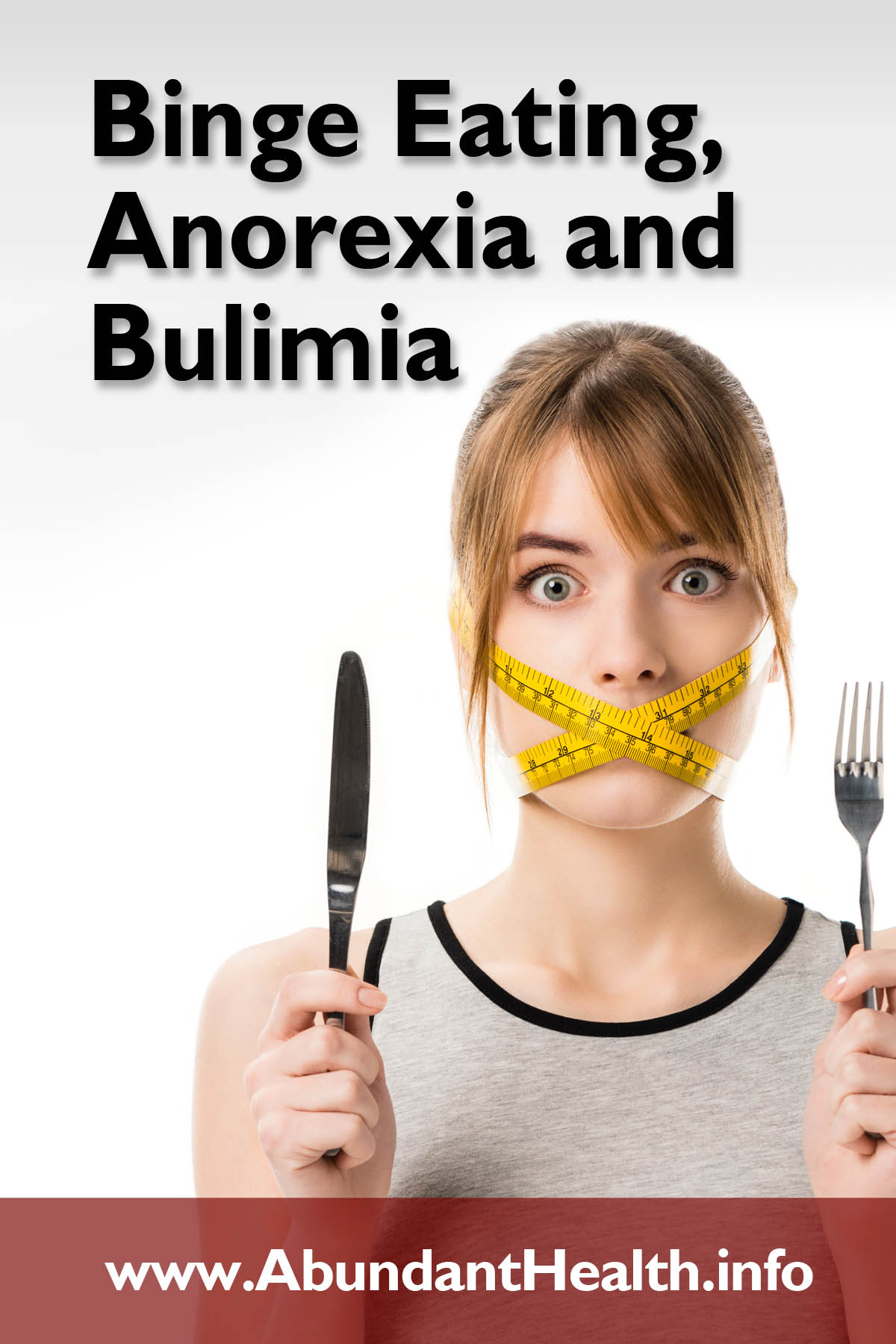
Binge Eating, Anorexia and Bulimia

There are three main types: anorexia nervosa, bulimia nervosa and compulsive eating, also known as binge eating. It is estimated that 70 million people in the world suffer from eating disorders. These disorders occur 20 times more often in women than in men, and are rare in men. Anorexia nervosa usually begins in adolescence or young adulthood, while bulimia seems to start a little later. The higher socioeconomic classes, as well as professions such as mannequins and dancers, represent the individuals most at risk of these afflictions.

Scientists estimate that over the course of their lives, between 0.5% and 4% of women will suffer from anorexia nervosa, 1% to 4.2% from bulimia nervosa and 2.5% from binge eating disorder. In anorexia nervosa, 50% of patients make a complete recovery, 30% have a reasonable evolution with periods of improvement and relapse. The mortality rate can vary from 6% to 15%. Of those who die from anorexia, 54% die from physical complications of the illness, 27% from suicide and 19% from unknown causes.

But what is anorexia nervosa anyway? It’s a mental illness characterized by a person’s refusal to maintain a minimum body weight. They have a relentless pursuit of thinness, an intense fear of losing or gaining weight, altered perception of body image, denial about being thin and having problems. They don’t accept help from anyone and insist on feeling fat, even though they are underweight. Girls with anorexia nervosa also experience an interruption of menstruation for at least three months.

The person with anorexia nervosa anxiously tries to please others, but believes that no one will like them because of the character defects they feel they have. They tell lies about the amount of food they eat. The anorexic moves towards severe and dangerous self-induced weight loss. To do this, she fasts for long periods, exercises excessively and gets angry if anyone tells her she’s overdoing it. They use laxatives, diuretics, appetite suppressants and induce vomiting to force their body to lose weight.
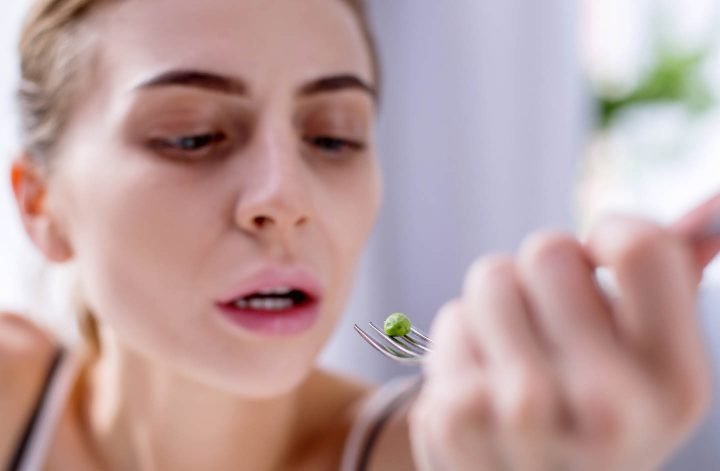
A girl with anorexia, being in anguish about eating a single pea

And what is bulimia nervosa? Bulimia is characterized by a feeling of loss of self control in eating. The person has repeated episodes of binge eating a large amount of food, of any kind, for a short period of time, causing guilt, shame and fear of gaining weight. This leads to inappropriate compensatory behaviors, such as inducing vomiting several times a day, uncontrolled use of laxatives, diuretics, appetite suppressants and other medications. They also fast or exercise excessively. Some bulimics eat, vomit, use laxatives, diuretics, enemas and others fast and exercise excessively.

The third type of eating disorder is compulsive eating, also called binge eating disorder. It is an eating disorder characterized by recurrent episodes of compulsive eating, in which the person eats quickly until they are overly full, consuming large quantities of food, even though they are not hungry. They usually eat alone because they are ashamed of the amount of food they eat. The person feels guilty, depressed and ashamed after eating a large amount of food. They usually feel uncomfortable with their compulsive eating and struggle with it.

The first sign that distinguishes anorexia nervosa from bulimia nervosa is body weight. Around 70% of people with bulimia tend to be of normal weight, and 15% are moderately overweight, so they don’t suffer from the absence of food. The central point in eating disorders is not food itself, but deep emotional pain. What determines these disorders is the state of mind.

Young people with anorexia, when they look in the mirror, don’t see themselves as thin and perceive themselves as fat, even though they are dangerously underweight, i.e. they have an altered body image. At the root of this is a significant lack of self-esteem, self-disgust and panic about getting fat. This can start with a simple diet that the person decides to go on, turning into an obsession that takes over their life; when losing weight becomes an obsession and a compulsion. Just to remind you, obsession is the thought that won’t leave your head, compulsion is the act of doing, the uncontrolled attitude. Thinking too much is obsession, and doing something without control is compulsion. Compulsion is a quest to avoid emotional pain, which can be sadness, anguish, a feeling of lovelessness, fear of rejection and other sensations.

People with eating disorders generally suffer from perfectionism and an obsessive-compulsive personality structure. They worry too much about how others see them. Although they may be intelligent people with a successful career, they see themselves as inadequate and worthless. The obsession around food may be a way for the individual to try to exert some control, as they generally feel they have no control over their personal life.

Some people with anorexia nervosa feel powerful when they step on the scale and see that they’ve lost another pound, even though they’re already very thin. It’s as if they’re saying: “You see, I have something in my life that I can control, I know how to control my life.” In her family, people are usually rigid, controlling, demanding, super methodical, where the person with the eating disorder is judged by what they can do and not by what they are. This family model seems to have everything planned, everything controlled, to the detriment of personal freedom. As a result, the only thing the individual feels they can control is their mouth. It is through this that the anorexic or bulimic person believes they can gain some control and make decisions for themselves.

The psychiatrist will assess whether the problem the person has is really an eating disorder and whether it occurs at the same time, which we call comorbidity. Comorbidity, in medicine, means one illness together with another. In the case of eating disorders, 30% of people also have obsessive-compulsive disorder. Between 12% and 18% of those with anorexia nervosa and between 30% and 70% of those with bulimia have substance abuse, such as alcohol, marijuana and other drugs. Depression occurs in 80% of cases, and personality disorders affect between 20% and 97% of people with eating disorders.

A woman eating secretly behind some blinds and being also addicted to alcohol

Culture and the media unfortunately contribute to these disorders. Studies carried out in Fiji in 1995 revealed that the ideal female body was chubby and round. After 38 months of an American sitcom, as well as other TV shows, there was a change in the ideal female body model in that Fijian society, with many cases of teenage girls with serious eating disorders. A study by Health magazine showed that 32% of American women who appear on TV are underweight, compared to only 5% of the female population in the United States. In addition, only 3% of women who appear on TV are obese, compared to 25% of regular US women.

When we try to understand what happens in the emotional world of people who develop eating disorders, by trying to understand the psychological meaning of these sufferings, we usually find that, for some of these people, the eating disorder has become a way of unconsciously trying to succeed in life. When difficulties or seemingly unsolvable problems arise, by focusing their thoughts on food and eating or not eating, they block out painful feelings. This is because they believe and feel that they are incapable of dealing with painful feelings in an adapted, functional, normal, balanced way.

In some people, the eating disorder represents an escape process, in other words, a way of avoiding the consequences and everything that goes into growing from an adolescent into a mature adult. For the person, at first, anorexia, bulimia or binge eating seems to be the solution to all their problems; in other words, a way of controlling events. But what ends up happening is that the eating disorder acquires control over all aspects of the person’s life. This is because the eating disorder is a dysfunctional, unhealthy way for the person to deal with their conflicts, but it is what they have achieved so far.

We can understand why she is ambivalent about treatment. Being ambivalent means wanting and not wanting, liking and disliking, accepting and rejecting. These people generally become ambivalent about eating disorder treatment because, on the one hand, the illness is their way of dealing with the pains of life, it’s a defense, and on the other hand, they want to get better, but they fear the consequences of abandoning the disorder.

A teenager in a mirror room looking at her multiple images

At the Psychiatry Institute of the Hospital das Clínicas of the USP Medical School, at the University of São Paulo, they provide a treatment service for people suffering from eating disorders. According to the team, there is no single cause responsible for these health problems. It is believed that there are multiple factors, involving biological, genetic, psychological, socio-cultural and family components. Some factors trigger eating disorders, such as important life changes like adolescence, moving away from home, graduation, starting university, starting a new job, death, divorce, marriage, family problems, among others.

However, these disorders don’t necessarily start with something dramatic. Some people are predisposed and more vulnerable to becoming ill, and a simple comment from someone about their body image can lead them to take it seriously and start obsessing about it. Triggering factors catch up with the fragile person who feels unable to cope well with the situation.

Treatment for anorexia nervosa, bulimia nervosa or binge eating needs to be done with the person’s agreement. The obstacles we encounter have to do with denial of the illness, excessive fear of becoming fat and losing control, fear of abandoning the disorder that they feel is part of their identity. Professional counseling is needed, where the psychologist will help the sufferer deal with their emotions and gain control of their body and their life again.

In therapy, the person will learn to focus their thoughts away from food and their body weight and onto their feelings, so that they can deal with them in a healthy way. Because these feelings, buried, repressed, poorly elaborated, unexpressed, not experienced or partially experienced and then thrown into the unconscious, are the psychological basis of this type of mental suffering.

Very important in the treatment of eating disorders is family counseling, because this allows each member of the family to understand the problem and establish a better relationship between each other and, of course, with the person suffering from the disorder. Hospitalization is indicated if body weight is 40% or more below normal or weight loss of around 33 pounds (15 kg) or more within 3 months. If you know somebody with this disorder, try to help. Tell them that they have a serious problem. They will deny it, because these are diseases of denial and secrecy, but gently, firmly and persistently insist that they recognize the illness and accept treatment. They won’t admit it easily.

Avoid talking about their bad eating habits and instead, talk about how they might be feeling unhappy and the possible causes of this. Focus the conversation on how things can be changed. Explain that the obsession with food, exercise and body weight doesn’t need to continue, and that it’s a real problem. A person with anorexia or bulimia is unlikely to overcome the illness on their own, without help. They need outside help. Recovery involves admitting the illness, asking for help, being willing to be vulnerable and opening up to people who can help.

Healthy Fruits

Stay Always Up to Date

Sign up to our newsletter and stay always informed with news and tips around your health.

Sign Up Now!

Filed Under: Addictions, Mental Health, Temperance Tagged With: eating disorders

The Problems of Cell Phone Abuse

December 3, 2023 by Dr. Cesar Vasconcellos de Souza - [rt_reading_time label="Reading Time:" postfix="minutes" postfix_singular="minute"]

Cell Phone Abuse

On January 17, 2020, the famous American newspaper New York Times published an article in which the author claimed that parents shouldn’t worry about how much time their children spend using technology, such as cell phones, tablets and computers.((Popper N. Panicking About Your Kids’ Phones? New Research Says Don’t. The New York Times, Jan. 17, 2020)) That’s because, at least according to some experts, too much screen time is not related to their health and well-being. Really?

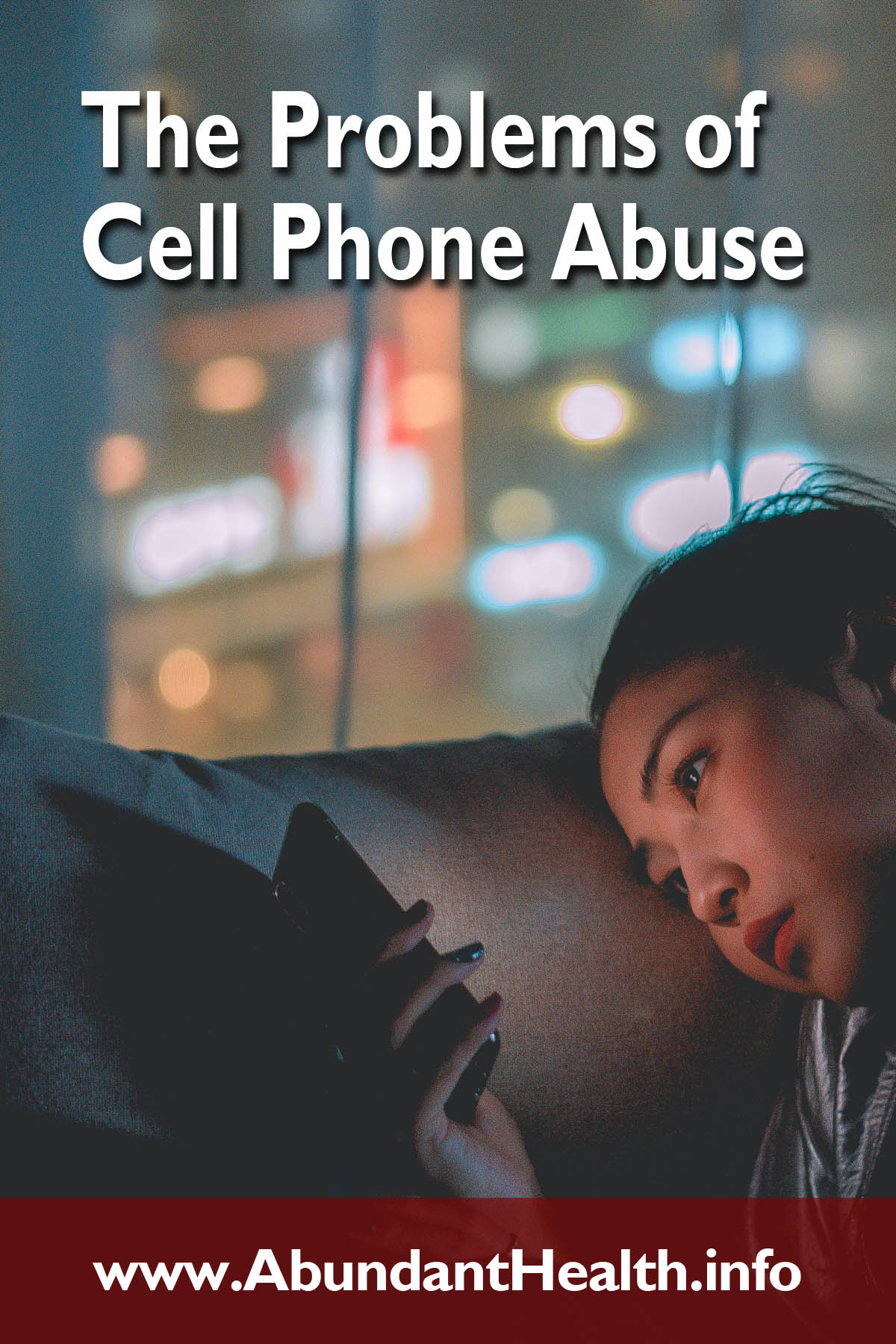
The Problems of Cell Phone Abuse

The other day, I was reading a quote by someone who said that often the only thing that’s true in a newspaper is the date. Let’s take a look at this to see if it really makes sense, which was published in the New York Times, being evaluated by Dr. Jean Twenge, who is a professor of psychology at San Diego State University in California, United States, and author of a book called “iGen: Why Today’s Super-Connected Kids Are Growing Up Less Rebellious, More Tolerant, Less Happy – and Completely Unprepared for Adulthood.” ((Twenge J. Why Today’s Super-Connected Kids Are Growing Up Less Rebellious, More Tolerant, Less Happy – and Completely Unprepared for Adulthood. Atria Books)) This new book is the fruit of research based on surveys and interviews involving 11 million young people and offers us a reflection on today’s growing generation of teenagers and young adults, born in the mid-1990s through to 2012.

The title of the book, “iGen”, has the letter “i” at the beginning, meaning internet. This university professor analyzes the millions of young people who grew up with cell phones and social media accounts before they have started high school. So, the New York Times published that parents shouldn’t worry about how much time their children spend using technology, such as cell phones, tablets, and computers, because, at least according to some experts, too much screen time is not related to the health and well-being of these children and young people.

Do you think this information is correct or do you find it difficult to accept? If you find it hard to believe, you’re right. Several statements by the author of that famous newspaper article are wrong, deceptive or both. Let’s take a look at statements he made that contain shameful errors, according to Dr. Jean Twenge.

Firstly, the article makes a gross misrepresentation about the research consensus on the use of technology and mental health. The author implies that the majority of researchers have concluded that the use of technology is not related to mental health. But that’s not the case. His article in the New York Times failed to mention many medical journal articles that have found substantial links between technology use and mental health. These studies were published in the Journal of Psychiatry of the American Medical Association, the Journal of Pediatrics of the American Medical Association, the Lancet, Journal of Clinical Medicine and the Lancet, Journal of Child and Adolescent Health.

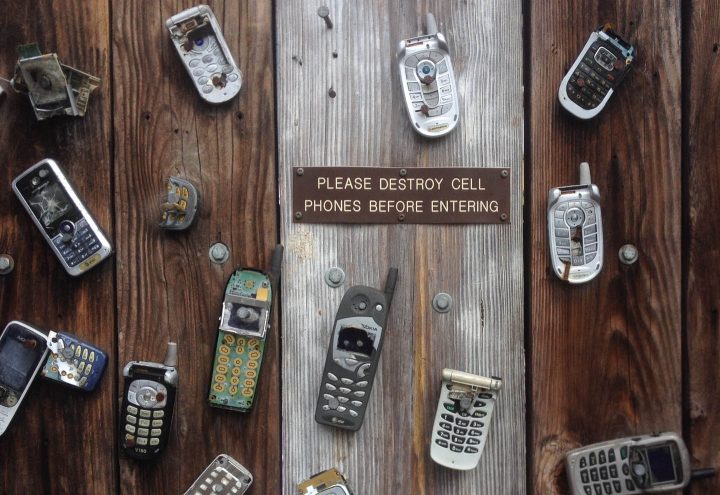
A sign saying: Please destroy cell phones before entering

Dr. Jean, from San Diego State University, the author of this report I’m presenting to you, says that the New York Times didn’t even mention the best studies drawn from medical journals, and what’s even more intriguing, is that she had provided the reporter with a detailed list. Secondly, the newspaper article also misrepresents a recent review of studies on time spent with electronics and mental health. The author mentioned that the link between social media use and depressive symptoms is between 0.11 and 0.17, concluding that these are small effects. Dr. Jean refutes this, saying that the results of young people’s excessive exposure to social media are not harmless, and in fact are not small.

She cites important research carried out by the US Centers for Disease Control (CDC) with high school students, which found that twice as many heavy users of electronic devices, those who spend five or more hours a day accessing the internet, compared to light users who spend one hour a day, attempt suicide. In percentages, this means 12% of suicides among heavy internet users versus 6% among light users. Twice as many heavy smartphone users have a low level of well-being. Twice as many internet users are unhappy, and twice as many women who overuse social media are depressed. This is not small, as the New York Times article stated.

The New York Times article quotes experts who, without plausible evidence, dismiss the possibility that the rise of social media and smartphones could be behind the sharp increase in depression, self-harm and suicide in teenagers in recent years. Dr. Jean comments that 2013 was the first year that the majority of Americans owned a smartphone. In 2018, 95% of teenagers had access to a smartphone, and 45% said they were online almost constantly. The period after 2012 is also when social media use went from optional to virtually mandatory among teenagers, and the biggest increases in self-harm, poisoning and suicide occurred among girls aged 10 to 14.

However, the use of technology differs by gender. Girls spend more time on social networks, which can be more toxic than the games that are more popular with boys. The links between technology time and well-being are also stronger among girls than boys. Therefore, if technology is playing a role in the increase in adolescent mental health problems, the increases should be greater among girls, and they are, as Dr. Jean comments in her research.

A girl in front of the computer, worrying about here image on social media.

In the New York Times article, it was stated that the researchers who claim that the use of technology is not related to well-being and mental health have not received any funding from the tech industry. They said that. However, Dr. Jean said that one of the researchers is an employee of the Oxford Internet Institute, which is funded by Facebook, Google and Microsoft. Another researcher was also, until some time ago, linked to the institution.

So the role of parents in controlling their children’s use of electronics is crucial for the well-being of children and young people, for social, educational and even spiritual performance. According to Dr. Jean, parents should limit their children’s use of technology to around 2 hours a day, avoiding use at bedtime. Difficult, right? She explains that parents can be sure that their instincts to protect their children from too much screen time are correct.

She makes a comparison, saying that if children who ate five apples a day instead of just one were twice as likely to attempt suicide, parents would make sure their children didn’t eat too many apples. Why should our response to technology time be any different, right? Think about it. Protect yourself and especially your children from excessive internet use, whether on cell phones or social networks. This is important for your mental health and theirs.

Healthy Fruits

Stay Always Up to Date

Sign up to our newsletter and stay always informed with news and tips around your health.
Sign Up Now!

Filed Under: Addictions, Depression, Mental Health Tagged With: internet addiction, social media

Changing Bad Habits — for Good!

May 28, 2023 by Vicki Griffin - [rt_reading_time label="Reading Time:" postfix="minutes" postfix_singular="minute"]

Changing Bad Habits

Habits — we all have them.  American author Elbert Hubbard said: “Habit is the great economizer of energy.” He was exactly right.  Habits are our friends — when they’re good ones. Habits are routines that help us repeat safe and effective behaviors and build consistency and security into our lives. 

Changing Bad Habits — for Good!

But bad habits can become addictions. In the past, the term addiction was used only to refer to problems with substances such as drugs, alcohol, or nicotine. But addictions can include many behaviors and activities including gambling, shopping, overwork, sex, internet abuse, and food.”((Substance Use Misuse 1997:32(11)1573.))

Brain on a Binge.  A hallmark of addiction is continued self-destructive behavior despite adverse consequences. When an addiction develops, what is happening in the brain? For one thing, the pleasure circuits in the brain become “hijacked” by the addictive substance or behavior, producing intense cravings. 

The Tangled Roots of Addiction. Addictions have many possible roots, including emotional, spiritual, physical, environmental, and genetic. Addictions are strong — but the weapons available to win the war against addiction are even stronger.  In any war, it is important to have a plan in order to achieve a decided victory.

If you think you have an addiction, work closely with a health care professional, and especially if the addiction includes drugs or alcohol.

The Learning Brain. Can bad habits be broken? God has designed the human brain — even in adulthood — with a powerful capacity to reshape itself according to what it learns and even grow new connections, or neurons.  Psychiatrist John Ratey explains:  “Experiences, thoughts, actions, and emotions actually change the structure of our brains. By viewing the brain as a muscle that can be weakened or strengthened, we can exercise our ability to determine who we become. Indeed, once we understand how the brain develops, we can train our brains for health, vibrancy, and longevity.”((Ratey J. User’s Guide to the Brain (New York, NY: Vintage Books, 2002) p. 17))

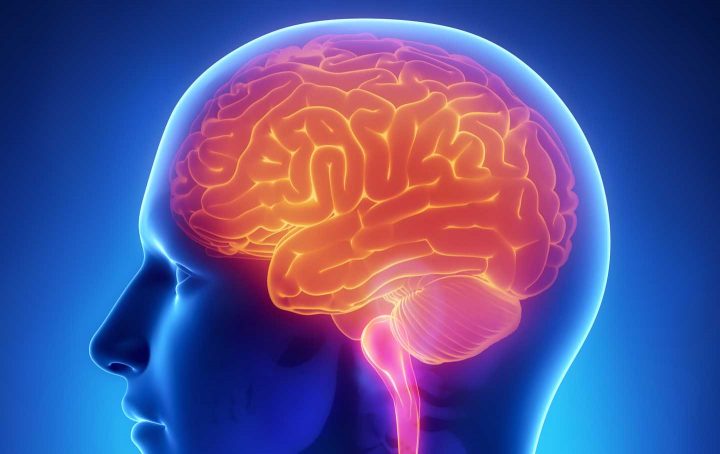
Illustration of the brain

Good habits can become just as strong as bad ones! Creating good habits works the same way as creating bad habits. Doing the same thing over and over sets a pattern in the brain that creates a habit.

Freedom Keys.  Potent, powerful, and protective weapons are available to help you make and maintain permanent change over time. They include:

Creating an Environment — Internally and Externally.  Pay attention to your internal environment — your thoughts.  Cultivate thankfulness in place of negativity. What you make up your mind to be, you will be. “As man thinks in his heart, so is he.” Proverbs 23:7. John Ratey states it this way: “We can actually change our brains. By altering the external environment or the internal environment of our bodies, we can take better advantage of our strengths and amend our weaknesses…One necessary precursor to change, though, is often a change in attitude.”((Ratey J. User’s Guide to the Brain (New York, NY: Vintage Books, 2002) p. 356))

Pay attention to your external environment — the things that surround you. Make sure your surroundings are helping you, not hurting you. Create an environment where it is easier to make the positive choice. Remove temptation. Practice new behaviors. For example, place a bowl of fresh fruit on the counter to replace the candy dish or ashtray. Keep your walking shoes by the door. Have your gym bag in the car for ready access.

Creating a Lifestyle. Positive lifestyle choices protect the brain and body, making it easier to cope with stress and enjoy new things to do in life. Daily exercise improves learning, increases energy, and lowers anxiety.  Eating plenty of fresh fruits, vegetables, and whole grains, beans, and nuts — builds mental strength and eases stress. Regular rest and plenty of water refresh the body and mind and prepare it for new challenges.

A senior woman getting a glass of water

Creating Connections.  Get connected with friends who will encourage you in your new choices.  Personal growth takes place as we interact with others. Connecting with church and community resources makes our world bigger than our circumstances.

It creates opportunities for giving, receiving, and learning communication skills, and building meaningful experiences. Connections can provide support and accountability that increase long-term success. 

Establish or strengthen your connection with God.  This will give you power to make positive choices and stick with them over time. God will help you discover your true value and purpose in life.  

Practice on Purpose!  We have all heard the expression “practice makes perfect.” Purposeful repetition builds good habits. The more times a positive thought or action is repeated, the more it is cemented in the brain. Successful people are not mistake-free — they just refuse to give up. Adopting healthful habits of living and thinking requires determination.  But knowing that the brain can recover from addictions and move forward provides hope.

Call to Action

“Trust in the Lord with all your heart, and do not rely on your own insight. In all your ways acknowledge Him, and He will direct your path.” Proverbs 3:5-6. You can trust your Redeemer who died to create a new heart in you; new desires, new motives, new strength.

“Don’t you be afraid, for I am with you. Don’t be dismayed, for I am your God. I will strengthen you. Yes, I will help you. Yes, I will uphold you with the right hand of my righteousness” (Isaiah 41:10 WEB). God sees your potential. You are here for a reason. Jesus is reaching out to you.  Will you take His hand right now and say, “Yes, Lord, I believe.  Help my unbelief.  Strengthen me and guide me in your way.”

Healthy Fruits

Stay Always Up to Date

Sign up to our newsletter and stay always informed with news and tips around your health.
Sign Up Now!

This article was originally published on the Time to Get Ready website.

This information is adapted from the book Living Free: Finding Freedom from Habits that Hurt.  Visit us at LifestyleMatters.com or call 1-866-624-5433 for your resources to build a better brain, body, and lifestyle.

Filed Under: Addictions, Healthy Lifestyle, Mental Health, Temperance

The Critical Step to Develop a New Habit

September 4, 2022 by Dr. Cesar Vasconcellos de Souza - [rt_reading_time label="Reading Time:" postfix="minutes" postfix_singular="minute"]

Have you ever wondered how a habit is formed? Do you find it hard to change your customs? You are not alone. Let’s look at the right way to change your habits in a lasting way.

The Critical Step to Develop a New Habit

Our mind works with thoughts, feelings and actions: attitudes and choices. We think, feel and do something. By repeating the same actions day after day, month after month, year after year, we create a habit. With the repetition of habits, be it food, clothing or the way you think and relate to yourself and others, character is built. So, repeated actions form our character. The sequence is:

  • thoughts lead to feelings
  • feelings lead to actions
  • actions produce habits
  • habits generate character

Remember when you took your first driving lessons? For a while, even after you had your driver’s license in hand, your mind needed to think about what pedal you use to accelerate and which one is the break, when to signal that you take a turn and that you need to put into park position when you stop. But over time, with habit, all of that was starting to happen in autopilot without you needing to think about that. A habit, a conditioning, emerged.

To create a new habit, effort, perseverance and self-control are necessary. Look at this text:

The power of self-restraint strengthens by exercise. That which at first seems difficult, by constant repetition grows easy, until right thoughts and actions become habitual.

E.G.White, Mind, Character and Personality Vol, 1, p. 285.

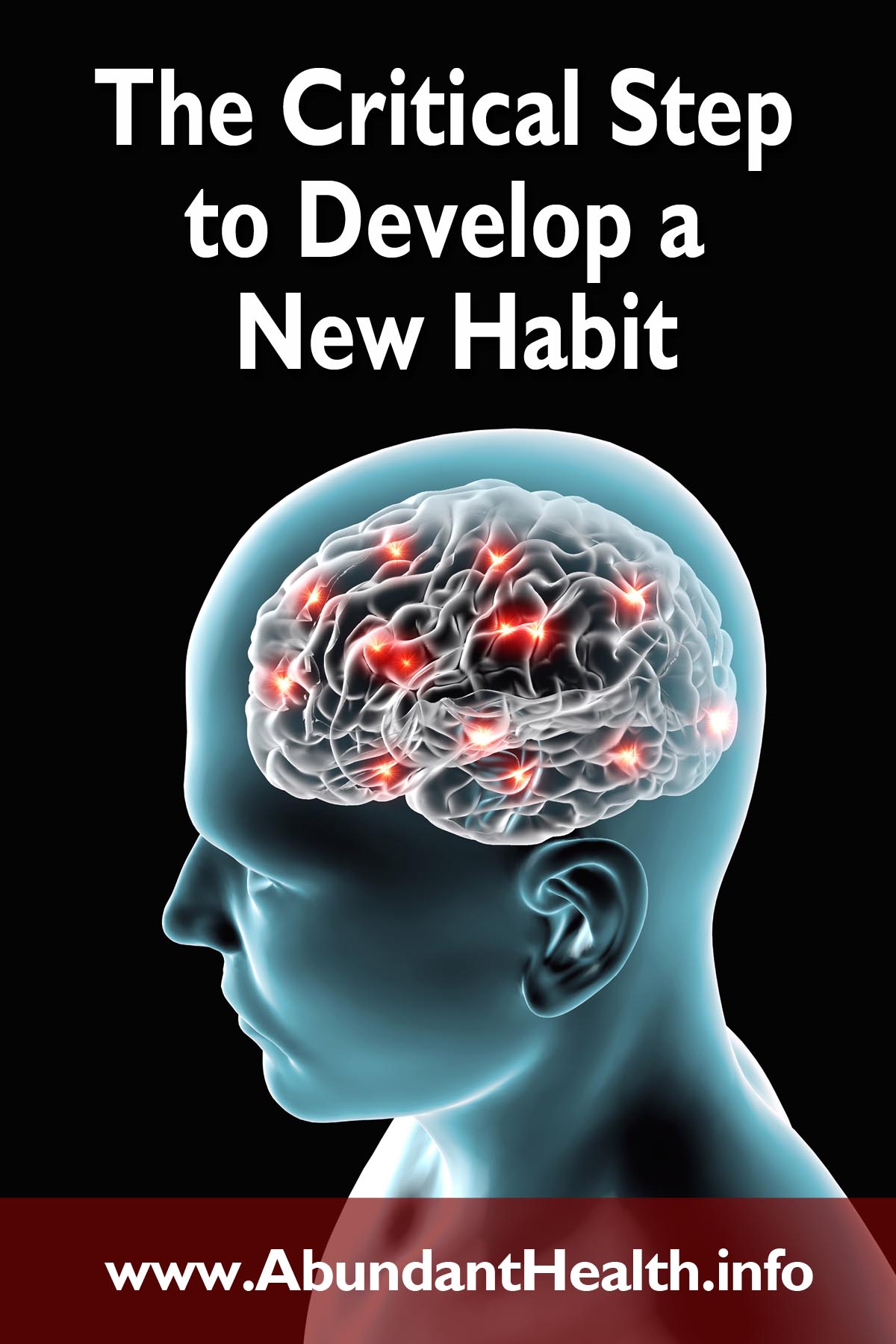
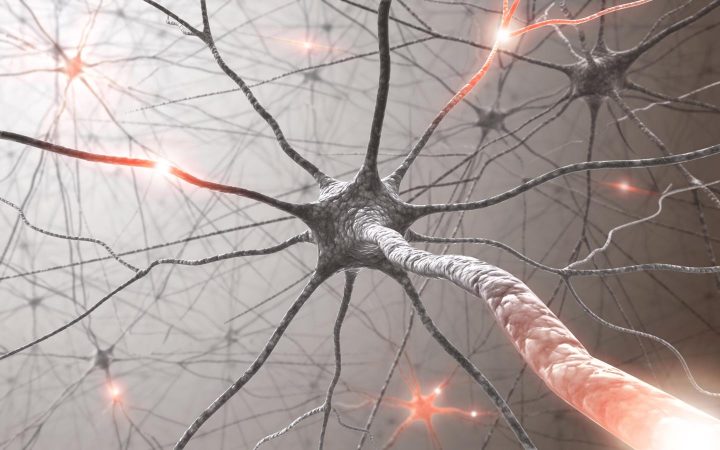
Brain cells, neurons, form an electrochemical circuit in the brain, a network with billions of neurons that communicate with each other. When you habitually think the same way about some subject, that thought becomes an ingrained belief in your psyche. Your habitual way of thinking then becomes a strong influence in your life, affecting your relationships, your work, and your social life. We become what we think about most. Brain circuits are working in such a way that it repeats functions that have been conditioned over time; and this is called habit.

Neurons forming a neural pathway in the brain.

People who are used to looking at the negative side of things, who tend to focus their minds on tragic matters, who always think pessimistically, favor the brain to function in unhealthy conditioning. Positive psychology studies show that cultivating thoughts of gratitude and hope helps with physical health as well. But when a person harbors negative thoughts and ideas, their immune system is affected in a way that can make infections easier to develop.

For example, researchers at the University of Arizona, studying stress, found that people who lost hope due to loss in life had not only more frequent infections, but also infections that took longer to resolve. This is because sadness seems to weaken immunity, making defenses such as T lymphocytes and B lymphocytes less effective in fighting viruses and bacteria, that is: the mental attitude affects the body, which can generate psychosomatic diseases and clinical situations, such as a weakened immune system.

So individuals who cultivate bad habits of thinking may experience more physical ailments throughout life. And the opposite is also true: good physical habits, a positive, optimistic, hopeful mental attitude and trust in God, make it easier for our bodies to respond to illness in a better and more protective way. The good news is that there is a mechanism in our brain called neurogenesis, which has to do with brain flexibility, neuroplasticity; a type of biological resilience. In other words, a possibility of change.

In other words: brain cells that have become accustomed to functioning in a certain neural pathway, which produces addiction, can return to normal functioning in the adult state, making it possible to create a new habit. Some studies suggest that a new habit can be built in three weeks, or 21 days. Other studies have shown that it takes 40 days to create a different habit. The important thing is that this is possible.

Freed from a handcuffing habit

But it is true that in many cases change is not coming easy. Some negative habits may need something more than physical and psychological resources to disappear, or come under control. There are habits that are so ingrained in the person, that have been in the individual’s life for so many years and that produce unhealthy pleasure, with a strong feeling of satisfaction, that willpower alone is not enough to break them. Hence the need to believe in a higher power, which I call God the Creator, to give us the strength to overcome that bad habit.

Do you want to change a bad habit in your life? Take the first step. Place a target. Something like: Just for today I’m not going to practice this bad habit. In other words, the fight is today! What tomorrow will be like, leave it for tomorrow. You may have to struggle with splitting the day, in the sense of deciding to avoid the bad habit at least in the morning. Make the decision by saying to yourself: this morning I will not practice…. . Mention the addiction you don’t want to practice that day. If you feel the force of a bad habit taking hold of you, turn to spiritual resources, as members of Alcoholics Anonymous do:

  1. Admitting your powerlessness in the face of you bad habit.
  2. Believing that a power greater than yourself, the God of the Universe can help you.
  3. Deciding to turn the will of your life over to the care of this Creator God.

So start believing. Believe that it is possible to change a bad habit, because it will be worth reaping the results of your right choices.

Healthy Fruits

Stay Always Up to Date

Sign up to our newsletter and stay always informed with news and tips around your health.

Sign Up Now!

Filed Under: Addictions, Healthy Lifestyle, Mental Health, Temperance Tagged With: breaking addictions, creating habits

Addicted to What?

January 23, 2022 by Esther Neumann - [rt_reading_time label="Reading Time:" postfix="minutes" postfix_singular="minute"]

Süchtig worauf?

Hands speak volumes. The Russian author Tolstoy describes in a stirring language how a visitor observes the hands of the players in a casino. They express so many things. There are the completely relaxed ones, because they don’t care whether they win or not. Perhaps the one who owns the hands can still afford to lose. The other’s fingers clench, they twitch, they’re wet. It’s all or nothing. It’s whether they can lift up their head leaving the place, or get away beaten, destroyed, deprived of dignity, without a future, with a lot of gambling debts.

Addicted to What?

The non-material addictions, as they are called, are not limited to gambling addiction. Addiction to work can also distract us from our real purpose in life. The list below is not complete, but shows us that almost all activities can lead to addiction: addiction to shopping, internet addiction, computer game addiction, television addiction, cell phone addiction, sex addiction, craving for recognition, binge eating, obesity, anorexia, sleep addiction, exercise addiction…

Relaxation and Pleasure

The activities listed above are not inherently bad. We can all use them in a positive way. We work in order to be able to live our lives, in order to fulfill our desires, in order to be able to help others. Sex is a pleasant thing when it is connected to a relationship of genuine love. When we sleep we can rest and relax. Playing brings us socializing and relaxation. The children learn to follow rules and lose without anger. Eating gives us moments of pleasure, helps us to socialize and can be very satisfying.

Compulsion

When do normal activities become a problem? When they have to be done over and over again under compulsion. The desire to pursue the dominant activity is so great that it occupies me all the time. Work is often neglected, partners and family members are hardly noticed. Your own well-being and health are being neglected. A power stronger than myself has taken hold of me.

When someone can no longer cope with the demands of everyday life, an outlet is sought. One often slips into daydreams. You create your own world. In this world you are invulnerable. At first you feel comfortable, secure, no demands are made. It is only over time that such daydreams turns into problems again.

Also, one reason many become addicted is because of the ease of access to accessories. TVs, computers are in almost every home, even in the bedrooms. Slot machines for gambling can be found in many inns and are an additional source of income. Finding a casino is already taking some effort, but who is addicted to gambling will find its way.

Spielautomat

When Things Go Bad

Initially, satisfaction is really found in the act of addiction. One can escape the pressure from outside. An own world, in which one feels comfortable, is created. But if the compulsion to keep immersing in this self-created world becomes too great, problems begin. Eventually everything gets neglected, including oneself. The essence of addiction is that you can’t get out of it by your own willpower. You cannot rely on your own willpower. An addict cannot be freed from his addiction against his own will either. Any attempt to help him will fail until he makes up his own mind to get out of his illness, which is in fact an addiction. But what can be managed is for the addict to recognize that they need help. However, this requires a basis of trust for many joint discussions.

How Can You Help?

No accusations should be made. The addict usually makes them himself. In all situations one must remain firm but cordial. Withdrawing support often helps. If, for example, the gambling addict who gambles for money and loses it, or the alcoholic realizes that people are always helping him out with money, he is not feeling the psychological strain of his actions. When you solve the problems for an addict and try to keep his life under control, you support him to carry on as before. If you withdraw the help, he gets into a big crisis, but it can force him to reorganize his life.

Relatives must not allow themselves to be abused or extorted. You can’t do anything for the addict or without his presence, everything must be done with their participation. This usually requires professional help. Advice centers for all kinds of assistance have been set up in all larger cities. Visiting a self-help group is a great help for those affected. There, in a relaxed atmosphere, he hears about the problems of others and how they are re-mastering their lives. He can exchange thoughts, take encouragement and have fun together. Many self-help groups use the 12-step Alcoholics Anonymous program.

self help group - Photo by Tima Miroshnichenko from Pexels

Liberation is a Process and Spiritual Growth

Addicts need to realize that they cannot rely on their own willpower. It is not necessary to find out why one is addicted in order to have something to blame. Many addicts have been neglected in their childhood. They have never known real security. They find it difficult to confide in anyone. But they have to realize that only a greater power than they have in themself can help. And that power is sure to be found in God, our Creator and Sustainer. This is why the AA serenity prayer is so important and should be part of any therapy.

God grant me the serenity to accept the things I cannot change; the courage to change things that I can change; and the wisdom to distinguish one from the other.

Sticking to certain principles is a great help. The Twelve Step Alcoholics Anonymous program is a spiritual program that leads to healing and spiritual growth and is helpful with virtually any addiction. Instead of alcohol, simply substitute the addiction in question. Everyone can face their problem without fear and learn that there is liberation, also for them. However, getting rid of addiction is a process that you have to work on for the rest of your life. But it’s worth it. God wants us to break the chains of slavery, and He promises victory when we enlist His help.

Alcoholics Anonymous 12 Step Program:

1. Step

We admitted we were powerless over alcohol — that our lives had become unmanageable.

2. Step

Came to believe that a Power greater than ourselves could restore us to sanity.

3. Step

Made a decision to turn our will and our lives over to the care of God as we understood Him.

4. Step

Made a searching and fearless moral inventory of ourselves.

5. Step

Admitted to God, to ourselves, and to another human being the exact nature of our wrongs.

6. Step

Were entirely ready to have God remove all these defects of character.

7. Step

Humbly asked Him to remove our shortcomings.

8. Step

Made a list of all persons we had harmed, and became willing to make amends to them all.

9. Step

Made direct amends to such people wherever possible, except when to do so would injure them or others.

10. Step

Continued to take personal inventory and when we were wrong promptly admitted it.

11. Step

Sought through prayer and meditation to improve our conscious contact with God as we understood Him, praying only for knowledge of His will for us and the power to carry that out.

12. Step

Having had a spiritual awakening as the result of these Steps, we tried to carry this message to alcoholics, and to practice these principles in all our affairs.

Source: Alcoholics Anonymous

Healthy Fruits

Stay Always Up to Date

Sign up to our newsletter and stay always informed with news and tips around your health.

Sign Up Now!

Filed Under: Addictions, Healthy Lifestyle, Mental Health, Temperance

Internet, Video Games, Social Networks and Your Brain

September 26, 2021 by Dr. Cesar Vasconcellos de Souza - [rt_reading_time label="Reading Time:" postfix="minutes" postfix_singular="minute"]

Internet, Videogames, Redes Sociais e o Cerebro

How much time do you spend each day on social media? Have you ever thought about going two days without accessing the computer? Have you managed recently to stay three days without video games? We are going to deal with electronic addictions today.

Internet, Video Games, Social Networks and Your Brain

We will have a look at some of the more recent scientific findings that have shown how addiction, and specifically electronic addictions, can affect your brain in an unhealthy way. Do you know that today there are specific treatments for people who are addicted to the internet, social networks and video games?

But let’s understand what an addiction is. An addict is a person who is dependent on something, so addiction is what becomes a god to you. If you look at what you are addicted to, you are worshiping this object and it becomes a god. Addiction is what dominates your thoughts, dominates your feelings and influences your attitudes. If we want a scientific definition of addiction, it can be: It is an unhealthy model of substance use or some other object, which leads to negative changes in your health.

Addiction separates you from your emotions. You may notice, when you stop or try to stop something that is the object of your addiction, there is certainly anxiety, restlessness, nervousness, insomnia, irritability and impatience. So addiction dulls reasoning and emotions.

If you are addicted, it can be sex, a substance that is legalized as alcohol, you certainly have a numbness, an anesthesia, a blockage of some reasoning, some thoughts, some feelings that you would need to be experiencing to have a healthier behavior. So you use a substance, you use a product, you use a practice, in this case video game addiction, social network addiction, internet addiction, you use that to numb your emotion, then comes a remorse: I spent a lot of time on it! Oh boy, I neglected my kids! I arrived late for work! I spent a lot of money, because I wanted to buy a more powerful equipment! Or whatever else! Then comes the guilt, then comes the feeling of lack of self-worth, because I think I’m no good as a human being, I don’t think there’s an escape, and then you feel more anguish, more sadness and then you can think: Let me get on a social network again to see if I can relieve myself a little. And you get this sick emotional ping pong, it’s really a destructive cycle!

Types of Addictions

Every addiction creates a destructive cycle for your health, for your peace, for your happiness and also for the well-being of the people around you. There are several types of addictive agents, that is, there are several instruments, several situations, several practices that can produce an addiction in your life, not just alcohol, cocaine, marijuana and what we are talking now about the internet. There are people addicted to work, to success, to spending too much, to gambling, to accumulating goods, people addicted to controlling others, to humiliating people, it is an addiction, a disorder, an alteration. You have to deal with it. There are people addicted to food, people addicted to sex, pedophilia, pornography, indeed, there is an epidemic of pornography addiction. People you never imagined are connected with this.

This is a symptom; the world is compulsive. Compulsive not in a positive sense unfortunately, of having a compulsion to do something good for society. The world is medicated, the world is anesthetized, the world is altered, in their emotions, in their reasoning due to various types of drugs.

A person addicted to video games - Photo by Tima Miroshnichenko from Pexels

Some people are addicted to approval, a need to please, always neglecting their needs to see if they please someone. People in a savior role, people who are dependent on toxic relationships. What is a toxic relationship? It’s a relationship that’s bad for you, that will harm you. There are people who marry a complicated person, suffer a lot, separate, marry another complicated person, suffer a lot again. There are people with a mania for their physical outlook, their cosmetics and clothing, obsessed with aesthetics and plastic surgery, it’s just that these people want to try to look good on the outside, while on the inside they’re not very well centered. Some people are addicted to academic titles, there are various types of addictions there.

There exists a vicious cycle of addiction. The person has emotional pain, he has emotional discomfort, there is something that is not well resolved within him, some trauma. I don’t like this word because it gives the impression that emotional suffering has to do with a trauma, while in reality it is a set of situations in life that are, in general, painful and difficult, which develops the person’s emotional suffering. So he has pain, he looks for an agent to get rid of this pain, it can be cocaine, marijuana, sex, pornography, food, as I said, he has a temporary anesthesia of this pain, then it can have negative consequences, it will depend on the type of addictive object that he’s using, and then he’s finally going to have shame, guilt and that results in more pain and lessening of his self-worth and he gets stuck in this cycle.

Effects of Electronic Addiction

Some studies show that too much time on the internet infantilizes the brain. It’s showing that it can produce a generation of young people incapable to think for themselves. For anything, they get on the internet: Let’s see what that person says. They will access site a b c or d.

Dr Susan Greenfield, a neuroscientist at Oxford University, says the following: The immediacy of imagery in the internet impairs mental development in children and adolescents. These images are very fast, the child’s brain is not prepared to be able to manage all of this. So it’s different from stories told by parents in the past, They used to sit on the porch, telling stories of this and that to the children, but a story that has a beginning, a middle, an end, and a lesson. On the internet, those images with a lot of virtual stimulation confuses children’s minds. So these stories that parents can offer their children help the brain to think in sequence, reason from cause to effect, in addition to the emotional bond that father and mother have talking to their child and interacting with the family.((Greenfield S, “Excesso de internet pode criar geração de jovens incapazes de pensar por si próprios” Revista Ser Médico, Jan/Fev/Mar de 2012))

In the Chinese Academy of Sciences, a very interesting scientific study was done by a scientist named Fuchun Lin in 2012, he came to the conclusion that young people who surf excessively in the internet have brain changes similar to those seen in gambling compulsives.((Lin F, Abnormal White Matter Integrity in Adolescents with Internet Addiction Disorder: A Tract-Based Spatial Statistics Study. Plos One,  January  11, 2012. https://doi.org/10.1371/journal.pone.0030253)). So you see the matter is serious.

Teenagers with cell phone addiction - Photo by cottonbro from Pexels

At the University of Rochester, in a 2010 study by scientist Daphne Bavelier, she came to the following conclusion that there is a strong correlation between exaggerated computer use and brain abnormalities.((Bavelier  D et.al.  Children, Wired: For Better and for Worse.  Neuron, Vol. 67,  Issue  5, 9  September  2010. https://doi.org/10.1016/j.neuron.2010.08.035))

What To Do About Electronic Addictions?

What can you do if you’re addicted to electronics, social networking, you can’t go two hours without accessing and posting things? And if you stop you will feel symptoms of the withdrawal crisis, anxiety, irritation, impatience and nervousness, some lose their appetite, in others it increases appetite or causing insomnia? Let’s talk a little bit if you have children and don’t know how to dose the use of electronics in their hands, what can be done?

First, it’s important to understand that any compulsion can serve to keep you from realizing some inner needs, experiencing certain emotions, living certain thoughts, improving relationships in some areas of your life. If the family you live in is experiencing this problem of excessive use of electronics, then it is important that the family as a whole looks for solutions to this. It’s no use for you as a father, as a mother who is addicted to electronics, wanting to teach your child a moral lesson and say: “Stop it! Or: Turn it off! Give it to me! I’ll take it away!” But you are addicted too? You can’t put down your electronics, how are you going to exact this from your child? To fix the excess, the abuse of electronics that can already be characterized as an addiction, it is important that you lead by example.

A family addicted in electronics - Photo by Ketut Subiyanto from Pexels

So in this family where there is a member who is really addicted, maybe a young man is leaving his studies, because he spends hours and nights on his computer, in his bedroom, he sees who knows what, even if you have parental control connected on the computer, you need to set an example. So this young person or child will need a limit in their computer time. You have to determine this as a father, as a mother, you have to have a firm hand, love has to be firm. If you’ve a small child, don’t put electronics in that child’s hand too early. Take it to the park or play an educational toy with them.

So parents need to lead by example. Because you as a dad or mom might not be addicted to electronics, but you can be addicted to something else. There are people who come home, tired from work and say: My day was so exhausting, let me have a drink of whiskey to relax! Oops! Or they may say: Where’s my tranquilizer, have you seen my medicine box over there? I’m nervous, I want to take an extra dose of tranquilizer! You know your son, your daughter is seeing this, is noticing that you are dependent on something to make you feel better.

Then you can allow internet access for your children after they do some chores or homework. It seems that parents today feel guilty about giving chores to their children. They want to give everything on a silver plate to their children. This is a diseducation. In a house, even if it is a middle-class or rich house, even if it has employees for house cleaning for example, it is important that father and mother finds some simple tasks for their children: “you clean your closet, you put the garbage out, you put the clothes into the dryer, you help me here to peel these fruits so we can have breakfast, because the maid hasn’t arrived yet. This participation, this setting of limits, giving tasks to your children, for everyone to participate, is necessary. This does not mean that you will be sitting in the armchair demanding: “Go there and bring me my coffee, go do this and that!” If you participate then this will help in setting limits for your children, including internet usage. This is an important factor, because the ones who set rules in the house have to be the father and the mother.

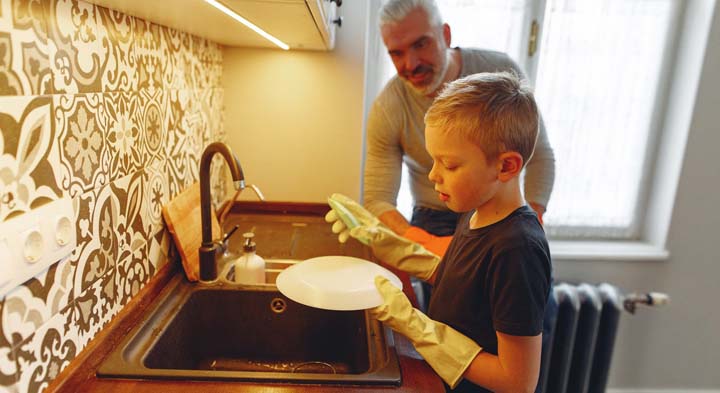
A child helping washing dishes to contribute to family chores.

Another important thing you can do with your children is to change the electronics use pattern, like: “Look, you’re only going to use the computer after doing a homework and school assignment. You only use your tablet after you shower.” That’s it, it’s set. You have to dialogue and explain, and keep that decision firm. Don’t go back. So don’t say something you won’t do, or you’ll lose morale. They will see that you say something and don’t do it, or give in easily. Being firm is different from exercising authoritarianism; an emotional dictatorship should not exist in the relationship between parents and children.

Children need an authority, that’s why God even placed a commandment: honor father and mother. Some scientific studies, analyzing young people who were raised in very dictatorial homes, compared to young people raised in homes that were very liberal, have shown that these young people in their adulthood had somewhat similar sufferings. In other words, children raised in very dictatorial homes, which can never do anything, had emotional distress in adulthood, and also young people who could do anything when they wanted to, also had emotional distress in adulthood. Why? Because young teenagers who had this freedom, said consciously: “Oh my dad, my mom, is cool, they let me do what I want!”, but deep down they felt like: “Do they care about myself? Are they interested in me? Do they want to know how my inner world is?” That’s interesting!

If there is any kind of addiction, you have already noticed that your child is too much hooked to the computer in his room, you will have to make a decision and explain: “Look son, I’m going to put the computer in the living room.”, especially if you’ve noticed that he’s hiding what he does, or if you’ve already seen that he’s been accessing some bad websites. It’s not even a dictatorial attitude, because you could even take the computer away from him. But you’re giving him a chance: “I’ll put the computer in the room for you to use in an educated way, for things that are good for you.” Because people go back and forth in the room, which restricts inappropriate use. Of course, there are also programs that block certain websites. You can also use a timer: “Look, I’ll put an hour here for you before you take a shower, or after you shower”. You can use this strategy.

It is also important to think about whether there is some kind of emotional disorder that is leading this person to this addiction. This may need a professional assessment. There are people who may be addicted to pornography, and then they will need to have specialized treatment to deal with it and get out of that kind of suffering.

Children playing outside with leaves - Photo by Charles Parker from Pexels

We might think: “Wow, that sounds somewhat backwards and outdated, how can I pass this on to my children?” Because kids today want electronics! How to go about it? Will you block everything? For infants yes, but for a little bit older children you can dose them. “You will play a little in the backyard, a little in the park, climb the trees, play on the beach and then you have a moment alone with your electronics”. It’s not one or the other, but you definitely don´t want your kids on electronics all day long without having any outdoor activity. The virtual world is not a healthy replacement for the real world. So, protect your kids from overexposure to electronics. And small child doesn’t need a cell phone. I would like to finish with the text that is in the book of Luke:

People were also bringing babies to Jesus for him to place his hands on them. When the disciples saw this, they rebuked them. But Jesus called the children to him and said, “Let the little children come to me, and do not hinder them, for the kingdom of God belongs to such as these.”((The Bible, Luke 18:15,16 (New International Version). ))

Luke 18:15.16

Take care of your children so that they don’t get their brains harmed by excessive exposure to electronics!

Healthy Fruits

Stay Always Up to Date

Sign up to our newsletter and stay always informed with news and tips around your health.
Sign Up Now!

Filed Under: Addictions, Mental Health, Temperance

Primary Sidebar

Social Channels

Coronavirus Immunity Challenge

Boost your immune system to be bullet-proof for the pandemic.

I Want to Participate

Recent Posts

  • 5 Habits to Live Longer
  • Better Sleep Can Protect Against Dementia
  • Finding Peace In Your Crazy-Busy World
  • Flaxseed – An Ancient Plant Rediscovered
  • Platelets – Triggers for Life or Death
  • Boderline Personality Disorder
  • In Praise of Almonds and Nuts
  • Are You Stuck in the Clutter Trap?

Categories

  • Body Systems (16)
    • Cell Function (2)
    • Circulatory System (1)
    • Digestive Tract (10)
    • Immune System (4)
  • Diseases (27)
    • Cancer (2)
    • Cold (1)
    • COVID-19 (11)
    • Dementia (1)
    • Diabetes (1)
    • Digestive Diseases (2)
    • Heart Disease (2)
    • Kidneys (1)
    • Metabolic Syndrome (2)
    • Skin (1)
  • Healthy Lifestyle (42)
    • Exercise (11)
    • Gardening (2)
    • Sleep (7)
    • Sunlight (2)
    • Temperance (14)
    • Water (4)
  • Mental Health (87)
    • Addictions (6)
    • Anxiety (7)
    • Burnout (1)
    • Depression (7)
    • Psychosomatic Diseases (6)
    • Stress Management (45)
    • Trust (6)
  • Nutrition (56)
  • Obesity (9)
  • Phases of Life (14)
    • Adults (3)
    • Babies and Infants (1)
    • Children (3)
    • Seniors (5)
    • Teenagers (3)
  • Therapies (7)
    • Herbs (5)
    • Hydrotherapy (1)
  • Uncategorized (3)

Archives

  • January 2025 (1)
  • March 2024 (5)
  • February 2024 (4)
  • January 2024 (4)
  • December 2023 (5)
  • November 2023 (4)
  • October 2023 (5)
  • September 2023 (4)
  • August 2023 (3)
  • July 2023 (2)
  • June 2023 (4)
  • May 2023 (4)
  • April 2023 (5)
  • March 2023 (4)
  • February 2023 (4)
  • January 2023 (4)
  • December 2022 (4)
  • November 2022 (4)
  • October 2022 (5)
  • September 2022 (4)
  • August 2022 (4)
  • July 2022 (5)
  • June 2022 (4)
  • May 2022 (5)
  • April 2022 (4)
  • March 2022 (4)
  • February 2022 (4)
  • January 2022 (5)
  • December 2021 (3)
  • November 2021 (4)
  • October 2021 (6)
  • September 2021 (4)
  • August 2021 (4)
  • July 2021 (5)
  • June 2021 (4)
  • May 2021 (3)
  • April 2021 (5)
  • March 2021 (4)
  • February 2021 (4)
  • January 2021 (5)
  • December 2020 (3)
  • November 2020 (4)
  • October 2020 (5)
  • September 2020 (5)
  • August 2020 (3)
  • July 2020 (1)
  • June 2020 (1)
  • May 2020 (1)
  • April 2020 (1)
  • March 2020 (1)

Copyright © 2026 · Abundant Health - Privacy Policy - Medical Disclaimer