Abundant Health

Up to date health information tailored for you

  • Home
  • Blog
  • Recipes
  • Shop
  • Contact
You are here: Home / Archives for Esther Neumann

Esther Neumann

Plea for a Simpler Life – Less is More

December 11, 2022 by Esther Neumann - [rt_reading_time label="Reading Time:" postfix="minutes" postfix_singular="minute"]

If my grandfather, born in 1890, were to come into my house, he would not find his way around, neither in my household nor in my office. Our present generation has so many more opportunities to shape our working world and our private lives. But life has also gotten more complicated. We need to be familiar with so many modern communication tools. So many machines and gadgets with complex procedures that we can’t figure out, do the heavy, tedious work for us. Actually, these modern technical achievements are supposed to give us more time for ourselves.

Plea for a Simpler Life – Less is More

When I’ve finished writing this article, I won’t have to write it clean on paper, put it in an envelope and take it to the post office for my editor-in-chief. I remain seated in my office chair and send it via the Internet. If the editor wants to, he can open and read it on his computer a few minutes later.

What do I do with the time I’ve saved? Am I going to fold my arms, be happy about the successful article, and reflect on the essentials? I have to watch over my time, my health, my thoughts. I don’t want to plunge into the next activity like the fast swimmer with a head dive into the cold water.

I want to take the liberty – and fortunately I can afford it – to structure my working hours for myself. Instead of getting dragged by the daily grind, I want to consciously take responsibility for my everyday life. After a few hours at the computer, it’s time to do some gardening or kitchen work. Every now and then a nature walk is allowed. During this time, I come up with all sorts of things.
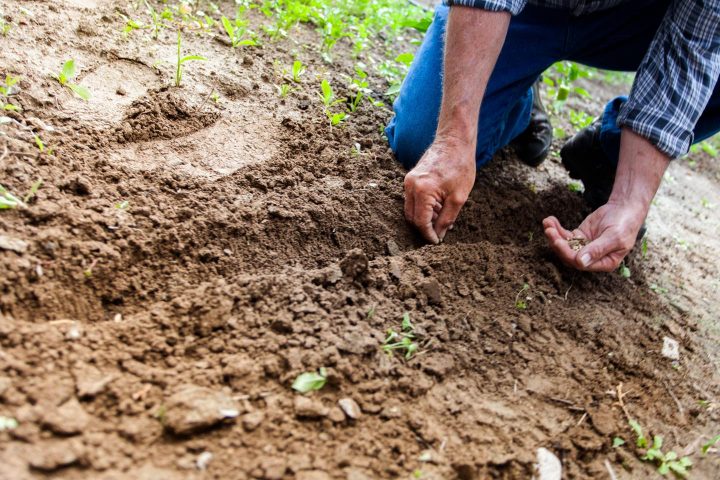
Sowing seeds in the garden

Most people live outside of their “assets”. It’s not just about money, about consumption, but also about time, about food, about relaxation. It’s not about asceticism, but about simply doing without the superfluous, which we find difficult to deal with anyway.

Too many pounds make me short of breath. Why did I eat so much again? I have been wanting to lose a few pounds for a long time! Yes, I can afford a pumpkin pie with whipped cream every now and then. Tomorrow, however, there will be an apple for dessert – and I’ll simply enjoy it! Actually, a fruit day every now and then is good for my health. Or should I try just drinking tea for a whole day? That’s definitely good for me and I’m happy when I’ve grown beyond myself and my appetite.

While I’m tidying up, I can go through my closet. What has accumulated there, such an abundance! I haven’t worn this lovely piece in a year. That’s why my friend recently said to me: “I always see you in the same sweater.” Both pieces are still in good condition: so wash one of them and off it goes to the thrift store. There’s still enough in the closet.

A man struggles with a pile of clothes

What else can I get rid of in order to live a simpler life? How was it last night before falling asleep? I was worried and anxious about the future. The car is getting in his years, the roof of the house would need some repairs. The winter is still long and the wood supplies are running out. All this costs money. Where does it come from? How am I going to do this? Then even the past came into play. Do you still remember the mistake you made back then? You really weren’t fair to your child. Hopefully it hasn’t been hurt and is getting over that.

Fears and worries about the future, lingering in the past are robbing me the strength and time to simply live in the now. And I can only live in the now. Have I ever experienced anything in the past or done anything in the future? The answer is simple: I live in the now. I can cope with today, this attitude gives me strength, but today I don´t get what I need for tomorrow.

So I can also simplify my thoughts, I can remove the superfluous. Simply by not brooding too much over things I can’t change; but also, simply by looking forward to the new day every morning, to the sun that will rise again, even if the weather should remain cloudy, it’s still there. For me, every new day is an invitation to simply live – or live simply – simply in both senses.

It’s up to me to shape my day to be simpler, to find joy in the simple things of everyday life, in the opening of a flower, in the laughter of a child, in the surprised expression on my work colleague’s face when I have greeted him with enthusiasm and wished him a very good day.
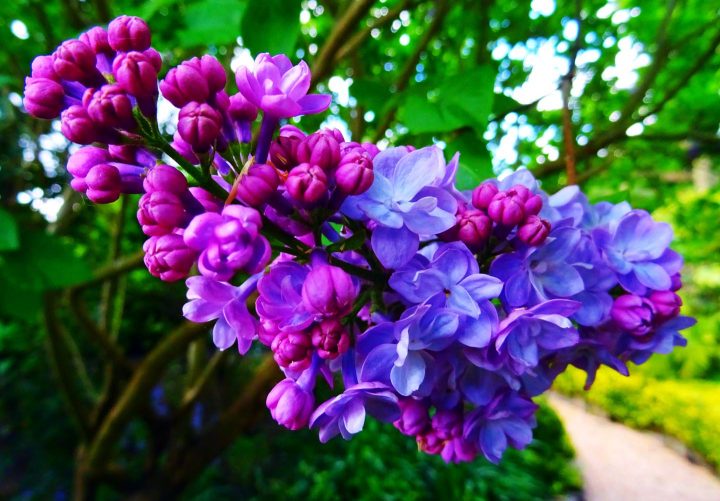
An opening flower

No amount of possessions can buy me the joy of life. Proverbs 13:7 says, “There is one who makes himself rich, yet has nothing; And one who makes himself poor, yet has great riches.” If I give in to every wish and fulfill it, then I cannot be happy in the long run. Neither money nor confirmation, not even success can still my longing for a fulfilling life. True joy comes from living a simple life, enjoying nature, being accepted by my circle of friends and feeling safe with my God, Creator and Sustainer.
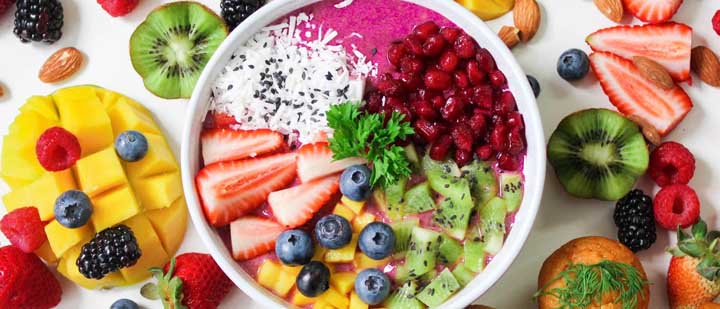
Healthy Fruits

Stay Always Up to Date

Sign up to our newsletter and stay always informed with news and tips around your health.
Sign Up Now!

Filed Under: Healthy Lifestyle, Mental Health, Stress Management, Temperance Tagged With: Minimalistic lifestyle, Simplifying

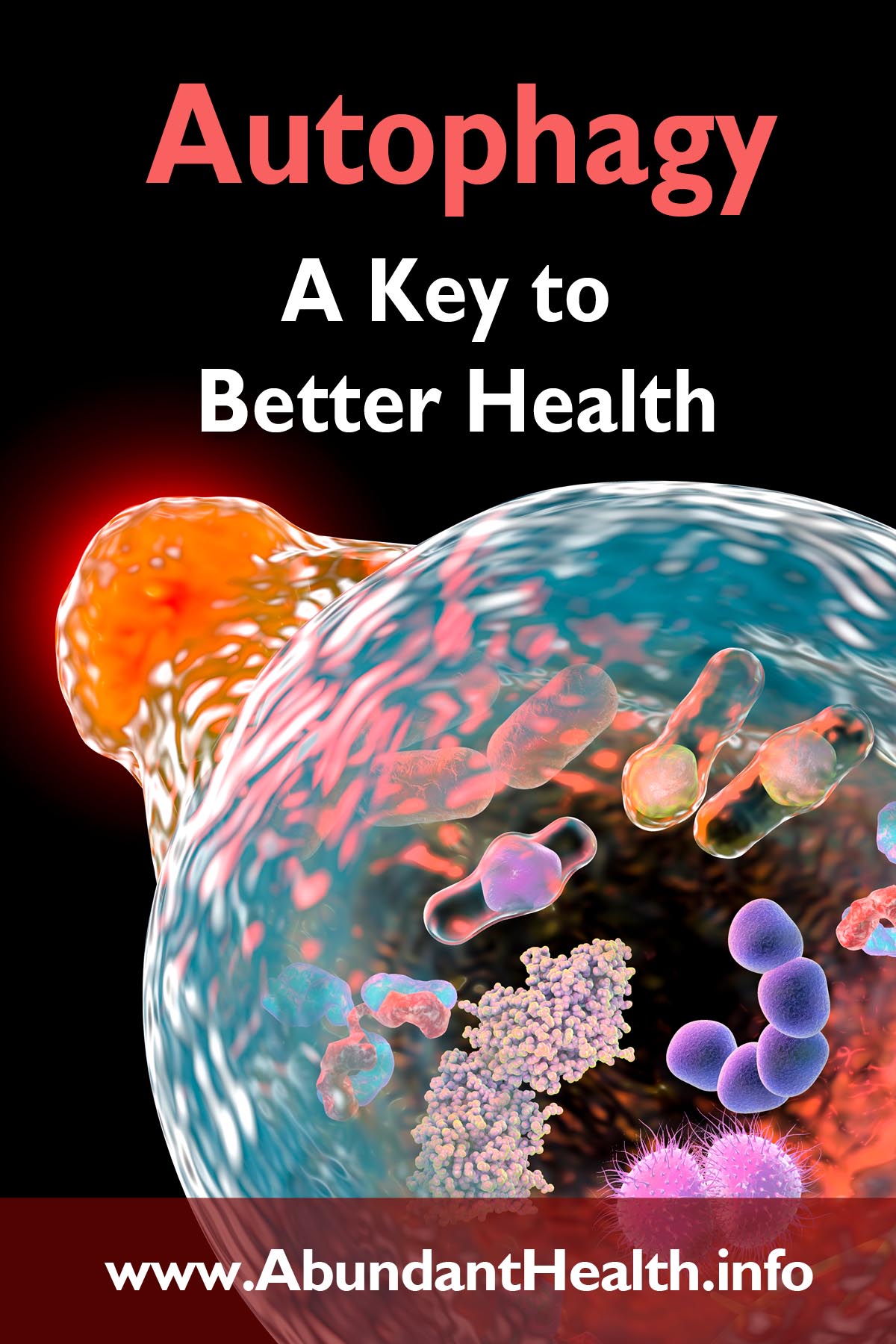
Autophagy – A Key to Better Health

October 23, 2022 by Esther Neumann - [rt_reading_time label="Reading Time:" postfix="minutes" postfix_singular="minute"]

Autophagie

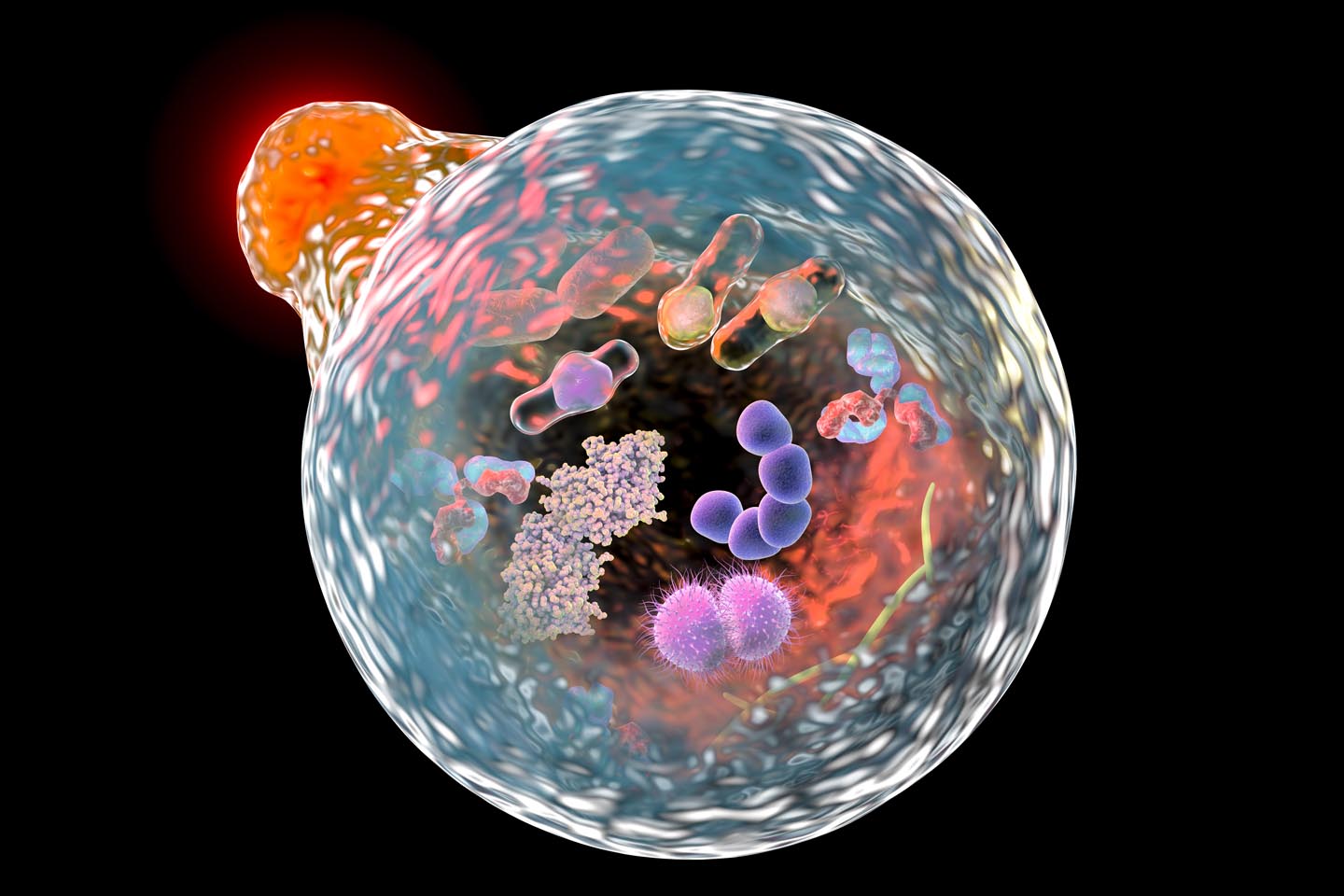
It is happening in every cell of our body, but hardly anyone knows about autophagy. It is an important process to maintain cellular health. In 2016, the Japanese researcher Yoshinori Ohsumi received the Nobel Prize in medicine for discovering important links between fasting and autophagy. But already in 1963 the Belgian biochemist Christian de Duve described the processes of autophagy.

Autophagy – A Key to Better Health

The word autophagy comes from the Greek. “Auto” means itself and “phagein” means to eat. It is a process that takes place in the lysosomes within our cells and eliminates and recycles cell components such as broken proteins or other damaged cell organelles – e.g. mitochondria, our power plants in the cells.

Some of the degradation products are recycled or converted into energy. Therefore, autophagy is strongly boosted by fasting. Furthermore, microorganisms, bacteria and viruses that have penetrated the body are also combated by autophagy. It therefore also plays a major role in the immune system, in infections, in the aging process and in the development of tumors. Well-functioning autophagy can help to prevent cancer.

Autophagy no longer works as well as we age. This causes many diseases. Dementia, Parkinson’s, Alzheimer’s and diabetes can be traced back to it. All of this fits well with the observation that people age healthier when they consume less calories. It’s no wonder that autophagy has become a major research topic. Many centenarians on the island of Okinawa state, “We only eat so much that we’re not quite full.”

A well-functioning autophagy is therefore advantageous for the prevention of various diseases. In Parkinson’s specifically, we know that brain cell death is the cause of the disease, and deficient autophagy seems to be a major reason. We’ve talked about cancer prevention before, and there are possibilities that osteoarthritis is also strongly related to autophagy.

A man with Parkinson

Intermittent Fasting

Some researchers in Austria are also significantly involved in autophagy research, especially when it comes to implementation strategies. University Professor Dr. Frank Madeo is supervising a large-scale study at the Institute for Molecular Biosciences at the Karl-Franzens University in Graz. Fasting triggers autophagy, which is rejuvenating, life-prolonging, and regenerative. Even a short-term fast of 16-20 hours triggers this effect.

Cells need time to get rid of their waste or to recycle it. When you eat constantly, you need insulin all the time, and your body is always busy digesting. Insulin inhibits autophagy. Looks like the recommendation to eat five to seven smaller meals throughout the day will soon be a thing of the past. Prof. Madeo says: “Welcome your hunger like a friend and your body will get cleaned up.”

There is no need to fast for a few days in a row to enjoy autophagy. Intermittent or short-term fasting is also sufficient. An interval of 16:8 is sufficient, i.e. eating only twice during an 8 hour block, and then fasting for 16 hours, abstaining from all food, including fruit juices. Water is allowed to drink. Preferrably the dinner is skipped. There is also the method of eating normally for a day and then fasting for a day. A side effect of short-term fasting is that fewer calories are usually ingested, which means that we can shed a few extra pounds.

A scale and a tape

In fact, long periods of fasting can become a problem in some circumstances. If you fast for several days, your body will begin to break down muscle as soon as all other reserves have been used up. This not only reduces muscle strength, but also slows down metabolism, which has a negative effect on weight control. Intermittent fasting avoids these problems while reaping the full benefits of autophagy.

Pregnant women should avoid long-term fasts, and breastfeeding mothers often experience problems with milk production after just one day of fasting. Children and seniors should also be careful with long-term fasting. Sick or frail persons such as advanced cancer patients not only may lose strength, a lack of protein in the diet for several days can also negatively impact the immune system. Therefore, prolonged fasting should be used with caution, while intermittent fasting is well tolerated in most cases.

Plant Based Diet

There have been found some substances in food that boost autophagy. This includes polyphenols. They are mainly found in the outer layers of vegetables, fruits and grains. They protect the interior of the plants from oxidation, and take on this function in the human body as well.

Spermidine, a substance that the body also produces itself, is found in many types of fruit and vegetables. The connection to the seminal fluid is correct. It is found there in high concentrations. Researchers have found that spermidine boosts autophagy as well.

It proves once again that a plant-based diet has many advantages. Animal protein actually inhibits autophagy.

A hand cutting a bell pepper

By the way, exercise will help as well. The cells are put into a nutrient deficiency that increases autophagy. It is smart not to eat anything for a few hours after exercising. Then the effect will be even greater.

Getting Practical

We have already seen that intermittent fasting has a beneficial effect on autophagy. It is best to eat a hearty breakfast and a moderate lunch, then skip dinner and eat nothing until the next morning. During the night, calorie consumption is very low, and eating in the evening quickly adds some extra pounds.

Skipping dinner also has a positive effect on sleep. The stomach is not occupied with digestion and can rest. The lying position with a full stomach can sometimes lead to reflux. And since digestion is slower at night, it can lead to unwanted fermentation processes. The quality of sleep is often affected as well.

How do you make this transition in practical terms? Initially, many have problems going to sleep on an empty stomach. If that’s the case, you can try to do a gradual transition. Either you do this by increasing your nightly fasting time by moving dinner gradually to an earlier time. After a few days, when you’ve managed to get dinner down to 5pm, you can try skipping it altogether.

Another option would be to gradually reduce the amount of food you eat until you can suffice with one piece of fruit in the evening. If necessary, you can switch to fruit juice for a few days until you can manage to skip dinner altogether. Drinking a glass of water or a cup of herbal tea can help to control hunger. Once you get used to the new rhythm, it’s usually not a problem to maintain it.

A man and a woman drinking a cup of tea.

Another variation of intermittent fasting is to fast one full day a week. Ideally, you should only drink water. If you can’t keep it up, you can help yourself out with some fruit. These do not burden the digestion and are not too high in calories. Most of the time they are sufficient to control the feeling of hunger. In addition to the health benefits of autophagy, a weekly fasting day also helps with weight loss, and if needed, you spread out 2 fasting days during the week.

The third variant, which also has positive effects on autophagy, is limiting the calorie intake at every meal. Following the example of Okinawa’s centenarians, you stop eating before you’re full. After eating your first portion, you stop for a moment and examine if it was enough to satisfy your first hunger. If so, put the silverware aside and stop eating. Studies have shown that calorie restriction significantly extends the lifespan of mice. It pays off to take care of your body.

We have seen the benefits autophagy brings to our health. You may need to experiment a bit with the implementation to see what option you manage to adapt the best. Let’s help our body to clean up and recycle its cellular waste, and he will reward us with good health. All the best with the implementation!

Healthy Fruits

Stay Always Up to Date

Sign up to our newsletter and stay always informed with news and tips around your health.
Sign Up Now!

Filed Under: Body Systems, Cell Function, Healthy Lifestyle, Obesity, Temperance Tagged With: Autophagy, Intermittent Fasting

Dr. Forest for Stress Control

August 21, 2022 by Esther Neumann - [rt_reading_time label="Reading Time:" postfix="minutes" postfix_singular="minute"]

Dr. Forest

Are you suffering from stress? Maybe it is time to clear your head and calm down. While the forest is essential for our entire ecosystem, it also does wonders to relax our mind and calm us down. Let us discuss some of the benefits of walking in the forest for a healthier mind, body and soul!

Dr. Forest for Stress Control

For all of Your Senses

More than a third of the US territory is covered by forest. In Canada it is around 40% and can reach 80% in some regions. A walk through the forest is a special experience. All senses are stimulated. If you listen closely, it rustles, swishes, chirps, cracks and twitters everywhere. If you draw the air deep into your lungs, the smells are also extremely diverse. They vary greatly depending on the type of forest. Forests with fir trees smell very different than those with broadleaf trees. And if a mushroom is nearby, experienced noses can also smell it.

Then comes the touch! Who recognizes the trees by feeling the bark with closed eyes? A young birch feels very different from an old oak. Opening the eyes again, we see a lot of green, which makes the mood rise and the pulse drop. On average, hospital patients who are allowed to look out into the countryside from their bed need much less care and painkillers than their fellow sufferers who only see bare walls in front of them.

And when you have hiked uphill through a forest and your eyes can wander unhindered above the tree line from mountaintop to mountaintop, the third dimension, the depth of space, is experienced in a breathtaking manner. Isn’t that a wonderful way to relax after staring for so long at the TV and computer screens?

A hiker in the mountains looks at the forest below the tree line

The modern world of work and leisure primarily demands our senses of hearing and sight. A walk through the forest stimulates all other senses as well. When walking on leaves and moss you can almost smell the carpet you are walking on. You can feel the wind on your face and sense the fresh coolness of a spring. This stimulus to the senses is not felt to be unpleasant like the sensory stimuli of civilization with their loud and hectic excesses.

Hiking also stimulates our sense of movement. An entire network of nerve sensors controls and monitors our movement and orientation behavior. And what is used will be strengthened. Gradually, the joy of movement increases and demands more. This is particularly important for our children. In order to compensate the many sedentary activities, you absolutely need to find a balance when hiking in nature. A lot of children have lost interest in nature. Walks in the woods in particular are great for arousing children’s curiosity about the wonders of nature. However, this requires some preparation on the part of the adult companions. Who knows more than five wild herbs, birds, flowers or trees?

Space for Encounter

Basic social needs are also met when hiking. Most people go hiking with a companion. Wonderful conversations then arise quite casually. There is an openness that breaks down barriers in casual conversation, in an environment that is beneficial to health. Friendships are formed or strengthened along the way. Positive encounters with others activate our messenger substances so much that dopamine, oxytocin and endogenous opiates are increasingly released. All of these messenger substances help us to lead a happier and more satisfied life.

Two hikers in a conversation

Furthermore, if someone can say: “The forest is my church”, the divine dimension is added. Experiences in nature bring us closer to our Creator. After all, HE gave us the task of preserving and using nature. If we strike up a happy song while hiking, we can even infect other hikers with our happy nature. I especially appreciate on the hiking experience the leaving, but also the arriving. When I leave, I free myself from everyday worries and obligations. I can empty my head, discover new perspectives in life, cast off role constraints, find experiences. Investing in experiences brings happiness, not investing in stuff.

Refueled!

And then arriving: the warm shower that washes away the sweat, stretching out comfortably on the sofa, the thought that you have now earned all this makes everyday life seem more attractive again. I have arrived back home or in the security of a shelter.

The forest offers something special in every season. In summer it is a blessing to hike in the forest. It protects us from the scorching summer sun. We experience an intense interplay of light and shadow. In autumn, it enchants our senses with a firework of colors. In winter we can read tracks in the snow and observe wildlife.

Trees that have shed their leaves have a special charm. They reveal their growth to us. We can almost read what experiences the tree has behind it. And in spring he promises us a new beginning, a new start, new growth and life.

If we look at the forest and hiking from the listed perspectives, we can give the forest a very special title: Doctor Forest. It virtually helps us to regain our health. Let us use it in this sense in the coming days and weeks! Happy hiking!

Healthy Fruits

Stay Always Up to Date

Sign up to our newsletter and stay always informed with news and tips around your health.

Sign Up Now!

Filed Under: Exercise, Healthy Lifestyle, Mental Health, Stress Management Tagged With: Forest, hiking, nature, Stress Control

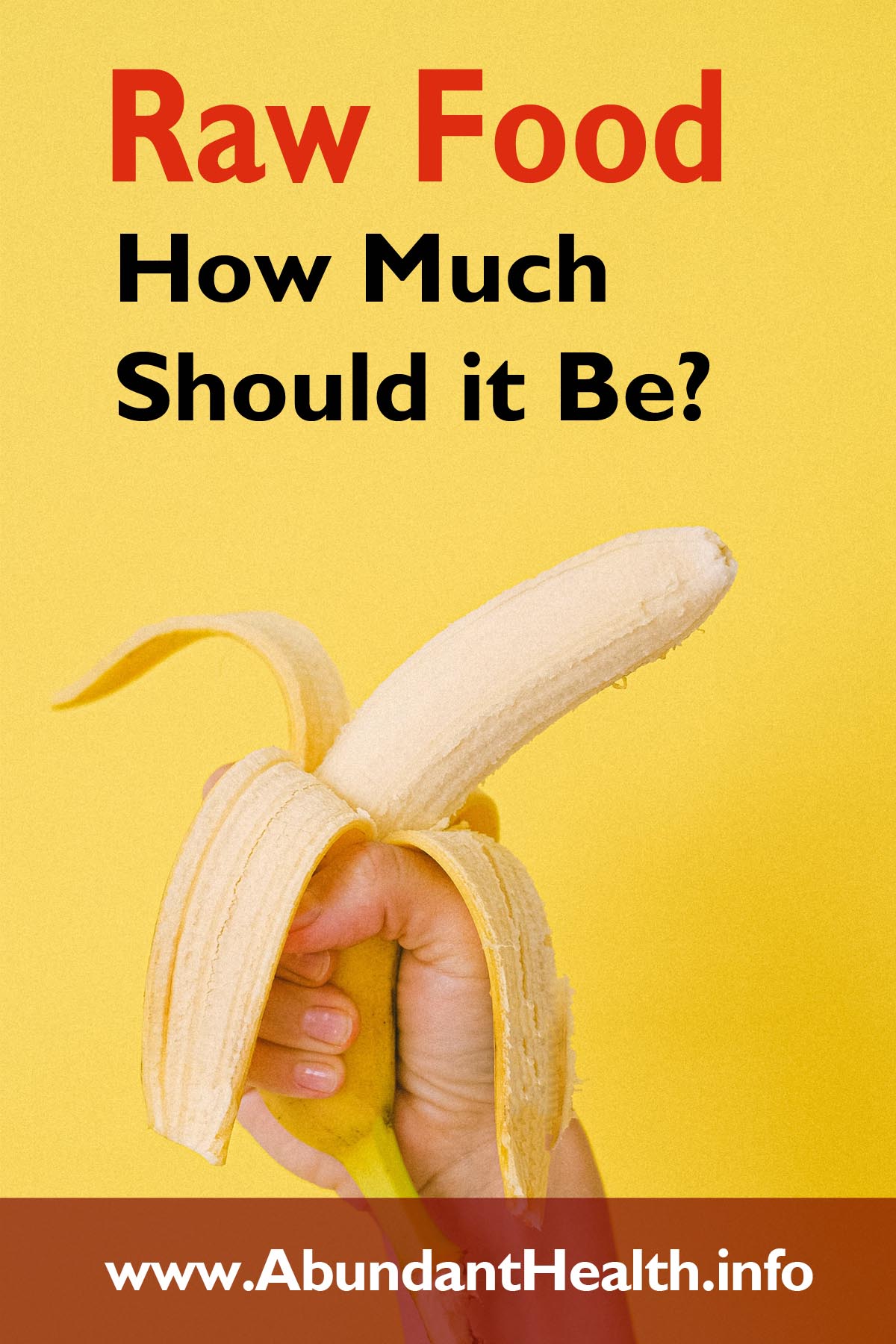
Raw Food – How Much Should it Be?

July 31, 2022 by Esther Neumann - [rt_reading_time label="Reading Time:" postfix="minutes" postfix_singular="minute"]

Rohkost-Wie viel?

In summer, the farmers’ markets are a real feast for the eyes, a treasure trove of fresh fruit and vegetables. A large part of the population associates good health with raw fruit and vegetables. In practice, however, things look rather bleak. Most eat far too little raw fruit and vegetables. On the other hand, there are people who advocate an exclusive raw food diet. Others advocate a moderate raw food diet, with a proportion between 70-100%.

Raw Food - How Much Should it Be?

In the last hundred years, numerous raw food diets have been developed. The majority of them come from lay people who had to struggle with health problems and were treating themselves by changing their diet to eating exclusively or partially raw food.

Raw Food Types

The raw food types are often based on idiosyncratic nutritional concepts that are not explained scientifically. Some take a very one-sided approach and simply reject certain foods. That is why it is very difficult to make a general assessment of raw food diets. You have to consider them individually. Most raw food types are named after their “inventors”: Evers diet, Waerland diet, raw food after Walker, Dr. Nolfi, Schnitzer or Wandmaker. But then there are also fantasy names like Rainbow Diet, Hallelujah Diet or “Fit for life”.

The majority of raw food diets are vegetarian. Almost half abstain from meat altogether. Some allow raw or lightly smoked meats. Milk and cereal products usually have a bad reputation. Most people don’t manage to stick very long to a 100% raw food diet. Many give social reasons, such as isolation, for discontinuing the diet. A third cite health reasons: feeling cold, problems with teeth, bloating and weight loss.

Body Weight on a Long-term Raw Food Diet

Being overweight is unknown among raw foodists. Three quarters have a BMI in the normal range. There’s no obesity. On the other hand, there are a number of underweight people on the other end of the weight curve, especially those with a very high proportion of raw food. Weight plays a subordinate role for raw foodists. They care more about their well-being.

The underweight could probably be reduced to a large extent if more nuts and avocados, i.e. high-fat foods, were eaten. However, when the majority of calories are consumed as fat, it takes complicated metabolic reactions to convert that fat into the proper form of energy. This is not ideal for our health.

With most raw foodists, carbohydrates and proteins are neglected, since cereals and legumes can only be consumed raw to a limited extent. Raw grains and legumes contain a number of phytates that cause bloating and prevent the absorption of a number of minerals. These phytates are greatly reduced during cooking.

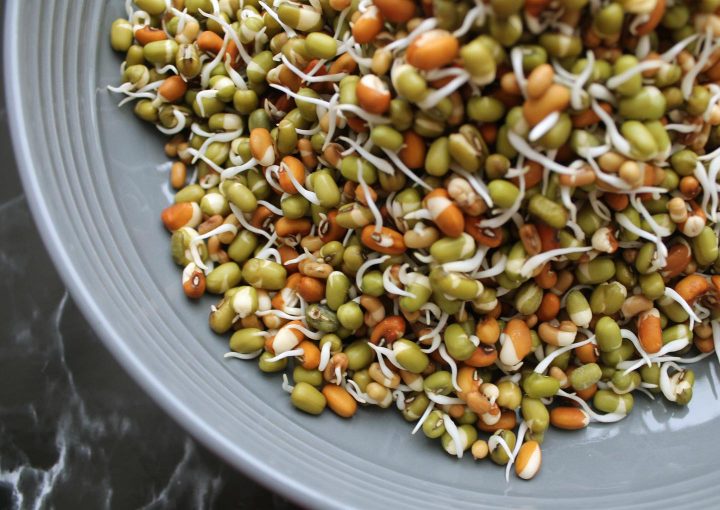
Sprouting is another way of reducing phytates. Grains and legumes are therefore often consumed in sprouted form by raw foodists. When sprouting, the vitamins contained in the grain are potentialized, making sprouted seeds an interesting addition to our diet. However, if they are consumed in large quantities, this can lead to an excess of vitamins.

Sprouted beans

Convictions of Raw Foodists

Most of the time, it is health reasons that proponents of the raw food diet give as to why they chose this alternative diet. For others, ethics play a role or the good taste of the raw food. Two thirds are convinced that cooking leads to a reduction food in value and even to the creation of harmful products. Digestive leukocytosis, enzymes in raw food and the formation of Maillard products are cited very often. These are browning products that result from the combination of sugar types and amino acids when food is heated.

Digestive Leukocytosis

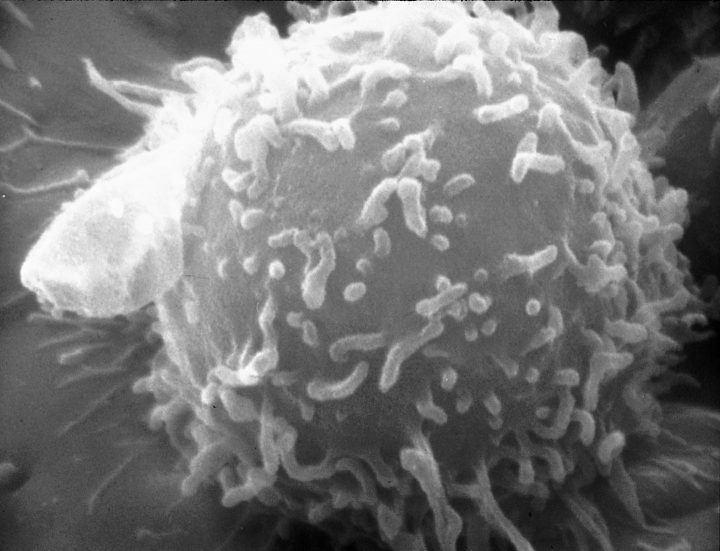
This term describes the temporary increase in the number of white blood cells, the leukocytes, after eating. This is a physiological condition and does not indicate a disease. This increase is repeatedly seen by raw foodists as a reaction to unsuitable foods. Supposedly, cooked foods are considered by the body to be a foreign substance that need to be attacked by the immune system. They claim that there is no increase in leukocytes if you only eat raw food or at least eat something raw before you eat cooked food.

The medical background was provided by the physician Kouchakoff in 1930, who found an increase in leukocytes after ingestion of cooked food, but no increase in uncooked food. Subsequent, more detailed investigations showed that his observation period was much too short and that any food intake caused an increase in leukocytes, especially neutrophilic granulocytes. However, why this increase is happening needs to be researched more closely. Maybe it’s simply a matter of fighting germs that may be smuggled in with food and possibly cause illness.

A Lymphocyte, which is a subgroup of leucocytes in the human immune system.

Kouchakoff’s thesis that leukocytosis only occurs when food is cooked has turned out to be wrong. Leukocytes increase by 50-140% after eating, whether the food is cooked or eaten raw. It is interesting, however, that most people have their highest leukocyte count after eating meat.

Enzymes

The enzymes are another reason that raw foodists often cite as a benefit of their diet. The raw food should contain live enzymes that are lost during cooking. Therefore, raw food products are supposed to be living foods, while cooked products are already dead and supposedly have very little nutritional value.

What are enzymes? They are chemical structures that are vital to a variety of metabolic functions in our body. They have important functions in digestion, body metabolism, DNA replication, cell signaling and countless other processes within the body.

So it’s true that raw foods contain a lot of enzymes. Since these enzymes consist largely of proteins, they are broken down into amino acids in the stomach and therefore do not benefit the body. Some people need enzyme supplements to help with digestion. However, these must be packed in specially developed capsules, which are resistant to stomach acid and only release the enzymes in the intestine. Without these protective capsules, the digestive enzymes wouldn’t get to the intestines. The enzymes that the body needs it can usually produce by itself.

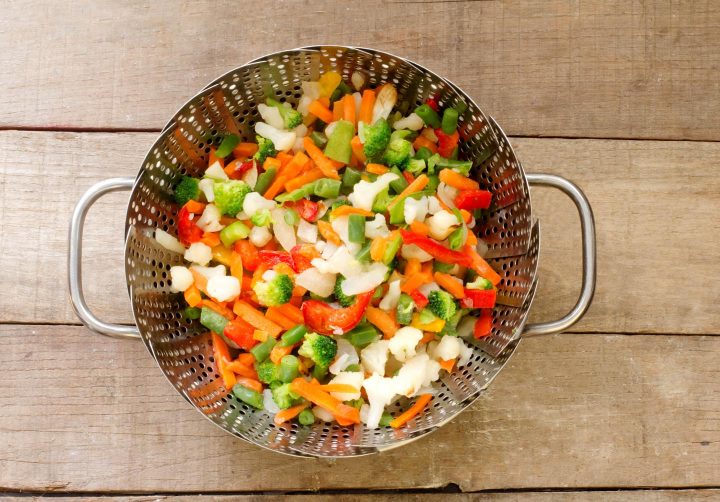
When it comes to vitamins, however, the raw food diet is a step ahead. Vitamins are largely lost upon heating and are normally found in much higher concentrations in raw products. There are, however, exceptions here as well. For example, steamed kale has a higher vitamin C content than raw, and the beta-carotene in carrots is easier to absorb when cooked. If you want to cook vegetables, then careful steaming is usually the gentlest form of preparation.

vegetable inside steam basket for steam cooking

Raw Food as a Treatment

Nutrition is a key factor in the development of chronic diseases and the maintenance of good health. The WHO agrees with that. Of course, lifestyle also plays an important role. In addition to lack of exercise and tobacco consumption, the changed diet is mentioned in first place.

The traditional plant-based diet has been replaced by a calorie-dense, high-fat diet with a high proportion of animal products. Low fruit and vegetable consumption and low fiber go hand in hand. In numerous developing countries, which are adapting their lifestyle and diet to industrialized countries, precisely those diseases that go hand in hand with this lifestyle are increasing: cardiovascular diseases, diabetes, cancer and obesity.

Is it any wonder that alternative doctors are increasingly turning to raw food! When changing from a typical Western diet, success is inevitable. However, the raw food diet must be adjusted individually, because there are a number of contraindications. And in most cases, a well-balanced healthy diet that includes some cooked grains would probably perform better than a restrictive raw food diet.

Raw Food as a Permanent Diet: Yes or No?

As the raw food studies show, it is not easy to eat exclusively raw. It might make sense for a short time, whether it’s to lose weight or regain your health. When it comes to raw food as a permanent form, you should never eat a restrictive diet. One should not arbitrarily avoid some foods that are important for a balanced diet.

Everyone has to decide for themselves how high the proportion of raw food should be in their diet. Eating about half of everything raw, as recommended by Whole Foods Diets, is certainly a good way to go. It is well justified in terms of taste, socially, scientifically and from a health point of view. But cooking makes sense too.

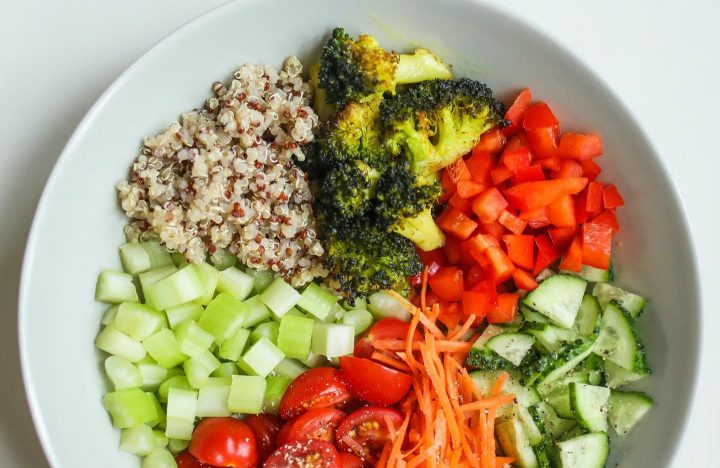
Salad plate with steamed broccolis and cooked quinoa

Why Cooking?

Cooking kills harmful microorganisms, destroys harmful food components, such as in legumes, and increases the absorption of some nutrients, such as beta-carotene. Cooking changes the texture and taste. Cooking, roasting and baking contribute to palatability. Let’s just think about potatoes! Boiling is often increasing durability, helps to preserve food in canning, and adds convenience. We quickly have a meal on the table from pre-prepared menus, supplemented by fresh raw vegetables.

Everyone has to decide for themselves how much raw food is good for them. The fact is, most know they should be eating more of it. If one wants to increase the amount, he should do it gradually, remembering to chew well. Only then can the digestive tract can adapt to the changed circumstances.

Incidentally, there are no scientific findings available – for a better physical and mental performance of the raw food compared to the usual mixed diet. But if someone feels more comfortable with a raw food diet, they should choose a balanced type that also optimally provides them with everything they need for life.

Healthy Fruits

Stay Always Up to Date

Sign up to our newsletter and stay always informed with news and tips around your health.

Sign Up Now!

Filed Under: Nutrition, Obesity, Temperance

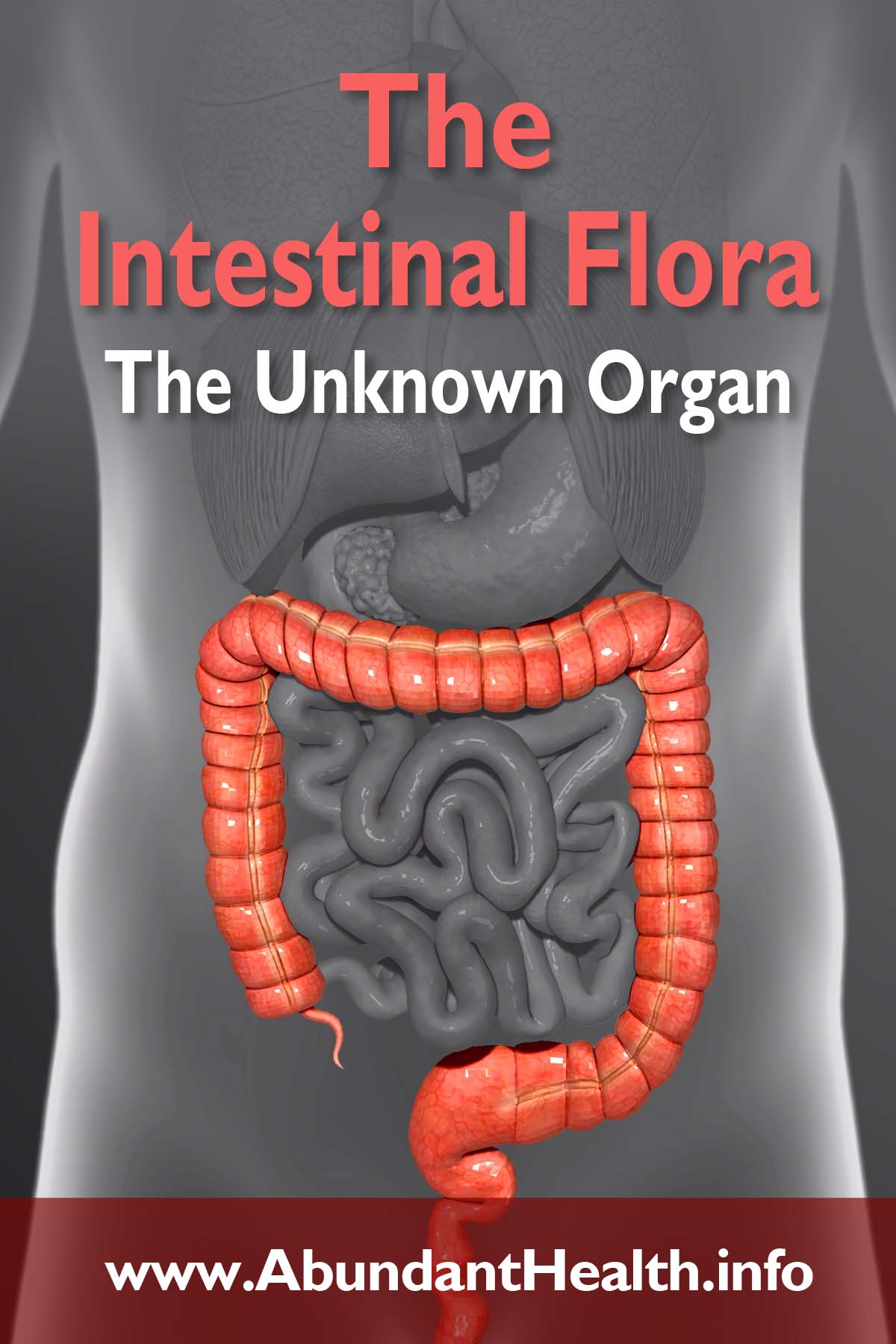
The Intestinal Flora – The Unknown Organ

June 26, 2022 by Esther Neumann - [rt_reading_time label="Reading Time:" postfix="minutes" postfix_singular="minute"]

Darmflora

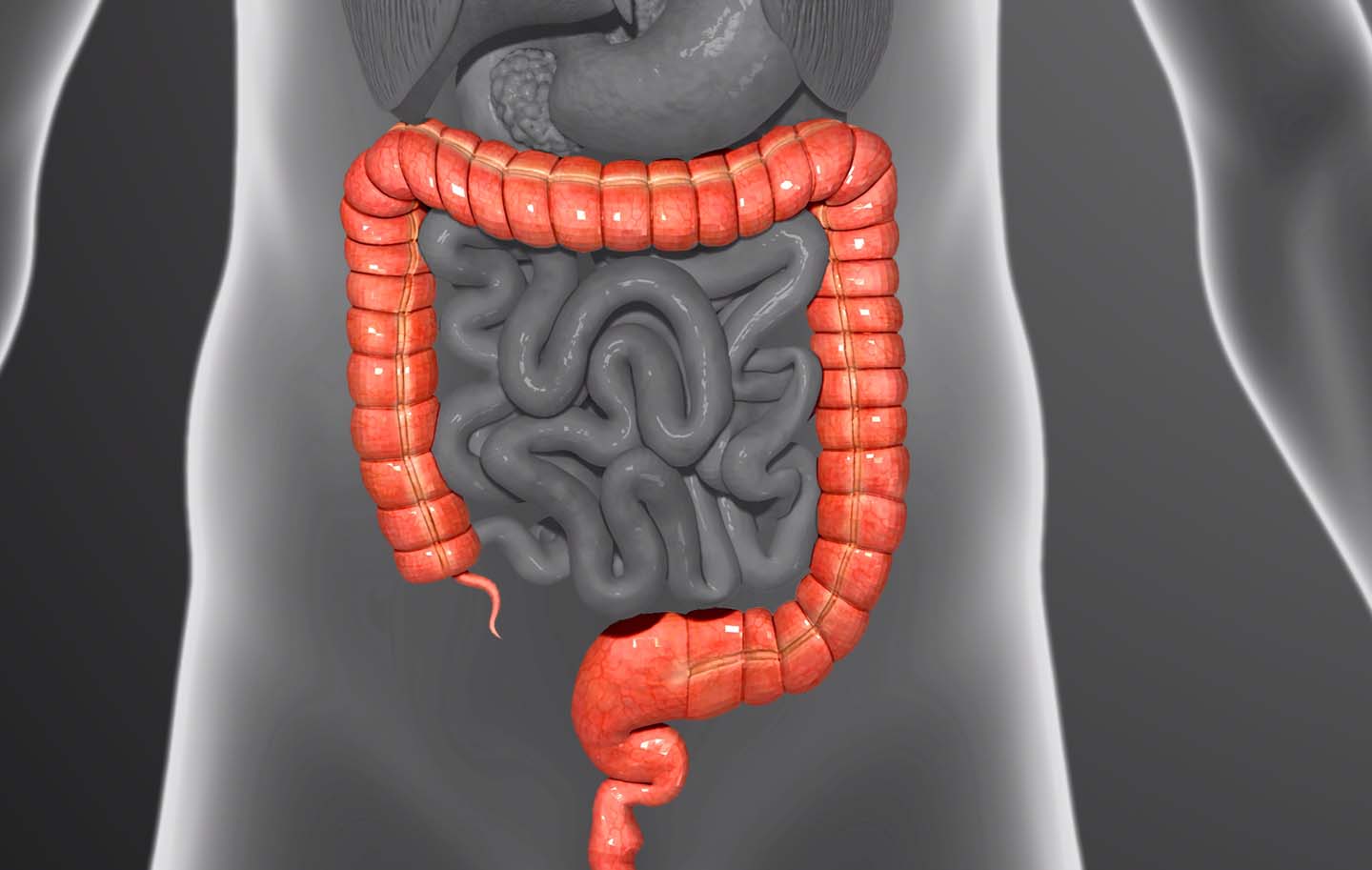
Did you know that our body accommodates about 10 times as many bacteria as body cells? A large part is in the colon and forms the intestinal flora, which handles a wide range of tasks for our body. They help with food absorption, strengthen the immune system and promote peristalsis.

The Intestinal Flora – The Unknown Organ

Cows and humans have one thing in common: they are home to countless other inhabitants, microorganisms and bacteria. Just the time at which these microorganisms do their work is very different in cows and humans.

In the cow, the breakdown of cellulose and other polysaccharides takes place in the forestomach. Short-chain fatty acids are formed in the process. In humans, the bacteria mainly really work in the colon. Again short-chain fatty acids are formed. The work of these microorganisms is extremely important for the health of cows and humans alike.

The 1013 cells of the human body are opposed to 1014 bacteria in the human ecosystem, that means 10 times more bacteria than body cells. There are far more of them living in the large intestine than in the small intestine. Around 1,000 different species and strains make up the intestinal flora, that can vary greatly from person to person. It is still unknown how, once destroyed briefly by antibiotics or during colonoscopy, they manage to rebuild so quickly into a new colony.

Actually, the term “flora” is not quite correct. Flora means plant kingdom. The phrase was coined in the time when bacteria were still considered plants. Today they are divided into a separate group. The bacteria in the gut are not a lifeless mass. They’re doing metabolism. And this huge number is capable to form substances that have an effect on the entire organism. The performance of the intestinal flora can be compared to that of the liver, which is the most versatile metabolic organ. Intestinal bacteria perform many important tasks on our behalf. Not everything has been explored yet.

Diet and Intestinal Flora

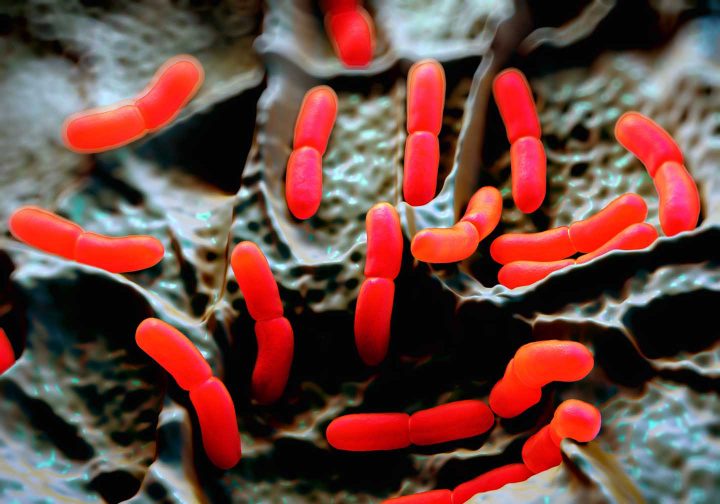
The composition of the intestinal flora changes with the food supply. Deviations in eating habits and dietary changes can affect the balance of the intestinal flora, damage it or conversely promote health. The administration of antibiotics also upsets the balance. If several negative factors are combined, pathogenic microorganisms such as enterococci or clostridia multiply. Health-promoting bacteria such as lactobacilli and bifidobacteria are suppressed. Many diseases are closely related to the intestinal microflora.

Lactobacilli at the intestine
Lactobacilli

Meat eaters have a completely different composition of the intestinal flora than people who only eat plant-based food. A study has shown that the metabolites of the microorganisms found in the stool of meat eaters lead to DNA damage. The result is cancer, especially in the colon. Many substances that are produced during the preparation of meat, especially when grilling over an open fire, also damage the DNA. Damage to the genetic material contributes significantly to the formation of cancer.

Functions of the Intestinal Flora

The intestine, with its huge surface area, represents the largest exchange surface with the environment. Foreign substances, including germs, are constantly passing through. Immune cells are located in the intestinal wall. A significant part of the antibodies is produced by lymphoid tissues in the intestine. They are passed on through the bloodstream and thus reach the mouth, nose and lungs. In this way, other parts of the body are also supplied with protective antibodies.

Healthy intestinal flora plays an important role in the development of the immune system. The harmless germs activate and train the immune cells. The function of the immune system cannot be maintained without a healthy intestinal flora. Of course, our defenses are not infallible and often become weakened, leaving us vulnerable to disease.

The intestinal flora participates in the digestion of dietary fibers. In the past it was believed that these were indigestible because there are no enzymes in the body that can break down fiber. They are therefore passed undigested to the large intestine. But gut bacteria can. They even break down wood. This results in short-chain fatty acids: acetic acid, propionic acid, butyric acid and lactic acid. These degradation products are very rich in energy. They nourish the intestinal mucosa cells and the intestinal flora itself.

High fiber whole grain bread

It has been found that deficiencies in these fatty acids are common in patients with inflammatory bowel disease. Irritable bowel syndrome, diarrhea or constipation can also be a consequence of disturbances in the intestinal flora. Short-chain fatty acids also stimulate intestinal movements. This promotes the mixing of the chyme for nutrient absorption and further transport.

In addition, the intestinal flora produces substances that the body cannot produce itself. This includes, for example, vitamin K, which is so important for blood clotting. It also produces vitamin B12. Unfortunately, this vitamin is no longer absorbed in the lowest section of the intestine. However, the possibility is being discussed that in the healthy intestines of pure plant eaters such vitamin B12-producing microorganisms continue to rise into the small intestine, where absorption is possible. They can also produce vitamin B1 and B2.

If the barrier function of the intestinal wall is impaired, it becomes permeable. This can lead to inflammatory reactions that can contribute to the development of other diseases. These include inflammatory bowel disease, type 2 diabetes, atherosclerosis, heart failure and certain liver diseases.

In order to improve health and quality of life, it makes sense to pay more attention to the intestinal flora. We can take care of them by eating more fiber. We find them in fruits, vegetables, whole grains, seeds and nuts. If we eat little or – even better – no meat at all, we improve the intestinal flora towards a positive colonization. This makes such a difference in our health.

Healthy Fruits

Stay Always Up to Date

Sign up to our newsletter and stay always informed with news and tips around your health.

Sign Up Now!

Filed Under: Body Systems, Digestive Tract, Nutrition

Helping Makes You Happy

June 12, 2022 by Esther Neumann - [rt_reading_time label="Reading Time:" postfix="minutes" postfix_singular="minute"]

Helping makes happy

The wave of refugees is once again rolling through Europe. A lot of people stay there, others are going on somewhere overseas. A lot of volunteers are needed to take care of them. But being able to help is not a one-way street. It makes us happy and is important for our own satisfaction.

Helping Makes You Happy

Helping other people is actually in our blood. Who could walk past a small child who has fallen on the gravel road and is now bawling his eyes out? It sees red, its own blood. That makes the tears flow even more. We set it up, clean it, blow the pain away, comfort and rock it.

An old lady stands wringing her hands at the ticket machine. She doesn’t have a clue how it works. She has to get a ticket. No one is around to explain this machine to her. You pass by and can’t do otherwise than to help her.

In the last few months, tens of thousands of people have got together, organized and joined aid organizations. They have set up platforms to teach the refugees the local language, to organize living quarters for them, to offer them leisure activities and to provide them with the necessities of life. People lend a hand where it is necessary. They do this in their free time. Some even travel abroad, to places where people are fleeing, where the need and desperation are greatest. Doctors take care of the sick. Others cook many meals every day and carry them to the train stations. Aid teams set up tents to protect people and relief supplies from the rain. Many are willing to work to the point of exhaustion. They drive their private cars to transport relief supplies to where they are needed.

Impact

Anyone who helps realizes it’s a win. Satisfaction and joy that you were able to help, come to yourself. You feel a sense of belonging and discover a sense of community. If you look more closely at people, the images of fear in our heads disappear. You no longer believe that you could be exploited or even robbed. Embarking on the adventure of helping allows one to participate in the other culture. Most refugees are proud when given the opportunity to cook one of their national dishes. And we can even broaden our horizons by being interested in their lives, their needs and fears.

An Ukrainian girl with a typical national bakery.

In Spite of Ourselves

It makes us happy when we can live out our Christian values. Many are guided by the text: “Therefore, whatever you want men to do to you, do also to them.” (Matthew 7:12) Some have fears about helping, but they cannot bear to do nothing and are happy afterwards that they did it in spite of themselves. Still others see it as a privilege to live in a safe country and want to give back out of gratitude.

It’s the Need

It’s true, of course: Where many thousands have passed, rubbish and dirt are left behind and not a green blade of grass grows anymore. But can you blame them? For what reason are they fleeing? Did the fear of a new bombing bring them? Or the terrifying fear of witnessing once again how a friend who was walking next to you is torn apart by a shell splinter? Or the fear of being tortured or raped by Russian soldiers? The reasons for fleeing are manifold. Nobody leaves their homeland voluntarily.

Ukrainische Flüchtlinge gehen über die Grenze

A mother of two is driving her car, bringing raincoats and rubber boots to the Austrian border where the refugees are waiting in the cold rain for the buses to take them on. Our helper hands out the raincoats to a father of three who is waiting for the buses with his wife and an uncle. All family members are cold and discouraged. They have an invitation in their pocket to visit one of their father’s brothers in Sweden. But how to get there? And now night is falling again. Our helper has distributed everything and is on her way home. But she has no rest, she always has to think of the waiting, freezing family. She turns around and finds the family in the crowd. She calls her husband and asks him to come to the border with a second car and three child seats. Without further ado, they take the foreign family home with them.

Everyone gets a towel and a warm bath. The own children and the strangers soon play contentedly with each other despite the language barrier. After a satisfying dinner, everyone sits together, chatting heart and soul, laughing a lot and making plans for further help. After two days the time has come. A happy family is put on the train – with Sweden as their destination. The brother there knows that his relatives have been helped and that they will come soon. Another happy family stays behind in Austria. They are satisfied that they were able to help at least a few people. This spurs on and encourages us to continue helping. A drop in the bucket? True, but many drops form a rain that fills the bucket. Anyone can become a drop and get involved. There are no limits to the imagination. And the joy will come back and make you happy!


If you cannot go personally to help, you still have an opportunity to get involved. I think it is time to show our help to those in need, and I am donating to OCI, an institution that has several member projects in the Ukraine and neighboring countries, who know the needs first hand are doing their best to help out in alleviating the pain of those who have the greatest need right now. Find out more what they do and make your donation to make a difference right now:

Donate Now
Healthy Fruits

Stay Always Up to Date

Sign up to our newsletter and stay always informed with news and tips around your health.

Sign Up Now!

Filed Under: Mental Health

Next Page »

Primary Sidebar

Social Channels

Coronavirus Immunity Challenge

Boost your immune system to be bullet-proof for the pandemic.

I Want to Participate

Recent Posts

  • 5 Habits to Live Longer
  • Better Sleep Can Protect Against Dementia
  • Finding Peace In Your Crazy-Busy World
  • Flaxseed – An Ancient Plant Rediscovered
  • Platelets – Triggers for Life or Death
  • Boderline Personality Disorder
  • In Praise of Almonds and Nuts
  • Are You Stuck in the Clutter Trap?

Categories

  • Body Systems (16)
    • Cell Function (2)
    • Circulatory System (1)
    • Digestive Tract (10)
    • Immune System (4)
  • Diseases (27)
    • Cancer (2)
    • Cold (1)
    • COVID-19 (11)
    • Dementia (1)
    • Diabetes (1)
    • Digestive Diseases (2)
    • Heart Disease (2)
    • Kidneys (1)
    • Metabolic Syndrome (2)
    • Skin (1)
  • Healthy Lifestyle (42)
    • Exercise (11)
    • Gardening (2)
    • Sleep (7)
    • Sunlight (2)
    • Temperance (14)
    • Water (4)
  • Mental Health (87)
    • Addictions (6)
    • Anxiety (7)
    • Burnout (1)
    • Depression (7)
    • Psychosomatic Diseases (6)
    • Stress Management (45)
    • Trust (6)
  • Nutrition (56)
  • Obesity (9)
  • Phases of Life (14)
    • Adults (3)
    • Babies and Infants (1)
    • Children (3)
    • Seniors (5)
    • Teenagers (3)
  • Therapies (7)
    • Herbs (5)
    • Hydrotherapy (1)
  • Uncategorized (3)

Archives

  • January 2025 (1)
  • March 2024 (5)
  • February 2024 (4)
  • January 2024 (4)
  • December 2023 (5)
  • November 2023 (4)
  • October 2023 (5)
  • September 2023 (4)
  • August 2023 (3)
  • July 2023 (2)
  • June 2023 (4)
  • May 2023 (4)
  • April 2023 (5)
  • March 2023 (4)
  • February 2023 (4)
  • January 2023 (4)
  • December 2022 (4)
  • November 2022 (4)
  • October 2022 (5)
  • September 2022 (4)
  • August 2022 (4)
  • July 2022 (5)
  • June 2022 (4)
  • May 2022 (5)
  • April 2022 (4)
  • March 2022 (4)
  • February 2022 (4)
  • January 2022 (5)
  • December 2021 (3)
  • November 2021 (4)
  • October 2021 (6)
  • September 2021 (4)
  • August 2021 (4)
  • July 2021 (5)
  • June 2021 (4)
  • May 2021 (3)
  • April 2021 (5)
  • March 2021 (4)
  • February 2021 (4)
  • January 2021 (5)
  • December 2020 (3)
  • November 2020 (4)
  • October 2020 (5)
  • September 2020 (5)
  • August 2020 (3)
  • July 2020 (1)
  • June 2020 (1)
  • May 2020 (1)
  • April 2020 (1)
  • March 2020 (1)

Copyright © 2026 · Abundant Health - Privacy Policy - Medical Disclaimer