Abundant Health

Up to date health information tailored for you

  • Home
  • Blog
  • Recipes
  • Shop
  • Contact
You are here: Home / Archives for Esther Neumann

Esther Neumann

The Concept of Salutogenesis

May 29, 2022 by Esther Neumann - [rt_reading_time label="Reading Time:" postfix="minutes" postfix_singular="minute"]

Das Konzept der Salutogenese

The term salutogenesis comes from Latin. Salus means safety, health, well-being. Genesis is Greek and means origin. One could literally translate it as: the emergence or generation of health. The medical sociologist Aaron Antonovsky (1923 – 1994) does not see health or disease as an “either – or”, but as two opposite points on a straight line. The two end points are never quite reached. No living human being is completely sick or completely healthy. Even in a terminally ill patient, parts or individual organs are still healthy. On the other hand, everyone who seems perfectly healthy also has an infirmity. Just think of the short-sighted, who would be lost without their glasses but is otherwise healthy.

The Concept of Salutogenesis

The most important question now is: In which direction am I moving? Am I going towards health or towards disease? Each person takes their position between the two endpoints in a very individual way. Aaron does not see health as a condition, but as a process. Losing health is a natural process happening by itself. It is popularly said that dying begins at birth. From this point of view, health has to be built up again and again. Let’s now think about what promotes health.

Understanding and Trust

If I understand to a certain extent what is going on in my life and in my environment, then I can deal with it much better. When I know where I come from, what I live for and where I’m going, I have a lot more confidence in my life. This is good for my health. I can largely understand what is happening to me, it is mostly predictable and explainable. But I don’t have to understand everything, life is too complex for that. It presents me with great challenges; but I can handle them and it’s worth the effort.

But I can also set limits. And within these boundaries lie my feelings, my most important priorities, my relationships with other people and existential questions such as personal mistakes, failure, conflicts and dealing with death.

Let’s summarize: I should essentially understand my life, cope with it and recognize the meaning. But how many people suffer because they don’t understand what’s happening to them, because they can’t find a job, or because their most fulfilling occupation is not giving any meaning? If this happens to me, can I change something in my life, or do I need to reconsider my attitude? The serenity prayer fits very well for that: God grant me the serenity to accept the things I cannot change, the courage to change the things I can, and the wisdom to know the difference.

A thinking woman

Power Sources and Resources

It is very important for health to know where I draw strength from. Some tools lie within me. What can I do myself to stay healthy? Just it is often necessary to accept help from outside. Friends, relatives, therapists and doctors can help me. In concrete stressful situations, the help of a reliable support network is considered a very important health factor. This can mitigate the impact of stressful life events and has a positive effect on your well-being. Believers have the greatest source of power at their disposal: God! Am I ready to accept these sources of strength outside of me?

Joy and Cheerfulness

Joy of the heart and a happy mind work like medicine. The effectiveness of laughter has been scientifically proven. Cheerfulness and laughter are important protective factors for the cardiovascular system and the immune system. Constant worry and brooding makes you sick. A lack of joy goes hand in hand with a lack of drive and increased fatigue, as well as reduced concentration and alertness. Then it’s not far to the loss of self-confidence and self-esteem. Pessimistic future prospects and sleep disorders plague depressive people.

Healthy Sleep

Restful sleep is undoubtedly essential to good health. It is known that cell damage and even genetic material can be repaired during sleep and rest. Learned knowledge is also stored during sleep. A periodic change between mental and physical exertion and relaxation phases is vital.

A woman sleeping

Moderation in Eating Keeps You Young

On the Japanese island of Okinawa live many centenarians. When asked about the secret of their age, many of them reply, “Stop eating before you’re full.” Restricted energy intake does indeed keep you young and healthy. The body then produces substances called sirtuins, which affect cell metabolism. Cells live longer and there is more time to repair genetic defects. Our affluent society with their temptations in the spur of the moment would do well to eat slowly and in moderation. That would give the body enough time to inform the appetite center in the hypothalamus that enough food has arrived and that you are feeling full.

Health as a Human Right

Health is a fundamental human right. But it doesn’t come about by itself. When something is left to its own devices, it always tends toward chaos. Let’s think of rooms that are not cleaned up. Health is an integral part of daily life. It’s a positive concept that challenges the state as much as it challenges the individual. Let’s not primarily look at what makes you ill, but at what makes you healthy or keeps you healthy. That’s the principle of salutogenesis.
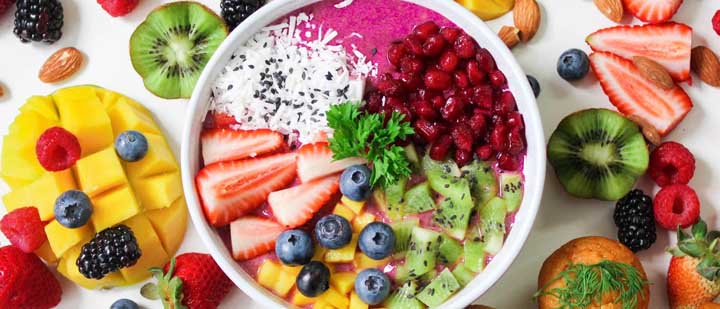
Healthy Fruits

Stay Always Up to Date

Sign up to our newsletter and stay always informed with news and tips around your health.

Sign Up Now!

Filed Under: Healthy Lifestyle

Gas and Oil – For Our Body

May 15, 2022 by Esther Neumann - [rt_reading_time label="Reading Time:" postfix="minutes" postfix_singular="minute"]

Gas and Oil

Every driver knows what fuel his car runs best on. He also knows what kind of oil the engine needs. He is very well informed about the tire pressure and, of course, about the engine’s performance. Let’s be honest: do you know your body as well as you know your car? Which oil do you work best with?

Gas and Oil - For Our Body

Research has found that our lifestyle and diet have a huge impact on our genes. Put simply, we can turn genes on or off with our diet and lifestyle. Only after being switched on will they have any impact on our health. It is therefore very important to pay particular attention to these two factors. Not only our car needs optimal care. Our body needs them even more. We can replace a car after a few years, but not our body.

Clear Sight

We take good care that there is always enough water in our car’s windscreen washer system. And what about our bodies? Did you know that brain cells are extraordinarily sensitive to dehydration? The brain is no longer optimally supplied with blood and can no longer perform. Visibility is clouded, like in a car with a dirty windshield. Did you know that the kidneys can no longer produce sufficient dilution of the urine if you drink too little water? The concentration of the substances that have to be excreted is constantly increasing, and the risk of kidney stones is going up. The bladder can be impacted, since without sufficient liquid transport from the kidney, it is no longer sufficiently perfused. This is followed by a massive increase in disease-causing germs. A painful urinary infection is the consequence. If you drink enough, you flush your entire urinary system optimally.

A glass of water

Fill Up the Tank, Please

Everyone who drives away makes sure that there is enough fuel in the car, otherwise they won’t get to their destination. Be sure to fill up the tank of your body in the morning! Blood sugar levels are below normal after waking up. During the night, the glucose was used up for a great many energetic processes. That’s why you have to recharge your batteries with a hearty, wholesome breakfast. Fresh fruits, whole wheat bread bread with a tasty spread, an oatmeal or a granola are the right fuel to start the day.

Oil Change

How many types of oil are offered in the car accessories section! It’s the same in the grocery store. Most car owners know what kind of oil the engine needs. Who knows which oil is ideal for his body? Omega-3 fatty acids are not just empty buzzwords or good for advertising. Omega-3 fatty acids are the big stars protecting the heart and blood vessels. They reduce blood triglycerides, blood pressure and the risk of coronary heart disease. They probably also lower the risk of developing Alzheimer’s disease and reduce certain rheumatic complaints. They lower the cholesterol level and alleviate neurodermatitis.

And where do we find omega-3 fatty acids? In a number of vegetable oils and in the fish oil of cold-water fish, i.e. salmon, herring, mackerel, tuna and sardines. Unfortunately, toxic heavy metals such as lead and mercury are very often found in fish. Therefore, it is more advisable to switch to good vegetable oils. Linseed, canola, chia, hemp, walnut and soybean oil contain many omega-3 fatty acids.

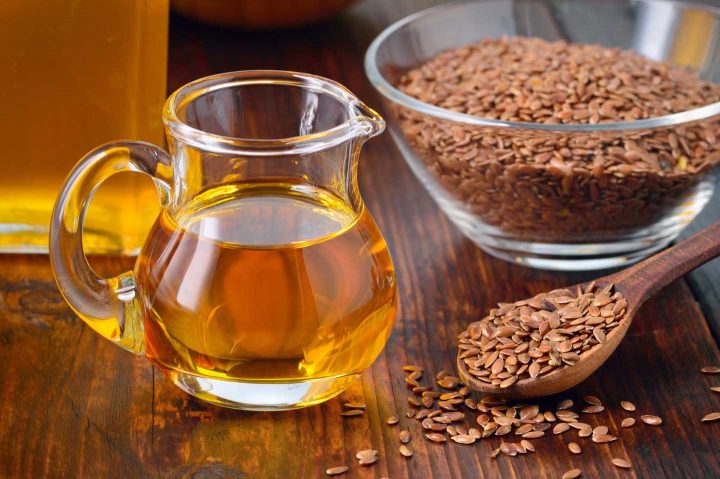
Flaxseed and linseed oil

Animal fats should be avoided, especially lard. They have a lot of arachidonic acid, which has an inflammatory effect. Unfortunately, fast food or store-bought baked goods frequently use industrial margarine containing trans-fatty acids, which are detrimental for our cells. However, the industry is trying to get rid of this flaw.

Pit Stop

In motorsport, a pit stop is a very short stop at a designated place where various interventions, small repairs and adjustments can be made at lightning speed. Our body also needs a pit stop – but a longer one than in sports. Rest and enough sleep are seen by many today as a luxury. On average, we now sleep about an hour and a half less than a generation before us did. Many adults and even children complain about the consequences of lack of sleep: susceptibility to colds, reduced performance, lack of concentration and a higher frequency of accidents.

In addition to healthy sleep, relaxation during the day is also very important. Lots of things distract us and steal what we need for ourselves – every now and then a few relaxing minutes after work is done. This can be something different for everyone. For some, it means closing your eyes and listening within; for the other to let their eyes wander outside the window. It’s good if they get to see flowers and green trees, just something different than in the working world.

If you can take a walk in nature, you have double the benefit. Feel the wind, breathe the fresh air, listen to the birds singing, enjoy the moment that is all yours and for a moment don’t think about the future or the past. This fills you with gratitude and calm for what you have just been able to accomplish in the past day.

A stroll in nature

When these pit stops are followed by the weekly day of rest after the six working days, you will experience an oasis in a stressed world. It is not for nothing that our Creator set this day for us. It is also good for our soul.

Our bodies are worth far more than a car. It is worth thinking about what kind of performance we expect from it and how we want to take care of it. However, it is also worthwhile to immediately put the knowledge gained into practice. You will reap the benefits for yourself.

Healthy Fruits

Stay Always Up to Date

Sign up to our newsletter and stay always informed with news and tips around your health.

Sign Up Now!

Filed Under: Healthy Lifestyle, Nutrition, Sleep, Water

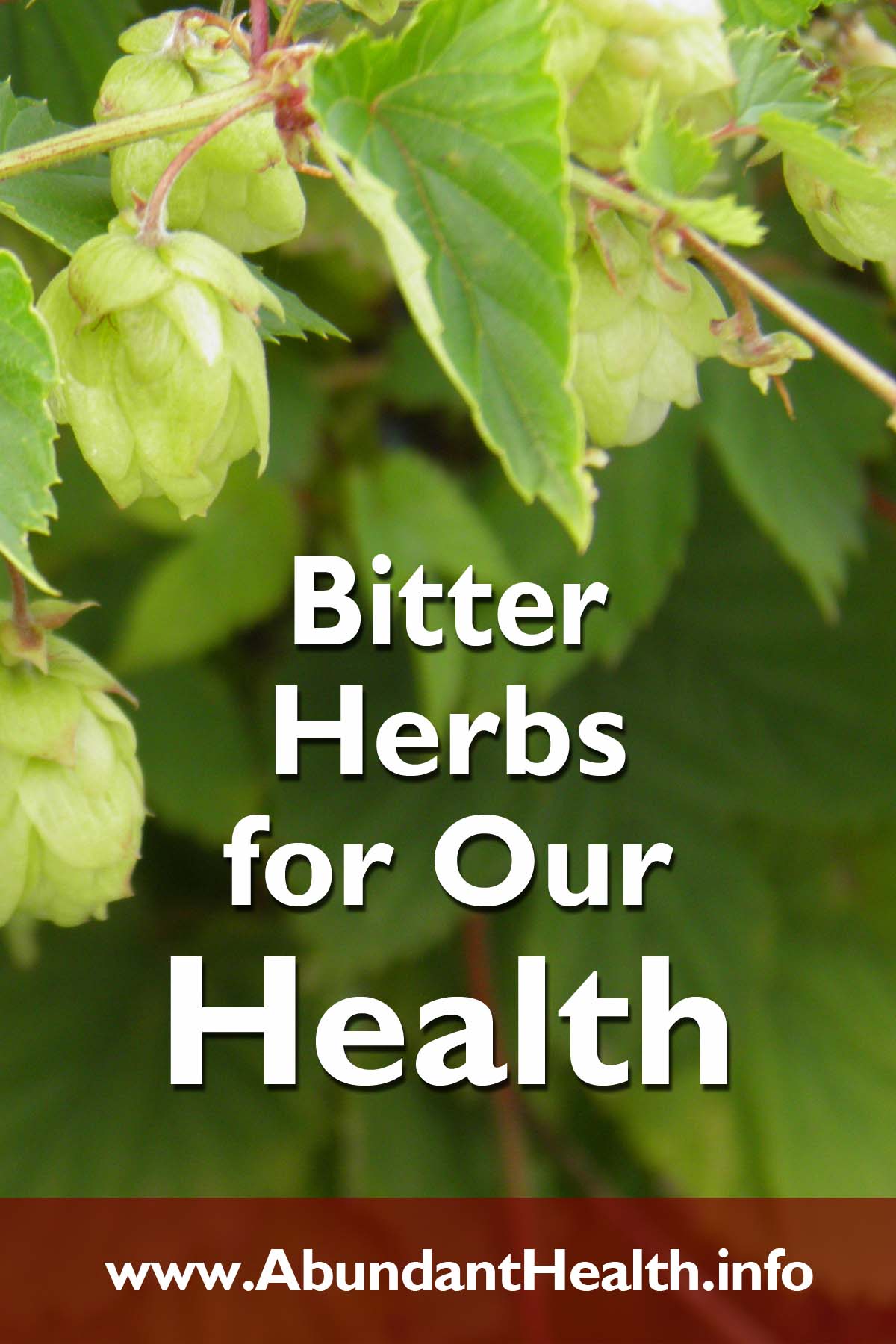
Bitter Herbs for Our Health

May 1, 2022 by Esther Neumann - [rt_reading_time label="Reading Time:" postfix="minutes" postfix_singular="minute"]

Bitter Herbs

Because many people do not like anything bitter, agricultural science has bred out many a bitter substance from wild plants. However, sweet and mild foods encourage us to eat more than we should, beyond a healthy appetite. Why do so many plants produce bitter substances? Can we humans take advantage of them?

Bitter Herbs for Our Health

Many a herb that grows by the wayside or in the herb patch tastes bitter. But only those medicinal plants whose active principle can be traced back solely to the presence of so-called bitter substances are called bitter substance drugs. As a drug we don´t name here an addictive narcotic, but a herbal substance that acts as a medicine. In the cultivated plants, the percentage of bitter substances is generally much lower than in the wild forms due to selective breeding to refine the taste.

Amara

Bitter substance drugs are called amara in phytotherapy. Now, bitter substances are not a uniform group. In some cases, we don’t even know their structure. However, it is known that terpenoids, phenols, alkaloids and purines can taste bitter. Certain types of sugar, such as β-mannose and gentiobiose, also taste bitter. Certain forms of amino acids, which are the smallest components of protein, can produce a bitter taste. Epsom salt (magnesium sulfate) is well known for its bitter taste from the group of inorganic compounds. It occurs naturally in mineral water and has a stimulating effect on the production of saliva and gastric juice, stimulates intestinal movements and pancreatic secretion and thus improves general well-being.

Depending on which other chemical compounds contribute to the formation of the bitter taste, the bitter substances are divided into three large groups.

Amara tonica

Medicinal herbs that belong to these pure bitter substance drugs cause an intensive stimulation of gastric juice and bile secretion. It therefore makes sense to take bitter substances as an “aperitif” before eating. Bitter substance drugs are often prescribed for people who lack appetite and for better digestion. They also have a toning, strengthening effect. They help in cases of weakness in convalescents, in anemic, nervous or simply exhausted people. Furthermore they have a strengthening effect on the immune system. Typical representatives of such medicinal plants are centaury or the yellow gentian.

Bitter drugs are easily soluble in the cold water extract. They are prepared cold and left to steep for a few hours, stirring occasionally. Then it is strained and heated to drinking temperature. The tea should be drunk unsweetened before the meal. A proverb says: “A medicine must taste bitter, otherwise it has no effect.”

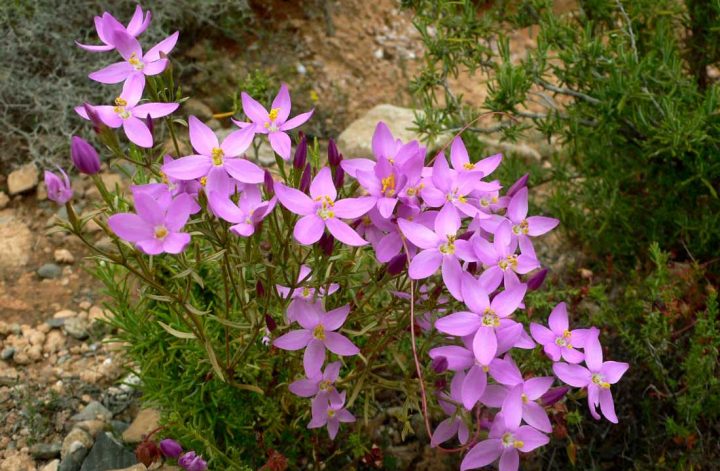
Centaury is protected in some countries. Pharmacies obtain the drug from countries where it is not protected. The bitter substances are found primarily in the flowers and stems. The drug is effective in case of appetite loss, insufficient gastric juice secretion, and stomach cramps. In the past, it was also used to treat fevers. You get used to the bitter tea over time. If you can’t adapt to it, you can mix it 1:1 with peppermint.

Centaury - Photo source: Wikimedia.org
Centaury

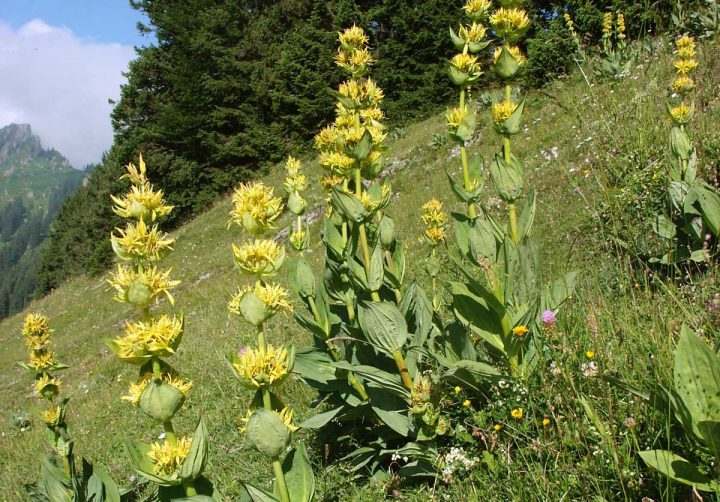
The yellow gentian (Gentiana lutea) is protected as well. It used to be an annoying weed for the alpine farmers. Because it was so popular for aperitifs, it was almost exterminated and had to be protected. The bitter substances are in the roots. The active ingredient with the highest bitterness is called Amarogentin. The substance still tastes bitter in a dilution of 1:20,000. In addition to stimulating the appetite, the most common areas of application for gentian are stomach, intestine, liver and gallbladder problems. However, gentian should not be used if the stomach is overly acidic and sensitive to irritation.

Yellow gentian - Photo by Bernd Haynold, Wikimedia.org
Yellow gentian

Amara aromatica

In addition to the bitter substances, this group also contains larger amounts of aromatic oils. Therefore, additional benefits are added by the essential oils. They have an anti-inflammatory, diuretic, expectorant (coughing up), antispasmodic and tonic effect.

Because essential oils are highly volatile, the infusion is a good choice when preparing them. Pour boiling water over the drug and let it steep for about 10-15 minutes. It makes often sense to take it after a meal.

The aromatic bitter substance drugs include yarrow, wormwood, blessed thistle (Cnicus benedictus) or angelica.

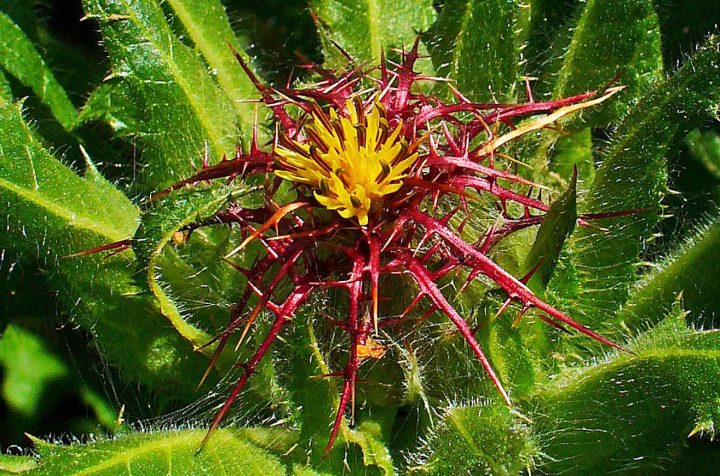
The blessed thistle (Cnicus benedictus) got its name from the Latin benedictus = blessed. This medicinal herb was used in the past for many diseases. Today we know that the bitter substance cnicin stimulates the glands in the gastrointestinal tract responsible for producing digestive juices. Liver and pancreas function are also enhanced. Furthermore the thistle has mucilage, producing a healing effect on irritations of the mucous membranes. Poorly healing wounds can be cleaned with a decoction of the herb, as cnicin is effective against gram-negative germs and gram-positive bacteria. It can be used to take sitz baths for hemorrhoids.

 Blessed thistle - Photo by H. Zell, wikimedia.org
Blessed thistle

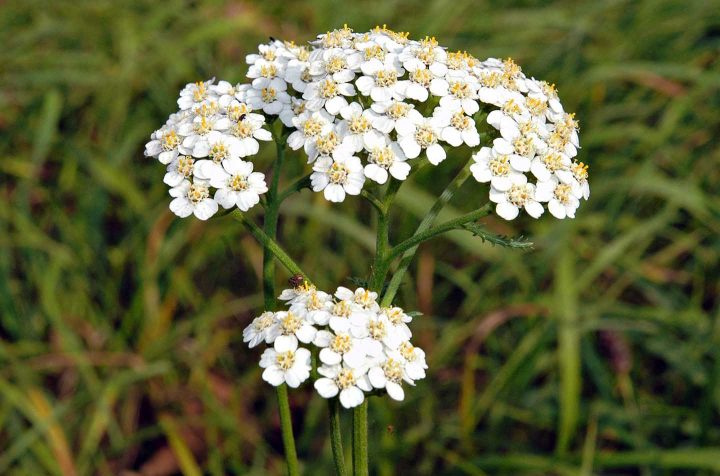
Yarrow (Achilea millefolium) is also used for gastrointestinal and gallbladder complaints and to stimulate the appetite. Because of the essential oil azulene, the herb also has a disinfecting, anti-inflammatory and antispasmodic effect. In girls and women, the tea works very well for painful menstrual bleeding and tightness in the breasts before the period. The high potassium content has a diuretic effect.

Yarrow - Photo by André Karwath, wikimedia.org
Yarrow

The young yarrow leaves can be finely chopped and used as a spice for salads, soups, stews and soft cheese preparations.

Amara acria

Bitter substances that also contain pungent substances are appropriately called amara acria. Such substances are rarely found in native medicinal plants. They are found in ginger, galangal, pepper and bell pepper. Such drugs also improve circulatory function. We now know that digestion puts a much greater strain on the circulatory system than was previously generally assumed. Therefore, it really makes sense not to eat dishes that are very difficult to digest if you already have circulatory problems.

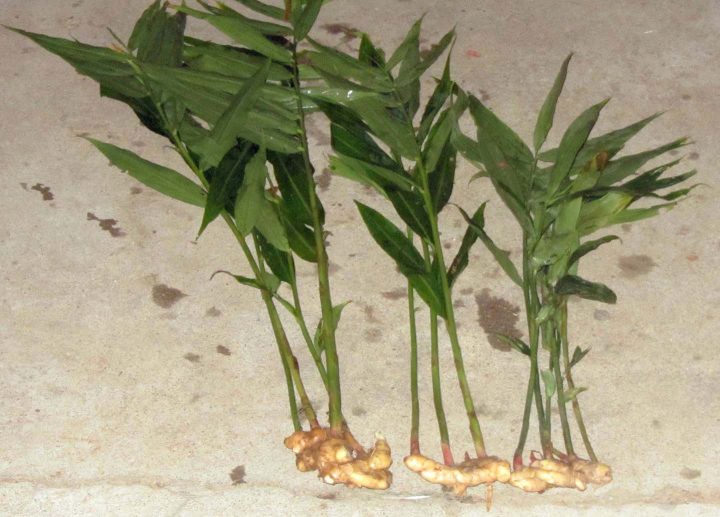
Ginger (Zingiber officinalis) is traded primarily as a spice. The pungent substances gingerol and shogaol stimulate digestive juices and appetite. Recently, ginger powder has also been used to treat travel sickness. However, it should not be used for nausea during pregnancy. Ginger also has a warming effect. This is why it is a popular winter tea.

Recently harvested ginger plants with roots - Photo by Sengai Podhuvan, wikimedia.org
Ginger plants with roots

Galangal (Alpinia officinarum) is very similar to ginger in appearance and active ingredients. He is native to China.

The pungent alkaloid piperidine is found in the shell of peppercorns. Therefore, the black, unpeeled pepper seasons more than the peeled white. In India, pepper is known to aid in digestion and also to kill intestinal parasites. In the usual doses there, however, it can irritate the mucous membranes of the urinary and digestive tract, so it also has pretty significant side effects.

Conclusion

The little foray through various medicinal and spice plants has shown us that bitter substances do have a healing and health-promoting effect. We should therefore use them more often. Especially in spring and summer, when we find many herbs, often as weeds along the way or in the vegetable patch, we should consciously include them in our diet or, if necessary, make tea cures with them. “Our meadows and forests are the best pharmacies!” Paracelsus said already back in the 16th century.

The plants actually produce the bitter substances for their own protection. They do not want to be eaten by animals and insects, that’s why they are producing the bitter taste. As we have seen, the same bitter substances also serve us humans for our healing. Isn’t that a marvelous idea of our Creator God? He thought about the protection of our plants and the same time the protective substances for our health, and for the animals there are many other more salubrious herbs left.

Healthy Fruits

Stay Always Up to Date

Sign up to our newsletter and stay always informed with news and tips around your health.
Sign Up Now!

Filed Under: Herbs, Therapies

Gardening for Body and Soul

April 3, 2022 by Esther Neumann - [rt_reading_time label="Reading Time:" postfix="minutes" postfix_singular="minute"]

Gartenbau

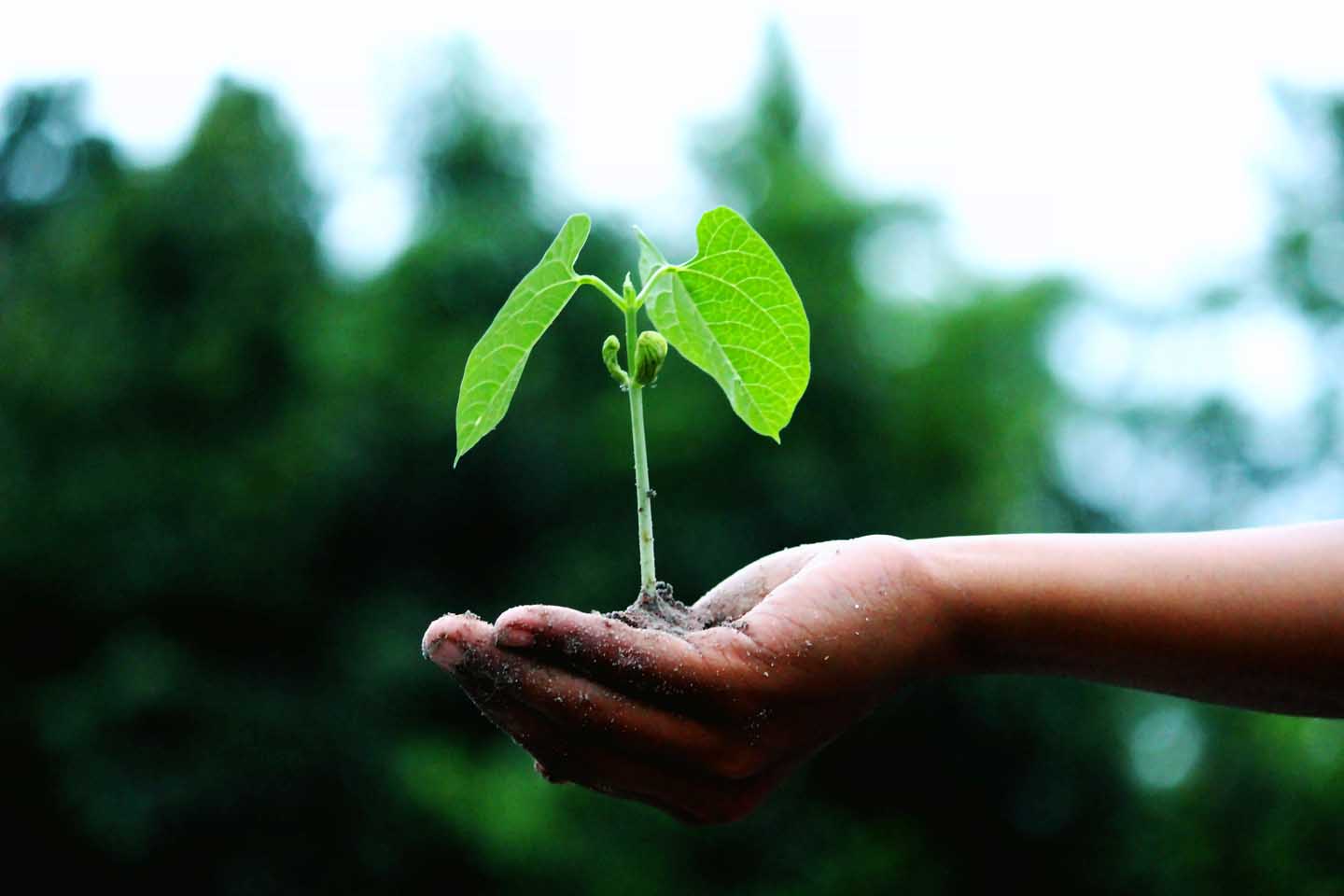
When the first tender leaves sprout in the garden, forests and meadows are covered with young green, then nature lures you with all of its force. Digging up the earth, planting seeds, planting flowers, bushes and vegetables is not only good for the body, but also for the soul. What’s more, gardening even has healing powers.

Gardening for Body and Soul

Handling rakes, watering cans and spades is part of the therapy when it comes to helping mentally ill people get back on their feet. Residents of retirement homes also benefit from dealing with plants, if they have been uprooted from their previous living environment and have become dependent on caregivers. Gardening has a calming and balancing effect even on delinquents.

Effects of Gardening on the Body

After spending just a few minutes outdoors, blood pressure begins to drop, the pulse calms down, and the heart rate becomes more even. Muscle tension is relieved, coordination and fine motor skills improve, metabolism is boosted and general mood improves. The movement stabilizes the circulation and mental tension is reduced.

Effects on the Mind

By dealing with plants you can learn how to deal with yourself. Plants have a strong will to survive, they can adapt, they even produce themselves what they need to survive. They show us formation, growth, maturing, but also retreat, dying and decay. When gardening, connections are recognized and ways to solve problems are found. Those who work in the garden experience themselves as being the active force, not as being manipulated or at the mercy of others. This is how you learn to control your environment and don’t feel helpless, at the mercy of your surroundings. You are very close to the Creator, in whose hands ultimately lies the success of one’s efforts. This gives a feeling of security and has a positive effect on mental well-being.

Gardening as Therapy

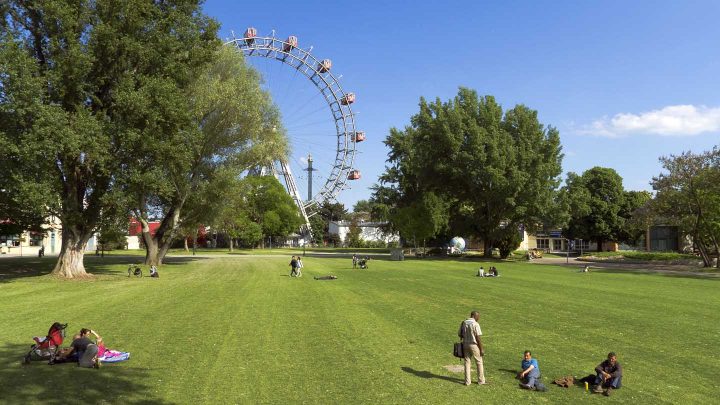
As early as the 18th and 19th centuries, philosophers and educators called for more green in the gray monotony of cities. Wise regents allowed the population access to parks, gardens and forests that had previously only been accessible to the nobility. We think of the entry of the people into the Viennese Prater or the inhabitants of Munich into the English Garden. Unfortunately, such local recreation areas have not been able to very effectively stem the alienation of man from nature.

The Emperor's lawn in the Viennese Prater

Fortunately, the beneficial effects of nature have not been completely forgotten. Psychotherapists have developed an extremely effective therapy for the sick and old, for people in need and in crisis. Horticultural Therapy is an interdisciplinary method. Gardeners, landscapers, doctors, psychotherapists, physiotherapists and ergotherapists create programs for their patients together. Garden therapy can begin as soon as a sick person is no longer bedridden. A separate small area in the garden that belongs to him, for which he bears responsibility, in which he can or must move, is the best training program for him.

Gymnastics on equipment or physiotherapy is often carried out without much enthusiasm or is perceived as a nuisance. When digging, sowing, planting and pulling weeds, the patient forgets that this is an exercise program. In addition, there is the excitement when one’s own harvest can be brought in. In the great outdoors, people are also much more open to their therapist than in an office or group room. They are more accessible to conversations.

Plants as Therapists

Plants accept people as they are. They do not judge. They don’t care if they are being cared for by a healthy young person, or by a depressed, an addicted, a criminal, or a wrinkled old man. Plants are dependent on who cares for them and takes care of them. They react positively to care and attention, they thrive, blossom, grow and bear fruit. In the garden, the patient becomes the caregiver and the doctor himself. This gives mentally ill people new self-confidence and a new meaning in life. Tired eyes suddenly light up when a wonderful flower unfolds its colorful petals, when home-grown radishes shoot out of the ground and can be spread on the sandwich. There is another pleasant side effect: the physical work improves the appetite of the sick, they need less medication and can sleep better again.

A woman caring for tomato plants

Gardening for the Healthy

If you have a garden, you don’t need a gym or wellness clubs. Nothing relieves stress better than digging in the ground. Exercising in the fresh air stimulates circulation, strengthens muscles and the immune system. Experiencing the seasonal processes, the new awakening and passing away gives you stability and security. Anyone who is allowed to shape their own piece of land into their paradise and learns to unwind their soul in it does not need a therapist.

In addition, the harvest from your own garden has a very special contribution for your health. Fruits, vegetables and berries can mature. They can be harvested at the optimal time. Phytochemicals that are so important for health are higher than in products that are harvested unripe. It takes less time from harvest to consumption. Vitamins and the appetizing appearance are preserved. In addition, there is the satisfaction of having produced everything with my own hands and the certainty that there are as few environmental toxins as possible in them.

Don’t Be Afraid of Gardening

So that gardening doesn’t overwhelm us – it never stops – we have to stick to a few rules. It must never dominate us, we must dominate it. If it overwhelms us, we either have to cut back on ambitious plans or delegate some work. Your own garden must also be a place to relax. There should always be a hammock stretched out somewhere that you can retreat to when you have the opportunity to relax, to listen to nature and listen to your own inner voice. A pleasant garden bench, a large stone or other seating should invite you to linger. In this way, our garden becomes a real therapist and gives us a lot of joy.

Healthy Fruits

Stay Always Up to Date

Sign up to our newsletter and stay always informed with news and tips around your health.
Sign Up Now!

Filed Under: Gardening, Healthy Lifestyle

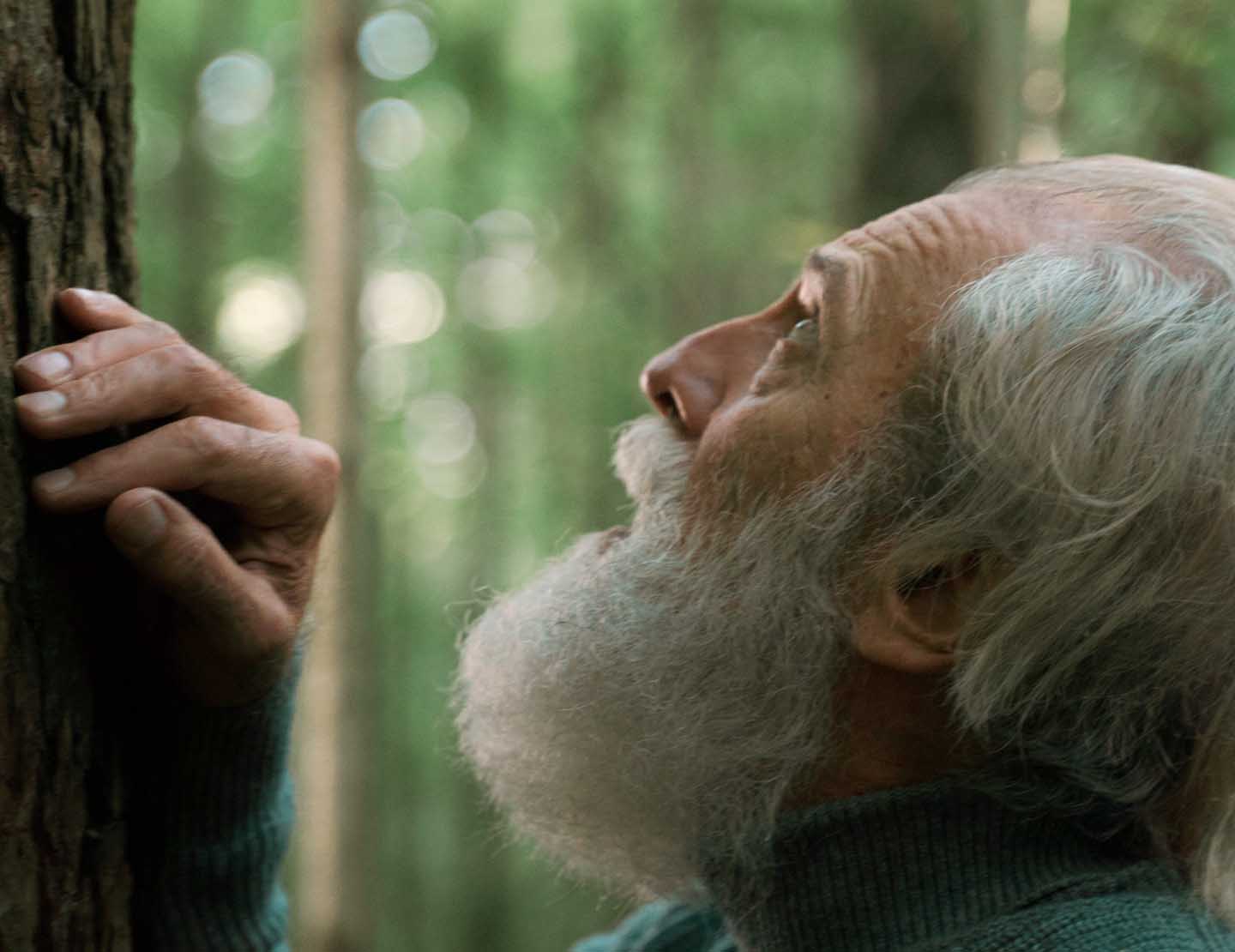
How can we delay aging?

March 20, 2022 by Esther Neumann - [rt_reading_time label="Reading Time:" postfix="minutes" postfix_singular="minute"]

Wie kann man das Altern verzögern?

1875 – 1997, that is the lifetime of the oldest woman in recent times, Jeanne Calment from France. She lived 44,724 days or more than 122 years. At 100 she was still cycling. According to her statement, she didn’t do anything special to get that old. So it’s the genes after all?

How can we delay aging?

Aging research says that genes only account for about 1/5 whether someone reaches a high age. Of course there are long-lived families. On the other hand, some families simply tend to accumulate certain illnesses. Mankind has always struggled with the travails of aging and the ailments of old age.

Meanwhile the anti-aging wave, the cult of eternal youth, has almost become a substitute religion. The business with anti-wrinkle creams, dietary supplements and special sports equipment to combat aging is booming. Most people want a long, fresh life and a healthy, fit body. Doctors and genetic researchers claim to open the gates to longevity. Just it is almost forgotten that it is in everyone’s hands, at least to a large extent, how one ages and how one spends his final years.

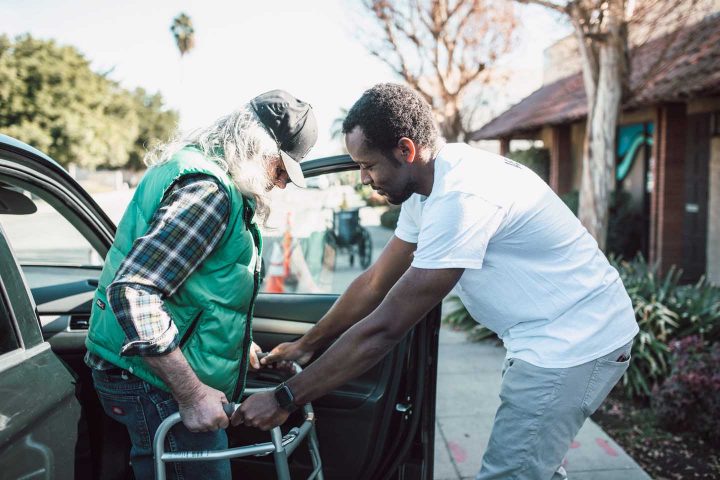
Not everyone is content about aging. But it is a losing battle to resist it. Aging is an inevitable part of our lives. It actually begins at conception and occurs at the cellular level. Our body cells are constantly dividing. And mistakes happen all the time. The free radicals that are produced during metabolic processes in our own body and as a result of environmental influences also damage our cells. Thankfully, our creator also included a repair system. But this also works worse and worse, as the cells have to divide more often. Mistakes in the genes accumulate. The aging process continues. We know the consequences: Poor memory, slower digestion, poorer enzyme system, balance disorders, stiff joints, insecurity in walking and much more.

A senior needing a walker

Fighting a losing battle?

Is the battle already lost before we start? Ultimately yes, and considering all the misery around us it may be a great blessing that we do not have to live forever. But how we age and how we face that process is, to a large extent, in our own hands. Even if things don’t go the way we would like and illnesses are part of our lifes. Ultimately we all die, since we can hardly cope with the approximately 70,000 DNA damages per day that our repair system has to eliminate. Our enzyme system against free radicals isn’t always victorious either, and our stem cells can’t repair everything either.

Can we then live better and longer with help from the laboratory? Is it the supplements? spermidine? The glass of red wine? Or dinner canceling? There are always new success stories. But be careful: the resveratrol from red wine also protects cancer cells, and certain dietary supplements also nourish unwanted blackheads. So is it all useless?

Anti-Aging Agents

The advertising of many miracle cures promises us almost eternal youth. Many are too lazy, or believe they don’t have time to do something for their health, and want to do it the quick way. Anti-aging agents are not intended to heal illnesses, but to alleviate the symptoms of old age, to help the sensory organs get going again and to make wrinkles disappear. Associations for Consumer Information in various countries have examined such preparations and not given them good marks. No studies were found for any of the products that confirmed the life-prolonging active ingredients. The more euphoric the advertising is, the more skeptical one should be.

Many substances that have been tested in laboratories cannot simply be transferred to humans. Side effects cannot be ruled out for many preparations. Too much vitamins or minerals, for example, can be harmful. The collagen in many anti-wrinkle products can trigger allergies. Many supplements are marketed over the internet along with promising testimonials. But according to consumer associations, you can neither achieve physical fitness nor reduced susceptibility to illnesses nor organic improvements with such preparations. So another lost battle?

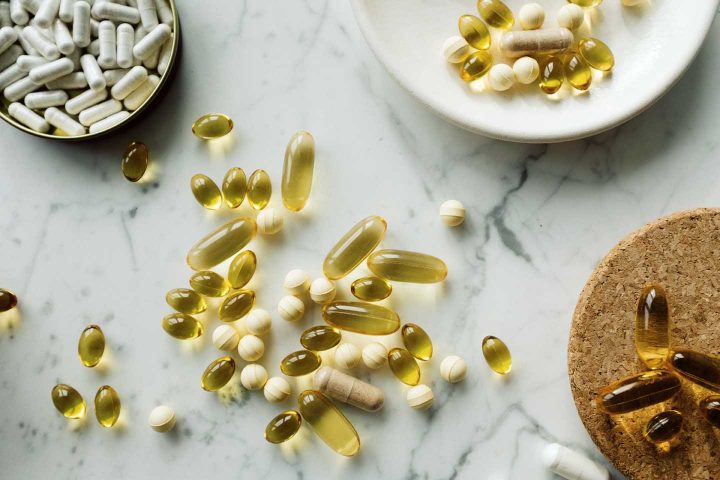
Supplements

Island of Centenarians

On Okinawa, 50% of the people live to be a hundred years old. Of these, 90% are women. Actually some genes have been found that are favorable to reach a higher age. But some amazing lifestyle habits were found as well. For example, these women eat mostly fruit and vegetables. They still do their garden for themselves, and centenaries still sit behind a cash register in the supermarket or wipe the floors. These are extremely healthy occupations. They also say: “We only eat so much that we could eat some more to be full.” “Hara Hachi Bu” is what they call their habit that we know as dinner canceling, sometimes forgoing dinner. The women also lead an exemplary social life. They pay close attention to each other. If the blinds at the neighbor’s are still down at nine o’clock, they check on how she’s doing. This is followed by a chat with her and the offer for help if needed. The brain is also constantly trained. They participate in everything and with everyone.

Love

An Australian study shows that people who maintain close friendships live longer and age more comfortably. Loving is not just about having sex, even though it is beneficial for slower aging. Loving is simply being there for the other, caring for them. That distracts a lot from your own ailments, makes you happier and more satisfied.

Running Around

Running around does not mean jogging, but simply making movement, targeted movement and not just house and garden work, even though this is beneficial. Jogging in old age could damage joints. But daily exercise, walks and light gymnastics help our immune system to cope with inflammation. And it is exactly those inflammations that many age related ailments, such as rheumatism and the like, can be traced back to. We can literally outrun them. Exercise lowers the concentration of inflammatory substances in the blood.

A senior walking

Learn

Lifelong learning has become a buzzword of our time. Our youth grow up with it. In the old days you had a job for your life. Today you are constantly challenged to learn something new. This should also continue beyond retirement. Anyone who remains mentally and spiritually fit ages very differently than someone who is no longer interested in anything. I admire every old person who – often with the help of their grandchildren – knows their way around computers and is touching base with the grandchildren overseas via chat or Skype. Crossword puzzles and Sudoko, reading good books, putting together jigsaw puzzles also help to stay mentally fit. It is not the TV pictures that stimulate our mind, but the knowledge we have actively acquired ourselves. When I deal with a problem myself, it stimulates my mind.

Those who remain physically and mentally fit deal with aging in a completely different way. We can accept it and embrace the change. Advancements in research and medicine are certainly sensational. Anti-aging treatments are though still a speculative field. How we grow old is still in our own hands.

Healthy Fruits

Stay Always Up to Date

Sign up to our newsletter and stay always informed with news and tips around your health.
Sign Up Now!

Filed Under: Phases of Life, Seniors

Bike Tour Instead of Pill Cure

March 6, 2022 by Esther Neumann - [rt_reading_time label="Reading Time:" postfix="minutes" postfix_singular="minute"]

Radfahren

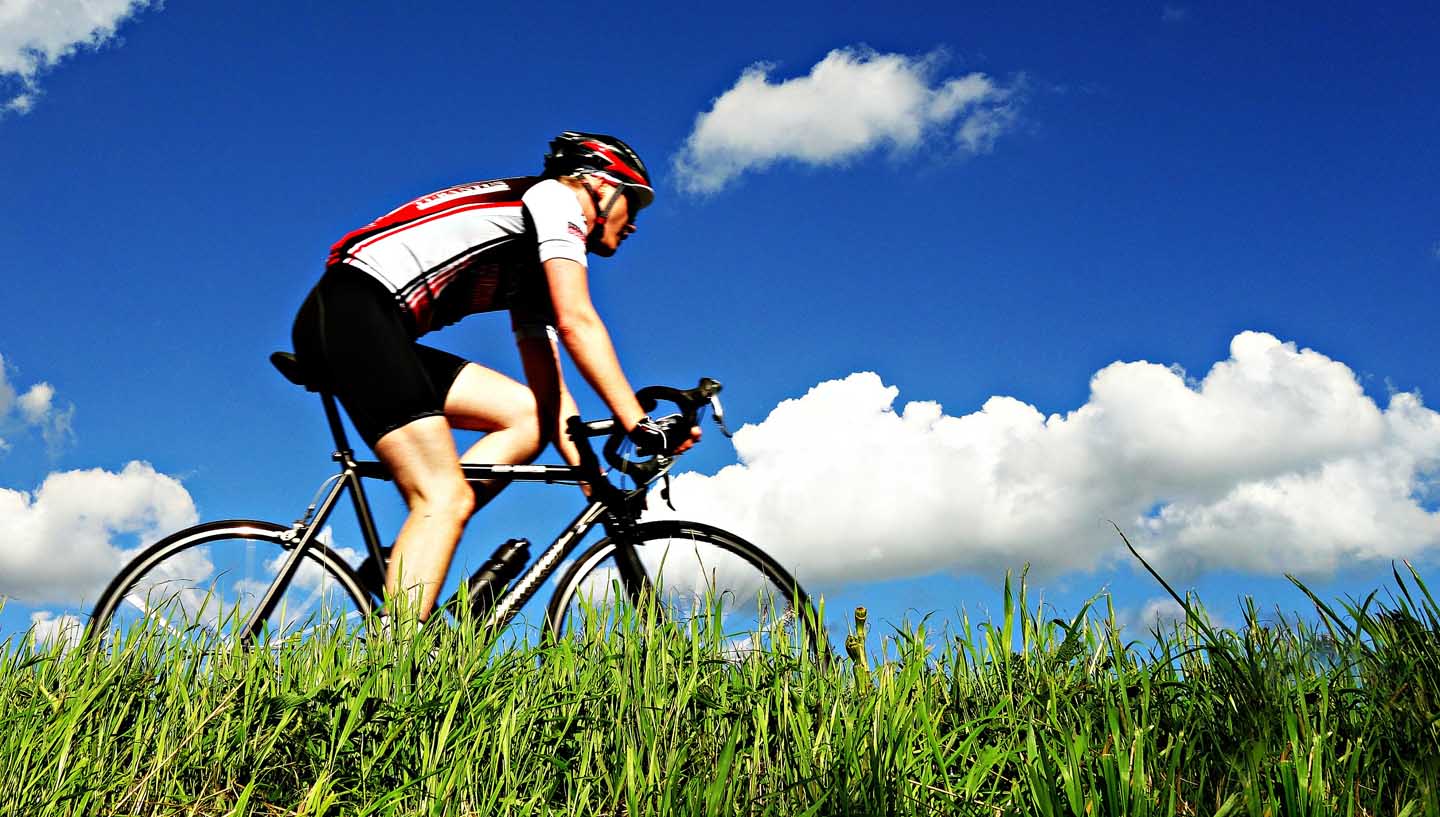
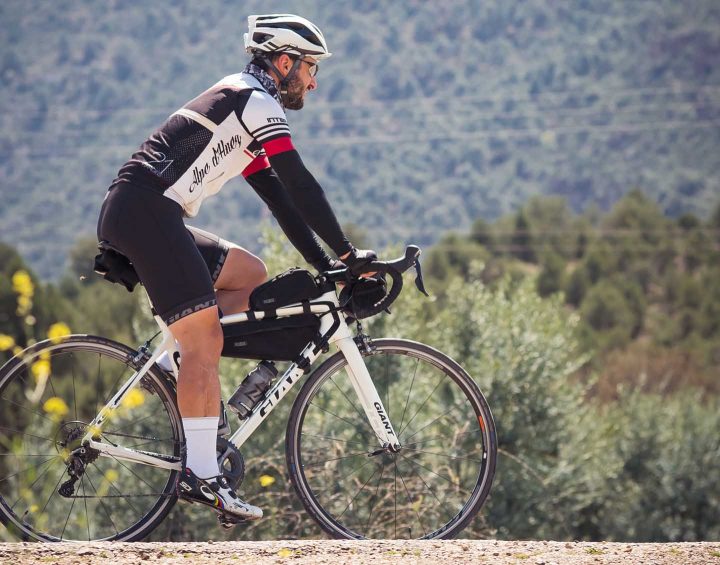
Anyone who pedals regularly strengthens their heart and immune system. Pedaling has a positive effect on the muscles, intervertebral discs, blood circulation and joints. Those who manage to get to 40 minutes will lose weight, because the fat will start to melt. If we cycle through a lovely landscape, we will also do something good for the soul.

Bike Tour Instead of Pill Cure

The long winter is over. The awakening nature also lures us out from behind the stove. The body craves movement. Not everyone feels like jogging or walking. That’s where the bike comes in handy. Whether it’s the old bike or the high-tech bike, it doesn’t matter. The important thing is that we swing into the saddle and drive off. It’s again the time for cycling.

Bicycle – an Ideal Fitness Device

Whether in everyday life, for leisure or holiday activities, we can always fit in the bike. We don’t even have to bring our own, because many locations already offer rental bikes.

Almost everyone can ride a bike, whether young or old, athletic or overweight. The body weight is carried by the saddle, the joints are relieved, the intervertebral discs activated and the muscles trained. Blood pressure is stabilized. Breathing is deepened and oxygen uptake is significantly increased.

Twenty minutes of cycling has a positive effect on the immune system. This is caused by the climatic stimulus provided by wind, air and sun.

Starting from 30 minutes we strengthen the heart and circulation. If you can even manage 40 minutes, you boost your fat metabolism. The pounds will start to tumble.

The soul doesn’t miss out either. It is a pleasure to experience the landscape at a slower pace than from a car. The headwind caresses not only the body but also the soul, if we allow it. This improves the quality of life all around.

Two bikers making a tour in nature

It’s the Dose that Counts

If you haven’t been in the saddle for months, you should take it easy. Otherwise, the body’s revenge will follow: the breath runs out, pain in the neck, shoulders and sore muscles set in and the joy is gone. This can be avoided if we prepare the body for the unfamiliar movement. Belly-leg-butt and shoulder exercises prepare the muscles.

Stretching exercises for the back muscles are important because the spine muscle called erector spinae tend to be overstretched when cycling. Practicing on the home trainer during the long winter months would have been ideal.

The feel-good pace is a moderate speed, individually adjusted to the training condition. You should still be able to have a good conversation while cycling. The cycling trips are to be gradually extended. Don’t start too fast, rather ride more often. You should be tired when you reach your destination, but not exhausted.

Some Technique

It is important that horse and rider fit together. The saddle should be set high enough so that you can put your heel on the pedal with your leg stretched out. If you sit correctly on the saddle, then you stand with the ball of your foot on the pedal. In this way, the power when pedaling is used optimally. If the saddle is set too low, the knee joint is forced too much. This can lead to injuries and you also tire more quickly. However, if the saddle is too high, the legs are forced to fully straighten. This can also be problematic for the joints.

Right posture when cycling

The saddle should be leveled out flat, and the handlebars should be level with the saddle. In this position, the spine is not bent too far forward, but also not so upright that bumps in the road would cause damage. A variable handlebar allows the grip position to be changed frequently, so you can always adopt a new sitting position.

Of course, the bike must also comply with the road traffic regulations. Two good brakes, bell, rear and front lighting and reflectors should be mandatory, reflectors also belong between the spokes and on the pedals. By the way, if you are smart, you ride with a helmet.

The Round Treadle

The treadle should not be angular and hacky from top to bottom, but round and loose. The pedal should not only be pushed down, but also pulled back in the down position and pushed forward in the up position. Even professional cyclists practice again and again on this round treadle.

The upper body should not swing back and forth when pedaling, but should be almost immobile. The legs are kept parallel to the frame so the knees are not spread apart.

A common mistake made by amateur cyclists is the number of revolutions per minute, the frequency. Many ride in a gear that is too high. You don’t get to your destination so exhausted if you drive at 70 to 90 revolutions per minute. Proper shifting and braking need practice.

When going uphill, you can stand up and pedal out of the saddle. The whole body is trained in this way. There is tension and relaxation. This is how women achieve slender hips and firmly trained butts.

Clothing and Shoes

Jerseys and cycling shorts made of modern, breathable materials are comfortable, but not essential. You can also wear comfortable, loose sportswear or a tracksuit. It is important that nothing is constricting, and that you dress in layers that you can take off and put on again, depending on the weather and heat development. The shoes should have a non-slip sole. Loose slippers that cannot be tied are taboo. They can lead to accidents.

Don’t forget the thirst quencher, the water bottle. One tenth of a gallon of water is drunk for every half hour of cycling. This increases endurance.

Cycling in Daily Life

Let’s incorporate cycling into everyday life. Why not cycle to work? You can catch two birds with one stone. Admittedly, you have to overcome ingrained habits and comforts, fight your inner couch potato. If you often use your bike to run errands or just drive to work, you can save yourself a trip to the gym in your free time. Regular cycling has many health benefits. You also protect the environment, because the bicycle has no polluting emissions.

An office worker cycling to work

Bike Touring

One of my best vacations was cycling along the Danube River from Passau to Vienna with my family. There are wonderful cycling routes in every country. You can take your bike on the train or ship and choose the easier routes if you don’t want it to be too strenuous. But you can also face challenges and plan a mountain bike tour. The main thing is that you start and enjoy it. With this in mind, let’s enjoy cycling. As a result, one can really say: bike tour instead of pill cure.

Healthy Fruits

Stay Always Up to Date

Sign up to our newsletter and stay always informed with news and tips around your health.
Sign Up Now!

Filed Under: Exercise, Healthy Lifestyle

« Previous Page
Next Page »

Primary Sidebar

Social Channels

Coronavirus Immunity Challenge

Boost your immune system to be bullet-proof for the pandemic.

I Want to Participate

Recent Posts

  • 5 Habits to Live Longer
  • Better Sleep Can Protect Against Dementia
  • Finding Peace In Your Crazy-Busy World
  • Flaxseed – An Ancient Plant Rediscovered
  • Platelets – Triggers for Life or Death
  • Boderline Personality Disorder
  • In Praise of Almonds and Nuts
  • Are You Stuck in the Clutter Trap?

Categories

  • Body Systems (16)
    • Cell Function (2)
    • Circulatory System (1)
    • Digestive Tract (10)
    • Immune System (4)
  • Diseases (27)
    • Cancer (2)
    • Cold (1)
    • COVID-19 (11)
    • Dementia (1)
    • Diabetes (1)
    • Digestive Diseases (2)
    • Heart Disease (2)
    • Kidneys (1)
    • Metabolic Syndrome (2)
    • Skin (1)
  • Healthy Lifestyle (42)
    • Exercise (11)
    • Gardening (2)
    • Sleep (7)
    • Sunlight (2)
    • Temperance (14)
    • Water (4)
  • Mental Health (87)
    • Addictions (6)
    • Anxiety (7)
    • Burnout (1)
    • Depression (7)
    • Psychosomatic Diseases (6)
    • Stress Management (45)
    • Trust (6)
  • Nutrition (56)
  • Obesity (9)
  • Phases of Life (14)
    • Adults (3)
    • Babies and Infants (1)
    • Children (3)
    • Seniors (5)
    • Teenagers (3)
  • Therapies (7)
    • Herbs (5)
    • Hydrotherapy (1)
  • Uncategorized (3)

Archives

  • January 2025 (1)
  • March 2024 (5)
  • February 2024 (4)
  • January 2024 (4)
  • December 2023 (5)
  • November 2023 (4)
  • October 2023 (5)
  • September 2023 (4)
  • August 2023 (3)
  • July 2023 (2)
  • June 2023 (4)
  • May 2023 (4)
  • April 2023 (5)
  • March 2023 (4)
  • February 2023 (4)
  • January 2023 (4)
  • December 2022 (4)
  • November 2022 (4)
  • October 2022 (5)
  • September 2022 (4)
  • August 2022 (4)
  • July 2022 (5)
  • June 2022 (4)
  • May 2022 (5)
  • April 2022 (4)
  • March 2022 (4)
  • February 2022 (4)
  • January 2022 (5)
  • December 2021 (3)
  • November 2021 (4)
  • October 2021 (6)
  • September 2021 (4)
  • August 2021 (4)
  • July 2021 (5)
  • June 2021 (4)
  • May 2021 (3)
  • April 2021 (5)
  • March 2021 (4)
  • February 2021 (4)
  • January 2021 (5)
  • December 2020 (3)
  • November 2020 (4)
  • October 2020 (5)
  • September 2020 (5)
  • August 2020 (3)
  • July 2020 (1)
  • June 2020 (1)
  • May 2020 (1)
  • April 2020 (1)
  • March 2020 (1)

Copyright © 2026 · Abundant Health - Privacy Policy - Medical Disclaimer