Abundant Health

Up to date health information tailored for you

  • Home
  • Blog
  • Recipes
  • Shop
  • Contact
You are here: Home / 2022 / Archives for April 2022

Archives for April 2022

What is Getting Teenagers Stressed Out?

April 24, 2022 by Martin Neumann - [rt_reading_time label="Reading Time:" postfix="minutes" postfix_singular="minute"]

What is getting Teenagers stressed out?

One of the most prevalent times for stress to arise in one’s life is in the teenage years. This time involves a lot of changes that can be stressful for many. So what is getting a teenager really stressed out?

What is getting Teenagers stressed out?

At the earlier end, many kids are going through puberty and through their awkward years. This is the point in time when bullying can be the worst, as teens start to become a bit more grown-up, but not fully, and still make poor decisions by picking on people.

The stresses at this age vary greatly from person to person, but one of the most prevalent ones is bullying and harassment. By this age, many people are still kind of awkward, but they’re at the point where they are getting interested in people of the opposite sex.

This involves some kind of identity changes that can lead to some inner conflicts. While children tend to harass those of the opposite sex, teenagers start to feel to be attracted, and while some are showing their change in attitude, others might be teasing them for that.

As the attraction grows, teenagers tend to want to impress acquaintances of the opposite sex. This can mean showing the best side of themselves, maybe even showing off a facade that is not their true self, or others trying to impress by doing risky things they would not do if nobody was watching.

A teenager group

All of those is mixed with the quest of defining his own identity and self-worth. Some are stressed out and devastated when getting rejected from somebody else, especially being rejected from somebody of the opposite sex. Teenagers want to be accepted by their collegues and have a desire to belong to a group that values them in some way.

The teenage years involve a lot of changes that can be stressful. As a child, many decisions are being made for you. A teenager is exactly at the phase where he starts making lots of the decisions for himself, without having the prior experience on how to deal with this new reality in a proper way. Many times they do not want to rely on others in their decision making, in order to show their growing independence, but are still struggling to keep up with the stress of being responsible of the consequences of doing a right or a wrong choice.

Another problem, especially towards the later years of high school, is figuring out what they want to do with their lives. Often, teens are pressured about what they want to do for the rest of their lives, as if they have to have it all figured out by age 18.

This couldn’t be farther from the truth. They’re expected to make decisions about where they want to go to college, if they want to go at all, and if so, what they will major in. For many people, this is a stressful process of applications and trying to figure out what their passion is.

It’s certainly a lot to take in, and if they don’t have the right guidance, they’ll feel overwhelmed quickly. Finally, towards the tail end of this age group, you have the people who are in college.

College comes with a ton of stress factors that aren’t well known to everyone. In college, you have a lot more independence than you do in high school, but that comes with its fair share of drawbacks.

Students are often left out to dry by the university and their professors, who both assume the student is capable of doing everything on their own. They might find it hard to adjust, and with the realization that they’ll soon be working a full-time job, many can begin to panic from the get-go.

A perplexed student

Teens and young adults don’t show their stress very clearly, so it can be hard to pick up on it. Many don’t want people to worry about them too much, so they just suppress their stress and worries and just hope things go well.

Some will just try to act as though everything is fine, until one day they just kind of break down. Some show that they’re stressed out by secluding themselves from others, so as to not show off their problems to others.

You might notice that someone is spending a lot more time on their own, being reclusive by going home as soon as they get the chance to just be alone. This isn’t always a sign of stress, because some people are just naturally introverted.

But if someone is normally social and suddenly starts wanting to be on their own all the time, there’s clearly something wrong there. You also might want to watch their eating habits, since some people will either eat much more or a lot less when they’re stressed out.

This can lead to undesired weight fluctuations that can cause even more stress. Moving up into college, some students try to alleviate their stress by partying. Many students will resort to heavy drinking for the sake of getting the negative thoughts out of their head.

By using alcohol as a coping mechanism, they put themselves at risk to develop alcoholism. Some will even start using drugs, which can put them at risk of an overdose, addiction, and getting arrested.

No one solution will work for everyone’s problems, but there are common ways that you can go about trying to help people in this age range. As a rule of thumb, you should never, ever try to come at them aggressively to try to fix their problems for them with already predefined solutions.

Teenagers do not appreciate this kind of intervention. They’ll just deny anything’s wrong and seclude themselves further from you. You should always try to get them to open up a bit, and then casually move it towards thinking about solutions.

A teenage girl in a counseling session.

When it comes to teens, your first step should be to teach them to handle the situation as best as they can on their own. If that fails to work, then you might intervene yourself, instead of trying to get administrators or teachers involved, because they’ll feel really embarrassed if the teachers have to step in for a school bully problem – and it may make matters worse.

You need them to feel as if they can trust you as a parent, because if they don’t, they’ll never open up to you fully. Make it a point for them to know first and foremost they you have their back and support them fully, no matter what.

Then, you’ll have a much better shot at getting them to open up to you. When it comes to young adults, getting them to go to a counselor might be a good option. Many universities and high schools give free counseling, and sometimes just blowing off a good amount of steam can fix a lot of problems.

If the resource is there, why not take advantage of it? And there may be even other reference figures in the life of a teenager, whom they can trust and can serve them as a counselor. Be sure to explain to them that bottling up their emotions isn’t a good way to go about anything in life, and by just getting things off of their chest, they’ll find a lot more support and they’ll feel a lot better not having to brace against it on their own. Nothing creates additional stress quite like loneliness.

As a conclusion, there are quite a bit of stressors involved in the various changes taking place in a teenage life. Much of this can be mitigated if they know they have somebody they can trust and that will support them in their journey of finding their independence. Showing them acceptance and strengthening their feeling of self-worth can also go a long way to make this transition period less stressful. Avoid to be in a conflict course and give proper support to the teenagers in your life and you will see how grateful they are that you have made a difference in their lives when they needed it most.

Do you need a guide to help you understand how to cope with Stress in an all inclusive approach? Learn how to combat stress, mentally, physically, emotionally and strategically in your life.

Get Me the Guide

Filed Under: Mental Health, Phases of Life, Stress Management, Teenagers

Digestion Optimized

April 17, 2022 by Martin Neumann - [rt_reading_time label="Reading Time:" postfix="minutes" postfix_singular="minute"]

Digestion Optimized

Most people’s hair stands on end when they hear the word chemistry. Be it because of the many negative media reports about chemical accidents or because of the boring, almost incomprehensible chemistry lessons that they are actively trying to forget. However, chemistry is extremely exciting. And in our digestive tract, there is so much chemistry going on from the mouth to the anus!

Digestion Optimized

We could not exist without chemical processes. And the best thing is that it runs on auto pilot without any programming on our part. However, we can still support the digestive processes, so that they are happening the way they are intended to be.

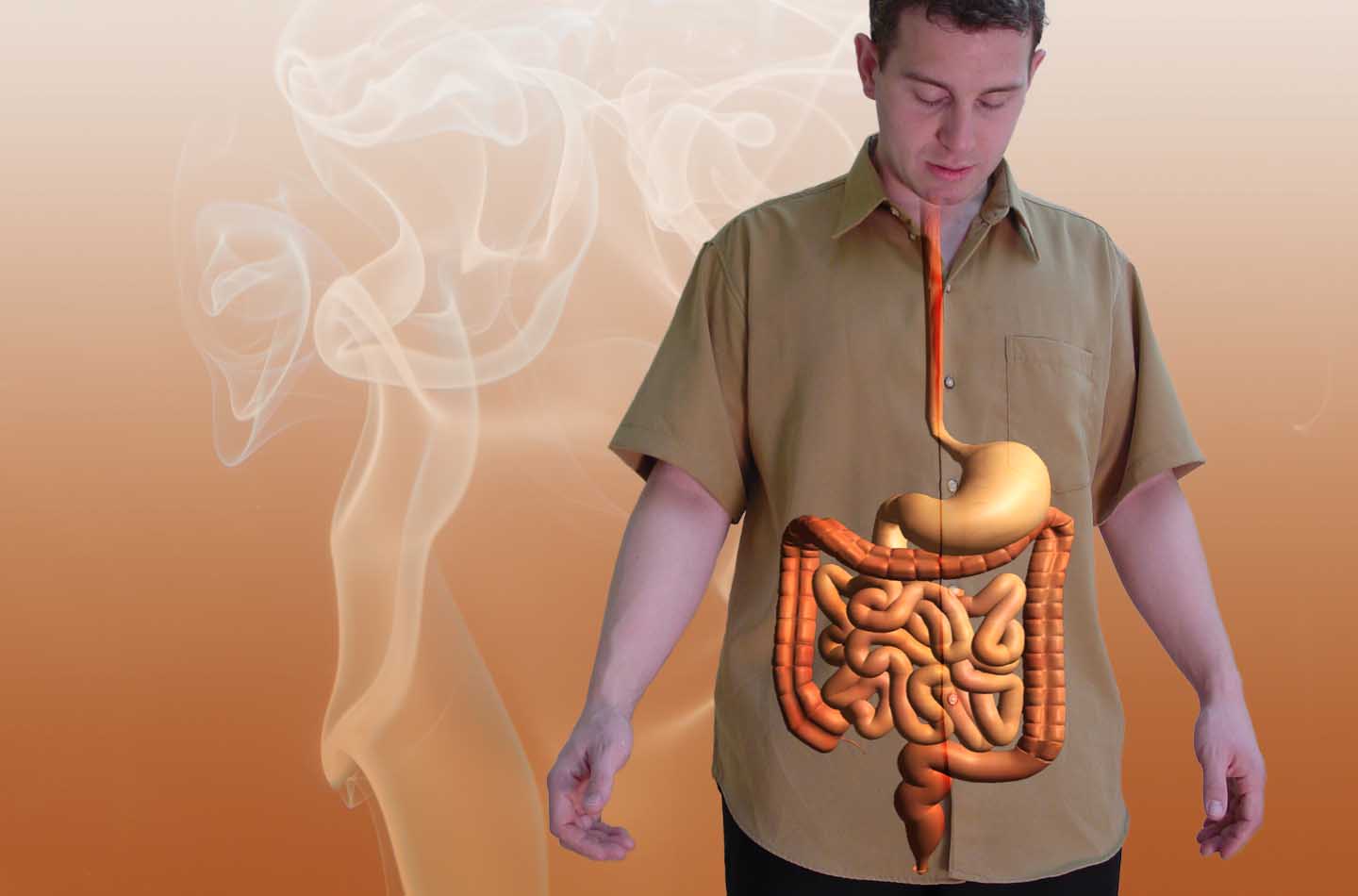
Let’s take a look at our digestive tract. To put it simply, it is a tube from the mouth to the anus with sections of different widths. In terms of structure, all sections are similar. However, there are significant differences in the fine tissues. And by adding coordinated secretions, they fulfill very special functions. Digestion breaks down the nutrients contained in food, until they can be absorbed through the intestinal wall. They are transported with the bloodstream to various organs, where they perform their important tasks and generate energy.

The digestive organs include the oral cavity with dentition, tongue and salivary glands, pharynx, esophagus, stomach, intestines, liver with bile ducts and pancreas.

Digestion Starts in Your Mouth

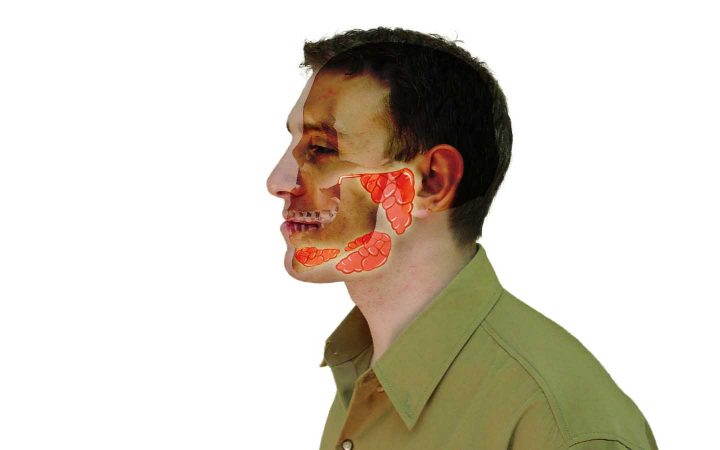
When we take a bite of our meal, digestion begins right in the mouth. The teeth work to break down food and prepare it for digestion. At the same time, the resulting pulp is insalivated and the alpha-amylase contained in the saliva begins the process of splitting the carbohydrates. If we chew a piece of bread long enough, it will start to taste sweet because the long chain starch molecules are broken down into glucose, providing energy for our body.

The salivary glands

But if we choke down our food and wash it down with a soda, these processes don’t take place. Unfortunately, the stomach doesn’t have teeth to handle the unfinished work with the same efficiency. If you have not yet created the habit of chewing, you should try to chew every bite 20-30 times. You can count along for a while until thorough chewing becomes your second nature.

Dwell Times

The length of time spent in the individual sections varies from person to person and depends heavily on the composition of the food. The esophagus itself is approximately 10 inch (25 cm) long. It takes about 10 seconds for a bite to slip through this tube and arrive in the stomach. The food stays here for an average of 1-4 hours. The dwell time of carbohydrate is shorter than that of protein. High-fat foods stay in the stomach the longest; a fatty roast up to eight hours, and sardines in oil up to nine hours. That is why you should be using fat in your diet rather sparingly.

It is good if we give our stomach a break at night. Therefore, the last meal should be taken no later than 3 hours before bedtime and should be easily digestible. Therefore the meal should consist mainly of carbohydrates and you should avoid fats as much as possible. A fruit with a piece of toast or a rusk bread would be an optimal option for dinner.

A light toast for supper

The emptying times of the small intestine is about 5-9 hours, of the colon is 25-30 hours and close to the rectal area feces can sometimes stay another 30-120 hours. Now we understand why colon cancer is appearing commonly in the lower part of the intestine. There, the feces stay along the longest. Carcinogenic substances have the longest time to act on the intestine. So we would be doing good by avoiding them. Carcinogenic substances include polycyclic aromatic hydrocarbons in grilled meat, seafood and sausage, and heavy metals that tend to concentrate themselves in animal products. Fish is often burdened with mercury.

The Stomach

The stomach is in the upper left abdomen. It serves as a storage container and for breaking down the food. It produces up to 3 liters of gastric juice per day. This consists of mucus, hydrochloric acid (HCl), bicarbonate (HCO3), protein-splitting enzymes and intrinsic factor.

The mucus and the bicarbonate protect the stomach wall from the very strong hydrochloric acid. The concentrated acid would result in a pH of about 1, but this is buffered to pH 1.8-4 by the chyme. The low pH kills the vast majority of bacteria. The duodenum is therefore very low in germs and, by the way, alkaline and not acidic like the stomach. However, if we consume liquids during meals, we dilute the stomach acid and delay the work of digestion, until the stomach can return to an optimal pH. Very hot or ice-cold drinks delay digestion even further, because the stomach contents have to be acclimatized first.

Intrinsic factor is secreted by the gastric wall and is necessary for the absorption and transport of vitamin B12. If this factor is missing, vitamin B12 cannot be absorbed. Deficiency symptoms often occur in people with gastritis or in the elderly. A regular B12 test would therefore be advisable.

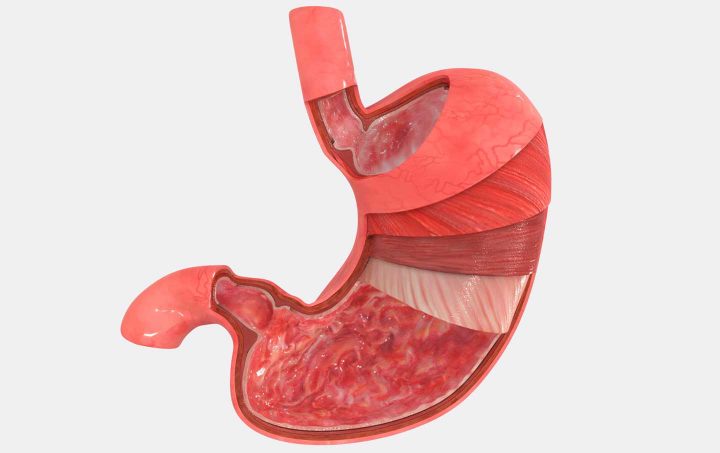
Solid food stays in the stomach until it is broken up into particles about 0.3 mm in diameter. This is done by peristaltic waves produced by several muscle layers all over the stomach. They are particularly strong in the lowest part of the stomach. The chyme is pushed forwards and backwards. The food is crushed up, mixed with the gastric juice, and fats are finely distributed. If you chew the food well, you relieve the stomach of a considerable amount of work.

The several muscle layers of the stomach

In the lower part of the stomach, the chyme is already very fine and thin, and the coarser parts are layered on top. When moving back and forth, a part of the coarser pulp is always carried along and further crushed. The fine pulp, called chyme, can then flow through the pylorus into the duodenum. The chyme can only be released to the duodenum to the extent that it is ready for further processing. There are measuring points at the stomach outlet that check the exact composition.

Gastric Emptying

The work process and emptying of the stomach is controlled by many factors. Various hormones and messenger substances are involved. Measurements and comparisons are constantly being made. The 10th cranial nerve plays an important role. It stimulates the gastric glands and is responsible for stomach contractions. But the mind also plays a role. We may remember the effects of stress on our digestion before an exam! It’s always good to create a relaxed atmosphere around meals.

The pylorus is usually slightly open so that liquid and the thin chyme can drain. The pylorus is closed again when larger pieces of food arrive. Indigestible things such as bones, coarse fiber and foreign bodies do not leave the stomach during the digestion phase. Only in the subsequent resting phase, according to an internal clock, do special contraction waves run through the stomach and intestines, during which indigestible matter and digestive secretions are emptied. We often hear the rumbling of the stomach, which is not a signal of hunger. So it makes perfect sense if we only eat something every 5 hours and allow the digestive tract this resting phase in between. 2 to 3 meals a day, at regular times, are ideal.

If we are constantly snacking, food is repeatedly refilled at the top. The stomach never finishes processing everything into fine chyme. So it can happen that something from the breakfast bread still has to be lounging around in the stomach in the evening.

Our Body – A Marvel

It is far from possible for us to go into all the details that take place in the digestive tract. Otherwise we would have to write an entire book. However, this excursion was already enough to recognize what a marvel we have in our body. Let’s help our digestion, as far as it is up to us, to accomplish its diverse work! We can do this by living a sensible, healthy lifestyle. He will thank us with good health. And we thank him for a job well done.

Healthy Fruits

Stay Always Up to Date

Sign up to our newsletter and stay always informed with news and tips around your health.

Sign Up Now!

Filed Under: Body Systems, Digestive Tract, Nutrition

How to Free Yourself from Your Past and Cure Emotional Wounds

April 10, 2022 by Dr. Cesar Vasconcellos de Souza - [rt_reading_time label="Reading Time:" postfix="minutes" postfix_singular="minute"]

Cura Emocional

Today we are going to deal with some very simple tips, but if you practice them, you can improve some emotional struggles that you may have. Our mind has an area called the unconscious. To this virtual dimension of our mind, memories, feelings, ideas, positive and negative, pleasant and unpleasant desires throughout our life are deposited.

How to Free Yourself from Your Past and Emotional Wounds

Everything that happens in your life, in your relationship with people, what you think, what you think you are, everything goes into this space, this virtual file in our mind called the unconscious. So, all the thoughts and feelings that you lived throughout your childhood, adolescence, adulthood, and everything you lived in your family of origin back in the past, are all stored in this mental file called the unconscious.

We do not have access to this file of the unconscious when we want to, but when we can. That is, when you are ready to be aware of some kind of remembrance, memory, emotion or thought that was there in this space, unconscious for so many years.

Many people, when they come to a psychology or psychiatrist office, to talk about their suffering, their symptoms, they say: “I don’t know why I’m feeling this, I don’t know where this sadness comes from, I don’t know where does this anguish, this affliction come from? Well, where does it come from? It comes from some things that are there in the unconscious, some dynamics, some emotion, some situation of stress, of conflict that the person has experienced, but that the mind itself has put some barriers, some defenses for you not to think about it, because thinking about what hurts, really hurts.

A psychology consultation

So the mind does this defense mechanism, it puts it under the rug, it puts what was painful for you into the unconscious, so you can continue your life, survive without getting stuck, without stopping because of those unresolved conflicts. But unresolved conflicts need to come to the surface of consciousness, at least some memories, so that you can learn to deal with it in a better way, with more courage, with more determination, with more humility as well.

Many people have physical symptoms, originating from these emotional conflicts. We call this somatization. Somatization is when a person presents in the body some physical manifestations without having a specific diagnosable disease. The body always works together with our mind, trying to help each other. So, if you have important emotional traumas from your past or present that really hurt, it is possible in adult life that you will present physical symptoms of emotional origin, or psychological symptoms as well, such as the urge to cry, excessive anxiety, irrational fears, continuous sadness among others.

Many children are victims of abuse from their family of origin. Sometimes it is a physically aggressive father, other times it is an authoritarian mother, being kind of rude with her children, leading the child to have some emotional disorder in his adult life, some behavioral complications, such as excessive shyness, or the opposite of that, being a very irritable, socially aggressive person. These dysfunctional behaviors really have to do with the traumas and conflicts in the past.

A child in dispair

In adult life, the person with psychological sufferings that impair their performance at work, in studies, and in relationships in general, can find relief when they try to make a personal analysis, thinking about what they suffered in the past and what they have been doing with this suffering throughout their lifetime.

Did you keep your resentments, still not able to forgive the people who hurt you back there? Do you repeat attitudes you hated and swore you would never do, what your father did or what your mother did that you didn’t like? Do you find it difficult to cry? On the other hand, do you cry very easily, not knowing why? We call this emotional lability. Have you got any phobia, which is exaggerated fear? Do you feel depressed most of the time? Do you have a lot of anxiety, do you keep fighting with others? Well, then talk about your emotional pain, because talking can relieve it.

Try to think about what bothers you the most on your mind? Is it fear, is it anxiety, is it sadness, is it irritation? Talk about it to someone who is trustworthy, someone who is ethical, who will not take advantage of you, who will maintain confidentiality, and who will not promote emotional or sexual involvement either. Someone ethical who has experience, not necessarily a professional, but perhaps an uncle, a grandfather, a religious leader who can give you some counsel.

Put your difficulties in sincere prayer before the creator of the universe, using your own words in this prayer, believing that he hears your venting, and persevere in it: in prayer, in venting, in talking to God, believing that He is listening to you, but having patience, because the answers don’t always come quickly. Not because God is not ready to give quick healing or quick restoration, but because there are some things he needs to teach us and we need to learn.

A man praying on the bedside

Many people get relief and insight in their emotional problem through prayer. Scientists are studying this: what prayer does to people’s minds, brains and behavior. It’s always a positive thing when you say a sincere and honest prayer. By venting to God and to someone who is able to help, and who doesn’t necessarily have to be a professional in psychology, you can improve. Venting helps to improve.

If your symptoms are very limiting, for example preventing you from studying, or working, or getting along well with the majority of people, then you may consider that you need an evaluation with a professional. But start with something simple, like venting, and think like this: do I need to ask someone for forgiveness? Then ask! Do I need to put an end to resentments? Then you will forgive someone who hurt you to end that resentment. Do you need to treat yourself better and stop having self-deprecating thoughts? So work on that. Every time you catch yourself thinking bad about yourself, criticizing yourself, putting yourself down, say to yourself: I won’t do this to me. I’m going to treat myself better, I’m going to respect myself. So this simple attitude that you can start doing there right now, will promote the healing process. Healing is a process you need. Start with simple things. It works!

Healthy Fruits

Stay Always Up to Date

Sign up to our newsletter and stay always informed with news and tips around your health.

Sign Up Now!

Filed Under: Mental Health

Gardening for Body and Soul

April 3, 2022 by Esther Neumann - [rt_reading_time label="Reading Time:" postfix="minutes" postfix_singular="minute"]

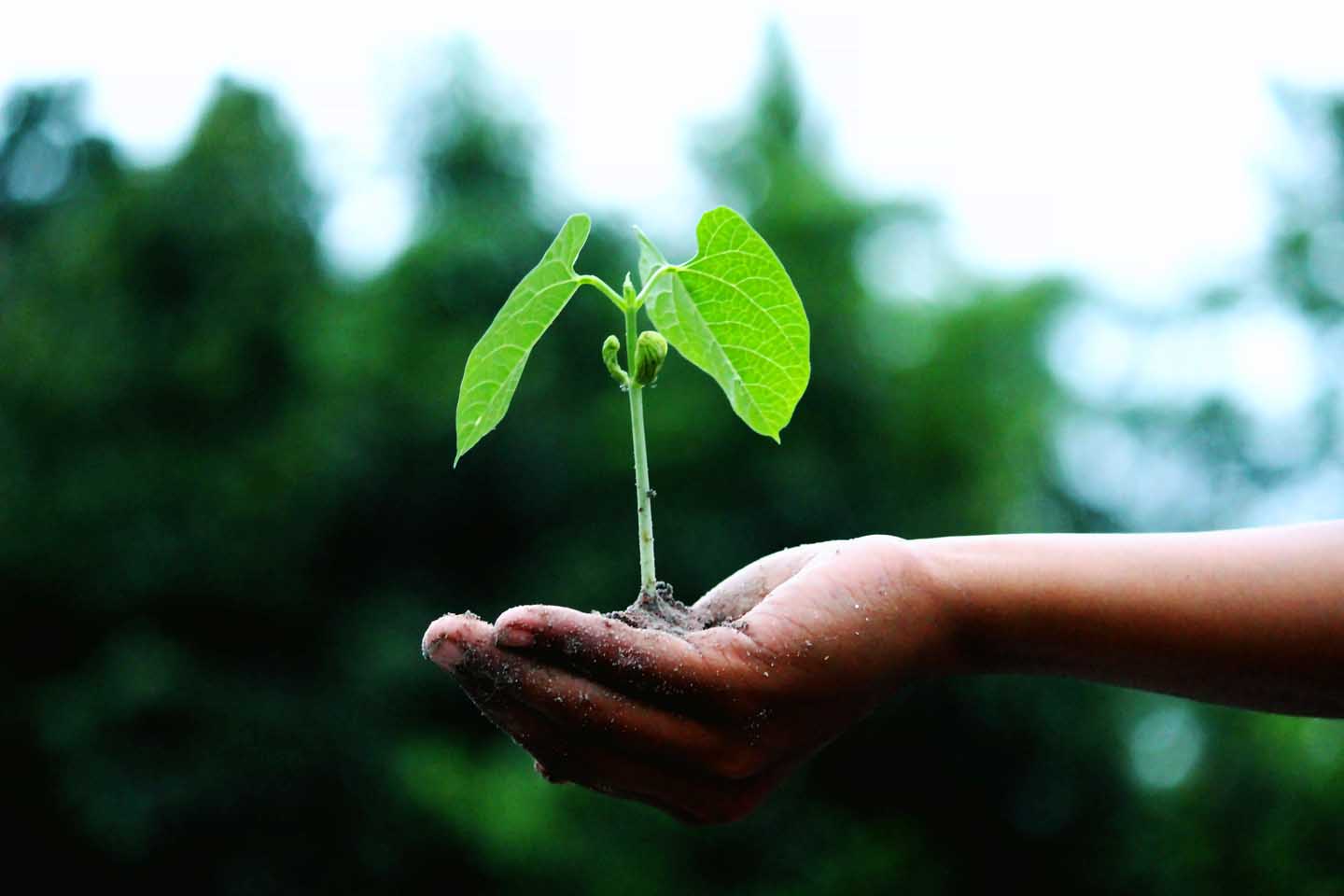
Gartenbau

When the first tender leaves sprout in the garden, forests and meadows are covered with young green, then nature lures you with all of its force. Digging up the earth, planting seeds, planting flowers, bushes and vegetables is not only good for the body, but also for the soul. What’s more, gardening even has healing powers.

Gardening for Body and Soul

Handling rakes, watering cans and spades is part of the therapy when it comes to helping mentally ill people get back on their feet. Residents of retirement homes also benefit from dealing with plants, if they have been uprooted from their previous living environment and have become dependent on caregivers. Gardening has a calming and balancing effect even on delinquents.

Effects of Gardening on the Body

After spending just a few minutes outdoors, blood pressure begins to drop, the pulse calms down, and the heart rate becomes more even. Muscle tension is relieved, coordination and fine motor skills improve, metabolism is boosted and general mood improves. The movement stabilizes the circulation and mental tension is reduced.

Effects on the Mind

By dealing with plants you can learn how to deal with yourself. Plants have a strong will to survive, they can adapt, they even produce themselves what they need to survive. They show us formation, growth, maturing, but also retreat, dying and decay. When gardening, connections are recognized and ways to solve problems are found. Those who work in the garden experience themselves as being the active force, not as being manipulated or at the mercy of others. This is how you learn to control your environment and don’t feel helpless, at the mercy of your surroundings. You are very close to the Creator, in whose hands ultimately lies the success of one’s efforts. This gives a feeling of security and has a positive effect on mental well-being.

Gardening as Therapy

As early as the 18th and 19th centuries, philosophers and educators called for more green in the gray monotony of cities. Wise regents allowed the population access to parks, gardens and forests that had previously only been accessible to the nobility. We think of the entry of the people into the Viennese Prater or the inhabitants of Munich into the English Garden. Unfortunately, such local recreation areas have not been able to very effectively stem the alienation of man from nature.

The Emperor's lawn in the Viennese Prater

Fortunately, the beneficial effects of nature have not been completely forgotten. Psychotherapists have developed an extremely effective therapy for the sick and old, for people in need and in crisis. Horticultural Therapy is an interdisciplinary method. Gardeners, landscapers, doctors, psychotherapists, physiotherapists and ergotherapists create programs for their patients together. Garden therapy can begin as soon as a sick person is no longer bedridden. A separate small area in the garden that belongs to him, for which he bears responsibility, in which he can or must move, is the best training program for him.

Gymnastics on equipment or physiotherapy is often carried out without much enthusiasm or is perceived as a nuisance. When digging, sowing, planting and pulling weeds, the patient forgets that this is an exercise program. In addition, there is the excitement when one’s own harvest can be brought in. In the great outdoors, people are also much more open to their therapist than in an office or group room. They are more accessible to conversations.

Plants as Therapists

Plants accept people as they are. They do not judge. They don’t care if they are being cared for by a healthy young person, or by a depressed, an addicted, a criminal, or a wrinkled old man. Plants are dependent on who cares for them and takes care of them. They react positively to care and attention, they thrive, blossom, grow and bear fruit. In the garden, the patient becomes the caregiver and the doctor himself. This gives mentally ill people new self-confidence and a new meaning in life. Tired eyes suddenly light up when a wonderful flower unfolds its colorful petals, when home-grown radishes shoot out of the ground and can be spread on the sandwich. There is another pleasant side effect: the physical work improves the appetite of the sick, they need less medication and can sleep better again.

A woman caring for tomato plants

Gardening for the Healthy

If you have a garden, you don’t need a gym or wellness clubs. Nothing relieves stress better than digging in the ground. Exercising in the fresh air stimulates circulation, strengthens muscles and the immune system. Experiencing the seasonal processes, the new awakening and passing away gives you stability and security. Anyone who is allowed to shape their own piece of land into their paradise and learns to unwind their soul in it does not need a therapist.

In addition, the harvest from your own garden has a very special contribution for your health. Fruits, vegetables and berries can mature. They can be harvested at the optimal time. Phytochemicals that are so important for health are higher than in products that are harvested unripe. It takes less time from harvest to consumption. Vitamins and the appetizing appearance are preserved. In addition, there is the satisfaction of having produced everything with my own hands and the certainty that there are as few environmental toxins as possible in them.

Don’t Be Afraid of Gardening

So that gardening doesn’t overwhelm us – it never stops – we have to stick to a few rules. It must never dominate us, we must dominate it. If it overwhelms us, we either have to cut back on ambitious plans or delegate some work. Your own garden must also be a place to relax. There should always be a hammock stretched out somewhere that you can retreat to when you have the opportunity to relax, to listen to nature and listen to your own inner voice. A pleasant garden bench, a large stone or other seating should invite you to linger. In this way, our garden becomes a real therapist and gives us a lot of joy.

Healthy Fruits

Stay Always Up to Date

Sign up to our newsletter and stay always informed with news and tips around your health.

Sign Up Now!

Filed Under: Gardening, Healthy Lifestyle

Primary Sidebar

Social Channels

Coronavirus Immunity Challenge

Boost your immune system to be bullet-proof for the pandemic.

I Want to Participate

Recent Posts

  • 5 Habits to Live Longer
  • Better Sleep Can Protect Against Dementia
  • Finding Peace In Your Crazy-Busy World
  • Flaxseed – An Ancient Plant Rediscovered
  • Platelets – Triggers for Life or Death
  • Boderline Personality Disorder
  • In Praise of Almonds and Nuts
  • Are You Stuck in the Clutter Trap?

Categories

  • Body Systems (16)
    • Cell Function (2)
    • Circulatory System (1)
    • Digestive Tract (10)
    • Immune System (4)
  • Diseases (27)
    • Cancer (2)
    • Cold (1)
    • COVID-19 (11)
    • Dementia (1)
    • Diabetes (1)
    • Digestive Diseases (2)
    • Heart Disease (2)
    • Kidneys (1)
    • Metabolic Syndrome (2)
    • Skin (1)
  • Healthy Lifestyle (42)
    • Exercise (11)
    • Gardening (2)
    • Sleep (7)
    • Sunlight (2)
    • Temperance (14)
    • Water (4)
  • Mental Health (87)
    • Addictions (6)
    • Anxiety (7)
    • Burnout (1)
    • Depression (7)
    • Psychosomatic Diseases (6)
    • Stress Management (45)
    • Trust (6)
  • Nutrition (56)
  • Obesity (9)
  • Phases of Life (14)
    • Adults (3)
    • Babies and Infants (1)
    • Children (3)
    • Seniors (5)
    • Teenagers (3)
  • Therapies (7)
    • Herbs (5)
    • Hydrotherapy (1)
  • Uncategorized (3)

Archives

  • January 2025 (1)
  • March 2024 (5)
  • February 2024 (4)
  • January 2024 (4)
  • December 2023 (5)
  • November 2023 (4)
  • October 2023 (5)
  • September 2023 (4)
  • August 2023 (3)
  • July 2023 (2)
  • June 2023 (4)
  • May 2023 (4)
  • April 2023 (5)
  • March 2023 (4)
  • February 2023 (4)
  • January 2023 (4)
  • December 2022 (4)
  • November 2022 (4)
  • October 2022 (5)
  • September 2022 (4)
  • August 2022 (4)
  • July 2022 (5)
  • June 2022 (4)
  • May 2022 (5)
  • April 2022 (4)
  • March 2022 (4)
  • February 2022 (4)
  • January 2022 (5)
  • December 2021 (3)
  • November 2021 (4)
  • October 2021 (6)
  • September 2021 (4)
  • August 2021 (4)
  • July 2021 (5)
  • June 2021 (4)
  • May 2021 (3)
  • April 2021 (5)
  • March 2021 (4)
  • February 2021 (4)
  • January 2021 (5)
  • December 2020 (3)
  • November 2020 (4)
  • October 2020 (5)
  • September 2020 (5)
  • August 2020 (3)
  • July 2020 (1)
  • June 2020 (1)
  • May 2020 (1)
  • April 2020 (1)
  • March 2020 (1)

Copyright © 2026 · Abundant Health - Privacy Policy - Medical Disclaimer