Abundant Health

Up to date health information tailored for you

  • Home
  • Blog
  • Recipes
  • Shop
  • Contact
You are here: Home / Archives for Healthy Lifestyle / Water

Water

Water Helps to Relief Anxiety

September 3, 2023 by Nikolaj Travica - [rt_reading_time label="Reading Time:" postfix="minutes" postfix_singular="minute"]

Water Helps to Relief Anxiety

Many can feel overwhelmed at some stage of their life with feelings of tension, nervousness and fear for the worst. In a 2020 Survey, 62% reported having some degree of anxiety, and around 31% will experience an anxiety disorder in some point in their life.((Anxiety statistics 2023, SingleCare))
Water Helps to Relief Anxiety

The growing field of nutritional psychiatry focuses on the effects of foods and drinks on our mental health.((F Jacka, Nutritional psychiatry: implications for public health, European Journal of Public Health, Volume 31, Issue Supplement_3, October 2021, ckab164.019, https://doi.org/10.1093/eurpub/ckab164.019)) Despite water constituting 60–80% of the human body, it is often overlooked as a significant nutrient. A recent tweet by federal health authorities suggesting water could help reduce anxiety was received with some online scepticism.((https://twitter.com/healthgovau/status/1492038209181728770))

In fact, the evidence shows water and hydration can play a role in preventing and managing the symptoms of anxiety.

A well-oiled machine

We all enjoy the cooling sensation a cold drink of water provides on a sweltering summer day. Our bodies are masterfully programmed to let us know when it’s time to rehydrate. We may be nourishing our brain too.

Several years ago, a group of researchers undertook a review that focused on the various ways hydration impacts health. The results were promising.((Benton D, Young HA. Do small differences in hydration status affect mood and mental performance? Nutr Rev. 2015 Sep;73 Suppl 2:83-96. doi: 10.1093/nutrit/nuv045.))

Overall, negative emotions such as anger, hostility, confusion and tension as well as fatigue were found to increase with dehydration. One trial induced mild dehydration and found increased reports of tension or anxiety and fatigue in participants.((McDermott BP, et.al. Mild dehydration impairs cognitive performance and mood of men. Br J Nutr. 2011 Nov;106(10):1535-43. doi: 10.1017/S0007114511002005.))

Researchers have also found people who usually drink lots of water feel less calm, less content, and more tense when their water intake drops.((Pross N, Demazières A, Girard N, Barnouin R, Metzger D, Klein A, Perrier E, Guelinckx I. Effects of changes in water intake on mood of high and low drinkers. PLoS One. 2014 Apr 11;9(4):e94754. doi: 10.1371/journal.pone.0094754.)) When researchers increased the participants’ water intake, people in the study felt more happiness, no matter how much water they normally drank.

Another large study found people who drink five cups or more of water per day were at lower risk of depression and anxiety.((Haghighatdoost F, et.al. Drinking plain water is associated with decreased risk of depression and anxiety in adults: Results from a large cross-sectional study. World J Psychiatry. 2018 Sep 20;8(3):88-96. doi: 10.5498/wjp.v8.i3.88.)) In comparison, drinking less than two cups per day doubles the risk. This link was less noticeable for anxiety alone (although feelings of depression and anxiety often influence each other).
A refreshing glass of water

More recently, researchers found water with electrolytes may prevent anxiety more than plain water, but it was noted that the placebo effect may explain this connection as study participants were aware when they were given the electrolyte drink.((Cousins AL, Young HA, Thomas AG, Benton D. The Effect of Hypo-Hydration on Mood and Cognition Is Influenced by Electrolyte in a Drink and Its Colour: A Randomised Trial. Nutrients. 2019 Aug 24;11(9):2002. doi: 10.3390/nu11092002.))

The link between dehydration and anxiety is also observed in children, who are a group at risk of dehydration.((Benton D. Dehydration influences mood and cognition: a plausible hypothesis? Nutrients. 2011 May;3(5):555-73. doi: 10.3390/nu3050555.)) Dehydration might also affect how well we sleep.((Rosinger AY, Chang AM, Buxton OM, Li J, Wu S, Gao X. Short sleep duration is associated with inadequate hydration: cross-cultural evidence from US and Chinese adults. Sleep. 2019 Feb 1;42(2). doi: 10.1093/sleep/zsy210.)) Poor sleep can exacerbate feelings of anxiety.

Water on the brain?

Almost every bodily function relies on water. Because 75% of brain tissue is water, dehydration reduces energy production in the brain and can change brain structure,((Biller A, et.al. Responses of the Human Brain to Mild Dehydration and Rehydration Explored In Vivo by 1H-MR Imaging and Spectroscopy. AJNR Am J Neuroradiol. 2015 Dec;36(12):2277-84. doi: 10.3174/ajnr.A4508.)) causing the brain to slow down and not function properly.((Pross. N. Effects of Dehydration on Brain Functioning: A Life-Span Perspective. https://doi.org/10.1159/000463060))

At the molecular level, if water levels are too low, our brain cells cannot function properly, with the brain showing signs of working harder to complete tasks.((Wittbrodt MT, Sawka MN, Mizelle JC, Wheaton LA, Millard-Stafford ML. Exercise-heat stress with and without water replacement alters brain structures and impairs visuomotor performance. Physiol Rep. 2018 Aug;6(16):e13805. doi: 10.14814/phy2.13805.))

Our cells recognize a state of dehydration as a threat to survival, leading to a state of anxiety. Serotonin is a neurotransmitter (a chemical messenger between brain cells) that stabilizes our mood and regulates emotions. During dehydration, we struggle to get the chemicals required to produce serotonin into our brain.((R.J. Maughan, S.M. Shirreffs & P. Watson(2007)Exercise, Heat, Hydration and the Brain,Journal of the American College of Nutrition,26:sup5,604S-612S,DOI: 10.1080/07315724.2007.10719666))

Being just half a liter dehydrated may also increase the stress hormone cortisol, which has been associated with a range of mental disorders, including anxiety.((Barry M Popkin and others, Water, hydration, and health, Nutrition Reviews, Volume 68, Issue 8, 1 August 2010, Pages 439–458, https://doi.org/10.1111/j.1753-4887.2010.00304.x))

The big picture

So, based on what is currently known and emerging evidence, the government health communication provides some good advice.((https://twitter.com/healthgovau/status/1492038209181728770)) Addressing lifestyle factors including your water intake in the context of your overall diet, physical activity levels, and sleep are important foundations that can support a person’s mental health. And there is evidence to suggest dehydration can affect our mood.

But it’s important to note there are a wide range of factors that affect an individual’s level of anxiety. No single thing is likely to be responsible for completely resolving those feelings. This is particularly true in people experiencing significant anxiety, where simply drinking more water is unlikely to be helpful on its own.
Healthy Fruits

Stay Always Up to Date

Sign up to our newsletter and stay always informed with news and tips around your health.

Sign Up Now!

This article is republished from The Conversation under a Creative Commons license. Read the original article.

The Conversation

Filed Under: Anxiety, Healthy Lifestyle, Mental Health, Water

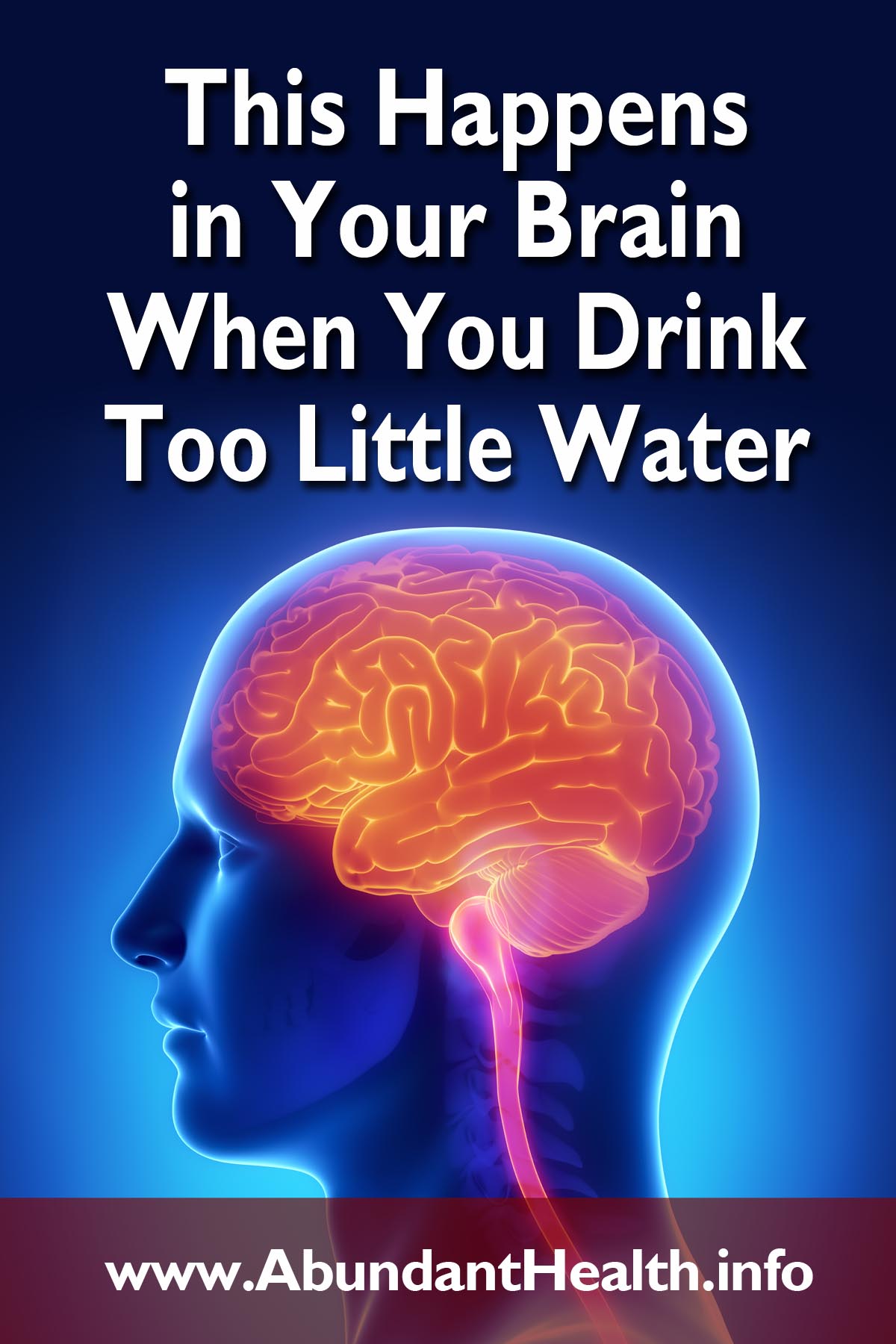
This Happens in Your Brain When You Drink Too Little Water

June 5, 2022 by Dr. Cesar Vasconcellos de Souza - [rt_reading_time label="Reading Time:" postfix="minutes" postfix_singular="minute"]

Isso Acontece em Seu Cérebro Quando Você Bebe Pouca Água

Do you think you only need to drink water when you’re thirsty? Did you know that thirst is already an alarm? Drinking water only when you’re thirsty is like putting fuel in your car only when that little alarm light comes on, saying you’re running out of gas. Is water important for the brain?

This Happens in Your Brain When You Drink Too Little Water

Our brain depends on good hydration to function well. Brain cells and neurons require a delicate balance between water and different chemicals to function. When you lose a lot of water, sweating a lot for example, and you do not replace it, this balance is disrupted. Your brain cells lose their efficiency. Scientific studies have shown that when we’re dehydrated, it’s more difficult to keep our attention focused. Dehydration of the brain can produce both short-term and long-term memory impairment. Poor hydration can impair the ability to do mathematical calculations, such as calculating whether you will arrive at work on time, if you put off your alarm clock for another ten minutes.

Normally, the longest period of each day we go without ingesting liquids is the hours of sleep, which last about 6 to 9 hours each day, depending on the person. Despite the fact that sleeping usually doesn’t make us sweat, except in the summer if we have no air condition, it doesn’t mean that we don’t lose water while sleeping. With each breath we expel moisture, and the tendency during this hours of sleep is to dehydrate. That’s why it’s important to drink pure water throughout the day, and especially when you get up in the morning, at least one glass of water on an empty stomach. If you want your body and brain to function well, make a conscious effort to drink water from the moment you wake up, starting with getting out of bed in the morning. Think what a blessing to know that, and to have plenty of water available.

On our planet, millions of people have a shortage of drinking water. About 38,000 children under the age of five die each week because they don’t have clean water to drink; did you know that? Women in some African countries walk hours a week, carrying 5 gallons of water in containers, drawing even from places with unsafe water. What a blessing you have, for having pure water in your house, isn’t it? The brain is 75 percent water. So imagine how important is water for the brain to work well.

An African girl carrying water

It is important to drink at least eight glasses of water a day to be healthy; and in the summer even more. There is a difference in the amount to be ingested, according to the activity performed throughout the day, the person’s weight and the season of the year. Having a glass of water every hour of the day (between meals) is a good habit, some people even recommend it. We usually don’t realize that we are dehydrated. We only remember to drink water when we feel dizzy, or when the skin becomes dry.

You may not notice it, but your brain does! It becomes slow to respond to stimuli if it is not properly hydrated. Water is a great remedy, both outside and inside the body. Water helps the blood flow to the brain and calms it, as well as helping to eliminate toxic substances. Brain cells require twice as much energy as other cells in the body, and water contributes more to brain energy than other substances. Drinking water helps children and adults to prevent attention deficit disorder. The lack of correct hydration affects the brain, producing tiredness in the afternoon, difficulty in focusing thoughts, exhaustion, some types of headache, sleep disturbances and loss of mental clarity.

It is important to ingest pure water throughout the day for proper brain function, as it has no way of storing it. Studies have shown that if you are only 1% dehydrated, you will have a 5% decrease in cognitive function, in reasoning. Prolonged dehydration can cause a decrease in the size and mass of brain cells. This is more common in older people who tend to be chronically dehydrated for years. By hydrating your body well, your brain will benefit from the removal of toxins, improving the exchange of nutrients and leading to better concentration and alertness.

A woman drinking water

Brain inflammation is often associated with various types of injuries. When the brain is not properly hydrated, inflammation gets worse. A study of young women showed that the loss of 1.36% of body fluids after exercise impaired mood and concentration, increasing the frequency of headaches. A similar study of young men showed that losing 1.59% of body fluids resulted in memory impairment increased anxiety and fatigue. It is important to know that 1 to 3% of fluid is equivalent to the loss of 1 to 4,5 lbs (½ kg to 2 kg) of body weight for a person weighing 150 lbs (68 kg). So, after doing physical activities, drink a good amount of pure water.

It’s worth remembering: drinking water throughout the day helps your brain and improves concentration, helping you think more clearly. It also helps balance mood, maintains good memory, increases blood flow and oxygen to the brain, and helps prevent some types of headaches.

Researchers at the University of East London believe that when you quench your thirst, your brain can better focus on the task at hand. They did an experiment with 34 men and women. They were given a first test for them to take after breakfast, which included cereal and protein bar. For a second test, they ate cereal, a protein bar and drank a bottle of water. Those who said they were thirsty improved the test time after drinking the water. Drinking water made their brains work 14% faster than before drinking it.

If you want your brain to do well, drink plain water throughout the day, but not together with your meals. This is important for a number of health benefits, and essential for optimized brain performance. Remember, 75% of our brain is water. We can see how important drinking water is to stay mentally well. Drink water! Peace and Light!

Healthy Fruits

Stay Always Up to Date

Sign up to our newsletter and stay always informed with news and tips around your health.

Sign Up Now!

Filed Under: Healthy Lifestyle, Mental Health, Water

Gas and Oil – For Our Body

May 15, 2022 by Esther Neumann - [rt_reading_time label="Reading Time:" postfix="minutes" postfix_singular="minute"]

Gas and Oil

Every driver knows what fuel his car runs best on. He also knows what kind of oil the engine needs. He is very well informed about the tire pressure and, of course, about the engine’s performance. Let’s be honest: do you know your body as well as you know your car? Which oil do you work best with?

Gas and Oil - For Our Body

Research has found that our lifestyle and diet have a huge impact on our genes. Put simply, we can turn genes on or off with our diet and lifestyle. Only after being switched on will they have any impact on our health. It is therefore very important to pay particular attention to these two factors. Not only our car needs optimal care. Our body needs them even more. We can replace a car after a few years, but not our body.

Clear Sight

We take good care that there is always enough water in our car’s windscreen washer system. And what about our bodies? Did you know that brain cells are extraordinarily sensitive to dehydration? The brain is no longer optimally supplied with blood and can no longer perform. Visibility is clouded, like in a car with a dirty windshield. Did you know that the kidneys can no longer produce sufficient dilution of the urine if you drink too little water? The concentration of the substances that have to be excreted is constantly increasing, and the risk of kidney stones is going up. The bladder can be impacted, since without sufficient liquid transport from the kidney, it is no longer sufficiently perfused. This is followed by a massive increase in disease-causing germs. A painful urinary infection is the consequence. If you drink enough, you flush your entire urinary system optimally.

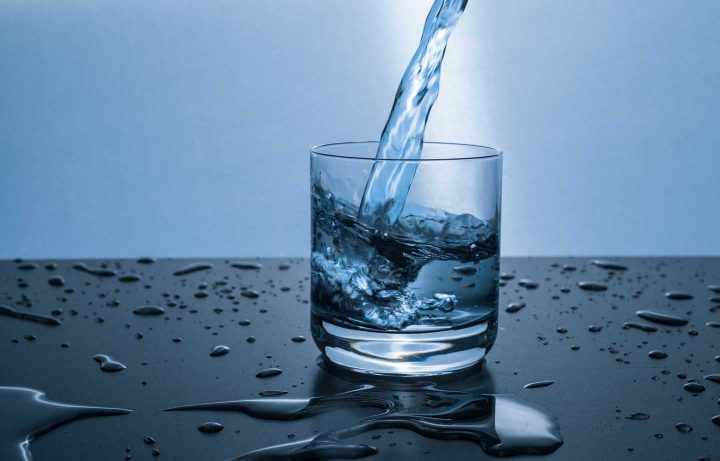
A glass of water

Fill Up the Tank, Please

Everyone who drives away makes sure that there is enough fuel in the car, otherwise they won’t get to their destination. Be sure to fill up the tank of your body in the morning! Blood sugar levels are below normal after waking up. During the night, the glucose was used up for a great many energetic processes. That’s why you have to recharge your batteries with a hearty, wholesome breakfast. Fresh fruits, whole wheat bread bread with a tasty spread, an oatmeal or a granola are the right fuel to start the day.

Oil Change

How many types of oil are offered in the car accessories section! It’s the same in the grocery store. Most car owners know what kind of oil the engine needs. Who knows which oil is ideal for his body? Omega-3 fatty acids are not just empty buzzwords or good for advertising. Omega-3 fatty acids are the big stars protecting the heart and blood vessels. They reduce blood triglycerides, blood pressure and the risk of coronary heart disease. They probably also lower the risk of developing Alzheimer’s disease and reduce certain rheumatic complaints. They lower the cholesterol level and alleviate neurodermatitis.

And where do we find omega-3 fatty acids? In a number of vegetable oils and in the fish oil of cold-water fish, i.e. salmon, herring, mackerel, tuna and sardines. Unfortunately, toxic heavy metals such as lead and mercury are very often found in fish. Therefore, it is more advisable to switch to good vegetable oils. Linseed, canola, chia, hemp, walnut and soybean oil contain many omega-3 fatty acids.

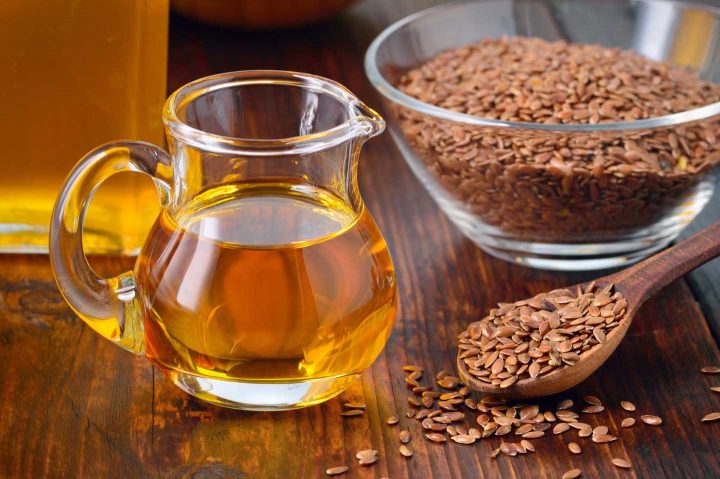
Flaxseed and linseed oil

Animal fats should be avoided, especially lard. They have a lot of arachidonic acid, which has an inflammatory effect. Unfortunately, fast food or store-bought baked goods frequently use industrial margarine containing trans-fatty acids, which are detrimental for our cells. However, the industry is trying to get rid of this flaw.

Pit Stop

In motorsport, a pit stop is a very short stop at a designated place where various interventions, small repairs and adjustments can be made at lightning speed. Our body also needs a pit stop – but a longer one than in sports. Rest and enough sleep are seen by many today as a luxury. On average, we now sleep about an hour and a half less than a generation before us did. Many adults and even children complain about the consequences of lack of sleep: susceptibility to colds, reduced performance, lack of concentration and a higher frequency of accidents.

In addition to healthy sleep, relaxation during the day is also very important. Lots of things distract us and steal what we need for ourselves – every now and then a few relaxing minutes after work is done. This can be something different for everyone. For some, it means closing your eyes and listening within; for the other to let their eyes wander outside the window. It’s good if they get to see flowers and green trees, just something different than in the working world.

If you can take a walk in nature, you have double the benefit. Feel the wind, breathe the fresh air, listen to the birds singing, enjoy the moment that is all yours and for a moment don’t think about the future or the past. This fills you with gratitude and calm for what you have just been able to accomplish in the past day.

A stroll in nature

When these pit stops are followed by the weekly day of rest after the six working days, you will experience an oasis in a stressed world. It is not for nothing that our Creator set this day for us. It is also good for our soul.

Our bodies are worth far more than a car. It is worth thinking about what kind of performance we expect from it and how we want to take care of it. However, it is also worthwhile to immediately put the knowledge gained into practice. You will reap the benefits for yourself.

Healthy Fruits

Stay Always Up to Date

Sign up to our newsletter and stay always informed with news and tips around your health.

Sign Up Now!

Filed Under: Healthy Lifestyle, Nutrition, Sleep, Water

Water – The Cheapest Medicine

October 25, 2020 by Esther Neumann - [rt_reading_time label="Reading Time:" postfix="minutes" postfix_singular="minute"]

Water – the cheapest medicine! A few years ago you could read this slogan on large posters in the streets of Vienna. Indeed, a lack of water can cause pain. If we drink a few glasses of water over our thirst, we feel noticeably better. Simply drinking water can resolve confusion. Anyone who has ever suffered from thirst in the desert knows what we’re talking about. Why is water so important?

Water - The Cheapest Medicine

Structure of Water

Water is a special liquid. Even his unusual chemical and physical properties make this small molecule to a great helper in the human ecosystem. We all know the chemical structure H2O. Two hydrogen atoms are connected to an oxygen atom at a very special angle so that two oppositely charged poles are formed. This dipole characteristic is the prerequisite for the special property of water. It can form hydrogen bonds with many other substances. In this way it can dissolve substances, bind, transport, excrete, yes life processes are made only possible by water. By the high specific heat capacity and latent heat released with the evaporation of the water, our body is protected from temperature fluctuations.

Water Balance

When nutrients are broken down, water is formed. Together with the hydration via drinks and food, it forms one side of the balance in relation to water absorption. The water loss occurs via the lungs, skin, kidneys and intestines. Consumption needs to be adequate to maintain a healthy balance. Drinking additional water beyond our thirst helps us to stimulate our body metabolism. Children naturally crave more drinks. Unfortunately, adults are less aware of thirst signals. Therefore, the water content in the cells decreases more and more with age. Chronic dehydration of the cells is the result, which can lead to symptoms like an illness. If the various signals of dehydration are not recognized, they are treated with medication. Hence the above saying makes sense: water – the cheapest medicine.

A good way to check that you are getting enough water is to check your urine. During the day it should be clear. That doesn’t apply to morning urine, it is more concentrated. The composition of the food also has an influence on the amount of water released. Increased salt and protein intake dramatically increases the amount of water excreted. Therefore, the cells also dry out when drinking seawater.

How Much Shall We Drink?

The body needs 6 to 8 glasses of water a quarter of a liter. Alcohol, coffee, black tea, diuretic teas and caffeine-containing beverages should not be included in the fluid balance. They stimulate the body to excrete more water. In coffee houses you get therefore a glass of water with a cup of coffee.

The first glasses of water should be drunk immediately after getting up. This stimulates the elimination of kidneys and intestines. The first glasses after getting up can be compared to washing the gastrointestinal tract. Ideally, water should be consumed between meals. Start drinking about two hours after meals, and stop drinking half an hour before the main meals. If more water is drunk, thirst is better recognized.

Drink 2 cups of water just when you wake up.

Plain tap water is best. Chlorine in tap water can evaporate when the water is poured into open jugs and left to stand. The hardness of the water does not matter. On the contrary; the calcium is good for our bones. Mineral water can also be used. But if it is used habitually, the analysis should be studied and water that is tailored to our health conditions should be preferred. In the case of high blood pressure, these are, for example, low-sodium mineral waters.

Fruit and vegetable juices will contribute to the water balance. But keep in mind that they will activate digestion. In small amounts they can be included with the meal. A vegetable juice is included best half an hour before lunch. If fruit juices are used between meals, they should be diluted because of the calorie content and because they stimulate the desire for sweet. And your main drink should always be water. It is simply the elixir of life.

Dangerous Water Loss

Humans are made up of around 70% water. Already 3% decrease in the total body fluid leads to a decrease in saliva production. 10% loss leads to confusion. Increasing the amount of drinking in nursing homes drastically reduces the confusion of residents. 20% of water loss is leading to death. Physical resistance and strength can also be increased by drinking appropriate amounts. For the expedition of Edmund Hillary, who was the first man who reached the summit of Mount Everest, drinking about 12 cups of water was crucial to their success.

Water as Medicine

Drinking too little water increases the risk of a heart attack. Drinking water makes the blood thinner and prevents it from clumping. High blood pressure is often a result of a lack of water. The vascular system of the whole body adapts to a reduced amount of blood by reducing its diameter. However, this means that the heart has to work more and some parts of the body will suffer from reduced blood flow.

Water can be very helpful for gastritis or inflammation of the duodenum. Mucous membranes that have enough water available act as an acid barrier. They are able to secrete more mucus then with lack of water. So drinking water is a natural protection against stomach acid.

Joint pain can also be a warning sign of a lack of water. The surface of the cartilage in a joint needs water to increase lubricity. In addition, when there is a lack of water, the blood supply and nutrient supply of the bone are reduced.

Many more illnesses, at least in the early stages, are probably related to a lack of water. We are definitely doing something good for our body when we drink water beyond our thirst.

Water of Life

Water is the source of life.

Let us thank our Creator that we are allowed to live in countries where good drinking water is part of the quality of life and let us use it responsibly. Unfortunately, even in our part of the world, there are communities here and there where proper water supply are not always guaranteed.

Life is not possible without water. Water is so precious that in Christianity it is even compared to eternal life. In the fourth chapter of the Gospel of John, Jesus is talking to a Samaritan woman at Jacob’s well. She has to come to this well again and again to draw water. Everyone who drinks water gets thirsty again. Jesus offers the woman living water that flows into a source of eternal life. Jesus, the water of life, is just as necessary as the precious liquid that makes life possible. They belong together. Let’s keep this in mind when we have our next glass of cool water.

Filed Under: Healthy Lifestyle, Water

Primary Sidebar

Social Channels

Coronavirus Immunity Challenge

Boost your immune system to be bullet-proof for the pandemic.

I Want to Participate

Recent Posts

  • 5 Habits to Live Longer
  • Better Sleep Can Protect Against Dementia
  • Finding Peace In Your Crazy-Busy World
  • Flaxseed – An Ancient Plant Rediscovered
  • Platelets – Triggers for Life or Death
  • Boderline Personality Disorder
  • In Praise of Almonds and Nuts
  • Are You Stuck in the Clutter Trap?

Categories

  • Body Systems (16)
    • Cell Function (2)
    • Circulatory System (1)
    • Digestive Tract (10)
    • Immune System (4)
  • Diseases (27)
    • Cancer (2)
    • Cold (1)
    • COVID-19 (11)
    • Dementia (1)
    • Diabetes (1)
    • Digestive Diseases (2)
    • Heart Disease (2)
    • Kidneys (1)
    • Metabolic Syndrome (2)
    • Skin (1)
  • Healthy Lifestyle (42)
    • Exercise (11)
    • Gardening (2)
    • Sleep (7)
    • Sunlight (2)
    • Temperance (14)
    • Water (4)
  • Mental Health (87)
    • Addictions (6)
    • Anxiety (7)
    • Burnout (1)
    • Depression (7)
    • Psychosomatic Diseases (6)
    • Stress Management (45)
    • Trust (6)
  • Nutrition (56)
  • Obesity (9)
  • Phases of Life (14)
    • Adults (3)
    • Babies and Infants (1)
    • Children (3)
    • Seniors (5)
    • Teenagers (3)
  • Therapies (7)
    • Herbs (5)
    • Hydrotherapy (1)
  • Uncategorized (3)

Archives

  • January 2025 (1)
  • March 2024 (5)
  • February 2024 (4)
  • January 2024 (4)
  • December 2023 (5)
  • November 2023 (4)
  • October 2023 (5)
  • September 2023 (4)
  • August 2023 (3)
  • July 2023 (2)
  • June 2023 (4)
  • May 2023 (4)
  • April 2023 (5)
  • March 2023 (4)
  • February 2023 (4)
  • January 2023 (4)
  • December 2022 (4)
  • November 2022 (4)
  • October 2022 (5)
  • September 2022 (4)
  • August 2022 (4)
  • July 2022 (5)
  • June 2022 (4)
  • May 2022 (5)
  • April 2022 (4)
  • March 2022 (4)
  • February 2022 (4)
  • January 2022 (5)
  • December 2021 (3)
  • November 2021 (4)
  • October 2021 (6)
  • September 2021 (4)
  • August 2021 (4)
  • July 2021 (5)
  • June 2021 (4)
  • May 2021 (3)
  • April 2021 (5)
  • March 2021 (4)
  • February 2021 (4)
  • January 2021 (5)
  • December 2020 (3)
  • November 2020 (4)
  • October 2020 (5)
  • September 2020 (5)
  • August 2020 (3)
  • July 2020 (1)
  • June 2020 (1)
  • May 2020 (1)
  • April 2020 (1)
  • March 2020 (1)

Copyright © 2026 · Abundant Health - Privacy Policy - Medical Disclaimer