Abundant Health

Up to date health information tailored for you

  • Home
  • Blog
  • Recipes
  • Shop
  • Contact
You are here: Home / 2021 / Archives for December 2021

Archives for December 2021

Is Wine Good for the Heart?

December 26, 2021 by Dr. Cesar Vasconcellos de Souza - [rt_reading_time label="Reading Time:" postfix="minutes" postfix_singular="minute"]

Is Wine Good for the Heart?

Could it be, that the solution to avoid health problems due to alcohol consumption, is to drink in moderation, as many ads are recommending? Is wine really good for the heart, as some studies are claiming? We will get into details about this subject in this article.
Is Wine Good for the Heart?

The World Health Organization has identified alcohol consumption as one of the top ten risk factors for the global burden of disease. See this statement from the National Institute on Alcohol Abuse and Alcoholism, which reads:

Results of autopsy studies show that patients with a history of chronic alcohol consumption have smaller, lighter, more shrunken brains than nonalcoholic adults of the same age and gender. This finding has been repeatedly confirmed in living alcoholics using structural imaging techniques, such as computed tomography (CT) and magnetic resonance imaging (MRI)… Imaging reveals shrinkage to be more extensive in the folded outer layer (i.e., cortex) of the frontal lobe, which is believed to be the seat of higher intellectual functions… Shrinkage also occurs in deeper brain regions, including brain structures associated with memory, as well as in the cerebellum, which helps regulate coordination and balance.((National  Institute  on  Alcohol  Abuse  and  Alcoholism,  No. 47, April 2000.))

An article in the journal of the American Medical Association, JAMA stated the following:

Alcohol should be considered an immunosuppressive drug of long-range effects.((MacGregor, RR. Alcohol and immuno defense. JAMA Set, 19,1986, v 256, no. 11.))

This means, alcohol decreases the ability of your body’s defense system to function. Regarding the possible benefits of alcohol for the heart, the World Health Organization concluded the following:

Although regular low to moderate consumption of alcohol is protective against coronary heart disease, other cardiovascular and health risks associated with alcohol do not favor a general recommendation for its use.((Diet,  Nutrition  and  the  Prevention  of  Chronic  Diseases,WHO, 2003, p. 90))

A woman taking an alcoholic drink - 
Photo by Olya Prutskova from Pexels

What Helps Then the Heart?

But after all, is wine good for the heart or not? A study done in the Second Department of Cardiology, General Hospital, University of Attikon, Greece, published in December 2005 with the following title: Polyphenolic compounds from red grapes acutely improve endothelial function in patients with coronary heart disease.((Lekakis J et.al. Polyphenolic compounds from red grapes acutely improve endothelial function in patients with coronary heart disease. ·  DOI: 10.1097/00149831-200512000-00013 ))

 This study showed that drinking red wine improves blood vessel dilation by acting on the endothelium, the tissue in the blood vessel wall. So in the study a group of men who had coronary heart disease were given a polyphenol extract from red grapes (600mg) dissolved in 20ml of water and some were given the 20ml of water with a placebo, so all the men thought they were taking the grape extract, and they were chosen at random by the researchers. They used high-resolution ultrasound to assess the dilation of the brachial artery, the main artery in the arm, after hyperemia, which is a redness caused by obstruction with a cuff in the arm. They measured vessel dilation in fasting, and 30, 60 and 120 minutes after taking the true extract or placebo.

Do you know the result? Those taking the grape extract actually had a dilation of the affected artery after 60 minutes, which was significantly higher than the baseline values. There was no change in the dilation of the arteries in the men who took the placebo.

The researchers concluded that components called polyphenols from red grapes improve the function of the blood vessel wall in patients with coronary heart disease. A substance that God put in the grape called Resveratrol is what benefits the vessels. These results, they say, could probably explain, at least in part, the favorable effects of red wine on the cardiovascular system. But serious science knows that ethanol alcohol is toxic to the human body in any amount, however some components of the grape are healthy, which are acquired in the same form with the consumption of grape or grape juice.
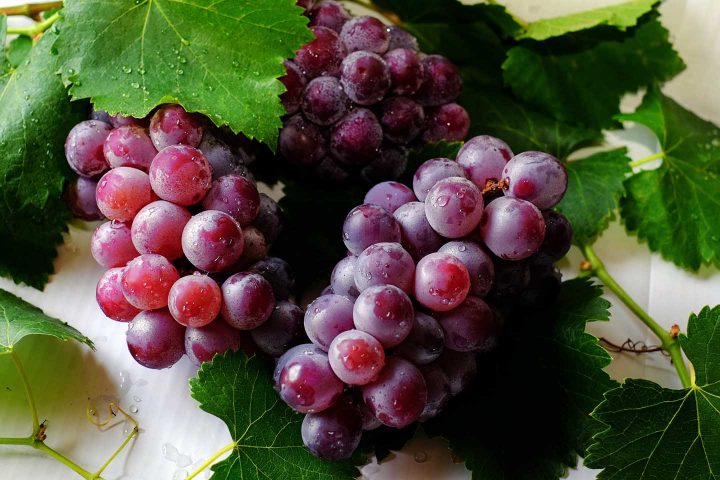
Tasty Grapes - Photo by Kai-Chieh Chan from Pexels

Other Problems with Alcohol

The liver is the main organ responsible for the elimination of alcohol. On average it takes an hour to process a drink. After a few weeks of drinking four to five drinks a day, liver cells begin to accumulate fat, and if the person insists on drinking, alcoholic hepatitis can develop with inflammation and destruction of liver cells, which leads to cirrhosis. Cirrhosis is an irreversible progressive disease, which leads to death. Fifteen percent of people who insist on drinking after alcoholic hepatitis develop cirrhosis of the liver.

A meta-analysis indicated that women who drink three or more drinks a day have a 69% higher risk of breast cancer than women who don’t drink. Another meta-analysis showed that women who had two to four drinks a day increased their risk of breast cancer by 41%. Studies do not distinguish between wine, beer or mixed drinks. Neither is safer than the other, the studies say. In 1993 the NIAAA published the results of studies that showed the link between heavy drinkers and cancer of the esophagus and mouth, larynx and colon.((Research links alcohol abuse and breast cancer. Hazelden Foundation, Hazelden Foundation, www.hazelden.org consulted on March 21, 2006))

Alcohol impairs diabetes control. Normally the liver helps to raise blood sugar between meals by releasing glucose. This does not happen when drinking alcohol, because the liver’s priority in this case will be eliminating alcohol. Thus, alcohol destabilizes blood glucose levels, which complicates the treatment of diabetics.
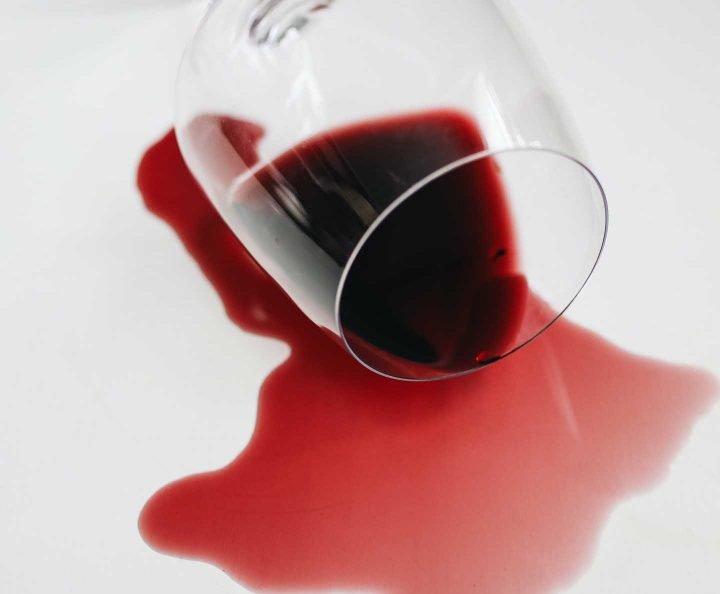
A spilled glass of wine - Photo by Polina Tankilevitch from Pexels

Alcohol abuse can interfere with male sexual function, causing infertility by atrophy of testosterone-producing cells, can impair sexual desire and create impotence by damaging nerves linked to erections. In women, alcohol can alter the production of female hormones, reducing menstruation and causing infertility.

In summary, we can see what protects the heart, what is good for the blood vessels is not red wine or other wine, but substances from the grape, especially a substance called Resveratrol. And we saw that due to the toxic effects of alcoholic beverages, it is best not to drink in moderation, but rather not to drink anything that contains alcohol. Think about it and better stay sober!
Healthy Fruits

Stay Always Up to Date

Sign up to our newsletter and stay always informed with news and tips around your health.
Sign Up Now!

Filed Under: Healthy Lifestyle, Temperance

Don´t Carry the Christmas Dinner Into the New Year

December 17, 2021 by Ricardo Vargas - [rt_reading_time label="Reading Time:" postfix="minutes" postfix_singular="minute"]

Ceia de Natal

The holiday season is eagerly awaited, meeting up with people you love, catching up and sharing a meal together. Is there anything better? But for this day to be memorable it is important to get the menu right, exaggerations can compromise the enjoyment of those festivities.

Don´t Carry the Christmas Dinner Into the New Year

It’s common to see plentiful tables and a lot of variety during the festivities, so far no problem, if you get your choices right. Let’s talk about some mistakes made when putting together the menu for the Christmas dinner.

First of all, let’s highlight a very important issue. We’ll talk about pleasure.

Pleasure is a pleasant sensation or emotion, linked to the satisfaction of a desire. Pleasure is generated by increased production of a hormone called dopamine. This hormone is produced in the brain at various receptors called D1, D2, D3, D4 and D5 according to location and function.

External stimuli are often triggers for the body to produce dopamine. Among these stimuli, the most used is food, but not just any food. Among them, those rich in sugar or fast-absorbing carbohydrates such as white rice, potatoes, pastries in all of its forms, foods rich in fat and stimulants like coffee and chocolate are on the top of the list. These have been used to generate pleasure, soothe guilt or escape even for a moment from anxiety or stress.

A warning, the use of these foods in the pursuit of pleasure generates addiction, you can become addicted. You may say: No way, but at the end of the day, you don´t resist. The need for large doses of dopamine is becoming a constant. Brain D2 receptors are highly stimulated by the above foods. The consequences are numerous, but weight gain is one of the major ones.

The title of the article refers precisely to this aspect, your Christmas dinner can be deposited in your body in the form of fat. One of the main causes of obesity is precisely this unrestrained search for pleasure produced by food. When the year comes to its end, people start to make their new years resolutions. I suggest that you make it a priority to take control of your health in 2022, so start by making better food choices for Christmas dinner.

Food Choices - Photo by Andres Ayrton from Pexels

Families often have the habit of serving their meal very late on Christmas Eve. Our metabolism slows down at night and digestion is compromised, increasing the time the food remains in the stomach. The foods that generate the most workload for the stomach and digestive organs such as the intestine, liver and pancreas are fatty and protein foods.

Beware of foods such as meat, cheese and the famous mayonnaise. All of these are high in fat and protein and can wake you up with a hangover the next day. Hangover? That’s right!

People who have the habit of drinking alcoholic beverages wake up with a hangover due to the workload that alcohol causes for the liver to promote the detoxification process. Fatty and protein foods eaten late at night and in large volumes can make you wake up with a bad headache, bitter mouth, and a terrible mood. The pleasures of the table can end the enjoyment of Christmas celebration.

Give preference to foods that are less concentrated in protein and fat and richer in carbohydrates. But this carbohydrate needs to be of good quality, that is, rich in fiber. Refined carbohydrates in excess favor the formation of triglycerides and you can end the year heavier on the scale. Unfortunately that’s what happens, the end-of-the-year menu usually promotes weight gain in the population, some can add more than 9 pounds between Christmas and New Year.

Also note what will be served to drink. Soda is a bomb of empty calories, this drink is concentrated in sugar with very fast intestinal absorption, it generates work overload to the pancreas that produces a lot of insulin and consequently increases the formation of fat, in addition to the additives, stimulants and gas that is an irritant to gastric mucous.

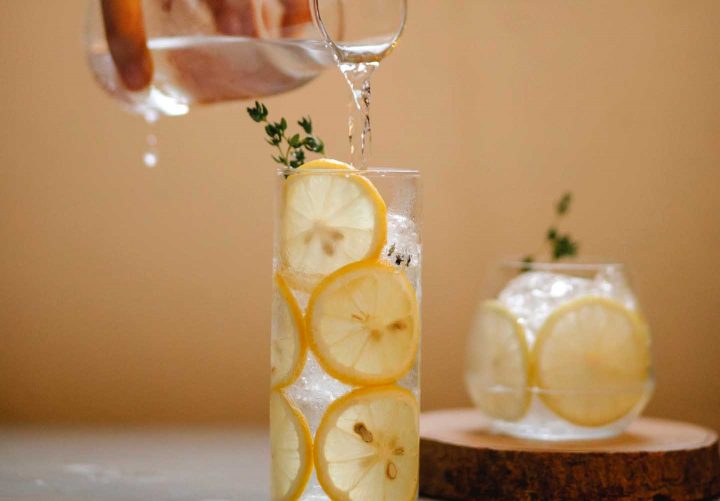
Industrialized juices are not far behind in terms of sugar, they are not indicated even if they do not have the harm caused by stimulants and gas. Give preference to natural and less caloric juices such as passion fruit, acerola and cashew fruit juice. If you need to sweeten, give preference to sweeteners such as stevia, xylitol and thaumatin. Serving flavored water is a good option.

Flavored Water - Photo by Charlotte May from Pexels

For Christmas dinner, start with entrees based on home made whole-grain breads served with spreads. We suggest an eggplant antipasti, thyme cream and azapa black olive spread.

Also include a refreshing red quinoa salad and a tofu caponata accompanied with brown rice.

For dessert, seasonal fruits and a delicious Tiramisu.

This is our suggestion for a healthy and tasty Christmas dinner, but nothing prevents you from adding more dishes, just be careful with your choices and with too much variety. The higher the number of options, the easier it is to overdo it on this day.

Here is a summary with some more suggestions:

  • Do not serve a wide variety of foods at supper.
  • Fruits in abundance are the best choices to be served on the Christmas table.
  • Beware of foods high in protein and fat, they are slow to digest and you may have hangover symptoms the next day, even if you don’t drink an ounce of alcohol.
  • Supper is for socializing with friends and family and not for “stuffing”.
  • Go around the table where supper is being served without the plate, look and choose. Only then pick up the plate. This will help you not be surprised and reach the end of the table with your plate crammed.
  • Mixing two or more carbohydrate sources can lead to intestinal fermentation.
  • Ingesting large volumes of liquid with a meal can promote reflux.
  • Have your Christmas dinner early, don’t wait for the bells to ring in midnight.

A Merry Christmas and an abundant health in 2022.

Recipes

Thyme Spread

  • 1 cup of tofu
  • ¼ cup of olive oil
  • 2 garlic cloves
  • 2 tablespoons of thyme leaves
  • 1 teaspoon of salt
  1. Put the oil, garlic and thyme, salt and a handful of crumbled tofu in a blender.
  2. Pulse and gradually add the rest of the tofu, until you get the desired texture.
  3. If you want to store it, put it in a jar with a lid.
Spread
GlutenFreeDiet, VeganDiet

Tofu and Azapa Black Olives Spread

  • 1 cup of soft tofu
  • 8 azapa black olives
  • 1 tablespoon of olive oil
  1. Mix all ingredients in food processor until smooth. If you’re going to do it in a blender, you might need to add some water.
Spread
DiabeticDiet, GlutenFreeDiet, VeganDiet

Red Quinoa Salad

  • 1 cup of red quinoa
  • 1 dish of red cabbage
  • ½ cup walnuts or peanuts
  • ½ cup chopped almonds
  • 1 clove of garlic
  • olive oil
  • salt to taste
  • lemon to taste
  1. Wash the quinoa about 3 times.
  2. Place in a pan with 2 cups of water and cook for about 15 minutes, or until the water dries well.
  3. Let cool.
  4. Sanitize the cabbage and cut it very thin.
  5. Mash the garlic and chop the almonds.
  6. Mix the remaining ingredients.
Salad
DiabeticDiet, GlutenFreeDiet, VeganDiet

Eggplant Caponata with Tofu

  • 1 large eggplant cut into stripes
  • 1 large zucchini cut into stripes
  • 1 cup of tofu
  • 1 medium sliced onion
  • 1 chopped peeled tomato
  • 4 tablespoons of oil
  • 2 tablespoons of chopped walnuts
  • 2 tablespoons of chopped raisins
  • 1 tablespoon of crushed garlic
  • 1 tablespoon of oregano
  • salt to taste
  1. Saute the garlic, onion and salt in a pan.
  2. Add the eggplant, zucchini and tomato and saute until soft.
  3. Add the diced tofu and sauté a little more to get the taste.
  4. Add the olive oil, nuts and raisins.
  5. Serve hot or cold.
Side Dish
DiabeticDiet, GlutenFreeDiet, VeganDiet
Healthy Fruits

Stay Always Up to Date

Sign up to our newsletter and stay always informed with news and tips around your health.

Sign Up Now!

Filed Under: Nutrition, Obesity

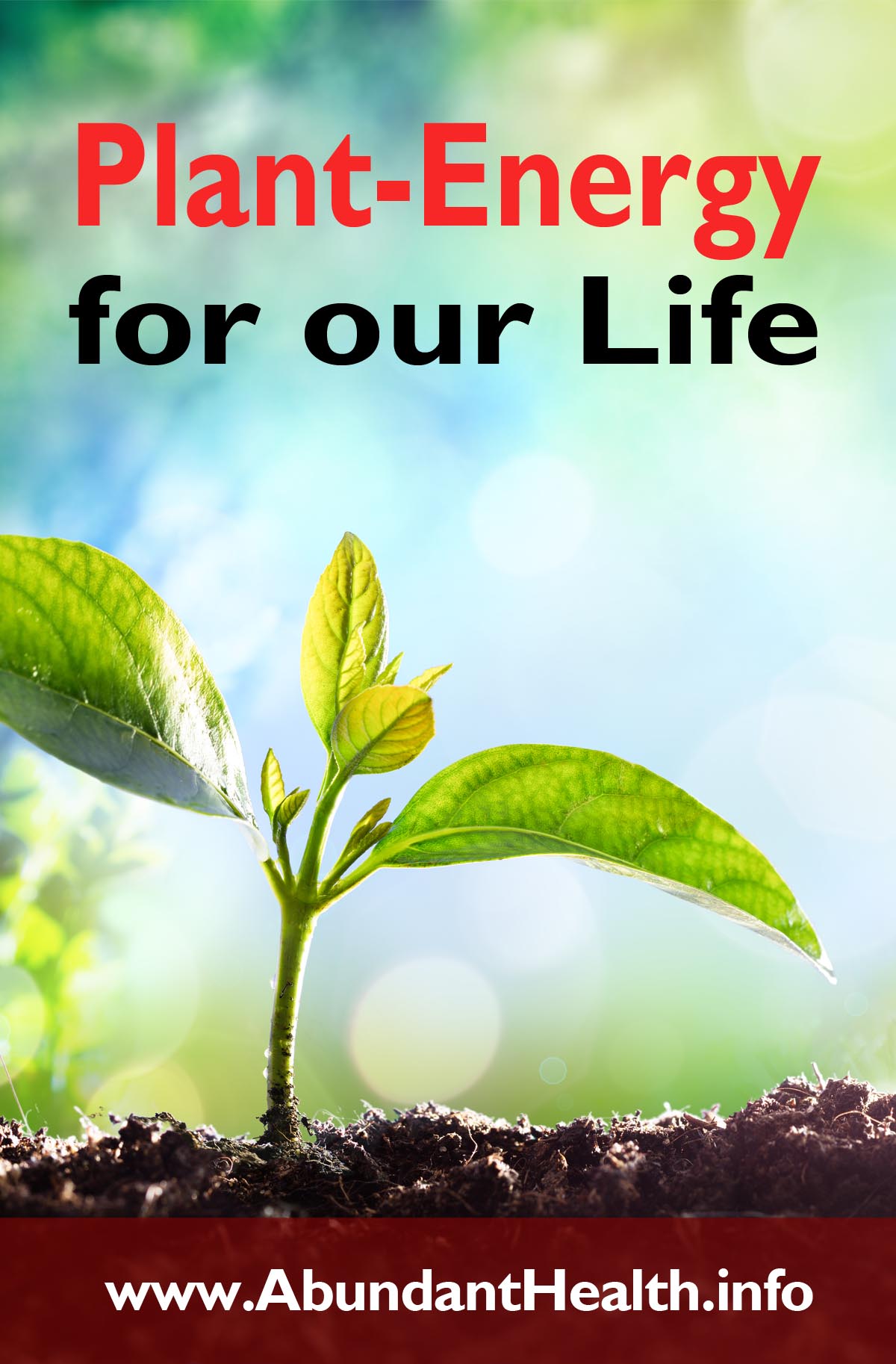
Plant-Energy for our Life

December 10, 2021 by Esther Neumann - [rt_reading_time label="Reading Time:" postfix="minutes" postfix_singular="minute"]

Pflanzen - Energie für unser Leben

One of the main reasons we eat food is to provide us with energy. Without food we would die soon. Plants can assimilate solar energy through their leaves and convert it into chemical energy. Animals and humans cannot do this, they are dependent on food for energy. We are eating energy in the form of carbohydrates, fats, and proteins.

Plant-Energy for our Life

But there are many other substances that the plants provide to us in sometimes tiny amounts. These include vitamins, minerals, trace elements, hormones, enzymes and the numerous phytochemicals. These substances are called secondary plant compounds because they are not essential to the actual, primary metabolism.

The plant forms these substances for its own protection, to ward off diseases and pests, but also to attract beneficial insects, to guarantee reproduction, to protect itself from dehydration and for countless other tasks. Science has found out that precisely these substances are also subservient spirits for us humans, especially in the defense against diseases. Who is surprised that our original, Creator-determined diet comes from the realm of plants?

Power Plants

In almost all of our cells there are tiny little power plants that produce energy for our bodies. It’s the mitochondria. Almost everything we eat sooner or later ends up in these tiny power plants and is turned into energy.

Our body is an ingenious, huge chemical laboratory. The chemical energy generated in the mitochondria is called ATP (adenosine triphosphate). The body needs this energy in order for the muscles to move.

However, energy is also used to produce vital molecules and to carry out transport processes within the cell and from one cell to another. In an adult human, the amount of ATP that is produced every day is roughly equivalent to his body weight.

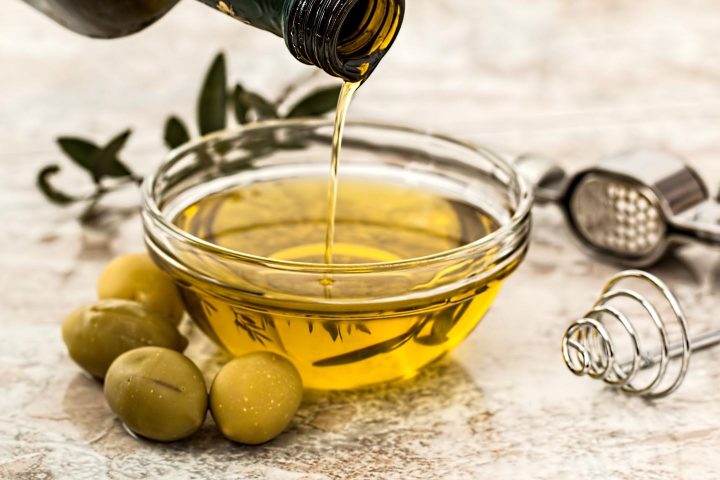
Coenzyme Q10 plays a key role in the production of energy. This coenzyme is so important that the body produces it itself. To do this, however, he needs a whole range of vitamins and protein. It is also found in every plant, but especially in oil seeds and grain germs. So let’s give preference to cold-pressed vegetable oils and whole grains.

Olives with Olive Oil

As a dietary supplement in capsules, we should only swallow coenzyme Q10 if it has been proven that the body cannot produce it itself. We do not exactly know the daily requirement of the human being. Numerous studies have been carried out to prove the positive effects of artificially supplied coenzyme Q10. However, no convincing connections have yet been found. It is therefore not advisable to take a dietary supplement without subscription, even if the advertising tempts us to do so.

Protection from Green Leaves

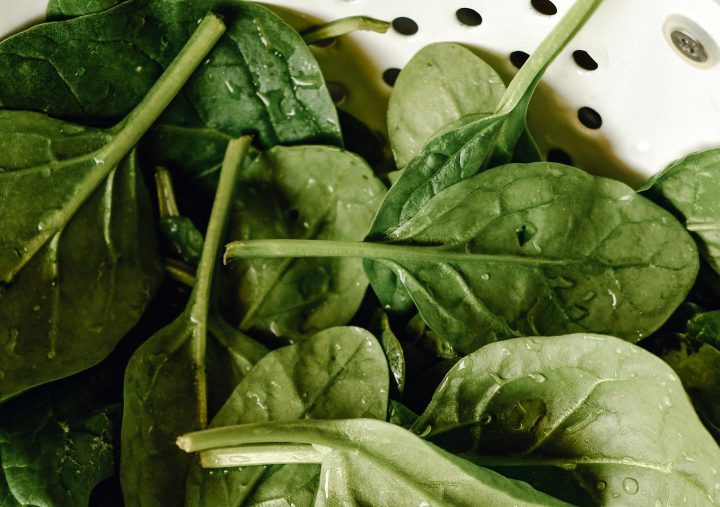
Another important substance that plants provide us with is chlorophyll, the green plant pigment. We can compare it to our red blood pigment. We need chlorophyll for the formation of blood, to strengthen our immune system and the liver metabolism. It also inhibits the development of various types of cancer. The leaves of spinach and nettles, broccoli, wheat and kamut grass contain a great deal of chlorophyll. It is also available in capsules and tablets. But we prefer the whole plant because with it we get many other substances that we need for the provision of various forms of energy. If we eat a lot of green plants, energy is supplied to us almost free of charge.

Spinach leaves - Photo by Eva Elijas from Pexels

Brain Food

In order to keep our mental energy in top shape, we need lecithin. Even this the body produces by itself. Lecithin has long been considered a food for the nerves, probably because the nerve cells and especially the brain have high levels of lecithin. But it also serves as a precursor for messenger substances that are needed for the proper functioning of our brain. We find lecithin in soybeans, thus also in soy products, in nuts and seeds, but also in kale.

We also find a lot of vitamin C in the brain. And that in turn is found in fruits and vegetables. Another plant that has positive effects on brain performance is ginkgo. Extracts from the leaves are used to improve blood circulation. Particularly in older people, this can improve the cerebral blood flow, which has a positive effect on memory.

Ginseng also has a stimulating effect on older people. However, there are a lot of inferior preparations on the market, as such products are sold with high profit margins. Controlled, high-quality products are only available from specialist retailers and from pharmacies. Cheap products from the supermarket are often stretched or blended with other substances.

Ginseng roots

Disease Protection

Our food should also protect us from disease. The many phytochemicals offer a wide range of benefits. Sulphides are the pungent ingredients in the onion family, such as chives, shallots, spring onions, garlic, leeks and Spanish onions. They affect our immune system, our blood clotting and inhibit the deposition of cholesterol in the arteries. Thus, they reduce the risk of cardiovascular diseases.

The bright colors of fruit and vegetables can protect us against cancer, inflammation and circulatory diseases. The color particles belong to the large group of flavonoids. Radishes, red cabbage, aubergine, peppers, red onions and beets, cherries, plums, apricots and peaches, apples and many colorful berries are medicine from nature, without any side effects. And let us not forget the cleansing energy of many plants. Many wild plants such as dandelion, nettle, milk thistle and chicory, to name just a few, help our liver with its versatile task. But even here, the body itself builds many protective walls against diseases. They are the body’s own enzyme systems. To do this, he needs many components from the plant kingdom: especially vitamins and trace elements. Selenium plays an important role in the defense against disease-causing processes. We find selenium in nuts, mostly in the Brazil nut. Soybeans and whole grains are also possible sources.

Nourishment for the Soul

Using food we can also nourish our soul. Eating is enjoyment and an expression of the joy of life. But to enjoy it you need time. Let us therefore eat slowly and enjoy the taste of our food. It is not the amount, but the taste that defines the enjoyment. A bar of chocolate, eaten like a piece of bread, only awakens the guilty conscience and does not bring any pleasure. But it doesn’t necessarily have to be chocolate. Put a piece of banana on your tongue and take in the taste for a while with your eyes closed! What a pleasure! Just like chocolate, bananas also contain the messenger substance serotonin, as well as the precursor tryptophan. From this amino acid, the messenger substance serotonin can be formed in the brain. This substance causes body and soul to relax.

Kids enjoying grapes - Photo by Anna Shvets from Pexels

Other foods high in tryptophan include: nuts, sesame seeds, pineapples, strawberries and raspberries, potatoes, onions and peas. Tryptophan reaches the brain easier if we eat it in combination with carbohydrates, i.e. bread, rice, pasta, oatmeal, muesli. The carbohydrates cause our blood sugar levels to rise. This also increases our insulin level. Insulin, in turn, preferentially binds other amino acids, but not tryptophan. In this way, more tryptophan reaches the brain and helps to increase serotonin, the “happiness messenger”. So it’s no wonder that low carb diets really upset our emotions.

Variety

A varied, natural, plant-based diet gives us energy in various ways. In addition, there is no food that stimulates our senses in such an enjoyable way as fruit and vegetables. Bright colors, fragrant scents, pleasant taste make us come back to these healthy energy donors again and again. Let’s make good use of the enormous diversity of fruits and vegetables for our health!

Healthy Fruits

Stay Always Up to Date

Sign up to our newsletter and stay always informed with news and tips around your health.
Sign Up Now!

Filed Under: Nutrition

Primary Sidebar

Social Channels

Coronavirus Immunity Challenge

Boost your immune system to be bullet-proof for the pandemic.

I Want to Participate

Recent Posts

  • 5 Habits to Live Longer
  • Better Sleep Can Protect Against Dementia
  • Finding Peace In Your Crazy-Busy World
  • Flaxseed – An Ancient Plant Rediscovered
  • Platelets – Triggers for Life or Death
  • Boderline Personality Disorder
  • In Praise of Almonds and Nuts
  • Are You Stuck in the Clutter Trap?

Categories

  • Body Systems (16)
    • Cell Function (2)
    • Circulatory System (1)
    • Digestive Tract (10)
    • Immune System (4)
  • Diseases (27)
    • Cancer (2)
    • Cold (1)
    • COVID-19 (11)
    • Dementia (1)
    • Diabetes (1)
    • Digestive Diseases (2)
    • Heart Disease (2)
    • Kidneys (1)
    • Metabolic Syndrome (2)
    • Skin (1)
  • Healthy Lifestyle (42)
    • Exercise (11)
    • Gardening (2)
    • Sleep (7)
    • Sunlight (2)
    • Temperance (14)
    • Water (4)
  • Mental Health (87)
    • Addictions (6)
    • Anxiety (7)
    • Burnout (1)
    • Depression (7)
    • Psychosomatic Diseases (6)
    • Stress Management (45)
    • Trust (6)
  • Nutrition (56)
  • Obesity (9)
  • Phases of Life (14)
    • Adults (3)
    • Babies and Infants (1)
    • Children (3)
    • Seniors (5)
    • Teenagers (3)
  • Therapies (7)
    • Herbs (5)
    • Hydrotherapy (1)
  • Uncategorized (3)

Archives

  • January 2025 (1)
  • March 2024 (5)
  • February 2024 (4)
  • January 2024 (4)
  • December 2023 (5)
  • November 2023 (4)
  • October 2023 (5)
  • September 2023 (4)
  • August 2023 (3)
  • July 2023 (2)
  • June 2023 (4)
  • May 2023 (4)
  • April 2023 (5)
  • March 2023 (4)
  • February 2023 (4)
  • January 2023 (4)
  • December 2022 (4)
  • November 2022 (4)
  • October 2022 (5)
  • September 2022 (4)
  • August 2022 (4)
  • July 2022 (5)
  • June 2022 (4)
  • May 2022 (5)
  • April 2022 (4)
  • March 2022 (4)
  • February 2022 (4)
  • January 2022 (5)
  • December 2021 (3)
  • November 2021 (4)
  • October 2021 (6)
  • September 2021 (4)
  • August 2021 (4)
  • July 2021 (5)
  • June 2021 (4)
  • May 2021 (3)
  • April 2021 (5)
  • March 2021 (4)
  • February 2021 (4)
  • January 2021 (5)
  • December 2020 (3)
  • November 2020 (4)
  • October 2020 (5)
  • September 2020 (5)
  • August 2020 (3)
  • July 2020 (1)
  • June 2020 (1)
  • May 2020 (1)
  • April 2020 (1)
  • March 2020 (1)

Copyright © 2026 · Abundant Health - Privacy Policy - Medical Disclaimer