Abundant Health

Up to date health information tailored for you

  • Home
  • Blog
  • Recipes
  • Shop
  • Contact
You are here: Home / 2021 / Archives for January 2021

Archives for January 2021

As You Think, So You Are

January 29, 2021 by Magna Porterfield - [rt_reading_time label="Reading Time:" postfix="minutes" postfix_singular="minute"]

As You Think So Your Are

Do you ever think about your thoughts? Most of us don’t. But evidence indicates that how we think can impact our feelings, our behavior, and even our bodies. If you were to one day record all of your thoughts, what would you discover? You might be surprised at what you found. What we think reveals much about who we are. This is why the wise man Solomon stated thousands of years ago that “as a man thinketh in his heart, so is he.”(( The Bible, Proverbs 23:7, KJV.)) Professionals and laypeople alike are learning more about thoughts and their effect on how we live and who we are. Let’s look at some specific areas in our lives that are directly linked to our thinking patterns.

As You Think, So You Are

Thoughts and Emotions

Our emotions are directly related to how we think. When I was in private practice, my clients would frequently say that they “felt” a certain way because of what someone said or did to them or because of a certain situation or event that had occurred in their lives. Many of us have uttered statements such as “He made me feel mad” or “I felt sad because she wouldn’t do such and such.” It is true that as human beings we do have an impact on one another’s feelings. However, the idea that other people or situations “make us” feel a certain way is not completely accurate. Simply put, it is not what happens to us that controls how we feel, but our thoughts about what happens that affects our emotions.

For example: an acquaintance who typically speaks to you passes by you without acknowledgement. How you feel about this situation is not determined so much by that person’s behavior, as by what you tell yourself about his or her behavior. If you say to yourself, “I can’t believe that she didn’t speak to me!” or “Why is he ignoring me?” you are more likely to feel hurt, angry, or rejected. However, if you give the person the benefit of the doubt and choose to consider that maybe he did not see you, or perhaps she was preoccupied with something, you will be less likely to experience negative emotions.

Psychologists and other mental health professionals apply this principle with a treatment known as cognitive behavior therapy, a method that teaches individuals how to identify and replace their distorted thinking patterns with healthful ones. When we experience anger, sadness, happiness or excitement, we can ask ourselves, “What was I thinking that might have contributed to this emotion?”

Thoughts and Behavior

“Sow a thought, reap an action …..” This simple proverb accurately describes the connection between our thoughts and actions. What we tend to plant in our minds, will germinate, grow, bud, flower, and bear fruit—in word and deed! To illustrate, let’s refer back to the example just given. If we believe that the person who didn’t speak to us is ignoring us, we may choose to ignore her the next time that we see her. Or, if we decide to put the kindest construction on her actions, and consider that she may have been preoccupied or experiencing some difficulty, we may instead say a prayer for her or give her a call to see if we can be of help in any way.

A phone call to a friend - Photo by Andrea Piacquadio from Pexels

The understanding that our thoughts affect our actions is also applied by those in the mental health field. For example, during the time that I worked with sexual offenders, an important part of their treatment program involved teaching them how their thoughts contributed to their acts of sexual molestation. With the use of cognitive-behavioral therapy, we would help them to identify the thoughts that had led them to commit acts of abuse, and then teach them how to replace these thoughts with more healthful ones. This principle is also used to address other psychological concerns such as depression, anxiety, and even relational issues of the marriage, family, workplace, classroom, or otherwise.

Thoughts and the Body

Consider the following: “Every time you think an angry thought, an unkind thought, a sad thought, your brain releases chemicals that make your body feel bad and activate your deep limbic system in the brain …. Think about the last time you were mad. How did your body feel? When most people are angry, their muscles become tense … the heart beats faster … hands sweat …. Your body reacts to every negative thought you have.”(( Amen, D., Change Your Brain, Change Your Life, Three Rivers Press, NY, 1998.
It should be noted that the current author does not agree with all the concepts promoted by Dr. Amen.)) 

This quote describes how thoughts can affect our bodies. And if they impact our bodies, then it stands to reason that they will also affect our physical health. We are becoming increasingly aware of the fact that many of the illnesses from which people suffer are related to the activity of their minds, and especially, how they think. One writer tells us that “few realize the power that the mind has over the body. A great deal of the sickness which afflicts humanity has its origin in the mind ….”(( White, E., Counsels on Health, p. 349.)) This connection is clearly seen in the area of stress. One person expressed it well when he stated that “What we think is killing us.”(( Howard, M., Seminar on “Burnout, Stress, and Fatigue.”))

In most situations, we experience stress not because of the situation or stressor itself, but because of how we react to the situation. Often times, uncontrolled stress can contribute to physical disease. A case in point is the example of a woman I knew who spent years thinking about and mulling over the death of another family member. This woman, even though she had a relatively healthful lifestyle, eventually died, perhaps prematurely, of cancer. One might wonder if her ongoing negative focus might have weakened her health. I may dare say that if she had recognized the power of her thoughts and chose to avoid negative ruminations, she might have been able to live a longer and more productive life.

The Truth of the Matter Regarding Thoughts

We are told that we “need to place a high value upon the control of our thoughts.”(( White, E., In Heavenly Places, p. 164.)) How can we do this? Psychology and other branches of mental health have made contributions in the area of thought control. But, as a psychologist myself, I must admit that the field of secular psychology offers only limited help. Any attempt that we make as mere humans to know and understand what is going on in our thought processes can only take us so far. This is because “the heart (hence, the mind) is deceitful above all things, and desperately wicked: who can know it?”(( The Bible, Jeremiah 17:9, KJV.))

In order to truly understand our thinking patterns, we must ask God to reveal this to us. And, beyond that, in order to change how we think, we need to address the root of the problem—the heart. Jesus tells us that “out of the heart proceed evil thoughts, murders, adulteries, fornications, thefts, false witness, blasphemies.”(( The Bible, Matthew 15:19, KJV.)) True, we can put forth human effort that may help us to be somewhat successful in changing our thoughts. But real, lasting change can only occur when our hearts are transformed and renewed by the Spirit of God. As did the psalmist David, we must ask God to “create in (us) a clean heart and renew a right spirit within (us).”(( The Bible, Psalm 51:10, KJV.)) If we do this, we can be assured that our thinking patterns will change for the better—from the inside out!

Meditation and prayer

We are told that “many thoughts make up the unwritten history of a single day; and these thoughts have much to do with the formation of character.”(( White, E., Messages to Young People, p. 144.)) This quote reminds us that the motivation for achieving good thinking habits is not only to gain optimal mental and physical health, but to help us develop right characters for this life and the life to come. And, lest we get overwhelmed with this reality, we must remember that with God’s power, all things are possible. He will provide the strength needed to think rightly. With this in mind, we can confidently ask God to help us follow the apostle Paul’s admonition: “Finally, brethren, whatsoever things are true, whatsoever things are honest, whatsoever things are just, whatsoever things are pure, whatsoever things are lovely, whatsoever things are of good report; if there be any virtue, and if there be any praise think on these things.”(( The Bible, Philippians 4:8, KJV.))


This article was published originally in the Journal of Health and Healing, a publication of Wildwood Institute.

Do you need a guide to help you understand how to cope with Stress in an all inclusive approach? Learn how to combat stress, mentally, physically, emotionally and strategically in your life.


Get Me the Guide

Filed Under: Mental Health, Stress Management

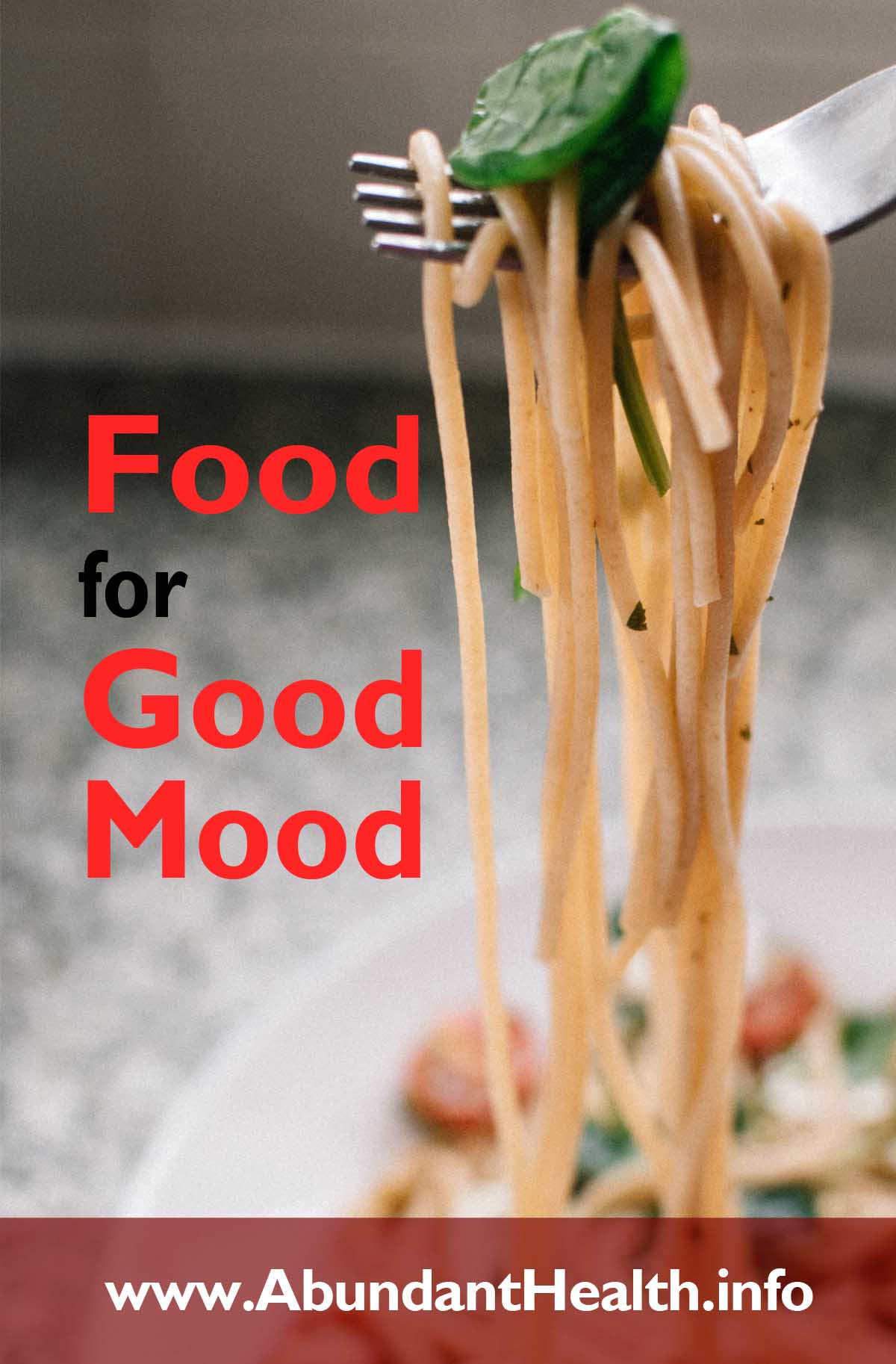
Food for Good Mood

January 22, 2021 by Esther Neumann - [rt_reading_time label="Reading Time:" postfix="minutes" postfix_singular="minute"]

Food For Good Mood

Why do we feel like chocolate when the weather is cold and cloudy, when we are lovesick or worried, but on a hot, bright summer day our mouths water when we have a crispy plate of salad in front of us? Our eating behavior is largely dependent on moods, humor and the environment. If there is such a close connection between our mind and eating behavior, is the reverse conclusion allowed that we can influence our mind and mood through our food?

Food for Good Mood

A peaceful picture: a baby is suckling on the mother’s breast. First, it is wide awake and smiles blissfully at its mother. Then it becomes calmer and calmer, the eyes close. Finally it falls like a ripe apple from the tree, slipping off from the mother’s breast. It fell asleep peacefully. The baby has been pacified in the truest sense of the word. It became very quiet and fell into a comfortable sleep. Why? Of course it is full, satisfied, its needs have been met in every way. The composition of the milk also contributed to that. Scientists have found opiate-like substances in breast milk that allow babies to sleep sound and deep. It is not only in this first infant nutrition that there are substances that affect our psyche. We find them in practically all foods, be it in a positive or negative sense.

Why Do We Eat?

If we did a survey about why we eat, we would quickly see that most of the answers have nothing to do with nourishing our bodies. This reason is usually mentioned first, just rarely we eat because we are hungry, but rather to satisfy very specific needs. We eat to cultivate community, because it is fun, because of tradition, out of boredom, because it involves our senses, out of frustration, sorrow and consolation. Eating not only nourishes our body but also our soul.

Frustration Diets

There are diets that fight excess weight with fat. It is not fat that makes fat, but lots of carbohydrates, say the supporters of those low-carb diets. You want to lose weight with a lot of fat and protein, but without bread, pasta and potatoes. For the first moment, people adhere to the diet quite well, until there is such a craving for carbohydrates that you first secretly nibble on sweets and then finally openly admit that you just couldn’t make it anymore. Some who have persevered on such a diet for a long time have even become depressed and irritable. What happened?

An example of a low carb diet that is unsustainable in the long run.

Carbohydrates – Balm for the Soul

A large part of our diet usually consists of carbohydrates. Experts advise us to eat around 50-60% of the energy we consume in the form of carbohydrates. So these are potatoes, bread, rice, pasta, cereals. Carbohydrates are also found in fruits, sweets and cakes. The starch that the plants provide is an energy reserve for them. And those, in turn, are made up of glucose molecules. Why does our body need glucose to get in a good mood?

Our brain functions are controlled by neurons, that is, brain cells. In order for them to work, the brain itself produces neurotransmitters, which are messenger substances. Moods and feelings are influenced by those neurotransmitters. If the brain has a lot of the messenger substance serotonin available, the body and soul can relax. In order for the brain to be able to produce serotonin, however, it needs the right supply of building blocks from the food. The most important building block is tryptophan. This amino acid is a protein component that occurs in our daily diet.

Tryptophan gets easier into the brain the more carbohydrate-rich our food is. Insulin is the transport mechanism for tryptophan. The carbohydrates cause the blood sugar level and thus the insulin level in the blood to rise. But insulin also transports other amino acids. It preferentially binds the amino acids other than tryptophan first in order to transport them into the cells. This frees the transport mechanisms for tryptophan to enter the brain.

The more tryptophan gets into the brain, the more mood-enhancing serotonin it can make, and the better we can relax. Now we know why low-carb diets can lead to depression and cannot be sustained for a long time.

Why Chocolate is Addictive

Almost everyone knows the consolation in a box called chocolate candy. Chocolate helps with lovesickness, loneliness, deprivation of love, frustration and bad mood. And why does chocolate help? It contains all the components needed to increase our serotonin level: carbohydrates in the form of sugar, tryptophan comes from milk and fat comes from milk and cocoa beans. Just the serotonin levels from sugar are not very stable. Sugar produces dopamine as well, a neurotransmitter that is produced at the consumption of drugs, and makes sweets very addictive.

Fatty foods increase the effect of carbohydrates in transporting tryptophan to the brain. Then there are around 800 other substances in chocolate, some of which have a clear effect on our mood. When the cocoa beans ferment, amines such as phenylethylamine are formed. Our bodies produce the same substance when we are in love. On top of that, there are also opiates and morphine-like substances. One is called theobromine. It stimulates us, increases our mood, and we reach for the next piece. Neuroactive alkaloids such as were previously only known in wine and beer have also been found. So it’s no wonder that people can become addicted to chocolate and that it is so difficult for us to do without the comforter.

The Secret of the Italians

Handmade Italian Pasta - Photo by Jorge Zapata from Pexels

A diet dominated by carbohydrates, such as those found in daily pastas of the Italian cuisine, is probably a real happiness diet. Perhaps this is one of the reasons that Italians have the lowest suicide rate in Europe. Even the lighting conditions around us affect serotonin levels. Serotonin production is significantly lower in the darker months of the year, but chocolate consumption is significantly higher.

Chocolate and related things only increase our happiness for a short time. Then comes the grief, the bad conscience. Excess energy in the form of sugar and fat increases weight. Sweets, consumed in excess, crowd out other important nutrients that are just as necessary to keep us happy. If we have too much sweet treats, we are first overexcited, then fidgety, nervous, later tired, then depressed and anxious. Only the right carbohydrates bring a good mood in the long run. It’s the carbohydrates we get from rice, pasta, potatoes, and whole grains.

The good news is that there are plenty of other foods out there that can make our serotonin levels rise without us becoming addicted to them. We need to watch out for some good tryptophan sources.

Foods High in Tryptophan

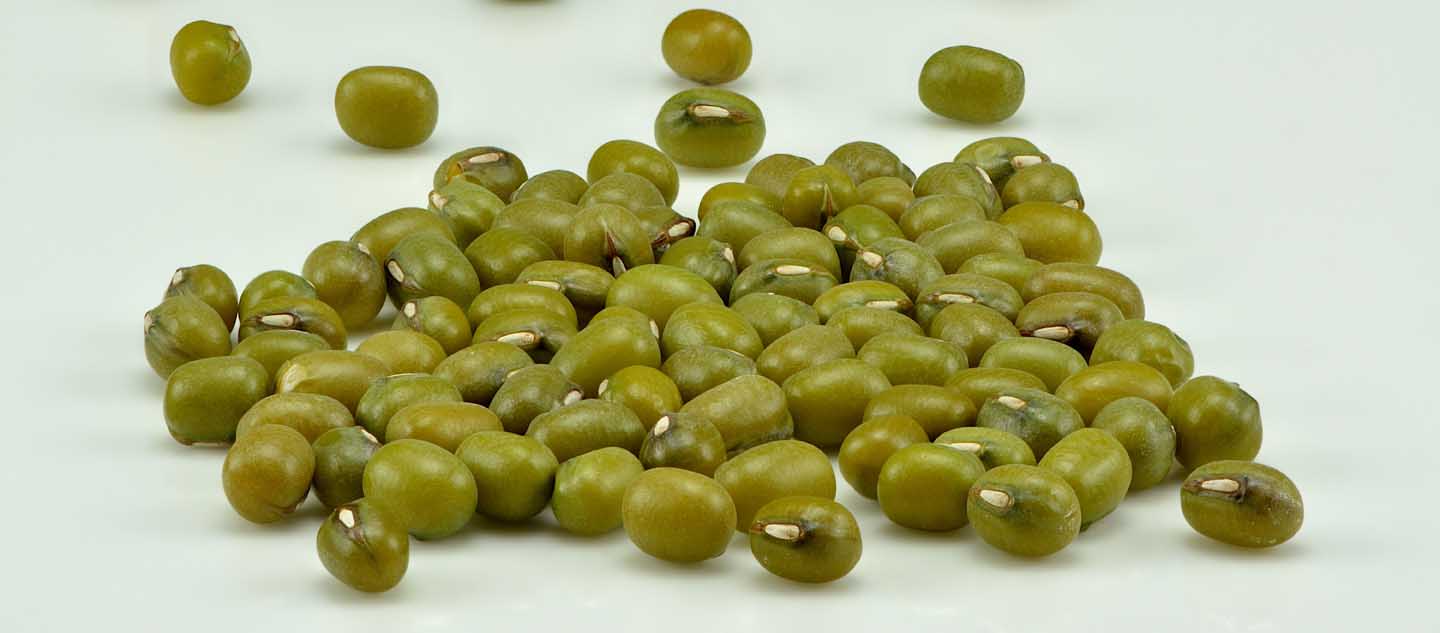
The highest tryptophan sources we find in the green mung bean, in soybeans and in black-eyed pea. Consequently tofu is high in tryptophan. All nuts are good sources, especially the cashew nut. Sesame, sunflower and pumpkin seeds provide us tryptophan as well. How about a tofu spread with ground pumpkin seeds, well seasoned with onions, garlic and herbs?

Mung Beans
Mung Beans- Foto by Ivar Leidus CC Wikimedia

We also find tryptophan in cereals, millet, oatmeal, quinoa and bananas. A breakfast cereal with grains, nuts, bananas and soy milk therefore provides us with plenty of tryptophan.

Vitamins and Minerals Help our Mood

In order for the tryptophan to be properly metabolized, vitamins from the B group are needed, especially B6. This occurs mainly in all types of grain. We also need folic acid to maintain our vigor and vitality. This is found in all leafy vegetables, also in fruits such as cherries, mangoes and oranges. Folic acid works together with vitamin B12 which is almost exclusively found in dairy products and meat. That is why people who do not consume animal products must pay particular attention to their vitamin B12 status. B12 deficiency can lead to depression.

But our soul also needs iron, zinc, selenium and iodine to be happy. Calcium and magnesium strengthen our nerves. Once again we see how important a varied, healthy whole food diet is. Supplements can never deliver what we find in a healthy, natural diet.

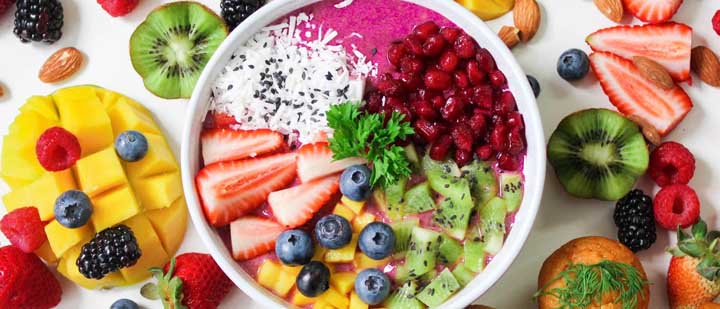
Healthy Fruits

Stay Always Up to Date

Sign up to our newsletter and stay always informed with news and tips around your health.

Sign Up Now!

Filed Under: Nutrition

The Metabolic Syndrome

January 15, 2021 by Esther Neumann - [rt_reading_time label="Reading Time:" postfix="minutes" postfix_singular="minute"]

Metabolic Syndrome

Obesity, high blood pressure, elevated blood sugar and increased triglycerides with simultaneously decreased HDL are the precursors of a heart attack. In the US, one third of the adult population suffer from metabolic syndrome, and in women at the age of 70 and over, the prevalence rises to about 60%((J.S.Moore et. al. Metabolic Syndrome Prevalence by Race/Ethnicity and Sex in the United States, National Health and Nutrition Examination Survey, 1988–2012. Prev Chronic Dis 2017;14:160287. DOI: http://dx.doi.org/10.5888/pcd14.160287)). Even in the so-called developing countries, obesity continues to play a greater role. For this reason, the World Health Organization is particularly concerned with the problem of metabolic syndrome.

The Metabolic Syndrome

Definition of Terms

The metabolic syndrome is a complex metabolic disorder, the main symptom of which is insulin resistance. This is an insufficient response of the muscle, fat and liver cells to the action of insulin. That means the pancreas produces enough insulin, but the cells don’t respond well enough. In 1999 the WHO suggested the following parameters to be diagnosed for metabolic syndrome: Being diabetic or having glucose intolerance/insulin resistance, together with 2 of the following factors:((R M Parikh, V Mohan. Changing definitions of metabolic syndrome. Indian J Endocrinol Metab. 2012 Jan-Feb; 16(1): 7–12. doi: 10.4103/2230-8210.91175))

  • Abdominal obesity with a waist/hip ration of above 0,9 in men and over 0,85 in women or Body Mass Index over 30 kg/m2
  • Elevated triglyceride levels above 150 mg/dl; decreased HDL, men below 35 mg/dl and women below 39 mg/dl
  • Elevated blood pressure above 140/90 mmHg
  • urinary albumin excretion rate above 20 μg/minute

Causes of Metabolic Syndrome

In recent years there has been increased research into genetic factors. The body composition, the type of muscle fibers and their blood flow, and the hormone and enzyme levels play an important role in the development of the metabolic syndrome. But the problem is only triggered by a faulty lifestyle on the part of the person himself. Alcohol, smoking and stress are important triggers, but also improper nutrition and, above all, a lack of exercise. For these reasons, we also speak of the prosperity syndrome.

As the name suggests, the syndrome involves mainly metabolic diseases such as obesity (severe overweight), diabetes, high blood pressure, blood clotting disorders and disorders of lipid metabolism. This results in organ damage such as arterial occlusive diseases, coronary heart diseases, strokes, or colloquially called hardened arteries.

Obesity

According to the WHO, obesity is already a pandemic. It is the leading cause of high blood pressure and diabetes. The absolute weight plays less of a role, but more the fat distribution. The belly fat causes much more problems than the fat on the thighs and hips. Excess fat does not just stay quiet until a fat reserve is needed. Instead, fat tissue is considered a hormonal organ. Many different substances, similar to hormones, are released from the fat cells. These in turn influence blood clotting, insulin resistance, high blood pressure and control energy expenditure, to name but a few.

Ice cream and an obese man

Sedentary Lifestyle

Physical inactivity is a risk factor by itself. Modern technology relieves us of a lot of activities that used to be mandatory. This ranges from remote controls to electronic typewriters to cars and escalators. Many professions today are sedentary and many leisure activities are carried out while sitting. Exercise falls by the wayside, just we would urgently need it to reduce our belly fat. Fortunately, the times of famine, for which a certain fat reserve would be beneficial, are not coming at the moment. Every now and then, a fasting day or skipping dinner days should be inserted – a programmed time of famine – in order to reduce excess body fat.

Increased Lipid Levels

Elevated triglycerides are often hereditary. But diet also plays an important role. If we eat high-fat, there will be lots of triglycerides circulating in the blood. Excess carbohydrates are also converted into fat in order to be stored, and insulin is needed for this process. A high-calorie diet paves the way for Diabetes.

Fortunately, there are some foods that can lower triglycerides. These include: soybeans, legumes, avocado, onion, wheat germ, and whole grains. We should incorporate several of these foods into our daily diet. Most of them help lower blood pressure at the same time. In addition, they do not contain cholesterol and even help to lower it, since we should keep cholesterol levels low.

Cholesterol is essential for life. That is why the body produces it itself. Without cholesterol, life would be bland, because it is the starting substance for sex hormones, as well as bile acid, aldosterone and cortisol. But the amount needed is very little, and any cholesterol in the diet will lead to excess. Here, too, there are foods that help to lower the cholesterol level: They are mainly nuts, avocados, flaxseed and chia, but also all fruits and vegetables.

LDL transports cholesterol to the body cells. We are used to call LDL the bad cholesterol. It’s just the taxi for the cholesterol. It only becomes dangerous when it oxidizes, i.e. reacts with oxygen and deposits as plaques in the vessel walls. This can be avoided by reducing oxidized cholesterol in the diet, not smoking, building up as little stress as possible and eating a lot of fruits and vegetables high in antioxidants, which are protecting the LDL from oxidation.

Decreased HDL

Most Metabolic Syndrome patients have low HDL levels. However, high values protect the blood vessels. HDL is the taxi for cholesterol back to the liver when it is not needed in the cells. We can increase the HDL levels by plenty of exercise. People who do regular exercise have higher levels.

High Blood Pressure

About 40% of overweight people also have high blood pressure. No wonder, because for every additional pound of fat, an extra mile of new blood vessels have to be created (3,5 km for every kg of fat). The heart therefore has to work harder. Smoking and drinking coffee, black and green tea also narrow the vessels and should be avoided. Apples, pears, grapefruits, pumpkin and celery all help lower blood pressure. They have hardly any sodium, but a lot of potassium. These two minerals are primarily that regulate blood pressure. Sausage, cheese, ham and cured meat are high in sodium, which increases blood pressure. Therefore we should avoid these foods.

Elevated Blood Sugar

This cause of Metabolic Syndrome can also be hereditary. But the trigger is again lifestyle. Lack of exercise, obesity and a high fat diet promote the development of diabetes. The resulting damage of diabetes can be very serious: blindness, kidney failure, amputation of legs and cardiovascular disease.

Diabetes test - Photo by Polina Tankilevitch from Pexels

What can you do? Here weight reduction is again called for, through exercise and a sensible diet. Olive or canola oil are positive fat sources, as well as nuts and seeds. Fruits, vegetables and whole grains provide a lot of fiber, fill you up and help that the sugar from food flows more slowly into the bloodstream.

Drug Treatment of the Metabolic Syndrome

Unfortunately, the Metabolic Syndrome delivers a whole package of metabolic disorders. The drug treatment is accordingly, and one or more drugs for each of the problems are applied. And quickly you have gathered half a pharmacy. The doctor will prescribe all essential drugs for treating the disorders. Unfortunately, a doctor rarely has time for lifestyle advice or has little experience with proper nutrition.

The far more sensible way would be a change in lifestyle and diet, as has been listed under the individual points above.

Hope on the Horizon

A group of doctors who study the Metabolic Syndrome in great detail give hope: “The Metabolic Syndrome can be treated quite effectively. If obese people having Metabolic Syndrome lose significant weight, the metabolic disorder has disappeared in most of them. Almost everyone can reduce their medication or stop it altogether.”

I would also like to encourage in this direction. Metabolic Syndrome patients need to find a way to get more exercise. Support Groups can help. If there isn’t one around, why not start one yourself? Diet and lifestyle courses bring help. Lifestyle changes are therefore undertakings in the right direction – and success is certain!

Filed Under: Diseases, Metabolic Syndrome, Obesity

Is Organic Really Better?

January 9, 2021 by Esther Neumann - [rt_reading_time label="Reading Time:" postfix="minutes" postfix_singular="minute"]

Organic Food

It is quite obvious that organic farming protects the environment. But are organically grown foods also better, healthier, and more valuable? What makes organically grown foods differ from conventional production? Is “organic” just a marketing fad or the type of diet of the future?

Is Organic Really Better?

Organic foods are strictly defined and highly regulated foods. The focus of organic agriculture is on environmental protection and the development of sustainable agriculture. The use of fertilizers and pesticides that damage the environment or leave residues in products is strictly limited.

The Development of Organic Farming

The beginning of the 20th century saw drastic changes in agricultural practices. With the introduction of the tractor, mechanization of agriculture evolved rapidly. At the same time, nitrogen fertilizers became widely available and created the need of applying pesticides. After World War II, DDT was added as a widely used pesticide.

At the beginning of the twentieth century, Sir Albert Howard documented traditional farming practices in India, and his studies formed the foundation for the organic farming movement of J. I. Rodale in the 1940s. In Germany, Rudolf Steiner developed the Demeter Biodynamic Farming already around 1920. His system was based on the philosophy of anthroposophy rather than a good understanding of science.

In the 1940s the agronomist Hans Müller developed organic farming in Switzerland motivated by his Christian worldview and the desire to help the small Swiss farmers survive the economic pressure of industrial farming. By the 1970s increased environmental awareness fueled the growth of the organic industry. And the introduction of genetically modified foods further fostered the interest in natural products.

Since the rise of the organic movement there has been a great controversy: Are organic products really superior to conventionally grown foods, and in which way do they show benefits?

What are the Advantages of Organic Food?

There are different parameters that we can use to ascertain the superiority of organic products. Here a list of different factors to consider:

Ecological quality: What is the impact on the environment? Is the production method sustainable in the long run?

Ethical quality: Are animals being treated adequately? Do farmers receive fair prices? The fairtrade movement is especially concerned about this aspect.

Organic farmers in third world countries are using much manual labor depending on fair prices to survive - Photo by Pat Whelen from Pexels

Political Issues: Are food surpluses from overproduction being destroyed just to maintain the price? Are the producers able to market their products directly in their community? Are farmers being independent from large chemical enterprises?

Taste: How does the product taste? What is the biodiversity with a variety of different flavors and smells available?

Nutritional Quality: How is the nutritional value? Does the product contribute to my health? Are there traces of pesticides or other chemicals? What about vitamin content and other micronutrients?

Economic quality: What is the practicality of using the product? How was it processed? What is the price?

The first three points are easy to respond, and organic foods are resolving a lot of issues that plague our society today. In order to be able to answer the other three questions, we need to study a bit deeper the difference in cultivation methods. In organic farming, the plant is not supplied with an abundance of fertilizers. The use of herbicides and pesticides is severely restricted. This means that the plant has to rely more on its natural defenses.

Nutritional Content

If the plant has readily available nitrogen, which is one main component of fertilization, it will produce more nitrogenous compounds. These are mainly proteins. If the nitrogen supply is lower, more carbon-containing ingredients are produced. This includes starch for energy and cellulose for fiber. The lower nitrogen supply also results in a higher content of ascorbic acid, or vitamin C. Organic apples generally have a higher vitamin content.

Organic plants grow slower and contain less water. The dry matter is therefore greater and the shelf life longer. With a lower water content, flavor and aromatic substances are more concentrated. This results in better taste and smell.

Tasty organic grapes - Photo by Zen Chung from Pexels

Because fewer pesticides are used, the plant also produces more phytochemicals, serving the plant to protect itself against fungi, bacteria and pests. These phytochemicals also serve our health in a variety of ways.

There were some attempts trying to make the secondary ingredients a proof of organically produced products. But it is very difficult because differences in soil, the degree of ripeness of the food, climate and rainfall and, last but not least, the different varieties greatly influence concentration of phytochemicals.

Occasionally, higher mycotoxin concentrations occur in organic foods. Mycotoxins are toxic metabolites produced by mold that can cause health problems. But we have seen that organically grown plants produce more fiber. Fiber in the diet helps that toxins can be bound and excreted more easily.

Trials with Free Food Choices in Animals

Experimental animals, which can choose for themselves which food they want to eat, prefer organically grown food. This was proven in double-blind studies, in which the keepers did not know which of the plate was the organic food. Both conventionally and organically produced feed are always offered together, but the preference goes to the organic food. Other experiments have shown that animals on organically grown feed also show higher fertility.

Experiments with Self-decomposition

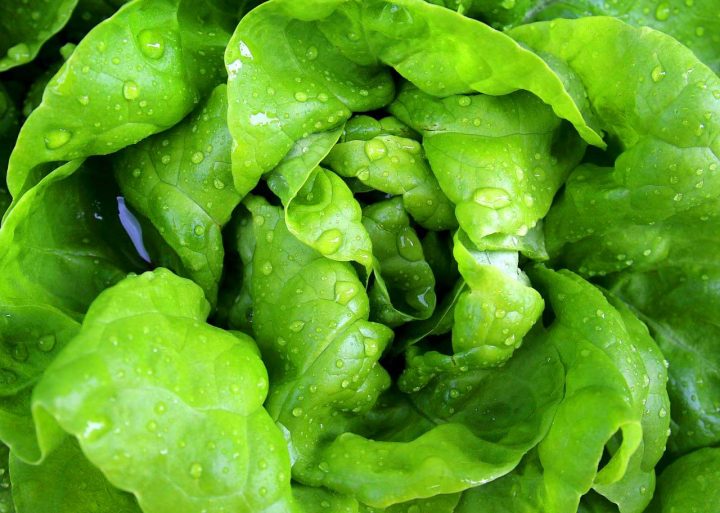
If heads of lettuce from both cultivation methods are cut up, placed in Petri dishes, covered and left to their own at the same temperature, conventionally grown lettuce will decompose faster than organically grown ones. This can be attributed to increased phytochemicals. Therefore, organically grown lettuce can be stored much longer than conventional produce. The same is true for most other fruits and vegetables.

Fresh Organic Lettuce

Processing

Organic cultivation alone is not enough to ensure a higher quality of the products. Careful processing is also very important. Unfortunately, it is the case that in small health food stores with little activity, the valuable organic products often remain lying around for a long time and then become unsightly and diminished in value. Large retail chains already offer organic produce today. They naturally have a higher turnover with fresher goods. But sometimes you are able to acquire fresh produce directly at the farmer or on the farmers market.

Even in industrial processing, paths are being taken that justify processing raw materials from organic production. Only a few selected additives are permitted. Of the total of around 300 additives allowed in the European Union, around 10% are permitted in organic products. To enhance the taste, only natural flavorings and extracts are permitted. Nevertheless, the whole range of convenience products can actually be produced as organic. Convenience products are foods that are largely prepared for consumption, such as frozen products, instant meals or ready-to-cook soups.

Organic in Catering

Eating out and mobile meal services are on the rise. For a long time, organic products were underrepresented in communal catering. Now the trend towards organic products has also reached mass catering. More and more managers in commercial kitchens require their suppliers expressly products from certified organic agriculture. This is a great challenge for suppliers and producers.

Organic Certification

The principle of organic certification is the complete tracing of the history of a product. It is a process control, not an end product control. The farms are inspected annually. In addition, unannounced spot checks are made. If the guidelines are violated, sanctions are imposed and a report is sent to the competent authority.

Organic Produce

Organic has Future

Organic farming is good:

  • for the soil
  • for the groundwater
  • for the plants
  • for the landscape
  • for the animals
  • for the local supply
  • for the environment
  • for me

That’s why organic farming is good for all of us. We can clearly say: with every purchase of an organic product, we also acquire a small piece of a healthier environment.

Healthy Fruits

Stay Always Up to Date

Sign up to our newsletter and stay always informed with news and tips around your health.

Sign Up Now!

Filed Under: Nutrition

What are Your Goals for This Year?

January 3, 2021 by Martin Neumann - [rt_reading_time label="Reading Time:" postfix="minutes" postfix_singular="minute"]

Reaching Goals

Whenever we enter into a new year, we are reflecting on what we did the last year, and we make some resolutions on what we want to accomplish the coming year. But more often those New Year resolutions are fading away just in a few days as the year is going by. The failure in reaching our goals is just adding to the stress we already have, and it seems like we are going nowhere. How can we avoid that from happening? We need to have a clear plan.

What Are Your Goals For This Year?

Make the exercise for yourself. Take out a sheet of paper and write down what you want to accomplish this coming year. Think about all areas of your life. What do you want to accomplish in your professional life, what in your private life, what in your lifestyle to improve your health, in what way do you want to contribute positively to the society around you, and how do you want to grow in your spiritual life? Write down where you want to be in a year from now.

Now after you have put your thoughts and desires on paper, start to prioritize them. Define one or two top priorities in each area of your life, because you will go nowhere if you focus only on your professional life and leave everything else behind. Also, do not try to do everything on your list at the same time, because you will divide yourself too much and will not accomplish anything in the end.

The Action Plan

Next you need to have a clear plan on how you will accomplish the goals you have in your mind. At this point you need to split up your goals in manageable tasks. What are the steps you need to take to reach your goals?

For example, you may decide that this year you want to write a book. That sounds very much like a daunting task. But if you want to reach it, you need to split it up into different steps. You may come up with a list like this:

  1. Choose the topic
  2. Make some research
  3. Define the chapter structure
  4. Research the material for each chapter
  5. Write each chapter
  6. Revise the content
  7. Proofread
  8. Make the layout
  9. Publish
Writing a manuscript

Having defined the steps, you have already a much clearer plan in your mind on how you can realistically accomplish your goal. Next you need to divide each step into actionable tasks. You can write this out on paper, or you can use a tool like Asana to do that on your computer. Estimate for each task how long it is going to take you. This way you have an objective parameter to track your progress.

Now you put the tasks of the first week onto your calendar. Define how many hours you have every day to dedicate to the task and start out working on it, if possible by tomorrow. You are not going to finish the task in a single day, but every day you are going to make another step that is going to bring you closer to your goal.

Remember that you were putting down a timeframe for each task. There may be moments where you are not finishing the task within the stipulated time. Sometimes you may need some extra time on the following day, because you did not make a good estimate on how long you will take. But wherever you can, try to wrap up your task and get it done. You can always improve your work later on. But often you may find out that you need to resist your temptation to go for perfectionism and just do the best you can within the timeframe you have.

At the end of the week it is time for evaluation. Have a look what you have accomplished this week. Are you within your schedule, or did you take longer than expected? Do you need to adjust your timeframes? Or do you need to improve on your efficiency? Maybe you need to resist your perfectionistic vein and go forward? Make an honest evaluation and adjust what is necessary. Take then some time to plan out the next week.

You also will need to work on your motivation to go forward. This will help you to get new energy when you feel like dragging. Think about the impact the book or any other project you do will have. Think about how it can change the life of so many people around you. This will give you a reason to go forward, because you know it is worthwhile to invest all the effort to get it done.

Making Lifestyle Changes

Not every goal needs to have such a detailed project. But you still need to have a plan for how you will get it done. For example, you may decide that your priority is to manage your stress. You need to know what tools you can use to achieve your goals, and the Ten Minute Guide to Stress Management can give you some hints for that. You need to decide now on which tools you need to focus and make a plan on how you will implement them into your life. And you still need a regular evaluation, maybe weekly, maybe monthly to check on the progress and fine-tune your strategy.

The same principles apply for any other lifestyle change, may it be losing weight, changing your diet or starting an exercise routine. All of those imply significant lifestyle changes and you need to have a clear plan on how to get it done.

When changing your habits, you need to be aware that much of those habits were ingrained in your brain for many years, and it will need a conscious and decided effort to change them. It takes about 30 days to start forming a new habit. During this timeframe, you need to make a conscious decision on every day, until you are forming a new neural pathway in your brain that will turn into a new habit.

Often you will find that you need to build up your motivation to work on your lifestyle changes. Think about the outcome your new habits will bring you. How your health will improve after adopting the new lifestyle? Think about all the things you will be able to do when your health is improving. Without proper motivation, you will often find that your old habits are stronger than your new-year resolutions.

We often underestimate the efforts needed to break loose of an old habit, and you may discover that supernatural power is needed in order to be victorious. But you can ask your Heavenly Father to give you the needed strength. God is telling us:

Behold, I am the Lord, the God of all flesh: is there anything too hard for me?

Jeremiah 32:27

So the next time you are struggling to change your habits, go to your Creator who knows how to resolve the problems on your behalf. The first step you need to take is to recognize that you need help and simply ask for it:

If you then, being evil, know how to give good gifts to your children, how much more will your Father who is in heaven give good things to those who ask Him!

Matthew 7:11

He is just waiting to give us all the help we need to be victorious if we simply go to ask. Imagine a child asking his father for a piece of bread because it is hungry. Which dad is not going to respond to that? And how much more will our Heavenly Father give us help if we ask for it?

A child praying - Photo by Binti Malu from Pexels

After asking our Heavenly Father for strength, we need to act in faith that He is on our side to help us:

Therefore I say to you, whatever things you ask when you pray, believe that you receive them, and you will have them.

Mark 11:24

One time Jesus was meeting a crippled man who was 40 years lame. Jesus simply asked him: Do you want to be healed? But the poor man could think only on all the difficulties in his way. Jesus simply stretches out His hand and says: Stand up!

The man could have thought: You must be joking, I am crippled for 40 years, how do you ask me to stand up? But instead the man acted in faith and made an effort to stand up. In the same moment he was healed and could walk.

You may feel the same way that you are bound into your old habits. But Jesus has promised you to give you the needed strength. After asking for help, simply believe that God is giving you the power to be victorious, and you will see changes in your life that you thought impossible to achieve.

But even then, it is important to to make no provisions to fail. The apostle Paul is telling us:

Put on the Lord Jesus Christ, and make no provision for the flesh, to gratify its desires.

Romans 13:14

If we know that we have a soft spot for sweets, you do not need to pass in front of a candy store, just to see what they have to offer. And if you want to stop smoking, it will be quite tough to resist if you keep cigarettes at home. Whatever your soft spot is, you do not need to make provisions to gratify its desires. You are safer if you avoid temptations wherever you can.

Other Goals

You may discover that real satisfaction comes from a harmonious development of the personal, professional, social and spiritual areas of our life. You need the social network around you, and you need to give some thoughts on what you can do to contribute to the society surrounding you. Helping others without expecting anything in return can be a very satisfying experience for ourselves. And many times the same blessings will be coming back to us when we are in need. Furthermore we are to a large extent social beings. A healthy social network can do a lot to reduce our stress levels.

Social networks can be important in our lives - Photo by Andrea Piacquadio from Pexels

Give some serious thoughts about what you can do to contribute to your marriage relationship, how you relate to your parents, your friends and everybody else around you. Investments are not limited to your professional area only. And you will reap according to which seeds you put into the ground and how you take care of them.

Give also some thought on what is really important in your life. What are the relationships that are important to you? Do you really value them what they are worth? What else is giving purpose to your life? How do you contribute to society as a whole? You will find real satisfaction when you start to look beyond your own needs and see how you can benefit others around you. The satisfaction that comes from knowing that you have impacted the life of another person cannot be compensated by any money in the world.

Think also about your spiritual realm. Do you believe that there is somebody higher than you in this Universe? Do you trust your Heavenly Father? You have a personal relationship with your Heavenly Father? Many times are we limiting our religious life to a certain creed. But even though our belief system can be important, real spirituality is much more than that. It is a relationship that consists of giving and receiving. Are you willing to invest in your spiritual life? What are you willing to give? What are the values that make your life meaningful?

It was Viktor Frankl who discovered inside the Nazi concentration camps, that those who were surviving were normally those who had a clear reason to live for. After getting out of the cconcentration camps he became the founder of the logotherapy which consists largely in finding meaning in events happening around us.

Knowing our meaning and purpose of life is an important step in forming a healthy worldview. And it can be an important foundation that gives us emotional stability, helping a lot to get stress under control. A well-rounded development of all the areas of our lives can be very beneficial.

So what are your plans? Are you setting any goals for this year? Where do you want to be in a year from now? Are you willing to invest in your goals? What are you waiting for?

Do you need a guide to help you understand how to cope with Stress in an all inclusive approach? Learn how to combat stress, mentally, physically, emotionally and strategically in your life.
Get Me the Guide

Filed Under: Mental Health, Stress Management

Primary Sidebar

Social Channels

Coronavirus Immunity Challenge

Boost your immune system to be bullet-proof for the pandemic.

I Want to Participate

Recent Posts

  • 5 Habits to Live Longer
  • Better Sleep Can Protect Against Dementia
  • Finding Peace In Your Crazy-Busy World
  • Flaxseed – An Ancient Plant Rediscovered
  • Platelets – Triggers for Life or Death
  • Boderline Personality Disorder
  • In Praise of Almonds and Nuts
  • Are You Stuck in the Clutter Trap?

Categories

  • Body Systems (16)
    • Cell Function (2)
    • Circulatory System (1)
    • Digestive Tract (10)
    • Immune System (4)
  • Diseases (27)
    • Cancer (2)
    • Cold (1)
    • COVID-19 (11)
    • Dementia (1)
    • Diabetes (1)
    • Digestive Diseases (2)
    • Heart Disease (2)
    • Kidneys (1)
    • Metabolic Syndrome (2)
    • Skin (1)
  • Healthy Lifestyle (42)
    • Exercise (11)
    • Gardening (2)
    • Sleep (7)
    • Sunlight (2)
    • Temperance (14)
    • Water (4)
  • Mental Health (87)
    • Addictions (6)
    • Anxiety (7)
    • Burnout (1)
    • Depression (7)
    • Psychosomatic Diseases (6)
    • Stress Management (45)
    • Trust (6)
  • Nutrition (56)
  • Obesity (9)
  • Phases of Life (14)
    • Adults (3)
    • Babies and Infants (1)
    • Children (3)
    • Seniors (5)
    • Teenagers (3)
  • Therapies (7)
    • Herbs (5)
    • Hydrotherapy (1)
  • Uncategorized (3)

Archives

  • January 2025 (1)
  • March 2024 (5)
  • February 2024 (4)
  • January 2024 (4)
  • December 2023 (5)
  • November 2023 (4)
  • October 2023 (5)
  • September 2023 (4)
  • August 2023 (3)
  • July 2023 (2)
  • June 2023 (4)
  • May 2023 (4)
  • April 2023 (5)
  • March 2023 (4)
  • February 2023 (4)
  • January 2023 (4)
  • December 2022 (4)
  • November 2022 (4)
  • October 2022 (5)
  • September 2022 (4)
  • August 2022 (4)
  • July 2022 (5)
  • June 2022 (4)
  • May 2022 (5)
  • April 2022 (4)
  • March 2022 (4)
  • February 2022 (4)
  • January 2022 (5)
  • December 2021 (3)
  • November 2021 (4)
  • October 2021 (6)
  • September 2021 (4)
  • August 2021 (4)
  • July 2021 (5)
  • June 2021 (4)
  • May 2021 (3)
  • April 2021 (5)
  • March 2021 (4)
  • February 2021 (4)
  • January 2021 (5)
  • December 2020 (3)
  • November 2020 (4)
  • October 2020 (5)
  • September 2020 (5)
  • August 2020 (3)
  • July 2020 (1)
  • June 2020 (1)
  • May 2020 (1)
  • April 2020 (1)
  • March 2020 (1)

Copyright © 2026 · Abundant Health - Privacy Policy - Medical Disclaimer