Abundant Health

Up to date health information tailored for you

  • Home
  • Blog
  • Recipes
  • Shop
  • Contact
You are here: Home / 2023 / Archives for September 2023

Archives for September 2023

5 Teas That Reduce Stress and Support Sleep

September 24, 2023 by Martin Neumann - [rt_reading_time label="Reading Time:" postfix="minutes" postfix_singular="minute"]

Teas for stress control

Stress is called the silent killer for a reason. From panic attacks to trouble sleeping, a dose of stress can do a number of things with your health. Yet most of us are so used to keep up with the hamster wheel of chronic stress that we tend to ignore the issue until it’s too late.
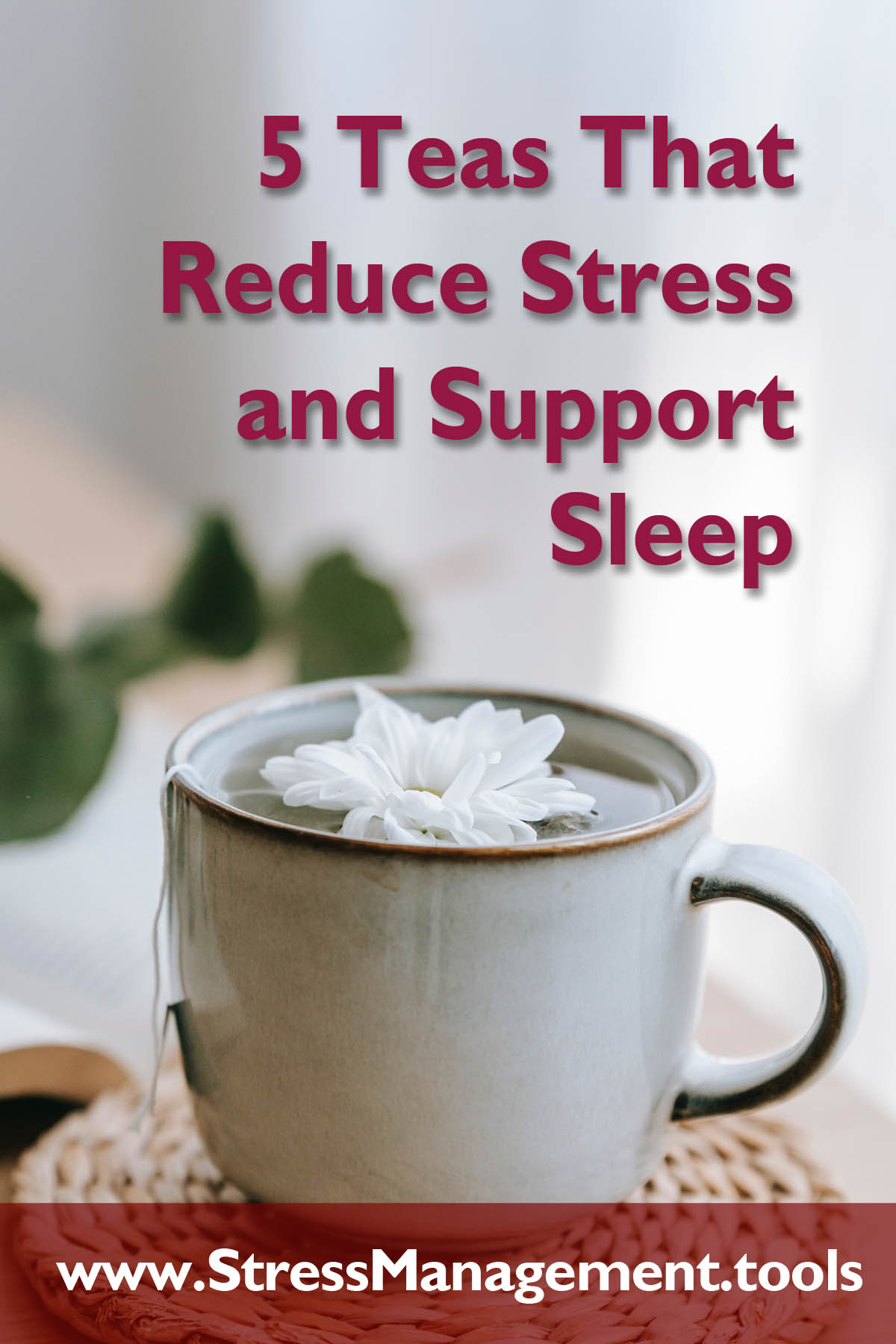
5 Teas That Reduce Stress and Support Sleep

Excessive stress will quickly be felt on our quality of sleep, which in turn will increase our stress hormones. So implementing some calming teas into our night time routine can do wonders to control our stress. Not only do these teas promote relaxation, but they may help the estimated 30% of the population who suffer from chronic sleeplessness and insomnia too.((Roth T. Insomnia: definition, prevalence, etiology, and consequences. J Clin Sleep Med. 2007 Aug 15;3(5 Suppl):S7-10. PMID: 17824495))

Consider enjoying a cup of one of these teas each day:

1. Chamomile Tea. Probably the best-known choice for relaxation, chamomile tea is an ancient remedy for inflammation, anxiety, and insomnia. Some experts say that the effects of chamomile are similar to that of a mild tranquilizer.

  • Chamomile is packed full of a substance called apigenin, which helps to decrease anxiety and initiate sleep. Studies have found that drinking around 400mg of chamomile extract a day can improve sleep quality.((Adib-Hajbaghery M, Mousavi SN. The effects of chamomile extract on sleep quality among elderly people: A clinical trial. Complement Ther Med. 2017 Dec;35:109-114. doi: 10.1016/j.ctim.2017.09.010.))
  • Further research has also gone on to show that postpartum women suffering from poor sleep quality were soothed with chamomile tea.
  • While not everyone will respond well to chamomile, the gentle taste and relaxing aroma are a great place to start if you suffer from stress.

Chamomile flowers

2. Valerian Tea. The valerian herb is another substance that has appeared throughout the centuries as a cure for nervousness and insomnia. The product was also used in England during World War II as a way to relieve stress caused by air raids.((Valerian. Fact Sheet for Health Professionals. National Institutes of Health))

  • Valerian is one of the most popular sleep aids in the world today, and it’s available in both liquid and capsule form, as well as a tea. Researchers believe that valerian root may improve GABA levels in the body, which can improve sleepiness, and reduce anxiety.((Dorn M. Wirksamkeit und Verträglichkeit von Baldrian versus Oxazepam bei nichtorganischen und nichtpsychiatrischen Insomnien: Eine randomisierte, doppelblinde, klinische Vergleichsstudie [Efficacy and tolerability of Baldrian versus oxazepam in non-organic and non-psychiatric insomniacs: a randomised, double-blind, clinical, comparative study]. Forsch Komplementarmed Klass Naturheilkd. 2000 Apr;7(2):79-84. German. doi: 10.1159/000021314.))
  • Studies into valerian root for insomnia indicate that it can reduce the amount of time it takes for a person to fall asleep at night and improve the quality of the sleep too. These studies also indicate minimal side effects after using valerian. There are no issues such as morning drowsiness to detract from the experience.((Leathwood PD, Chauffard F, Heck E, Munoz-Box R. Aqueous extract of valerian root (Valeriana officinalis L.) improves sleep quality in man. Pharmacol Biochem Behav. 1982 Jul;17(1):65-71. doi: 10.1016/0091-3057(82)90264-7.))

A girl smelling a valerian flower

3. Lavender. There are few things more relaxing than the smell of lavender. This sweet and soothing herb is championed for its ability to reduce stress and improve sleep quality. The substance is available in tea form as a way of encouraging relaxation and stronger sleeping patterns.

  • According to one study, women who drank and enjoyed the aroma of lavender tea for two weeks had less fatigue than their counterparts.((Chen SL, Chen CH. Effects of Lavender Tea on Fatigue, Depression, and Maternal-Infant Attachment in Sleep-Disturbed Postnatal Women. Worldviews Evid Based Nurs. 2015 Dec;12(6):370-9. doi: 10.1111/wvn.12122.))
  • Other studies indicate that reductions in heart rate and heart rate variability were evident in women who inhaled the scent of lavender for 12 weeks, twice per week.((Chien LW, Cheng SL, Liu CF. The effect of lavender aromatherapy on autonomic nervous system in midlife women with insomnia. Evid Based Complement Alternat Med. 2012;2012:740813. doi: 10.1155/2012/740813.))
  • Try sweetening this tea with honey for a unique sleeping experience.
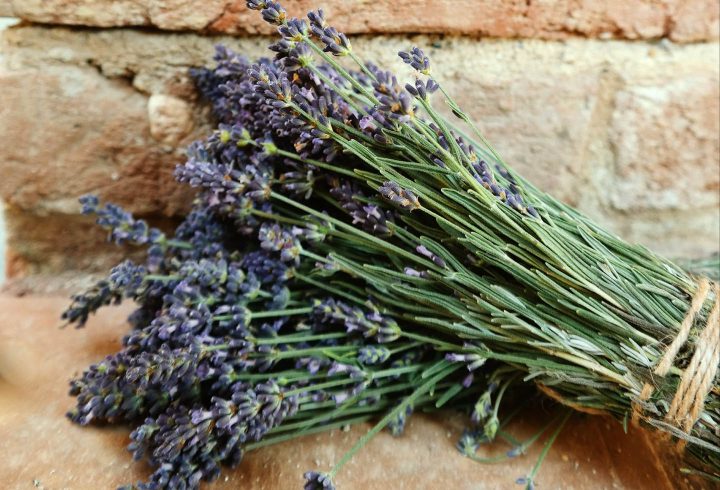
Lavender

4. Lemon Balm. Lemon balm is an herb that actually comes from the mint family. It is great for reducing stress and improving relaxation. Evidence suggests that lemon balm could be effective at increasing GABA levels, which improve sleepiness.

  • Further studies show up to a 42% reduction in symptoms of insomnia after patients took a lemon balm extract for 15 days.((Cases J, Ibarra A, Feuillère N, Roller M, Sukkar SG. Pilot trial of Melissa officinalis L. leaf extract in the treatment of volunteers suffering from mild-to-moderate anxiety disorders and sleep disturbances. Med J Nutrition Metab. 2011 Dec;4(3):211-218. doi: 10.1007/s12349-010-0045-4.))
  • The warm and refreshing lemon balm tea could be an incredible benefit to your night-time routine, and the flavor will likely appeal to plenty of people.
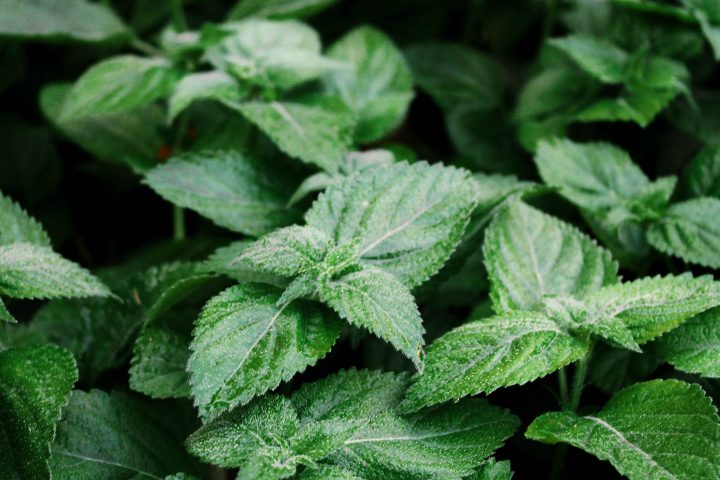
Lemon Balm

5. Passionflower. Made from the dried stems, flowers, and leaves of the Passiflora plant, passionflower tea is a traditional solution to feelings of anxiety and insomnia. Studies indicate that this substance may be suitable for improving sleep quality and insomnia.((La Forge T. Drink A Cup of Passionflower Tea Every Night for Better Sleep. Healthline, May 31, 2019))

  • A study among 40 adults found that those drinking passionflower tea for one week reported a significantly better quality of sleep than their counterparts.((Ngan A, Conduit R. A double-blind, placebo-controlled investigation of the effects of Passiflora incarnata (passionflower) herbal tea on subjective sleep quality. Phytother Res. 2011 Aug;25(8):1153-9. doi: 10.1002/ptr.3400.))
  • Further studies have shown that a combination of passionflower and other relaxing substances like valerian root can be excellent for treating insomnia.

Passionflower

Sip Your Way to Sleep

Many delightful herbal teas are now making their way into the market as powerful sleep aids. Although these teas won’t eliminate the underlying cause of your sleeping or stress issues, they can help you to get the relaxation you need.

For those suffering from high levels of anxiety and stress, the teas above offer a natural solution to common issues like insomnia. However, if you are using these teas for sleep improvement, try to avoid using any sweeteners, as these could increase your blood sugar levels and make you feel more awake.

For a natural and pleasant alternative to pharmaceuticals, consider trying these teas to help relieve stress and support a great night of sleep that refreshes you.

Do you need a guide to help you understand how to cope with Stress in an all inclusive approach? Learn how to combat stress, mentally, physically, emotionally and strategically in your life.


Get Me the Guide

Filed Under: Herbs, Mental Health, Stress Management, Therapies

Depression: The Way Out

September 17, 2023 by Vicki Griffin - [rt_reading_time label="Reading Time:" postfix="minutes" postfix_singular="minute"]

Depression - The Way Out

Abraham Lincoln was no stranger to depression. His melancholy tendencies combined with an impoverished childhood, failed businesses, and unfulfilled love seemed to point only to defeat. At one time he expressed, “I am now the most miserable man living. If what I feel were equally distributed to the whole human family, there would be not one cheerful face on the earth.”

Depression: The Way Out

Winston Churchill came from a privileged home with every material benefit. However, his life was riddled with illness, accidents, poor grades, and lack of love. His indifferent father prophesied that W.C. would ultimately “degenerate into a shabby, unhappy, and futile existence.” In his own words, Winston battled the “demon of depression” for many years, and at times it seemed his father’s dire prediction would prevail.

Happily, depression does not have to be the end of any life story. Abraham Lincoln overcame his depression and went on to become one of the most revered presidents in the history of the United States.

Winston’s battle with depression could have been the last chapter in one sad, obscure life. But Winston Churchill rose above circumstances, and as the prime minister of England during World War II, mastered his own internal challenges. Against formidable opposition, almost constant ridicule, and great odds he rallied the British troops to defeat the encroachments of the Third Reich in Europe. His famous motto became “Never, never, never, never—in nothing great or small, large or petty—never give in, except to convictions of honor and good sense.”((Nedley N. Depression, the Way Out. Nedley Publications, 2008.))

These noble examples tell us a story—not just about singular people who overcame great odds, but about the awesome power of the human brain to retool and reshape itself according to what it learns and how it is cared for.          

The Stats Tell the Story

If you suffer from depression, you are not alone. Clinical depression affects 20 million adults and 3 million teens in the US. Milder forms are even more widespread, affecting all age groups.((http://www.nimh.nih.gov/health/statistics/prevalence/major-depression-among-adults.shtml))

Risk factors for depression include family history, medical or mental health conditions, unresolved guilt or anger, lack of purpose, social and environmental factors, and diet and lifestyle, to name a few.

Neal Nedley, MD, author of Depression: the Way Out states that it is important to find the cause or causes of your depression. Tackle as many changeable causes as possible by addressing nutrition, lifestyle, social factors, habits of thinking, and spiritual need.  The importance of seeking qualified medical care for depression cannot be overstated. Adjusting and reducing medications must be supervised by a qualified health professional.

What to Change

Nutrition and Lifestyle. John Ratey, psychiatrist and author who researches lifestyle and mental health has concluded: “Physical and mental exercise, proper nutrition, and adequate sleep will help anyone gain cognitive clarity and emotional stability.((Ratey J. User’s Guide to the Brain. P. 356.)) Alcohol, smoking, caffeine, and high fatty and sugary foods increase depression risk and symptoms. 

Nutrition and exercise encourage growth factors that put the brakes on self-destructive cellular activity, release antioxidants, and provide protein building blocks for brain cells. Food is medicine—and good tasting, colorful, and powerful medicine!

Include healing fresh fruits, vegetables, beans, and whole grains such as brown rice and oatmeal. Give nourishment to your body and brain with omega-3 fatty acids that are found in walnuts, chia seeds, and ground flax seed. Keep your brain hydrated with 8-10 cups of water a day instead of sugary drinks. Get an adequate intake of vitamins B12 and D. 

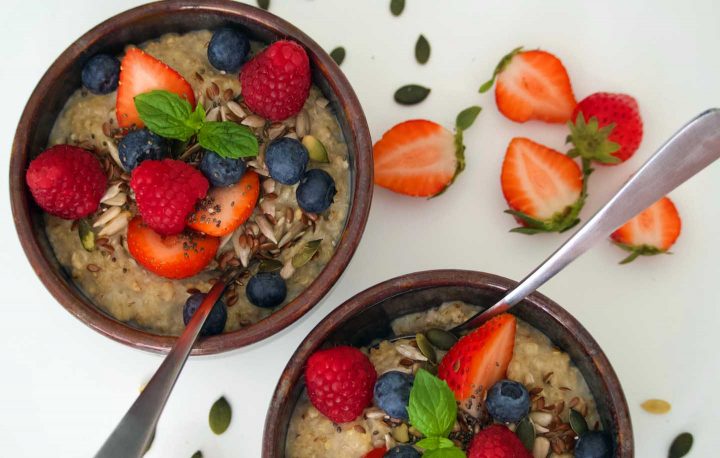
Oatmeal with fruits

A nutritious diet improves brain chemistry, provides energy and stress-lowering compounds, and provides brain growth factors that increase brain nerve connections. This means a greater capacity for learning, meeting challenges, fighting depression, and solving problems.

Rest. Rest restores and helps heal the body and brain. Establish a regular “sleep routine.” A rested brain makes better choices.

Exercise. Exercise is a major factor in relieving and preventing depression. It causes structural changes in the brain that improve brain function even in cases of serious clinical depression. Exercise relieves anxiety, improves focused attention, creativity, problem-solving, and lowers stress. A 10-minute brisk walk can elevate mood for an hour. Daily exercise has been dubbed the most potent anti-depressant agent known to man. New evidence has shown that exercise actually stimulates the production of new nerve cells in the brain.

Social and Environmental. Attitude, social networks, and a healthy lifestyle weave together for physical and mental health. Establish relationships that support healthy choices.

Habits of Thinking and Outlook. To a large extent we have the ability to choose how we will think about a situation. Focus on gratitude and thankfulness. Check negative thoughts. Focus on solutions rather than problems. Look at difficulties as opportunities for gaining strength to meet challenges. Two of the most important tasks in overcoming depression are focusing on thinking in a positive way and trusting God and His Word regardless of feelings.

Call to Action: The Living Word

Everyone faces turmoil, trouble, trials, uncertainty, and sorrow. The stories in the Bible show us that in the middle of difficult times, God provides peace, comfort, and direction. 

“He drew me up from the pit of destruction, out of the miry bog, and set my feet upon a rock, making my steps secure” (Psalm 40:2 ESV). Healing takes place with time and perseverance. Today’s choices yield tomorrow’s gifts. Persevere to press in, press on, and press through your situation. There is power for your journey, and even joy in the healing process.

“He put a new song in my mouth, a song of praise to our God…” (Psalm 40:3 ESV). Choosing God, choosing faith, choosing His plan are all decisions based on your personal choice, not feelings. You can trust his promises. Isn’t now the best time to discover in God’s Word the peace, comfort, and plan He has for your life?

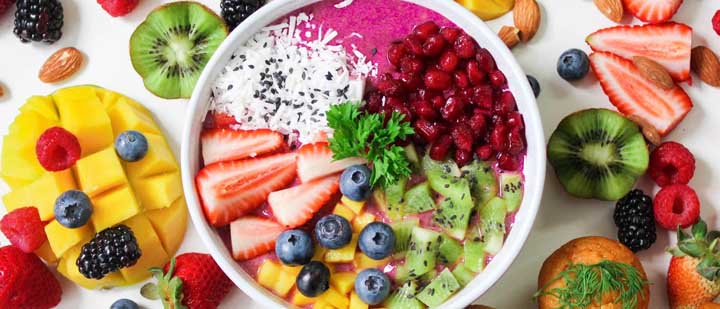
Healthy Fruits

Stay Always Up to Date

Sign up to our newsletter and stay always informed with news and tips around your health.

Sign Up Now!

This article was originally published on the Time to Get Ready website.

Visit LifestyleMatters.com for more resources.

Filed Under: Depression, Mental Health

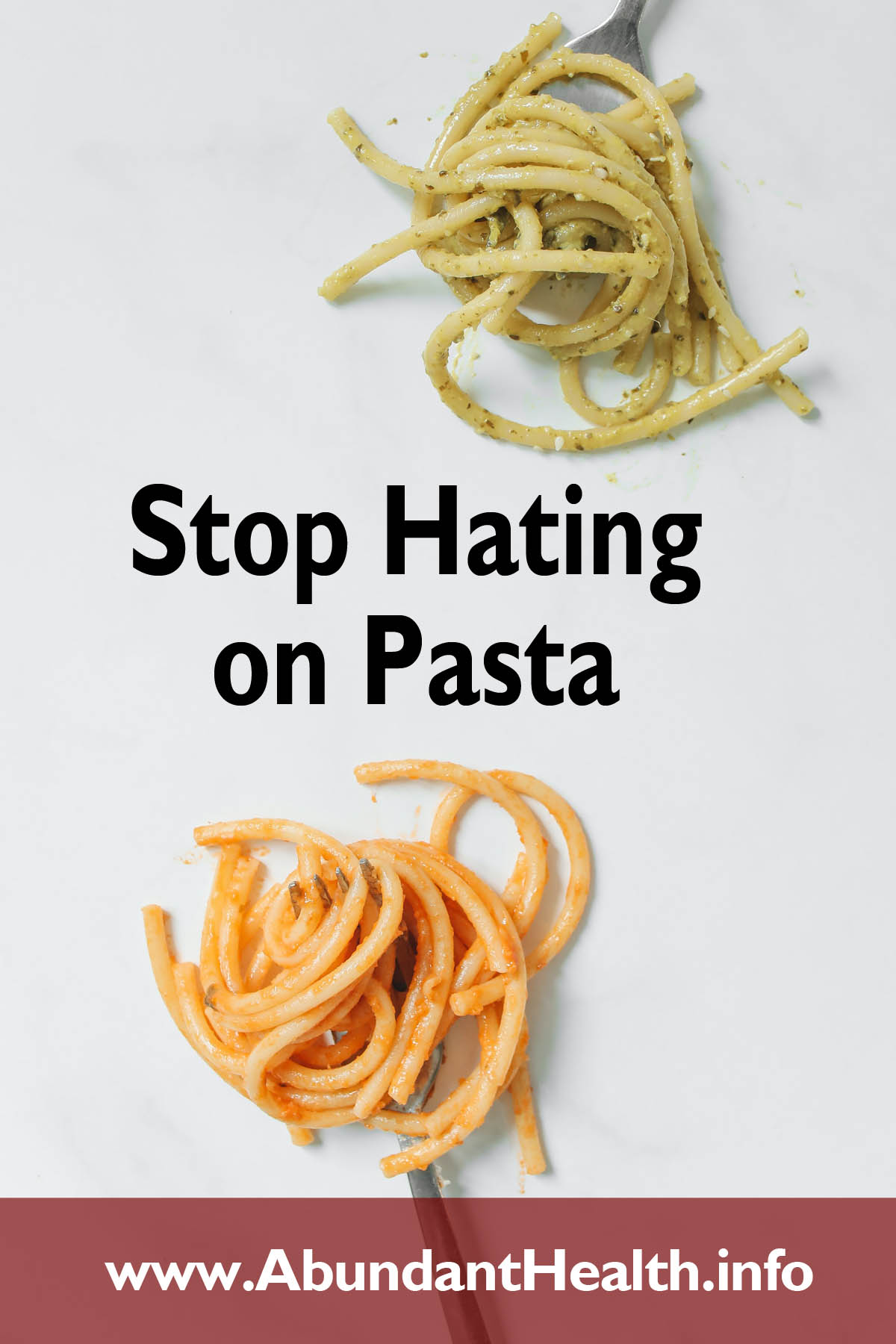
Stop Hating on Pasta

September 10, 2023 by Emma Beckett - [rt_reading_time label="Reading Time:" postfix="minutes" postfix_singular="minute"]

Stop Hating on Pasta

New year, new you, new diet. It’s a familiar refrain. One popular dieting technique is to create a food blacklist. Quitting “carbs” or packaged foods is common, which can mean avoiding supermarket staples like pasta. But do we really need to ban pasta to improve our diets?

Stop Hating on Pasta

This is what we call a reductionist approach to nutrition, where we describe a food based on just one of its key components. Pasta isn’t just carbohydrates. One cup (about 145 grams) of cooked pasta has about 38g of carbohydrates, 7.7g of protein and 0.6g of fats. Plus, there’s all the water that is absorbed from cooking and lots of vitamins and minerals.((Pasta, white wheat flour, boiled from dry, no added salt. Food Standards Australia & NZ))

“But pasta is mostly carbs!” I hear you cry. This is true, but it’s not the whole story. We need to think about context.

Your day on a plate

You probably know there are recommendations for how much energy (kilojoules or calories) we should eat in a day.((Nutrient Reference Values. eatforhealth.gov.au)) These recommendations are based on body size, sex and physical activity. But you might not realise there are also recommendations about the profile of macronutrients – or types of food – that supply this energy.

Fats, carbs and proteins are macronutrients. Macronutrients are broken down in the body to produce energy for our bodies.

Acceptable Macronutrient Distribution Ranges describe the ratio or percentage of macronutrients that should provide this energy.((Nutrient Reference Values. eatforhealth.gov.au)) These ranges are set by experts based on health outcomes and models of healthy eating. They aim to make sure we get enough, but not too much, of each macro. Consuming too much or too little of any type of food can have consequences for health.

The ratios are also designed to make sure we get enough of the vitamins and minerals that come with the energy in the foods we typically eat. We should get 45–65% of our energy from carbohydrates, 10–30% from proteins, and 20–35% from fats.

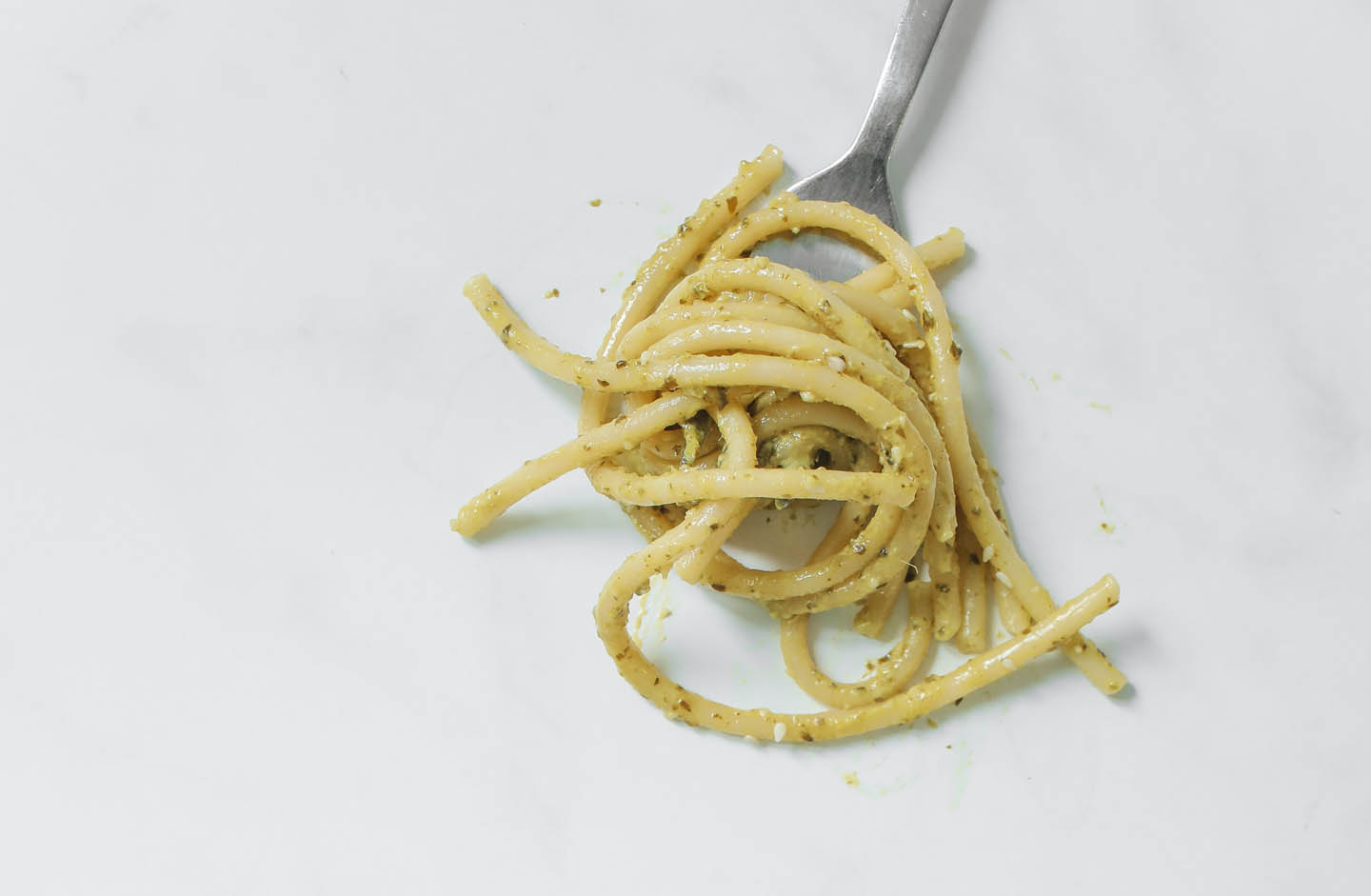
Mangia pasta

Macronutrient ratios mean it can be healthy to eat up to between 1.2 and 6.5 times more carbohydrates in a day than protein – since each gram of protein has the same amount of energy as a gram of carbohydrates.

The ratio of carbs to protein in pasta is 38g to 7.7g, which equates to roughly a 5:1 ratio, well within the acceptable macronutrient distribution range. Meaning pasta actually has enough protein to balance with the carbohydrates. This isn’t just because of the eggs in pasta either. Wheat is another source of protein, making up about 20% of the proteins eaten globally.((Erenstein, O., Jaleta, M., Mottaleb, K.A., Sonder, K., Donovan, J., Braun, HJ. (2022). Global Trends in Wheat Production, Consumption and Trade. In: Reynolds, M.P., Braun, HJ. (eds) Wheat Improvement. Springer, Cham. https://doi.org/10.1007/978-3-030-90673-3_4))

If you are worried about the calorie levels and weight gain, that’s not so simple either.

In the context of an otherwise healthy diet, people have been shown to lose more weight when their diet includes pasta regularly.((Chiavaroli L, Kendall CWC, Braunstein CR, et al. Effect of pasta in the context of low-glycaemic index dietary patterns on body weight and markers of adiposity: a systematic review and meta-analysis of randomised controlled trials in adults. BMJ Open 2018;8:e019438. doi: 10.1136/bmjopen-2017-019438))

And, a systematic review of ten different studies found pasta was better for post-meal blood glucose levels than bread or potatoes.((M. Huang, J. Li, M.-A. Ha, G. Riccardi, S. Liu, A systematic review on the relations between pasta consumption and cardio-metabolic risk factors, Nutrition, Metabolism and Cardiovascular Diseases, Volume 27, Issue 11, 2017, Pages 939-948, ISSN 0939-4753,
https://doi.org/10.1016/j.numecd.2017.07.005))

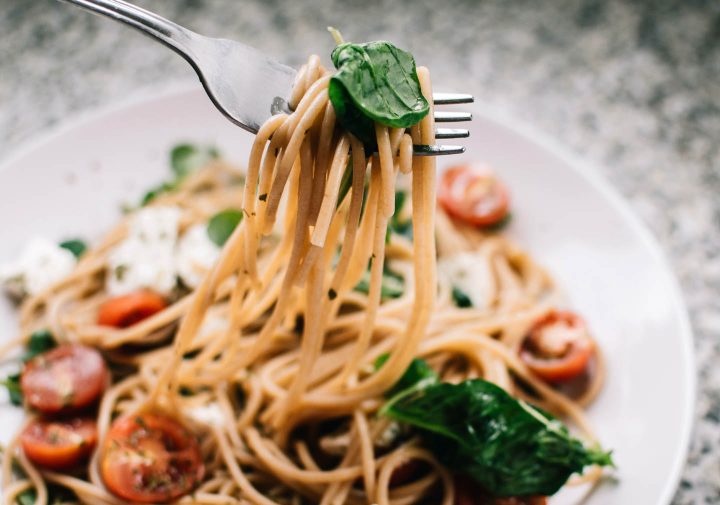
Pasta with basil and cherry tomatoes

Instead of quitting spaghetti, consider reducing portion sizes, or switching to wholegrain pasta, which has a higher fibre content which has benefits for gut health and can help you feel fuller longer.((Iolanda Cioffi et.al. Effects on satiation, satiety and food intake of wholegrain and refined grain pasta, Appetite, Volume 107, 2016, Pages 152-158, ISSN 0195-6663, https://doi.org/10.1016/j.appet.2016.08.002))

Gluten-free pasta has slightly less protein than wheat pasta. So, despite being healthier for people with gluten intolerance, there are no increased health benefits in switching to gluten-free pasta for most of us.((Pasta, gluten free. nutritionvalue.org))

Pass the pesto and the leftover bolognese

Pasta is also not typically eaten alone. So, while some warn about the dangers of blood sugar spikes when eating “naked carbs” (meaning just carbs with no other foods), this typically isn’t a risk for pasta.((Dressing Up Naked Carbs To Make More Filling Meals and Snacks. loseitblog.com))

When pasta provides the base of a meal, it can be a vehicle to help people eat more vegetables in smooth or chunky vegetable sauces. For kids (or fussy adults) pasta sauce can be a great place to hide pureed or grated vegetables.((Pasta with tomato & hidden veg sauce. BBC Good Food))

Not eating pasta alone is also important for the protein profile. Plant foods are typically not complete proteins, which means we need to eat combinations of them to get all the different types of amino acids (the building blocks of proteins) we need to survive.((Are ‘Incomplete’ Proteins a Myth? healthline.com))

But pasta, even though we often focus on the carbs and energy, packs a good nutritional punch. Like most foods, it isn’t just macronutrients it also has micronutrients.

One cup of cooked pasta has about a quarter of our daily recommended intakes of vitamins B1 and B9, half the recommended intake of selenium, and 10% of our iron needs.((Pasta, white wheat flour, boiled from dry, no added salt. Food Standards Australia & NZ))

The news for pasta gets even better when we eat it as leftovers. When pasta is cooked and cooled, some of the carbohydrates convert to resistant starch.((Canas S et.al. Effect of cooking, 24 h cold storage, microwave reheating, and particle size on in vitro starch digestibility of dry and fresh pasta. https://doi.org/10.1039/D0FO00849D)) This starch gets its name from being resistant to digestion, so it contributes less energy and is better for blood sugar levels.((Hodges C, Archer F, Chowdhury M, Evans BL, Ghelani DJ, Mortoglou M, Guppy FM. Method of Food Preparation Influences Blood Glucose Response to a High-Carbohydrate Meal: A Randomised Cross-over Trial. Foods. 2019 Dec 25;9(1):23. doi: 10.3390/foods9010023)) So, your leftover pasta, even if you reheat it, is lower in calories than the night before.

Look a little closer at ‘carb’ choices

There is a lot of talk about reducing intakes of carbohydrates for weight loss, but remember carbs come in different forms and in different foods.

Some of them, like pasta, bring other benefits. Others like cakes and lollies, add very little else. When we talk about reducing intake of refined carbohydrates, think first of sweets that are eaten alone, before you cut the staple carbohydrates that are often served with vegetables – arguably the healthiest core food group!

Healthy Fruits

Stay Always Up to Date

Sign up to our newsletter and stay always informed with news and tips around your health.

Sign Up Now!

This article is republished from The Conversation under a Creative Commons license. Read the original article.

The Conversation

Filed Under: Nutrition Tagged With: healthy carbs, pasta

Water Helps to Relief Anxiety

September 3, 2023 by Nikolaj Travica - [rt_reading_time label="Reading Time:" postfix="minutes" postfix_singular="minute"]

Water Helps to Relief Anxiety

Many can feel overwhelmed at some stage of their life with feelings of tension, nervousness and fear for the worst. In a 2020 Survey, 62% reported having some degree of anxiety, and around 31% will experience an anxiety disorder in some point in their life.((Anxiety statistics 2023, SingleCare))

Water Helps to Relief Anxiety

The growing field of nutritional psychiatry focuses on the effects of foods and drinks on our mental health.((F Jacka, Nutritional psychiatry: implications for public health, European Journal of Public Health, Volume 31, Issue Supplement_3, October 2021, ckab164.019, https://doi.org/10.1093/eurpub/ckab164.019)) Despite water constituting 60–80% of the human body, it is often overlooked as a significant nutrient. A recent tweet by federal health authorities suggesting water could help reduce anxiety was received with some online scepticism.((https://twitter.com/healthgovau/status/1492038209181728770))

In fact, the evidence shows water and hydration can play a role in preventing and managing the symptoms of anxiety.

A well-oiled machine

We all enjoy the cooling sensation a cold drink of water provides on a sweltering summer day. Our bodies are masterfully programmed to let us know when it’s time to rehydrate. We may be nourishing our brain too.

Several years ago, a group of researchers undertook a review that focused on the various ways hydration impacts health. The results were promising.((Benton D, Young HA. Do small differences in hydration status affect mood and mental performance? Nutr Rev. 2015 Sep;73 Suppl 2:83-96. doi: 10.1093/nutrit/nuv045.))

Overall, negative emotions such as anger, hostility, confusion and tension as well as fatigue were found to increase with dehydration. One trial induced mild dehydration and found increased reports of tension or anxiety and fatigue in participants.((McDermott BP, et.al. Mild dehydration impairs cognitive performance and mood of men. Br J Nutr. 2011 Nov;106(10):1535-43. doi: 10.1017/S0007114511002005.))

Researchers have also found people who usually drink lots of water feel less calm, less content, and more tense when their water intake drops.((Pross N, Demazières A, Girard N, Barnouin R, Metzger D, Klein A, Perrier E, Guelinckx I. Effects of changes in water intake on mood of high and low drinkers. PLoS One. 2014 Apr 11;9(4):e94754. doi: 10.1371/journal.pone.0094754.)) When researchers increased the participants’ water intake, people in the study felt more happiness, no matter how much water they normally drank.

Another large study found people who drink five cups or more of water per day were at lower risk of depression and anxiety.((Haghighatdoost F, et.al. Drinking plain water is associated with decreased risk of depression and anxiety in adults: Results from a large cross-sectional study. World J Psychiatry. 2018 Sep 20;8(3):88-96. doi: 10.5498/wjp.v8.i3.88.)) In comparison, drinking less than two cups per day doubles the risk. This link was less noticeable for anxiety alone (although feelings of depression and anxiety often influence each other).

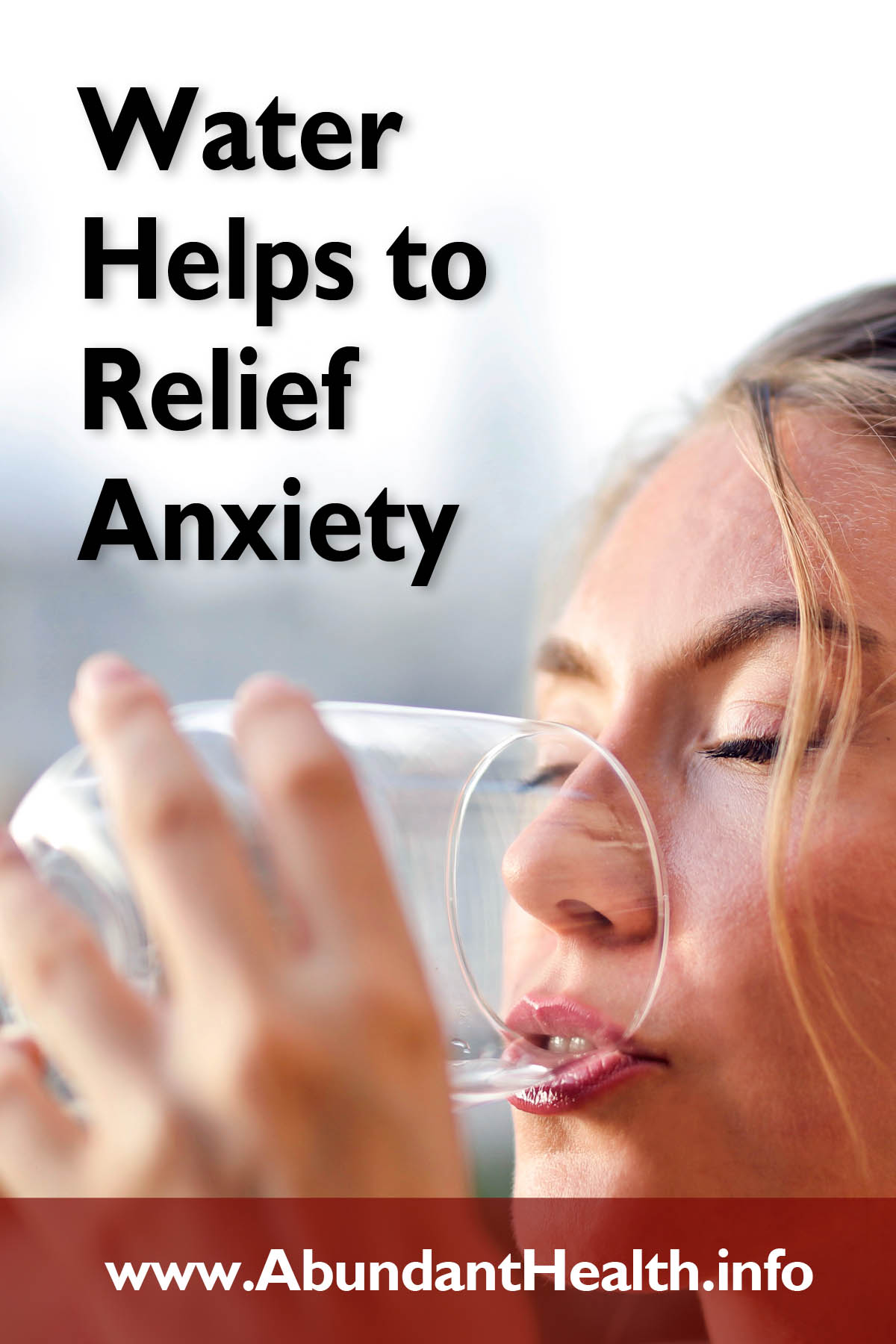
A refreshing glass of water

More recently, researchers found water with electrolytes may prevent anxiety more than plain water, but it was noted that the placebo effect may explain this connection as study participants were aware when they were given the electrolyte drink.((Cousins AL, Young HA, Thomas AG, Benton D. The Effect of Hypo-Hydration on Mood and Cognition Is Influenced by Electrolyte in a Drink and Its Colour: A Randomised Trial. Nutrients. 2019 Aug 24;11(9):2002. doi: 10.3390/nu11092002.))

The link between dehydration and anxiety is also observed in children, who are a group at risk of dehydration.((Benton D. Dehydration influences mood and cognition: a plausible hypothesis? Nutrients. 2011 May;3(5):555-73. doi: 10.3390/nu3050555.)) Dehydration might also affect how well we sleep.((Rosinger AY, Chang AM, Buxton OM, Li J, Wu S, Gao X. Short sleep duration is associated with inadequate hydration: cross-cultural evidence from US and Chinese adults. Sleep. 2019 Feb 1;42(2). doi: 10.1093/sleep/zsy210.)) Poor sleep can exacerbate feelings of anxiety.

Water on the brain?

Almost every bodily function relies on water. Because 75% of brain tissue is water, dehydration reduces energy production in the brain and can change brain structure,((Biller A, et.al. Responses of the Human Brain to Mild Dehydration and Rehydration Explored In Vivo by 1H-MR Imaging and Spectroscopy. AJNR Am J Neuroradiol. 2015 Dec;36(12):2277-84. doi: 10.3174/ajnr.A4508.)) causing the brain to slow down and not function properly.((Pross. N. Effects of Dehydration on Brain Functioning: A Life-Span Perspective. https://doi.org/10.1159/000463060))

At the molecular level, if water levels are too low, our brain cells cannot function properly, with the brain showing signs of working harder to complete tasks.((Wittbrodt MT, Sawka MN, Mizelle JC, Wheaton LA, Millard-Stafford ML. Exercise-heat stress with and without water replacement alters brain structures and impairs visuomotor performance. Physiol Rep. 2018 Aug;6(16):e13805. doi: 10.14814/phy2.13805.))

Our cells recognize a state of dehydration as a threat to survival, leading to a state of anxiety. Serotonin is a neurotransmitter (a chemical messenger between brain cells) that stabilizes our mood and regulates emotions. During dehydration, we struggle to get the chemicals required to produce serotonin into our brain.((R.J. Maughan, S.M. Shirreffs & P. Watson(2007)Exercise, Heat, Hydration and the Brain,Journal of the American College of Nutrition,26:sup5,604S-612S,DOI: 10.1080/07315724.2007.10719666))

Being just half a liter dehydrated may also increase the stress hormone cortisol, which has been associated with a range of mental disorders, including anxiety.((Barry M Popkin and others, Water, hydration, and health, Nutrition Reviews, Volume 68, Issue 8, 1 August 2010, Pages 439–458, https://doi.org/10.1111/j.1753-4887.2010.00304.x))

The big picture

So, based on what is currently known and emerging evidence, the government health communication provides some good advice.((https://twitter.com/healthgovau/status/1492038209181728770)) Addressing lifestyle factors including your water intake in the context of your overall diet, physical activity levels, and sleep are important foundations that can support a person’s mental health. And there is evidence to suggest dehydration can affect our mood.

But it’s important to note there are a wide range of factors that affect an individual’s level of anxiety. No single thing is likely to be responsible for completely resolving those feelings. This is particularly true in people experiencing significant anxiety, where simply drinking more water is unlikely to be helpful on its own.

Healthy Fruits

Stay Always Up to Date

Sign up to our newsletter and stay always informed with news and tips around your health.

Sign Up Now!

This article is republished from The Conversation under a Creative Commons license. Read the original article.

The Conversation

Filed Under: Anxiety, Healthy Lifestyle, Mental Health, Water

Primary Sidebar

Social Channels

Coronavirus Immunity Challenge

Boost your immune system to be bullet-proof for the pandemic.

I Want to Participate

Recent Posts

  • 5 Habits to Live Longer
  • Better Sleep Can Protect Against Dementia
  • Finding Peace In Your Crazy-Busy World
  • Flaxseed – An Ancient Plant Rediscovered
  • Platelets – Triggers for Life or Death
  • Boderline Personality Disorder
  • In Praise of Almonds and Nuts
  • Are You Stuck in the Clutter Trap?

Categories

  • Body Systems (16)
    • Cell Function (2)
    • Circulatory System (1)
    • Digestive Tract (10)
    • Immune System (4)
  • Diseases (27)
    • Cancer (2)
    • Cold (1)
    • COVID-19 (11)
    • Dementia (1)
    • Diabetes (1)
    • Digestive Diseases (2)
    • Heart Disease (2)
    • Kidneys (1)
    • Metabolic Syndrome (2)
    • Skin (1)
  • Healthy Lifestyle (42)
    • Exercise (11)
    • Gardening (2)
    • Sleep (7)
    • Sunlight (2)
    • Temperance (14)
    • Water (4)
  • Mental Health (87)
    • Addictions (6)
    • Anxiety (7)
    • Burnout (1)
    • Depression (7)
    • Psychosomatic Diseases (6)
    • Stress Management (45)
    • Trust (6)
  • Nutrition (56)
  • Obesity (9)
  • Phases of Life (14)
    • Adults (3)
    • Babies and Infants (1)
    • Children (3)
    • Seniors (5)
    • Teenagers (3)
  • Therapies (7)
    • Herbs (5)
    • Hydrotherapy (1)
  • Uncategorized (3)

Archives

  • January 2025 (1)
  • March 2024 (5)
  • February 2024 (4)
  • January 2024 (4)
  • December 2023 (5)
  • November 2023 (4)
  • October 2023 (5)
  • September 2023 (4)
  • August 2023 (3)
  • July 2023 (2)
  • June 2023 (4)
  • May 2023 (4)
  • April 2023 (5)
  • March 2023 (4)
  • February 2023 (4)
  • January 2023 (4)
  • December 2022 (4)
  • November 2022 (4)
  • October 2022 (5)
  • September 2022 (4)
  • August 2022 (4)
  • July 2022 (5)
  • June 2022 (4)
  • May 2022 (5)
  • April 2022 (4)
  • March 2022 (4)
  • February 2022 (4)
  • January 2022 (5)
  • December 2021 (3)
  • November 2021 (4)
  • October 2021 (6)
  • September 2021 (4)
  • August 2021 (4)
  • July 2021 (5)
  • June 2021 (4)
  • May 2021 (3)
  • April 2021 (5)
  • March 2021 (4)
  • February 2021 (4)
  • January 2021 (5)
  • December 2020 (3)
  • November 2020 (4)
  • October 2020 (5)
  • September 2020 (5)
  • August 2020 (3)
  • July 2020 (1)
  • June 2020 (1)
  • May 2020 (1)
  • April 2020 (1)
  • March 2020 (1)

Copyright © 2026 · Abundant Health - Privacy Policy - Medical Disclaimer