Abundant Health

Up to date health information tailored for you

  • Home
  • Blog
  • Recipes
  • Shop
  • Contact
You are here: Home / Archives for Diseases / Cancer

Cancer

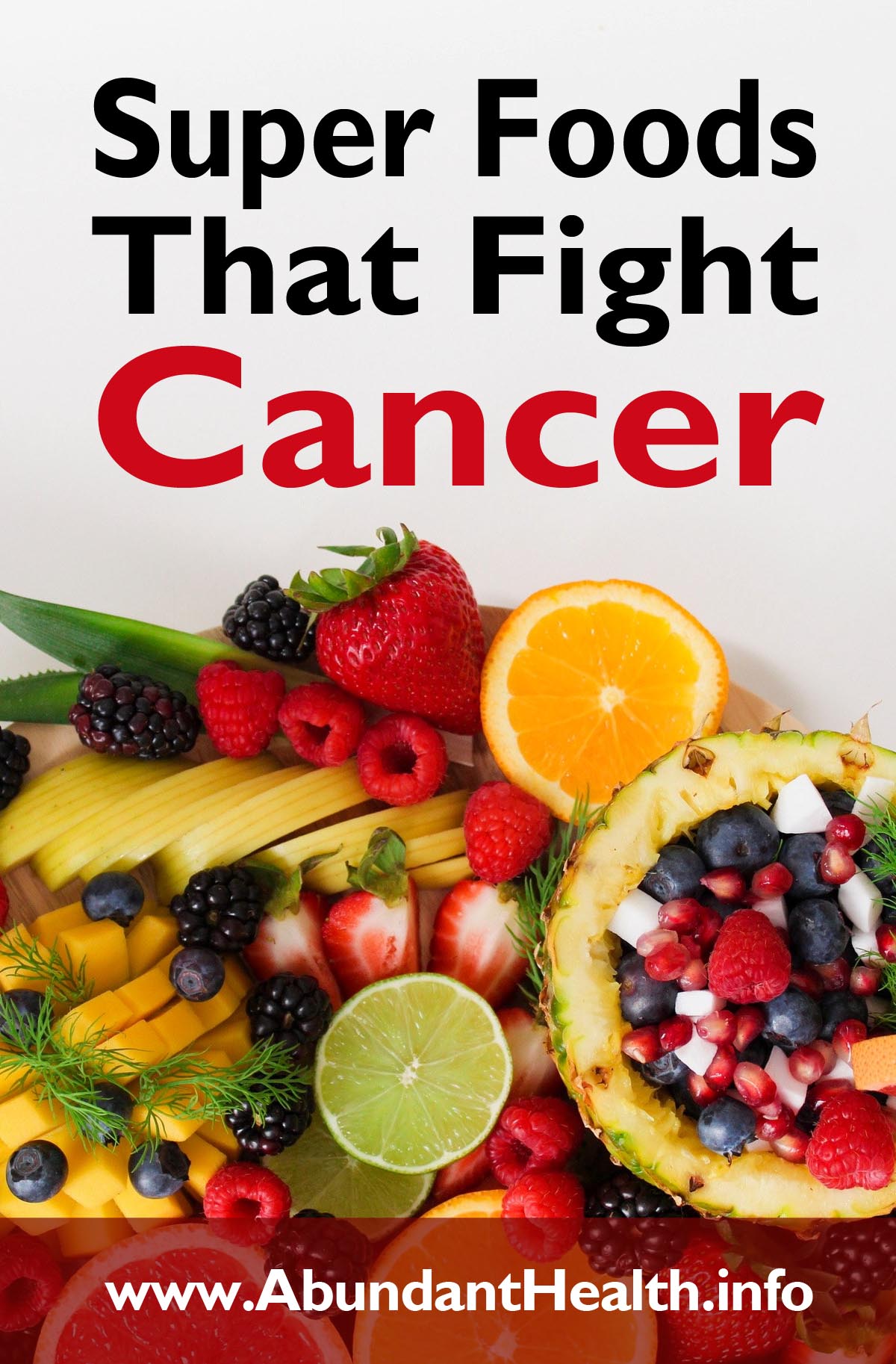
Super Foods That Fight Cancer

February 5, 2023 by Vicki Griffin - [rt_reading_time label="Reading Time:" postfix="minutes" postfix_singular="minute"]

Foods fighting cancer

Cancer. The very word strikes fear, and with good reason. Each year nearly 14 million people worldwide are diagnosed with cancer, and 7.6 million die from the disease.((http://www.cancer.gov/about-cancer/what-is-cancer/statistics)) However, evidence shows that 30-40 percent of these deaths are preventable, and one-third can be cured through early diagnosis and treatment.
Super Foods That Fight Cancer

We look for a magic bullet, a single cause and cure, but in vain. Cancer is not just one disease — it is a group of more than 100 diseases. There are many factors — genetic, environmental, lifestyle, some mysterious. The search for a cure is a multi-billion dollar industry, ranging from conventional to exotic.

An important weapon is found in the produce department of your grocery store. It is nature’s “Department of Defense.” Foods high in saturated fat and low in plant fiber increase the risk of numerous types of cancer and obesity.((Food, Nutrition, Physical Activity, and the Prevention of Cancer. AICR Report.
Acta Biomed 2006; 77(2):118-123.)) Fight back! Eat plenty of fresh fruits, vegetables, whole grains, and beans to reduce your risk of developing cancer and help you fight a better battle if cancer does occur.

Research published by the American Institute for Cancer Research (AICR) and others show several categories of nutrients and foods that have been shown to provide powerful benefits in preventing and fighting certain cancers.((Food, Nutrition, Physical Activity, and the Prevention of Cancer. AICR Report.)) According to the AICR, at least two thirds of your plate should contain colorful, cancer-fighting vegetables, fruit, whole grains, and/or beans.((AICR report: Foods That Fight Cancer. 2007)) AICR has an online nutrition guide.((A Cancer Nutrition Guide—American Institute for Cancer Research.)) Here are just a few cancer-fighting superheroes featured in a recent AICR report, Foods That Fight Cancer:((http://www.aicr.org/foods-that-fight-cancer/))

Beans. This includes all bean varieties (pinto, black, chickpeas/garbanzo, lima, soybeans, etc.), peas (green peas, split peas), and lentils. These high-fiber winners contain saponins, protease inhibitors, and phytic acid. Also known as phytochemicals, they protect cells from genetic damage that can lead to cancer. Protease inhibitors slow the division of cancer cells, and phytic acid slows tumor progression. The soluble fiber in beans helps regulate insulin and blood sugar.
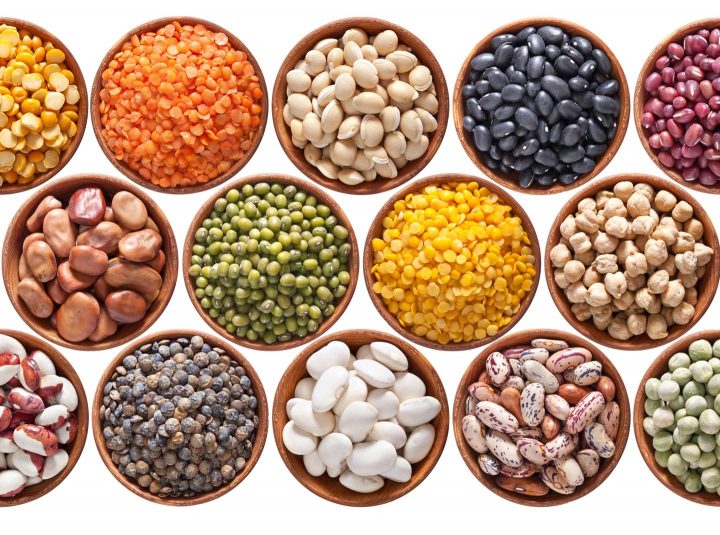
Bowls with different beans and legumes

Berries and Grapes. Berries are rich in fiber and vitamin C. They also contain phytochemical ellagic acid (especially strawberries and raspberries). Ellagic acid has shown protective benefits against cancers of the skin, bladder, lung, and esophagus in laboratory studies. Its antioxidant properties can deactivate certain cancer-causing agents and slow cancer cell growth.

Blueberries contain compounds that reduce DNA damage. Red grapes, and to a lesser extent grape juice, contain resveratrol, a compound that has been shown to slow cancer cell growth and inhibit tumor formation in lymph, liver, stomach, skin, and breast cells.

Cruciferous Vegetables. These include broccoli, cauliflower, cabbage, Brussels sprouts, bok choy, and kale. They contain numerous compounds called phenols that activate enzyme systems that detoxify cells, diffuse cell damage, and inhibit tumor growth. Human studies link high intake of these vegetables with lower risk for lung, stomach, colorectal, prostate, and bladder cancer.

Dark Leafy Greens. Spinach, kale, romaine and leaf lettuce, mustard and collard greens, and Swiss chard pack a punch when it comes to fiber, folate, minerals, and carotenoids such as lutein and zeaxanthin. Carotenoids not only help prevent cancer via antioxidant protection, they also may inhibit the growth of certain types of breast and skin cancer cells. They are also associated with lower lung and stomach cancer incidence. Folate is linked to lower colorectal and ovarian cancer risk. Try lightly steamed greens with a drizzle of olive oil, lemon, and salt for a tasty treat.

Tomatoes. Tomatoes form part of a tasty team of red foods that contain lycopene, a powerful carotenoid that fight cancer. Other members of this flashy family include red or pink fruits such as watermelon, papaya, pink guava, and pink grapefruit. Lycopene in tomatoes shows inhibitory effects on breast, lung, and endometrial cancer cells.
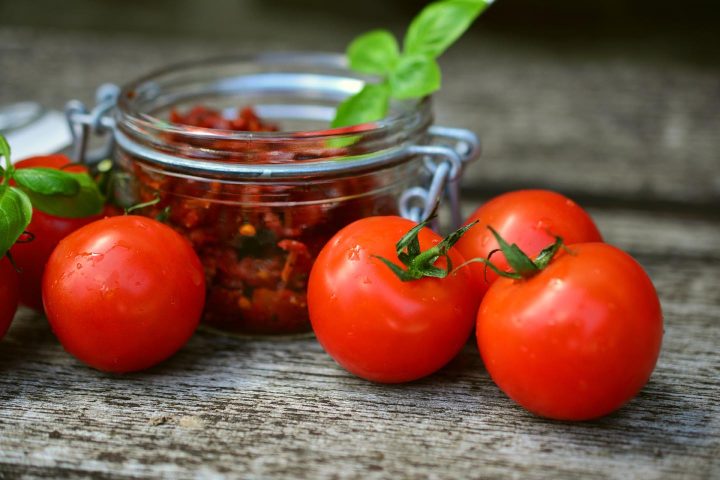
Fresh and dried tomatoes

Whole Grains. Whole wheat products, brown rice, whole grain oats, corn, and kasha are high in fiber and nutrition, but low in calories. They contain varying amounts of antioxidants, phenols, lignans, phytoestrogens, and saponins, which decrease cancer risk in general. Data from 40 different studies showed a 34 percent lower risk of cancer overall in those who have a generous intake of whole grains compared to those who eat very little whole grains.

Positive lifestyle steps can help prevent cancer. Fill your cart with a wide variety of fruits and vegetables — nature’s cancer fighters. They’re colorful, tasty, and inexpensive.

Other strategies. Foods high in saturated fats and low in fiber, obesity, and sedentary habits are all linked to increased cancer risk and lower survival rates when cancer does occur.((Am J Clin Nutr 2006; 84(6):1456-62.)) Fight back! Healthy lifestyle habits to fight cancer include not only healthful foods but also daily exercise, sunshine (for vitamin D), maintaining a healthy weight, stress management, social support, adequate rest, and leaving alcohol and tobacco alone.

The Living Word

We live in a world of trouble and sin where bad things happen that we do not understand. But God has given us principles that promote health and invites us to Him with our trials and fears. He promises:

Strength and comfort when sickness occurs. “The LORD will strengthen him on his bed of illness; You will sustain him on his sickbed.” Psalm 41:3

Wisdom and guidance for each day. “I will instruct you and teach you in the way you should go; I will guide you with My eye.” Psalm 32:8

Hope and healing for the future. For the believer, the promise of the resurrection and earth made new guarantee healing beyond the uncertainties we face here. “And no inhabitant will say, ‘I am sick’; the people who dwell there will be forgiven their iniquity.” Isaiah 33:24 “And God will wipe away every tear from their eyes; there shall be no more death, nor sorrow, nor crying. There shall be no more pain, for the former things have passed away.“ Revelation 21:4

Call to Action

God invites you to put your trust in Him for physical, mental, and spiritual health knowing that eternal life with no more pain and suffering is sure to come!
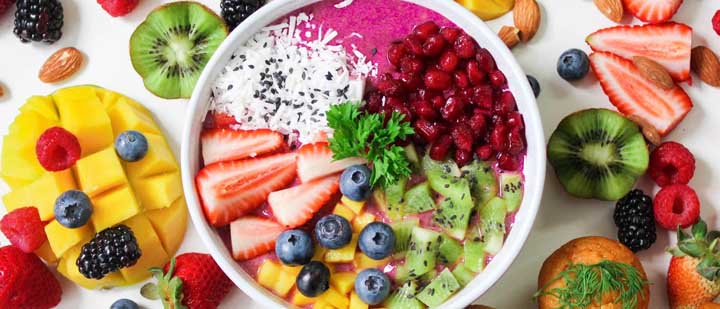
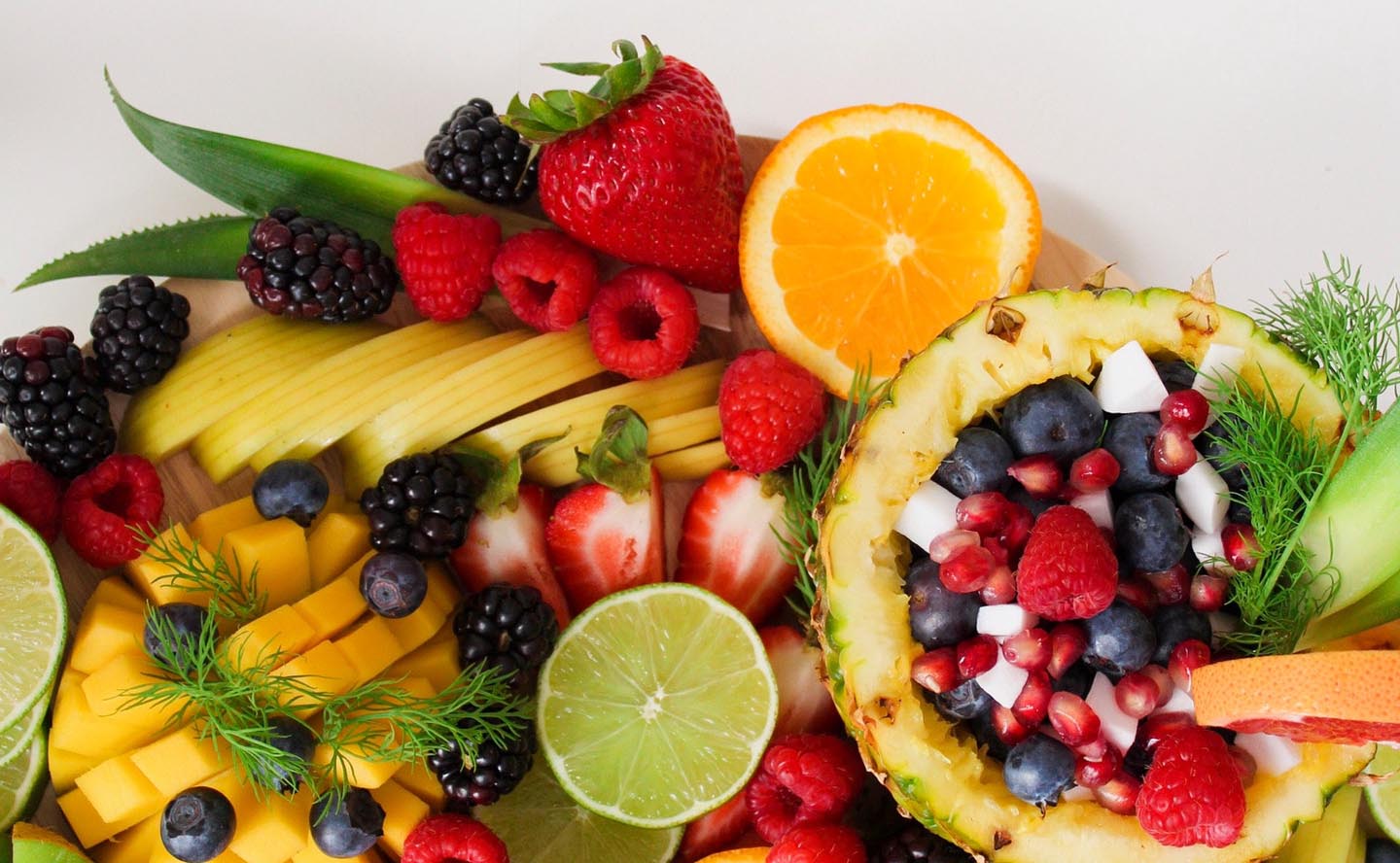
Healthy Fruits

Stay Always Up to Date

Sign up to our newsletter and stay always informed with news and tips around your health.

Sign Up Now!

This article was originally published on the Time to Get Ready website.

Visit LifestyleMatters.com for more resources.
Filed Under: Cancer, Diseases, Nutrition Tagged With: super foods

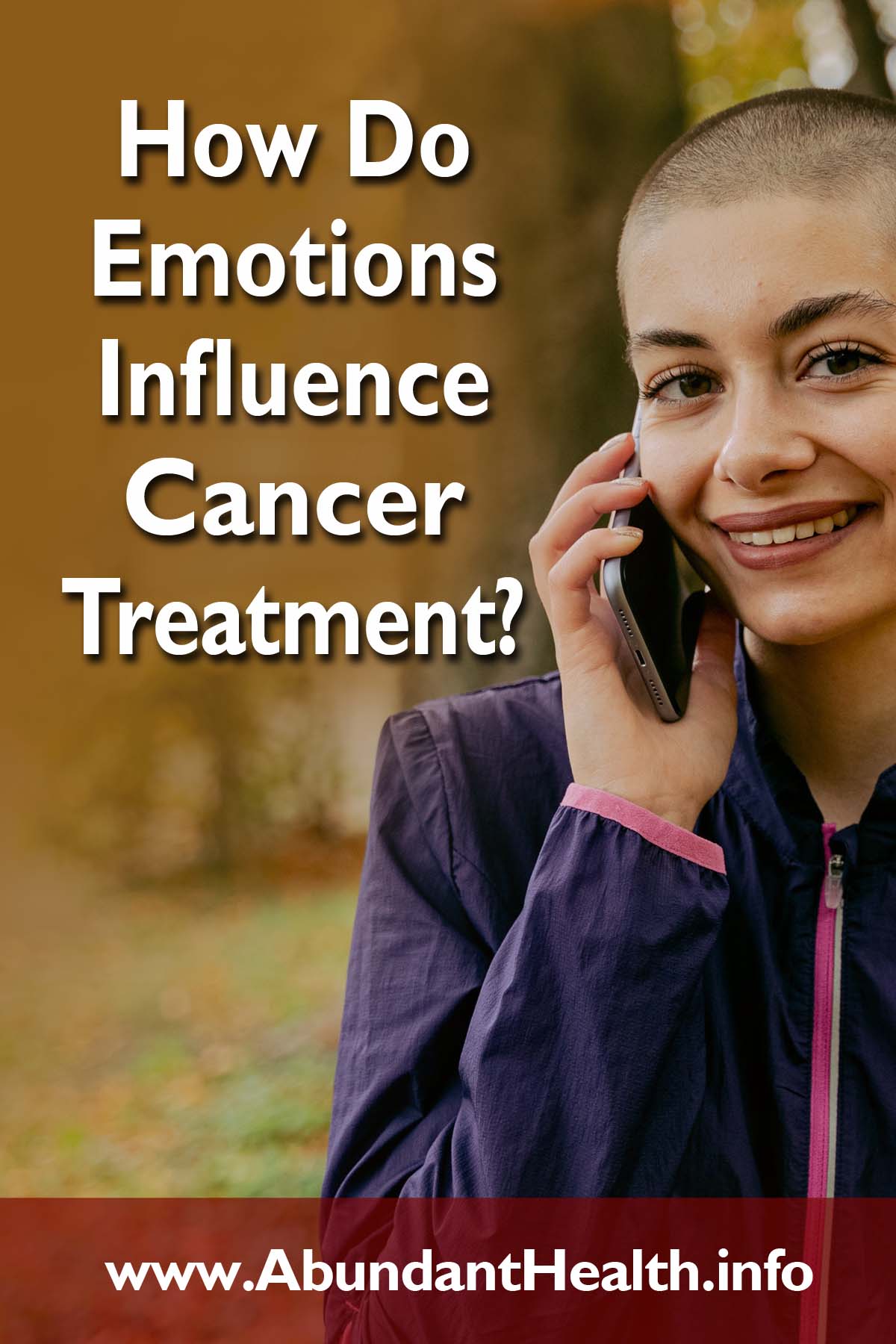
How Do Emotions Influence Cancer Treatment?

July 2, 2021 by Dr. Cesar Vasconcellos de Souza - [rt_reading_time label="Reading Time:" postfix="minutes" postfix_singular="minute"]

Emoções Influenciam o Tratamento do Câncer

Have you ever noticed that some people with cancer die unexpectedly, but others with less favorable diagnosis survive? Perhaps this can often be explained by the relationship between cancer and the mind, emotions and cancer. Is there any scientific basis for us to believe that positive emotions have specific physiological effects?

How Do Emotions Influence Cancer Treatment?

About negative emotions, we already know that anger is related to the production of norepinephrine, and fear or anxiety has to do with adrenaline. Positive emotions relate to acetylcholine outside the brain, which produces muscle relaxation, and has to do with endorphins and serotonin inside the brain.

Cancer is not just a disease. There are several interrelated diseases, several changes that end up generating cancer. There may be a genetic predisposition, a lot of stress in childhood, a diet of poor nutritional quality, a contaminated environment, polluted air, free radicals, smoking, alcohol abuse and other factors. Cancer is an indication that there is something else dysfunctional in the person’s lifestyle.

Lawrence LeShan was a psychologist who worked for more than 20 years just with dying patients, and in one of his studies of 152 people with cancer, he found that some mental attitudes had a negative influence on those cancer patients.

The study came to some interesting conclusions about the emotional or mental posture found in the people surveyed, who developed some form of cancer. Let’s look at some of these results from this study. Of these 152 people, 109, or 72%, had lost their purpose to live, and were unable to establish new relationships. There may have been attempts to develop new relationships, but they failed and the person remained isolated, even surrounded by family and friends, so that is to say 72% of people suffered from loneliness.

It was found that 71 of these people, or 47%, almost half of these people, were unable to demonstrate hostility in their self-defense. In other words, she had a feeling that her desires didn’t deserve to be defended, they didn’t know how to protect themselves. They are those people that when you step on their toes, they are the ones who apologize, people who do not know how to defend themselves, even from hostile people.

The study also found that 58 people, or 38% of them, had tension, a major stress due to the death of a parent. For some individuals, the type of emotional bond with the father or mother is so ingrained that when one of them dies, the suffering of the son or daughter is much greater than in people without this type of affective bond, who also experienced a period of grief and normal sadness, but without so much suffering, and without despair. So 38% of people who developed cancer had a lot of suffering a while before the cancer appeared, with the death of the father or mother, because of this extremely strong bond they had with that parent.

A woman experiencing grief in front of the tomb

It was also found that many of the studied group showed self-depreciation, a lack of self-confidence, a lack of respect for their own achievements. It’s the people that when you praise, for example for being in a nice outfit, they say: “Oh, I bought it there at the benefit bazaar”, or when these people have passed an exam and you congratulate them, they say: “Oh, it wasn’t so hard to pass”, that is, they always devalue themselves. So this psychologist working with these people with cancer found that many of them had this self-deprecating mindset.

Other people who had cancer in the study group had a sense of despair they had lived with all their lives, a despair in the sense of looking at life with pessimism, without good prospects for the future. And also the good number of patients evaluated revealed that they had more emotions than energy to express them, and they had very few or no channels of emotional expression, there is no one to whom they could open up, that is, they swallowed, repressed more emotions than they should have done, and some cases seem to explode into cancer.

Dr. Samuel Silverman of the School of Medicine at Harvard University, he says:

If there is a latent tendency to develop cancer, the inability to express one’s feelings will strike the body at some vulnerable point.

You can fight for your life : emotional factors in the causation of cancer
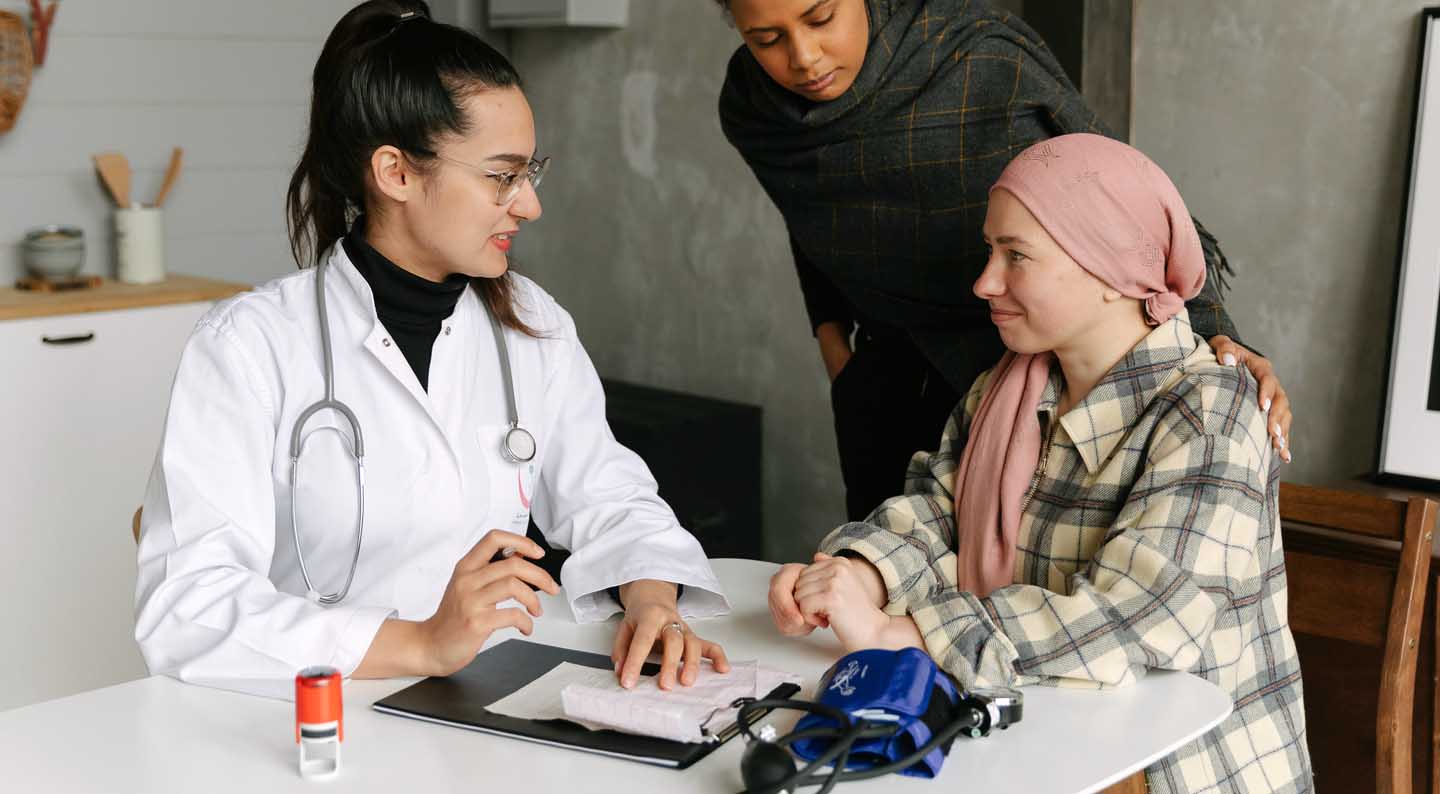
Counseling with a cancer patient

Some mental attitudes that help in the prevention or treatment of Cancer from a psychological and emotional point of view are the following:

  1. Have a meaning for life beyond the desire for physical healing.
  2. Reflect on how best to be useful with what you are, the talents you already have or can be learned.
  3. Learn, that you can express emotions, opinions and still be loved and accepted.
  4. Acquire self-knowledge to live with emotional honesty, that is, not fooling yourself.
  5. Appreciating the positive traits in me, what I can do, the blessings I have received, looking positively at those things that God has placed in me, which are talents, they’re blessings.
  6. Realize that you can try to understand and love yourself, forgive yourself, accept your limitations, without fighting with you, without criticizing yourself, without belittling yourself.
  7. Also strive to make changes in your life, in search of what you want, rather then remaining in a bad situation, even if it produces some benefits, such as an economic gain.

Dr Lawrence mentions in his book a doctor who had a specialty that earned a lot of money. Then she had breast cancer and she found out that she actually would like to work in another specialty, which would earn less money, but she decided to change, resulting in better coping with the cancer.

He cites the case of another woman, a lawyer that was professionally and economically very successful, but who also had breast cancer, and during psychotherapy she discovered that she had always liked music. So this woman decided to quit her job as a lawyer and went into music.

After doing a study on these people who made important changes in their lives after cancer, it was found that they had a much better survival rate, a much better quality of life, a much better recovery from this cancer than those people who got stuck and didn’t do these changes. So it’s important to think that it is healthy for the mind that influences the immune system, to make less money, but to be happy in what you do. Think about it when you decide to make important changes in your life.

Healthy Fruits

Stay Always Up to Date

Sign up to our newsletter and stay always informed with news and tips around your health.

Sign Up Now!

Filed Under: Cancer, Diseases, Mental Health, Psychosomatic Diseases

Primary Sidebar

Social Channels

Coronavirus Immunity Challenge

Boost your immune system to be bullet-proof for the pandemic.

I Want to Participate

Recent Posts

  • asdf
  • 5 Habits to Live Longer
  • Better Sleep Can Protect Against Dementia
  • Finding Peace In Your Crazy-Busy World
  • Flaxseed – An Ancient Plant Rediscovered
  • Platelets – Triggers for Life or Death
  • Boderline Personality Disorder
  • In Praise of Almonds and Nuts

Categories

  • Body Systems (16)
    • Cell Function (2)
    • Circulatory System (1)
    • Digestive Tract (10)
    • Immune System (4)
  • Diseases (27)
    • Cancer (2)
    • Cold (1)
    • COVID-19 (11)
    • Dementia (1)
    • Diabetes (1)
    • Digestive Diseases (2)
    • Heart Disease (2)
    • Kidneys (1)
    • Metabolic Syndrome (2)
    • Skin (1)
  • Healthy Lifestyle (42)
    • Exercise (11)
    • Gardening (2)
    • Sleep (7)
    • Sunlight (2)
    • Temperance (14)
    • Water (4)
  • Mental Health (87)
    • Addictions (6)
    • Anxiety (7)
    • Burnout (1)
    • Depression (7)
    • Psychosomatic Diseases (6)
    • Stress Management (45)
    • Trust (6)
  • Nutrition (56)
  • Obesity (9)
  • Phases of Life (14)
    • Adults (3)
    • Babies and Infants (1)
    • Children (3)
    • Seniors (5)
    • Teenagers (3)
  • Therapies (7)
    • Herbs (5)
    • Hydrotherapy (1)
  • Uncategorized (4)

Archives

  • November 2025 (1)
  • January 2025 (1)
  • March 2024 (5)
  • February 2024 (4)
  • January 2024 (4)
  • December 2023 (5)
  • November 2023 (4)
  • October 2023 (5)
  • September 2023 (4)
  • August 2023 (3)
  • July 2023 (2)
  • June 2023 (4)
  • May 2023 (4)
  • April 2023 (5)
  • March 2023 (4)
  • February 2023 (4)
  • January 2023 (4)
  • December 2022 (4)
  • November 2022 (4)
  • October 2022 (5)
  • September 2022 (4)
  • August 2022 (4)
  • July 2022 (5)
  • June 2022 (4)
  • May 2022 (5)
  • April 2022 (4)
  • March 2022 (4)
  • February 2022 (4)
  • January 2022 (5)
  • December 2021 (3)
  • November 2021 (4)
  • October 2021 (6)
  • September 2021 (4)
  • August 2021 (4)
  • July 2021 (5)
  • June 2021 (4)
  • May 2021 (3)
  • April 2021 (5)
  • March 2021 (4)
  • February 2021 (4)
  • January 2021 (5)
  • December 2020 (3)
  • November 2020 (4)
  • October 2020 (5)
  • September 2020 (5)
  • August 2020 (3)
  • July 2020 (1)
  • June 2020 (1)
  • May 2020 (1)
  • April 2020 (1)
  • March 2020 (1)

Copyright © 2026 · Abundant Health - Privacy Policy - Medical Disclaimer