Abundant Health

Up to date health information tailored for you

  • Home
  • Blog
  • Recipes
  • Shop
  • Contact
You are here: Home / Archives for Obesity

Obesity

Fiber for Weight Control

December 24, 2023 by Christopher Damman - [rt_reading_time label="Reading Time:" postfix="minutes" postfix_singular="minute"]

Fiber for Weight Control

Fiber might just be the key to healthy weight management – and nature packages the carbs in perfectly balanced ratios when you eat them as whole foods. Think unprocessed fruits, vegetables, whole grains, beans, nuts and seeds. Research suggests that carbohydrates are meant to come packaged in nature-balanced ratios of total carbohydrates to fiber.((Fontanelli, M.M., Micha, R., Sales, C.H. et al. Application of the ≤ 10:1 carbohydrate to fiber ratio to identify healthy grain foods and its association with cardiometabolic risk factors. Eur J Nutr 59, 3269–3279 (2020). https://doi.org/10.1007/s00394-019-02165-4)) In fact, certain types of fiber affect how completely your body absorbs carbohydrates((Corbin, K.D., Carnero, E.A., Dirks, B. et al. Host-diet-gut microbiome interactions influence human energy balance: a randomized clinical trial. Nat Commun 14, 3161 (2023). https://doi.org/10.1038/s41467-023-38778-x)) and tells your cells how to process them once they are absorbed.((H. Douglas Goff, Nikolay Repin, Hrvoje Fabek, Dalia El Khoury, Michael J. Gidley, Dietary fibre for glycaemia control: Towards a mechanistic understanding, Bioactive Carbohydrates and Dietary Fibre, Volume 14, 2018, Pages 39-53, https://doi.org/10.1016/j.bcdf.2017.07.005.))
Fiber for Weight Control

Fiber slows the absorption of sugar in your gut. It also orchestrates the fundamental biology that recent blockbuster weight loss drugs like Wegovy and Ozempic tap into, but in a natural way. Your microbiome transforms fiber into signals that stimulate the gut hormones that are the natural forms of these drugs.((Silva YP, Bernardi A and Frozza RL (2020) The Role of Short-Chain Fatty Acids From Gut Microbiota in Gut-Brain Communication. Front. Endocrinol. 11:25. doi: 10.3389/fendo.2020.00025)) These in turn regulate how rapidly your stomach empties, how tightly your blood sugar levels are controlled and even how hungry you feel.((Deborah Hinnen; Glucagon-Like Peptide 1 Receptor Agonists for Type 2 Diabetes. Diabetes Spectr 1 August 2017; 30 (3): 202–210. https://doi.org/10.2337/ds16-0026))

It’s as if unprocessed carbohydrates naturally come wrapped and packaged with their own instruction manual for your body on how to digest them.

I am a physician scientist and gastroenterologist who has spent over 20 years studying how food affects the gut microbiome and metabolism. The research is clear – fiber is important not just for happy bowel movements, but also for your blood sugar, weight and overall health.

Carbohydrates without their wrappers

Unfortunately, most Americans get the majority of their carbohydrates stripped of their natural fibers. Modern processed grains like white rice and white flour as well as many ultraprocessed foods like some sugary breakfast cereals, packaged snacks and juices have removed these fibers. They essentially come unwrapped and without instructions for the body on how much it should absorb and how it should process them. In fact, only 5% of Americans eat the recommended amount of carbohydrates with enough of their natural packaging intact.((Quagliani D, Felt-Gunderson P. Closing America’s Fiber Intake Gap: Communication Strategies From a Food and Fiber Summit. American Journal of Lifestyle Medicine. 2017;11(1):80-85. doi:10.1177/1559827615588079)) Guidelines recommend at least 25 to 30 grams of fiber a day from food.((McKeown N M, Fahey G C, Slavin J, van der Kamp J. Fibre intake for optimal health: how can healthcare professionals support people to reach dietary recommendations?BMJ 2022; 378 :e054370 doi:10.1136/bmj-2020-054370))
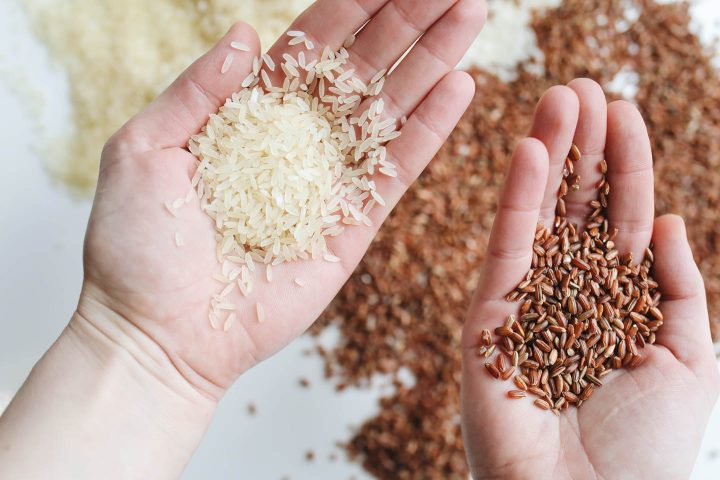
White and brown rice

It may not be surprising that lack of fiber contributes to diabetes and obesity.((Reynolds A et.al. Dietary fibre and whole grains in diabetes management: Systematic review and meta-analyses. https://doi.org/10.1371/journal.pmed.1003053)) What is surprising is that the fiber gap also likely contributes to heart disease,((O’Keefe S. The association between dietary fibre deficiency and high-income lifestyle-associated diseases: Burkitt’s hypothesis revisited. https://doi.org/10.1016/S2468-1253(19)30257-2)) certain types of cancer((Autumn G Hullings, Rashmi Sinha, Linda M Liao, Neal D Freedman, Barry I Graubard, Erikka Loftfield, Whole grain and dietary fiber intake and risk of colorectal cancer in the NIH-AARP Diet and Health Study cohort, The American Journal of Clinical Nutrition, Volume 112, Issue 3, 2020, Pages 603-612,
ISSN 0002-9165, https://doi.org/10.1093/ajcn/nqaa161.)) and maybe even Alzheimer’s disease.((Ticinesi, Andrea et al. ‘Interaction Between Diet and Microbiota in the Pathophysiology of Alzheimer’s Disease: Focus on Polyphenols and Dietary Fibers’. 1 Jan. 2022 : 961 – 982. DOI: 10.3233/JAD-215493))

One popular approach to mitigating some of the ill health effects of low fiber and high refined carbohydrates has been to limit carbohydrate intake.((Review of current evidence and clinical recommendations on the effects of low-carbohydrate and very-low-carbohydrate (including ketogenic) diets for the management of body weight and other cardiometabolic risk factors: A scientific statement from the National Lipid Association Nutrition and Lifestyle Task Force. https://doi.org/10.1016/j.jacl.2019.08.003)) Such approaches include the low-carb, keto, paleo and Atkins diets. Each diet is a variation on a similar theme of limiting carbohydrates to varying amounts in different ways.

There is scientific backing to the benefits of some of these diets. Research shows that limiting carbohydrates induces ketosis,((Crosby L, Davis B, Joshi S, Jardine M, Paul J, Neola M and Barnard ND (2021) Ketogenic Diets and Chronic Disease: Weighing the Benefits Against the Risks. Front. Nutr. 8:702802. doi: 10.3389/fnut.2021.702802)) a biological process that frees energy from fat reserves during starvation and prolonged exercise. Low-carbohydrate diets can also help people lose weight and lead to improvements in blood pressure and inflammation.((Zhu, H., Bi, D., Zhang, Y. et al. Ketogenic diet for human diseases: the underlying mechanisms and potential for clinical implementations. Sig Transduct Target Ther 7, 11 (2022). https://doi.org/10.1038/s41392-021-00831-w))

That said, some keto diets may have negative effects on gut health.((Paoli A, Mancin L, Bianco A, Thomas E, Mota JF, Piccini F. Ketogenic Diet and Microbiota: Friends or Enemies? Genes. 2019; 10(7):534. https://doi.org/10.3390/genes10070534)) It is also unknown how they may affect heart health, some forms of cancer and other conditions in the long term.((Mohammadifard N, Haghighatdoost F, Rahimlou M, Rodrigues APS, Gaskarei MK, Okhovat P, de Oliveira C, Silveira EA, Sarrafzadegan N. The Effect of Ketogenic Diet on Shared Risk Factors of Cardiovascular Disease and Cancer. Nutrients. 2022; 14(17):3499. https://doi.org/10.3390/nu14173499))
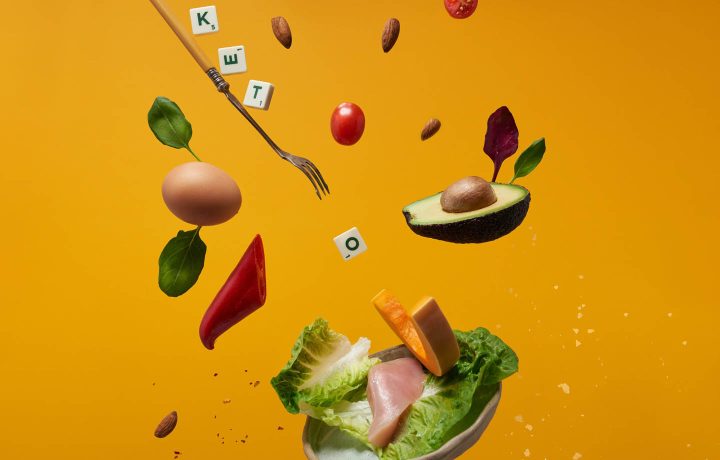
Keto diet food items

Even more confusing, research shows that people with diets high in plant-sourced carbohydrates, like the Mediterranean diet, tend to lead the longest and healthiest lives.((Capurso C. Whole-Grain Intake in the Mediterranean Diet and a Low Protein to Carbohydrates Ratio Can Help to Reduce Mortality from Cardiovascular Disease, Slow Down the Progression of Aging, and to Improve Lifespan: A Review. Nutrients. 2021; 13(8):2540. https://doi.org/10.3390/nu13082540)) How can this be reconciled with studies that suggest that low-carbohydrate diets can benefit metabolic health?

Is a carb a carb?

The answer may have to do with the types of carbohydrates that studies are evaluating.((Vanessa Campos et.al. Importance of Carbohydrate Quality: What Does It Mean and How to Measure It?, The Journal of Nutrition, Volume 152, Issue 5, 2022, Pages 1200-1206, https://doi.org/10.1093/jn/nxac039.)) Limiting simple sugars and refined carbohydrates may improve certain aspects of metabolic health, as these are some of the most easily digested and absorbed calories. But a more sustainable and comprehensive way of improving health may be increasing the percentage of unprocessed, more complex and slowly absorbed carbohydrates that come with their natural packages and instructions intact – those that have fiber.((P. NPV, Joye IJ. Dietary Fibre from Whole Grains and Their Benefits on Metabolic Health. Nutrients. 2020; 12(10):3045. https://doi.org/10.3390/nu12103045))

These natural carbohydrates can be found in whole grains, beans, nuts, seeds, fruits and vegetables. They come in ratios of total carbohydrate to fiber that rarely exceed 10-to-1 and are often 5-to-1 or lower.((Liu J, Rehm CD, Shi P, McKeown NM, Mozaffarian D, Micha R (2020) A comparison of different practical indices for assessing carbohydrate quality among carbohydrate-rich processed products in the US. PLoS ONE 15(5): e0231572. https://doi.org/10.1371/journal.pone.0231572)) Eating mostly whole foods is a simple way to ensure you’re consuming quality carbohydrates with the right ratios.
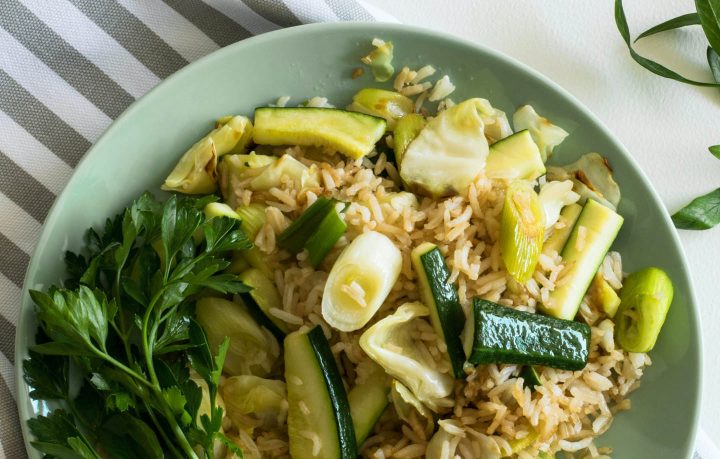
A rice plate with vegetables

But who doesn’t like to have a big bowl of pasta or cake with ice cream on occasion? Focusing on packaged processed foods that maintain carb-to-fiber ratios of at least as low as 10-to-1 or ideally 5-to-1 can help you make the best choices when picking more processed foods at the store. Take a look at the nutrition facts label and simply divide total carbohydrates by dietary fiber.

On occasions when you’re eating out or celebrating someone’s birthday, consider taking a fiber supplement with your meal. One pilot study found that a supplement containing a blend of fibers decreased the blood sugar spike((CHRISTOPHER J. DAMMAN, JUAN PABLO FRIAS, MARTIN L. LEE, LARS RIKSE, WING SHUN LAM, REN-HAU LAI, MARC WASHINGTON; 836-P: A Prebiotic Fiber Blend Improved Postprandial Glucose (PPG) and Time in Range (TIR) as Evaluated by Continuous Glucose Monitoring (CGM) in Healthy Subjects with Normal Glucose Tolerance. Diabetes 1 June 2022; 71 (Supplement_1): 836–P. https://doi.org/10.2337/db22-836-P)) (an increase in glucose levels in the blood that if too high can damage the body over time) after a meal in healthy individuals by roughly 30%.

Listen to your body

While almost all fiber is generally good for health in most people, not all fiber affects the body in the same way. Consuming a range of different types of fiber((O’Grady J, O’Connor EM, Shanahan F. Review article: dietary fibre in the era of microbiome science. Aliment Pharmacol Ther. 2019; 49: 506–515. https://doi.org/10.1111/apt.15129)) generally helps ensure a diverse microbiome, which is linked to gut and overall health.

But certain medical conditions might preclude consuming certain types of fiber. For example, some people can be particularly sensitive to one class of fiber called FODMAPS – fermentable oligosaccharides, disaccharides, monosaccharides and polyols – that are more readily fermented in the upper part of the gut and can contribute to symptoms of irritable bowel syndrome like bloating and diarrhea.((Gibson PR, Halmos EP. The FODMAP diet: more than just a symptomatic therapy? https://doi.org/10.1136/gutjnl-2021-326284)) High-FODMAP foods include many processed foods that contain inulin, garlic powder and onion powder, as well as whole foods including those in the onion family, dairy products, some fruits and vegetables.((Try a FODMAPs diet to manage irritable bowel syndrome. Harvard Health Publishing, March 15, 2022))

Listen to how your body responds to different high-fiber foods. Start low and go slow as you reintroduce foods like beans, seeds, nuts, fruits and vegetables to your diet. If you have trouble increasing your fiber intake, talk with your health care provider.

Tools like this online calculator I’ve created can also help you find the highest-quality foods with healthy fiber and other nutrient ratios. It can also show you what proportions of fiber to add back to sugary foods to help achieve healthy ratios.

I wouldn’t endorse eating sweets all the time, but as my three daughters like to remind me, it’s important to enjoy yourself every once in a while. And when you do, consider putting the carbs back in their fiber wrappers. It’s hard to improve upon nature’s design.
Healthy Fruits

Stay Always Up to Date

Sign up to our newsletter and stay always informed with news and tips around your health.

Sign Up Now!

This article is republished from The Conversation under a Creative Commons license. Read the original article.


The Conversation

Filed Under: Body Systems, Digestive Tract, Nutrition, Obesity Tagged With: Fiber, microbiome, weight control

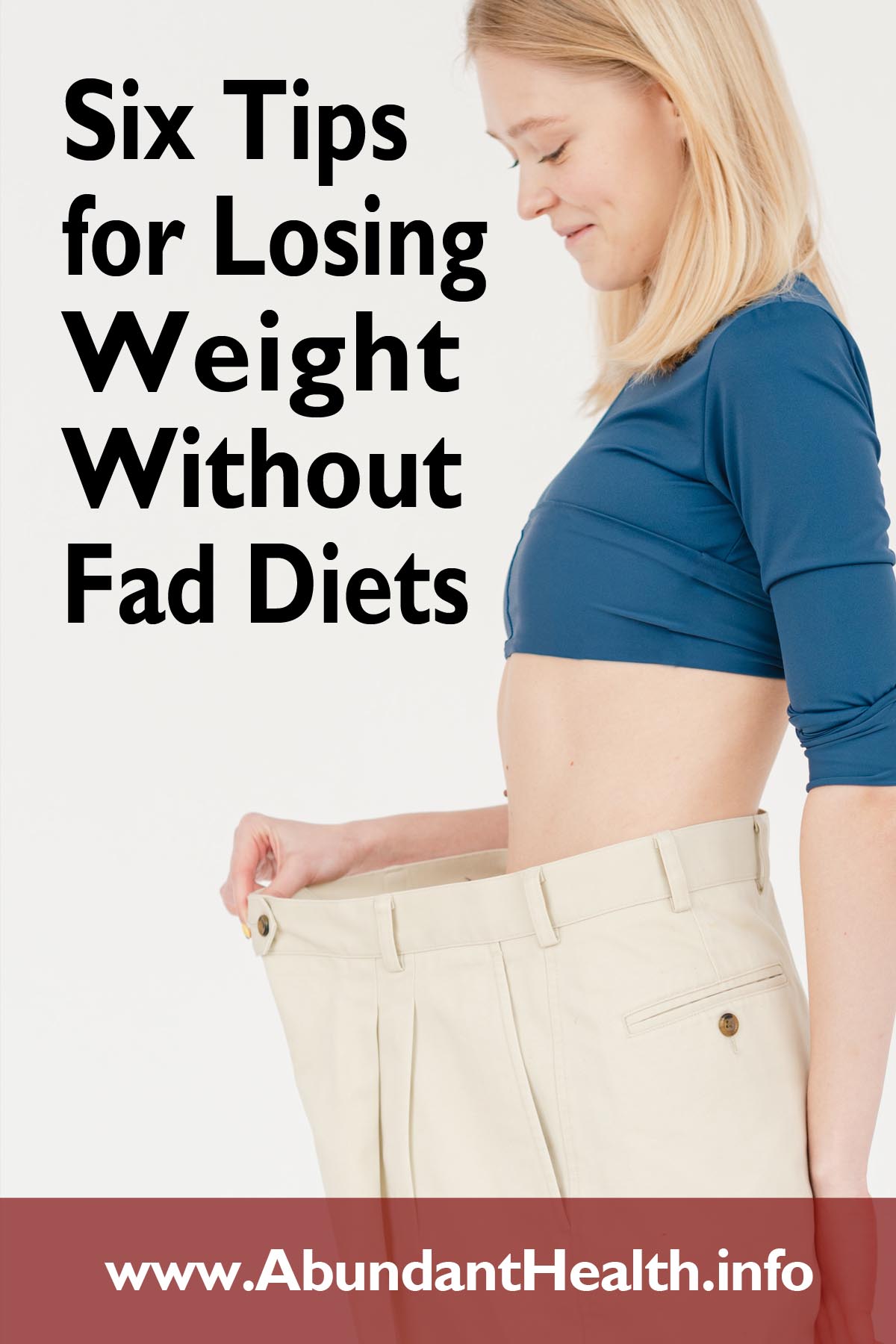
Six Tips for Losing Weight Without Fad Diets

January 8, 2023 by Clare Collins - [rt_reading_time label="Reading Time:" postfix="minutes" postfix_singular="minute"]

weight control

Monday – start diet. Tuesday – break diet! Wednesday – plan to start again next Monday. If this is you, it’s probably time to get off the diet roller coaster and make some bigger changes to the way you eat, drink and think about food.

Six Tips for Losing Weight Without Fad Diets

Here are six tips to help you get started.

1. Improve your diet quality score

When trying to lose weight, it might be tempting to quit carbs or another food group altogether.

But to stay healthy, you need to meet your requirements for important nutrients like iron, zinc, calcium, vitamins B and C, folate and fiber. These nutrients are essential for metabolism, growth, repair and fighting disease.

Our review of diet quality indexes used to rate the healthiness of eating habits found that eating nutritious foods was associated with((Aljadani, H., Patterson, A., Sibbritt, D. et al. Diet Quality and Weight Change in Adults Over Time: A Systematic Review of Cohort Studies. Curr Nutr Rep 4, 88–101 (2015). https://doi.org/10.1007/s13668-014-0115-1)) lower weight gain over time.((Fung TT, Pan A, Hou T, Chiuve SE, Tobias DK, Mozaffarian D, Willett WC, Hu FB. Long-Term Change in Diet Quality Is Associated with Body Weight Change in Men and Women. J Nutr. 2015 Aug;145(8):1850-6. doi: 10.3945/jn.114.208785.))

Improving your diet quality means eating more fruit and vegetables, tofu, nuts and seeds, legumes, dried beans, and whole grains.

2. Mum was right – eat your veggies

Fruit and veg are high in fiber, vitamins and phytonutrients, but low in total calories. So eating more can help you manage your weight.

A study of more than 130,000 adults found that those who increased their intake of fruit and vegetables over four years lost weight. For each extra daily serve of vegetables, there was a weight loss of 110 grams over the four years. It was 240 grams for fruit. Small, but it all adds up.((Bertoia M. et.al. Changes in Intake of Fruits and Vegetables and Weight Change in United States Men and Women Followed for Up to 24 Years: Analysis from Three Prospective Cohort Studies. https://doi.org/10.1371/journal.pmed.1001878))

Farmers Market - Photo by Michigan Municipal League on Pexels, CC2.0 license 
https://www.flickr.com/photos/michigancommunities/15168955986/

Drilling down to specific fruit and veg gets interesting. Increasing cauliflower intake was associated with a four-year weight reduction of about 620 grams, with smaller reductions for capsicum (350g), green leafy vegetables (230g) and carrots (180g). The reduction was 620g for blueberries and 500g for apple or pears.

It was not good news all round, though. Corn was associated with a weight gain of 920g, peas 510g and mashed, baked or boiled potatoes 330g.

3. Limit your portion size

If you are served larger portions of food and drinks, you eat more and consume more calories. That sounds obvious, yet everybody gets caught out when offered big portions – even when you’re determined to stop when you’re full.((Rolls BJ. What is the role of portion control in weight management? Int J Obes (Lond). 2014 Jul;38 Suppl 1(Suppl 1):S1-8. doi: 10.1038/ijo.2014.82.))

Research shows offering larger portions leads adults and children to consume an extra 600 to 950 kilojoules (150-230 calories). This is enough to account for a weight gain of more than seven kilograms a year, if the calories aren’t compensated for by doing more exercise or eating less later.((Hollands GJ, Shemilt I, Marteau TM, Jebb SA, Lewis HB, Wei Y, Higgins JP, Ogilvie D. Portion, package or tableware size for changing selection and consumption of food, alcohol and tobacco. Cochrane Database Syst Rev. 2015 Sep 14;2015(9):CD011045. doi: 10.1002/14651858.CD011045.pub2.))

4. Watch what you drink

A can of soft drink contains about 600 kilojoules (150 calories). It takes 30-45 minutes to walk those calories off, depending on your size and speed. Children and adolescents who usually drink a lot sugary drinks are 55% more likely to be overweight.((Hu FB. Resolved: there is sufficient scientific evidence that decreasing sugar-sweetened beverage consumption will reduce the prevalence of obesity and obesity-related diseases. Obes Rev. 2013 Aug;14(8):606-19. doi: 10.1111/obr.12040.))

Switch to lower sugar versions, water or diet drinks. A meta-analysis of intervention studies (ranging from ten weeks to eight months) found that adults who switched had a weight reduction of about 800 grams.((Morenga L T et.al. Dietary sugars and body weight: systematic review and meta-analyses of randomised controlled trials and cohort studies. https://www.ncbi.nlm.nih.gov/books/NBK116814/))

5. Cue food

Our world constantly cues us to eat and drink. Think food ads, vending machines and chocolate bars when trying to pay for petrol or groceries. Food cues trigger cravings, prompt eating, predict weight gain and are hard to resist.((Boswell RG, Kober H. Food cue reactivity and craving predict eating and weight gain: a meta-analytic review. Obes Rev. 2016 Feb;17(2):159-77. doi: 10.1111/obr.12354.)) They can make you feel hungry even if you are not.((Jansen A, Houben K, Roefs A. A Cognitive Profile of Obesity and Its Translation into New Interventions. Front Psychol. 2015 Nov 27;6:1807. doi: 10.3389/fpsyg.2015.01807.))

A lady snacking on popcorn inside a cinema - Photo by rpb1001 on Flickr https://www.flickr.com/photos/rpb1001/257368762/

Try to minimize the time you spend in highly cued food environments. Avoid food courts, take a list when you go to the supermarket and take your own snacks to places where highly palatable food is advertised, like the movies. This will reduce autopilot eating, which sabotages your willpower.

6. Resist temptation

A treatment for food cue reactivity is called exposure therapy.((Schyns G, Roefs A, Mulkens S, Jansen A. Expectancy violation, reduction of food cue reactivity and less eating in the absence of hunger after one food cue exposure session for overweight and obese women. Behav Res Ther. 2016 Jan;76:57-64. doi: 10.1016/j.brat.2015.11.007.)) With the help of a psychologist or health professional, you expose yourself to the sight and smell of favorite foods in locations that commonly trigger overeating, like eating chocolate when watching TV. But, rather than eat the chocolate, you only have a taste without eating it.((Jansen A, Houben K, Roefs A. A Cognitive Profile of Obesity and Its Translation into New Interventions. Front Psychol. 2015 Nov 27;6:1807. doi: 10.3389/fpsyg.2015.01807.))

Over time, and with persistence, cravings for chocolate reduce, even when cues such as TV ads or people eating chocolate in front of you are present.

You can also draw on your brain’s own self-management skills to resist temptation, but it takes conscious practice. Try this food cue acronym, RROAR (remind, resist, organized alternative, remember and/or reward), to train your brain to resist temptation on autopilot.

When you feel yourself pulled by cues to eat or drink:

  • Remind yourself that you are the boss of you, not a food cue.
  • Resist the tempting food or drink initially by turning your back on the cue. (This gives you time to think about next steps.)
  • Have a pre- Organized Alternative behavior to use against food cues. Grab a drink of water, walk around the block, check your phone messages, read, take a walk in the opposite direction. Diversion works.((van Dillen LF, Andrade J. Derailing the streetcar named desire. Cognitive distractions reduce individual differences in cravings and unhealthy snacking in response to palatable food. Appetite. 2016 Jan 1;96:102-110. doi: 10.1016/j.appet.2015.09.013.))
  • Remember what your big-picture goal is. Do you want to eat better to help you feel better, reduce medications, lower blood pressure, improve diabetes control or manage your weight?

You can add another R for Reward. Financial incentives help change behavior. Each time you complete your organized alternative behavior put $1 in a jar. When it builds up, spend it on something you really want.

You need a plan

The journey off the diet roller coaster needs a cunning plan. Here’s how you can put it all together.

  1. Start by assessing your diet quality using the Healthy Eating Quiz.
  2. Next, plan weekly meals, drinks and snacks. Write a grocery list and buy extra fruit and vegetables.
  3. Swap to small plates, cups and serving utensils. You’ll serve and eat less without thinking.
  4. Aim for half your plate covered with vegetables and salad, one-quarter protein (legumes, if meat, then lean) and one-quarter grains or starchy vegetables (potato, peas, corn).
  5. Change your food environment to avoid constant prompts to eat.
  6. Minimize the places you allow yourself to eat and drink to reduce food cue exposure (not in front of TV or computer, at a desk, or in the car).
  7. Keep food out of sight (unless it is fruit and vegetables). Store in opaque containers.
  8. Remove workplace food displays, such as food fundraisers.
  9. Plan driving and walking routes that do not take you past fast-food outlets or vending machines.
  10. Prerecord TV shows and fast-forward food ads.
Healthy Fruits

Stay Always Up to Date

Sign up to our newsletter and stay always informed with news and tips around your health.

Sign Up Now!

This article was republished from The Conversation under a Creative Commons license. Read the original article.

The Conversation

Filed Under: Obesity Tagged With: Fad Diets, weight control

Autophagy – A Key to Better Health

October 23, 2022 by Esther Neumann - [rt_reading_time label="Reading Time:" postfix="minutes" postfix_singular="minute"]

Autophagie

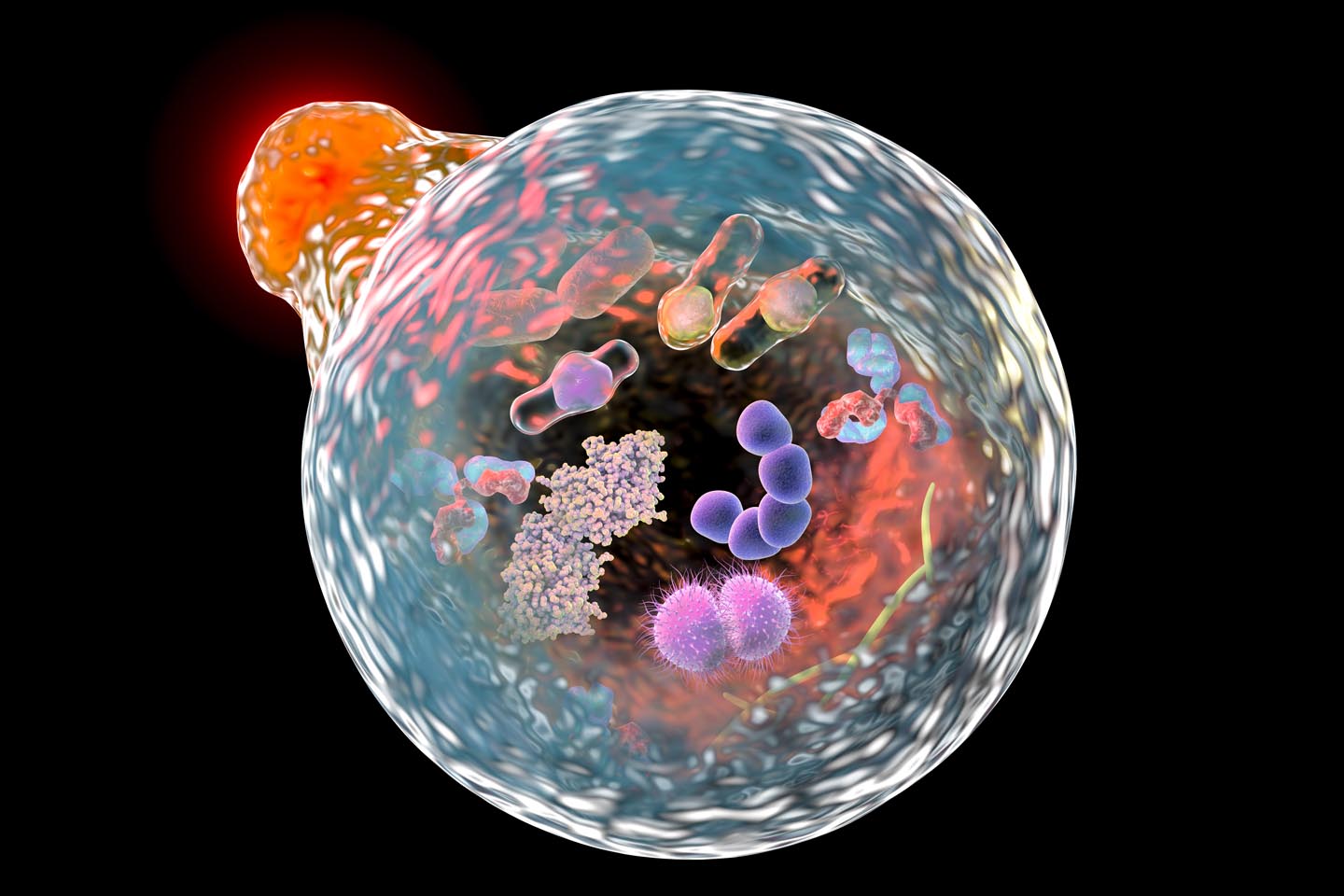
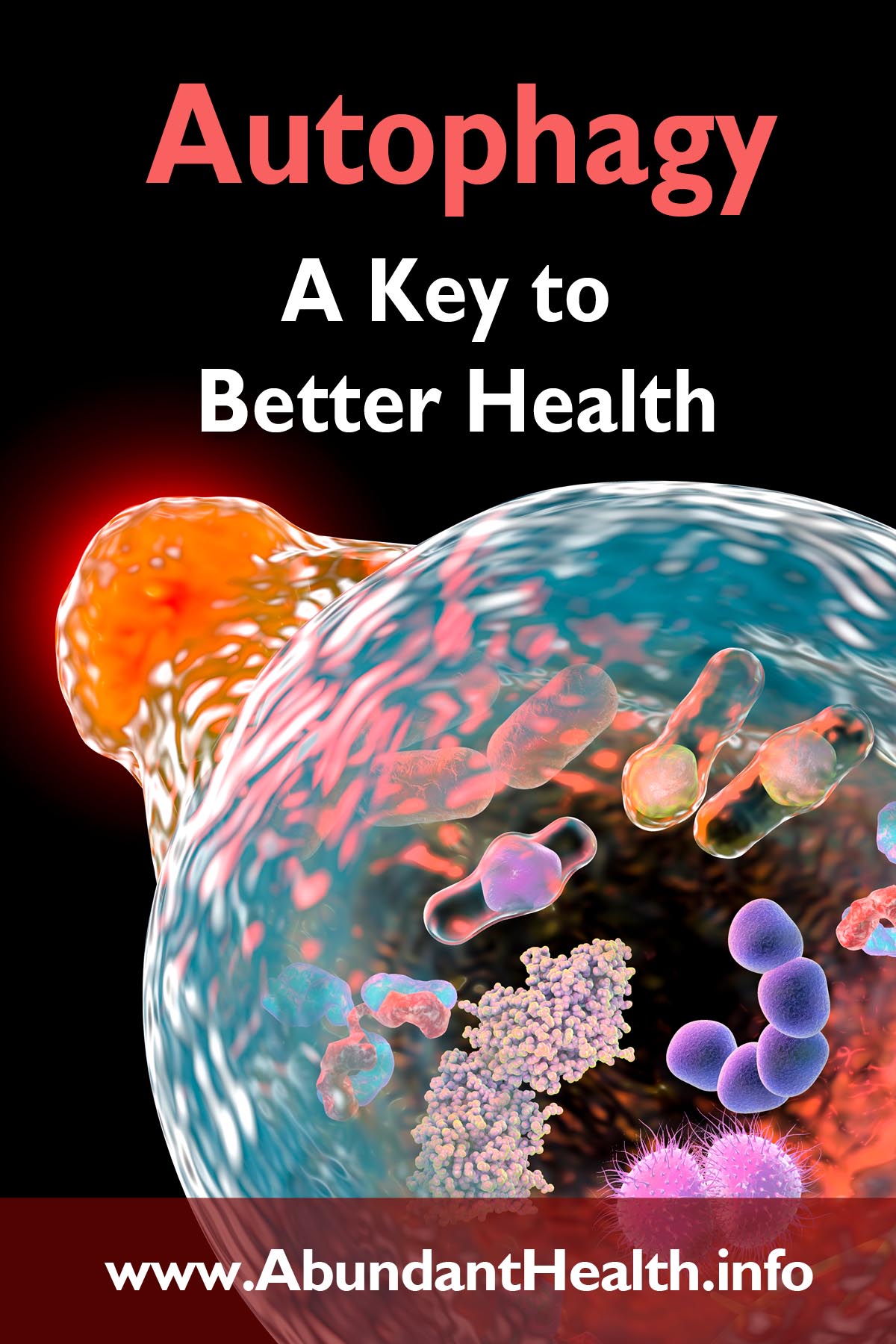
It is happening in every cell of our body, but hardly anyone knows about autophagy. It is an important process to maintain cellular health. In 2016, the Japanese researcher Yoshinori Ohsumi received the Nobel Prize in medicine for discovering important links between fasting and autophagy. But already in 1963 the Belgian biochemist Christian de Duve described the processes of autophagy.

Autophagy – A Key to Better Health

The word autophagy comes from the Greek. “Auto” means itself and “phagein” means to eat. It is a process that takes place in the lysosomes within our cells and eliminates and recycles cell components such as broken proteins or other damaged cell organelles – e.g. mitochondria, our power plants in the cells.

Some of the degradation products are recycled or converted into energy. Therefore, autophagy is strongly boosted by fasting. Furthermore, microorganisms, bacteria and viruses that have penetrated the body are also combated by autophagy. It therefore also plays a major role in the immune system, in infections, in the aging process and in the development of tumors. Well-functioning autophagy can help to prevent cancer.

Autophagy no longer works as well as we age. This causes many diseases. Dementia, Parkinson’s, Alzheimer’s and diabetes can be traced back to it. All of this fits well with the observation that people age healthier when they consume less calories. It’s no wonder that autophagy has become a major research topic. Many centenarians on the island of Okinawa state, “We only eat so much that we’re not quite full.”

A well-functioning autophagy is therefore advantageous for the prevention of various diseases. In Parkinson’s specifically, we know that brain cell death is the cause of the disease, and deficient autophagy seems to be a major reason. We’ve talked about cancer prevention before, and there are possibilities that osteoarthritis is also strongly related to autophagy.

A man with Parkinson

Intermittent Fasting

Some researchers in Austria are also significantly involved in autophagy research, especially when it comes to implementation strategies. University Professor Dr. Frank Madeo is supervising a large-scale study at the Institute for Molecular Biosciences at the Karl-Franzens University in Graz. Fasting triggers autophagy, which is rejuvenating, life-prolonging, and regenerative. Even a short-term fast of 16-20 hours triggers this effect.

Cells need time to get rid of their waste or to recycle it. When you eat constantly, you need insulin all the time, and your body is always busy digesting. Insulin inhibits autophagy. Looks like the recommendation to eat five to seven smaller meals throughout the day will soon be a thing of the past. Prof. Madeo says: “Welcome your hunger like a friend and your body will get cleaned up.”

There is no need to fast for a few days in a row to enjoy autophagy. Intermittent or short-term fasting is also sufficient. An interval of 16:8 is sufficient, i.e. eating only twice during an 8 hour block, and then fasting for 16 hours, abstaining from all food, including fruit juices. Water is allowed to drink. Preferrably the dinner is skipped. There is also the method of eating normally for a day and then fasting for a day. A side effect of short-term fasting is that fewer calories are usually ingested, which means that we can shed a few extra pounds.

A scale and a tape

In fact, long periods of fasting can become a problem in some circumstances. If you fast for several days, your body will begin to break down muscle as soon as all other reserves have been used up. This not only reduces muscle strength, but also slows down metabolism, which has a negative effect on weight control. Intermittent fasting avoids these problems while reaping the full benefits of autophagy.

Pregnant women should avoid long-term fasts, and breastfeeding mothers often experience problems with milk production after just one day of fasting. Children and seniors should also be careful with long-term fasting. Sick or frail persons such as advanced cancer patients not only may lose strength, a lack of protein in the diet for several days can also negatively impact the immune system. Therefore, prolonged fasting should be used with caution, while intermittent fasting is well tolerated in most cases.

Plant Based Diet

There have been found some substances in food that boost autophagy. This includes polyphenols. They are mainly found in the outer layers of vegetables, fruits and grains. They protect the interior of the plants from oxidation, and take on this function in the human body as well.

Spermidine, a substance that the body also produces itself, is found in many types of fruit and vegetables. The connection to the seminal fluid is correct. It is found there in high concentrations. Researchers have found that spermidine boosts autophagy as well.

It proves once again that a plant-based diet has many advantages. Animal protein actually inhibits autophagy.

A hand cutting a bell pepper

By the way, exercise will help as well. The cells are put into a nutrient deficiency that increases autophagy. It is smart not to eat anything for a few hours after exercising. Then the effect will be even greater.

Getting Practical

We have already seen that intermittent fasting has a beneficial effect on autophagy. It is best to eat a hearty breakfast and a moderate lunch, then skip dinner and eat nothing until the next morning. During the night, calorie consumption is very low, and eating in the evening quickly adds some extra pounds.

Skipping dinner also has a positive effect on sleep. The stomach is not occupied with digestion and can rest. The lying position with a full stomach can sometimes lead to reflux. And since digestion is slower at night, it can lead to unwanted fermentation processes. The quality of sleep is often affected as well.

How do you make this transition in practical terms? Initially, many have problems going to sleep on an empty stomach. If that’s the case, you can try to do a gradual transition. Either you do this by increasing your nightly fasting time by moving dinner gradually to an earlier time. After a few days, when you’ve managed to get dinner down to 5pm, you can try skipping it altogether.

Another option would be to gradually reduce the amount of food you eat until you can suffice with one piece of fruit in the evening. If necessary, you can switch to fruit juice for a few days until you can manage to skip dinner altogether. Drinking a glass of water or a cup of herbal tea can help to control hunger. Once you get used to the new rhythm, it’s usually not a problem to maintain it.

A man and a woman drinking a cup of tea.

Another variation of intermittent fasting is to fast one full day a week. Ideally, you should only drink water. If you can’t keep it up, you can help yourself out with some fruit. These do not burden the digestion and are not too high in calories. Most of the time they are sufficient to control the feeling of hunger. In addition to the health benefits of autophagy, a weekly fasting day also helps with weight loss, and if needed, you spread out 2 fasting days during the week.

The third variant, which also has positive effects on autophagy, is limiting the calorie intake at every meal. Following the example of Okinawa’s centenarians, you stop eating before you’re full. After eating your first portion, you stop for a moment and examine if it was enough to satisfy your first hunger. If so, put the silverware aside and stop eating. Studies have shown that calorie restriction significantly extends the lifespan of mice. It pays off to take care of your body.

We have seen the benefits autophagy brings to our health. You may need to experiment a bit with the implementation to see what option you manage to adapt the best. Let’s help our body to clean up and recycle its cellular waste, and he will reward us with good health. All the best with the implementation!

Healthy Fruits

Stay Always Up to Date

Sign up to our newsletter and stay always informed with news and tips around your health.

Sign Up Now!

Filed Under: Body Systems, Cell Function, Healthy Lifestyle, Obesity, Temperance Tagged With: Autophagy, Intermittent Fasting

Why Some People Overeat When They’re Upset

August 14, 2022 by Laura Wilkinson - [rt_reading_time label="Reading Time:" postfix="minutes" postfix_singular="minute"]

Overeating when upset

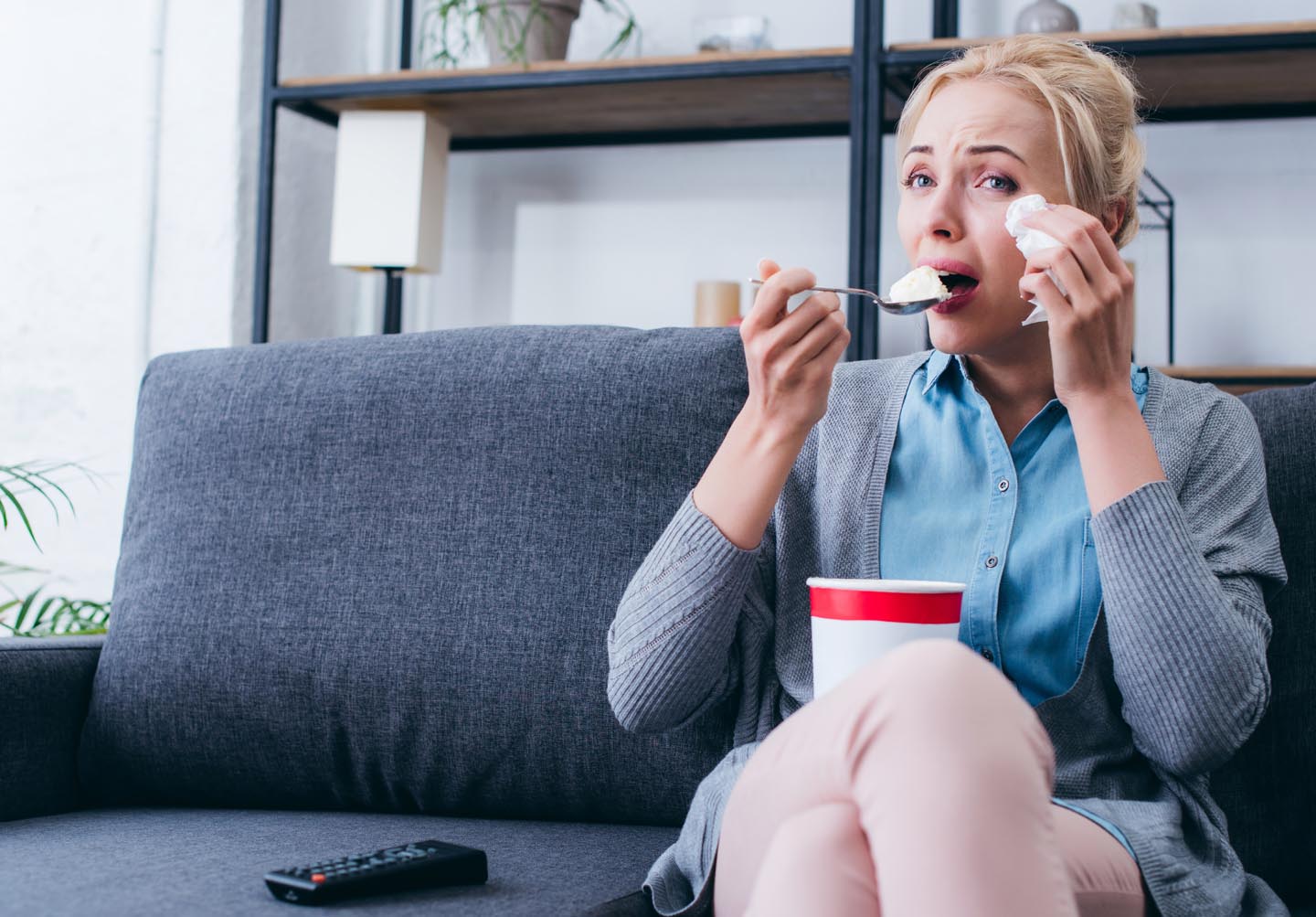
The idea of eating a tub of ice cream to cope with being upset has become a bit cliche. Though some might not need a tub of chocolate swirl to help perk themselves up again, there do seem to be systematic differences in the way that people cope with upsetting events, with some more likely to find solace in food than others.((Van Strien T. Causes of Emotional Eating and Matched Treatment of Obesity. Current Diabetes Reports (2018) 18: 35 https://doi.org/10.1007/s11892-018-1000-x))

Why Some People Overeat When They’re Upset

This matters because when eating to cope with negative feelings is part of a broader tendency to overeat, it is likely to be associated with obesity and being overweight.((Bryant E. J. et.al. Disinhibition: its effects on appetite and weight regulation. https://doi.org/10.1111/j.1467-789X.2007.00426.x)) More people than ever are now overweight and obese, with recent estimates suggesting that by 2025, 2.7 billion adults worldwide will be affected by obesity, risking health issues such as cardiovascular disease, type 2 diabetes and cancer.

So why do some people manage their emotions with food while others don’t? One psychological concept that helps to explain this difference is adult attachment orientation.((Lopez, F. G., & Brennan, K. A. (2000). Dynamic processes underlying adult attachment organization: Toward an attachment theoretical perspective on the healthy and effective self. Journal of Counseling Psychology, 47(3), 283–300. https://doi.org/10.1037/0022-0167.47.3.283)) Depending on the extent to which we fear abandonment by those we love, adults fall somewhere on the dimension of “attachment anxiety”. Where we fall on this dimension (high or low) determines a set of expectations about how we and others behave in personal relationships. These are developed as a response to the care we received as an infant and this can characterize your attachment style.

A recent meta-analysis – a study bringing together the results of many other studies – showed that the higher a person’s attachment anxiety, the more they engage in unhealthy eating behaviours, with a knock-on effect on body mass index (BMI).((Faber A. et.al. Attachment and eating: A meta-analytic review of the relevance of attachment for unhealthy and healthy eating behaviors in the general population,
Appetite, Volume 123, 2018, Pages 410-438, https://doi.org/10.1016/j.appet.2017.10.043.
Wilkinson, L., Rowe, A., Bishop, R. et al. Attachment anxiety, disinhibited eating, and body mass index in adulthood. Int J Obes 34, 1442–1445 (2010). https://doi.org/10.1038/ijo.2010.72)) Two other studies have also shown that patients undergoing weight loss surgery are likely to have higher attachment anxiety scores than a comparable lean population, and it is thought that this difference is partly explained by the tendency to overeat.((Nancarrow, A., Hollywood, A., Ogden, J. et al. The Role of Attachment in Body Weight and Weight Loss in Bariatric Patients. OBES SURG 28, 410–414 (2018). https://doi.org/10.1007/s11695-017-2796-1
Wilkinson, L., Rowe, A., Sheldon, C. et al. Disinhibited eating mediates differences in attachment insecurity between bariatric surgery candidates/recipients and lean controls. Int J Obes 41, 1831–1834 (2017). https://doi.org/10.1038/ijo.2017.157))

A woman overeating on junk food

Understanding attachment anxiety

For a long time, we have known that people who are have high attachment anxiety are more likely to both notice upsetting things and find it harder to manage their emotions when upset.((Mikulincer, M. (1998). Adult attachment style and affect regulation: Strategic variations in self-appraisals. Journal of Personality and Social Psychology, 75(2), 420–435. https://doi.org/10.1037/0022-3514.75.2.420)) This is because of how attachment orientations come about in the first place. The dynamics and feelings relating to our most important long-term relationships, including in early life, act as a templates that guide our behavior in subsequent relationships and in stressful situations.

If we receive consistent care from a caregiver, which includes helping us to cope with problems in life, we develop a secure attachment orientation. For people high in security, when a negative life event occurs, they are able to seek support from others or soothe themselves by thinking about the sorts of things that their caregiver or other significant person would say to them in that situation.

A mother with her baby

However, inconsistent care – where the caregiver sometimes responds to another’s needs but at other times does not – leads to attachment anxiety and a fear that our needs won’t be met. When negative life events occur, support from others is sought but perceived as unreliable. People with high attachment anxiety are also less able to self-soothe than people with a secure attachment.

We recently tested whether this poor emotional management could explain why people with attachment anxiety are more likely to overeat. Importantly, we found that for people high in attachment anxiety it was harder to disengage from whatever was upsetting them and to get on with what they were supposed to be doing. These negative emotions were managed with food and this related to a higher BMI.((Laura L. Wilkinson, Angela C. Rowe, Eric Robinson, Charlotte A. Hardman, Explaining the relationship between attachment anxiety, eating behaviour and BMI, Appetite, Volume 127, 2018, Pages 214-222, https://doi.org/10.1016/j.appet.2018.04.029))

It is important to note, however, that this is only one factor among many that can influence overeating and BMI. We cannot say that attachment anxiety causes overeating and weight gain. It might be that overeating and weight gain influences our attachment orientation, or it could be a bit of both.

Managing eating behavior

There are two approaches that appear promising for attachment anxious individuals seeking to manage their eating behavior. These involve targeting the specific attachment orientation itself and/or improving emotion regulation skills in general.

A woman with a positive attitude

To target attachment orientation, one possibility is a psychological technique called “security priming” designed to make people behave like “secures”, who cope well with negative life events.((Omri Gillath, Gery Karantzas, Attachment security priming: a systematic review, Current Opinion in Psychology, Volume 25, 2019,Pages 86-95, https://doi.org/10.1016/j.copsyc.2018.03.001)) It results in beneficial effects more generally, such as engaging in more pro-social behaviors. One study showed that priming is related to snack intake. When people are asked to reflect on secure relationships in their life they eat less in a later snacking episode than when asked to reflect on anxious relationships in their life (though this work is very preliminary and needs replicating and extending).((Wilkinson L. et.al. Eating me up inside: Priming attachment security and anxiety, and their effects on snacking. https://doi.org/10.1177/0265407512468371))

Looking at emotion regulation, a recently published paper highlighted the importance of emotional eaters focusing on skills such as coping with stress rather than calorie restriction, when seeking to lose weight. This study did not look solely at those with attachment anxiety, however, so further work is needed explore this further.((Van Strien T. Causes of Emotional Eating and Matched Treatment of Obesity. Current Diabetes Reports (2018) 18: 35 https://doi.org/10.1007/s11892-018-1000-x))

Of course, in an ideal world everybody would have relationship experiences that helped them to develop high attachment security, and perhaps this is a hidden third approach – facilitating better care-giving and interpersonal relationships for all.

Healthy Fruits

Stay Always Up to Date

Sign up to our newsletter and stay always informed with news and tips around your health.

Sign Up Now!

This article is republished from The Conversation under a Creative Commons license. Read the original article.
The Conversation

Filed Under: Mental Health, Obesity Tagged With: attachment anxiety, eating behavior, overeating, weight control

Raw Food – How Much Should it Be?

July 31, 2022 by Esther Neumann - [rt_reading_time label="Reading Time:" postfix="minutes" postfix_singular="minute"]

Rohkost-Wie viel?

In summer, the farmers’ markets are a real feast for the eyes, a treasure trove of fresh fruit and vegetables. A large part of the population associates good health with raw fruit and vegetables. In practice, however, things look rather bleak. Most eat far too little raw fruit and vegetables. On the other hand, there are people who advocate an exclusive raw food diet. Others advocate a moderate raw food diet, with a proportion between 70-100%.

Raw Food - How Much Should it Be?

In the last hundred years, numerous raw food diets have been developed. The majority of them come from lay people who had to struggle with health problems and were treating themselves by changing their diet to eating exclusively or partially raw food.

Raw Food Types

The raw food types are often based on idiosyncratic nutritional concepts that are not explained scientifically. Some take a very one-sided approach and simply reject certain foods. That is why it is very difficult to make a general assessment of raw food diets. You have to consider them individually. Most raw food types are named after their “inventors”: Evers diet, Waerland diet, raw food after Walker, Dr. Nolfi, Schnitzer or Wandmaker. But then there are also fantasy names like Rainbow Diet, Hallelujah Diet or “Fit for life”.

The majority of raw food diets are vegetarian. Almost half abstain from meat altogether. Some allow raw or lightly smoked meats. Milk and cereal products usually have a bad reputation. Most people don’t manage to stick very long to a 100% raw food diet. Many give social reasons, such as isolation, for discontinuing the diet. A third cite health reasons: feeling cold, problems with teeth, bloating and weight loss.

Body Weight on a Long-term Raw Food Diet

Being overweight is unknown among raw foodists. Three quarters have a BMI in the normal range. There’s no obesity. On the other hand, there are a number of underweight people on the other end of the weight curve, especially those with a very high proportion of raw food. Weight plays a subordinate role for raw foodists. They care more about their well-being.

The underweight could probably be reduced to a large extent if more nuts and avocados, i.e. high-fat foods, were eaten. However, when the majority of calories are consumed as fat, it takes complicated metabolic reactions to convert that fat into the proper form of energy. This is not ideal for our health.

With most raw foodists, carbohydrates and proteins are neglected, since cereals and legumes can only be consumed raw to a limited extent. Raw grains and legumes contain a number of phytates that cause bloating and prevent the absorption of a number of minerals. These phytates are greatly reduced during cooking.

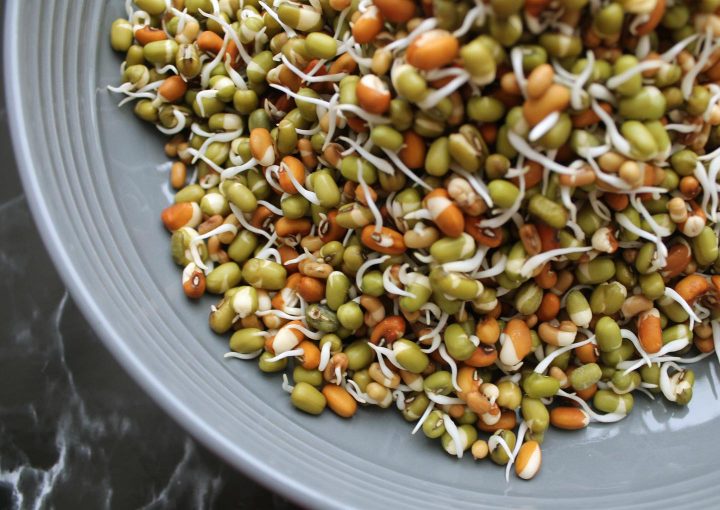
Sprouting is another way of reducing phytates. Grains and legumes are therefore often consumed in sprouted form by raw foodists. When sprouting, the vitamins contained in the grain are potentialized, making sprouted seeds an interesting addition to our diet. However, if they are consumed in large quantities, this can lead to an excess of vitamins.

Sprouted beans

Convictions of Raw Foodists

Most of the time, it is health reasons that proponents of the raw food diet give as to why they chose this alternative diet. For others, ethics play a role or the good taste of the raw food. Two thirds are convinced that cooking leads to a reduction food in value and even to the creation of harmful products. Digestive leukocytosis, enzymes in raw food and the formation of Maillard products are cited very often. These are browning products that result from the combination of sugar types and amino acids when food is heated.

Digestive Leukocytosis

This term describes the temporary increase in the number of white blood cells, the leukocytes, after eating. This is a physiological condition and does not indicate a disease. This increase is repeatedly seen by raw foodists as a reaction to unsuitable foods. Supposedly, cooked foods are considered by the body to be a foreign substance that need to be attacked by the immune system. They claim that there is no increase in leukocytes if you only eat raw food or at least eat something raw before you eat cooked food.

The medical background was provided by the physician Kouchakoff in 1930, who found an increase in leukocytes after ingestion of cooked food, but no increase in uncooked food. Subsequent, more detailed investigations showed that his observation period was much too short and that any food intake caused an increase in leukocytes, especially neutrophilic granulocytes. However, why this increase is happening needs to be researched more closely. Maybe it’s simply a matter of fighting germs that may be smuggled in with food and possibly cause illness.

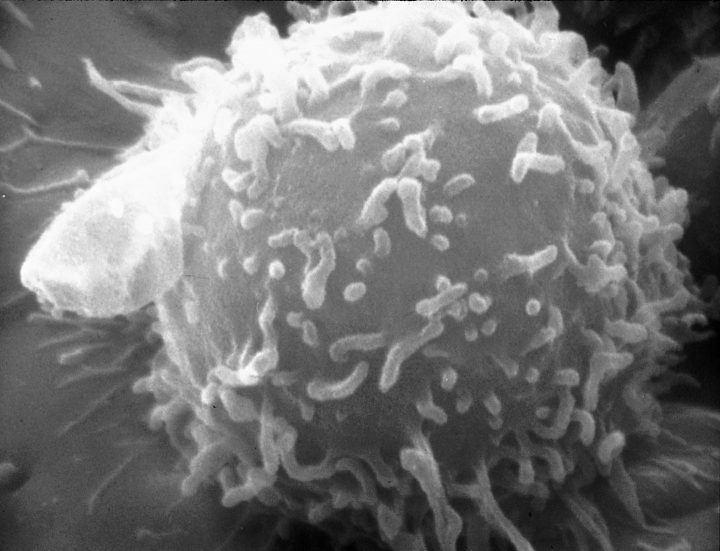
A Lymphocyte, which is a subgroup of leucocytes in the human immune system.

Kouchakoff’s thesis that leukocytosis only occurs when food is cooked has turned out to be wrong. Leukocytes increase by 50-140% after eating, whether the food is cooked or eaten raw. It is interesting, however, that most people have their highest leukocyte count after eating meat.

Enzymes

The enzymes are another reason that raw foodists often cite as a benefit of their diet. The raw food should contain live enzymes that are lost during cooking. Therefore, raw food products are supposed to be living foods, while cooked products are already dead and supposedly have very little nutritional value.

What are enzymes? They are chemical structures that are vital to a variety of metabolic functions in our body. They have important functions in digestion, body metabolism, DNA replication, cell signaling and countless other processes within the body.

So it’s true that raw foods contain a lot of enzymes. Since these enzymes consist largely of proteins, they are broken down into amino acids in the stomach and therefore do not benefit the body. Some people need enzyme supplements to help with digestion. However, these must be packed in specially developed capsules, which are resistant to stomach acid and only release the enzymes in the intestine. Without these protective capsules, the digestive enzymes wouldn’t get to the intestines. The enzymes that the body needs it can usually produce by itself.

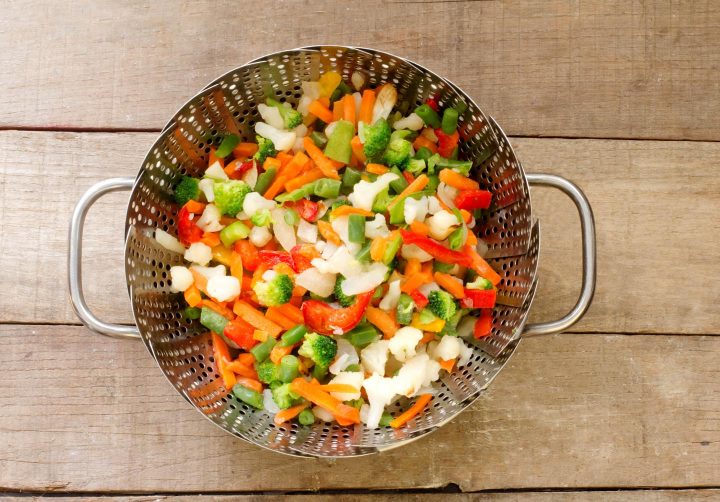
When it comes to vitamins, however, the raw food diet is a step ahead. Vitamins are largely lost upon heating and are normally found in much higher concentrations in raw products. There are, however, exceptions here as well. For example, steamed kale has a higher vitamin C content than raw, and the beta-carotene in carrots is easier to absorb when cooked. If you want to cook vegetables, then careful steaming is usually the gentlest form of preparation.

vegetable inside steam basket for steam cooking

Raw Food as a Treatment

Nutrition is a key factor in the development of chronic diseases and the maintenance of good health. The WHO agrees with that. Of course, lifestyle also plays an important role. In addition to lack of exercise and tobacco consumption, the changed diet is mentioned in first place.

The traditional plant-based diet has been replaced by a calorie-dense, high-fat diet with a high proportion of animal products. Low fruit and vegetable consumption and low fiber go hand in hand. In numerous developing countries, which are adapting their lifestyle and diet to industrialized countries, precisely those diseases that go hand in hand with this lifestyle are increasing: cardiovascular diseases, diabetes, cancer and obesity.

Is it any wonder that alternative doctors are increasingly turning to raw food! When changing from a typical Western diet, success is inevitable. However, the raw food diet must be adjusted individually, because there are a number of contraindications. And in most cases, a well-balanced healthy diet that includes some cooked grains would probably perform better than a restrictive raw food diet.

Raw Food as a Permanent Diet: Yes or No?

As the raw food studies show, it is not easy to eat exclusively raw. It might make sense for a short time, whether it’s to lose weight or regain your health. When it comes to raw food as a permanent form, you should never eat a restrictive diet. One should not arbitrarily avoid some foods that are important for a balanced diet.

Everyone has to decide for themselves how high the proportion of raw food should be in their diet. Eating about half of everything raw, as recommended by Whole Foods Diets, is certainly a good way to go. It is well justified in terms of taste, socially, scientifically and from a health point of view. But cooking makes sense too.

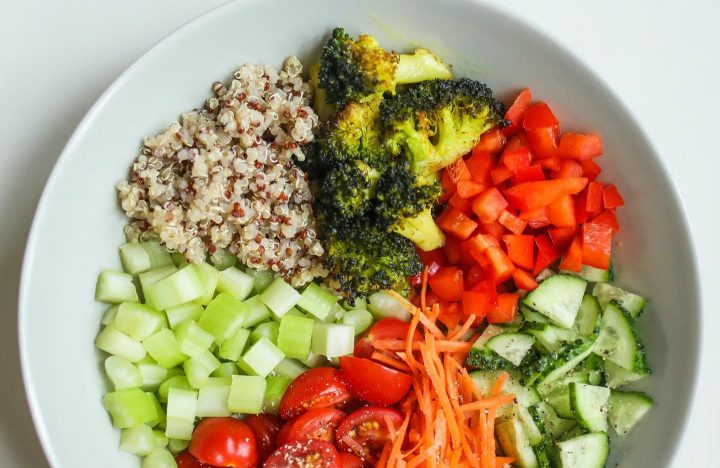
Salad plate with steamed broccolis and cooked quinoa

Why Cooking?

Cooking kills harmful microorganisms, destroys harmful food components, such as in legumes, and increases the absorption of some nutrients, such as beta-carotene. Cooking changes the texture and taste. Cooking, roasting and baking contribute to palatability. Let’s just think about potatoes! Boiling is often increasing durability, helps to preserve food in canning, and adds convenience. We quickly have a meal on the table from pre-prepared menus, supplemented by fresh raw vegetables.

Everyone has to decide for themselves how much raw food is good for them. The fact is, most know they should be eating more of it. If one wants to increase the amount, he should do it gradually, remembering to chew well. Only then can the digestive tract can adapt to the changed circumstances.

Incidentally, there are no scientific findings available – for a better physical and mental performance of the raw food compared to the usual mixed diet. But if someone feels more comfortable with a raw food diet, they should choose a balanced type that also optimally provides them with everything they need for life.

Healthy Fruits

Stay Always Up to Date

Sign up to our newsletter and stay always informed with news and tips around your health.

Sign Up Now!

Filed Under: Nutrition, Obesity, Temperance

Don´t Carry the Christmas Dinner Into the New Year

December 17, 2021 by Ricardo Vargas - [rt_reading_time label="Reading Time:" postfix="minutes" postfix_singular="minute"]

Ceia de Natal

The holiday season is eagerly awaited, meeting up with people you love, catching up and sharing a meal together. Is there anything better? But for this day to be memorable it is important to get the menu right, exaggerations can compromise the enjoyment of those festivities.

Don´t Carry the Christmas Dinner Into the New Year

It’s common to see plentiful tables and a lot of variety during the festivities, so far no problem, if you get your choices right. Let’s talk about some mistakes made when putting together the menu for the Christmas dinner.

First of all, let’s highlight a very important issue. We’ll talk about pleasure.

Pleasure is a pleasant sensation or emotion, linked to the satisfaction of a desire. Pleasure is generated by increased production of a hormone called dopamine. This hormone is produced in the brain at various receptors called D1, D2, D3, D4 and D5 according to location and function.

External stimuli are often triggers for the body to produce dopamine. Among these stimuli, the most used is food, but not just any food. Among them, those rich in sugar or fast-absorbing carbohydrates such as white rice, potatoes, pastries in all of its forms, foods rich in fat and stimulants like coffee and chocolate are on the top of the list. These have been used to generate pleasure, soothe guilt or escape even for a moment from anxiety or stress.

A warning, the use of these foods in the pursuit of pleasure generates addiction, you can become addicted. You may say: No way, but at the end of the day, you don´t resist. The need for large doses of dopamine is becoming a constant. Brain D2 receptors are highly stimulated by the above foods. The consequences are numerous, but weight gain is one of the major ones.

The title of the article refers precisely to this aspect, your Christmas dinner can be deposited in your body in the form of fat. One of the main causes of obesity is precisely this unrestrained search for pleasure produced by food. When the year comes to its end, people start to make their new years resolutions. I suggest that you make it a priority to take control of your health in 2022, so start by making better food choices for Christmas dinner.

Food Choices - Photo by Andres Ayrton from Pexels

Families often have the habit of serving their meal very late on Christmas Eve. Our metabolism slows down at night and digestion is compromised, increasing the time the food remains in the stomach. The foods that generate the most workload for the stomach and digestive organs such as the intestine, liver and pancreas are fatty and protein foods.

Beware of foods such as meat, cheese and the famous mayonnaise. All of these are high in fat and protein and can wake you up with a hangover the next day. Hangover? That’s right!

People who have the habit of drinking alcoholic beverages wake up with a hangover due to the workload that alcohol causes for the liver to promote the detoxification process. Fatty and protein foods eaten late at night and in large volumes can make you wake up with a bad headache, bitter mouth, and a terrible mood. The pleasures of the table can end the enjoyment of Christmas celebration.

Give preference to foods that are less concentrated in protein and fat and richer in carbohydrates. But this carbohydrate needs to be of good quality, that is, rich in fiber. Refined carbohydrates in excess favor the formation of triglycerides and you can end the year heavier on the scale. Unfortunately that’s what happens, the end-of-the-year menu usually promotes weight gain in the population, some can add more than 9 pounds between Christmas and New Year.

Also note what will be served to drink. Soda is a bomb of empty calories, this drink is concentrated in sugar with very fast intestinal absorption, it generates work overload to the pancreas that produces a lot of insulin and consequently increases the formation of fat, in addition to the additives, stimulants and gas that is an irritant to gastric mucous.

Industrialized juices are not far behind in terms of sugar, they are not indicated even if they do not have the harm caused by stimulants and gas. Give preference to natural and less caloric juices such as passion fruit, acerola and cashew fruit juice. If you need to sweeten, give preference to sweeteners such as stevia, xylitol and thaumatin. Serving flavored water is a good option.

Flavored Water - Photo by Charlotte May from Pexels

For Christmas dinner, start with entrees based on home made whole-grain breads served with spreads. We suggest an eggplant antipasti, thyme cream and azapa black olive spread.

Also include a refreshing red quinoa salad and a tofu caponata accompanied with brown rice.

For dessert, seasonal fruits and a delicious Tiramisu.

This is our suggestion for a healthy and tasty Christmas dinner, but nothing prevents you from adding more dishes, just be careful with your choices and with too much variety. The higher the number of options, the easier it is to overdo it on this day.

Here is a summary with some more suggestions:

  • Do not serve a wide variety of foods at supper.
  • Fruits in abundance are the best choices to be served on the Christmas table.
  • Beware of foods high in protein and fat, they are slow to digest and you may have hangover symptoms the next day, even if you don’t drink an ounce of alcohol.
  • Supper is for socializing with friends and family and not for “stuffing”.
  • Go around the table where supper is being served without the plate, look and choose. Only then pick up the plate. This will help you not be surprised and reach the end of the table with your plate crammed.
  • Mixing two or more carbohydrate sources can lead to intestinal fermentation.
  • Ingesting large volumes of liquid with a meal can promote reflux.
  • Have your Christmas dinner early, don’t wait for the bells to ring in midnight.

A Merry Christmas and an abundant health in 2022.

Recipes

Thyme Spread

  • 1 cup of tofu
  • ¼ cup of olive oil
  • 2 garlic cloves
  • 2 tablespoons of thyme leaves
  • 1 teaspoon of salt
  1. Put the oil, garlic and thyme, salt and a handful of crumbled tofu in a blender.
  2. Pulse and gradually add the rest of the tofu, until you get the desired texture.
  3. If you want to store it, put it in a jar with a lid.
Spread
GlutenFreeDiet, VeganDiet

Tofu and Azapa Black Olives Spread

  • 1 cup of soft tofu
  • 8 azapa black olives
  • 1 tablespoon of olive oil
  1. Mix all ingredients in food processor until smooth. If you’re going to do it in a blender, you might need to add some water.
Spread
DiabeticDiet, GlutenFreeDiet, VeganDiet

Red Quinoa Salad

  • 1 cup of red quinoa
  • 1 dish of red cabbage
  • ½ cup walnuts or peanuts
  • ½ cup chopped almonds
  • 1 clove of garlic
  • olive oil
  • salt to taste
  • lemon to taste
  1. Wash the quinoa about 3 times.
  2. Place in a pan with 2 cups of water and cook for about 15 minutes, or until the water dries well.
  3. Let cool.
  4. Sanitize the cabbage and cut it very thin.
  5. Mash the garlic and chop the almonds.
  6. Mix the remaining ingredients.
Salad
DiabeticDiet, GlutenFreeDiet, VeganDiet

Eggplant Caponata with Tofu

  • 1 large eggplant cut into stripes
  • 1 large zucchini cut into stripes
  • 1 cup of tofu
  • 1 medium sliced onion
  • 1 chopped peeled tomato
  • 4 tablespoons of oil
  • 2 tablespoons of chopped walnuts
  • 2 tablespoons of chopped raisins
  • 1 tablespoon of crushed garlic
  • 1 tablespoon of oregano
  • salt to taste
  1. Saute the garlic, onion and salt in a pan.
  2. Add the eggplant, zucchini and tomato and saute until soft.
  3. Add the diced tofu and sauté a little more to get the taste.
  4. Add the olive oil, nuts and raisins.
  5. Serve hot or cold.
Side Dish
DiabeticDiet, GlutenFreeDiet, VeganDiet
Healthy Fruits

Stay Always Up to Date

Sign up to our newsletter and stay always informed with news and tips around your health.

Sign Up Now!

Filed Under: Nutrition, Obesity

Next Page »

Primary Sidebar

Social Channels

Coronavirus Immunity Challenge

Boost your immune system to be bullet-proof for the pandemic.

I Want to Participate

Recent Posts

  • 5 Habits to Live Longer
  • Better Sleep Can Protect Against Dementia
  • Finding Peace In Your Crazy-Busy World
  • Flaxseed – An Ancient Plant Rediscovered
  • Platelets – Triggers for Life or Death
  • Boderline Personality Disorder
  • In Praise of Almonds and Nuts
  • Are You Stuck in the Clutter Trap?

Categories

  • Body Systems (16)
    • Cell Function (2)
    • Circulatory System (1)
    • Digestive Tract (10)
    • Immune System (4)
  • Diseases (27)
    • Cancer (2)
    • Cold (1)
    • COVID-19 (11)
    • Dementia (1)
    • Diabetes (1)
    • Digestive Diseases (2)
    • Heart Disease (2)
    • Kidneys (1)
    • Metabolic Syndrome (2)
    • Skin (1)
  • Healthy Lifestyle (42)
    • Exercise (11)
    • Gardening (2)
    • Sleep (7)
    • Sunlight (2)
    • Temperance (14)
    • Water (4)
  • Mental Health (87)
    • Addictions (6)
    • Anxiety (7)
    • Burnout (1)
    • Depression (7)
    • Psychosomatic Diseases (6)
    • Stress Management (45)
    • Trust (6)
  • Nutrition (56)
  • Obesity (9)
  • Phases of Life (14)
    • Adults (3)
    • Babies and Infants (1)
    • Children (3)
    • Seniors (5)
    • Teenagers (3)
  • Therapies (7)
    • Herbs (5)
    • Hydrotherapy (1)
  • Uncategorized (3)

Archives

  • January 2025 (1)
  • March 2024 (5)
  • February 2024 (4)
  • January 2024 (4)
  • December 2023 (5)
  • November 2023 (4)
  • October 2023 (5)
  • September 2023 (4)
  • August 2023 (3)
  • July 2023 (2)
  • June 2023 (4)
  • May 2023 (4)
  • April 2023 (5)
  • March 2023 (4)
  • February 2023 (4)
  • January 2023 (4)
  • December 2022 (4)
  • November 2022 (4)
  • October 2022 (5)
  • September 2022 (4)
  • August 2022 (4)
  • July 2022 (5)
  • June 2022 (4)
  • May 2022 (5)
  • April 2022 (4)
  • March 2022 (4)
  • February 2022 (4)
  • January 2022 (5)
  • December 2021 (3)
  • November 2021 (4)
  • October 2021 (6)
  • September 2021 (4)
  • August 2021 (4)
  • July 2021 (5)
  • June 2021 (4)
  • May 2021 (3)
  • April 2021 (5)
  • March 2021 (4)
  • February 2021 (4)
  • January 2021 (5)
  • December 2020 (3)
  • November 2020 (4)
  • October 2020 (5)
  • September 2020 (5)
  • August 2020 (3)
  • July 2020 (1)
  • June 2020 (1)
  • May 2020 (1)
  • April 2020 (1)
  • March 2020 (1)

Copyright © 2026 · Abundant Health - Privacy Policy - Medical Disclaimer