Abundant Health

Up to date health information tailored for you

  • Home
  • Blog
  • Recipes
  • Shop
  • Contact
You are here: Home / Archives for Obesity

Obesity

The Metabolic Syndrome

January 15, 2021 by Esther Neumann - [rt_reading_time label="Reading Time:" postfix="minutes" postfix_singular="minute"]

Metabolic Syndrome

Obesity, high blood pressure, elevated blood sugar and increased triglycerides with simultaneously decreased HDL are the precursors of a heart attack. In the US, one third of the adult population suffer from metabolic syndrome, and in women at the age of 70 and over, the prevalence rises to about 60%((J.S.Moore et. al. Metabolic Syndrome Prevalence by Race/Ethnicity and Sex in the United States, National Health and Nutrition Examination Survey, 1988–2012. Prev Chronic Dis 2017;14:160287. DOI: http://dx.doi.org/10.5888/pcd14.160287)). Even in the so-called developing countries, obesity continues to play a greater role. For this reason, the World Health Organization is particularly concerned with the problem of metabolic syndrome.

The Metabolic Syndrome

Definition of Terms

The metabolic syndrome is a complex metabolic disorder, the main symptom of which is insulin resistance. This is an insufficient response of the muscle, fat and liver cells to the action of insulin. That means the pancreas produces enough insulin, but the cells don’t respond well enough. In 1999 the WHO suggested the following parameters to be diagnosed for metabolic syndrome: Being diabetic or having glucose intolerance/insulin resistance, together with 2 of the following factors:((R M Parikh, V Mohan. Changing definitions of metabolic syndrome. Indian J Endocrinol Metab. 2012 Jan-Feb; 16(1): 7–12. doi: 10.4103/2230-8210.91175))

  • Abdominal obesity with a waist/hip ration of above 0,9 in men and over 0,85 in women or Body Mass Index over 30 kg/m2
  • Elevated triglyceride levels above 150 mg/dl; decreased HDL, men below 35 mg/dl and women below 39 mg/dl
  • Elevated blood pressure above 140/90 mmHg
  • urinary albumin excretion rate above 20 μg/minute

Causes of Metabolic Syndrome

In recent years there has been increased research into genetic factors. The body composition, the type of muscle fibers and their blood flow, and the hormone and enzyme levels play an important role in the development of the metabolic syndrome. But the problem is only triggered by a faulty lifestyle on the part of the person himself. Alcohol, smoking and stress are important triggers, but also improper nutrition and, above all, a lack of exercise. For these reasons, we also speak of the prosperity syndrome.

As the name suggests, the syndrome involves mainly metabolic diseases such as obesity (severe overweight), diabetes, high blood pressure, blood clotting disorders and disorders of lipid metabolism. This results in organ damage such as arterial occlusive diseases, coronary heart diseases, strokes, or colloquially called hardened arteries.

Obesity

According to the WHO, obesity is already a pandemic. It is the leading cause of high blood pressure and diabetes. The absolute weight plays less of a role, but more the fat distribution. The belly fat causes much more problems than the fat on the thighs and hips. Excess fat does not just stay quiet until a fat reserve is needed. Instead, fat tissue is considered a hormonal organ. Many different substances, similar to hormones, are released from the fat cells. These in turn influence blood clotting, insulin resistance, high blood pressure and control energy expenditure, to name but a few.
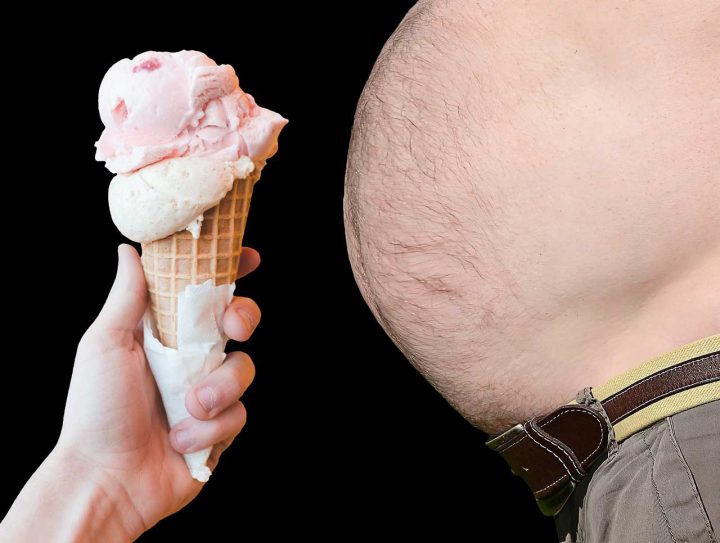
Ice cream and an obese man

Sedentary Lifestyle

Physical inactivity is a risk factor by itself. Modern technology relieves us of a lot of activities that used to be mandatory. This ranges from remote controls to electronic typewriters to cars and escalators. Many professions today are sedentary and many leisure activities are carried out while sitting. Exercise falls by the wayside, just we would urgently need it to reduce our belly fat. Fortunately, the times of famine, for which a certain fat reserve would be beneficial, are not coming at the moment. Every now and then, a fasting day or skipping dinner days should be inserted – a programmed time of famine – in order to reduce excess body fat.

Increased Lipid Levels

Elevated triglycerides are often hereditary. But diet also plays an important role. If we eat high-fat, there will be lots of triglycerides circulating in the blood. Excess carbohydrates are also converted into fat in order to be stored, and insulin is needed for this process. A high-calorie diet paves the way for Diabetes.

Fortunately, there are some foods that can lower triglycerides. These include: soybeans, legumes, avocado, onion, wheat germ, and whole grains. We should incorporate several of these foods into our daily diet. Most of them help lower blood pressure at the same time. In addition, they do not contain cholesterol and even help to lower it, since we should keep cholesterol levels low.

Cholesterol is essential for life. That is why the body produces it itself. Without cholesterol, life would be bland, because it is the starting substance for sex hormones, as well as bile acid, aldosterone and cortisol. But the amount needed is very little, and any cholesterol in the diet will lead to excess. Here, too, there are foods that help to lower the cholesterol level: They are mainly nuts, avocados, flaxseed and chia, but also all fruits and vegetables.

LDL transports cholesterol to the body cells. We are used to call LDL the bad cholesterol. It’s just the taxi for the cholesterol. It only becomes dangerous when it oxidizes, i.e. reacts with oxygen and deposits as plaques in the vessel walls. This can be avoided by reducing oxidized cholesterol in the diet, not smoking, building up as little stress as possible and eating a lot of fruits and vegetables high in antioxidants, which are protecting the LDL from oxidation.

Decreased HDL

Most Metabolic Syndrome patients have low HDL levels. However, high values protect the blood vessels. HDL is the taxi for cholesterol back to the liver when it is not needed in the cells. We can increase the HDL levels by plenty of exercise. People who do regular exercise have higher levels.

High Blood Pressure

About 40% of overweight people also have high blood pressure. No wonder, because for every additional pound of fat, an extra mile of new blood vessels have to be created (3,5 km for every kg of fat). The heart therefore has to work harder. Smoking and drinking coffee, black and green tea also narrow the vessels and should be avoided. Apples, pears, grapefruits, pumpkin and celery all help lower blood pressure. They have hardly any sodium, but a lot of potassium. These two minerals are primarily that regulate blood pressure. Sausage, cheese, ham and cured meat are high in sodium, which increases blood pressure. Therefore we should avoid these foods.

Elevated Blood Sugar

This cause of Metabolic Syndrome can also be hereditary. But the trigger is again lifestyle. Lack of exercise, obesity and a high fat diet promote the development of diabetes. The resulting damage of diabetes can be very serious: blindness, kidney failure, amputation of legs and cardiovascular disease.
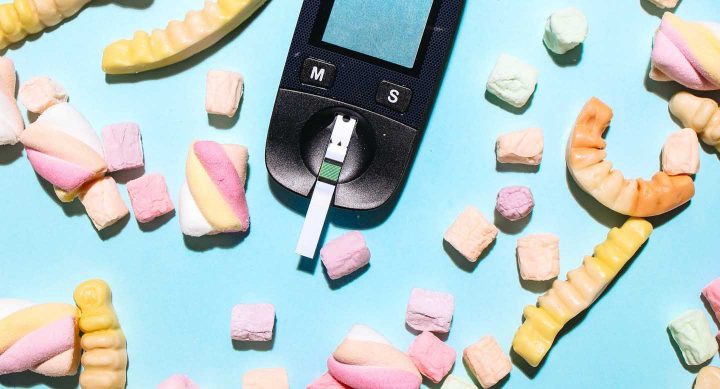
Diabetes test - Photo by Polina Tankilevitch from Pexels

What can you do? Here weight reduction is again called for, through exercise and a sensible diet. Olive or canola oil are positive fat sources, as well as nuts and seeds. Fruits, vegetables and whole grains provide a lot of fiber, fill you up and help that the sugar from food flows more slowly into the bloodstream.

Drug Treatment of the Metabolic Syndrome

Unfortunately, the Metabolic Syndrome delivers a whole package of metabolic disorders. The drug treatment is accordingly, and one or more drugs for each of the problems are applied. And quickly you have gathered half a pharmacy. The doctor will prescribe all essential drugs for treating the disorders. Unfortunately, a doctor rarely has time for lifestyle advice or has little experience with proper nutrition.

The far more sensible way would be a change in lifestyle and diet, as has been listed under the individual points above.

Hope on the Horizon

A group of doctors who study the Metabolic Syndrome in great detail give hope: “The Metabolic Syndrome can be treated quite effectively. If obese people having Metabolic Syndrome lose significant weight, the metabolic disorder has disappeared in most of them. Almost everyone can reduce their medication or stop it altogether.”

I would also like to encourage in this direction. Metabolic Syndrome patients need to find a way to get more exercise. Support Groups can help. If there isn’t one around, why not start one yourself? Diet and lifestyle courses bring help. Lifestyle changes are therefore undertakings in the right direction – and success is certain!

Filed Under: Diseases, Metabolic Syndrome, Obesity

The Pleasure Trap

October 31, 2020 by Marcia Lobo Vidoto - [rt_reading_time label="Reading Time:" postfix="minutes" postfix_singular="minute"]

I know it’s not healthy, but…

Have you ever enjoyed an extra cheese pizza, an iced soft drink, or some temptation in the form of a dessert, like a chocolate cream cake, with filling, icing and chocolate chips everywhere, even though you know they are not healthy? Of course, yes! I think all of us. I hope I have not aroused any desire. Come and read on.

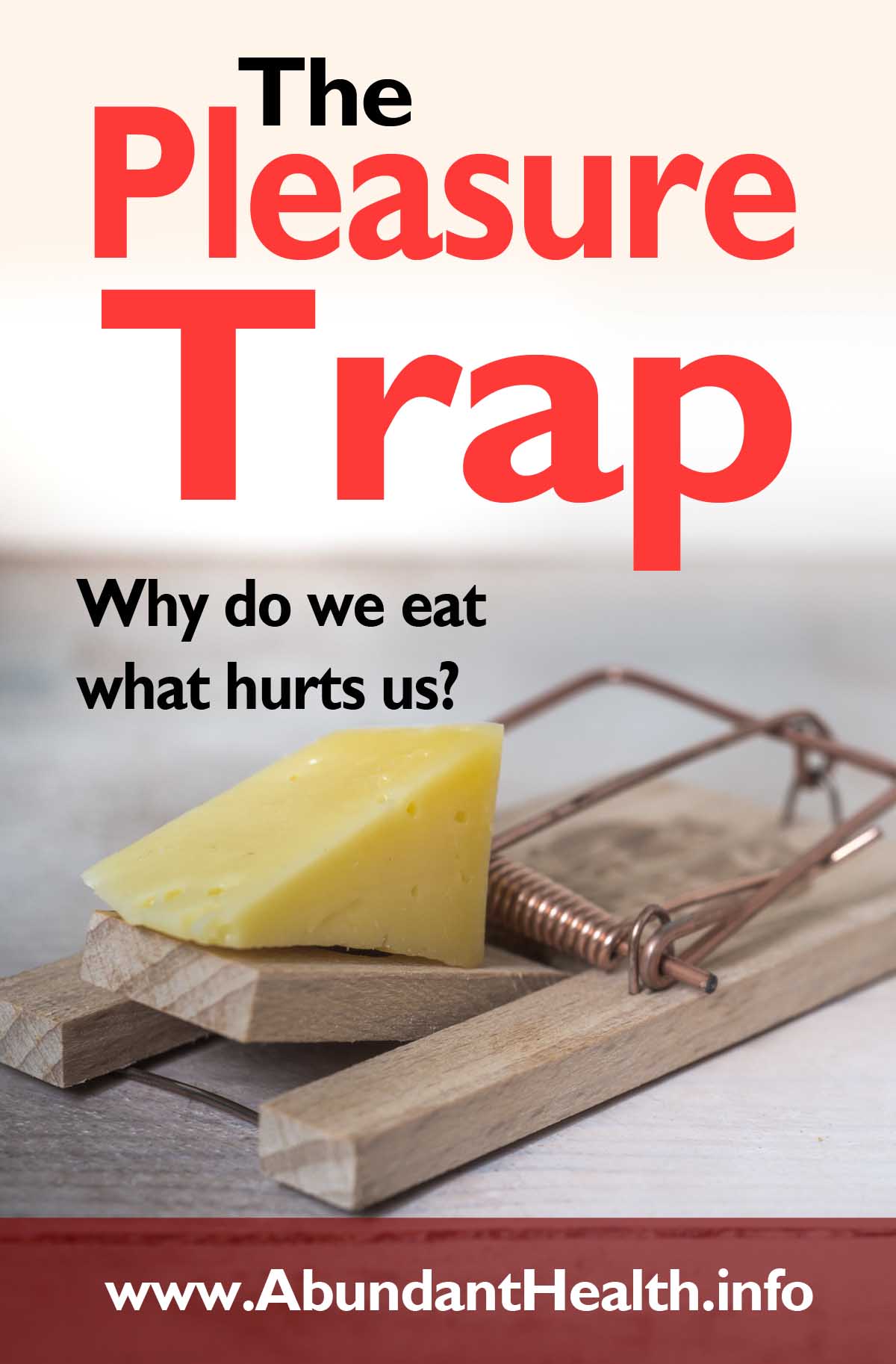
The Pleasure Trap - Why do we eat what hurts us?

Even though you know that some foods are harmful, you still can’t resist, like a moth attracted to light. Why does this happen? In fact, explains Dr. Neal Barnard in his book “Power Foods for the Brain”, a war is being waged in your brain, and the weapon used is called dopamine. This weapon is powerful enough to kill your desire to be healthy and could end up killing you “.((BARNARD, Nal B. (2013). Power Foods for the Brain: An Effective 3-Step Plan to Protect Your Mind and Strengthen Your Memory. New York: Grand Central Life & Style., 2013, p. 177.))  

Just when the Beatles reached the height of their popularity. drug culture also exploded. Marijuana, hallucinogens, cocaine and heroin were widespread around the world. The musicians seemed to be especially vulnerable to the deadly effects of drugs and alcohol. Jimi Hendrix, Janis Joplin, Jim Morrison, and guitarist Brian Jones of the Rolling Stones, were part of the fateful Club 27, so named because of the age at which they all died. But if the drugs are so harmful why do people continue to use: The reason is dopamine – which is not only related to drugs.

Dopamine

In your brain is located the reward center, where dopamine is stored in tiny rounded pockets within the brain cells, continues explaining Dr Barnard. Dopamine is a neurotransmitter, that is, a chemical substance used in the nervous system. It is part of the set of natural so-called opiates because they produce and awaken feelings of relaxation, pleasure and well-being.

Dopamine is literally waiting for you to eat something – something really tasty. As soon as you eat, it is released from each of these cells, creating a “little party” in your brain, giving you an incredibly pleasurable sensation.((Idem, p. 179-180))

Your brain is programmed to do just that, using dopamine to remind you of scents, flavors, colors and sounds. So today, tomorrow and every day, you go back to feed yourself and stay alive. The brain organizes your list of priorities in such a way that you stop what you are doing and prioritize your next dopamine release – your food ingestion and the resulting survival are always guaranteed. The same goes for sex. Not that sex keeps you alive, but it also receives favorable treatment so that the species is preserved.

After an intense dopamine interlude, a second type of pleasure neurotransmitter floods the brain. It is the so-called endorphin, which causes a feeling of relaxation, also very pleasant. These two neurochemicals often work together, with a double reward of pleasure.

Dopamine, however, explains Drs. Lisle and Goldhamer, does not relate much to longer-lasting periods of well-being, which we call happiness. This state of happiness is regulated by a different neurochemical, especially serotonin. When you mistreat your body with unhealthy foods, lack of sleep, chronic lack of exercise or drug use, this long-lasting state of happiness is also seriously compromised.((Lisle; Goldhamer, 2003, Pleasure Trap: Mastering the Hidden Force that Undermines Health & Happiness. Summertown, TN: Healthy Living Publications, p. 157-158.))

The Kidnapped Reward Center

This perfectly balanced system can be hijacked by drugs. Marijuana, cocaine, heroin and virtually all drugs of abuse trigger an enormous release of dopamine. The same goes for a glass of wine, a cigarette or a cup of coffee. That is why people use such substances. The legal and illegal drug market has been manipulating the release of dopamine. Drugs are much more powerful dopamine triggers than food and sex; This is why addicts often lose interest in food, sex and just about everything else in life in favor of their drug.

The food industry has found a way to enter the game. The release of dopamine that your brain triggers when eating an apple or an orange is actually quite modest. Processed foods are manufactured in order to increase the dopamine release. As a consequence, these products are less and less like food and more and more like drugs.

The industry is producing all the time more addictive foods.

Three Weapons of the Industry

1. Sugar

A papaya, a mango or a pear are pleasantly sweet, but why stop there? Thus, the sugar industry extracts and purifies the juice from sugarcane, resulting in pure and concentrated sucrose or refined sugar. In the brain, sugar stimulates the release of dopamine, endorphins and other natural opiates.((Ibid))

Sugar thus takes on a prominent position in the food industry, marking a massive presence in an increasing number of products. The use of this weapon has really been a success – not for health, but for sales!

2. Fat

Dr. David Kessler, in his book The End of Overeating, quotes the work of Dr. Adam Drewnowski, ((Dr. Adam Drewnowski is professor of Epidemiology at the University of Washington, spent thirty years of his life researching the human taste, preferences and food choices.)) leader of international renown in the prevention and treatment of obesity. Dr. Drewnowski found that people don’t like sugar alone, but its combination with fat.

Fat, he said, “is responsible for the texture, flavor and aroma of many foods and largely determines the palatability ((Palatability:. That is pleasant to taste)) of a diet.” In addition, similar amounts of fat and sugar make it a palatable food.((KESSLER, David A. (2009). The End of Overeating: Taking Control of the Insatiable American Appetite. New York: Rodale, p. 13.))

An example of this “fatal combination” is chocolate. Chocolate is so “special” that it won a specific chapter, in the book Saúde Nua e Crua [Health – Naked and Raw]. The two main ingredients of chocolate are sugar and fat, in an almost irresistible caloric combination and also extremely effective in releasing dopamine.

3. Salt

“When the mixture is correct, the food becomes more stimulating. Eating products with a high concentration of sugar, fat and salt makes people crave for more products with a high concentration of sugar, fat and salt”, says Dr. Kessler.((Idem, p. 14.))

“People love salt … salt completes the taste of everything … and they devour it daily in almost everything they buy … People yearn to eat salty foods”;((MOSS, Michael. (2013). Salt, Sugar, fat: How the Food Giants Hooked Us. New York: Random House, p. 270, 275.)) the trap continues to be set and continues to capture its victims.

Vicious Circle

When you don’t feel well, you instinctively try to do something to solve your problem. In this case, you hardly associate the problem with a lack of good sleep, exercise or poor choices of food. You will rarely identify, for example, caffeinated drinks, chocolate, fatty foods, TV until late at night, or a sedentary lifestyle as factors to be reviewed.

On the contrary, you usually suspect that a pleasure deficiency is the cause and conclude that the solution is to eat something very “tasty”. During the pleasure cycle, the brain releases dopamine, and you feel good. The action is repeated, more dopamine is released and you continue to feel more pleasure. By reinforcing the pleasure, the mechanism guarantees the repetition of the action. “That’s why the pleasure trap is so cunning and powerful.”((Lisle; Goldhamer, 2003, op. cit., p. 160.))

Snacking on calory rich foods can release large doses of dopamine.

“Leaving a bad habit is already a difficult task, but breaking free from the vicious circle of pleasure can be the biggest challenge of your life,” warns Drs. Lisle and Goldhamer. “Changing just one factor, such as removing caffeinated drinks or an ordinary glass of milk, will make a person feel even worse – the so-called withdrawal syndrome.

Common symptoms are headache, nausea, fatigue and anxiety also characteristic of drug withdrawal in general. This is because the body is trying to maintain the continual intake of vicious substances”.((Fuhrman, Joel (2011) Eat to live:.. The Amazing Nutrient-Rich Program for Fast and Sustained Weight Loss, New York: Little Brown, p . 204.)) In addition, healthy eating habits are often seen initially as “devoid of pleasure and bland. It is no longer a mystery why New Year’s resolutions related to eating habits do not last more than a few days.”((Lisle; Goldhamer, 2003, op. Cite, p. 160.))

Back to the subject: Why do you eat certain foods even though you know they are not healthy? Because they release a dopamine bath in your brain. Dopamine intensifies the taste and colors of food, and you continue to consume each one to gain that well-deserved and expected feeling of well-being.((Barnard, 2013, op. cit., p. 180-186.))

The natural integration between serotonin and dopamine, for example, or between the states of happiness and pleasure, has been partially lost. This integration is compromised by poor eating and lifestyle habits. When using foods that are not natural and healthy, you’re taking shortcuts to produce extra dopamine. The result is always the same: your health, contentment and happiness are compromised and impaired.((Lisle; Goldhamer, 2003, op. cite, p. 159.))

And now?

This situation can be reversed, shows Dr. Barnard. You can get your dopamine in a healthy way. And don’t forget physical exercise, which also triggers the release of endorphins and dopamine. If you have an active sex life, this is another natural way. But with regard to food, how to get rid of the powerful trap of foods that are harmful to health?

The first step is to establish strict personal rules and simply stop consuming unhealthy products. Dr. Barnard explains that it is easier to stop consumption at once than to provoke yourself with an occasional consumption.

Those who insist on saying, that they will eat only once in a while, or just a little does not hurt, will not succeed. The problem, he continues, is that every little bit of these foods triggers an explosion of dopamine that reinforces your desire to continue making use of those foods. The addiction will continue to speak louder.

Each bite will now make it harder to say no the next time. The vicious circle needs to be broken. The first few days are the most difficult, but over time, you will forget about the extra amount of dopamine that these foods release, and you will find pleasure in eating natural foods. With that, dopamine in the right dosage will suffice.((Barnard, 2013, op. cite, p. 186-190.))

The need to remove any food addiction is also highlighted by Dr. Fuhrman. The introduction of healthy foods and the reprogramming of tastes is an effective way to permanently get rid of the pleasure trap.((Fuhrman, 2011b, op. cite, p. 206.))

A Forceful Motivation

Another step in the process of reprogramming the body is looking for other motivators. See Paul McCartney’s experience. At a Sunday lunch, where the main course was roasted lamb, he was sitting next to the window. Watching the sheep grazing on the hills and the meat on the plate, he concluded that he no longer wanted to be part of that act of cruelty. So he decided never to eat meat again.

The cruelty of killing innocent animals can be a motive to stop eating meat.

For many, an important motivator has been a greater awareness of the environmental damage caused by the consumption of animal foods and processed products. For others, new medical research is warning about the health risks of those foods.

Another strong motivating element has been the desire to return to eating according to the original plan of creation described in the biblical book of Genesis. Perhaps you want to help the body cope with an illness, or just to go back to an optimal fitness level. Any and every motivation is welcome in this phase of forming new eating habits.

Whatever your family history or current condition, you can overcome your physical dependence in relation to the addictive properties of animal and processed foods. Through willpower, physical endurance and the use of external elements of motivation, change is absolutely possible. You will develop a new taste for the natural flavors of food, forget the old tastes and no longer feel the urge for the harmful tastes of the past, guarantees Dr. Esselstyn.((Esselstyn, Cadwell B. (2008). Prevent and Reverse Heart Disease: The Revolutionary, Scientifically Proven, Nutrition-Based Cure. New York: Penguim Group, p. 14.))


This article was translated and published with permission of the author from the book: Saúde Nua e Crua (Health – Naked and Raw). The book is available in Portuguese.

Filed Under: Nutrition, Obesity

Sleep Deficiencies and Obesity

September 26, 2020 by Charlotte Hardman - [rt_reading_time label="Reading Time:" postfix="minutes" postfix_singular="minute"]

Sleep deficiencies and obesity

Few people would argue with the idea that sleep is good for us, but not many of us know that a lack of sleep can cause weight gain.

The health benefits of sleep are extremely well-documented((Phyllis C. Zee, MD, PhD; Fred W. Turek, PhD. Sleep and Health. Everywhere and in Both Directions. Arch Intern Med. 2006;166(16):1686-1688.)). It provides protection from many medical and psychiatric conditions as well as having positive effects on mood, quality of life and well-being.

But more recently, mounting evidence has suggested that poor sleep is associated with an increased risk of obesity((Cappucio F.P. et.al. Meta-analysis of short sleep duration and obesity in children and adults. Sleep 2008 May;31(5):619-26.)).

Sleep Deficiencies and Obesity

Short sleep duration appears to predict changes in weight over time. Children who were poor sleepers at three years of age, for instance, have been found more likely to be obese by the age of seven((John J Reilly et.al. Early life risk factors for obesity in childhood: cohort study BMJ 2005 Jun 11;330(7504):1357)).

Sleep and brain function

While there are a number of possible explanations for the relationship between poor sleep and obesity, there’s growing support for the idea that disrupted sleep increases food intake((Marie-Pierre St-Onge. The role of sleep duration in the regulation of energy balance: effects on energy intakes and expenditure. J Clin Sleep Med. 2013 Jan 15;9(1):73-80)). This may be due to the effect of sleep deprivation on brain function and the physiological control of appetite.

Some studies((Shahrad Taheri et.al. Short sleep duration is associated with reduced leptin, elevated ghrelin, and increased body mass index. PLoS Med. 2004 Dec;1(3):e62.)), for instance, indicate that short sleep duration increases levels of the gut hormone, ghrelin, which makes us feel hungry and often leads to increased eating.

Poor sleep might also increase the reward value of eating by making certain foods seem more attractive and increasing our motivation to obtain them. This idea is supported by recent research using functional magnetic resonance imaging (fMRI), which measures activity in specific regions of the brain by detecting changes in blood flow.

The study found((Marie-Pierre St-Onge et.al. Sleep restriction leads to increased activation of brain regions sensitive to food stimuli. Am J Clin Nutr. 2012 Apr;95(4):818-24.)) that, in people with limited sleep, the brain regions associated with reward “lit up” more in response to pictures of tasty food, suggesting that sleepy people found these foods more appealing.

At the same time, lack of sleep might also impair our ability to make decisions and exert self-control over food intake.

In another recent brain imaging study((Stephanie M Greer et.al. The impact of sleep deprivation on food desire in the human brain. Nat Commun. 2013;4:2259.)), 23 healthy people had a night of normal sleep and a night of total sleep deprivation followed by fMRI scans.

After sleep deprivation, there was greater activity in the amygdala region of the brain (which is important for reward behavior) in response to pictures of food. Sleep-deprived participants also reported a greater desire specifically for high-calorie foods compared to low-calorie foods.

At the same time, the scans showed other regions of the brain believed to be important for “higher-level” brain function and self-control were less active after sleep deprivation. This means sleepy people may be less able to control what and how much they eat.

So it seems sleep deprivation may promote over-eating via a two-pronged effect on brain function – the desirability of food is increased at the same time as higher-level processes that enable us to control how much we eat fail.

Understanding self-control

The idea that sleep deprivation reduces our ability to inhibit certain behaviors also appears to make sense in the context of more general theories of self-control.

The Limited Resource theory((M Muraven, R F Baumeister. Self-regulation and depletion of limited resources: does self-control resemble a muscle? Psychol Bull. 2000 Mar;126(2):247-59.)), for instance, proposes that we have a finite reserve of self-control that can be used to regulate our behavior, similar to a muscle that becomes fatigued under too much pressure.

When you are tired after poor sleep, you might have reduced self-control “strength”, making you more likely to engage in disinhibited behaviors, such as over-eating unhealthy foods.

Indeed, a longitudinal study((Maria M Wong et.al. Childhood sleep problems, response inhibition, and alcohol and drug outcomes in adolescence and young adulthood. Alcohol Clin Exp Res. 2010 Jun;34(6):1033-44.)) found over-tiredness in childhood predicted lower inhibitory control in adolescence which, in turn, predicted illicit drug use.

The next step for this line of research is to illustrate whether these findings apply to excessive consumption of food.

There is, in fact, growing evidence that poor inhibitory control is a critical factor((Katrijn Houben. Overcoming the urge to splurge: influencing eating behavior by manipulating inhibitory control. J Behav Ther Exp Psychiatry. 2011 Sep;42(3):384-8)) in over-eating, along with other substance use disorders.

But it’s important to consider alternative mechanisms that might account for the association between sleep, eating and obesity such as the dampening effect poor sleep has on mood. After bad sleep, we may feel fed up or depressed, which might promote the eating of high-calorie “comfort foods”.

Research in this area provides important insight into the causes of over-eating, obesity and potential intervention strategies. Helping people to improve the length and quality of sleep may be one such approach.The Conversation

This article is republished from The Conversation under a Creative Commons license. Read the original article.

Filed Under: Obesity, Sleep

« Previous Page

Primary Sidebar

Social Channels

Coronavirus Immunity Challenge

Boost your immune system to be bullet-proof for the pandemic.

I Want to Participate

Recent Posts

  • 5 Habits to Live Longer
  • Better Sleep Can Protect Against Dementia
  • Finding Peace In Your Crazy-Busy World
  • Flaxseed – An Ancient Plant Rediscovered
  • Platelets – Triggers for Life or Death
  • Boderline Personality Disorder
  • In Praise of Almonds and Nuts
  • Are You Stuck in the Clutter Trap?

Categories

  • Body Systems (16)
    • Cell Function (2)
    • Circulatory System (1)
    • Digestive Tract (10)
    • Immune System (4)
  • Diseases (27)
    • Cancer (2)
    • Cold (1)
    • COVID-19 (11)
    • Dementia (1)
    • Diabetes (1)
    • Digestive Diseases (2)
    • Heart Disease (2)
    • Kidneys (1)
    • Metabolic Syndrome (2)
    • Skin (1)
  • Healthy Lifestyle (42)
    • Exercise (11)
    • Gardening (2)
    • Sleep (7)
    • Sunlight (2)
    • Temperance (14)
    • Water (4)
  • Mental Health (87)
    • Addictions (6)
    • Anxiety (7)
    • Burnout (1)
    • Depression (7)
    • Psychosomatic Diseases (6)
    • Stress Management (45)
    • Trust (6)
  • Nutrition (56)
  • Obesity (9)
  • Phases of Life (14)
    • Adults (3)
    • Babies and Infants (1)
    • Children (3)
    • Seniors (5)
    • Teenagers (3)
  • Therapies (7)
    • Herbs (5)
    • Hydrotherapy (1)
  • Uncategorized (3)

Archives

  • January 2025 (1)
  • March 2024 (5)
  • February 2024 (4)
  • January 2024 (4)
  • December 2023 (5)
  • November 2023 (4)
  • October 2023 (5)
  • September 2023 (4)
  • August 2023 (3)
  • July 2023 (2)
  • June 2023 (4)
  • May 2023 (4)
  • April 2023 (5)
  • March 2023 (4)
  • February 2023 (4)
  • January 2023 (4)
  • December 2022 (4)
  • November 2022 (4)
  • October 2022 (5)
  • September 2022 (4)
  • August 2022 (4)
  • July 2022 (5)
  • June 2022 (4)
  • May 2022 (5)
  • April 2022 (4)
  • March 2022 (4)
  • February 2022 (4)
  • January 2022 (5)
  • December 2021 (3)
  • November 2021 (4)
  • October 2021 (6)
  • September 2021 (4)
  • August 2021 (4)
  • July 2021 (5)
  • June 2021 (4)
  • May 2021 (3)
  • April 2021 (5)
  • March 2021 (4)
  • February 2021 (4)
  • January 2021 (5)
  • December 2020 (3)
  • November 2020 (4)
  • October 2020 (5)
  • September 2020 (5)
  • August 2020 (3)
  • July 2020 (1)
  • June 2020 (1)
  • May 2020 (1)
  • April 2020 (1)
  • March 2020 (1)

Copyright © 2026 · Abundant Health - Privacy Policy - Medical Disclaimer