Abundant Health

Up to date health information tailored for you

  • Home
  • Blog
  • Recipes
  • Shop
  • Contact
You are here: Home / 2021 / Archives for November 2021

Archives for November 2021

Foods to Reduce Anxiety

November 28, 2021 by Ricardo Vargas - [rt_reading_time label="Reading Time:" postfix="minutes" postfix_singular="minute"]

Alimentos que Ajudam Reduzir a Ansiedade

When talking about anxiety, we are not talking about a rare disorder, but something that affects 85% of the world population, according to recent studies by Psychiatrist Augusto Cury.
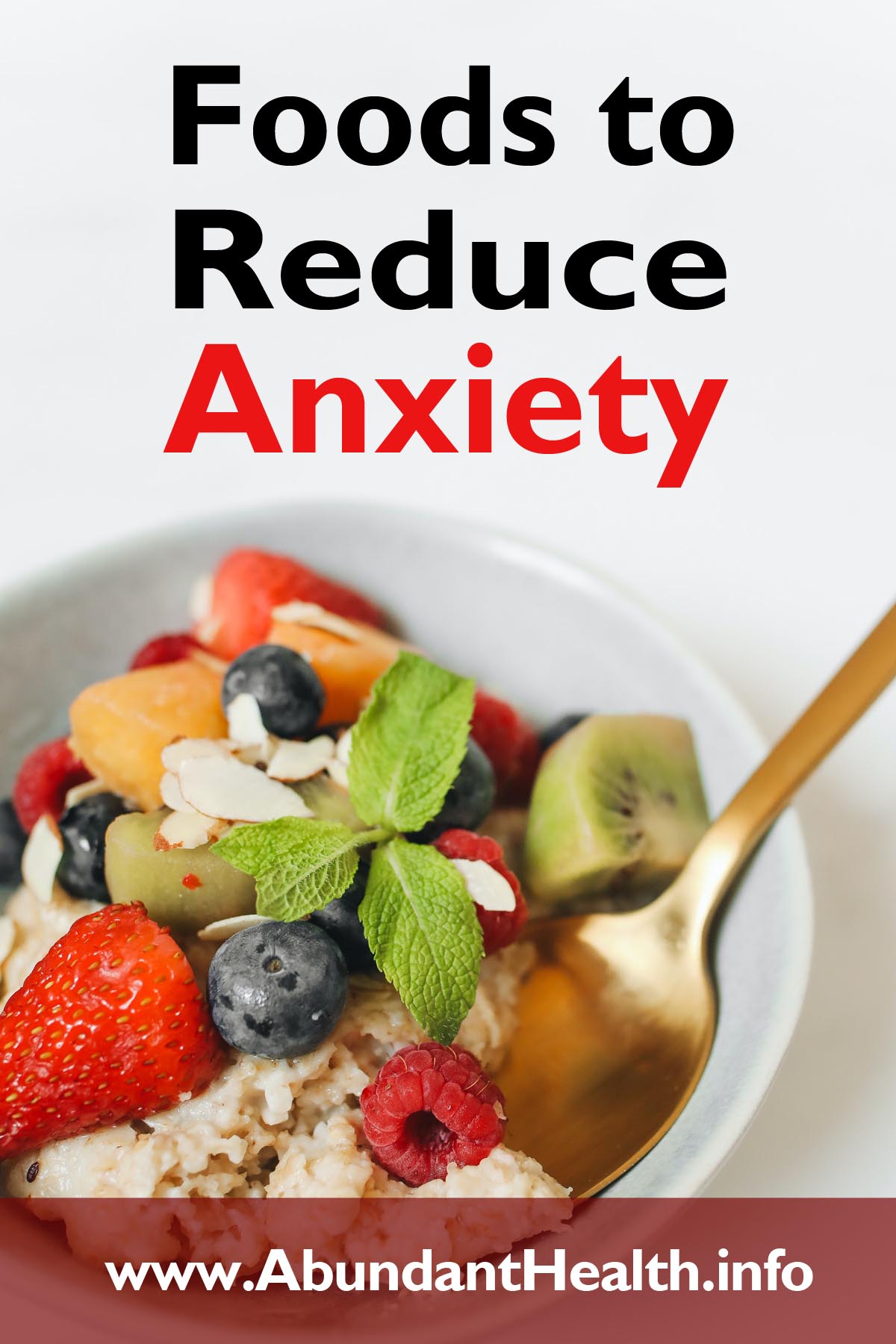
Foods to Reduce Anxiety

Anxiety is a biological characteristic of human beings, which precedes moments of real or imagined danger. In this context, many unpleasant symptoms appear, such as:

  • Fatigue
  • Insomnia
  • Fainting sensation
  • Chest pain and palpitations
  • Dry mouth
  • Muscle tension and pain
  • Sensation of having a “knot” in the throat
  • Mental confusion
  • Feeling of helplessness

These symptoms are not rare, a large part of the population has suffered from anxiety. And most people have difficulties following simple advice on this matter. However, a large part of this difficulty is linked to the lifestyle we lead, especially when it comes to food.

Cortisol is your stress hormone; the same that triggers anxiety. This hormone needs to be in balance with serotonin, which is responsible for happiness. The ingested food plays a fundamental role in the amount of these hormones circulating in the bloodstream.

Our nutritional patterns has undergone many changes over the last few decades. Many are claiming lack of time as the main reason. Commuting time has increased, which forces many to leave their homes without having the first and most important meal of the day: breakfast. Many meals have been taken outside the home, forcing people to eat what they find and not what they often want.
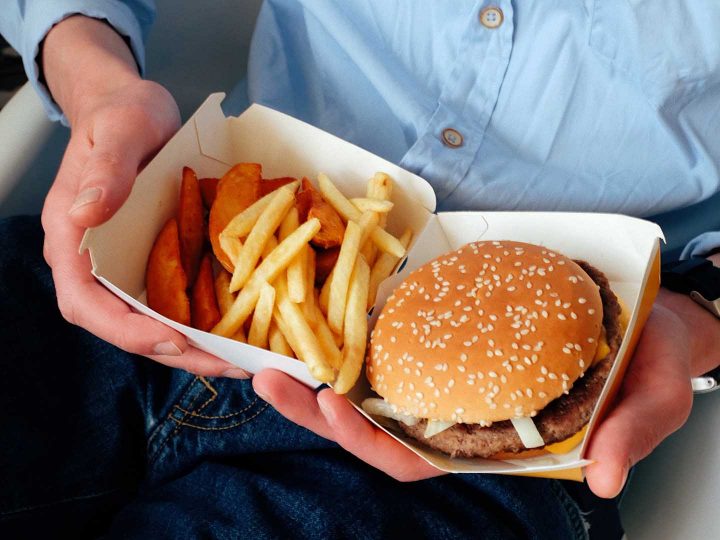
Fast food purchased on the go

Commitments beyond work have also increased, and often due to the difficulty of planning and managing time, the last meal is eaten late at night. The body is forced to work to complete digestion when it should be involved in regeneration processes. It is during the first sleep period that your body works to reduce cortisol. A late night meal rich in protein and fatty foods interferes with cortisol control. And, the only certainty we have is that the next day our anxiety level will be higher.

Our evening meal should be as close to sunset as possible, remembering that during summer the sunset is later and the last meal should be taken at least two hours before bedtime. At the last meal, we should prioritize the consumption of foods rich in carbohydrates, for example, fruits, oats or granola, toast and soups made from tubers or roots. Also be careful with the quantity.

Serotonin, the hormone that controls cortisol and consequently controls anxiety, is produced in the morning until 9 am. It is essential to eat foods that are rich in tryptophan at breakfast, as this is the raw material used by the body to produce this happiness hormone.

Include some of the following foods in your breakfast:

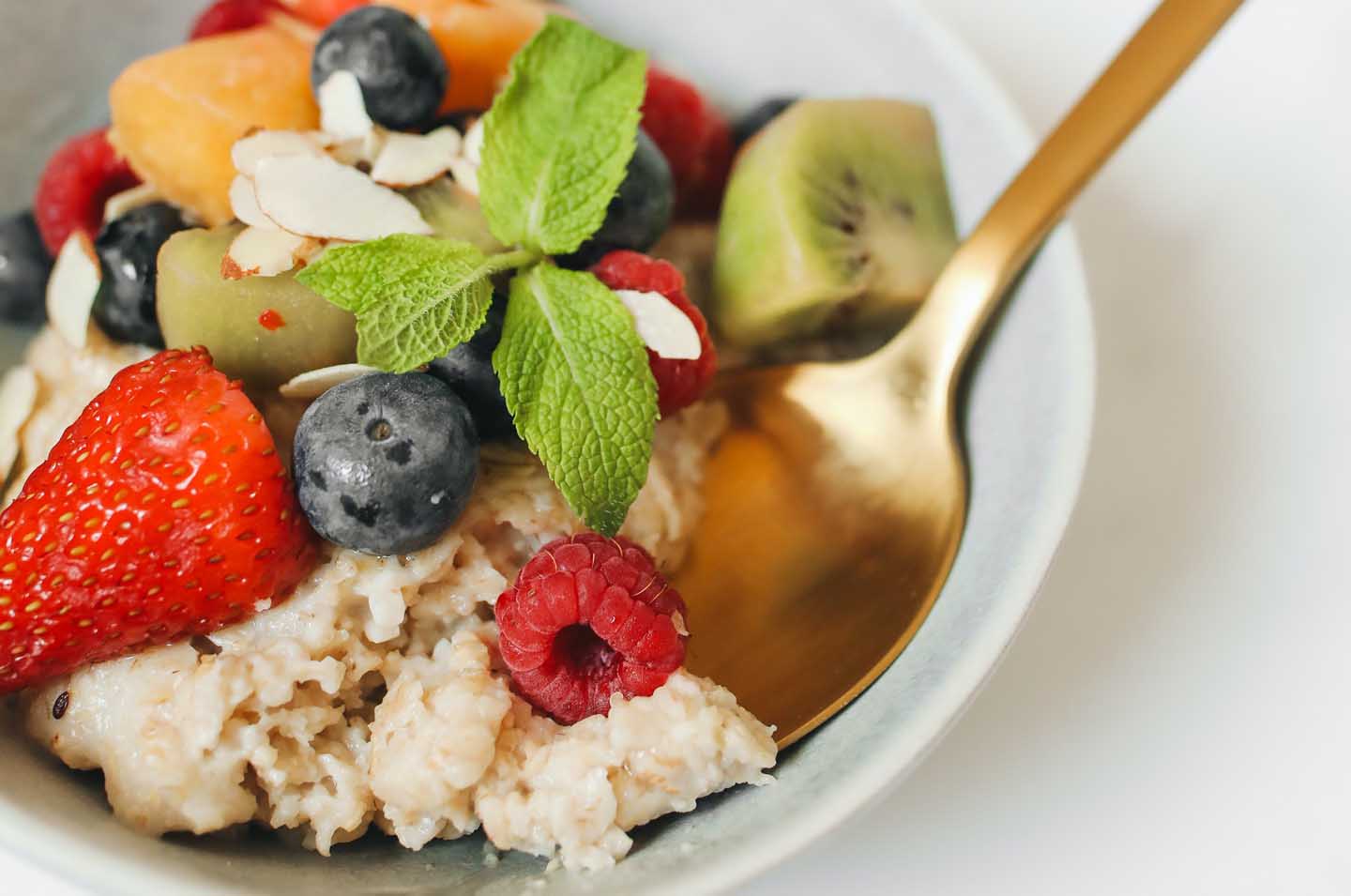
  • Oats or granola
  • Chickpeas, can be in the form of hummus
  • Soybeans in the form of milk or tofu (can be grilled or as a spread)
  • Peanuts (in natura, as milk or peanut butter)
  • Hazelnut
  • Cashew nut
  • Brazil nuts
  • Almonds (to be eaten fresh, as milk or as ricotta)
  • Brown rice (can be in the form of sweet rice)
  • Banana
  • Honey

Of those foods above, include two to three sources. Never eat more than one source of nuts at a meal so that there is no excess fat.
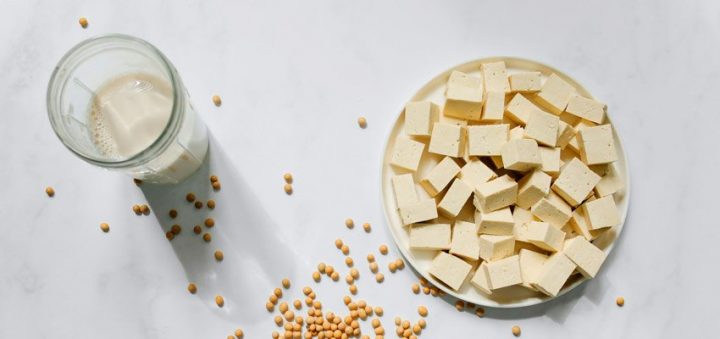
Tofu and soymilk

The inclusion of these foods will give the body the opportunity to produce serotonin, but it is essential to exclude foods that increase cortisol from the menu, or all the effort will be in vain.

Stop consuming the following foods, that include stimulants:

  • Coffee (even the decaf)
  • Green, black, red, yellow and white teas as well as mate tea (these are obtained from two plants called: Ilex paraguariensis and Camellia sinensis.)
  • Alcoholic beverages
  • Guarana
  • Cola soft drinks
  • Chocolate

These stimulants impair serotonin production and increase anxiety. Some may say that when they make use of these they feel better. Beware, this is a warning sign, as you may already be suffering from an addiction.

Some important considerations about serotonin production:

  • The intestine is the production site of serotonin, so it is important that it is working properly. Consume whole foods, fruits and vegetables. Increase your water intake. Remove refined foods from your table.
  • Sunbathing in the morning increases the stimulus for serotonin production, 20 minutes would be enough to bring this benefit.
  • The practice of physical exercise improves bowel function and even promotes greater production of serotonin when performed in the morning. Put on some sneakers and go out for a walk early in the morning. You will find that your day will be different.

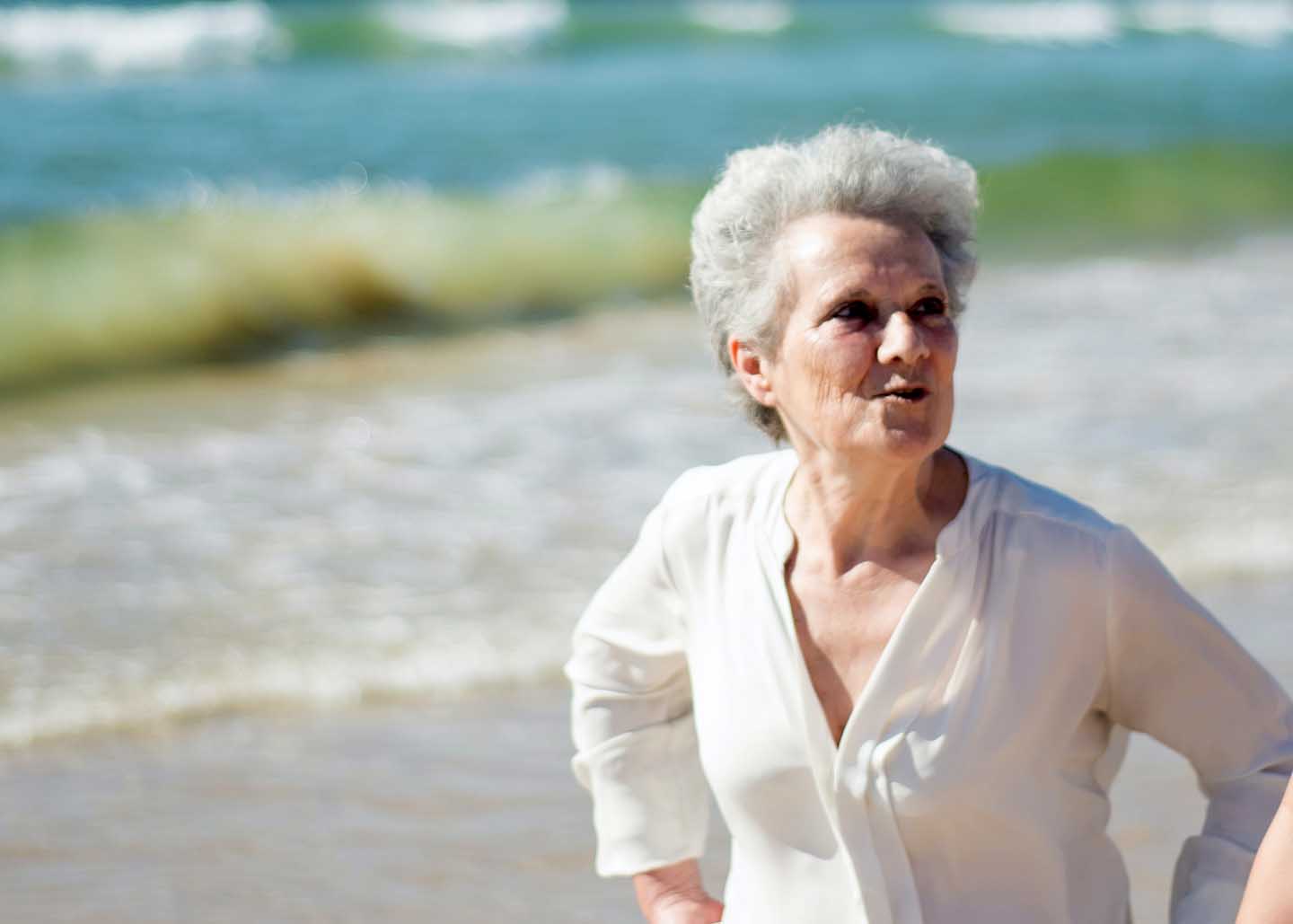
Walk on the beach
  • A good night’s sleep helps control cortisol levels and prevents it from damaging the production of serotonin. Your efficiency will be better if you can sleep before 9:30 pm.

These recommendations are not intended to replace the use of medications or a consultation with a specialist, but they will help you to better deal with anxiety and the doctor will be responsible for reducing your medication or even taking you off, if he sees fit.

Food can have a powerful influence on our minds. Getting at least 15 minutes of exercise in the sun during the morning hours, going to bed early and adapting to the correct diet can help a lot in controlling anxiety. Help your brain and make the needed lifestyle changes today!

Recipes

Banana Oat Mufffins

  • 2 cups oat flour
  • 2 bananas
  • 1 Tbs psyllium
  • 1 Tbs dry yeast
  • 2 Tbs honey
  • a pinch of salt
  1. Dissolve the yeast in warm water and one spoon of honey for 10 minutes.

  2. Hydrate the psyllium seeds in warm water and stir until it dissolves.

  3. Mix the oat flour with the rest of ingredients, adding about 1 cup of water until reaching the desired consistency.

  4. Grease the muffin forms and pour the dough until half of the form.

  5. Let it rise until it doubles in size.

  6. Bake at medium heat for about 30 minutes.

Breakfast
American
Diabetic, Gluten Free

Peanut Oat Cookies

Delicious! Children will love these tasty cookies!

  • 3 cups oats
  • 1 pinch of salt
  • 1/3 cup honey
  • 1 cup roasted peanuts
  1. Beat the peanuts in a blender with a little water to form a cream.
  2. Pour into a bowl and put the remaining ingredients, mix well.
  3. Make cookies in the format you want.
  4. Bake in moderate heat until golden brown.
Dessert
Gluten Free, Vegetarian

Sugar Free Granola

  • 5 bananas
  • ½ cup peanuts or almonds
  • ½ cup raisins
  • 4 cups rolled oats
  • 1 coconut
  • 2 cups quick oats
  • ½ cup ground flaxseed
  • ½ cup ground sesame seeds
  • ½ cup sunflower seeds
  • 4 apples
  1. Put into a bowl the oats, with the ground sesame and flaxseed.

  2. Grate the coconut or shred it in the food processor.

  3. Blend 2 apples with a little bit of water and the 5 bananas. Mix with the rest of ingredients, so that the oats just get slightly damp.

  4. Spread out on 2 baking sheets, so that it results in a fine layer.

  5. Bake on low heat for about 1 hour until brown, stirring every 15 minutes. It may be still slightly humid, but after cooling down it gets crunchy.

  6. Cool down and add raisins and nuts. If desired, add some sugar free corn flakes.

  7. Keep in a jar with tight lid in order to maintain crunchy.

Breakfast
American
Diabetic, Low Fat, Vegan

Oat Pancake

  • 1 cup oats
  • 2 Tbs tapioca flour ((sweet))
  • 1 Tbs Brazil nuts
  • 1 Tbs flaxseed
  • 1 clove of garlic
  • ½ tsp saffron
  1. Blend all ingredients.

  2. Pour a fine layer in a pre-heated non stick frying pan.

  3. Wait until the pancake comes off and flip it over.

  4. Let it brown at the other side.

  5. Fill with your preferred filling.

Side Dish
American
Diabetic, Gluten Free, Low Fat, Vegan

Tofu

  • 1 cup soy beans
  • 2 lemons
  1. Soak the soybeans for 12 hours.

  2. Wash 3 times and rinse well. If you want, you can eliminate some of the skins that came off.

  3. Blend 1 cup of soybeans with 2 cups of water until it foams.

  4. Strain with a fine meshed cloth.

  5. Pour the milk into a pan and cook for 5 minutes on low heat after it gets to a boil, stirring frequently.

  6. If you desire a salty tofu, put 1 tablespoon of salt.

  7. Increase the heat and boil while stirring, until the milk is rising.

  8. Put the juice of 1 lemon for every liter of soymilk and give it a slight stir.

  9. Boil for 1 minute on low heat, turn off the heat and wait for another minute in order to curdle.

  10. Pour the curdled milk into a sieve and wait for the whey to drain.

  11. If you want a firm tofu, put a weight on top and leave for a few hours.

Store the tofu in the fridge inside a closed pot to prevent drying out.

Side Dish
Diabetic, Gluten Free, Vegan

Tofu Cheesecake

A plant based cheesecake version

  • 1 pineapple
  • 2 cups tofu
  • 3 Tbs cornstarch
  • 5 Tbs honey
  • 1 cup granola
  1. Blend the granola and mix with a little bit of water, until it binds.

  2. Grease a form and press the mass with your fingers on the bottom and the walls to form the crust.

  3. Peel a pineapple and cut in cubes. Keep a slice for decoration.

  4. Blend all ingredients, starting with the pineapple and adding tofu little by little.

  5. Pour over the crust.

  6. Season with lime zest and decorate with the pineapple slice.

  7. Bake on medium heat for 30 minutes or until brown.

Dessert
American
Gluten Free

Chickpea Joghurt

  • 1 cup chickpeas ((hydrated))
  • ½ cup dates
  • ¼ cup cashew nuts
  • 1 Tbs honey
  • 1 slice avocado
  1. Soak the chickpeas for 12 hours.

  2. Reserve some of the soaking water, then wash and rinse the chickpeas.

  3. Blend 1 cup of chickpeas with 2 cups of water.

  4. Strain with a cloth.

  5. Pour into a pot and cook for 2-3 minutes.

  6. Wait to cool down. Then add ¼ cup of the soaking water.

  7. Keep fermenting in a dark place, covered with a cloth, but not with a lid.

  8. Keep in the fridge until use, then blend with avocado, cashew nut and dates. If preferred, add a bit of honey.

  9. Serve if you like with a bit of granola.

Breakfast
German
Diabetic, Gluten Free, Vegan

Chickpea Flour Pancake

  • 1 banana
  • 1 cup chickpea flour
  • 2 Tbsp tapioca flour (sweet)
  • 1 Tbsp honey
  • ½ tsp salt
  1. Blend everything with 1 cup of water.

  2. Pour the right amount into the skillet and spread with a spoon or spatula.

  3. Wait until golden and forming bubbles. Loose the pancake with the help of a spatula to flip it over.

  4. Let the other side brown.

  5. Use your preferred filling. Serve still hot.

Hummus Spread

  • 9 oz chickpeas
  • 2 tsp Salt
  • 1/2 clove of garlic
  1. Soak the chickpeas for 8 hours.

  2. Rinse and drain.

  3. Cook the chickpeas for about 20 minutes, until you are able to prick them with a fork.

  4. Pour the chickpeas with some of the cooking water into the blender.

  5. Add garlic and salt.

  6. Blend until forming a homogenous paste.

  7. With a sieve you remove excess water in order to form a thick consistency for a spread.

  8. If desired, add a bit of lemon and mix it under.

Patés
Mediterranean
Diabetic, Gluten Free, Vegan

Filed Under: Anxiety, Mental Health, Nutrition

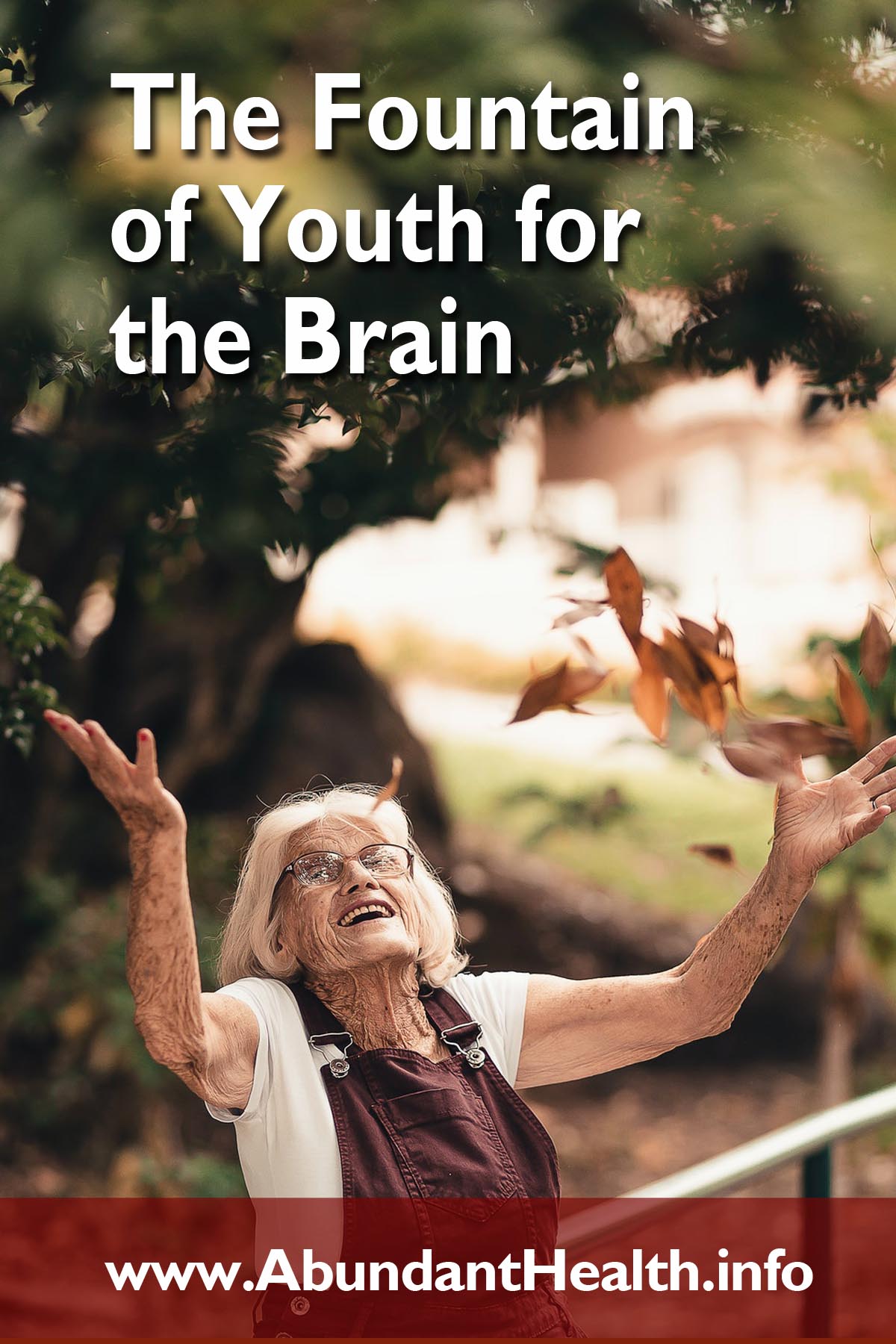
The Fountain of Youth for the Brain

November 21, 2021 by Dr. Cesar Vasconcellos de Souza - [rt_reading_time label="Reading Time:" postfix="minutes" postfix_singular="minute"]

A Fonte da Juventude

On October 15, 2009 my first granddaughter was born. I went to visit them to meet the baby and see the whole family. I watched over and over again how the baby in the crib was always moving its little hands, arms and legs. The baby did not need to learn that physical exercise is important for health, but responds he spontaneously with physical movement to its God-given life.

The Fountain of Youth for the Brain

A child who barely moves is probably emotionally or physically sick. Normally, babies and children are always in movement. Of course, some are exaggerated and impulsive, but the normal thing is to move your body. All human physiology is made up of movements, in cells in genes, in circulation. Movement is life. It is not possible to talk about health without regular systematic physical exercise, not only on weekends, sometimes with those competitive sports that generate adrenaline and cortisol. This is the first and main reason why I go for a walk; it’s not because of physical health, but because of mental and spiritual health, because I understand that exercising my brain will work better, and that’s what I want, to discern spiritual things and the purpose of life more clearly.

A 19th century author wrote the following statement:

Right physical habits promote mental superiority. ((Ellen White. Mind, Character and Personality Volume 2, p. 443))

And she also wrote this:

There is an intimate relation between the mind and the body, and in order to reach a high standard of moral and intellectual attainment the laws that control our physical being must be heeded. To secure a strong, well-balanced character, both the mental and the physical powers must be exercised and developed.((Ellen White. Our Father Cares, p.326))

People often say that if you intend to start an exercise program, you should first see a doctor, usually a cardiologist, to see if you are cleared for this activity. This is prudent. However, a medical colleague once commented to me about what he had read in a scientific journal, which went something like this: “If a person decides not to exercise, then he will have to see a doctor.”

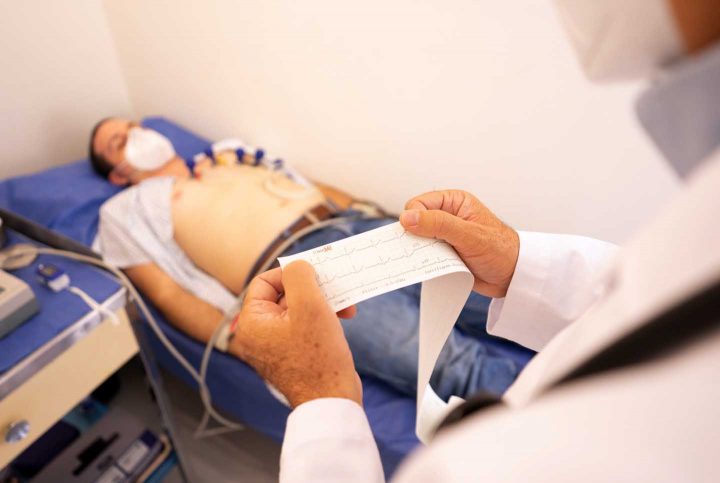
A doctor reading an ECG - Photo by Los Muertos Crew from Pexels

In the Journal of Applied Physiology of November 18, 2008, the article entitled: “Exercise, the Brain’s Fountain of Youth”, suggests that daily physical exercise keeps the brain young, and the recommendation is not to take too long to start to practice them. The earlier you start in your life, the better for your whole body and your brain. The researchers found that if a person takes a long time to start an exercise program, they run the risk of not having as many benefits, because as they age, the process of the brain creating new cells, which we call neuroplasticity, slows down, and as a consequence, memory and learning impairment occurs sooner.

But can age-related mental decline be reversed with exercise? Scientists trained mice to run on exercise wheels at 70% of their aerobic capacity every day over a five-week period. The mice started running at the age of 8 months, which is the beginning of the ripe age for a rat of that breed, or at the age of 12 months, which is the middle of the old age of the rats. Those who exercised every day had two and a half times more production of new brain cells called neurons than those who didn’t exercise. And these new neurons, the new nerve cells, integrated with the existing brain network. The researchers also concluded that treadmill exercise not only increases the quantity but also strengthens the quality of the new neurons. Rats that started exercising in mature age had better results compared to those that started at old age.

In another study, conducted by Feraz Rahman and colleagues, from the University of North Carolina, carried out with 12 healthy people aged between 60 and 80 years, they observed that regular exercise is associated with an increase in the total number of blood vessels in the brain, with an increase in blood flow in the main cerebral arteries. This would benefit areas that control functions such as consciousness, memory, emotional response and language. Assessing MRI images, experts found that those who for ten years or more had exercised about three hours a week in aerobic activity had the highest number of small vessels – 150 versus 100 for sedentary ones, and that they had the greatest blood flow in the brain.

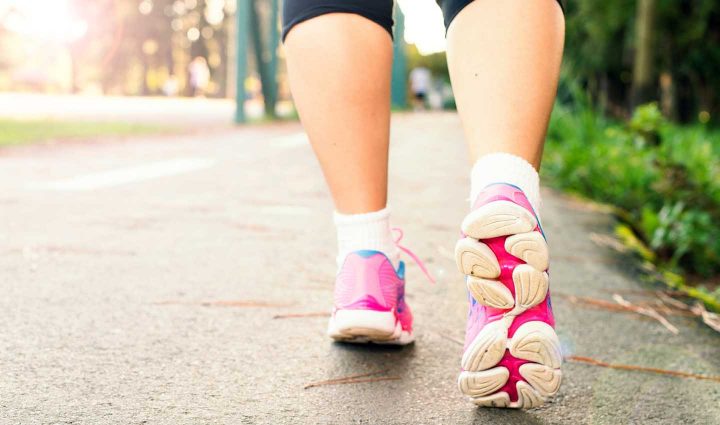
Walking

A study presented at the 10th National Conference on Child Psychological Health in Gainesville, FL, in April 2006 and published in a journal of Pediatrics, evaluated 208 overweight and sedentary children aged 7-11 years. Those who started to exercise after class, had lower scores on a scale about anger, in addition to improved physical conditioning. The authors emphasize that physical exercise can improve mood and cognitive function, allowing children to have more self-control. So, you can see once again how important exercise is for your brain. So get going!

In general, people say: “Oh okay. Now that I’ve learned it is important, I’ll start on Monday.” No! get started today; start little by little. You are very sedentary and when you start you will feel pain: “Oh, I went for a walk yesterday and now I am in pain; it’s better to stop.” No, pain is a sign that your body is in need of training your muscles, it is in need of physical activity. Don’t get heavy in the beginning, until you can develop that aerobic, muscular exercise capacity, remembering: Physical exercise is very important for our brain, for cerebral circulation, for reasoning. It helps to learn to deal with emotions, because it’s activating brain areas that have to do with mood, with cognition. This is going to be important for your mental health.

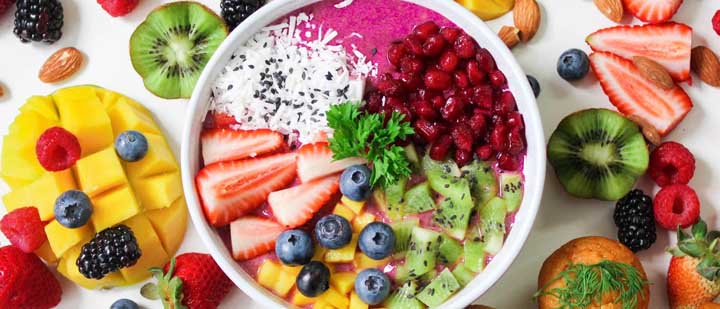
Healthy Fruits

Stay Always Up to Date

Sign up to our newsletter and stay always informed with news and tips around your health.

Sign Up Now!

Filed Under: Exercise, Healthy Lifestyle, Mental Health, Phases of Life, Psychosomatic Diseases, Seniors

Benefits of Exercise for Seniors

November 7, 2021 by Ricardo Vargas - [rt_reading_time label="Reading Time:" postfix="minutes" postfix_singular="minute"]

Benefícios do Exercício na Terceira Idade

Life expectancy in the US is generally on the rise. While in 1900 the average life expectancy was 47.3 years, it increased to 68.2 years in 1950 and to 78.9 years in 2019. Advances are mainly due to improvements in sanitary measures and the healthcare system. However, increases in longevity are not always accompanied by a better quality of life.

Benefits of Exercise for Seniors

In addition to longevity, we need to consider the maintenance of the state of functional independence (ability to carry out activities of daily living). In old age, the elderly go through many physiological changes that contribute to the worsening of their quality of life. Exercise has a fundamental role in maintaining functional independence.

With advancing age, there is a decrease in lean body mass and its replacement by adipose tissue, thus the caloric expenditure in old age tends to decrease, which favors the increase of obesity and all the problems arising from it. The self-indulgence shown by the elderly is a problem, as it accelerates the appearance of these effects. It is important to overcome sluggishness, start a practice of physical activity and receive the countless benefits that can be achieved in spite of the age.

Among the benefits are increased energy expenditure and cardiorespiratory conditioning, a preventive factor for the onset of cardiovascular diseases, obesity, diabetes, hypertension, dyslipidemia, mental diseases and cancer.

A senior working in the garden - Photo by Centre for Ageing Better from Pexels

Exercise is important to digestion, and to a healthy condition of body and mind. You need physical exercise.

Ellen G. White. Counsels on Diet and Foods p. 103

One of the effects of the arrival of old age is the decrease in the production of gastric and pancreatic juices. Digestion slows down, food stays in the stomach longer. It increases the risk of gastritis and reflux, a common complaint among the elderly. Many complain of a large production of gas in the stomach or intestine. As the transit time of the digestive tract is slowing down, more fermentation takes place. A walk right after a meal can alleviate all of these symptoms.

Exercise improves muscle tone in the whole body. Our gastrointestinal tract is made up of involuntary smooth muscle. When we include a daily exercise routine, intestinal transit normalizes in most cases, and we achieve good results that promote better quality of life for the elderly.

The practice of exercise also helps to avoid physiological, morphological and functional changes that occur during the natural aging process, which negatively interfere with the individual’s functional capacity. The most important are the reduction in lean mass and the accumulation of adipose tissue, which increases the risk of early mortality, in addition to the loss of muscle strength, reduction in aerobic capacity and flexibility.

Decreased lean body mass reduces overall muscle uptake of glucose and free fatty acids, causing insulin resistance and leading to type 2 diabetes if not reversed. The increase in free fatty acids in the bloodstream contributes to the onset of dyslipidemia and a greater risk for the formation of arterial plaques.

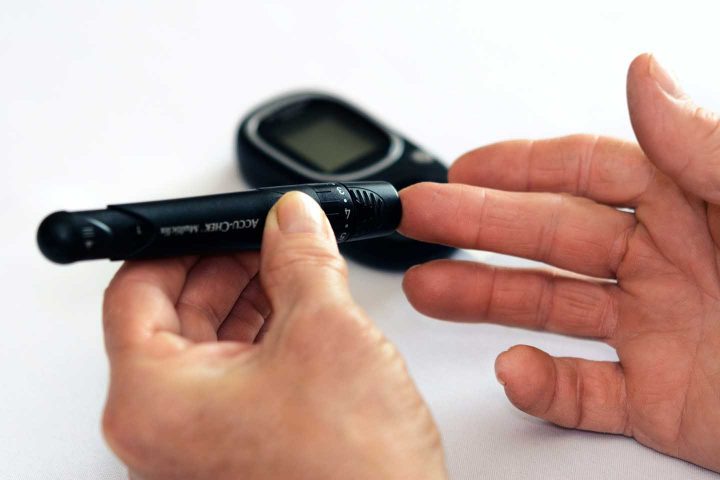
Diabetes test - Photo by PhotoMIX Company from Pexels

From the age of 40 onwards, it is estimated that the accumulation of fat is 1kg per decade, in addition to the loss of 12% to 14% of strength, and about 5% of muscle mass, with a more evident decline after 65 years of age, particularly in the lower limbs.

Many elderly people have presented the loss of functional independence as their main problem. In the US, 2 in 5 persons over 65 years of age have reported some kind of disability. This problem needs to be corrected as soon as it is identified so as not to lead to a loss of functional independence in the future.

Another concern is that, with the reduction in lean body mass (sarcopenia), there is a decrease in bone mineral content. Using the combination of physical activities, ingestion of good sources of calcium, sunlight to stimulate the production of vitamin D, vitamin D supplements and sleep at adequate times, this symptom is alleviated. Physical activity impacts the bones causing growth stimulation, in addition to stimulating the production of growth hormone.

An active lifestyle can prevent or delay functional disability, improving neuromotor status, strength, flexibility, balance and cardiorespiratory capacity.

Exercise helps to have a long life, but with quality. Get moving today!

Healthy Fruits

Stay Always Up to Date

Sign up to our newsletter and stay always informed with news and tips around your health.

Sign Up Now!

Filed Under: Exercise, Healthy Lifestyle, Phases of Life, Seniors

Mastering the Art of Letting Go

November 7, 2021 by Martin Neumann - [rt_reading_time label="Reading Time:" postfix="minutes" postfix_singular="minute"]

Mastering the Art of Letting Things Go

Sometimes letting go is hard – like breaking an old, addictive habit. There are so many obstacles to overcome and negativity to rethink. Being stuck in your past may be blocking your health, happiness, love, success and more.

Mastering the Art of Letting Go

Mastering the art of letting go takes courage and determination. Then, and only then, can healing occur and you get a new outlook on life. When you choose to hang on to negativity, it’s like you’re choosing to take poison every day. It’s time to take action and take the steps necessary to bring positivity back into your life.

Refusing to Let Go Is Like Poisoning Yourself Slowly

When you’re burdened by negativity in your life, it’s like a chain around your neck weighing you down and keeping you from success and happiness. Refusing to let go of the negativity can bring stress of such magnitude that it is like slowly poisoning yourself.

There are many things you can get hung up in your life. You could be disappointed in yourself or someone who has hurt you. You likely think about it every day – possibly every minute – and you’re constantly giving momentum to that negativity.

It may seem impossible to let go of those feelings, but like everything else, there are ways to let go and focus on building your energy rather than letting it slowly seep away. Fear of letting go zaps your energy and keeps you from having the inner peace you need to move forward.

Letting go is like every other bad habit that you want to rectify. In the beginning, it seems impossible, but the more you practice, the easier it will get to let go of things like toxic relationships, negative thoughts and grudges.

It may be easier if you identify one thing to let go of in the beginning. Working on one issue at a time and focusing on letting go makes it easier to go on to the next issue when you’re ready.

For example, you may be trying hard to forgive someone and still hold a grudge that’s stressing you out. Forgiveness of a wrong done to you can be one of the most difficult emotions to work through.

First, realize that forgiveness doesn’t mean you’re dismissing what was done to you. What it does mean is that you’re proposing resolution for the negative thoughts and emotions you’re having about the person.

Five Things You Should Let Go of for Stress Relief

Keeping things that bother you in the forefront of your mind can cause stress that never seems to go away. There are certain stressors that are more damaging than others and can make you feel so bad about yourself and other people in your life that you become paralyzed and unable to feel happiness.

An angry woman - Photo by Andrea Piacquadio from Pexels

There are five top stressors that people have the most trouble letting go of:

  1. Anger – Feelings of resentment, revenge and bitterness may accompany anger in your life. Unless you can work your way through the anger – whether you’re angry at a person or a situation, it can affect all areas of your life.
    You can either hold on to that anger and face the many health and emotional consequences, or learn how to forgive and move on with your life.
  2. Grief – Loss of a loved one, either in death, divorce, estrangement or other way, can cause grief that is difficult to let go of. Grief is a normal response to a loss and there are five stages that you need to deal with.
    First is denial. Then, anger, bargaining, depression and, last – acceptance. You may go through only one or two of these stages, but the important thing is ending your grief by acceptance and letting it go.
  3. Resentment – Resentment is similar to anger in that it can permeate every area of your life and keep you from enjoying people and experiences. Holding on to resentment zaps your happiness.
    One popular quote about resentment likens it to taking poison and expecting the other person to die from it. With both anger and resentment, the cure involves acceptance, forgiveness and letting go.
  4. Control – Those who have a need to control others are especially vulnerable to bringing unnecessary problems into their lives. When you let go of the need to control, you’re actually gaining.
    You’re gaining the ability to accept people as they really are rather than being disappointed over and over again, because they’re not conforming to your wishes or expectations.
  5. Past – Issues that happened in the past can haunt you until you die unless you learn how to let go of all the negativity.
    It might be that you’re clinging to the past because it was a happy time for you. Because of situations you can’t control, those happy times are gone. But feeling sentimental about those old days is not going to bring them back.
    At the other hand it could be that you cling to unhappiness from the past. Developing a more positive attitude and/or forgiveness may help you move on.

The urge to hang on to anger, grief, resentment, control and the past can be overpowering, but learning how to let go of these debilitating feelings can open doors to happiness you never thought possible.

Allow Yourself to Go Through Emotions

It’s difficult to let go of situations and people unless you go through an emotional process first – such as crying as much as you need to or expressing your thoughts or feelings in a way that gets it across to the other person.

A crying lady - Photo by Karolina Grabowska from Pexels

Studies have shown that bottling up such emotions as anger can increase your cancer risk, and in many other ways chip away years from your life. When you release those emotions, blood flow increases to the frontal area of the brain and helps you let more positive emotions in.

Negative and suppressed emotions play an enormous part in the future of your mental and physical health and well-being. Such emotions often lead to unhealthful coping mechanisms to try and relieve some of the pressure caused by bottling up the emotions inside of you.

Turning to drugs, alcohol, cigarettes and junk food may all play a part in trying to deal with the bottled-up emotions, but it’s clear that coping with these feelings is much better for you than holding on to them.

You may be able to put up a facade for some time – both for others and yourself – and convince yourself that you don’t have a thing in the world that’s depressing you and stressing you out. Eventually, those bottled-up feelings will explode, just like a bottle of soda that’s been shaken and all of a sudden you take off the cap.

Rather than blowing up all at once and causing all types of consequences, it’s best to vent your emotions a bit at a time – much like slowly turning the cap of the soda bottle and letting some of the fizz happen a little at a time.

You may hide your true feelings in a relationship for being afraid to get hurt, or save up the anger inside of you and then explode all of a sudden. Or, you might vent your anger on someone else.

Rather than putting yourself at risk by bottling up your emotions, try healthy ways to vent such as exercise, talking to a therapist, controlling your thoughts, journaling or another of the many ways to deal with your emotions in a constructive way.

Learn That Forgiveness Doesn’t Mean They Got Away with Anything

Learning how to forgive can release you from some negativity in your life that are weighing you down and keeping you from the happiness you desire. Forgiving has different connotations for different people.

Resentment, anger and thoughts of revenge are generally involved in situations where you want to forgive someone. That makes it more difficult to navigate through your emotional turmoil.

If a person has hurt you seemingly beyond repair, that person has control over your feelings and emotions until you can forgive and let go. The hurt may take time to heal, but when you forgive, you’ll lessen the grip of control and set yourself free.

There are many ways to forgive. Looking for the positive in a person who once hurt you is one way, and journaling helps to find those good points. You may also try empathizing with the person.

Perhaps he or she has been going through trials in his or her life that caused the negativity toward you. Or, remember similar mistakes that you have made that hurt someone that you really didn’t mean to harm.

Forgiveness does not mean that you need to return into an unsustainable relationship. It does not mean everything is the same like before. It means that you can relief yourself from the anger and bad feelings against this person that has hurt you. But protecting yourself can mean you cut some ties with that person. Protecting yourself is part of the process of letting go.

The benefits of forgiving others are many. Your mental health and acuity will improve because you’re not always thinking about negatives. That can cause a positive change in relationships and any hostility and anxiety you may feel toward people.

A woman forgiving a man - Photo by RODNAE Productions from Pexels

As for your health – letting go of anger and using the power of forgiveness can affect your blood pressure, immune system and heart. Depression is less likely to get you down and your self-esteem can be heightened.

When you forgive, a wonderful thing happens when your brain pathways aren’t trapped into letting in negative thoughts and emotions. You can choose what you want to think about and you’re not always obsessed with getting even or hating the person who hurt you.

Think about it. You owe it to yourself that the person who hurt you isn’t controlling you any longer – and that’s what the power of forgiveness can bring into your life.

Not forgiving can take away your joy in life and prevent you from moving on from paralyzed and hurt feelings to a happier and much more inspired life. Today, scientists and medical experts concur that holding on to a serious resentment can be toxic to your health – both mental and physical.

Rather than looking at forgiveness as a sign of weakness, it’s a sign of strength – that you’re in control of your own life. Maybe you say that you are not able to forgive the other person. If you are a Christian, ask God to give you strength to do that difficult step. You surely are not going to regret.

Channel Your Distress into Something Positive

Turning your hurt feelings and distress into a positive outcome is a challenge. But when you take action, everything changes. Remember the times when you had a work task that you kept procrastinating about.

If and when you took action to complete the task you gathered momentum and were successful. If you didn’t take action, you may have suffered consequences – maybe severe, such as losing your job or needing to pick up a broken relationship.

When you’re focusing on the past and all the ways you have been hurt from others, you’re not able to see all the positive things that are going on in your life. It’s a spiraling downturn of negativity that you may never get back if you don’t take steps to break this vicious cycle. Grudges, resentment and other types of pain limit what you can do and who you can be.

You may also be tolerating problems in your life that you think you can’t control. You have accepted it as a norm, but it drains your energy because you are unsatisfied with your status quo. More often though, you are able to make some kind of positive change. It may take some courage, but looking back after the fact, you will be thanking yourself for having done the right decision.

A woman happy for having done the right decision

Pursue greatness in your life rather than bend to controlling or distressful situations or people. When you’re caught in a web of feelings of revenge, toleration, grief and resentment, you may not realize the toll it’s taking. You better get over this and try to become the very best that you can be.

At the end of the day, you have a choice to make. You can decide to continue in something that is toxic to your health, your mind and your future. Or you can decide to let things go. Simply open your hands and drop this anger, hurt feelings, emotions of discontent and feelings of worthlessness of the past. Once your hands are empty, grab for something better, something that will bring you peace and happiness in your life.

Jesus says:

I have come that they may have life, and that they may have it more abundantly.

John 10,10 NKJV

God has some plans for your life. He wants to give you a new purpose, a new destination. He wants you to live your life to the fullest potential that you can possibly be. Are you ready to let things go?

Do you need a guide to help you understand how to cope with Stress in an all inclusive approach? Learn how to combat stress, mentally, physically, emotionally and strategically in your life.

Get Me the Guide

Filed Under: Mental Health, Psychosomatic Diseases, Stress Management

Primary Sidebar

Social Channels

Coronavirus Immunity Challenge

Boost your immune system to be bullet-proof for the pandemic.

I Want to Participate

Recent Posts

  • 5 Habits to Live Longer
  • Better Sleep Can Protect Against Dementia
  • Finding Peace In Your Crazy-Busy World
  • Flaxseed – An Ancient Plant Rediscovered
  • Platelets – Triggers for Life or Death
  • Boderline Personality Disorder
  • In Praise of Almonds and Nuts
  • Are You Stuck in the Clutter Trap?

Categories

  • Body Systems (16)
    • Cell Function (2)
    • Circulatory System (1)
    • Digestive Tract (10)
    • Immune System (4)
  • Diseases (27)
    • Cancer (2)
    • Cold (1)
    • COVID-19 (11)
    • Dementia (1)
    • Diabetes (1)
    • Digestive Diseases (2)
    • Heart Disease (2)
    • Kidneys (1)
    • Metabolic Syndrome (2)
    • Skin (1)
  • Healthy Lifestyle (42)
    • Exercise (11)
    • Gardening (2)
    • Sleep (7)
    • Sunlight (2)
    • Temperance (14)
    • Water (4)
  • Mental Health (87)
    • Addictions (6)
    • Anxiety (7)
    • Burnout (1)
    • Depression (7)
    • Psychosomatic Diseases (6)
    • Stress Management (45)
    • Trust (6)
  • Nutrition (56)
  • Obesity (9)
  • Phases of Life (14)
    • Adults (3)
    • Babies and Infants (1)
    • Children (3)
    • Seniors (5)
    • Teenagers (3)
  • Therapies (7)
    • Herbs (5)
    • Hydrotherapy (1)
  • Uncategorized (3)

Archives

  • January 2025 (1)
  • March 2024 (5)
  • February 2024 (4)
  • January 2024 (4)
  • December 2023 (5)
  • November 2023 (4)
  • October 2023 (5)
  • September 2023 (4)
  • August 2023 (3)
  • July 2023 (2)
  • June 2023 (4)
  • May 2023 (4)
  • April 2023 (5)
  • March 2023 (4)
  • February 2023 (4)
  • January 2023 (4)
  • December 2022 (4)
  • November 2022 (4)
  • October 2022 (5)
  • September 2022 (4)
  • August 2022 (4)
  • July 2022 (5)
  • June 2022 (4)
  • May 2022 (5)
  • April 2022 (4)
  • March 2022 (4)
  • February 2022 (4)
  • January 2022 (5)
  • December 2021 (3)
  • November 2021 (4)
  • October 2021 (6)
  • September 2021 (4)
  • August 2021 (4)
  • July 2021 (5)
  • June 2021 (4)
  • May 2021 (3)
  • April 2021 (5)
  • March 2021 (4)
  • February 2021 (4)
  • January 2021 (5)
  • December 2020 (3)
  • November 2020 (4)
  • October 2020 (5)
  • September 2020 (5)
  • August 2020 (3)
  • July 2020 (1)
  • June 2020 (1)
  • May 2020 (1)
  • April 2020 (1)
  • March 2020 (1)

Copyright © 2026 · Abundant Health - Privacy Policy - Medical Disclaimer