Abundant Health

Up to date health information tailored for you

  • Home
  • Blog
  • Recipes
  • Shop
  • Contact
You are here: Home / 2020 / Archives for August 2020

Archives for August 2020

Plants that Protect You

August 23, 2020 by Esther Neumann - [rt_reading_time label="Reading Time:" postfix="minutes" postfix_singular="minute"]

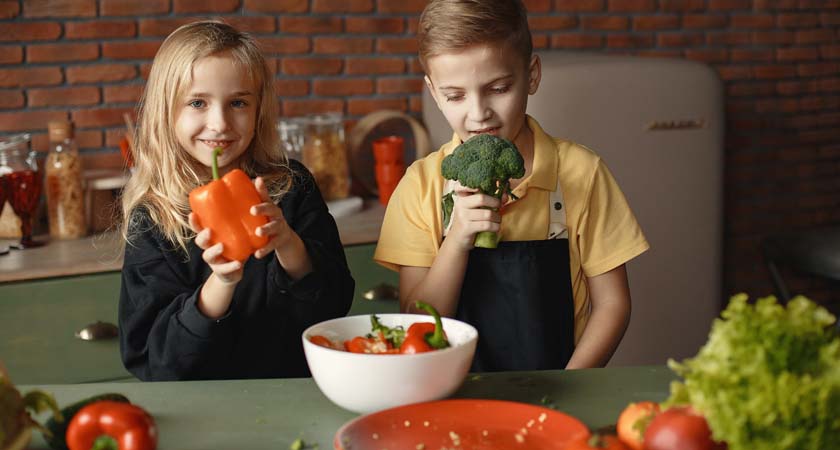
Children enjoying veggies. Photo by Gustavo Fring from Pexels.

Enjoy and do something for your health at the same time. Isn’t that wonderful? So begins a brochure published by the Austrian Cancer Society, in which the health benefits of fruit and vegetables are praised. Scientists are discovering the secrets of plants more and more.

Many countries adopted the campaign to recommend the consumption of at least 5 portions of fruits and vegetables daily. Statistics show it: around 40% of cancer cases are caused by poor diet. People who consume daily lots of fruits and vegetables are better protected against cardiovascular diseases and cancer. Much of the protective benefit comes from fibers and phytochemicals.
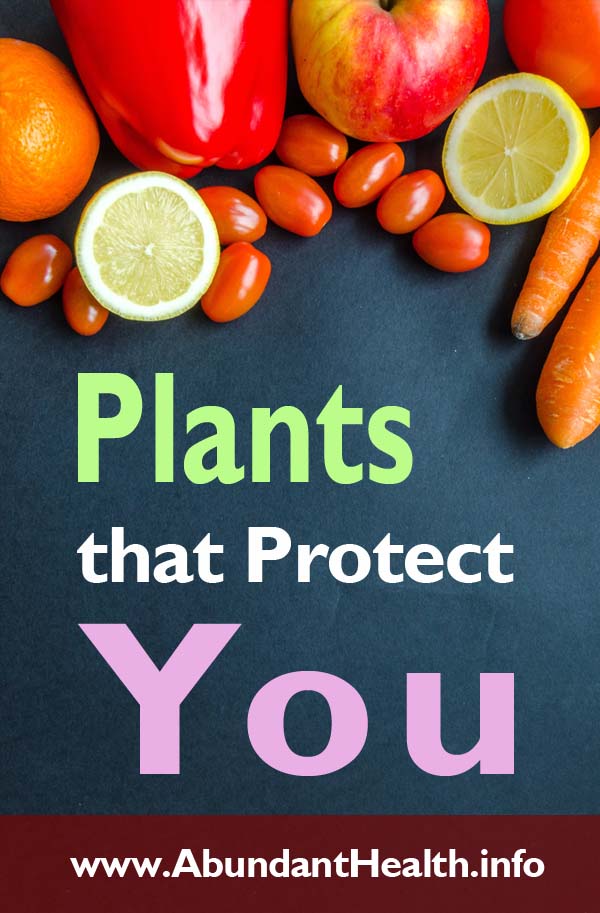
Plants that Protect You

Fiber is no Luxury

For many years, fiber was considered superfluous. Therefore, they were removed from the food. The rice was peeled from the grain the germ and fiber were removed and included in the animal feed. It wasn’t until the 1960s that the English doctor Dr. Burkit got the idea that fiber could have something to do with our so-called lifestyle diseases. He realized that the native Africans he treated were less likely to have colon cancer, bowel disease, constipation and diabetes than those of his home country England. Since then we found out that Fiber is very essential to health. Fiber binds carcinogenic substances and pollutants and excretes them out quickly. The stool becomes softer and the bowel movement is faster.

Whole Wheat Bread is a good source of fiber. Photo by Kaboompics.com from Pexels

Phytochemicals

What are phytochemicals? Nutritionists have known them for a long time, but they used to be considered anti-nutrients. Actually, the plants produce them for their own protection. Color and flavoring substances, protective substances against pests and diseases, sun protection factors are just as much a part of this group as vegetable toxins, acids and hormones.

These plant substances can be very helpful for us humans. They protect us from bacteria and viruses. They lower cholesterol, estrogen and blood sugar levels, get the gut going and act as antioxidants.

Health from Garlic and Onions
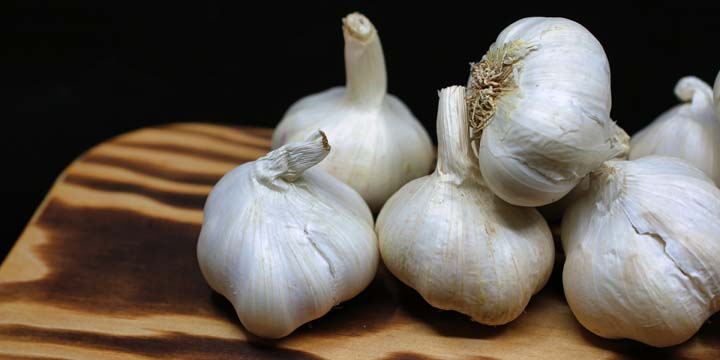
Garlic has lots of protective phytochemicals. Photo by Nick Collins from Pexels.

The typical smell of all onion plants comes from sulfur compounds. They are called sulfides. They stimulate digestion, stimulate the flow of saliva and bowel movement, protect against free radicals and influence blood clotting. They strengthen the immune system and inhibit the deposits of cholesterol in the arteries. No wonder that onions and garlic can protect us against cardiovascular diseases, even though they often bring tears to our eyes.

Protective Colorings

Flavonoids bring yellow colors, anthocyanins blue, red and purple. Fruit and vegetables shine in the brightest colors and these dyes protect us twice. First they prevent the clumping of blood platelets (thrombosis) and secondly they protect us from free radicals, which play a role in both cardiovascular diseases and cancer.

Spicy Substances in Radish and Cabbage
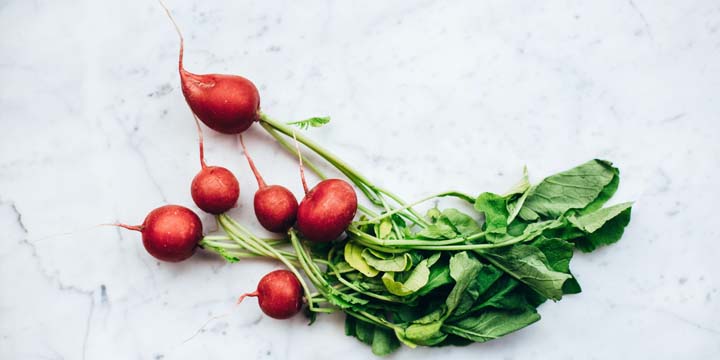
Radish is full of Glucosinolates. Photo by Daria Shevtsova from Pexels.

Glucosinolates are the spicy aromas in various types of cabbage, cress and radish. They inhibit the growth of bacteria, help ward off infectious diseases and protect us against cancer. The strong aromatic compounds are only created when the vegetables are chopped up. The mustard oils in cress and horseradish act as broad-spectrum antibiotics. They probably intervene in the metabolism of the microorganisms and thus render them harmless.

Plant Hormones

Phytosterols are found in nuts, high-fat seeds, sesame seeds, and soybeans. They are similar in structure to animal cholesterol, but have exactly the opposite effect, therefore lowering the cholesterol level. In addition to that they prevent colon cancer. Plant-based estrogens from soybeans and cereals protect against hormonal cancers. Therefore, Japanese women who are known to eat a lot of soy products suffer less from breast and uterine cancer.

Carotinoids

Yellow and red peppers, carrots, apricots, tomatoes, but also green vegetables, in which the bright colors are covered by chlorophyll, protect us from dangerous UV rays and thus from skin cancer. Carotenoids, we know about 600 different types, stimulate the immune system. Beta-carotene increases the number of natural killer cells that can attack malignant or infected cells and then kill them. Carotenoids also cause the formation of more antibodies, which then target foreign substances and prevent malignant cells from spreading as quickly.
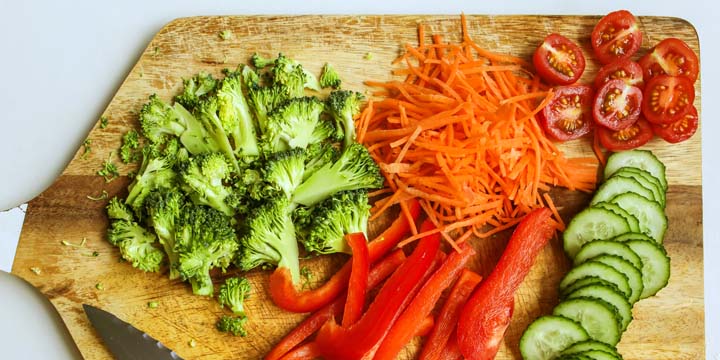
Red and yellow pepper, carrots and tomatoes are carotinoid rich foods. Photo by Polina Tankilevitch from Pexels.

More than 10.000 Substances

Research of phytochemicals is just in the beginning. It is believed that there are between 10,000 and 20,000 different compounds, but only for a few of them we know the exact protective effect for humans. The plants produce most of these substances during their ripening. Therefore, freshly harvested, mature fruits and vegetables contain the highest concentrations. Wild plants and organic vegetables, plants that did not grow overprotected and overfertilized, usually produce more phytochemicals because they have to protect themselves better.

Pills Versus Fruits and Vegetables

The health-promoting effects of phytochemicals sounds very promising. The pharmaceutical companies are already queuing up for the researchers. They would like to mix together a cocktail of some active ingredients and advertise it in pill form or as a dietary supplement. But does that make sense? The diversity of active ingredients make up the protective effect. The targeted selection of some isolated substances would be a weak substitute. The best guarantee of getting all the active ingredients in the right amount is still to eat the appropriate food, as nature offers to us. Best raw, fresh and crunchy. You can eat almost anything raw. Salads and fruits add variety to the menu. If it does have to be cooked, it should be done gently, briefly and with little or no fat. Season with a little salt but with a good amount of herbs. Eat it as soon as you can, because valuable compounds will be lost when keeping cooked food warm.

Now with all those valuable and essential compounds we find in fruits and vegetables we wish you good health and a long life as you make use of an abundance of protective foods that your Creator has provided for you. Enjoy!
Children enjoying veggies. Photo by Gustavo Fring from Pexels.

Filed Under: Nutrition

Does the Pandemic Stress You Out?

August 16, 2020 by Martin Neumann - [rt_reading_time label="Reading Time:" postfix="minutes" postfix_singular="minute"]

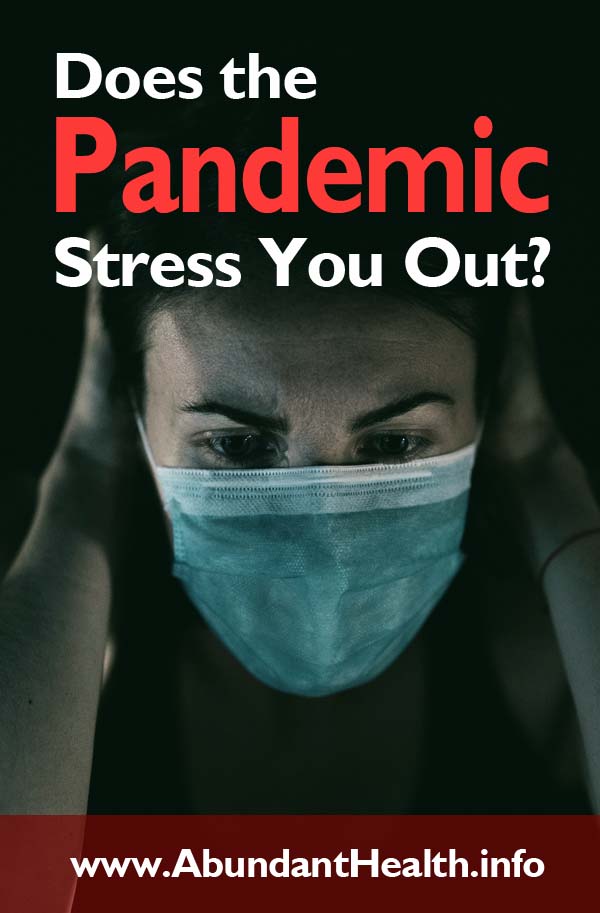
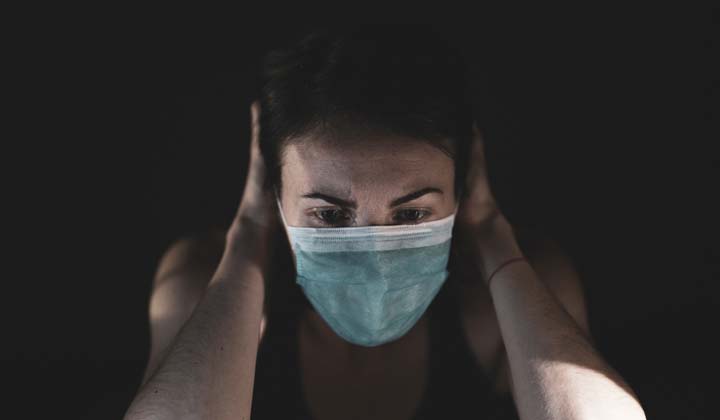
Pandemic Stress

Almost half of the Americans report that the pandemic is affecting their mental health.((Coronavirus is harming the mental health of tens of millions of people in U.S., new poll finds. Washington Post, April 2, 2020)) A federal disaster distress hotline ha seen a more than 10x spike in incoming text messages during the pandemic.((The Health 202: Texts to federal government mental health hotline up roughly 1,000 percent. Washington Post, May 4, 2020)) In the UK a study ascertained the anxiety level of the population on a scale of 1 to 10. They found out that the average anxiety level jumped from 3 before the pandemic to 5.2 right after the lockdown.((Coronavirus and anxiety, Great Britain: 3 April 2020 to 10 May 2020. Office of National Statistics)) Especially couples and elderly people have seen a drastic rise in anxiety level.

Does the Pandemic Stress You Out?

The reasons for the steep increase of anxiety and stress are manifold. One of the more obvious ones is fear of getting infected when leaving home. News from relatives or friends who succumbed to the disease will just increase the fear of being the next victim. Although some simple protective measures are healthy, the more anxious ones are getting neurotic in their hygiene attempts. When studies were published that the virus can stay airborne for about 3 hours, this heightened the ill effects of coronaphobia in a large number of people. It is important to put the risk into a healthy perspective, and I wrote an article about the naked truth of the coronavirus that can help in that matter.

Quarantine is another source of stress. Especially those who reported being lonely have felt a greater rise in anxiety levels. As about one-third of the world’s population is put under quarantine, a number of mental health issues like low mood, irritability, stress, insomnia, anxiety, depression and others are on the rise.((Lockdown is the world’s biggest psychological experiment – and we will pay the price. World Economic Forum, April 9, 2020)) Social isolation is a big factor in that, together with feeling trapped at home and interruptions of the usual daily routines.

For families with children, the stress of schooling their children and entertaining them at home puts an extra burden on the parents that they are often not used to handle (We have some tips in the article: 15 Creative & Fun Family Activities You Can Do at Home). In some cases, a dysfunctional relationship is aggravated by the fact that the family is forced to stay together in quarantine, and having no place to escape. Domestic violence is increasing drastically during the lockdown.

Others are even more stressed with the thought of getting back to normal. After returning to work, will there be a risk for a second outbreak? What is my risk of getting infected being in touch with people again? Some risks are for real, but after doing some healthy precautions, put your worries away. And it is alright to take your time and return gradually into social life once the lockdowns are lifted.

Another source of stress is news overload. Some are trying to catch up with all the latest news, and chasing the newest studies to try to understand a disease that even experts have a hard time to understand. Coupled with that are a number of conspiracy theories that are gaining much popularity. One example is a video of Judy Micovits who went viral, claiming that the virus was released from a Chinese lab, and that most information published is just a big scam. Fact-checking revealed that her video was the bigger scam, and most of her statements were simply made up.((Fact-checking Judy Mikovits, the controversial virologist attacking Anthony Fauci in a viral conspiracy video. Science Magazine website, May 8, 2020))

Finding a scapegoat for the pandemic seems to be attractive for many, but it may be just a way of avoiding to take their own responsibility of needing to respond to the crisis. Some others have an urgent desire to find out the truth. Yes, it is very likely that China has underreported their COVID-19 death rates since they do not correlate to the Wuhan crematory activities.((Cremation numbers reveal possible suppression of true COVID-19 data in China. News Medical, June 8, 2020)) On the other hand in the western hemisphere the death rates are more likely to be a bit overreported since financial benefits are associated with the treatment of COVID-19 patients. But finding some proof that the virus was man-made in any way would be a pretty hard task, even in the hypothetical case that it would be the truth. And at the end of the day, what difference will it make for your life?

A much more tangible stressor is the economic impact that the pandemic is causing worldwide. With a large number of people losing their job, financial difficulties are a reality in many homes. There are plenty of families out there just struggling to put food on the table, and that can be stressful.

Health profesionals who are on the frontline of the battlefield are especially vulnerable of suffering from stress during the pandemic. Those who are exposed to patients dying around them every day can suffer from post-traumatic stress disorder.

How to Stay Sane During the Pandemic

Have a Plan

Being prepared can do a lot to minimize the stress you face during this crisis. Preparation will include provisions for maintaining your food supply (stocking some food, maybe considering an own garden to help out), implementing safety precautions, things to do during the pandemic, how to protect your financial interests and more.

Manage your finances

Control your finances and savings during a pandemic

Mishandling your finances is quite easy when you are dealing with economic turmoil all around us. Hence, you need to start managing your finances wisely to avoid having regrets when the problem has passed. When you are on a tight budget, you need to be doing proper financial planning, recording all the expenses and analyzing where you can save. Then you should avoid debt wherever you can. Buy things when you can afford them, paying the full price in cash. Any debt will add extra stress during uncertain times like we are passing now.

Filter Information

Avoid bad news whenever you can. Spending time reading alarming tales of the horrors of COVID-19 will probably increase anxiety, not reduce it. Do not focus on the kind of information that will not help rectify the situation. Pay attention to material that gives advice on how you can overcome or guard against being affected by the worsening of the pandemic. Filtering information can also mean changing the subject when bad news are brought up countless times.

Keep Exercising

As you know, exercising is a great way of staying positive, staying healthy, and improving your overall physical and mental well-being. You may be tempted to cancel your workout routine while the gym is closed or severely restricted. But you can do an exercise routine right at your home, or go out for a walk with all the needed safety precautions. Exercise does a lot to eliminate stress or anxiety from your mind, and keeps your thoughts clear and focused. Therefore, keep exercising and enjoy the process.

Stay Connected with People

Stay in touch with friends and family during a pandemic lockdown.

While you are not able to meet up with friends and family the way you would like, you need to make an effort to reach out to them. Schedule some regular time to check in with those you care about. It will do a lot to keep your mind sane in a time you are restricted in what you can do. Be especially mindful about the needs of your parents, grandparents or other elderly people around you.

Find some Meaningful Activities

We all have a need to belong and to have a purpose in our life. While you are at home, find some activities that can be meaningful to you and to others. Sometimes caring for someone else is all it takes to take off the focus from yourself and see the needs of somebody else. You may be doing some remote work, so even you are not going to the office you are keeping up with your regular activities. If your job does not allow for remote work, use your chance to educate yourself and be better prepared once the pandemic is over.

Dwell on the Positive

When things are falling apart all around us, it is easy to get caught in a worry round of fears and negative thinking. Are you afraid of getting infected? Remind yourself of all the protective measures you have implemented, and dwell on all the cases that recovered already. You are weary about the restrictions? Think about what you want to do when the lockdown is over. You are worried about the future? What does it help you to get all wrapped up with your worries?

Jesus expressed it right in the Sermon of the Mount: “Therefore I tell you, do not worry about your life, what you will eat or drink, or about your body, what you will wear. Isn’t there more to life than food and more to the body than clothing? Look at the birds in the sky: They do not sow, or reap, or gather into barns, yet your heavenly Father feeds them. Aren’t you more valuable than they are? And which of you by worrying can add even one hour to his life?… So then, do not worry about tomorrow, for tomorrow will worry about itself.” Matthew 6:25-34

It is correct to properly protect yourself. You should do the part that you are able to do. But after having done your part, what does it help you to keep worrying?

Find a Save Haven of Rest

When troubles abound all around you, there seems to be plenty of reason to get worried. But stress will take hold of you if you are feeling that there is a threat to your life that you are not able to control. What you need in this moment is a fortress for your mind to find safety.

A Christian will find this save haven in a meaningful relationship with his Creator. If God was creating you, is He not able to take care of your health? And if he feeds the birds in the sky, is he not going to take care of you? Knowing that we have a Heavenly Father that takes care of us, will provide a fortress to our mind that will resist any storm that may go on around us.

The Bible is giving us lots of examples how our Heavenly Father was taking care of His children in the past. But you need to rest assured that He will do the same thing in your life, if you commit yourself into His care. In order to have this assurance, you need to have a living relationship with Him. You need to take a step of faith and experience for yourself that you can trust your Heavenly Father to take care of you.

Would you like to have this experience? Would you like to discover the promises that your Heavenly Father has given you that He will take care of you? Do you want to discover the purpose that He has for your life? Do you want to know what more your Heavenly Father has prepared just for you? If that is your desire, you should take a guided study of the Bible to discover what your Heavenly Father has to tell you today. Use the chance and get your study guide for free.

I Want the Free Bible Study Guide

Filed Under: COVID-19, Mental Health, Stress Management

Spices and Your Health

August 2, 2020 by Elizabeth Hall - [rt_reading_time label="Reading Time:" postfix="minutes" postfix_singular="minute"]

Does the enticing smell of freshly baked cinnamon rolls, gingerbread, spice cake, or fruitcake awaken aromatic memories of holidays and cozy kitchens? Perhaps the punch-packed savory East Indian foods or zesty Mexican dishes are among your favorites. As implied by the old ditty,” sugar and spice and everything nice…”, spices have long been considered among the culinary delectables of the world.

Many of these pungent or aromatic plant food substances are used to flavor a great variety of foods from sweet to savory. Although culinarily popular, and at times also touted for medicinal value, a number of commonly used spices are actually deleterious to our health. Let’s explore the available information; but, before doing so, we will briefly review some pertinent physiology.

Gastric Mucosa 101

Our stomachs are regularly exposed to hydrochloric acid (HC1), a very strong substance released to facilitate proper digestion. The healthy stomach is protected from potent HCl and other powerful digestive enzymes by mucus-producing cells in its lining, called the mucosal barrier. The mucus produced by this integral barrier serves both to neutralize HCl and shield the stomach wall from irritation, erosion, and ulceration.

Research reveals a recipe for trouble

In research done while they were at Loma Linda University, neurophysiologist Dr. Bernell Baldwin and his wife,((Baldwin, M. and B., Spices: recipe for trouble. 1 Health & Healing, 12(1):41.)) Dr. Marjorie Baldwin, wiretapped the major nerve on the surface of the stomach (vagus nerve), in dogs. This important nerve, among other duties, carries messages between the brain and the stomach. When the very delicate nerve endings of the stomach’s mucosa are irritated, this information is flashed instantly to the brain. When the Drs. Baldwin put a diluted salt solution (similar to body fluids) into the stomachs of anesthetized dogs, very little happened. However, when black pepper, cayenne pepper, mustard, or cinnamon was added to the salt solution, the stomach released bursts of electrical spikes—thus conveying irritation.

The Baldwins performed further studies, this time with rats. The rats were placed in small quarters. Physical restraint is a known stressor for rats, and the Baldwins wanted to evaluate the potential effect of stress coupled with a spicy diet—lifestyle factors not uncommon in society today. The results further implicated the tested spices as clearly harmful. Those rodents receiving spiced chow showed significant damage to the gastric mucosal barrier. From the greatest to the least effect, black pepper, cinnamon, cloves, and mustard were all shown to be harmful. Note that although mustard appears less damaging, its harmful effects were found to increase with continued use. The irritation it produced initially prompted an increased production of protective mucus. But with repeated usage, the mucus-producing mechanism became worn out and ulcers began to appear.

Effect of Certain Spices on the Stomachs of Stressed Rats

Area of mucosal damage (sq mm)
Control Diet (CD): 1.2
CD + mustard: 1.6
CD + cloves: 4.8
CD + cinnamon: 5.7
CD + black pepper: 7.1

Cloves, allspice, and cinnamon produce a similar effect. These spices contain eugenol, a phenol that also initially prompts increased mucus production but with continued intake exhausts this response. Again, increased susceptibility to ulcer formation results. Indeed, studies have demonstrated that eugenol emulsion applied directly to the gastric mucosa causes gastritis, inflammation, and compromise of the gastric mucosal barrier. Ouch! Those cinnamon rolls are beginning to sound a bit painful!

But the spices did not affect only the stomach. Black pepper, cloves, and cinnamon also produced significant deleterious effects on the electrical activity of the brain and heart. Blood pressure increases were frequently observed. And the rodents looked worse! But what really surprised the Drs. Baldwin was the rats’ poor dispositions. Those fed the spicy rat chow were much more irritable than the controls—fearful, feisty, and ready to bite. Hmmm… might make us think twice about what we eat! Irritating foods can make irritable people!

Let’s look a bit closer at some of these spices individually.

Black Pepper

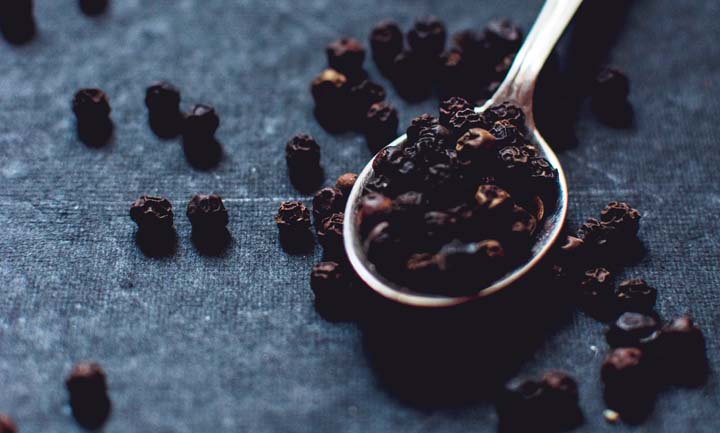
Black Pepper Seeds

Black pepper contains piperidine, a substance that causes the increased release of a hormone that stimulates the stomach to secrete more hydrochloric acid. Piperidine, also found in tobacco smoke, is a strong irritant to the skin and mucous T membranes. its potent nicotine-like actions on the peripheral and central nervous system produce synaptic stimulation followed by depression. When directly administered into the stomach, red or black pepper is associated with a significant increase in gastric acid and pepsin secretion, mucosal exfoliation and potassium loss-all of which may be undesirable and contribute to gastritis. Another high stress/high spice diet study by the Baldwins focused specifically on black peppers effects. Their findings also demonstrated its harmful effects on the stomach. The rats fed black pepper in their chow showed more than double the amount of stomach lesions with twice the area of damage to the mucosa.((Baldwin, M. and B. Spices: recipe for trouble, in Nutrition for the Nineties, W.J. Craig, Golden Harvest Bks, 1999, pp. 245-6.))

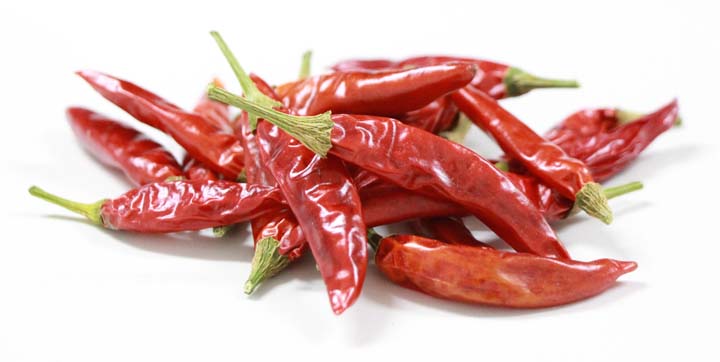
Cayenne pepper

Chili pepper

Hot and spicy cayenne, also known as red or chili pepper, is indigenous to Mexico and Central America. Many herbalists recommend it for its purported medicinal benefits; some studies do show that when taken internally, it may help to burn fat as well as reduce blood cholesterol, triglyceride levels, and platelet aggregation. However, the evidence is conflicting as to whether the capsaicin in cayenne acts as a cancer-inducing or as a preventive agent, and whether it protects the stomach from ulcer formation or actually damages the gastric mucosal barrier. The jury does still seem to be out on this spice, but let’s consider what is known.

Dangers of internal use

Consumption of chili pepper increases gastric acid secretion and may aggravate duodenal ulcers.((Craig, W.J., Herbs for Your Health. Golden Harvest Books, 2005, p. 16.)) Capsaicin has been known to cause gastric ulcers, while the consumption of red pepper can aggravate symptoms of duodenal ulcers. Furthermore, consumption of chili pepper may increase the risk of stomach cancer. In a randomly selected study done in Mexico, chili pepper consumers had a 5.49 percent increased risk for gastric cancer compared with non-consumers. Among consumers, there was a highly significant positive association between self-rated increased levels of consumption (low, medium, and high) and increased risk. The odds-ratio for increased gastric cancer risk for high-level consumers as compared with non-consumers was 17:11.((Lopez-Carnillo, L., et al., Chili Pepper Consumption and Gastric Cancer in Mexico: A Case-Control Study. Am J Epidemiology, l39(3):263—27l, 1994.))

Topical applications

When applied externally to the skin, cayenne works as an analgesic. Capsicum depletes the nerve endings of substance P, a chemical involved in the transmission of pain signals and inflammation of the nerves, hence desensitizing the nerve fibers. According to nutritionist and herbalist Winston Craig, PhD., topical applications of capsaicin have been shown to be an effective treatment for decreasing the tenderness and pain of osteoarthritis as well as relieving the pain of muscle tension, shingles, diabetic neuropathy, and postmastectomy surgery.((Craig, Herbs for Your Health, pp. 16-19.))

However, longer-term use of capsicum ointment damages the nerve fibers in the epidermis of the skin. Within six weeks after usage cessation, this damage is repaired. Craig recommends that capsicum cream be applied no more than three or four times per day for several days. It is best to allow at least two weeks before applying any other solutions to the same area. The herbalist Varro Tyler, PhD. suggests three to four applications a day for up to a month as a safe option. When applying capsicum cream, be sure to avoid putting it on open wounds, cuts, or near the eyes. Immediately wash with soap your hands or any other area where capsicum has been applied before exposing the same body area(s) to hot or cold applications because heat plus capsicum cream increases the risk of burns.

Nutmeg (and mace)

Nutmeg

Did you know that the seeds of nutmeg are utilized for more than flavoring foods and drinks? Due to its mind—altering properties, this spice is not uncommonly also used as a drug. Producing frightening and unpleasant side effects, nutmeg abuse is responsible for numerous documented cases of poisoning and intoxication, at least one of which was fatal. This ought to wave a red flag for those tempted to embellish their holiday or special-occasion cookery with this aromatic but psychotropic spice! Nutmeg contains several compounds with structural similarities to that of substances involved in modulating the central nervous system – resulting in potentially adverse effects. Researchers believe that the body can convert some of the spice’s chemical components into amphetamine—like compounds.((Angalli, B.C., et al, Toxicology of nutmeg abuse, J Clin Toxicol, 38(6):6781-8, 2000.))

One teaspoon of ground nutmeg can cause hallucinations, nausea, vomiting, visual disturbances and/or circulatory collapse within one to six hours after consumption. Very large doses can be fatal.

The cholinergic pathways of the central nervous system play a prominent role in the learning and memory processes. Acetylcholinesterase is an enzyme that inactivates acetylcholine, one of the neurotransmitters involved in learning and memory. Nutmeg significantly decreases acetylcholinesterase activity. Although this might seem to help memory, it is at the expense of other faculties of the mind. In other words, by exaggerating cholinergic activity, nutmeg lessens self-control and increases stimulation of the lower passions.

The spice mace is derived from the outer portion of the nutmeg seed; it contains the same harmful properties as nutmeg, and is therefore also not recommendable for internal use.

Cinnamon

Cinnamon

Beyond adding that unique and aromatic flavor to numerous favorite recipes, cinnamon is also considered by many herbalists to be useful medicinally. its primary purported beneficial properties can be summarized as the following:

Blood thinner: The cinnaldehyde in cinnamon appears to help prevent unwanted clumping of blood platelets.

Antimicrobial agent: Studies show that cinnamon has the ability to help stop the growth of both bacteria and fungi, including the commonly problematic yeast, candida.

Diabetic support: You may have heard about cinnamon’s purported boons for individuals with diabetes. Several small recent studies, but not all, suggest that it may improve insulin—response ability in those with type 2 diabetes. When 1 to 6 grams of cinnamon per day for 40 days was given to 60 Pakistani volunteers with type 2 diabetes, they experienced an 18 to 29 percent drop in blood sugar. Cholesterol and triglyceride levels were lowered as well.((Khan, et al, Cinnamon improves glucose and lipids of people with type 2 diabetes. Diabetic Care, December 26, 3215-8, 2003.))

In another small placebo—controlled study, the effect of cinnamon was evaluated on 60 people with type 2 diabetes. Thirty men and thirty women ranging in age from 44 to 58 years were divided into six groups. Groups 1, 2, and 3 were given 1, 3, or 6 grams of cinnamon daily, while groups 4, 5, and 6 received 1, 3 or 6 grams of the placebo. After 40 days, all three levels of cinnamon had reduced blood sugar levels by 18 to 29 percent, triglycerides by 23 to 30 percent, LDL cholesterol by 7 to 27 percent, and total cholesterol by 12 to 26 percent, while no significant changes were seen in those groups receiving the placebo.((Anderson, R.A., Chromium and polyphenols from cinnamon promote insulin sensitivity. Proc Nutr Soc, 67(1):48-53, 2008.))

In contrast, a randomized study from the Nutrition and Toxicology Research institute showed that 12 weeks of taking l.5 grams of cinnamon a day did not improve the blood sugar or blood lipids in patients with type 2 diabetes.((Vanschoonbeek, K., et al, Cinnamon supplementation does not improve glycemic control in post-menopausal type 2 diabetic patients. J Nutr, 136(4):977-80, 2006.)) As late as 2006, the authors of this study concluded that, “More research on the proposed health benefits of cinnamon supplementation is warranted before health claims should be made.” Other researchers have reported likewise, thus larger, controlled, and double-blinded studies are needed, before ”jumping on the bandwagon.”

Hidden dangers in cinnamon

The potentially toxic compounds in cinnamon bark have been found to be primarily present in the fat-soluble fractions. Levels of these compounds are very low in the water-soluble cinnamon extracts, which are the ones containing the insulin-enhancing compounds. We might postulate that certain medicinal preparations of cinnamon could then be relatively safe to use, but a number of factors ought to put the judicious on hold. It would need to be ascertained whether the botanical processing of cinnamon for medicinal preparations would remove all or some of these toxic fat-soluble compounds. But the regular ground or stick cinnamon commonly used in food and beverages is certainly implicated; these forms of the spice definitely still contain the incriminated fat-soluble fractions.

Let’s look more closely at the harmful compounds found in cinnamon’s fat-soluble portions, namely that of methyl eugenol and estragole. Eugenol has been demonstrated to produce chromosomal aberrations and other adverse changes in DNA.((Maralhas, A., et al, Genotoxicity and endore-duplication inducing activity of food flavouring eugenol. Mutagenesis, 21 (3):199-204, 2006.)) Estragole, a natural organic compound found in cinnamon and other plants, is used in perfumes and as a food additive for flavor. Studies appear to implicate it as being both carcinogenic and genotoxic.((Smith, R.1.., Safety assessment of allylalkoxybenzene derivatives used as flavouring substances—methyl eugenol and estragole. Food Chem Toxicol,40(7):851-70, 2002.)) Using animal models, researchers have found that methyl eugenol adversely affects the liver, kidney, and stomach. The development of liver cancers, glandular stomach lesions, and malignant neuroendocrine tumors may result.((Johnson, J.D., et al., Two-year toxicity and carcinogenicity study of methyl eugenol in F344/N rats and B6C3F(l) mice. JAgriC Food Chem, 48(8):3620-32, 2000.)) In addition, aldehydes from cinnamon-flavored chewing gum were found to be a contributing factor in inflammation of the mouth and gums, precancerous white spots on mouth tissues (leukoplakia), and cancer of the tongue.((Miller, R.K., et al, Ora1Su1gMed Oral Pathol, 73(6):708-16, 1992.
Endo, H. and Rees, T.D., Compend Cont Educ Demt, 27(7):403-9, 2006.
Endo, H. and Rees, T.D., Cinnamon products as a possible etiologic factor in oralfacial granulomatosis. Med Oral Pathol Cir Bucal, (12(6):E440-4, 2007.
Chalandussia, E., et al, Oral Dis, 13(1):93-8, 2007.))

Although the doses of methyl eugenol used in animal experiments are much greater than humans generally consume, “further studies are needed to define both the nature and implications of the dose-response curve in rats at low levels of exposure to methyl eugenol and estragole.” Furthermore, according to the Opinion of the Scientific Committee on Food on Methyleugenol, European Commission on Health and Consumer Protection, Directorate-General, September 26,2001, “…the existence of a threshold [for methyl eugenol] cannot be assumed and the Committee could not establish a safe exposure limit. Consequently, reductions in exposure and restrictions in use levels are indicated.”((Smith, Safety assessment of allylalkoxy-benzene…. Food Chem Toxicol.)) Because many prevalent lifestyle factors such as alcohol, obesity, diabetes, street drugs, and prescribed medications damage the liver and the stomach, is it plausible that even smaller amounts of methyl eugenol and cinnamon could prove harmful to already taxed bodies? Is it possible that other phytochemicals in cinnamon might counteract methyl eugenol’s detrimental effects somewhat or altogether? These and other questions remain; thus it seems wise to wait until more conclusive research is done before cinnamon be recommended for medicinal use. Laying aside these unknowns, additional concerns with cinnamon exist. Cinnamaldehyde is an irritant that produces major electronic spikes in the hypothalamus. The hypothalamus, along with other members of the limbic system, regulates appetite, sexual passions and rage. Cinnamon, therefore, after stimulating receptors in the stomach, arouses the lower nature of man. Both the cinnamaldehye in cinnamon and eugenol in cloves disturb enzymes involved in the release of energy from ATP, the major energy-producing molecule in the body.”((Usta, J. et al, A comparative study on the effect of cinnamon and clove extract and their main components on different types of ATPases. Human Exp Toxicol, 22(7):355—62, 2003.))

It should also be noted that cinnamon oil is highly irritating to the skin and mucous membranes and should never be used undiluted. One of its oils not only inflames and corrodes the stomach lining, but also that of the upper intestines.”((Baldwin, B. and M. Spices—recipe for trouble, in Nutrition for the Nineties, p. 246.))

Because cinnamon is a spice with considerable documented adverse side effects, the medical staff advising this publication cannot recommend its use.

Summary on Spice Status

Spices, wisely administered, can serve useful and pleasant purposes. Capsaicin ointment can provide relief of diabetic neuropathy. Ginger and turmeric, if internally taken, provide a number of medicinal benefits, as well as a rich load of healthful phytochemicals.

Whether providing culinary, aromatic, cleansing, or medicinal benefit, the Creator surely had a good purpose in mind for each of the plants He made. It behooves us to carefully search out the safest ways to utilize these natural gifts, for as we’ve seen, improperly used, spice is not always so “nice!” What science has not already revealed regarding their actual properties may very well be more fully clarified in the future. But with confidence we can accept the Great Designers promise that, “The blessing of the Lord maketh rich, and He addeth no sorrow unto it.” (Proverbs 10:22) Whatever benefits God has provided for us, whether for culinary enjoyment, nutritional benefit, or medicinal use, will only help and not hurt when properly utilized. The blessings He offers are not mixed ones, even in the realm of health! And thankfully we can claim His help to renew us—right down to our taste buds! Flavors that we may have thought we could just not do without can be satisfactorily replaced with something better! We hope some or all of the following recipes will offer just that!

Recipes

The following recipes are just a few examples of non-irritating spice options.

Try experimenting yourself, too, and enjoy!

Curry Powder

Mix well in small bowl:

3 tbsp cumin
2 tsp coriander
1/4 tsp fenugreek
1/2 tsp salt
1/4 tsp cardamon

Bottle and label.

Chili seasoning

6 bay leaves
2 tsp basil
1/3 c parsley flakes
1 tbsp oregano

Transfer to a small mixing bowl and add:

1 1/2 tsp onion powder
1/2 tsp garlic powder
1/4 c paprika
5 tbsp cumin

Grind all. Store in an airtight container.

Various cinnamon alternatives

#1: ground coriander seed

#2: 1 part cardamom
3 parts coriander

Mix well, bottle, and label.

#3: 3 parts coriander seeds
1 part sweet anise seed

Grind together. Bottle and label.

#4: Ingredients such as lemon or orange extract or peel, butterscotch, vanilla, or maple do not replicate cinnamon’s taste but can add other pleasant flavors to recipes.


This article was published originally in the Journal of Health and Healing, a publication of Wildwood Lifestyle Center.

Filed Under: Nutrition

Primary Sidebar

Social Channels

Coronavirus Immunity Challenge

Boost your immune system to be bullet-proof for the pandemic.

I Want to Participate

Recent Posts

  • 5 Habits to Live Longer
  • Better Sleep Can Protect Against Dementia
  • Finding Peace In Your Crazy-Busy World
  • Flaxseed – An Ancient Plant Rediscovered
  • Platelets – Triggers for Life or Death
  • Boderline Personality Disorder
  • In Praise of Almonds and Nuts
  • Are You Stuck in the Clutter Trap?

Categories

  • Body Systems (16)
    • Cell Function (2)
    • Circulatory System (1)
    • Digestive Tract (10)
    • Immune System (4)
  • Diseases (27)
    • Cancer (2)
    • Cold (1)
    • COVID-19 (11)
    • Dementia (1)
    • Diabetes (1)
    • Digestive Diseases (2)
    • Heart Disease (2)
    • Kidneys (1)
    • Metabolic Syndrome (2)
    • Skin (1)
  • Healthy Lifestyle (42)
    • Exercise (11)
    • Gardening (2)
    • Sleep (7)
    • Sunlight (2)
    • Temperance (14)
    • Water (4)
  • Mental Health (87)
    • Addictions (6)
    • Anxiety (7)
    • Burnout (1)
    • Depression (7)
    • Psychosomatic Diseases (6)
    • Stress Management (45)
    • Trust (6)
  • Nutrition (56)
  • Obesity (9)
  • Phases of Life (14)
    • Adults (3)
    • Babies and Infants (1)
    • Children (3)
    • Seniors (5)
    • Teenagers (3)
  • Therapies (7)
    • Herbs (5)
    • Hydrotherapy (1)
  • Uncategorized (3)

Archives

  • January 2025 (1)
  • March 2024 (5)
  • February 2024 (4)
  • January 2024 (4)
  • December 2023 (5)
  • November 2023 (4)
  • October 2023 (5)
  • September 2023 (4)
  • August 2023 (3)
  • July 2023 (2)
  • June 2023 (4)
  • May 2023 (4)
  • April 2023 (5)
  • March 2023 (4)
  • February 2023 (4)
  • January 2023 (4)
  • December 2022 (4)
  • November 2022 (4)
  • October 2022 (5)
  • September 2022 (4)
  • August 2022 (4)
  • July 2022 (5)
  • June 2022 (4)
  • May 2022 (5)
  • April 2022 (4)
  • March 2022 (4)
  • February 2022 (4)
  • January 2022 (5)
  • December 2021 (3)
  • November 2021 (4)
  • October 2021 (6)
  • September 2021 (4)
  • August 2021 (4)
  • July 2021 (5)
  • June 2021 (4)
  • May 2021 (3)
  • April 2021 (5)
  • March 2021 (4)
  • February 2021 (4)
  • January 2021 (5)
  • December 2020 (3)
  • November 2020 (4)
  • October 2020 (5)
  • September 2020 (5)
  • August 2020 (3)
  • July 2020 (1)
  • June 2020 (1)
  • May 2020 (1)
  • April 2020 (1)
  • March 2020 (1)

Copyright © 2026 · Abundant Health - Privacy Policy - Medical Disclaimer