Abundant Health

Up to date health information tailored for you

  • Home
  • Blog
  • Recipes
  • Shop
  • Contact
You are here: Home / Archives for Elizabeth Hall

Elizabeth Hall

Healing Benefits of the Hot Foot Bath

November 20, 2022 by Elizabeth Hall - [rt_reading_time label="Reading Time:" postfix="minutes" postfix_singular="minute"]

This simple and effective hydrotherapy procedure boosts the immune system, helps to lower high blood pressure, improves sleep, and relieves pain from congestive headaches!  Discover how it works.
Healing Benefits of the Hot Foot Bath

What is the Hot Foot Bath?

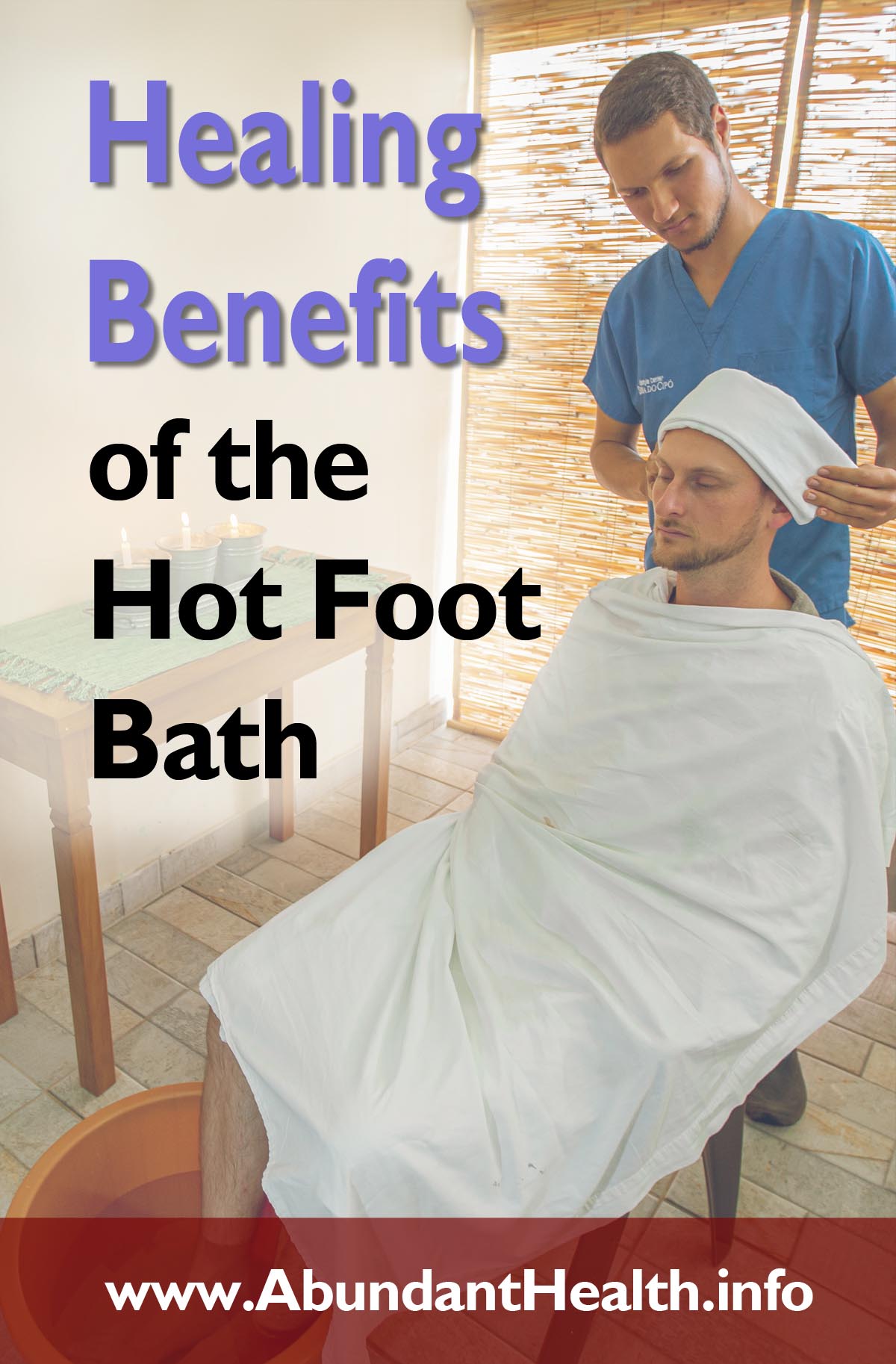
The hot foot bath consists of placing the feet in hot water (starting at 100 to 104⁰F / 38 to 40⁰C) and applying a cold compress to the head for 15-20 minutes. It is given at temperatures ranging from 100 to 115⁰F (38 to 46⁰C). This treatment can be given with the patient sitting in a chair or lying down. Either way, you need to protect the mattress or floor with a plastic sheet.

Health Benefits:

This treatment helps to balance circulation and decrease congestion in the head, lungs, pelvic organs, and internal organs. The treatment acts as a derivative. A derivative effect happens when heat is applied to a large area of skin and its effect is to draw blood away from a distant internal organ. A hot foot bath draws congested blood away from the brain, lungs, and pelvis. If prolonged, it can elevate the body’s temperature which will increase the mobility of white blood cells. For that purpose, you would want to cover and tuck in a blanket around the patient so that body heat will not be lost.

Indications for a Hot Foot Bath:

Generally, a hot foot bath helps to relieve congestive headaches, chest congestion, pelvic congestion, stop a nosebleed, aid relaxation and comfort, abort or shorten a common cold, influenza, and painful menstruation.((Dail. C. and Thomas, C. Hydrotherapy: Simple Treatments for Common Ailments, Teaching Services, 1989.)) The hot foot bath is useful for osteoarthritis in the feet if there is no pronounced swelling. We have found at our Lifestyle Center that the hot foot bath, when combined with a fomentation to the kidneys, reduces elevated blood pressure. Not only does a hot foot bath balance the circulation, it also increases parasympathetic nerve activity.((Saeki Y. The effect of foot-bath with or without the essential oil of lavender on the autonomic nervous system: a randomized trial. Complement Ther Med. 2000 Mar;8(1):2-7. https://pubmed.ncbi.nlm.nih.gov/10812753/))

Benefits of a Warm Footbath:

Coronary Artery Disease and Hypertension 

A warm footbath has a temperature range between 92 to 100⁰F (33 to 38⁰C). A warm footbath can improve blood flow in the coronary arteries in individuals with mild to moderate coronary artery disease.((Yoon SJ. Echocardiography. 2011 Nov; 28(10):1119-24.)) A warm footbath with red ginger has been found to reduce both elevated systolic and diastolic pressures in elderly hypertensive individuals.((Fithriyani, Putri,et.al. Effect of Hydrotherapy Warm Red Ginger to Reduce Blood Pressure on Elderly at Panti Werdha Budi Luhur, Jambi. Indian Journal of Public Health Research & Development. Mar 2020, Vol. 11 Issue 3, p1968-1972. 5p))

Warm Footbath & Diabetes

In a randomized clinical trial of 60 diabetic individuals, a warm footbath that contained 5 liters of warm, tolerable water with 250 grams of dissolved mineral salts reduced pain from diabetic neuropathy.((Vakilinia SR, et al. Evaluation of the efficacy of warm salt water foot-bath on patients with painful diabetic peripheral neuropathy: A randomized clinical trial. Complement Ther Med. 2020 Mar; 49:102325. https://pubmed.ncbi.nlm.nih.gov/32147053/))

Improved Sleep and Traumatic Brain Injury

Hot or warm footbaths are useful in cases of insomnia. Several studies suggests that when the feet are warmed before retiring to bed, a person falls asleep faster and the sleep is deeper.((Sinclair, Marybetts, Hydrotherapy for Massage Therapist, Lippincott, Williams, and Wilkins, 2008, p. 130-132.)) This could be very helpful for the anemic patient who has insomnia. A warm footbath can also improve the sleep of those who have the chronic phase traumatic brain injury.((Chiu HY. A Feasibility Randomized Controlled Crossover Trial of Home-Based Warm Footbath to Improve Sleep in the Chronic Phase of Traumatic Brain Injury. JNeurosci Nurs. (2017) https://pubmed.ncbi.nlm.nih.gov/29117035/))

A woman sleeping

Contraindications for a Hot Foot Bath:

  • Circulatory disturbances, peripheral arterial disease
  • Impaired sensation (neuropathy)
  • Blood vessel disorders
  • Swelling in feet and legs
  • Varicose veins
  • Skin rashes on legs
  • Rheumatoid or gouty arthritis in the feet when the joints are “hot” and swollen
  • Diabetes

Note: Warm foot baths can be tolerated by most diabetic individuals. If there are good foot pulses present, diabetic individuals can usually tolerate a 102°F (39⁰ C) foot bath.

Equipment Needed:

  • Chair
  • Water bath thermometer
  • Plastic “sheet” (or try a clean large trash bag)
  • Foot tub with hot water in it. A five gallon galvanized bucket is ideal.
  • Bath towel
  • Blanket
  • Pitcher with hot water
  • Small pitcher
  • Basin of ice water and two washcloths
  • A hand towel

Extra Tips:

  1. It is so much easier to give this treatment in the kitchen or bathroom where running water is available.
  2. Be sure the room is warm and draft free. If the room is cool, the effectiveness of a hot foot bath is compromised.
  3. Adding epsom salts to the hot water could help relieve sore feet even more.
  4. Adding two teaspoons of mustard powder or 1 teaspoon of powdered ginger per two gallons (8 liter) of water will increase the vasodilation effect of the hot foot bath.
  5. A short cold footbath (five minutes) can reduce uterine bleeding.
  6. Giving a hot herbal tea before the treatment will help raise the temperature. This would be important if the hot foot bath is given to stimulate the immune system.

Hot Foot Bath with mustard

Procedure for Hot Foot Bath:

  1. Cover the bed mattress with plastic sheet under the bottom sheet to protect the bed.
  2. Have patient undress and lie down on the bed, covering patient with sheet and blanket. Please keep patient modest at all times. Depending on the condition of the patient, you can have him sitting in a chair.
  3. Fill foot tub ¼ full of water at 103-104⁰F (39 to 40⁰C). For individuals without diabetes, neuropathy, peripheral vascular disease, the water temperature is gradually increased. You may fill the tub before patient comes for treatment or while patient is getting undressed.
  4. Place patient’s feet in tub. See that edge of tub does not touch the calves of the patient’s legs. Be sure to drape a sheet over the legs in the tub to keep out drafts.  Don’t let the sheet dip into the water.
  5. Apply cold compress to patient’s head once the person begins to sweat or gets hot. Renew compress approximately every 2-3 minutes.
  6. Have patient put one foot upon the other, moving the feet to one side of the tub of water. Pour in hot water carefully while mixing with your hand, making it hotter to patient’s tolerance or per doctor’s orders. Add hot water gradually until the temperature is 110 to 115⁰F (43 to 46⁰C). Always keep one of patient’s feet in the tub so they may tell you when water is hot enough. You might need to remove some of the “old water” with a small pitcher before adding more water.
  7. Finish the treatment by pouring cold water over feet and dry feet thoroughly. Or, you may dry the feet without the cold water pour if you immediately place socks on the dried feet. If sweating has occurred, patient should dry off completely.
  8. Have the patient rest in bed for 20-30 minutes. While resting in bed, patient should be covered with a blanket to keep warm.
  9. However, if the patient is still perspiring after he has rested, cool him down with an alcohol rub or a tepid shower. If the patient is weak, you will need to help him dry off.
  10.  Please note: If one is just giving the hot foot bath for other purposes than for stimulating the immune system, blankets are not needed.
Healthy Fruits

Stay Always Up to Date

Sign up to our newsletter and stay always informed with news and tips around your health.

Sign Up Now!

This article was originally posted on the Wildwood Institute website and is used by permission.

Filed Under: Hydrotherapy, Therapies Tagged With: hot foot bath, immune booster

Ten Natural Remedies to Overcome Anxiety

August 28, 2022 by Elizabeth Hall - [rt_reading_time label="Reading Time:" postfix="minutes" postfix_singular="minute"]

Natural Remedies for Anxiety

Do you suffer from anxiety? Are there certain things that cause you to be anxious? For many fear and anxiety are a problem. They are the most common mental illnesses in the United States, affecting 40 million adults age 18 and older. Did you ever think that there were some simple remedies that can help you a lot to deal with anxiety more effectively?

Ten Natural Remedies to Overcome Anxiety

Get a Good Medical Evaluation

Physical problems like overactive thyroid activity, other hormonal imbalances, chronic obstructive pulmonary disease, heart failure, heart valve prolapse, vitamin B12 deficiency, withdrawal of certain drugs, and other problems could be the source of anxiety and should be ruled out by a competent physician and appropriate testing.

View Only the Positive, the True, and the Noble on Television or Internet

Much of what is shown on TV stimulates the adrenal glands to release stress hormones that aggravate and perpetuate anxiety. We deliberately choose to lower our threshold to anxiety by watching violent programs or movies causing us to live the action vicariously.

Limit Exposure to Media

Overall and night-time specific social media use along with emotional investment were related to poorer sleep quality, lower self-esteem, as well as higher anxiety and depression levels in teenagers.((British Psychological Society. “Pressure to be available 24/7 on social media causes teen anxiety, depression: The need to be constantly available, respond 24/7 on social media accounts can cause depression, anxiety.” ScienceDaily. 11 September 2015.www.sciencedaily.com/releases/2015/09/150911094917.htm)) Using multiple forms of media at the same time — such as playing a computer game while watching TV — is linked to symptoms of anxiety and depression.((Michigan State University. “Multiple media use tied to depression, anxiety.” ScienceDaily. ScienceDaily, 4 December 2012.www.sciencedaily.com/releases/2012/12/121204145557.htm))

Eliminate Caffeine

Caffeine magnifies the effects of adrenal stress hormones and messes up an important brain chemical, GABA (gamma-amino-butyric-acid). This chemical helps us to focus and remain calm during stress. Caffeine can be a contributing factor in post-traumatic stress syndrome. It lowers the threshold to anger and decreases the level of contentment. Caffeine is bad news indeed for anxiety control.((Spiller, G., Caffeine. CRC Press, New York, 1998, pp. 264-272.))

A cup of coffee

Physical Exercise Helps

Twenty minutes of continuous walking (done daily for 10 weeks) improves anxiety.((Nieman, D., The Exercise-Health Connection. Appalachian State University, 1998, pp. 249-262.)) Physical exercise is linked to good health. Physical fitness can buffer against the harmful effects of mental stress. In the elderly, exercise improves the quality of sleep and the perception of personal control and self-efficacy. It helps control an inherited tendency to anxiety and also increases contentment. Regular, moderate exercise also helps to reduce pro-inflammatory chemicals in the body which are commonly elevated in anxiety. Additionally, some studies suggest that exercise may play an important role in helping people to endure life’s daily anxieties and stressors better. Regular exercise helps to buffer the effects of emotional exposure. If you exercise, you’ll not only reduce your anxiety, but you’ll be better able to maintain that reduced anxiety when confronted with emotional events.((University of Maryland. “Exercise may protect against future emotional stress, study shows.” ScienceDaily. ScienceDaily, 13 September 2012.www.sciencedaily.com/releases/2012/09/120913123629.htm))

In contrast, low-energy activities that involve sitting down are associated with an increased risk of anxiety, according to new research. These activities, which include watching TV, working at a computer, or playing electronic games, are called sedentary behavior.((Megan Teychenne, Sarah A Costigan, Kate Parker. The association between sedentary behaviour and risk of anxiety: a systematic review. BMC Public Health, 2015; 15 (1) DOI: 1186/s12889-015-1843-x.))

Enjoy an Anti-Inflammatory Diet

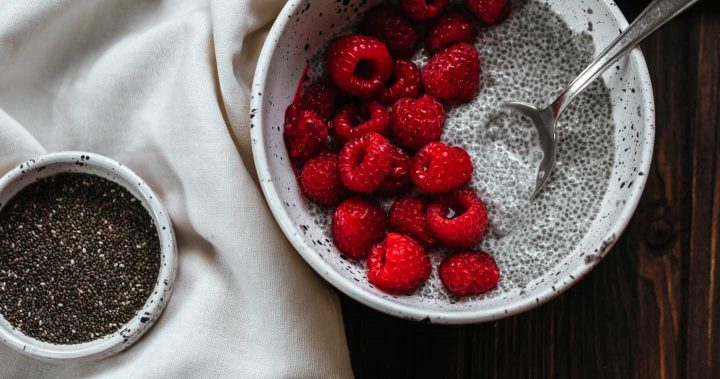
Since anxiety fuels inflammation (and inflammation fuels chronic conditions), adopt an anti-inflammatory plant-based diet which includes leafy green vegetables, whole grains, legumes, nuts, and omega-3 fats. Avoid the liberal use of refined oils and sugar as this fuels inflammation. Plant foods are rich in fiber. Fiber helps to populate the stomach and gut with friendly bacteria. Mounting evidence links unfriendly bacteria to mental disorders, including anxiety.((Office of Naval Research. “Gut feeling: Research examines link between stomach bacteria, PTSD.” ScienceDaily. ScienceDaily, 25 April 2016.www.sciencedaily.com/releases/2016/04/160425161324.htm)) Omega-3 fats reduce anxiety and inflammation in healthy students.((Ohio State University. “Omega-3 reduces anxiety and inflammation in healthy students, study suggests.” ScienceDaily. ScienceDaily, 1 August 2011.www.sciencedaily.com/releases/2011/07/110713121313.htm)) Chia seeds, flaxseed, organic soybeans, and walnuts are good vegetarian sources of omega-3 fat.

Hydrated chia seeds

Boost Antioxidant Intake

Culinary herbs like turmeric, ginger, rosemary, thyme, and oregano can help to boost your antioxidant levels. Consider a modest plant-based vitamin supplement. Why? Individuals with generalized anxiety disorder can have low levels of antioxidants in the blood.((Medhavi Gautam. Role of antioxidants in generalised anxiety disorder and depression. Indian J Psychiatry. 2012 Jul-Sep; 54(3): 244–247.)) Low levels of antioxidants might help to contribute to anxiety in some cases.((Krolow R, Oxidative Imbalance and Anxiety Disorders. Curr Neuropharmacol. 2014 Mar; 12(2): 193–204.)) It would be a good idea to have your vitamin B-12 and vitamin D levels checked too.

Don’t Microwave Plastic and Limit Drinking from Plastic Containers

Researchers at North Carolina State University show that exposure to the chemical bisphenol early in life results in high levels of anxiety by causing significant gene expression changes in a specific region of the brain called the amygdala. The researchers also found that a soy-rich diet can mitigate this effect.((North Carolina State University. “Exposure to bisphenol A (BPA) early in life results in high levels of anxiety; Soy mitigates effects, study shows.” ScienceDaily. ScienceDaily, 7 September 2012.www.sciencedaily.com/releases/2012/09/120907131638.htm))

Avoid Alcohol

After chronic alcohol exposure, mice are unable to control a learned fear response, shedding light on the link between alcoholism and anxiety problems like post-traumatic stress disorder. In other words, persistent drinking rewires the brain and lowers the threshold for anxiety.((University of North Carolina School of Medicine. “Heavy drinking rewires brain, increasing susceptibility to anxiety problems.” ScienceDaily. ScienceDaily, 2 September 2012.www.sciencedaily.com/releases/2012/09/120902143143.htm))

Enjoy a Neutral Tub Bath

This hydrotherapy treatment relaxes the body while sedating the nervous system. Be sure the room is warm. The water temperature should be maintained between 94-97°F (34-36°C). The bath should last between 15 minutes to an hour. Place an air pillow under the head for comfort if needed, and cover any exposed area with a light towel.

Healthy Fruits

Stay Always Up to Date

Sign up to our newsletter and stay always informed with news and tips around your health.

Sign Up Now!

This article was originally posted on the Wildwood Institute website and is used by permission.
Filed Under: Anxiety, Mental Health Tagged With: Anxiety treatment, Overcoming Anxiety

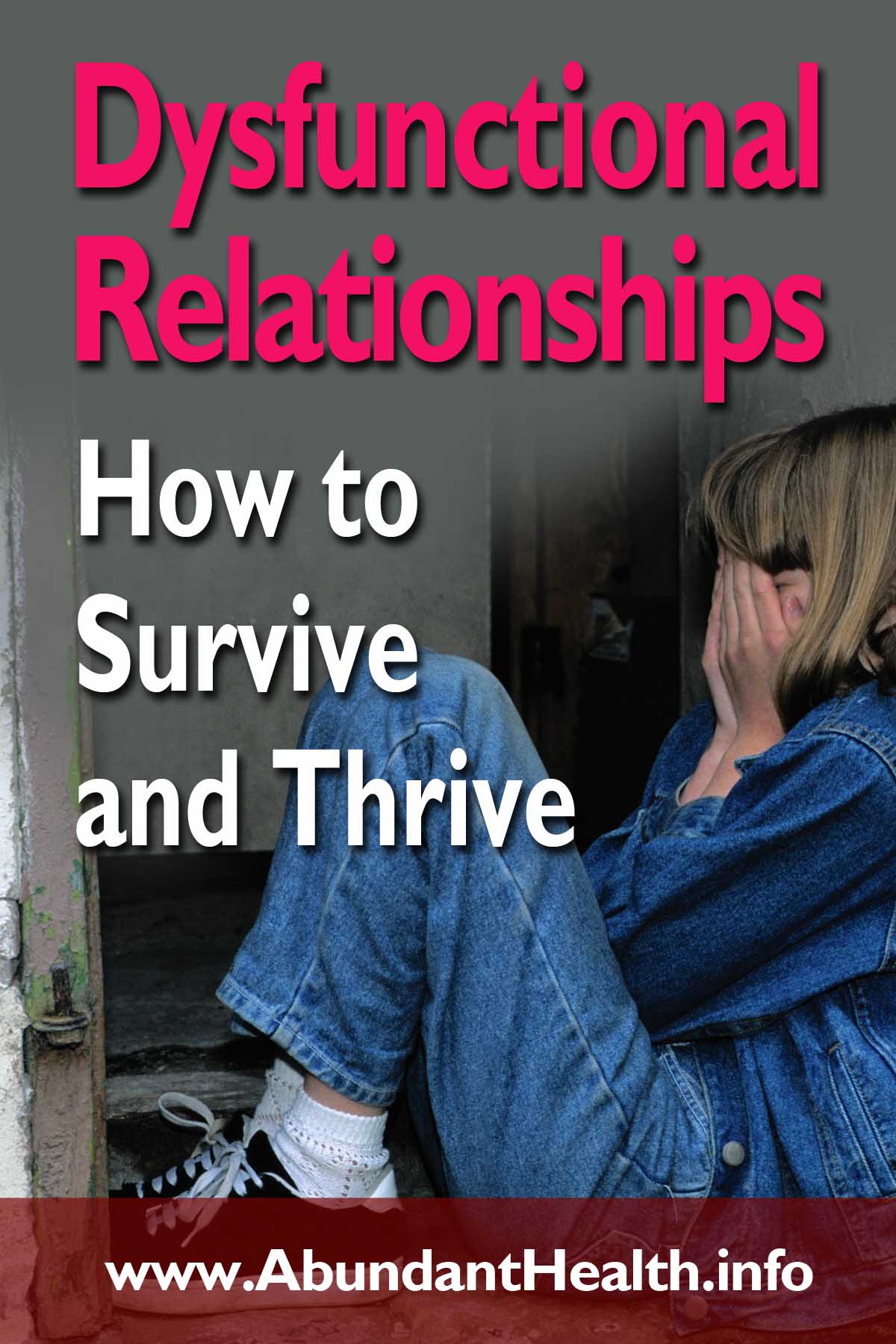
Dysfunctional Relationships – How to Survive and Thrive

October 24, 2021 by Elizabeth Hall - [rt_reading_time label="Reading Time:" postfix="minutes" postfix_singular="minute"]

Dysfunctional Relationships

The simplest meaning of “dysfunctional” is “doesn’t work right.” Dysfunction comes in differing degrees. Some dysfunctional things or people grate on one’s nerves just a little bit—like a squeaky door. But when a situation involves people who must relate to each other or when circumstances are perceived as intolerable, you must do one of two things. You can modify this situation—at least partially—or remove yourself. For example, when a dysfunctional organ or system of your body results in disease, you had better see a doctor sooner rather than later if you want to survive.

Dysfunctional Relationships - How to Survive and Thrive

When families become dysfunctional, society becomes dysfunctional because the family is society’s foundational unit. Alcohol, drug abuse, “workaholism,” mental illness, parental neglect, indifference, abandonment, or the untimely death of a family member can contribute to personal dysfunction and dysfunctional group behavior. Even a physical disease like congestive heart failure can become so severe that significant cognitive impairment, cantankerous attitudes, and impaired interpersonal relationships result, all because the blood vessels supplying the brain are not receiving sufficient blood and oxygen for its needs.

Like a genetic disease, dysfunction is frequently passed on, in some form, from generation to generation. Its ripples can affect society in social costs, affecting non-familial relations. They sap our energy and resources, as would a chronic disease. The extent to which a specific family dysfunction influences us depends upon the degree, timing, and context in which we received the abuse, injustice, or injury, and our coping capacities.

Dysfunction Does Not Mean You Cannot Be Great!

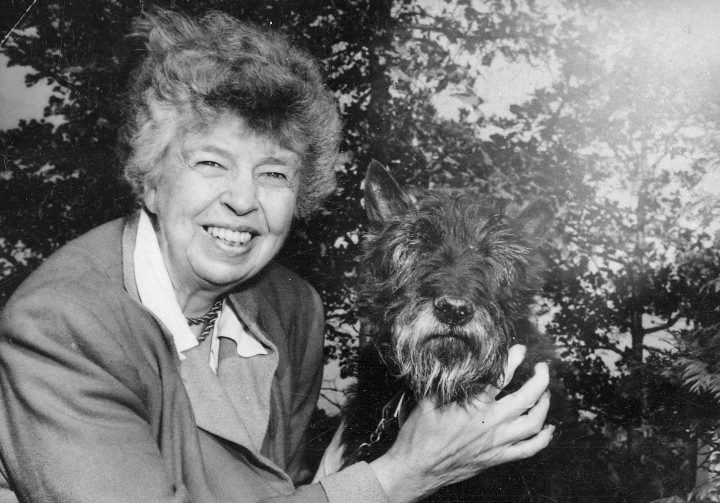
When Eleanor Roosevelt was born, her gorgeous socialite mother, Anna, marveled that she could have produced such a homely child. “She was a sensitive, timid child, and from her earliest years, Eleanor knew she was a disappointment to her mother, who would look at Eleanor rather coldly, worrying that her daughter might never become beautiful. She would even discuss it in the presence of Eleanor and her friends. Even as an adult, memories of her mother’s attitude haunted her—echoing the painful realization, ‘I’m ugly.’ “((American Experience: Eleanor Roosevelt, PBS, transcript of film, Written by Sue Williams))

When Eleanor was eight, her mother died, and her father’s alcoholism prevented his caring for her. While under the care of a strict but concerned grandmother, she was exposed to two mentally ill relatives. One was an alcoholic uncle who would shoot at the neighbors and their children. For Eleanor’s protection, her grandmother sent her to boarding school as soon as possible. Homely as Eleanor was, even in her twenties her loveliness of personality was evident as she reached out to help the poor. Although betrayed in her marriage, distressed by a controlling mother-in-law, and struggling with depression, she persistently espoused social rights. Yes, indeed, Americans owe a lot to this daughter of a dysfunctional home, as she advocated the rights of the poor, the unfortunate, and women.

Eleanor Roosevelt with her dog

How about Winston Churchill? Although his parents provided for his physical needs, they were not there for him emotionally. They would often be away when he went home on vacation from his boarding school. In spite of his heavy drinking, smoking, and bouts of depression, God used him to save Western Europe from Hitler.

As a child, Dorie Van Stone’s mother would put her into a drawer and then close it. Eventually, she left Dorie at an orphanage, where a lesbian matron sexually abused her. At age 14, she entered a foster system that moved her from one home to another, where she was almost always abused. Fortunately, before she left the orphanage, this little terror of a teenager heard about and accepted the love of God. As a young woman, she finally located her father. However, her joy was short-lived, for, unfortunately, he too rejected her. In spite of all this, for decades she has been a successful, warm, and sometimes jubilant motivational speaker and missionary.((Dorie N. Van Stone (Author), Erwin W. Lutzer. No Place To Cry: The Hurt and Healing of Sexual Abuse Paperback – May 9, 1992))

Principle 1: Be Aware of Cognitive Distortions

An adage says, “You can’t prevent birds from flying over your head, but you can stop them from making nests in your hair.” This holds true for negative automatic thinking that is fueled by relational dysfunctionality. Their actions set up distorted thought patterns and emotional auras that contribute to depression, uncontrollable anger and rage, and paralyzing anxiety. Here are some detrimental patterns of thinking we need to recognize and replace if we are going to progress.

Personalization

In this distorted thought pattern we assume the blame for a problem outside of our responsibilities or capabilities. When parents divorce, for example, children often blame themselves. When my mom became mentally ill, I thought, “If I had washed the dishes and cleaned my room, she wouldn’t have suffered this mental illness. If I had been a better daughter, this wouldn’t have happened.” Perhaps Danny Smith’s parents are separated. Mr. Smith promised to take his son camping but does not show up. Danny thinks “He didn’t show again. Guess I don’t count!” So when someone disappoints him as an adult, Danny thinks, “I don’t count and spirals down” and sinks into a deep depression. When he cannot take this contempt any longer, he lashes out in anger or perhaps resorts to addictions. These are examples of unwarranted personalization

Any other kind of distorted thinking pattern is dangerous in that it usurps the true value that God places on us. The healing answer is: “The Scriptures reveal that God wants you; He loves you; and He has chosen you.((The Bible, Jeremiah 31:3)) This love, if accepted, is powerful enough to satisfy all love hunger. Of course, it takes time for increasing maturity to realize the possibilities of this healing love.

Labeling

Labeling is a jumping to conclusions in which one applies a negative term to a complex situation. Sammy fails math. His parents assume that Sammy is “lazy.” Do not get me wrong. As a teacher, I know laziness and procrastination contribute to poor grades. Perhaps, though, there are other contributing factors—distractions, discouragement, individual learning-styles, and others. All of these need to be explored.

It is much more accurate to say, “Sammy has problems with math,” than to call him “stupid.” Or maybe, someone refers to his father as “my old man, the drunk.” But the father is much more; he is a human being. He needs to be treated with respect. Loving respect usually, sometimes slowly and even awkwardly, awakens respect in others.

A drunk man - Photo by Nicola Barts from Pexels

Selective Filtering

Selective filtering is another distorted thinking pattern that must be recognized and replaced before any healing can be maintained. In this cognitive distortion, a person focuses on one aspect, usually negative, to the exclusion of the positive. To continue our scenario, Sammy’s parents focus on his poor math grades without praising him for his good grades in social science.

Children from dysfunctional homes often see their parents as being totally evil, wrong, mean, or cowardly, without any middle ground. In many cases, dysfunctional parents do love their children but are emotional kids themselves. They have not learned to fulfill their legitimate emotional needs in healthful ways, so they cannot help their child meet his needs. However, they do manifest care for their children by providing for their physical needs—the one thing they know how to do.

Robby was a handsome, talented, hard-working young man with a temper. Early in his childhood, his father deserted him and his two sisters. His mother worked two jobs and had little time for nonsense. Robby remembers her as a very strict parent. In being controlling, however, she lost control and would scream and occasionally whip her children for what Robby later would term ordinary childish adventures.

After establishing rapport with him, I asked him to make a list of the times that his mother did show that she cared for him, how he benefited from being her child. How did God turn the curse into a blessing? Here is what he came up with: He got his good looks from his mom. His smarts, too. He also remembers her working extra-long hours to send him and his siblings to camp one summer. Being the oldest, Robby learned how to take responsibility, cook and do laundry, and work hard—that was his blessing in disguise.

When selective thinking would ruin your life, remember the good and look for ways in which God can turn the curse into a blessing. Of course, this takes time and practice, but it makes our disappointments and grief manageable.

Overgeneralizing

This is assuming that the same negative events will happen repeatedly. Worried about losing her job that she loved so much, Jill had a few days of anxiety attacks. With several disabilities, Jill feared that she would not be able to find a suitable job. However, she had determined not to let a threat of possible loss discourage her, even though she had lost few jobs previously. Thinking about other possibilities, she pondered, “What is going on in my thinking?” Where did this emotional aura—this stabbing, jabbing, and oppression—come from?

Anxiety Attack - Photo by Kat Smith from Pexels

Then she remembered what her family’s long-time cook and the housekeeper had said when her mom developed manic-depression and practically disowned her, “Your mom doesn’t want you anymore,” these words had haunted her until she spiraled down into a deep depression. That assessment summarized her teenage years and perverted her discernment for years.

So, that even thirty years later, whenever she is threatened by a loss, the thought, “No one wants me” immediately intrudes into her mind.” Now Jill uses logic to overcome her cognitive distortions. “I do have friends and customers who do appreciate me.

All of us who are offspring of dysfunctional parents, and perhaps somewhat maladjusted ourselves, must accept the value God places upon us, realizing God wanted us or He would not have sent His Son on such an expensive errand to redeem us.

All-Or-None Distortion

Critical parents often leave their children with two sets of rigid cognitions. “All-or-none thinking” and “should-thinking.” In all-or-none thinking, we engage in labeling events or people as all good or all bad, with no shades of gray. For example:

If I don’t make straight A’s, I am a total failure.

If I do not marry, my whole life will be miserable.

Position and power are everything. I won’t get hurt if I have those.

All pain is bad. Pain is an emotion. Therefore, I won’t feel so that I won’t hurt.

I can’t trust anybody to understand my dysfunctional family.

All-or-none thinking nullifies God’s grace and graciousness in our lives and the lives of others. Then shame accrues more interest. Also, it promotes impatience, intolerance, and contempt. When applied to people, all-or-none thinking discounts the fact that people can learn from their mistakes. When applied to circumstances, all-or-none thinking helps us to lose sight of the fact that God has the ability to transform any curse into a blessing.

So, to summarize principle one: Recognize you distorted thinking patterns and replace them with healthier ones. Without doing this, you will certainly lose control.

Principle 2: Set Your Boundaries

Boundaries are essential for devastated individuals. One of the first boundaries to address is forgiveness. Unless we forgive our dysfunctional parents, they will forever exercise their power to contaminate our lives. Roots of bitterness poison our perceptions and pervert our judgment. We make poor choices. Shame then follows.

Forgiveness brings healing - Photo by RODNAE Productions from Pexels

When abuse-injuries and indifference surface, forgiveness is needed. It is a gradual process and requires commitment. We must acknowledge our pain, allow ourselves to cry, and receive some validation for our pain. We need to refuse to allow the past hurts to motivate us to be egocentric or excessively self-protective and distrustful. In forgiveness, one does remember but does not dwell on past hurts. For this reason, I cannot accept the advice of some counselors who suggest that I chronologically record the hurtful events of my life. If one does this, positive memories or present opportunities are lost—and one wanders in a graveyard of sadness, for “by beholding we become changed.”((The Bible, 2 Cor.3:18))

However, to a very real extent, the past helps to shape the present, and the present the future. As children we learned lessons which are seldom obliterated. Consciously or subconsciously, negative events can motivate us toward a stunted, suspicious manner. We develop strategies for protection that subtly rob our integrity and sabotage many of our contributions to society. It is therefore imperative that we are open to learning from the past. I like the way David prayed, if I can paraphrase the literal Hebrew, “Lord, search my heart, to see if there be any anger, pain, or anxiety in me—that could accumulate in wickedness in me.”(( Strong’s Analytical Concordance, Ps. 139:23,24))

Principle 3: Forgiveness Does Not Exclude Accountability

We might have survived the past, but we can’t live— live—in the present until we forgive those who have hurt us. In true forgiveness, I must reject the devaluation that the offender or abuser has placed on me. In its place, I must accept God’s estimation of me.((Hall E. The Healing Power of Forgiveness, wildwoodhealth.com. Nov. 2019. wildwoodhealth.com/blog/free-at-last-the-healing-process-of-forgiveness/)) He sees my weakness and wickedness as well as my strengths and successes. Because He sees all and it is His very nature to love, I can accept His unconditional love.((The Bible, Rom. 5:7-11))

Still, forgiveness and respect do not mandate that we absolve our parents from their accountability. By all accounts, Bill Ginglen, was an upstanding citizen—a former Marine, a loving husband, a devoted father, and grandfather. “Then on August 19, 2004, Jared, a Peoria, Illinois police officer read a story in the paper about a series of bank robberies in another part of the state. ‘The description just oddly matched my father to a ‘T,’! Jared says. ‘The description of the vehicle—the getaway car—was the same vehicle my father drove. And he spends time over in that area.’

As he continued reading, he noticed that the newspaper story referenced a website set up by local police authorities that contained surveillance photos of one of the robberies. ‘Just to clear up my mind, I decided to look to be sure that it wasn’t he,’ Jared says. ‘But it was.’ Jared immediately called his brothers.”((Oprah Winfrey, Facing their Father, January 2006 Proverbs 20:20)) They made a heart-wrenching decision to turn their Dad in to the authorities. They did not want anybody to get hurt.

Our family members are accountable when they have committed a crime, even a crime against us. To not report childhood abuse, sexual assault, or physical abuse because it is one’s family member—is irresponsible. Mothers who ignore their abusive husbands injuring or molesting their children jeopardize the lives of their children and sacrifice the self-respect and integrity of everyone involved. The dysfunction will only accrue terrible interest rates until we heartily face it.

Forgiveness also does not necessarily mean reconciliation. If our parents frequently put us down, we need to recognize that this is their problem. We are not obligated to require their acceptance. If we always try to win their approval, it sets us up for defeat. However, an occasional overture in the form of a letter or phone call might eventually lead to some healing. And forgiveness certainly does not mean a superficial acceptance of a superficial apology to be conciliatory and escape painful memories.

Principle 4: Do Not Project

Some of the attitudes I have regarding my parents can unwittingly be projected upon God and others. The promise and power of parenting must be recognized. Respect the power of parenting. In a perfect world, God designed parents to be as God to their children, to portray His character faithfully and accurately until the child can develop an independent concept of what a personal, loving God He really is. Our parents are to reflect the goodness of God. However, as a result of sin, individual or collective, even good parents fall short. Mark this point well. Whatever we think about our parents determines, to a great extent, our personal concept of God. This distortion, whether obvious or unconscious on our part, can profoundly impact our loved ones because it erodes our happiness, and contaminates our other important relationships.

Let me mention my background again, if I may. Our parents had separated by the time I was three. Dad, however, would faithfully visit us children every Saturday, but when the divorce was final, he dropped out of sight completely. He did not send any monetary support to our family. Even though I knew about the concept of love, I did not internalize it. In my core being I felt, because my earthly father was indifferent to me, my heavenly Father was too. He never seemed to answer certain prayers. It was as if I had certain black holes into which the grace of God could never seemed to penetrate.

Later I would recognize that genuine healing comes when we can discern and acknowledge how our parents negatively affected our concept of God and repent of projecting their deficiencies, anger, or indifference upon God. One of the first steps in this process is refusing to let what you do not know about God shake your confidence in His love. We all use electricity, for example, but most of us do not understand the deep scientific principles involved.

A man observing sunrise in the mountains - Photo by Abhiram Prakash from Pexels

Sometimes we misplace our anger upon others. Years ago there was a colleague and supervisor that I just did not like or trust. I finally realized that he had some of the same qualities of the distant grandfather that I lived with—small frame, frugal, avid gardener. Subconsciously I had projected the discomfort I felt with my grandfather upon my co-worker, when I realized this my relationship with him improved tremendously. Today, I regard him as a true friend and trusted advisor. I cannot help thinking that if grandfather had lived long enough, I might have had a meaningful relationship with him also. For us to develop and maintain healthy relationships, we must be aware and acknowledge that we have made unhealthful transfers of the negative qualities of our dysfunctional parents onto others and upon God.

Principle 5: Honor My father and My Mother?

King Solomon observed of one who curses his father or mother that “his light will go out in the time of darkness.”((The Bible, Proverbs 20:20)) Whatever we reflect to our parents will come back upon our heads—be it for good or for evil. “Indifferent” would be the one adjective that best summarizes my parents during our teen years. Although my mother was at first patient and gentle, by the time my twin sister and I entered our adolescence, my mother had developed paranoid schizophrenia. She thought we children were spies. Not only blinds and curtains covered the many windows of our house but also blankets snuffed out any possible penetrating light. Mom was indifferent, incapable, scary, and embarrassing.

As a teenager, I was ashamed of my mom and didn’t want to be seen with her. Clean, but unkempt in appearance, she would gyrate from the tactile hallucinations she felt. What teenager wants to go out and eat at a restaurant with her mother jerking and moving because she thought that someone was shocking her? She was so embarrassing to be with in public! However, I gained some insightful sympathy when, as a 30-something adult, I struggled with a severe social phobia which crippled my social life for a few years. I couldn’t even walk my dog! I would venture out only for work or groceries. It is a principle of life: what measure we give to others, will eventually, in some way, be reflected back upon us. Any contempt which we have regarding our parents will surely come back to us.

Another point to consider is, even if we cannot respect our parents as being deserving, we can respect them as human beings. We can also honor our parents by stopping the cycle of contempt—even self-contempt caused by an unhealthy sense of shame. There is no excuse for abuse, addiction, or worse yet, heartless abandonment. Many underlying factors contribute to various abusive behaviors and these need to be recognized.

Principle 6: Dysfunctional People Sometimes Make Great Contributions

We also need to consider that even dysfunctional parents can make genuine contributions to society. Take, for example, Abraham Lincoln. His father was such a hard taskmaster, even physically slapping his son around at times. Lincoln developed a significant sense of serious self-depreciation. However, both his mother and later, his stepmother, encouraged him.

By the time of his presidency, Lincoln had enough self-respect to invite his political rivals to be members of his Cabinet. To some extent, his family life was also dysfunctional. At times, his wife was mentally unbalanced and difficult. His biographers write that he was very distant toward his first two sons. When his second son died, he soon became overindulgent to a serious fault with his last two sons.((Abraham Lincoln, audio books, A & E Television Network, 1996))

Abraham Lincoln and his youngest son

This moderately dysfunctional dad, subject to difficulties, still did much to help his nation stop its expansion of slavery and later proclaimed its abolition in the South. My point is that, even in dysfunctional families, imperfect people can make significant contributions. Abraham Lincoln is great, in part, because he cared and worked diligently in the face of obstacles—some of which came from a dysfunctional home.

Principle 7: Learn to Accept Yourself

Usually when significant trauma happens in a child’s life, it leaves him vulnerable to stunted growth and development in important areas. These areas must be acknowledged, accepted, and corrected before one has total freedom from his parents’ blunders. But no one can achieve his best growth unless he is within a sphere of acceptance. The love of God provides this acceptance, even when our parents have rejected or ignored us. He says, I will not cast out anyone who comes to me. To the extent we refuse to acknowledge and squelch the undeveloped parts of our character, our personalities will never totally be integrated into love and integrity.

On the average, children have certain psychological tasks to master approximately every two years. Any grade-school teacher can tell you those aged 11 to 13 are in a very important stage of social development. So if a father, for example, deserts the family when his daughter is within that age group, that daughter, as an adult, might be stunted in social aspects in her life as an adult. Understanding the stages of childhood development, then, can be a useful tool and a valid approach to helping adult children of dysfunctional homes achieve integration and well-adjusted lives. In other words, if as children we did not learn a particular psychological task, such as trust, determination, industry, purpose, courage, or initiative, we will have to acknowledge our deficits and patiently work upon them as adults.(( Townsend, John; Hiding from Love, Zonderman, 1996
Cloud, Henry & Townsend, John, Changes that Heal, Zonderman, 1993))

Frequently, as children pass through different stages of development, they have fear, anxiety, anger, or sadness. It is better for them to be taught how to express their emotions, positive or negative, rather than bottle them up inside. They need guidance to progress into constructive thoughts and actions. If their parents are wise and available, the children learn healthful ways of coping. When parents are unavailable, indifferent, or angered by their children’s needs, and these needs are left unaddressed, the children’s personalities are not fully developed or integrated. Then the emotions of fear, anxiety, or dejection often result in addictions (to ease the pain) or even psychosomatic disease. For example, uncontrollable fear, devastating anger, and harmful habits and addictions are rooted in the limbic system (the middle portion of the brain concerned with lower emotions). One may be either aware or unaware of these manifestations.

If emotional pain, anger, confusion, and depression are kept inside, they often trigger disease, especially when they become attitudes. For example, anxiety and major depression increase pro-inflammatory agents that fuel chronic diseases. An epidemiological study has shown that severe bouts of anger are reported significantly more often than expected during the hour preceding myocardial infarction.((Therell, T., et al., Coping with critical life events and lack of control—the exertion of control, Psychoneuroendocrinology, 2005 Nov)) Other studies show that anxiety, impatience, and depression can increase the risk of even otherwise healthy men developing hypertension.

Principle 8: Don’t Be Afraid to Ask for Help

As some investigators believe, expression of such emotions to a wise counselor can help to transfer pain from the emotional and imaginative right side of the brain to the logical left side and also, somewhat, to the front brain. When a person can verbalize the situation and clarify it, he can start solving some problems. It is like the long-worded math problems most of us never enjoyed in high school. To solve the problem, you need to sort out the information pertinent to defining the problem, eliminate what you don’t know, and have resources available to look up what you forgot. An effective counselor might be compared with a good math teacher. He doesn’t solve the problems but helps provide the tools with which you can solve it. Reflective thinking, applying Biblical principles to one’s situation, and pouring out one’s heart to God, will help our front brain to process our problems successfully. It is the front brain, in cooperation with God, which enables us to focus, discern, and forgive.

Talking over a problem

However, just to express unbridled emotion for the sake of doing so, can be dangerous because expression deepens impression. What we say reacts back on our brain and in our minds more powerfully many times, than if left unsaid. It strengthens the circuit of anger and depression. It is when we express emotions in a safe environment to a godly counselor who distinguishes between giving wise sympathy and enabling crippling self-pity, that one can receive help. Expression by itself doesn’t necessarily heal; it is the connection, the support, the respect, and the perspectives that help to change and heal us.

Having said this, though, even legitimate needs can deteriorate into selfish, unrealistic demands. Legitimate needs can easily be degraded into uncontrollable selfishness as is seen when an adult child blames his parents’ divorce for his unhappiness as an adult and plunges into a self-destructive addiction. As important as childhood environment is, the will, strengthened by wise choices, contributes even more to adult happiness.

Principle 9: Meet Needs in Healthful Ways

There are many ways God can help us mature and meet needs healthfully. One is to find a father or mother in Israel (a mentor) to befriend us. They will teach you how to struggle fearfully, but bravely with life’s difficulties and unexpected problems. Many limitations can be overcome by teamwork, even those from childhood deprivations due to growing up in a dysfunctional family.

In His church, God has provided us with families and friends who stick closer than blood brothers. These individuals can help to mitigate the effects of our troubled past. By becoming involved with children or adolescents, we can become more acquainted with ourselves and develop in the areas in which we need to grow. Teaching part time at a grade school has sharpened my perception of my defects that needed to be remedied. Certain events there sometimes remind me of how I felt as a child or teenager and perhaps those emotions tap into a current dilemma. Many times I rejoiced over my leaps and my students’ taking leaps into maturity. Almost every time I correct or discipline, a still small voice breaks up the fallow ground of my heart.

A word of caution here: God’s church is also a hospital for sinners. Choose your mentors wisely and look for one person to take the place of your mom, dad, or family. Be careful not to fall into a co-dependent relationship where you get your self-worth from one person, one job, and one position. The balance here is essential. You need a variety of relationships and activities to achieve optimal mental health.

Don’t expect even the best friend or mentor to take the place of the parents you should have had. They can’t. If they are wise, they won’t try. God has reserved that privilege for Himself.

Two Absolutes

Undeniably, our parents have capriciously left some of us. Perhaps a cruel mental illness took them from our embrace. Sometimes they themselves, as children, were not truly loved. Having not received love, they did not know how to give it. For whatever reasons, we want some absolutes. If you, as I was, are in that position, you will have to search for them as in a treasure hunt. Perhaps you will pursue a wrong trail and will have to retrace your steps. You might have to go to unknown places and endure hardships as a courageous, but a tired adventurer. But the treasure is waiting for you.

As a child of a mentally ill mom and seemingly “deadbeat dad,” I discovered two dependable absolutes that radically changed my life for good in so many ways. In Romans 4:17, Paul describes God as “calling those things that are not as though they were.” This verse gives you the first absolute. Even if you had a cruel, or maybe an indifferent or abusive dad, God can give you, as an adult, the same benefits as if you really did have a loving, wise, and wonderful parent! This principle can be applied to any dysfunctional relationship.

Parents giving support to their child - Photo by Agung Pandit Wiguna from Pexels

Free at Last!

Remember Dorie? She was visiting California with her daughter and a friend when her daughter wanted to go and visit the orphanage that Dorie was in as a child. Unaware of the sexual abuse that occurred there, her daughter had heard Dorie’s interesting stories and wanted to see the place. Dorie wasn’t thrilled, to say the least, but with urging from her daughter and her friend, she consented. The orphanage had been transformed into an art museum. Occasionally, one of the orphans returned to reminisce. That person was given a special guided tour.

As the guide announced, “Now, we will go to the basement,” Dorie refused and abruptly replied that there was no need to do so. The guide gently placed her hand on Dorie’s shoulder and encouraged her. “I understand, but please come. I know what happened in that room downstairs. But come and see what it is now.”

As Dorie entered the room where so much abuse had taken place, it was totally different. Her guide explained that a terrible fire had swept through the basement, and they had had to totally remodel it. This fire seemed, in her mind, as if the justice of God had devoured the abusive years meted out to so many young orphans and had validated their pain.((Dorie N. Van Stone (Author), Erwin W. Lutzer. No Place To Cry: The Hurt and Healing of Sexual Abuse. May 9, 1992))

Perhaps you, too, have haunting memories of a variety of abuse or neglect. When I think of Dorie’s experience, I marvel in the truth of another verse, made especially for you. First Corinthians 1:28 says, “God has chosen the things which are not to bring to naught things that are.” The second absolute, then, is that God will create future events—people you do not presently know, places you haven’t been, capabilities you do not presently possess. He will create successive scenarios that will eventually nullify the detrimental effects of any abuse, neglect, or rejection you might have received in your family or from society. Like the fire that destroyed the room of Dorie’s abuse, God will destroy the effects of the abuse in your life, validate your pain, and in its place create a beautiful monument.

He has done this in my life to a large extent. I know God will continue to satisfy the demands of my craving soul. He will do that for you also. Skeptical? Raging? Hopeless? Whatever you feel, wherever you are, He understands and will definitely help you. This vertical connection with God is as vital as any horizontal connections with other human beings. With God, we can, as the psalmist encourages us, “pour out our hearts at all times.” (Psalm 62:8) And it is only God who can satisfy all the needs of a longing soul. In Him and with Him we can find peace, hope, love, healing from the past, and courage in the present.

Hope for You

Everyone can look to the future with hope for God made and loved us. He made the human brain to be plastic not stuck in cement. This is why good things “can come out of [even] Nazareth.” Our environment does not and cannot determine our behavior. The finest of white water-lilies can come out of the blackest mud. Josiah grew into spiritual excellence in spite of dysfunctional genetics and environment. Each individual can look to God, to truth, to the possibilities, and grow out and above the mud of the past into the sunshine of the future.

The will is the governing power. So instead of focusing on the negatives of the past, the will can aim high and, sparing no pains, reach the mark. Some people are trapped in negative vicious circles by dwelling on their private negatives instead of looking, thinking, even feeling the rewards—the new motives of faith, hope, and love. These can help them take hold of God, and the duties and opportunities of better promises He affords—better thinking, better service for God and humanity. The “victimization syndrome” claims, “Don’t blame me, I came from a dysfunctional home.” Faith and gumption rise up and say, “I am the architect of my destiny, for God can transform any curse into a blessing, and Christ will be everything we let Him be to us.” Let’s GO!

Healthy Fruits

Stay Always Up to Date

Sign up to our newsletter and stay always informed with news and tips around your health.

Sign Up Now!

This article was originally posted on the Wildwood Institute website and is used by permission.

Filed Under: Mental Health, Uncategorized

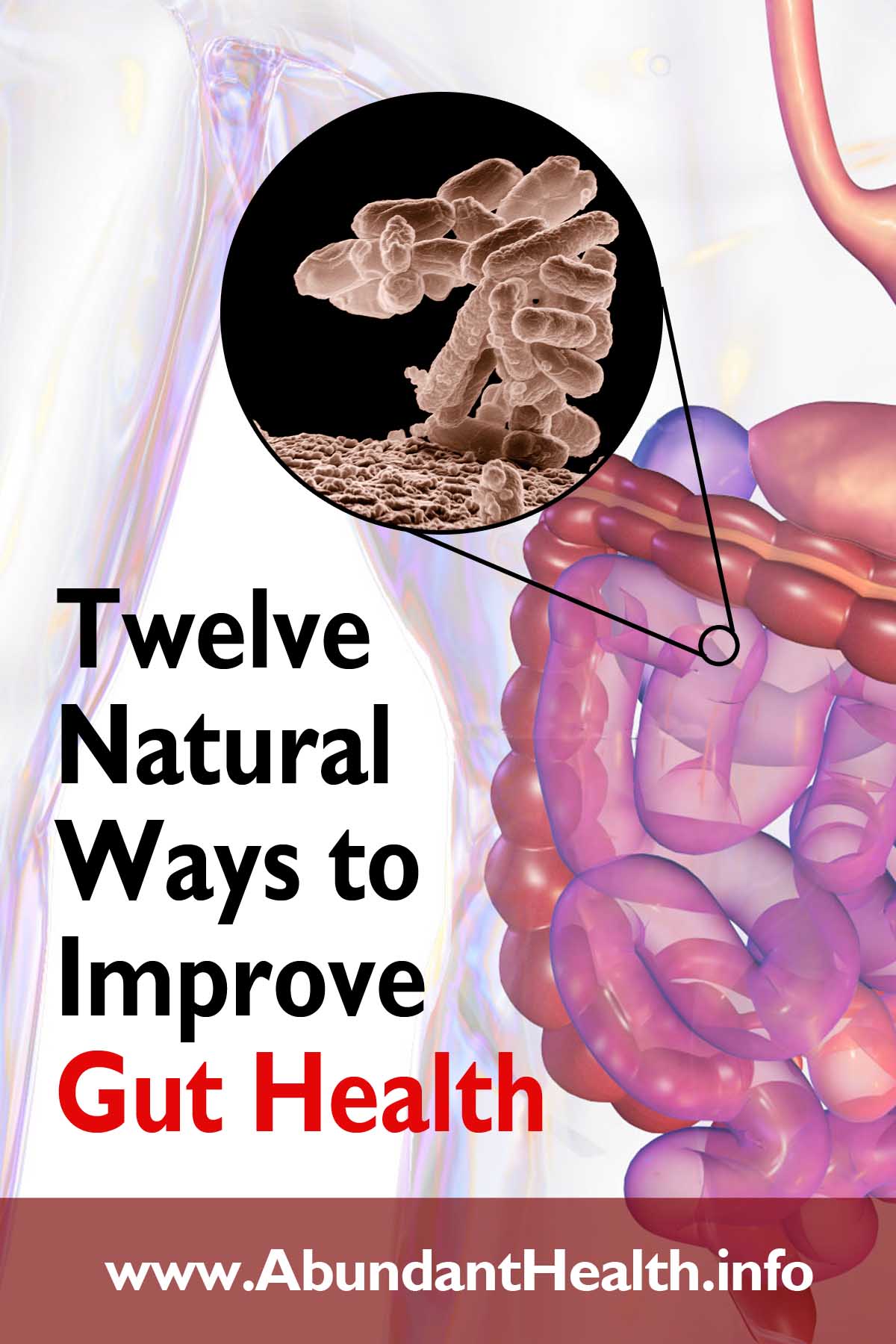
Twelve Natural Ways to Improve Gut Health

July 8, 2021 by Elizabeth Hall - [rt_reading_time label="Reading Time:" postfix="minutes" postfix_singular="minute"]

Twelve Natural Ways to Improve Gut Health

Discover the amazing contributions of gut bacteria to health and disease. Plus scientifically validated natural remedies that may improve your gut health in just few days!

Twelve Natural Ways to Improve Gut Health

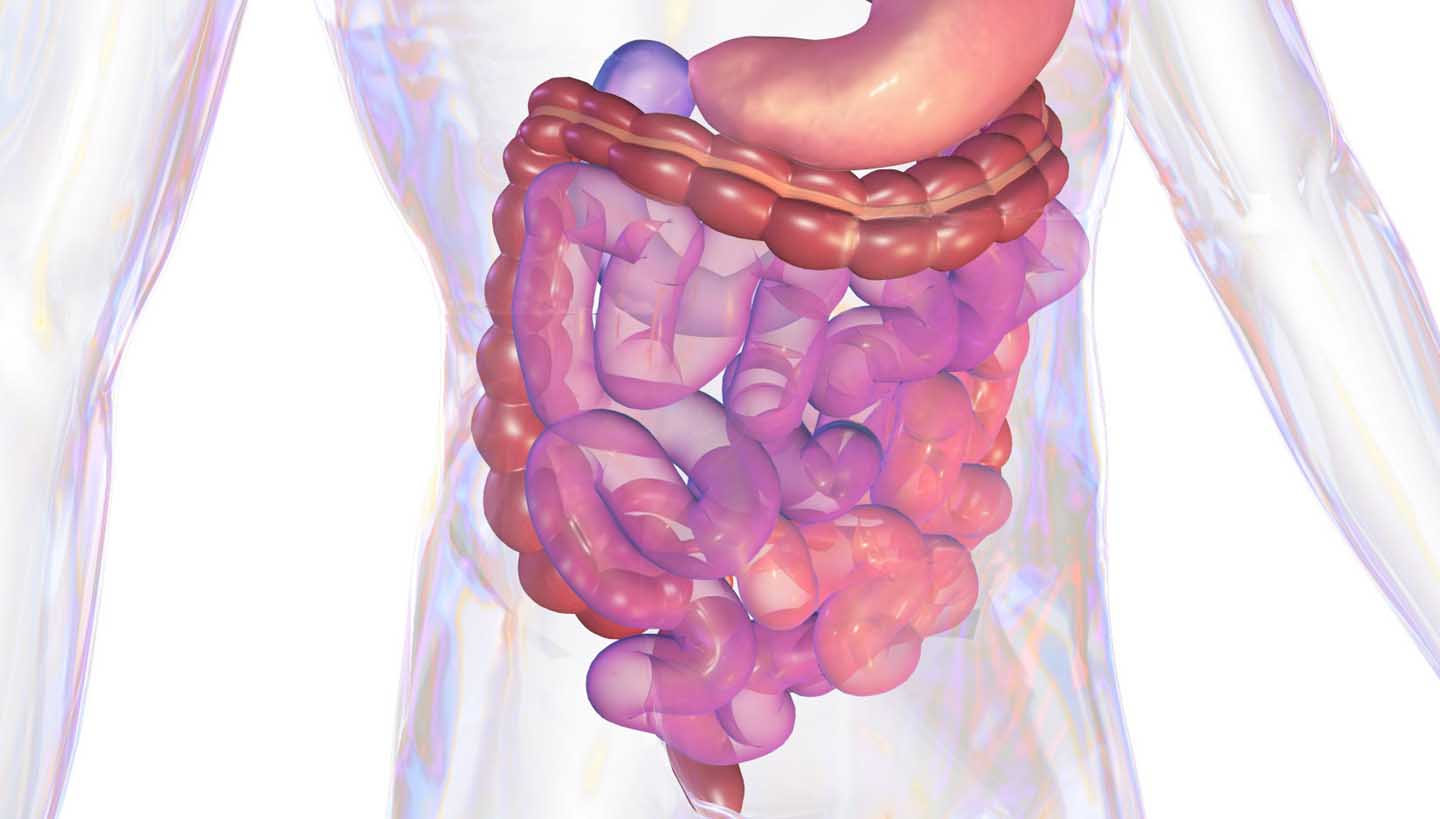
Your gut provides a home for trillions of bacteria. So far there are 2,000 known species of gut bacteria. The contributions of the gut microflora are astounding for they affect nutrient uptake, metabolism, body clocks, carcinogen detoxification, immune responses, chronic inflammation, and mental health!((Baylor College of Medicine. “Dietary quality influences microbiome composition in human colonic mucosa.” ScienceDaily. 15 July 2019.www.sciencedaily.com/releases/2019/07/190715164650.htm))

The proper balance, composition, and a healthful diversity of gut bacteria is necessary for favorable immune responses and optimal health. Imbalance that favors unfriendly bacteria over friendly germs triggers strong immune and inflammatory processes.

Good Germs

Beneficial bacteria release useful byproducts that protect your health and lower your risk for colon cancer, atherosclerosis, and inflammatory conditions. They also protect your gut from infections, produce some nutrients, release certain neurotransmitters such as dopamine and serotonin, and affect our sleep.((Patterson E. Gut microbiota, obesity and diabetes. Postgrad Med J. 2016 May 92(1087):286-300. doi: 10.1136/postgradmedj-2015-133285.))

Germ Warfare

Unfriendly gut bacteria, however, release toxins and inflammatory agents that disrupt the gut barriers. Once inside the blood, these inflammatory compounds and toxins contribute to the development of conditions such as atherosclerosis, hypertension, allergies, diabetes, obesity, inflammatory bowel diseases (Crohn’s, celiac, ulcerative colitis), lung problems, anxiety, and depression.((Singh RK. Influence of diet on the gut microbiome and implications for human health. Journal of Translational Medicine volume 15, Article number: 73 (2017).)) 
Could Your Gut Impact Your Blood Pressure?

What Shapes Gut Bacteria?

Every individual microbiome is different and develops because of genetic, environmental, lifestyle, and dietary factors to which we are exposed.  So, how do we encourage the population of good germs and reduce the number of unwanted ones?

Whole, Nutrient Dense Plant Foods

Diets that are high in whole plant foods–fruits, vegetables, legumes, and whole grains–and low in added sugar and saturated and trans fats– stimulate the proliferation of beneficial bacteria such as those that have anti-inflammatory properties.((Tomova A. The Effects of Vegetarian and Vegan Diets on Gut Microbiota. Front. Nutr. 17 April 2019.www.frontiersin.org/articles/10.3389/fnut.2019.00047/full)) In this aspect, liberal amounts of raw fruits and vegetables are particularly useful in building healthy gut microflora.((Karon A. A Western Diet Linked to lower microbiome diversity. Internal Medicine News. March 29, 2019.www.mdedge.com/internalmedicine/article/197770/gastroenterology/western-diet-linked-lower-microbiome-diversity))

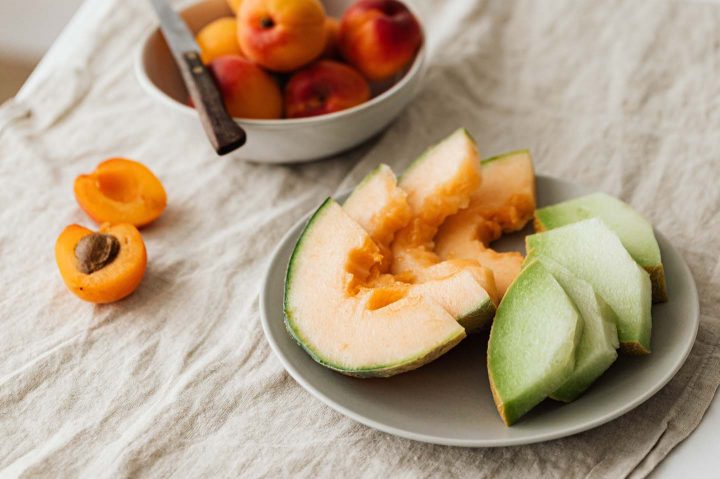
Fruits -  Photo by Karolina Grabowska from Pexels

In contrast, a poor-quality or Western diet (rich in sugar, animal products, salt, processed foods, and refined carbohydrates) is linked to more disease-causing bacteria.((Zinöcker MK. The Western Diet–Microbiome-Host Interaction. Nutrients. 2018 Mar: 10(3): 365.www.ncbi.nlm.nih.gov/pmc/articles/PMC5872783/
Singh RK. Influence of diet on the gut microbiome and implications for human health. Journal of Translational Medicine. Volume 15, Article number: 73 (2017).)) One such species of bacteria is Fusobacteria, which has been linked to colorectal cancer.((Baylor College of Medicine. “Dietary quality influences microbiome composition in human colonic mucosa.” ScienceDaily. 15 July 2019.www.sciencedaily.com/releases/2019/07/190715164650.htm))

Great Carbs

Good carbs boost gut health. While it is true that high sugar, fat-rich, and refined products promote the population of unfriendly bacteria in the gut, the keto and low carb diets miss the important contributions that result from eating resistant starches!

Whole grains and legumes contain resistant starches that are not fully digested in the stomach and small intestine. Consequently, they are not absorbed. Resistant starches, like soluble fiber, feed the friendly bacteria in your intestines, having a positive effect on the distribution and composition of bacteria as well as their number. These bacteria produce useful byproducts from resistant starches to curtail inflammation and lower the risk for chronic diseases.((Robertson MD. Insulin-sensitizing effects of dietary resistant starch and effects on skeletal muscle and adipose tissue metabolism. Am J Clin Nutr. 2005 Sep: 82(3):559-67.
Birt D. Resistant Starch: Promise for Improving Human Health. Adv Nutr. 2013 Nov; 4(6): 587–601.
Kieffer D.A. Resistant starch alters gut microbiome and metabolomic profiles concurrent with amelioration of chronic kidney disease in rats. J Physiol Renal Physiol. 2016 May 1; 310(9): F857–F871.))

Another advantage: Most prebiotics are oligosaccharides (carbohydrates that have a small number of monosaccharides) and help to maintain the balance of gut microflora in favor of friendly bacteria. A prebiotic is non-digestible carbohydrate that not only feeds good bacteria but it feeds probiotics too. Prebiotics selectively work on a limited number of gut germs. Asparagus, artichokes, barley, rye, lentils, onions, chicory, garlic, leeks, and bananas are good sources of oligosaccharides.

Salt-Gut Connection

Go easy on the salt! Excessive salt decimates a certain type of beneficial bacterium in the gut (lactobacilli). It also increases the number of certain immune cells (helper T-17 lymphocytes). These particular immune cells play a role in the development of high blood pressure and autoimmune conditions in which the immune system attacks tissues and organs of the body. (Please note: The problem is ingestion of too much salt and the excessive number of T-lymphocytes. A little salt is essential to health). When probiotic lactobacilli were added to a high-salt diet, the elevated T-17 cells and blood return to normal—at least in rodent studies.((Nicola Wilck, Salt-responsive gut commensal modulates TH17 axis and disease. Nature. 2017; DOI: 10.1038/nature24628))
Seven Facts about Salt Your Doctor Won’t Tell You

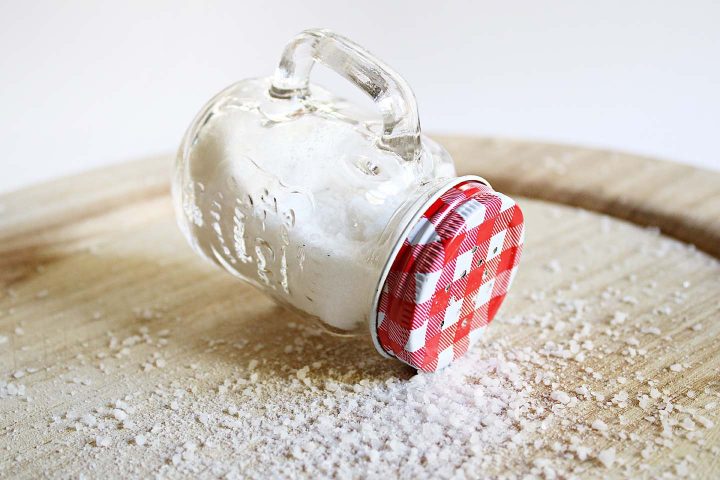
Salt shaker -  Photo by Lorena Martínez from Pexels

Eat Organic!

Pesticide residues on food have the potential to harm friendly gut bacteria over time.((Defoi Clémence. Food chemicals disrupt human gut microbiota activity and impact intestinal homeostasis as revealed by in vitro systems. Published: 20 July 2018.www.nature.com/articles/s41598-018-29376-9)) To help remove pesticides from produce, soak the produce briefly in a 10% salt rinse. (Use 1 part sodium to 9 parts water). There is no way you can reduce pesticides from meat, dairy, and fish.

Downside of Artificial Sweeteners

Because they potentially reduce the number of good bacteria in your gut and encourage insulin resistance, avoid artificial sweeteners.((Suez J. Artificial sweeteners induce glucose intolerance by altering the gut microbiota. Nature. 2014 Oct 9; 514(7521):181-6.)) Saccharin and sucralose, for sure, and possibly stevia, adversely affect gut bacteria.((Javier F. Effects of Sweeteners on the Gut Microbiota: A Review of Experimental Studies and Clinical Trials. Advances in Nutrition, Volume 10, Issue suppl_1, January 2019, Pages S31–S48.doi.org/10.1093/advances/nmy037)) Insulin resistance and high blood sugar themselves can disrupt the gut barrier and increase its permeability so that inflammatory compounds and toxins enter the blood.

Meal Frequency

Limit the number of meals and skip snacking. If you are sedentary, or have a chronic inflammatory condition, you might want to consider skipping supper and eliminating snacks. In other words, time restricted eating.Why? Time-restricted feeding allows for only 8–10 hours of feeding each day. Time restricted eating changes the gut microflora in positive ways to discourage obesity, disruption of blood glucose regulation, and bowel diseases.((Dandun Hu. Gut flora shift caused by time-restricted feeding might protect the host from metabolic syndrome, inflammatory bowel disease and colorectal cancer. Translational Cancer Research. Vol: 7:5. Oct. 2018.))

Do Not Relapse!

The composition of gut bacteria can change quickly!—within ten days. For better or worse. In other words, even a short-term consumption of diets composed mostly of animal or plant products rapidly alters and deteriorates the community of gut microbes. Just eating an animal-based diet or consuming fast foods for several days, for example, reduces useful byproducts from fermentation of carbohydrates. This diet consequently increases the potential for diarrhea, other intestinal infections and inflammatory bowel diseases.((David LA. Diet rapidly and reproducibly alters the human gut microbiome. Nature. 2014 Jan 23; 505(7484):559-63.)) The good news is that a proper diet can favorably shift the gut bacteria to a friendlier status within a few days!

Regular Schedule

Eat meals and sleep on schedule. Gut microbes have circadian rhythms that are controlled by the biological clock of the host in which they reside. Disturbed body rhythms adversely change the composition of the microbial community in such a way as to promote obesity and metabolic problems((Thaiss et al. Trans-kingdom control of microbiota diurnal oscillations promotes metabolic homeostasis. Cell, 2014 DOI: 10.1016/j.cell.2014.09.048))
How to Diffuse Your Body’s Time Bomb

Don’t Short Change Your Sleep

Even healthy young men who experienced only two nights of partial sleep deprivation, have a significant decrease in types of beneficial bacteria. They also experienced changes to the composition of microorganisms in the microbiome that are linked specifically to obesity, insulin resistance, and type 2 diabetes

Researchers from Kent University investigated the influence of the microbiome in a group of adults ages 50-85 and found strong connections between higher sleep quality, better cognitive flexibility (the ability to transition between one concept to another), and higher levels of beneficial gut microbes.((Breus M. The Latest on Sleep and Gut Health. Health. May 29, 2018.thesleepdoctor.com/2018/05/29/the-latest-on-sleep-and-gut-health/)) Even individuals who wake up frequently during the night develop adverse changes in gut bacteria.

Get Regular Exercise

Exercise boosts the diversity of the bacteria found in the gut. Reduced variation in gut microbes (microbiota) has been linked to obesity and other chronic problems. On the other hand, increased diversity favors a metabolic profile and a more helpful immune system response.((S. F. Clarke, Exercise and associated dietary extremes impact on gut microbial diversity. Gut, 2014; DOI: 10.1136/gutjnl-2013-306541)) Moderate exercise is especially useful in reducing inflammation.

walking on a beach -  Photo by Karolina Grabowska from Pexels

Learn to Manage Stress

Stress can change the gut bacteria in undesirable ways. Exposure to psychological stress disrupts the beneficial gut bacteria. The dominance of certain bacteria can produce substances that interact with the brain, erode mental health, and lower the threshold for depression, anxiety, obsessive-compulsory disorder, and possibly other mental illnesses.((Mc Guillian MS. Gut Health Affects Mental Health.www.psycom.net/the-gut-brain-connection)) Unfortunately, even moderate stress during pregnancy is enough to change the intestinal bacteria so that newborn infants are more susceptible to infections.((Bailey, M.T. Prenatal Stress Alters Bacterial Colonization of the Gut in Infant MonkeysJournal of Pediatric Gastroenterology and Nutrition: April 2004. Volume 38: Issue 4 p. 414-421))

Depression, anxiety, and other mental illnesses have many causative and contributory factors. The gut health is only one possible contributing factor in mental disease, but it should not be overlooked. 
Overcoming Fear & Anxiety

Check Your Meds

Antibiotics are not the only drugs that disturb the gut microflora. Acid-reducing meds, antibiotics, NSAIDS (nonsteroid anti-inflammatory drugs), calcium channel blockers for high blood pressure, anti-virals, anti-psychotic drugs, and chemotherapy can also negative impact our gut bacteria. If you take these any of these drugs, you might want to consider probiotics. Always take probiotics four hours after taking the medication!

Try to discover the causes of your condition. Treat the cause and you might do with less medicine and in some cases dispense with it all together. Please do not adjust medication without discussing it with your doctor first.

Downside of Probiotics

Live probiotics can be useful especially during a round of antibiotics, if using a drug mentioned above, if one has been on a poor diet, or has some medical condition in which documented evidence indicates that probiotics may help. If a person has been eating a healthful, plant-based diet and is generally healthy, there is no need to take probiotics every day. Probiotic use can result in a significant accumulation of bacteria in the small intestine that can result in disorienting brain fogginess as well as rapid, significant belly bloating.((Medical College of Georgia at Augusta University. “Probiotic use is a link between brain fogginess, severe bloating.” ScienceDaily, 6 August. 2018.www.sciencedaily.com/releases/2018/08/180806095213.htm))

Healthy Fruits

Stay Always Up to Date

Sign up to our newsletter and stay always informed with news and tips around your health.

Sign Up Now!

This article was originally posted on the Wildwood Institute website and is used by permission.
Filed Under: Body Systems, Digestive Tract, Nutrition

Prevent a Deadly Clot

April 30, 2021 by Elizabeth Hall - [rt_reading_time label="Reading Time:" postfix="minutes" postfix_singular="minute"]

Prevent a Deadly Clot

Someone in the United States dies from a blood clot every five minutes! One in four people worldwide dies from conditions caused by thrombosis (blood clot).  Clots are common in persons who have severe COVID-19. Most clots are preventable.

Prevent a Deadly Clot

Unfortunately, sudden death is the first symptom in about 25% of the individuals who have a pulmonary embolism. One-third (about 33%) of people with DVT/PE (deep vein thrombosis/pulmonary embolism)will have a recurrence within 10 years.((Data and Statistics on Venous Thromboembolism. www.cdc.gov/ncbddd/dvt/data.html))

Deep Vein Thrombosis

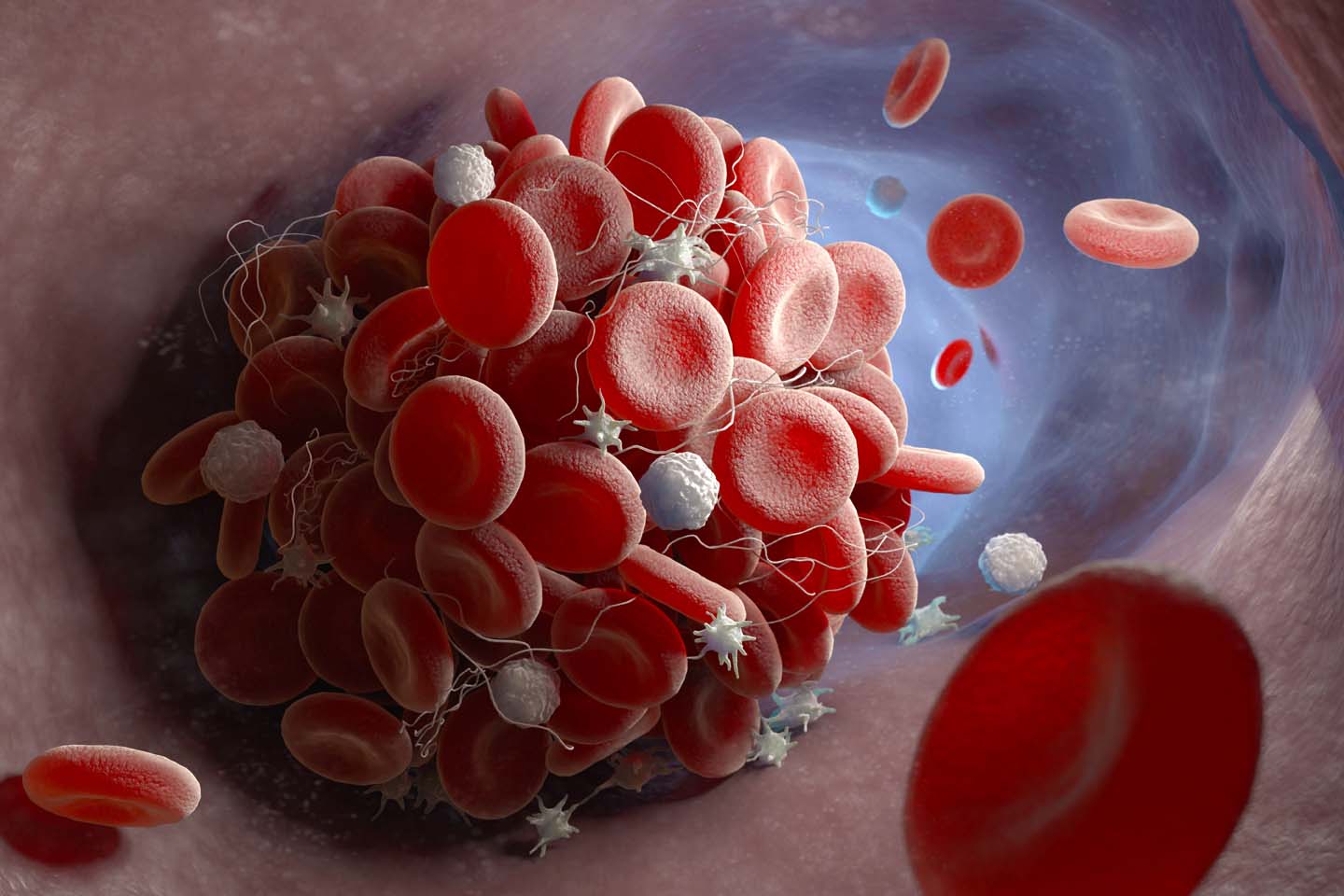
In fact, each year more people die from deep vein thrombosis than the total number who die from AIDS, breast cancer, and motor vehicle accidents combined.  What is DVT? It is the formation of a blood clot in a deep vein, usually in the lower leg or in the thigh. A clot is composed of a meshwork of fibrin threads that entrap plasma, red blood cells, and platelets.

Dangers from DVT

A thrombus is a blood clot that forms within a vessel and remains stationary. It obstructs and slows down blood flow. A clot can dislodge from a deep vein in a leg and travel to the lungs! If not treated promptly, it causes death! Of course, we want our blood to clot when we cut a blood vessel. What we do not want is undesirable clotting which occurs when a clot forms at a site where there is no bleeding, resulting in obstructed blood flow. A clot just the size of a sharpened pencil tip can significantly reduce blood flow. Even worse, clots can dislodge and travel to the lungs or rarely, to the circulation of the heart.

Signs and Symptoms of DVT

Pain, tenderness, swelling, and discoloration in a leg can be signs and symptoms of DVT. More than 70% of individuals who develop DVT will not experience any symptoms until it is too late and the clot has dislodged! Sometimes these symptoms remain and do not disappear with treatment.

Who is at Risk for Clots?

DVT has come to the public’s attention over the past few years after airline passengers on cramped, long-haul flights developed clots in what some have called “economy-class syndrome.” In fact, French studies show that riding in a car or truck for four to five hours without stopping for an exercise break increases the risk of DVT four times.

An extensive database revealed that DVT was twice as high after an acute lung infection. Pulmonary embolisms also doubled after an acute urinary tract infection.((Smeeth, L. The Lancet, 367:1075-079, April 1, 2006.)) Men are 50% more likely than women to develop another blood clot after having the first episode of DVT. The overall frequency of recurrent blood clots in men is 25% within a period of five years.((http://news.bio-medicine.org/medicine-news-3/Men-more-at-risk-of-recurrent-blood-clots-than-women-3748-1/)) Another authority states that 1/3 of individuals with DVT will have a re-occurrence within ten years.

More Risk Factors!

Within the human body there is a balance of anti-clotting and pro-clotting factors. Major surgery, trauma, systemic infection, atherosclerosis, atrial fibrillation, heart attack, certain cancers, inflammatory bowel conditions, HIV, prolonged bed rest, physical inactivity and immobility, fractures of the pelvis, hip, or leg, varicose veins, pregnancy, and estrogen-containing pills or patches increase the risk of developing DVT. Unfortunately, the typical Western diet and lifestyle, obesity,((Web, M.D., Obesity ups the risk of Pulmonary Embolism, DVT, Sept 9, 2005.
Rissanen, P., et al, Weight change and blood coagulability and fibrinolysis in healthy obese women. Int J Obes Relat Metab Disord, 25(2):212-218, 2001.)) and diabetes((https://www.lifeclinic.com/focus/Diabetes/Stroke)) also encourage undesirable clotting by increasing pro-clotting chemicals, making the platelets abnormally sticky and promoting other pro-clotting conditions within the body. Also, these conditions decrease the natural inhibitors of undesirable clot formation.

Clots inside Arteries

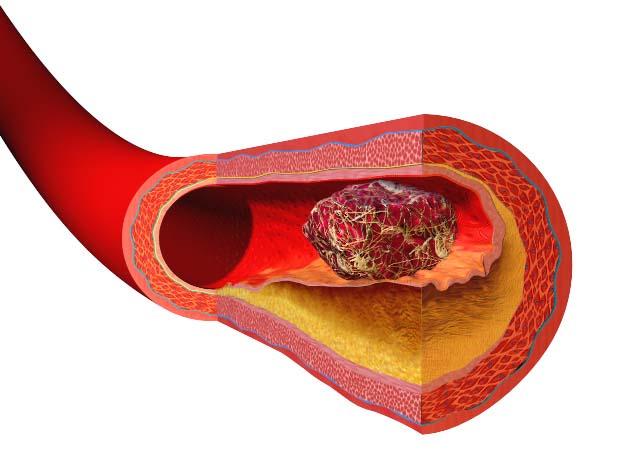
Clots often form when the fibrous cap of an atherosclerotic plaque cracks in the arteries. This condition reduces blood flow through that specific artery even more. Undesirable clotting in one of the coronary arteries blocks the blood flow in an arterial branch that supplies the heart muscle and contributes to more than 80% of heart attacks. Clots are also involved in the majority of strokes.

Formation of a blood clot on an arterial plaque - Blausen.com staff (2014). WikiJournal of Medicine 1 (2). DOI:10.15347/wjm/2014.010 - Free use under Creative Commons
Illustration from Blausen.com on Wikimedia CC BY 3.0

COVID-19 and Clots!

As previously mentioned, both infection and inflammation increase the risk of unwanted blood clots. Individuals who have severe COVID-19 infection are at higher risk of developing blood clots in the veins and arteries. Studies from France and the Netherlands found that 30-70% of severe COVID-19 experienced blood clots in the deep leg veins or the lungs.((Klok F et.al. Incidence of thrombotic complications in critically ill ICU patients with COVID-19. https://doi.org/10.1016/j.thromres.2020.04.013
Llitjos J et.al. High Incidence of venous thromboembolic events in anticoagulated severe COVID-19 patient. DOI: 10.1111/jth.14869)) One-fourth of all COVID-19 patients that are admitted to ICU wards will develop a life-threatening pulmonary embolism. In severe COVID-19 infection, abnormal, small clotting also occurs within the small vessels of the lungs, the kidneys, and the gut. A low dosage of blood thinners is prescribed for individuals who have serious COVID-19 infections. For those who have several risk factors for clots, any infection, including influenza, puts them at greater risk for clots. Many of the same lifestyle practices and natural remedies that reduce one’s risk for blood clotting also help optimize the immune system and reduce inflammation!

How Can We Reduce the Risk of Undesirable Clotting?

Win While You Lose!

To prevent a blood clot, reach and maintain your ideal weight. Obesity increases certain pro-clotting factors in the blood.  Researchers at St. Joseph Mercy Oakland Hospital in Pontiac, Michigan, and Wayne State University found that obese patients were 2.5 times more likely to have DVT and 2.2 times more likely to have a pulmonary embolism.((Ibid, Web, M.D.)) Fortunately, appropriate weight loss reduces elevated pro-clotting and pro-inflammatory agents in obese individuals.

Don’t Smoke.

Tobacco smoking damages the lining of the blood vessels and increases the clumping of platelets, which in turn, increases the risk for undesirable clot formation.((Davis, J.W., et al, Effects of tobacco and non-tobacco cigarette smoking on endothelium and platelets. Clin Pharmacol Ther, 37(5):529-533, 1985.
Zhang G. Smoking and risk of venous thromboembolism: a systematic review. Southeast Asian J Trop Med Public Health. 2014 May; 45(3):736-45. www.ncbi.nlm.nih.gov/pubmed/24974658))

We should mention here that any factor like smoking which increases the risk for atherosclerosis also increases the likelihood of undesirable clot formation. Even a brief encounter with second-hand smoke can make the platelets sticky and more likely to clot especially in susceptible people.((Second hand smoke. www.nhsinform.scot/healthy-living/stopping-smoking/reasons-to-stop/second-hand-smoke))

Adopt a Healthful, Plant-Based Diet!

Meat and saturated fats increase the risk of clotting by decreasing prostacyclin (a prostaglandin that inhibits platelet clumping and increases clot-encouraging compounds).((Zhang C. The effects of saturated fatty acids on endothelial cells. www.thrombosisresearch.com/article/0049-3848(92)90226-Z/fulltext)) As platelets become stickier, the risk of developing undesirable clotting significantly increases. Regular meat consumption fuels inflammation.((Hruby Dietary Protein and Changes in Biomarkers of Inflammation and Oxidative Stress in the Framingham Heart Study Offspring Cohort.  Current Developments in Nutrition, Volume 3, Issue 5, May 2019. academic.oup.com/cdn/article/3/5/nzz019/5421623
Ley SH. Associations between red meat intake and biomarkers of inflammation and glucose metabolism in women. Am J Clin Nutr. 2014 Feb;99(2):352-60. https://www.ncbi.nlm.nih.gov/pubmed/24284436
Seah JY. Consumption of Red Meat, but Not Cooking Oils High in Polyunsaturated Fat, Is Associated with Higher Arachidonic Acid Status in Singapore Chinese Adults. Nutrients. 2017 Jan 31;9(2). pii: E101. www.ncbi.nlm.nih.gov/pubmed/28146136
Chaturvedi P. High Methionine Diet Poses Cardiac Threat: A Molecular Insight. J Cell Physiol. 2016 Jul; 231(7):1554-61. www.ncbi.nlm.nih.gov/pubmed/26565991)) Inflammation plays an integral role in most clot formation.((Brian R. Branchford. The Role of Inflammation in Venous Thromboembolism. Front Pediatr. 2018; 6: 142. www.ncbi.nlm.nih.gov/pmc/articles/PMC5974100/))

Foods that Reduce Your Risk!

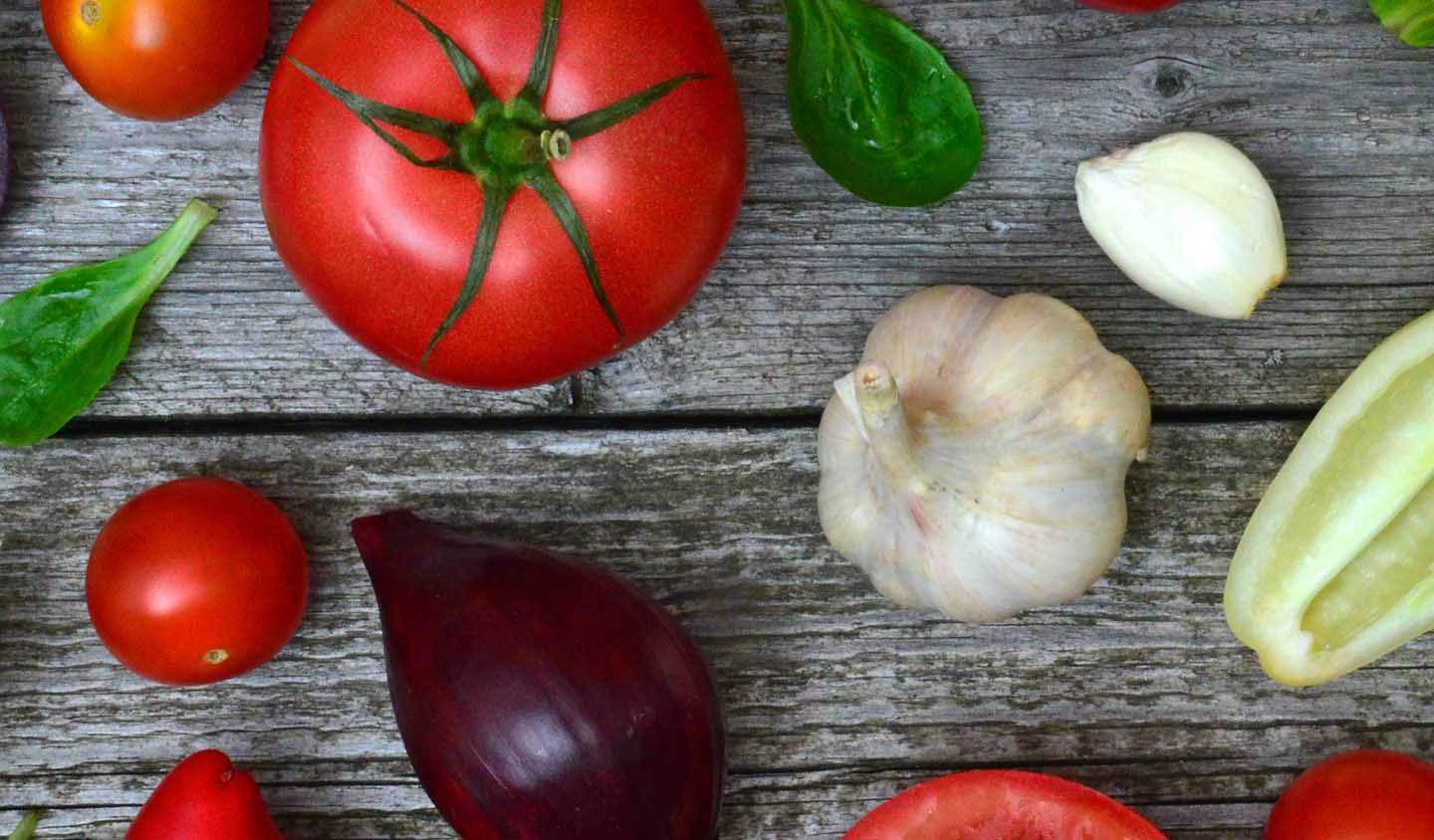
In contrast, frequent consumption of foods that contain phytochemicals that inhibit platelet clumping like garlic, ginger, onions, tomatoes, red grapes, berries((McEwen B. The Influence of Diet and Nutrients on Platelet Function. Seminars in Thrombosis and Hemostasis. 40 (2). February 2014. www.researchgate.net/publication/260108030_The_Influence_ofDiet_and_Nutrients_on_Platelet_Function)) citrus,((Attaway, J.A., et al, Antithrombogenic and antiatherogenic effects of citrus flavonoids. Contributions of Ralph C. Robbins. Adv Exp Med Biol. 439:165-73, 1998.)) kiwi,((Duttaroy, A.K. Effects of kiwi fruit consumption on platelet aggregation and plasma lipids in healthy human volunteers. Platelets, 15(5):287-92, 2004.)) pomegranates,((Aviram, M., et al, Pomegranate juice consumption reduces oxidative stress, atherogenic modifications to LDL, and platelet aggregation: studies in humans and in atherosclerotic apolipoprotein E-deficient mice. Am J Clin Nutr, 71(5):1062-1076, 2000.)) olives((Massaro, M., et al, Vasculoprotective potential of olive oil components. Mol Nutr Food Res, 51(10):1225-34, 2007.)) and flaxseed((Ristić-Medić. Alpha-linolenic acid and cardiovascular diseases. Med Pregl, 56(Suppl 1):19-25, 2003.)) help to reduce the risk of undesirable clotting.

Foods that protect against deep vein thrombosis - Photo by Adonyi Gábor from Pexels

Be Sure Your B-12 Is in Normal Range!

While it is true that several studies show that a vegetarian diet lowers the risk for cardiovascular disease and may even reverse coronary artery disease, a vegetarian diet without adequate amounts of vitamin B-12 increases the risk for developing an undesirable clot.((Remacha AF. Vitamin B12 deficiency, hyperhomocysteinemia and thrombosis: a case and control study. Int J Hematol. 2011 Apr; 93(4):458-464. www.ncbi.nlm.nih.gov/pubmed/21475950)) Vegans, vegetarians, and the elderly are at risk for vitamin B-12 deficiency.

Check Your Homocysteine Level!

Homocysteine is an amino acid produced by the body. It is usually a byproduct of meat consumption. Elevated homocysteine injures the cells that line the arteries and stimulates the unhealthy growth of arterial smooth muscle cells. Both processes contribute to atherosclerosis. It also increases the risk for undesirable clotting. When elevated, homocysteine enhances the risk of unwanted clotting and blood vessel constriction. Low intake of both vitamin B12 and folic acid increases the risk for elevated homocysteine levels. Vegetarians should have their B12 levels checked every six months if they do not take a vitamin B12 supplement. Kidney disease and low thyroid levels increases one’s risk for elevated homocysteine. There is very early evidence that suggests that having a good vitamin D level may help to keep homocysteine in the normal range.

Engage in Moderate Exercise!

Regular moderate exercise is one of the most important methods for preventing a blood clot.  Indeed! Engaging in moderate daily exercise is great preventive and restorative medicine! Sluggish circulation is a major risk factor in developing clots. Moderate exercise increases fibrinolysin which dissolves tiny clots, improves blood flow, and decreases fibrinogen, a plasma protein involved in clot formation. Perform foot exercises while riding in a plane or car. Take exercise breaks during long trips.

Caveats: Extremely competitive and long endurance exercises actually increase the risk of clot formation because they increase the hormone epinephrine. Epinephrine makes platelets sticky and consequently increases the risk of clotting.

Although you might have your daily period for longer exercise, it is essential to get up and walk for at least five minutes every two hours if you are primarily sedentary. Why? Prolonged sitting substantially reduces the blood flow to the legs and increases your risk for the undesirable clot formation.((https://wildwoodhealth.com/blog/how-5-or-10-minutes-can-improve-your-health/))

A couple walking on the beach - Photo by Arthur Ogleznev from Pexels

Stay Hydrated!

Drink water. Adequate hydration and deep breathing also improve blood flow. These two preventive measures are especially important for those with limited mobility. Dehydration thickens the blood. Skip the energy drinks high in caffeine as they can increase the risk for clots.((McEwen B. The Influence of Diet and Nutrients on Platelet Function. Seminars in Thrombosis and Hemostasis. 40 (2). February 2014. https://www.researchgate.net/publication/260108030_The_Influence_ofDiet_and_Nutrients_on_Platelet_Function))

Enjoy Healthful Herbs!

Turmeric, ginger, and ginkgo biloba inhibit platelet clumping as well. Thyme and rosemary have significant antithrombotic factors.((Yamamoto, J., Testing various herbs for antithrombotic effect. Nutrition, 21(5):5, 2005. www.ncbi.nlm.nih.gov/pubmed/15850964
Zbinden, S. Phytotherapy in cardiovascular medicine. Ther Umsch, 59(6):301-306, 2002.
McEwen B. The Influence of Diet and Nutrients on Platelet Function. Seminars in Thrombosis and Hemostasis. 40 (2). February 2014. www.researchgate.net/publication/260108030_The_Influence_ofDiet_and_Nutrients_on_Platelet_Function)) However, people who use blood thinners, have low platelet counts, or have bleeding problems should consult their physician before using medicinal amounts of these herbs.  Pregnant women should not consume any herb medicinally without prior approval from a knowledgeable, qualified healthcare professional. Blood-thinning herbs, if used medicinally, should usually be discontinued two weeks before any surgery or dental work.

Maintain a Cheerful Outlook.

Acute stress and mental depression can increase the risk of forming an undesirable clot. Major depression, for example, increases platelet aggregation and the risk for cardiovascular events.((Ziegelstein, R.C., et al, Platelet function in patients with major depression. Intern Med J, 39(1):38-43, 2009. www.ncbi.nlm.nih.gov/pubmed/19220540))

A cheerful lady - Photo by Monstera from Pexels

Keep Your Blood Sugar within Normal Range.

Nearly 80% of individuals who have diabetes will eventually die of clot-related causes. Emphasize low-glycemic foods that may reduce the risk for undesirable clot formation.

Know Your Heart Health.

Certain irregular heart rhythms (i.e.. atrial fibrillation, first-degree heart block, etc.) or heart attack increases one’s risk for undesirable clotting. Heart failure occurs when the heart does not pump enough blood to keep up with the demands of the body. Consequently, the blood flows more slowly. When this happens, the risk for clot formation increases. Atherosclerosis elevates the risk for blood clotting. Hypertension also increases the risk for deep vein thrombosis.

Emergency!

Clots can be deadly. If you suspect a DVT, see your doctor immediately. Shortness of breath accompanied by sharp chest pain, cough, or anxiety indicate a life or death situation. Possible other signs of pulmonary embolism include light-headedness, blood-stained sputum, or a bluish tint in the skin. Medical treatment consists of anticoagulant medication and thrombolytic therapy designed to break up or dissolve the clot. Time is of the essence here. A clot in the lungs can kill a person within minutes.

Clots in the coronary arteries or inside the brain can prove deadly. So follow your doctor’s instructions!

Conclusions

Some medical epidemiologists state that between one and two million Americans develop DVT annually. One expert predicts that one to three individuals out of a thousand in the United Kingdom will get DVT. What are your chances of developing DVT? It greatly depends on your lifestyle. The good news is that most clots are preventable. If they are caught early, often they are treatable. Better yet, see your health care provider if you are at risk for DVT!

Healthy Fruits

Stay Always Up to Date

Sign up to our newsletter and stay always informed with news and tips around your health.

Sign Up Now!

This article was originally posted on the Wildwood Institute website and is used by permission.

Filed Under: Diseases, Heart Disease

Spices and Your Health

August 2, 2020 by Elizabeth Hall - [rt_reading_time label="Reading Time:" postfix="minutes" postfix_singular="minute"]

Does the enticing smell of freshly baked cinnamon rolls, gingerbread, spice cake, or fruitcake awaken aromatic memories of holidays and cozy kitchens? Perhaps the punch-packed savory East Indian foods or zesty Mexican dishes are among your favorites. As implied by the old ditty,” sugar and spice and everything nice…”, spices have long been considered among the culinary delectables of the world.

Many of these pungent or aromatic plant food substances are used to flavor a great variety of foods from sweet to savory. Although culinarily popular, and at times also touted for medicinal value, a number of commonly used spices are actually deleterious to our health. Let’s explore the available information; but, before doing so, we will briefly review some pertinent physiology.

Gastric Mucosa 101

Our stomachs are regularly exposed to hydrochloric acid (HC1), a very strong substance released to facilitate proper digestion. The healthy stomach is protected from potent HCl and other powerful digestive enzymes by mucus-producing cells in its lining, called the mucosal barrier. The mucus produced by this integral barrier serves both to neutralize HCl and shield the stomach wall from irritation, erosion, and ulceration.

Research reveals a recipe for trouble

In research done while they were at Loma Linda University, neurophysiologist Dr. Bernell Baldwin and his wife,((Baldwin, M. and B., Spices: recipe for trouble. 1 Health & Healing, 12(1):41.)) Dr. Marjorie Baldwin, wiretapped the major nerve on the surface of the stomach (vagus nerve), in dogs. This important nerve, among other duties, carries messages between the brain and the stomach. When the very delicate nerve endings of the stomach’s mucosa are irritated, this information is flashed instantly to the brain. When the Drs. Baldwin put a diluted salt solution (similar to body fluids) into the stomachs of anesthetized dogs, very little happened. However, when black pepper, cayenne pepper, mustard, or cinnamon was added to the salt solution, the stomach released bursts of electrical spikes—thus conveying irritation.

The Baldwins performed further studies, this time with rats. The rats were placed in small quarters. Physical restraint is a known stressor for rats, and the Baldwins wanted to evaluate the potential effect of stress coupled with a spicy diet—lifestyle factors not uncommon in society today. The results further implicated the tested spices as clearly harmful. Those rodents receiving spiced chow showed significant damage to the gastric mucosal barrier. From the greatest to the least effect, black pepper, cinnamon, cloves, and mustard were all shown to be harmful. Note that although mustard appears less damaging, its harmful effects were found to increase with continued use. The irritation it produced initially prompted an increased production of protective mucus. But with repeated usage, the mucus-producing mechanism became worn out and ulcers began to appear.

Effect of Certain Spices on the Stomachs of Stressed Rats

Area of mucosal damage (sq mm)
Control Diet (CD): 1.2
CD + mustard: 1.6
CD + cloves: 4.8
CD + cinnamon: 5.7
CD + black pepper: 7.1

Cloves, allspice, and cinnamon produce a similar effect. These spices contain eugenol, a phenol that also initially prompts increased mucus production but with continued intake exhausts this response. Again, increased susceptibility to ulcer formation results. Indeed, studies have demonstrated that eugenol emulsion applied directly to the gastric mucosa causes gastritis, inflammation, and compromise of the gastric mucosal barrier. Ouch! Those cinnamon rolls are beginning to sound a bit painful!

But the spices did not affect only the stomach. Black pepper, cloves, and cinnamon also produced significant deleterious effects on the electrical activity of the brain and heart. Blood pressure increases were frequently observed. And the rodents looked worse! But what really surprised the Drs. Baldwin was the rats’ poor dispositions. Those fed the spicy rat chow were much more irritable than the controls—fearful, feisty, and ready to bite. Hmmm… might make us think twice about what we eat! Irritating foods can make irritable people!

Let’s look a bit closer at some of these spices individually.

Black Pepper

Black Pepper Seeds

Black pepper contains piperidine, a substance that causes the increased release of a hormone that stimulates the stomach to secrete more hydrochloric acid. Piperidine, also found in tobacco smoke, is a strong irritant to the skin and mucous T membranes. its potent nicotine-like actions on the peripheral and central nervous system produce synaptic stimulation followed by depression. When directly administered into the stomach, red or black pepper is associated with a significant increase in gastric acid and pepsin secretion, mucosal exfoliation and potassium loss-all of which may be undesirable and contribute to gastritis. Another high stress/high spice diet study by the Baldwins focused specifically on black peppers effects. Their findings also demonstrated its harmful effects on the stomach. The rats fed black pepper in their chow showed more than double the amount of stomach lesions with twice the area of damage to the mucosa.((Baldwin, M. and B. Spices: recipe for trouble, in Nutrition for the Nineties, W.J. Craig, Golden Harvest Bks, 1999, pp. 245-6.))

Cayenne pepper

Chili pepper

Hot and spicy cayenne, also known as red or chili pepper, is indigenous to Mexico and Central America. Many herbalists recommend it for its purported medicinal benefits; some studies do show that when taken internally, it may help to burn fat as well as reduce blood cholesterol, triglyceride levels, and platelet aggregation. However, the evidence is conflicting as to whether the capsaicin in cayenne acts as a cancer-inducing or as a preventive agent, and whether it protects the stomach from ulcer formation or actually damages the gastric mucosal barrier. The jury does still seem to be out on this spice, but let’s consider what is known.

Dangers of internal use

Consumption of chili pepper increases gastric acid secretion and may aggravate duodenal ulcers.((Craig, W.J., Herbs for Your Health. Golden Harvest Books, 2005, p. 16.)) Capsaicin has been known to cause gastric ulcers, while the consumption of red pepper can aggravate symptoms of duodenal ulcers. Furthermore, consumption of chili pepper may increase the risk of stomach cancer. In a randomly selected study done in Mexico, chili pepper consumers had a 5.49 percent increased risk for gastric cancer compared with non-consumers. Among consumers, there was a highly significant positive association between self-rated increased levels of consumption (low, medium, and high) and increased risk. The odds-ratio for increased gastric cancer risk for high-level consumers as compared with non-consumers was 17:11.((Lopez-Carnillo, L., et al., Chili Pepper Consumption and Gastric Cancer in Mexico: A Case-Control Study. Am J Epidemiology, l39(3):263—27l, 1994.))

Topical applications

When applied externally to the skin, cayenne works as an analgesic. Capsicum depletes the nerve endings of substance P, a chemical involved in the transmission of pain signals and inflammation of the nerves, hence desensitizing the nerve fibers. According to nutritionist and herbalist Winston Craig, PhD., topical applications of capsaicin have been shown to be an effective treatment for decreasing the tenderness and pain of osteoarthritis as well as relieving the pain of muscle tension, shingles, diabetic neuropathy, and postmastectomy surgery.((Craig, Herbs for Your Health, pp. 16-19.))

However, longer-term use of capsicum ointment damages the nerve fibers in the epidermis of the skin. Within six weeks after usage cessation, this damage is repaired. Craig recommends that capsicum cream be applied no more than three or four times per day for several days. It is best to allow at least two weeks before applying any other solutions to the same area. The herbalist Varro Tyler, PhD. suggests three to four applications a day for up to a month as a safe option. When applying capsicum cream, be sure to avoid putting it on open wounds, cuts, or near the eyes. Immediately wash with soap your hands or any other area where capsicum has been applied before exposing the same body area(s) to hot or cold applications because heat plus capsicum cream increases the risk of burns.

Nutmeg (and mace)

Nutmeg

Did you know that the seeds of nutmeg are utilized for more than flavoring foods and drinks? Due to its mind—altering properties, this spice is not uncommonly also used as a drug. Producing frightening and unpleasant side effects, nutmeg abuse is responsible for numerous documented cases of poisoning and intoxication, at least one of which was fatal. This ought to wave a red flag for those tempted to embellish their holiday or special-occasion cookery with this aromatic but psychotropic spice! Nutmeg contains several compounds with structural similarities to that of substances involved in modulating the central nervous system – resulting in potentially adverse effects. Researchers believe that the body can convert some of the spice’s chemical components into amphetamine—like compounds.((Angalli, B.C., et al, Toxicology of nutmeg abuse, J Clin Toxicol, 38(6):6781-8, 2000.))

One teaspoon of ground nutmeg can cause hallucinations, nausea, vomiting, visual disturbances and/or circulatory collapse within one to six hours after consumption. Very large doses can be fatal.

The cholinergic pathways of the central nervous system play a prominent role in the learning and memory processes. Acetylcholinesterase is an enzyme that inactivates acetylcholine, one of the neurotransmitters involved in learning and memory. Nutmeg significantly decreases acetylcholinesterase activity. Although this might seem to help memory, it is at the expense of other faculties of the mind. In other words, by exaggerating cholinergic activity, nutmeg lessens self-control and increases stimulation of the lower passions.

The spice mace is derived from the outer portion of the nutmeg seed; it contains the same harmful properties as nutmeg, and is therefore also not recommendable for internal use.

Cinnamon

Cinnamon

Beyond adding that unique and aromatic flavor to numerous favorite recipes, cinnamon is also considered by many herbalists to be useful medicinally. its primary purported beneficial properties can be summarized as the following:

Blood thinner: The cinnaldehyde in cinnamon appears to help prevent unwanted clumping of blood platelets.

Antimicrobial agent: Studies show that cinnamon has the ability to help stop the growth of both bacteria and fungi, including the commonly problematic yeast, candida.

Diabetic support: You may have heard about cinnamon’s purported boons for individuals with diabetes. Several small recent studies, but not all, suggest that it may improve insulin—response ability in those with type 2 diabetes. When 1 to 6 grams of cinnamon per day for 40 days was given to 60 Pakistani volunteers with type 2 diabetes, they experienced an 18 to 29 percent drop in blood sugar. Cholesterol and triglyceride levels were lowered as well.((Khan, et al, Cinnamon improves glucose and lipids of people with type 2 diabetes. Diabetic Care, December 26, 3215-8, 2003.))

In another small placebo—controlled study, the effect of cinnamon was evaluated on 60 people with type 2 diabetes. Thirty men and thirty women ranging in age from 44 to 58 years were divided into six groups. Groups 1, 2, and 3 were given 1, 3, or 6 grams of cinnamon daily, while groups 4, 5, and 6 received 1, 3 or 6 grams of the placebo. After 40 days, all three levels of cinnamon had reduced blood sugar levels by 18 to 29 percent, triglycerides by 23 to 30 percent, LDL cholesterol by 7 to 27 percent, and total cholesterol by 12 to 26 percent, while no significant changes were seen in those groups receiving the placebo.((Anderson, R.A., Chromium and polyphenols from cinnamon promote insulin sensitivity. Proc Nutr Soc, 67(1):48-53, 2008.))

In contrast, a randomized study from the Nutrition and Toxicology Research institute showed that 12 weeks of taking l.5 grams of cinnamon a day did not improve the blood sugar or blood lipids in patients with type 2 diabetes.((Vanschoonbeek, K., et al, Cinnamon supplementation does not improve glycemic control in post-menopausal type 2 diabetic patients. J Nutr, 136(4):977-80, 2006.)) As late as 2006, the authors of this study concluded that, “More research on the proposed health benefits of cinnamon supplementation is warranted before health claims should be made.” Other researchers have reported likewise, thus larger, controlled, and double-blinded studies are needed, before ”jumping on the bandwagon.”

Hidden dangers in cinnamon

The potentially toxic compounds in cinnamon bark have been found to be primarily present in the fat-soluble fractions. Levels of these compounds are very low in the water-soluble cinnamon extracts, which are the ones containing the insulin-enhancing compounds. We might postulate that certain medicinal preparations of cinnamon could then be relatively safe to use, but a number of factors ought to put the judicious on hold. It would need to be ascertained whether the botanical processing of cinnamon for medicinal preparations would remove all or some of these toxic fat-soluble compounds. But the regular ground or stick cinnamon commonly used in food and beverages is certainly implicated; these forms of the spice definitely still contain the incriminated fat-soluble fractions.

Let’s look more closely at the harmful compounds found in cinnamon’s fat-soluble portions, namely that of methyl eugenol and estragole. Eugenol has been demonstrated to produce chromosomal aberrations and other adverse changes in DNA.((Maralhas, A., et al, Genotoxicity and endore-duplication inducing activity of food flavouring eugenol. Mutagenesis, 21 (3):199-204, 2006.)) Estragole, a natural organic compound found in cinnamon and other plants, is used in perfumes and as a food additive for flavor. Studies appear to implicate it as being both carcinogenic and genotoxic.((Smith, R.1.., Safety assessment of allylalkoxybenzene derivatives used as flavouring substances—methyl eugenol and estragole. Food Chem Toxicol,40(7):851-70, 2002.)) Using animal models, researchers have found that methyl eugenol adversely affects the liver, kidney, and stomach. The development of liver cancers, glandular stomach lesions, and malignant neuroendocrine tumors may result.((Johnson, J.D., et al., Two-year toxicity and carcinogenicity study of methyl eugenol in F344/N rats and B6C3F(l) mice. JAgriC Food Chem, 48(8):3620-32, 2000.)) In addition, aldehydes from cinnamon-flavored chewing gum were found to be a contributing factor in inflammation of the mouth and gums, precancerous white spots on mouth tissues (leukoplakia), and cancer of the tongue.((Miller, R.K., et al, Ora1Su1gMed Oral Pathol, 73(6):708-16, 1992.
Endo, H. and Rees, T.D., Compend Cont Educ Demt, 27(7):403-9, 2006.
Endo, H. and Rees, T.D., Cinnamon products as a possible etiologic factor in oralfacial granulomatosis. Med Oral Pathol Cir Bucal, (12(6):E440-4, 2007.
Chalandussia, E., et al, Oral Dis, 13(1):93-8, 2007.))

Although the doses of methyl eugenol used in animal experiments are much greater than humans generally consume, “further studies are needed to define both the nature and implications of the dose-response curve in rats at low levels of exposure to methyl eugenol and estragole.” Furthermore, according to the Opinion of the Scientific Committee on Food on Methyleugenol, European Commission on Health and Consumer Protection, Directorate-General, September 26,2001, “…the existence of a threshold [for methyl eugenol] cannot be assumed and the Committee could not establish a safe exposure limit. Consequently, reductions in exposure and restrictions in use levels are indicated.”((Smith, Safety assessment of allylalkoxy-benzene…. Food Chem Toxicol.)) Because many prevalent lifestyle factors such as alcohol, obesity, diabetes, street drugs, and prescribed medications damage the liver and the stomach, is it plausible that even smaller amounts of methyl eugenol and cinnamon could prove harmful to already taxed bodies? Is it possible that other phytochemicals in cinnamon might counteract methyl eugenol’s detrimental effects somewhat or altogether? These and other questions remain; thus it seems wise to wait until more conclusive research is done before cinnamon be recommended for medicinal use. Laying aside these unknowns, additional concerns with cinnamon exist. Cinnamaldehyde is an irritant that produces major electronic spikes in the hypothalamus. The hypothalamus, along with other members of the limbic system, regulates appetite, sexual passions and rage. Cinnamon, therefore, after stimulating receptors in the stomach, arouses the lower nature of man. Both the cinnamaldehye in cinnamon and eugenol in cloves disturb enzymes involved in the release of energy from ATP, the major energy-producing molecule in the body.”((Usta, J. et al, A comparative study on the effect of cinnamon and clove extract and their main components on different types of ATPases. Human Exp Toxicol, 22(7):355—62, 2003.))

It should also be noted that cinnamon oil is highly irritating to the skin and mucous membranes and should never be used undiluted. One of its oils not only inflames and corrodes the stomach lining, but also that of the upper intestines.”((Baldwin, B. and M. Spices—recipe for trouble, in Nutrition for the Nineties, p. 246.))

Because cinnamon is a spice with considerable documented adverse side effects, the medical staff advising this publication cannot recommend its use.

Summary on Spice Status

Spices, wisely administered, can serve useful and pleasant purposes. Capsaicin ointment can provide relief of diabetic neuropathy. Ginger and turmeric, if internally taken, provide a number of medicinal benefits, as well as a rich load of healthful phytochemicals.

Whether providing culinary, aromatic, cleansing, or medicinal benefit, the Creator surely had a good purpose in mind for each of the plants He made. It behooves us to carefully search out the safest ways to utilize these natural gifts, for as we’ve seen, improperly used, spice is not always so “nice!” What science has not already revealed regarding their actual properties may very well be more fully clarified in the future. But with confidence we can accept the Great Designers promise that, “The blessing of the Lord maketh rich, and He addeth no sorrow unto it.” (Proverbs 10:22) Whatever benefits God has provided for us, whether for culinary enjoyment, nutritional benefit, or medicinal use, will only help and not hurt when properly utilized. The blessings He offers are not mixed ones, even in the realm of health! And thankfully we can claim His help to renew us—right down to our taste buds! Flavors that we may have thought we could just not do without can be satisfactorily replaced with something better! We hope some or all of the following recipes will offer just that!

Recipes

The following recipes are just a few examples of non-irritating spice options.

Try experimenting yourself, too, and enjoy!

Curry Powder

Mix well in small bowl:

3 tbsp cumin
2 tsp coriander
1/4 tsp fenugreek
1/2 tsp salt
1/4 tsp cardamon

Bottle and label.

Chili seasoning

6 bay leaves
2 tsp basil
1/3 c parsley flakes
1 tbsp oregano

Transfer to a small mixing bowl and add:

1 1/2 tsp onion powder
1/2 tsp garlic powder
1/4 c paprika
5 tbsp cumin

Grind all. Store in an airtight container.

Various cinnamon alternatives

#1: ground coriander seed

#2: 1 part cardamom
3 parts coriander

Mix well, bottle, and label.

#3: 3 parts coriander seeds
1 part sweet anise seed

Grind together. Bottle and label.

#4: Ingredients such as lemon or orange extract or peel, butterscotch, vanilla, or maple do not replicate cinnamon’s taste but can add other pleasant flavors to recipes.


This article was published originally in the Journal of Health and Healing, a publication of Wildwood Lifestyle Center.

Filed Under: Nutrition

Primary Sidebar

Social Channels

Coronavirus Immunity Challenge

Boost your immune system to be bullet-proof for the pandemic.

I Want to Participate

Recent Posts

  • 5 Habits to Live Longer
  • Better Sleep Can Protect Against Dementia
  • Finding Peace In Your Crazy-Busy World
  • Flaxseed – An Ancient Plant Rediscovered
  • Platelets – Triggers for Life or Death
  • Boderline Personality Disorder
  • In Praise of Almonds and Nuts
  • Are You Stuck in the Clutter Trap?

Categories

  • Body Systems (16)
    • Cell Function (2)
    • Circulatory System (1)
    • Digestive Tract (10)
    • Immune System (4)
  • Diseases (27)
    • Cancer (2)
    • Cold (1)
    • COVID-19 (11)
    • Dementia (1)
    • Diabetes (1)
    • Digestive Diseases (2)
    • Heart Disease (2)
    • Kidneys (1)
    • Metabolic Syndrome (2)
    • Skin (1)
  • Healthy Lifestyle (42)
    • Exercise (11)
    • Gardening (2)
    • Sleep (7)
    • Sunlight (2)
    • Temperance (14)
    • Water (4)
  • Mental Health (87)
    • Addictions (6)
    • Anxiety (7)
    • Burnout (1)
    • Depression (7)
    • Psychosomatic Diseases (6)
    • Stress Management (45)
    • Trust (6)
  • Nutrition (56)
  • Obesity (9)
  • Phases of Life (14)
    • Adults (3)
    • Babies and Infants (1)
    • Children (3)
    • Seniors (5)
    • Teenagers (3)
  • Therapies (7)
    • Herbs (5)
    • Hydrotherapy (1)
  • Uncategorized (3)

Archives

  • January 2025 (1)
  • March 2024 (5)
  • February 2024 (4)
  • January 2024 (4)
  • December 2023 (5)
  • November 2023 (4)
  • October 2023 (5)
  • September 2023 (4)
  • August 2023 (3)
  • July 2023 (2)
  • June 2023 (4)
  • May 2023 (4)
  • April 2023 (5)
  • March 2023 (4)
  • February 2023 (4)
  • January 2023 (4)
  • December 2022 (4)
  • November 2022 (4)
  • October 2022 (5)
  • September 2022 (4)
  • August 2022 (4)
  • July 2022 (5)
  • June 2022 (4)
  • May 2022 (5)
  • April 2022 (4)
  • March 2022 (4)
  • February 2022 (4)
  • January 2022 (5)
  • December 2021 (3)
  • November 2021 (4)
  • October 2021 (6)
  • September 2021 (4)
  • August 2021 (4)
  • July 2021 (5)
  • June 2021 (4)
  • May 2021 (3)
  • April 2021 (5)
  • March 2021 (4)
  • February 2021 (4)
  • January 2021 (5)
  • December 2020 (3)
  • November 2020 (4)
  • October 2020 (5)
  • September 2020 (5)
  • August 2020 (3)
  • July 2020 (1)
  • June 2020 (1)
  • May 2020 (1)
  • April 2020 (1)
  • March 2020 (1)

Copyright © 2026 · Abundant Health - Privacy Policy - Medical Disclaimer