Abundant Health

Up to date health information tailored for you

  • Home
  • Blog
  • Recipes
  • Shop
  • Contact
You are here: Home / Archives for Body Systems / Immune System

Immune System

The Relation Between COVID, Long COVID and Your Gut Microbiome

June 11, 2023 by Dr. Samuel White - [rt_reading_time label="Reading Time:" postfix="minutes" postfix_singular="minute"]

The Relation Between COVID, Long COVID and Your Gut Microbiome

A vast combination of microorganisms live in our gut, including bacteria, fungi and viruses. Collectively, we refer to this as the microbiome. Despite their tiny size, these microbes have significant effects on our health and wellbeing. In fact, the microbiome is often referred to as the “second brain” due to the extensive relationship it has with the body’s organs and systems.
The Relation Between COVID, Long COVID and Your Gut Microbiome

One role in particular the microbes in our gut play is supporting immune function. They help to control local and systemic inflammation, the process by which the immune system protects us from harmful pathogens.((Zheng, D et. al. Interaction between microbiota and immunity in health and disease. https://doi.org/10.1038/s41422-020-0332-7))

So it’s not entirely surprising that research has shown the make-up of bacteria in the gut may influence the severity of a COVID infection.((Kageyama, Y et.al. Lactobacillus plantarum induces innate cytokine responses that potentially provide a protective benefit against COVID‑19: A single‑arm, double‑blind, prospective trial combined with an in vitro cytokine response assay. Experimental and Therapeutic Medicine, 23, 20. https://doi.org/10.3892/etm.2021.10942)) At the same time, evidence is beginning to suggest a COVID infection could affect the balance of bacteria in the gut, which might go some way to explaining why some people have persistent symptoms after a COVID infection.((Bernard-Raichon, L et.al. Gut microbiome dysbiosis in antibiotic-treated COVID-19 patients is associated with microbial translocation and bacteremia. https://doi.org/10.1038/s41467-022-33395-6))

The microbes in our gut provide essential signals for our immune responses across the body, including in the lungs. A “healthy” gut microbiome comprises a broad range of bacteria, though is not identical in every person. Studies have previously shown that a healthy gut microbiome can improve the immune response to respiratory infections by regulating immune cells and messages.((Shanahan F et. al. The Healthy Microbiome—What Is the Definition of a Healthy Gut Microbiome? https://doi.org/10.1053/j.gastro.2020.09.057))

On the flip side, evidence shows a poorer composition of gut bacteria increases susceptibility to influenza infections in the lungs,((Looft T, Allen H. Collateral effects of antibiotics on mammalian gut microbiomes, Gut Microbes, 3:5, 463-467, https://doi.org/10.4161/gmic.21288)) and leads to reduced clearance of germs from the lungs in mice.((Fagundes C et. al. Transient TLR Activation Restores Inflammatory Response and Ability To Control Pulmonary Bacterial Infection in Germfree Mice. J Immunol 1 February 2012; 188 (3): 1411–1420. https://doi.org/10.4049/jimmunol.1101682))

With COVID, it similarly appears that the make-up of the gut microbiome can influence the course of disease. Research has shown an association between the microbiome profile and levels of inflammatory markers in patients with COVID, where patients with a poorer combination of gut bacteria show signs of too much inflammation. This suggests the microbiome influences the severity of a COVID infection via effects on the immune response.((Yeoh YK, Zuo T, Lui GC, et al. Gut microbiota composition reflects disease severity and dysfunctional immune responses in patients with COVID-19. Gut 2021;70:698-706. https://gut.bmj.com/content/70/4/698))
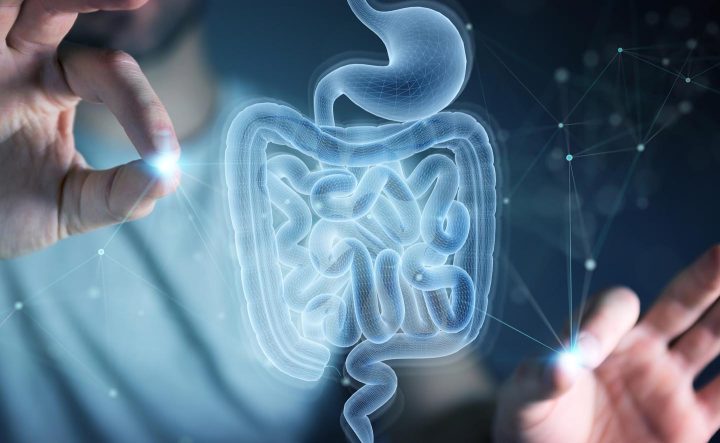
A wire model of a digestive system in the hand of a therapist.

Unbalancing the microbiome

Just as the composition of our gut bacteria appears to influence how we fare with COVID, the reverse might also be true – a COVID infection could affect the make up of our gut bacteria. Specifically, it seems COVID might throw off the balance between “good” and “bad” microbes in a person’s microbiome.

Studies have shown a significant difference in the gut microbiome between COVID patients and healthy people.((Zuo T, Liu Q, Zhang F, et al. Depicting SARS-CoV-2 faecal viral activity in association with gut microbiota composition in patients with COVID-19. Gut 2021;70:276-284. https://gut.bmj.com/content/70/2/276)) We see a reduction in bacterial diversity in the gut in COVID patients – so a smaller range of species, as well as substantial differences in the species of bacteria present.((Bernard-Raichon, L., Venzon, M., Klein, J. et al. Gut microbiome dysbiosis in antibiotic-treated COVID-19 patients is associated with microbial translocation and bacteremia. Nat Commun 13, 5926 (2022). https://doi.org/10.1038/s41467-022-33395-6))

Notably, scientists have observed a reduction in a group known as commensal bacteria in COVID patients, which act on the immune system to help prevent invasion by pathogens.((Yeoh YK, Zuo T, Lui GC, et al. Gut microbiota composition reflects disease severity and dysfunctional immune responses in patients with COVID-19. Gut 2021;70:698-706. https://gut.bmj.com/content/70/4/698)) This may increase our risk of other infections after COVID. Simultaneously, there appears to be an increase in a variety of opportunistic pathogenic bacteria that are known to cause infections.

This “imbalance” is called dysbiosis, and these changes have been shown to still be present in patients 30 days post-infection.((Yeoh YK, Zuo T, Lui GC, et al. Gut microbiota composition reflects disease severity and dysfunctional immune responses in patients with COVID-19. Gut 2021;70:698-706. https://gut.bmj.com/content/70/4/698))

Recent studies have suggested gut dysbiosis is linked to the movement of gut bacteria into the blood during a COVID infection.((Bernard-Raichon, L., Venzon, M., Klein, J. et al. Gut microbiome dysbiosis in antibiotic-treated COVID-19 patients is associated with microbial translocation and bacteremia. Nat Commun 13, 5926 (2022). https://doi.org/10.1038/s41467-022-33395-6)) In mice, COVID caused changes in a variety of parameters associated with gut barrier permeability, meaning things can theoretically move more easily through the gut wall.

In 20% of human COVID patients in this same study, certain bacteria from the gut had migrated into the bloodstream. This group was at higher risk of developing a secondary infection in the blood.

Research is now also showing that dysbiosis following COVID may contribute to long COVID,((Lantinga MA, Mönkemüller K. COVID-19 in gastroenterology and hepatology: Where will we be? United European Gastroenterol J. 2021 Sep;9(7):743-744. https://doi.org/10.1002%2Fueg2.12121)) with gut dysbiosis more prevalent in patients presenting with long-term COVID symptoms.((Giannos, P. and Prokopidis, K. (2022), Gut dysbiosis and long COVID-19: Feeling gutted. J Med Virol, 94: 2917-2918. https://doi.org/10.1002/jmv.27684)) This makes sense because dysbiosis seems to put the body in a heightened and constant state of inflammation – something that’s associated with chronic COVID symptoms.((Yeoh YK, Zuo T, Lui GC, et al. Gut microbiota composition reflects disease severity and dysfunctional immune responses in patients with COVID-19. Gut 2021;70:698-706. https://gut.bmj.com/content/70/4/698))

Supporting your immunity

As we continue to develop a more comprehensive understanding of gut microbes and their role in inflammation, how can you help keep your immune system healthy to protect yourself against COVID and other infections?

Certain nutrients, including vitamins A, C, D and E as well as iron, zinc and omega-3 fatty acids, all have positive effects on immune responses against viral infection.((Zhang, L, Liu, Y. Potential interventions for novel coronavirus in China: A systematic review. J Med Virol. 2020; 92: 479– 490. https://doi.org/10.1002/jmv.25707))

A Mediterranean diet, which is rich in vitamins, minerals and dietary fiber, has an anti-inflammatory effect in the gut.((Ganesan, K.; Chung, S.K.; Vanamala, J.; Xu, B. Causal Relationship between Diet-Induced Gut Microbiota Changes and Diabetes: A Novel Strategy to Transplant Faecalibacterium prausnitzii in Preventing Diabetes. Int. J. Mol. Sci. 2018, 19, 3720. https://doi.org/10.3390/ijms19123720)) Interestingly, a strain of bacteria known as Faecalibacterium prausnitzii is key to immune regulation.((Nagpal R, Shively CA, Register TC, Craft S, Yadav H. Gut microbiome-Mediterranean diet interactions in improving host health. F1000Res. 2019 May 21;8:699. https://doi.org/10.12688%2Ff1000research.18992.1)) It’s frequently low in the western diet, but abundant in the Mediterranean diet.
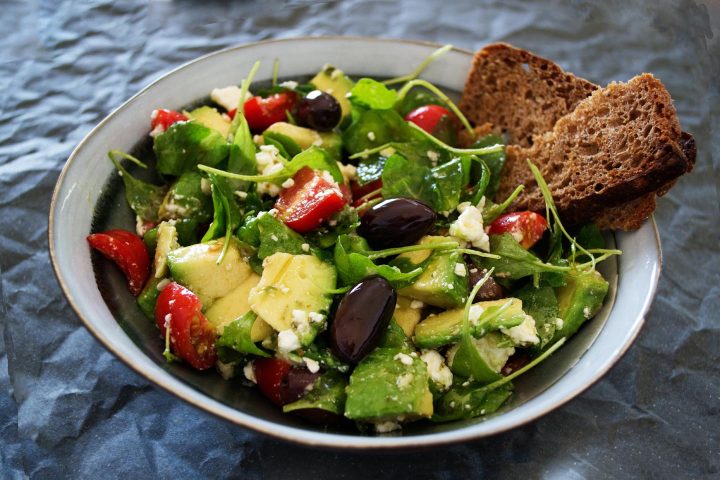
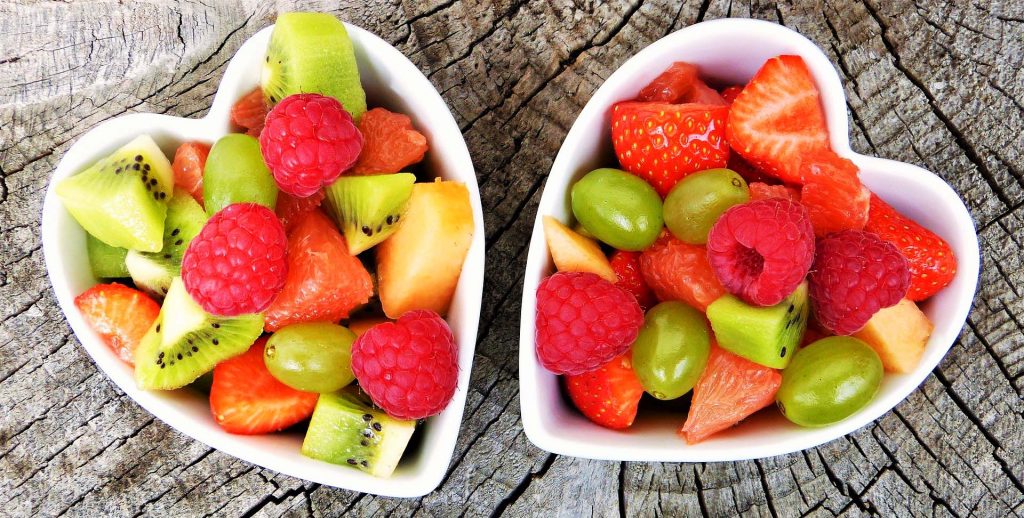
A typical salad of a mediterranean diet

Ideally you should avoid too many refined cereals, sugars and animal fats, which can all heighten inflammation in the body.((Trompette, A., Gollwitzer, E., Yadava, K. et al. Gut microbiota metabolism of dietary fiber influences allergic airway disease and hematopoiesis. Nat Med 20, 159–166 (2014). https://doi.org/10.1038/nm.3444))

Probiotics, supplementary blends of live bacteria, may also have benefits. A blend of bacterial strains Lactiplantibacillus plantarum and Pediococcus acidilactici was shown to reduce the quantity of virus detected in the nasal passage and lungs, as well as the duration of symptoms in COVID patients.((Gutiérrez-Castrellón P et. al. Probiotic improves symptomatic and viral clearance in Covid19 outpatients: a randomized, quadruple-blinded, placebo-controlled trial, Gut Microbes,14:1,DOI: 10.1080/19490976.2021.2018899))

This combination also significantly increased the production of COVID-specific antibodies, suggesting probiotics act directly by interacting with the immune system, rather than solely changing the composition of the gut microbiome.

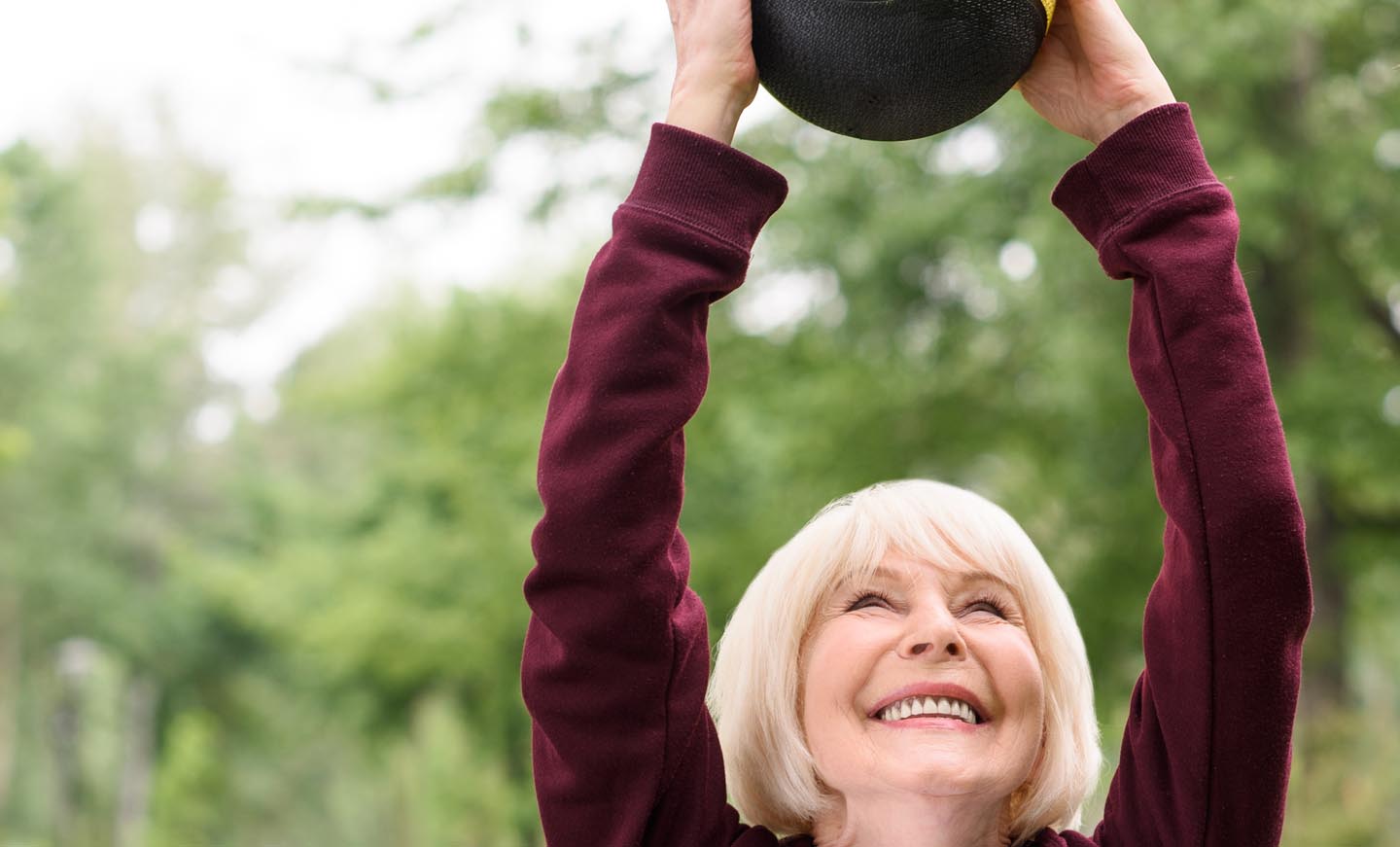
Finally, moderate exercise can also help support the immune system to fight COVID.((da Silveira MP et. al. Physical exercise as a tool to help the immune system against COVID-19: an integrative review of the current literature. Clin Exp Med. 2021 Feb;21(1):15-28. https://doi.org/10.1007%2Fs10238-020-00650-3))
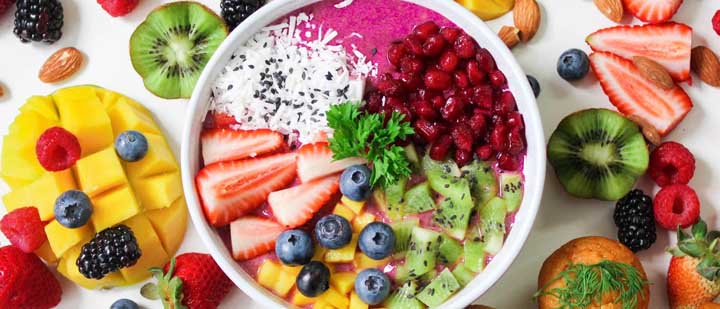
Healthy Fruits

Stay Always Up to Date

Sign up to our newsletter and stay always informed with news and tips around your health.

Sign Up Now!

This article is republished from The Conversation under a Creative Commons license. Read the original article.

The Conversation

Filed Under: Body Systems, COVID-19, Digestive Tract, Diseases, Immune System Tagged With: microbiome

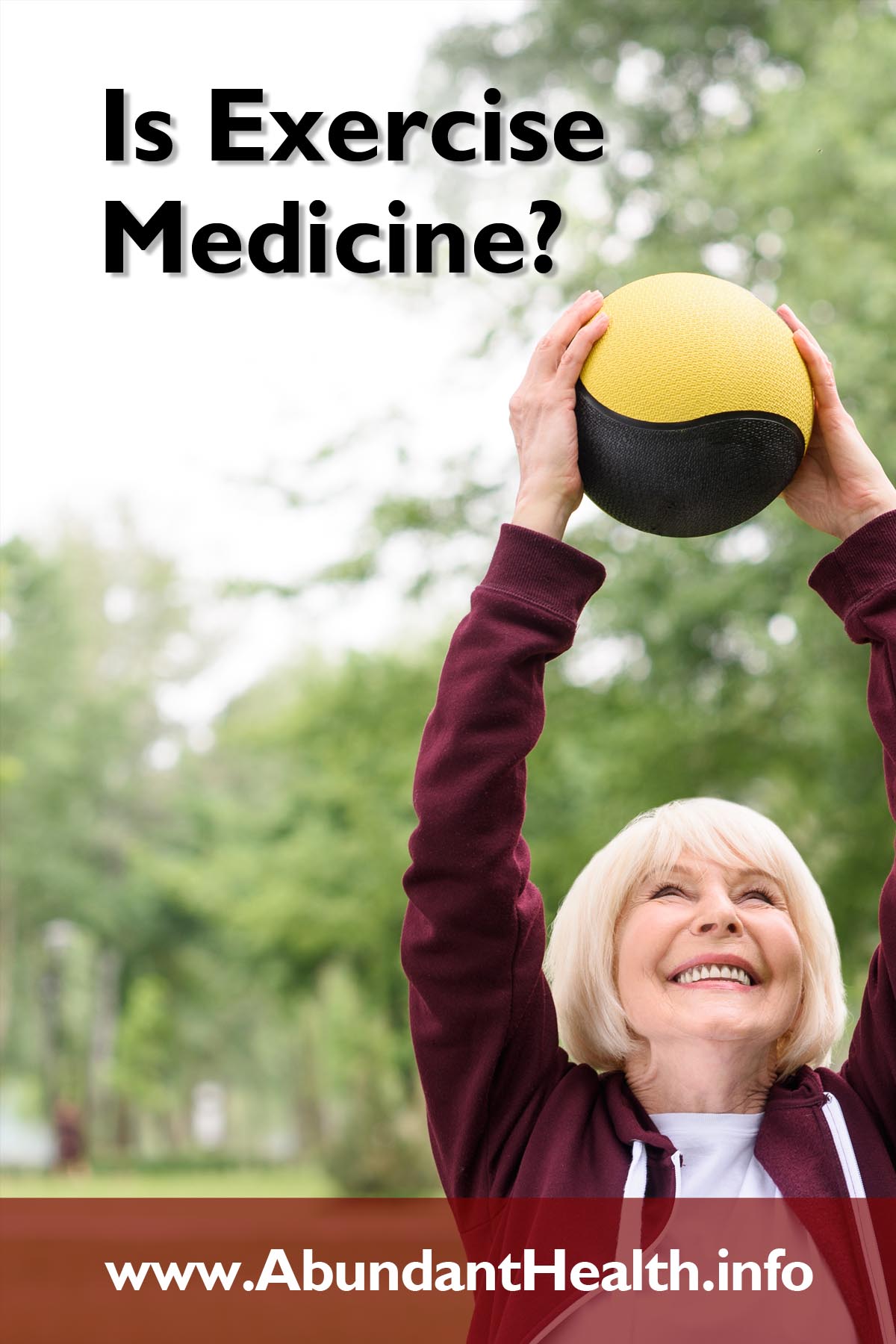
Is Exercise Medicine?

September 11, 2022 by Franklin V. Cobos II - [rt_reading_time label="Reading Time:" postfix="minutes" postfix_singular="minute"]

Is Exercise Medicine?

Despite the resistance of some, I personally continue to insist that exercise plays a vital role in the maintenance of wellness. Exercise has proven to be more than merely a preventative measure that simply maintains a pre-existing state of good health; it is also very therapeutic and can slow or reverse serious illness. And we know much today how exercise can help you to improve your immune system.

Is Exercise Medicine?

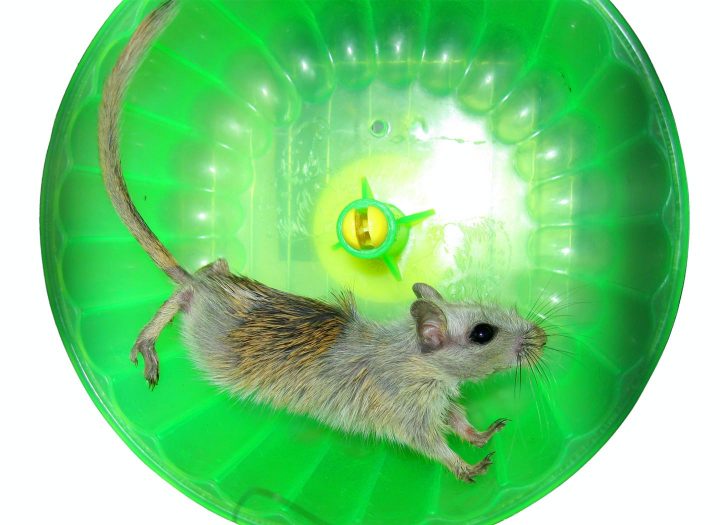
I find it strange and disappointing that mice with cancer will spontaneously choose to use an exercise wheel placed in their cage and enjoy measurably improved health outcomes, but that human counterparts will actively resist the prescription of exercise programs and thus lose the proven benefits that they would otherwise accrue.((Hojman P, Gehl J, Christensen JF, Pedersen BK. Molecular Mechanisms Linking Exercise to Cancer Prevention and Treatment. Cell Metab. 2018 Jan 9;27(1):10-21. doi: 10.1016/j.cmet.2017.09.015. Epub 2017 Oct 19. PMID: 29056514.)) I just have to ask, “Why is that!?” Why is it that animals will voluntarily do the right thing, but often with only great difficulty will people be coerced to do what is in their own best interests? It reminds me of when all the animals spontaneously showed up on their own to board Noah’s ark after 120 years’ worth of failed attempts to give away free tickets to ride out the coming storm and cataclysmic, worldwide flood!

If exercise is medicinal, how “medicinal” is it? Well, in the aforementioned study involving mice with cancer researchers deprived a control group of mice of having the option to freely exercise on spinning wheels inside their cages.((Hojman P, Gehl J, Christensen JF, Pedersen BK. Molecular Mechanisms Linking Exercise to Cancer Prevention and Treatment. Cell Metab. 2018 Jan 9;27(1):10-21. doi: 10.1016/j.cmet.2017.09.015. Epub 2017 Oct 19. PMID: 29056514.)) This dramatically reduces their physical activity. These mice were then compared to a matched group of cancerous mice that were granted their very own, private little version of Planet Fitness inside their cages (totally free of charge to them and open 24 hours a day, seven days a week).

Mouse in exercise wheel

The results of the study indicate that tumor growth was reduced in all mice that exercised. In cases of liver and lung cancer, the reduction was 59% and 58% respectively. And in mice with melanoma, tumor growth was reduced by 67%. That’s medicinal enough to grab my attention, how about you? If I had cancer, I would be happy to engage in therapy that had those kinds of proven outcomes. Especially if I didn’t have health insurance, or didn’t want to risk experiencing the known side effects and adverse events associated with standard cancer treatments such as chemotherapy.

At this point, you should probably be asking the questions, “How does exercise actually achieve these amazing immune-enhancing effects?” Before pharmaceutical agents are approved for general use in the public, regulatory requirements typically demand evidence of their mechanism of action. If it’s not a placebo, then you should expect to see some scientific reason that explains exactly why it works to help people. So then, what is it that happens in the body when one exercises that is so beneficial as to consider it to be medicinal? For simplicity, I will narrow the discussion of the known mechanisms whereby exercise improves how the body more successfully fights against disease. The mechanisms are complex and many, so let’s start with one that is not too hard to understand. Relax, I’ll try to make this less complex than your average doctor would!

Role of Natural Killer Cells

One of the important issues we have identified is the role that natural killer (NK) cells have in immune function. NK cells are a sub-type of lymphocytes. They make up about 5-15% of all your lymphocytes, which in turn make up around one-third of all your white blood cells (WBCs). These are the ones that respond to help you fight infection, as opposed to red blood cells (RBCs) which contain the hemoglobin that transports oxygen throughout the circulatory system.

What makes normal functioning NK cells so interesting and important is that they do not require any knowledge, prior instruction, or memory of an invader to identify, attack, and destroy it. No antibodies are required, no previous exposure or vaccinations (just like the conditions presently dominating the SARS-CoV-2 pandemic). If you isolate NK cells from a healthy person and put them into a culture with cancer cells, it only takes a few hours before most of the cancer cells are dead! How this happens is largely beyond the scope of this article. BUT… I will tell you how exercise improves NK cell’s function.

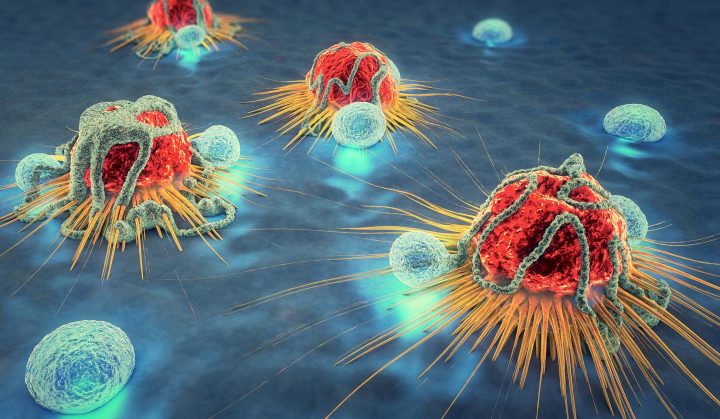
immune system cells attacking cancer cells
3d illustration of immune system cells attacking cancer cells

Catecholamines (epinephrine, for example, is one of them) are released into the bloodstream during exercise. NK cells have receptors on their surface that respond favorably to these catecholamines, making NK cells move around more, and become more active in their assault against your body’s enemies (both foreign and domestic). Research showed that after 30 minutes of moderate exertion on a stationary exercise bicycle the number of lymphocytes in the bloodstream increased by 100%.((Graff RM, Kunz HE, Agha NH, Baker FL, Laughlin M, Bigley AB, Markofski MM, LaVoy EC, Katsanis E, Bond RA, Bollard CM, Simpson RJ. β2-Adrenergic receptor signaling mediates the preferential mobilization of differentiated subsets of CD8+ T-cells, NK-cells and non-classical monocytes in response to acute exercise in humans. Brain Behav Immun. 2018 Nov;74:143-153. doi: 10.1016/j.bbi.2018.08.017. Epub 2018 Aug 30. PMID: 30172948.)) And, the specific sub-type of lymphocytes that increased the most, 400-500%, was the NK cells! Researchers continued taking blood samples, and within only 5 minutes from stopping exercise, about half of all those NK cells had left the bloodstream and entered adjacent tissues looking for a fight to win.

Call to Action

These types of laboratory findings have hopeful implications for the current pandemic, suggesting those who follow the recommended guidelines for regular exercise could reasonably expect to have a much greater margin of safety for their immune function when they are exposed to others around them who are actively shedding viruses (of all types). What those recommendations are, and how one might go about beginning to implement them into daily practice will be the topic of upcoming articles, along with additional encouraging research findings relating to exercise and immune function.

Healthy Fruits

Stay Always Up to Date

Sign up to our newsletter and stay always informed with news and tips around your health.

Sign Up Now!

This article was originally published on the Time to Get Ready website.

Filed Under: Exercise, Healthy Lifestyle, Immune System Tagged With: exercise health benefits, immune system

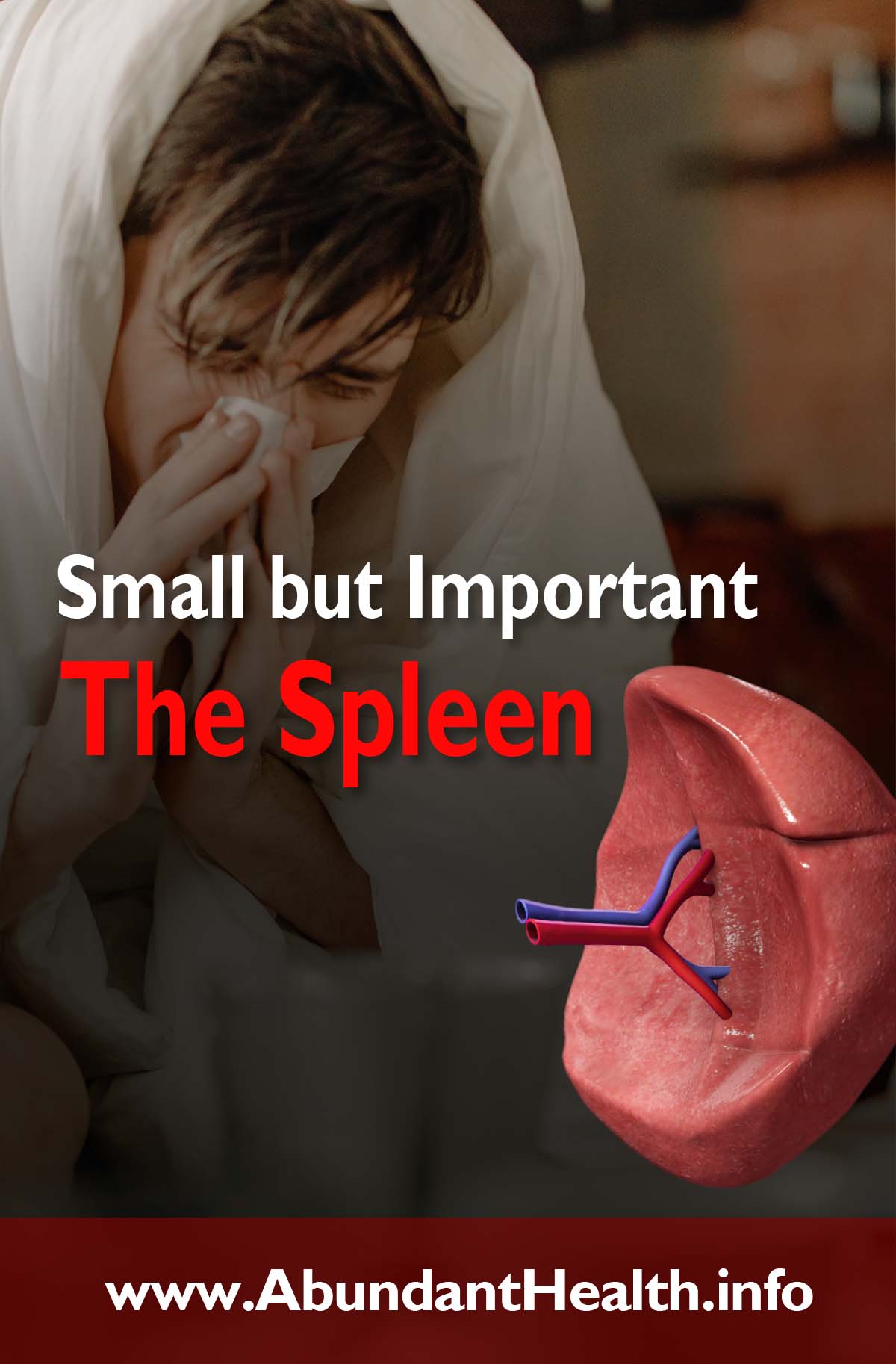
Small but Important – The Spleen

July 25, 2021 by Esther Neumann - [rt_reading_time label="Reading Time:" postfix="minutes" postfix_singular="minute"]

Klein aber wichtig-Die Milzil

If everything is going well in the bloodstream, it is not even palpable. The doctor can only palpate it when it is enlarged. It has very important tasks in the defense against diseases and in the red blood cell turnover. But if necessary, you can live without it.

Small but Important - The Spleen
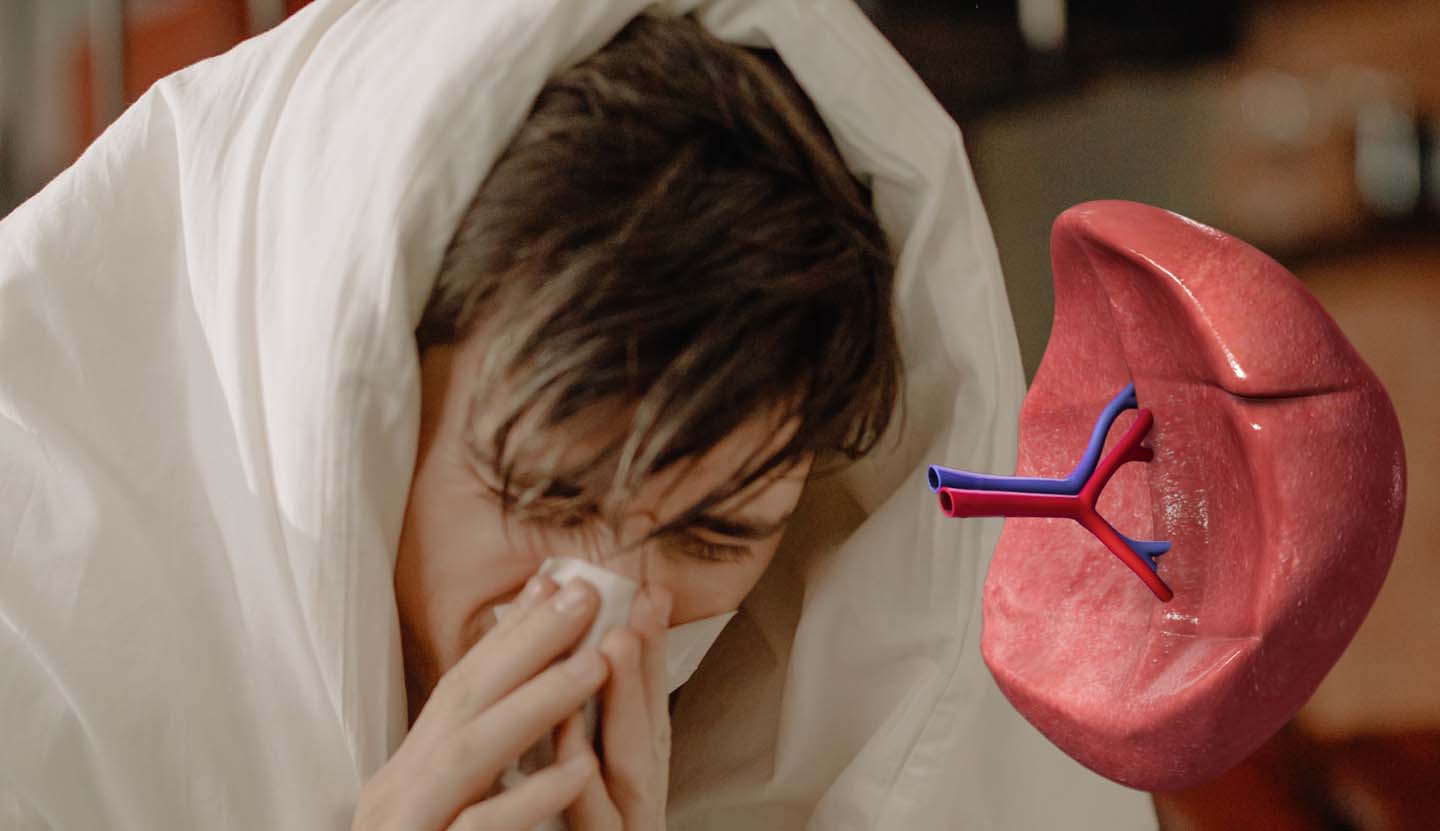
Spleen Illustration by scientificanimations.com CC BY 4.0

The spleen is a soft, small, spongy organ just 3 inch wide and 4 inch long (7×11 cm). It is located in the left upper abdomen at about the level of the tenth rib. It is limited by the stomach, the left bend of the colon and the left kidney. A healthy spleen weighs between 5 to 7 ounces (150 – 200 grams) and is only palpable when it swells. Then it can weigh up to 4 pounds (2 kg).

If you cut through the spleen, you can see a framework of connective tissue and whitish and reddish areas. The white pulp is made up of the lymphoid follicles and the periarterial lymphatic sheaths. The color of the red pulp is due to the presence of the many red blood cells in the spleen capillaries. About a quarter of the tissue consists of white pulp and three quarters of red pulp.

Two Important Tasks

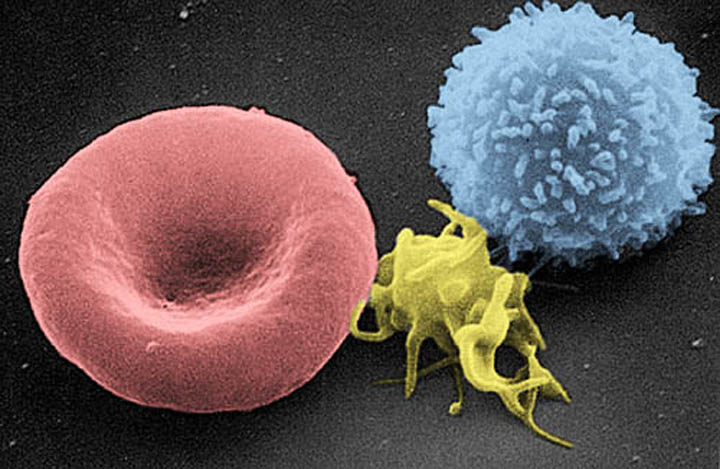
The spleen is one of the lymphatic organs, so it plays an important role in defense against disease and thus has a similar task to the lymph nodes. The individual lymph nodes only filter the lymph from a certain region of the body. But the spleen is responsible for the entire bloodstream. With a local infection, individual lymph nodes become inflamed. However, if many pathogens are washed into the bloodstream, the spleen swells, a sign that it has to work harder. The white pulp takes on this task of defense against disease. There are around 20 times as many lymphocytes in the spleen as in all lymph nodes combined. Lymphocytes are small, white blood cells that play a major role in the specific immunity.

Red blood cell and lymphocyte - Electron Microscopy Facility at The National Cancer Institute at Frederick (NCI-Frederick), Public domain, via Wikimedia Commons
Red blood cell and lymphocyte

The red pulp has completely different tasks. It appears so red because there are so many red blood cells swimming around in it. The aged corpuscles are broken down in the spleen. The red blood cells have to squeeze through a tight network. Young blood cells can deform themselves very well and easily squeeze through the narrow blood vessels. Old blood cells can no longer be deformed as easily. They get stuck in the tight network and are broken down by the phagocytes. During this cell turnover of the blood, the red blood pigment hemoglobin is released.

The body uses its breakdown products very sparingly and recycles a lot, including hemoglobin. It is converted into bile pigments and released into the bile by the liver. This is why jaundice can occur with an increased breakdown of blood cells. Neonatal jaundice is particularly well known.

The spleen also has other functions. In babies, it makes red blood cells. In adults, this task is performed by the bone marrow. It also stores platelets, which are released to help blood clot when bleeding. But it also recognizes small thrombi and breaks them down. It also produces some of the macrophages, the phagocytes that flow around and digest foreign bodies in the blood and play an important role in the immune system.

Anthrax

Anthrax is a zoonosis, a disease that affects animals and can be transmitted to humans, but not from person to person. It occurs mainly in people who deal with animals a lot, such as farmers or butchers. In our latitudes it is rare today, but it is more common in warm regions such as South Africa. It is a reportable infectious disease. It is transmitted by the Bacillus anthracis, hence the name anthrax. The bacilli form spores. In this inactive form, they are very stable against heat, dehydration, radiation and disinfectants. They can remain in a pasture for a long time before they are ingested by animals.

A butcher cuts meat - Photo by Kindel Media from Pexels

The disease can appear as skin, lung, or intestinal anthrax. The spleen is enlarged, darkly colored and looks like it has been burned. The symptoms of the disease are like those of an infection. If it is recognized quickly, it is easy to treat. If treatment is delayed, it is difficult. There may be a high fever, lung failure and shock.

Anthrax was picked up by the media as a biological weapon. A few years ago, a lot of unrest was created when some real and some ineffective white powder was sent by post. There is no need to be afraid of this biological weapon. Though it is possible to use it in a very targeted way, it involves some complicated procedures. You have to pack the spores correctly and spray them in the right size so that they can be picked up.

Spleen Removal

The spleen is not essential for life. You can live without it. In adults, the lymphatic function can be taken over by the lymph nodes. The liver steps in to break down blood. Even so, the spleen should not be removed lightly. For example the risk of blood poisoning is much greater without a spleen. Immediately after removal of the spleen, patients are also much more at risk of developing pneumococcal pneumonia. It takes time for other organs to take over the task of the spleen and protect the body from disease.

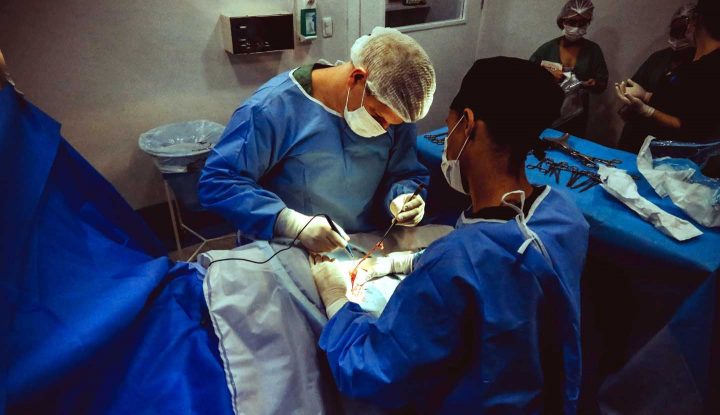
An important reason for removal is, for example, a capsule tear. The spleen is surrounded by a capsule that is very well supplied with blood. In the event of bruises, it easily bursts. There is profuse bleeding. In the past, the spleen was simply removed in such cases. Today a surgeon may try to glue the crack because the spleen is such an important organ in defense against disease. During operations, the surgeon has to work very carefully around the spleen. If he injures the capsule, the bleeding is hard to be stopped.

An operation -  Photo by Vidal Balielo Jr. from Pexels

In the case of increased blood breakdown, special forms of anemia or leukemia and malignant tumors, it often has to be removed.

After the spleen has been removed, the patient is monitored very closely in the hospital. The blood count is continuously monitored. In this phase no inflammation or any other disease is permitted, because an important part of the immune system was removed. Even after the hospital stay, the immune system must be strengthened through a vitamin-rich diet and plenty of exercise in the fresh air.

The spleen, however small the organ, has an important function. It can be replaced in an emergency, as we have seen. But as long as we have it, we want to protect and preserve it through a sensible, immune-boosting lifestyle. This not only benefits our physical health, but also our spirit and soul. We can think better and communicate better with others and with our Creator.

We have a special opportunity just for you. If you want to receive practical and up to date advice on how to implement an immunity-boosting lifestyle, simply join the Coronavirus Immunity Challenge and prepare yourself to face the pandemic with a bullet-proof immune system.

Sign Up Now

Coronavirus Immunity Challenge

Filed Under: Body Systems, Immune System

How to Bullet-Proof Your Immune System Against the Coronavirus

April 2, 2020 by Martin Neumann - [rt_reading_time label="Reading Time:" postfix="minutes" postfix_singular="minute"]

We are passing through difficult times. A pandemic affecting the entire world, and not yet an end in sight. So far there are no effective remedies, and the development of a vaccine is at least a year away. Health professionals are struggling to keep the pandemic under control. But there is a protection available for everybody, this is our immune system.

Our immune system is like an army of soldiers inside of us, that is prepared to fight off any invader that is coming along. Each cell of the immune system has a very specific function. There are T-lymphocytes who are like a special intelligence force trying to identify the invaders, and producing antibodies to recognize them faster in the future. There are phagocytes that work to engulf invading germs and dissolve them with powerful enzymes. Some cells have specialized weapons against germs, like the natural killer cells.

In short, the immune system is well prepared to protect our body against an infection. We just need to help the immune system, so that it is able to work effectively and with peak performance. It is good to remember, that elderly persons and those with chronic diseases need to take extra care to keep their immunity strong. Let’s dive right in to see what we can do to keep our immune system bullet-proof against any invader.

Focus on balanced Nutrition

Making nutrition a priority is something that you need to constantly pay attention to. Be sure to focus on variety in your diet. There are many restrictive diets that can get you in trouble. A keto diet for example can give you several side effects like bad breath, fatigue, irregular menstrual cycles and sleep issues. Carbohydrates are essential for energy, though you should focus on unrefined sources and avoid excess. If you are on raw food, you may have a hard time getting sufficient protein, which is crucial for the production of immunity cells. In the realm of fats, focus on healthy sources like avocados, olives, nuts and especially Omega 3 sources like flaxseed and chia. Making nutrition a priority during a pandemic means making sure everyone in the house eats healthy by having a balanced diet.

Nutrient-rich foods such as beans or lentils, whole wheat foods, and foods high in fiber should be on your grocery list. The best thing about such foods is that they can be prepared in various ways and they can be mixed with other foods. You not only enjoy your meal, but you get the complete nutritional benefits as well.

Foods from animal sources tend to weaken your health and should be avoided. A study found that a vegetarian diet increases Natural Killer cell activity by a factor of 2.34 compared to an omnivorous diet. And the fiber content in all-natural plant foods can do a lot to control inflammation in the body. A balanced natural diet has also a beneficial effect on gut microflora. Going vegetarian and focusing as much as you can on natural food sources can go a long way to strengthen your immune system.

Avoid Refined Sugar

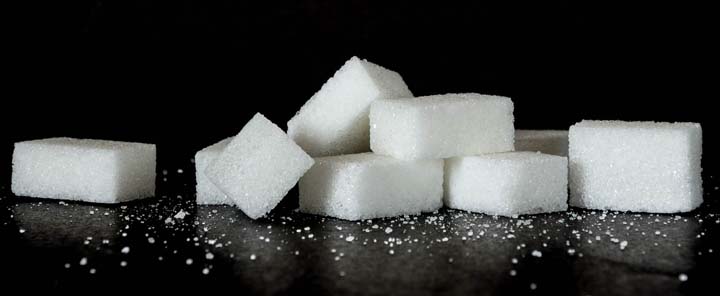
Sugar is an enemy of the immune system

One of the greatest enemy of the immune system is refined sugar. Sugar quickly inactivates the germ-killing foot soldiers—the phagocytes. For example, just one soft drink, containing 12 teaspoons of sugar, is enough to weaken the protective ability of our body’s white blood cells by 60%, for a period of 5 hours. In plain English, a phagocyte that normally kills about 14 germs, will now tackle only 5. That’s not going to protect you enough. If you are drinking 2-3 cans of soft drinks per day, your immune system will be literally without any defense.

Some people think they need to avoid only refined sugar but can indulge freely on honey, maple syrup, raw sugar, molasses, agave syrup, fructose and other sugar substitutes. While these options are slightly healthier, all of them will cause the same damage to our immune system, when used in excess.

Unfortunately, our sugar consumption has increased drastically during the last centuries. While in 1870 the average American consumed around 10 teaspoons of sugar a day, this figure has risen to 43 teaspoons in 1991. And sugars are hiding everywhere, including breakfast cereals, ketchup, tomato sauce, yogurt, and bread.

There is no way around, if we want to stay healthy, we need to train our taste buds to a gentle sweetness in our food. Appreciate the natural tastes of your fruits. To give a little zest to your recipes, a moderate dose of dates or dried fruits can help. The consumption of honey or other sweeteners you may want to limit to 2-3 teaspoons per day.

You may find these measures very restrictive. You may find out that you are addicted to sugar and have a hard time to quit. But think about it. Does it come easy to stay at home and avoid contact to other people? Is it easy to follow all the other restrictions? We are going at great lengths to avoid any exposure to the virus. But if there is anything that can keep you save in this crisis, it is avoiding sugar. It will be surely worth your efforts.

Eat More Fruits and Vegetables

Fruits are beneficial for the immune system

Fruits and vegetables are excellent sources of high-nutrient foods that will keep you healthy during a pandemic. By eating natural foods that contain an abundance of vitamins and minerals, you can help keep your immune system operating smoothly. They are loaded with lots of phytochemicals and antioxidants, substances that are able to protect you in many different ways. Each one has a different function, that’s why it is recommended to eat a rainbow of different colors and varieties of our fruits and veggies.

There are many concerns that may arise when it comes to best ways of treating your groceries, such as safe ways of washing and preparing them. Some social media posts have suggested even to keep groceries for 3 days in the garage before bringing them in. Nonetheless, this is not something that you need to worry too much about.

Experts say that in a period of 8 hours half of the germs have already died off. Continue washing your fruits and vegetables the same way you always do. There is no need for using sanitizers to wash your fruits and vegetables like most people assume. Soap should never be used to wash your food. Experts advice though to take extra precautions to wash hands after coming home from shopping, before and after preparing your meals, and before eating.

Supplementation

Ideally you should get your vitamins and minerals from fruits and vegetables. Governments recommend a minimum of 5 daily portions to keep you healthy. If your consumption is below that level, there are good chances that you can develop vitamin and mineral deficiencies. Elderly people tend to have less absorption, and certain conditions like alcohol and tobacco consumption, stress and the use of contraceptive pills can increase the demand of those essential vitamins.

Further aggravating is the production of many fruits and vegetables based on chemical fertilizer. Lacking the supply of essential micronutrients, the soil gets depleted over time, and lacking adequate organic matter, most of the soil is sterile, without essential microorganisms that help in the absorption of nutrients at the root level of the plant. If you have access to fresh organic produce, it is definitely going to have much higher concentrations of vitamins and minerals then your conventionally grown veggies.

Vitamins are sensitive to light, heat and oxidation. Therefore, the fresher you can get your vegetables, the better for you. Overcooking will greatly reduce the vitamin concentration in foods, and it is recommended to eat 50 to 70% of your fruits and vegetable in raw. Sprouting some of our seeds can be very powerful to potentialize their vitamin concentration.

If you need to complement your vitamin intake with supplements, it is beneficial to combine them with their natural sources. Several studies have shown that the body absorbs and uses vitamins better when they are coming from a dietary source. Fruits and vegetables are loaded with phytochemicals that show beneficial effects way beyond the realm of vitamins. It was discovered that a single tomato contains more than 10,000 different phytochemicals, many of them being antioxidants or protecting the body in some other manner.

Vitamin C

Vitamin C is probably the most popular supplement to increase immune system function. It supports a variety of immune system cells and serves as a powerful antioxidant. Studies have shown the efficiency of Vitamin C to reduce the duration and severity of a common cold. A hospital in Shanghai used intravenous Vitamin C to successfully treat coronavirus patients. Being a water-soluble vitamin, any excess is excreted by the kidneys, and since it is not stored by the body, it needs to be consumed daily.

Common food sources are all citrus friuts, papayas, kiwis, mangos, strawberries, bell peppers, rucola, spinache, cabbage and broccoli. Kale is an excellent option, and it will increase in Vitamin C concentration when it is slightly steamed.

For supplementation, a daily dose of 500 mg is recommended. A higher dose will just put an extra burden on the kidneys, and very high levels can lead to diarrhea.

Zinc

Zinc is essential for immune cell development and communication, and plays an important role in the inflammatory response. A deficiency can significantly affect your immune system and make your more susceptible for viral infections. The probability of zinc deficiency increases with age, and about 30% of older adults are considered to be deficient.

The main plant sources of zinc are legumes like beans, lentils, chickpeas and peanuts. Flaxseed and sesame are good sources as well. If you plan to supplement, a daily dose of 20 mg would be fine.

Vitamin D

This is the only vitamin that you rarely get from food sources, but acquire it normally by exposure to sunshine. The hours for optimum vitamin D production are between 10 am and 2 pm. If you expose a substantial amount of your skin to the sun, you need about 15 minutes of exposure on a hot summer day, without using any sunscreen. If you have a darker skin color or your area of exposure is less, you need to increase this time. Elderly people tend to have lower absorption as well. Be sure to start slowly and increase your exposure gradually to avoid sunburn.

It is a good idea to get your Vitamin D levels tested, since deficiency is very common in our days. If your sun exposure is not sufficient, most people do fine with a supplementation between 1,000 and 4,000 UI, though those with more serious deficiencies often require much higher doses. Vitamin D is a fat-soluble vitamin. For better absorption, take the supplement together with a meal, since it will depend on the fat present in the meal to be transported into the bloodstream. Be cautious about the right dosage, since any excess is stored in the fat tissues and can accumulate in the body.

Magnesium

Magnesium is important for more than 300 biochemical reactions in the body, among them it supports a healthy immune system. About 57% of the US population does not meet the recommended daily intake of this mineral.

Common food sources are various types of nuts, sesame, flaxseed, soy, beans, chickpeas, peanuts, spinach and several whole grains. If you need to supplement, a dose of 400 mg per day would be adequate.

Selenium

Selenium has an important function for our immune system, and in certain areas of the world, the soil is deficient in selenium. For that reason, selenium concentration in food sources can vary widely. One of the best sources are Brazil nuts, and a daily dose of just 2 nuts will already exceed your daily requirements.

B Vitamins

B vitamins, including B12 and B6, are important for healthy immune response.  Many adults are deficient in them which can negatively affect the immune system. A B12 deficiency is quite common among vegetarians and elderly people, and regular testing is recommended to avoid adverse side effects for the nervous system as well as immunity.

Probiotics

The digestive tract serves as an immune organ by protecting your body from harmful microbes, that you may have consumed with your food. Having a healthy flora of beneficial microorganisms in your gut can go a long way to protect you against those invaders. You can find probiotics in fermented foods like yogurt, sauerkraut and kombucha. Probiotics are available as supplements as well.

Herbs and Spices

Garlic has powerful anti-inflammatory and antiviral properties. It stimulates several immune cells like Natural Killer cells and Macrophages. Together with onion, they are probably the best spices to strengthen your immune system.

Tumeric is known for its powerful anti-inflammatory properties, and studies indicate it may improve immune function.

Echinacea has been shown to improve immune health and may have an antiviral effect on several respiratory infections.

Propolis is a resin-like substance produced by honeybees and is known for its immune-boosting capacities.

Elderberry has been shown to improve immunity, reduce upper respiratory infections, and demonstrates potent antibacterial and antiviral properties.

Licorice is another good option to try. According to test tube research, it was shown to provide antiviral activity against the SARS coronavirus. However, individuals who have high blood pressure, eating disorders, diabetes, heart and kidney conditions, and low potassium should avoid taking licorice. Avoid licorice candy because of the adverse effects of sugar, and use licorice for no more than 2 weeks, since it will lower postassium levels.

Stay Hydrated

Drinking lots of water will keep your body hydrated and will drain any accumulation of bacteria or viruses in your mouth or throat. Avoid drinking sugared or soda drinks – the sugar will only contribute in dehydrating your body. Did you ever try to wash your hands with coke? Just imagine! Or did you try to wash a pile of plates with only one cup of water? Does not work too well either! So what you need to clean your body is nothing else than pure water, and plenty of it.

The bloodstream, which is the highway to transport the immune system’s troops, is kept flowing freely by adequate amounts of water. In addition, the mucus membranes of the nose and mouth also need plenty of water to maintain a protective barrier against invading germs. A generous consumption of water helps also the kidneys to clean out toxins from the body.

Get Plenty of Exercise

Exercise makes the circulatory system stronger—this includes
the lungs, heart, and blood vessels. The circulation is the carrier that will transport the immunity cells to their field of labor. A vigorous exercise guarantees that the stale capillaries are getting nourished with fresh blood and the circulation of the entire body is getting revitalized. This results in an improved communication of the various cells of the immune system. The lymphocyte activity is greatly enhanced as well.

Exercise also neutralizes the harmful effects of stress by stimulating the release of natural “feel good” chemicals like endorphins. Stress is especially counteracted when exercise is combined with the immune system’s allies—fresh air and sunlight.

What exercise is best? You can do anything that is fun for you, but walking would be a good starting point. And don’t be afraid about getting infected when leaving your four walls, if you maintain distance to other people, you are pretty safe. If you prefer a home workout, that is fine as well. But whatever you do, be sure to implement a daily exercise routine. Start slowly and build up your forces gradually. And you don’t need to run a marathon, actually any excessive activity that leaves you exhausted can even weaken your immune system.

Avoid Addictive Substances

It makes a lot of sense to avoid anything that can harm your body in order to strengthen your immune system. That said, we should shed some light on some common pratices of substance abuse.

Alcohol cripples the body’s internal army. This suppression of the immune system is seen even with moderate amounts of alcohol. Its use increases the risk of diseases such as tuberculosis, viral hepatitis, cancer, and AIDS.

Tobacco also contains harmful chemicals that immobilize the immune forces and stimulate the development of cancer. The large airways contain cilia, which are special hair-like cells that keep sweeping germs and injurious particles away from the delicate lung tissues. Tobacco smoke paralyses these protective cilia, so that germs and particles can easily enter the lungs and cause serious damage. Smokers and those with respiratory disease have a higher risk of serious illness and complications from coronavirus.

Caffeine, one of the world’s most popular drugs, is found in coffee, tea, and soft drinks, as well as some traces in chocolate. Recently caffeine has been on the news, touting the health benefits of your daily cup of coffee. However, few people tell you that caffeine contributes to mental stress, irritability, anxiety, and depression, which stimulate chemicals that further weaken the immune system.

Many prescription medications may also be injurious to the immune system. Be aware of the dangers and don’t use them unnecessarily.

Contrast Shower

Working your circulation with a contrast shower can do much to improve your immune system. Start your shower with 3 minutes of hot water, as hot as you can stand. Then finish off with 30 seconds of cold. If you need an extra boost, you can repeat the hot and cold cycle for 3 times. Resting for a few minutes after the shower will potentialize the immune system boost.

Get more Sleep

Rest plays an important role in immune function. The hours of deep sleep before midnight is prime time for the repair and replacement of worn-out cells and tissues. During this period, the body’s housekeepers and work best to restore its guardians to top fighting shape. Under ideal sleep conditions, damaged immunity cells are more rapidly replaced by new ones.

This immunity restoration takes place starting at 9:30 pm, if you manage to get to bed in time. If you are staying in front of the TV until midnight, you have already lost out on the immunity repairing phase of your sleep.

Reduce Stress

Excessive stress can do a lot of harm to your immune system. When the stress response kicks in and the body focuses all the energies to deal with a crisis, the immune system is considered to be of secondary importance. This is fine for a short term reaction to an emergency, but gets problematic if stress levels are chronic.

Chronic stress will increase your cortisol levels, which in turn will reduce various functions of the immune system. As a result you are more susceptible to colds or even the COVID-19 coronavirus. Stress can also affect your sleep, causing even more prejudice to the immune system.

Stress will have a cumulative effect on the immune system the longer we experience it. Think of the immune system as a firewall; the longer it is down, the greater the chances that some sort of infection can take hold of us and complicate our recovery.

The Coronavirus regulations brought substantial change to our lives. For some, it brought a much-needed break from the rat race of life, for many others it brought quite an amount of additional stress. Any change in our daily routine is causing us stress, and the uncertainties of what is going to happen, and how we are going to pay the bills, are quite stressful for many. When facing such challenges, maintaining an optimistic attitude is doing much to keep your stress under control.

It is important to take all necessary precautions, but after you have done your part, watch your thoughts to maintain a positive attitude. If you are fearful about this pandemic, make an exercise to challenge your thoughts. You have done all the necessary precautions, so what is the probability of you catching this virus? And if you really got infected, what is the chance of you dying from this disease? If you are below 40 and have strong immunity, chances are rather slim. With age, the risk will increase, but there is still quite a lot that you can do to prevent it.

So the best thing you can do, after having done your part, simply stop worrying about it. Jesus is giving us the following counsel:

Therefore I tell you, do not worry about your life, what you will eat or drink; or about your body, what you will wear. Is not life more than food, and the body more than clothes? Look at the birds of the air; they do not sow or reap or store away in barns, and yet your heavenly Father feeds them. Are you not much more valuable than they? Can any one of you by worrying add a single hour to your life? … Therefore do not worry about tomorrow, for tomorrow will worry about itself. Each day has enough trouble of its own.

Matthew 6:25-34

This is really a timely counsel for us today. Think about it. What do you gain by worrying about something that you cannot change? Just do your part, and for the rest simply trust that you have a Heavenly Father who is well able to take care of you. If He provides food for the birds every day, how much more will He provide for your needs?

Then take some time and think about the purpose of your life. You have made some achievements, maybe you have even gathered some wealth. But a crisis like that can show us how fast the world around us can change. What we have done today may not be helpful for tomorrow. Just think for a moment, at the end of your life, what would you like to be remembered for? What makes your life really worthwhile?

Maybe take your eyes a bit away from yourself and look around you. Who is there who needs some help? Is there somebody that you can help to transform their life? Are there maybe some elderly around you who need your help to do shopping or other chores? Are there some people you can call and give some words of encouragement? Do you have the opportunity to make somebody a pleasant surprise? Cause the joy the other one feels that you have helped, will result in satisfaction for yourself. And this is the best you can do to strengthen your immunity.

We have a special opportunity just for you. If you want to receive practical and up to date advice on how to implement an immunity-boosting lifestyle, simply join the Coronavirus Immunity Challenge and prepare yourself to face the pandemic with a bullet-proof immune system.

Sign Up Now

Coronavirus Immunity Challenge

Interesting Links

Stress Management Tools

Sermon: How to thrive in a time of crisis – Mark Finley

The 15 Best Supplements to Boost Your Immune System

How to Protect Yourself from Super Viruses – Part 1 – Part 2

Viral Kindness – Find a Facebook support group near you and get involved in helping others

Filed Under: COVID-19, Immune System

Primary Sidebar

Social Channels

Coronavirus Immunity Challenge

Boost your immune system to be bullet-proof for the pandemic.

I Want to Participate

Recent Posts

  • asdf
  • 5 Habits to Live Longer
  • Better Sleep Can Protect Against Dementia
  • Finding Peace In Your Crazy-Busy World
  • Flaxseed – An Ancient Plant Rediscovered
  • Platelets – Triggers for Life or Death
  • Boderline Personality Disorder
  • In Praise of Almonds and Nuts

Categories

  • Body Systems (16)
    • Cell Function (2)
    • Circulatory System (1)
    • Digestive Tract (10)
    • Immune System (4)
  • Diseases (27)
    • Cancer (2)
    • Cold (1)
    • COVID-19 (11)
    • Dementia (1)
    • Diabetes (1)
    • Digestive Diseases (2)
    • Heart Disease (2)
    • Kidneys (1)
    • Metabolic Syndrome (2)
    • Skin (1)
  • Healthy Lifestyle (42)
    • Exercise (11)
    • Gardening (2)
    • Sleep (7)
    • Sunlight (2)
    • Temperance (14)
    • Water (4)
  • Mental Health (87)
    • Addictions (6)
    • Anxiety (7)
    • Burnout (1)
    • Depression (7)
    • Psychosomatic Diseases (6)
    • Stress Management (45)
    • Trust (6)
  • Nutrition (56)
  • Obesity (9)
  • Phases of Life (14)
    • Adults (3)
    • Babies and Infants (1)
    • Children (3)
    • Seniors (5)
    • Teenagers (3)
  • Therapies (7)
    • Herbs (5)
    • Hydrotherapy (1)
  • Uncategorized (4)

Archives

  • November 2025 (1)
  • January 2025 (1)
  • March 2024 (5)
  • February 2024 (4)
  • January 2024 (4)
  • December 2023 (5)
  • November 2023 (4)
  • October 2023 (5)
  • September 2023 (4)
  • August 2023 (3)
  • July 2023 (2)
  • June 2023 (4)
  • May 2023 (4)
  • April 2023 (5)
  • March 2023 (4)
  • February 2023 (4)
  • January 2023 (4)
  • December 2022 (4)
  • November 2022 (4)
  • October 2022 (5)
  • September 2022 (4)
  • August 2022 (4)
  • July 2022 (5)
  • June 2022 (4)
  • May 2022 (5)
  • April 2022 (4)
  • March 2022 (4)
  • February 2022 (4)
  • January 2022 (5)
  • December 2021 (3)
  • November 2021 (4)
  • October 2021 (6)
  • September 2021 (4)
  • August 2021 (4)
  • July 2021 (5)
  • June 2021 (4)
  • May 2021 (3)
  • April 2021 (5)
  • March 2021 (4)
  • February 2021 (4)
  • January 2021 (5)
  • December 2020 (3)
  • November 2020 (4)
  • October 2020 (5)
  • September 2020 (5)
  • August 2020 (3)
  • July 2020 (1)
  • June 2020 (1)
  • May 2020 (1)
  • April 2020 (1)
  • March 2020 (1)

Copyright © 2026 · Abundant Health - Privacy Policy - Medical Disclaimer