Abundant Health

Up to date health information tailored for you

  • Home
  • Blog
  • Recipes
  • Shop
  • Contact
You are here: Home / Archives for microbiome

microbiome

Fiber for Weight Control

December 24, 2023 by Christopher Damman - [rt_reading_time label="Reading Time:" postfix="minutes" postfix_singular="minute"]

Fiber for Weight Control

Fiber might just be the key to healthy weight management – and nature packages the carbs in perfectly balanced ratios when you eat them as whole foods. Think unprocessed fruits, vegetables, whole grains, beans, nuts and seeds. Research suggests that carbohydrates are meant to come packaged in nature-balanced ratios of total carbohydrates to fiber.((Fontanelli, M.M., Micha, R., Sales, C.H. et al. Application of the ≤ 10:1 carbohydrate to fiber ratio to identify healthy grain foods and its association with cardiometabolic risk factors. Eur J Nutr 59, 3269–3279 (2020). https://doi.org/10.1007/s00394-019-02165-4)) In fact, certain types of fiber affect how completely your body absorbs carbohydrates((Corbin, K.D., Carnero, E.A., Dirks, B. et al. Host-diet-gut microbiome interactions influence human energy balance: a randomized clinical trial. Nat Commun 14, 3161 (2023). https://doi.org/10.1038/s41467-023-38778-x)) and tells your cells how to process them once they are absorbed.((H. Douglas Goff, Nikolay Repin, Hrvoje Fabek, Dalia El Khoury, Michael J. Gidley, Dietary fibre for glycaemia control: Towards a mechanistic understanding, Bioactive Carbohydrates and Dietary Fibre, Volume 14, 2018, Pages 39-53, https://doi.org/10.1016/j.bcdf.2017.07.005.))
Fiber for Weight Control

Fiber slows the absorption of sugar in your gut. It also orchestrates the fundamental biology that recent blockbuster weight loss drugs like Wegovy and Ozempic tap into, but in a natural way. Your microbiome transforms fiber into signals that stimulate the gut hormones that are the natural forms of these drugs.((Silva YP, Bernardi A and Frozza RL (2020) The Role of Short-Chain Fatty Acids From Gut Microbiota in Gut-Brain Communication. Front. Endocrinol. 11:25. doi: 10.3389/fendo.2020.00025)) These in turn regulate how rapidly your stomach empties, how tightly your blood sugar levels are controlled and even how hungry you feel.((Deborah Hinnen; Glucagon-Like Peptide 1 Receptor Agonists for Type 2 Diabetes. Diabetes Spectr 1 August 2017; 30 (3): 202–210. https://doi.org/10.2337/ds16-0026))

It’s as if unprocessed carbohydrates naturally come wrapped and packaged with their own instruction manual for your body on how to digest them.

I am a physician scientist and gastroenterologist who has spent over 20 years studying how food affects the gut microbiome and metabolism. The research is clear – fiber is important not just for happy bowel movements, but also for your blood sugar, weight and overall health.

Carbohydrates without their wrappers

Unfortunately, most Americans get the majority of their carbohydrates stripped of their natural fibers. Modern processed grains like white rice and white flour as well as many ultraprocessed foods like some sugary breakfast cereals, packaged snacks and juices have removed these fibers. They essentially come unwrapped and without instructions for the body on how much it should absorb and how it should process them. In fact, only 5% of Americans eat the recommended amount of carbohydrates with enough of their natural packaging intact.((Quagliani D, Felt-Gunderson P. Closing America’s Fiber Intake Gap: Communication Strategies From a Food and Fiber Summit. American Journal of Lifestyle Medicine. 2017;11(1):80-85. doi:10.1177/1559827615588079)) Guidelines recommend at least 25 to 30 grams of fiber a day from food.((McKeown N M, Fahey G C, Slavin J, van der Kamp J. Fibre intake for optimal health: how can healthcare professionals support people to reach dietary recommendations?BMJ 2022; 378 :e054370 doi:10.1136/bmj-2020-054370))
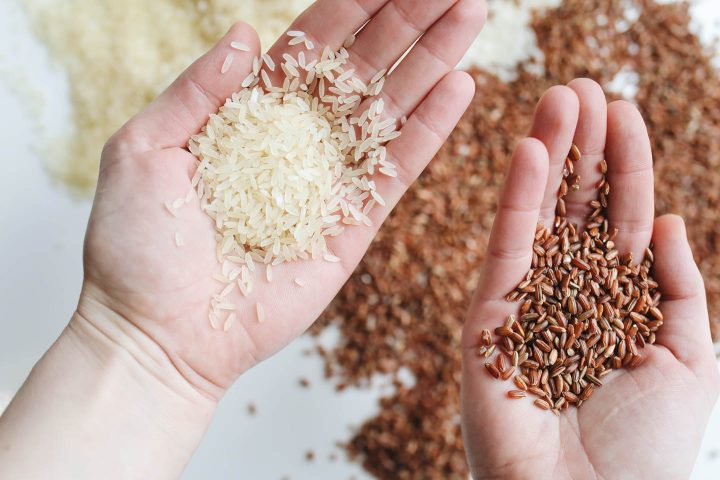
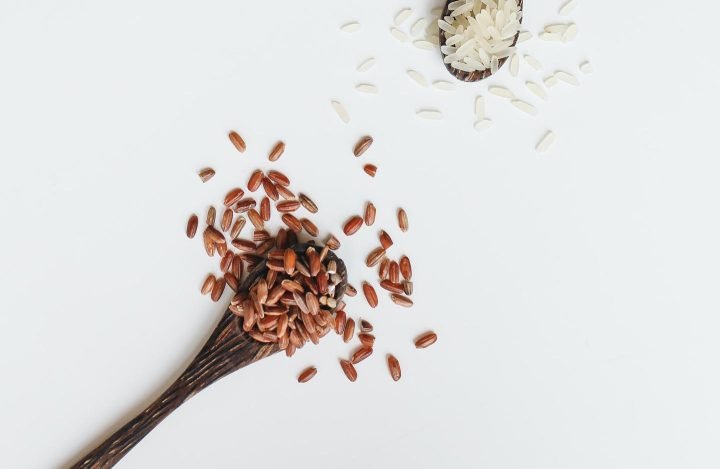
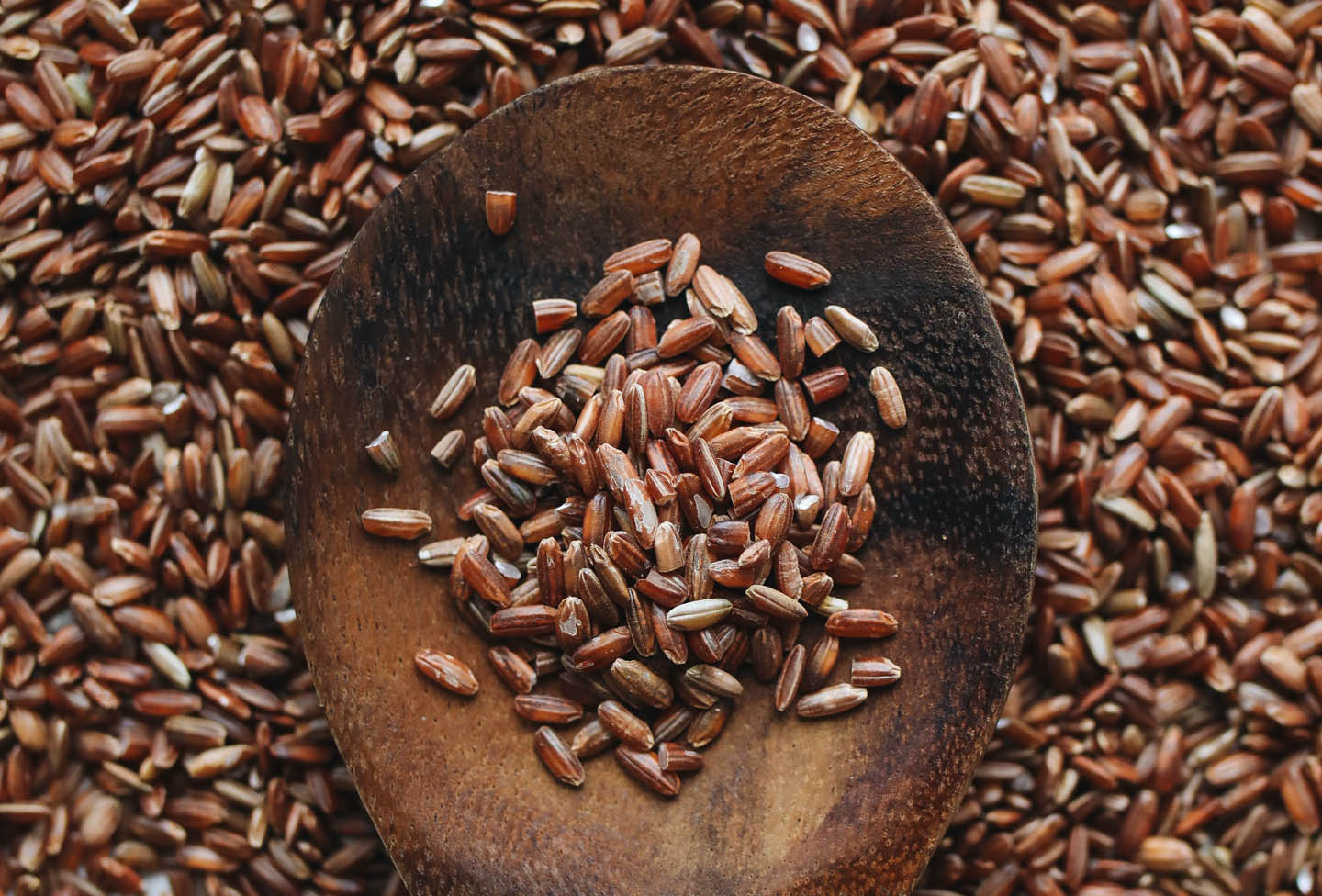
White and brown rice

It may not be surprising that lack of fiber contributes to diabetes and obesity.((Reynolds A et.al. Dietary fibre and whole grains in diabetes management: Systematic review and meta-analyses. https://doi.org/10.1371/journal.pmed.1003053)) What is surprising is that the fiber gap also likely contributes to heart disease,((O’Keefe S. The association between dietary fibre deficiency and high-income lifestyle-associated diseases: Burkitt’s hypothesis revisited. https://doi.org/10.1016/S2468-1253(19)30257-2)) certain types of cancer((Autumn G Hullings, Rashmi Sinha, Linda M Liao, Neal D Freedman, Barry I Graubard, Erikka Loftfield, Whole grain and dietary fiber intake and risk of colorectal cancer in the NIH-AARP Diet and Health Study cohort, The American Journal of Clinical Nutrition, Volume 112, Issue 3, 2020, Pages 603-612,
ISSN 0002-9165, https://doi.org/10.1093/ajcn/nqaa161.)) and maybe even Alzheimer’s disease.((Ticinesi, Andrea et al. ‘Interaction Between Diet and Microbiota in the Pathophysiology of Alzheimer’s Disease: Focus on Polyphenols and Dietary Fibers’. 1 Jan. 2022 : 961 – 982. DOI: 10.3233/JAD-215493))

One popular approach to mitigating some of the ill health effects of low fiber and high refined carbohydrates has been to limit carbohydrate intake.((Review of current evidence and clinical recommendations on the effects of low-carbohydrate and very-low-carbohydrate (including ketogenic) diets for the management of body weight and other cardiometabolic risk factors: A scientific statement from the National Lipid Association Nutrition and Lifestyle Task Force. https://doi.org/10.1016/j.jacl.2019.08.003)) Such approaches include the low-carb, keto, paleo and Atkins diets. Each diet is a variation on a similar theme of limiting carbohydrates to varying amounts in different ways.

There is scientific backing to the benefits of some of these diets. Research shows that limiting carbohydrates induces ketosis,((Crosby L, Davis B, Joshi S, Jardine M, Paul J, Neola M and Barnard ND (2021) Ketogenic Diets and Chronic Disease: Weighing the Benefits Against the Risks. Front. Nutr. 8:702802. doi: 10.3389/fnut.2021.702802)) a biological process that frees energy from fat reserves during starvation and prolonged exercise. Low-carbohydrate diets can also help people lose weight and lead to improvements in blood pressure and inflammation.((Zhu, H., Bi, D., Zhang, Y. et al. Ketogenic diet for human diseases: the underlying mechanisms and potential for clinical implementations. Sig Transduct Target Ther 7, 11 (2022). https://doi.org/10.1038/s41392-021-00831-w))

That said, some keto diets may have negative effects on gut health.((Paoli A, Mancin L, Bianco A, Thomas E, Mota JF, Piccini F. Ketogenic Diet and Microbiota: Friends or Enemies? Genes. 2019; 10(7):534. https://doi.org/10.3390/genes10070534)) It is also unknown how they may affect heart health, some forms of cancer and other conditions in the long term.((Mohammadifard N, Haghighatdoost F, Rahimlou M, Rodrigues APS, Gaskarei MK, Okhovat P, de Oliveira C, Silveira EA, Sarrafzadegan N. The Effect of Ketogenic Diet on Shared Risk Factors of Cardiovascular Disease and Cancer. Nutrients. 2022; 14(17):3499. https://doi.org/10.3390/nu14173499))

Keto diet food items

Even more confusing, research shows that people with diets high in plant-sourced carbohydrates, like the Mediterranean diet, tend to lead the longest and healthiest lives.((Capurso C. Whole-Grain Intake in the Mediterranean Diet and a Low Protein to Carbohydrates Ratio Can Help to Reduce Mortality from Cardiovascular Disease, Slow Down the Progression of Aging, and to Improve Lifespan: A Review. Nutrients. 2021; 13(8):2540. https://doi.org/10.3390/nu13082540)) How can this be reconciled with studies that suggest that low-carbohydrate diets can benefit metabolic health?

Is a carb a carb?

The answer may have to do with the types of carbohydrates that studies are evaluating.((Vanessa Campos et.al. Importance of Carbohydrate Quality: What Does It Mean and How to Measure It?, The Journal of Nutrition, Volume 152, Issue 5, 2022, Pages 1200-1206, https://doi.org/10.1093/jn/nxac039.)) Limiting simple sugars and refined carbohydrates may improve certain aspects of metabolic health, as these are some of the most easily digested and absorbed calories. But a more sustainable and comprehensive way of improving health may be increasing the percentage of unprocessed, more complex and slowly absorbed carbohydrates that come with their natural packages and instructions intact – those that have fiber.((P. NPV, Joye IJ. Dietary Fibre from Whole Grains and Their Benefits on Metabolic Health. Nutrients. 2020; 12(10):3045. https://doi.org/10.3390/nu12103045))

These natural carbohydrates can be found in whole grains, beans, nuts, seeds, fruits and vegetables. They come in ratios of total carbohydrate to fiber that rarely exceed 10-to-1 and are often 5-to-1 or lower.((Liu J, Rehm CD, Shi P, McKeown NM, Mozaffarian D, Micha R (2020) A comparison of different practical indices for assessing carbohydrate quality among carbohydrate-rich processed products in the US. PLoS ONE 15(5): e0231572. https://doi.org/10.1371/journal.pone.0231572)) Eating mostly whole foods is a simple way to ensure you’re consuming quality carbohydrates with the right ratios.
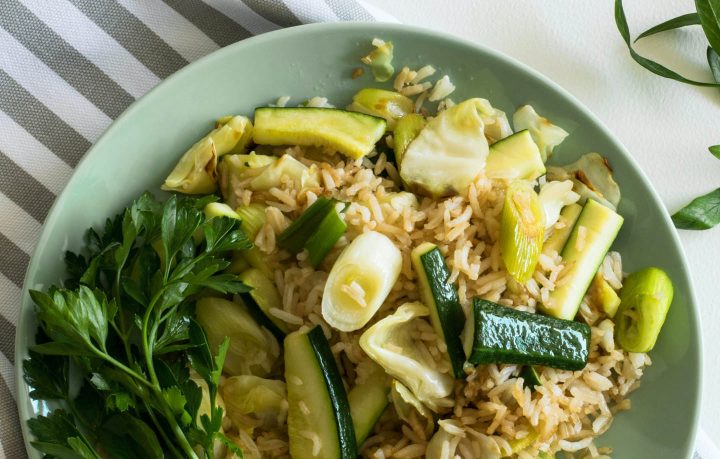
A rice plate with vegetables

But who doesn’t like to have a big bowl of pasta or cake with ice cream on occasion? Focusing on packaged processed foods that maintain carb-to-fiber ratios of at least as low as 10-to-1 or ideally 5-to-1 can help you make the best choices when picking more processed foods at the store. Take a look at the nutrition facts label and simply divide total carbohydrates by dietary fiber.

On occasions when you’re eating out or celebrating someone’s birthday, consider taking a fiber supplement with your meal. One pilot study found that a supplement containing a blend of fibers decreased the blood sugar spike((CHRISTOPHER J. DAMMAN, JUAN PABLO FRIAS, MARTIN L. LEE, LARS RIKSE, WING SHUN LAM, REN-HAU LAI, MARC WASHINGTON; 836-P: A Prebiotic Fiber Blend Improved Postprandial Glucose (PPG) and Time in Range (TIR) as Evaluated by Continuous Glucose Monitoring (CGM) in Healthy Subjects with Normal Glucose Tolerance. Diabetes 1 June 2022; 71 (Supplement_1): 836–P. https://doi.org/10.2337/db22-836-P)) (an increase in glucose levels in the blood that if too high can damage the body over time) after a meal in healthy individuals by roughly 30%.

Listen to your body

While almost all fiber is generally good for health in most people, not all fiber affects the body in the same way. Consuming a range of different types of fiber((O’Grady J, O’Connor EM, Shanahan F. Review article: dietary fibre in the era of microbiome science. Aliment Pharmacol Ther. 2019; 49: 506–515. https://doi.org/10.1111/apt.15129)) generally helps ensure a diverse microbiome, which is linked to gut and overall health.

But certain medical conditions might preclude consuming certain types of fiber. For example, some people can be particularly sensitive to one class of fiber called FODMAPS – fermentable oligosaccharides, disaccharides, monosaccharides and polyols – that are more readily fermented in the upper part of the gut and can contribute to symptoms of irritable bowel syndrome like bloating and diarrhea.((Gibson PR, Halmos EP. The FODMAP diet: more than just a symptomatic therapy? https://doi.org/10.1136/gutjnl-2021-326284)) High-FODMAP foods include many processed foods that contain inulin, garlic powder and onion powder, as well as whole foods including those in the onion family, dairy products, some fruits and vegetables.((Try a FODMAPs diet to manage irritable bowel syndrome. Harvard Health Publishing, March 15, 2022))

Listen to how your body responds to different high-fiber foods. Start low and go slow as you reintroduce foods like beans, seeds, nuts, fruits and vegetables to your diet. If you have trouble increasing your fiber intake, talk with your health care provider.

Tools like this online calculator I’ve created can also help you find the highest-quality foods with healthy fiber and other nutrient ratios. It can also show you what proportions of fiber to add back to sugary foods to help achieve healthy ratios.

I wouldn’t endorse eating sweets all the time, but as my three daughters like to remind me, it’s important to enjoy yourself every once in a while. And when you do, consider putting the carbs back in their fiber wrappers. It’s hard to improve upon nature’s design.
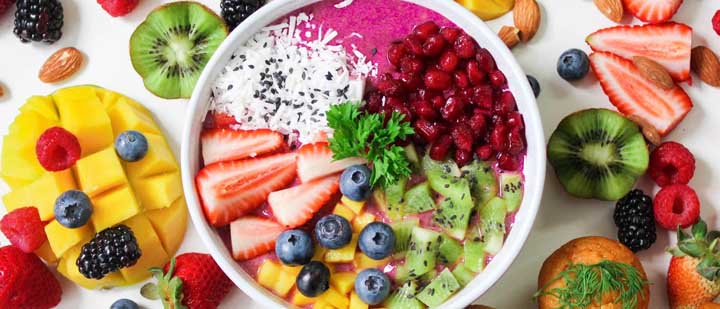
Healthy Fruits

Stay Always Up to Date

Sign up to our newsletter and stay always informed with news and tips around your health.

Sign Up Now!

This article is republished from The Conversation under a Creative Commons license. Read the original article.

The Conversation

Filed Under: Body Systems, Digestive Tract, Nutrition, Obesity Tagged With: Fiber, microbiome, weight control

The Relation Between COVID, Long COVID and Your Gut Microbiome

June 11, 2023 by Dr. Samuel White - [rt_reading_time label="Reading Time:" postfix="minutes" postfix_singular="minute"]

The Relation Between COVID, Long COVID and Your Gut Microbiome

A vast combination of microorganisms live in our gut, including bacteria, fungi and viruses. Collectively, we refer to this as the microbiome. Despite their tiny size, these microbes have significant effects on our health and wellbeing. In fact, the microbiome is often referred to as the “second brain” due to the extensive relationship it has with the body’s organs and systems.

The Relation Between COVID, Long COVID and Your Gut Microbiome

One role in particular the microbes in our gut play is supporting immune function. They help to control local and systemic inflammation, the process by which the immune system protects us from harmful pathogens.((Zheng, D et. al. Interaction between microbiota and immunity in health and disease. https://doi.org/10.1038/s41422-020-0332-7))

So it’s not entirely surprising that research has shown the make-up of bacteria in the gut may influence the severity of a COVID infection.((Kageyama, Y et.al. Lactobacillus plantarum induces innate cytokine responses that potentially provide a protective benefit against COVID‑19: A single‑arm, double‑blind, prospective trial combined with an in vitro cytokine response assay. Experimental and Therapeutic Medicine, 23, 20. https://doi.org/10.3892/etm.2021.10942)) At the same time, evidence is beginning to suggest a COVID infection could affect the balance of bacteria in the gut, which might go some way to explaining why some people have persistent symptoms after a COVID infection.((Bernard-Raichon, L et.al. Gut microbiome dysbiosis in antibiotic-treated COVID-19 patients is associated with microbial translocation and bacteremia. https://doi.org/10.1038/s41467-022-33395-6))

The microbes in our gut provide essential signals for our immune responses across the body, including in the lungs. A “healthy” gut microbiome comprises a broad range of bacteria, though is not identical in every person. Studies have previously shown that a healthy gut microbiome can improve the immune response to respiratory infections by regulating immune cells and messages.((Shanahan F et. al. The Healthy Microbiome—What Is the Definition of a Healthy Gut Microbiome? https://doi.org/10.1053/j.gastro.2020.09.057))

On the flip side, evidence shows a poorer composition of gut bacteria increases susceptibility to influenza infections in the lungs,((Looft T, Allen H. Collateral effects of antibiotics on mammalian gut microbiomes, Gut Microbes, 3:5, 463-467, https://doi.org/10.4161/gmic.21288)) and leads to reduced clearance of germs from the lungs in mice.((Fagundes C et. al. Transient TLR Activation Restores Inflammatory Response and Ability To Control Pulmonary Bacterial Infection in Germfree Mice. J Immunol 1 February 2012; 188 (3): 1411–1420. https://doi.org/10.4049/jimmunol.1101682))

With COVID, it similarly appears that the make-up of the gut microbiome can influence the course of disease. Research has shown an association between the microbiome profile and levels of inflammatory markers in patients with COVID, where patients with a poorer combination of gut bacteria show signs of too much inflammation. This suggests the microbiome influences the severity of a COVID infection via effects on the immune response.((Yeoh YK, Zuo T, Lui GC, et al. Gut microbiota composition reflects disease severity and dysfunctional immune responses in patients with COVID-19. Gut 2021;70:698-706. https://gut.bmj.com/content/70/4/698))

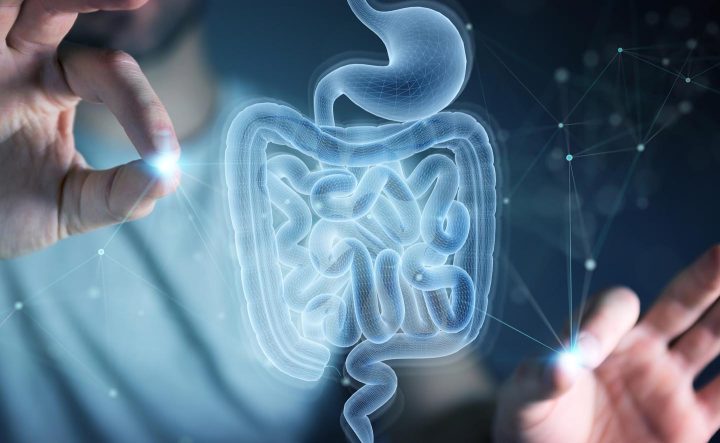
A wire model of a digestive system in the hand of a therapist.

Unbalancing the microbiome

Just as the composition of our gut bacteria appears to influence how we fare with COVID, the reverse might also be true – a COVID infection could affect the make up of our gut bacteria. Specifically, it seems COVID might throw off the balance between “good” and “bad” microbes in a person’s microbiome.

Studies have shown a significant difference in the gut microbiome between COVID patients and healthy people.((Zuo T, Liu Q, Zhang F, et al. Depicting SARS-CoV-2 faecal viral activity in association with gut microbiota composition in patients with COVID-19. Gut 2021;70:276-284. https://gut.bmj.com/content/70/2/276)) We see a reduction in bacterial diversity in the gut in COVID patients – so a smaller range of species, as well as substantial differences in the species of bacteria present.((Bernard-Raichon, L., Venzon, M., Klein, J. et al. Gut microbiome dysbiosis in antibiotic-treated COVID-19 patients is associated with microbial translocation and bacteremia. Nat Commun 13, 5926 (2022). https://doi.org/10.1038/s41467-022-33395-6))

Notably, scientists have observed a reduction in a group known as commensal bacteria in COVID patients, which act on the immune system to help prevent invasion by pathogens.((Yeoh YK, Zuo T, Lui GC, et al. Gut microbiota composition reflects disease severity and dysfunctional immune responses in patients with COVID-19. Gut 2021;70:698-706. https://gut.bmj.com/content/70/4/698)) This may increase our risk of other infections after COVID. Simultaneously, there appears to be an increase in a variety of opportunistic pathogenic bacteria that are known to cause infections.

This “imbalance” is called dysbiosis, and these changes have been shown to still be present in patients 30 days post-infection.((Yeoh YK, Zuo T, Lui GC, et al. Gut microbiota composition reflects disease severity and dysfunctional immune responses in patients with COVID-19. Gut 2021;70:698-706. https://gut.bmj.com/content/70/4/698))

Recent studies have suggested gut dysbiosis is linked to the movement of gut bacteria into the blood during a COVID infection.((Bernard-Raichon, L., Venzon, M., Klein, J. et al. Gut microbiome dysbiosis in antibiotic-treated COVID-19 patients is associated with microbial translocation and bacteremia. Nat Commun 13, 5926 (2022). https://doi.org/10.1038/s41467-022-33395-6)) In mice, COVID caused changes in a variety of parameters associated with gut barrier permeability, meaning things can theoretically move more easily through the gut wall.

In 20% of human COVID patients in this same study, certain bacteria from the gut had migrated into the bloodstream. This group was at higher risk of developing a secondary infection in the blood.

Research is now also showing that dysbiosis following COVID may contribute to long COVID,((Lantinga MA, Mönkemüller K. COVID-19 in gastroenterology and hepatology: Where will we be? United European Gastroenterol J. 2021 Sep;9(7):743-744. https://doi.org/10.1002%2Fueg2.12121)) with gut dysbiosis more prevalent in patients presenting with long-term COVID symptoms.((Giannos, P. and Prokopidis, K. (2022), Gut dysbiosis and long COVID-19: Feeling gutted. J Med Virol, 94: 2917-2918. https://doi.org/10.1002/jmv.27684)) This makes sense because dysbiosis seems to put the body in a heightened and constant state of inflammation – something that’s associated with chronic COVID symptoms.((Yeoh YK, Zuo T, Lui GC, et al. Gut microbiota composition reflects disease severity and dysfunctional immune responses in patients with COVID-19. Gut 2021;70:698-706. https://gut.bmj.com/content/70/4/698))

Supporting your immunity

As we continue to develop a more comprehensive understanding of gut microbes and their role in inflammation, how can you help keep your immune system healthy to protect yourself against COVID and other infections?

Certain nutrients, including vitamins A, C, D and E as well as iron, zinc and omega-3 fatty acids, all have positive effects on immune responses against viral infection.((Zhang, L, Liu, Y. Potential interventions for novel coronavirus in China: A systematic review. J Med Virol. 2020; 92: 479– 490. https://doi.org/10.1002/jmv.25707))

A Mediterranean diet, which is rich in vitamins, minerals and dietary fiber, has an anti-inflammatory effect in the gut.((Ganesan, K.; Chung, S.K.; Vanamala, J.; Xu, B. Causal Relationship between Diet-Induced Gut Microbiota Changes and Diabetes: A Novel Strategy to Transplant Faecalibacterium prausnitzii in Preventing Diabetes. Int. J. Mol. Sci. 2018, 19, 3720. https://doi.org/10.3390/ijms19123720)) Interestingly, a strain of bacteria known as Faecalibacterium prausnitzii is key to immune regulation.((Nagpal R, Shively CA, Register TC, Craft S, Yadav H. Gut microbiome-Mediterranean diet interactions in improving host health. F1000Res. 2019 May 21;8:699. https://doi.org/10.12688%2Ff1000research.18992.1)) It’s frequently low in the western diet, but abundant in the Mediterranean diet.

A typical salad of a mediterranean diet

Ideally you should avoid too many refined cereals, sugars and animal fats, which can all heighten inflammation in the body.((Trompette, A., Gollwitzer, E., Yadava, K. et al. Gut microbiota metabolism of dietary fiber influences allergic airway disease and hematopoiesis. Nat Med 20, 159–166 (2014). https://doi.org/10.1038/nm.3444))

Probiotics, supplementary blends of live bacteria, may also have benefits. A blend of bacterial strains Lactiplantibacillus plantarum and Pediococcus acidilactici was shown to reduce the quantity of virus detected in the nasal passage and lungs, as well as the duration of symptoms in COVID patients.((Gutiérrez-Castrellón P et. al. Probiotic improves symptomatic and viral clearance in Covid19 outpatients: a randomized, quadruple-blinded, placebo-controlled trial, Gut Microbes,14:1,DOI: 10.1080/19490976.2021.2018899))

This combination also significantly increased the production of COVID-specific antibodies, suggesting probiotics act directly by interacting with the immune system, rather than solely changing the composition of the gut microbiome.

Finally, moderate exercise can also help support the immune system to fight COVID.((da Silveira MP et. al. Physical exercise as a tool to help the immune system against COVID-19: an integrative review of the current literature. Clin Exp Med. 2021 Feb;21(1):15-28. https://doi.org/10.1007%2Fs10238-020-00650-3))

Healthy Fruits

Stay Always Up to Date

Sign up to our newsletter and stay always informed with news and tips around your health.

Sign Up Now!

This article is republished from The Conversation under a Creative Commons license. Read the original article.
The Conversation

Filed Under: Body Systems, COVID-19, Digestive Tract, Diseases, Immune System Tagged With: microbiome

You Can Get Chronic Disease Because Your Gut Microbiome is Hungry

April 16, 2023 by Christopher Damman - [rt_reading_time label="Reading Time:" postfix="minutes" postfix_singular="minute"]

Microbiome

Diet-related chronic diseases have reached a critical juncture in the U.S.((EXECUTIVE SUMMARY: Biden-⁠Harris Administration National Strategy on Hunger, Nutrition, and Health. The White House, September 27, 2022)) Nearly half the population has prediabetes or diabetes.((National Diabetes Statistics Report. Center of Disease Control)) Over 40% are overweight or obese.((Adult Obesity Facts. Center of Disease Control)) One in nine people over the age of 65 has Alzheimer’s disease,((2023: ALZHEIMER’S DISEASE – FACTS AND FIGURES. Alzheimer’s Association)) the development of which researchers are exploring the potential role of diet.((Kellar D. Brain insulin resistance in Alzheimer’s disease and related disorders: mechanisms and therapeutic approaches. https://doi.org/10.1016/S1474-4422(20)30231-3)) Poor diet is also linked to poor mental health,((Penny M Kris-Etherton, Kristina S Petersen, Joseph R Hibbeln, Daniel Hurley, Valerie Kolick, Sevetra Peoples, Nancy Rodriguez, Gail Woodward-Lopez, Nutrition and behavioral health disorders: depression and anxiety, Nutrition Reviews, Volume 79, Issue 3, March 2021, Pages 247–260, https://doi.org/10.1093/nutrit/nuaa025)) cardiovascular disease((Lichtenstein A et.al. 2021 Dietary Guidance to Improve Cardiovascular Health: A Scientific Statement From the American Heart Association. https://doi.org/10.1161/CIR.0000000000001031)) and cancer.((Diet. National Cancer Institute)) Diet was responsible for nearly 1 in 5 deaths in the U.S.((Why Good Nutrition is Important. Center for Science in the Public Interest. https://www.cspinet.org/eating-healthy/why-good-nutrition-important)) and accounted for over US$140 billion in U.S. health care spending in 2016.((Bolnick H et.al. Health-care spending attributable to modifiable risk factors in the USA: an economic attribution analysis. https://doi.org/10.1016/S2468-2667(20)30203-6))

You Can Get Chronic Disease Because Your Gut Microbiome is Hungry

Though American waists are getting bigger, research is showing that the gut microbiome – the bacteria living in our digestive tracts – and the energy-producing compartments of cells, the mitochondria, remain hungry for nutrients missing in the American diet.

I am a physician scientist and gastroenterologist who has spent over 20 years studying how food can affect the gut microbiome and whole body health. The ultraprocessed food that makes up an increasing part the American diet((Filippa Juul, Niyati Parekh, Euridice Martinez-Steele, Carlos Augusto Monteiro, Virginia W Chang, Ultra-processed food consumption among US adults from 2001 to 2018, The American Journal of Clinical Nutrition, Volume 115, Issue 1, 2022, Pages 211-221, https://doi.org/10.1093/ajcn/nqab305.)) has removed vital nutrients from food. Adding those nutrients back may be important for health in part by feeding the microbiome and mitochondria that turn food into fuel.

Your health is what you eat

Research has consistently shown that the Mediterranean diet and other whole food diets are associated with better health and longer lives,((Hui Duan, Jiani Pan, Min Guo, Jinwei Li, Leilei Yu, Liuping Fan, Dietary strategies with anti-aging potential: Dietary patterns and supplements, Food Research International, Volume 158, 2022, 111501, https://doi.org/10.1016/j.foodres.2022.111501.)) and ultraprocessed foods and drinks like soda, chips and fast food, among others, are linked with poor health outcomes such as diabetes, cardiovascular disease, cancer and other diseases.((Zhang Y, Giovannucci E. Ultra-processed foods and health: a comprehensive review. https://doi.org/10.1080/10408398.2022.2084359))

But improving the diet of an individual, let alone a population, is challenging. Whole foods are sometimes less convenient and less tasty for modern lifestyles and preferences. Furthermore, food processing can be beneficial by preventing spoilage and extending shelf life.((Processed Foods and Health. Harvard School of Public Health)) Whole grain processing in particular extends shelf life by removing the germ and bran that otherwise rapidly spoil. Long-term storage of affordable calories has helped address food insecurity, a primary challenge in public health.

Much of the public health conversation around diet has focused on what to avoid: added sugars and refined carbs, some fats, salt and additives. But modern food processing, while increasing the concentration of some nutrients, has removed other key nutrients, producing potential long-term health costs.((Mozaffarian, D. Dietary and policy priorities to reduce the global crises of obesity and diabetes. Nat Food 1, 38–50 (2020). https://doi.org/10.1038/s43016-019-0013-1)) Equally important is what to add back into diets: fibers, phytonutrients, micronutrients, missing fats and fermented foods.((Serrano JCE, Cassanye A, Martín-Gari M, Granado-Serrano AB, Portero-Otín M. Effect of Dietary Bioactive Compounds on Mitochondrial and Metabolic Flexibility. Diseases. 2016; 4(1):14. https://doi.org/10.3390/diseases4010014))

Only 5% of the U.S. population gets sufficient fiber, a prebiotic nutrient linked to metabolic, immune and neurologic health.((Quagliani D, Felt-Gunderson P. Closing America’s Fiber Intake Gap: Communication Strategies From a Food and Fiber Summit. American Journal of Lifestyle Medicine. 2017;11(1):80-85. doi:10.1177/1559827615588079)) Americans are likely also deficient in phytonutrients, potassium and certain healthy fats linked to lower rates of cardiovascular disease and cancer.

Fermentation is nature’s version of processing, creating foods with natural preservatives, flavors and vitamins. Recent research suggests fermented foods can improve gut microbiome diversity and dampen systemic inflammation.((Wastyk, Hannah C. et al. Gut-microbiota-targeted diets modulate human immune status. https://doi.org/10.1016/j.cell.2021.06.019))

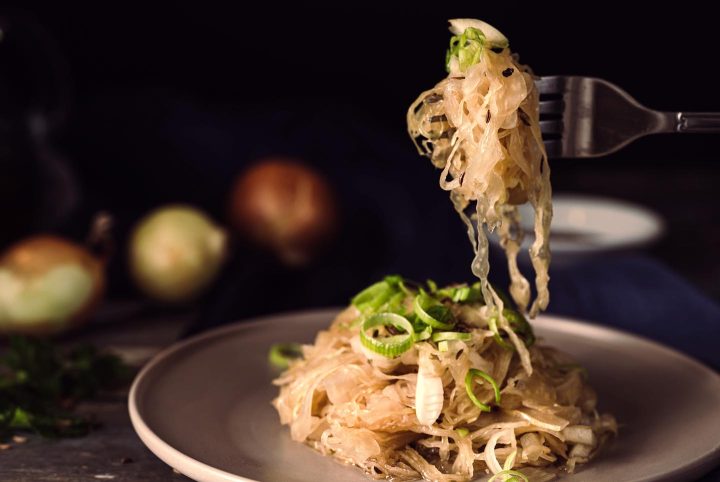
Sauerkraut

Figuring out which bioactive nutrients contribute to disease can help both individuals and institutions develop diets and foods that are personalized to different health conditions, economic constraints and taste preferences. It can also help maximize nutrients in a way that is convenient, affordable and familiar to the modern palate.

Of microbiomes and mitochondria

Understanding how nutrients affect the gut microbiome and mitochondria could help determine which ingredients to add to the diet and which to temper.

In your lower gut, bacteria transform undigested bioactive nutrients into biochemical signals that stimulate gut hormones to slow down digestion.((Zhang, Lin et al. Butyrate in Energy Metabolism: There Is Still More to Learn. Trends in Endocrinology & Metabolism, Volume 32, Issue 3, 159 – 169. https://doi.org/10.1016/j.tem.2020.12.003)) These signals also regulate the immune system, controlling how much of the body’s energy goes toward inflammation and fighting infection, and cognition,((Zhy Y et al. Interactions Between Intestinal Microbiota and Neural Mitochondria: A New Perspective on Communicating Pathway From Gut to Brain. https://doi.org/10.3389/fmicb.2022.798917)) influencing appetite and even mood.((Philippe C, Szabo de Edelenyi F, Naudon L, Druesne-Pecollo N, Hercberg S, Kesse-Guyot E, Latino-Martel P, Galan P, Rabot S. Relation between Mood and the Host-Microbiome Co-Metabolite 3-Indoxylsulfate: Results from the Observational Prospective NutriNet-Santé Study. Microorganisms. 2021; 9(4):716. https://doi.org/10.3390/microorganisms9040716))

The microbiome’s biochemical signals also regulate the growth and function of energy-producing mitochondria across many cell types, including those in fat, muscles, heart and the brain.((Chartoumpekis D et al. Microbiota and mitochondria: Impact on cell signaling, physiology, and disease. https://doi.org/10.3389/fmicb.2022.1056499)) When these cues are missing in ultraprocessed diets, mitochondria function less well,((Serrano JCE, Cassanye A, Martín-Gari M, Granado-Serrano AB, Portero-Otín M. Effect of Dietary Bioactive Compounds on Mitochondrial and Metabolic Flexibility. Diseases. 2016; 4(1):14. https://doi.org/10.3390/diseases4010014)) and their dysregulation has been linked to obesity,((Cunarro J et al. Hypothalamic Mitochondrial Dysfunction as a Target in Obesity and Metabolic Disease. https://doi.org/10.3389/fendo.2018.00283)) diabetes,((Domenico S et al. Mitochondrial (Dys)function and Insulin Resistance: From Pathophysiological Molecular Mechanisms to the Impact of Diet. https://doi.org/10.3389/fphys.2019.00532)) Alzheimer’s disease,((Wang, W., Zhao, F., Ma, X. et al. Mitochondria dysfunction in the pathogenesis of Alzheimer’s disease: recent advances. Mol Neurodegeneration 15, 30 (2020). https://doi.org/10.1186/s13024-020-00376-6)) mood disorders((Giménez-Palomo A et al. The Role of Mitochondria in Mood Disorders: From Physiology to Pathophysiology and to Treatment. https://doi.org/10.3389/fpsyt.2021.546801)) and cancer.((Zong, Wei-Xing et al. Mitochondria and Cancer. https://doi.org/10.1016/j.molcel.2016.02.011)) A better understanding of how diet could improve the function of the microbiome-mitochondria axis could help provide a way to reduce the burden of chronic disease.((Damman C. Perspective: Nutrition’s Next Chapter – Bioactive Gaps & the Microbiome-Mitochondria Axis. https://doi.org/10.1016/j.advnut.2023.03.016))

The Greek physician Hippocrates, regarded as the father of medicine, supposedly once said “Let food be thy medicine,” and a growing body research suggests that, yes, food can be medicine. I believe that shining a light on the connection between diet, health and the microbiome and mitochondria could help societies reach a bright future in which unhealthy aging isn’t an inevitability of growing older.

Healthy Fruits

Stay Always Up to Date

Sign up to our newsletter and stay always informed with news and tips around your health.

Sign Up Now!

This article is republished from The Conversation under a Creative Commons license. Read the original article.
The Conversation

Filed Under: Body Systems, Digestive Tract, Nutrition Tagged With: chronic disease, microbiome

How to Restore your Microbiome After You’ve Been on Antibiotics

February 19, 2023 by Clare Collins - [rt_reading_time label="Reading Time:" postfix="minutes" postfix_singular="minute"]

Restoring the Microbiome after Antibiotics

Antibiotics treat infections caused by bacteria. But they can also destroy the good bacteria in your gut. For some people, this results in an upset stomach and diarrhea.

How to Use Probiotics After You’ve Been on Antibiotics

One UK review of the research looked at changes in gut bacteria after antibiotics commonly prescribed for respiratory and urinary tract infections found that after treatment, the numbers and diversity in bacteria types rapidly declines.((Elvers KT, et.al. Antibiotic-induced changes in the human gut microbiota for the most commonly prescribed antibiotics in primary care in the UK: a systematic review. BMJ Open. 2020 Sep 21;10(9):e035677. doi: 10.1136/bmjopen-2019-035677.))

It also found some types of “bad” microorganisms increased while some “good” ones decreased.

For most people, once antibiotic treatment was stopped, the gut bacteria recover to some degree. But other studies suggest some antibiotics can have long-lasting effects on the balance of microorganisms.((Zimmermann P, Curtis N. The effect of antibiotics on the composition of the intestinal microbiota – a systematic review. J Infect. 2019 Dec;79(6):471-489. doi: 10.1016/j.jinf.2019.10.008.))

It’s important to use antibiotics only when needed, and definitely not for viral infections, because antibiotics can’t kill viruses such as the common cold or COVID-19.

So what should you eat after a course of antibiotics? You might have heard of probiotics and prebiotics, but what are they, and what evidence is there to show they’re beneficial?

Probiotics contain ‘good gut bacteria’

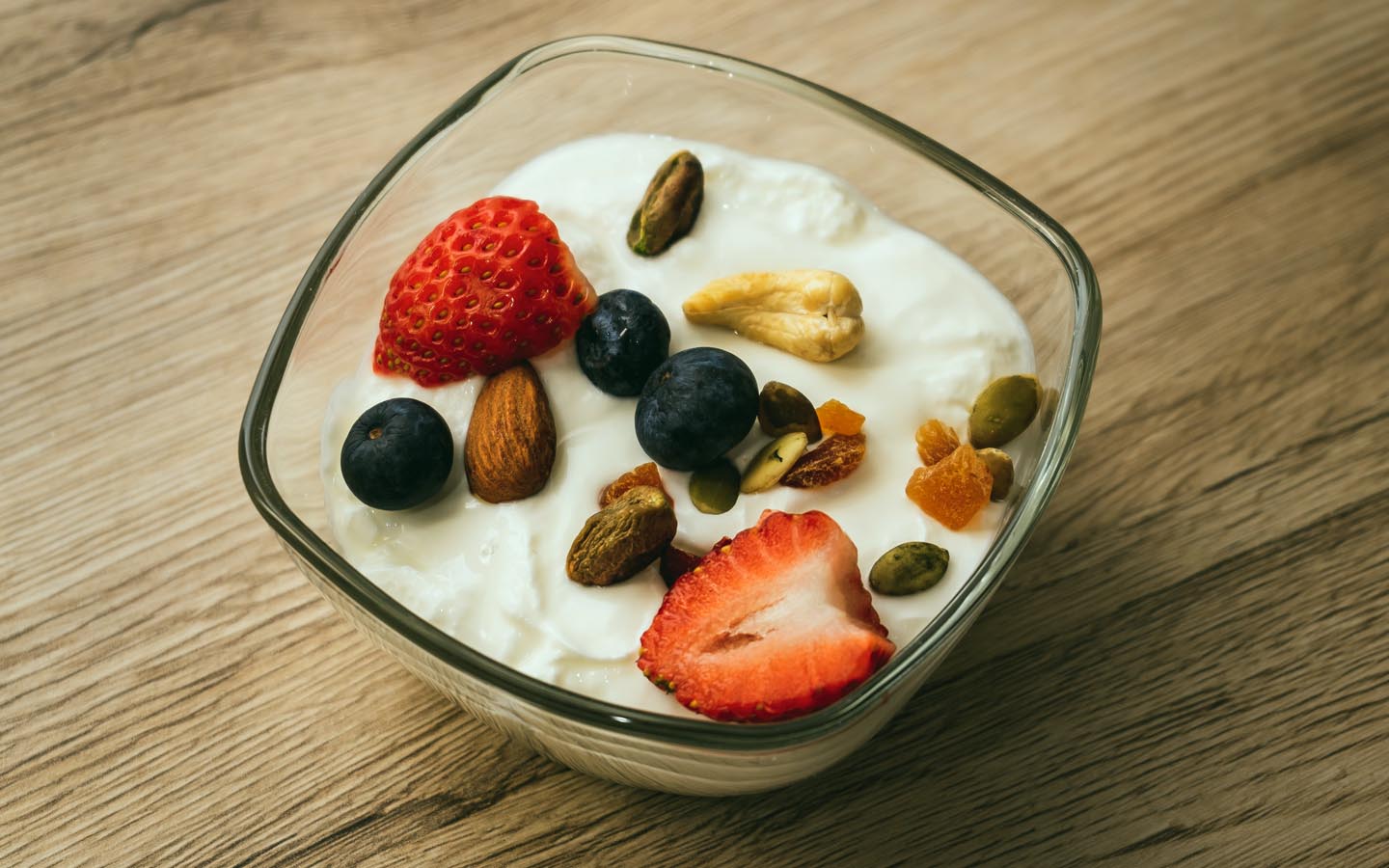
Probiotics are foods, typically yoghurts and yoghurt drinks, that contain “good gut bacteria”: live microorganisms that can recolonize the gut or improve your gut health.

To be called a probiotic, they must be able to resist stomach acid and digestive processes, and then be able adhere to the gut walls and grow, while not causing any issues for the gut wall. They must also be tested for safety and efficacy in controlled trials.((Martinez RC, Bedani R, Saad SM. Scientific evidence for health effects attributed to the consumption of probiotics and prebiotics: an update for current perspectives and future challenges. Br J Nutr. 2015 Dec 28;114(12):1993-2015. doi: 10.1017/S0007114515003864.))

To be called a probiotic, the dose of microorganisms needs to be sufficient to help restore the “good” bacteria, by elbowing out the “bad bacteria”.

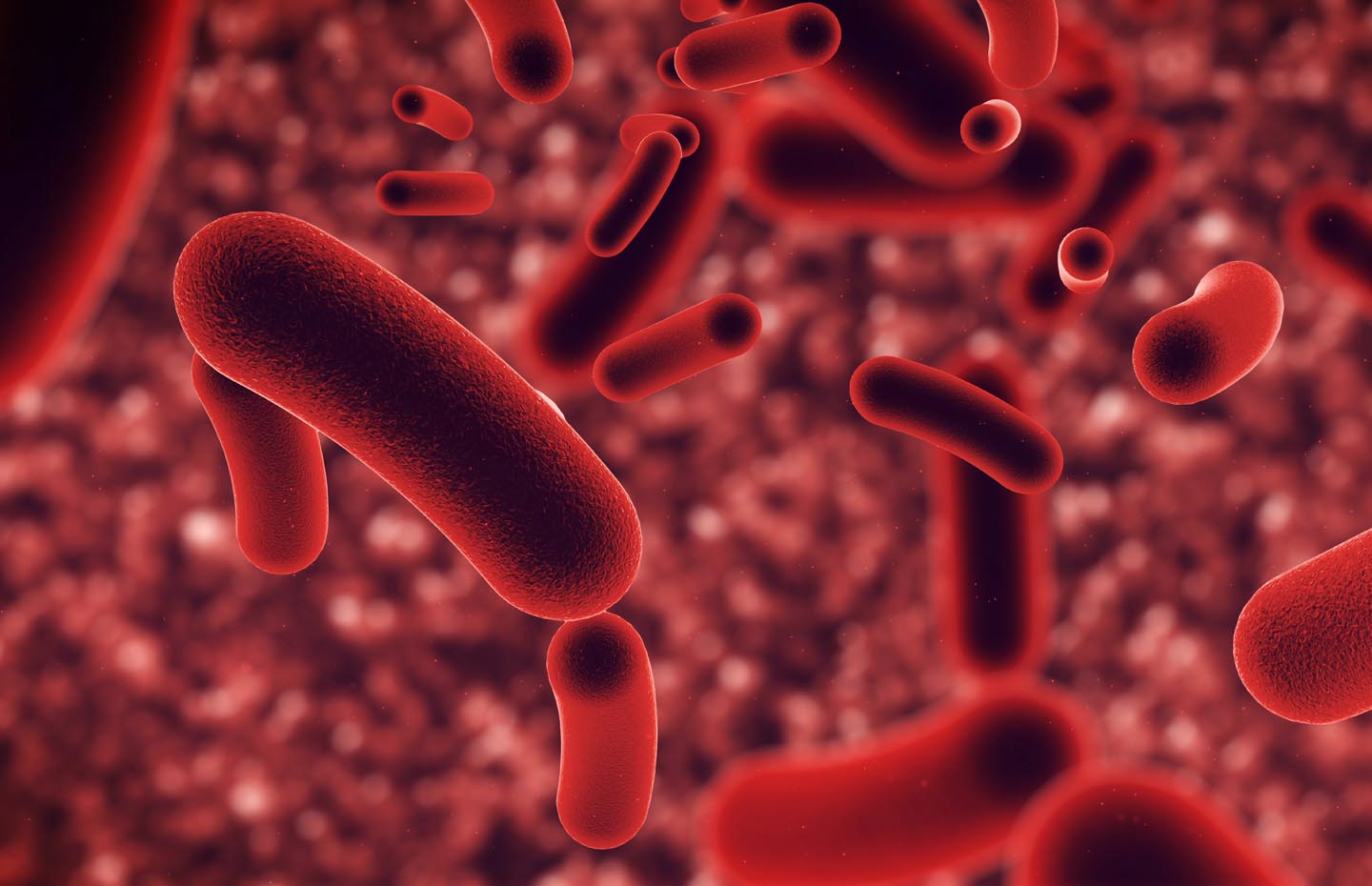
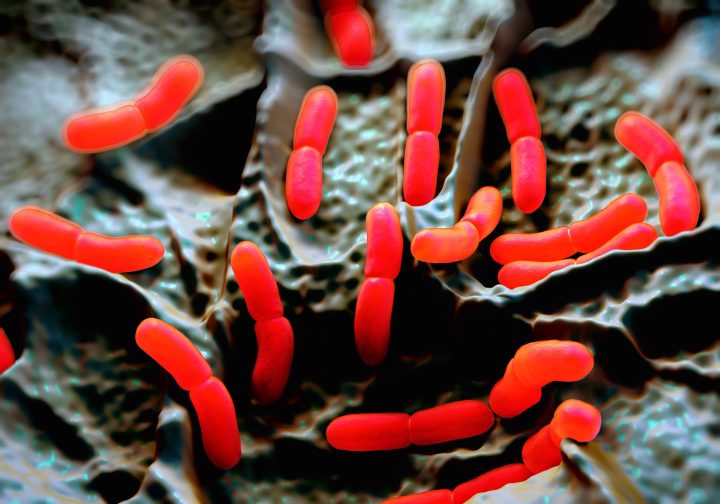
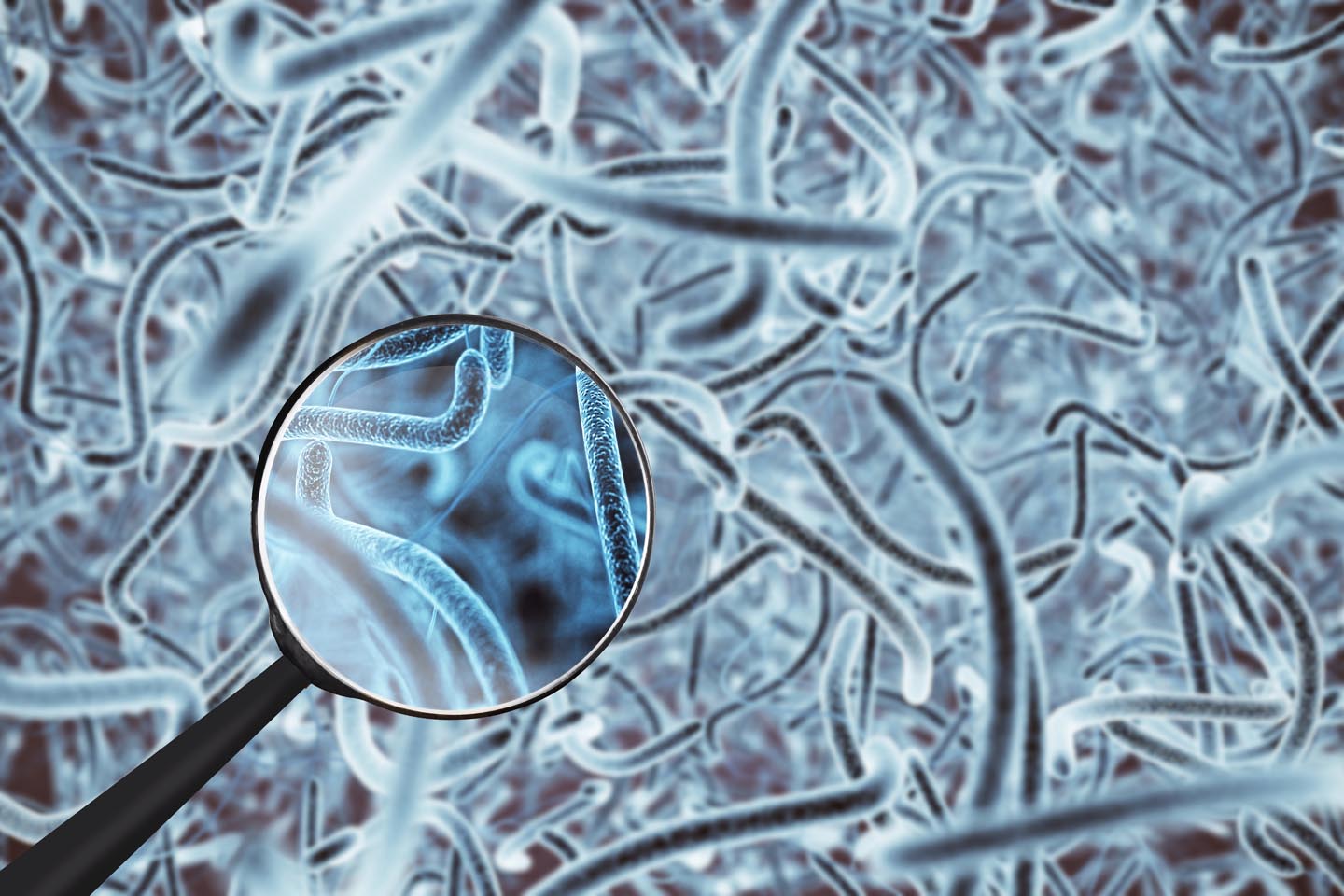
An illustration of gut bacteria

Most yoghurts contain “good bacteria” but not all can survive the acidity of the stomach acid or the bacteria won’t grow in the bowel, so there is no probiotic benefit.

For probiotics to exert these beneficial effects, they not only have to make it to the large bowel, but once there they need the right fuel to help them grow well. That’s where prebiotics come into play – but more on them shortly.

What does the science say about probiotics?

Probiotics are widely promoted as being good for your overall health. The science on that has been mixed, but it does suggest people who are likely to get diarrhea after antibiotics may benefit from consuming them.((Moles L, Otaegui D. The Impact of Diet on Microbiota Evolution and Human Health. Is Diet an Adequate Tool for Microbiota Modulation? Nutrients. 2020 Jun 2;12(6):1654. doi: 10.3390/nu12061654.))

One review of the evidence found probiotics may be useful for those at high risk of antibiotic-associated diarrhea, such as the elderly and people in hospital.((Goldenberg JZ, Yap C, Lytvyn L, Lo CK, Beardsley J, Mertz D, Johnston BC. Probiotics for the prevention of Clostridium difficile-associated diarrhea in adults and children. Cochrane Database Syst Rev. 2017 Dec 19;12(12):CD006095. doi: 10.1002/14651858.CD006095.pub4.))

The review found side effects were common when taking antibiotics and include taste disturbances, nausea, abdominal cramping, soft stools, fever and flatulence. But people taking probiotics reported fewer side effects, suggesting they may be helpful in countering some of the side effects.

So what are prebiotics?

Prebiotics are compounds that help beneficial gut microorganisms grow and survive. Prebiotic foods contain complex carbohydrates that can’t be digested and dietary fibers that resist digestive processes in the stomach and small intestine.((Martinez RC, Bedani R, Saad SM. Scientific evidence for health effects attributed to the consumption of probiotics and prebiotics: an update for current perspectives and future challenges. Br J Nutr. 2015 Dec 28;114(12):1993-2015. doi: 10.1017/S0007114515003864.))

They pass undigested into the large bowel where they are fermented by the healthy “good” bacteria.

To be called a prebiotic, they need to undergo the processes above, and be shown in clinical trials to selectively improve the microorganism composition in the gut.((Martinez RC, Bedani R, Saad SM. Scientific evidence for health effects attributed to the consumption of probiotics and prebiotics: an update for current perspectives and future challenges. Br J Nutr. 2015 Dec 28;114(12):1993-2015. doi: 10.1017/S0007114515003864.))

Not all dietary fibers are prebiotic. Common ones include complex carbohydrates called fructo-oligosaccharides, inulin and resistant starch.((Kaur AP, Bhardwaj S, Dhanjal DS, Nepovimova E, Cruz-Martins N, Kuča K, Chopra C, Singh R, Kumar H, Șen F, Kumar V, Verma R, Kumar D. Plant Prebiotics and Their Role in the Amelioration of Diseases. Biomolecules. 2021 Mar 16;11(3):440. doi: 10.3390/biom11030440.))

whole wheat and white rice

You can find foods at the supermarket with added prebiotics, but non-digestible carbohydrates occur naturally in many everyday foods, including:((Prebiotic diet – FAQs, Monash University))

  • grains: barley, rye bread, rye crackers, pasta, gnocchi, couscous, wheat bran, wheat bread, oats
  • legumes: chickpeas, lentils, red kidney beans, baked beans, soybeans
  • vegetables: artichokes, asparagus, beetroot, chicory, fennel bulb, garlic, green peas, leek, onion, shallots, spring onion, snow peas, sweetcorn, savoy cabbage
  • fruit: nectarines, white peaches, persimmon, tamarillo, watermelon, rambutan, grapefruit, pomegranate, dates, figs
  • nuts: cashews, pistachios.

Additional sources of resistant starch include under-ripe bananas, cooked and cooled rice, corn flour, cooked and cooled potatoes.

For babies, breast milk is naturally rich in oligosaccharides.

So who should have them?

Prebiotic foods are good for everyone, contain a range of nutrients and help promote a healthy bacterial gut environment.

The benefits of probiotics for a range of health conditions are unclear – they’re likely to be small, and depend on what is being taken and the underlying health issues.

But people at high risk of diarrhea after antibiotics may benefit from consuming probiotic – as well as prebiotic – foods daily.

There is also emerging evidence that combining specific probiotics and prebiotics can increase the beneficial effects of both. Both the pro- and prebiotics could be added to the one food, termed a “symbiotic”, or they could be from separate sources but eaten together.((Martinez RC, Bedani R, Saad SM. Scientific evidence for health effects attributed to the consumption of probiotics and prebiotics: an update for current perspectives and future challenges. Br J Nutr. 2015 Dec 28;114(12):1993-2015. doi: 10.1017/S0007114515003864.))

When it comes to antibiotics, the bottom line is to only take them when prescribed for bacterial infections. Take them according to instructions from the manufacturer, your pharmacist and your doctor.

Healthy Fruits

Stay Always Up to Date

Sign up to our newsletter and stay always informed with news and tips around your health.

Sign Up Now!

This article is republished from The Conversation under a Creative Commons license. Read the original article.

The Conversation

Filed Under: Body Systems, Digestive Tract, Nutrition Tagged With: antibiotics, microbiome, prebiotics, probiotics

Primary Sidebar

Social Channels

Coronavirus Immunity Challenge

Boost your immune system to be bullet-proof for the pandemic.

I Want to Participate

Recent Posts

  • 5 Habits to Live Longer
  • Better Sleep Can Protect Against Dementia
  • Finding Peace In Your Crazy-Busy World
  • Flaxseed – An Ancient Plant Rediscovered
  • Platelets – Triggers for Life or Death
  • Boderline Personality Disorder
  • In Praise of Almonds and Nuts
  • Are You Stuck in the Clutter Trap?

Categories

  • Body Systems (16)
    • Cell Function (2)
    • Circulatory System (1)
    • Digestive Tract (10)
    • Immune System (4)
  • Diseases (27)
    • Cancer (2)
    • Cold (1)
    • COVID-19 (11)
    • Dementia (1)
    • Diabetes (1)
    • Digestive Diseases (2)
    • Heart Disease (2)
    • Kidneys (1)
    • Metabolic Syndrome (2)
    • Skin (1)
  • Healthy Lifestyle (42)
    • Exercise (11)
    • Gardening (2)
    • Sleep (7)
    • Sunlight (2)
    • Temperance (14)
    • Water (4)
  • Mental Health (87)
    • Addictions (6)
    • Anxiety (7)
    • Burnout (1)
    • Depression (7)
    • Psychosomatic Diseases (6)
    • Stress Management (45)
    • Trust (6)
  • Nutrition (56)
  • Obesity (9)
  • Phases of Life (14)
    • Adults (3)
    • Babies and Infants (1)
    • Children (3)
    • Seniors (5)
    • Teenagers (3)
  • Therapies (7)
    • Herbs (5)
    • Hydrotherapy (1)
  • Uncategorized (3)

Archives

  • January 2025 (1)
  • March 2024 (5)
  • February 2024 (4)
  • January 2024 (4)
  • December 2023 (5)
  • November 2023 (4)
  • October 2023 (5)
  • September 2023 (4)
  • August 2023 (3)
  • July 2023 (2)
  • June 2023 (4)
  • May 2023 (4)
  • April 2023 (5)
  • March 2023 (4)
  • February 2023 (4)
  • January 2023 (4)
  • December 2022 (4)
  • November 2022 (4)
  • October 2022 (5)
  • September 2022 (4)
  • August 2022 (4)
  • July 2022 (5)
  • June 2022 (4)
  • May 2022 (5)
  • April 2022 (4)
  • March 2022 (4)
  • February 2022 (4)
  • January 2022 (5)
  • December 2021 (3)
  • November 2021 (4)
  • October 2021 (6)
  • September 2021 (4)
  • August 2021 (4)
  • July 2021 (5)
  • June 2021 (4)
  • May 2021 (3)
  • April 2021 (5)
  • March 2021 (4)
  • February 2021 (4)
  • January 2021 (5)
  • December 2020 (3)
  • November 2020 (4)
  • October 2020 (5)
  • September 2020 (5)
  • August 2020 (3)
  • July 2020 (1)
  • June 2020 (1)
  • May 2020 (1)
  • April 2020 (1)
  • March 2020 (1)

Copyright © 2026 · Abundant Health - Privacy Policy - Medical Disclaimer