Abundant Health

Up to date health information tailored for you

  • Home
  • Blog
  • Recipes
  • Shop
  • Contact
You are here: Home / Archives for Body Systems / Cell Function

Cell Function

Autophagy – A Key to Better Health

October 23, 2022 by Esther Neumann - [rt_reading_time label="Reading Time:" postfix="minutes" postfix_singular="minute"]

Autophagie

It is happening in every cell of our body, but hardly anyone knows about autophagy. It is an important process to maintain cellular health. In 2016, the Japanese researcher Yoshinori Ohsumi received the Nobel Prize in medicine for discovering important links between fasting and autophagy. But already in 1963 the Belgian biochemist Christian de Duve described the processes of autophagy.
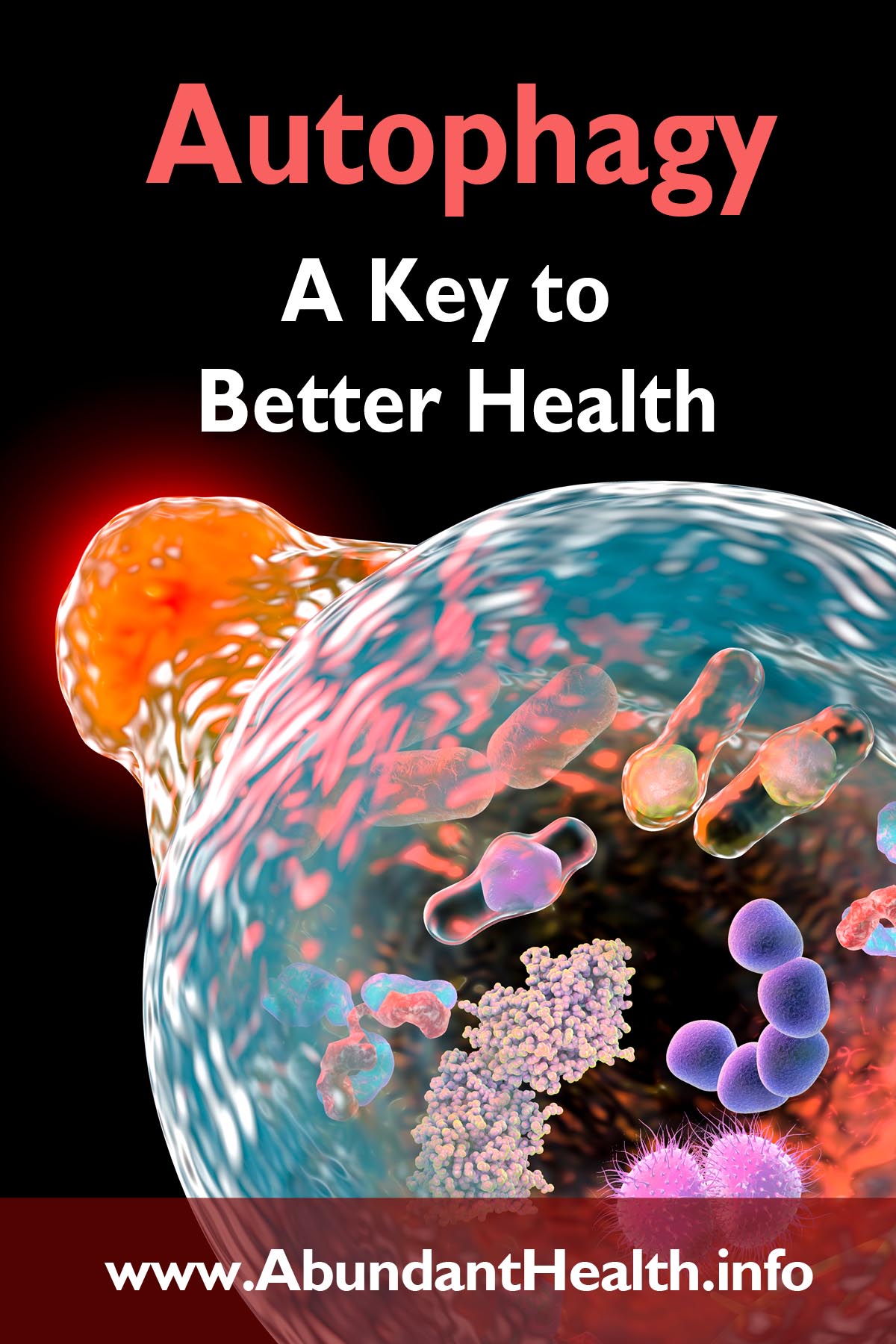
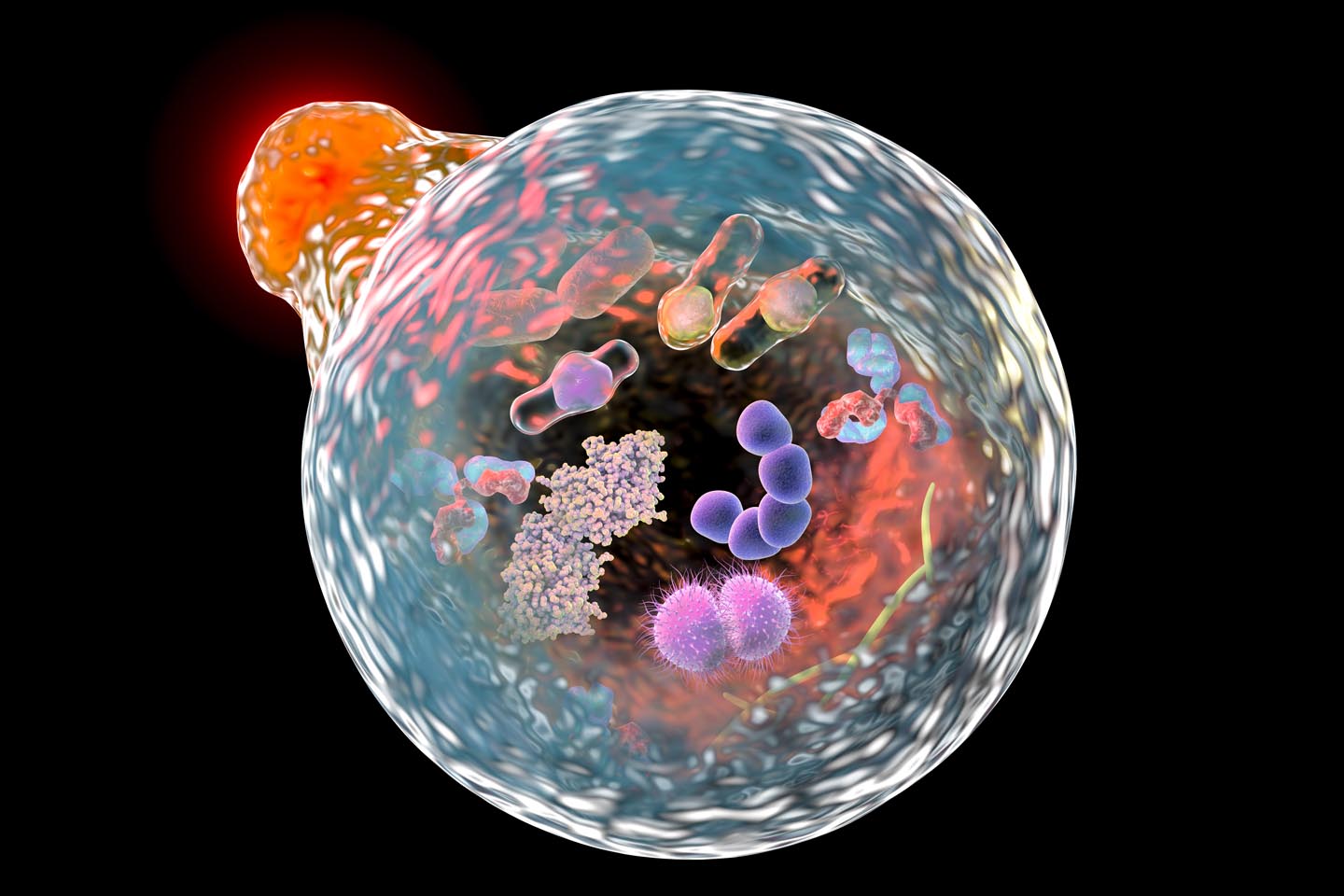
Autophagy – A Key to Better Health

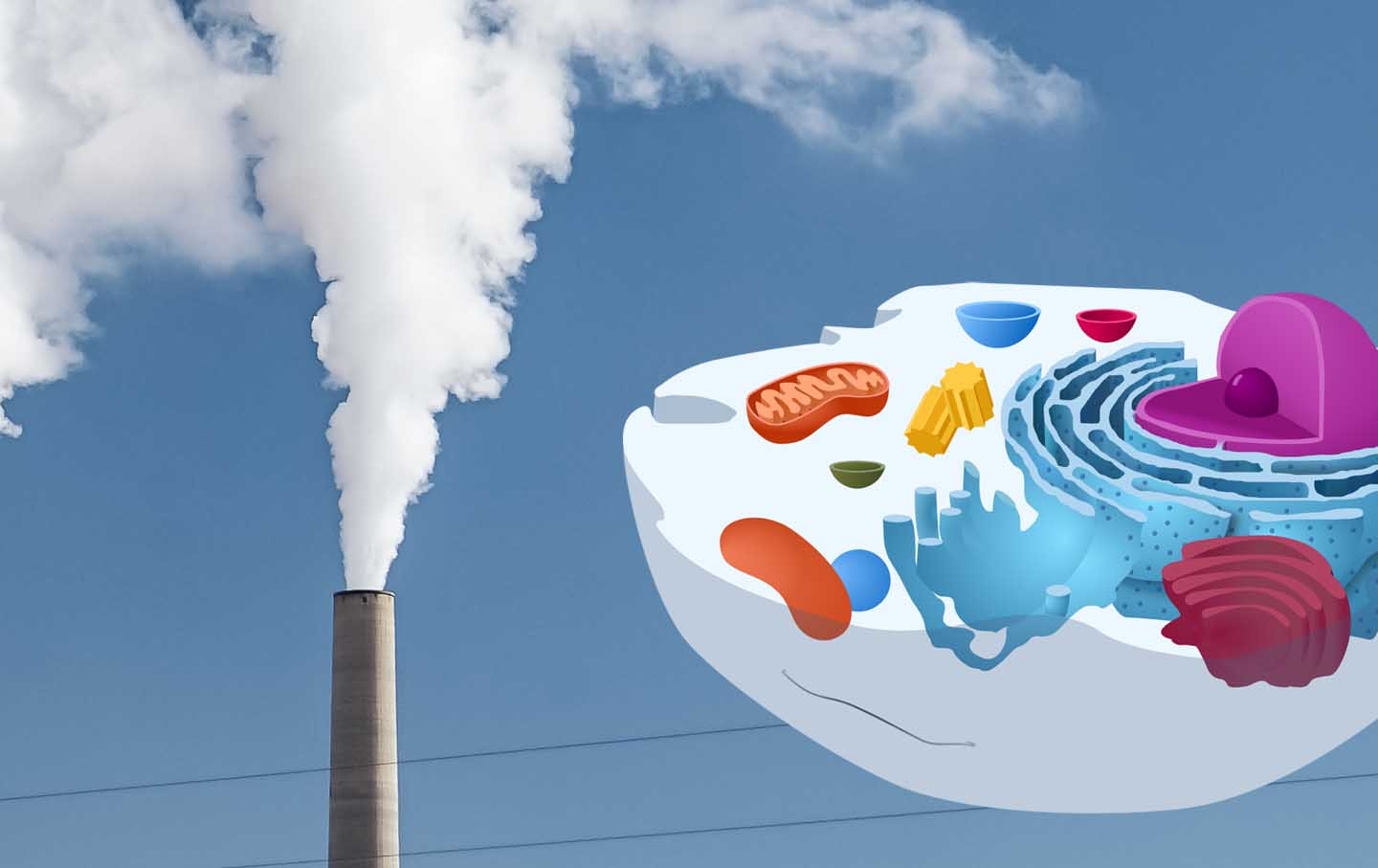
The word autophagy comes from the Greek. “Auto” means itself and “phagein” means to eat. It is a process that takes place in the lysosomes within our cells and eliminates and recycles cell components such as broken proteins or other damaged cell organelles – e.g. mitochondria, our power plants in the cells.

Some of the degradation products are recycled or converted into energy. Therefore, autophagy is strongly boosted by fasting. Furthermore, microorganisms, bacteria and viruses that have penetrated the body are also combated by autophagy. It therefore also plays a major role in the immune system, in infections, in the aging process and in the development of tumors. Well-functioning autophagy can help to prevent cancer.

Autophagy no longer works as well as we age. This causes many diseases. Dementia, Parkinson’s, Alzheimer’s and diabetes can be traced back to it. All of this fits well with the observation that people age healthier when they consume less calories. It’s no wonder that autophagy has become a major research topic. Many centenarians on the island of Okinawa state, “We only eat so much that we’re not quite full.”

A well-functioning autophagy is therefore advantageous for the prevention of various diseases. In Parkinson’s specifically, we know that brain cell death is the cause of the disease, and deficient autophagy seems to be a major reason. We’ve talked about cancer prevention before, and there are possibilities that osteoarthritis is also strongly related to autophagy.

A man with Parkinson

Intermittent Fasting

Some researchers in Austria are also significantly involved in autophagy research, especially when it comes to implementation strategies. University Professor Dr. Frank Madeo is supervising a large-scale study at the Institute for Molecular Biosciences at the Karl-Franzens University in Graz. Fasting triggers autophagy, which is rejuvenating, life-prolonging, and regenerative. Even a short-term fast of 16-20 hours triggers this effect.

Cells need time to get rid of their waste or to recycle it. When you eat constantly, you need insulin all the time, and your body is always busy digesting. Insulin inhibits autophagy. Looks like the recommendation to eat five to seven smaller meals throughout the day will soon be a thing of the past. Prof. Madeo says: “Welcome your hunger like a friend and your body will get cleaned up.”

There is no need to fast for a few days in a row to enjoy autophagy. Intermittent or short-term fasting is also sufficient. An interval of 16:8 is sufficient, i.e. eating only twice during an 8 hour block, and then fasting for 16 hours, abstaining from all food, including fruit juices. Water is allowed to drink. Preferrably the dinner is skipped. There is also the method of eating normally for a day and then fasting for a day. A side effect of short-term fasting is that fewer calories are usually ingested, which means that we can shed a few extra pounds.

A scale and a tape

In fact, long periods of fasting can become a problem in some circumstances. If you fast for several days, your body will begin to break down muscle as soon as all other reserves have been used up. This not only reduces muscle strength, but also slows down metabolism, which has a negative effect on weight control. Intermittent fasting avoids these problems while reaping the full benefits of autophagy.

Pregnant women should avoid long-term fasts, and breastfeeding mothers often experience problems with milk production after just one day of fasting. Children and seniors should also be careful with long-term fasting. Sick or frail persons such as advanced cancer patients not only may lose strength, a lack of protein in the diet for several days can also negatively impact the immune system. Therefore, prolonged fasting should be used with caution, while intermittent fasting is well tolerated in most cases.

Plant Based Diet

There have been found some substances in food that boost autophagy. This includes polyphenols. They are mainly found in the outer layers of vegetables, fruits and grains. They protect the interior of the plants from oxidation, and take on this function in the human body as well.

Spermidine, a substance that the body also produces itself, is found in many types of fruit and vegetables. The connection to the seminal fluid is correct. It is found there in high concentrations. Researchers have found that spermidine boosts autophagy as well.

It proves once again that a plant-based diet has many advantages. Animal protein actually inhibits autophagy.

A hand cutting a bell pepper

By the way, exercise will help as well. The cells are put into a nutrient deficiency that increases autophagy. It is smart not to eat anything for a few hours after exercising. Then the effect will be even greater.

Getting Practical

We have already seen that intermittent fasting has a beneficial effect on autophagy. It is best to eat a hearty breakfast and a moderate lunch, then skip dinner and eat nothing until the next morning. During the night, calorie consumption is very low, and eating in the evening quickly adds some extra pounds.

Skipping dinner also has a positive effect on sleep. The stomach is not occupied with digestion and can rest. The lying position with a full stomach can sometimes lead to reflux. And since digestion is slower at night, it can lead to unwanted fermentation processes. The quality of sleep is often affected as well.

How do you make this transition in practical terms? Initially, many have problems going to sleep on an empty stomach. If that’s the case, you can try to do a gradual transition. Either you do this by increasing your nightly fasting time by moving dinner gradually to an earlier time. After a few days, when you’ve managed to get dinner down to 5pm, you can try skipping it altogether.

Another option would be to gradually reduce the amount of food you eat until you can suffice with one piece of fruit in the evening. If necessary, you can switch to fruit juice for a few days until you can manage to skip dinner altogether. Drinking a glass of water or a cup of herbal tea can help to control hunger. Once you get used to the new rhythm, it’s usually not a problem to maintain it.

A man and a woman drinking a cup of tea.

Another variation of intermittent fasting is to fast one full day a week. Ideally, you should only drink water. If you can’t keep it up, you can help yourself out with some fruit. These do not burden the digestion and are not too high in calories. Most of the time they are sufficient to control the feeling of hunger. In addition to the health benefits of autophagy, a weekly fasting day also helps with weight loss, and if needed, you spread out 2 fasting days during the week.

The third variant, which also has positive effects on autophagy, is limiting the calorie intake at every meal. Following the example of Okinawa’s centenarians, you stop eating before you’re full. After eating your first portion, you stop for a moment and examine if it was enough to satisfy your first hunger. If so, put the silverware aside and stop eating. Studies have shown that calorie restriction significantly extends the lifespan of mice. It pays off to take care of your body.

We have seen the benefits autophagy brings to our health. You may need to experiment a bit with the implementation to see what option you manage to adapt the best. Let’s help our body to clean up and recycle its cellular waste, and he will reward us with good health. All the best with the implementation!
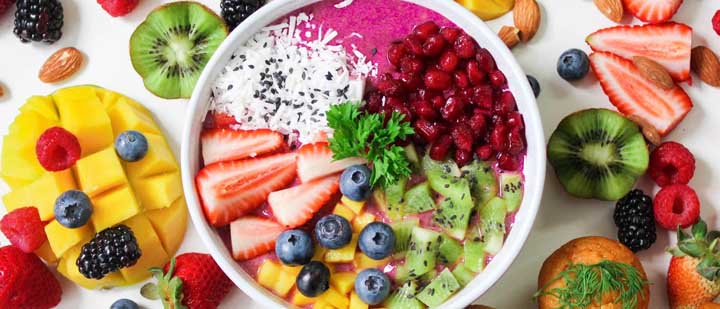
Healthy Fruits

Stay Always Up to Date

Sign up to our newsletter and stay always informed with news and tips around your health.
Sign Up Now!

Filed Under: Body Systems, Cell Function, Healthy Lifestyle, Obesity, Temperance Tagged With: Autophagy, Intermittent Fasting

Mitochondria – Power Plants of Our Cells

June 25, 2021 by Esther Neumann - [rt_reading_time label="Reading Time:" postfix="minutes" postfix_singular="minute"]

Mitochondria

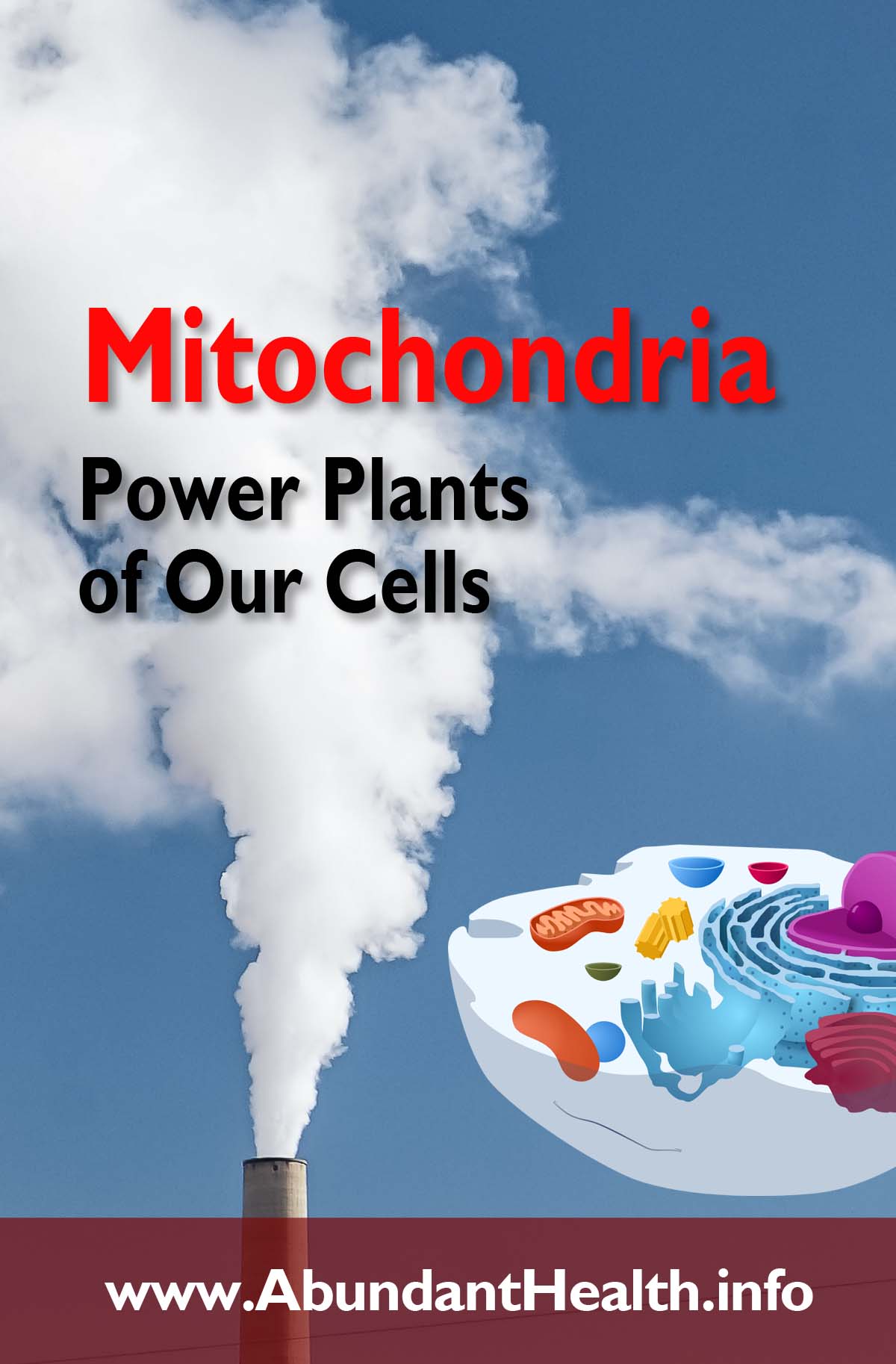
They are found in almost every cell in our body. Without it, we couldn’t produce energy. We couldn’t breathe, nor would our hearts beat. We couldn’t move a muscle, nothing would work. This refers to a tiny organelle in our cells with the peculiar name mitochondrion.

Mitochondria - Power Plants of Our Cells

Scientists have suspected their existence for a long time. But they could only be seen after the invention of the electron microscope around the middle of the last century. Mitochondria are as tiny as bacteria. But what an inner life they have! They are rightly called the powerhouses of our cells because by breaking down food they produce most of the energy that our body uses for all of its functions.

Occurrence and Structure

Mitochondria are found in all cells in our body except red blood cells. Around 1000 mitochondria per cell are typical. This large number already shows us how tiny they must be, when so many of them fit into one cell. They occupy up to 25% of the cell volume. Cells that use a lot of energy have the most mitochondria. These include the muscle, nerve and sensory cells.

Mitochondria are enclosed by two membranes. The outer membrane is smooth and contains many tunnel-like channels through which small molecules can be channeled that our body is constantly metabolizing from our food. The inner membrane, on the other hand, is impermeable to almost all molecules. Only the smallest such as water, carbon dioxide and oxygen can pass. But it has many transport systems in order to selectively channel various metabolic products from our diet into the interior. In order to be able to do all this filtering it is strongly folded to create a large surface.

Inner membraneOuter membraneRibosomeMitochondrial DNA

Inside of the mitochondria, the so-called matrix, many metabolic activities take place. We will come back to that later. The mitochondrion itself has its own DNA like the cell nucleus. So it can divide itself. Its lifespan is not very long, only around 10 to 20 days. It is constantly reproduced by transverse division.

Task of the Mitochondria

The main task is to absorb important metabolic products from our food and convert them into energy. Other residual substances must be converted into a form that can be easily excreted from the body. This includes, for example, the urea cycle, which partially is happening here as well.

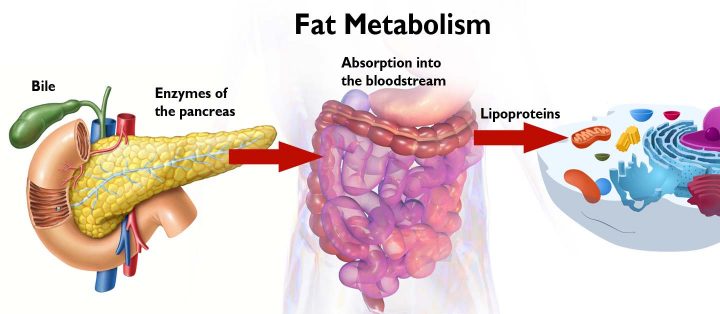
Let’s look at the breakdown of fat from our food. We eat fat because, among other things, we want to use it to produce energy. Our body is a real miracle and a huge, elaborate chemistry lab. It takes many complicated steps to go from one tablespoon of oil to energy. We want to summarize the whole process in a somewhat simplified way. Our pancreas provides enzymes for fat digestion. The bile breaks up a large drop of fat into many small droplets so that the enzymes can operate more easily. They split the fat molecules into fatty acids and glycerine, that can be absorbed through the intestinal wall. After they have passed this barrier, they are reassembled back into real fat molecules. Since fat is insoluble in water and cannot simply swim in the lymph or blood, it becomes bound to lipoproteins. With this taxi, the fat finally gets into the cell, where it is to be converted into energy.

Diagram of the Fat Metabolism
Ilustration of intestines by Blausen.com via Wikimedia CC BY 3.0

This transformation happens in our mitochondria. To do this, the fat molecule must first be broken down into glycerine and fatty acid. However, the fatty acid is too large to get through the membrane into the interior of the mitochondrion. That is why a transport system is needed. Carnitine serves as a taxi, which every athlete knows very well, believing that he needs a lot of it so that he can burn more fat in order to get more energy. If the fatty acids are in the mitochondria, they are together with oxygen converted into energy, water and carbon dioxide via a complicated process called beta oxidation.

The ATP (adenosine triphosphate), as this chemical energy is called, is created inside the inner mitochondrial membrane. The body needs this energy to move its muscles, to produce vital organic molecules and to handle transport processes in the cell and from one cell to another. In an adult human, the amount of ATP that is built up and broken down in his body every day is roughly equivalent to his body weight. What an achievement!

The glycerine from the fat is introduced into the citric acid cycle. This is another extremely complicated cycle that also takes place inside the mitochondria. They are an important hub in the metabolic process. They break down components from our food and at the same time rebuild new substances such as amino acids, the smallest components of protein. The breakdown products of carbohydrates and protein metabolism also enter the citric acid cycle. Components can also be diverted from this process in order to generate energy. We see already the important role of mitochondria in our body´s metabolism.

Fats provide by far the largest amount of energy per weight, followed by carbohydrates. Energy production from protein is not very efficient and is only used when there are not enough fats and carbohydrates available.

Conversion of Nutrients

Carbohydrates are important sources of energy. Some cells like the red blood cells, the nerve and brain cells absolutely depend on glucose. Glucose is therefore stored in the liver in the form of glycogen. This substance can be split up again into glucose between the meals, when no new glucose is available. If more carbohydrates than necessary are consumed and all glycogen stores are filled, carbohydrates are converted into fat. This is stored in the fat cells. Caution: this can lead to obesity!

fruits as a source of carbohydrates - Photo by Anderson Guerra from Pexels

When fasting, after a while the brain and nerve cells even get used to obtaining energy from fatty acids. But the red blood cells are always dependent on glucose for energy. If almost no carbohydrates are ingested with food, as is the case with some restrictive diets, the body has to produce glucose from amino acids. This path is energetically very demanding.

A Varied Diet

We have seen that some nutrients can be converted into one another. With regard to their function as building blocks for bones, organs, teeth and much more, they cannot be exchanged. It is therefore important that we eat a balanced and varied combination of foods and avoid unilateral diets. The best diet consists of lots of fruits and vegetables, grains, nuts, and seeds. From all this variety of foods our body is optimally supplied, and we can produce enough energy for all its vital functions.

Healthy Fruits

Stay Always Up to Date

Sign up to our newsletter and stay always informed with news and tips around your health.
Sign Up Now!

Filed Under: Body Systems, Cell Function, Nutrition

Primary Sidebar

Social Channels

Coronavirus Immunity Challenge

Boost your immune system to be bullet-proof for the pandemic.

I Want to Participate

Recent Posts

  • 5 Habits to Live Longer
  • Better Sleep Can Protect Against Dementia
  • Finding Peace In Your Crazy-Busy World
  • Flaxseed – An Ancient Plant Rediscovered
  • Platelets – Triggers for Life or Death
  • Boderline Personality Disorder
  • In Praise of Almonds and Nuts
  • Are You Stuck in the Clutter Trap?

Categories

  • Body Systems (16)
    • Cell Function (2)
    • Circulatory System (1)
    • Digestive Tract (10)
    • Immune System (4)
  • Diseases (27)
    • Cancer (2)
    • Cold (1)
    • COVID-19 (11)
    • Dementia (1)
    • Diabetes (1)
    • Digestive Diseases (2)
    • Heart Disease (2)
    • Kidneys (1)
    • Metabolic Syndrome (2)
    • Skin (1)
  • Healthy Lifestyle (42)
    • Exercise (11)
    • Gardening (2)
    • Sleep (7)
    • Sunlight (2)
    • Temperance (14)
    • Water (4)
  • Mental Health (87)
    • Addictions (6)
    • Anxiety (7)
    • Burnout (1)
    • Depression (7)
    • Psychosomatic Diseases (6)
    • Stress Management (45)
    • Trust (6)
  • Nutrition (56)
  • Obesity (9)
  • Phases of Life (14)
    • Adults (3)
    • Babies and Infants (1)
    • Children (3)
    • Seniors (5)
    • Teenagers (3)
  • Therapies (7)
    • Herbs (5)
    • Hydrotherapy (1)
  • Uncategorized (3)

Archives

  • January 2025 (1)
  • March 2024 (5)
  • February 2024 (4)
  • January 2024 (4)
  • December 2023 (5)
  • November 2023 (4)
  • October 2023 (5)
  • September 2023 (4)
  • August 2023 (3)
  • July 2023 (2)
  • June 2023 (4)
  • May 2023 (4)
  • April 2023 (5)
  • March 2023 (4)
  • February 2023 (4)
  • January 2023 (4)
  • December 2022 (4)
  • November 2022 (4)
  • October 2022 (5)
  • September 2022 (4)
  • August 2022 (4)
  • July 2022 (5)
  • June 2022 (4)
  • May 2022 (5)
  • April 2022 (4)
  • March 2022 (4)
  • February 2022 (4)
  • January 2022 (5)
  • December 2021 (3)
  • November 2021 (4)
  • October 2021 (6)
  • September 2021 (4)
  • August 2021 (4)
  • July 2021 (5)
  • June 2021 (4)
  • May 2021 (3)
  • April 2021 (5)
  • March 2021 (4)
  • February 2021 (4)
  • January 2021 (5)
  • December 2020 (3)
  • November 2020 (4)
  • October 2020 (5)
  • September 2020 (5)
  • August 2020 (3)
  • July 2020 (1)
  • June 2020 (1)
  • May 2020 (1)
  • April 2020 (1)
  • March 2020 (1)

Copyright © 2026 · Abundant Health - Privacy Policy - Medical Disclaimer