Abundant Health

Up to date health information tailored for you

  • Home
  • Blog
  • Recipes
  • Shop
  • Contact
You are here: Home / Archives for Mental Health / Anxiety

Anxiety

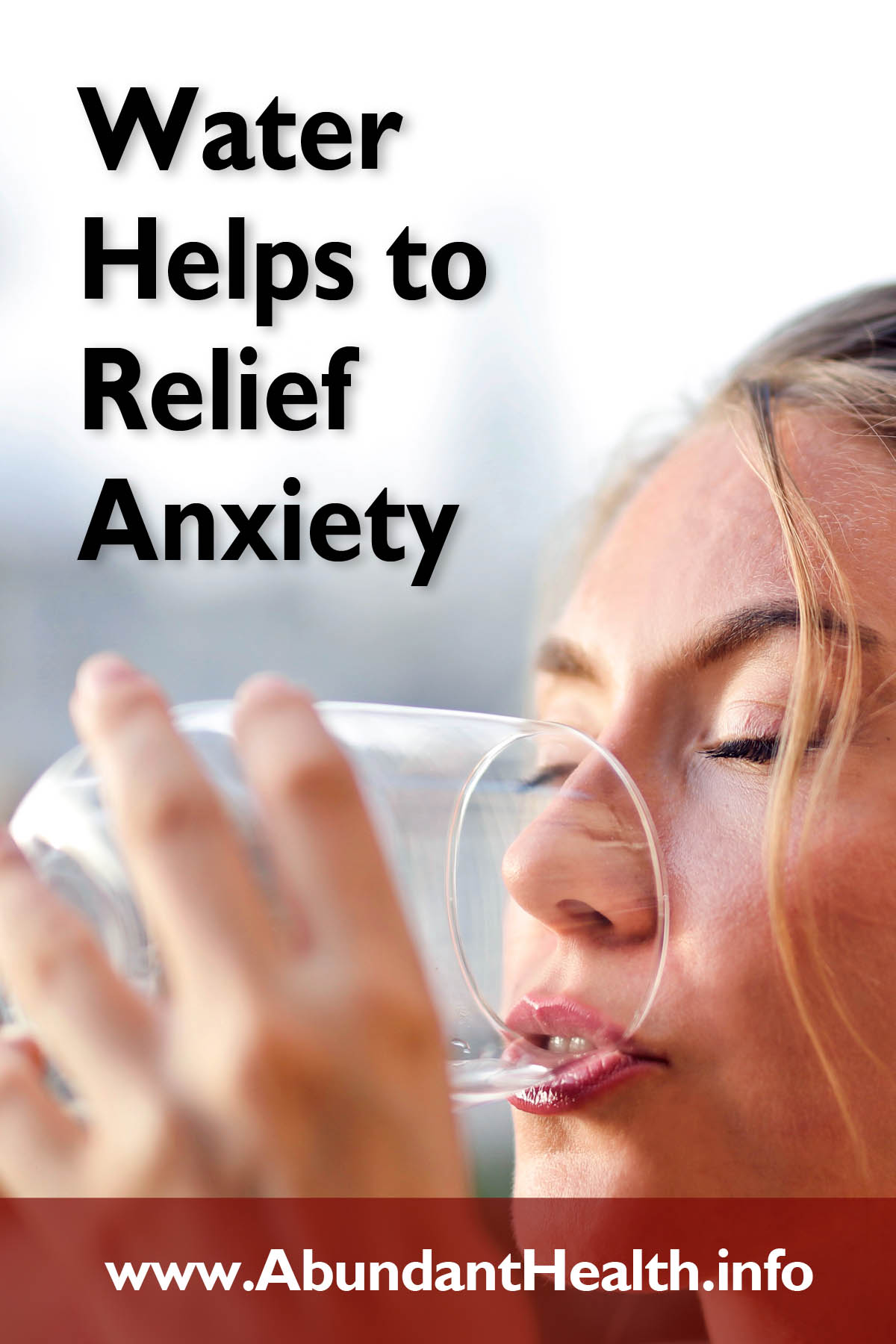
Water Helps to Relief Anxiety

September 3, 2023 by Nikolaj Travica - [rt_reading_time label="Reading Time:" postfix="minutes" postfix_singular="minute"]

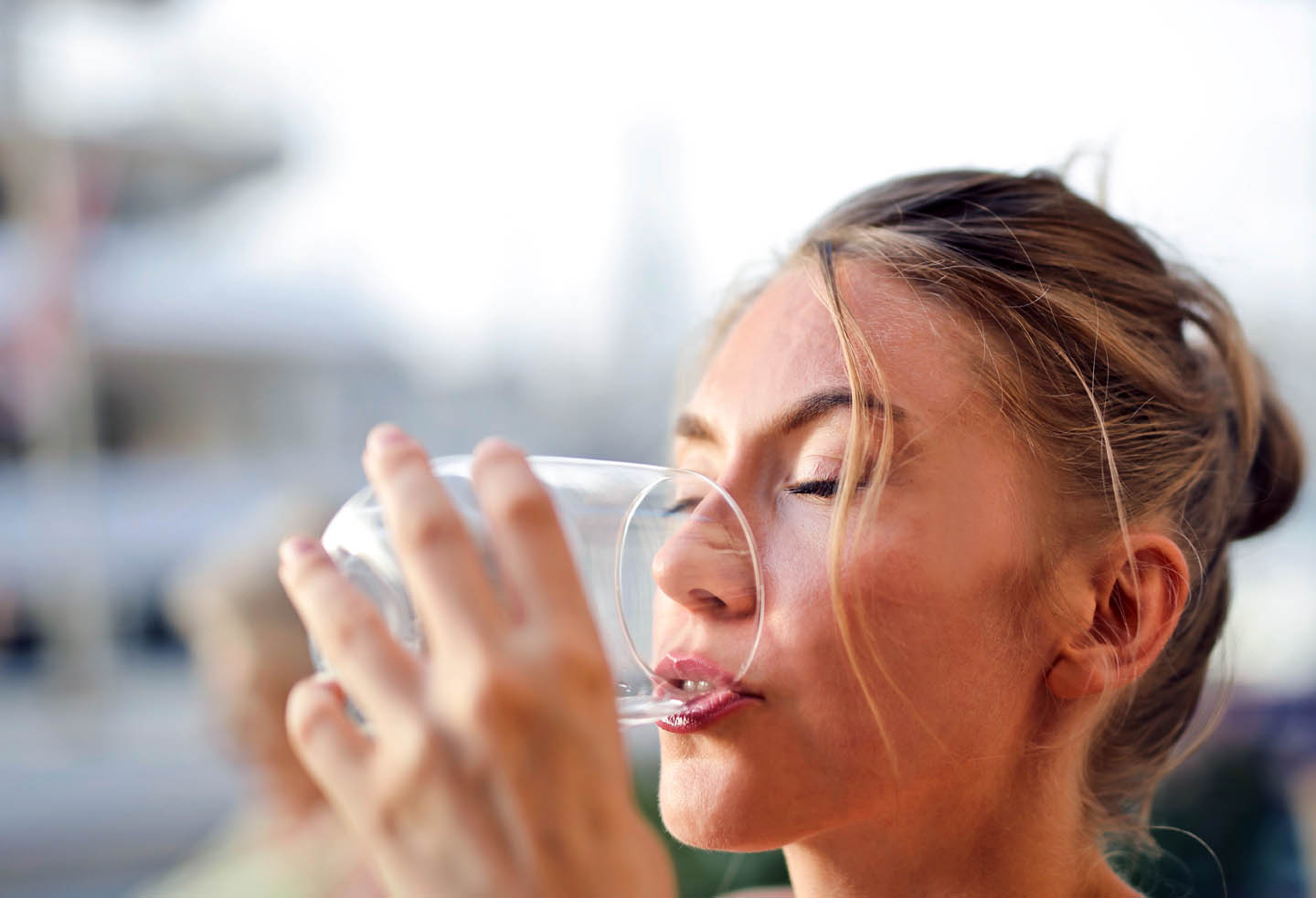
Water Helps to Relief Anxiety

Many can feel overwhelmed at some stage of their life with feelings of tension, nervousness and fear for the worst. In a 2020 Survey, 62% reported having some degree of anxiety, and around 31% will experience an anxiety disorder in some point in their life.((Anxiety statistics 2023, SingleCare))
Water Helps to Relief Anxiety

The growing field of nutritional psychiatry focuses on the effects of foods and drinks on our mental health.((F Jacka, Nutritional psychiatry: implications for public health, European Journal of Public Health, Volume 31, Issue Supplement_3, October 2021, ckab164.019, https://doi.org/10.1093/eurpub/ckab164.019)) Despite water constituting 60–80% of the human body, it is often overlooked as a significant nutrient. A recent tweet by federal health authorities suggesting water could help reduce anxiety was received with some online scepticism.((https://twitter.com/healthgovau/status/1492038209181728770))

In fact, the evidence shows water and hydration can play a role in preventing and managing the symptoms of anxiety.

A well-oiled machine

We all enjoy the cooling sensation a cold drink of water provides on a sweltering summer day. Our bodies are masterfully programmed to let us know when it’s time to rehydrate. We may be nourishing our brain too.

Several years ago, a group of researchers undertook a review that focused on the various ways hydration impacts health. The results were promising.((Benton D, Young HA. Do small differences in hydration status affect mood and mental performance? Nutr Rev. 2015 Sep;73 Suppl 2:83-96. doi: 10.1093/nutrit/nuv045.))

Overall, negative emotions such as anger, hostility, confusion and tension as well as fatigue were found to increase with dehydration. One trial induced mild dehydration and found increased reports of tension or anxiety and fatigue in participants.((McDermott BP, et.al. Mild dehydration impairs cognitive performance and mood of men. Br J Nutr. 2011 Nov;106(10):1535-43. doi: 10.1017/S0007114511002005.))

Researchers have also found people who usually drink lots of water feel less calm, less content, and more tense when their water intake drops.((Pross N, Demazières A, Girard N, Barnouin R, Metzger D, Klein A, Perrier E, Guelinckx I. Effects of changes in water intake on mood of high and low drinkers. PLoS One. 2014 Apr 11;9(4):e94754. doi: 10.1371/journal.pone.0094754.)) When researchers increased the participants’ water intake, people in the study felt more happiness, no matter how much water they normally drank.

Another large study found people who drink five cups or more of water per day were at lower risk of depression and anxiety.((Haghighatdoost F, et.al. Drinking plain water is associated with decreased risk of depression and anxiety in adults: Results from a large cross-sectional study. World J Psychiatry. 2018 Sep 20;8(3):88-96. doi: 10.5498/wjp.v8.i3.88.)) In comparison, drinking less than two cups per day doubles the risk. This link was less noticeable for anxiety alone (although feelings of depression and anxiety often influence each other).

A refreshing glass of water

More recently, researchers found water with electrolytes may prevent anxiety more than plain water, but it was noted that the placebo effect may explain this connection as study participants were aware when they were given the electrolyte drink.((Cousins AL, Young HA, Thomas AG, Benton D. The Effect of Hypo-Hydration on Mood and Cognition Is Influenced by Electrolyte in a Drink and Its Colour: A Randomised Trial. Nutrients. 2019 Aug 24;11(9):2002. doi: 10.3390/nu11092002.))

The link between dehydration and anxiety is also observed in children, who are a group at risk of dehydration.((Benton D. Dehydration influences mood and cognition: a plausible hypothesis? Nutrients. 2011 May;3(5):555-73. doi: 10.3390/nu3050555.)) Dehydration might also affect how well we sleep.((Rosinger AY, Chang AM, Buxton OM, Li J, Wu S, Gao X. Short sleep duration is associated with inadequate hydration: cross-cultural evidence from US and Chinese adults. Sleep. 2019 Feb 1;42(2). doi: 10.1093/sleep/zsy210.)) Poor sleep can exacerbate feelings of anxiety.

Water on the brain?

Almost every bodily function relies on water. Because 75% of brain tissue is water, dehydration reduces energy production in the brain and can change brain structure,((Biller A, et.al. Responses of the Human Brain to Mild Dehydration and Rehydration Explored In Vivo by 1H-MR Imaging and Spectroscopy. AJNR Am J Neuroradiol. 2015 Dec;36(12):2277-84. doi: 10.3174/ajnr.A4508.)) causing the brain to slow down and not function properly.((Pross. N. Effects of Dehydration on Brain Functioning: A Life-Span Perspective. https://doi.org/10.1159/000463060))

At the molecular level, if water levels are too low, our brain cells cannot function properly, with the brain showing signs of working harder to complete tasks.((Wittbrodt MT, Sawka MN, Mizelle JC, Wheaton LA, Millard-Stafford ML. Exercise-heat stress with and without water replacement alters brain structures and impairs visuomotor performance. Physiol Rep. 2018 Aug;6(16):e13805. doi: 10.14814/phy2.13805.))

Our cells recognize a state of dehydration as a threat to survival, leading to a state of anxiety. Serotonin is a neurotransmitter (a chemical messenger between brain cells) that stabilizes our mood and regulates emotions. During dehydration, we struggle to get the chemicals required to produce serotonin into our brain.((R.J. Maughan, S.M. Shirreffs & P. Watson(2007)Exercise, Heat, Hydration and the Brain,Journal of the American College of Nutrition,26:sup5,604S-612S,DOI: 10.1080/07315724.2007.10719666))

Being just half a liter dehydrated may also increase the stress hormone cortisol, which has been associated with a range of mental disorders, including anxiety.((Barry M Popkin and others, Water, hydration, and health, Nutrition Reviews, Volume 68, Issue 8, 1 August 2010, Pages 439–458, https://doi.org/10.1111/j.1753-4887.2010.00304.x))

The big picture

So, based on what is currently known and emerging evidence, the government health communication provides some good advice.((https://twitter.com/healthgovau/status/1492038209181728770)) Addressing lifestyle factors including your water intake in the context of your overall diet, physical activity levels, and sleep are important foundations that can support a person’s mental health. And there is evidence to suggest dehydration can affect our mood.

But it’s important to note there are a wide range of factors that affect an individual’s level of anxiety. No single thing is likely to be responsible for completely resolving those feelings. This is particularly true in people experiencing significant anxiety, where simply drinking more water is unlikely to be helpful on its own.
Healthy Fruits

Stay Always Up to Date

Sign up to our newsletter and stay always informed with news and tips around your health.

Sign Up Now!

This article is republished from The Conversation under a Creative Commons license. Read the original article.


The Conversation

Filed Under: Anxiety, Healthy Lifestyle, Mental Health, Water

How to Treat Anxiety Without Medications

February 26, 2023 by Dr. Cesar Vasconcellos de Souza - [rt_reading_time label="Reading Time:" postfix="minutes" postfix_singular="minute"]

Tratando Ansiedade

Many are wanting to treat their anxiety only with tranquilizers. People are becoming more and more medicalized, and living under the influence of synthetic drugs. Is there a better way?

How to Treat Anxiety Without Medications

Many are wanting to treat their anxiety only with tranquilizers. People are becoming more and more medicalized, and living under the influence of synthetic drugs. Is there a better way?

In fact, it is not just tranquilizers, but drugs in general, because it is easier to take a pill, thinking it will cure everything, instead of working to change our lifestyle, which involves food, exercise, the way you think, how you deal with emoticons, breathing pure air, drinking pure water and getting sunlight.

So there are general principles of lifestyle medicine that really should be applied, practiced in our lives constantly, and thus gradually improving our health, so that those who use medication, whatever it is, can with medical supervision reduce or even eliminate some of that medicine, precisely because they managed to modify the lifestyle so that it favors our body and our brain to function better.

So, the amount of prescriptions for anxiolytics, which are medications to reduce excessive anxiety, is frightening. What can help to prevent abuse of this medication in people who have excessive anxiety?

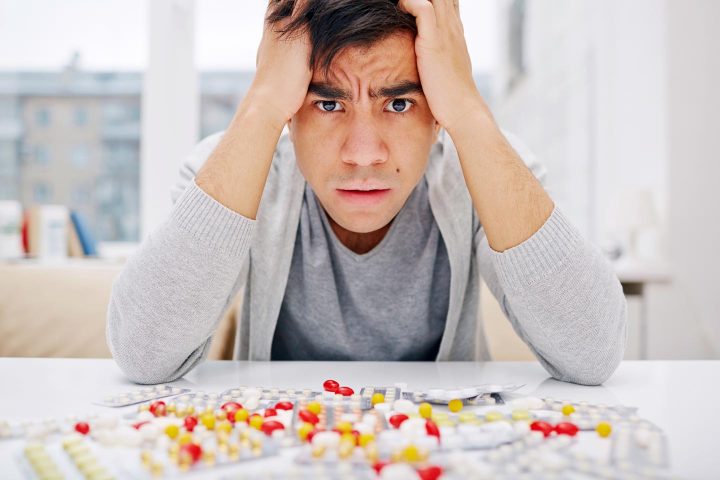
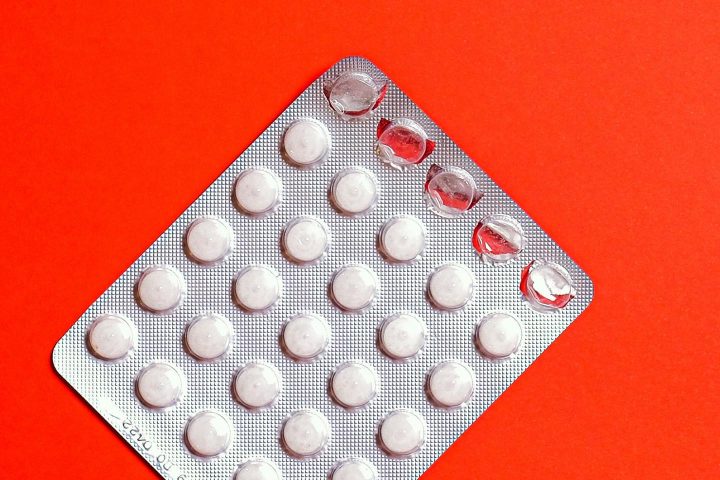
An anxious man with a huge amount of tranquilizers

Remembering that, this excessive anxiety manifests itself differently for different people. Some people have a lot of anxiety and this leads to a panic attack. Others will have a phobia, simple phobia or social phobia. Others will have some somatization, and their body ends up suffering because they have exaggerated emotional stress of high anxiety. So there are several ways in which excessive anxiety manifests itself in people. It also manifests itself explicitly, purely with anxiety, the person is anxious, nervous, and distressed all the time.

So what can you do to not become dependent on anxiety medication? First, it is important to accept that there may be something in your life that produces excessive anxiety and to understand and accept that there may be conflicts in your life that increase your anxiety. Accepting is not agreeing, accepting is admitting the reality.

The person may have excessive anxiety about some conflicts, and run away from them, not wanting to face and resolve them. But with the guidance of a professional and with God’s help, your choice and determination to understand why that conflict arose, it will certainly resolve itself. Could it be something from your past life that you’ve carried into your adult life, often adding current conflicts there?

You have to stop to think, analyze, and pray about the matter so that your mind is clear. And then you will begin to realize that there may be some things you can do, in the way you think, feel and deal with people, in the expectation of receiving attention and affection from others. Perhaps you will need some adjustment in these behaviors and attitudes so that the anxiety can gradually subside.

It is important to remember that excessive anxiety can be a red light, indicating that there may be some situation in your way of functioning as a person that needs change, adjustment, or repair.

A red warning light on the dashboard of a car

It could also be that you have always been a person with an anxious profile and that you have a tendency to have anxiety in your personality structure. We call this trait anxiety, which is different from state anxiety. State anxiety is when a person is experiencing a somewhat tense situation and their anxiety increases for a while, but after that stressful event passes, anxiety returns to its normal level. Trait anxiety, on the other hand, is when the person has high anxiety almost all the time, perhaps since childhood.

So, the first step is this: if there is a problem in your life that you need to accept, which is a reality, although it is hard to accept, instead of running away, or not thinking about it, admit that this is a reality that you are living. Second, it’s important that you look outside of yourself instead of focusing on the feeling of anxiety you may experience.

Try to think that you are not the anxiety; it’s just something on your mind. Think that you can use the healthy side of your mind to learn how to deal with it. So, don’t freak out. Take a deep breath and think, “I’m overly anxious here. Let me think where that comes from.” You are not anxiety; anxiety is something that is disturbing you excessively, but you can think, you can work, and you can study. So even though your mind has an anxious side, there’s also another healthy side that’s working.

Also, think that everyone has anxiety. Therefore, the aim is not to eliminate anxiety, but to see how it can be diminished if it is exaggerated. If there is, for example, tension in a relationship, what can you do to resolve it? What is depending on you? Exaggerated anxiety can be explicit, that is, appear as restlessness, a feeling of emptiness, or a tightness in the chest, or it can arise through another disorder such as phobia, which is exaggerated fear; obsessive-compulsive disorder, which are obsessive thoughts, that lead to compulsive acts disrupting the proper functioning of the person. Excessive anxiety can appear through a panic attack, which is an overflow of anxiety. But it can manifest itself in other ways as well.

Another thing that helps you work on your life and avoid becoming dependent on tranquilizers is to take action instead of doing nothing to resolve, and freaking out with exaggerated anxiety or distress. For example: Decrease the pace of work, do not despair, and perform your tasks more slowly on that day when you are most anxious. Of course, as far as possible, without demanding from yourself that you have to perform the same as before the anxiety disorder.

Breathing can also help. Very anxious people often breathe poorly. Therefore, throughout the day, breathe deeply and slowly, about five or six times in a row, pulling air through your nose and letting it out through your mouth very slowly. This extra oxygenation helps the brain to function better.

Deep breathing to control anxiety

Also, check how your diet is doing. Caffeinated beverages, for example, can make anxiety worse. Therefore, eliminate these substances, or reduce their consumption as much as possible. In the case of caffeine, it is better to eliminate it. Doing some exercise, especially outdoors, such as hiking, also contributes to the relief of excessive anxiety. Preferably exercise in nature, because you will reach the benefits of fresh air, Sunshine and a calming landscape! Nature calms down.

Finally, examine your thoughts. Think about what you have been thinking about most often. A person with excessive anxiety often exaggerates things and tends to focus on problems that haven’t happened, and probably never will. So, don’t anticipate tragic events that possibly won’t happen. Check whether your most frequent thoughts, which increase anxiety, have a real basis. Are they reasonable? Are they based on truth or an assumption? Do you have proof? Do you have concrete evidence that this thought that comes into your head, which generates anxiety, is true, or is it just produced by an anxious mind that imagines things?

You can keep imagining countless negative, tragic, catastrophic things, which have no basis in reality, and which may never happen. So, analyze the reason for the catastrophic thoughts, your pessimistic thoughts of tragedy. If you cultivate them, it will increase anxiety. Then you can choose what kind of thought you will allow to linger in your mind. We call this psychoeducation, or education of thoughts.

Seek to develop your spiritual life and your faith. Scientific studies show that prayer, meditation on a biblical text, and helping others for free, on a voluntary basis, help us become more serene. Attitudes like this, practiced with perseverance, insisting with patience, with humility and determination, will help to reduce anxiety. The person who practices this may not even need a tranquilizer, or if he does, he may use it for less time and without needing a high dose. As you practice these principles and ask God for help, you can overcome this excessive anxiety.

Healthy Fruits

Stay Always Up to Date

Sign up to our newsletter and stay always informed with news and tips around your health.

Sign Up Now!

Filed Under: Anxiety, Mental Health Tagged With: tranquilizers

Ten Natural Remedies to Overcome Anxiety

August 28, 2022 by Elizabeth Hall - [rt_reading_time label="Reading Time:" postfix="minutes" postfix_singular="minute"]

Natural Remedies for Anxiety

Do you suffer from anxiety? Are there certain things that cause you to be anxious? For many fear and anxiety are a problem. They are the most common mental illnesses in the United States, affecting 40 million adults age 18 and older. Did you ever think that there were some simple remedies that can help you a lot to deal with anxiety more effectively?

Ten Natural Remedies to Overcome Anxiety

Get a Good Medical Evaluation

Physical problems like overactive thyroid activity, other hormonal imbalances, chronic obstructive pulmonary disease, heart failure, heart valve prolapse, vitamin B12 deficiency, withdrawal of certain drugs, and other problems could be the source of anxiety and should be ruled out by a competent physician and appropriate testing.

View Only the Positive, the True, and the Noble on Television or Internet

Much of what is shown on TV stimulates the adrenal glands to release stress hormones that aggravate and perpetuate anxiety. We deliberately choose to lower our threshold to anxiety by watching violent programs or movies causing us to live the action vicariously.

Limit Exposure to Media

Overall and night-time specific social media use along with emotional investment were related to poorer sleep quality, lower self-esteem, as well as higher anxiety and depression levels in teenagers.((British Psychological Society. “Pressure to be available 24/7 on social media causes teen anxiety, depression: The need to be constantly available, respond 24/7 on social media accounts can cause depression, anxiety.” ScienceDaily. 11 September 2015.www.sciencedaily.com/releases/2015/09/150911094917.htm)) Using multiple forms of media at the same time — such as playing a computer game while watching TV — is linked to symptoms of anxiety and depression.((Michigan State University. “Multiple media use tied to depression, anxiety.” ScienceDaily. ScienceDaily, 4 December 2012.www.sciencedaily.com/releases/2012/12/121204145557.htm))

Eliminate Caffeine

Caffeine magnifies the effects of adrenal stress hormones and messes up an important brain chemical, GABA (gamma-amino-butyric-acid). This chemical helps us to focus and remain calm during stress. Caffeine can be a contributing factor in post-traumatic stress syndrome. It lowers the threshold to anger and decreases the level of contentment. Caffeine is bad news indeed for anxiety control.((Spiller, G., Caffeine. CRC Press, New York, 1998, pp. 264-272.))

A cup of coffee

Physical Exercise Helps

Twenty minutes of continuous walking (done daily for 10 weeks) improves anxiety.((Nieman, D., The Exercise-Health Connection. Appalachian State University, 1998, pp. 249-262.)) Physical exercise is linked to good health. Physical fitness can buffer against the harmful effects of mental stress. In the elderly, exercise improves the quality of sleep and the perception of personal control and self-efficacy. It helps control an inherited tendency to anxiety and also increases contentment. Regular, moderate exercise also helps to reduce pro-inflammatory chemicals in the body which are commonly elevated in anxiety. Additionally, some studies suggest that exercise may play an important role in helping people to endure life’s daily anxieties and stressors better. Regular exercise helps to buffer the effects of emotional exposure. If you exercise, you’ll not only reduce your anxiety, but you’ll be better able to maintain that reduced anxiety when confronted with emotional events.((University of Maryland. “Exercise may protect against future emotional stress, study shows.” ScienceDaily. ScienceDaily, 13 September 2012.www.sciencedaily.com/releases/2012/09/120913123629.htm))

In contrast, low-energy activities that involve sitting down are associated with an increased risk of anxiety, according to new research. These activities, which include watching TV, working at a computer, or playing electronic games, are called sedentary behavior.((Megan Teychenne, Sarah A Costigan, Kate Parker. The association between sedentary behaviour and risk of anxiety: a systematic review. BMC Public Health, 2015; 15 (1) DOI: 1186/s12889-015-1843-x.))

Enjoy an Anti-Inflammatory Diet

Since anxiety fuels inflammation (and inflammation fuels chronic conditions), adopt an anti-inflammatory plant-based diet which includes leafy green vegetables, whole grains, legumes, nuts, and omega-3 fats. Avoid the liberal use of refined oils and sugar as this fuels inflammation. Plant foods are rich in fiber. Fiber helps to populate the stomach and gut with friendly bacteria. Mounting evidence links unfriendly bacteria to mental disorders, including anxiety.((Office of Naval Research. “Gut feeling: Research examines link between stomach bacteria, PTSD.” ScienceDaily. ScienceDaily, 25 April 2016.www.sciencedaily.com/releases/2016/04/160425161324.htm)) Omega-3 fats reduce anxiety and inflammation in healthy students.((Ohio State University. “Omega-3 reduces anxiety and inflammation in healthy students, study suggests.” ScienceDaily. ScienceDaily, 1 August 2011.www.sciencedaily.com/releases/2011/07/110713121313.htm)) Chia seeds, flaxseed, organic soybeans, and walnuts are good vegetarian sources of omega-3 fat.

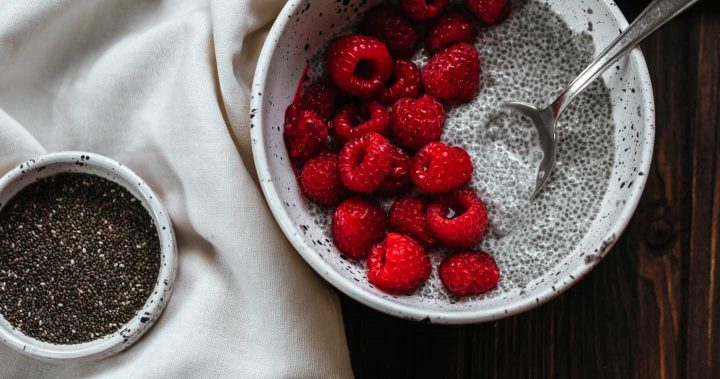
Hydrated chia seeds

Boost Antioxidant Intake

Culinary herbs like turmeric, ginger, rosemary, thyme, and oregano can help to boost your antioxidant levels. Consider a modest plant-based vitamin supplement. Why? Individuals with generalized anxiety disorder can have low levels of antioxidants in the blood.((Medhavi Gautam. Role of antioxidants in generalised anxiety disorder and depression. Indian J Psychiatry. 2012 Jul-Sep; 54(3): 244–247.)) Low levels of antioxidants might help to contribute to anxiety in some cases.((Krolow R, Oxidative Imbalance and Anxiety Disorders. Curr Neuropharmacol. 2014 Mar; 12(2): 193–204.)) It would be a good idea to have your vitamin B-12 and vitamin D levels checked too.

Don’t Microwave Plastic and Limit Drinking from Plastic Containers

Researchers at North Carolina State University show that exposure to the chemical bisphenol early in life results in high levels of anxiety by causing significant gene expression changes in a specific region of the brain called the amygdala. The researchers also found that a soy-rich diet can mitigate this effect.((North Carolina State University. “Exposure to bisphenol A (BPA) early in life results in high levels of anxiety; Soy mitigates effects, study shows.” ScienceDaily. ScienceDaily, 7 September 2012.www.sciencedaily.com/releases/2012/09/120907131638.htm))

Avoid Alcohol

After chronic alcohol exposure, mice are unable to control a learned fear response, shedding light on the link between alcoholism and anxiety problems like post-traumatic stress disorder. In other words, persistent drinking rewires the brain and lowers the threshold for anxiety.((University of North Carolina School of Medicine. “Heavy drinking rewires brain, increasing susceptibility to anxiety problems.” ScienceDaily. ScienceDaily, 2 September 2012.www.sciencedaily.com/releases/2012/09/120902143143.htm))

Enjoy a Neutral Tub Bath

This hydrotherapy treatment relaxes the body while sedating the nervous system. Be sure the room is warm. The water temperature should be maintained between 94-97°F (34-36°C). The bath should last between 15 minutes to an hour. Place an air pillow under the head for comfort if needed, and cover any exposed area with a light towel.

Healthy Fruits

Stay Always Up to Date

Sign up to our newsletter and stay always informed with news and tips around your health.

Sign Up Now!

This article was originally posted on the Wildwood Institute website and is used by permission.

Filed Under: Anxiety, Mental Health Tagged With: Anxiety treatment, Overcoming Anxiety

How to Face Your Anguish

August 7, 2022 by Dr. Cesar Vasconcellos de Souza - [rt_reading_time label="Reading Time:" postfix="minutes" postfix_singular="minute"]

Angustia

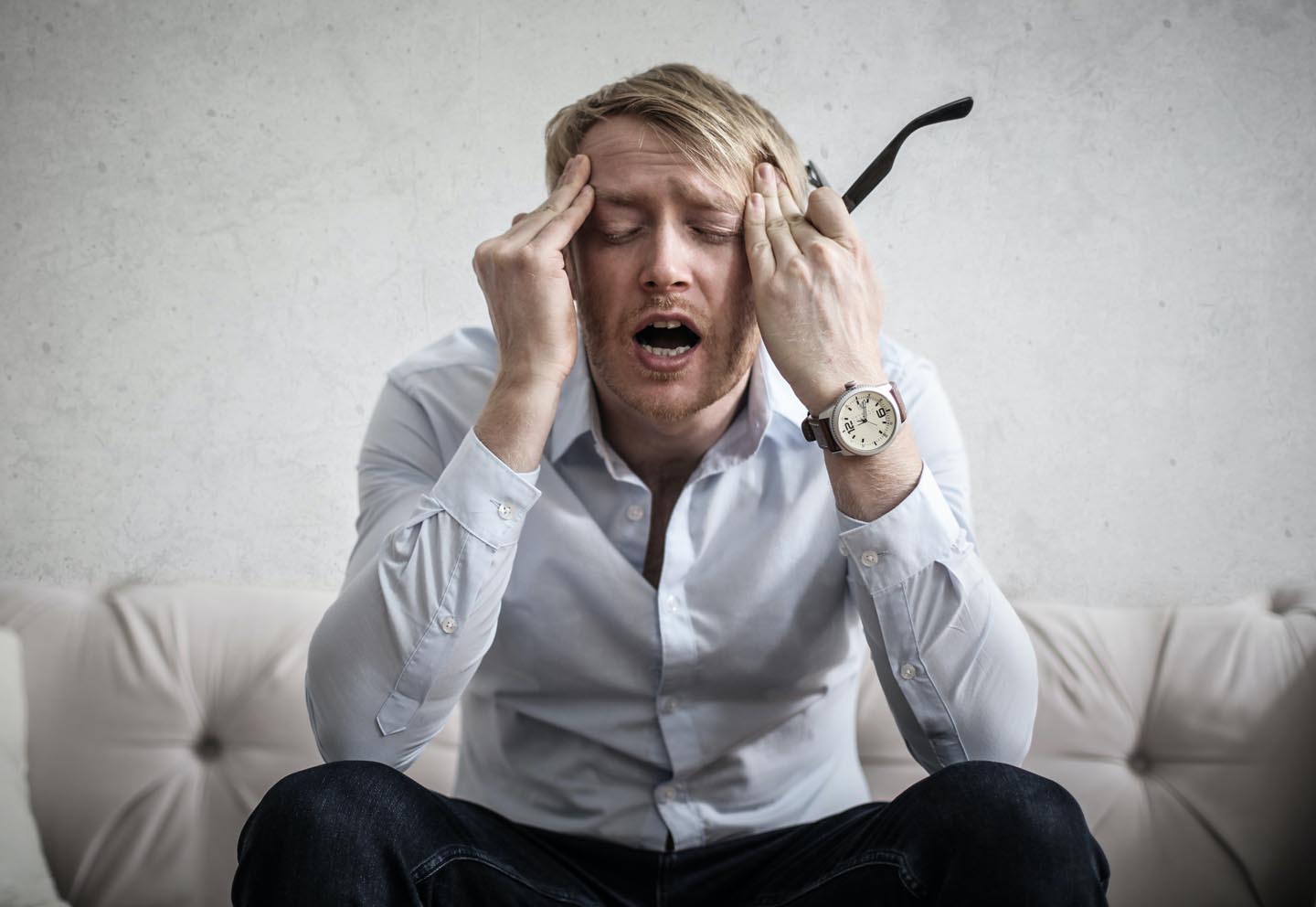
Anguish is very common in our society. It is a feeling of intense pain, whether physical or emotional. In the midst of difficulty and anguish it can be difficult to perceive what to do. But anguish does not come from nothing, there is a reason for it to appear. How can we handle anguish?

How to Face Your Anguish

David was a shepherd who became a king in Israel in Old Testament times, but he screwed up a lot. I’ve heard preachers say that even when David committed adultery and murder, he was a man after God’s own heart. The truth is that David became a man after God’s own heart after he deeply regretted his sins, especially adultery and murder. Up to a certain point he tried to stifle his anguish over the mistakes he had made. Let’s think now about what we do with anguish. Do we run away from it, or are we able to face it in the strength of God?

The Bible is a wonderful book because it shows the truth of human history, without putting a lid on anyone. David was carried away by emotion, by sensuality, and abusively he wanted to have the wife of one of his army chiefs, Uriah. He ordered to put Uriah – his faithful soldier – at the head of the battle and to leave him there alone, so he was slain in battle.

It was cowardice on the part of David and his officers who carried out this order. David wanted to stay with Uriah’s wife, Bathsheba. He adulterated and murdered one of their military leaders. He didn’t think about it anymore, he fled into denial, into self-deception. Many do this, they escape into a mental attitude of unconsciousness of guilt, in the cruel, unpleasant, rude way of being. Running away from yourself can be the worst escape to do.

Then the Prophet Nathan, sent by God, went to David and told him a parable that portrayed injustice. When David heard the story of the parable, he immediately said that the unjust character must be punished. Nathan then said that he, David, was the unjust man, for what he had done to Bathsheba and Uriah. Suddenly the penny dropped and David came out of denial and admitted his mistakes, facing his anguish head on.

It seems difficult for certain people to admit their mistakes in behavior. Sometimes they are authoritarian, bossy, boastful, arrogant people. It’s hard to get along with people like that who, like David, are in denial almost all the time, always making an excuse for their abusive behavior.

There are people who do not feel anguish, because they have a strong ego and a good ability to manage their emotions. But a person with an impoverished emotional make-up, or someone alienated, may not complain of anguish.

Another type of person who seems to lack conscious distress is one who lacks self-observation. They can be defensive people, who don’t open up, they think they are powerful because they are more affluent, or with some relevant political, business or social position, or because they are people soaked with emotions, and with that they believe they have the power to love. Mature love involves feeling, but a strong feeling alone is not love.

A politician thinking he has power

Why do some deny having behavioral problems? Why don’t they observe themself and admit it? Maybe because they didn’t want to face their anguish. One way to avoid thinking about your anguish is to criticize, wanting to control others and having an attitude of ordering as if others were your stewards. Nor does one feel anguish who suffers from a decrease in morals. Corrupt people are like that. Some corrupt people may have a personality disorder, because they lack remorse, lack the feeling of guilt, lack true repentance. Those who say they don’t have anguish, may not have symptoms, but the way they live, trampling on ethics, exploiting people, dominated by material greed, aren’t these the symptoms of a character deficiency?

Another way to escape the perception of anguish has to do with psychosomatic illnesses, which are the manifestations of anguish through the body. This is where autoimmune diseases and other symptoms in the body come in, for which there is no diagnosis of some organic clinical disease. Is the absence of perceiving anguish the same as the absence of symptoms? Who doesn’t feel anguish consciously doesn’t have symptoms of emotional suffering?

Some symptoms may not be so evident, that they are expressing the presence of anguish or exaggerated anxiety. For example, stuttering, the presence of a tic, nocturnal enuresis that makes the person wet the bed again, obesity, verbal aggression, consumerism, a sex craving, an addiction to work, among others.

Anguish affects the entire human race. A baby is already born with it. Anguish is a general malaise, an unpleasant feeling of emptiness, of missing something that you don’t know what it is. It feels like a hole in the chest, sometimes a feeling of tightness, oppression in the chest, a lump in the throat, with or without sadness. Sometimes, and perhaps most of the time, anguish comes in disguise, or hides itself in physical symptoms, or even in mental symptoms such as panic attacks, bulimia, self-mutilation, obsessive compulsive disorder, drug addiction, among other problems.

Dealing with anguish is not easy. We all want pleasure, well-being, and that’s a normal desire. But is it possible not to have anguish in this existence? Is there any medication that eliminates the anguish inherent to existing? Any drug, licit or illicit, only promises resolution of anguish, but does not fulfill it, unless temporarily, and depending on the drug in a very fleeting way. The pain comes back.

Psychotropic pills

To better deal with your anguish, it is important to observe what types of thoughts you cultivate the most in your mind. Imagine a car with four wheels. The front wheels are the most important because they get you where you want to go. The rear wheels follow the front ones. The ones at the front are thought, cognition, choice, volition. The ones behind are feelings and physiology; that is, how your body reacts depending on what you think, what you feel and what you do.

To deal with anguish and depression it is important to consider the front wheels: thinking, choice. People who let their thoughts focus on tragedies, pessimism, and personal suffering can develop a variety of mental disorders. Studies of depression reveal that distorted and hopeless thoughts contribute and worsen depression.

The rear wheels are still important. Without them, the front ones can’t handle the path you want to go. Feelings are important for the functioning of the brain and other organs. Most people tend to be either at the extreme of being dominated by feelings – the front wheel of thought comes to the back, and the back wheel of feeling comes to the front – or they repress emotions too much, taking off a rear wheel.

A car steering in a curve

There are not many who manage their thoughts and feelings well. It depends on learning, which I call psychoeducation. That’s where you learn to think better by correcting your distorted thoughts, to focus your attention on what works in your life instead of what doesn’t, to cultivate hope, to strive to be optimistic, to have and express gratitude, to overcome authoritarianism and to cultivate meekness, stop complaining about people, about life, about everything; this is psychoeducation.

When you let thought go to the back wheel and allow the back wheel of emotion to come forward, choices, behavior, your family and social relationships can become problematic. Not because feelings are a mistake, but because common sense, serenity, mental balance, are not produced by feeling; this is not their job. It is cognition, thought, one of the front wheels that is enabled to do this. Taking medication for anguish and depression and not learning to think better is like wanting the back wheel to guide the car of your mind.

Do something to learn how to better deal with your emotions, with your anguish or sadness. Psychotherapy, good reading, lectures, counseling, spiritual retreats, support groups, Bible reading, life can help. Once you learn to control your thoughts, emotions and everything else, you’ll move on more easily.

Healthy Fruits

Stay Always Up to Date

Sign up to our newsletter and stay always informed with news and tips around your health.

Sign Up Now!

Filed Under: Anxiety, Mental Health

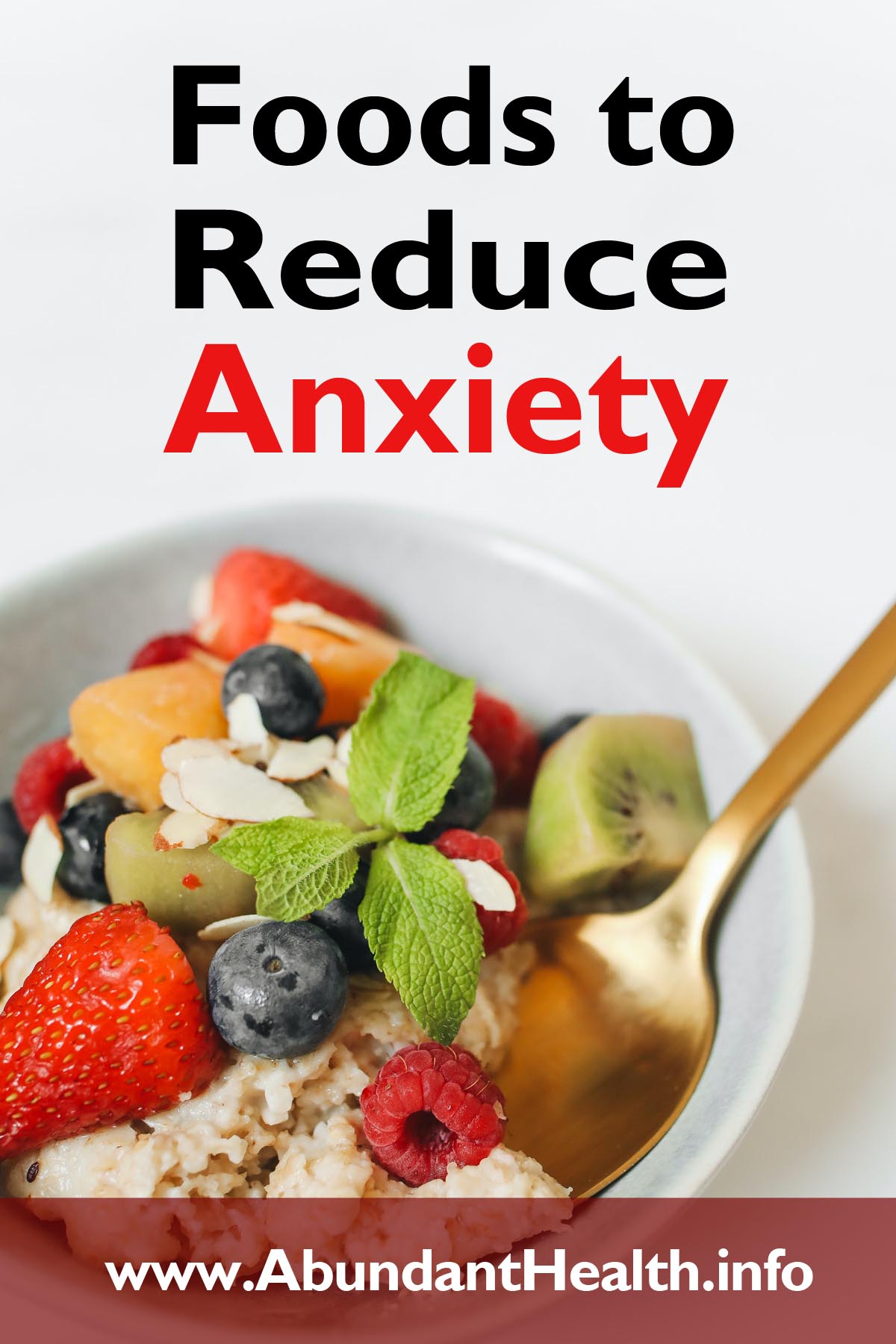
Foods to Reduce Anxiety

November 28, 2021 by Ricardo Vargas - [rt_reading_time label="Reading Time:" postfix="minutes" postfix_singular="minute"]

Alimentos que Ajudam Reduzir a Ansiedade

When talking about anxiety, we are not talking about a rare disorder, but something that affects 85% of the world population, according to recent studies by Psychiatrist Augusto Cury.

Foods to Reduce Anxiety

Anxiety is a biological characteristic of human beings, which precedes moments of real or imagined danger. In this context, many unpleasant symptoms appear, such as:

  • Fatigue
  • Insomnia
  • Fainting sensation
  • Chest pain and palpitations
  • Dry mouth
  • Muscle tension and pain
  • Sensation of having a “knot” in the throat
  • Mental confusion
  • Feeling of helplessness

These symptoms are not rare, a large part of the population has suffered from anxiety. And most people have difficulties following simple advice on this matter. However, a large part of this difficulty is linked to the lifestyle we lead, especially when it comes to food.

Cortisol is your stress hormone; the same that triggers anxiety. This hormone needs to be in balance with serotonin, which is responsible for happiness. The ingested food plays a fundamental role in the amount of these hormones circulating in the bloodstream.

Our nutritional patterns has undergone many changes over the last few decades. Many are claiming lack of time as the main reason. Commuting time has increased, which forces many to leave their homes without having the first and most important meal of the day: breakfast. Many meals have been taken outside the home, forcing people to eat what they find and not what they often want.

Fast food purchased on the go

Commitments beyond work have also increased, and often due to the difficulty of planning and managing time, the last meal is eaten late at night. The body is forced to work to complete digestion when it should be involved in regeneration processes. It is during the first sleep period that your body works to reduce cortisol. A late night meal rich in protein and fatty foods interferes with cortisol control. And, the only certainty we have is that the next day our anxiety level will be higher.

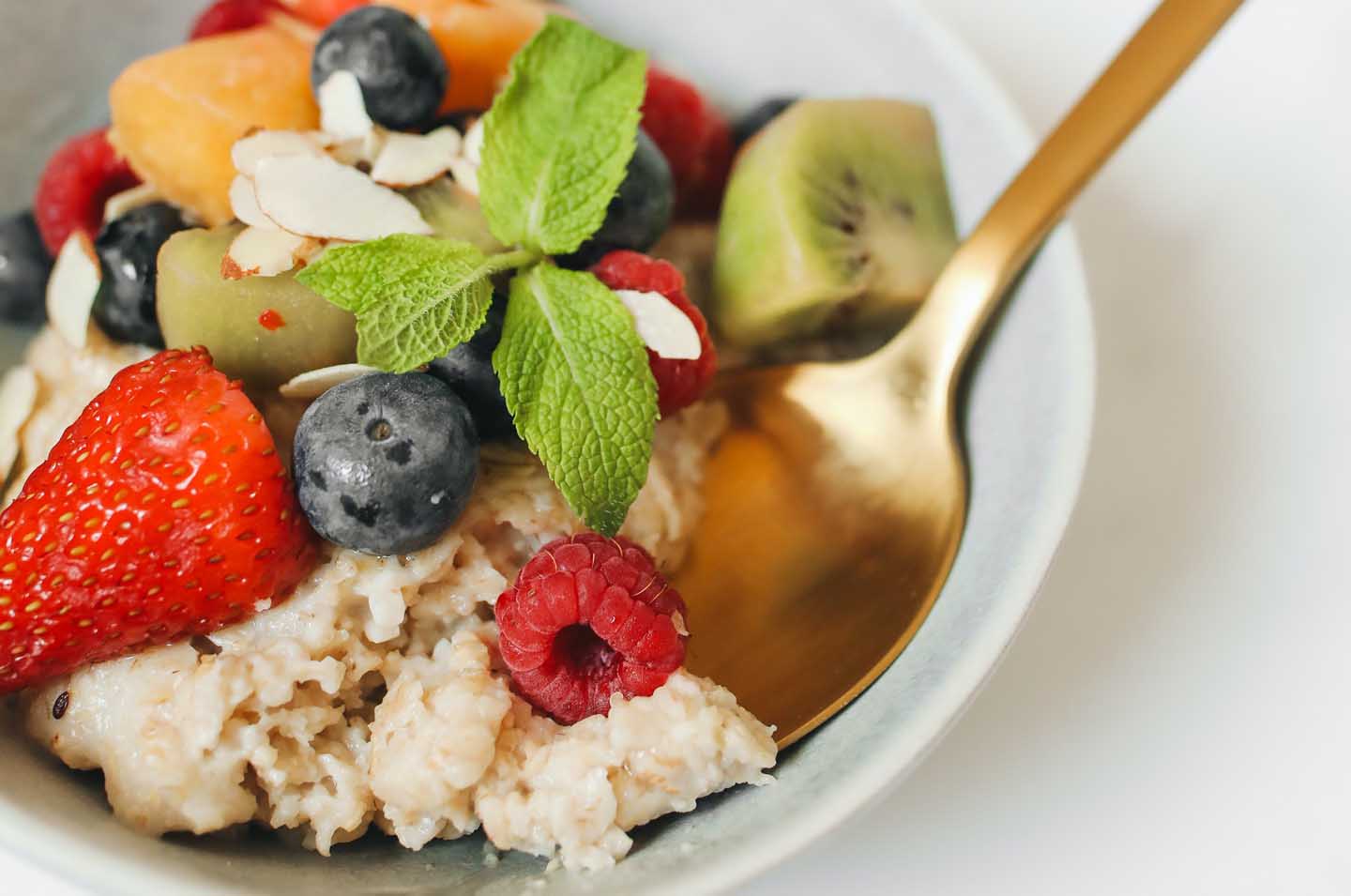
Our evening meal should be as close to sunset as possible, remembering that during summer the sunset is later and the last meal should be taken at least two hours before bedtime. At the last meal, we should prioritize the consumption of foods rich in carbohydrates, for example, fruits, oats or granola, toast and soups made from tubers or roots. Also be careful with the quantity.

Serotonin, the hormone that controls cortisol and consequently controls anxiety, is produced in the morning until 9 am. It is essential to eat foods that are rich in tryptophan at breakfast, as this is the raw material used by the body to produce this happiness hormone.

Include some of the following foods in your breakfast:

  • Oats or granola
  • Chickpeas, can be in the form of hummus
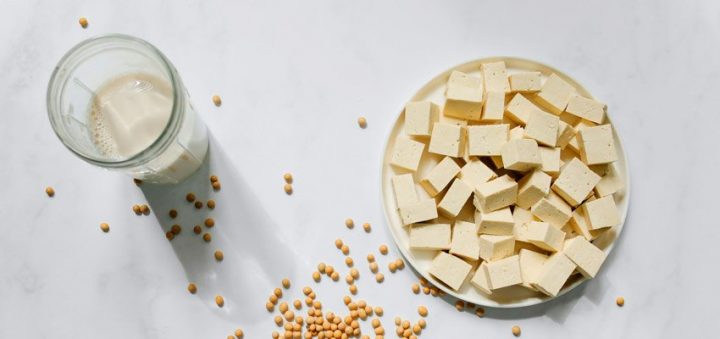
  • Soybeans in the form of milk or tofu (can be grilled or as a spread)
  • Peanuts (in natura, as milk or peanut butter)
  • Hazelnut
  • Cashew nut
  • Brazil nuts
  • Almonds (to be eaten fresh, as milk or as ricotta)
  • Brown rice (can be in the form of sweet rice)
  • Banana
  • Honey

Of those foods above, include two to three sources. Never eat more than one source of nuts at a meal so that there is no excess fat.

Tofu and soymilk

The inclusion of these foods will give the body the opportunity to produce serotonin, but it is essential to exclude foods that increase cortisol from the menu, or all the effort will be in vain.

Stop consuming the following foods, that include stimulants:

  • Coffee (even the decaf)
  • Green, black, red, yellow and white teas as well as mate tea (these are obtained from two plants called: Ilex paraguariensis and Camellia sinensis.)
  • Alcoholic beverages
  • Guarana
  • Cola soft drinks
  • Chocolate

These stimulants impair serotonin production and increase anxiety. Some may say that when they make use of these they feel better. Beware, this is a warning sign, as you may already be suffering from an addiction.

Some important considerations about serotonin production:

  • The intestine is the production site of serotonin, so it is important that it is working properly. Consume whole foods, fruits and vegetables. Increase your water intake. Remove refined foods from your table.
  • Sunbathing in the morning increases the stimulus for serotonin production, 20 minutes would be enough to bring this benefit.
  • The practice of physical exercise improves bowel function and even promotes greater production of serotonin when performed in the morning. Put on some sneakers and go out for a walk early in the morning. You will find that your day will be different.
Walk on the beach
  • A good night’s sleep helps control cortisol levels and prevents it from damaging the production of serotonin. Your efficiency will be better if you can sleep before 9:30 pm.

These recommendations are not intended to replace the use of medications or a consultation with a specialist, but they will help you to better deal with anxiety and the doctor will be responsible for reducing your medication or even taking you off, if he sees fit.

Food can have a powerful influence on our minds. Getting at least 15 minutes of exercise in the sun during the morning hours, going to bed early and adapting to the correct diet can help a lot in controlling anxiety. Help your brain and make the needed lifestyle changes today!

Recipes

Banana Oat Mufffins

  • 2 cups oat flour
  • 2 bananas
  • 1 Tbs psyllium
  • 1 Tbs dry yeast
  • 2 Tbs honey
  • a pinch of salt
  1. Dissolve the yeast in warm water and one spoon of honey for 10 minutes.

  2. Hydrate the psyllium seeds in warm water and stir until it dissolves.

  3. Mix the oat flour with the rest of ingredients, adding about 1 cup of water until reaching the desired consistency.

  4. Grease the muffin forms and pour the dough until half of the form.

  5. Let it rise until it doubles in size.

  6. Bake at medium heat for about 30 minutes.

Breakfast
American
Diabetic, Gluten Free

Peanut Oat Cookies

Delicious! Children will love these tasty cookies!

  • 3 cups oats
  • 1 pinch of salt
  • 1/3 cup honey
  • 1 cup roasted peanuts
  1. Beat the peanuts in a blender with a little water to form a cream.
  2. Pour into a bowl and put the remaining ingredients, mix well.
  3. Make cookies in the format you want.
  4. Bake in moderate heat until golden brown.
Dessert
Gluten Free, Vegetarian

Sugar Free Granola

  • 5 bananas
  • ½ cup peanuts or almonds
  • ½ cup raisins
  • 4 cups rolled oats
  • 1 coconut
  • 2 cups quick oats
  • ½ cup ground flaxseed
  • ½ cup ground sesame seeds
  • ½ cup sunflower seeds
  • 4 apples
  1. Put into a bowl the oats, with the ground sesame and flaxseed.

  2. Grate the coconut or shred it in the food processor.

  3. Blend 2 apples with a little bit of water and the 5 bananas. Mix with the rest of ingredients, so that the oats just get slightly damp.

  4. Spread out on 2 baking sheets, so that it results in a fine layer.

  5. Bake on low heat for about 1 hour until brown, stirring every 15 minutes. It may be still slightly humid, but after cooling down it gets crunchy.

  6. Cool down and add raisins and nuts. If desired, add some sugar free corn flakes.

  7. Keep in a jar with tight lid in order to maintain crunchy.

Breakfast
American
Diabetic, Low Fat, Vegan

Oat Pancake

  • 1 cup oats
  • 2 Tbs tapioca flour ((sweet))
  • 1 Tbs Brazil nuts
  • 1 Tbs flaxseed
  • 1 clove of garlic
  • ½ tsp saffron
  1. Blend all ingredients.

  2. Pour a fine layer in a pre-heated non stick frying pan.

  3. Wait until the pancake comes off and flip it over.

  4. Let it brown at the other side.

  5. Fill with your preferred filling.

Side Dish
American
Diabetic, Gluten Free, Low Fat, Vegan

Tofu

  • 1 cup soy beans
  • 2 lemons
  1. Soak the soybeans for 12 hours.

  2. Wash 3 times and rinse well. If you want, you can eliminate some of the skins that came off.

  3. Blend 1 cup of soybeans with 2 cups of water until it foams.

  4. Strain with a fine meshed cloth.

  5. Pour the milk into a pan and cook for 5 minutes on low heat after it gets to a boil, stirring frequently.

  6. If you desire a salty tofu, put 1 tablespoon of salt.

  7. Increase the heat and boil while stirring, until the milk is rising.

  8. Put the juice of 1 lemon for every liter of soymilk and give it a slight stir.

  9. Boil for 1 minute on low heat, turn off the heat and wait for another minute in order to curdle.

  10. Pour the curdled milk into a sieve and wait for the whey to drain.

  11. If you want a firm tofu, put a weight on top and leave for a few hours.

Store the tofu in the fridge inside a closed pot to prevent drying out.

Side Dish
Diabetic, Gluten Free, Vegan

Tofu Cheesecake

A plant based cheesecake version

  • 1 pineapple
  • 2 cups tofu
  • 3 Tbs cornstarch
  • 5 Tbs honey
  • 1 cup granola
  1. Blend the granola and mix with a little bit of water, until it binds.

  2. Grease a form and press the mass with your fingers on the bottom and the walls to form the crust.

  3. Peel a pineapple and cut in cubes. Keep a slice for decoration.

  4. Blend all ingredients, starting with the pineapple and adding tofu little by little.

  5. Pour over the crust.

  6. Season with lime zest and decorate with the pineapple slice.

  7. Bake on medium heat for 30 minutes or until brown.

Dessert
American
Gluten Free

Chickpea Joghurt

  • 1 cup chickpeas ((hydrated))
  • ½ cup dates
  • ¼ cup cashew nuts
  • 1 Tbs honey
  • 1 slice avocado
  1. Soak the chickpeas for 12 hours.

  2. Reserve some of the soaking water, then wash and rinse the chickpeas.

  3. Blend 1 cup of chickpeas with 2 cups of water.

  4. Strain with a cloth.

  5. Pour into a pot and cook for 2-3 minutes.

  6. Wait to cool down. Then add ¼ cup of the soaking water.

  7. Keep fermenting in a dark place, covered with a cloth, but not with a lid.

  8. Keep in the fridge until use, then blend with avocado, cashew nut and dates. If preferred, add a bit of honey.

  9. Serve if you like with a bit of granola.

Breakfast
German
Diabetic, Gluten Free, Vegan

Chickpea Flour Pancake

  • 1 banana
  • 1 cup chickpea flour
  • 2 Tbsp tapioca flour (sweet)
  • 1 Tbsp honey
  • ½ tsp salt
  1. Blend everything with 1 cup of water.

  2. Pour the right amount into the skillet and spread with a spoon or spatula.

  3. Wait until golden and forming bubbles. Loose the pancake with the help of a spatula to flip it over.

  4. Let the other side brown.

  5. Use your preferred filling. Serve still hot.

Hummus Spread

  • 9 oz chickpeas
  • 2 tsp Salt
  • 1/2 clove of garlic
  1. Soak the chickpeas for 8 hours.

  2. Rinse and drain.

  3. Cook the chickpeas for about 20 minutes, until you are able to prick them with a fork.

  4. Pour the chickpeas with some of the cooking water into the blender.

  5. Add garlic and salt.

  6. Blend until forming a homogenous paste.

  7. With a sieve you remove excess water in order to form a thick consistency for a spread.

  8. If desired, add a bit of lemon and mix it under.

Patés
Mediterranean
Diabetic, Gluten Free, Vegan

Filed Under: Anxiety, Mental Health, Nutrition

Dealing with OCD – Obsessive-Compulsive Disorder

July 28, 2021 by Dr. Cesar Vasconcellos de Souza - [rt_reading_time label="Reading Time:" postfix="minutes" postfix_singular="minute"]

TOC

Obsessive-compulsive disorder, or OCD is a very unpleasant mental suffering, that can have a drastic impact on somebody’s life. What is OCD, and what can somebody do to deal with it?

Dealing with OCD - Obsessive-Compulsive Disorder

OCD affects 0.7 to 2.5% of the population. So, for example, in a city with 100,000 inhabitants, there should be between 700 to 2500 people with this mental disorder. It is a suffering which bothers a lot, and can become so serious in certain situations, that it disturbs the studies, professional, social and family life of the person.

Famous and rich people also have OCD. For example, a Brazilian singer of popular romantic music, Roberto Carlos has obsessive-compulsive disorder. If you go to his official website, he published information about this suffering. Another example is actress Luciana Vendramini, who also suffers from OCD. Daniel Radcliffe, the actor who played the role of Harry Potter, discovered that he had OCD at the age of five. He said: “I had to repeat every sentence I said quietly again. And I would like to encourage everyone with this problem to go through therapy. That doesn’t mean you’re crazy or weak.”

Also David Beckham, famous English football player has always admitted that he suffers from OCD, and that in his life this mental illness manifests itself in the constant need for cleanliness and perfection of everything around him. Anything out of order produces tension in him, everything for him has to be in pairs. If there are three glasses in the sink, you have to add one more to make two pairs, or you have to remove one to make only one pair. There can’t be three pairs of soccer boots in his closet. He has to have either two pairs or four pairs, always an even number, that’s an example of obsessive-compulsive disorder.

David Beckham playing for Real Madrid - By David Cornejo, CC 2.0 Wikipedia

Another famous person with OCD was the singer Michael Jackson. In addition, it seems that he also suffered from a disorder called BDD body dysmorphic disorder, which is a mental illness that is characterized by disturbing the person’s perception of their own body image, leading to irrational concerns about defects in some part of their body, and this would then explain the countless plastic surgeries he had in his short life. His ex-wife Lisa Presley said he never took off makeup. Many who suffer from this suffering from body dysmorphic disorder are at greater risk of becoming addicted to plastic surgery.

What is OCD?

The name of this disease called OCD, obsessive compulsive disorder already says: obsession and compulsion. A person with this mental suffering has intrusive thoughts, which he doesn’t want to have and are disturbing his conscience. Examples of these thoughts could be like: Did I lock the door at home? Or: Did I germs from touching that object? Those are thoughts that don’t stop, don’t give peace, and the person feels a compulsion to do what the thoughts say.

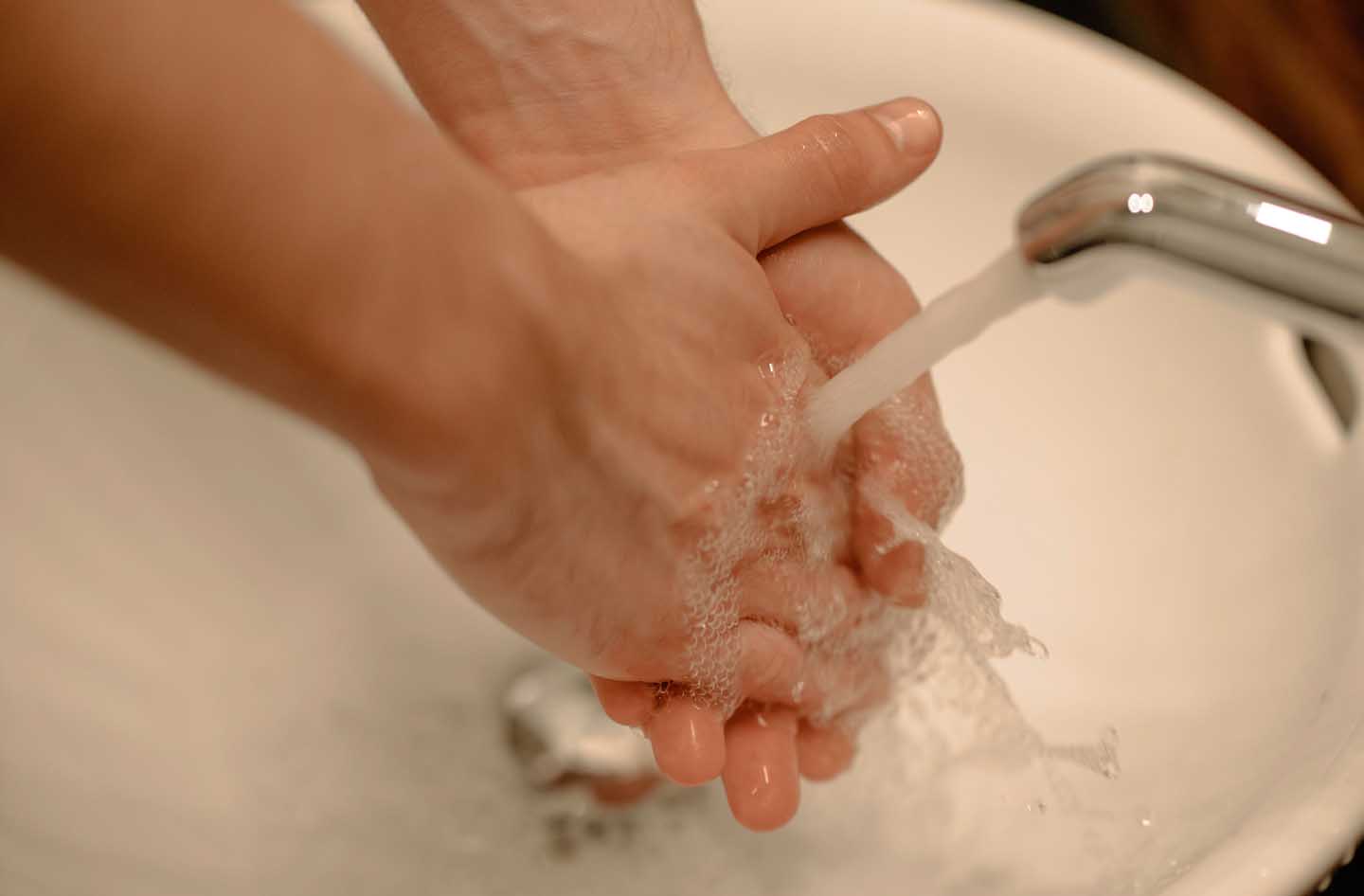
In the first case I mentioned, in which obsessive thoughts are questioning if he really closed the door, this person has the compulsion to check several times if he really did lock the door. In the second case where thoughts obsessively say that he may have been contaminated, he will compulsively wash his hands over and over again, ten, fifteen or twenty times.

Door lock - Photo by Henry & Co. from Pexels

Compulsive thoughts keep telling the person with OCD to practice the compulsive acts, because if they don’t do it, anxiety arises that disturbs a lot, and if the person doesn’t practice what obsession says, he will be very restless. So, obsession in the case of obsessive-compulsive disease, obsession has to do with repetitive thoughts in the individual’s consciousness, and compulsion has to do with the repetition of attitudes, of acts that have the purpose of alleviating those disturbing thoughts. So obsession is thinking, compulsion is doing.

Former model and actress Luciana Vendramini, in an interview she gave to the newspaper Folha de São Paulo, she spoke about the problem, saying that she had what I call synchronized intrusive thoughts, that is, she needed to imagine something good along with an action. For example, while washing hands she needed to think about nice things. When she had a bad thought, she had to wash her hand again, so she commented that she spent 24 hours repeating quirks. She used to spend 8 hours taking a bath. What suffering, right?

There are various types of obsessive thoughts, such as the thought that the person has committed an unforgivable sin, or that they have to tidy their closet perfectly, or that they have to fix a picture on the wall that is a little crooked, or that they have to do three-taps on the wall whenever they think of a word, or have to skip the lines on a sidewalk and other things of this nature. In fact, in the film: “As Good as It Gets”, actor Jack Nicholson plays the role of a person with obsessive-compulsive disorder.

Pictures on the wall - Photo by Medhat Ayad from Pexels

Normal people can have thoughts that repeat themselves in the mind, but it’s temporary and it’s not chronic, it passes, it ends, but in individuals with OCD thoughts become recurrent or obsessive, they persist and it becomes the pattern of thinking. This causes a lot of anxiety, and a lot of anxiety makes things to appear worse.

In OCD, the attempt to alleviate the anxiety produced by obsessive thoughts is to practice compulsive acts. For example, if in the mind of a person with OCD, obsessive thinking is about contamination, he may try to alleviate this through the ritual of washing his hands exaggeratedly dozens of times a day. If the obsessive thinking is about whether he really turned off the light in a room at home or at work, he can check if he did it dozens of times, one after another.

How to treat OCD?

Some scientists believe that OCD has to do with brain changes and that it’s necessary to use medication to treat it, but it’s not just that. There are other emotional complications that create a lot of anxiety, and the mind uses obsessive thoughts and compulsive acts as a defense against deep emotional pain. So in the cause of OCD there are physical factors, emotional factors, and even spiritual factors.

It helps to fight OCD by telling yourself that obsessive thoughts have no moral value but are the result of neurochemical changes, perhaps due to excess anxiety. That’s why the person with OCD needs to devalue obsessive thoughts as much as they can and tell themselves that they don’t have to do what they say.

Thinking -  Photo by Brett Sayles from Pexels

It’s also important to struggle to think of something else to replace obsessive thinking. This is difficult at first, it’s true, but with time a person may be able to avoid concentrating on obsessive thoughts, choosing to think about other things. This will be difficult at first because there is a strong anxiety that drives the person to these thoughts, and they in turn lead to repetitive compulsive acts. This means that when a person struggles to prevent obsessive thoughts from continuing in their mind to disturb them, they may feel more anxiety, they may be restless, distressed, but with time this anxiety may begin to diminish, without the person needing to practice compulsion to get relief from those obsessive thoughts.

So an exercise that can help, is when obsessive thoughts come, instead of just practicing the compulsive act, say to yourself: I will wait about 20 minutes without getting carried away by the need to act compulsively. After a few days or weeks, this waiting time can increase a little more. If somebody has the compulsion to wash hands for several minutes, the person can reduce the time spent washing their hands. He might decide to wash it using less time, instead of spending 15 minutes washing his hands, he might decide maybe it’ll be just ten minutes. Then further shorten this time and get busy with another task.

Don’t be ashamed to talk about this suffering to anyone. If you are unable to gradually stop compulsive acts, even trying hard to do so, then seek professional help with a psychiatrist or psychologist. It is because when obsessive-compulsive disorder becomes severe enough to disrupt the person’s social and work life, temporary medication prescribed by the psychiatrist may be necessary, in addition to psychotherapy with a clinical psychologist.

Healthy Fruits

Stay Always Up to Date

Sign up to our newsletter and stay always informed with news and tips around your health.

Sign Up Now!

Filed Under: Anxiety, Mental Health

Next Page »

Primary Sidebar

Social Channels

Coronavirus Immunity Challenge

Boost your immune system to be bullet-proof for the pandemic.

I Want to Participate

Recent Posts

  • 5 Habits to Live Longer
  • Better Sleep Can Protect Against Dementia
  • Finding Peace In Your Crazy-Busy World
  • Flaxseed – An Ancient Plant Rediscovered
  • Platelets – Triggers for Life or Death
  • Boderline Personality Disorder
  • In Praise of Almonds and Nuts
  • Are You Stuck in the Clutter Trap?

Categories

  • Body Systems (16)
    • Cell Function (2)
    • Circulatory System (1)
    • Digestive Tract (10)
    • Immune System (4)
  • Diseases (27)
    • Cancer (2)
    • Cold (1)
    • COVID-19 (11)
    • Dementia (1)
    • Diabetes (1)
    • Digestive Diseases (2)
    • Heart Disease (2)
    • Kidneys (1)
    • Metabolic Syndrome (2)
    • Skin (1)
  • Healthy Lifestyle (42)
    • Exercise (11)
    • Gardening (2)
    • Sleep (7)
    • Sunlight (2)
    • Temperance (14)
    • Water (4)
  • Mental Health (87)
    • Addictions (6)
    • Anxiety (7)
    • Burnout (1)
    • Depression (7)
    • Psychosomatic Diseases (6)
    • Stress Management (45)
    • Trust (6)
  • Nutrition (56)
  • Obesity (9)
  • Phases of Life (14)
    • Adults (3)
    • Babies and Infants (1)
    • Children (3)
    • Seniors (5)
    • Teenagers (3)
  • Therapies (7)
    • Herbs (5)
    • Hydrotherapy (1)
  • Uncategorized (3)

Archives

  • January 2025 (1)
  • March 2024 (5)
  • February 2024 (4)
  • January 2024 (4)
  • December 2023 (5)
  • November 2023 (4)
  • October 2023 (5)
  • September 2023 (4)
  • August 2023 (3)
  • July 2023 (2)
  • June 2023 (4)
  • May 2023 (4)
  • April 2023 (5)
  • March 2023 (4)
  • February 2023 (4)
  • January 2023 (4)
  • December 2022 (4)
  • November 2022 (4)
  • October 2022 (5)
  • September 2022 (4)
  • August 2022 (4)
  • July 2022 (5)
  • June 2022 (4)
  • May 2022 (5)
  • April 2022 (4)
  • March 2022 (4)
  • February 2022 (4)
  • January 2022 (5)
  • December 2021 (3)
  • November 2021 (4)
  • October 2021 (6)
  • September 2021 (4)
  • August 2021 (4)
  • July 2021 (5)
  • June 2021 (4)
  • May 2021 (3)
  • April 2021 (5)
  • March 2021 (4)
  • February 2021 (4)
  • January 2021 (5)
  • December 2020 (3)
  • November 2020 (4)
  • October 2020 (5)
  • September 2020 (5)
  • August 2020 (3)
  • July 2020 (1)
  • June 2020 (1)
  • May 2020 (1)
  • April 2020 (1)
  • March 2020 (1)

Copyright © 2026 · Abundant Health - Privacy Policy - Medical Disclaimer