Abundant Health

Up to date health information tailored for you

  • Home
  • Blog
  • Recipes
  • Shop
  • Contact
You are here: Home / Archives for Ricardo Vargas

Ricardo Vargas

Don´t Carry the Christmas Dinner Into the New Year

December 17, 2021 by Ricardo Vargas - [rt_reading_time label="Reading Time:" postfix="minutes" postfix_singular="minute"]

Ceia de Natal

The holiday season is eagerly awaited, meeting up with people you love, catching up and sharing a meal together. Is there anything better? But for this day to be memorable it is important to get the menu right, exaggerations can compromise the enjoyment of those festivities.

Don´t Carry the Christmas Dinner Into the New Year

It’s common to see plentiful tables and a lot of variety during the festivities, so far no problem, if you get your choices right. Let’s talk about some mistakes made when putting together the menu for the Christmas dinner.

First of all, let’s highlight a very important issue. We’ll talk about pleasure.

Pleasure is a pleasant sensation or emotion, linked to the satisfaction of a desire. Pleasure is generated by increased production of a hormone called dopamine. This hormone is produced in the brain at various receptors called D1, D2, D3, D4 and D5 according to location and function.

External stimuli are often triggers for the body to produce dopamine. Among these stimuli, the most used is food, but not just any food. Among them, those rich in sugar or fast-absorbing carbohydrates such as white rice, potatoes, pastries in all of its forms, foods rich in fat and stimulants like coffee and chocolate are on the top of the list. These have been used to generate pleasure, soothe guilt or escape even for a moment from anxiety or stress.

A warning, the use of these foods in the pursuit of pleasure generates addiction, you can become addicted. You may say: No way, but at the end of the day, you don´t resist. The need for large doses of dopamine is becoming a constant. Brain D2 receptors are highly stimulated by the above foods. The consequences are numerous, but weight gain is one of the major ones.

The title of the article refers precisely to this aspect, your Christmas dinner can be deposited in your body in the form of fat. One of the main causes of obesity is precisely this unrestrained search for pleasure produced by food. When the year comes to its end, people start to make their new years resolutions. I suggest that you make it a priority to take control of your health in 2022, so start by making better food choices for Christmas dinner.
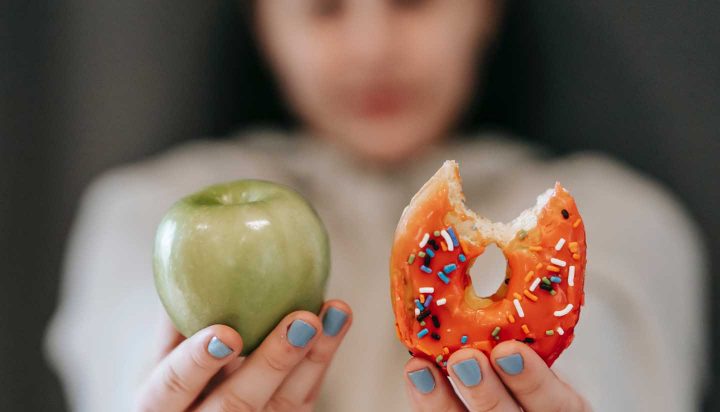
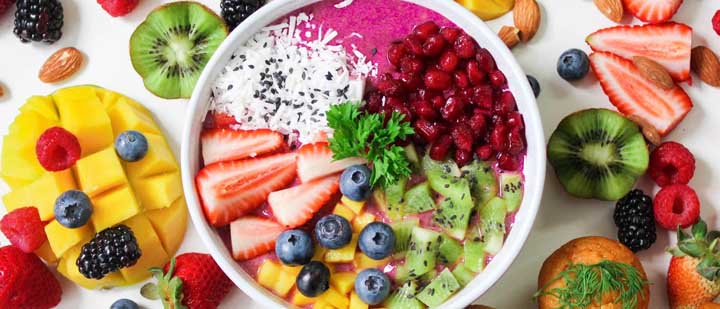
Food Choices - Photo by Andres Ayrton from Pexels

Families often have the habit of serving their meal very late on Christmas Eve. Our metabolism slows down at night and digestion is compromised, increasing the time the food remains in the stomach. The foods that generate the most workload for the stomach and digestive organs such as the intestine, liver and pancreas are fatty and protein foods.

Beware of foods such as meat, cheese and the famous mayonnaise. All of these are high in fat and protein and can wake you up with a hangover the next day. Hangover? That’s right!

People who have the habit of drinking alcoholic beverages wake up with a hangover due to the workload that alcohol causes for the liver to promote the detoxification process. Fatty and protein foods eaten late at night and in large volumes can make you wake up with a bad headache, bitter mouth, and a terrible mood. The pleasures of the table can end the enjoyment of Christmas celebration.

Give preference to foods that are less concentrated in protein and fat and richer in carbohydrates. But this carbohydrate needs to be of good quality, that is, rich in fiber. Refined carbohydrates in excess favor the formation of triglycerides and you can end the year heavier on the scale. Unfortunately that’s what happens, the end-of-the-year menu usually promotes weight gain in the population, some can add more than 9 pounds between Christmas and New Year.

Also note what will be served to drink. Soda is a bomb of empty calories, this drink is concentrated in sugar with very fast intestinal absorption, it generates work overload to the pancreas that produces a lot of insulin and consequently increases the formation of fat, in addition to the additives, stimulants and gas that is an irritant to gastric mucous.

Industrialized juices are not far behind in terms of sugar, they are not indicated even if they do not have the harm caused by stimulants and gas. Give preference to natural and less caloric juices such as passion fruit, acerola and cashew fruit juice. If you need to sweeten, give preference to sweeteners such as stevia, xylitol and thaumatin. Serving flavored water is a good option.
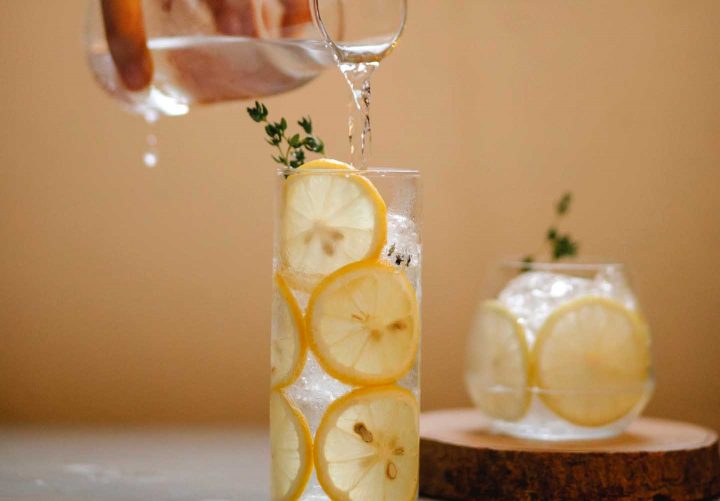
Flavored Water - Photo by Charlotte May from Pexels

For Christmas dinner, start with entrees based on home made whole-grain breads served with spreads. We suggest an eggplant antipasti, thyme cream and azapa black olive spread.

Also include a refreshing red quinoa salad and a tofu caponata accompanied with brown rice.

For dessert, seasonal fruits and a delicious Tiramisu.

This is our suggestion for a healthy and tasty Christmas dinner, but nothing prevents you from adding more dishes, just be careful with your choices and with too much variety. The higher the number of options, the easier it is to overdo it on this day.

Here is a summary with some more suggestions:

  • Do not serve a wide variety of foods at supper.
  • Fruits in abundance are the best choices to be served on the Christmas table.
  • Beware of foods high in protein and fat, they are slow to digest and you may have hangover symptoms the next day, even if you don’t drink an ounce of alcohol.
  • Supper is for socializing with friends and family and not for “stuffing”.
  • Go around the table where supper is being served without the plate, look and choose. Only then pick up the plate. This will help you not be surprised and reach the end of the table with your plate crammed.
  • Mixing two or more carbohydrate sources can lead to intestinal fermentation.
  • Ingesting large volumes of liquid with a meal can promote reflux.
  • Have your Christmas dinner early, don’t wait for the bells to ring in midnight.

A Merry Christmas and an abundant health in 2022.

Recipes

Thyme Spread

  • 1 cup of tofu
  • ¼ cup of olive oil
  • 2 garlic cloves
  • 2 tablespoons of thyme leaves
  • 1 teaspoon of salt
  1. Put the oil, garlic and thyme, salt and a handful of crumbled tofu in a blender.
  2. Pulse and gradually add the rest of the tofu, until you get the desired texture.
  3. If you want to store it, put it in a jar with a lid.
Spread
GlutenFreeDiet, VeganDiet

Tofu and Azapa Black Olives Spread

  • 1 cup of soft tofu
  • 8 azapa black olives
  • 1 tablespoon of olive oil
  1. Mix all ingredients in food processor until smooth. If you’re going to do it in a blender, you might need to add some water.
Spread
DiabeticDiet, GlutenFreeDiet, VeganDiet

Red Quinoa Salad

  • 1 cup of red quinoa
  • 1 dish of red cabbage
  • ½ cup walnuts or peanuts
  • ½ cup chopped almonds
  • 1 clove of garlic
  • olive oil
  • salt to taste
  • lemon to taste
  1. Wash the quinoa about 3 times.
  2. Place in a pan with 2 cups of water and cook for about 15 minutes, or until the water dries well.
  3. Let cool.
  4. Sanitize the cabbage and cut it very thin.
  5. Mash the garlic and chop the almonds.
  6. Mix the remaining ingredients.
Salad
DiabeticDiet, GlutenFreeDiet, VeganDiet

Eggplant Caponata with Tofu

  • 1 large eggplant cut into stripes
  • 1 large zucchini cut into stripes
  • 1 cup of tofu
  • 1 medium sliced onion
  • 1 chopped peeled tomato
  • 4 tablespoons of oil
  • 2 tablespoons of chopped walnuts
  • 2 tablespoons of chopped raisins
  • 1 tablespoon of crushed garlic
  • 1 tablespoon of oregano
  • salt to taste
  1. Saute the garlic, onion and salt in a pan.
  2. Add the eggplant, zucchini and tomato and saute until soft.
  3. Add the diced tofu and sauté a little more to get the taste.
  4. Add the olive oil, nuts and raisins.
  5. Serve hot or cold.
Side Dish
DiabeticDiet, GlutenFreeDiet, VeganDiet
Healthy Fruits

Stay Always Up to Date

Sign up to our newsletter and stay always informed with news and tips around your health.
Sign Up Now!

Filed Under: Nutrition, Obesity

Foods to Reduce Anxiety

November 28, 2021 by Ricardo Vargas - [rt_reading_time label="Reading Time:" postfix="minutes" postfix_singular="minute"]

Alimentos que Ajudam Reduzir a Ansiedade

When talking about anxiety, we are not talking about a rare disorder, but something that affects 85% of the world population, according to recent studies by Psychiatrist Augusto Cury.

Foods to Reduce Anxiety

Anxiety is a biological characteristic of human beings, which precedes moments of real or imagined danger. In this context, many unpleasant symptoms appear, such as:

  • Fatigue
  • Insomnia
  • Fainting sensation
  • Chest pain and palpitations
  • Dry mouth
  • Muscle tension and pain
  • Sensation of having a “knot” in the throat
  • Mental confusion
  • Feeling of helplessness

These symptoms are not rare, a large part of the population has suffered from anxiety. And most people have difficulties following simple advice on this matter. However, a large part of this difficulty is linked to the lifestyle we lead, especially when it comes to food.

Cortisol is your stress hormone; the same that triggers anxiety. This hormone needs to be in balance with serotonin, which is responsible for happiness. The ingested food plays a fundamental role in the amount of these hormones circulating in the bloodstream.

Our nutritional patterns has undergone many changes over the last few decades. Many are claiming lack of time as the main reason. Commuting time has increased, which forces many to leave their homes without having the first and most important meal of the day: breakfast. Many meals have been taken outside the home, forcing people to eat what they find and not what they often want.

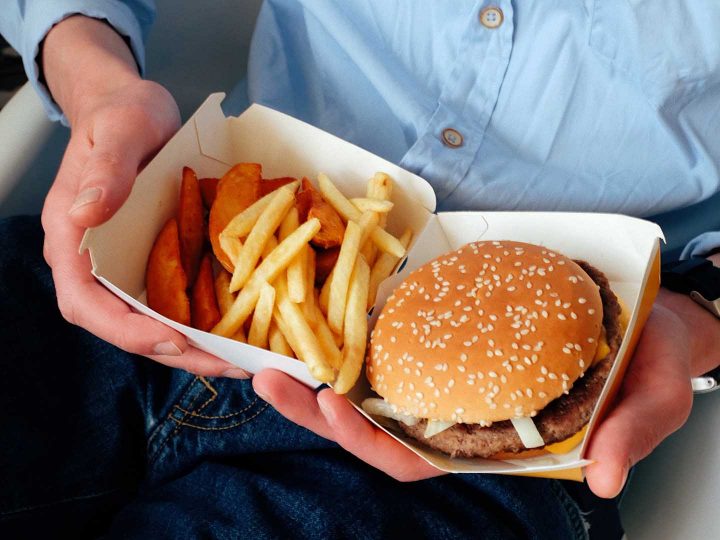
Fast food purchased on the go

Commitments beyond work have also increased, and often due to the difficulty of planning and managing time, the last meal is eaten late at night. The body is forced to work to complete digestion when it should be involved in regeneration processes. It is during the first sleep period that your body works to reduce cortisol. A late night meal rich in protein and fatty foods interferes with cortisol control. And, the only certainty we have is that the next day our anxiety level will be higher.

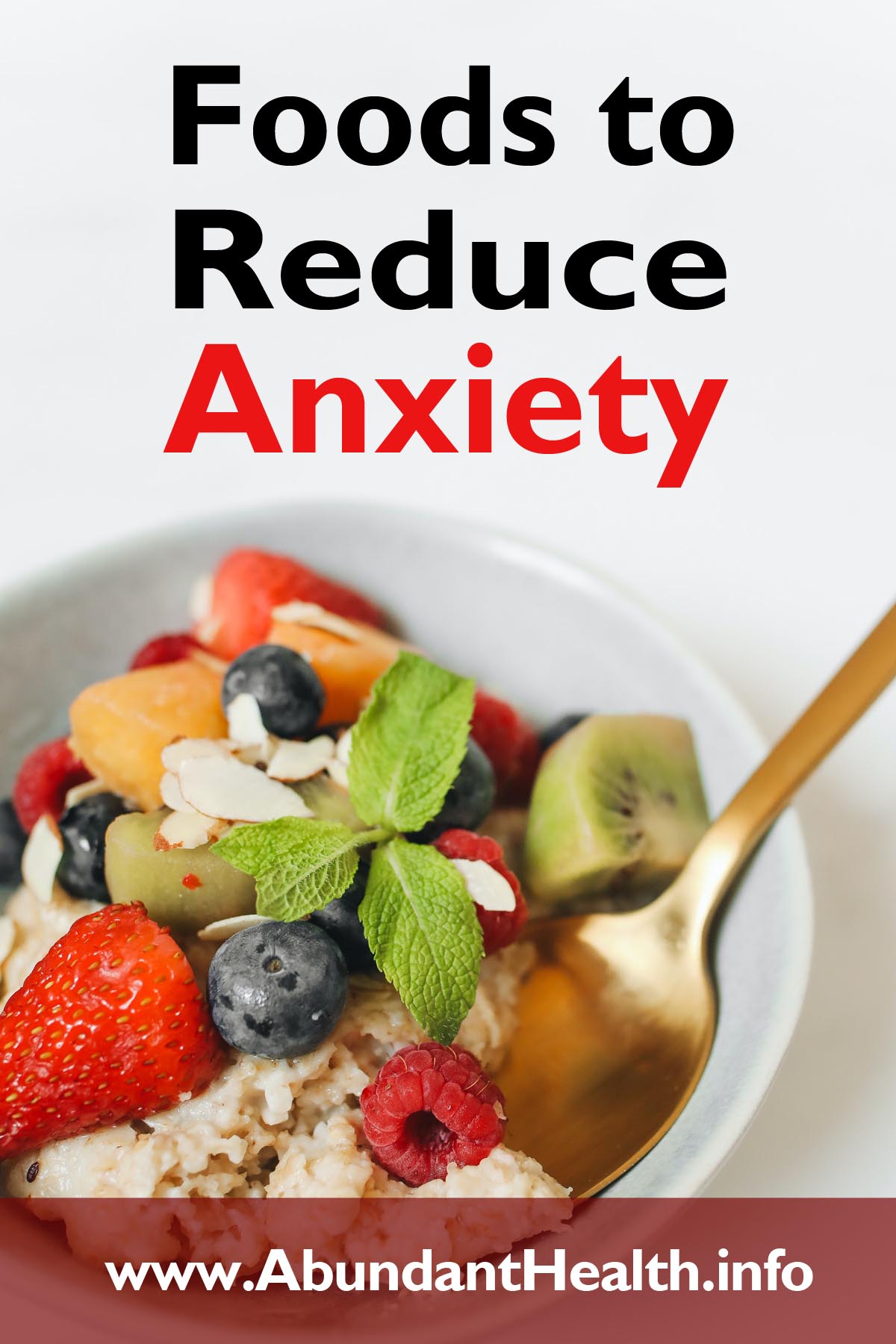
Our evening meal should be as close to sunset as possible, remembering that during summer the sunset is later and the last meal should be taken at least two hours before bedtime. At the last meal, we should prioritize the consumption of foods rich in carbohydrates, for example, fruits, oats or granola, toast and soups made from tubers or roots. Also be careful with the quantity.

Serotonin, the hormone that controls cortisol and consequently controls anxiety, is produced in the morning until 9 am. It is essential to eat foods that are rich in tryptophan at breakfast, as this is the raw material used by the body to produce this happiness hormone.

Include some of the following foods in your breakfast:

  • Oats or granola
  • Chickpeas, can be in the form of hummus
  • Soybeans in the form of milk or tofu (can be grilled or as a spread)
  • Peanuts (in natura, as milk or peanut butter)
  • Hazelnut
  • Cashew nut
  • Brazil nuts
  • Almonds (to be eaten fresh, as milk or as ricotta)
  • Brown rice (can be in the form of sweet rice)
  • Banana
  • Honey

Of those foods above, include two to three sources. Never eat more than one source of nuts at a meal so that there is no excess fat.

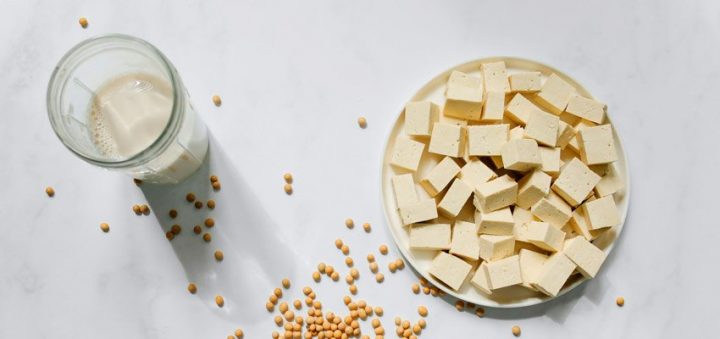
Tofu and soymilk

The inclusion of these foods will give the body the opportunity to produce serotonin, but it is essential to exclude foods that increase cortisol from the menu, or all the effort will be in vain.

Stop consuming the following foods, that include stimulants:

  • Coffee (even the decaf)
  • Green, black, red, yellow and white teas as well as mate tea (these are obtained from two plants called: Ilex paraguariensis and Camellia sinensis.)
  • Alcoholic beverages
  • Guarana
  • Cola soft drinks
  • Chocolate

These stimulants impair serotonin production and increase anxiety. Some may say that when they make use of these they feel better. Beware, this is a warning sign, as you may already be suffering from an addiction.

Some important considerations about serotonin production:

  • The intestine is the production site of serotonin, so it is important that it is working properly. Consume whole foods, fruits and vegetables. Increase your water intake. Remove refined foods from your table.
  • Sunbathing in the morning increases the stimulus for serotonin production, 20 minutes would be enough to bring this benefit.
  • The practice of physical exercise improves bowel function and even promotes greater production of serotonin when performed in the morning. Put on some sneakers and go out for a walk early in the morning. You will find that your day will be different.
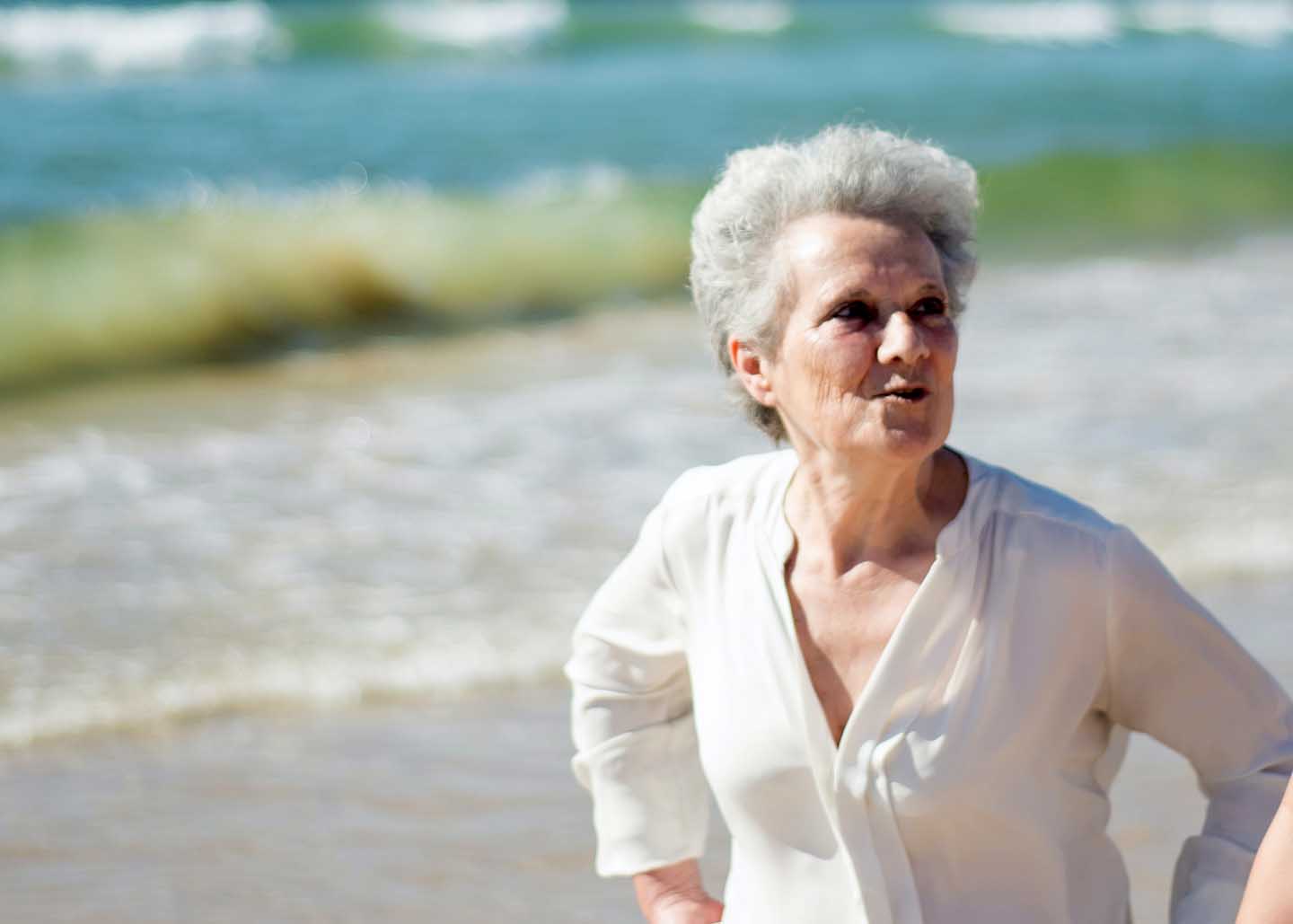
Walk on the beach
  • A good night’s sleep helps control cortisol levels and prevents it from damaging the production of serotonin. Your efficiency will be better if you can sleep before 9:30 pm.

These recommendations are not intended to replace the use of medications or a consultation with a specialist, but they will help you to better deal with anxiety and the doctor will be responsible for reducing your medication or even taking you off, if he sees fit.

Food can have a powerful influence on our minds. Getting at least 15 minutes of exercise in the sun during the morning hours, going to bed early and adapting to the correct diet can help a lot in controlling anxiety. Help your brain and make the needed lifestyle changes today!

Recipes

Banana Oat Mufffins

  • 2 cups oat flour
  • 2 bananas
  • 1 Tbs psyllium
  • 1 Tbs dry yeast
  • 2 Tbs honey
  • a pinch of salt
  1. Dissolve the yeast in warm water and one spoon of honey for 10 minutes.

  2. Hydrate the psyllium seeds in warm water and stir until it dissolves.

  3. Mix the oat flour with the rest of ingredients, adding about 1 cup of water until reaching the desired consistency.

  4. Grease the muffin forms and pour the dough until half of the form.

  5. Let it rise until it doubles in size.

  6. Bake at medium heat for about 30 minutes.

Breakfast
American
Diabetic, Gluten Free

Peanut Oat Cookies

Delicious! Children will love these tasty cookies!

  • 3 cups oats
  • 1 pinch of salt
  • 1/3 cup honey
  • 1 cup roasted peanuts
  1. Beat the peanuts in a blender with a little water to form a cream.
  2. Pour into a bowl and put the remaining ingredients, mix well.
  3. Make cookies in the format you want.
  4. Bake in moderate heat until golden brown.
Dessert
Gluten Free, Vegetarian

Sugar Free Granola

  • 5 bananas
  • ½ cup peanuts or almonds
  • ½ cup raisins
  • 4 cups rolled oats
  • 1 coconut
  • 2 cups quick oats
  • ½ cup ground flaxseed
  • ½ cup ground sesame seeds
  • ½ cup sunflower seeds
  • 4 apples
  1. Put into a bowl the oats, with the ground sesame and flaxseed.

  2. Grate the coconut or shred it in the food processor.

  3. Blend 2 apples with a little bit of water and the 5 bananas. Mix with the rest of ingredients, so that the oats just get slightly damp.

  4. Spread out on 2 baking sheets, so that it results in a fine layer.

  5. Bake on low heat for about 1 hour until brown, stirring every 15 minutes. It may be still slightly humid, but after cooling down it gets crunchy.

  6. Cool down and add raisins and nuts. If desired, add some sugar free corn flakes.

  7. Keep in a jar with tight lid in order to maintain crunchy.

Breakfast
American
Diabetic, Low Fat, Vegan

Oat Pancake

  • 1 cup oats
  • 2 Tbs tapioca flour ((sweet))
  • 1 Tbs Brazil nuts
  • 1 Tbs flaxseed
  • 1 clove of garlic
  • ½ tsp saffron
  1. Blend all ingredients.

  2. Pour a fine layer in a pre-heated non stick frying pan.

  3. Wait until the pancake comes off and flip it over.

  4. Let it brown at the other side.

  5. Fill with your preferred filling.

Side Dish
American
Diabetic, Gluten Free, Low Fat, Vegan

Tofu

  • 1 cup soy beans
  • 2 lemons
  1. Soak the soybeans for 12 hours.

  2. Wash 3 times and rinse well. If you want, you can eliminate some of the skins that came off.

  3. Blend 1 cup of soybeans with 2 cups of water until it foams.

  4. Strain with a fine meshed cloth.

  5. Pour the milk into a pan and cook for 5 minutes on low heat after it gets to a boil, stirring frequently.

  6. If you desire a salty tofu, put 1 tablespoon of salt.

  7. Increase the heat and boil while stirring, until the milk is rising.

  8. Put the juice of 1 lemon for every liter of soymilk and give it a slight stir.

  9. Boil for 1 minute on low heat, turn off the heat and wait for another minute in order to curdle.

  10. Pour the curdled milk into a sieve and wait for the whey to drain.

  11. If you want a firm tofu, put a weight on top and leave for a few hours.

Store the tofu in the fridge inside a closed pot to prevent drying out.

Side Dish
Diabetic, Gluten Free, Vegan

Tofu Cheesecake

A plant based cheesecake version

  • 1 pineapple
  • 2 cups tofu
  • 3 Tbs cornstarch
  • 5 Tbs honey
  • 1 cup granola
  1. Blend the granola and mix with a little bit of water, until it binds.

  2. Grease a form and press the mass with your fingers on the bottom and the walls to form the crust.

  3. Peel a pineapple and cut in cubes. Keep a slice for decoration.

  4. Blend all ingredients, starting with the pineapple and adding tofu little by little.

  5. Pour over the crust.

  6. Season with lime zest and decorate with the pineapple slice.

  7. Bake on medium heat for 30 minutes or until brown.

Dessert
American
Gluten Free

Chickpea Joghurt

  • 1 cup chickpeas ((hydrated))
  • ½ cup dates
  • ¼ cup cashew nuts
  • 1 Tbs honey
  • 1 slice avocado
  1. Soak the chickpeas for 12 hours.

  2. Reserve some of the soaking water, then wash and rinse the chickpeas.

  3. Blend 1 cup of chickpeas with 2 cups of water.

  4. Strain with a cloth.

  5. Pour into a pot and cook for 2-3 minutes.

  6. Wait to cool down. Then add ¼ cup of the soaking water.

  7. Keep fermenting in a dark place, covered with a cloth, but not with a lid.

  8. Keep in the fridge until use, then blend with avocado, cashew nut and dates. If preferred, add a bit of honey.

  9. Serve if you like with a bit of granola.

Breakfast
German
Diabetic, Gluten Free, Vegan

Chickpea Flour Pancake

  • 1 banana
  • 1 cup chickpea flour
  • 2 Tbsp tapioca flour (sweet)
  • 1 Tbsp honey
  • ½ tsp salt
  1. Blend everything with 1 cup of water.

  2. Pour the right amount into the skillet and spread with a spoon or spatula.

  3. Wait until golden and forming bubbles. Loose the pancake with the help of a spatula to flip it over.

  4. Let the other side brown.

  5. Use your preferred filling. Serve still hot.

Hummus Spread

  • 9 oz chickpeas
  • 2 tsp Salt
  • 1/2 clove of garlic
  1. Soak the chickpeas for 8 hours.

  2. Rinse and drain.

  3. Cook the chickpeas for about 20 minutes, until you are able to prick them with a fork.

  4. Pour the chickpeas with some of the cooking water into the blender.

  5. Add garlic and salt.

  6. Blend until forming a homogenous paste.

  7. With a sieve you remove excess water in order to form a thick consistency for a spread.

  8. If desired, add a bit of lemon and mix it under.

Patés
Mediterranean
Diabetic, Gluten Free, Vegan

Filed Under: Anxiety, Mental Health, Nutrition

Benefits of Exercise for Seniors

November 7, 2021 by Ricardo Vargas - [rt_reading_time label="Reading Time:" postfix="minutes" postfix_singular="minute"]

Benefícios do Exercício na Terceira Idade

Life expectancy in the US is generally on the rise. While in 1900 the average life expectancy was 47.3 years, it increased to 68.2 years in 1950 and to 78.9 years in 2019. Advances are mainly due to improvements in sanitary measures and the healthcare system. However, increases in longevity are not always accompanied by a better quality of life.

Benefits of Exercise for Seniors

In addition to longevity, we need to consider the maintenance of the state of functional independence (ability to carry out activities of daily living). In old age, the elderly go through many physiological changes that contribute to the worsening of their quality of life. Exercise has a fundamental role in maintaining functional independence.

With advancing age, there is a decrease in lean body mass and its replacement by adipose tissue, thus the caloric expenditure in old age tends to decrease, which favors the increase of obesity and all the problems arising from it. The self-indulgence shown by the elderly is a problem, as it accelerates the appearance of these effects. It is important to overcome sluggishness, start a practice of physical activity and receive the countless benefits that can be achieved in spite of the age.

Among the benefits are increased energy expenditure and cardiorespiratory conditioning, a preventive factor for the onset of cardiovascular diseases, obesity, diabetes, hypertension, dyslipidemia, mental diseases and cancer.

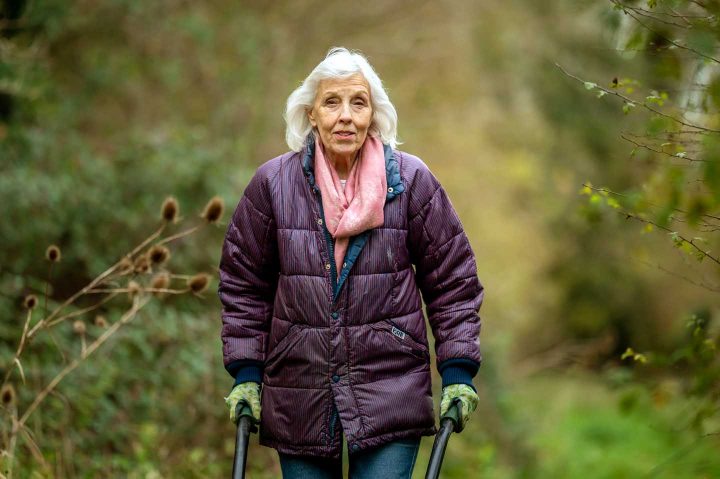
A senior working in the garden - Photo by Centre for Ageing Better from Pexels

Exercise is important to digestion, and to a healthy condition of body and mind. You need physical exercise.

Ellen G. White. Counsels on Diet and Foods p. 103

One of the effects of the arrival of old age is the decrease in the production of gastric and pancreatic juices. Digestion slows down, food stays in the stomach longer. It increases the risk of gastritis and reflux, a common complaint among the elderly. Many complain of a large production of gas in the stomach or intestine. As the transit time of the digestive tract is slowing down, more fermentation takes place. A walk right after a meal can alleviate all of these symptoms.

Exercise improves muscle tone in the whole body. Our gastrointestinal tract is made up of involuntary smooth muscle. When we include a daily exercise routine, intestinal transit normalizes in most cases, and we achieve good results that promote better quality of life for the elderly.

The practice of exercise also helps to avoid physiological, morphological and functional changes that occur during the natural aging process, which negatively interfere with the individual’s functional capacity. The most important are the reduction in lean mass and the accumulation of adipose tissue, which increases the risk of early mortality, in addition to the loss of muscle strength, reduction in aerobic capacity and flexibility.

Decreased lean body mass reduces overall muscle uptake of glucose and free fatty acids, causing insulin resistance and leading to type 2 diabetes if not reversed. The increase in free fatty acids in the bloodstream contributes to the onset of dyslipidemia and a greater risk for the formation of arterial plaques.

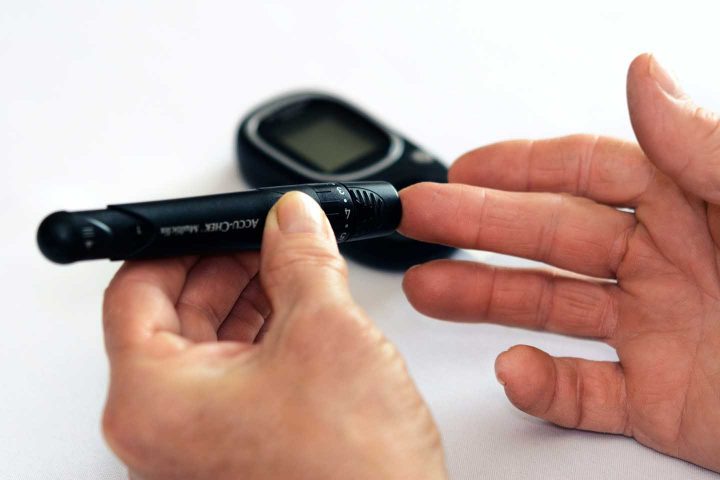
Diabetes test - Photo by PhotoMIX Company from Pexels

From the age of 40 onwards, it is estimated that the accumulation of fat is 1kg per decade, in addition to the loss of 12% to 14% of strength, and about 5% of muscle mass, with a more evident decline after 65 years of age, particularly in the lower limbs.

Many elderly people have presented the loss of functional independence as their main problem. In the US, 2 in 5 persons over 65 years of age have reported some kind of disability. This problem needs to be corrected as soon as it is identified so as not to lead to a loss of functional independence in the future.

Another concern is that, with the reduction in lean body mass (sarcopenia), there is a decrease in bone mineral content. Using the combination of physical activities, ingestion of good sources of calcium, sunlight to stimulate the production of vitamin D, vitamin D supplements and sleep at adequate times, this symptom is alleviated. Physical activity impacts the bones causing growth stimulation, in addition to stimulating the production of growth hormone.

An active lifestyle can prevent or delay functional disability, improving neuromotor status, strength, flexibility, balance and cardiorespiratory capacity.

Exercise helps to have a long life, but with quality. Get moving today!

Healthy Fruits

Stay Always Up to Date

Sign up to our newsletter and stay always informed with news and tips around your health.
Sign Up Now!

Filed Under: Exercise, Healthy Lifestyle, Phases of Life, Seniors

Primary Sidebar

Social Channels

Coronavirus Immunity Challenge

Boost your immune system to be bullet-proof for the pandemic.

I Want to Participate

Recent Posts

  • 5 Habits to Live Longer
  • Better Sleep Can Protect Against Dementia
  • Finding Peace In Your Crazy-Busy World
  • Flaxseed – An Ancient Plant Rediscovered
  • Platelets – Triggers for Life or Death
  • Boderline Personality Disorder
  • In Praise of Almonds and Nuts
  • Are You Stuck in the Clutter Trap?

Categories

  • Body Systems (16)
    • Cell Function (2)
    • Circulatory System (1)
    • Digestive Tract (10)
    • Immune System (4)
  • Diseases (27)
    • Cancer (2)
    • Cold (1)
    • COVID-19 (11)
    • Dementia (1)
    • Diabetes (1)
    • Digestive Diseases (2)
    • Heart Disease (2)
    • Kidneys (1)
    • Metabolic Syndrome (2)
    • Skin (1)
  • Healthy Lifestyle (42)
    • Exercise (11)
    • Gardening (2)
    • Sleep (7)
    • Sunlight (2)
    • Temperance (14)
    • Water (4)
  • Mental Health (87)
    • Addictions (6)
    • Anxiety (7)
    • Burnout (1)
    • Depression (7)
    • Psychosomatic Diseases (6)
    • Stress Management (45)
    • Trust (6)
  • Nutrition (56)
  • Obesity (9)
  • Phases of Life (14)
    • Adults (3)
    • Babies and Infants (1)
    • Children (3)
    • Seniors (5)
    • Teenagers (3)
  • Therapies (7)
    • Herbs (5)
    • Hydrotherapy (1)
  • Uncategorized (3)

Archives

  • January 2025 (1)
  • March 2024 (5)
  • February 2024 (4)
  • January 2024 (4)
  • December 2023 (5)
  • November 2023 (4)
  • October 2023 (5)
  • September 2023 (4)
  • August 2023 (3)
  • July 2023 (2)
  • June 2023 (4)
  • May 2023 (4)
  • April 2023 (5)
  • March 2023 (4)
  • February 2023 (4)
  • January 2023 (4)
  • December 2022 (4)
  • November 2022 (4)
  • October 2022 (5)
  • September 2022 (4)
  • August 2022 (4)
  • July 2022 (5)
  • June 2022 (4)
  • May 2022 (5)
  • April 2022 (4)
  • March 2022 (4)
  • February 2022 (4)
  • January 2022 (5)
  • December 2021 (3)
  • November 2021 (4)
  • October 2021 (6)
  • September 2021 (4)
  • August 2021 (4)
  • July 2021 (5)
  • June 2021 (4)
  • May 2021 (3)
  • April 2021 (5)
  • March 2021 (4)
  • February 2021 (4)
  • January 2021 (5)
  • December 2020 (3)
  • November 2020 (4)
  • October 2020 (5)
  • September 2020 (5)
  • August 2020 (3)
  • July 2020 (1)
  • June 2020 (1)
  • May 2020 (1)
  • April 2020 (1)
  • March 2020 (1)

Copyright © 2026 · Abundant Health - Privacy Policy - Medical Disclaimer