Abundant Health

Up to date health information tailored for you

  • Home
  • Blog
  • Recipes
  • Shop
  • Contact
You are here: Home / 2022 / Archives for March 2022

Archives for March 2022

How to Control Stress by Creating a Productive Environment™

March 27, 2022 by Barbara Hemphill - [rt_reading_time label="Reading Time:" postfix="minutes" postfix_singular="minute"]

Productive Environment

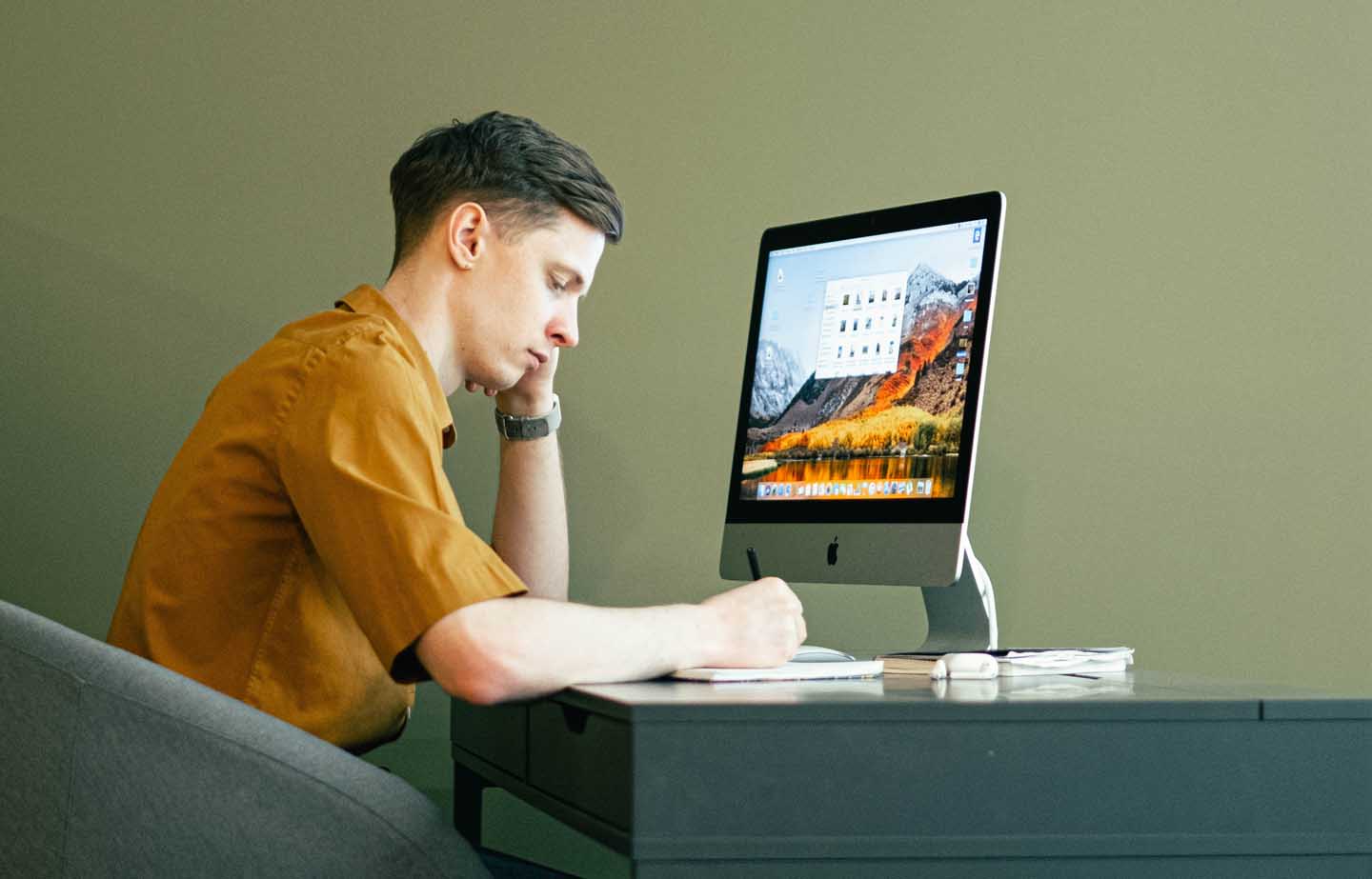
How often do you feel stressed looking at papers piled on your desk, browsing through hundreds (and for many people, thousands!) of emails, or searching for your glasses, a book, a form, or a piece of equipment?
How to Control Stress by Creating a Productive Environment

Your ability to accomplish any task or goal is directly related to your ability to find what you need when you need it – and that ability is essential to any organization in order to accomplish its mission, serve its customers, minimize legal risks, and reduce overhead costs. In other words, good business requires what I call a “Productive Environment™” – an intentional setting in which everyone can accomplish their work and enjoy their lives.

While current economic conditions require organizations to do “more with less” and technology rushes forward, individuals are overwhelmed with “too much” – of everything – email, paper, projects, meetings, and interruptions. So what can you do to overcome these obstacles? The first step is eliminating physical, digital, and “systems” clutter. 

While offices are cluttered with paper, and our computers with electronic files, other types of clutter, such as unused office supplies and outdated equipment, also cost money and take up precious real estate. And then there are those unidentified business cards you collected at networking events months, even years ago, and the mustard packets from the take-out that are how old?

Because most people have never been given a process for eliminating the clutter in their lives, and unless they are “born organized,” were brought up in a family where it was role-modeled, or worked with someone who taught them, they are left to their own devices – which rarely works.

A cluttered desk

So that explains “physical and digital clutter,” but what is “systems clutter?”  A little girl observed her mommy cutting the end off of the ham before she put it in the oven.  “Why do you cut off the end of the ham, Mommy?” she asked. “I don’t know,” her mother replied.  “Go ask Grandma.  That’s what she always did.”  The little girl ran to her grandmother and asked the question.  Her grandmother replied, “Oh, honey! I didn’t have a pan big enough for the whole ham so I cut off the ends so it would fit!”  

How many systems are you holding onto that are not contributing to a profitable, sustainable business?

Few employees are willing to take the risk of getting rid of something for fear someone else – especially the boss – might want it.  Besides, it’s boring work, and they have “real work” to do!  So here are four simple questions to ask yourself in order to make your office a more productive environment.

  1. Is this item helping me accomplish my work or enjoy my life?
  2. Who else might find this item valuable?
  3. What’s the worst possible thing that would happen if I didn’t have it? 
  4. If I got rid of it, and I was wrong, could I live with the consequences?

So here’s my challenge for you!  It’s always easy to see what other people need to do to make their workspace more productive, but how productive is your environment? Let’s find out! Click here to get your Productive Environment Score™ now.

And if you’re the boss, be sure to ask about our “Productive Environment Day™” — a one-day event educating and empowering all your employees to make your office a “Productive Environment™” which truly reflects the quality of your products and services, and where everyone can accomplish their work and enjoy their lives! 
Filed Under: Mental Health, Stress Management

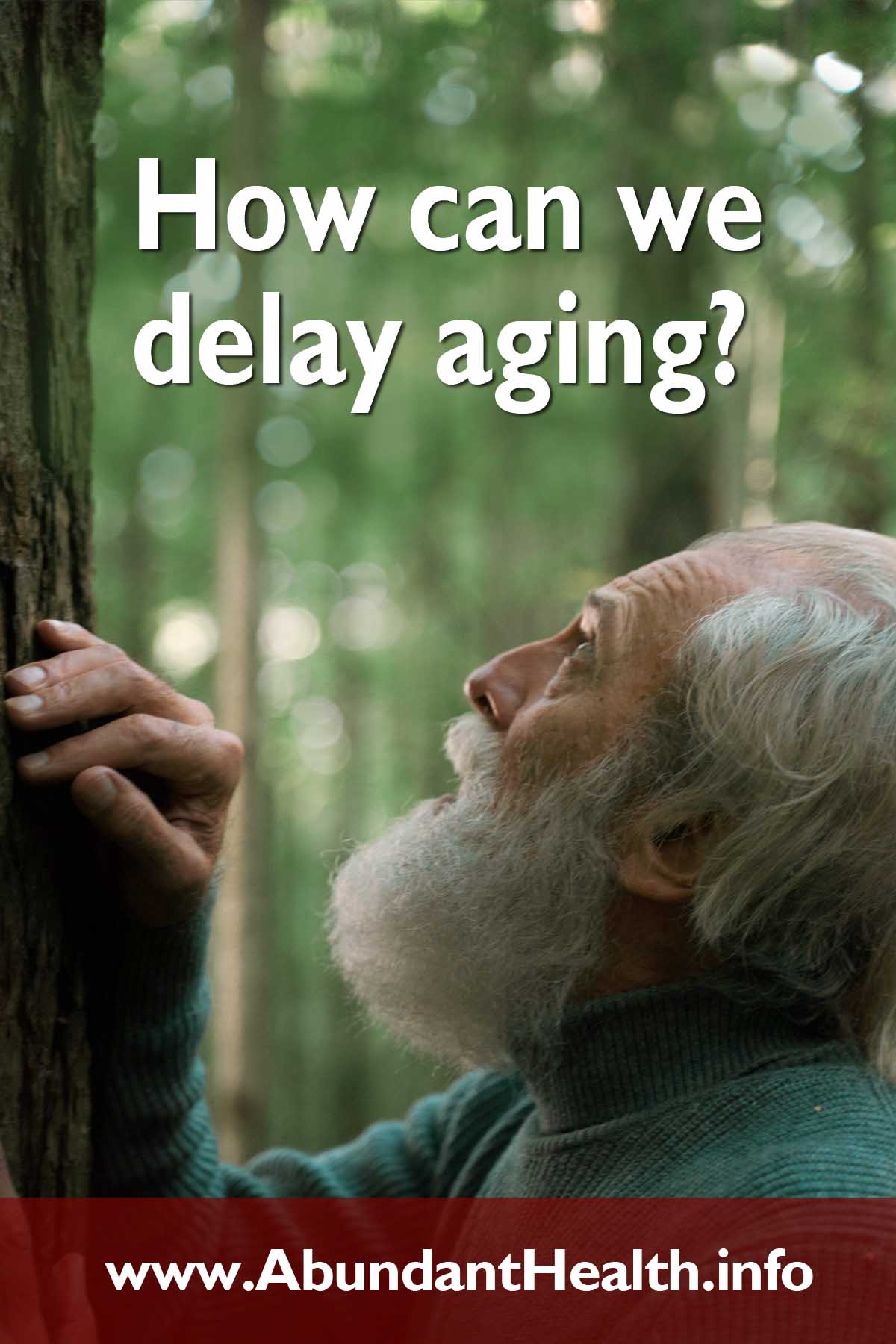
How can we delay aging?

March 20, 2022 by Esther Neumann - [rt_reading_time label="Reading Time:" postfix="minutes" postfix_singular="minute"]

Wie kann man das Altern verzögern?

1875 – 1997, that is the lifetime of the oldest woman in recent times, Jeanne Calment from France. She lived 44,724 days or more than 122 years. At 100 she was still cycling. According to her statement, she didn’t do anything special to get that old. So it’s the genes after all?

How can we delay aging?

Aging research says that genes only account for about 1/5 whether someone reaches a high age. Of course there are long-lived families. On the other hand, some families simply tend to accumulate certain illnesses. Mankind has always struggled with the travails of aging and the ailments of old age.

Meanwhile the anti-aging wave, the cult of eternal youth, has almost become a substitute religion. The business with anti-wrinkle creams, dietary supplements and special sports equipment to combat aging is booming. Most people want a long, fresh life and a healthy, fit body. Doctors and genetic researchers claim to open the gates to longevity. Just it is almost forgotten that it is in everyone’s hands, at least to a large extent, how one ages and how one spends his final years.

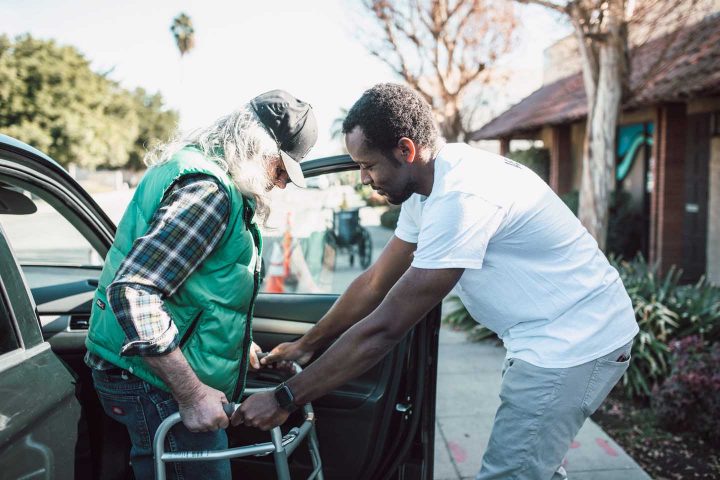
Not everyone is content about aging. But it is a losing battle to resist it. Aging is an inevitable part of our lives. It actually begins at conception and occurs at the cellular level. Our body cells are constantly dividing. And mistakes happen all the time. The free radicals that are produced during metabolic processes in our own body and as a result of environmental influences also damage our cells. Thankfully, our creator also included a repair system. But this also works worse and worse, as the cells have to divide more often. Mistakes in the genes accumulate. The aging process continues. We know the consequences: Poor memory, slower digestion, poorer enzyme system, balance disorders, stiff joints, insecurity in walking and much more.

A senior needing a walker

Fighting a losing battle?

Is the battle already lost before we start? Ultimately yes, and considering all the misery around us it may be a great blessing that we do not have to live forever. But how we age and how we face that process is, to a large extent, in our own hands. Even if things don’t go the way we would like and illnesses are part of our lifes. Ultimately we all die, since we can hardly cope with the approximately 70,000 DNA damages per day that our repair system has to eliminate. Our enzyme system against free radicals isn’t always victorious either, and our stem cells can’t repair everything either.

Can we then live better and longer with help from the laboratory? Is it the supplements? spermidine? The glass of red wine? Or dinner canceling? There are always new success stories. But be careful: the resveratrol from red wine also protects cancer cells, and certain dietary supplements also nourish unwanted blackheads. So is it all useless?

Anti-Aging Agents

The advertising of many miracle cures promises us almost eternal youth. Many are too lazy, or believe they don’t have time to do something for their health, and want to do it the quick way. Anti-aging agents are not intended to heal illnesses, but to alleviate the symptoms of old age, to help the sensory organs get going again and to make wrinkles disappear. Associations for Consumer Information in various countries have examined such preparations and not given them good marks. No studies were found for any of the products that confirmed the life-prolonging active ingredients. The more euphoric the advertising is, the more skeptical one should be.

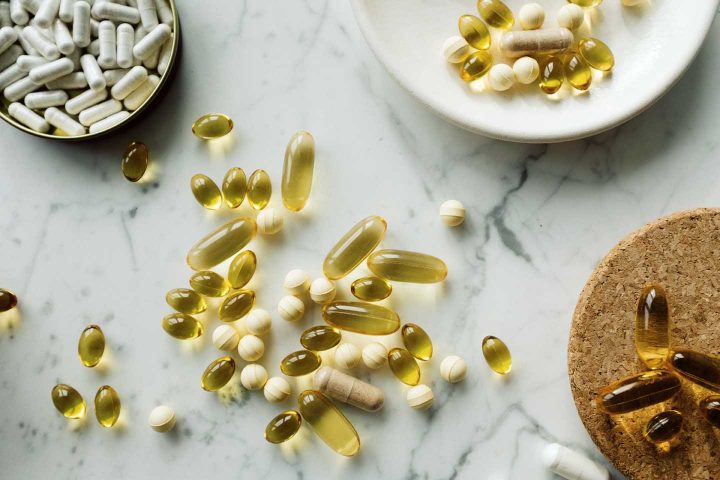
Many substances that have been tested in laboratories cannot simply be transferred to humans. Side effects cannot be ruled out for many preparations. Too much vitamins or minerals, for example, can be harmful. The collagen in many anti-wrinkle products can trigger allergies. Many supplements are marketed over the internet along with promising testimonials. But according to consumer associations, you can neither achieve physical fitness nor reduced susceptibility to illnesses nor organic improvements with such preparations. So another lost battle?

Supplements

Island of Centenarians

On Okinawa, 50% of the people live to be a hundred years old. Of these, 90% are women. Actually some genes have been found that are favorable to reach a higher age. But some amazing lifestyle habits were found as well. For example, these women eat mostly fruit and vegetables. They still do their garden for themselves, and centenaries still sit behind a cash register in the supermarket or wipe the floors. These are extremely healthy occupations. They also say: “We only eat so much that we could eat some more to be full.” “Hara Hachi Bu” is what they call their habit that we know as dinner canceling, sometimes forgoing dinner. The women also lead an exemplary social life. They pay close attention to each other. If the blinds at the neighbor’s are still down at nine o’clock, they check on how she’s doing. This is followed by a chat with her and the offer for help if needed. The brain is also constantly trained. They participate in everything and with everyone.

Love

An Australian study shows that people who maintain close friendships live longer and age more comfortably. Loving is not just about having sex, even though it is beneficial for slower aging. Loving is simply being there for the other, caring for them. That distracts a lot from your own ailments, makes you happier and more satisfied.

Running Around

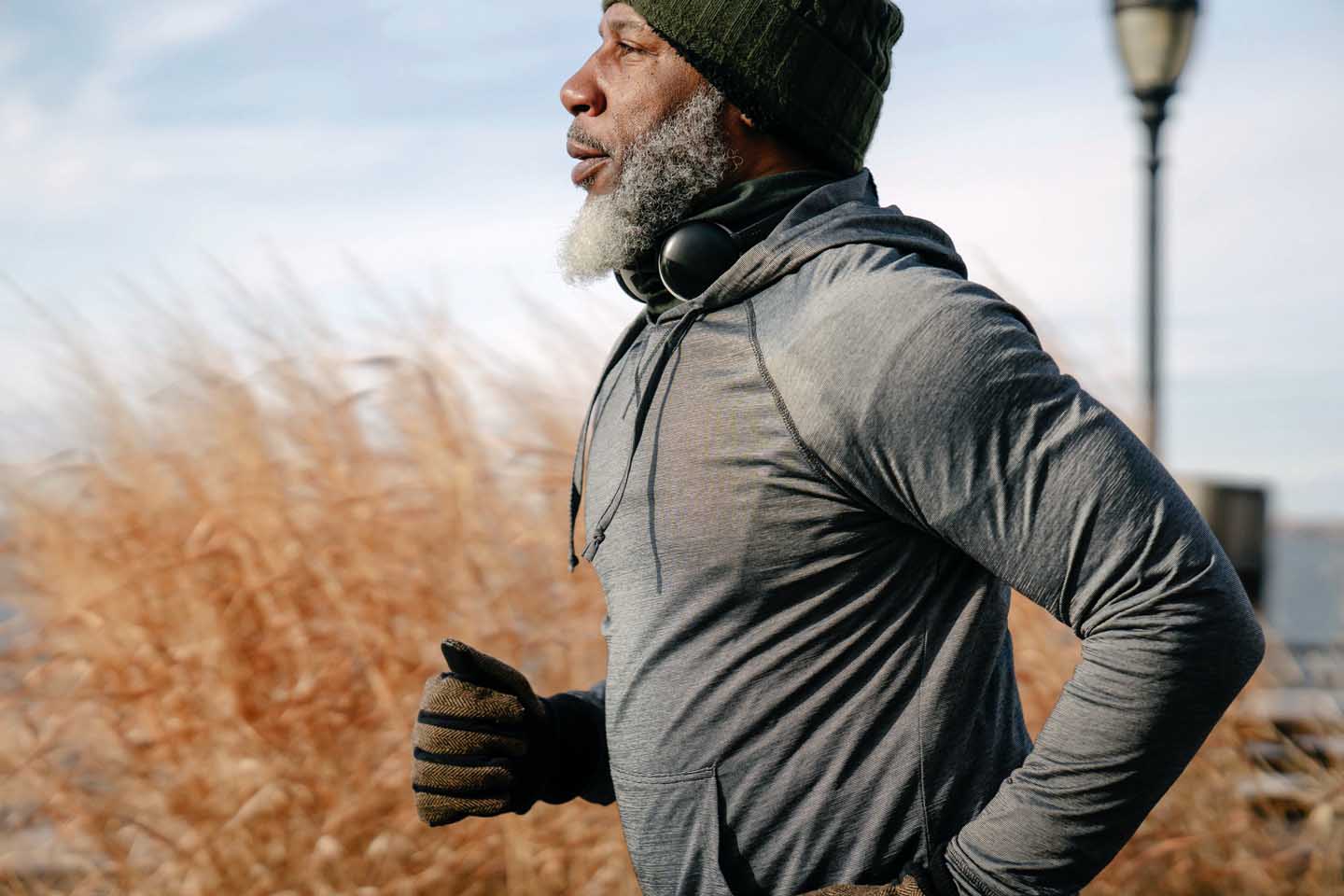
Running around does not mean jogging, but simply making movement, targeted movement and not just house and garden work, even though this is beneficial. Jogging in old age could damage joints. But daily exercise, walks and light gymnastics help our immune system to cope with inflammation. And it is exactly those inflammations that many age related ailments, such as rheumatism and the like, can be traced back to. We can literally outrun them. Exercise lowers the concentration of inflammatory substances in the blood.

A senior walking

Learn

Lifelong learning has become a buzzword of our time. Our youth grow up with it. In the old days you had a job for your life. Today you are constantly challenged to learn something new. This should also continue beyond retirement. Anyone who remains mentally and spiritually fit ages very differently than someone who is no longer interested in anything. I admire every old person who – often with the help of their grandchildren – knows their way around computers and is touching base with the grandchildren overseas via chat or Skype. Crossword puzzles and Sudoko, reading good books, putting together jigsaw puzzles also help to stay mentally fit. It is not the TV pictures that stimulate our mind, but the knowledge we have actively acquired ourselves. When I deal with a problem myself, it stimulates my mind.

Those who remain physically and mentally fit deal with aging in a completely different way. We can accept it and embrace the change. Advancements in research and medicine are certainly sensational. Anti-aging treatments are though still a speculative field. How we grow old is still in our own hands.

Healthy Fruits

Stay Always Up to Date

Sign up to our newsletter and stay always informed with news and tips around your health.

Sign Up Now!

Filed Under: Phases of Life, Seniors

What Caffeine is doing to You and Your Child?

March 13, 2022 by Dr. Cesar Vasconcellos de Souza - [rt_reading_time label="Reading Time:" postfix="minutes" postfix_singular="minute"]

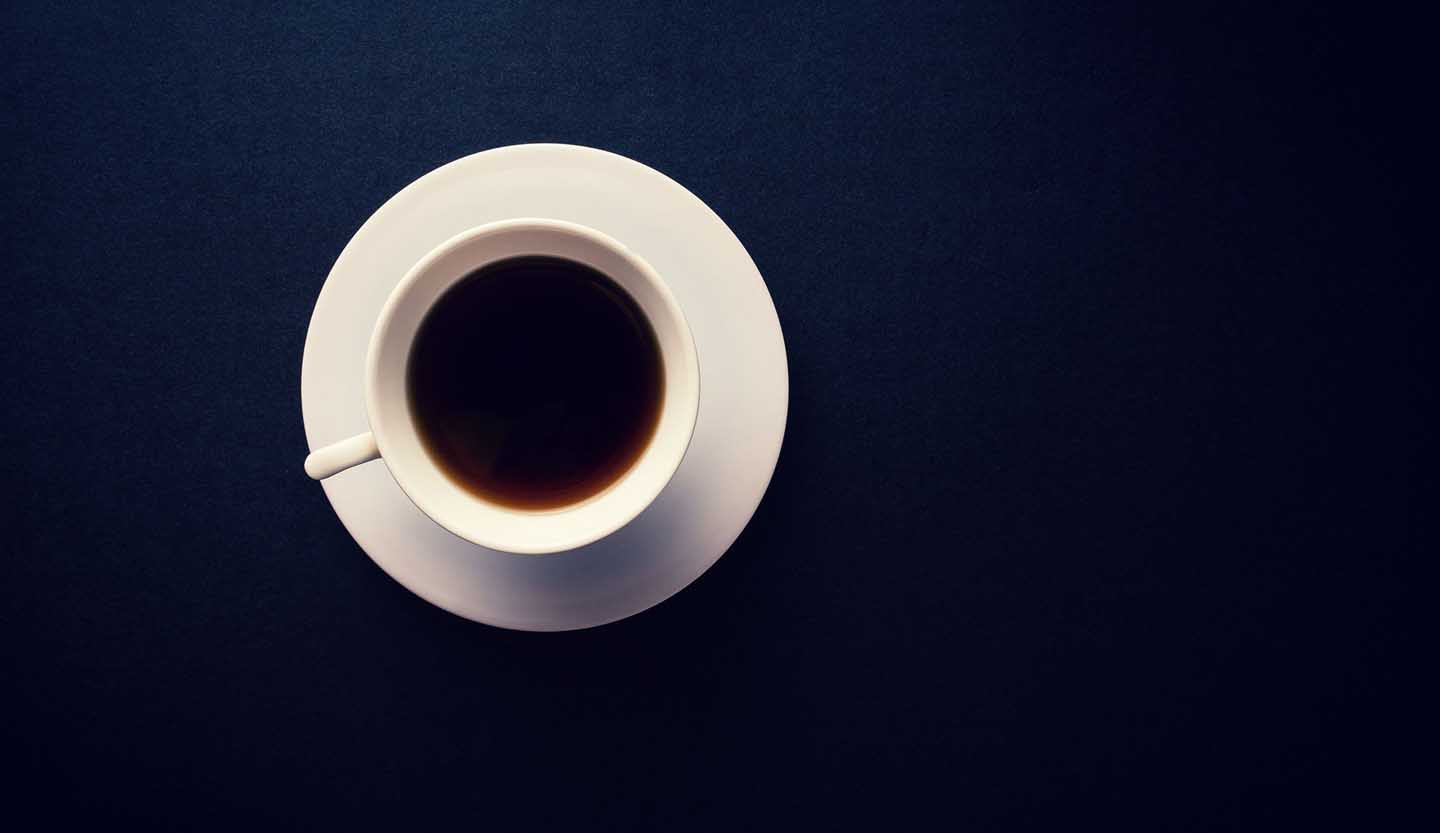
A cup of coffee

Caffeine is a drug that is heavily used in various forms all over the world. An article by Jennifer Temple from the Department of Exercise and Nutrition Sciences at the University at Buffalo, shows the results of studies on the effects of caffeine in children.((Temple JL.  Caffeine use in children: what we know, what we have left to learn, and why we should worry.  Neurosci Biobehav Rev. 2009;33(6):793-806.  doi:10.1016/j.neubiorev.2009.01.001))

What Caffeine is doing to You and Your Child?

Let’s see what Dr. Jennifer and other scientists say about caffeine consumption. Caffeine is a substance that acts on our brain, legally permitted, easy to obtain, and socially acceptable to consume. Previously, it was relatively restricted to adults, but caffeinated beverages nowadays are being regularly consumed by children. In addition, some drinks that contain caffeine are marketed specifically for children starting with the tender age of 4 years.

Caffeine is classified as a stimulant drug typically used for its ability to activate the central nervous system. Although generally recognized as safe by the US Food and Drug Administration, the FDA, excessive caffeine use can result in serious health risks, and in rare cases can lead to death.

The use of caffeine in children has not been sufficiently studied so far. Children and teenagers are the fastest growing population of caffeine users, with an increase of 70% in the last 30 years. Along with this goes the development of new caffeine-containing drinks, called energy drinks, which contain levels of caffeine ranging from 50mg, equivalent to a can of soda to 500mg, the equivalent of five cups of coffee, and often very high levels of sugar.

Energy drink sales have grown by over 50% since 2005, and they are unfortunately the fastest growing segment of the beverage industry. Energy drinks are marketed specifically to young adults and children, with ads showing high-risk activities, extreme sports like rock climbing or paragliding, using catchy slogans, which is a commercial wickedness to do so.

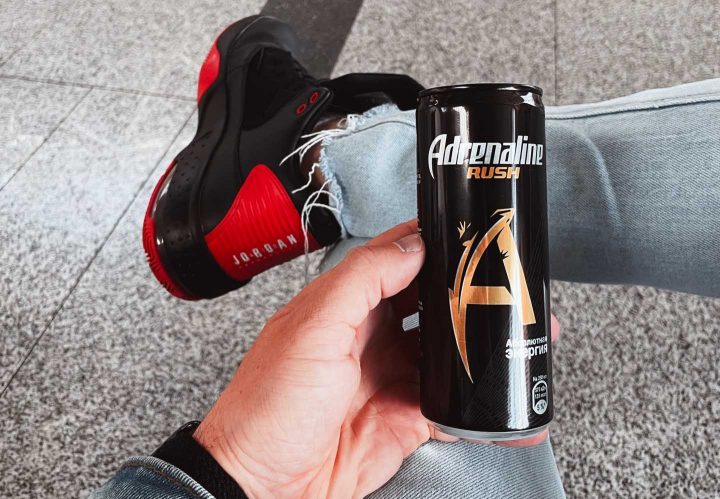
An adolescent consuming an energy drink

Caffeine is found in coffee, black tea, chocolate, mate tea, green tea and guarana. It is naturally produced in the grains and leaves of the plants used to make these products. Caffeine is also used as an additive in other products such as soft drinks, energy drinks and pain relievers. Caffeine levels can vary greatly in these products, depending on the concentration and preparation, as in the case of tea and coffee, or the amount added as in the case of soft drinks and energy drinks.

Even though caffeine consumption is banalized by many, there are according to Dr. Jennifer two things that should be considered about caffeine consumption by children and teens. First, there is a wide range of caffeine use among teenagers, with some consuming considerably more than average, which makes them also vulnerable of developing other types of high-risk behavior.

Second, due to the paucity of research on caffeine use in adolescents, we do not know the “safe” level of caffeine use in this population. Consumption of caffeinated beverages in general and consumption of soft drinks in particular is of concern because of their potentially negative health effects, as well as their established relationship with sleep disturbance, obesity and tooth decay. In addition to traditional caffeine-containing products like coffee, tea and soda, people can now get their caffeine fix from a variety of nontraditional sources. It appears that caffeinated consumables are being marketed to younger populations.

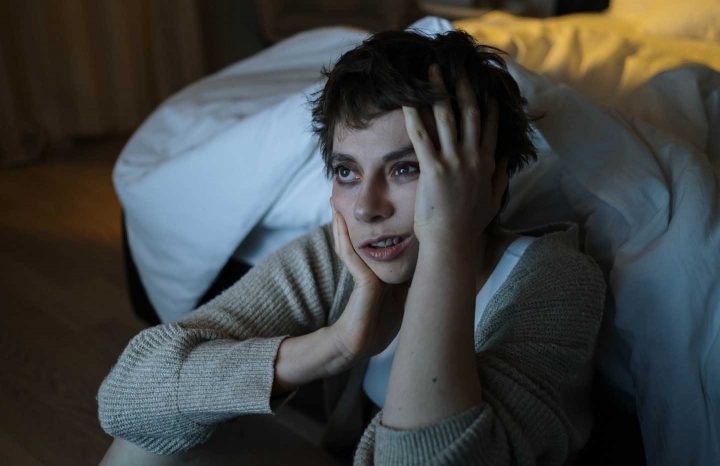
In addition to its well-known effects on sleep disturbances and restlessness, caffeine exerts some more behavioral effects. Its use produces tolerance and dependence, that is, tolerance means the need to use larger doses to obtain the same stimulating effect, and dependence is addiction.

A teenager suffering from insomnia

Acute caffeine use has dose-dependent effects on mood, attention span and physiology. For example, moderate doses of caffeine ranging from 200 to 300mg often produce the perception of heightened feelings of well-being, improved concentration and increased arousal and energy, but high doses above 400 mg lead to feelings of anxiety, nausea, agitation, headache, fatigue and nervousness. Worse though, acute administration of a moderate dose of caffeine of 200 to 300 mg, already decreases heart rate and increases blood pressure. In children and adolescents, caffeine consumption may be driven by peer pressure or a desire for increased sports performance.

Irregularly high levels of caffeine consumption, like above 400 to 450 mg per day increase the risk of cardiovascular disease. High levels of caffeine use are also associated with calcium excretion and bone loss, which may contribute to osteoporosis.

Dr. Jennifer continues to point out, that although data differ between studies, most agree that high levels of caffeine consumption in women trying to become pregnant may be associated with lower rates of conception, and higher rates of miscarriage. As with other peer-reviewed articles, the consensus is that some high levels of caffeine consumption can have adverse effects on fertility, and the recommendation is that women trying to get pregnant should limit caffeine to less than 300 milligrams per day, and it’s even better not to use it at all.

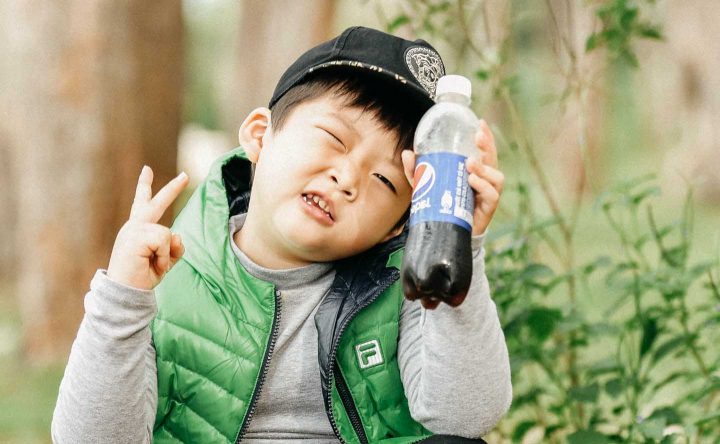
In children, the main vehicle for caffeine is soft drinks, which also contain a lot of sugar. This facilitates the development of caffeine dependence, and perhaps also contributes to an increased preference for foods and beverages containing added sugar. Sugar activates reward pathways similar to drugs like cocaine, amphetamine and nicotine.

A child consuming a soft drink

Childhood and adolescence are periods of rapid growth and the final stage of brain development. In order to maximize growth and development, adequate sleep and nutrition are essential. Caffeine use disrupts sleep patterns, and excessive soda consumption is associated with a poor diet, excess weight, and tooth decay. If caffeine increases preferences for sweet foods and beverages, it can contribute to excess energy intake, and increase the risk of overweight and obesity in adulthood. Children and teens can be particularly vulnerable to caffeine, as their brains are still undergoing significant development, in specific areas of the brain involved in executive function, impulsivity control and planning.

Consumption of energy drinks can lead to several negative consequences, especially in children and adolescents, because of their high caffeine content, explains Dr. Jennifer. First, she says, children and adolescents may be more susceptible to caffeine intoxication, which results in a number of physiological and psychological effects, and can in some cases lead to death.

Second, in addition to the harmful effects of energy drinks, they are often combined with alcohol as a way to increase the symptoms of euphoria. This can lead to increased alcohol intake and consequently an increase in harmful alcohol-related symptoms.

Third, excessive consumption of energy drinks has been associated with involvement in various high-risk behaviors, including smoking, drinking, illicit drug use, risky sexual behavior and fighting.

I want to end by leaving a text by a last century writer, who already gave us this advice over 100 years ago:

Tea and coffee do not nourish the system. The relief obtained from them is sudden, before the stomach has time to digest them. This shows that what the users of these stimulants call strength is only received by exciting the nerves of the stomach, which convey the irritation to the brain, and this in turn is aroused to impart increased action to the heart and short-lived energy to the entire system. All this is false strength that we are the worse for having. They do not give a particle of natural strength.((Ellen White. Temperance, p. 75. Pacific Press))

So the best attitude to caffeine is to avoid its use in whatever forms it is present in beverages and foods. It preserves your health, and your brain as well. Cutting caffeine out of your life is worth it!

Healthy Fruits

Stay Always Up to Date

Sign up to our newsletter and stay always informed with news and tips around your health.

Sign Up Now!

Filed Under: Children, Healthy Lifestyle, Teenagers, Temperance

Bike Tour Instead of Pill Cure

March 6, 2022 by Esther Neumann - [rt_reading_time label="Reading Time:" postfix="minutes" postfix_singular="minute"]

Radfahren

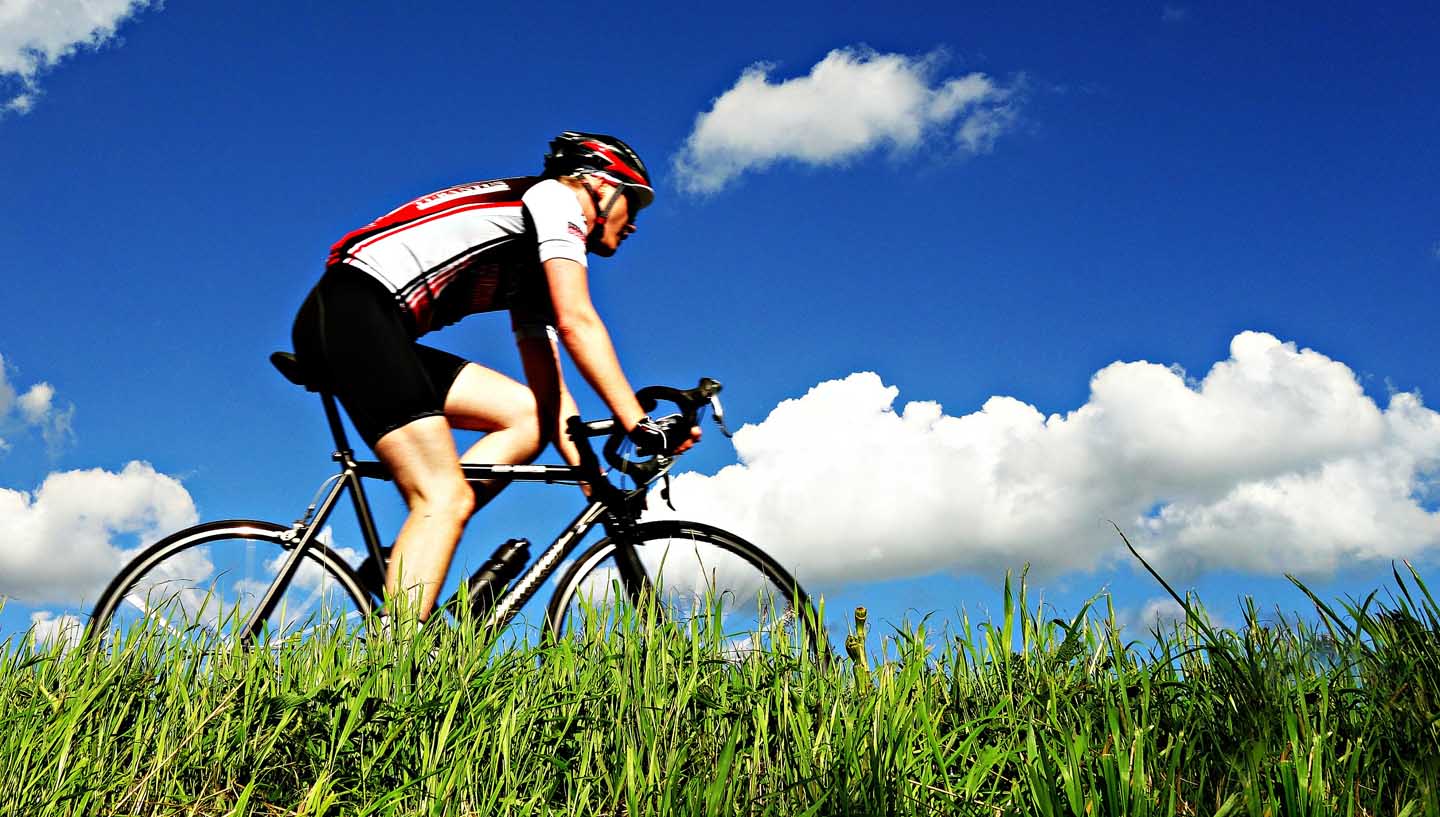
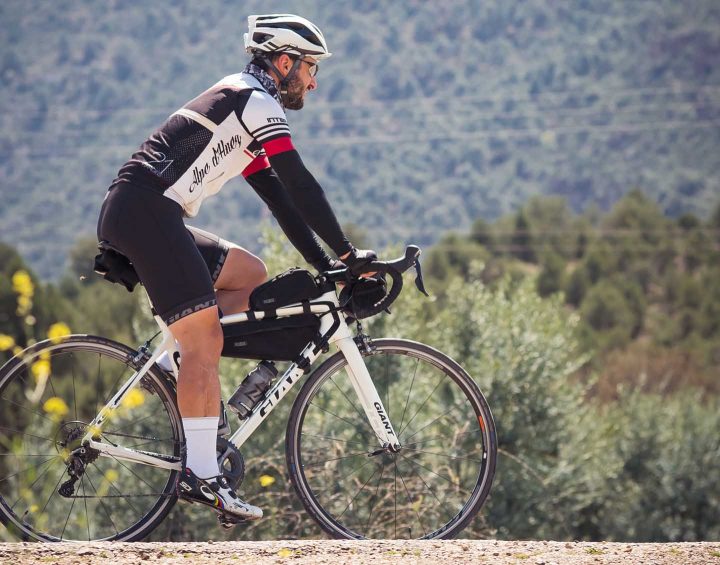
Anyone who pedals regularly strengthens their heart and immune system. Pedaling has a positive effect on the muscles, intervertebral discs, blood circulation and joints. Those who manage to get to 40 minutes will lose weight, because the fat will start to melt. If we cycle through a lovely landscape, we will also do something good for the soul.

Bike Tour Instead of Pill Cure

The long winter is over. The awakening nature also lures us out from behind the stove. The body craves movement. Not everyone feels like jogging or walking. That’s where the bike comes in handy. Whether it’s the old bike or the high-tech bike, it doesn’t matter. The important thing is that we swing into the saddle and drive off. It’s again the time for cycling.

Bicycle – an Ideal Fitness Device

Whether in everyday life, for leisure or holiday activities, we can always fit in the bike. We don’t even have to bring our own, because many locations already offer rental bikes.

Almost everyone can ride a bike, whether young or old, athletic or overweight. The body weight is carried by the saddle, the joints are relieved, the intervertebral discs activated and the muscles trained. Blood pressure is stabilized. Breathing is deepened and oxygen uptake is significantly increased.

Twenty minutes of cycling has a positive effect on the immune system. This is caused by the climatic stimulus provided by wind, air and sun.

Starting from 30 minutes we strengthen the heart and circulation. If you can even manage 40 minutes, you boost your fat metabolism. The pounds will start to tumble.

The soul doesn’t miss out either. It is a pleasure to experience the landscape at a slower pace than from a car. The headwind caresses not only the body but also the soul, if we allow it. This improves the quality of life all around.

Two bikers making a tour in nature

It’s the Dose that Counts

If you haven’t been in the saddle for months, you should take it easy. Otherwise, the body’s revenge will follow: the breath runs out, pain in the neck, shoulders and sore muscles set in and the joy is gone. This can be avoided if we prepare the body for the unfamiliar movement. Belly-leg-butt and shoulder exercises prepare the muscles.

Stretching exercises for the back muscles are important because the spine muscle called erector spinae tend to be overstretched when cycling. Practicing on the home trainer during the long winter months would have been ideal.

The feel-good pace is a moderate speed, individually adjusted to the training condition. You should still be able to have a good conversation while cycling. The cycling trips are to be gradually extended. Don’t start too fast, rather ride more often. You should be tired when you reach your destination, but not exhausted.

Some Technique

It is important that horse and rider fit together. The saddle should be set high enough so that you can put your heel on the pedal with your leg stretched out. If you sit correctly on the saddle, then you stand with the ball of your foot on the pedal. In this way, the power when pedaling is used optimally. If the saddle is set too low, the knee joint is forced too much. This can lead to injuries and you also tire more quickly. However, if the saddle is too high, the legs are forced to fully straighten. This can also be problematic for the joints.

Right posture when cycling

The saddle should be leveled out flat, and the handlebars should be level with the saddle. In this position, the spine is not bent too far forward, but also not so upright that bumps in the road would cause damage. A variable handlebar allows the grip position to be changed frequently, so you can always adopt a new sitting position.

Of course, the bike must also comply with the road traffic regulations. Two good brakes, bell, rear and front lighting and reflectors should be mandatory, reflectors also belong between the spokes and on the pedals. By the way, if you are smart, you ride with a helmet.

The Round Treadle

The treadle should not be angular and hacky from top to bottom, but round and loose. The pedal should not only be pushed down, but also pulled back in the down position and pushed forward in the up position. Even professional cyclists practice again and again on this round treadle.

The upper body should not swing back and forth when pedaling, but should be almost immobile. The legs are kept parallel to the frame so the knees are not spread apart.

A common mistake made by amateur cyclists is the number of revolutions per minute, the frequency. Many ride in a gear that is too high. You don’t get to your destination so exhausted if you drive at 70 to 90 revolutions per minute. Proper shifting and braking need practice.

When going uphill, you can stand up and pedal out of the saddle. The whole body is trained in this way. There is tension and relaxation. This is how women achieve slender hips and firmly trained butts.

Clothing and Shoes

Jerseys and cycling shorts made of modern, breathable materials are comfortable, but not essential. You can also wear comfortable, loose sportswear or a tracksuit. It is important that nothing is constricting, and that you dress in layers that you can take off and put on again, depending on the weather and heat development. The shoes should have a non-slip sole. Loose slippers that cannot be tied are taboo. They can lead to accidents.

Don’t forget the thirst quencher, the water bottle. One tenth of a gallon of water is drunk for every half hour of cycling. This increases endurance.

Cycling in Daily Life

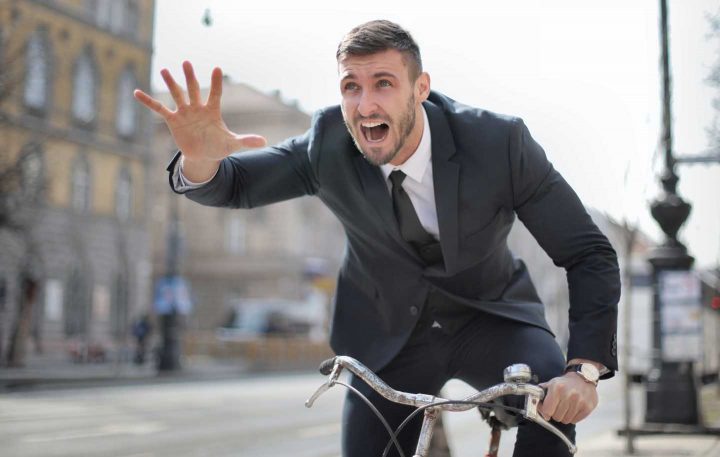
Let’s incorporate cycling into everyday life. Why not cycle to work? You can catch two birds with one stone. Admittedly, you have to overcome ingrained habits and comforts, fight your inner couch potato. If you often use your bike to run errands or just drive to work, you can save yourself a trip to the gym in your free time. Regular cycling has many health benefits. You also protect the environment, because the bicycle has no polluting emissions.

An office worker cycling to work

Bike Touring

One of my best vacations was cycling along the Danube River from Passau to Vienna with my family. There are wonderful cycling routes in every country. You can take your bike on the train or ship and choose the easier routes if you don’t want it to be too strenuous. But you can also face challenges and plan a mountain bike tour. The main thing is that you start and enjoy it. With this in mind, let’s enjoy cycling. As a result, one can really say: bike tour instead of pill cure.

Healthy Fruits

Stay Always Up to Date

Sign up to our newsletter and stay always informed with news and tips around your health.

Sign Up Now!

Filed Under: Exercise, Healthy Lifestyle

Primary Sidebar

Social Channels

Coronavirus Immunity Challenge

Boost your immune system to be bullet-proof for the pandemic.

I Want to Participate

Recent Posts

  • 5 Habits to Live Longer
  • Better Sleep Can Protect Against Dementia
  • Finding Peace In Your Crazy-Busy World
  • Flaxseed – An Ancient Plant Rediscovered
  • Platelets – Triggers for Life or Death
  • Boderline Personality Disorder
  • In Praise of Almonds and Nuts
  • Are You Stuck in the Clutter Trap?

Categories

  • Body Systems (16)
    • Cell Function (2)
    • Circulatory System (1)
    • Digestive Tract (10)
    • Immune System (4)
  • Diseases (27)
    • Cancer (2)
    • Cold (1)
    • COVID-19 (11)
    • Dementia (1)
    • Diabetes (1)
    • Digestive Diseases (2)
    • Heart Disease (2)
    • Kidneys (1)
    • Metabolic Syndrome (2)
    • Skin (1)
  • Healthy Lifestyle (42)
    • Exercise (11)
    • Gardening (2)
    • Sleep (7)
    • Sunlight (2)
    • Temperance (14)
    • Water (4)
  • Mental Health (87)
    • Addictions (6)
    • Anxiety (7)
    • Burnout (1)
    • Depression (7)
    • Psychosomatic Diseases (6)
    • Stress Management (45)
    • Trust (6)
  • Nutrition (56)
  • Obesity (9)
  • Phases of Life (14)
    • Adults (3)
    • Babies and Infants (1)
    • Children (3)
    • Seniors (5)
    • Teenagers (3)
  • Therapies (7)
    • Herbs (5)
    • Hydrotherapy (1)
  • Uncategorized (3)

Archives

  • January 2025 (1)
  • March 2024 (5)
  • February 2024 (4)
  • January 2024 (4)
  • December 2023 (5)
  • November 2023 (4)
  • October 2023 (5)
  • September 2023 (4)
  • August 2023 (3)
  • July 2023 (2)
  • June 2023 (4)
  • May 2023 (4)
  • April 2023 (5)
  • March 2023 (4)
  • February 2023 (4)
  • January 2023 (4)
  • December 2022 (4)
  • November 2022 (4)
  • October 2022 (5)
  • September 2022 (4)
  • August 2022 (4)
  • July 2022 (5)
  • June 2022 (4)
  • May 2022 (5)
  • April 2022 (4)
  • March 2022 (4)
  • February 2022 (4)
  • January 2022 (5)
  • December 2021 (3)
  • November 2021 (4)
  • October 2021 (6)
  • September 2021 (4)
  • August 2021 (4)
  • July 2021 (5)
  • June 2021 (4)
  • May 2021 (3)
  • April 2021 (5)
  • March 2021 (4)
  • February 2021 (4)
  • January 2021 (5)
  • December 2020 (3)
  • November 2020 (4)
  • October 2020 (5)
  • September 2020 (5)
  • August 2020 (3)
  • July 2020 (1)
  • June 2020 (1)
  • May 2020 (1)
  • April 2020 (1)
  • March 2020 (1)

Copyright © 2026 · Abundant Health - Privacy Policy - Medical Disclaimer