Abundant Health

Up to date health information tailored for you

  • Home
  • Blog
  • Recipes
  • Shop
  • Contact
You are here: Home / Archives for Nutrition

Nutrition

Flaxseed – An Ancient Plant Rediscovered

March 17, 2024 by Winston J Craig - [rt_reading_time label="Reading Time:" postfix="minutes" postfix_singular="minute"]

Flaxseed – An Ancient Plant Rediscovered

Flax (Unum uisita-tissimum) may be one of the world’s oldest cultivated plants. In ancient times, flax was grown for its oil-bearing seed and its fiber. The ancient Egyptians used cloth woven from flax, and Hebrew high priests, as recorded in the Judeo-Christian Scriptures, wore garments made exclusively of flax.
Flaxseed – An Ancient Plant Rediscovered

Records from early civilizations reveal that flax was also used internally as a mild laxative and for its soothing action on irritated mucous membranes. Flax was also applied to the skin as a poultice for the treatment of local inflammations and the relief of pain.

Flax is an annual plant that grows up to five feet (1.5 meter) in height. Its sky-blue flowers are known to bloom only during the morning hours. It can be grown in both temperate and tropical regions of the world, but major commercial supplies of flax come from Argentina, Canada, North Africa and Turkey.

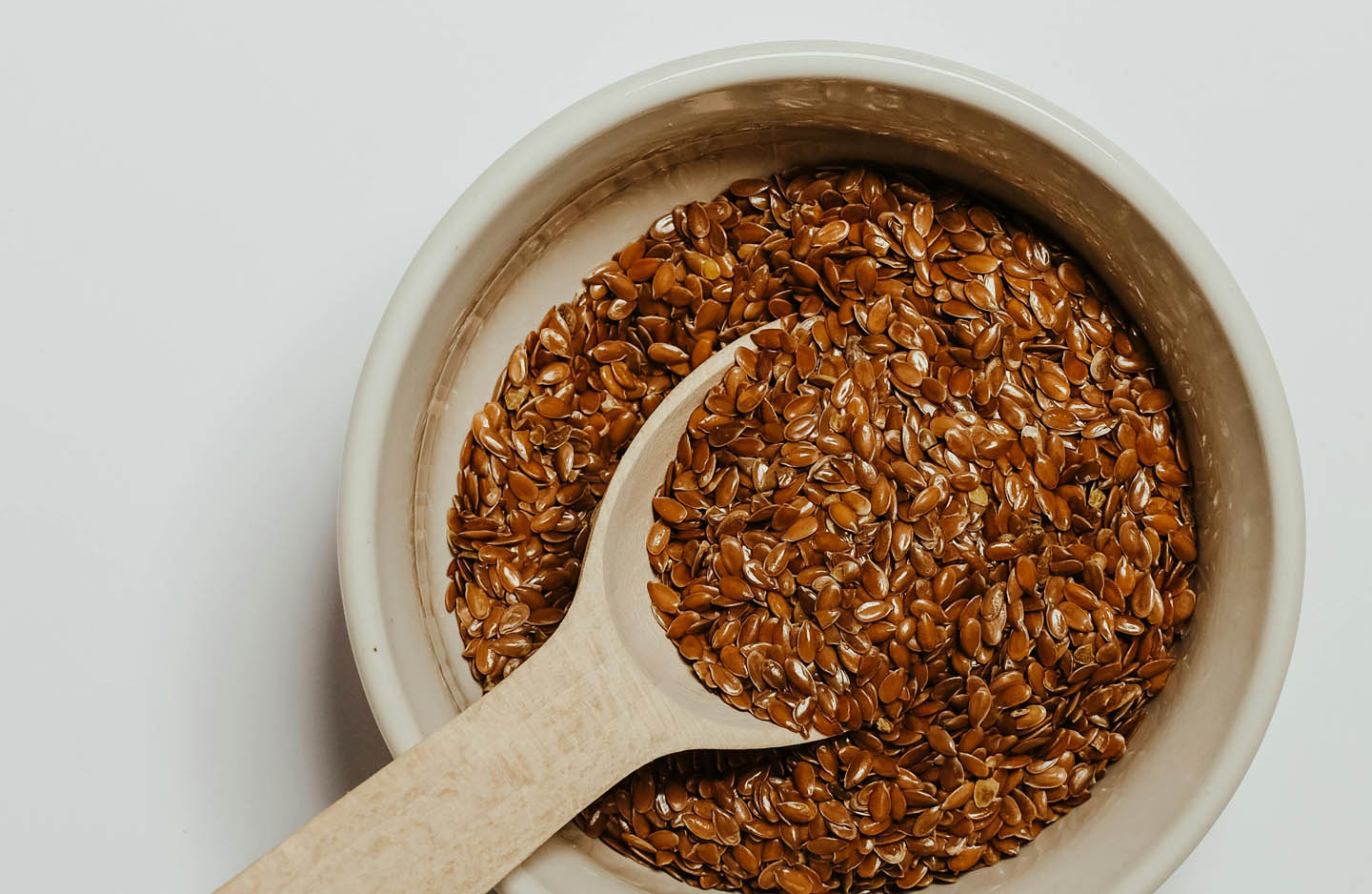
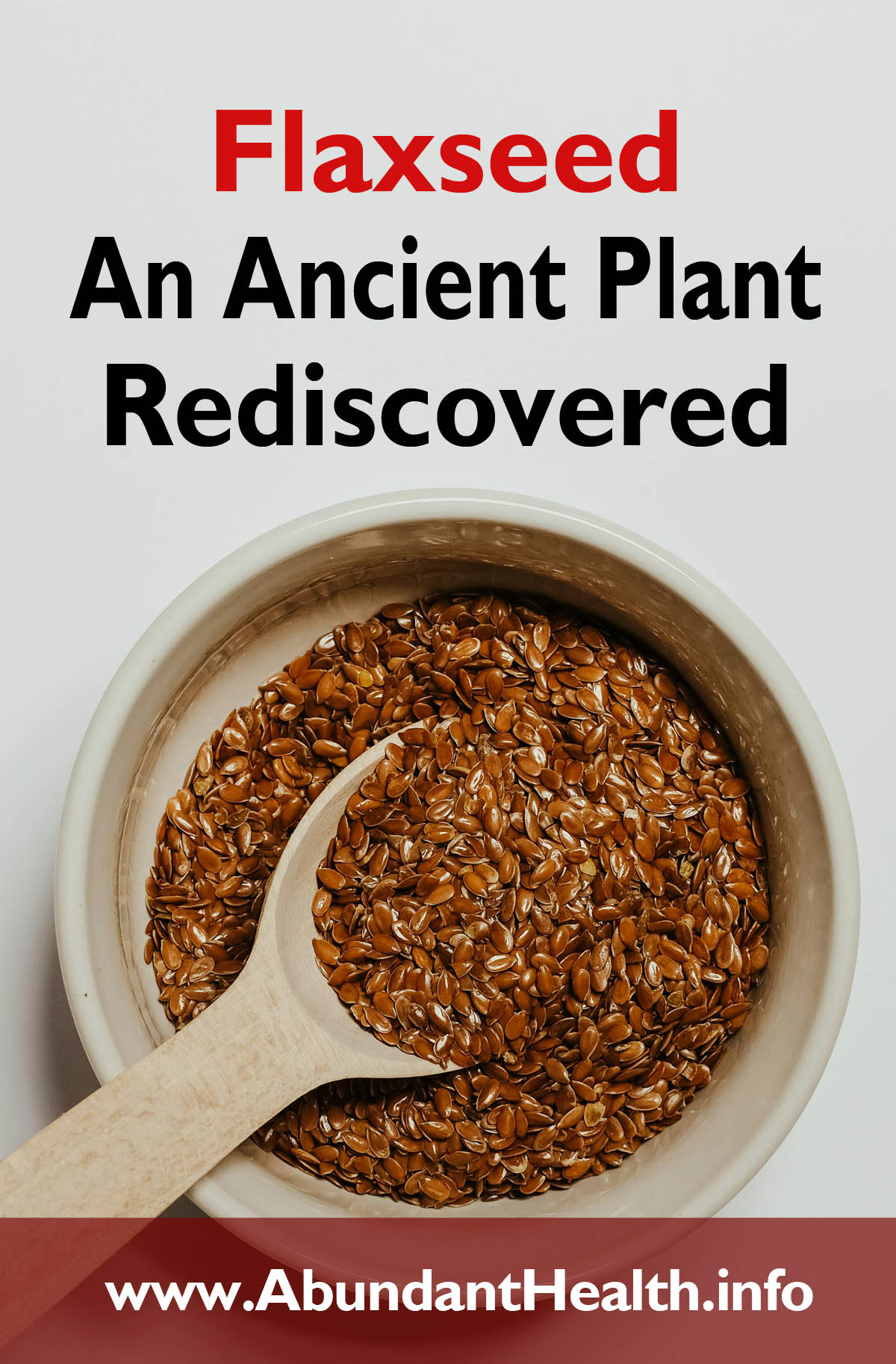
Flaxseed, or linseed as it is called in some parts of the world, consists of the dried, ripe seeds of the fruit, a globular capsule about one-quarter of an inch long. The flat, brown and glossy seeds are rich in both insoluble and soluble fiber. They also contain very high levels of lignans, linolenic acid (an omega-3 fat), and phenolic acids such as ferulic and sinapic acids, in addition to some useful protein. Flax also contains useful levels of potassium, magnesium, folic acid, iron and zinc.

Flax Flowers
Flax has lovely sky-blue single petal flowers. By D. Gordon E. Robertson – CC BY-SA 3.0, WikiMedia

Health Promoting Properties

In the last decades, American consumers have developed a fresh interest in the health-promoting properties of flaxseed and its oil. The seed and the flour derived from flaxseed are increasingly being used in breads, cereals, bagels, and other bakery products to provide not only a pleasant nutty flavor but also to increase the nutritional and health benefits of the final product.

Flaxseed flour can be successfully used in homemade baked goods. It can be added to cooked cereal, yeast breads, and muffins. About 10 to 20 percent of the wheat flour in a recipe can be replaced with flaxseed flour without any significant changes in baking.

The present popularity of flax was spurred by the research findings that it contains a high level of lignans as well as being a rich source of omega-3 fat. These hea1th-promoting substances make flaxseed a valuable addition to the diet. Clinical studies have shown that ground flaxseed is useful for protection against cancer and for lowering the risk of heart disease in patients with elevated blood cholesterol levels. Flaxseed also has been reported to have glucose-reducing effects.

Blood Lipid Changes

Flaxseed has been shown to lower serum cholesterol levels both in subjects with normal blood lipid levels and in those with elevated lipid levels. Flaxseed lowers blood lipid levels due to its soluble fiber content and its very low saturated fat content. When fifteen patients with elevated blood cholesterol levels were fed 15 grams of ground flaxseed and 3 slices of flaxseed-containing bread daily for three months, the patients experienced about a 10% decrease in total cholesterol and LDL cholesterol levels as well as a substantial decrease in platelet clumping, while their HDL cholesterol and triglyceride levels did not significantly change. Since defatted flaxseed can also produce a major drop in LDL cholesterol with a significant reduction in atherosclerosis in rabbits after only eight weeks, the cholesterol-lowering substance in flax is probably not the unsaturated fat. Ln another study, subjects with elevated blood cholesterol levels who consumed muffins made from partially defatted flaxseed experienced, on average, an eight percent drop in their LDL cholesterol levels over three weeks while their HDL cholesterol levels were unchanged.

Valuable Oil

Most flaxseed oil, for edible use, is cold-pressed to minimize oxidation during its production. Flaxseed oil is generally available from health food stores either in light-proof bottled containers for food use, or in capsule form to be taken as a supplement. Such oil should be refrigerated to limit oxidation and hence rancidity of the oil. The oil in the intact seed or ground seed appears to be quite resistant to oxidation during storage.
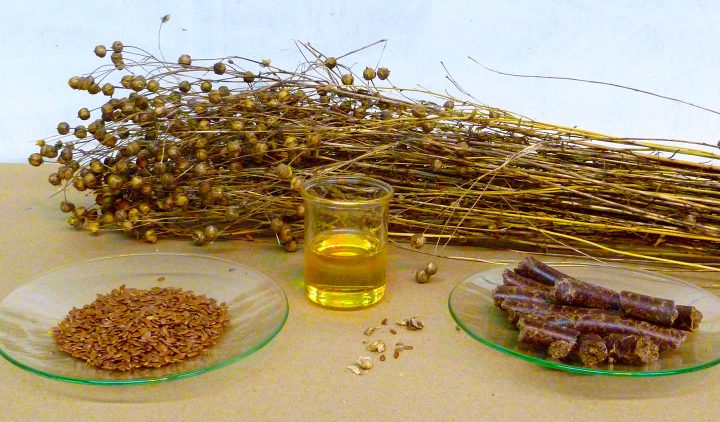
Flax plant, seeds and oil
Flax plant, flax seeds, linseed oil, linseed cake. By Handwerker – CC BY-SA 3.0, WikiMedia

Unless fish is consumed, many Americans consume little omega-3 fat. The use of flaxseed or flaxseed oil is an easy and successful way for a vegetarian to increase the omega-3 content of their diet. Many vegetarians have a high intake of omega-6 fat from using the typical vegetable oils, such as soy and sunflower oils. Using flax will ensure an adequate intake of omega-3 and produce a more favorable ratio of omega-6 to omega-3 fat.

Omega-3 fat does not promote cancer and is known to lower triglycerides and decrease the risk of blood clots. Because of its rich omega-3 fat content flaxseed may also prove to be useful in the management of patients with autoimmune diseases such as rheumatoid arthritis and psoriasis.

Protection Against Breast Cancer

Animal studies have shown that flax added to the diet can significantly reduce the incidence of breast tumors and produce at least a 50 percent reduction in tumor size of chemically-induced cancers. The number of tumors may be reduced by almost 40 percent in carcinogen-treated rats. The cancer-protective properties of flax are believed to result from their very high level of lignans.

Flaxseed is the richest known source of lignans, with 100 to 800 times the level of lignans found in other oil seeds, cereals, and legumes. Plant lignans are metabolized in the colon by bacterial action. The breakdown products of lignan, which have a strong antioxidant activity, appear to be anti-carcinogenic. They bear a structure similar to estrogen and can bind to estrogen receptors and thereby inhibit the growth of breast cancer. Lignans may also produce positive effects in women with ovarian dysfunction.

Help for the Bowel

Today flaxseed is used as a mild laxative for chronic constipation and to relieve irritable bowel syndrome, diverticulitis, gastritis, and enteritis. Flaxseed is also used to correct bowel problems caused by the misuse and overuse of stimulant laxatives such as senna. The mucilaginous fiber in the seeds can absorb water in the colon, producing soft stools, Flaxseed fiber may also protect against colon cancer.

The use of flaxseed is considered safe. However, the use of large quantities of flax as a laxative with insufficient fluid intake can produce obstruction of the bowel. For gastritis and enteritis, the dose of coarsely ground meal is 1 tablespoon of whole seed with 150 ml of liquid, taken 2 to 3 times a day. A compress can be made from 30-50 grams (1 to 2 oz.) of flax flour, German Commission E suggests taking 1-3 tablespoons of whole or crushed flaxseed 2-3 times a day for chronic constipation. However, it is important that plenty of water be consumed with this remedy to avoid bowel obstruction.
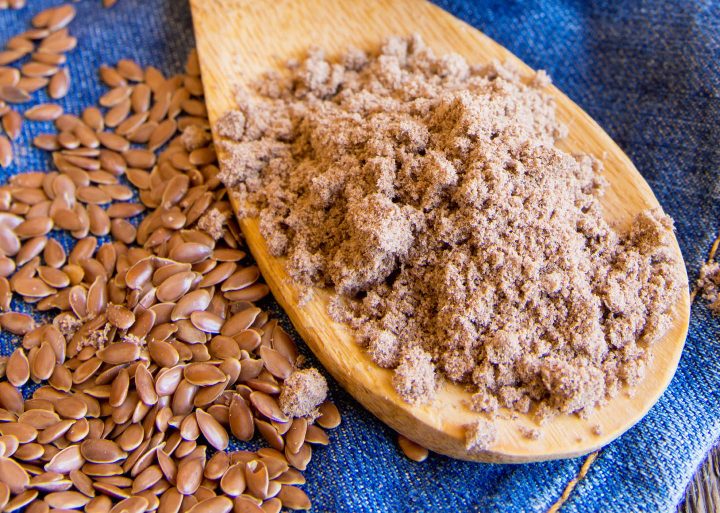
Whole and ground flax seed
The properties of flax seed are preserved best if ground fresh every day according to use.

Safety Issues

Flaxseed is known to contain some compounds, such as phytates and linatine, that may decrease the absorption of certain nutrients. While the di-peptide linatine can inhibit the utilization of vitamin B6, long-term use of flax does not seem to impair the B6 status of an individual.

Flaxseed contains small amounts of linamarin and other cyanogenic glycosides. These compounds are readily destroyed by the high temperatures normally experienced in cooking various bakery products. Any cyanogenic glycosides remaining in food will be rapidly converted in the body into thiocyanate, which may somewhat inhibit iodide uptake by the thyroid gland. Over a long period of time, goiter may develop in persons with a very low dietary iodine intake.

Conclusion

Flaxseed consumption at levels of fifty grams a day for several weeks has beneficial effects on the cardiovascular and immune systems without any harmful effects. A regular use of flaxseed flour appears to be a useful adjunct in the control of high blood cholesterol levels and provides useful protection against breast cancer.


This article was published originally in the Journal of Health and Healing, a publication of Wildwood Institute.
Healthy Fruits

Stay Always Up to Date

Sign up to our newsletter and stay always informed with news and tips around your health.
Sign Up Now!

Filed Under: Nutrition Tagged With: omega 3

In Praise of Almonds and Nuts

February 25, 2024 by Boris Hansel - [rt_reading_time label="Reading Time:" postfix="minutes" postfix_singular="minute"]

In Praise of Almonds and Nuts

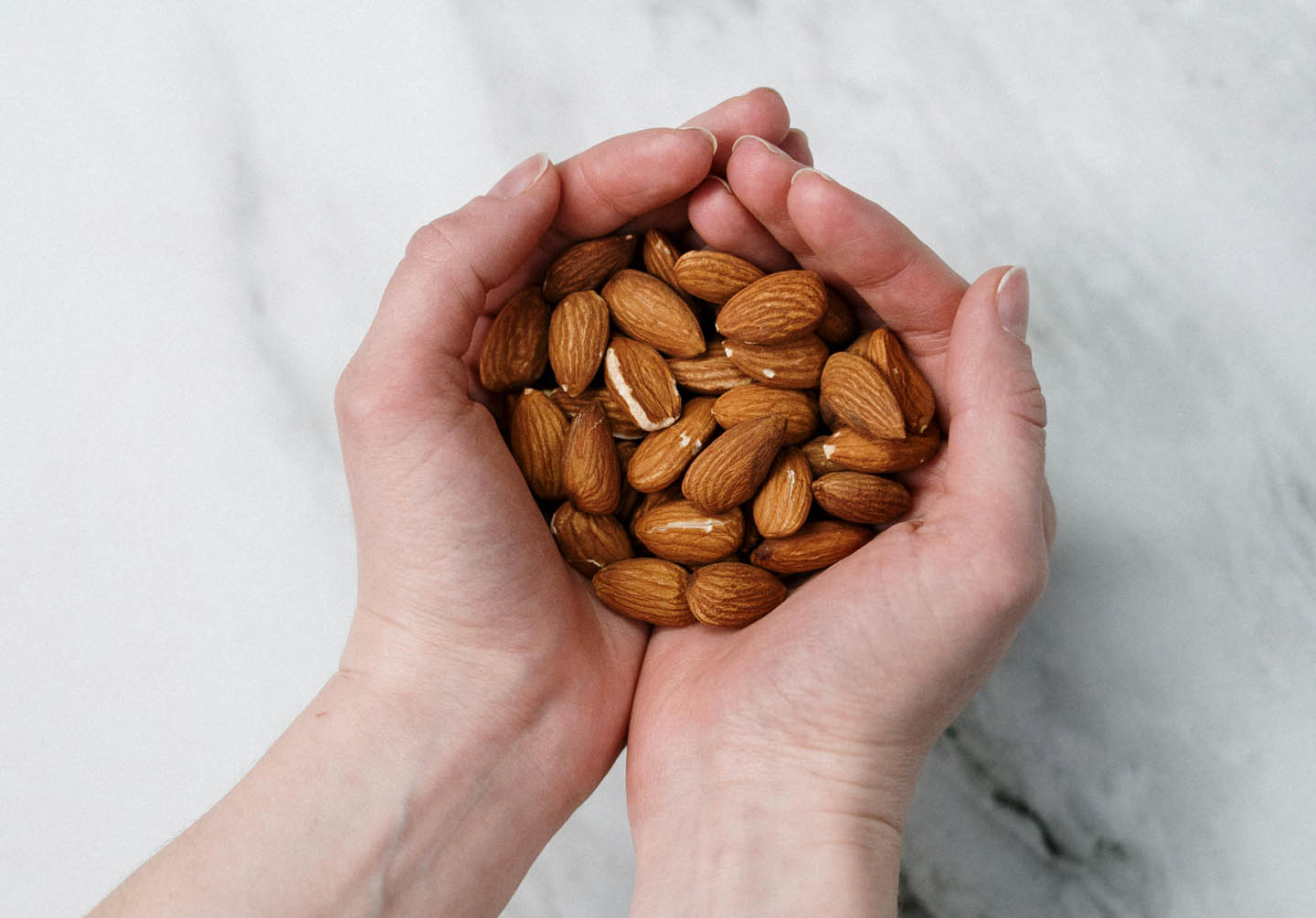
They’re known as ‘oily fruits’. Because of their numerous health benefits, notwithstanding their high fat content, almonds, hazelnuts and other nuts are among foods recommended for consumption in Canada, the US, and across the EU – to the tune of a small handful each day.((Anderson TJ, et. al. 2016 Canadian Cardiovascular Society Guidelines for the Management of Dyslipidemia for the Prevention of Cardiovascular Disease in the Adult. Can J Cardiol. 2016 Nov;32(11):1263-1282. doi: 10.1016/j.cjca.2016.07.510.
U.S. Department of Health and Human Services and U.S. Department of Agriculture. 2015 – 2020 Dietary Guidelines for Americans. 8th Edition. December 2015. Available at https://health.gov/our-work/food-nutrition/previous-dietary-guidelines/2015.
EU Science Hub: https://joint-research-centre.ec.europa.eu/orphan-pages/page/health-promotion-and-disease-prevention/food-based-dietary-guidelines-europe_en))

In Praise of Almonds and Nuts

From a nutritional standpoint, these hard-shelled fruits are distinguished by high levels (50-75%) of unsaturated fats (which are seen as ‘good fats’), significant protein content (10-25%), plus minerals (sodium, magnesium, potassium), vitamins B3, B9, B6 and E, fiber, antioxidants and vegetable oils. A stack of data suggests that they could help us age well and protect us from a range of chronic conditions.

Stripping out ‘bad’ cholesterol

If there’s one area where shelled fruits have proved their worth, it’s bringing cholesterol down. Reducing the amount of animal fat in your diet and eating fiber are, for certain, effective ways to cut levels of LDL-cholesterol, that’s to say ‘bad cholesterol’. But many studies have also shown the benefits of a daily handful of almonds. The same seems true of all nuts.

In 2010, a study of the collected data over the course of 25 clinical trials involving men and women with high cholesterol showed that eating 67g of nuts every day for 3-8 weeks could cut LDL-C levels by 7.4%, with more sizeable effects than this on symptoms since the patients were over healthy limits previously.((Sabaté J, Oda K, Ros E. Nut consumption and blood lipid levels: a pooled analysis of 25 intervention trials. Arch Intern Med. 2010 May 10;170(9):821-7. doi: 10.1001/archinternmed.2010.79.))

Another systematic data review confirmed this, albeit at a more modest rate. Carried out in 2018, it analysed results from 26 clinical trials: the authors in this case detected a 3.7% fall in LDL-C levels for a diet rich in shelled fruits (15-108g per day) over a period of one to 12 months.((Guasch-Ferré M, Li J, Hu FB, Salas-Salvadó J, Tobias DK. Effects of walnut consumption on blood lipids and other cardiovascular risk factors: an updated meta-analysis and systematic review of controlled trials. Am J Clin Nutr. 2018 Jul 1;108(1):174-187. doi: 10.1093/ajcn/nqy091.)) It’s known that lowering LDL-C levels is linked to a reduction in total mortality and in deaths from cardiovascular disease, particularly if levels were high to start with.((Navarese EP, et.al. Association Between Baseline LDL-C Level and Total and Cardiovascular Mortality After LDL-C Lowering: A Systematic Review and Meta-analysis. JAMA. 2018 Apr 17;319(15):1566-1579. doi: 10.1001/jama.2018.2525.)) Even if no clinical study has yet shown that eating nuts can reduce the risk of heart failure, there’s no shortage of arguments to support such a hypothesis.

Lower risk of cardiovascular disease

First one might point to the results of a meta-analysis published in 2019. Applying the criteria used by Canada’s Cochrane Centre, the authors chose 19 studies, and evaluated that a 28g daily portion of nuts is associated with a 13% fall in cardiovascular disease, and 29% in deaths from heart disease.((Becerra-Tomás N, Paz-Graniel I, W C Kendall C, Kahleova H, Rahelić D, Sievenpiper JL, Salas-Salvadó J. Nut consumption and incidence of cardiovascular diseases and cardiovascular disease mortality: a meta-analysis of prospective cohort studies. Nutr Rev. 2019 Oct 1;77(10):691-709. doi: 10.1093/nutrit/nuz042.))

A man suffering from a heart attack

You could also refer to a huge randomized and controlled study across many different locations on the role of a Mediterranean diet enriched with nuts in reducing the risk of heart disease. Participants in this, aged 55-80 and registering a significant risk of heart disease were assigned one of three diets – low-fat, a Mediterranean diet rich in olive oil, and a Mediterranean diet with added nuts. They were tracked for almost 5 years on average. At the end of the research, it was shown that heart problems were less frequent among the two groups following the Mediterranean diet.((Estruch R, et. al. PREDIMED Study Investigators. Primary Prevention of Cardiovascular Disease with a Mediterranean Diet Supplemented with Extra-Virgin Olive Oil or Nuts. N Engl J Med. 2018 Jun 21;378(25):e34. doi: 10.1056/NEJMoa1800389.))

Fat that doesn’t make you put on weight

On the energy side, 30g of almonds, peanuts, pistachios or cashews work out as a 180 calorie snack; the same quantity of pecans or Brazil nuts come to 220-230 calories. These figures are roughly equivalent to 30-40g of milk chocolate. Since the calorific content is essentially made up of fats, one might be given to think one must beware of ‘oily fruits’ if weight-watching. But that assumption would be wrong…

In fact, a recent piece of research closely analysed six cohort studies and 62 randomized diet tests. This concluded that regularly eating nuts for a longer or shorter period of time (between 3 and 336 weeks) is linked to very slight weight loss (an average of 200g) and a shrinking waistline (by an average of 0.5cm).((Li H, Li X, Yuan S, Jin Y, Lu J. Nut consumption and risk of metabolic syndrome and overweight/obesity: a meta-analysis of prospective cohort studies and randomized trials. Nutr Metab (Lond). 2018 Jun 22;15:46. doi: 10.1186/s12986-018-0282-y.))

If the reasons for these counter-intuitive outcomes haven’t been adequately explained yet, various theories can be put forward. For one, the matrix that encases the oils in nuts limits, to an extent, their absorption in the gut. To put it simply – some of the fat content in nuts is eliminated in the body’s cells, rather than being absorbed. Meanwhile, thanks to how they blunt our appetite, almonds and other nuts reduce the amount we eat at meals, so much so that our overall calorie count is no greater, or perhaps less than it would have been without them.

Do nuts have anti-cancer properties?

Other benefits are attributed to shelled fruits – notably around cancer prevention, although the evidence for this is weak. The relevant studies rely on observations alone, and suffer from various interpretation biases.

Thus, according to an analysis of 33 studies published before June 2019, increased consumption of nuts is demonstrably linked to a 10% fall in cancer risk; and the effect is more marked for cancers of the digestive system, with a risk reduction of 17%.

Nuts’ high antioxidant content might be one of the drivers for this. But before exploring this hypothesis further, we need to check the observed data with verifiable controlled and randomised clinical trials. For the moment, there’s nothing that allows us to say that eating nuts protects against cancer.

Fewer neurodegenerative conditions

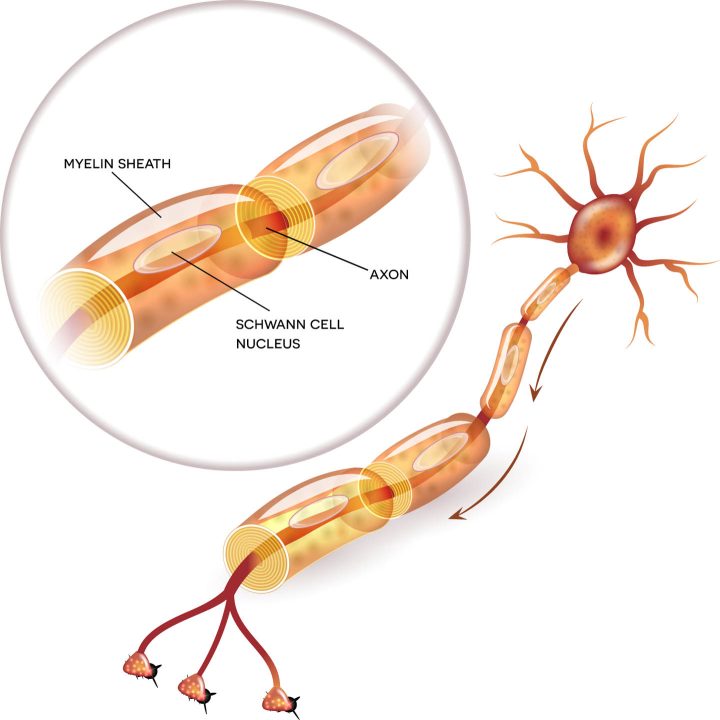
Oils and fats are vital for the brain. After fat tissue, it’s the organ in the body richest in lipids: they can be found in the neuron membranes and related cells, but also in the myelin which speeds up the transmission of electrical impulses through the nervous system.

Illustration of a nerve cell and the myelin sheath

Several research teams have set out to evaluate the benefits of nuts for the central nervous system. What have they learned?((Carey A. et.al. The beneficial effects of tree nuts on the aging brain. Nutrition and Aging 1 (2012) 55–67 DOI 10.3233/NUA-2012-0007))

Their notable discovery was that after a few weeks of a diet more or less rich in nuts, 19 month-old rats performed better on psychometric tests.((Willis LM, Shukitt-Hale B, Cheng V, Joseph JA. Dose-dependent effects of walnuts on motor and cognitive function in aged rats. Br J Nutr. 2009 Apr;101(8):1140-4. doi: 10.1017/S0007114508059369.)) A diet of 2% nuts boosted their performance on a rod-clambering test, one of 6% nuts saw them do better on a plank-walking test, and at both these levels their powers of short term memory were heightened. These results have been confirmed by a study of shorter duration, with a marked improvement detectable in the rodents’ learning and memory.((Haider S, Batool Z, Tabassum S, Perveen T, Saleem S, Naqvi F, Javed H, Haleem DJ. Effects of walnuts (Juglans regia) on learning and memory functions. Plant Foods Hum Nutr. 2011 Nov;66(4):335-40. doi: 10.1007/s11130-011-0260-2.))

As for humans, a study of the PREDIMED diet intervention has shown that a Mediterranean diet rich in nuts improves short-term memory.((Valls-Pedret C, Lamuela-Raventós RM, Medina-Remón A, Quintana M, Corella D, Pintó X, Martínez-González MÁ, Estruch R, Ros E. Polyphenol-rich foods in the Mediterranean diet are associated with better cognitive function in elderly subjects at high cardiovascular risk. J Alzheimers Dis. 2012;29(4):773-82. doi: 10.3233/JAD-2012-111799.)) It has also offered evidence, at a biological level, of a reduced risk of low BDNF plasma – a protein which helps the growth and vigour of new neurons.((Sánchez-Villegas A, Galbete C, Martinez-González MA, Martinez JA, Razquin C, Salas-Salvadó J, Estruch R, Buil-Cosiales P, Martí A. The effect of the Mediterranean diet on plasma brain-derived neurotrophic factor (BDNF) levels: the PREDIMED-NAVARRA randomized trial. Nutr Neurosci. 2011 Sep;14(5):195-201. doi: 10.1179/1476830511Y.)) Nuts seem to have a beneficial role at warding off age-related cognitive decline. However, we don’t have direct proof that if one regularly eats nuts, it reduces the risk of neurodegenerative diseases.

To sum up: nuts appear at first glance to have all the features allowing them to be considered allies of our health. While they are calorie-rich and high in fats, a 30g serving per day seems to cut “bad cholesterol” and protect us from cardiovascular disease, without affecting our weight. There are plenty of theories that suggest they a positive impact, both on other illnesses and warding off cognitive decline associated with age.

Plenty of good reasons to recommend everyone to include a handful of almonds, hazelnuts or other nuts in the food they eat each day – obviously without added sugar or salt!

Healthy Fruits

Stay Always Up to Date

Sign up to our newsletter and stay always informed with news and tips around your health.
Sign Up Now!

This article is republished from The Conversation under a Creative Commons license. Read the original article.

The Conversation

Filed Under: Nutrition

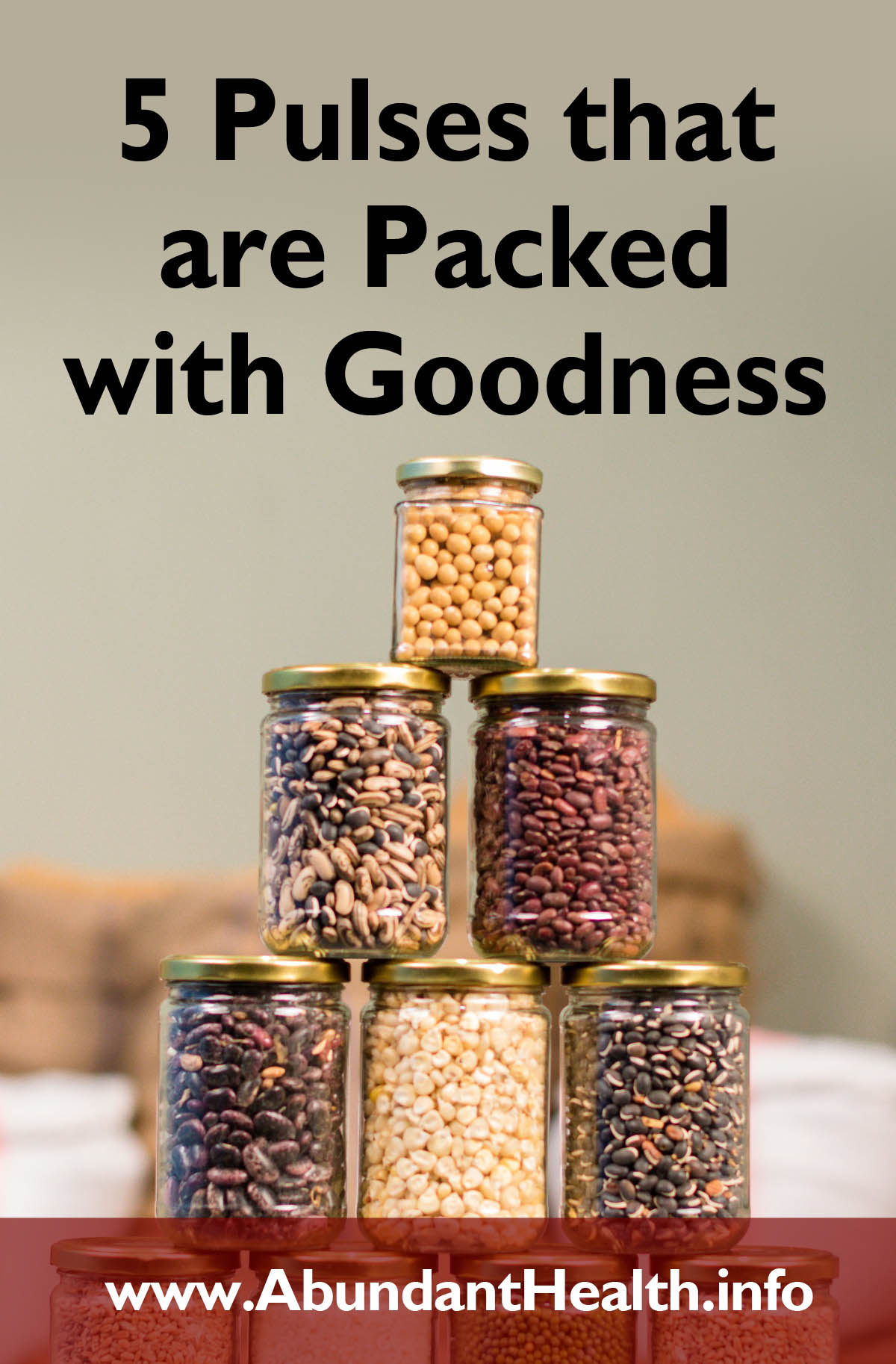
5 Pulses that are Packed with Goodness

February 11, 2024 by nadiaradzman - [rt_reading_time label="Reading Time:" postfix="minutes" postfix_singular="minute"]

5 Pulses that are Packed with Goodness

Each year on February 10, the United Nations commemorates what probably sounds to many like a strange occasion: World Pulses Day.((World Pulses Day, United Nations))

5 Pulses that are Packed with Goodness

But, as a researcher focused on forgotten and underutilized legumes,((Dr Nadia Radzman, University of Cambridge)) I think the initiative is an important step towards food security. Getting people to eat more pulses can ultimately help achieve UN Sustainable Development Goal 2: Zero Hunger.((Goal 2: Zero Hunger. United Nations))

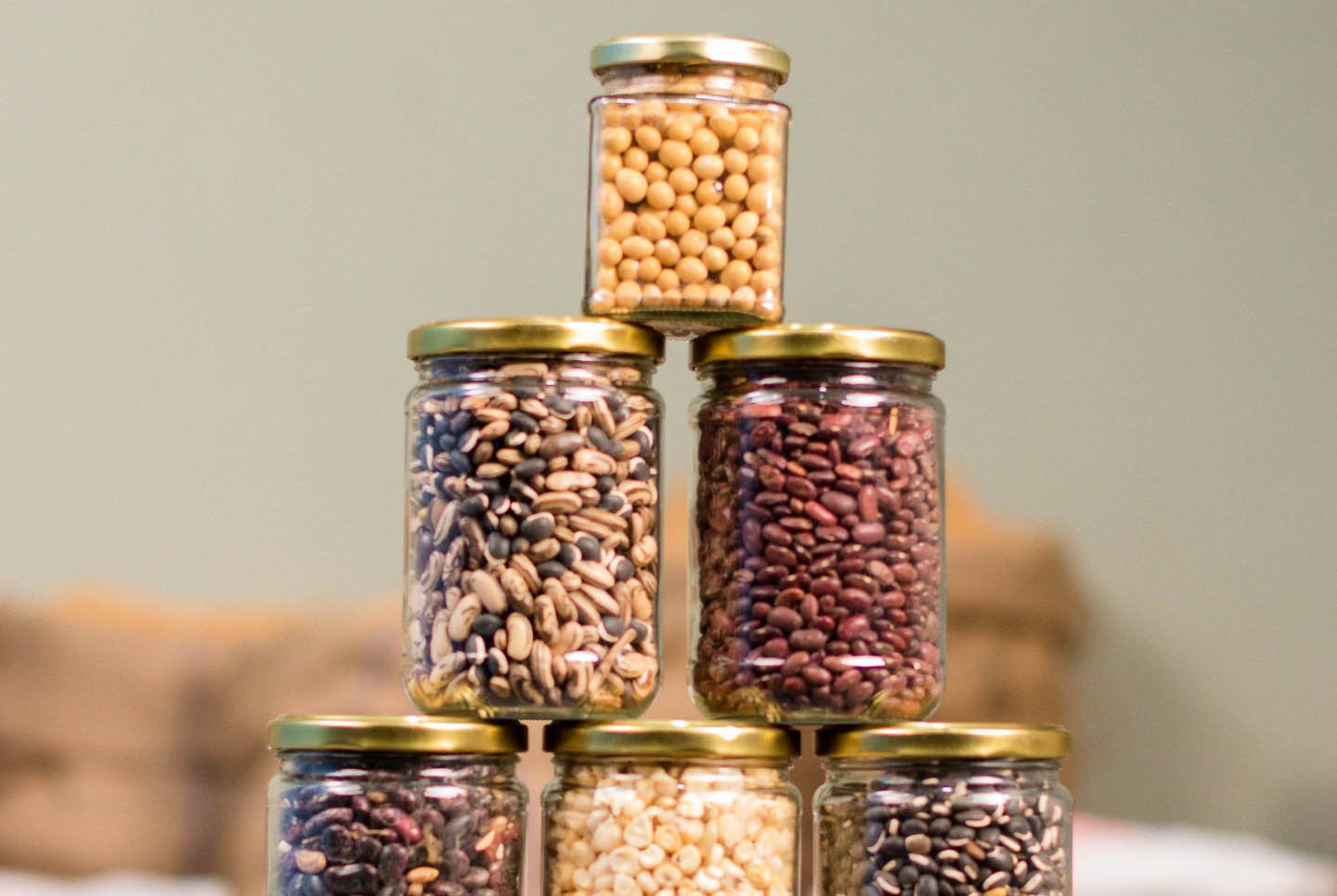
First, for clarification, “legumes” and “pulses” have different meanings. “Legumes” are all plants belong to the family Leguminosae or Fabaceae, while “pulses” are the dried seeds of legume plants. Pulses include beans, lentils and chickpeas.

One reason that legume plants offer such promise in ending hunger is that they don’t need good soil or nitrogen fertilizers. Plants need nitrogen to build important molecules such as protein and DNA. Most legumes can thrive in poor soil by fixing nitrogen gas from the air for their own use. This happens through symbiotic interaction with friendly bacteria known as rhizobia. The rhizobia are housed inside structures called nodules on the plant’s roots.

Thanks to their nitrogen-fixing ability, pulses are nutritional powerhouses: high in protein and fiber, and low in fat.

But that’s not the only interesting thing about legumes and pulses. In honor of World Pulses Day, I would like to highlight five pulses that have unique properties and stories.

1. The African yam bean: high protein beans and underground tubers

The African yam bean (Sphenostylis stenocarpa) offers two servings of food: beans and underground tubers. The tubers have higher protein content than any non-legume tuber crops like potato and cassava, and the beans are also high in protein. Their nutritional value was proved during the Nigerian Civil War (1967-1970) when the beans were cooked with amaranthus, telfaria or cassava leaves to feed the malnourished in war-affected areas.((Nwokolo, E. (1996). African yam bean (Sphenostylis stenocarpa (Hoechst ex. A. Rich.) Harms.). In: Nwokolo, E., Smartt, J. (eds) Food and Feed from Legumes and Oilseeds. Springer, Boston, MA. https://doi.org/10.1007/978-1-4613-0433-3_18))

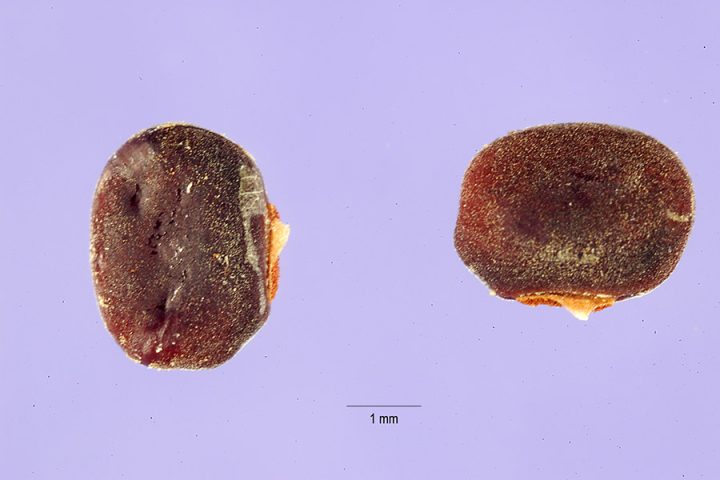
Seed of the African yam bean

This crop is native to Africa and was once grown across the African continent.((Potter, D. Economic Botany ofSphenostylis (Leguminosae). Econ Bot 46, 262–275 (1992). https://doi.org/10.1007/BF02866625)) Researchers have proposed that it may have been domesticated multiple times in west and central Africa.((Potter, D., Doyle, J.J. Origins of the African Yam bean (Sphenostylis stenocarpa, leguminosae): evidence from morphology, isozymes, chloroplast DNA, and linguistics. Econ Bot 46, 276–292 (1992). https://doi.org/10.1007/BF02866626)) Today, it is mostly grown as security or subsistence crop, rather than commercially. But its high protein content and drought tolerance are attracting increasing interest.((Toyosi T. George, Anthony O. Obilana, Samson A. Oyeyinka, The prospects of African yam bean: past and future importance, Heliyon, Volume 6, Issue 11, 2020, https://doi.org/10.1016/j.heliyon.2020.e05458))

2. Common bean: diversity and environmental versatility

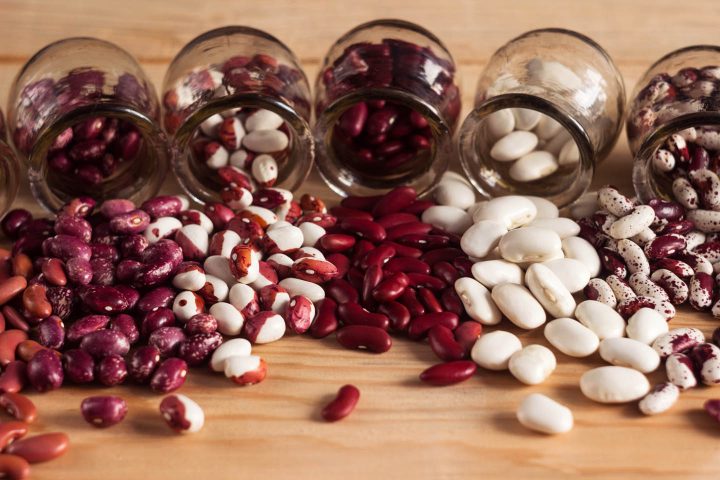
The common bean (Phaseolus vulgaris) comes in many varieties around the world. Examples are black beans, red kidney beans and pinto beans – they look different but they are the same species. What’s special about them is that they can pair with a larger number of rhizobial species((Martínez-Romero, E. Diversity of Rhizobium-Phaseolus vulgaris symbiosis: overview and perspectives. Plant and Soil 252, 11–23 (2003). https://doi.org/10.1023/A:1024199013926)) than other legumes can.((Lira MA Jr., Nascimento LRS and Fracetto GGM (2015) Legume-rhizobia signal exchange: promiscuity and environmental effects. Front. Microbiol. 6:945. doi: 10.3389/fmicb.2015.00945)) This may have helped the common bean to thrive outside its native land and diversify in various habitats around the world. It’s able to fix nitrogen in different environments, making it a resilient legume species.

Beans of various colors and varieties
Multi-colored beans are poured out of jars on the table. White, red and colored beans. Background

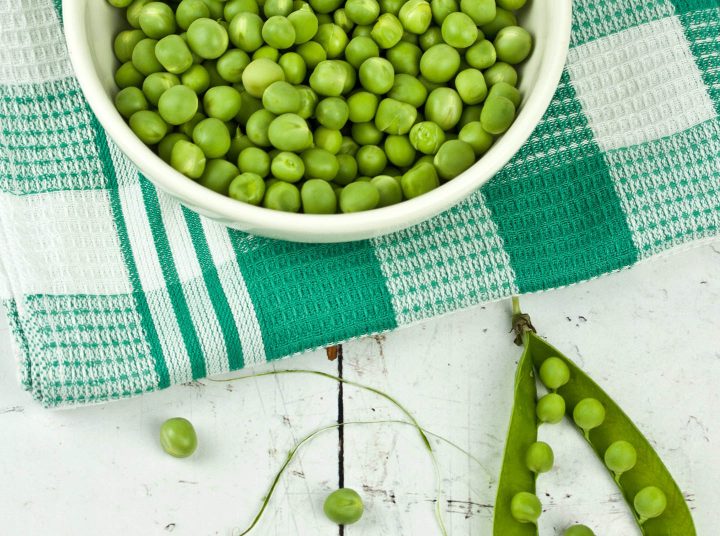
3. Pea: a role in early understanding of genetics

The pea (Pisum sativum) is among the oldest domesticated crops in the world. It contributed to the understanding of genetics, thanks to Gregor Mendel’s famous experiment with pea plants.((Miko, I. (2008) Gregor Mendel and the principles of inheritance. Nature Education 1(1):134)) Mendel observed the way that different physical properties of the pea plants were inherited: pod shape, seed shape, seed colour, unripe pod colour, flower colour, stem length, and flower placement. He crossed two pea plants that had different properties and observed the seven traits in the subsequent generations for two years. From this experiment, he established Mendel’s Rules of Inheritance – still applicable in modern day genetic study.

The rich genetic diversity of the pea is also a valuable resource for important crop traits that can withstand various weather conditions due to climate change.((Smýkal P, Aubert G, Burstin J, Coyne CJ, Ellis NTH, Flavell AJ, Ford R, Hýbl M, Macas J, Neumann P, et al. Pea (Pisum sativum L.) in the Genomic Era. Agronomy. 2012; 2(2):74-115. https://doi.org/10.3390/agronomy2020074))

Peas

4. Chickpea: built for drought

Many pulses are drought tolerant and use less water for production than animal-sourced proteins, especially beef. Chickpea (Cicer arietinum) is known to be highly drought tolerant.((Rani A. et.al. Developing Climate-Resilient Chickpea Involving Physiological and Molecular Approaches With a Focus on Temperature and Drought Stresses. https://doi.org/10.3389/fpls.2019.01759)) Most of this crop is grown under rainfed conditions in arid and semi-arid areas. This special ability to grow where water is scarce is more prominent in wild species of chickpea. Wild chickpeas can also tolerate temperatures up to 40°C – another valuable genetic resource for better drought tolerance in modern chickpeas.((Toker, C., Canci, H. & Yildirim, T. Evaluation of perennial wild Cicer species for drought resistance. Genet Resour Crop Evol 54, 1781–1786 (2007). https://doi.org/10.1007/s10722-006-9197-y))

Still, chickpea yield is highly compromised when there is lack of water. Therefore, scientists are looking for beneficial traits that can reduce the yield loss in chickpeas during drought. This may contribute to a more secure food source in the midst of climate change.((Varshney, R.K., Thudi, M., Roorkiwal, M. et al. Resequencing of 429 chickpea accessions from 45 countries provides insights into genome diversity, domestication and agronomic traits. Nat Genet 51, 857–864 (2019). https://doi.org/10.1038/s41588-019-0401-3))

Hummus with a few cooked chickpeas

5. Lupins: special cluster roots to seek nutrients

White lupins (Lupinus albus), yellow lupins (Lupinus luteus) and pearl lupins (Lupinus mutabilis) can form special roots to get more nutrients without the need for additional fertilisers.((Hocking, P., Jeffery, S. Cluster-root production and organic anion exudation in a group of old-world lupins and a new-world lupin. Plant and Soil 258, 135–150 (2004). https://doi.org/10.1023/B:PLSO.0000016544.18563.86)) Plants need not only nitrogen but phosphorus. Usually it’s given to plants in fertiliser to increase crop yield. Phosphate fertiliser is made from phosphate rock –- a non-renewable resource which is rapidly depleting through agricultural use.((Understanding phosphorus fertilizers. University of Minnesota Extension)) The white, yellow, and pearl lupins have unique root modifications called cluster roots that can liberate phosphorus from soil particles when the nutrient is low. These roots look like bottlebrush and are formed only when the level of phosphorus in the soil is low.((Shane, M.W., Lambers, H. Cluster Roots: A Curiosity in Context. Plant Soil 274, 101–125 (2005). https://doi.org/10.1007/s11104-004-2725-7)) These cluster roots exude negatively charged compound called carboxylate that can liberate phosphorus from the soil and make it available for the plant to use.((Hans Lambers, John G. Bishop, Stephen D. Hopper, Etienne Laliberté, Alejandra Zúñiga-Feest, Phosphorus-mobilization ecosystem engineering: the roles of cluster roots and carboxylate exudation in young P-limited ecosystems, Annals of Botany, Volume 110, Issue 2, 1 July 2012, Pages 329–348, https://doi.org/10.1093/aob/mcs130)) So lupins do not have to rely on phosphate fertilisers and can even help neighbouring plants by increasing the phosphorus level in the soil.

Food security

Pulses deserve our attention not just on February 10 but every day. The five pulses I’ve presented here can serve as sustainable protein sources and make food systems more diverse. They can greatly contribute to better food security in the future.

Healthy Fruits

Stay Always Up to Date

Sign up to our newsletter and stay always informed with news and tips around your health.

Sign Up Now!

This article is republished from The Conversation under a Creative Commons license. Read the original article.

The Conversation

Filed Under: Nutrition Tagged With: Legumes, protein

The Problem of Celebrity Nutrition

January 21, 2024 by Rebecca Reynolds - [rt_reading_time label="Reading Time:" postfix="minutes" postfix_singular="minute"]

The Problem of Celebrity Nutrition

Celebrities of nutrition evoke feelings of awe, envy and adulation in many of us. While the Gwyneth Paltrows of the group first achieve celebrity status in other fields, others first make a name for themselves in food and nutrition, despite not having formal nutrition qualifications. Think Pete Evans, Sarah Wilson and Belle Gibson, whose nutrition empire has crumbled within a few days.

The Problem of Celebrity Nutrition

Nutrition celebrities often promote “fad diets”, which are strict diets that often eliminate entire food groups and don’t have a solid scientific basis. In fact, they often demonstrate a misunderstanding of biochemistry and other basic nutrition science.

The Paleo Way by Pete Evans forbids grains, legumes, dairy and coffee, among other things. Evans’ website claims “Paleo is all about balance”, but in reality, is anything but balanced.((https://www.thepaleoway.com/))

Before Belle Gibson’s cancer diagnosis was questioned, she touted “clean eating”, discouraging the consumption of gluten, dairy and genetically modified foods, among other things. She promoted “detoxing”, which involved “alkalising your system” by drinking lemon water, and recalibrating “your digestive and immune system” by cutting out fruits such as bananas and apples.

Sarah Wilson “quit sugar” and recommends cutting out fruit for the first few weeks of her eight-week I Quit Sugar program because it “allows you to break your sugar addiction and for your body to recalibrate”.((https://iquitsugar.com/pages/8-week-i-quit-sugar-program))

It’s no surprise that the British Dietetic Association listed the paleo diet and the sugar-free diet as two of their top five worst celebrity diets.

When it comes to healthy eating, we know what works. The Australian Dietary Guidelines may not sound as sexy as these fad diets, but they’re the result of painstaking work to summarise the best scientific evidence on what constitutes a healthy diet and how diet can promote health.

So why do nutrition celebrities have so much pull? And what impact might it have?

The Good

Nutrition celebrities have done some good in the world. They have undoubtedly changed the nutrition habits of some of their followers for the better. This might include increasing their intake of fruits and vegetables, abandoning added sugar- and salt-laden foods such as some breakfast cereals, and helping followers who are overweight or obese to lose weight.

These changes are of particular importance when you consider the high rate of excess weight and obesity((Overweight & obesity, Australian Institute of Health and Welfare)) and the low intake of good foods like vegetables in the Australian population.((Australian Health Survey: Nutrition First Results – Foods and Nutrients. Australian Buerao of Statistics))

The Bad

The negative effects of celebrity nutrition range from public confusion about what is good to eat and drink, to death.

A trusting, vulnerable and adoring member of the public might just decide that Belle Gibson is right – who needs modern medicine for cancer? Gibson claimed she cured her multiple cancers through alternative means.((Smith, M. The ‘hole’ in the pantry story: should Penguin have validated Belle Gibson’s cancer claims? The Conversation, March 16, 2015)) Jessica Ainscough, founder of the Wellness Warrior, died prematurely last month after choosing alternative cancer therapy that included endless juices and coffee enemas.

A Youtuber speaking to her audience

Belle Gibson’s book, The Whole Pantry, has been pulled from circulation in Australia and the US launch of the book next month has been cancelled.((Donelly B. Publisher Penguin pulls Belle Gibson cook book The Whole Pantry. The Sydney Morning Herald, March 16, 2015)) Her “health, wellness and lifestyle” app has also been pulled from Australian and US app stores.((Donelly B. The Whole Pantry: Belle Gibson’s app quietly pulled from sale in Australia, US. The Sydney Morning Herald, March 18, 2015))

Also this week, Pete Evans’ Bubba Yum Yum DIY baby milk, which is composed of blended liver and bone, has attracted criticism that it could risk the health of babies. This broth provides toxic levels of micronutrients such as vitamin A. This can cause permanent damage and even death.((Pete Evans’ Paleo cookbook Bubba Yum Yum will be published despite health warnings. Now to Love, March 16, 2015))

While Evans’ publisher Pan McMillan has announced it will not be releasing the book, Evans plans to release it as an e-book.((Malpass L. Chef Pete Evans to self-publish baby paleo book. The Sydney Morning Herald, March 17, 2015))

Followers of celebrity nutrition advice may become unnecessarily strict with their eating and drinking (think awkward dinner parties), develop an eating disorder, or become malnourished.((Fairburn CG, Doll HA, Welch SL, Hay PJ, Davies BA, O’Connor ME. Risk Factors for Binge Eating Disorder: A Community-Based, Case-Control Study. Arch Gen Psychiatry. 1998;55(5):425–432. doi:10.1001/archpsyc.55.5.425))

A paleo diet can compromise bone health by reducing calcium intake. A gluten-free diet can be associated with reduced fibre and vitamin intakes.((Considering a gluten-free diet. Harvard Health, March 3, 2022))

A sugar-free diet that suggests reducing fruit intake is just plain unhealthy. And sugar-free eating isn’t actually sugar-free. Many recipes contain rice malt syrup, which is chemically defined as a sugar and increases blood sugar levels much more so than an apple would.

The Marketing

So, why do nutrition celebrities have so many followers when what they are selling isn’t usually evidence-based, reliable or healthy for most?

So many of us are stressed and tired, and looking for quick fixes. We associate celebrity with happiness and wealth. We’re sold a whole lifestyle and the idea that food can be a magical elixir that can cure all ails.

We are drawn in by fancy blogs, colourful cook books, Instagram feeds of stylised food photography shoots, the Twitter hashtags #paleo #cleaneating #rawfood #sugarfree #glutenfree #detox #juice, and Facebook stories of struggling lives turned around in an instant.

It’s easy to see why this is more appealing that listening to government guidelines and advice from doctors, nutritionists and dietitians that scientific evidence doesn’t support the elimination of entire food groups or elements such as dairy, gluten, legumes, grains and fruit from the diets of most people.

Perhaps we need to strategically market evidence-based nutrition information to have broader appeal.

To counter the fads, we need to consider innovative ways of communicating to the population about what constitutes a eat a healthy, balanced diet that is based on evidence. Nutrition celebrities’ marketing strategies might teach us a thing or two about how to sell this message.

Healthy Fruits

Stay Always Up to Date

Sign up to our newsletter and stay always informed with news and tips around your health.
Sign Up Now!

This article is republished from The Conversation under a Creative Commons license. Read the original article.

The Conversation

Filed Under: Nutrition

Fiber for Weight Control

December 24, 2023 by Christopher Damman - [rt_reading_time label="Reading Time:" postfix="minutes" postfix_singular="minute"]

Fiber for Weight Control

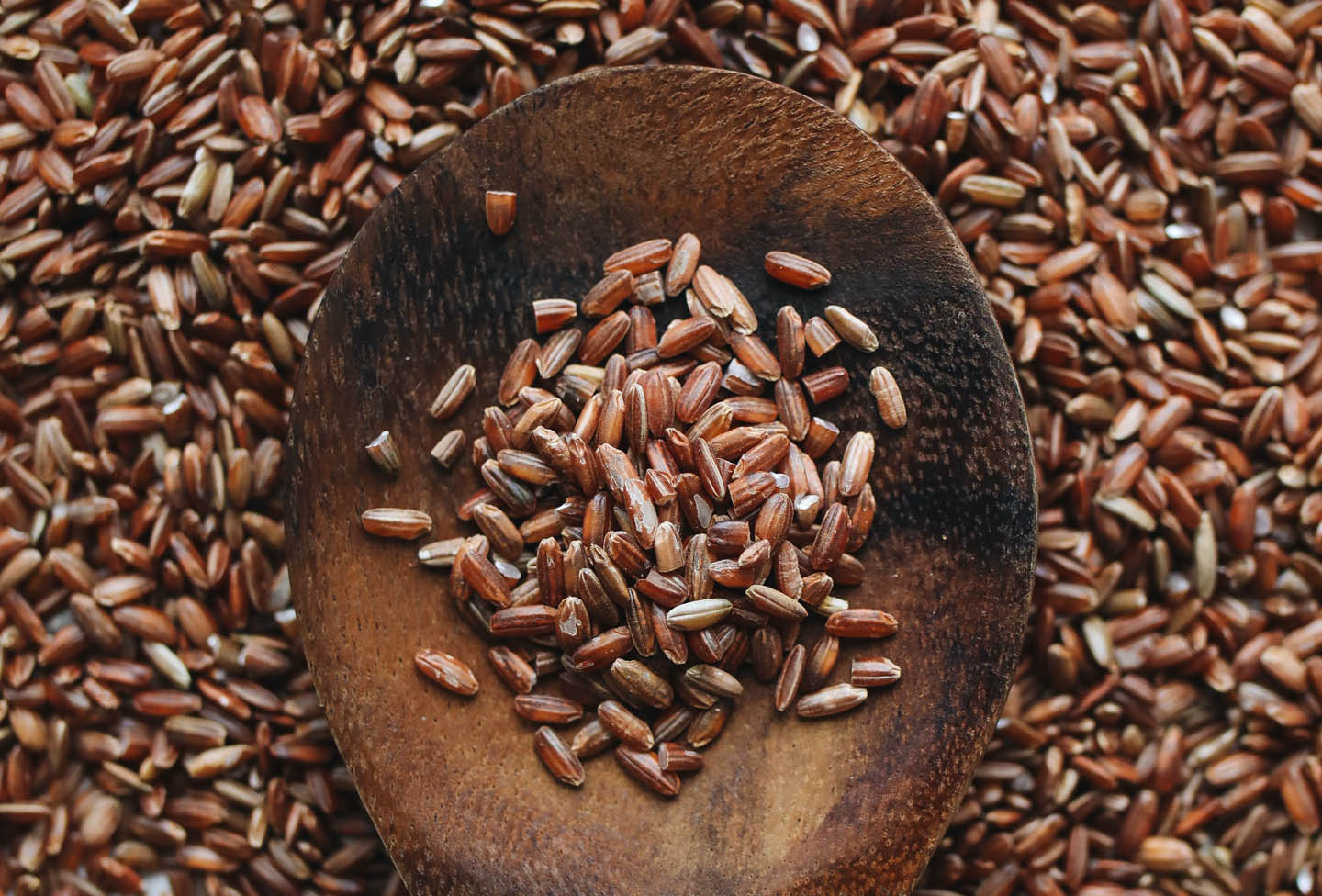
Fiber might just be the key to healthy weight management – and nature packages the carbs in perfectly balanced ratios when you eat them as whole foods. Think unprocessed fruits, vegetables, whole grains, beans, nuts and seeds. Research suggests that carbohydrates are meant to come packaged in nature-balanced ratios of total carbohydrates to fiber.((Fontanelli, M.M., Micha, R., Sales, C.H. et al. Application of the ≤ 10:1 carbohydrate to fiber ratio to identify healthy grain foods and its association with cardiometabolic risk factors. Eur J Nutr 59, 3269–3279 (2020). https://doi.org/10.1007/s00394-019-02165-4)) In fact, certain types of fiber affect how completely your body absorbs carbohydrates((Corbin, K.D., Carnero, E.A., Dirks, B. et al. Host-diet-gut microbiome interactions influence human energy balance: a randomized clinical trial. Nat Commun 14, 3161 (2023). https://doi.org/10.1038/s41467-023-38778-x)) and tells your cells how to process them once they are absorbed.((H. Douglas Goff, Nikolay Repin, Hrvoje Fabek, Dalia El Khoury, Michael J. Gidley, Dietary fibre for glycaemia control: Towards a mechanistic understanding, Bioactive Carbohydrates and Dietary Fibre, Volume 14, 2018, Pages 39-53, https://doi.org/10.1016/j.bcdf.2017.07.005.))

Fiber for Weight Control

Fiber slows the absorption of sugar in your gut. It also orchestrates the fundamental biology that recent blockbuster weight loss drugs like Wegovy and Ozempic tap into, but in a natural way. Your microbiome transforms fiber into signals that stimulate the gut hormones that are the natural forms of these drugs.((Silva YP, Bernardi A and Frozza RL (2020) The Role of Short-Chain Fatty Acids From Gut Microbiota in Gut-Brain Communication. Front. Endocrinol. 11:25. doi: 10.3389/fendo.2020.00025)) These in turn regulate how rapidly your stomach empties, how tightly your blood sugar levels are controlled and even how hungry you feel.((Deborah Hinnen; Glucagon-Like Peptide 1 Receptor Agonists for Type 2 Diabetes. Diabetes Spectr 1 August 2017; 30 (3): 202–210. https://doi.org/10.2337/ds16-0026))

It’s as if unprocessed carbohydrates naturally come wrapped and packaged with their own instruction manual for your body on how to digest them.

I am a physician scientist and gastroenterologist who has spent over 20 years studying how food affects the gut microbiome and metabolism. The research is clear – fiber is important not just for happy bowel movements, but also for your blood sugar, weight and overall health.

Carbohydrates without their wrappers

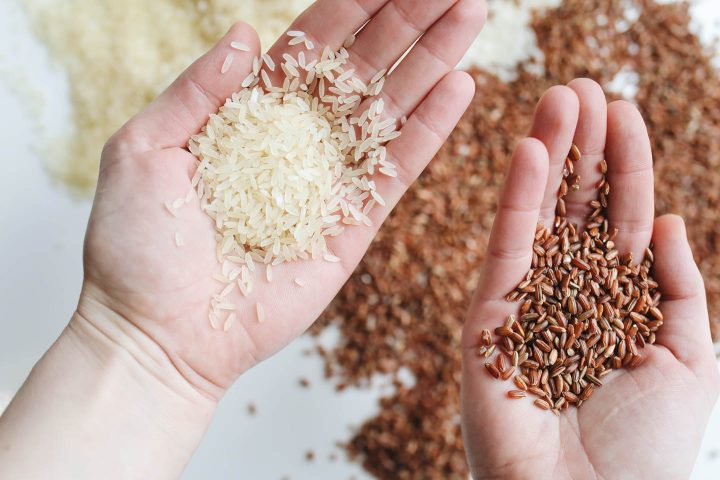
Unfortunately, most Americans get the majority of their carbohydrates stripped of their natural fibers. Modern processed grains like white rice and white flour as well as many ultraprocessed foods like some sugary breakfast cereals, packaged snacks and juices have removed these fibers. They essentially come unwrapped and without instructions for the body on how much it should absorb and how it should process them. In fact, only 5% of Americans eat the recommended amount of carbohydrates with enough of their natural packaging intact.((Quagliani D, Felt-Gunderson P. Closing America’s Fiber Intake Gap: Communication Strategies From a Food and Fiber Summit. American Journal of Lifestyle Medicine. 2017;11(1):80-85. doi:10.1177/1559827615588079)) Guidelines recommend at least 25 to 30 grams of fiber a day from food.((McKeown N M, Fahey G C, Slavin J, van der Kamp J. Fibre intake for optimal health: how can healthcare professionals support people to reach dietary recommendations?BMJ 2022; 378 :e054370 doi:10.1136/bmj-2020-054370))

White and brown rice

It may not be surprising that lack of fiber contributes to diabetes and obesity.((Reynolds A et.al. Dietary fibre and whole grains in diabetes management: Systematic review and meta-analyses. https://doi.org/10.1371/journal.pmed.1003053)) What is surprising is that the fiber gap also likely contributes to heart disease,((O’Keefe S. The association between dietary fibre deficiency and high-income lifestyle-associated diseases: Burkitt’s hypothesis revisited. https://doi.org/10.1016/S2468-1253(19)30257-2)) certain types of cancer((Autumn G Hullings, Rashmi Sinha, Linda M Liao, Neal D Freedman, Barry I Graubard, Erikka Loftfield, Whole grain and dietary fiber intake and risk of colorectal cancer in the NIH-AARP Diet and Health Study cohort, The American Journal of Clinical Nutrition, Volume 112, Issue 3, 2020, Pages 603-612,
ISSN 0002-9165, https://doi.org/10.1093/ajcn/nqaa161.)) and maybe even Alzheimer’s disease.((Ticinesi, Andrea et al. ‘Interaction Between Diet and Microbiota in the Pathophysiology of Alzheimer’s Disease: Focus on Polyphenols and Dietary Fibers’. 1 Jan. 2022 : 961 – 982. DOI: 10.3233/JAD-215493))

One popular approach to mitigating some of the ill health effects of low fiber and high refined carbohydrates has been to limit carbohydrate intake.((Review of current evidence and clinical recommendations on the effects of low-carbohydrate and very-low-carbohydrate (including ketogenic) diets for the management of body weight and other cardiometabolic risk factors: A scientific statement from the National Lipid Association Nutrition and Lifestyle Task Force. https://doi.org/10.1016/j.jacl.2019.08.003)) Such approaches include the low-carb, keto, paleo and Atkins diets. Each diet is a variation on a similar theme of limiting carbohydrates to varying amounts in different ways.

There is scientific backing to the benefits of some of these diets. Research shows that limiting carbohydrates induces ketosis,((Crosby L, Davis B, Joshi S, Jardine M, Paul J, Neola M and Barnard ND (2021) Ketogenic Diets and Chronic Disease: Weighing the Benefits Against the Risks. Front. Nutr. 8:702802. doi: 10.3389/fnut.2021.702802)) a biological process that frees energy from fat reserves during starvation and prolonged exercise. Low-carbohydrate diets can also help people lose weight and lead to improvements in blood pressure and inflammation.((Zhu, H., Bi, D., Zhang, Y. et al. Ketogenic diet for human diseases: the underlying mechanisms and potential for clinical implementations. Sig Transduct Target Ther 7, 11 (2022). https://doi.org/10.1038/s41392-021-00831-w))

That said, some keto diets may have negative effects on gut health.((Paoli A, Mancin L, Bianco A, Thomas E, Mota JF, Piccini F. Ketogenic Diet and Microbiota: Friends or Enemies? Genes. 2019; 10(7):534. https://doi.org/10.3390/genes10070534)) It is also unknown how they may affect heart health, some forms of cancer and other conditions in the long term.((Mohammadifard N, Haghighatdoost F, Rahimlou M, Rodrigues APS, Gaskarei MK, Okhovat P, de Oliveira C, Silveira EA, Sarrafzadegan N. The Effect of Ketogenic Diet on Shared Risk Factors of Cardiovascular Disease and Cancer. Nutrients. 2022; 14(17):3499. https://doi.org/10.3390/nu14173499))

Keto diet food items

Even more confusing, research shows that people with diets high in plant-sourced carbohydrates, like the Mediterranean diet, tend to lead the longest and healthiest lives.((Capurso C. Whole-Grain Intake in the Mediterranean Diet and a Low Protein to Carbohydrates Ratio Can Help to Reduce Mortality from Cardiovascular Disease, Slow Down the Progression of Aging, and to Improve Lifespan: A Review. Nutrients. 2021; 13(8):2540. https://doi.org/10.3390/nu13082540)) How can this be reconciled with studies that suggest that low-carbohydrate diets can benefit metabolic health?

Is a carb a carb?

The answer may have to do with the types of carbohydrates that studies are evaluating.((Vanessa Campos et.al. Importance of Carbohydrate Quality: What Does It Mean and How to Measure It?, The Journal of Nutrition, Volume 152, Issue 5, 2022, Pages 1200-1206, https://doi.org/10.1093/jn/nxac039.)) Limiting simple sugars and refined carbohydrates may improve certain aspects of metabolic health, as these are some of the most easily digested and absorbed calories. But a more sustainable and comprehensive way of improving health may be increasing the percentage of unprocessed, more complex and slowly absorbed carbohydrates that come with their natural packages and instructions intact – those that have fiber.((P. NPV, Joye IJ. Dietary Fibre from Whole Grains and Their Benefits on Metabolic Health. Nutrients. 2020; 12(10):3045. https://doi.org/10.3390/nu12103045))

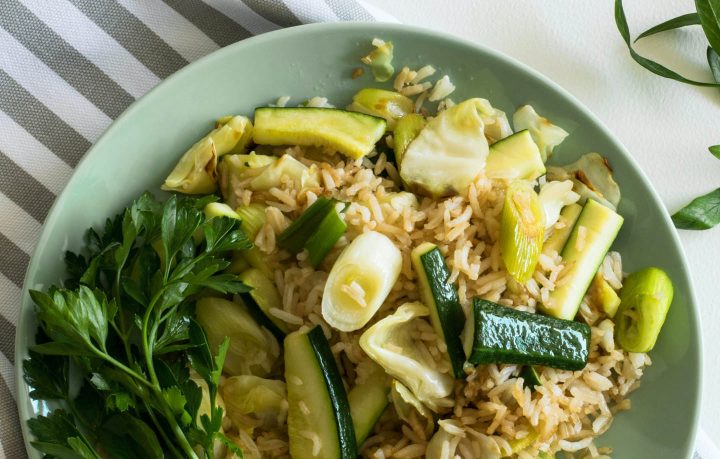
These natural carbohydrates can be found in whole grains, beans, nuts, seeds, fruits and vegetables. They come in ratios of total carbohydrate to fiber that rarely exceed 10-to-1 and are often 5-to-1 or lower.((Liu J, Rehm CD, Shi P, McKeown NM, Mozaffarian D, Micha R (2020) A comparison of different practical indices for assessing carbohydrate quality among carbohydrate-rich processed products in the US. PLoS ONE 15(5): e0231572. https://doi.org/10.1371/journal.pone.0231572)) Eating mostly whole foods is a simple way to ensure you’re consuming quality carbohydrates with the right ratios.

A rice plate with vegetables

But who doesn’t like to have a big bowl of pasta or cake with ice cream on occasion? Focusing on packaged processed foods that maintain carb-to-fiber ratios of at least as low as 10-to-1 or ideally 5-to-1 can help you make the best choices when picking more processed foods at the store. Take a look at the nutrition facts label and simply divide total carbohydrates by dietary fiber.

On occasions when you’re eating out or celebrating someone’s birthday, consider taking a fiber supplement with your meal. One pilot study found that a supplement containing a blend of fibers decreased the blood sugar spike((CHRISTOPHER J. DAMMAN, JUAN PABLO FRIAS, MARTIN L. LEE, LARS RIKSE, WING SHUN LAM, REN-HAU LAI, MARC WASHINGTON; 836-P: A Prebiotic Fiber Blend Improved Postprandial Glucose (PPG) and Time in Range (TIR) as Evaluated by Continuous Glucose Monitoring (CGM) in Healthy Subjects with Normal Glucose Tolerance. Diabetes 1 June 2022; 71 (Supplement_1): 836–P. https://doi.org/10.2337/db22-836-P)) (an increase in glucose levels in the blood that if too high can damage the body over time) after a meal in healthy individuals by roughly 30%.

Listen to your body

While almost all fiber is generally good for health in most people, not all fiber affects the body in the same way. Consuming a range of different types of fiber((O’Grady J, O’Connor EM, Shanahan F. Review article: dietary fibre in the era of microbiome science. Aliment Pharmacol Ther. 2019; 49: 506–515. https://doi.org/10.1111/apt.15129)) generally helps ensure a diverse microbiome, which is linked to gut and overall health.

But certain medical conditions might preclude consuming certain types of fiber. For example, some people can be particularly sensitive to one class of fiber called FODMAPS – fermentable oligosaccharides, disaccharides, monosaccharides and polyols – that are more readily fermented in the upper part of the gut and can contribute to symptoms of irritable bowel syndrome like bloating and diarrhea.((Gibson PR, Halmos EP. The FODMAP diet: more than just a symptomatic therapy? https://doi.org/10.1136/gutjnl-2021-326284)) High-FODMAP foods include many processed foods that contain inulin, garlic powder and onion powder, as well as whole foods including those in the onion family, dairy products, some fruits and vegetables.((Try a FODMAPs diet to manage irritable bowel syndrome. Harvard Health Publishing, March 15, 2022))

Listen to how your body responds to different high-fiber foods. Start low and go slow as you reintroduce foods like beans, seeds, nuts, fruits and vegetables to your diet. If you have trouble increasing your fiber intake, talk with your health care provider.

Tools like this online calculator I’ve created can also help you find the highest-quality foods with healthy fiber and other nutrient ratios. It can also show you what proportions of fiber to add back to sugary foods to help achieve healthy ratios.

I wouldn’t endorse eating sweets all the time, but as my three daughters like to remind me, it’s important to enjoy yourself every once in a while. And when you do, consider putting the carbs back in their fiber wrappers. It’s hard to improve upon nature’s design.

Healthy Fruits

Stay Always Up to Date

Sign up to our newsletter and stay always informed with news and tips around your health.

Sign Up Now!

This article is republished from The Conversation under a Creative Commons license. Read the original article.

The Conversation

Filed Under: Body Systems, Digestive Tract, Nutrition, Obesity Tagged With: Fiber, microbiome, weight control

Benefits from an Anti-Inflammatory Diet

November 26, 2023 by Lauren Ball - [rt_reading_time label="Reading Time:" postfix="minutes" postfix_singular="minute"]

Benefits from an Anti-Inflammatory Diet

There is a lot of health buzz around the term “inflammation” right now. From new scientific discoveries((Barney, J. Inflammation discovery could slow aging, prevent age-related diseases. MedicalXPress, July 24, 2023)) to celebrities((Patterson C. Gwyneth Paltrow Addresses ‘Backlash’ Over Anti-Inflammatory Diet, Says She Eats ‘More Than Bone Broth’. People.com March 17, 2023)) and social media influencers, it seems like everyone is talking about this important bodily process and its potential impact on our health.

Benefits from an Anti-Inflammatory Diet

“Inflammaging” is a specific term you may also have seen. It’s an age-related increase in persistent, low-grade inflammation in blood and tissue, which is a strong risk factor for many conditions and diseases.((Franceschi, C., Garagnani, P., Parini, P. et al. Inflammaging: a new immune–metabolic viewpoint for age-related diseases. Nat Rev Endocrinol 14, 576–590 (2018). https://doi.org/10.1038/s41574-018-0059-4))

So, can an anti-inflammatory diet help reduce inflammation? Let’s take a look.

What is inflammation?

When our body becomes injured or encounters an infection, it activates defense mechanisms to protect itself. It does this by instructing our cells to fight off the invader. This fighting process causes inflammation, which often presents as swelling, redness and pain.((Furman, D., Campisi, J., Verdin, E. et al. Chronic inflammation in the etiology of disease across the life span. Nat Med 25, 1822–1832 (2019). https://doi.org/10.1038/s41591-019-0675-0))

In the short term, inflammation is a sign your body is healing, whether from a grazed knee or a cold.

If inflammation persists for a longer time it’s called “chronic”. That can indicate a health problem((Schett, G., Neurath, M.F. Resolution of chronic inflammatory disease: universal and tissue-specific concepts. Nat Commun 9, 3261 (2018). https://doi.org/10.1038/s41467-018-05800-6)) such as arthritis, heart disease, diabetes, dementia or other autoimmune disorders.

The signs and symptoms((Pahwa R, Goyal A, Jialal I. Chronic Inflammation. 2023 Aug 7. In: StatPearls [Internet]. Treasure Island (FL): StatPearls Publishing; 2023 Jan–. PMID: 29630225.)) of chronic inflammation may be present from several months to years and include:

  1. persistent pain
  2. chronic fatigue or insomnia
  3. joint stiffness
  4. skin problems
  5. elevated blood markers (such as C-reactive protein)((C-reactive protein (CRP) blood test https://www.healthdirect.gov.au/c-reactive-protein-CRP-blood-test))
  6. gastrointestinal issues (constipation, diarrhoea, acid reflux)
  7. depression, anxiety and mood disorders
  8. unintended weight gain or loss
  9. frequent colds or flu.
Psicossomático - O Corpo Fala

What role does diet play?

The relationship between food and inflammation is well recognized.((Dario Giugliano, Antonio Ceriello, Katherine Esposito, The Effects of Diet on Inflammation: Emphasis on the Metabolic Syndrome, Journal of the American College of Cardiology, Volume 48, Issue 4, 2006, Pages 677-685, ISSN 0735-1097, https://doi.org/10.1016/j.jacc.2006.03.052.)) Overall, some food components may activate the immune system by producing pro-inflammatory cytokines (small proteins important in cell signaling) or reducing inflammation by the production of anti-inflammatory cytokines.

A “pro-inflammatory diet” may increase inflammation in the body over the long term.((Hockey M. Clear evidence for a link between pro-inflammatory diets and 27 chronic diseases. Here’s how you can eat better. The Conversation. April 22, 2021)) Such diets are usually low in fresh produce like fruits, vegetables and wholegrains, and high in commercially baked goods, fried foods, added sugars and red and processed meats.

In contrast, an “anti-inflammatory” diet is associated with less inflammation in the body. There is no single anti-inflammatory diet. Two well-recognized, evidence-backed examples are the Mediterranean diet and the Dietary Approaches to Stop Hypertension (DASH) diet.

Anti-inflammatory diets typically include the following elements:

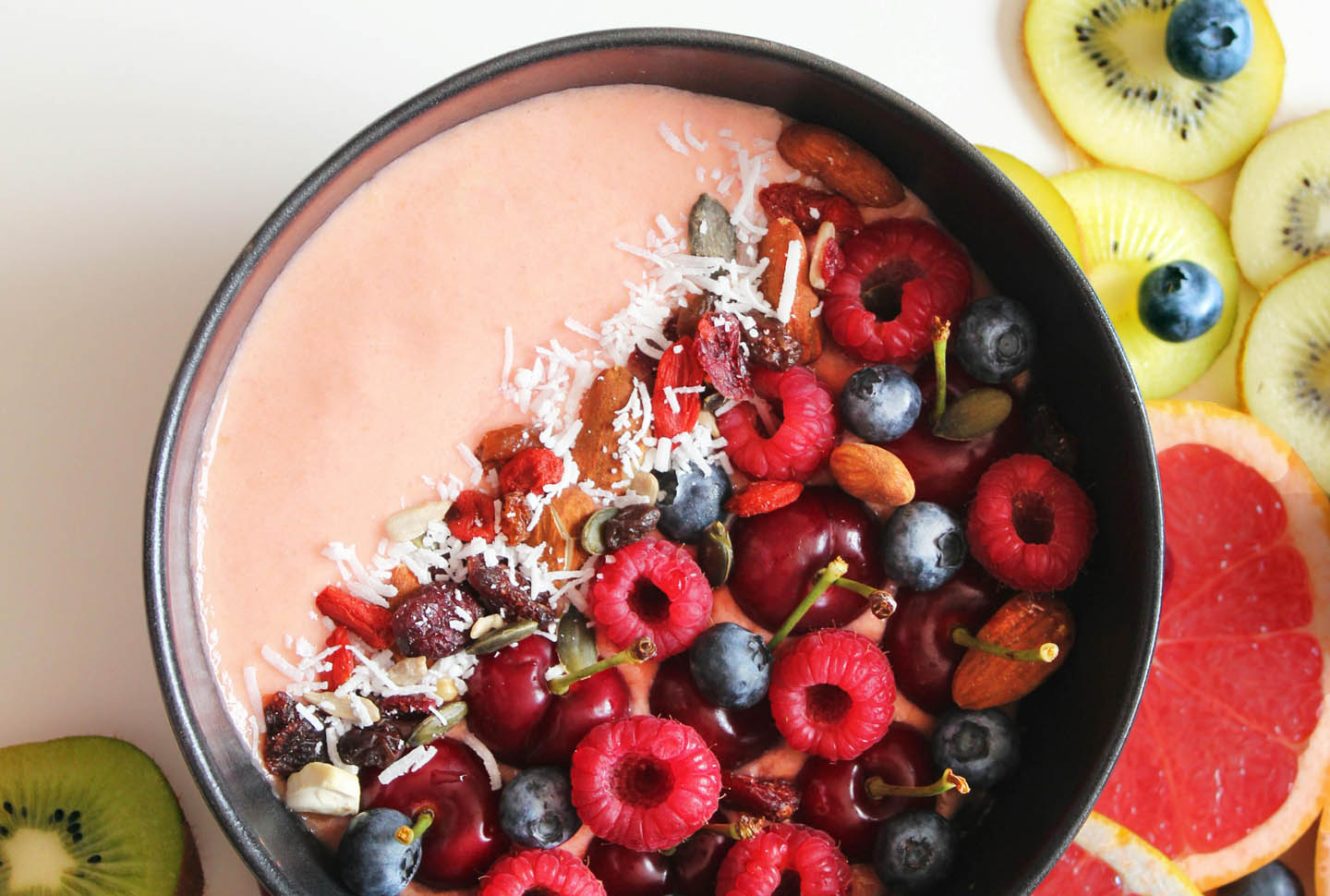
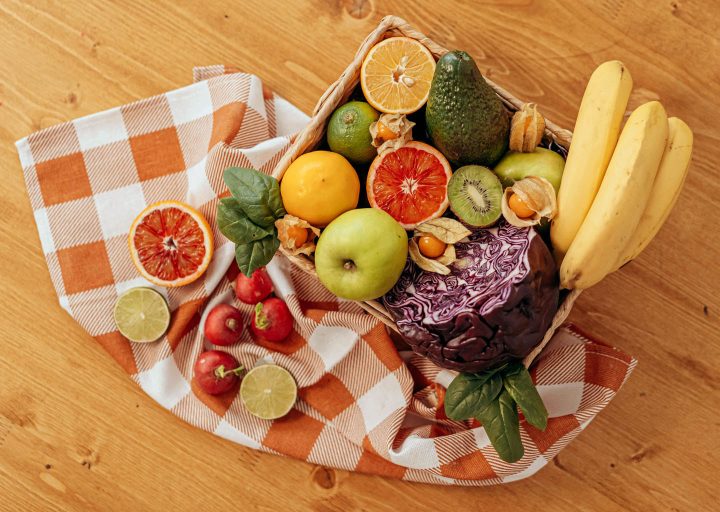
1. high in antioxidants. These compounds help the body fight free radicals or unstable atoms, that in high quantities are linked to illnesses such as cancer and heart disease. The best way to consume antioxidants is by eating lots of fruits and vegetables. Research shows frozen, dried and canned fruits and vegetables can be just as good as fresh.((Kuhnle G et.al. Frozen and tinned foods can be just as nutritious as fresh produce – here’s how. The Conversation. March 21, 2021))

An assortment of colorful, antioxidant rich fruits and vegetables

2. high in “healthy”, unsaturated fatty acids. Monounsaturated fats and omega-3-fatty acids are found in fish, seeds, nuts, and plant-based oils (olive oil and flaxseed oil).

3. high in fiber and prebiotics. Carrots, cauliflower, broccoli and leafy greens are good sources of fiber. Prebiotics promote the growth of beneficial microorganisms in our intestines and can come from onions, leeks, asparagus, garlic, bananas, lentils and legumes.

4. low in processed foods. These contain refined carbohydrates (pastries, pies, sugar-sweetened beverages, deep-fried foods and processed meats).

Rheumatoid arthritis, dementia, depression

There is mixed evidence for the role of anti-inflammatory diets in rheumatoid arthritis pain management. A recent 2021 systematic review (where researchers carefully group and examine the available evidence on a topic) found eating an anti-inflammatory diet likely leads to significantly lower pain in people with rheumatoid arthritis when compared with other diets.((Schönenberger KA, Schüpfer AC, Gloy VL, Hasler P, Stanga Z, Kaegi-Braun N, Reber E. Effect of Anti-Inflammatory Diets on Pain in Rheumatoid Arthritis: A Systematic Review and Meta-Analysis. Nutrients. 2021 Nov 24;13(12):4221. doi: 10.3390/nu13124221.))

However, the 12 studies included in the review had a high risk of bias – likely because people knew they were eating healthy foods – so the confidence in the evidence was low.

A hand from an Arthritis sufferer

Inflammation is strongly implicated in the development of neurodegenerative diseases like Alzheimer’s disease and related dementia((McGrattan AM, McGuinness B, McKinley MC, Kee F, Passmore P, Woodside JV, McEvoy CT. Diet and Inflammation in Cognitive Ageing and Alzheimer’s Disease. Curr Nutr Rep. 2019 Jun;8(2):53-65. doi: 10.1007/s13668-019-0271-4.)) and evidence suggests anti-inflammatory diets might help to protect the brain.

A 2016 review showed an anti-inflammatory diet may be protective against cognitive impairment and dementia, but that further large randomized controlled trials are needed.((Petersson SD, Philippou E. Mediterranean Diet, Cognitive Function, and Dementia: A Systematic Review of the Evidence. Adv Nutr. 2016 Sep 15;7(5):889-904. doi: 10.3945/an.116.012138.)) A 2021 study followed 1,059 people for three years and observed their diet. They reported those with a greater pro-inflammatory diet had an increased risk of developing dementia.((Charisis S, Ntanasi E, Yannakoulia M, Anastasiou CA, Kosmidis MH, Dardiotis E, Gargalionis AN, Patas K, Chatzipanagiotou S, Mourtzinos I, Tzima K, Hadjigeorgiou G, Sakka P, Kapogiannis D, Scarmeas N. Diet Inflammatory Index and Dementia Incidence: A Population-Based Study. Neurology. 2021 Dec 14;97(24):e2381-e2391. doi: 10.1212/WNL.0000000000012973.))

Inflammation has also been linked with mental health, with people eating a pro-inflammatory diet reporting more symptoms of depression.((Adjibade M, Lemogne C, Touvier M, Hercberg S, Galan P, Assmann KE, Julia C, Kesse-Guyot E. The Inflammatory Potential of the Diet is Directly Associated with Incident Depressive Symptoms Among French Adults. J Nutr. 2019 Jul 1;149(7):1198-1207. doi: 10.1093/jn/nxz045.)) Diet is the fundamental element of lifestyle approaches to managing anxiety and mental health.((Manger S. Lifestyle interventions for mental health. doi: 10.31128/AJGP-06-19-4964))

More broadly, a 2021 review paper examined recent research related to anti-inflammatory diets and their effect on reducing inflammation associated with aging. It found compounds commonly found in anti-inflammatory diets could help alleviate the inflammatory process derived from diseases and unhealthy diets.((Stromsnes K, Correas AG, Lehmann J, Gambini J, Olaso-Gonzalez G. Anti-Inflammatory Properties of Diet: Role in Healthy Aging. Biomedicines. 2021; 9(8):922. https://doi.org/10.3390/biomedicines9080922))

What about turmeric?

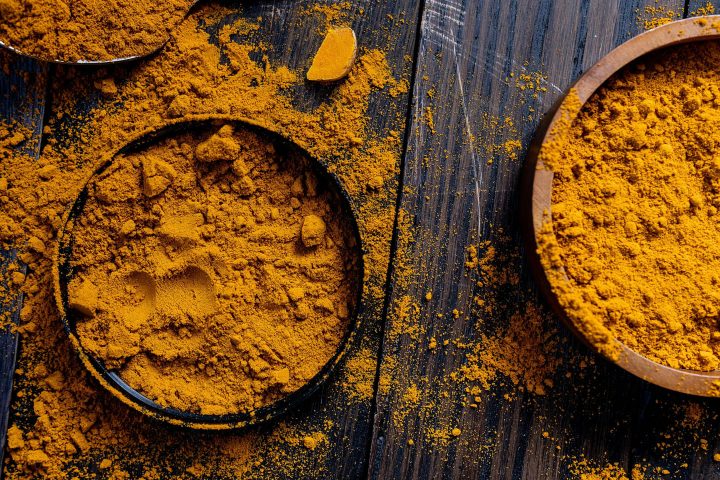
A favorite on social media and vitamin shelves, turmeric is promoted as having anti-inflammatory benefits. These are linked to a specific compound called curcumin, which gives turmeric its distinctive yellow color.((Amalraj A, Pius A, Gopi S, Gopi S. Biological activities of curcuminoids, other biomolecules from turmeric and their derivatives – A review. J Tradit Complement Med. 2016 Jun 15;7(2):205-233. doi: 10.1016/j.jtcme.2016.05.005.))

Tumeric powder

Research suggests curcumin might act as an anti-inflammatory agent in the body but high-quality clinical trials in humans are lacking.((Basnet P, Skalko-Basnet N. Curcumin: An Anti-Inflammatory Molecule from a Curry Spice on the Path to Cancer Treatment. Molecules. 2011; 16(6):4567-4598. https://doi.org/10.3390/molecules16064567)) Most of the existing studies have been conducted in lab settings using cells((Chowdhury, I, Banerjee, S, Driss, A, et al. Curcumin attenuates proangiogenic and proinflammatory factors in human eutopic endometrial stromal cells through the NF-κB signaling pathway. J Cell Physiol. 2019; 234: 6298–6312. https://doi.org/10.1002/jcp.27360)) or in animals.((Sarker MR, Franks S, Sumien N, Thangthaeng N, Filipetto F, Forster M. Curcumin Mimics the Neurocognitive and Anti-Inflammatory Effects of Caloric Restriction in a Mouse Model of Midlife Obesity. PLoS One. 2015 Oct 16;10(10):e0140431. doi: 10.1371/journal.pone.0140431.)) So it’s unclear how much curcumin is needed to see anti-inflammatory benefits or how well we absorb it.((Hewlings SJ, Kalman DS. Curcumin: A Review of Its Effects on Human Health. Foods. 2017 Oct 22;6(10):92. doi: 10.3390/foods6100092.))

Overall, adding turmeric to your food may provide your body with some health benefits, but don’t rely on it to prevent or treat disease on its own.

Safe eating

Inflammation is a major factor in the link between diet and many health conditions.

Eating an anti-inflammatory diet is considered safe, likely to support health and to prevent future chronic conditions. If you are looking for tailored dietary advice or an anti-inflammatory meal plan, it’s best to speak with an accredited practicing dietitian.

Healthy Fruits

Stay Always Up to Date

Sign up to our newsletter and stay always informed with news and tips around your health.
Sign Up Now!

Filed Under: Diseases, Nutrition Tagged With: anti-inflammatory diet, arthritis, tumeric

Next Page »

Primary Sidebar

Social Channels

Coronavirus Immunity Challenge

Boost your immune system to be bullet-proof for the pandemic.

I Want to Participate

Recent Posts

  • 5 Habits to Live Longer
  • Better Sleep Can Protect Against Dementia
  • Finding Peace In Your Crazy-Busy World
  • Flaxseed – An Ancient Plant Rediscovered
  • Platelets – Triggers for Life or Death
  • Boderline Personality Disorder
  • In Praise of Almonds and Nuts
  • Are You Stuck in the Clutter Trap?

Categories

  • Body Systems (16)
    • Cell Function (2)
    • Circulatory System (1)
    • Digestive Tract (10)
    • Immune System (4)
  • Diseases (27)
    • Cancer (2)
    • Cold (1)
    • COVID-19 (11)
    • Dementia (1)
    • Diabetes (1)
    • Digestive Diseases (2)
    • Heart Disease (2)
    • Kidneys (1)
    • Metabolic Syndrome (2)
    • Skin (1)
  • Healthy Lifestyle (42)
    • Exercise (11)
    • Gardening (2)
    • Sleep (7)
    • Sunlight (2)
    • Temperance (14)
    • Water (4)
  • Mental Health (87)
    • Addictions (6)
    • Anxiety (7)
    • Burnout (1)
    • Depression (7)
    • Psychosomatic Diseases (6)
    • Stress Management (45)
    • Trust (6)
  • Nutrition (56)
  • Obesity (9)
  • Phases of Life (14)
    • Adults (3)
    • Babies and Infants (1)
    • Children (3)
    • Seniors (5)
    • Teenagers (3)
  • Therapies (7)
    • Herbs (5)
    • Hydrotherapy (1)
  • Uncategorized (3)

Archives

  • January 2025 (1)
  • March 2024 (5)
  • February 2024 (4)
  • January 2024 (4)
  • December 2023 (5)
  • November 2023 (4)
  • October 2023 (5)
  • September 2023 (4)
  • August 2023 (3)
  • July 2023 (2)
  • June 2023 (4)
  • May 2023 (4)
  • April 2023 (5)
  • March 2023 (4)
  • February 2023 (4)
  • January 2023 (4)
  • December 2022 (4)
  • November 2022 (4)
  • October 2022 (5)
  • September 2022 (4)
  • August 2022 (4)
  • July 2022 (5)
  • June 2022 (4)
  • May 2022 (5)
  • April 2022 (4)
  • March 2022 (4)
  • February 2022 (4)
  • January 2022 (5)
  • December 2021 (3)
  • November 2021 (4)
  • October 2021 (6)
  • September 2021 (4)
  • August 2021 (4)
  • July 2021 (5)
  • June 2021 (4)
  • May 2021 (3)
  • April 2021 (5)
  • March 2021 (4)
  • February 2021 (4)
  • January 2021 (5)
  • December 2020 (3)
  • November 2020 (4)
  • October 2020 (5)
  • September 2020 (5)
  • August 2020 (3)
  • July 2020 (1)
  • June 2020 (1)
  • May 2020 (1)
  • April 2020 (1)
  • March 2020 (1)

Copyright © 2026 · Abundant Health - Privacy Policy - Medical Disclaimer