Abundant Health

Up to date health information tailored for you

  • Home
  • Blog
  • Recipes
  • Shop
  • Contact
You are here: Home / 2021 / Archives for April 2021

Archives for April 2021

Prevent a Deadly Clot

April 30, 2021 by Elizabeth Hall - [rt_reading_time label="Reading Time:" postfix="minutes" postfix_singular="minute"]

Prevent a Deadly Clot

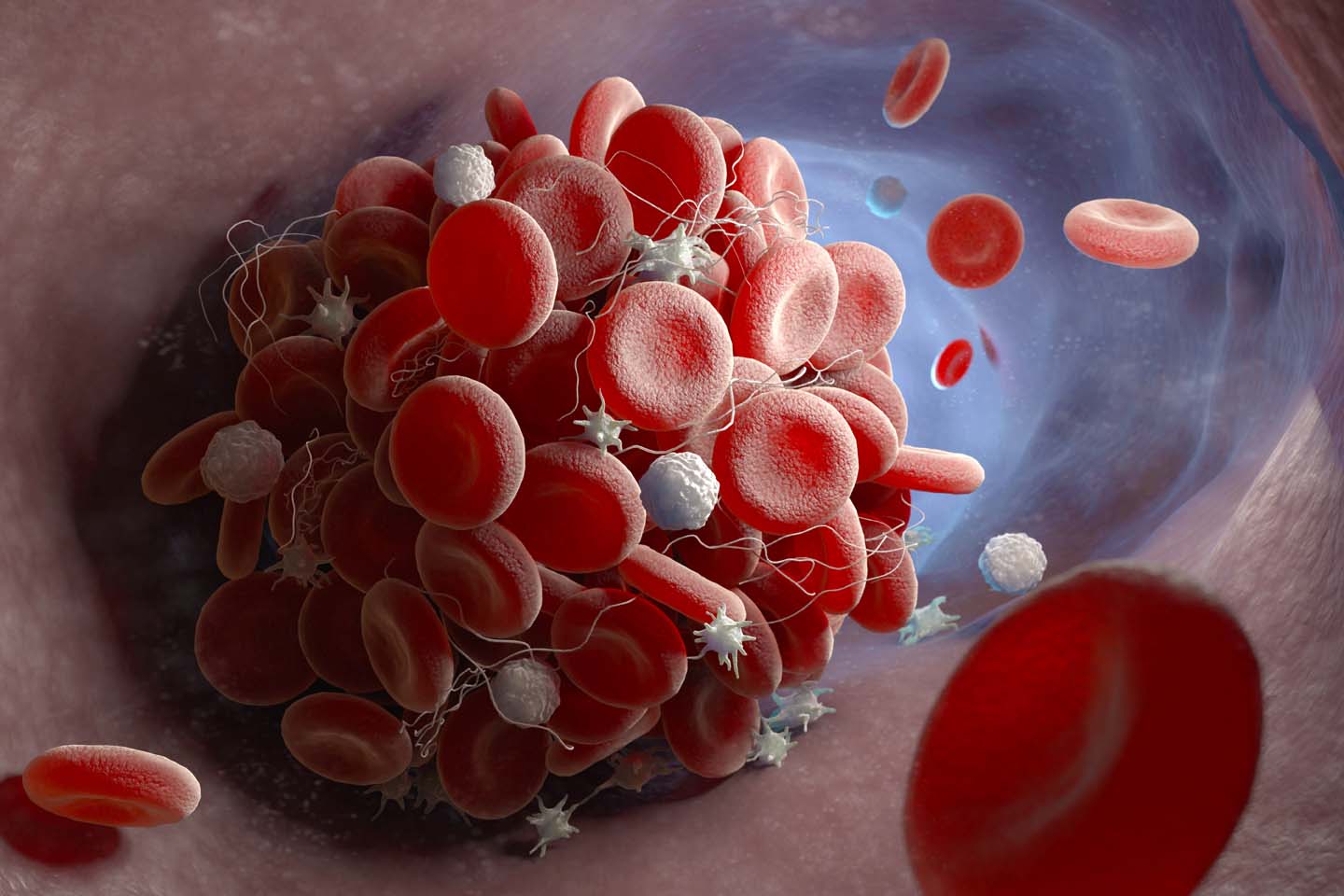
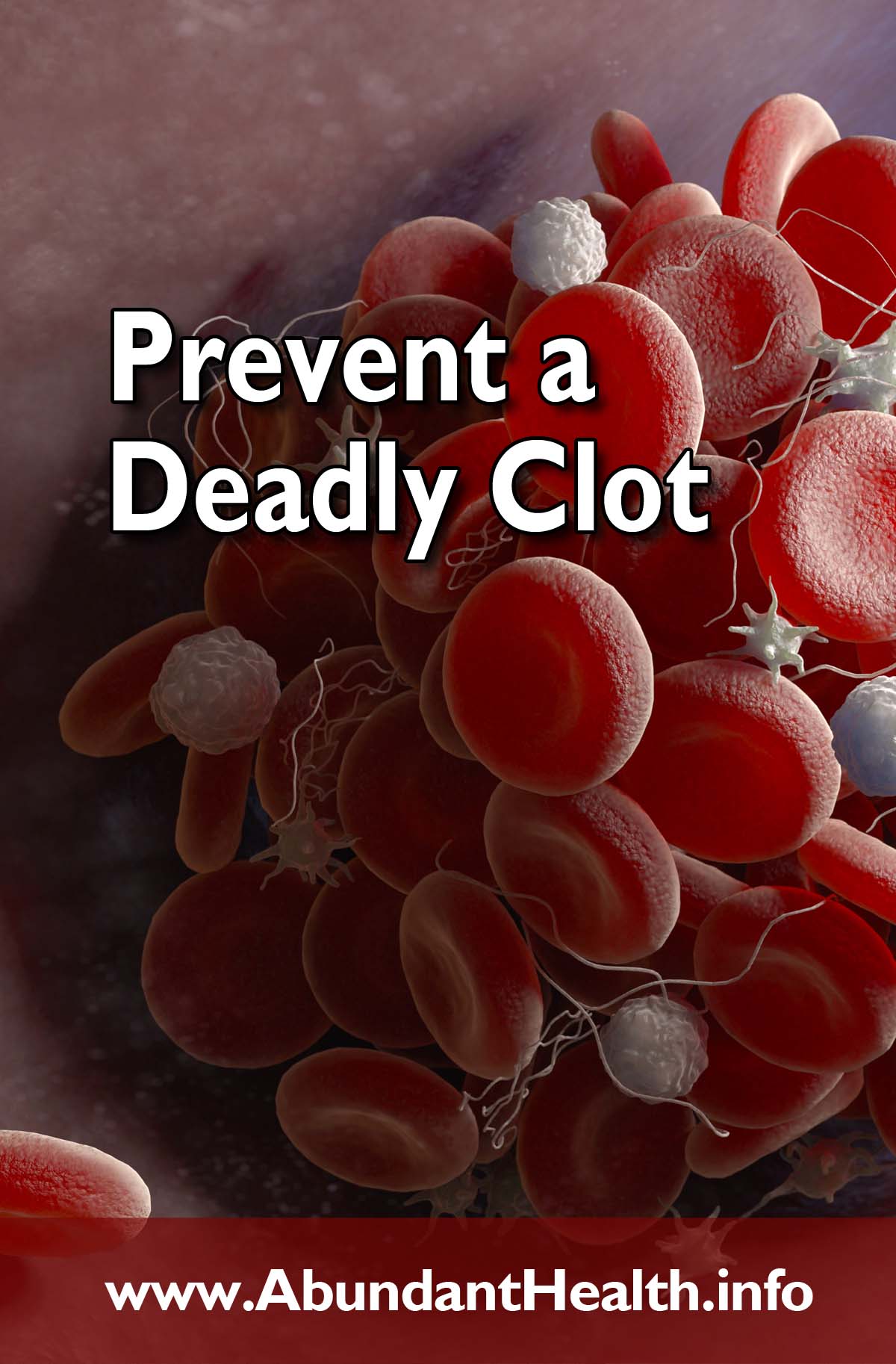
Someone in the United States dies from a blood clot every five minutes! One in four people worldwide dies from conditions caused by thrombosis (blood clot).  Clots are common in persons who have severe COVID-19. Most clots are preventable.
Prevent a Deadly Clot

Unfortunately, sudden death is the first symptom in about 25% of the individuals who have a pulmonary embolism. One-third (about 33%) of people with DVT/PE (deep vein thrombosis/pulmonary embolism)will have a recurrence within 10 years.((Data and Statistics on Venous Thromboembolism. www.cdc.gov/ncbddd/dvt/data.html))

Deep Vein Thrombosis

In fact, each year more people die from deep vein thrombosis than the total number who die from AIDS, breast cancer, and motor vehicle accidents combined.  What is DVT? It is the formation of a blood clot in a deep vein, usually in the lower leg or in the thigh. A clot is composed of a meshwork of fibrin threads that entrap plasma, red blood cells, and platelets.

Dangers from DVT

A thrombus is a blood clot that forms within a vessel and remains stationary. It obstructs and slows down blood flow. A clot can dislodge from a deep vein in a leg and travel to the lungs! If not treated promptly, it causes death! Of course, we want our blood to clot when we cut a blood vessel. What we do not want is undesirable clotting which occurs when a clot forms at a site where there is no bleeding, resulting in obstructed blood flow. A clot just the size of a sharpened pencil tip can significantly reduce blood flow. Even worse, clots can dislodge and travel to the lungs or rarely, to the circulation of the heart.

Signs and Symptoms of DVT

Pain, tenderness, swelling, and discoloration in a leg can be signs and symptoms of DVT. More than 70% of individuals who develop DVT will not experience any symptoms until it is too late and the clot has dislodged! Sometimes these symptoms remain and do not disappear with treatment.

Who is at Risk for Clots?

DVT has come to the public’s attention over the past few years after airline passengers on cramped, long-haul flights developed clots in what some have called “economy-class syndrome.” In fact, French studies show that riding in a car or truck for four to five hours without stopping for an exercise break increases the risk of DVT four times.

An extensive database revealed that DVT was twice as high after an acute lung infection. Pulmonary embolisms also doubled after an acute urinary tract infection.((Smeeth, L. The Lancet, 367:1075-079, April 1, 2006.)) Men are 50% more likely than women to develop another blood clot after having the first episode of DVT. The overall frequency of recurrent blood clots in men is 25% within a period of five years.((http://news.bio-medicine.org/medicine-news-3/Men-more-at-risk-of-recurrent-blood-clots-than-women-3748-1/)) Another authority states that 1/3 of individuals with DVT will have a re-occurrence within ten years.

More Risk Factors!

Within the human body there is a balance of anti-clotting and pro-clotting factors. Major surgery, trauma, systemic infection, atherosclerosis, atrial fibrillation, heart attack, certain cancers, inflammatory bowel conditions, HIV, prolonged bed rest, physical inactivity and immobility, fractures of the pelvis, hip, or leg, varicose veins, pregnancy, and estrogen-containing pills or patches increase the risk of developing DVT. Unfortunately, the typical Western diet and lifestyle, obesity,((Web, M.D., Obesity ups the risk of Pulmonary Embolism, DVT, Sept 9, 2005.
Rissanen, P., et al, Weight change and blood coagulability and fibrinolysis in healthy obese women. Int J Obes Relat Metab Disord, 25(2):212-218, 2001.)) and diabetes((https://www.lifeclinic.com/focus/Diabetes/Stroke)) also encourage undesirable clotting by increasing pro-clotting chemicals, making the platelets abnormally sticky and promoting other pro-clotting conditions within the body. Also, these conditions decrease the natural inhibitors of undesirable clot formation.

Clots inside Arteries

Clots often form when the fibrous cap of an atherosclerotic plaque cracks in the arteries. This condition reduces blood flow through that specific artery even more. Undesirable clotting in one of the coronary arteries blocks the blood flow in an arterial branch that supplies the heart muscle and contributes to more than 80% of heart attacks. Clots are also involved in the majority of strokes.
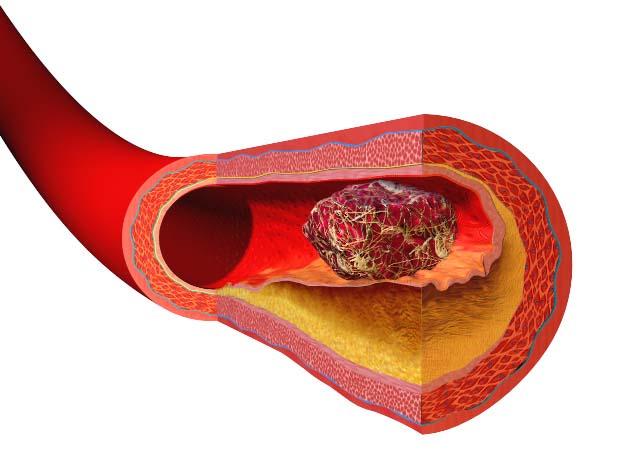
Formation of a blood clot on an arterial plaque - Blausen.com staff (2014). WikiJournal of Medicine 1 (2). DOI:10.15347/wjm/2014.010 - Free use under Creative Commons
Illustration from Blausen.com on Wikimedia CC BY 3.0

COVID-19 and Clots!

As previously mentioned, both infection and inflammation increase the risk of unwanted blood clots. Individuals who have severe COVID-19 infection are at higher risk of developing blood clots in the veins and arteries. Studies from France and the Netherlands found that 30-70% of severe COVID-19 experienced blood clots in the deep leg veins or the lungs.((Klok F et.al. Incidence of thrombotic complications in critically ill ICU patients with COVID-19. https://doi.org/10.1016/j.thromres.2020.04.013
Llitjos J et.al. High Incidence of venous thromboembolic events in anticoagulated severe COVID-19 patient. DOI: 10.1111/jth.14869)) One-fourth of all COVID-19 patients that are admitted to ICU wards will develop a life-threatening pulmonary embolism. In severe COVID-19 infection, abnormal, small clotting also occurs within the small vessels of the lungs, the kidneys, and the gut. A low dosage of blood thinners is prescribed for individuals who have serious COVID-19 infections. For those who have several risk factors for clots, any infection, including influenza, puts them at greater risk for clots. Many of the same lifestyle practices and natural remedies that reduce one’s risk for blood clotting also help optimize the immune system and reduce inflammation!

How Can We Reduce the Risk of Undesirable Clotting?

Win While You Lose!

To prevent a blood clot, reach and maintain your ideal weight. Obesity increases certain pro-clotting factors in the blood.  Researchers at St. Joseph Mercy Oakland Hospital in Pontiac, Michigan, and Wayne State University found that obese patients were 2.5 times more likely to have DVT and 2.2 times more likely to have a pulmonary embolism.((Ibid, Web, M.D.)) Fortunately, appropriate weight loss reduces elevated pro-clotting and pro-inflammatory agents in obese individuals.

Don’t Smoke.

Tobacco smoking damages the lining of the blood vessels and increases the clumping of platelets, which in turn, increases the risk for undesirable clot formation.((Davis, J.W., et al, Effects of tobacco and non-tobacco cigarette smoking on endothelium and platelets. Clin Pharmacol Ther, 37(5):529-533, 1985.
Zhang G. Smoking and risk of venous thromboembolism: a systematic review. Southeast Asian J Trop Med Public Health. 2014 May; 45(3):736-45. www.ncbi.nlm.nih.gov/pubmed/24974658))

We should mention here that any factor like smoking which increases the risk for atherosclerosis also increases the likelihood of undesirable clot formation. Even a brief encounter with second-hand smoke can make the platelets sticky and more likely to clot especially in susceptible people.((Second hand smoke. www.nhsinform.scot/healthy-living/stopping-smoking/reasons-to-stop/second-hand-smoke))

Adopt a Healthful, Plant-Based Diet!

Meat and saturated fats increase the risk of clotting by decreasing prostacyclin (a prostaglandin that inhibits platelet clumping and increases clot-encouraging compounds).((Zhang C. The effects of saturated fatty acids on endothelial cells. www.thrombosisresearch.com/article/0049-3848(92)90226-Z/fulltext)) As platelets become stickier, the risk of developing undesirable clotting significantly increases. Regular meat consumption fuels inflammation.((Hruby Dietary Protein and Changes in Biomarkers of Inflammation and Oxidative Stress in the Framingham Heart Study Offspring Cohort.  Current Developments in Nutrition, Volume 3, Issue 5, May 2019. academic.oup.com/cdn/article/3/5/nzz019/5421623
Ley SH. Associations between red meat intake and biomarkers of inflammation and glucose metabolism in women. Am J Clin Nutr. 2014 Feb;99(2):352-60. https://www.ncbi.nlm.nih.gov/pubmed/24284436
Seah JY. Consumption of Red Meat, but Not Cooking Oils High in Polyunsaturated Fat, Is Associated with Higher Arachidonic Acid Status in Singapore Chinese Adults. Nutrients. 2017 Jan 31;9(2). pii: E101. www.ncbi.nlm.nih.gov/pubmed/28146136
Chaturvedi P. High Methionine Diet Poses Cardiac Threat: A Molecular Insight. J Cell Physiol. 2016 Jul; 231(7):1554-61. www.ncbi.nlm.nih.gov/pubmed/26565991)) Inflammation plays an integral role in most clot formation.((Brian R. Branchford. The Role of Inflammation in Venous Thromboembolism. Front Pediatr. 2018; 6: 142. www.ncbi.nlm.nih.gov/pmc/articles/PMC5974100/))

Foods that Reduce Your Risk!

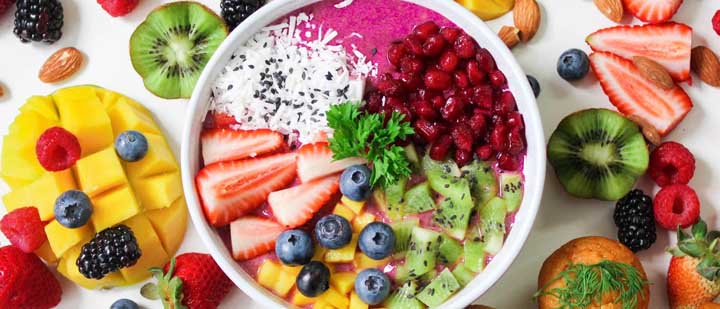
In contrast, frequent consumption of foods that contain phytochemicals that inhibit platelet clumping like garlic, ginger, onions, tomatoes, red grapes, berries((McEwen B. The Influence of Diet and Nutrients on Platelet Function. Seminars in Thrombosis and Hemostasis. 40 (2). February 2014. www.researchgate.net/publication/260108030_The_Influence_ofDiet_and_Nutrients_on_Platelet_Function)) citrus,((Attaway, J.A., et al, Antithrombogenic and antiatherogenic effects of citrus flavonoids. Contributions of Ralph C. Robbins. Adv Exp Med Biol. 439:165-73, 1998.)) kiwi,((Duttaroy, A.K. Effects of kiwi fruit consumption on platelet aggregation and plasma lipids in healthy human volunteers. Platelets, 15(5):287-92, 2004.)) pomegranates,((Aviram, M., et al, Pomegranate juice consumption reduces oxidative stress, atherogenic modifications to LDL, and platelet aggregation: studies in humans and in atherosclerotic apolipoprotein E-deficient mice. Am J Clin Nutr, 71(5):1062-1076, 2000.)) olives((Massaro, M., et al, Vasculoprotective potential of olive oil components. Mol Nutr Food Res, 51(10):1225-34, 2007.)) and flaxseed((Ristić-Medić. Alpha-linolenic acid and cardiovascular diseases. Med Pregl, 56(Suppl 1):19-25, 2003.)) help to reduce the risk of undesirable clotting.
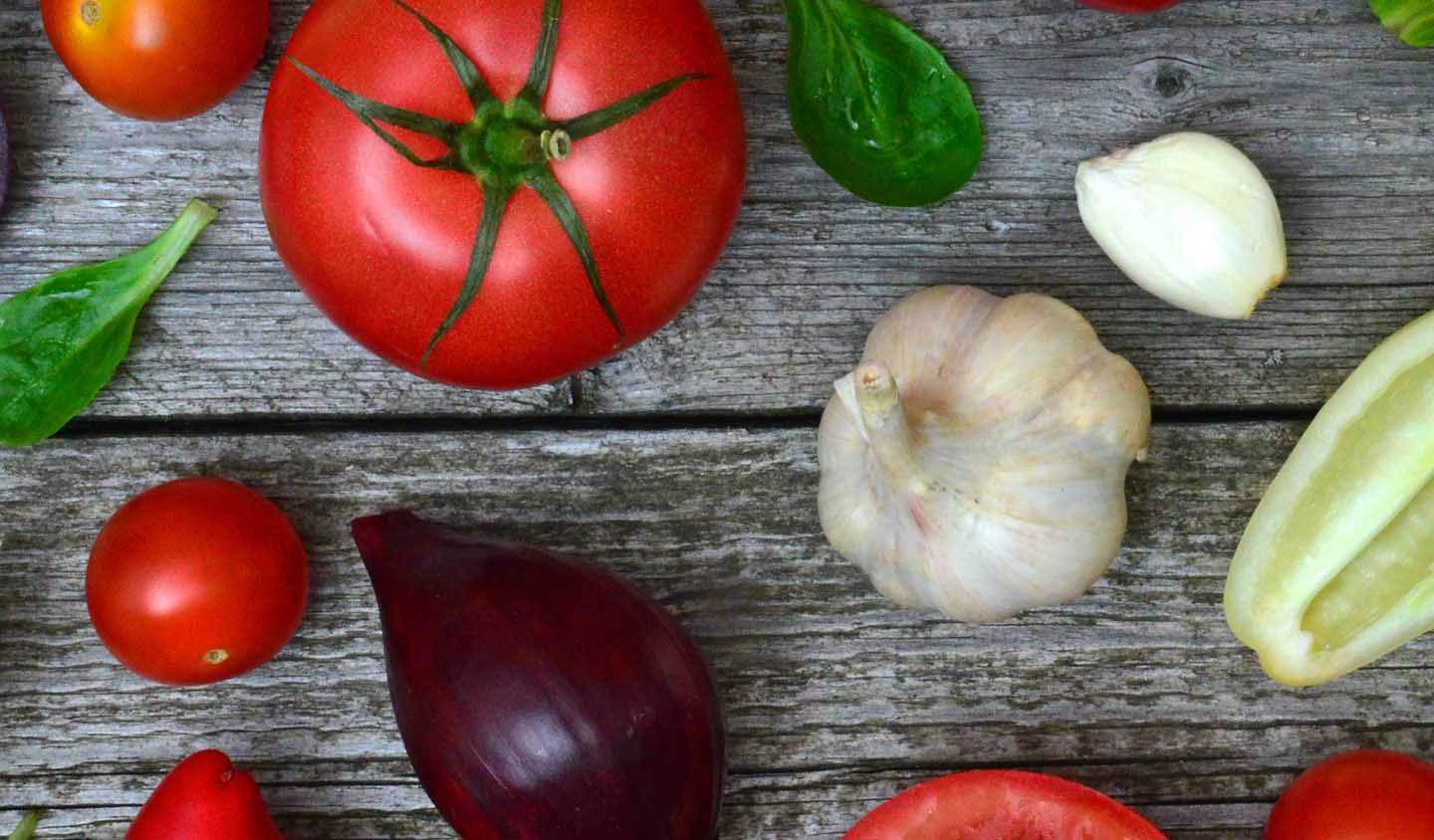
Foods that protect against deep vein thrombosis - Photo by Adonyi Gábor from Pexels

Be Sure Your B-12 Is in Normal Range!

While it is true that several studies show that a vegetarian diet lowers the risk for cardiovascular disease and may even reverse coronary artery disease, a vegetarian diet without adequate amounts of vitamin B-12 increases the risk for developing an undesirable clot.((Remacha AF. Vitamin B12 deficiency, hyperhomocysteinemia and thrombosis: a case and control study. Int J Hematol. 2011 Apr; 93(4):458-464. www.ncbi.nlm.nih.gov/pubmed/21475950)) Vegans, vegetarians, and the elderly are at risk for vitamin B-12 deficiency.

Check Your Homocysteine Level!

Homocysteine is an amino acid produced by the body. It is usually a byproduct of meat consumption. Elevated homocysteine injures the cells that line the arteries and stimulates the unhealthy growth of arterial smooth muscle cells. Both processes contribute to atherosclerosis. It also increases the risk for undesirable clotting. When elevated, homocysteine enhances the risk of unwanted clotting and blood vessel constriction. Low intake of both vitamin B12 and folic acid increases the risk for elevated homocysteine levels. Vegetarians should have their B12 levels checked every six months if they do not take a vitamin B12 supplement. Kidney disease and low thyroid levels increases one’s risk for elevated homocysteine. There is very early evidence that suggests that having a good vitamin D level may help to keep homocysteine in the normal range.

Engage in Moderate Exercise!

Regular moderate exercise is one of the most important methods for preventing a blood clot.  Indeed! Engaging in moderate daily exercise is great preventive and restorative medicine! Sluggish circulation is a major risk factor in developing clots. Moderate exercise increases fibrinolysin which dissolves tiny clots, improves blood flow, and decreases fibrinogen, a plasma protein involved in clot formation. Perform foot exercises while riding in a plane or car. Take exercise breaks during long trips.

Caveats: Extremely competitive and long endurance exercises actually increase the risk of clot formation because they increase the hormone epinephrine. Epinephrine makes platelets sticky and consequently increases the risk of clotting.

Although you might have your daily period for longer exercise, it is essential to get up and walk for at least five minutes every two hours if you are primarily sedentary. Why? Prolonged sitting substantially reduces the blood flow to the legs and increases your risk for the undesirable clot formation.((https://wildwoodhealth.com/blog/how-5-or-10-minutes-can-improve-your-health/))

A couple walking on the beach - Photo by Arthur Ogleznev from Pexels

Stay Hydrated!

Drink water. Adequate hydration and deep breathing also improve blood flow. These two preventive measures are especially important for those with limited mobility. Dehydration thickens the blood. Skip the energy drinks high in caffeine as they can increase the risk for clots.((McEwen B. The Influence of Diet and Nutrients on Platelet Function. Seminars in Thrombosis and Hemostasis. 40 (2). February 2014. https://www.researchgate.net/publication/260108030_The_Influence_ofDiet_and_Nutrients_on_Platelet_Function))

Enjoy Healthful Herbs!

Turmeric, ginger, and ginkgo biloba inhibit platelet clumping as well. Thyme and rosemary have significant antithrombotic factors.((Yamamoto, J., Testing various herbs for antithrombotic effect. Nutrition, 21(5):5, 2005. www.ncbi.nlm.nih.gov/pubmed/15850964
Zbinden, S. Phytotherapy in cardiovascular medicine. Ther Umsch, 59(6):301-306, 2002.
McEwen B. The Influence of Diet and Nutrients on Platelet Function. Seminars in Thrombosis and Hemostasis. 40 (2). February 2014. www.researchgate.net/publication/260108030_The_Influence_ofDiet_and_Nutrients_on_Platelet_Function)) However, people who use blood thinners, have low platelet counts, or have bleeding problems should consult their physician before using medicinal amounts of these herbs.  Pregnant women should not consume any herb medicinally without prior approval from a knowledgeable, qualified healthcare professional. Blood-thinning herbs, if used medicinally, should usually be discontinued two weeks before any surgery or dental work.

Maintain a Cheerful Outlook.

Acute stress and mental depression can increase the risk of forming an undesirable clot. Major depression, for example, increases platelet aggregation and the risk for cardiovascular events.((Ziegelstein, R.C., et al, Platelet function in patients with major depression. Intern Med J, 39(1):38-43, 2009. www.ncbi.nlm.nih.gov/pubmed/19220540))

A cheerful lady - Photo by Monstera from Pexels

Keep Your Blood Sugar within Normal Range.

Nearly 80% of individuals who have diabetes will eventually die of clot-related causes. Emphasize low-glycemic foods that may reduce the risk for undesirable clot formation.

Know Your Heart Health.

Certain irregular heart rhythms (i.e.. atrial fibrillation, first-degree heart block, etc.) or heart attack increases one’s risk for undesirable clotting. Heart failure occurs when the heart does not pump enough blood to keep up with the demands of the body. Consequently, the blood flows more slowly. When this happens, the risk for clot formation increases. Atherosclerosis elevates the risk for blood clotting. Hypertension also increases the risk for deep vein thrombosis.

Emergency!

Clots can be deadly. If you suspect a DVT, see your doctor immediately. Shortness of breath accompanied by sharp chest pain, cough, or anxiety indicate a life or death situation. Possible other signs of pulmonary embolism include light-headedness, blood-stained sputum, or a bluish tint in the skin. Medical treatment consists of anticoagulant medication and thrombolytic therapy designed to break up or dissolve the clot. Time is of the essence here. A clot in the lungs can kill a person within minutes.

Clots in the coronary arteries or inside the brain can prove deadly. So follow your doctor’s instructions!

Conclusions

Some medical epidemiologists state that between one and two million Americans develop DVT annually. One expert predicts that one to three individuals out of a thousand in the United Kingdom will get DVT. What are your chances of developing DVT? It greatly depends on your lifestyle. The good news is that most clots are preventable. If they are caught early, often they are treatable. Better yet, see your health care provider if you are at risk for DVT!
Healthy Fruits

Stay Always Up to Date

Sign up to our newsletter and stay always informed with news and tips around your health.

Sign Up Now!

This article was originally posted on the Wildwood Institute website and is used by permission.
Filed Under: Diseases, Heart Disease

Anxiety and Panic Attacks

April 24, 2021 by Dr. Cesar Vasconcellos de Souza - [rt_reading_time label="Reading Time:" postfix="minutes" postfix_singular="minute"]

Anxiety and Panic Attack

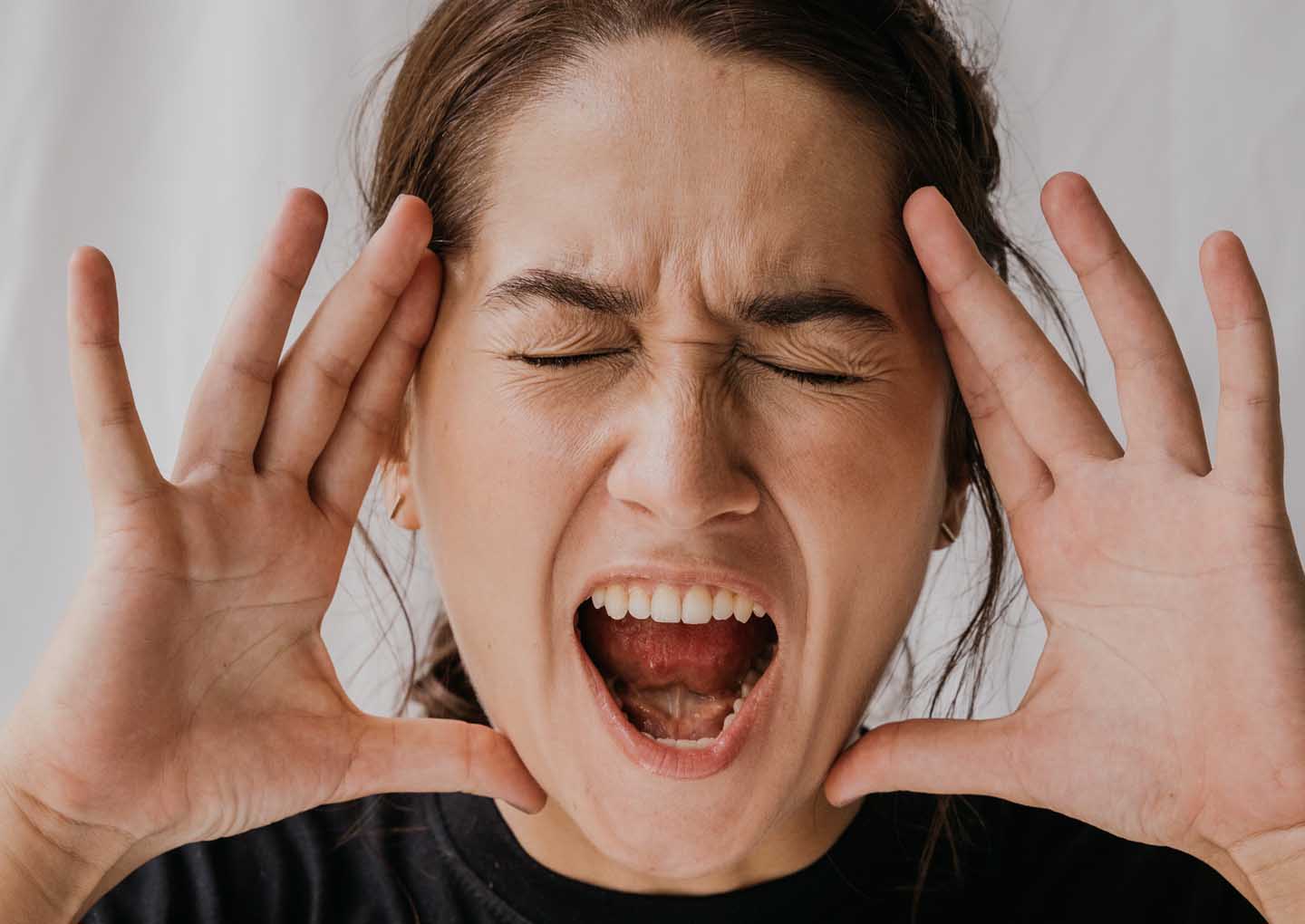
One day, I was riding in a subway train. The train was packed and I was sitting in the chair next to the window, when the train suddenly stopped in a way that when I looked at the window I saw a wall, nothing more. It came to my mind what could happen to people with panic disorder and phobias. I thought, if such a person would be here now and looking out the window, and saw this wall with a full train, so that on one side there are a lot of people wanting to get out, and on the other side a window of the train that doesn’t open, a wall, the person starts to think about it and let his fearful thoughts take over her mind, thinking that there would be no way out, that there could be shortness of breath for everyone, because the train was full, and it would be impossible to get out of there, in addition to other tragic thoughts, the panic attack would probably be triggered in this person. What we think about most, we become, even if what the thoughts are suggesting is not true. The quality of our thoughts influence what we feel.

Anxiety and Panic Attacks

What is a Panic Disorder?

A panic attack is a sudden, very strong reaction of anxiety and fear. It is unexpected and produces symptoms of physical and emotional discomfort, causing the person in the time of the crisis to escape from that place and seek a medical emergency room, or an environment in which they will feel protected, or to be with someone with whom they will feel more secure. If you are experiencing a tragic situation such as a shootout between bandits and police, it is normal to be in a panic at that moment. But the person with panic disorder is terrified of dying or losing self-control, a feeling of depersonalization, even when there is nothing in the environment that favors this. For the diagnosis of the panic disorder, there must be repeated crises in the last weeks or months, an exaggerated concern about having new crises and at least four of the following symptoms:

  • Tachycardia, which is an acceleration of the heart
  • Tremors in the limbs or in the whole body
  • Sweating all over the body, or just the hands and feet
  • A feeling that you are going to faint
  • A feeling of suffocation or difficulty in breathing
  • Chest tightness or chest pain, which is usually interpreted by the person as a heart attack
  • Dizziness or feeling of light-headedness
  • Fear to die
  • Fear of going crazy and other symptoms

About 2% of the population suffers from this disorder. It is twice as common in women as men, and usually occurs around the age of 30. However, it can happen in any age. The cause of panic disorder is not well understood by science, and there are different theories. Among them is that in the brain physiological reactions occur, starting at the place called locus cerulean. This brain center is connected to the vagus nerve, which extends to the chest and abdomen, hence the feelings of suffocation, chest tightness, gastric discomfort. If something activates this neurophysiological system in an exaggerated manner, it is generating symptoms of the panic attack. It seems that when the person is moved by phobias or by very high exaggerated anxiety, this nerve called vagus or pneumogastric nerve is activated and produces these sensations.

The person can concentrate on these bodily reactions such as the acceleration of the heart, butterflies in the stomach, and feeding tragic thoughts: I am going to die, I am having a heart attack, and the cycle closes, so the person thinks tragically, increasing the reactions. So she enters the cycle of fear of dying, and symptoms get stronger and stronger.

It is also believed that in panic disorder, crises can be developed from mental conditioning, which the person has been doing over time, interpreting symptoms or events in a tragic, catastrophic, imaginary way, in a way that triggers all this reaction of the panic in the future. For example, one day the person who tends to be very anxious when going up in the elevator, felt a strong pain in his chest. From then on, he associates chest pain with going up or down the elevator, and then he develops this fear of an elevator, and he can expand that fear to other closed places.

Another theory has to do with psychodynamics, the history of your emotional life. In this psychodynamic theory, the emotional conflicts of childhood and adolescence, which for some people were very difficult, can favor the emergence of very high anxiety in more vulnerable individuals. Childhood traumas, such as verbal abuse, emotional abuse, parents’ divorce when the child is young, in a very sensitive child facilitates increased anxiety, which can manifest itself by the panic attack years later. A panic attack is like an overflow of anxiety. This overflow can occur, because the person is stressed, represses feelings that need to be verbalized, or because he has conditioned himself to make a tragic interpretation of the events, and this can be modified. You can learn to think, feel and act in a healthier way.

Panic Syndrome Treatment

Excess anxiety that triggers a panic attack may decrease or not, but the person may develop healthy attitudes in self-defense. This means, that he can learn to rest, to relax, instead of always being busy, he can learn to relax even to set limits, also to say no to people. Many people mistreat themselves, they devalue themselves, they do not protect themselves from abuse, they suffer from very high anxiety, which can manifest itself in a panic attack. High anxiety and exaggerated anxiety can be the warning light, saying to the person: “Hey, you need to stop treating yourself badly, and start respecting yourself.” The treatment of panic disorder involves a few things:

  • Temporary medication, for those who are experiencing excessive anxiety, which is disrupting their work and social life
  • Psychotherapy
  • Lifestyle care
  • Orientation for family members, so that relatives understand this suffering

The medication, if necessary, must be prescribed by a psychiatrist, who will also do psychotherapy, if he is trained to do so, or he will refer the person to a psychologist. Psychotherapy is the use of psychological techniques aimed at increasing self-knowledge, and learning how to deal with your emotions. It involves also an analysis of thoughts, trying to localize negative and distorted thought patterns, often full of prejudice, and replace them with positive thoughts, of hope, of acceptance, of self-protection, of forgiveness for oneself and for other people. Psychotherapy or psychological therapy also helps the person to speak and experience repressed feelings that cause mental tension. It helps to make connections between the current suffering that the person presents, and problems in the past due to the family history.

When the person gradually understands the history of his life, in the family relationships that favored exaggerated high anxiety, he is more likely to learn to deal better with his fears, anxieties and griefs, and step by step he can learn to modify his way of dealing with suffering. Psychological therapy, counseling with experienced people, reading suitable books, participating in support groups, having moments to reflect in order to gain self-awareness, are ways of better understanding who you are, and thus facilitating emotional control.

Among the physical care that contributes to the improvement of panic disorder I can mention: first of all rest, then a balanced healthy nutrition, the practice of outdoor exercise, such as walking for example, growing a vegetable garden is extremely therapeutic for the human mind, and proper breathing. Breathing calmly and deeply, inhaling and exhaling slowly, concentrating on the breathing helps. Doing this helps to prevent the crisis from appearing or aggravating.

An anxious person sleeping - 
Photo by Ketut Subiyanto from Pexels

Types of Anxiety

Panic crises or panic disorder is a suffering linked to excessive anxiety in the person’s mind. It is like a water tank that has a problem in the float, thus not closing the water inlet, and the drain, who throws out the excess of water is clogged, so water spills over the sides of the tank. Everyone has anxiety, but not high anxiety. A panic attack is when excessive anxiety overflows in the person’s mind, causing unpleasant symptoms.

There is trait anxiety and state anxiety. State anxiety is when the person temporarily experiences high anxiety. It may be in the period of school exams, for example, in preparation for a wedding, in the days before an interview to apply for a job, and other situations. With state anxiety the person has a normal anxiety, temporarily it gets higher in the face of these events, and then it returns to its normal level. Now trait anxiety is as the name says a trait, the person already has anxiety higher than the average, higher perhaps than the siblings of the same family, even though they are children of the same father and mother. So a child with trait anxiety may be more sensitive, more vulnerable to these mental sufferings.

An Example

A young adult woman has been experiencing panic attacks and sought treatment, and the points worked with her in psychotherapeutic treatment are as follows: First she has learned to think, what kind of things accumulate tension and stress in her life that ends up in exaggerated anxiety. She was too concerned about everything, she lived with her worries, which were exaggerated, and she started to realize that. Too worried was a long-time trend in her life. It was the chronic way of living tense. Excessive worry increases anxiety, and increased anxiety can cause panic attacks. She was learning to reflect if she really needed to be so worried about too many things, she started to question herself in order to understand if worry changes something for the better, if her worry would change her reality. She started to think about these things, started to question her own too anxious mind, that is, she managed to start separating herself from the anxiety she experiences. She started to reflect on what she was thinking, this is an exercise that the person has to do, which is called self-analysis or self-observation. So she is learning to live one day at a time, one hour at a time, also learning to accept the inability to fix everything around her.

Another thing that is helping this woman a lot is talking to a family member or understanding friend about her fears, to vent her feelings. Someone who understands the problem, who is friendly, who is not the critical person and who is also able to keep a secret, because venting alleviates anxiety. This woman understood that the panic attack does not go much beyond ten minutes. She is learning to remind herself that the physical symptoms, besides the pain of the crisis, are not serious manifestations of health problems, such as that she will have a heart attack, or that she will have a stroke, or that she will be fainting, so she is learning that she has no physical disease, because she has already undergone clinical and lab tests with the results ruling out the existence of a physical disease. So if you have panic attacks and you haven’t had any exams yet, you haven’t been to the doctor, you haven’t had an appointment with a cardiologist and a general practitioner, it will be important to do that. Having verified that there is no medical alteration will help you next time so that you will not be afraid that you will die of a heart attack, because you will remember: I have already had an exam and the doctor said that I do not have any cardiac problems.

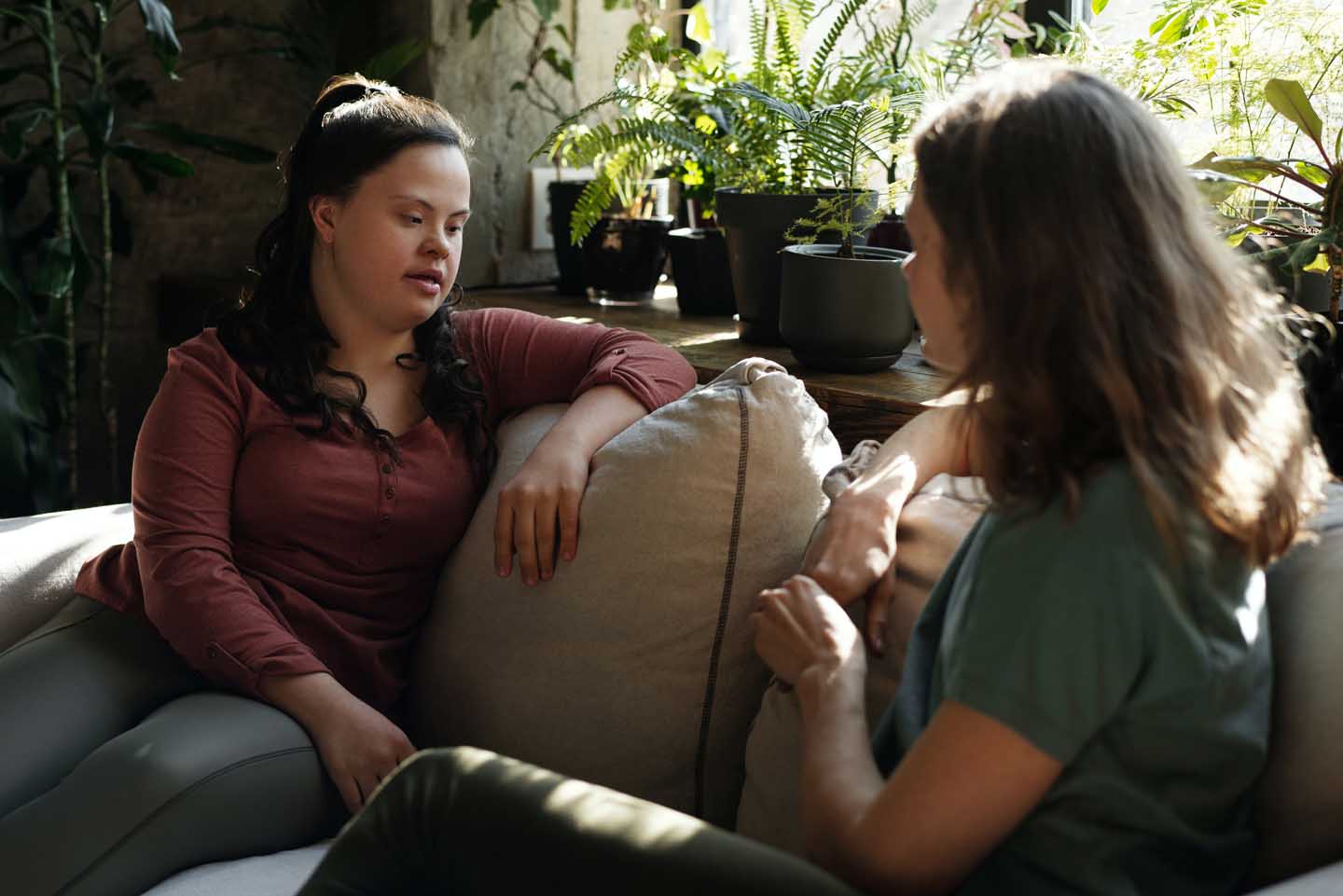
An anxious woman talking to a friend - Photo by Cliff Booth from Pexels

So she has learned that anxiety in a panic crisis is disproportionate to reality. Fear says that in a crisis she will die of a heart attack, or that she will lose her mind, or something that is not real, so she has been training to step back in her mind and look at the tachycardia, look at her breathlessness, observe this and think that the strong anxiety is producing this, and not a real physical failure of the heart or lungs or brain. So the moment the crisis seems to come, she can now remember this for herself, and she is making an effort to change her focus, taking that attention away from her body signals and observing objects around her, or making a rational effort to think of something else, or going to tidy up the closet, going to call a friend, she shifts the focus of her thoughts. She also tries to recall what the cardiologist said recently, that there is no physical illness, that the exercise ergometry or electrocardiogram was normal, as well as the other tests she did.

She now understands that even when the family member with whom she lives and who does not have panic attacks thinks that what she suffers is nonsense, she does not need to feel inferior for having these crises. She now accepts that she is not less valuable because of the crises she has.

She has learned to let go of attempts to control her life, to want to exercise control over other people’s lives and behavior, which is a very stressful thing. She is discovering that she wanted to control the uncontrollable, and that it increased anxiety, stressed her out and contributed to the panic attack. Now she is able to talk about the things that bother her, without feeling repressed, as if it was forbidden to comment on them. Often the difficulty to speak, to vent is in the person who has the panic disorder, and not because of the unwillingness of others to listen.

She is already able to set limits and protect herself from over-assuming responsibilities or tasks. She is better able to protect herself from abusive people, she recognizes better that there are people without boundaries, who abuse the goodwill of others, and that when she does not protect herself by saying I can’t, I don’t want to, it won’t happen this time, when that is the right thing to do, it accumulates stress that can trigger the crisis. She now asks for things, she asks for help, she delegates tasks, she does not keep assuming everything in her life, she does not commit herself to deadlines that are too short to meet, because she says this will not work, I cannot assume that here, so she respects herself better, she is reducing the posture of omnipotence that she had, that she can do everything, will do everything, resolves everything.

She is learning that already having had panic attacks, she was very afraid of having it again, but now she can remind herself that she is not her anxiety, she is not her fear, she is greater than this, she learned that fear is something in her, but it is not her second nature. Now, she can begin to view excessive anxiety no longer as something that will dominate her mind.

Thought Control

The person with panic disorder needs to train in their mind to self-control exaggerated concerns. What does that mean? When a concern comes, that if not overcome will create a lot of anxiety, and could trigger a new panic attack, he should say to himself: “Wow, look, I am very anxious now.” He starts to observe his own anxiety, then he says to himself: “It comes to disturb me again, but now I know that I don’t have a heart problem, that thought that says I’m going to die of a heart attack, I was already at the cardiologist, I did exams, everything is normal, so I don’t need to let the ideas of dying from heart attack take over my mind. Now I understand that I won’t get out of reality, I won’t freak out, I won’t go crazy.”

So when the person who has had panic attacks develops this type of reasoning, when a threat of a new crisis arises, it means that he is starting to control his tragic thoughts, and therefore the crisis can be avoided. Because disturbing thoughts need to be controlled, and this is done using reasoning. Using logic, using the information you already have, that you do not have heart disease, that the panic crisis is temporary, it is going away and does not lead to craziness. The truth can free and heal. So to improve any mental suffering that involves a wrong way of thinking it is important to understand what this author wrote:

The thoughts must be trained… The thoughts must be controlled… Right thoughts… do not come to us naturally. We shall have to strive for them.

Ellen G. White. Mind, Character and Personality, Volume 2 p. 656

Then you train to replace tragic thoughts with healthy ones. It may not be easy initially, but with training will become less difficult. It may not be possible to prevent the fearful or tragic thought from arising in your mind, because when you see it, it is already there in your head, but it is possible to prevent it from continuing in your mind to disturb you. So the practice of deciding to stop thinking about the negative or the tragic, will strengthen the mind of the person with panic disorder, so that these unpleasant thoughts become less disturbing and less frequent, because in doing so, he is learning to cultivate healthy thoughts that do not generate excessive anxiety. I want to leave a text for you who suffers from panic attacks:

Finally, brethren, whatever things are true, whatever things are noble, whatever things are just, whatever things are pure, whatever things are lovely, whatever things are of good report, if there is any virtue and if there is anything praiseworthy—meditate on these things.

Philippians 4:8

It is interesting that this passage has translations that say: think about such things. So which thoughts are controlling your consciousness? You can train to stop the tragic and cultivate the positive. Wishing you serenity and a clear mind.

Do you need a guide to help you understand how to cope with Stress in an all inclusive approach? Learn how to combat stress, mentally, physically, emotionally and strategically in your life.

Get Me the Guide

Filed Under: Anxiety, Mental Health

Life Without Addictions

April 18, 2021 by Esther Neumann - [rt_reading_time label="Reading Time:" postfix="minutes" postfix_singular="minute"]

Life Without Addiction

Almost as old as mankind is the desire to alter our perceptions of life by taking psychotropic substances. Shamans try to put themselves in an altered state of mind by taking intoxicating herbs or mushrooms. People who can no longer stand their environment or their living situation try to forget their situation by consuming legal or illegal drugs. As old as the problem is the attempt of society to regulate or prohibit consumption. What is addiction? Who is at risk? Where is the way out?

Life Without Addictions

There is no clear answer to why one becomes dependent or addicted and the other does not. A convincing theory of addiction is still lacking. But neurobiological research has found morphines, a group of psychoactive substances produced by the body, which can trigger addictive processes. There are also many chemical compounds that can easily be made in the lab that have the same effects. They change the metabolism and influence our feelings. They belong to the so-called psychotropic drugs and are actually used in medications or legal and illegal drugs.

People want to enjoy, and have the right to do so. It is God’s will that we can be happy, that we have enjoyment in life. There is a very specific area of the brain where feelings of pleasure arise. Such feelings can be evoked by parental love, sex, favorite activities but also simply by eating and drinking. Addictive substances activate this part of the brain as well.

What is Addiction and Dependency?

Anyone who no longer wants to or cannot do without the lustful effects of an activity or a drug is dependent or addicted. The enjoyment is then worth more to him than his health, his relationships and even his life. The desire for drunkenness, for extasy, for forgetting, for taking off, for getting lost and for getting out of everyday life is overwhelming. Those who are dependent are no longer free. He no longer has a choice and is dominated by the urge to induce or avoid certain feelings and moods.

Dependence and addiction have almost the same meaning. The dependence describes the medical side, the addiction the emotional, social side. The WHO speaks only of dependency.

Who Becomes Addicted?

A strong trigger to try is certainly curiosity and willingness to take risks. Then it depends on what experience you had when you first took it. Do you feel ashamed after being drunk, or do you finally feel like you belong to the gang? Did you feel sick after the first puff while smoking, or did you feel relaxed? Are you told to try again, are you being teased?

Addiction researchers speak of social inheritance. Children and adolescents are therefore significantly influenced in their behavior. This can be a sickening family dynamics, unsatisfied relationships, performance pressure, disorientation, unsatisfied longings, exclusion, inhumane living conditions and unsatisfactory leisure activities. Advertising and trends can be triggers, as can irresponsible prescriptions for drugs that are potentially addictive.

Addicted to smoking

There are also many sensitive people among addicts, imaginative, creative, vulnerable. We know a lot of dependent artists. People with unresolved problems tend to take psychotropic drugs to improve performance and well-being. The most important effect is the euphoria, which makes pressure (apparently) easier to bear.

Another important factor in addiction is accessibility. No addiction without drugs. The dose, the form of consumption, the creation of habitual patterns and the development of tolerance play important roles.

Phases and Course of Addiction

The dependency does not fall from the sky. Nobody suddenly becomes addicted. It’s a gradual process. It usually begins with a positive experience or effect of the drug. The affected person thinks he has everything under control. He believes to be able to stop at any time. Unfortunately, this is the case for the minority. It is much more likely that a loss of control occurs quickly. You get used to the addictive behavior. There is an evasive attitude towards the environment. Then comes the chronic phase where you can no longer get out and also do not want to. In the end you want to get out, but you have no willpower to do it anymore, at least not alone.

Types of Addiction

There are substance-related forms of addiction. This include legal substances such as alcohol, nicotine, caffeine, medication, chemical drugs, natural drugs, and sniff substances; or illegal drugs like cannabis, cocaine, ecstasy, LSD, heroin and many others. The number of addicts on legal drugs is much greater than that of illegal ones. But both make physically and psychologically dependent.

The non-substance-related dependencies are caused by any excessive behavior that is carried out without measure: gambling, internet, television, work, shopping, bulimia, running and much more.

Food Addiction - Photo by Artem Podrez from Pexels

Help with Dependencies

Those who are dependent are caught in a vicious circle and need help. But you cannot free an addict against his will. Any attempt to help him will fail until he is ready to become free. You can, however, give him impulses. Liberation is then just as much a process as the emergence of addiction, and not a sudden event. Often it has to be worked on for the entire life. Alcoholics Anonymous are known for this. Their program is also a spiritual program that includes the whole family. It is also about spiritual growth.

Self-help groups are very good establishments. You support each other, encourage each other, seek solutions to problems together and you know that you are not fighting alone.

Prevention – the Best Protection Against Addictions

Dependencies begin in everyday life – prevention too. I was very shocked by the book: “We Children from Bahnhof Zoo”. There a girl describes the miserable living conditions in which she had to grow up, how one possibility of meaningful leisure time after the other was taken away from her. She found no support in the family. The friends were just as bad off. There was no sense of achievement, no satisfaction, no real love, no purpose in life and hardly any joy.

This is exactly where we have to start. Do we take time for our children, our partners? Do we design our home and our surroundings to be comfortable and pleasant? Am I satisfied with the choice of my school, my education, my profession? Do I have an active, satisfying leisure activity? Do I practice meaningful sport and exercise? Am I involved in social institutions? Do I participate in clubs? I love? Am i loved?

Showing affection - Photo by mali maeder from Pexels

Do I know where I come from, what I live for and where I am going? Answering these W questions is vital. They represent a great protection against dependencies. There is actually a dependency that is vital and very important: the dependence on a loving God. If the image of God as a loving Father has been buried, then you should work on finding it again. In a fear-free atmosphere of being accepted by God and fellow human beings, there is no room for dependency, and a dependent can find trust again, trust in himself and in his environment.

Filed Under: Healthy Lifestyle, Temperance

Effective Treatment of COVID-19

April 10, 2021 by Martin Neumann - [rt_reading_time label="Reading Time:" postfix="minutes" postfix_singular="minute"]

Effective Treatment of COVID-19

In the beginning of March the Brazilian doctor Luiz Cristiano Maciel Cardoso published a video on Facebook and declared the end of the COVID-19 pandemic. Supposedly he had found out that the cancer drug flutamide would be an effective treatment and declared that he has conquered the pandemic with this miraculous treatment option. On March 22 he himself took the video down, but copies of the video are still circulating. The entire thing seems to be not more than a hoax, but mirrors the desire of everyone to find a cure for the pandemic that is affecting the lives of all of us.((Faustino M. É falso que médico tenha curado pacientes com Covid-19 com flutamida. Aos Fatos, March 22, 2021)) Unfortunately there is no silver bullet or magic cure, but a combination of sensible measures will greatly enhance the chance of a positive outcome.

Effective COVID-19 Treatment

Pathology

Before talking about treatment options, we need to understand more clearly how the disease is developing inside the body.((Parasher A COVID-19: Current understanding of its pathophysiology, clinical presentation and treatment Postgraduate Medical Journal Published Online First: 25 September 2020. doi: 10.1136/postgradmedj-2020-138577
Azer S. A. COVID-19: pathophysiology, diagnosis, complications and investigational therapeutics)) Transmission is happening normally via respiratory droplets from person to person. For this reason, social distancing, wearing masks and general hygiene measures can help a lot in prevention.

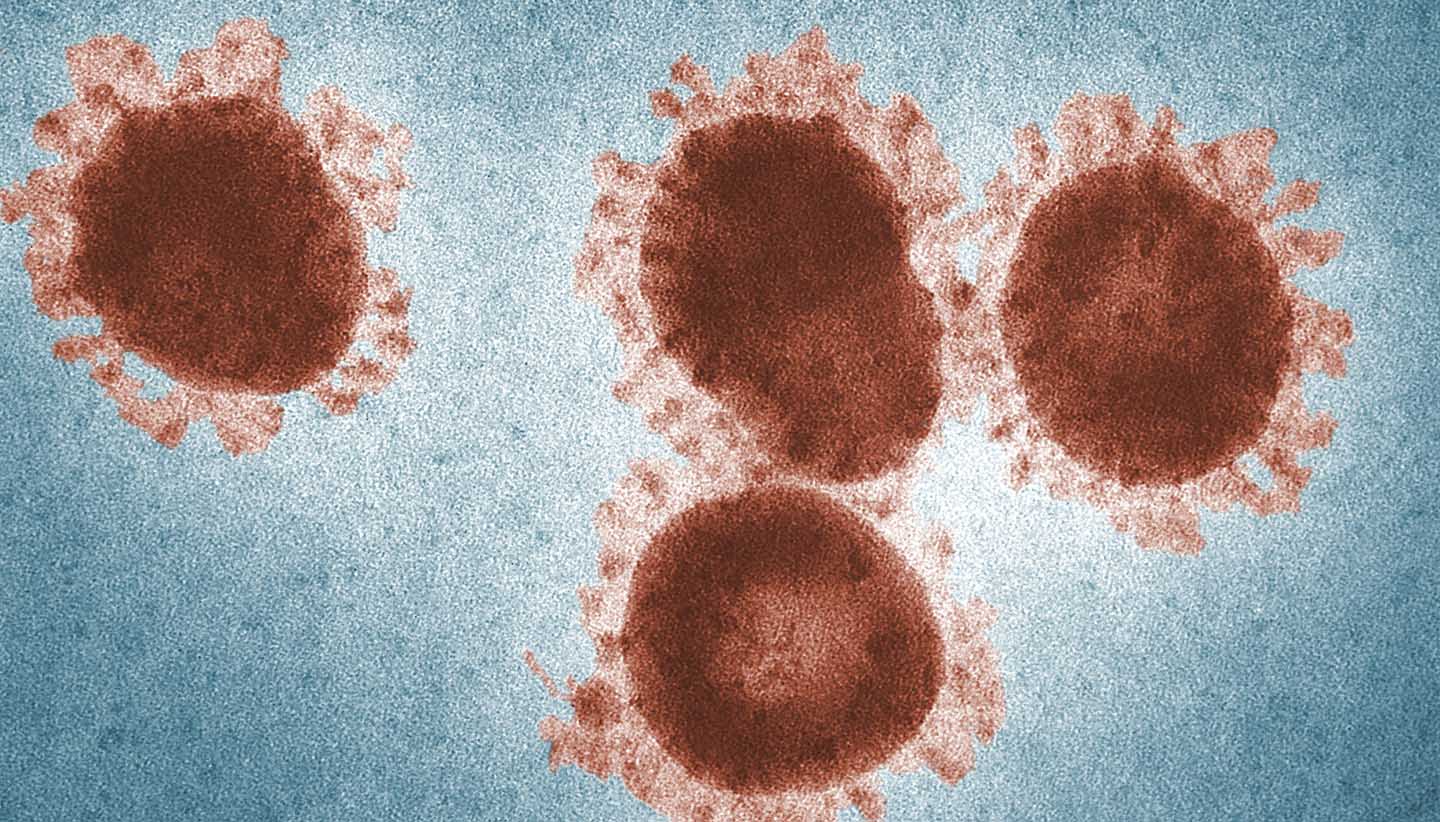
The first site of invasion is normally the respiratory tract. The spike protein on the surface of the virus binds to the cell membrane and is therefore able to inject an RNA sequence inside the cell. This sequence instructs the cell to replicate the virus. The more the virus replicates, the more cells are going to be affected. Normally the nonspecific immune system would detect the invader and start to fight it off. In contrast to the specific immunity that remembers past infections and facilitates their recognition, nonspecific immunity is able to fight the virus even on the first encounter. The problem is that the virus is able to suppress the interferon response, an important part of the nonspecific immunity. For this reason, a person can stay up to 14 days without developing any symptoms, while the virus is freely multiplying itself.

When the disease migrates from the nasal cavity to the upper respiratory tract, it will manifest itself with symptoms like fever, malaise and dry cough. About 80% of all infected persons have an immune system strong enough to fight the virus before it reaches the lung. A strong immune system is essential at this point.

When the disease migrates to the lung, it is getting more dangerous. If the disease continues long enough, a significant amount of cells in the lung will die. Those that are especially affected are the pneumonocytes which are responsible for the air exchange in the alveoli of the lung.

At the same time, the pneumonocytes will release the so-called cytokynes, which are produced to attract immune cells like neutrophils and T cells. Those will get involved in a fierce battle to combat the virus, but will cause in this process inflammation and cell damage. As a result, the air exchange is being limited, oxygen saturation in the blood will be reduced, and oxygen needs to be applied. If the disease gets severe, the use of a ventilator may be needed.

Oxygen shortness can lead to a change of the body’s pH, accumulation of lactic acid, electrolyte changes and further cell damage. In more sever cases the inflammation spreads through the circulatory system, and may cause the formation of thrombosis, inflammation of the heart muscle, arrhythmia and heart failure. Those complications can be potentially deadly. In the digestive system, the disease can cause diarrhea, nausea, vomiting and abdominal pain. Headaches, dizziness, seizures and other neurological conditions are reported as well. In some cases, the disease can cause liver or kidney damage or even multiple organ failure.

Prevention

As a preventive measure, all efforts should be made to strengthen your immune system. A study conducted in Madrid, found that people who did at least 2 times per week a 30-minute exercise session had an 8 times higher survival rate compared to the inactive group.((Salgado-Aranda R et.al. Influence of Baseline Physical Activity as a Modifying Factor on COVID-19 Mortality: A Single-Center, Retrospective Study. Infect Dis Ther (2021). https://doi.org/10.1007/s40121-021-00418-6)) To improve your immunity, other lifestyle factors like for example adequate sleep and healthy nutrition are equally important. Our Coronavirus Immunity Challenge will give you plenty of details on how to keep your Immunity in top performance.

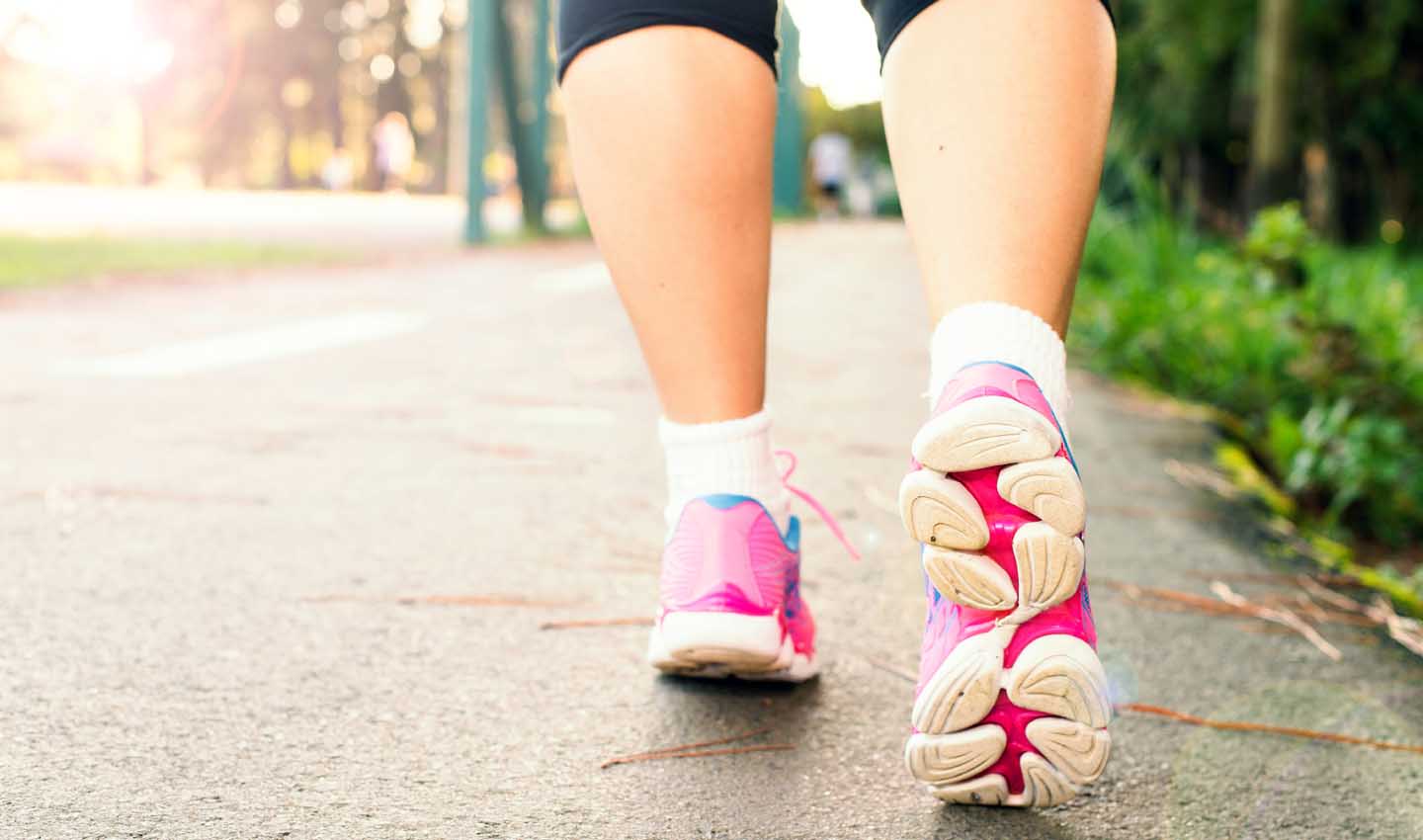
Walking - an excellent immune stimulating exercise - Photo by Daniel Reche from Pexels

In addition to that, you should consider the following supplementation:

  • Vitamin C: 500 mg / day
  • Zinc: 20 mg / day
  • Magnesium 400 mg / day
  • Vitamin D: 4,000 IU / day
  • Probiotics: at least 1 billion CFU´s daily. Do not take indefinitely.
  • N-Acetyl Cysteine (NAC): 500 mg / day. An aminoacid with antioxidant potential.

You should also look at prebiotic foods like banana, onion and garlic. Besides helping your intestinal flora, they will help to fortify your immunity. Look at fruits that are high in vitamin C like orange, grapefruit, papaya and red bell pepper.

Obesity is a risk factor that can increase mortality up to 4 times according to a recent study.((Tartof S. et.al. Obesity and Mortality Among Patients Diagnosed With COVID-19: Results From an Integrated Health Care Organization. Annals of Internal Medicine, November 17, 2020 https://doi.org/10.7326/M20-3742)) In case of obesity extra care should be taken to practice an immune boosting lifestyle. Other diseases like Diabetes, Cancer, Asthma or Heart Disease will need to follow the same measures.

A contrast shower was shown to be beneficial in strengthening your immunity as well. You should start with a hot shower of at least 3 minutes, as hot as you can tolerate. Switch then to cold for 30 to 60 seconds. If you like you can repeat the cycle three times, otherwise get out of the shower and quickly dry yourself with vigorous motion. If you have heart disease, or you are fragile because of age, be milder in the temperature change.

A sauna, be it a Swedish sauna or a steam sauna, can be very effective as well. If you are interested, we have some units of the Portable Steam Sauna available.

Treatment

We have seen already that the progressive development of the disease can lead to a variety of different symptoms. Accordingly, the applied treatment protocol will change according to the phase of the disease. We will be looking at the most adequate options in every disease stage.

At the First Signs of Infection

No matter, whether you are infected by the coronavirus or any kind of flu bug, taking prompt action at the first signs of symptoms will be key to an effective treatment. You should do one of these treatments as soon as possible:

  • Contrast Shower: Do 4 to 7 cycles of 3 minutes hot and 30 to 60 seconds of cold. Be vigorous and try to increase your temperature change with every cycle.
  • Hot Foot Bath: Wrap yourself into a blanket and put your feet into a bucket of hot water, as hot as you can tolerate it. Add some hot water every 5 minutes and continue the treatment for 20 to 30 minutes. When starting to sweat, put a cold cloth on the forehead, and drink plenty of water.

The next two treatment options are a bit more vigorous. If you have a circulatory disease that impedes you to do jogging, you should avoid those treatments, because they put a strain on your body and make your heart pump faster.

  • Steam Sauna: Put yourself inside a sauna tent and expose your body to a steam source. You can do that with a pot of boiling water on a mobile cooking plate, but there are portable steam saunas available as well. Put a cold cloth with ice water on your head and change frequently as you are coming to a sweat. Stay for 20 to 25 minutes and go straight into bed afterward in order to continue sweating for another 30 minutes. Consider using a different mattress, or putting a plastic underneath your sheet, since you will be sweating a lot. Finish then with a shower.
  • Hot Bath: Get inside a hot bath, as hot as you can tolerate, and add hot water every 5 minutes. Keep a cold cloth on your forehead and work up a sweat for about 20 minutes. A study found out that raising the body temperature to 39°C (102°F) was leading to a tenfold increase in the interferon response, which is exactly the component that is impaired by the coronavirus in the early course of the disease.((Downing J et.al. Hyperthermia in humans enhances interferon-gamma synthesis and alters the peripheral lymphocyte population. J Interferon Res. 1988 Apr;8(2):143-50 DOI: 10.1089/jir.1988.8.143))

Finish each of those treatments with at least one hour of bed rest afterward. This will multiply the immune boosting effect. Drink plenty of water or teas to stay hydrated.

Hot Foot Bath

A good recipe for strengthening the immune system is the so-called Russian Penicillin. The basic recipe is very simple. You take one entire lemon and peel it. Then you take 2-3 cloves of garlic and a pinch of salt. Blend it up in one quart of water (1 liter) and drink it during the day. If you want you can add orange, grapefruit or onions to the recipe, all of those have beneficial properties.

On the immune boosting supplementations, it might be helpful to increase the dose in case of treating the disease:

  • Vitamin C: 1,000-2,000 mg / day
  • Zinc: 40 – 75 mg / day for up to 1 week((Hemilä H, Petrus EJ, Fitzgerald JT, Prasad A. Zinc acetate lozenges for treating the common cold: an individual patient data meta-analysis. Br J Clin Pharmacol. 2016 Jul 5. DOI: 10.1111/bcp.13057))
  • Vitamin D: up to 60,000 IU / day. If you need to do more than 2-3 weeks of treatment, it shoud be accompanied with adequate blood tests.((A Rastogi et.al. Short term, high-dose vitamin D supplementation for COVID-19 disease: a randomised, placebo-controlled, study (SHADE study). Postgraduate Medical Journal Published Online First: 12 November 2020. doi: 10.1136/postgradmedj-2020-139065))

We did already an article with the title: Can Vitamin D Prevent COVID-19? We stated that Vitamin D is fundamental in prevention and treatment of COVID-19 and cited several studies that could confirm this findings. Besides the vitamin D supplementation, try to implement a daily sunbath, that will help in many ways in the recuperation process.

Quercetin is a flavonoid with antiviral properties. In vitro studies have shown that it is able to interfere in the replication cycle of the coronavirus. There are no populational studies published in relation to COVID-19, but it shows interesting antiviral properties, especially in combination with vitamin supplementation.((Agrawal P. Quercetin: Antiviral Significance and Possible COVID-19 Integrative Considerations. https://doi.org/10.1177/1934578X20976293))

Diet-wise, you should avoid heavy meals and double up on fruits, especially citrus fruits and other Vitamin C sources. Cut out all sources o sugar, even natural cane sugar, molasses, maple syrup and similar. Honey can be used in moderation.

At the dental office, a 1% hydrogen peroxide solution is used as a mouth rinse, for patients and dentists alike, in order to avoid the spread of the virus. Some have advocated a wider use of this mouth rinse for the general population. In the early stage of the infection, a gargle or mouth rinse can definitely help to reduce the viral load in this region. They advise to rinse no more than 4 times a day, and prolonged use can disrupt the presence of healthy bacteria in the mouth.((Caruso A et.al. Might hydrogen peroxide reduce the hospitalization rate and complications of SARS-CoV-2 infection? Infect Control Hosp Epidemiol. 2020 Apr 22 : 1–2. doi: 10.1017/ice.2020.170
COVID19 and Hydrogen Peroxide – Urgent Health Tips. My Dental Co. Website, accessed May 13, 2021)) If you do not want to apply hydrogen peroxide, you can use salt water, sage or any other substance with antiviral properties.

Herbs

There are several herbs that could be used in a COVID-19 treatment situation. A team was screening the available literature for natural products that proved to have antiviral activities against different types of human coronavirus. They found that extracts of the red spider lily (Lycoris radiata), Japanese gentian (Gentiana scabra Bunge), Chinese yam (Dioscorea batatas Decne), Sickle senna (Cassia tora L.), Mulberry Mistletoe (Taxillus chinensis), golden chicken fern (Cibotium barometz L.) and Echinacea purpurea L. showed a promising effect, and clinical trials should be done to prove their efficiency for COVID-19.((Khalifa S. et.al. Screening for natural and derived bio-active compounds in preclinical and clinical studies: One of the frontlines of fighting the coronaviruses pandemic. Phytomedicine. 2020 Aug 29;153311. doi: 10.1016/j.phymed.2020.153311.))

Another review study analyzed plants that could be possibly used in treating COVID-19 symptoms. They found 5 plants to be especially promising. Licorice (Glycyrrhiza glabra) has a soothing effect on the respiratory tract and is indicated in case of a cough or sore throat. Elderberry (Sambucus nigra) showed positive effects in clinical trials treating colds or flu. It has expectorant properties and is indicated in various respiratory conditions, fever and headaches. The common ivy (Hedera helix) has been show effective in the treatment of bronchitis and the common cold. It has expectorant properties and should be used in case of a persistent cough. Marsh mallow (Althaea officinalis) is indicated to treat a persistent dry cough. Myrrh (Commiphora molmol or Commiphora myrrha) has an anti-inflammatory effect and is indicated in a variety of respiratory conditions. They found also potentially promising results for a list of 12 more plants including garlic, Echinacea, Eucalyptus and others.((Silveira D et.al. COVID-19: Is There Evidence for the Use of Herbal Medicines as Adjuvant Symptomatic Therapy? Front Pharmacol. 2020 Sep 23;11:581840. DOI: 10.3389/fphar.2020.581840))

The herb Dysphania ambrosioides, commonly known as Mexican Tea, was studied by Brazilian scientists, and they found that it contains substances that are able to inhibit the Sars-CoV-2 virus.((Silva F. et.al. Flavonoid glycosides and their putative human metabolites as potential inhibitors of the SARS-CoV-2 main protease (Mpro) and RNA-dependent RNA polymerase (RdRp). Mem Inst Oswaldo Cruz. Vol. 115, September 2020. DOI: 10.1590/0074-02760200207)) Populational studies are needed to certify the effectiveness in COVID-19 treatments. The plant has several different medicinal applications, among others it is known for its anti-inflammatory and immune stimulating properties. You can use it in form of a tea, putting one tablespoon of the dried leafs in one cup of boiling water and let it steep for 10 minutes. Use 2-3 cups per day. The plant should not be applied for prolonged usage, since it could manifest a toxic effect in long term use.

In Pakistan a randomized controlled trial was done on hospital patients applying the combination of honey with black seed (Nigella sativa). Patients treated with this combination cleared the virus 4 days earlier than the control group. Recuperation and hospital discharge was happening much earlier, and in severe cases mortality rate was fourfold lower.((Ashraf S et.al. Honey and Nigella sativa against COVID-19 in Pakistan (HNS-COVID-PK): A multi-center placebo-controlled randomized clinical trial. doi: https://doi.org/10.1101/2020.10.30.20217364))

Propolis is another promising remedy for prevention and treatment of COVID-19. In a Brazilian study, patients hospitalized for COVID-19 were put either on standard care alone, or received 400mg/day of a propolis extract in the second group, or 800mg/day in the third group. Patients with standard care alone needed an average stay of 12 days in the hospital. That was reduced to 7 days with the supplementation of 400mg/day of propolis, and to 6 days with 800mg/day. Cases for acute kidney injury were reduced as well.((Duarte Silveira M A et. al. Efficacy of propolis as an adjunct treatment for hospitalized COVID-19 patients: a randomized, controlled clinical trial. doi https://doi.org/10.1101/2021.01.08.20248932)) Considering that most drugs proved to be inefficient in hospitalized patients, those findings are pretty impressive.

Those are the herbs that were specifically studied in relation to COVID-19. There are numerous other herbs, that may be just as effective, but no study is available to prove its efficacy. The lifestyle center Uchee Pines Institute is recommending the following list of herbs:((Adeogun O, Sandoval, M. COVID-19 (Coronavirus Disease 2019). Uchee Pines Website))

  • American Ginseng – avoid in pregnancy, 200-400mg twice daily
  • Siberian Ginseng – insufficient evidence to recommend for children or pregnancy, don’t take for longer than 2 months, 400mg 3 times daily
  • Panax Ginseng – (Asian Ginseng), don’t use more than 6 months, avoid in children and pregnancy, 200mg daily
  • Andrographis – (Indian Echinacea), avoid in pregnancy, 200mg daily
  • Thuja – (cedar leaf oil), avoid in pregnancy and lactation, 18-36mg 3 time daily, for 2 weeks
  • Echinacea – 800mg 3 times daily for prevention, up to 5 times daily with symptoms
  • Elderberry – only use the ripe fruit, dosage not specified.
  • Umckaloabo – (African geranium), insufficient info for pregnancy/lactation, dose not specified

Early Treatment

It is a good idea to take a COVID-19 PCR test if available for you. If confirmed positive, or you have strong reasons to believe to be infected, you should take immediate measures for stronger treatment. Besides fever, cough, fatigue and headache, a loss of smell and taste is a very typical symptom for COVID-19 infection. Studies have shown that early treatment greatly increases the chance for recuperation.

One of the drugs that seems to be effective in early stage is nitazoxanide, also known under the brand name alinia. It is mainly used to treat certain parasites like giardia, but has reportedly a broad-spectrum antiviral activity. Furthermore, nitazoxanide displays the potential to boost the innate immune system and reduce the cytokine storm.((Lokhande A, Devajaran P. A review on possible mechanistic insights of Nitazoxanide for repurposing in COVID-19. DOI: 10.1016/j.ejphar.2020.173748)) A study showed that viral load was reduced in 48% of patients treated after a 7 day period, compared to 15% in the placebo group.((Silva M et.al. Efficacy of Nitazoxanide in reducing the viral load in COVID-19 patients. Randomized, placebo-controlled, single-blinded, parallel group, pilot study. doi https://doi.org/10.1101/2021.03.03.21252509)) Further studies are in development to confirm these findings.

Hydroxychloroquine has been hotly debated for a long time, but we want to look at the available evidence. Studies on hospitalized patients did not show any efficiency, like many other drugs as well. But a review found 29 studies of early treatment of COVID-19, and all of them showing favorable results, although only 13 were statistically significant.((HCQ is effective for COVID-19 when used early: real-time meta analysis of 229 studies. https://hcqmeta.com/)) Another meta-analysis was not able to determine any benefit, probably because early treatment and late treatment studies were mixed together, a large number of studies was excluded, and no pooling of data was attempted in order to gain a better statistical significance.((Singh B et.al. Chloroquine or hydroxychloroquine for prevention and treatment of COVID-19 (Review). DOI: 10.1002/14651858.CD013587.pub2.)) It is interesting to state that chloroquine is allowing zinc to enter the cell and inhibit viral replication.((Xue J et.al. Chloroquine Is a Zinc Ionophore. PLoS ONE 9(10): e109180. doi:10.1371/journal.pone.0109180)) We can conclude that chloroquine will develop its full capacity only if administered in combination with Zinc, just there are very few studies available using this combination.

Another interesting option seems to be ivermectin, a drug widely available for the treatment of parasites. Being used at a large scale in many developing countries around the world, it has an excellent safety profile. The drug can help in impeding the binding of the virus to the cells. A meta analysis of 6 early treatment studies showed a 75% average reduction in mortality.((Hill A et.al. Meta-analysis of randomized trials of ivermectin to treat SARS-CoV-2 infection. DOI:10.21203/rs.3.rs-148845/v1
Ivermectin is effective for COVID-19: real-time meta analysis of 49 studies. https://ivmmeta.com/
Lawrie T. Ivermectin reduces the risk of death from COVID-19 – A rapid review and meta-analysis in support of the recommendation of the Front Line COVID-19 Critical Care Alliance. https://www.e-bmc.co.uk/)) Some studies seem to show limited benefits, that do not justify its use.((López-Medina E et. al. Effect of Ivermectin on Time to Resolution of Symptoms Among Adults With Mild COVID-19. JAMA. doi:10.1001/jama.2021.3071)) Besides that, critiques are saying that sample sizes of the available studies are small, and the study design sometimes flawed, having though not sufficient scientific evidence to promote their use. Several others prefer to use the limited evidence available in a responsible way to save lives.

Despite of limited scientific evidence at that time, ivermectin was approved as a COVID-19 treatment since May 2020 in Peru and Bolivia, and a few other countries have followed in the meantime. In Brazil, a factory with 12,000 workers adopted a weekly preventive dose of ivermectin. The responsible doctor states in an interview, that they had very few cases of infection, and no cases of hospitalization or death.((Medico de GTFoods em Maringa. Facebook, March 12, 2020))

The dose of the drug depends on the weight of the person. It is important to note that ivermectin preparations for animals are improper for human use, since the dosage for horses and cows is completely different than for humans.

Another case study comes from the town of São Lorenço in the Brazilian State of Minas Gerais. They adopted an early treatment protocol using ivermectin, azithromycin, dexamethasone, zinc and vitamin D. For almost a month they had not a single case in the intensive care units, and almost no hospitalizations for COVID-19. With the recent surge all over Brazil, there were recorded 4 cases in intensive care by the end of March. It is difficult to tell, which component of the protocol was responsible for the result, but it shows that early treatment can significantly increase the chance for success.((Piva A. Cidade mineira não tem um único doente internado por covid-19. Revista Oeste, March 15, 2021
Dourado C. Prefeito defende tratamento precoce, mas São Lourenço entra na onda roxa. Estado de Minas, March 16, 2021
Statistics on the Facebook page of the town hospital))

Monoclonal antibodies are another treatment option that proved to be effective as an early treatment option, and there are two options that have received FDA approval. Bamlanivimab and the combination of casirivimab/imdevimab are available and you may consult your hospital whether they are eligible to recieve this treatment. They work in blocking the spike proteins of the virus and reducing its infectivity.((An EUA for Bamlanivimab—A Monoclonal Antibody for COVID-19. JAMA. 2021;325(9):880-881. doi:10.1001/jama.2020.24415
Chen P et.al. SARS-CoV-2 Neutralizing Antibody LY-CoV555 in Outpatients with Covid-19. N Engl J Med 2021; 384:229-237 DOI: 10.1056/NEJMoa2029849))

If Symptoms Persist

One of the common symptoms is fever. Many people will try to lower the fever with ibuprofen, paracetamol or another antipyretic drug. This is actually the worst thing you can do. Fever actually stimulates the immune system to fight the infection. If you cut the fever, you may feel better at the moment, but you reduce the activity of the immune system to fight the infection.

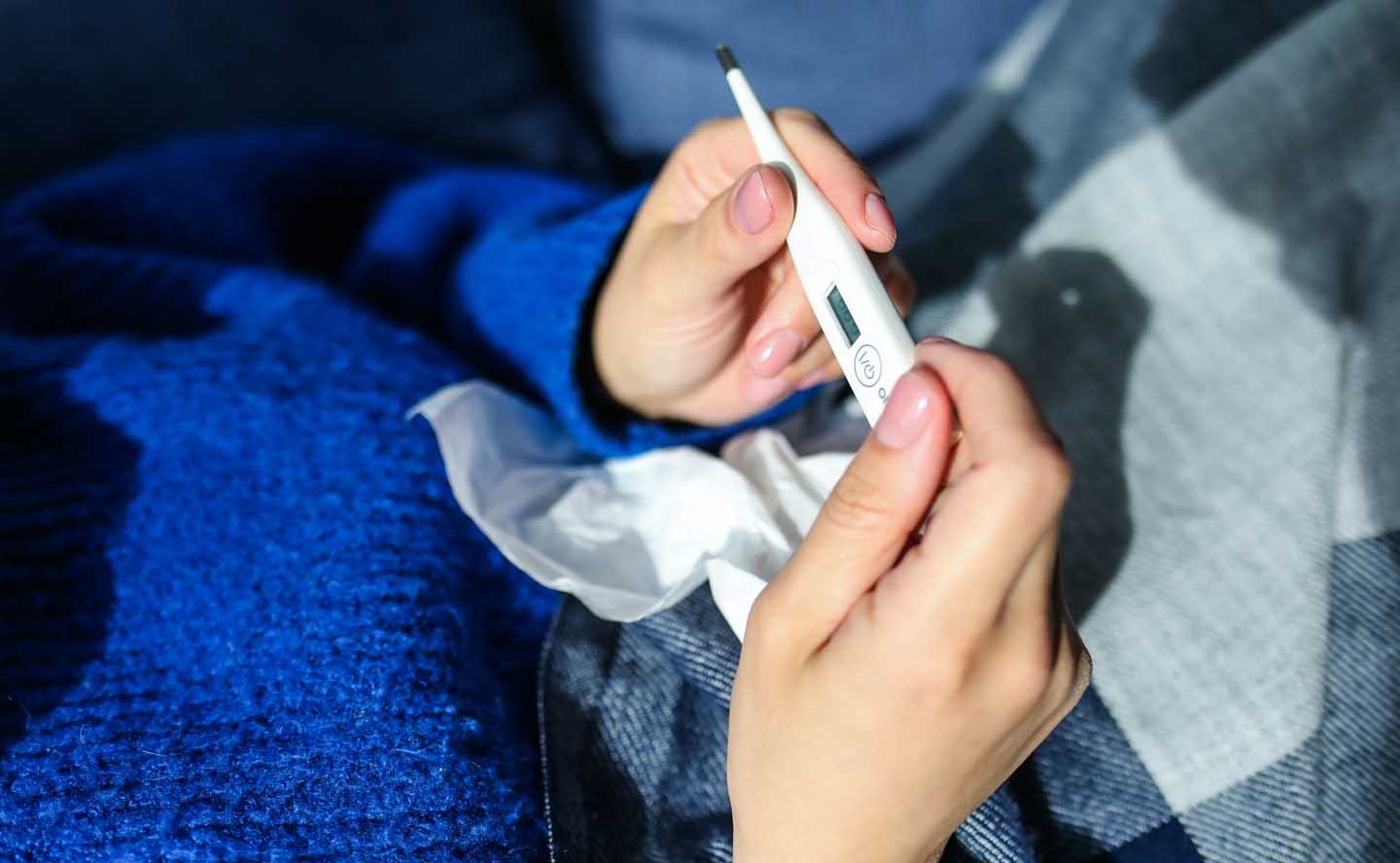
Fever thermometer - Photo by Polina Tankilevitch from Pexels

It is important to state again that the most effective treatment of COVID-19 is a well-functioning immune system. Even for the common flu, there are only a handful of antiviral drugs available with very limited efficiency. The deciding factor that will eventually fight off the virus is the immune system, and strengthening the immune response will be the most important treatment to follow.

In case of fever, strict bed rest is the best course to follow. We have seen already the importance to feed the fever with bed rest. On top of that, sleep is essential for the functioning of the immune system. During the Spanish flu, the early initiation of total bed rest was part of a successful treatment protocol. The bed rest needs to be continued for 2 to 3 days after the fever subsides, in order to avoid the development of pneumonia or other types of secondary complications.((Elliott LE. The Value of Sanitarium Treatment in Respiratory Diseases. Life & Health. 1919 May 1; 34(5):103-4.)) In case of COVID-19, we have seen many cases with marked improvements, followed by a sudden return of the disease, or one of its complications. If symptoms improve, continue your treatment protocol for several days, until you obtain a negative PCR test or you are completely sure of your total recovery. Even though you may feel better, you need to continue treatment for as many days as you had a fever.

Give plenty of water or teas throughout the treatment period. The patient will most likely be sweating a lot, and needs to be hydrated. On top of that, extra water can flush out a number of substances through the urine and clean out the body. Hot teas can help to induce sweating and fever.

In case of cough, an onion poultice can help. Blend ½ of a medium-sized onion in a blender with just enough water to make a paste. Spread it on a paper towel like the onion is the sandwich filler and the paper towel is the bread, so you have paper towel on the outside with the onion on the inside. Place it on the chest and then wrap it with plastic food wrap and secure it in place. Cover with a tight t-shirt and then a flannel or thick sweater and leave on overnight. Remove and wash off in the morning.((Adeogun O, Sandoval, M. COVID-19 (Coronavirus Disease 2019). Uchee Pines Website))

Hot and cold fomentations on the chest are an excellent treatment for coughing. Considering the lung damage in advanced COVID-19, it is certainly a treatment that is highly indicated. During the Spanish Flu pandemic, this treatment was part of a successful treatment regimen.((Elliott LE. The Value of Sanitarium Treatment in Respiratory Diseases. Life & Health. 1919 May 1; 34(5):103-4.)) Place a hot fomentation for 3 minutes, followed by a towel that was immersed in ice water for a minute. Repeat 5-7 times. To increase the effect, put a hot fomenation or heating pad on the back, and the feet in a basin of hot water during the treatment, taking care to add hot water every 5 minutes. Finish the treatment by rubbing the body with a cold cloth and drying immediately. Repeat 2-3 times daily if needed.

Steam Inhalation is another interesting treatment to improve mucus elimination and clear up the lungs. There are commercial steam inhalators available, or you can just put a sheet over a pot with boiling water. Add a few drops of peppermint or eucalyptus oil if you want. To treat the cough, you can also mix a few drops of eucalyptus oil in honey. Use about one drop for every tablespoon. You may find even raw eucalyptus honey, that contains all the beneficial properties of the pollen from the eucalyptus trees.

If the patient is still strong enough, you can continue to apply a hot foot bath 2-3 times a day. Just if fever persists for a long time, the patient may become so weak that he is not able to adequately react to the hot stimulus. In this case, fomentations will be the more adequate treatment.

What you should avoid during early treatment are antipyretic and anti-inflammatory drugs (like ibuprofen, parecetamol, diclofenac, loratadine), antibiotics, and corticosteroids, since they weaken the immune system.

If the Disease Aggravates

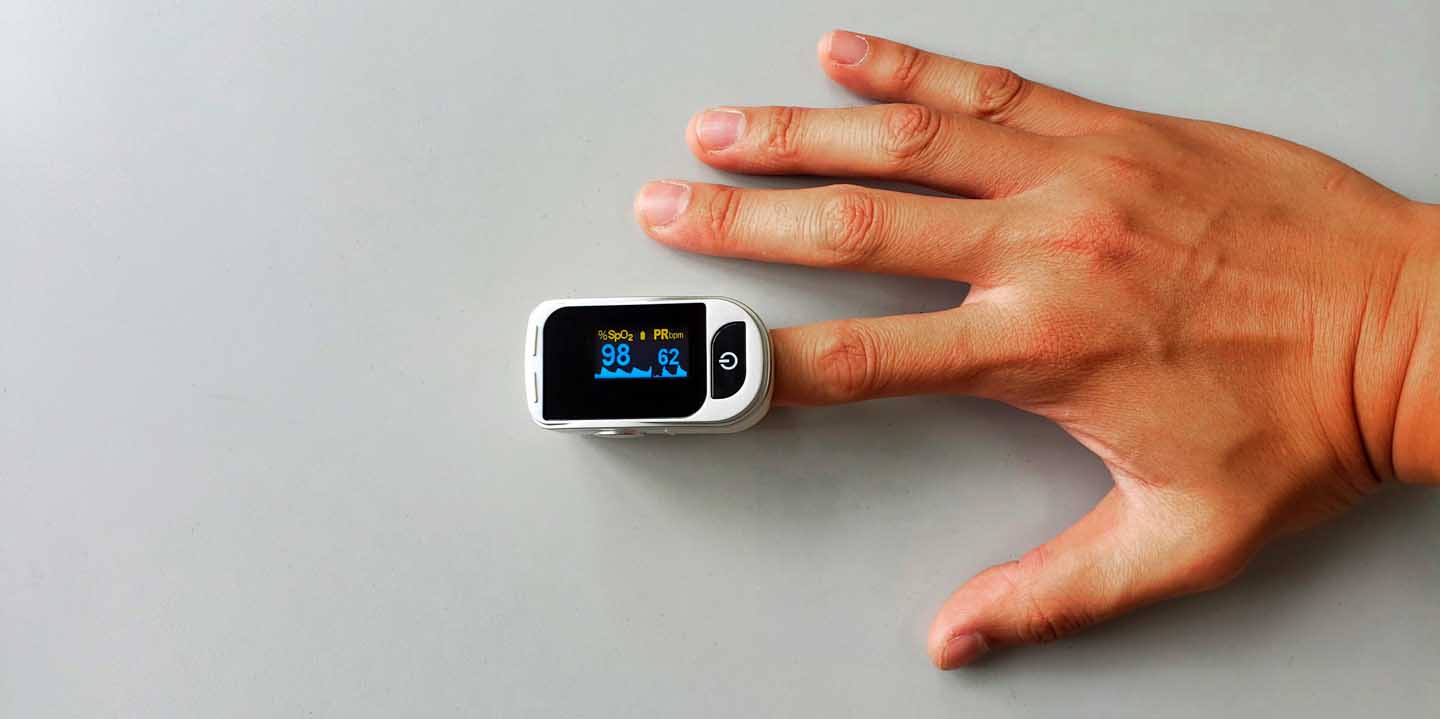
If you develop shortness of breath, or blue lips it is a sure sign that the disease is affecting the lungs. In this case you need to look out for medical help. In order to facilitate breathing, you may be put on oxygen. That helps to guarantee that oxygen levels do not drop in the blood and cause other complications. If you want a tool to evaluate your situation for yourself, you acquire an oximeter. If your Oxygen saturation in the blood is above 95%, then you are fine, and no lung impairment is taking place. If the saturation drops below 90%, you may be in need of supplemental oxygen. Higher altitudes may lead to slightly lower oxygen saturation.

Oxymeter - Photo by Stanley Ng from Pexels

It is important to state that effective drug treatments are getting extremely scarce when it comes to advanced COVID-19 patients. The WHO organized a rather large study including four of the most promising treatment options, and concluded that none of them, not even the expensive antiviral drug Remdesvir showed statistically significant benefit in hospitalized patients.((WHO Solidarity Trial)) Some preliminary studies show though promising results for proxalutamide((Cadegiani et al., Press Conference (Preprint) The Proxa-Rescue AndroCoV Trial)) and a few other drugs for the late stage treatment of COVID-19.

That far, treatment is entirely focusing on dealing with symptoms. Besides giving oxygen, corticosteroids are normally prescribed in order to reduce the cytokine storm. This is important to limit the damage of the lungs in the acute stage. Please note that corticosteroids are recommended only after the patient has sufficient lung damage to require oxygen, and a significant cytokine storm was setting in.((Therapeutic Management of Adults With COVID-19. NIH, acessed April 7)) Before this point it would only prejudice the immune response without necessity. Even though that corticoids are suppressing the activity of the immune system, efforts should continue to strengthen the immunity, since this is the only mechanism that will fight the virus and promote the real cure of the disease. Especially Vitamin D was proven to show an immunomodulating effect, improving overall immunity while helping to reduce the cytokine storm.

In relation to thrombosis protection, N-Acetyl Cysteine (NAC) might be an interesting option. Several studies show that NAC is able to reduce the formation of thrombosis in various situations. Although there are no specific studies that prove its efficiency in case of COVID-19, it is probably safe to conclude, that the mechanisms involved would apply to this disease as well.((Coronavirus Pandemic Update 69: “NAC” Supplementation and COVID-19 (N-Acetylcysteine). Medcram. Youtube, May 11, 2020))

The AdventHealth hospital in Ocala, FL has developed a treatment protocol that they have baptized ICAM. It is an acronym of the 4 different treatment components. I stands for Immunosupport, which was given in form of Vitamin C and Zinc supplementation. C stands for corticosteroids that were used to control inflammation. A stands for anticoagulants to prevent blood clotting, and M for macrolides to help fight infection. In their own hospital, they have proven a 96.4% survival rate with this treatment protocol. Like other protocols, it does little to attack the actual virus, but treats successfully COVID-19 symptoms, giving the immune system extra time to respond. Further studies supposedly showed no benefits compared to standard treatment protocols, but I still would consider it as an interesting protocol for hospitalized patients.((Facebook Post))

Recuperation

Especially if lung damage has occurred, fatigue is a common symptom in the recovery phase. In a study of COVID-19 patients that were hospitalized, more than half reported fatigue even 2 month after recovery.((Carfi A et.al. Persistent Symptoms in Patients After Acute COVID-19. JAMA. 2020;324(6):603-605. doi:10.1001/jama.2020.12603)) Another study found 55% of patients had an abnormal echocardiogram, so you definitely want to check on your heart if you experience fatigue.((Dweck M et.al. Global evaluation of echocardiography in patients with COVID-19. https://doi.org/10.1093/ehjci/jeaa178))

If you get tired, you need to limit the amount of work you do during this recovery phase. If you go beyond your strength in this phase, you can cause a relapse, some kind of a secondary infection or some other type of complication. In some cases physiotherapy can help in recuperation. In any case, start with some light exercise and build up gradually. Be sure to get to bed early and take good care of your health. You should spend a lot of time outdoors in the fresh air and sunshine. Just be sure to use appropriate clothing for the climate to avoid chilling.

Try to focus on an anti-inflammatory diet. Use plenty of fruits and vegetables. Avoid saturated fats and increase the amount of Omega 3 fatty acids in your diet. Flaxseed and Chia are among the best sources. If you made use of some medication, it is definitely recommended to use some probiotics to improve your intestinal flora.

Supplementation with NAC seems to be helpful in recovering from fatigue. A daily contrast shower can be helpful to strengthen your immunity and increase circulation, which in turn speeds up the healing process. Keeping a cheerful state of mind can do wonders as well. The impact of thoughts and attitudes on our health is greater than we think.

Conclusion

Treatment of COVID-19 definitely varies greatly, depending on the stage of the disease. For the most part it is focusing on treating symptoms and side effects of the disease, and giving the immune system proper time to do its work. In elderly patients, the immune response takes longer to kick in, which will aggravate the disease and prolong the recovery time.

We see as a common thread the importance of a strong immune system in all phases of the disease. At the end, only the immune system is able to fight off the virus and really cure the disease. In order to help you to have a strong immunity and be prepared for the virus, we have prepared the10 day Coronavirus Immunity Challenge for you. Participate now to find out what you can do to have maximum protection against the coronavirus that is circulating around the entire globe.

We have a special opportunity just for you. If you want to receive practical and up to date advice on how to implement an immunity-boosting lifestyle, simply join the Coronavirus Immunity Challenge and prepare yourself to face the pandemic with a bullet-proof immune system.

Sign Up Now

Coronavirus Immunity Challenge

Filed Under: COVID-19, Diseases

Stones at the Wrong Place

April 4, 2021 by Esther Neumann - [rt_reading_time label="Reading Time:" postfix="minutes" postfix_singular="minute"]

Steine am falschen Ort

Stones can really be in the wrong place. But today we are not concerned with stumbling blocks, but with stones deep in our body. Often they do not cause us any complaints and are only discovered by chance. But they can also cause painful colics. We are talking about kidney stones. Two to five percent of the total population collects such stones.

Stones at the Wrong Place

Formation

Kidney stones develop when substances accumulate in the urine that are capable of stone formation. The most common are calcium oxalate stones, followed by uric acid stones. The struvite stones are composed of magnesium ammonium phosphate. The rare cystine stones are formed at elevated excretion of the amino acid cystine in the urine.

Increased concentrations of such urine components can result from a lack of fluids, especially in hot areas and in case of long-lasting diarrhea. Diet also plays a role. Eating plenty of dairy products causes an excess of calcium in the urine. If large quantities of meat and sausage is eaten, a lot of purines are produced which are broken down into uric acid. This is precipitated if the fluid intake is too low and, in addition to gout, it can lead to uric acid stones. Drinking plenty of green and black tea increases the absorption of oxalic acid, and calcium oxalate stones will be formed in the presence of calcium.

Lack of exercise in the case of prolonged bed rest or old age can lead to an increased breakdown of calcium from the bones, which in turn promotes stone formation.

Certain metabolic diseases promote stone formation. If the parathyroid gland is overactive (hyperparathyroidism), too much calcium is excreted.

In the case of primary hyperoxaluria, a congenital enzyme disorder, more oxalic acid is found in the urine. This can lead to stone formation.

Diagnosis

A clinical distinction is made between kidney, ureter and bladder stones. If the stones remain in place in the kidney, the patients are usually symptom-free and the stones are discovered only by chance during an X-ray or ultrasound examination. But if they migrate into the ureter, a renal colic occurs. The pain comes like a bolt of lightning out of the blue, with strong labor-like pains, radiating in the lower abdomen, the groin and the genitals. It is accompanied by nausea and vomiting. The patients are very restless and throw themselves around or wander up and down. Large renal pelvis limb stones that cannot be excreted do not cause colics, but only unspecific pain that is interpreted as lumbago. Irritation of the mucous membrane can lead to small amounts of blood in the urine.

Ultrasound and X-ray examinations are used for diagnosis. Stones show up as white reflections with a shadow. At the same time, an elimination urogram is carried out. A radiopaque contrast agent makes the entire urinary system visible, shows the extent of a urinary obstruction and provides information about the type of stones.

Kidney stones in an X-Ray - Source: Flickr.com - Arrow was added.

Laboratory exams are also used to differentiate the diagnosis. Uric acid, electrolytes (especially calcium) and creatinine are measured in the blood and a hemogram is performed. The pH value of urine is measured. In acidic urine (pH 5) uric acid or urate crystals precipitate, in alkaline (pH 7) phosphate crystals. If the stones injure the mucous membrane, blood is found in the urine.

Complications

When the urinary tract is blocked, bacteria can migrate into the urinary tract. The urine is an ideal breeding ground for bacteria. If the kidneys are infected, urination problems, fever and chills occur. If the bacteria enter the bloodstream, this can lead to blood poisoning. Urinary stasis can cause the renal pelvis to expand.

Therapy

In the case of stones less than 5 mm in size with a smooth surface and no signs of infection, spontaneous elimination can be awaited under the control of ultrasound, urine sediment and hemogram. You should drink plenty of water and exercise a lot, especially climbing stairs and hopping.

Renal pelvic stones are now treated with ESWL (extracorporeal shock wave lithotripsy). The urinary stone is located with X-rays or ultrasound in order to bring it into the focal point of the shock waves. The waves are generated outside the body and the radiation bundled onto the stone. It is smashed by pressure and tension waves. The intensity and number of strokes of the wave are precisely matched to the size and hardness of the stones. This creates stones or sand that can be eliminated spontaneously. The disposal must be controlled. Urine is collected and examined. It is not always possible to smash the stones in one sitting. Sometimes ESWL needs to be repeated or resorted to other treatments.

MIL (minimally invasive percutaneous nephrolitholapaxy) is often the therapy of choice. A small incision is made in the skin under anesthesia, a puncture canal is widened and an endoscope is inserted into the kidney. Kidney stones and smaller fragments can be removed with grasping forceps.

Open surgical interventions for kidney or bladder stones are rarely performed today. For example, if the procedures listed above are unsuccessful or if other complications occur, such as bleeding or injuries to neighboring organs.

Drug dissolution of the stones is used for cystine and uric acid stones. With allopurinol the uric acid level can be lowered.

Follow-up Care for Kidney Stone Patients

Around every fifth patient treated for kidney or bladder stones will have a relapse. That is why the urine must be sieved during treatment and the excreted particles analyzed, so that the patient can be advised precisely according to the type of his stones. Adequate hydration is very important for all kidney stone patients. In addition, special measures apply to the different types of stones.

  • With calcium oxalate stones, the consumption of dairy products, cheese, chocolate, spinach, as well as black and green tea should be restricted. Orange juice helps to reduce stone formation.
  • In the case of calcium phosphate stones, the consumption of milk, cheese and citrus fruits must be restricted. Currant juice is the preferred drink.
  • In the case of uric acid stones, it is important to ensure that the urine is alkalized. This can be achieved by taking K citrate. The patient adjusts the pH of the urine himself with test strips to 6.2 to 6.8. The diet should be low in purine, i.e. contain little meat, sausage and legumes.
  • For cystine stones, the urine needs to be adjusted to around 7.5 to 7.8 pH. With a good supply of vitamin C, the cystine can be converted into the more easily soluble cysteine, thus preventing stone formation.

Prevention

Drinking water avoids kidney stones - Photo by Daria Shevtsova from Pexels

The best prevention is drinking plenty of liquids, and pure water is best suited for this. For a change, you can drink either orange or currant juice, depending on the type of stone. One should rather avoid mineral water. They could be high in calcium or even acidic. The fluid intake must be regularly distributed throughout the day so that the urine is diluted. This way we avoid oversaturation with stone-forming substances.

Healthy Fruits

Stay Always Up to Date

Sign up to our newsletter and stay always informed with news and tips around your health.

Sign Up Now!

Filed Under: Diseases, Kidneys

Primary Sidebar

Social Channels

Coronavirus Immunity Challenge

Boost your immune system to be bullet-proof for the pandemic.

I Want to Participate

Recent Posts

  • 5 Habits to Live Longer
  • Better Sleep Can Protect Against Dementia
  • Finding Peace In Your Crazy-Busy World
  • Flaxseed – An Ancient Plant Rediscovered
  • Platelets – Triggers for Life or Death
  • Boderline Personality Disorder
  • In Praise of Almonds and Nuts
  • Are You Stuck in the Clutter Trap?

Categories

  • Body Systems (16)
    • Cell Function (2)
    • Circulatory System (1)
    • Digestive Tract (10)
    • Immune System (4)
  • Diseases (27)
    • Cancer (2)
    • Cold (1)
    • COVID-19 (11)
    • Dementia (1)
    • Diabetes (1)
    • Digestive Diseases (2)
    • Heart Disease (2)
    • Kidneys (1)
    • Metabolic Syndrome (2)
    • Skin (1)
  • Healthy Lifestyle (42)
    • Exercise (11)
    • Gardening (2)
    • Sleep (7)
    • Sunlight (2)
    • Temperance (14)
    • Water (4)
  • Mental Health (87)
    • Addictions (6)
    • Anxiety (7)
    • Burnout (1)
    • Depression (7)
    • Psychosomatic Diseases (6)
    • Stress Management (45)
    • Trust (6)
  • Nutrition (56)
  • Obesity (9)
  • Phases of Life (14)
    • Adults (3)
    • Babies and Infants (1)
    • Children (3)
    • Seniors (5)
    • Teenagers (3)
  • Therapies (7)
    • Herbs (5)
    • Hydrotherapy (1)
  • Uncategorized (3)

Archives

  • January 2025 (1)
  • March 2024 (5)
  • February 2024 (4)
  • January 2024 (4)
  • December 2023 (5)
  • November 2023 (4)
  • October 2023 (5)
  • September 2023 (4)
  • August 2023 (3)
  • July 2023 (2)
  • June 2023 (4)
  • May 2023 (4)
  • April 2023 (5)
  • March 2023 (4)
  • February 2023 (4)
  • January 2023 (4)
  • December 2022 (4)
  • November 2022 (4)
  • October 2022 (5)
  • September 2022 (4)
  • August 2022 (4)
  • July 2022 (5)
  • June 2022 (4)
  • May 2022 (5)
  • April 2022 (4)
  • March 2022 (4)
  • February 2022 (4)
  • January 2022 (5)
  • December 2021 (3)
  • November 2021 (4)
  • October 2021 (6)
  • September 2021 (4)
  • August 2021 (4)
  • July 2021 (5)
  • June 2021 (4)
  • May 2021 (3)
  • April 2021 (5)
  • March 2021 (4)
  • February 2021 (4)
  • January 2021 (5)
  • December 2020 (3)
  • November 2020 (4)
  • October 2020 (5)
  • September 2020 (5)
  • August 2020 (3)
  • July 2020 (1)
  • June 2020 (1)
  • May 2020 (1)
  • April 2020 (1)
  • March 2020 (1)

Copyright © 2026 · Abundant Health - Privacy Policy - Medical Disclaimer