Abundant Health

Up to date health information tailored for you

  • Home
  • Blog
  • Recipes
  • Shop
  • Contact
You are here: Home / Archives for Dr. Cesar Vasconcellos de Souza

Dr. Cesar Vasconcellos de Souza

Boderline Personality Disorder

March 3, 2024 by Dr. Cesar Vasconcellos de Souza - [rt_reading_time label="Reading Time:" postfix="minutes" postfix_singular="minute"]

Borderline Personality Disorder

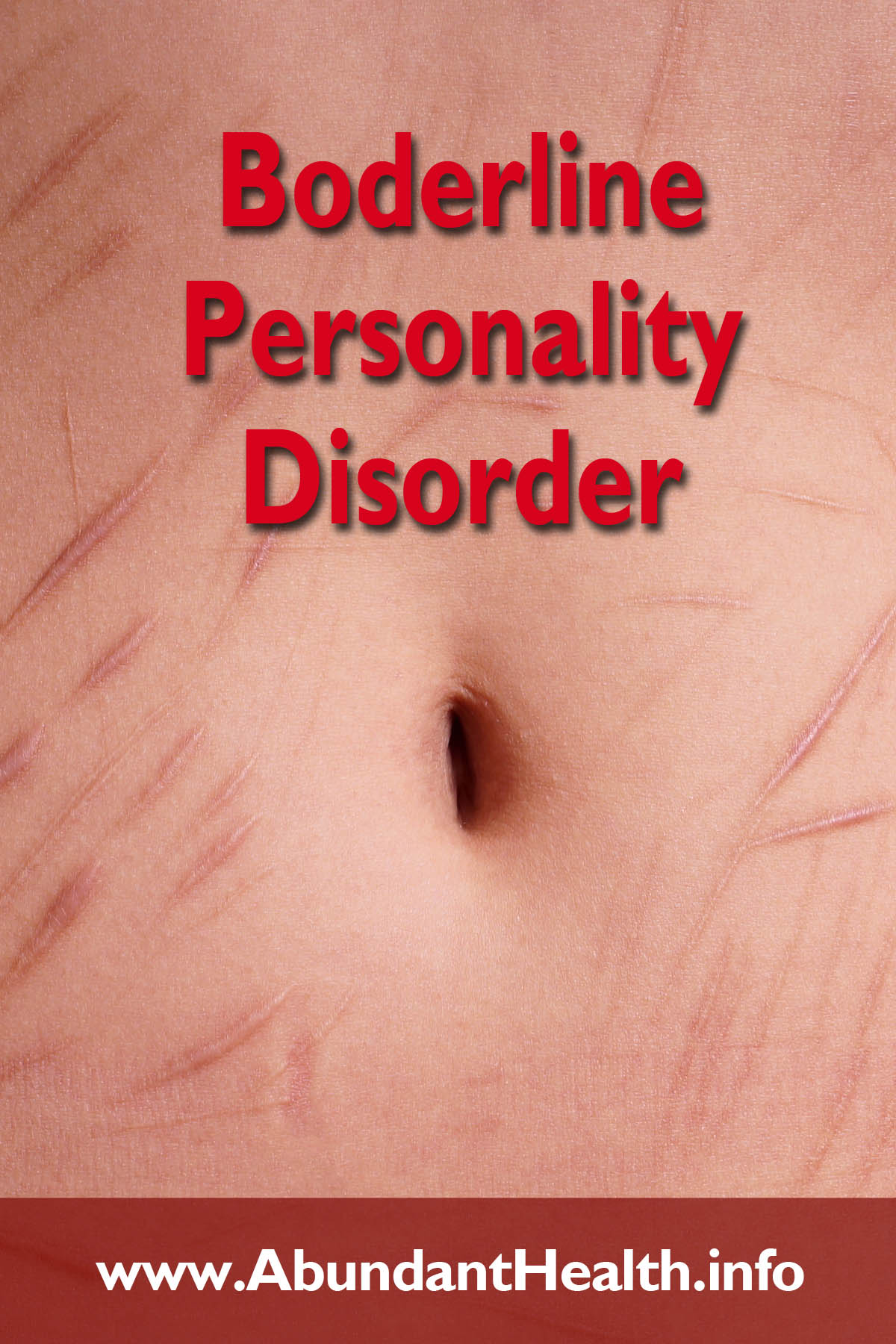
Borderline personality disorder is a serious personality disorder characterized by emotional dysregulation, extreme thinking and chaotic relationships. Those suffering from this mental disorder have various psychiatric symptoms, such as unstable and reactive moods, identity problems, feelings of irreality and depersonalization. There is a tendency towards impulsive and, especially, self-destructive behavior, manipulation, blackmail, suicidal behavior, and chronic feelings of emptiness and boredom.
Borderline Personality Disorder

These people act unpredictably, without worrying about the consequences of their actions, and tend to have bouts of anger. They are often thought of as rebellious, problematic, ingenious and temperamental, but in reality they have a deeper mental disorder than those who just have a difficult temperament. There is an individual with an impulsive personality, in which there is emotional instability and a lack of emotional control, and the borderline type itself, whose characteristics go beyond uncontrolled impulses. The person has an altered self-image, intense and unstable relationships, self-destructive behavior and difficulty creating life goals.

The word borderline comes from the English word for boundary, the demarcation line of a border. The line that separates one area from another. This term was used by Adolph Stern, who in the 1930s described a condition as one that remains on the borderline between neurosis and psychosis.

Borderline personality disorder seriously affects the whole life of the person suffering from it, causing significant damage both to themselves and to other people. These people often need psychotropic medication, such as antidepressants or mood modulators, to avoid intense emotional distress. Symptoms appear more in late adolescence and become more pronounced in early adulthood, usually persisting throughout life unless appropriate interventions are put in place.

The severity of the disorder often diminishes over time. Involvement with drugs, attempted suicide, completed suicide, are all possible outcomes if the person does not undergo proper care and psychiatric and psychological therapy.

The cause of borderline personality disorder is related to a sum of factors, including a traumatic childhood with various forms of abuse in the family of origin, separation from parents, sexual and emotional abuse, as well as a genetic predisposition and alterations or dysfunctions in brain metabolism. On average, 2% of the population suffers from this disorder, 76% of whom are women and 20% of the prison population.

Around 80% of patients with borderline personality disorder report that their parents’ marriage was or is very dysfunctional, with many conflicts. Many patients with this disorder experience neglect, or have experienced it in their past, or continue to experience neglect and physical or sexual abuse within their family of origin, but despite this, around 20 to 25% of people with borderline disorder come from structured families, with no major complications in their families.

A girl being abused by the father and with mouth covered to remain silent

To make an initial assessment as to whether or not the person has this type of disorder, it is important for the doctor to order blood tests to measure TSH levels, to rule out the possibility of a thyroid problem, and a serum calcium test to rule out a possible metabolic disease. A complete blood count is important to check for any systemic infections that could be contributing to the symptoms. Serology to rule out syphilis or HIV infection is also important, as these diseases can affect areas of the brain. In addition, neurological tests such as electroencephalography, computed tomography and magnetic resonance imaging are important to check for brain damage.

Symptoms of Borderline Disorder

Affective Symptoms

The borderliner has marked affective instability due to intense mood reactions. Then they have episodes of dysphoria. Dysphoria is when the person is screaming at one time, and at another time wants total isolation, is very euphoric at one moment, then irritable. They are anxious for a few hours and rarely, at most, for a few days. The person with this disorder also has a lot of anger, hatred and inappropriate rage, which is intense and difficult to control. For example, they show frequent displays of irritation, constant anger, a sense of revenge and sometimes they fight a lot, in the sense of even physical violence towards others.

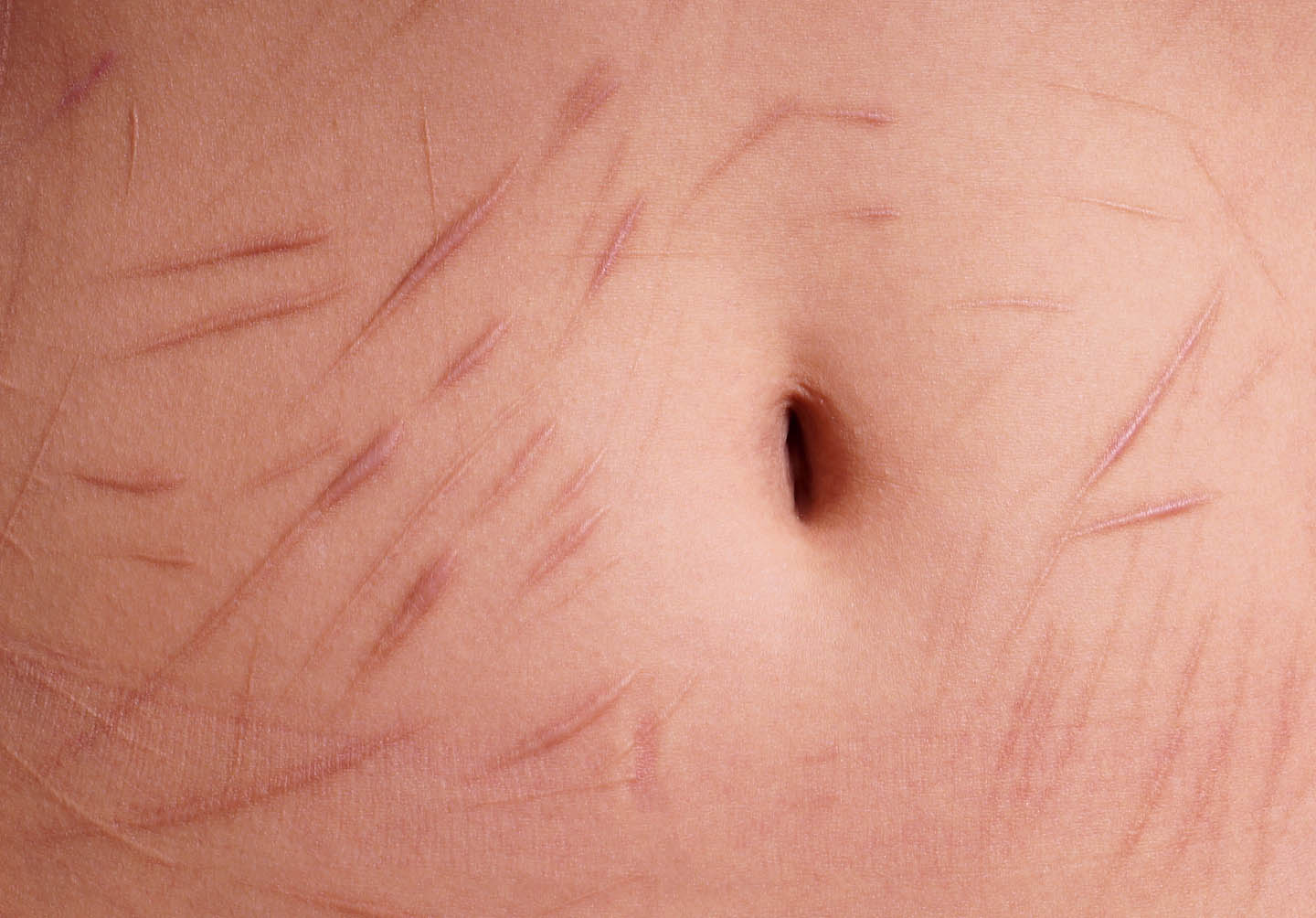
There is also the borderliner, who has chronic feelings of emptiness and boredom in their life. Now, thinking in terms of symptoms linked to impulsivity, they have recurrent suicide attempts or threats and self-mutilation behavior, which is something that is quite common, almost epidemic, among young people; self-mutilation – self-harm, cutting the skin – this happens in this type of personality disorder too.

The individual will have a pattern of very unstable, very intense interpersonal relationships, characterized by extremes of idealization: one moment that person is the queen of my life, the king of my life, and the next, a moment of devaluation, they’re useless, I don’t want them, it’s better to die; feelings of love and hate, good or bad. There is impulsivity, at least in some areas of this person’s life that are harmful to them. For example, they get involved in excessive financial spending, risky sexual behavior, drugs, alcohol, reckless driving and various kinds of compulsions.

A woman with black and white shirt, depicting the ambivalent nature of a borderliner

Interpersonal Symptoms

Now, let’s think about symptoms that occur in the relationship between a person with a borderline disorder and other people they live with. Firstly, they desperately try to avoid abandonment, real or imagined rejection. They have an unstable identity and self-image. Sexual preference fluctuates a lot; tastes and values are very and persistently unstable. Moods fluctuate constantly.

As cognitive symptoms in this person with this disorder, they start to have transient paranoid ideas related to the stress they are experiencing. What is a paranoid idea? They are ideas or suspicions of persecution: “they’re talking about me”, “there’s someone who’s going to disturb me”, and they may have symptoms of dissociation.

Psychopaths, which is an old term for a personality disorder, usually manipulate in order to obtain material or financial goods or things that give them pleasure, while people with borderline disorder manipulate and commit extreme acts in order to obtain support and affection.

These people suffering from borderline personality disorder end up pushing away those they need most. Paradoxically, at the same time as they need affection and companionship, they are capable of pushing them away in cruel and often frightening ways. They are very needy of attention and excessively manipulative, although they never admit it.

Borderlines have deep traits of masochism, of sadism; in general, they are like children in an adult body, not tolerating any limits. They are very emotionally immature, impatient, don’t know how to wait, their rewards must always be pediatric, they can’t tolerate frustration and always tend to blame others for their own failings. This is probably because borderlines have usually been children deprived of a basic need, possibly emotionally neglected at some stage in their psychic life, which in turn has caused deep and indelible marks on their personality. These marks can come from numerous traumatic events, such as parental separation, childhood sexual abuse, physical violence and even the early loss of a loved one.

So, based on this assumption, we can say that the emotional development of the person with borderline disorder has stalled dramatically before reaching the stage of full psychological maturation. In short, they are people who grow and age physically, but emotionally remain selfish and, unfortunately, very problematic children. Borderline individuals can be people who have grown up with a great sense of not having received enough attention, and generally act like angry children, seeking ways to make up for this lack of attention in their relationships; complicated ways that are immature and abnormal.

How to Change?

There are people who are difficult to live with, such as the obsessives, the emotional, the detail-oriented, the perfectionists, the inflexible, the rigid, among others. It’s not uncommon for some people to say, “Wow, what a neurotic person!” when dealing with such complicated individuals. Well, they’re like that because of some mental illness, or they’re like that because they grew up with one or more of these characteristics, which we’ve presented, of being detail-oriented, perfectionists and tragics. We know that there is a space in our mind called the unconscious, a virtual space that leads us to do or say things that can scare us. But the question also arises: do I have an unconscious mind, or am I unconscious? People can be changed, but they can also settle into their way of being and remain the same until they die.

An important questions in this regard might be: Do I want to change? Do I realize that my behavior is something that makes me suffer and makes other people suffer? Do I want to improve my personality traits, which are immature and complicated and cause suffering in the people I live with? It’s very difficult to live with people who answer such questions with arguments like: “That’s the way I am, and that’s the way I have been; it’s worked out well for me so far, why should I change?” Or others say: “I don’t have any difficulties with the way I am, it’s the other people who criticize me.” But the truth is that there is no person who doesn’t need to improve their personality. Emotional maturity is a lifelong goal.

A thoughtful person looking out the window and reflecting on life

Difficult people can change, but they need to want to change themselves because they have stopped denying that they have personality problems. Stopping denying is the first big step towards starting to change. To stop denying is to admit the existence of the problem, and this in turn is basic, and fundamental to finding ways of resolving it.

It’s not easy to change who we are, I admit that; it’s a struggle. We often get complacent and stagnate in the way we are; we want to stay in the comfort zone of our lives, to stay that way because it has worked so far. But if you realize your personal problems, your personality and cultivate the desire to improve who you are, if you work hard enough, some change will occur in your way of being. This is the opposite of remaining stuck in a rigid way of being, of existing as a person causing suffering in others, as well as self-suffering, because the person ends up running away from the truth about themselves, and lives in suffering that they do not need to experience.

In fact, many people have what we scientifically call a personality disorder. They have a very unhealthy ego, above the limitations that we all have in our personality. For some authors, these people are individuals with an abnormal personality, without, however, having a brain injury. It’s a way of being with a very strong tendency to remain that way all their lives, compromising their relationship skills in general. The personality disorder appears early in the person’s development and becomes strongly ingrained in them, making them the way they are.

Thought Patterns

Do you want to know some of the types of thoughts that people with borderline personality disorder have? Some say: “I have to be loved by all the important people in my life all the time, otherwise it means I’m worthless.” You can see how extreme it is, can’t you? Others say: “Some people are great and everything about them is perfect. Other people are completely awful and should be severely censored and punished for it.” It’s a radical way of thinking that these people have.

Another individual with borderline disorder might reason like this: “I hate it when people don’t pay attention to me.” Or they might say: “I have no control over my feelings or the things I do as a result of them.” You want to wash your hands of it, right? Others think: “When I’m alone, I become nobody and nothing.” How radical is that? Still others might think: “I can’t stop the frustration I feel when I need something from someone and I’m not able to receive it.” What do you mean you can’t stop walking around in frustration? But they live it. And others may have this thought: “What have I done to make this person look down on me?” The person may not be looking down on them, but the borderliner interprets it that way.

If someone with a personality disorder makes an effort to analyze their unhealthy tendency to think, feel and relate to others, it will be possible to relax the rigidity of their altered personality trait. This will reduce the suffering for themselves and the people they live with. Then they will learn, when they do this self-analysis, when they are honest with themselves, when they stop denying and admit that they have problems with the way they think and the way they live with people, that they can learn to control aggressive, explosive impulses and discipline their serious distorted thoughts. They will see that they hold unhealthy psychological beliefs about situations in life and relationships. They will be able to reduce unhealthy jealousy by learning that it generates a lot of quarrels. They will be able to be more merciful to themselves and other people regarding spending and other things.

So, when someone with a personality disorder decides to do what they can to improve their behavior, they can get out of this unhealthy state of being and, step by step, become more pleasant, reliable, flexible, affectionate, less dramatic, less hysterical, less aggressive and explosive, less cold and calculating, starting to have just a few traits, perhaps not dominant, of what was previously very rigid and deeply ingrained in their personality.

A man stepping out of a glass door, leaving the reflection of his face behind.

How do you treat a person with a borderline disorder?

There is medication. Various medications can be used for people with borderline personality disorder. Since this disorder is considered to be primarily a psychosocial condition, medication is indicated to treat what they experience, such as anxiety symptoms or depressive symptoms, rather than behavioral changes. Psychotherapy is another basic tool to help people with borderline personality disorder, so that they can learn, through psychoeducation, to better control their impulses, to better understand their behavior. In psychological therapy, they can learn skills they don’t have, such as becoming aware of their distorted thoughts, improving their relationships with people and dealing with frustrations. To learn this, psychotherapy will generally help the person with this disorder to:

  1. Admitting that he has a problem.
  2. Seek and receive help to change, and be actively involved.
  3. Understand and realize that there are distorted thinking patterns in his mind, based on erroneous beliefs that he has developed throughout his life.
  4. Cultivate the concept that you need to accept that perfection is a goal that we can never fully achieve. Accepting this can reduce anxiety, as well as aggression, emotional outbursts and hostility, which hinder pleasant contact with people.
  5. Look at the mistakes you’ve made unintentionally as moments to learn from, rather than belittling and distressing yourself.
  6. Allow yourself to have moments of relaxation, leisure, enjoying something pleasant, and appreciating friendships.

I wish that God would give us all a clear mind to better understand ourselves and those around us. If you live with someone with borderline disorder, it’s important that you are knowledgeable so that you can learn to set limits. If you are the one with borderline disorder, then you have learned here today some steps to get out of it or to minimize and improve it step by step.

Healthy Fruits

Stay Always Up to Date

Sign up to our newsletter and stay always informed with news and tips around your health.

Sign Up Now!

Filed Under: Mental Health

Binge Eating, Anorexia and Bulimia

January 28, 2024 by Dr. Cesar Vasconcellos de Souza - [rt_reading_time label="Reading Time:" postfix="minutes" postfix_singular="minute"]

Anorexia

Today we are going to talk about eating disorders and you might think, “‘But I have nothing to do with it, I don’t suffer from that”. If you do not have this problem, take the opportunity to learn about it and help someone who does. Not much is being said about eating disorders.

Binge Eating, Anorexia and Bulimia

There are three main types: anorexia nervosa, bulimia nervosa and compulsive eating, also known as binge eating. It is estimated that 70 million people in the world suffer from eating disorders. These disorders occur 20 times more often in women than in men, and are rare in men. Anorexia nervosa usually begins in adolescence or young adulthood, while bulimia seems to start a little later. The higher socioeconomic classes, as well as professions such as mannequins and dancers, represent the individuals most at risk of these afflictions.

Scientists estimate that over the course of their lives, between 0.5% and 4% of women will suffer from anorexia nervosa, 1% to 4.2% from bulimia nervosa and 2.5% from binge eating disorder. In anorexia nervosa, 50% of patients make a complete recovery, 30% have a reasonable evolution with periods of improvement and relapse. The mortality rate can vary from 6% to 15%. Of those who die from anorexia, 54% die from physical complications of the illness, 27% from suicide and 19% from unknown causes.

But what is anorexia nervosa anyway? It’s a mental illness characterized by a person’s refusal to maintain a minimum body weight. They have a relentless pursuit of thinness, an intense fear of losing or gaining weight, altered perception of body image, denial about being thin and having problems. They don’t accept help from anyone and insist on feeling fat, even though they are underweight. Girls with anorexia nervosa also experience an interruption of menstruation for at least three months.

The person with anorexia nervosa anxiously tries to please others, but believes that no one will like them because of the character defects they feel they have. They tell lies about the amount of food they eat. The anorexic moves towards severe and dangerous self-induced weight loss. To do this, she fasts for long periods, exercises excessively and gets angry if anyone tells her she’s overdoing it. They use laxatives, diuretics, appetite suppressants and induce vomiting to force their body to lose weight.

A girl with anorexia, being in anguish about eating a single pea

And what is bulimia nervosa? Bulimia is characterized by a feeling of loss of self control in eating. The person has repeated episodes of binge eating a large amount of food, of any kind, for a short period of time, causing guilt, shame and fear of gaining weight. This leads to inappropriate compensatory behaviors, such as inducing vomiting several times a day, uncontrolled use of laxatives, diuretics, appetite suppressants and other medications. They also fast or exercise excessively. Some bulimics eat, vomit, use laxatives, diuretics, enemas and others fast and exercise excessively.

The third type of eating disorder is compulsive eating, also called binge eating disorder. It is an eating disorder characterized by recurrent episodes of compulsive eating, in which the person eats quickly until they are overly full, consuming large quantities of food, even though they are not hungry. They usually eat alone because they are ashamed of the amount of food they eat. The person feels guilty, depressed and ashamed after eating a large amount of food. They usually feel uncomfortable with their compulsive eating and struggle with it.

The first sign that distinguishes anorexia nervosa from bulimia nervosa is body weight. Around 70% of people with bulimia tend to be of normal weight, and 15% are moderately overweight, so they don’t suffer from the absence of food. The central point in eating disorders is not food itself, but deep emotional pain. What determines these disorders is the state of mind.

Young people with anorexia, when they look in the mirror, don’t see themselves as thin and perceive themselves as fat, even though they are dangerously underweight, i.e. they have an altered body image. At the root of this is a significant lack of self-esteem, self-disgust and panic about getting fat. This can start with a simple diet that the person decides to go on, turning into an obsession that takes over their life; when losing weight becomes an obsession and a compulsion. Just to remind you, obsession is the thought that won’t leave your head, compulsion is the act of doing, the uncontrolled attitude. Thinking too much is obsession, and doing something without control is compulsion. Compulsion is a quest to avoid emotional pain, which can be sadness, anguish, a feeling of lovelessness, fear of rejection and other sensations.

People with eating disorders generally suffer from perfectionism and an obsessive-compulsive personality structure. They worry too much about how others see them. Although they may be intelligent people with a successful career, they see themselves as inadequate and worthless. The obsession around food may be a way for the individual to try to exert some control, as they generally feel they have no control over their personal life.

Some people with anorexia nervosa feel powerful when they step on the scale and see that they’ve lost another pound, even though they’re already very thin. It’s as if they’re saying: “You see, I have something in my life that I can control, I know how to control my life.” In her family, people are usually rigid, controlling, demanding, super methodical, where the person with the eating disorder is judged by what they can do and not by what they are. This family model seems to have everything planned, everything controlled, to the detriment of personal freedom. As a result, the only thing the individual feels they can control is their mouth. It is through this that the anorexic or bulimic person believes they can gain some control and make decisions for themselves.

The psychiatrist will assess whether the problem the person has is really an eating disorder and whether it occurs at the same time, which we call comorbidity. Comorbidity, in medicine, means one illness together with another. In the case of eating disorders, 30% of people also have obsessive-compulsive disorder. Between 12% and 18% of those with anorexia nervosa and between 30% and 70% of those with bulimia have substance abuse, such as alcohol, marijuana and other drugs. Depression occurs in 80% of cases, and personality disorders affect between 20% and 97% of people with eating disorders.

A woman eating secretly behind some blinds and being also addicted to alcohol

Culture and the media unfortunately contribute to these disorders. Studies carried out in Fiji in 1995 revealed that the ideal female body was chubby and round. After 38 months of an American sitcom, as well as other TV shows, there was a change in the ideal female body model in that Fijian society, with many cases of teenage girls with serious eating disorders. A study by Health magazine showed that 32% of American women who appear on TV are underweight, compared to only 5% of the female population in the United States. In addition, only 3% of women who appear on TV are obese, compared to 25% of regular US women.

When we try to understand what happens in the emotional world of people who develop eating disorders, by trying to understand the psychological meaning of these sufferings, we usually find that, for some of these people, the eating disorder has become a way of unconsciously trying to succeed in life. When difficulties or seemingly unsolvable problems arise, by focusing their thoughts on food and eating or not eating, they block out painful feelings. This is because they believe and feel that they are incapable of dealing with painful feelings in an adapted, functional, normal, balanced way.

In some people, the eating disorder represents an escape process, in other words, a way of avoiding the consequences and everything that goes into growing from an adolescent into a mature adult. For the person, at first, anorexia, bulimia or binge eating seems to be the solution to all their problems; in other words, a way of controlling events. But what ends up happening is that the eating disorder acquires control over all aspects of the person’s life. This is because the eating disorder is a dysfunctional, unhealthy way for the person to deal with their conflicts, but it is what they have achieved so far.

We can understand why she is ambivalent about treatment. Being ambivalent means wanting and not wanting, liking and disliking, accepting and rejecting. These people generally become ambivalent about eating disorder treatment because, on the one hand, the illness is their way of dealing with the pains of life, it’s a defense, and on the other hand, they want to get better, but they fear the consequences of abandoning the disorder.

A teenager in a mirror room looking at her multiple images

At the Psychiatry Institute of the Hospital das Clínicas of the USP Medical School, at the University of São Paulo, they provide a treatment service for people suffering from eating disorders. According to the team, there is no single cause responsible for these health problems. It is believed that there are multiple factors, involving biological, genetic, psychological, socio-cultural and family components. Some factors trigger eating disorders, such as important life changes like adolescence, moving away from home, graduation, starting university, starting a new job, death, divorce, marriage, family problems, among others.

However, these disorders don’t necessarily start with something dramatic. Some people are predisposed and more vulnerable to becoming ill, and a simple comment from someone about their body image can lead them to take it seriously and start obsessing about it. Triggering factors catch up with the fragile person who feels unable to cope well with the situation.

Treatment for anorexia nervosa, bulimia nervosa or binge eating needs to be done with the person’s agreement. The obstacles we encounter have to do with denial of the illness, excessive fear of becoming fat and losing control, fear of abandoning the disorder that they feel is part of their identity. Professional counseling is needed, where the psychologist will help the sufferer deal with their emotions and gain control of their body and their life again.

In therapy, the person will learn to focus their thoughts away from food and their body weight and onto their feelings, so that they can deal with them in a healthy way. Because these feelings, buried, repressed, poorly elaborated, unexpressed, not experienced or partially experienced and then thrown into the unconscious, are the psychological basis of this type of mental suffering.

Very important in the treatment of eating disorders is family counseling, because this allows each member of the family to understand the problem and establish a better relationship between each other and, of course, with the person suffering from the disorder. Hospitalization is indicated if body weight is 40% or more below normal or weight loss of around 33 pounds (15 kg) or more within 3 months. If you know somebody with this disorder, try to help. Tell them that they have a serious problem. They will deny it, because these are diseases of denial and secrecy, but gently, firmly and persistently insist that they recognize the illness and accept treatment. They won’t admit it easily.

Avoid talking about their bad eating habits and instead, talk about how they might be feeling unhappy and the possible causes of this. Focus the conversation on how things can be changed. Explain that the obsession with food, exercise and body weight doesn’t need to continue, and that it’s a real problem. A person with anorexia or bulimia is unlikely to overcome the illness on their own, without help. They need outside help. Recovery involves admitting the illness, asking for help, being willing to be vulnerable and opening up to people who can help.

Healthy Fruits

Stay Always Up to Date

Sign up to our newsletter and stay always informed with news and tips around your health.

Sign Up Now!

Filed Under: Addictions, Mental Health, Temperance Tagged With: eating disorders

Give up Illusions and Dreams

December 31, 2023 by Dr. Cesar Vasconcellos de Souza - [rt_reading_time label="Reading Time:" postfix="minutes" postfix_singular="minute"]

Give up Illusions and Dreams

Today we are going to examine the consequences of our illusions. Often, we find it difficult to accept reality because of our aspirations. Even if we have healthy and ethical desires, we don’t always achieve many of them in this life. In addition, we often have to give up pursuing these desires, even if they are good ones, for various reasons. It is not without reason that Jesus Christ said that those who want to follow him and serve him must die to self, take up their cross, lose their lives, and this, one day at a time.

Give up Illusions and Dreams

Jesus explained:

Whoever loses his life for my sake will find it.

Matthew 16:25

Losing your life can mean giving up the pursuit of some dream, so that God’s will be done in your life, and this is not easy for anyone. However, in surrendering our desire, when you understand what God really wants from you, it becomes possible to liberate our self to pursue a life of service that gives meaning to our existence.

Much of the anxiety, sadness, anger, and frustration at unfulfilled desires can be alleviated when we die to self, to our desires, leaving the consequences in the hands of the Creator of the universe. It is a paradox that you die in order to live. Nature teaches us that the seed needs to be buried in the earth in order to grow into a mature plant that produces fruit.

Pflanzen - Energie für unser Leben

Many of our mental sufferings can be rooted in illusions, desires, and attachments. God never requires anything from us without giving us something better in return, even if it involves a loss of material goods, fame, or social power. Living on illusions and desires can hold us back. Giving up our own desires for God’s sake brings relief. This doesn’t mean that we’ll be left empty-handed and have a sad or mediocre life. On the contrary, we become enthusiastic when we surrender to God. Did you know that the meaning of the word enthusiasm is to be full of God? Enthusiasm means being filled with God.

Jesus’ recommendation in the Gospels, in this context of our dreams and personal desires, is to die to self, to live with joy and unselfish attitudes produced by the influence of the Holy Spirit. People who are very controlling live in the illusion of control. This produces a lot of stress because so many things are beyond our control. But thinking we do, we continue in the illusion, wearing ourselves out needlessly.

For example, we can’t control people’s attitudes, what they think, what they feel, what they do. People will do what they want, not what we want, because we have no control over them. The more you try to control someone, the more tension and stress will arise within yourself and in that relationship that you actuate, craving control.

A man trying to control another person

The most corrupt people live under the illusion that acquiring material goods in an illicit way will make them happy. It is an illusion to seek happiness in deceit and fraud. It is impossible to obtain inner peace in this way. You can even acquire considerable social and economic power, but I’ve treated numerous famous, wealthy people who have become depressed, addicted to drugs, suffering from difficult to treat insomnia, exaggerated fears, excessive anxiety, and some have even committed suicide, because they lived in the illusion of happiness based on material wealth, fame and social power.

When we see that control is an illusion, we can finally let go and surrender to God and let Him control our lives. This is the path to relief, serenity and mental health. And it’s not a passive attitude of doing nothing and crossing our arms. There will be plenty to be done, just now under the influence of God’s Spirit and no longer under the control of a complicated self.

Some of us, sincerely and unconsciously, try to fill a sense of loneliness and emptiness that we feel even with many people around us, through the illusion of solving it with something outside of ourselves, be it material wealth or a romantic passion, for example. It’s not uncommon for people to become compulsive shoppers, addicted to drugs, alcohol, sex, passion, the acquisition of social, economic and political power, addicted to food, to gambling, in an unconscious attempt, most of the time, to fill this mental void.

However, there is only one effective way for our lives to have meaning, producing serenity and noble purpose: it is the search for spiritual strength, the daily victory over our character defects, and the search for an attitude of service without conflicts of interest. Think about it and avoid looking in places, in people, in philosophies, ideologies, and objects to find peace and meaning in life, which is only found in goodness, justice, and truth.

Helping a man getting out of the car with a walker

The way out of our deep emotional pain, emptiness, and spiritual need does not lie in economic power, in the illusion of control over others and reality, or in drugs. It doesn’t lie in acquiring fame or any kind of power, except spiritual power, which is obtained as Jesus Christ said, by surrendering everything to Him, dying to self, losing your life in gratitude and love for what He has done, and does for those who believe in Him and surrender to Jesus unconditionally.

Give up the illusion of control; place that burden on God, the Creator of the universe. Let Him fulfill your dreams in the way, manner, and time that He sees fit. You can’t have mental maturity without spiritual health. Pray to God, the Creator of the universe, open your heart to Him, and search the Holy Scriptures for the truth, for the way God indicates how you can have goodness, justice and truth within you, which is a healing process, a miraculous divine therapy that comes to us from above. We can’t produce this in ourselves. May God help us to surrender to Him one day at a time, in the faith that by doing so, He will take over our lives, and then we will have enthusiasm, being filled with God.

Healthy Fruits

Stay Always Up to Date

Sign up to our newsletter and stay always informed with news and tips around your health.

Sign Up Now!

Filed Under: Mental Health, Trust, Uncategorized Tagged With: surrender

The Problems of Cell Phone Abuse

December 3, 2023 by Dr. Cesar Vasconcellos de Souza - [rt_reading_time label="Reading Time:" postfix="minutes" postfix_singular="minute"]

Cell Phone Abuse

On January 17, 2020, the famous American newspaper New York Times published an article in which the author claimed that parents shouldn’t worry about how much time their children spend using technology, such as cell phones, tablets and computers.((Popper N. Panicking About Your Kids’ Phones? New Research Says Don’t. The New York Times, Jan. 17, 2020)) That’s because, at least according to some experts, too much screen time is not related to their health and well-being. Really?

The Problems of Cell Phone Abuse

The other day, I was reading a quote by someone who said that often the only thing that’s true in a newspaper is the date. Let’s take a look at this to see if it really makes sense, which was published in the New York Times, being evaluated by Dr. Jean Twenge, who is a professor of psychology at San Diego State University in California, United States, and author of a book called “iGen: Why Today’s Super-Connected Kids Are Growing Up Less Rebellious, More Tolerant, Less Happy – and Completely Unprepared for Adulthood.” ((Twenge J. Why Today’s Super-Connected Kids Are Growing Up Less Rebellious, More Tolerant, Less Happy – and Completely Unprepared for Adulthood. Atria Books)) This new book is the fruit of research based on surveys and interviews involving 11 million young people and offers us a reflection on today’s growing generation of teenagers and young adults, born in the mid-1990s through to 2012.

The title of the book, “iGen”, has the letter “i” at the beginning, meaning internet. This university professor analyzes the millions of young people who grew up with cell phones and social media accounts before they have started high school. So, the New York Times published that parents shouldn’t worry about how much time their children spend using technology, such as cell phones, tablets, and computers, because, at least according to some experts, too much screen time is not related to the health and well-being of these children and young people.

Do you think this information is correct or do you find it difficult to accept? If you find it hard to believe, you’re right. Several statements by the author of that famous newspaper article are wrong, deceptive or both. Let’s take a look at statements he made that contain shameful errors, according to Dr. Jean Twenge.

Firstly, the article makes a gross misrepresentation about the research consensus on the use of technology and mental health. The author implies that the majority of researchers have concluded that the use of technology is not related to mental health. But that’s not the case. His article in the New York Times failed to mention many medical journal articles that have found substantial links between technology use and mental health. These studies were published in the Journal of Psychiatry of the American Medical Association, the Journal of Pediatrics of the American Medical Association, the Lancet, Journal of Clinical Medicine and the Lancet, Journal of Child and Adolescent Health.

A sign saying: Please destroy cell phones before entering

Dr. Jean, from San Diego State University, the author of this report I’m presenting to you, says that the New York Times didn’t even mention the best studies drawn from medical journals, and what’s even more intriguing, is that she had provided the reporter with a detailed list. Secondly, the newspaper article also misrepresents a recent review of studies on time spent with electronics and mental health. The author mentioned that the link between social media use and depressive symptoms is between 0.11 and 0.17, concluding that these are small effects. Dr. Jean refutes this, saying that the results of young people’s excessive exposure to social media are not harmless, and in fact are not small.

She cites important research carried out by the US Centers for Disease Control (CDC) with high school students, which found that twice as many heavy users of electronic devices, those who spend five or more hours a day accessing the internet, compared to light users who spend one hour a day, attempt suicide. In percentages, this means 12% of suicides among heavy internet users versus 6% among light users. Twice as many heavy smartphone users have a low level of well-being. Twice as many internet users are unhappy, and twice as many women who overuse social media are depressed. This is not small, as the New York Times article stated.

The New York Times article quotes experts who, without plausible evidence, dismiss the possibility that the rise of social media and smartphones could be behind the sharp increase in depression, self-harm and suicide in teenagers in recent years. Dr. Jean comments that 2013 was the first year that the majority of Americans owned a smartphone. In 2018, 95% of teenagers had access to a smartphone, and 45% said they were online almost constantly. The period after 2012 is also when social media use went from optional to virtually mandatory among teenagers, and the biggest increases in self-harm, poisoning and suicide occurred among girls aged 10 to 14.

However, the use of technology differs by gender. Girls spend more time on social networks, which can be more toxic than the games that are more popular with boys. The links between technology time and well-being are also stronger among girls than boys. Therefore, if technology is playing a role in the increase in adolescent mental health problems, the increases should be greater among girls, and they are, as Dr. Jean comments in her research.

A girl in front of the computer, worrying about here image on social media.

In the New York Times article, it was stated that the researchers who claim that the use of technology is not related to well-being and mental health have not received any funding from the tech industry. They said that. However, Dr. Jean said that one of the researchers is an employee of the Oxford Internet Institute, which is funded by Facebook, Google and Microsoft. Another researcher was also, until some time ago, linked to the institution.

So the role of parents in controlling their children’s use of electronics is crucial for the well-being of children and young people, for social, educational and even spiritual performance. According to Dr. Jean, parents should limit their children’s use of technology to around 2 hours a day, avoiding use at bedtime. Difficult, right? She explains that parents can be sure that their instincts to protect their children from too much screen time are correct.

She makes a comparison, saying that if children who ate five apples a day instead of just one were twice as likely to attempt suicide, parents would make sure their children didn’t eat too many apples. Why should our response to technology time be any different, right? Think about it. Protect yourself and especially your children from excessive internet use, whether on cell phones or social networks. This is important for your mental health and theirs.

Healthy Fruits

Stay Always Up to Date

Sign up to our newsletter and stay always informed with news and tips around your health.

Sign Up Now!

Filed Under: Addictions, Depression, Mental Health Tagged With: internet addiction, social media

10 Tips for Sleeping Well Without Medicine

October 8, 2023 by Dr. Cesar Vasconcellos de Souza - [rt_reading_time label="Reading Time:" postfix="minutes" postfix_singular="minute"]

10 Tips for Sleeping Well Without Medicine

Do you sleep well? Do you wake up rested? Do you have insomnia? Is sleep really important for our mental health? Let’s think for a moment about some important issues in relation to sleep.

10 Tips for Sleeping Well Without Medicine

Levels of cortisol, the hormone produced by the adrenal glands, are highest in the morning because it is important for our body to function during the day. When night comes, cortisol levels drop so that we can rest. And, opposed to cortisol, at the end of the day, when it gets dark, if the person remains in a dark environment when sleeping, the production of a neurohormone increases, which is melatonin.

Sleep is essential for proper rest of mind and body. Melatonin, then produced by the pineal gland in our brain, plays a fundamental role during sleep. Serotonin and melatonin alike are produced from an amino acid called tryptophan, obtained from foods such as nuts, legumes, bananas, brown rice, potatoes, beans, lentils, nuts, avocados, soybeans, and derivatives. Tryptophan is transformed into serotonin, and this turns into melatonin.

The concentration of serotonin is increased during the day in the pineal gland while there is light, contrary to what occurs with melatonin. When light enters our eyes and travels towards our retina, which is the back of the eyeball, the optic nerve and its connections carry this information to the pineal gland, inhibiting the production of melatonin. The peak of melatonin production occurs between two and three o’clock in the morning, with a normal lifestyle and a dark environment. The less melatonin there is, the worse your sleep will be, and consequently the more tired you will be.

Melatonin is an antioxidant, capable of crossing the blood brain barrier, being able to perform functions in brain cells, called neurons. As melatonin levels drop, there may be a simultaneous decline in brain function. Sleep disorders can also be one of the effects of decreased melatonin. As we age, the pineal gland starts to function less and there is a drop in melatonin production. This ends up causing some elderly patients to complain about their sleep quality or insomnia. However, they may easily fall asleep when they shouldn’t during the day, for example while watching TV.

A senior falling asleep in front of the TV

Sleep is produced by specific brain activities. Certain bodily functions change during sleep. Blood pressure and heart rate decrease, growth hormone is secreted in stage 4 Sleep, called non-REM. Body temperature in the later stages of sleep also drops. Sleep is divided into two categories: REM (Rapid Eye Movement) sleep, and non-REM sleep. This non-REM sleep is classified into four phases. The majority of dreams occur during REM sleep and correspond to between 20% and 25% of total sleep.

Sleep specialists at Oxford University reported a study in which they chose four volunteers who tend to sleep deeply. They were hooked up to devices that track sleep quite accurately. They slept for 8 hours straight on the first three nights, when they didn’t have to go through any kind of interruption in that experiment. Over the next three nights, they slept only 4 hours, as their sleep was interrupted by the study team. The scientists filled out a questionnaire each day to identify any emotional changes and recorded daily videos of these participants in the scientific experiment.

Do you know the result? It was found that there was an increase in anxiety, depression and stress. There was also an increase in paranoia and a feeling of distrust towards other people. The scientists were amazed that after just three nights of sleep deprivation these symptoms appeared. Three of the four volunteers found the experience to be unpleasant, but one participant said he was unaffected and felt fine. However, in the questionnaires it was found that positive feelings decreased significantly after two nights of interrupted sleep, while negative feelings began to increase. In other words, although he said he was feeling well, there were signs that his mental health was beginning to suffer by having his sleep interrupted on three nights.

An irritated woman

The research, considered the largest controlled study of psychological treatment for mental health, strongly suggests that insomnia can cause mental health problems, rather than insomnia simply being a consequence. Daniel Freeman, Professor of Clinical Psychology at Oxford University, who led the study, believes that one of the reasons sleep deprivation is so harmful to our brains is because it encourages repetitive negative thinking. He said: “We have more negative thoughts when we are sleep deprived, and what’s more, we get caught up in them.” He did not state, however, that a few nights of poor sleep mean that the person will develop a mental illness, but that the risk, in fact, increases. Sleeping well protects your mental health.

Do you want some tips to sleep better? So first, get just enough sleep to feel good. Staying in bed longer than necessary can lead to superficial sleep the following night. Second, avoid coffee, black tea, Cola soft drinks, and chocolate, as caffeine impairs sleep. What’s more: stop smoking, as nicotine can have a stimulating effect and disturb your sleep. Exercise daily, as it promotes muscle relaxation and contributes to better quality sleep. Seek treatment for sinusitis, rhinitis and asthma, as they can disrupt sleep, causing many nighttime wake ups. Another point that helps you sleep better is maintaining regular times for going to bed and getting up, as this helps maintain the regularity of your biological rhythm.

Avoid heavy meals at night. It is best to have your last meal two hours before going to bed. It is also important to avoid watching TV in the bedroom. I know a lot of people do it, but it’s best to avoid it. Sounds, light and temperature can interfere with sleep quality. Your body needs a pleasant temperature, quiet and dark environment for good sleep. The best time to produce restful sleep is between nine in the evening and six in the morning. And one last thing: only use sleeping pills under medical advice. I hope you have a good sleep today!

Healthy Fruits

Stay Always Up to Date

Sign up to our newsletter and stay always informed with news and tips around your health.

Sign Up Now!

Filed Under: Healthy Lifestyle, Mental Health, Sleep

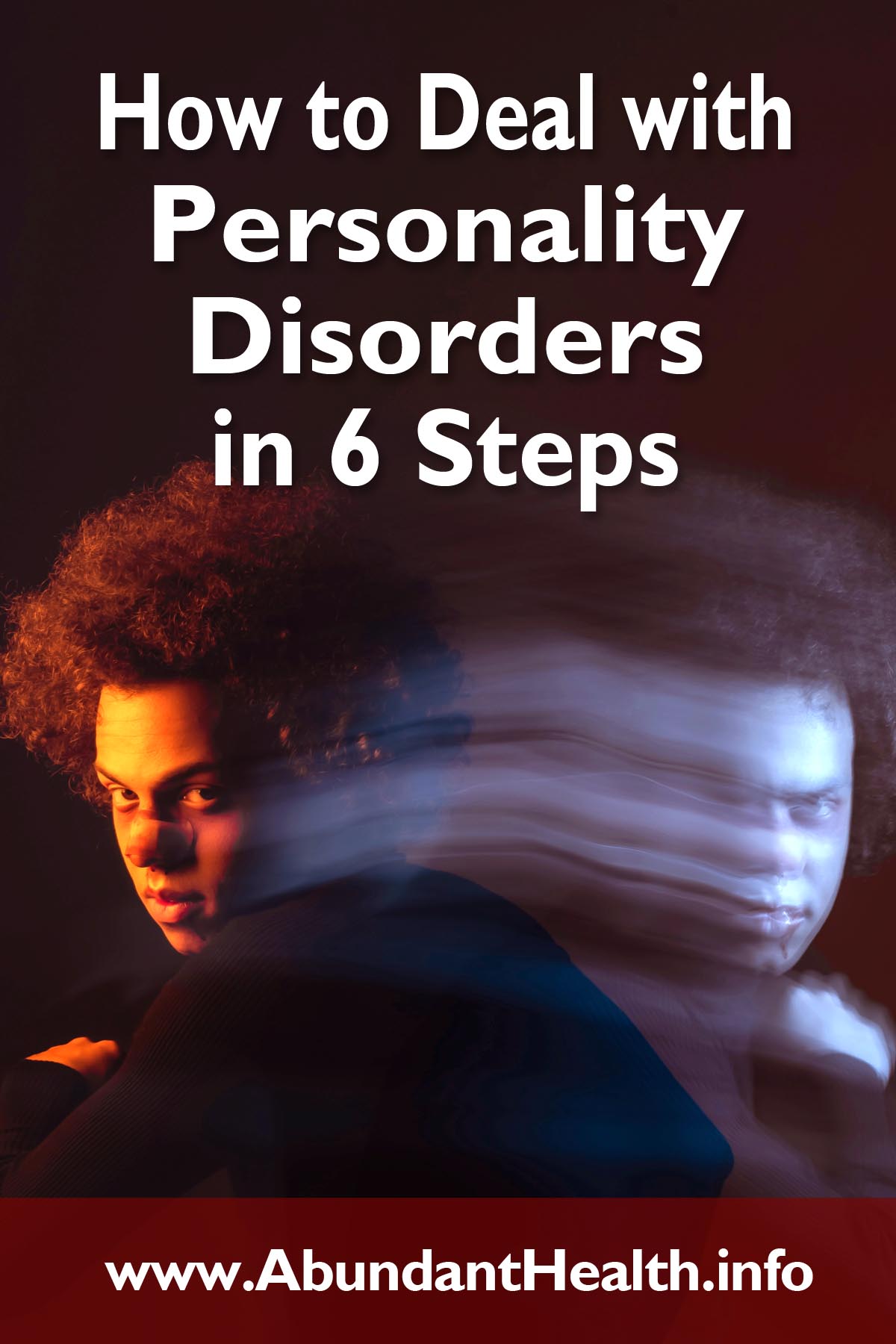
How to Deal with Personality Disorders in 6 Steps

August 13, 2023 by Dr. Cesar Vasconcellos de Souza - [rt_reading_time label="Reading Time:" postfix="minutes" postfix_singular="minute"]

Do you know people who have difficulties relating to each other in a healthy way? It is possible that this is a disorder, but it is possible to change, if the person desires. In order to change, he needs to stop denying that he has a personality problem. Stopping denial is the first big step towards change. To stop denying is to admit the existence of the problem, and this, in turn, is basic to find a solution.

How to Deal with Personality Disorders in 6 Steps

Many people present what we scientifically call a personality disorder, such as schizoaffective, schizotypal and others. They have an unhealthy ego above the limitations we all have in the way we are. For some authors, these people are individuals with an abnormal personality, without apparently showing brain injury. It is a way of being with a strong tendency to remain that way throughout life, and which compromises the performance of the person in their general relationships.

The personality disorder appears early in the person’s development, becoming deeply entrenched in him, making him develop strong personality traits. Those who suffer from this, present the exaggeration in some character traits that we all possess, only in a smaller dose. You may be prone to dramatization, jealousy, anxiety, melancholy, perfectionism. But it doesn’t have to dominate your life or your relationships.

In the individual with personality disorder, he is rigidly possessed by one of these characteristics, disturbing his relationship with himself and with other people, producing suffering for a long time, and perhaps for a lifetime if he does not seek help and if he does not strive to do something to improve his way of being.

If someone with a personality disorder makes an effort to analyze their unhealthy tendency to think, feel, and relate, it will make it possible to loosen the rigidity of their altered personality traits. This will reduce the suffering for the person and for those who live with him. You will learn to control your aggressive and explosive impulses, you will be able to discipline your distorted thoughts, you will be able to perceive your unhealthy beliefs about life situations and relationships, you will be able to reduce unhealthy jealousy that generates fights, you will be able to be more merciful with yourself and with others regarding expenses, among other changes.

A person reflecting on his attitudes

The World Health Organization (WHO) defines personality disorders this way: “These types of condition encompass permanent and deeply ingrained behavior patterns in the being, which manifest themselves as inflexible responses to a series of personal and social situations. They represent extreme or significant deviations from the way an average individual in a given culture perceives, thinks, feels, and particularly relates to others.”

Some steps for a person diagnosed with personality disorder to improve their mental health:

  1. Admit you have a problem.
  2. Decide to seek and accept help for a positive change.
  3. Understand and realize that there are distorted ways of thinking in your mind, based on erroneous beliefs developed in life; there is alteration of normal affective expression.
  4. Accept the mistakes in the current diet and correct them, because it helps to decrease anxiety and aggressiveness, emotional outburst, hostility, possible emotional coldness, which impair pleasant contact with people.
  5. Turn to spiritual help, such as meditation on biblical texts, prayer, socializing with friends who are spiritual people, committed to their religion and not extremists.
  6. Continue with specialized professional care.

We don’t need to get stuck in behaviors and habits acquired for many years. It is possible to change. Take a step in the right direction today!

Healthy Fruits

Stay Always Up to Date

Sign up to our newsletter and stay always informed with news and tips around your health.

Sign Up Now!

Filed Under: Mental Health Tagged With: Personality Disorders

Next Page »

Primary Sidebar

Social Channels

Coronavirus Immunity Challenge

Boost your immune system to be bullet-proof for the pandemic.

I Want to Participate

Recent Posts

  • 5 Habits to Live Longer
  • Better Sleep Can Protect Against Dementia
  • Finding Peace In Your Crazy-Busy World
  • Flaxseed – An Ancient Plant Rediscovered
  • Platelets – Triggers for Life or Death
  • Boderline Personality Disorder
  • In Praise of Almonds and Nuts
  • Are You Stuck in the Clutter Trap?

Categories

  • Body Systems (16)
    • Cell Function (2)
    • Circulatory System (1)
    • Digestive Tract (10)
    • Immune System (4)
  • Diseases (27)
    • Cancer (2)
    • Cold (1)
    • COVID-19 (11)
    • Dementia (1)
    • Diabetes (1)
    • Digestive Diseases (2)
    • Heart Disease (2)
    • Kidneys (1)
    • Metabolic Syndrome (2)
    • Skin (1)
  • Healthy Lifestyle (42)
    • Exercise (11)
    • Gardening (2)
    • Sleep (7)
    • Sunlight (2)
    • Temperance (14)
    • Water (4)
  • Mental Health (87)
    • Addictions (6)
    • Anxiety (7)
    • Burnout (1)
    • Depression (7)
    • Psychosomatic Diseases (6)
    • Stress Management (45)
    • Trust (6)
  • Nutrition (56)
  • Obesity (9)
  • Phases of Life (14)
    • Adults (3)
    • Babies and Infants (1)
    • Children (3)
    • Seniors (5)
    • Teenagers (3)
  • Therapies (7)
    • Herbs (5)
    • Hydrotherapy (1)
  • Uncategorized (3)

Archives

  • January 2025 (1)
  • March 2024 (5)
  • February 2024 (4)
  • January 2024 (4)
  • December 2023 (5)
  • November 2023 (4)
  • October 2023 (5)
  • September 2023 (4)
  • August 2023 (3)
  • July 2023 (2)
  • June 2023 (4)
  • May 2023 (4)
  • April 2023 (5)
  • March 2023 (4)
  • February 2023 (4)
  • January 2023 (4)
  • December 2022 (4)
  • November 2022 (4)
  • October 2022 (5)
  • September 2022 (4)
  • August 2022 (4)
  • July 2022 (5)
  • June 2022 (4)
  • May 2022 (5)
  • April 2022 (4)
  • March 2022 (4)
  • February 2022 (4)
  • January 2022 (5)
  • December 2021 (3)
  • November 2021 (4)
  • October 2021 (6)
  • September 2021 (4)
  • August 2021 (4)
  • July 2021 (5)
  • June 2021 (4)
  • May 2021 (3)
  • April 2021 (5)
  • March 2021 (4)
  • February 2021 (4)
  • January 2021 (5)
  • December 2020 (3)
  • November 2020 (4)
  • October 2020 (5)
  • September 2020 (5)
  • August 2020 (3)
  • July 2020 (1)
  • June 2020 (1)
  • May 2020 (1)
  • April 2020 (1)
  • March 2020 (1)

Copyright © 2026 · Abundant Health - Privacy Policy - Medical Disclaimer