Abundant Health

Up to date health information tailored for you

  • Home
  • Blog
  • Recipes
  • Shop
  • Contact
You are here: Home / Archives for Self esteem

Self esteem

A Secret for Boosting Your Self Esteem

May 21, 2023 by Dr. Cesar Vasconcellos de Souza - [rt_reading_time label="Reading Time:" postfix="minutes" postfix_singular="minute"]

Self Esteem

Do you like yourself? Is it possible to like ourselves, even if we have character defects, as we all do? Is there any difference between how society conceptualizes self-esteem and how God our creator defines it?
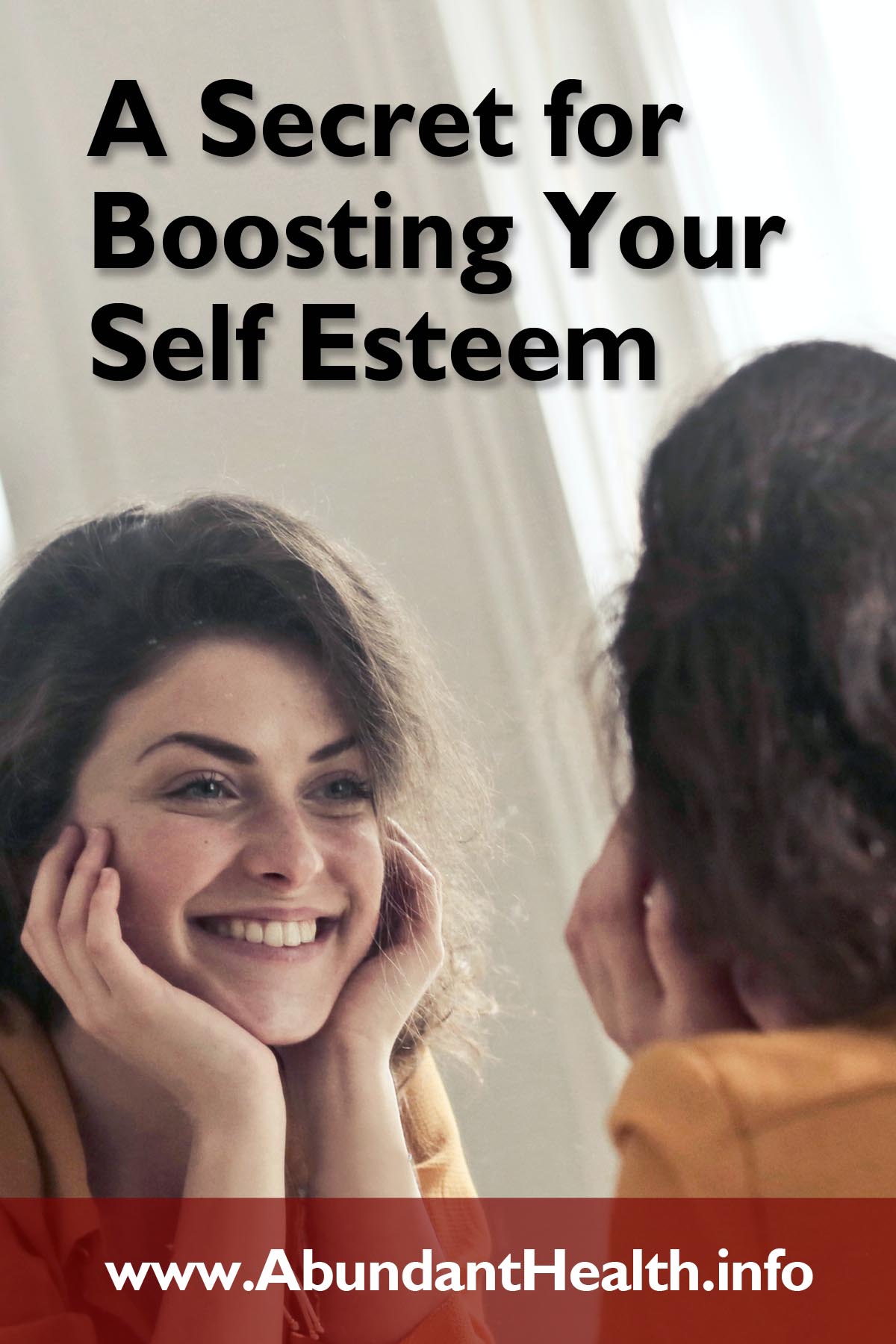
A Secret for Boosting Your Self Esteem

I came across a good article by the journalist Emanuelle Sales, entitled: The Different Way God Treats Self-Esteem.

In addition to being a journalist, she is the creator of a blog and author of books such as: “Mirror, Mirror, Now the Mirror is God”, as well as the book “Image and Likeness” and “Daughter of the King”. I now bring you insights from her text and my own thoughts on the subject of self-esteem. Between 2005 and 2007 I studied and worked in a Lifestyle Center in Wildwood, GA, when I changed my concept of self-esteem, living with a couple of scientists, Dr. Bernell Baldwin, Ph.D. in Neurophysiology from George Washington University, and his wife, author Marjorie Baldwin, a physician specializing in the digestive tract and nutrition. Both had been professors at Loma Linda University School of Medicine in California.

I often had lunch with them in the cafeteria of that institution, where I learned, among other things, a new concept about self-esteem. As Christian scientists, they based their ideas about self-esteem on biblical teachings. And one of them commented to me about how he can have self-esteem if we look at our spiritual contamination.

I kept thinking about this as I began to understand that I would need to change my concept of self-esteem. But what is self-esteem anyways? One of the definitions may be: Self-esteem means a value we give to ourselves and has to do with our ability to love ourselves. Self-esteem relates to self-respect, self-acceptance, and self-knowledge.

A person can have good or bad self-esteem. You can have high, low or normal self-esteem. When you keep putting yourself down, disrespecting yourself, and rejecting yourself, then your self-esteem is low. On the other hand, exalting oneself is not synonymous with good self-esteem. It can be the result of insecurity, pride, or arrogance.

A man with an arrogant look

Part of developing good self-esteem is self-understanding. When we improve our self-awareness, we can become more humble, because we see that we have strengths and weaknesses and that we are not better than anyone else. Emanuelle cites in her article a survey conducted by photographers Viola Gaskell and Alisson Luntz, who asked the following question: What makes you feel beautiful? They asked the question to people passing through the streets of Seattle and New York. The survey was part of a project called: What Makes Me Feel Beautiful? created for Ebay’s fashion and style blog.

The two photographers heard testimonials such as people saying: The only thing that makes me feel beautiful is my body and my heels. A girl always feels beautiful with her curves and high heels. Another person said: my smile, my skin. Those are some of my favorite things about myself.

One person commented on what makes her feel beautiful, saying: Getting all dressed up like I am now! I’m just going out for a walk with some friends, so I put on this dress and this jewelry, which I love. It definitely makes me feel beautiful.

An interesting comment came from someone else who said, in a more spiritual way: I think your beauty is your posture, you know? A person can be very beautiful, but when he opens his mouth he can kill all his beauty.

One person commented: My self-esteem is much better when I’m painted and made up, I feel prettier with well-designed makeup and beautiful high heels.

A woman with a face mask, hair treatment and sunglasses, trying to lift her self esteem

It’s funny how people generally link self-esteem solely to what they can see in the mirror. And when you grow old? And the skin is not silky anymore, what now? And the age wrinkles appear? Will plastic surgery fix everything? If you build your self-esteem based solely on your image, this parallels what Jesus said about the danger and imprudence of building a castle on sand.

The journalist Emmanuelle went on to write that a woman is likely to feel more powerful and confident, standing in beautiful high heels, using careful make-up, wearing expensive designer clothes, and exhaling the smell of an imported perfume. And a man is likely to feel confident, wearing a suit custom-made by an elite tailor, wearing a gold watch, putting on designer shoes, and having spent some good money to trim his beard.

But what do you feel for yourself? When you get back home, you take off your makeup, throw your expensive dress on the bed, take off your imported suit, take a shower, and stay in your natural body, without paint, without makeup, without jewelry, without perfume. Do you like what you see or not?

The Bible advises us not to build our self-esteem on external things, because they pass and will not sustain us forever. She recommends that we build the notion of value as people, in things that moth and rust do not destroy and where thieves do not break in to steal. The physician Dr. Luke narrated these words of Jesus in his Gospel like this:

Life is more than food, and the body is more than clothing.

Luke 12:23

Our self-respect, our self-esteem must be based on what God sees in us if we are to submit to his help through his power called grace.
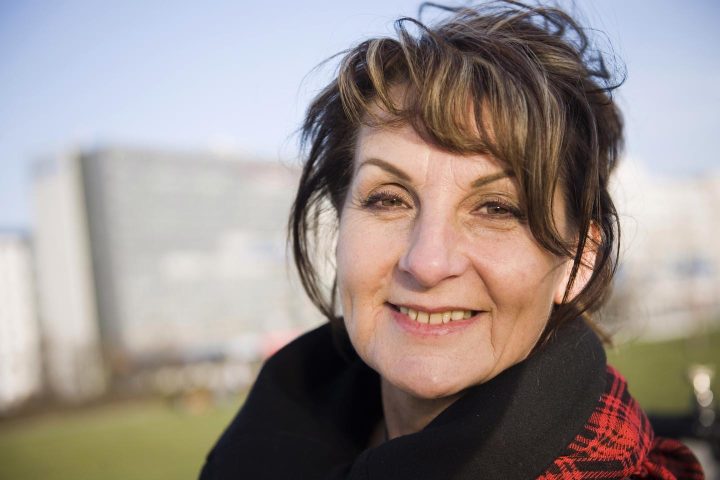
A radiant woman demonstrating a healthy self esteem

Whenever Jesus was meeting a person, no matter how bad his behavior was, he looked and dealt with that person, thinking about what he could become if he surrendered to him and followed him by practicing the master’s instructions. Emmanuelle commented in her article that self-help books and self-love gurus, raise banners that collaborate to inflate the ego in search of the applause of crowds and a feeling of power. But our creator looks at us and says:

“All flesh is grass, and all its loveliness is like the flower of the field. The grass withers, the flower fades, because the breath of the Lord blows upon it; surely the people are grass. The grass withers, the flower fades, but the word of our God stands forever.”

Isaiah 40:6-8

In other words, we are small, mortal, limited, and we die. This comment in Isaiah is not a depreciation of life and the human person, but a statement of our limitation, smallness, and finitude. God so loved and loves people, his creatures, that God himself, Jesus Christ comes into the world to lift us up, heal us, save us, and restore our self-esteem. Your value as a person and your self-esteem needs to be based on the value that the creator gives you, and not on your outward appearance, because that will change. Think it through deeply.

We can respect ourselves, even being imperfect as we are. Along with the bad characteristics of our personality, God sees that there are potential virtues that he can develop if we want to, if we let him act in our life, and if we surrender to him and follow the beauty and simplicity of the Master Jesus Christ, as described in the Gospels.

Proper self-esteem depends on what God establishes in our character. Think about it. Leave aside this idea of constructing only your exterior. Of course, you are not going to be a relaxed person, wear poorly ironed clothes, or not have proper personal hygiene. It’s okay for you to take care of your body aesthetics, that’s healthy. It just can’t become an obsessive thing. It’s not good for your mental health if you put that external view, what you see in the mirror, as the only source of satisfaction, the only source of self-worth. Think about it, God will give you a wonderful self-esteem.

Healthy Fruits

Stay Always Up to Date

Sign up to our newsletter and stay always informed with news and tips around your health.
Sign Up Now!

Filed Under: Mental Health, Trust Tagged With: Self esteem

5 Signs That You May Have an Unresolved Childhood Trauma

January 29, 2023 by Dr. Cesar Vasconcellos de Souza - [rt_reading_time label="Reading Time:" postfix="minutes" postfix_singular="minute"]

Signs of unresolved childhood trauma

A boy lived in a family where his nervous mother constantly belittled him, although she took good care of him in terms of his physical health, food, hygiene, and medical care. He grew up feeling worthless and this affected his career and some relationships, as is the case with many children who were victims of abuse in childhood and adolescence.

5 Signs That You May Have an Unresolved Childhood Trauma

Several scientific studies have shown that emotional abuse, abandonment, and emotional traumas in childhood can cause changes in the brain that will result in psychological difficulties for these individuals as they reach adulthood. Some may develop psychological disorders and even abuse substances such as alcohol, medication, and illicit drugs. Emotional and physical abuse against children can include cursing, threatening to harm the child physically, doing things that scare the child, hitting, belittling, and devaluing the child.

One of the mistakes of parents or caregivers of a child is neglect, which means failing to meet the child’s emotional needs. Neglect can happen when the father is excessively involved in work and neglects the family or when the mother is obsessed with romances or her own appearance, leaving the children in second or third place.

Taking good care of children involves believing in them, making time to play with them, taking them to the playground, making sincere compliments on their accomplishments, no matter how small, fighting to keep the family united, supporting children in their difficulties at school, in social interactions, and having a genuine love for children, sincerely wanting them to be successful in their tasks.

A father playing with his son.

The brain of children is rapidly developing and things like early exposure to electronic screens and emotionally traumatic experiences in the family, such as the presence of a drug-addicted father or mother, divorce, and constant fighting, harm the children’s brain development, which later may favor the emergence of anxiety, depression, bipolar disorder, post-traumatic stress disorder, personality disorder, among others.

Dr. Martin Teicher and colleagues at Harvard Medical School’s McLean Hospital and Northeastern University studied the relationship between abuse and brain structure, using MRI scans to discover structural brain changes among young adults who suffered abuse or neglect in childhood.

They found differences in nine brain regions in those who suffered childhood traumas, more present in brain regions that help balance emotions, impulses, and thinking. Some of the negative effects on the brain development victims of abuse and neglect in childhood are:

  • decreased size of the corpus callosum, which is a brain structure linked to motor, sensory, and cognitive performance, connecting the left and right hemispheres;
  • decreased size of the hippocampus, which is an important area in learning and memory;
  • less volume in the prefrontal cortex, in the forehead region, which affects behavior, emotional balance, and perception, among other functions.

Child abuse and neglect affect the way the brain’s chemistry works, damaging children’s behavior, how they deal with emotions, and their social interactions. Children who have emotionally uncontrolled parents may often be in a state of alert, have difficulty relaxing, feel afraid most of the time, and have learning difficulties.

According to attachment theory, when parents abuse or neglect their children, it harms the formation of a secure attachment between the child and their caregiver, causing distress in the child and influencing how the child sees himself and others.

A toddler holding the hand of his father

Child abuse also disrupts the emotional image that children build about God, as one thing is what one thinks God is, and another is how one feels about him. If the relationship of parents with their children is traumatic, predominantly neglectful and abusive, they may come to feel that God is the same way, even if they learn rationally in their religion that God is good.

Studies have shown that children who have suffered emotional abuse or neglect in childhood may later present:

  • lack of emotional control
  • feelings of devaluation
  • hopelessness
  • automatic negative thoughts and
  • difficulty dealing with stressful situations in adulthood.

The severity of the emotional disorder due to emotional suffering in childhood depends on the frequency of the traumas, the child’s age when it happened, who the abuser was, whether or not the child had a trustworthy and loving adult in their life, the duration of the abuse, the type and severity of the abuse, whether or not there was help for the child in the face of the abuse, among other factors, such as the emotional sensitivity of the child.

Adults who were victims of childhood abuse who developed emotional disorders can be treated with individual psychotherapy and, in some cases, with medication. There are different types of psychological therapy to help adults who have suffered or are suffering the consequences of child abuse, such as Exposure Therapy, which involves interacting with something that normally causes fear while gradually learning to stay calm.

Also there is family therapy, which is a psychological treatment aimed at improving relationships within the entire family and creating a better and more supportive home environment. The consultation with the family therapist happens with all members of that family nucleus at the same time.

In psychotherapy, the person can also learn to become more aware of their thoughts and feelings and be instructed on how to regulate their emotions and face stressors in a better way.

A psycotherapy session

Trauma-focused cognitive behavioral therapy focuses on helping people learn new coping skills, restructuring negative thoughts, regulating mood and overcoming trauma.

Rather than treating traumas caused by child abuse, it is better to prevent them from happening. This is done with parents who are aware of the impact of their words and actions towards their children, who are concerned with learning to manage their own dysfunctional thoughts and disturbed feelings, so they can offer better emotional education to their children.

Parents need to remember that their children did not ask to be born and deserve to be treated well. It is also important to consider that children are not to blame for the suffering that their parents had in their childhood, and that, therefore, these parents need to control themselves so as not to repeat the same mistakes that occurred in the past in their family of origin. Think about it. May God help you control your past suffering so as not to repeat it in the present. Your child deserves it.

Healthy Fruits

Stay Always Up to Date

Sign up to our newsletter and stay always informed with news and tips around your health.

Sign Up Now!

Filed Under: Mental Health Tagged With: childhood trauma, Self esteem

Primary Sidebar

Social Channels

Coronavirus Immunity Challenge

Boost your immune system to be bullet-proof for the pandemic.

I Want to Participate

Recent Posts

  • 5 Habits to Live Longer
  • Better Sleep Can Protect Against Dementia
  • Finding Peace In Your Crazy-Busy World
  • Flaxseed – An Ancient Plant Rediscovered
  • Platelets – Triggers for Life or Death
  • Boderline Personality Disorder
  • In Praise of Almonds and Nuts
  • Are You Stuck in the Clutter Trap?

Categories

  • Body Systems (16)
    • Cell Function (2)
    • Circulatory System (1)
    • Digestive Tract (10)
    • Immune System (4)
  • Diseases (27)
    • Cancer (2)
    • Cold (1)
    • COVID-19 (11)
    • Dementia (1)
    • Diabetes (1)
    • Digestive Diseases (2)
    • Heart Disease (2)
    • Kidneys (1)
    • Metabolic Syndrome (2)
    • Skin (1)
  • Healthy Lifestyle (42)
    • Exercise (11)
    • Gardening (2)
    • Sleep (7)
    • Sunlight (2)
    • Temperance (14)
    • Water (4)
  • Mental Health (87)
    • Addictions (6)
    • Anxiety (7)
    • Burnout (1)
    • Depression (7)
    • Psychosomatic Diseases (6)
    • Stress Management (45)
    • Trust (6)
  • Nutrition (56)
  • Obesity (9)
  • Phases of Life (14)
    • Adults (3)
    • Babies and Infants (1)
    • Children (3)
    • Seniors (5)
    • Teenagers (3)
  • Therapies (7)
    • Herbs (5)
    • Hydrotherapy (1)
  • Uncategorized (3)

Archives

  • January 2025 (1)
  • March 2024 (5)
  • February 2024 (4)
  • January 2024 (4)
  • December 2023 (5)
  • November 2023 (4)
  • October 2023 (5)
  • September 2023 (4)
  • August 2023 (3)
  • July 2023 (2)
  • June 2023 (4)
  • May 2023 (4)
  • April 2023 (5)
  • March 2023 (4)
  • February 2023 (4)
  • January 2023 (4)
  • December 2022 (4)
  • November 2022 (4)
  • October 2022 (5)
  • September 2022 (4)
  • August 2022 (4)
  • July 2022 (5)
  • June 2022 (4)
  • May 2022 (5)
  • April 2022 (4)
  • March 2022 (4)
  • February 2022 (4)
  • January 2022 (5)
  • December 2021 (3)
  • November 2021 (4)
  • October 2021 (6)
  • September 2021 (4)
  • August 2021 (4)
  • July 2021 (5)
  • June 2021 (4)
  • May 2021 (3)
  • April 2021 (5)
  • March 2021 (4)
  • February 2021 (4)
  • January 2021 (5)
  • December 2020 (3)
  • November 2020 (4)
  • October 2020 (5)
  • September 2020 (5)
  • August 2020 (3)
  • July 2020 (1)
  • June 2020 (1)
  • May 2020 (1)
  • April 2020 (1)
  • March 2020 (1)

Copyright © 2026 · Abundant Health - Privacy Policy - Medical Disclaimer