Abundant Health

Up to date health information tailored for you

  • Home
  • Blog
  • Recipes
  • Shop
  • Contact
You are here: Home / Archives for Mental Health

Mental Health

Finding Peace In Your Crazy-Busy World

March 24, 2024 by Vicki Griffin - [rt_reading_time label="Reading Time:" postfix="minutes" postfix_singular="minute"]

Finding Peace In Your Crazy-Busy World

We live in a topsy-turvy, fast-paced world. It’s easy in the rush of crammed, hectic schedules to neglect life’s most important priorities. There is more to life than increasing its speed.((Mahathma Gandhi)) Our lives can easily become so busy…but oh, so barren. God has a special four-part “peace plan” to guide, strengthen, and inspire you with hope and energy. Let’s explore these vital elements of stress protection, physical and mental health, and spiritual vitality. Daily applying these four principles will help you flourish instead of flounder as you face life’s challenges and demands.

Finding Peace In Your Crazy-Busy World

1. A Lifestyle that Promotes Peace

Lifestyle is a major factor that affects mental, physical, social, and spiritual health. Lifestyle choices matter, especially the ones we repeat every day. They have a profound effect on brain function, which is the seat of your thinking, emotions, and decisions. “Many of the fundamental tools for the care and feeding of the brain are everyday matters. Physical and mental exercise, proper nutrition, and adequate sleep will help anyone gain cognitive clarity and emotional stability.”((Ratey, J. User’s Guide to the Brain, p. 356. Vintage Books, 2002.)) Power up your lunch and supper with crunchy, colorful fresh vegetable salads, greens, and beans. Try healthy vegetarian entrees instead of fatty meats and fried food. You won’t crave snacks with this delicious, high-fiber fare. Want real brain energy and body vigor? Water is the beverage of choice between meals instead of soda and coffee!

2. Attitudes that Produce Peace

Your mind, brain, and body are in constant communication through many different systems. Your thoughts and attitudes have a powerful effect on the rest of your body, especially your immune, nervous, and digestive systems. We can literally think ourselves into a frenzy, but God promises His peace, “perfect peace” to the one whose mind is centered upon Him (Isaiah 26:3). He invites us to trust Him with every circumstance of our life. A thankful attitude is associated with better physical and mental health, and even a longer life. “A contented mind, a cheerful spirit, is health to the body and strength to the soul.”((Ellen G. White, Counsels on Health (Mountain View, California: Pacific Press Publishing Association, 1949), 344.)) This is an attitudinal discipline that focuses on God’s truth and solutions rather than fear, circumstances, and unreliable emotions.

A woman looking into a mirror with a positive smile

3. Spiritual Principles that Secure Peace

“Spiritual well-being is at the center of a healthy lifestyle.”((Am J Crit Care 1995;4(1):77-81.)) To meet our deepest longings, God has provided spiritual principles that bring true life satisfaction. This does not come with wealth, fame, popularity, or even perfect health. It comes through making peace with God—in entering into a saving relationship with Him. Studies confirm that “Religious commitment may play a beneficial role in preventing mental and physical illness, improving how people cope with mental and physical illness, and facilitating recovery.”((Arch Fam Med 1998;7(2):118-24.)) Our natural hearts are not drawn to God, but we need Him. We are drawn to God because of our need—and God’s healing love which draws us. “We love Him because He first loved us” (1 John 4:19). God’s love is the foundation of a relationship with Him and healthy relationships with each other. We connect with God through prayer and learning about Him in His life-giving Word, the Bible. “In the day of my trouble I will call upon You, for You will answer me” (Psalm 86:7).

4. Faith that Preserves Peace

Faith is more than positive thinking—it is connecting with the living God who seeks to restore all that sin has broken and taken away. Jesus never promised an absence of problems. Jesus said: “These things I have spoken to you, that in Me you may have peace. In the world you will have tribulation; but be of good cheer, I have overcome the world” (John 16:33). Faith is the conviction that God will guide you and give you power through both good times and bad. Faith says, “Either make the problem smaller, or me bigger!” God has a plan and He cares for you in a very personal way. “For I know the thoughts that I think toward you, says the Lord, thoughts of peace and not of evil, to give you a future and a hope” (Jeremiah 29:11).

A man in nature meditating and praying

God’s Peace Plan can be Yours. Hulda Crooks experienced God’s peace plan in her lifestyle, attitude, trust in God, and faith. She was a sickly, sedentary, overweight woman for many years. She became a vegetarian, which improved her mental and physical health. But when she experienced the loss of her husband and son, she fell into depression. Hulda began walking which not only relieved her depression—it also eliminated more of her physical maladies, including constant fatigue.

Conquering Life’s Mountains. Hulda also began practicing a positive, faith-based attitude that gave her the “altitude” to stay inspired and be an inspiration to others! From aged 63 to well into her 90s, she completed 23 Mt. Whitney climbs, backpacked 212 miles of the John Muir Trail, climbed 86 Southern California peaks, and held 8 world records for seniors over the age of 80. This spunky late-bloomer caught and taught inspiration as a motivational speaker, and was affectionately known as “Grandma Whitney.” A mountain peak of Whitney is named “Crooks Peak” in her honor. God’s peace plan was fulfilled in Hulda’s life—and it can be fulfilled in yours too! Would you like to experience the fullness of Gods power, promise, and plan for your life? His peace plan is for you!

Do you need a guide to help you understand how to cope with Stress in an all inclusive approach? Learn how to combat stress, mentally, physically, emotionally and strategically in your life.

Get Me the Guide

This article was originally published on the Time to Get Ready website.

Filed Under: Mental Health, Stress Management, Trust

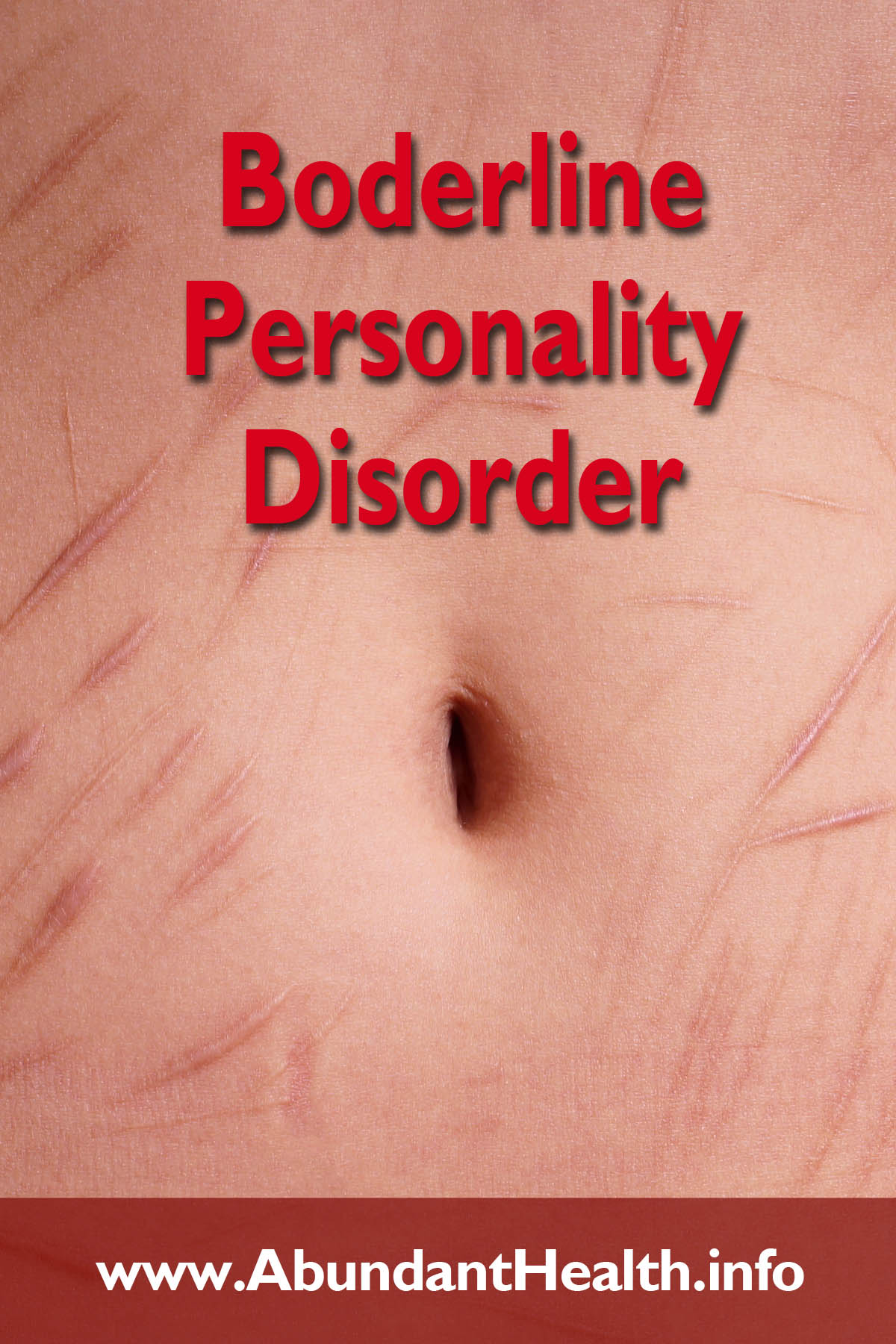
Boderline Personality Disorder

March 3, 2024 by Dr. Cesar Vasconcellos de Souza - [rt_reading_time label="Reading Time:" postfix="minutes" postfix_singular="minute"]

Borderline Personality Disorder

Borderline personality disorder is a serious personality disorder characterized by emotional dysregulation, extreme thinking and chaotic relationships. Those suffering from this mental disorder have various psychiatric symptoms, such as unstable and reactive moods, identity problems, feelings of irreality and depersonalization. There is a tendency towards impulsive and, especially, self-destructive behavior, manipulation, blackmail, suicidal behavior, and chronic feelings of emptiness and boredom.

Borderline Personality Disorder

These people act unpredictably, without worrying about the consequences of their actions, and tend to have bouts of anger. They are often thought of as rebellious, problematic, ingenious and temperamental, but in reality they have a deeper mental disorder than those who just have a difficult temperament. There is an individual with an impulsive personality, in which there is emotional instability and a lack of emotional control, and the borderline type itself, whose characteristics go beyond uncontrolled impulses. The person has an altered self-image, intense and unstable relationships, self-destructive behavior and difficulty creating life goals.

The word borderline comes from the English word for boundary, the demarcation line of a border. The line that separates one area from another. This term was used by Adolph Stern, who in the 1930s described a condition as one that remains on the borderline between neurosis and psychosis.

Borderline personality disorder seriously affects the whole life of the person suffering from it, causing significant damage both to themselves and to other people. These people often need psychotropic medication, such as antidepressants or mood modulators, to avoid intense emotional distress. Symptoms appear more in late adolescence and become more pronounced in early adulthood, usually persisting throughout life unless appropriate interventions are put in place.

The severity of the disorder often diminishes over time. Involvement with drugs, attempted suicide, completed suicide, are all possible outcomes if the person does not undergo proper care and psychiatric and psychological therapy.

The cause of borderline personality disorder is related to a sum of factors, including a traumatic childhood with various forms of abuse in the family of origin, separation from parents, sexual and emotional abuse, as well as a genetic predisposition and alterations or dysfunctions in brain metabolism. On average, 2% of the population suffers from this disorder, 76% of whom are women and 20% of the prison population.

Around 80% of patients with borderline personality disorder report that their parents’ marriage was or is very dysfunctional, with many conflicts. Many patients with this disorder experience neglect, or have experienced it in their past, or continue to experience neglect and physical or sexual abuse within their family of origin, but despite this, around 20 to 25% of people with borderline disorder come from structured families, with no major complications in their families.

A girl being abused by the father and with mouth covered to remain silent

To make an initial assessment as to whether or not the person has this type of disorder, it is important for the doctor to order blood tests to measure TSH levels, to rule out the possibility of a thyroid problem, and a serum calcium test to rule out a possible metabolic disease. A complete blood count is important to check for any systemic infections that could be contributing to the symptoms. Serology to rule out syphilis or HIV infection is also important, as these diseases can affect areas of the brain. In addition, neurological tests such as electroencephalography, computed tomography and magnetic resonance imaging are important to check for brain damage.

Symptoms of Borderline Disorder

Affective Symptoms

The borderliner has marked affective instability due to intense mood reactions. Then they have episodes of dysphoria. Dysphoria is when the person is screaming at one time, and at another time wants total isolation, is very euphoric at one moment, then irritable. They are anxious for a few hours and rarely, at most, for a few days. The person with this disorder also has a lot of anger, hatred and inappropriate rage, which is intense and difficult to control. For example, they show frequent displays of irritation, constant anger, a sense of revenge and sometimes they fight a lot, in the sense of even physical violence towards others.

There is also the borderliner, who has chronic feelings of emptiness and boredom in their life. Now, thinking in terms of symptoms linked to impulsivity, they have recurrent suicide attempts or threats and self-mutilation behavior, which is something that is quite common, almost epidemic, among young people; self-mutilation – self-harm, cutting the skin – this happens in this type of personality disorder too.

The individual will have a pattern of very unstable, very intense interpersonal relationships, characterized by extremes of idealization: one moment that person is the queen of my life, the king of my life, and the next, a moment of devaluation, they’re useless, I don’t want them, it’s better to die; feelings of love and hate, good or bad. There is impulsivity, at least in some areas of this person’s life that are harmful to them. For example, they get involved in excessive financial spending, risky sexual behavior, drugs, alcohol, reckless driving and various kinds of compulsions.

A woman with black and white shirt, depicting the ambivalent nature of a borderliner

Interpersonal Symptoms

Now, let’s think about symptoms that occur in the relationship between a person with a borderline disorder and other people they live with. Firstly, they desperately try to avoid abandonment, real or imagined rejection. They have an unstable identity and self-image. Sexual preference fluctuates a lot; tastes and values are very and persistently unstable. Moods fluctuate constantly.

As cognitive symptoms in this person with this disorder, they start to have transient paranoid ideas related to the stress they are experiencing. What is a paranoid idea? They are ideas or suspicions of persecution: “they’re talking about me”, “there’s someone who’s going to disturb me”, and they may have symptoms of dissociation.

Psychopaths, which is an old term for a personality disorder, usually manipulate in order to obtain material or financial goods or things that give them pleasure, while people with borderline disorder manipulate and commit extreme acts in order to obtain support and affection.

These people suffering from borderline personality disorder end up pushing away those they need most. Paradoxically, at the same time as they need affection and companionship, they are capable of pushing them away in cruel and often frightening ways. They are very needy of attention and excessively manipulative, although they never admit it.

Borderlines have deep traits of masochism, of sadism; in general, they are like children in an adult body, not tolerating any limits. They are very emotionally immature, impatient, don’t know how to wait, their rewards must always be pediatric, they can’t tolerate frustration and always tend to blame others for their own failings. This is probably because borderlines have usually been children deprived of a basic need, possibly emotionally neglected at some stage in their psychic life, which in turn has caused deep and indelible marks on their personality. These marks can come from numerous traumatic events, such as parental separation, childhood sexual abuse, physical violence and even the early loss of a loved one.

So, based on this assumption, we can say that the emotional development of the person with borderline disorder has stalled dramatically before reaching the stage of full psychological maturation. In short, they are people who grow and age physically, but emotionally remain selfish and, unfortunately, very problematic children. Borderline individuals can be people who have grown up with a great sense of not having received enough attention, and generally act like angry children, seeking ways to make up for this lack of attention in their relationships; complicated ways that are immature and abnormal.

How to Change?

There are people who are difficult to live with, such as the obsessives, the emotional, the detail-oriented, the perfectionists, the inflexible, the rigid, among others. It’s not uncommon for some people to say, “Wow, what a neurotic person!” when dealing with such complicated individuals. Well, they’re like that because of some mental illness, or they’re like that because they grew up with one or more of these characteristics, which we’ve presented, of being detail-oriented, perfectionists and tragics. We know that there is a space in our mind called the unconscious, a virtual space that leads us to do or say things that can scare us. But the question also arises: do I have an unconscious mind, or am I unconscious? People can be changed, but they can also settle into their way of being and remain the same until they die.

An important questions in this regard might be: Do I want to change? Do I realize that my behavior is something that makes me suffer and makes other people suffer? Do I want to improve my personality traits, which are immature and complicated and cause suffering in the people I live with? It’s very difficult to live with people who answer such questions with arguments like: “That’s the way I am, and that’s the way I have been; it’s worked out well for me so far, why should I change?” Or others say: “I don’t have any difficulties with the way I am, it’s the other people who criticize me.” But the truth is that there is no person who doesn’t need to improve their personality. Emotional maturity is a lifelong goal.

A thoughtful person looking out the window and reflecting on life

Difficult people can change, but they need to want to change themselves because they have stopped denying that they have personality problems. Stopping denying is the first big step towards starting to change. To stop denying is to admit the existence of the problem, and this in turn is basic, and fundamental to finding ways of resolving it.

It’s not easy to change who we are, I admit that; it’s a struggle. We often get complacent and stagnate in the way we are; we want to stay in the comfort zone of our lives, to stay that way because it has worked so far. But if you realize your personal problems, your personality and cultivate the desire to improve who you are, if you work hard enough, some change will occur in your way of being. This is the opposite of remaining stuck in a rigid way of being, of existing as a person causing suffering in others, as well as self-suffering, because the person ends up running away from the truth about themselves, and lives in suffering that they do not need to experience.

In fact, many people have what we scientifically call a personality disorder. They have a very unhealthy ego, above the limitations that we all have in our personality. For some authors, these people are individuals with an abnormal personality, without, however, having a brain injury. It’s a way of being with a very strong tendency to remain that way all their lives, compromising their relationship skills in general. The personality disorder appears early in the person’s development and becomes strongly ingrained in them, making them the way they are.

Thought Patterns

Do you want to know some of the types of thoughts that people with borderline personality disorder have? Some say: “I have to be loved by all the important people in my life all the time, otherwise it means I’m worthless.” You can see how extreme it is, can’t you? Others say: “Some people are great and everything about them is perfect. Other people are completely awful and should be severely censored and punished for it.” It’s a radical way of thinking that these people have.

Another individual with borderline disorder might reason like this: “I hate it when people don’t pay attention to me.” Or they might say: “I have no control over my feelings or the things I do as a result of them.” You want to wash your hands of it, right? Others think: “When I’m alone, I become nobody and nothing.” How radical is that? Still others might think: “I can’t stop the frustration I feel when I need something from someone and I’m not able to receive it.” What do you mean you can’t stop walking around in frustration? But they live it. And others may have this thought: “What have I done to make this person look down on me?” The person may not be looking down on them, but the borderliner interprets it that way.

If someone with a personality disorder makes an effort to analyze their unhealthy tendency to think, feel and relate to others, it will be possible to relax the rigidity of their altered personality trait. This will reduce the suffering for themselves and the people they live with. Then they will learn, when they do this self-analysis, when they are honest with themselves, when they stop denying and admit that they have problems with the way they think and the way they live with people, that they can learn to control aggressive, explosive impulses and discipline their serious distorted thoughts. They will see that they hold unhealthy psychological beliefs about situations in life and relationships. They will be able to reduce unhealthy jealousy by learning that it generates a lot of quarrels. They will be able to be more merciful to themselves and other people regarding spending and other things.

So, when someone with a personality disorder decides to do what they can to improve their behavior, they can get out of this unhealthy state of being and, step by step, become more pleasant, reliable, flexible, affectionate, less dramatic, less hysterical, less aggressive and explosive, less cold and calculating, starting to have just a few traits, perhaps not dominant, of what was previously very rigid and deeply ingrained in their personality.

A man stepping out of a glass door, leaving the reflection of his face behind.

How do you treat a person with a borderline disorder?

There is medication. Various medications can be used for people with borderline personality disorder. Since this disorder is considered to be primarily a psychosocial condition, medication is indicated to treat what they experience, such as anxiety symptoms or depressive symptoms, rather than behavioral changes. Psychotherapy is another basic tool to help people with borderline personality disorder, so that they can learn, through psychoeducation, to better control their impulses, to better understand their behavior. In psychological therapy, they can learn skills they don’t have, such as becoming aware of their distorted thoughts, improving their relationships with people and dealing with frustrations. To learn this, psychotherapy will generally help the person with this disorder to:

  1. Admitting that he has a problem.
  2. Seek and receive help to change, and be actively involved.
  3. Understand and realize that there are distorted thinking patterns in his mind, based on erroneous beliefs that he has developed throughout his life.
  4. Cultivate the concept that you need to accept that perfection is a goal that we can never fully achieve. Accepting this can reduce anxiety, as well as aggression, emotional outbursts and hostility, which hinder pleasant contact with people.
  5. Look at the mistakes you’ve made unintentionally as moments to learn from, rather than belittling and distressing yourself.
  6. Allow yourself to have moments of relaxation, leisure, enjoying something pleasant, and appreciating friendships.

I wish that God would give us all a clear mind to better understand ourselves and those around us. If you live with someone with borderline disorder, it’s important that you are knowledgeable so that you can learn to set limits. If you are the one with borderline disorder, then you have learned here today some steps to get out of it or to minimize and improve it step by step.

Healthy Fruits

Stay Always Up to Date

Sign up to our newsletter and stay always informed with news and tips around your health.

Sign Up Now!

Filed Under: Mental Health

Are You Stuck in the Clutter Trap?

February 18, 2024 by Barbara Hemphill - [rt_reading_time label="Reading Time:" postfix="minutes" postfix_singular="minute"]

Are You Stuck in the Clutter Trap?

You arrived on earth without clutter. Your parents and doting relatives started you on a pathway to accumulation. By the time you were a year old, you had mounds of functional clothing, twenty outfits suitable for dress-up, too many stuffed animals to fit in your bed, custom-sized furniture, a silver spoon, and a plastic Winnie-the-Pooh bowl. Perhaps there was also your christening gown: an heirloom already packed safely away waiting for the next generation. You had not even become a toddler yet, and you had already embarked on the road to the clutter trap.

Are You Stuck in the Clutter Trap?

Perhaps your most treasured possession during this time was a favorite “blankie.” This was one item that just made you feel good when you dragged it everywhere you went. You also had a rattle that served two valuable functions. It made noise, and it was handy to chew on when your gums hurt. And the most attractive item in your crib area was that mobile of the shiny fish that swam above your head. Even at this early age, you were surrounded by some things you loved, some things you found useful, and some things you found beautiful.

And there was other “stuff” too. There were broken toys, clothes you were rapidly outgrowing, a quilt someone made that felt scratchy. These were the beginnings of clutter in your life. But were you caught in the clutter trap?

No! You weren’t trapped because you didn’t care. You didn’t interrupt your life’s work (eating, playing, sleeping, and saying “no”) to worry about any of this. Your caretakers worried about them on your behalf.

By the time you became an adult, the story was different. While you were still surrounded by clothing, toys, furniture, and heirlooms, by now you had added two hair dryers, four televisions, three telephones, a computer, a washing machine, a lawnmower, a partridge-in-a-pear tree-decoration and other machinery for life. Friends, family, and colleagues had given you gifts, paintings, china, and things you never used, and didn’t particularly like. But you could never quite decide to get rid of them.

Here Comes the Clutter Trap

Although 50 to 95 percent of your life is operating very well, and you feel successful in most areas, you sometimes:

  • Feel overwhelmed when you look at your closet or the garage or attic
  • Put off important things because they seem too massive to tackle in your current state of mind
  • Avoid having people visit your home or office because it looks too messy
  • Tremble at the thought of an audit, because you probably couldn’t find supporting records
  • Spend hours looking for your car insurance documents
  • Get headaches, neck and back tension, or grind your teeth because you can’t seem to find a place to relax anywhere
  • Wonder what is wrong with you that you can’t seem to stay organized
  • Consider taking yet another time management course to get it all under control
  • Yearn to escape to a desert island.

Here’s the simple truth. Everything — everything — you have in your life either nourishes you or drains you. It either supports your dreams and desires or sabotages them. If too much stuff in your immediate environment drains you, you are caught in the Clutter Trap.

A distressed woman cleaning up boxes of household clutter

The Clutter Trap is a state of cumulative disorder that diminishes your physical, mental, emotional, spiritual, or financial health. It is a dangerous threat to your productivity, your prosperity, and your peace of mind. Underestimate that threat at your own peril.

The Clutter Trap is more than an occasional temporary mess you make while finishing a project or getting dinner ready. It is a multiplicity of messes. It is chronic, cumulative, chaotic, cramping, creeping disorder.

Your Family and Your World Needs Your Best

Suppose you wake up tomorrow with a kindly presence whispering gently in your ear. “You are such a great person, we have decided to give you your heart’s desire of the most ideal setting in which to live and work.” You float half-awake with welcome visions of a sun-drenched easy chair, a penthouse office, a water view, an inviting golf course just outside, cloud-soft carpets, luxurious furniture, relaxing aromas, fragrant flowers, harmonious sounds, peace, calm, and order everywhere around you, and just the right amount of stimulation to keep your juices flowing.

A Businessman in his penthouse office looking at a golf course and water view below

Then you open your eyes–and reality strikes! First, you see the exercise machine draped in yesterday’s gym clothes, then the closet door you hate to open for fear of being smothered by the crushing mass of things stuffed inside, then the stack of newspapers left from last weekend, then the smudge on the wall from some mysterious source, then the carpet that could use vacuuming, and finally the torn-out travel article you read last night, as you imagined a dream vacation away from all this.

“Oh well,” you say to yourself, “I’ll clean up tomorrow. Meanwhile, I’d better brush my teeth and get going. This is a very busy day. The clutter can’t be that important.”

And maybe you are seriously wrong. Maybe the clutter is enormously important. Think back to those waking moments when you imagined the ideal setting for your life and work. Think of how you would feel, act, and respond in such a setting. Would that setting help you feel focused, vigorous, strong, talented, generous, energetic, calm, relaxed, powerful, productive, or peaceful? Then remember how you felt when reality hit. You may have felt overwhelmed, drained, depleted, depressed, or at least discouraged.

Now picture going into your day without the clutter. Which setting inclines you toward your most satisfying results and your most nourishing relationships? How much difference could the right setting make to your ability to focus, to respond fully to all the opportunities of your day, to develop fresh solutions for the challenges you face, to return home and be a more loving partner and parent, to link with your neighbors to create a stronger sense of community?

Very few people are truly impervious to their setting. Most of us just pretend we are. We make promises to ourselves to take care of the clutter later. In the meantime, we walk around as incomplete, diminished versions of the fully resourceful, fully generous people we could be.

And our family and our world need our best. Setting matters. Freedom from clutter is not just a selfish pursuit of our own comfort or convenience. It is not just a luxury that makes our setting “nicer” or “cleaner” or “safer.” That freedom also unlocks us from distraction and distress, so we can connect and contribute more abundantly to our family, our community, our world. As one client said, “Save the planet, starting in my attic!”

Where will you start?

And if you are interested to learn from Barbara how to organize your physical and digital clutter, you can sign up for a free webinar.

Do you need a guide to help you understand how to cope with Stress in an all inclusive approach? Learn how to combat stress, mentally, physically, emotionally and strategically in your life.

Get Me the Guide

Filed Under: Mental Health, Stress Management

St. John’s Wort – Nature’s Prozac?

February 4, 2024 by Winston J Craig - [rt_reading_time label="Reading Time:" postfix="minutes" postfix_singular="minute"]

St. John's Wort

Every year, according to the National Institutes of Mental Health, about 11 million Americans suffer mild cases of depression and another 10 million suffer mild to severe depression. St. John’s Wort (Hypericum perforatum) has received increasing attention as a safe product that provides some natural relief from depression.

St. John’s Wort – Nature’s Prozac?

St. John’s Wort is a perennial herb that grows up to three feet tall in neglected fields and alongside country roads throughout North America and Europe. The erect, many-stemmed herb is topped with a cluster of bright yellow, star-shaped flowers (with five slightly asymmetrical petals) that bloom from June to August. There are numerous explanations as to how St. John’s Wort received its name. The preferred explanation refers to the fact that the flowers bloom around June 24 (St. John’s Day), while another refers to an ancient tradition of throwing the flowers into a bonfire on the eve of St. John’s Day. The word “wort” is an old English word for plant.

Anciently St. John’s Wort was used to treat neuralgic conditions such as sciatica and hip pain. In nineteenth-century America, St. John’s Wort was used for healing wounds and as a diuretic. Hypericum was also highly valued for its sedative properties. Herbalists today recommend it to treat wounds and to speed the healing of bruises and minor burns. Historically it has been one of the most dependable botanicals for the treatment of wounds. Today it is also highly prized as an antidepressant, without the side effects of conventional antidepressant drugs.

The dried herb usually consists of the flowering tops, unopened buds, and uppermost leaves of the plant. It has a slightly sweet and aromatic odor and a mildly bitter, somewhat astringent taste. When ground into a powder, it is usually greenish to yellowish-brown in color. When more flowers and buds are used, the mixture is more yellow.

Clinical Trials

The analysis of two dozen clinical trials involving over 1,700 outpatients revealed that St. John’s Wort given for 48 weeks’ duration can be considered a safe and effective herb for the treatment of mild depression and anxiety. It has an activity comparable to that of conventional antidepressants, such as Prozac, but with fewer side effects. The common side effects experienced with the conventional antidepressants include nausea and dizziness, sleeplessness, reduced sexual drive, headaches, dry mouth, and loss of appetite.

The people who took St. John’s Wort in the various clinical trials experienced significant improvement in depressive mood indicators such as feelings of sadness, hopelessness, helplessness, and fearfulness. Sleep difficulties and disruptive sleep patterns were also greatly improved after taking St. John’s Wort.

A woman peacefully sleeping in bed

Among other useful herbs are licorice root, which has some useful antidepressant compounds, and rosemary, a real favorite. This contains cineole, which stimulates the central nervous system. Valerian and hops are herbs that provide useful sedative properties and can be used for their sleep-promoting action.

Hypericum contains several active compounds, including a variety of phenolics, terpenoids, and sterols. It is rich in flavonoids as well as naphthodianthrones, hypericin, and pseudohypericin. Hypericin in particular seems to be a monoamine oxidase (MAO) inhibitor,((“In combination with certain foods and drugs, MAO inhibitors may cause dangerously increased blood pressure. Symptoms include headache, stiff neck, nausea, vomiting, and clammy skin. In recommended amounts, St. John’s Wort is not as powerful as pharmaceutical MAO inhibitors. Nonetheless, those using the herb should follow certain precautions.” Castleman, M. The Healing Herbs, p. 324, Rodale Press, Emmaus, PA, 1991.)) which places it among a class of chemicals known to be antidepressant. However, the antidepressant activity of St. John’s Wort may be due to more than just hypericin and may be partly due to other minor constituents in the plant. Clearly, the best procedure is to consume the total herbal product and not just a hypericin-rich extract. The antimicrobial activity of Hypericum is attributed to the essential oil, phloroglucinols, and flavonoids.

Herbal Preparations

Recommendations for the use of the herb usually include drinking 1-2 cups per day of herbal tea made from 1-2 teaspoons of dried St. John’s Wort flowers steeped in a cup of boiling water for 10 minutes. Alternatively, a 300 mg capsule standardized to contain 0.3 percent hypericin may be used up to three times a day. Normally, it takes about 36 weeks of regularly using St. John’s Wort before its therapeutic effects are observed. High doses or prolonged use may sensitize the skin to sunlight exposure since hypericin has photodynamic properties.

Other Activities

St. John’s Wort has been shown to increase the storage levels in one’s body of the two neurochemicals, serotonin, and norepinephrine. Serotonin is known to be a mood-altering substance, normally producing a calming effect. Research has revealed that other components of St. John’s Wort alter the levels of interleukin-6, which may also alter mood. Heinze and Gobel reported in 1996 that Hypericum may be useful in the treatment of chronic tension-type headaches.

In another study, researchers observed that extracts of St. John’s Wort given over a three-week period caused a significant increase in the production of nocturnal melatonin, a substance produced by the pineal gland that regulates circadian rhythms.

Recently, interest has focused on the antiviral activity of St. John’s Wort. Substantial activity against several retroviruses has been reported. St. John’s Wort has been even researched for its potential usefulness in treating HIV-infected patients.

Conclusion

St. John’s Wort is clearly one of the leading plant medicinals for the treatment of mild to moderate depression. Studies are needed to determine its effectiveness and safety in long-term usage. It has been suggested for the treatment of more severe forms of depression, but controlled clinical trials are lacking at this time. In addition to its antidepressant effects, Hypericum has been used for a wide variety of neurological conditions such as anxiety, insomnia, irritability, migraine headaches, and chronic neuralgia stemming from trauma and injuries. Furthermore, Hypericum is useful as a wound-healing agent, an anti-inflammatory and antiviral agent, and for the treatment of ulcers, inflammatory bowel syndrome, hemorrhoids, and herpes lesions.

Healthy Fruits

Stay Always Up to Date

Sign up to our newsletter and stay always informed with news and tips around your health.

Sign Up Now!

This article was published originally in the Journal of Health and Healing, a publication of Wildwood Institute.

Filed Under: Depression, Herbs, Mental Health, Therapies

Binge Eating, Anorexia and Bulimia

January 28, 2024 by Dr. Cesar Vasconcellos de Souza - [rt_reading_time label="Reading Time:" postfix="minutes" postfix_singular="minute"]

Anorexia

Today we are going to talk about eating disorders and you might think, “‘But I have nothing to do with it, I don’t suffer from that”. If you do not have this problem, take the opportunity to learn about it and help someone who does. Not much is being said about eating disorders.

Binge Eating, Anorexia and Bulimia

There are three main types: anorexia nervosa, bulimia nervosa and compulsive eating, also known as binge eating. It is estimated that 70 million people in the world suffer from eating disorders. These disorders occur 20 times more often in women than in men, and are rare in men. Anorexia nervosa usually begins in adolescence or young adulthood, while bulimia seems to start a little later. The higher socioeconomic classes, as well as professions such as mannequins and dancers, represent the individuals most at risk of these afflictions.

Scientists estimate that over the course of their lives, between 0.5% and 4% of women will suffer from anorexia nervosa, 1% to 4.2% from bulimia nervosa and 2.5% from binge eating disorder. In anorexia nervosa, 50% of patients make a complete recovery, 30% have a reasonable evolution with periods of improvement and relapse. The mortality rate can vary from 6% to 15%. Of those who die from anorexia, 54% die from physical complications of the illness, 27% from suicide and 19% from unknown causes.

But what is anorexia nervosa anyway? It’s a mental illness characterized by a person’s refusal to maintain a minimum body weight. They have a relentless pursuit of thinness, an intense fear of losing or gaining weight, altered perception of body image, denial about being thin and having problems. They don’t accept help from anyone and insist on feeling fat, even though they are underweight. Girls with anorexia nervosa also experience an interruption of menstruation for at least three months.

The person with anorexia nervosa anxiously tries to please others, but believes that no one will like them because of the character defects they feel they have. They tell lies about the amount of food they eat. The anorexic moves towards severe and dangerous self-induced weight loss. To do this, she fasts for long periods, exercises excessively and gets angry if anyone tells her she’s overdoing it. They use laxatives, diuretics, appetite suppressants and induce vomiting to force their body to lose weight.

A girl with anorexia, being in anguish about eating a single pea

And what is bulimia nervosa? Bulimia is characterized by a feeling of loss of self control in eating. The person has repeated episodes of binge eating a large amount of food, of any kind, for a short period of time, causing guilt, shame and fear of gaining weight. This leads to inappropriate compensatory behaviors, such as inducing vomiting several times a day, uncontrolled use of laxatives, diuretics, appetite suppressants and other medications. They also fast or exercise excessively. Some bulimics eat, vomit, use laxatives, diuretics, enemas and others fast and exercise excessively.

The third type of eating disorder is compulsive eating, also called binge eating disorder. It is an eating disorder characterized by recurrent episodes of compulsive eating, in which the person eats quickly until they are overly full, consuming large quantities of food, even though they are not hungry. They usually eat alone because they are ashamed of the amount of food they eat. The person feels guilty, depressed and ashamed after eating a large amount of food. They usually feel uncomfortable with their compulsive eating and struggle with it.

The first sign that distinguishes anorexia nervosa from bulimia nervosa is body weight. Around 70% of people with bulimia tend to be of normal weight, and 15% are moderately overweight, so they don’t suffer from the absence of food. The central point in eating disorders is not food itself, but deep emotional pain. What determines these disorders is the state of mind.

Young people with anorexia, when they look in the mirror, don’t see themselves as thin and perceive themselves as fat, even though they are dangerously underweight, i.e. they have an altered body image. At the root of this is a significant lack of self-esteem, self-disgust and panic about getting fat. This can start with a simple diet that the person decides to go on, turning into an obsession that takes over their life; when losing weight becomes an obsession and a compulsion. Just to remind you, obsession is the thought that won’t leave your head, compulsion is the act of doing, the uncontrolled attitude. Thinking too much is obsession, and doing something without control is compulsion. Compulsion is a quest to avoid emotional pain, which can be sadness, anguish, a feeling of lovelessness, fear of rejection and other sensations.

People with eating disorders generally suffer from perfectionism and an obsessive-compulsive personality structure. They worry too much about how others see them. Although they may be intelligent people with a successful career, they see themselves as inadequate and worthless. The obsession around food may be a way for the individual to try to exert some control, as they generally feel they have no control over their personal life.

Some people with anorexia nervosa feel powerful when they step on the scale and see that they’ve lost another pound, even though they’re already very thin. It’s as if they’re saying: “You see, I have something in my life that I can control, I know how to control my life.” In her family, people are usually rigid, controlling, demanding, super methodical, where the person with the eating disorder is judged by what they can do and not by what they are. This family model seems to have everything planned, everything controlled, to the detriment of personal freedom. As a result, the only thing the individual feels they can control is their mouth. It is through this that the anorexic or bulimic person believes they can gain some control and make decisions for themselves.

The psychiatrist will assess whether the problem the person has is really an eating disorder and whether it occurs at the same time, which we call comorbidity. Comorbidity, in medicine, means one illness together with another. In the case of eating disorders, 30% of people also have obsessive-compulsive disorder. Between 12% and 18% of those with anorexia nervosa and between 30% and 70% of those with bulimia have substance abuse, such as alcohol, marijuana and other drugs. Depression occurs in 80% of cases, and personality disorders affect between 20% and 97% of people with eating disorders.

A woman eating secretly behind some blinds and being also addicted to alcohol

Culture and the media unfortunately contribute to these disorders. Studies carried out in Fiji in 1995 revealed that the ideal female body was chubby and round. After 38 months of an American sitcom, as well as other TV shows, there was a change in the ideal female body model in that Fijian society, with many cases of teenage girls with serious eating disorders. A study by Health magazine showed that 32% of American women who appear on TV are underweight, compared to only 5% of the female population in the United States. In addition, only 3% of women who appear on TV are obese, compared to 25% of regular US women.

When we try to understand what happens in the emotional world of people who develop eating disorders, by trying to understand the psychological meaning of these sufferings, we usually find that, for some of these people, the eating disorder has become a way of unconsciously trying to succeed in life. When difficulties or seemingly unsolvable problems arise, by focusing their thoughts on food and eating or not eating, they block out painful feelings. This is because they believe and feel that they are incapable of dealing with painful feelings in an adapted, functional, normal, balanced way.

In some people, the eating disorder represents an escape process, in other words, a way of avoiding the consequences and everything that goes into growing from an adolescent into a mature adult. For the person, at first, anorexia, bulimia or binge eating seems to be the solution to all their problems; in other words, a way of controlling events. But what ends up happening is that the eating disorder acquires control over all aspects of the person’s life. This is because the eating disorder is a dysfunctional, unhealthy way for the person to deal with their conflicts, but it is what they have achieved so far.

We can understand why she is ambivalent about treatment. Being ambivalent means wanting and not wanting, liking and disliking, accepting and rejecting. These people generally become ambivalent about eating disorder treatment because, on the one hand, the illness is their way of dealing with the pains of life, it’s a defense, and on the other hand, they want to get better, but they fear the consequences of abandoning the disorder.

A teenager in a mirror room looking at her multiple images

At the Psychiatry Institute of the Hospital das Clínicas of the USP Medical School, at the University of São Paulo, they provide a treatment service for people suffering from eating disorders. According to the team, there is no single cause responsible for these health problems. It is believed that there are multiple factors, involving biological, genetic, psychological, socio-cultural and family components. Some factors trigger eating disorders, such as important life changes like adolescence, moving away from home, graduation, starting university, starting a new job, death, divorce, marriage, family problems, among others.

However, these disorders don’t necessarily start with something dramatic. Some people are predisposed and more vulnerable to becoming ill, and a simple comment from someone about their body image can lead them to take it seriously and start obsessing about it. Triggering factors catch up with the fragile person who feels unable to cope well with the situation.

Treatment for anorexia nervosa, bulimia nervosa or binge eating needs to be done with the person’s agreement. The obstacles we encounter have to do with denial of the illness, excessive fear of becoming fat and losing control, fear of abandoning the disorder that they feel is part of their identity. Professional counseling is needed, where the psychologist will help the sufferer deal with their emotions and gain control of their body and their life again.

In therapy, the person will learn to focus their thoughts away from food and their body weight and onto their feelings, so that they can deal with them in a healthy way. Because these feelings, buried, repressed, poorly elaborated, unexpressed, not experienced or partially experienced and then thrown into the unconscious, are the psychological basis of this type of mental suffering.

Very important in the treatment of eating disorders is family counseling, because this allows each member of the family to understand the problem and establish a better relationship between each other and, of course, with the person suffering from the disorder. Hospitalization is indicated if body weight is 40% or more below normal or weight loss of around 33 pounds (15 kg) or more within 3 months. If you know somebody with this disorder, try to help. Tell them that they have a serious problem. They will deny it, because these are diseases of denial and secrecy, but gently, firmly and persistently insist that they recognize the illness and accept treatment. They won’t admit it easily.

Avoid talking about their bad eating habits and instead, talk about how they might be feeling unhappy and the possible causes of this. Focus the conversation on how things can be changed. Explain that the obsession with food, exercise and body weight doesn’t need to continue, and that it’s a real problem. A person with anorexia or bulimia is unlikely to overcome the illness on their own, without help. They need outside help. Recovery involves admitting the illness, asking for help, being willing to be vulnerable and opening up to people who can help.

Healthy Fruits

Stay Always Up to Date

Sign up to our newsletter and stay always informed with news and tips around your health.

Sign Up Now!

Filed Under: Addictions, Mental Health, Temperance Tagged With: eating disorders

Make Driving a Less Stressful Experience

January 14, 2024 by Martin Neumann - [rt_reading_time label="Reading Time:" postfix="minutes" postfix_singular="minute"]

Make Driving a Less Stressful Experience

A recent Time Magazine story reported that Americans spend an average of 204 hours a year commuting, and for most workers, that means driving their car.

Make Driving a Less Stressful Experience

The same article cited numerous studies about the effects of so much time on the road, including increased levels of blood sugar and cholesterol, higher rates of depression and anxiety, and lower rates of cardiovascular fitness, life satisfaction, and happiness.

It’s no wonder that driving can put significant stress on your body and mind. You need to force yourself to stay alert. You wonder about what you’re missing while you’re stuck in traffic. You may even be fuming about another driver who cut you off or almost rear-ended you.

If you’re starting to think that the situation is out of your control, think again. There is much that can be done to make your driving experience less stressful and bring you to your destination with a calm mind.

Take some of the stress out of your daily drive with the following proven strategies.

Managing the Situation

  1. Budget more time. Traffic jams are less frustrating when you’re not running late. Give yourself an extra 10 or 15 minutes for any trip.
  2. Plan your route. Check online for construction work and accidents to avoid. Just ensure that your alternate routes will really save you time and not take you too far out of your way. Consider using apps like Waze to help you find the fastest route with real-time updates.
  3. Switch your hours. If your boss is cooperative, you may be able to avoid rush hour completely. Ask about telecommuting or coming in an hour earlier or later. Maybe you could do it part of the week or on a trial basis.
  4. Bring entertainment. Stock up on audiobooks and podcasts. Listen to your favorite music. The time will pass more quickly and you may learn valuable lessons.
  5. Limit distraction. Avoid phone use, eating, and other activities that will divert your attention from the road. Turn off the notifications on your phone or switch it off completely until you reach your destination.
  6. Make yourself comfortable. Adjust the seats and mirrors so that you are comfortably seated and have a perfect view without needing to stretch out too far. Adjust the temperature so that it just feels right.
  7. Sit up straight. Your posture could be creating aches and stiffness that make any irritation worse. Draw back your shoulders, open your chest, and lift your head if you have a tendency to hunch over the steering wheel.
  8. Eat something. Is your stomach rumbling? Enjoy a small, balanced meal before you leave home. Being energized with a good breakfast gets you into better conditions to face the rush hour traffic.
  9. Stay Hydrated. Be sure to have a water bottle at hand, because being well hydrated will help you concentrate better. On hot summer days you will need some extra fluid intake to stay with a clear mind.
  10. Sleep well. Driving when you’re exhausted is dangerous. Call a cab or pull over to avoid harming yourself or someone else.
  11. Take breaks. On long road trips, stop and get out of your car at least every 2 hours. Walk around and stretch your arms and legs. Give a stretch to your spine, rotate your head and go back to the road refreshed and with a clear mind.
  12. Practice Regular Maintenance. Keeping your car well maintained will prevent breakdowns and unexpected issues which can be a quite stressful experience.
A woman driving in a car

Managing Your Reaction

  1. Breathe deep. Whether you’re dealing with backseat drivers or merging on a busy highway, use your breath to soothe yourself. Inhale and exhale fully and slowly.
  2. Develop compassion. Instead of becoming angry with another driver who seems rude or aggressive, imagine the stress they might be under. Try to empathize.
  3. Evaluate your role. Switch your attention from making judgments about other drivers to examining your own actions. Assess your emotions and question your assumptions. Be willing to forgive your fellow commuters when they make a mistake.
  4. Practice patience. Accept that traffic jams, road construction, and unexpected events are part of the driving experience. Cultivate patience to handle those situations without getting frustrated.
  5. Avoid road rage. If you encounter aggressive drivers, try not to engage with them. Stay calm, avoid making eye contact, and focus on your own driving. Responding aggressively can easily escalate the situation.
  6. Practice Gratitude. Instead of focusing on the negatives of other drivers and the road congestion, focus on the positive aspects of your journey. Be grateful for your comfortable car, your ability to make the trip, and any positive experience along the way.
  7. Leave your work stress behind. If possible, try to leave work-related stressors behind when getting into the car. Create a boundary so that your stress is not overflowing to other areas of your life and focus on a positive experience during your way home.
  8. Lay off the horn. Remember that your horn is not a comment button. Use it gently and only when necessary to get another driver’s attention.
  9. Play it safe. When you see driving that is clearly aggressive or erratic, keep your distance. Your safety should come first.

Make driving more pleasant by thinking creatively about your transportation options and changing your attitude. You may be able to shorten your commute or at least make it more enjoyable.

Do you need a guide to help you understand how to cope with Stress in an all inclusive approach? Learn how to combat stress, mentally, physically, emotionally and strategically in your life.

Get Me the Guide

Filed Under: Mental Health, Stress Management

Next Page »

Primary Sidebar

Social Channels

Coronavirus Immunity Challenge

Boost your immune system to be bullet-proof for the pandemic.

I Want to Participate

Recent Posts

  • 5 Habits to Live Longer
  • Better Sleep Can Protect Against Dementia
  • Finding Peace In Your Crazy-Busy World
  • Flaxseed – An Ancient Plant Rediscovered
  • Platelets – Triggers for Life or Death
  • Boderline Personality Disorder
  • In Praise of Almonds and Nuts
  • Are You Stuck in the Clutter Trap?

Categories

  • Body Systems (16)
    • Cell Function (2)
    • Circulatory System (1)
    • Digestive Tract (10)
    • Immune System (4)
  • Diseases (27)
    • Cancer (2)
    • Cold (1)
    • COVID-19 (11)
    • Dementia (1)
    • Diabetes (1)
    • Digestive Diseases (2)
    • Heart Disease (2)
    • Kidneys (1)
    • Metabolic Syndrome (2)
    • Skin (1)
  • Healthy Lifestyle (42)
    • Exercise (11)
    • Gardening (2)
    • Sleep (7)
    • Sunlight (2)
    • Temperance (14)
    • Water (4)
  • Mental Health (87)
    • Addictions (6)
    • Anxiety (7)
    • Burnout (1)
    • Depression (7)
    • Psychosomatic Diseases (6)
    • Stress Management (45)
    • Trust (6)
  • Nutrition (56)
  • Obesity (9)
  • Phases of Life (14)
    • Adults (3)
    • Babies and Infants (1)
    • Children (3)
    • Seniors (5)
    • Teenagers (3)
  • Therapies (7)
    • Herbs (5)
    • Hydrotherapy (1)
  • Uncategorized (3)

Archives

  • January 2025 (1)
  • March 2024 (5)
  • February 2024 (4)
  • January 2024 (4)
  • December 2023 (5)
  • November 2023 (4)
  • October 2023 (5)
  • September 2023 (4)
  • August 2023 (3)
  • July 2023 (2)
  • June 2023 (4)
  • May 2023 (4)
  • April 2023 (5)
  • March 2023 (4)
  • February 2023 (4)
  • January 2023 (4)
  • December 2022 (4)
  • November 2022 (4)
  • October 2022 (5)
  • September 2022 (4)
  • August 2022 (4)
  • July 2022 (5)
  • June 2022 (4)
  • May 2022 (5)
  • April 2022 (4)
  • March 2022 (4)
  • February 2022 (4)
  • January 2022 (5)
  • December 2021 (3)
  • November 2021 (4)
  • October 2021 (6)
  • September 2021 (4)
  • August 2021 (4)
  • July 2021 (5)
  • June 2021 (4)
  • May 2021 (3)
  • April 2021 (5)
  • March 2021 (4)
  • February 2021 (4)
  • January 2021 (5)
  • December 2020 (3)
  • November 2020 (4)
  • October 2020 (5)
  • September 2020 (5)
  • August 2020 (3)
  • July 2020 (1)
  • June 2020 (1)
  • May 2020 (1)
  • April 2020 (1)
  • March 2020 (1)

Copyright © 2026 · Abundant Health - Privacy Policy - Medical Disclaimer