Abundant Health

Up to date health information tailored for you

  • Home
  • Blog
  • Recipes
  • Shop
  • Contact
You are here: Home / Archives for Vicki Griffin

Vicki Griffin

Finding Peace In Your Crazy-Busy World

March 24, 2024 by Vicki Griffin - [rt_reading_time label="Reading Time:" postfix="minutes" postfix_singular="minute"]

Finding Peace In Your Crazy-Busy World

We live in a topsy-turvy, fast-paced world. It’s easy in the rush of crammed, hectic schedules to neglect life’s most important priorities. There is more to life than increasing its speed.((Mahathma Gandhi)) Our lives can easily become so busy…but oh, so barren. God has a special four-part “peace plan” to guide, strengthen, and inspire you with hope and energy. Let’s explore these vital elements of stress protection, physical and mental health, and spiritual vitality. Daily applying these four principles will help you flourish instead of flounder as you face life’s challenges and demands.

Finding Peace In Your Crazy-Busy World

1. A Lifestyle that Promotes Peace

Lifestyle is a major factor that affects mental, physical, social, and spiritual health. Lifestyle choices matter, especially the ones we repeat every day. They have a profound effect on brain function, which is the seat of your thinking, emotions, and decisions. “Many of the fundamental tools for the care and feeding of the brain are everyday matters. Physical and mental exercise, proper nutrition, and adequate sleep will help anyone gain cognitive clarity and emotional stability.”((Ratey, J. User’s Guide to the Brain, p. 356. Vintage Books, 2002.)) Power up your lunch and supper with crunchy, colorful fresh vegetable salads, greens, and beans. Try healthy vegetarian entrees instead of fatty meats and fried food. You won’t crave snacks with this delicious, high-fiber fare. Want real brain energy and body vigor? Water is the beverage of choice between meals instead of soda and coffee!

2. Attitudes that Produce Peace

Your mind, brain, and body are in constant communication through many different systems. Your thoughts and attitudes have a powerful effect on the rest of your body, especially your immune, nervous, and digestive systems. We can literally think ourselves into a frenzy, but God promises His peace, “perfect peace” to the one whose mind is centered upon Him (Isaiah 26:3). He invites us to trust Him with every circumstance of our life. A thankful attitude is associated with better physical and mental health, and even a longer life. “A contented mind, a cheerful spirit, is health to the body and strength to the soul.”((Ellen G. White, Counsels on Health (Mountain View, California: Pacific Press Publishing Association, 1949), 344.)) This is an attitudinal discipline that focuses on God’s truth and solutions rather than fear, circumstances, and unreliable emotions.

A woman looking into a mirror with a positive smile

3. Spiritual Principles that Secure Peace

“Spiritual well-being is at the center of a healthy lifestyle.”((Am J Crit Care 1995;4(1):77-81.)) To meet our deepest longings, God has provided spiritual principles that bring true life satisfaction. This does not come with wealth, fame, popularity, or even perfect health. It comes through making peace with God—in entering into a saving relationship with Him. Studies confirm that “Religious commitment may play a beneficial role in preventing mental and physical illness, improving how people cope with mental and physical illness, and facilitating recovery.”((Arch Fam Med 1998;7(2):118-24.)) Our natural hearts are not drawn to God, but we need Him. We are drawn to God because of our need—and God’s healing love which draws us. “We love Him because He first loved us” (1 John 4:19). God’s love is the foundation of a relationship with Him and healthy relationships with each other. We connect with God through prayer and learning about Him in His life-giving Word, the Bible. “In the day of my trouble I will call upon You, for You will answer me” (Psalm 86:7).

4. Faith that Preserves Peace

Faith is more than positive thinking—it is connecting with the living God who seeks to restore all that sin has broken and taken away. Jesus never promised an absence of problems. Jesus said: “These things I have spoken to you, that in Me you may have peace. In the world you will have tribulation; but be of good cheer, I have overcome the world” (John 16:33). Faith is the conviction that God will guide you and give you power through both good times and bad. Faith says, “Either make the problem smaller, or me bigger!” God has a plan and He cares for you in a very personal way. “For I know the thoughts that I think toward you, says the Lord, thoughts of peace and not of evil, to give you a future and a hope” (Jeremiah 29:11).

A man in nature meditating and praying

God’s Peace Plan can be Yours. Hulda Crooks experienced God’s peace plan in her lifestyle, attitude, trust in God, and faith. She was a sickly, sedentary, overweight woman for many years. She became a vegetarian, which improved her mental and physical health. But when she experienced the loss of her husband and son, she fell into depression. Hulda began walking which not only relieved her depression—it also eliminated more of her physical maladies, including constant fatigue.

Conquering Life’s Mountains. Hulda also began practicing a positive, faith-based attitude that gave her the “altitude” to stay inspired and be an inspiration to others! From aged 63 to well into her 90s, she completed 23 Mt. Whitney climbs, backpacked 212 miles of the John Muir Trail, climbed 86 Southern California peaks, and held 8 world records for seniors over the age of 80. This spunky late-bloomer caught and taught inspiration as a motivational speaker, and was affectionately known as “Grandma Whitney.” A mountain peak of Whitney is named “Crooks Peak” in her honor. God’s peace plan was fulfilled in Hulda’s life—and it can be fulfilled in yours too! Would you like to experience the fullness of Gods power, promise, and plan for your life? His peace plan is for you!

Do you need a guide to help you understand how to cope with Stress in an all inclusive approach? Learn how to combat stress, mentally, physically, emotionally and strategically in your life.

Get Me the Guide

This article was originally published on the Time to Get Ready website.

Filed Under: Mental Health, Stress Management, Trust

Mind/Body Health Connections

December 10, 2023 by Vicki Griffin - [rt_reading_time label="Reading Time:" postfix="minutes" postfix_singular="minute"]

Mind/Body Health Connections

It was 1944 and winter in Auschwitz, the concentration camp for Jewish prisoners in World War II. Dr. Viktor Frankl was a prisoner there. He noted the effects of discouragement and loss of hope on prisoners: He recorded that in December “the prisoners had lived in the naïve hope that they would be home again by Christmas. As the time drew near and there was no encouraging news, the prisoners lost courage and disappointment overcame them. This had a dangerous influence on their powers of resistance and a great number of them died.”((Frankl V. Man’s Search for Meaning.Simon and Schuster, New York, NY. 1984. p. 84.))

Mind/Body Health Connections

Can Attitude Really Make a Difference?

Science confirms the link between mindset and physical and mental health: “A person’s psychological state is a prominent factor in health.”((Beaton R. Effects of Stress and Psychological Disorders on the Immune System (article).)) “Attitude, social networks, and a healthy diet are woven together in their importance for physical and mental health.”((Ibid, quotation by Kathryn O. Tacy.)) These factors affect the immune system and how a person takes care of themselves.

Attitudes such as forgiveness, faith, optimism, happiness, perseverance under stress, and trust in God are linked with reduced risk for heart disease, high blood pressure, infection, ill health, and countless stress-related conditions. These attitudes also lessen the severity of illness and speed recovery when it occurs.((Ibid.))

A steady state of grief, worry, hostility, unforgiveness, hopelessness, and depression increase the risk of infection, inflammatory conditions and disease, and slower recovery from sickness.((Ader R. Psychoneuroimmunology. Elsevier Press, USA, 2007. p. 766.))

Many factors contribute to disease. Positive, perky people get sick, and critical, crabby people escape illness. However, a positive mind set is as important to good health as better-known factors such as exercise, and diet. The mind and body are intimately connected.

Remove that “Worry Wart”

Do you have a “worry wart” that needs removal? Are you plagued by a negaholic, naysayer attitude that sends you on mountain-climbing trips over molehills? Practicing the following seven suggestions may help tip your mental scales toward the positive side of life:

1. Smile. Smiling is free—but its benefits are priceless. It lowers stress hormones in the brain, improves memory and learning, and powers up the body’s immune system. It also improves your looks!

2. Express Gratitude. People who express gratitude tend to live longer, healthier lives, have stronger bones, fewer heart attacks, and lower blood pressure. Mentally rehearsing or writing a list of daily blessings is a powerful buffer against mental depression and physical illness.

3. Focus on Positives.  Continually ruminating over sad events or worrisome thoughts over stimulates a part of the brain known as “area 25” which is linked to many kinds of depression. A researcher noted: “Attitude is one thing humans have great control over, but for the most part people choose to let their attitude run them, or they think their situation has to change before their attitude can change, which is usually not the case.”((Ref. 2 and 3.)) Concentrating on positive solutions and opportunities will help “tone down” area 25 and turn off negative ruminating.

A positive looking woman expressing hope

4. Forgive. Harboring anger and grudges hurts the heart, increases stress hormones, blood pressure, and increases a host of physical diseases and mental maladies. An act may not be excusable, but it is forgivable. Charlotte Witvliet, PhD, notes that when people think about their offenders in more forgiving ways their emotional health, sense of control, and physical health improve. Forgiving others and also forgiving oneself allows you to let the injury go. The healing spirit of forgiveness is a gift that God will bestow to all who ask.

5. Get up, don’t give up. Successful people are not mistake free—they just refuse to give up. Can you think of a mistake you made that taught you some valuable lessons and caused you to move forward with a new and better plan? Maybe it was not funny at the time, but now it may even put a smile on your face as you think about it now.

6. Nurture your brain and body. Nutrition and lifestyle powerfully effect brain function, mood, memory, and learning. According to Andrew McCulloh, Director of the Mental Health Foundation, UK, we are just beginning to understand the profound link between nutrition and mental health.

Eating whole grains, fresh fruits and vegetables, nuts, and beans has a long-term mood and brain boosting effect that no snack cake can rival! Drinking water instead of caffeinated and sugary beverages improves alertness naturally. Adequate rest is essential for resisting fatigue and irritability. And daily exercise—especially in the sunshine and fresh air, has a calming, stress-lowering effect often more powerful than antidepressants.

7. Get busy about others. Offer to help someone in some way—even a little courtesy like opening a door for someone else—can boost your own health and may even help relieve depression. Studies show that those who spend regular time helping others not only cut their overall risk of death by 35%, but also improve heart health and quality of life.

Call to Action: The Living Word

Chronic anxiety and fear are the opposite of trust. Trusting in God is the most potent weapon against mental and physical illness.

“Trust in Him at all times, you people; pour out your heart before Him; God is a refuge for us.”

Psalm 62:8

God has promised to fill you with hope and peace as you trust in Him. When trouble comes, when you are perplexed, when you need a friend, God is there to calm your heart and deliver you. He has a plan for your future, guidance for each day, strength to impart during times of trial and grace to give you courage when you make mistakes. He has a plan for successful, abundant living. He is ready today to help you make choices that benefit your brain-body connection—and experience the difference it makes! He invites you to come to Him for spiritual rest and power for abundant living. Will you receive His plan?

Healthy Fruits

Stay Always Up to Date

Sign up to our newsletter and stay always informed with news and tips around your health.

Sign Up Now!

This article was originally published on the Time to Get Ready website.

Visit LifestyleMatters.com for more resources.

Filed Under: Mental Health, Psychosomatic Diseases Tagged With: mind body connection

Change Your Mindset: Change Your Life

October 15, 2023 by Vicki Griffin - [rt_reading_time label="Reading Time:" postfix="minutes" postfix_singular="minute"]

Change Your Mindset

Mindset Matters. It’s in the news — whether you’re battling a cold, bouncing back after a big blunder, beating the blues, or braving a new and challenging task — mindset matters more than you may think. God has created these marvelous brains of ours with a capacity to improve in function, ability, and attitude with proper treatment, use, and exercise. The brain constantly re-shapes itself according to what it learns, thinks, feels, and expects. Neuroscientist John Ratey explains: “Experiences, thoughts, actions, and emotions actually change the structure of our brains.”((Ratey J.  User’s Guide to the Brain, Vintage Books, New York; 2001. p. 17.)) “But,” he cautions, “one necessary precursor to change, though, is often a change of attitude.”((Ibid, p. 356.))

Change Your Mindset: Change Your Life

Attitude can be more important than facts when it comes to conquering life’s mountains. When we pack a bad attitude, we may expend a lot of energy mountain-climbing over molehills but find ourselves unprepared when we need the mental mettle to scale a genuine peak of difficulty.

Fixed Mindset: Fixed Results. Social psychologist Carol Dweck has studied what she terms the “fixed” versus the “growth” mindset in children and adults.((Dweck C. Mindset. Random House, New York; 2006.)) Fixed mindsets believe that traits such as intelligence, ability, personality, and competence are inborn and basically unchangeable. They believe that the need to “work” at improving means there is a basic lack of intelligence or ability. They tend to view themselves as smart or dumb; strong or weak; winners or losers.

Children with this mindset will choose easy puzzles instead of hard ones in order to reassure themselves that they are competent. Because of the strong need to “be smart” instead of “get smart”, the fixed mindset individual tends to avoid challenges. They give up easily when confronted with an obstacle and view “effort” as fruitless. They ignore criticism and find other people’s success threatening. A fixed mindset student who gets a poor grade on a test sees himself as “dumb” instead of needing to study harder or plan better. This attitude makes him more likely to give up on his goals.

In marriage, the fixed mindset believes that “love conquers all.” A good marriage should not require work; it should be smooth sailing and self-adjust over time. Marriage partners should be able to read each other’s minds, and flaws indicate deep problems. The fixed mindset individual tends to be negative; they suffer from more anxiety and depression, and find it difficult to forgive others because they are so tough on themselves.

A man with fixed mindset mentality an a critical look

Sociologist Benjamin Barber concluded: “I don’t divide the world into the weak and the strong, or the successes and failures, those who make it or those who don’t. I divide the world into learners or non-learners.” It is possible to have a fixed mindset in certain areas but not others. The good news is that the fixed mindset is “fixable”!

Growth Mindset: Growth Results. Growth mindsets believe that although people may differ in basic aptitudes, interests, and temperament, everyone can change, grow, and improve. They have a passion for stretching and growing, even when they are making mistakes and facing challenges. Children with a growth mindset will choose hard puzzles over easy ones because they enjoy the challenge.

The growth mindset person may not “feel” smart but they are interested in “getting smart.” They tend to embrace challenges and they persist in the face of obstacles. They see effort as the path to mastery and learn from criticism. They find others’ success inspiring. The growth mindset individual tends to be positive. They are able to trust others and “bounce back” when difficulties get them down. They tend to be more forgiving of others. A growth mindset student who gets a poor grade on a test will re-assess his study habits, join a study group, or re-take the class if necessary. He is determined to “learn” and therefore is less likely to give up his goals.

In marriage, the growth mindset believes that love needs a lot of practical help; problems are a part of life, and good relationships require effort and maintenance. Couples rarely agree on everything and certainly cannot read each other’s minds! They believe the relationship will deepen and grow and challenges are met and conquered — and they are right!

A man being challenged in climbing a mountain

Change Your Mindset. Victor Frankl was a Jewish psychiatrist who was imprisoned in Auschwitz during World War II. He lost his family, career, freedom, and health. When he was finally released, he wrote: “Everything can be taken from a man but one thing: the last of the human freedoms — to choose one’s attitude in any given set of circumstances.”((Frankl V.  http://www.brainyquote.com/quotes/authors/v/viktor_e_frankl.html)) Choosing a new way of thinking is like changing any other habit — it takes practice, perseverance, and patience. “What we learn to do, we learn by doing. Excellence, then, is not an act — but a habit.”((Aristotle. http://www.goodreads.com/author/quotes/2192.Aristotle))

Do you come from a long line of naysayers? No worries. Neuroscientist John Ratey encourages: “We are not prisoners of our genes or our environment. Poverty, alienation, drugs, hormonal imbalances, and depression don’t dictate failure. Wealth, acceptance, vegetables, and exercise don’t guarantee success. Genes set boundaries for human behavior, but within these boundaries there is immense room for variation determined by experience, personal choice, and even chance. We always have the ability to remodel our brains.”

Jesus promises to implant a new mind set, motives, and attitude in the heart of those who surrender to Him as Lord and Savior. “Therefore if anyone is in Christ, he is a new creation…” (2 Corinthians 5:17). We receive this new beginning as spiritual seed. God helps us identify and overcome faulty habits of thinking and grow in stability and strength over time as we learn more from His Word and through prayer.

Call to Action

First, learn to spot fixed thinking. Second, determine to replace faulty internal monologues. Third, read the Bible for direction and power. Jesus said: “Learn of Me.”((Matthew 11:29.)) Learning new and better ways of living and thinking is possible. So practice a new attitude — it will help you achieve greater altitude when meeting life’s challenges!

Healthy Fruits

Stay Always Up to Date

Sign up to our newsletter and stay always informed with news and tips around your health.

Sign Up Now!

Filed Under: Mental Health Tagged With: mindset

Depression: The Way Out

September 17, 2023 by Vicki Griffin - [rt_reading_time label="Reading Time:" postfix="minutes" postfix_singular="minute"]

Depression - The Way Out

Abraham Lincoln was no stranger to depression. His melancholy tendencies combined with an impoverished childhood, failed businesses, and unfulfilled love seemed to point only to defeat. At one time he expressed, “I am now the most miserable man living. If what I feel were equally distributed to the whole human family, there would be not one cheerful face on the earth.”

Depression: The Way Out

Winston Churchill came from a privileged home with every material benefit. However, his life was riddled with illness, accidents, poor grades, and lack of love. His indifferent father prophesied that W.C. would ultimately “degenerate into a shabby, unhappy, and futile existence.” In his own words, Winston battled the “demon of depression” for many years, and at times it seemed his father’s dire prediction would prevail.

Happily, depression does not have to be the end of any life story. Abraham Lincoln overcame his depression and went on to become one of the most revered presidents in the history of the United States.

Winston’s battle with depression could have been the last chapter in one sad, obscure life. But Winston Churchill rose above circumstances, and as the prime minister of England during World War II, mastered his own internal challenges. Against formidable opposition, almost constant ridicule, and great odds he rallied the British troops to defeat the encroachments of the Third Reich in Europe. His famous motto became “Never, never, never, never—in nothing great or small, large or petty—never give in, except to convictions of honor and good sense.”((Nedley N. Depression, the Way Out. Nedley Publications, 2008.))

These noble examples tell us a story—not just about singular people who overcame great odds, but about the awesome power of the human brain to retool and reshape itself according to what it learns and how it is cared for.          

The Stats Tell the Story

If you suffer from depression, you are not alone. Clinical depression affects 20 million adults and 3 million teens in the US. Milder forms are even more widespread, affecting all age groups.((http://www.nimh.nih.gov/health/statistics/prevalence/major-depression-among-adults.shtml))

Risk factors for depression include family history, medical or mental health conditions, unresolved guilt or anger, lack of purpose, social and environmental factors, and diet and lifestyle, to name a few.

Neal Nedley, MD, author of Depression: the Way Out states that it is important to find the cause or causes of your depression. Tackle as many changeable causes as possible by addressing nutrition, lifestyle, social factors, habits of thinking, and spiritual need.  The importance of seeking qualified medical care for depression cannot be overstated. Adjusting and reducing medications must be supervised by a qualified health professional.

What to Change

Nutrition and Lifestyle. John Ratey, psychiatrist and author who researches lifestyle and mental health has concluded: “Physical and mental exercise, proper nutrition, and adequate sleep will help anyone gain cognitive clarity and emotional stability.((Ratey J. User’s Guide to the Brain. P. 356.)) Alcohol, smoking, caffeine, and high fatty and sugary foods increase depression risk and symptoms. 

Nutrition and exercise encourage growth factors that put the brakes on self-destructive cellular activity, release antioxidants, and provide protein building blocks for brain cells. Food is medicine—and good tasting, colorful, and powerful medicine!

Include healing fresh fruits, vegetables, beans, and whole grains such as brown rice and oatmeal. Give nourishment to your body and brain with omega-3 fatty acids that are found in walnuts, chia seeds, and ground flax seed. Keep your brain hydrated with 8-10 cups of water a day instead of sugary drinks. Get an adequate intake of vitamins B12 and D. 

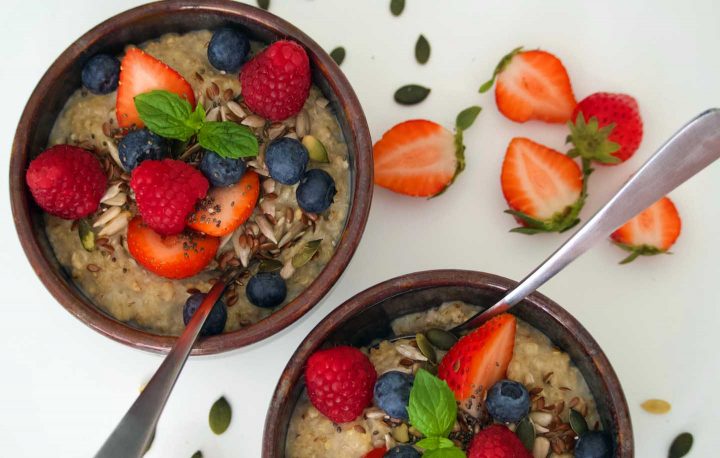
Oatmeal with fruits

A nutritious diet improves brain chemistry, provides energy and stress-lowering compounds, and provides brain growth factors that increase brain nerve connections. This means a greater capacity for learning, meeting challenges, fighting depression, and solving problems.

Rest. Rest restores and helps heal the body and brain. Establish a regular “sleep routine.” A rested brain makes better choices.

Exercise. Exercise is a major factor in relieving and preventing depression. It causes structural changes in the brain that improve brain function even in cases of serious clinical depression. Exercise relieves anxiety, improves focused attention, creativity, problem-solving, and lowers stress. A 10-minute brisk walk can elevate mood for an hour. Daily exercise has been dubbed the most potent anti-depressant agent known to man. New evidence has shown that exercise actually stimulates the production of new nerve cells in the brain.

Social and Environmental. Attitude, social networks, and a healthy lifestyle weave together for physical and mental health. Establish relationships that support healthy choices.

Habits of Thinking and Outlook. To a large extent we have the ability to choose how we will think about a situation. Focus on gratitude and thankfulness. Check negative thoughts. Focus on solutions rather than problems. Look at difficulties as opportunities for gaining strength to meet challenges. Two of the most important tasks in overcoming depression are focusing on thinking in a positive way and trusting God and His Word regardless of feelings.

Call to Action: The Living Word

Everyone faces turmoil, trouble, trials, uncertainty, and sorrow. The stories in the Bible show us that in the middle of difficult times, God provides peace, comfort, and direction. 

“He drew me up from the pit of destruction, out of the miry bog, and set my feet upon a rock, making my steps secure” (Psalm 40:2 ESV). Healing takes place with time and perseverance. Today’s choices yield tomorrow’s gifts. Persevere to press in, press on, and press through your situation. There is power for your journey, and even joy in the healing process.

“He put a new song in my mouth, a song of praise to our God…” (Psalm 40:3 ESV). Choosing God, choosing faith, choosing His plan are all decisions based on your personal choice, not feelings. You can trust his promises. Isn’t now the best time to discover in God’s Word the peace, comfort, and plan He has for your life?

Healthy Fruits

Stay Always Up to Date

Sign up to our newsletter and stay always informed with news and tips around your health.

Sign Up Now!

This article was originally published on the Time to Get Ready website.

Visit LifestyleMatters.com for more resources.

Filed Under: Depression, Mental Health

Digestion – A Churning Question

June 24, 2023 by Vicki Griffin - [rt_reading_time label="Reading Time:" postfix="minutes" postfix_singular="minute"]

Digestion - A Churning Question

Gastronomic Warfare. It’s relaxing to watch the swirling, gurgling bubbles that fish thrive on in tropical fish tanks. But it’s a different matter when it is happening in your gut. Is there relief from the burping, belching, bloating, indigestion and bowel trouble that plagues up to 10 million Americans and 20 percent of adults worldwide? Many digestive and bowel disorders have their root in our cultural shift away from dietary fiber, exercise, and social connectedness. Frenzied, fast-paced, isolated lifestyles combined with fatty fast foods, sugary snacks, and inactivity has taken its toll on digestive health, causing a sharp rise in what are called “functional bowel disorders.”

Digestion - A Churning Question

“Functional bowel disorders” include irritable bowel syndrome, constipation, diarrhea, and bloating. There are many causes of bowel and digestive disorders. Always work with your physician for specific diagnosis and treatment of GI conditions. 

Digestion Basics. Our digestive system, like many systems in nature, works best in orderly rhythms and cycles. Regular hours for eating, sleeping, relaxation, exercise, and other routines promote mental, physical, and digestive health. The following practical tips can help improve digestion and bowel function — so you can enjoy the bubbles in your favorite fish tank — but not experience their distressing effects in your gut!

Menu Do’s and Don’ts. Dietary recommendations for functional bowel disorders include higher fiber intake combined with a lower fat diet.((American Society of Colon and Rectal Surgeons)) A diet rich in fresh fruit, vegetables, whole grains such as oatmeal, brown rice and other plant foods have a “bulking effect” that promotes regularity and reduces constipation and diarrhea.

Meals high in saturated fat and cholesterol promote gastritis, or inflammation of the stomach lining.((Arteriosclerosis, Thrombosis, and Vascular Biology 2001;21(6):991-6.)) Plant foods are high in nutrition and low in fat. Dietary fiber reduces the risk of gastritis and risk for inflammatory bowel disease. These foods provide an environment for healthier gut bacteria, called microbiome, that enhance gut, brain and immune health.

Hot spicy foods, alcohol, caffeine, and high sodium promote inflammation and work against digestive health. Regular times for eating combined with a high fiber diet and exercise lower inflammation and promote healthy peristalsis, the wavelike movements that move digested matter along the GI tract.

Chili Pepper

Meal Timing and Other Tips

  • Regularity. Skipping breakfast and frequent snacking tend to increase total calorie intake and add pounds. Frequent eating interferes with the ability of the stomach to process the next meal.((Appetite 2007;48(2):199-205.)) This can cause indigestion, discomfort, and gas. Frequent eating at all hours is linked to colon cancer,((Int J of Cancer 2011, April 25 [epub].)) and night-time eating is associated with acid reflux and poor quality sleep. A large evening meal can worsen blood sugar levels in type 2 diabetics the next morning.((J Diabetes Comp 1998;12(2):61-64.))
    – Try this…  Eating a hearty, whole grain breakfast with fresh fruit and nuts and reducing food in the evening is linked with better weight control, mood and mental function.((Am J Epidem, Jan 2008; J Am Diet Assoc 2005;105(9):1383-9.)) The old adage is: “Eat breakfast like a king, lunch like a queen, and supper like a pauper.”
  • Rapid eating. “Wolfing down” a meal is a common cause of indigestion and stomach upset.  It is also linked with poor blood sugar control((Prev Med 2008;46(2):154-9.)) and stomach cancer.((Oncology Reports 1998;5(5):1191-4.))
    – Try this…  People who eat more slowly eat less and therefore consume up to 200 fewer calories a day. Chewing food well is linked with better mental function and mood. Nutrient availability and digestion are also improved with slower-paced eating and well-chewed food.
  • Reduce portions. Studies show that when we eat “just a little bit less” than what it would take to feel completely full it aids digestion and even extends life. Eating less reduces indigestion and acid reflux.
    – Try This…  Take smaller portions and stop eating before your stomach feels “stuffed” or even just shy of completely full.  You will notice less of a “mental fog” or feeling of listlessness after meals.
  • Replenish water. Drinking water between meals instead of consuming large amounts of fluid at mealtime leaves more room for healthy food choices and aids digestion.
    – Try This…  “Charge” your system with a glass of warm or room temperature water each morning.  Add a little lemon for zest.  To reduce acid reflux, experts recommend waiting an hour after eating before taking liquids, and eating and drinking no later than three hours before bedtime.((WebMD 2000 Health News.))
Lemon Water

Mood and Motion. There is a strong “brain-gut” connection that links emotional health with digestive health. Chronic stress, anxiety, and depression are associated with IBS, abdominal pain, diarrhea, constipation, and stomach ailments. Managing stress, relaxation exercises, and physical exercise help lower stress, improve mood and mental processing, and ease depression — all of which are good for mood-related GI problems.

Intense exercise such as running can worsen IBS symptoms. Gentle yet cardio-stimulating exercise is best, such as brisk walking.  Find times for exercise when your intestines are the “quietest” and increase duration and intensity slowly.

Call to Action: The Living Word

The Bible teaches us that there is a “time and a season” to every purpose under heaven. Regularity in eating times, healthy choices, controlling stress, and connecting with positive people all work together to create emotional and digestive stability. Just as systems in nature and biology have orderly patterns and an ultimate plan, God has a wonderful plan and purpose for your life. He invites you now: “Behold, I stand at the door and knock. If anyone hears my voice and opens the door I will come in to him and dine with him, and he with Me” (Revelation 3:20). In the same way that eating good food at regular intervals eases digestive ailments, feeding on the Word of God every day will help smooth out life’s path and connect you with the Source of eternal life.

Healthy Fruits

Stay Always Up to Date

Sign up to our newsletter and stay always informed with news and tips around your health.

Sign Up Now!

This article was originally published on the Time to Get Ready website.

Visit LifestyleMatters.com for more resources.

Filed Under: Body Systems, Digestive Tract, Nutrition Tagged With: bloating, functional bowel disorders

Changing Bad Habits — for Good!

May 28, 2023 by Vicki Griffin - [rt_reading_time label="Reading Time:" postfix="minutes" postfix_singular="minute"]

Changing Bad Habits

Habits — we all have them.  American author Elbert Hubbard said: “Habit is the great economizer of energy.” He was exactly right.  Habits are our friends — when they’re good ones. Habits are routines that help us repeat safe and effective behaviors and build consistency and security into our lives. 

Changing Bad Habits — for Good!

But bad habits can become addictions. In the past, the term addiction was used only to refer to problems with substances such as drugs, alcohol, or nicotine. But addictions can include many behaviors and activities including gambling, shopping, overwork, sex, internet abuse, and food.”((Substance Use Misuse 1997:32(11)1573.))

Brain on a Binge.  A hallmark of addiction is continued self-destructive behavior despite adverse consequences. When an addiction develops, what is happening in the brain? For one thing, the pleasure circuits in the brain become “hijacked” by the addictive substance or behavior, producing intense cravings. 

The Tangled Roots of Addiction. Addictions have many possible roots, including emotional, spiritual, physical, environmental, and genetic. Addictions are strong — but the weapons available to win the war against addiction are even stronger.  In any war, it is important to have a plan in order to achieve a decided victory.

If you think you have an addiction, work closely with a health care professional, and especially if the addiction includes drugs or alcohol.

The Learning Brain. Can bad habits be broken? God has designed the human brain — even in adulthood — with a powerful capacity to reshape itself according to what it learns and even grow new connections, or neurons.  Psychiatrist John Ratey explains:  “Experiences, thoughts, actions, and emotions actually change the structure of our brains. By viewing the brain as a muscle that can be weakened or strengthened, we can exercise our ability to determine who we become. Indeed, once we understand how the brain develops, we can train our brains for health, vibrancy, and longevity.”((Ratey J. User’s Guide to the Brain (New York, NY: Vintage Books, 2002) p. 17))

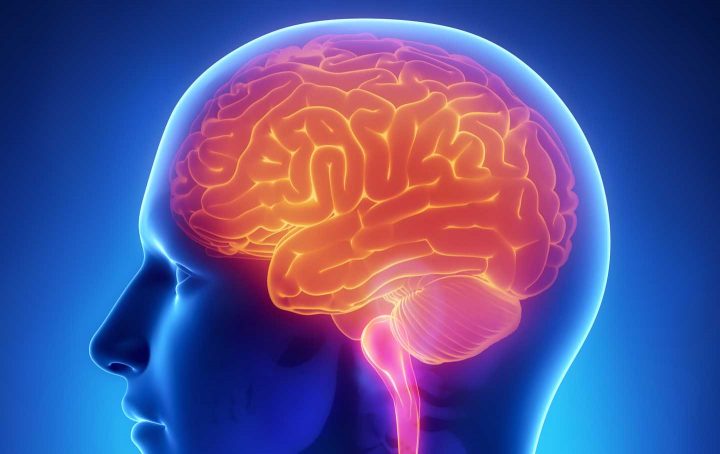
Illustration of the brain

Good habits can become just as strong as bad ones! Creating good habits works the same way as creating bad habits. Doing the same thing over and over sets a pattern in the brain that creates a habit.

Freedom Keys.  Potent, powerful, and protective weapons are available to help you make and maintain permanent change over time. They include:

Creating an Environment — Internally and Externally.  Pay attention to your internal environment — your thoughts.  Cultivate thankfulness in place of negativity. What you make up your mind to be, you will be. “As man thinks in his heart, so is he.” Proverbs 23:7. John Ratey states it this way: “We can actually change our brains. By altering the external environment or the internal environment of our bodies, we can take better advantage of our strengths and amend our weaknesses…One necessary precursor to change, though, is often a change in attitude.”((Ratey J. User’s Guide to the Brain (New York, NY: Vintage Books, 2002) p. 356))

Pay attention to your external environment — the things that surround you. Make sure your surroundings are helping you, not hurting you. Create an environment where it is easier to make the positive choice. Remove temptation. Practice new behaviors. For example, place a bowl of fresh fruit on the counter to replace the candy dish or ashtray. Keep your walking shoes by the door. Have your gym bag in the car for ready access.

Creating a Lifestyle. Positive lifestyle choices protect the brain and body, making it easier to cope with stress and enjoy new things to do in life. Daily exercise improves learning, increases energy, and lowers anxiety.  Eating plenty of fresh fruits, vegetables, and whole grains, beans, and nuts — builds mental strength and eases stress. Regular rest and plenty of water refresh the body and mind and prepare it for new challenges.

A senior woman getting a glass of water

Creating Connections.  Get connected with friends who will encourage you in your new choices.  Personal growth takes place as we interact with others. Connecting with church and community resources makes our world bigger than our circumstances.

It creates opportunities for giving, receiving, and learning communication skills, and building meaningful experiences. Connections can provide support and accountability that increase long-term success. 

Establish or strengthen your connection with God.  This will give you power to make positive choices and stick with them over time. God will help you discover your true value and purpose in life.  

Practice on Purpose!  We have all heard the expression “practice makes perfect.” Purposeful repetition builds good habits. The more times a positive thought or action is repeated, the more it is cemented in the brain. Successful people are not mistake-free — they just refuse to give up. Adopting healthful habits of living and thinking requires determination.  But knowing that the brain can recover from addictions and move forward provides hope.

Call to Action

“Trust in the Lord with all your heart, and do not rely on your own insight. In all your ways acknowledge Him, and He will direct your path.” Proverbs 3:5-6. You can trust your Redeemer who died to create a new heart in you; new desires, new motives, new strength.

“Don’t you be afraid, for I am with you. Don’t be dismayed, for I am your God. I will strengthen you. Yes, I will help you. Yes, I will uphold you with the right hand of my righteousness” (Isaiah 41:10 WEB). God sees your potential. You are here for a reason. Jesus is reaching out to you.  Will you take His hand right now and say, “Yes, Lord, I believe.  Help my unbelief.  Strengthen me and guide me in your way.”

Healthy Fruits

Stay Always Up to Date

Sign up to our newsletter and stay always informed with news and tips around your health.

Sign Up Now!

This article was originally published on the Time to Get Ready website.

This information is adapted from the book Living Free: Finding Freedom from Habits that Hurt.  Visit us at LifestyleMatters.com or call 1-866-624-5433 for your resources to build a better brain, body, and lifestyle.

Filed Under: Addictions, Healthy Lifestyle, Mental Health, Temperance

Next Page »

Primary Sidebar

Social Channels

Coronavirus Immunity Challenge

Boost your immune system to be bullet-proof for the pandemic.

I Want to Participate

Recent Posts

  • 5 Habits to Live Longer
  • Better Sleep Can Protect Against Dementia
  • Finding Peace In Your Crazy-Busy World
  • Flaxseed – An Ancient Plant Rediscovered
  • Platelets – Triggers for Life or Death
  • Boderline Personality Disorder
  • In Praise of Almonds and Nuts
  • Are You Stuck in the Clutter Trap?

Categories

  • Body Systems (16)
    • Cell Function (2)
    • Circulatory System (1)
    • Digestive Tract (10)
    • Immune System (4)
  • Diseases (27)
    • Cancer (2)
    • Cold (1)
    • COVID-19 (11)
    • Dementia (1)
    • Diabetes (1)
    • Digestive Diseases (2)
    • Heart Disease (2)
    • Kidneys (1)
    • Metabolic Syndrome (2)
    • Skin (1)
  • Healthy Lifestyle (42)
    • Exercise (11)
    • Gardening (2)
    • Sleep (7)
    • Sunlight (2)
    • Temperance (14)
    • Water (4)
  • Mental Health (87)
    • Addictions (6)
    • Anxiety (7)
    • Burnout (1)
    • Depression (7)
    • Psychosomatic Diseases (6)
    • Stress Management (45)
    • Trust (6)
  • Nutrition (56)
  • Obesity (9)
  • Phases of Life (14)
    • Adults (3)
    • Babies and Infants (1)
    • Children (3)
    • Seniors (5)
    • Teenagers (3)
  • Therapies (7)
    • Herbs (5)
    • Hydrotherapy (1)
  • Uncategorized (3)

Archives

  • January 2025 (1)
  • March 2024 (5)
  • February 2024 (4)
  • January 2024 (4)
  • December 2023 (5)
  • November 2023 (4)
  • October 2023 (5)
  • September 2023 (4)
  • August 2023 (3)
  • July 2023 (2)
  • June 2023 (4)
  • May 2023 (4)
  • April 2023 (5)
  • March 2023 (4)
  • February 2023 (4)
  • January 2023 (4)
  • December 2022 (4)
  • November 2022 (4)
  • October 2022 (5)
  • September 2022 (4)
  • August 2022 (4)
  • July 2022 (5)
  • June 2022 (4)
  • May 2022 (5)
  • April 2022 (4)
  • March 2022 (4)
  • February 2022 (4)
  • January 2022 (5)
  • December 2021 (3)
  • November 2021 (4)
  • October 2021 (6)
  • September 2021 (4)
  • August 2021 (4)
  • July 2021 (5)
  • June 2021 (4)
  • May 2021 (3)
  • April 2021 (5)
  • March 2021 (4)
  • February 2021 (4)
  • January 2021 (5)
  • December 2020 (3)
  • November 2020 (4)
  • October 2020 (5)
  • September 2020 (5)
  • August 2020 (3)
  • July 2020 (1)
  • June 2020 (1)
  • May 2020 (1)
  • April 2020 (1)
  • March 2020 (1)

Copyright © 2026 · Abundant Health - Privacy Policy - Medical Disclaimer