Abundant Health

Up to date health information tailored for you

  • Home
  • Blog
  • Recipes
  • Shop
  • Contact
You are here: Home / Archives for Vicki Griffin

Vicki Griffin

Exercise: It Goes to Your Head

April 30, 2023 by Vicki Griffin - [rt_reading_time label="Reading Time:" postfix="minutes" postfix_singular="minute"]

Exercise - It goes to your head

Hulda was depressed, overweight, sickly, and constantly fatigued. In her 60’s and suffering from the loss of her husband, her poor health aggravated her depression. Born in 1896 and reared on a Canadian farm, her diet was rich in meat, milk, cream, butter, eggs, and candy. She began walking to relieve her sadness — and set some new records in the process!
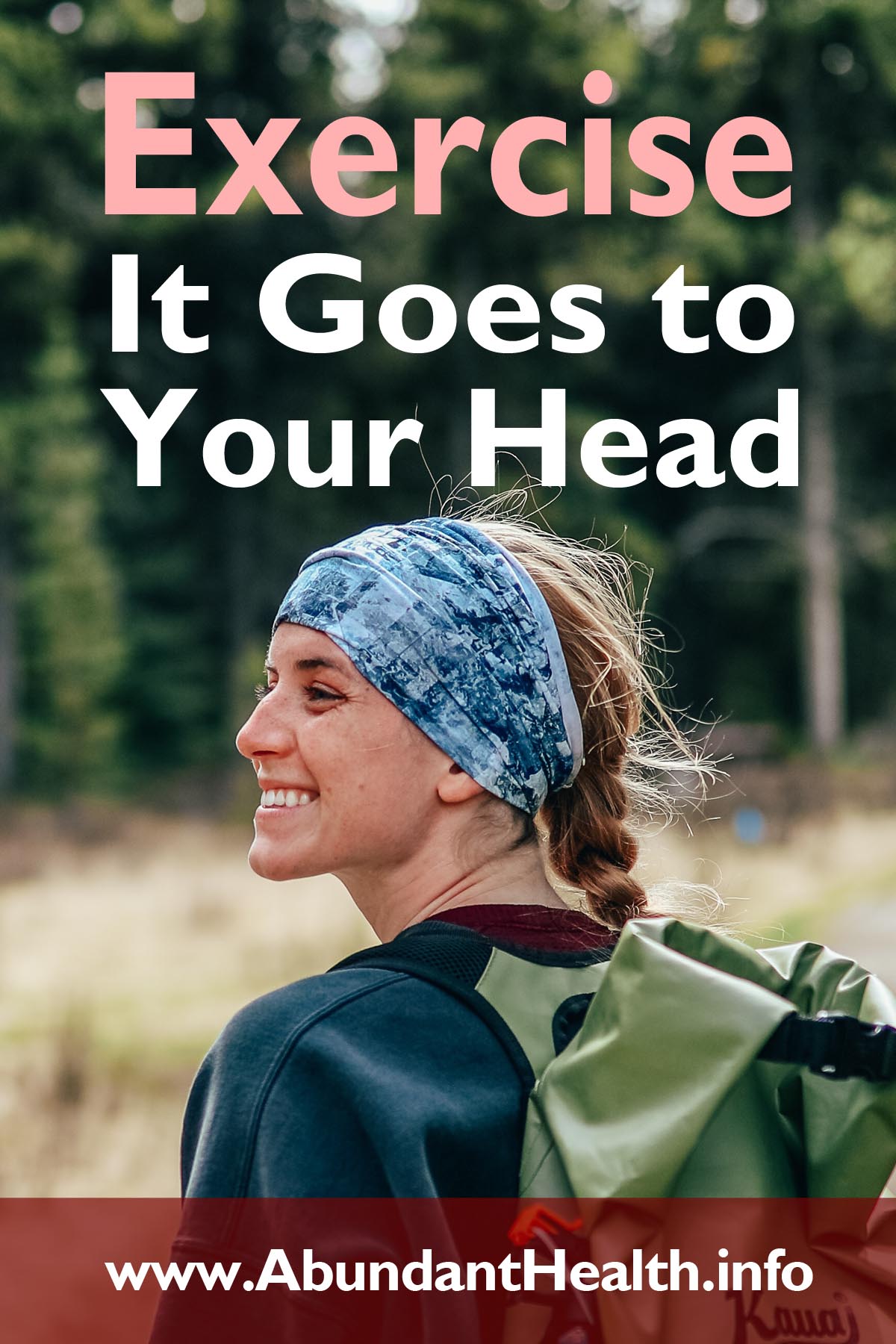
Exercise: It Goes to Your Head

Between the ages of 65 and 91, Hulda Crooks scaled 14,505-foot Mount Whitney 23 times, won eight world athletic records for women over the age of 80, and climbed 86 different Southern California peaks — all over 5,000 feet!  Affectionately known as “Grandma Whitney”, Crooks Peak near Mount Whitney was named in her honor in 1990.

Hulda described a typical day in her life at age 80: “Early to bed and early to rise. Out jogging about 5:30 a.m. Jog a mile and walk it back briskly. It takes me 12 minutes to jog the mile and 15 minutes to walk it. Do some upper trunk exercises, work in the yard, walk to the market, and work.”((Vibrant Life, Jan 1, 1989. Two Women with Zest and Vitality after Age 80.”))

At 91 she became the oldest woman to climb Mount Fuji in Japan. She hiked the entire 212-mile John Muir Trail in the High Sierras. She died at 101 — without depression.

Hulda Crooks climbing mount Fuji

A healthful diet, exercise, faith in God, and a positive mind-set proved a winning combination for Hulda.  She wrote: “I have an abundance of fresh raw fruits and vegetables as well as the cooked kind. . . .You need both a good diet and sufficient exercise. The exercise is absolutely essential in keeping up a good circulation. If we don’t exercise, the circulation is sluggish and that affects the entire body, the mental as well as the rest of the body.” She found that being in nature was a tranquilizer for her emotions. She called nature “the picture book of the Bible.”

Hulda believed that “mental attitude has so much to do with every function of the body. If we can develop an attitude of gratitude for the blessings that we have, we will be much better off.”

What if she didn’t feel like exercising? Hulda replied: “Usually I do it anyway. . . . If the brain is on top, it should be in charge and tell the rest of the body what to do. And so that’s what I do.”

Grandma Whitney “showed the world that mental, physical, and spiritual health is attainable at any age.”((Hulda Crooks passes away at 101. Loma Linda University news release, 1997.)) Hulda climbed more than mountains; she climbed out of poor health habits and depression into a positive, balanced lifestyle.

Do you need to climb mountains in order to obtain the exercise advantage? Actually, a daily regimen of modest exercise has a powerful effect on the mind as well as the body. When you feel better, you think better. Motion balances emotion. Exercise promotes physical health by reducing the risk and progression of heart disease, stroke, diabetes, and cancer. It also:

Improves Mood

  • Students who exercise show lower levels of anxiety, shyness, loneliness, and hopelessness than less active peers.((Adolescence 1994 Spring:29(113)183-91))
  • Moderate, regular exercise improves mood, vigor, psychological well-being, creativity, and self-esteem in all age groups.((J Cardiopulm Rehabil 1994:14:35-42.
    Obes Res 1998 May:6(3)208-18.
    Percept Mot Skills 2002 Jun:94(3 Pt 1)732-4.
    Percept Mot Skills 2001 Aug:93(1)311-6.))
  • Regular exercise can reduce symptoms of depression, and even alleviate major depression.((Psychosom Med 2000 Sep-Oct:62(5)633-8.
    J Clin Psychol 2001 Nov:57(11)1289-300.))

Reduces Stress

  • A single bout of exercise can be a valuable short-term therapy for reducing tension, depression, anger, and confusion.((J Psychosom Res 1996 Feb:40(2)123-41.
    Percept Mot Skills 1991 Jun:72(3 Pt 2)1203-9.))
  • A ten-minute brisk walk will yield one hour of increased energy and reduced tension, whereas a sugary snack can result in fatigue and tension.((Percept Mot Skills 1991 Jun:72(3 Pt 2)1203-9.
    J Pers Soc Psychol 1987 Jan:52(1)119-25.))
  • Moderate-intensity exercise is more beneficial than high-intensity exercise for anxiety reduction.((Med Sci Sports Exerc 1999 Mar:31(3)456-63.; Med Sci Sports Exerc 2000 Feb:32(2)549.))
  • Regular exercise increases the ability to handle stress by lowering stress hormones.((Am J Physiol Regul Integr Comp Physiol 2003 Feb:284(2)R520-30.))

A family walking in a park

Boosts Brain Power

  • Exercise stimulates neuronal growth and blood flow in the brain, and increases neurotransmitter availability and efficiency.((Sports Med 1995 Feb:19(2)81-5.))
  • Aerobic exercise improves mental fitness, particularly the ability to plan, coordinate, and filter out distracting information.((Nature 1999 Jul 29:400(6743)418-9.))
  • Physical activity enhances learning and memory.((Neuroscience 2003:117(4)1037-46.
    Neurobiol Aging 2002 Sep-Oct:23(5)941-55.))
  • Exercising children learn better.((Healy J. Endangered Minds: Why Our Children Don’t Think and What We Can Do About It (New York, NY: Simon and Schuster, 1991).))
  • Brisk walking for 45 minutes 3 times a week can improve mental processing abilities that normally decline with age.((Psychol Sci 2003 Mar:14(2)125-30.))

What is the best form of exercise? It’s the one you are willing to stick with! Have a plan for every season. Enjoy brisk walking, hiking, jogging, bicycling, swimming, golfing, skiing, or canoeing. Chores such as splitting wood, raking, and gardening provide many health benefits. Keep your gym bag packed and in the car to remind you to go to the gym as part of your work or school day. Work with your healthcare provider or educator to adopt a plan that will work for you.

Call to Action

“Blessed are those that keep My ways…For by Me your days will be multiplied, and years of life will be added to you” (Proverbs 8:32; 9:11). From the beginning, God linked exercise with lifestyle and nutrition. God blessed man with exercise as an antidote to many mental and physical maladies, and He will help both improve—as you get up and move! Movement creates positive changes in physical, mental, and emotional states. So when you feel down, get up and get moving.

What exercise are you going to enjoy today?
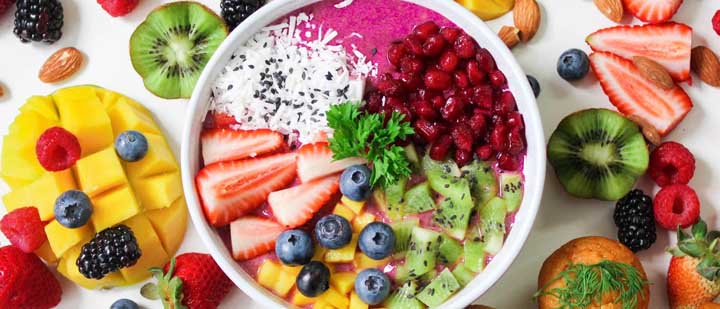
Healthy Fruits

Stay Always Up to Date

Sign up to our newsletter and stay always informed with news and tips around your health.

Sign Up Now!

This article was originally published on the Time to Get Ready website.

Visit LifestyleMatters.com for more resources.
Filed Under: Exercise, Healthy Lifestyle

The Vegetarian Edge

April 2, 2023 by Vicki Griffin - [rt_reading_time label="Reading Time:" postfix="minutes" postfix_singular="minute"]

The vegetarian edge

Americans are suffering from a great burden of disease that is rooted in lifestyle. Seventy percent of chronic diseases and ailments — including a third of all cancers — are related to diet.((“Eating to Beat Cancer,” special supplement, Tufts University Health and Nutrition Letter (May 2007).))

The Vegetarian Edge

There are seven deadly shifts in dietary intake that are major contributors to obesity, heart disease, diabetes, high blood pressure, and cancer. They are:

  1. increased refined sugars;
  2. high saturated fat but low omega 3 and monounsaturated fats;
  3. high total fat and calories;
  4. increased animal products;
  5. high sodium and low potassium;
  6. low vitamins, minerals, and trace minerals; and
  7. low plant fiber.((Am J Clin Nutr 2005;81(2):341-54.))

We are way off course in our eating habits — but charting a course toward better health is easier — and tastier — than you may think.

Set Sail for Better Health

The journey toward improved health, energy, mood, and weight may be as close as your garden — or your local produce department. Major research groups recommend that we get most of our calories from vegetables, fruits, legumes, beans, nuts, and whole grains.((www.cnpp.usda.gov/DGAs2010-DGACReport.htm)) A plant-based diet has many advantages — it provides color, variety, flavor, and balanced nutrition. It has “fill-up” value because of its high fiber, low-calorie content, so it helps you achieve and maintain a healthy weight. It improves brain health and mood, lowers stress, and helps you live longer and better. It’s pretty on your plate, satisfying to the palate, and good for the planet.

A sailboat cruising with a good wind

Heart Disease

“Coloring up” your plate may be the first and best step in preventing or reversing heart disease. Add more fresh fruits and vegetables: they provide powerful antioxidants that reduce inflammation and fight plaque build-up. Lowering saturated fats helps reduce cholesterol. Replace the saturated fats found in meat and high-fat dairy products with plant fats like nuts, olives, avocados, flaxseed meal, and vegetable oils. This can reduce the risk of heart disease and heart attack by up to 50%.((Hall D. The Vegetarian Advantage. Pacific Press, 2010.)) Vegetarians (those who do not eat meat) have less heart disease than meat-eaters.((www.cnpp.usda.gov/DGAs2010-DGACReport.htm))

Diabetes

The Adventist Health Study found that vegetarians have less incidence of diabetes than non-vegetarians.((Fraser G. 5th Int. Congress on Vegetarianism; 2008.)) Vegetarians are less likely to be overweight — a major contributor to type 2 diabetes. A plant-based diet is high in fiber, which helps control blood sugar — another major factor in preventing diabetes. Many people who have type 2 diabetes are able to manage and even reverse their diabetes through diet, exercise, and weight loss.

High Blood Pressure

The National Institute of Health created an eating plan to reduce high blood pressure. DASH (Dietary Approaches to Stop Hypertension) is a near-vegetarian diet that is low in animal fat, sodium, and cholesterol. It emphasizes high potassium fruits, vegetables, beans, whole grains, and nuts. DASH studies showed that 77% of those who combined daily exercise with more plant nutrition and less meat reduced high blood pressure to normal levels within 6 months.((Hall D. The Vegetarian Advantage. Pacific Press, 2010.)) The Adventist Health Study has further shown that vegans (those who do not eat animal or dairy products) had the lowest blood pressure of any group.((www.nih.gov/news/press/01-12-17.htm))

Cancer

Plant foods are linked to a lower risk of certain cancers. Beans, lentils, peas, and fruit are protective against prostate cancer. Fruit, soy, lentils, beans, and peas lower pancreatic cancer risk. Dietary fiber and legumes protect against colon cancer, while animal saturated fat increases the risk. Vegetarians have an 85% decreased risk of colon cancer compared to those who eat meat regularly.((Fraser G. Center for Health Research, Loma Linda University.))

Getting Started: Charting Your Course

1. Use the Plan of Addition.

Focus on adding more garden foods or foods from the produce department.

2. Eat plenty of fruits and vegetables.

Aim for at least 5 servings (2-3 cups) of fruit and 5 servings (2-3 cups) of vegetables a day.((DASH Eating Plan at http://www.nhlbi.nih.gov/health/dci/Diseases/dash/dash_follow.html)) Enjoy fresh fruit choices at breakfast and as a replacement for rich desserts. Choose vegetable soups, beans, and vegetarian entrees instead of pizza, burgers, and steak.

3. Choose whole grains.

Enjoy brown rice, whole wheat bread, multi-grain pasta, and whole grain cereals such as steel-cut oats. Look for cereals that have at least 3 grams of fiber or more per serving. Make sure at least half of your grain choices are whole grains.

4. Increase beans and legumes.

Beans and legumes are rich in fiber, minerals, antioxidants, and protein. Add garbanzo or other beans to soups, salads, and pasta dishes. Try hummus as a spread instead of butter.

5. Enjoy nuts.

One ounce (about 1/4 cup) of nuts or seeds almost every day can cut your risk of a heart attack significantly. Walnuts are rich in omega 3 fats, which lower inflammation and improve brain health.

6. Try vegetarian entrees.

Grocery stores and restaurants offer many vegetarian entrees such as tofu and soy burgers, garden or black bean burgers, patties, burger crumbles, and sausage. Vegetarian cookbooks provide easy, delicious recipes using grains, tofu, pasta, potatoes, and beans.

7. Eat Smart.

A healthy diet is more than just eliminating meat and dairy or reducing sweets, soda pop, French fries, and processed foods. Get adequate calcium from dark, leafy greens, beans, and/or calcium-fortified soy milk, or calcium supplements. Vitamin B12 is essential to brain and nerve health; get it from fortified cereals and vegetarian foods or a daily supplement.

Call to Action

You are “fearfully and wonderfully made,” a “marvelous” work of God (Psalm 139:14). By following the natural laws that promote health, we can reduce the risk of much sickness and disease and experience longer, happier, and more productive lives.

Your body is made to be a temple or sacred dwelling place for God’s Holy Spirit…”you are God’s workmanship — His building” (1 Corinthians 3:9). With a healthier mind and body, you will be better able to hear God’s voice. You can start today to choose a more abundant life — one bite at a time.

Healthy Fruits

Stay Always Up to Date

Sign up to our newsletter and stay always informed with news and tips around your health.

Sign Up Now!

This article was originally published on the Time to Get Ready website.

Filed Under: Nutrition Tagged With: plant based diet, vegetarian diet

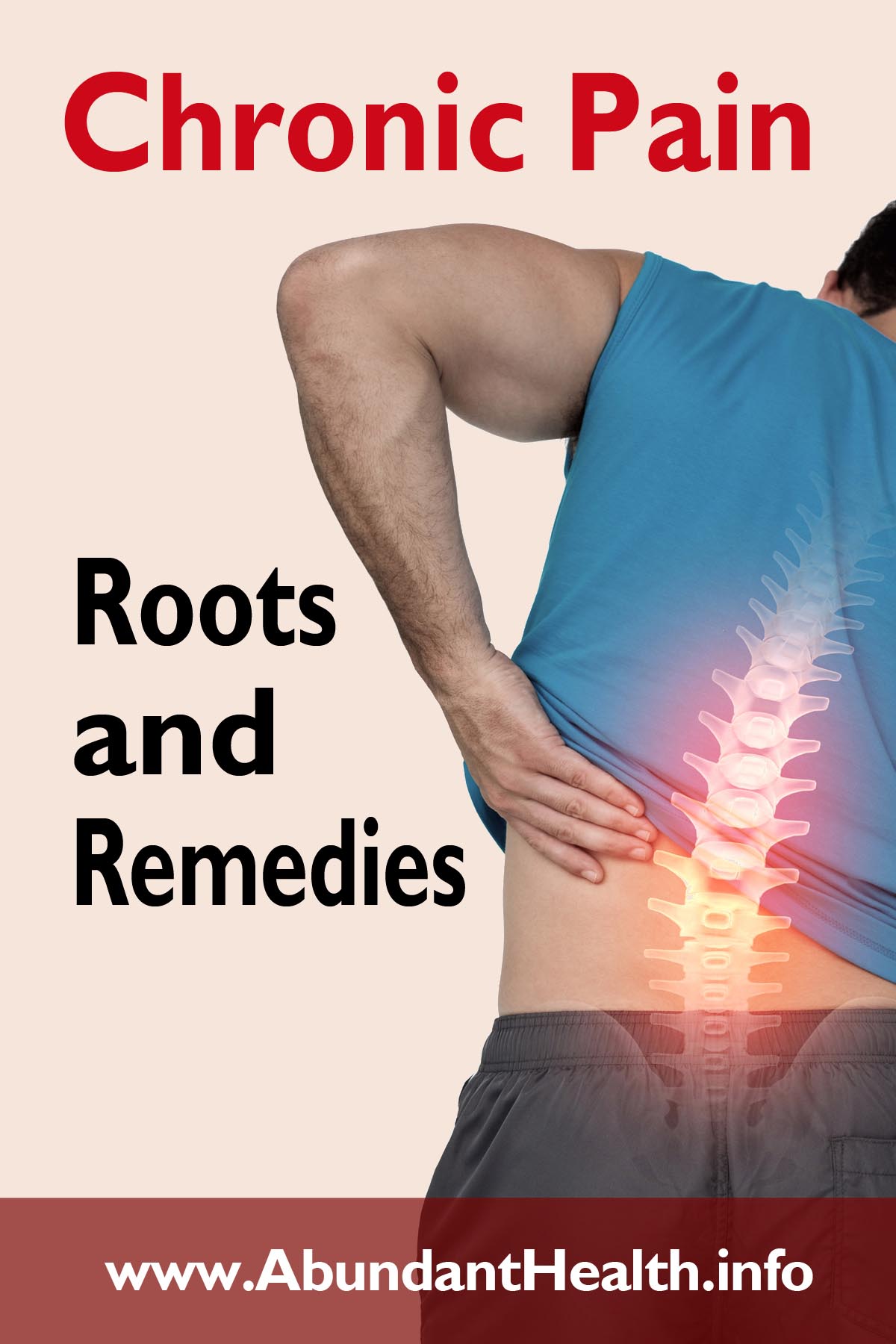
Chronic Pain: Roots and Remedies

March 5, 2023 by Vicki Griffin - [rt_reading_time label="Reading Time:" postfix="minutes" postfix_singular="minute"]

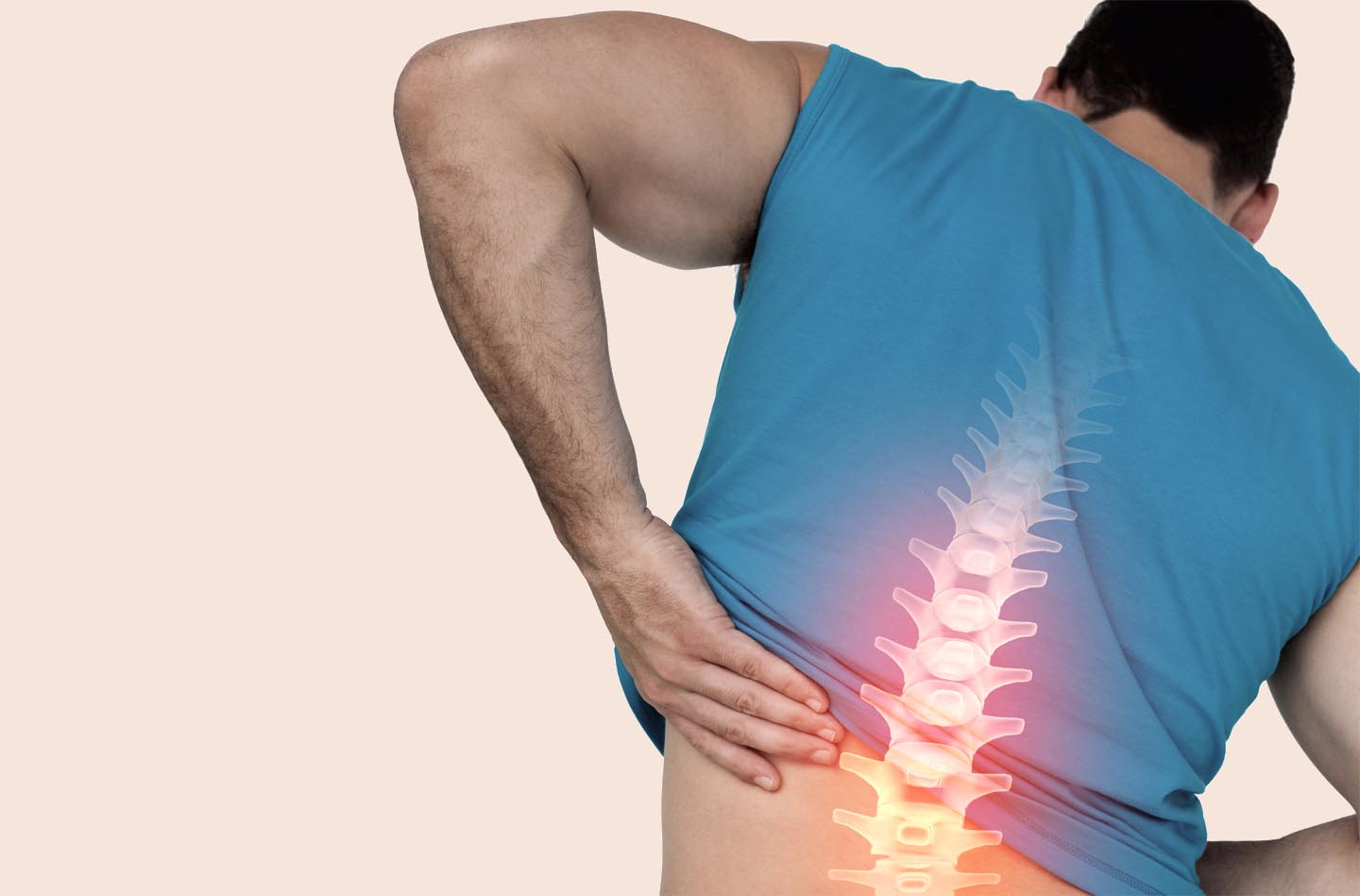
Chronic Pain

It all began with a slip on icy steps, a broken hip, an injured back, and a messy lawsuit. Surgery and medication had not resolved Jim’s pain.

Chronic Pain: Roots and Remedies

“I can’t believe it,” he complained: “Here I am, an executive being reprimanded for poor work. I am taking high doses of pain pills that are affecting my personality and performance, but not touching the pain.”

Jim was constantly stressed and used caffeine and sugary drinks to quench the fatigue and depression that dogged his steps. His anger and depression combined with his preoccupation with his pain affected his marriage; he and his wife were now separated.

He quit exercising and gained weight. His travel fare consisted of fast-food burgers, candy bars, and beer. He developed diabetes and obesity — which exacerbated his pain and depression.

Jim feels alone, but he isn’t. Chronic pain — pain that persists for more than six months — affects around 100 million Americans and is associated with conditions that include physical injury, headache, arthritis, cancer, and diabetes-linked nerve pain.((PNAS Oct 2001; 98 (21): 11845-11846)) Many pain therapies are either inadequate or cause side effects.

Jim’s story shows that chronic pain can involve physical insult combined with emotional, psychological, and social factors that affect the nervous system at the molecular level.

Pain can persist long after an injury is healed, so in one sense chronic pain can become its own self-perpetuating condition. This is particularly true of back, neck, and headache pain. Seven out of ten chronic back-pain patients have no detectible physical basis for their pain.((Deal R. Chronic Pain, 2nd ed. INR, Concord, CA 2009.)) Some patients have physical signs of injury or deterioration, but experience no pain.

For those who suffer, this does not mean their pain is imaginary; it represents telltale changes in neurons that heighten pain sensitivity without cause, somewhat like a faulty smoke detector that shrieks when there is no fire at all or shrieks at the mere strike of a match.

A smoke detector in maintenance

“Pain kindlers” are factors that increase pain, and “pain dampeners” turn down the “volume” on chronic pain. 

Avoiding pain kindlers and increasing pain dampeners can tip the pain scale toward relief — and may even help “reeducate” the nervous system to permanently turn down the “volume” on its own malfunctioning pain system. Here are a few:

Expectation: Anticipating pain can amplify the pain response.((Pain 2008 Apr;135(3):240-50.)) Psychological factors play a large role in pain perception.((Prog Brain Res 2000;122:245-53.)) Patients who expect a shot to hurt will experience more pain than those who do not. A pessimistic attitude increases suffering. Positive expectations and optimism increases mood-elevating chemicals and reduce a sense of helplessness. This leads to faster recovery from wounds, lower pain perception, and better coping abilities, even with severe injuries.((Rehab Psychol 2010 Feb;44(1):12-22.))

Stress and mood: Chronic stress raises a person’s risk of developing a pain disorder.((J Pers April 2004;72:2.)) Catastrophizing, anxiety, depression, guilt, and negativity all heighten the sensitivity and activity of pain circuits, causing the sufferer to attach negative emotional meaning to his or her pain.((J Pers April 2004;72:2.))

Depression is a major factor underlying chronic pain.((Biol Psych 2010 Mar 17, epub.)) Treating depression and expressing gratitude can lessen pain and help you cope with existing pain. Think about the positives in your life and verbalize thankfulness for them each day.

Nutrition: Soda pop, caffeine, refined sweets, fried food, and large amounts of animal fat increase the body’s production of pro-inflammatory chemicals that increase pain sensitivity. They also contribute to obesity and other chronic disorders that enhance pain, arthritis, joint stiffness, and slow recovery from injuries.

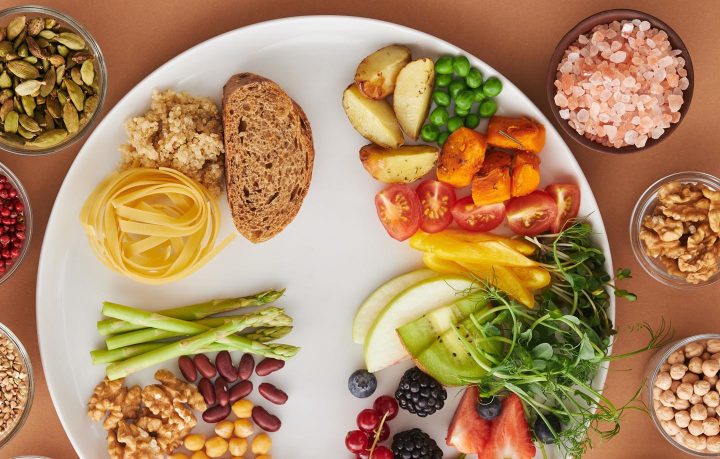
Meals rich in fresh fruits, vegetables, whole grains, beans, legumes, olives, avocados, and nuts (especially walnuts), lower inflammation. These foods contain many stress-reducing nutrients, including magnesium. Drinking plenty of fresh water is a great way to eliminate toxins associated with pain and injury. Supplementation with vitamin D3 may also alleviate some types of chronic pain.((http://pain-topics.org/pdf/vitamind-PPM-JulAug2008.pdf)) Have your vitamin D levels checked.

A plate of fruits, vegetables and whole grains

Exercise: Engaging in regular exercise suited to your ability improves mood, reduces anxiety, and increases flexibility, range-of-motion, muscle strength, oxygenation, and circulation. It can reduce pain and improve energy levels in chronic fatigue and fibromyalgia patients. Work with your doctor, but be persistent and consistent, and challenge yourself as you grow stronger! Exercise outdoors to get the sunshine advantage.

Sleep: Sunshine and exercise aid in developing a sound sleep pattern. Deep, regular sleep improves mood and can dampen pain perception. Caffeine, alcohol, and late-night eating can interfere with a good night’s rest.

Connections: Connect with others who are less fortunate than you. This is a great way to put your own challenges in perspective and turn your attention away from your pain. Surround yourself with encouraging people to gain strength during the ups and downs in your healing journey.

Connect with your doctor and other health care practitioners for guidance and available medical technologies.

Connect with God. He promises strength and comfort and has given us strategies for coping with and reducing pain. 

Looking for Answers

So, why do some face a life of chronic pain while others are healed?  We don’t have all the answers. But for all who come to Him for help, God promises “power to the weak, and to those who have no might He increases strength” (Isaiah 40:29). “The Lord will strengthen him on his bed of illness; (He) will sustain him on his sickbed” (Psalm 41:3).

Though your life here may be scarred by suffering, through faith you can look forward to a new life in heaven when Jesus returns. His promise is: “And God will wipe away every tear from their eyes; there shall be no more death, nor sorrow, nor crying. There shall be no more pain, for the former things have passed away” (Revelation 21:4).

No more pain! Guaranteed.

Healthy Fruits

Stay Always Up to Date

Sign up to our newsletter and stay always informed with news and tips around your health.

Sign Up Now!

This article was originally published on the Time to Get Ready website.

Filed Under: Diseases, Healthy Lifestyle Tagged With: chronic pain

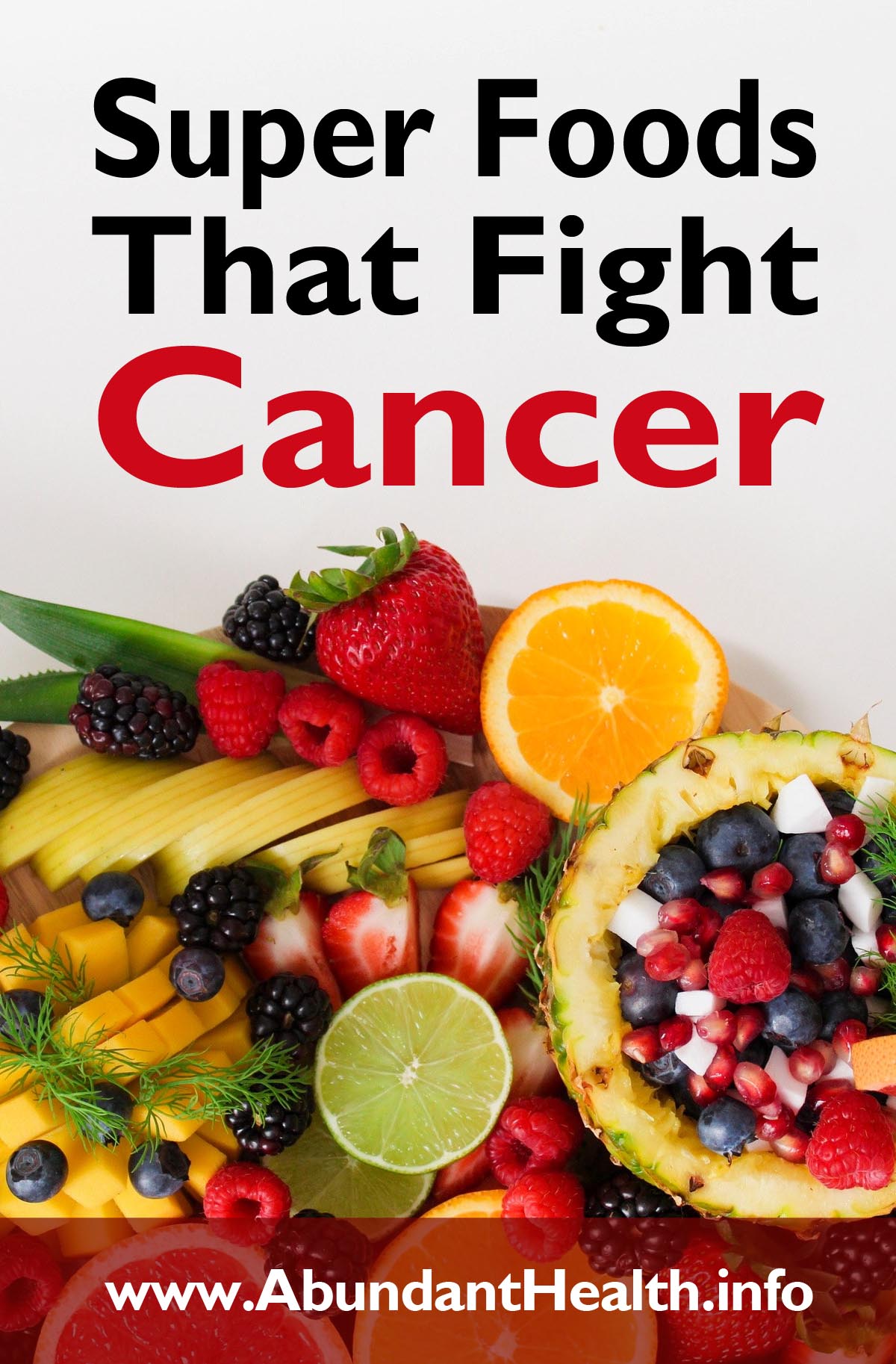
Super Foods That Fight Cancer

February 5, 2023 by Vicki Griffin - [rt_reading_time label="Reading Time:" postfix="minutes" postfix_singular="minute"]

Foods fighting cancer

Cancer. The very word strikes fear, and with good reason. Each year nearly 14 million people worldwide are diagnosed with cancer, and 7.6 million die from the disease.((http://www.cancer.gov/about-cancer/what-is-cancer/statistics)) However, evidence shows that 30-40 percent of these deaths are preventable, and one-third can be cured through early diagnosis and treatment.

Super Foods That Fight Cancer

We look for a magic bullet, a single cause and cure, but in vain. Cancer is not just one disease — it is a group of more than 100 diseases. There are many factors — genetic, environmental, lifestyle, some mysterious. The search for a cure is a multi-billion dollar industry, ranging from conventional to exotic.

An important weapon is found in the produce department of your grocery store. It is nature’s “Department of Defense.” Foods high in saturated fat and low in plant fiber increase the risk of numerous types of cancer and obesity.((Food, Nutrition, Physical Activity, and the Prevention of Cancer. AICR Report.
Acta Biomed 2006; 77(2):118-123.)) Fight back! Eat plenty of fresh fruits, vegetables, whole grains, and beans to reduce your risk of developing cancer and help you fight a better battle if cancer does occur.

Research published by the American Institute for Cancer Research (AICR) and others show several categories of nutrients and foods that have been shown to provide powerful benefits in preventing and fighting certain cancers.((Food, Nutrition, Physical Activity, and the Prevention of Cancer. AICR Report.)) According to the AICR, at least two thirds of your plate should contain colorful, cancer-fighting vegetables, fruit, whole grains, and/or beans.((AICR report: Foods That Fight Cancer. 2007)) AICR has an online nutrition guide.((A Cancer Nutrition Guide—American Institute for Cancer Research.)) Here are just a few cancer-fighting superheroes featured in a recent AICR report, Foods That Fight Cancer:((http://www.aicr.org/foods-that-fight-cancer/))

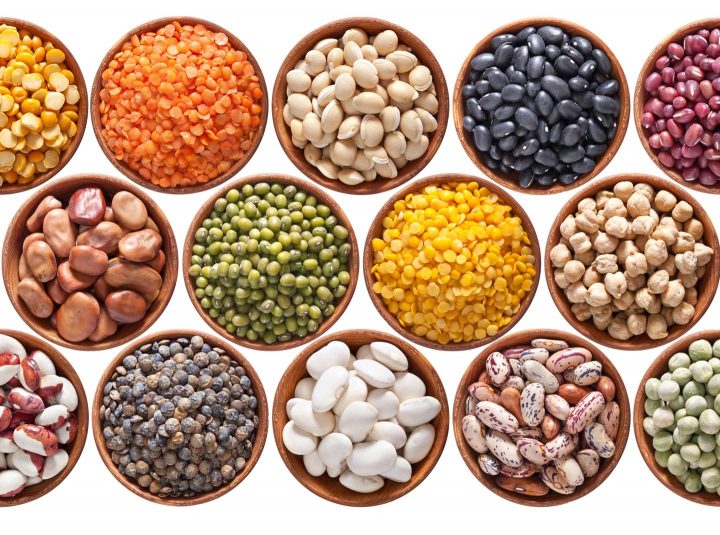
Beans. This includes all bean varieties (pinto, black, chickpeas/garbanzo, lima, soybeans, etc.), peas (green peas, split peas), and lentils. These high-fiber winners contain saponins, protease inhibitors, and phytic acid. Also known as phytochemicals, they protect cells from genetic damage that can lead to cancer. Protease inhibitors slow the division of cancer cells, and phytic acid slows tumor progression. The soluble fiber in beans helps regulate insulin and blood sugar.

Bowls with different beans and legumes

Berries and Grapes. Berries are rich in fiber and vitamin C. They also contain phytochemical ellagic acid (especially strawberries and raspberries). Ellagic acid has shown protective benefits against cancers of the skin, bladder, lung, and esophagus in laboratory studies. Its antioxidant properties can deactivate certain cancer-causing agents and slow cancer cell growth.

Blueberries contain compounds that reduce DNA damage. Red grapes, and to a lesser extent grape juice, contain resveratrol, a compound that has been shown to slow cancer cell growth and inhibit tumor formation in lymph, liver, stomach, skin, and breast cells.

Cruciferous Vegetables. These include broccoli, cauliflower, cabbage, Brussels sprouts, bok choy, and kale. They contain numerous compounds called phenols that activate enzyme systems that detoxify cells, diffuse cell damage, and inhibit tumor growth. Human studies link high intake of these vegetables with lower risk for lung, stomach, colorectal, prostate, and bladder cancer.

Dark Leafy Greens. Spinach, kale, romaine and leaf lettuce, mustard and collard greens, and Swiss chard pack a punch when it comes to fiber, folate, minerals, and carotenoids such as lutein and zeaxanthin. Carotenoids not only help prevent cancer via antioxidant protection, they also may inhibit the growth of certain types of breast and skin cancer cells. They are also associated with lower lung and stomach cancer incidence. Folate is linked to lower colorectal and ovarian cancer risk. Try lightly steamed greens with a drizzle of olive oil, lemon, and salt for a tasty treat.

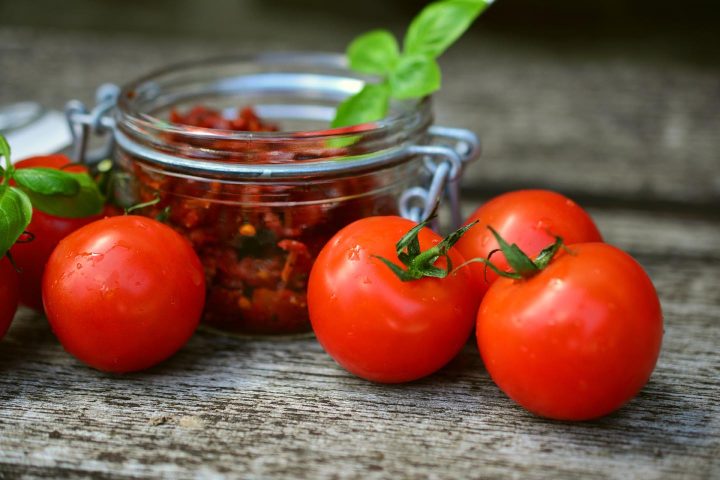
Tomatoes. Tomatoes form part of a tasty team of red foods that contain lycopene, a powerful carotenoid that fight cancer. Other members of this flashy family include red or pink fruits such as watermelon, papaya, pink guava, and pink grapefruit. Lycopene in tomatoes shows inhibitory effects on breast, lung, and endometrial cancer cells.

Fresh and dried tomatoes

Whole Grains. Whole wheat products, brown rice, whole grain oats, corn, and kasha are high in fiber and nutrition, but low in calories. They contain varying amounts of antioxidants, phenols, lignans, phytoestrogens, and saponins, which decrease cancer risk in general. Data from 40 different studies showed a 34 percent lower risk of cancer overall in those who have a generous intake of whole grains compared to those who eat very little whole grains.

Positive lifestyle steps can help prevent cancer. Fill your cart with a wide variety of fruits and vegetables — nature’s cancer fighters. They’re colorful, tasty, and inexpensive.

Other strategies. Foods high in saturated fats and low in fiber, obesity, and sedentary habits are all linked to increased cancer risk and lower survival rates when cancer does occur.((Am J Clin Nutr 2006; 84(6):1456-62.)) Fight back! Healthy lifestyle habits to fight cancer include not only healthful foods but also daily exercise, sunshine (for vitamin D), maintaining a healthy weight, stress management, social support, adequate rest, and leaving alcohol and tobacco alone.

The Living Word

We live in a world of trouble and sin where bad things happen that we do not understand. But God has given us principles that promote health and invites us to Him with our trials and fears. He promises:

Strength and comfort when sickness occurs. “The LORD will strengthen him on his bed of illness; You will sustain him on his sickbed.” Psalm 41:3

Wisdom and guidance for each day. “I will instruct you and teach you in the way you should go; I will guide you with My eye.” Psalm 32:8

Hope and healing for the future. For the believer, the promise of the resurrection and earth made new guarantee healing beyond the uncertainties we face here. “And no inhabitant will say, ‘I am sick’; the people who dwell there will be forgiven their iniquity.” Isaiah 33:24 “And God will wipe away every tear from their eyes; there shall be no more death, nor sorrow, nor crying. There shall be no more pain, for the former things have passed away.“ Revelation 21:4

Call to Action

God invites you to put your trust in Him for physical, mental, and spiritual health knowing that eternal life with no more pain and suffering is sure to come!

Healthy Fruits

Stay Always Up to Date

Sign up to our newsletter and stay always informed with news and tips around your health.

Sign Up Now!

This article was originally published on the Time to Get Ready website.

Visit LifestyleMatters.com for more resources.
Filed Under: Cancer, Diseases, Nutrition Tagged With: super foods

« Previous Page

Primary Sidebar

Social Channels

Coronavirus Immunity Challenge

Boost your immune system to be bullet-proof for the pandemic.

I Want to Participate

Recent Posts

  • 5 Habits to Live Longer
  • Better Sleep Can Protect Against Dementia
  • Finding Peace In Your Crazy-Busy World
  • Flaxseed – An Ancient Plant Rediscovered
  • Platelets – Triggers for Life or Death
  • Boderline Personality Disorder
  • In Praise of Almonds and Nuts
  • Are You Stuck in the Clutter Trap?

Categories

  • Body Systems (16)
    • Cell Function (2)
    • Circulatory System (1)
    • Digestive Tract (10)
    • Immune System (4)
  • Diseases (27)
    • Cancer (2)
    • Cold (1)
    • COVID-19 (11)
    • Dementia (1)
    • Diabetes (1)
    • Digestive Diseases (2)
    • Heart Disease (2)
    • Kidneys (1)
    • Metabolic Syndrome (2)
    • Skin (1)
  • Healthy Lifestyle (42)
    • Exercise (11)
    • Gardening (2)
    • Sleep (7)
    • Sunlight (2)
    • Temperance (14)
    • Water (4)
  • Mental Health (87)
    • Addictions (6)
    • Anxiety (7)
    • Burnout (1)
    • Depression (7)
    • Psychosomatic Diseases (6)
    • Stress Management (45)
    • Trust (6)
  • Nutrition (56)
  • Obesity (9)
  • Phases of Life (14)
    • Adults (3)
    • Babies and Infants (1)
    • Children (3)
    • Seniors (5)
    • Teenagers (3)
  • Therapies (7)
    • Herbs (5)
    • Hydrotherapy (1)
  • Uncategorized (3)

Archives

  • January 2025 (1)
  • March 2024 (5)
  • February 2024 (4)
  • January 2024 (4)
  • December 2023 (5)
  • November 2023 (4)
  • October 2023 (5)
  • September 2023 (4)
  • August 2023 (3)
  • July 2023 (2)
  • June 2023 (4)
  • May 2023 (4)
  • April 2023 (5)
  • March 2023 (4)
  • February 2023 (4)
  • January 2023 (4)
  • December 2022 (4)
  • November 2022 (4)
  • October 2022 (5)
  • September 2022 (4)
  • August 2022 (4)
  • July 2022 (5)
  • June 2022 (4)
  • May 2022 (5)
  • April 2022 (4)
  • March 2022 (4)
  • February 2022 (4)
  • January 2022 (5)
  • December 2021 (3)
  • November 2021 (4)
  • October 2021 (6)
  • September 2021 (4)
  • August 2021 (4)
  • July 2021 (5)
  • June 2021 (4)
  • May 2021 (3)
  • April 2021 (5)
  • March 2021 (4)
  • February 2021 (4)
  • January 2021 (5)
  • December 2020 (3)
  • November 2020 (4)
  • October 2020 (5)
  • September 2020 (5)
  • August 2020 (3)
  • July 2020 (1)
  • June 2020 (1)
  • May 2020 (1)
  • April 2020 (1)
  • March 2020 (1)

Copyright © 2026 · Abundant Health - Privacy Policy - Medical Disclaimer