Abundant Health

Up to date health information tailored for you

  • Home
  • Blog
  • Recipes
  • Shop
  • Contact
You are here: Home / Archives for Phases of Life / Seniors

Seniors

Better Sleep Can Protect Against Dementia

March 31, 2024 by Andrée-Ann Baril - [rt_reading_time label="Reading Time:" postfix="minutes" postfix_singular="minute"]

Better Sleep Can Prevent Dementia

Dementia is a progressive loss of cognitive abilities, such as memory, that is significant enough to have an impact on a person’s daily activities. It can be caused by a number of different diseases, including Alzheimer’s, which is the most common form. Dementia is caused by a loss of neurons over a long period of time. Since, by the time symptoms appear, many changes in the brain have already occurred, many scientists are focusing on studying the risk and protective factors for dementia.
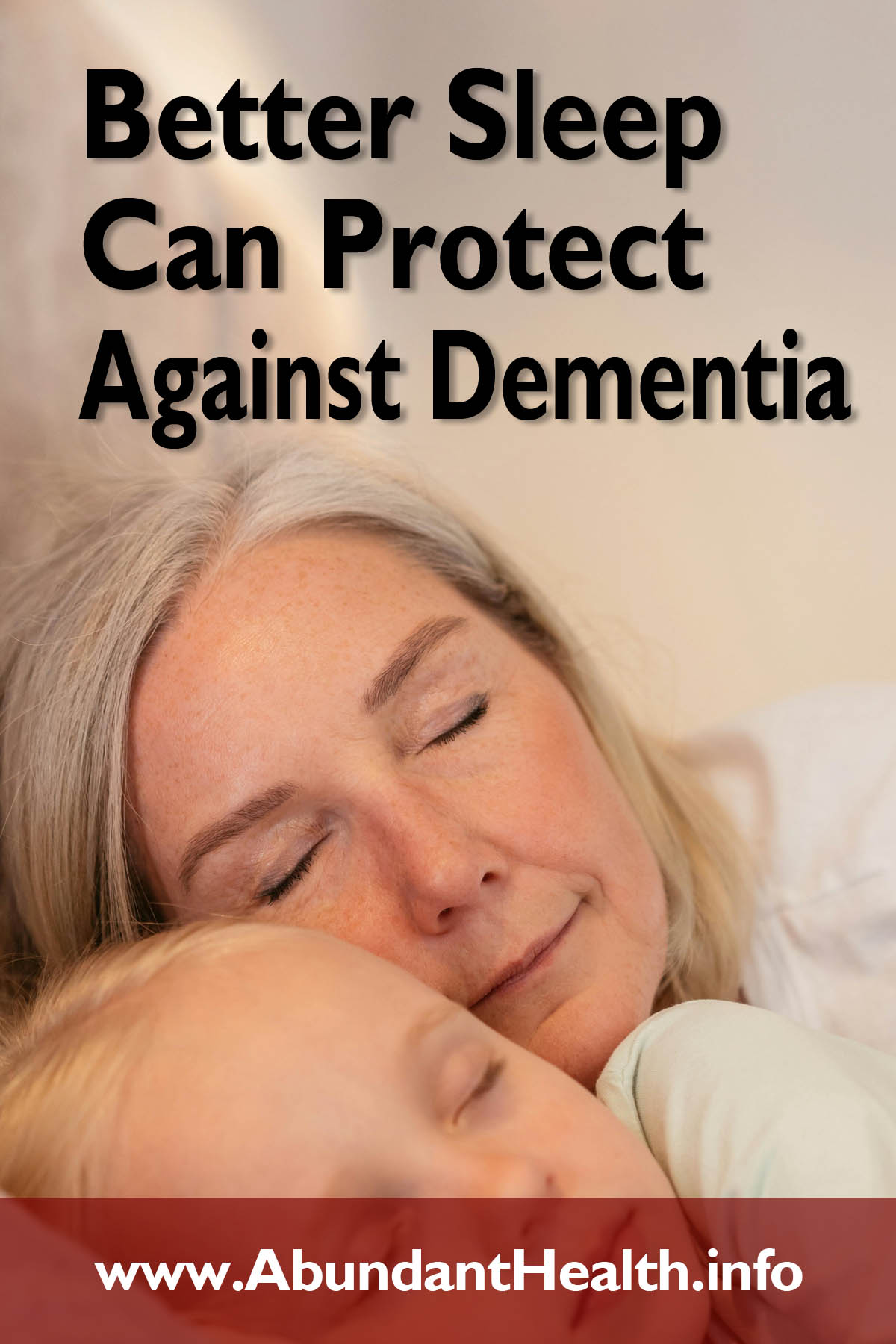
Better Sleep Can Protect Against Dementia

A risk factor, or conversely, a protective factor, is a condition or behaviour that increases or reduces the risk of developing a disease, but does not guarantee either outcome. Some risk factors for Alzheimer’s disease and dementia, such as age or genetics, are not modifiable, but there are several other factors we can influence, specifically lifestyle habits and their impact on our overall health.((Livingston G. et.al. Dementia prevention, intervention, and care: 2020 report of the Lancet Commission. https://doi.org/10.1016/S0140-6736(20)30367-6))

These risk factors include depression, lack of physical activity, social isolation, high blood pressure, obesity, diabetes, excessive alcohol consumption and smoking, as well as poor sleep.

We have been focusing our research on the question of sleep for over 10 years, particularly in the context of the Framingham Heart Study.((Framingham Heart Study (FHS) https://www.nhlbi.nih.gov/science/framingham-heart-study-fhs)) In this large community-based cohort study, ongoing since the 1940s, the health of surviving participants has been monitored to the present day. As researchers in sleep medicine and epidemiology, we have expertise in researching the role of sleep and sleep disorders in cognitive and psychiatric brain aging.

As part of our research, we monitored and analyzed the sleep of people aged 60 and over to see who did — or did not — develop dementia.

Sleep as a risk or protective factor against dementia

Sleep appears to play an essential role in a number of brain functions, such as memory. Good quality sleep could therefore play a vital role in preventing dementia.((Musiek ES, Ju YS. Targeting Sleep and Circadian Function in the Prevention of Alzheimer Disease. JAMA Neurol. 2022;79(9):835–836. doi:10.1001/jamaneurol.2022.1732))

Sleep is important for maintaining good connections in the brain.((Xie L. et. al. Sleep Drives Metabolite Clearance from the Adult Brain. https://doi.org/10.1126/science.1241224)) Recently, research has revealed that sleep seems to have a function similar to that of a garbage truck for the brain: deep sleep could be crucial for eliminating metabolic waste from the brain, including clearing certain proteins, such as those known to accumulate in the brains of people with Alzheimer’s disease.((Astara K. et.al. Sleep disorders and Alzheimer’s disease pathophysiology: The role of the Glymphatic System. A scoping review, Mechanisms of Ageing and Development, Volume 217, 2024, 111899, https://doi.org/10.1016/j.mad.2023.111899.))

However, the links between deep sleep and dementia still have to be clarified.
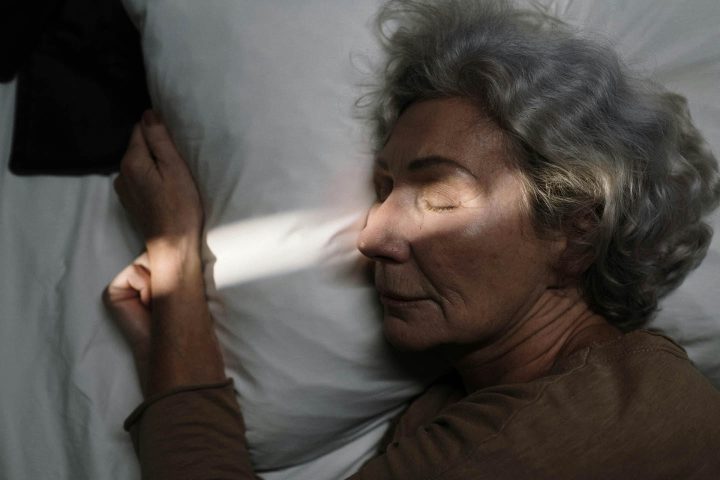
A senior woman sleeping

What is deep sleep?

During a night’s sleep, we go through several sleep stages that succeed one another and are repeated.((Normal sleep. CEAMS))

NREM sleep (non-rapid eye movement sleep) is divided into light NREM sleep, NREM sleep and deep NREM sleep, also called slow-wave sleep. The latter is associated with several restorative functions. Next, REM sleep (rapid eye movement sleep) is the stage generally associated with the most vivid dreams. An adult generally spends around 15 to 20 per cent of each night in deep sleep, if we add up all the periods of deep NREM sleep.

Several sleep changes are common in adults, such as going to bed and waking up earlier, sleeping for shorter periods of time and less deeply, and waking up more frequently during the night.

Loss of deep sleep linked to dementia

Participants in the Framingham Heart Study were assessed using a sleep recording — known as polysomnography — on two occasions, approximately five years apart, in 1995-1998 and again in 2001-2003.((Himali JJ, Baril A, Cavuoto MG, et al. Association Between Slow-Wave Sleep Loss and Incident Dementia. JAMA Neurol. 2023;80(12):1326–1333. doi:10.1001/jamaneurol.2023.3889))

Many people showed a reduction in their deep slow-wave sleep over the years, as is to be expected with aging. Conversely, the amount of deep sleep in some people remained stable or even increased.

Our team of researchers from the Framingham Heart Study followed 346 participants aged 60 and over for a further 17 years to observe who developed dementia and who did not.

Progressive loss of deep sleep over time was associated with an increased risk of dementia, whatever the cause, and particularly Alzheimer’s type dementia. These results were independent of many other risk factors for dementia.

Although our results do not prove that loss of deep sleep causes dementia, they do suggest that it could be a risk factor in the elderly. Other aspects of sleep may also be important, such as its duration and quality.
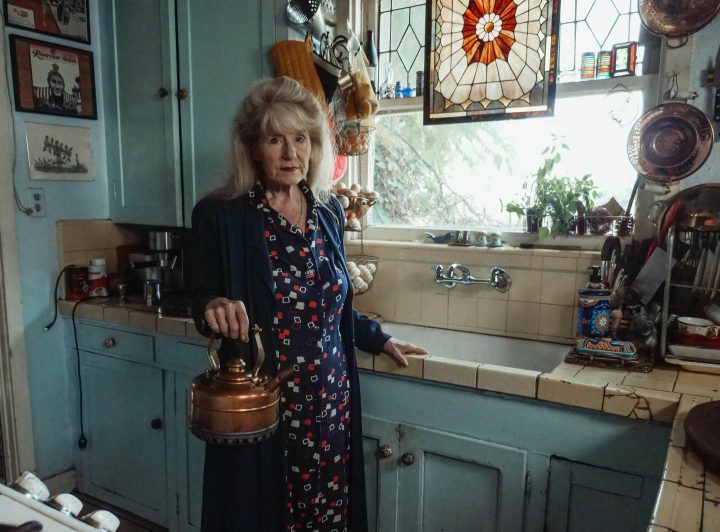
A senior woman making tea in her antique home

Strategies to improve deep sleep

Knowing the impact of a lack of deep sleep on cognitive health, what strategies can be used to improve it?

First and foremost, if you’re experiencing sleep problems, it’s worth talking to your doctor. Many sleep disorders are underdiagnosed and treatable, particularly through behavioral (i.e. non-medicinal) approaches.

Adopting good sleep habits can help, such as going to bed and getting up at consistent times or avoiding bright or blue light in bed, like that of screens.

You can also avoid caffeine, limit your alcohol intake, maintain a healthy weight, be physically active during the day, and sleep in a comfortable, dark and quiet environment.

The role of deep sleep in preventing dementia remains to be explored and studied. Encouraging sleep with good lifestyle habits could have the potential to help us age in a healthier way.

Healthy Fruits

Stay Always Up to Date

Sign up to our newsletter and stay always informed with news and tips around your health.

Sign Up Now!

This article is republished from The Conversation under a Creative Commons license. Read the original article.

The Conversation

Filed Under: Dementia, Diseases, Healthy Lifestyle, Phases of Life, Seniors, Sleep

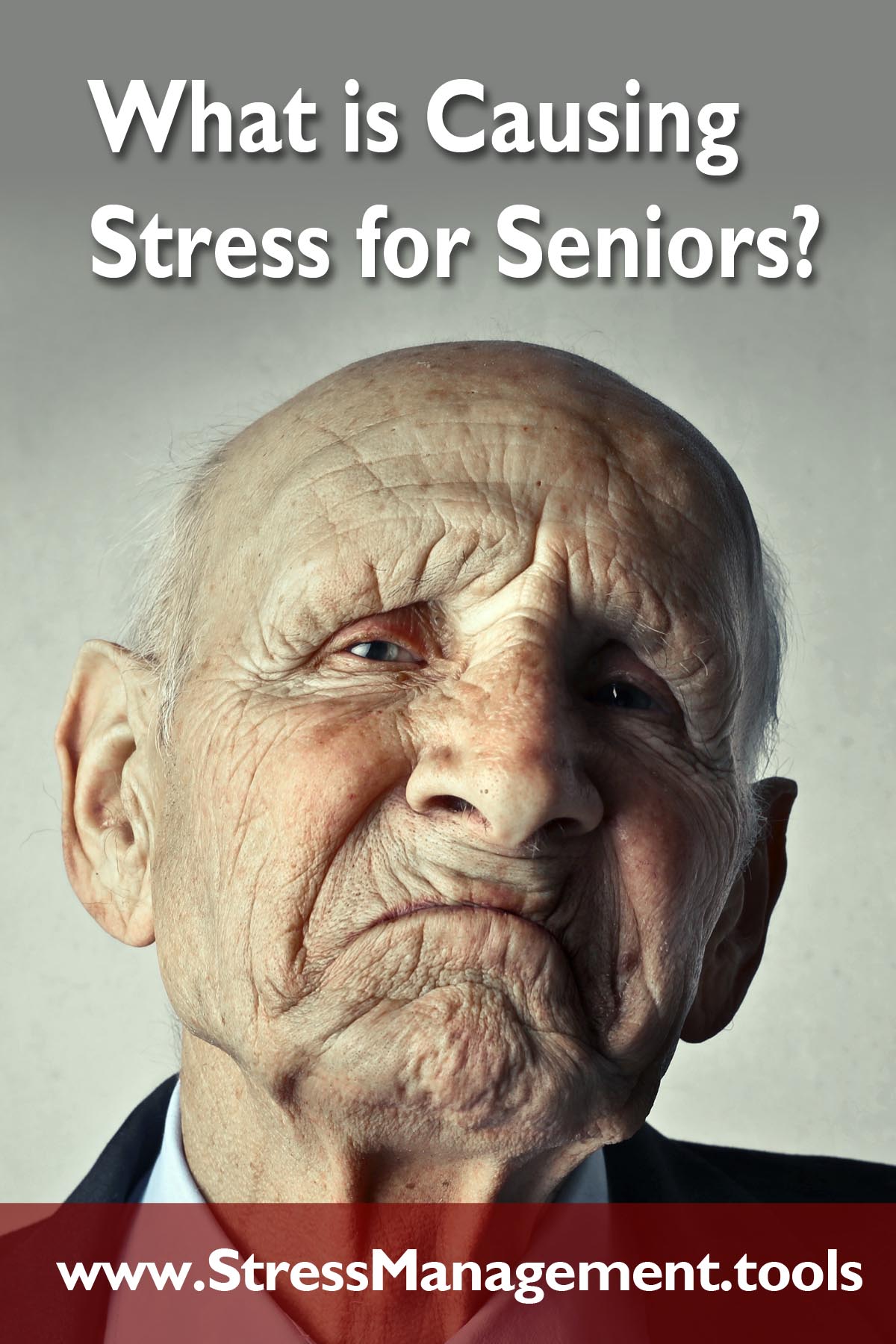
What is Causing Stress for Seniors?

July 24, 2022 by Martin Neumann - [rt_reading_time label="Reading Time:" postfix="minutes" postfix_singular="minute"]

Stress for Seniors

By the time you’ve reached the twilight of your life, you still face a very unique, yet very real set of stresses. The stress that elderly people face is much different from that of any other age group, and as such, many people younger than them don’t know how to help, because they simply can’t relate as they’ve never experienced these things themselves.

What is Causing Stress for Seniors?

Some people are kind of lost when they retire, because work has been their focal point for all their life, and gave them a certain kind of satisfaction. Once they retire, they kind of lose their purpose and do not know what to do all day long. This is such a kind of change that can cause you an existential stress, even though your responsibilities have diminished all of the sudden.

Others want to catch up on all of the things they had no time to do while they were working. So they pack their agenda with all kinds of activities and are eventually busier than somebody who is on his 9 to 5 job.

One of the most prevalent factors of stress at this age is simply death. Most people don’t live past their eighties, with exceptions, of course. Once you start approaching that age, you realize just how little time you have left.

There’s this constant pressure to make your life feel complete by the time you pass away, so there’s this major stress you have to face in trying to do all of these things you always wanted to do.

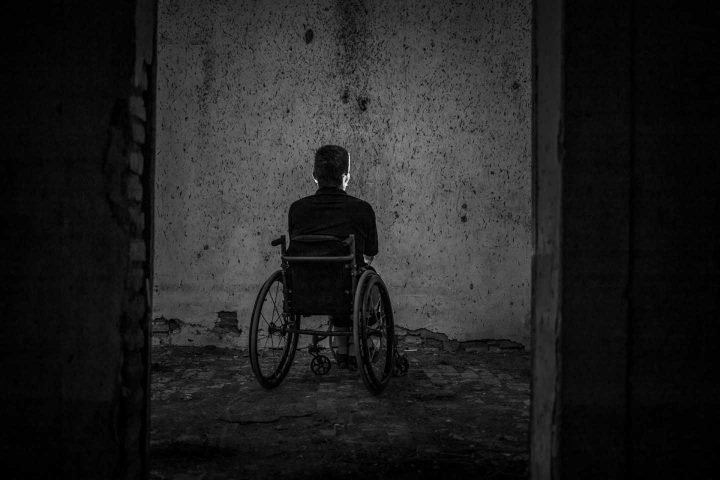
Of course, this isn’t always entirely feasible, because chances are, you wouldn’t be as mobile at this point. Once you really start to climb in age, your mobility just gets worse and worse, and in some cases, you might even be wheelchair bound.

Some elderly people remain mobile their entire lives, while others might end up stuck in a wheelchair or bedridden early on. Along with a variety of other health problems, physical health is something very worrying for people this age.

A senior in his wheelchair

Another cause of stress for people sixty and over is that they often see their circle of family and friends shrinking each year from them passing away. Parents and older siblings may have passed away, or even their spouse.

This can cause an immense feeling of loneliness, with many of the people you once knew no longer being in your life. This also accompanies the first major factor, with people wondering whether or not they’ll be the next one in their circle to pass away.

With that in mind, one of the final causes of stress in older people is that they are often secluded and don’t see much attention. Without the mobility or energy to go out, with so many friends passing away, many older people don’t have a reason to do much – besides sit at home and watch TV or read.

Some are a bit more active, but regardless, it’s very difficult for them to do anything. Some have no form of transportation, even if they did feel like going somewhere. It’s not easy at all to recognize stress in older people, as they typically contain it very well.

They’re often overlooked when it comes to thinking about people who get stressed out, because they don’t necessarily do much. They’re likely retired, and spend most of their time at home watching television.

For many people, that sounds like a great time, but for them, it’s just the only thing they can do for entertainment, since it’s so hard for them to go out and about. One way you can tell that they’re a bit stressed is that they’ll start to eat a lot less.

By ceasing to take good care of themselves, they’ve essentially just given up. This can be dangerous, because if they’re not taken care of, they might end up having some serious health issues, since their bodies aren’t anymore in top physical condition.

Another big sign of stress in older people is that they just kind of stop caring. At some point, when most of the people you once knew were gone, and you will be soon, it’s difficult to find genuine joy in just about anything.

The few things you might have been able to enjoy are often too physically demanding, leaving you with so few options that you’re simply uninterested in anything else. There are some solutions that can make older people’s lives much better.

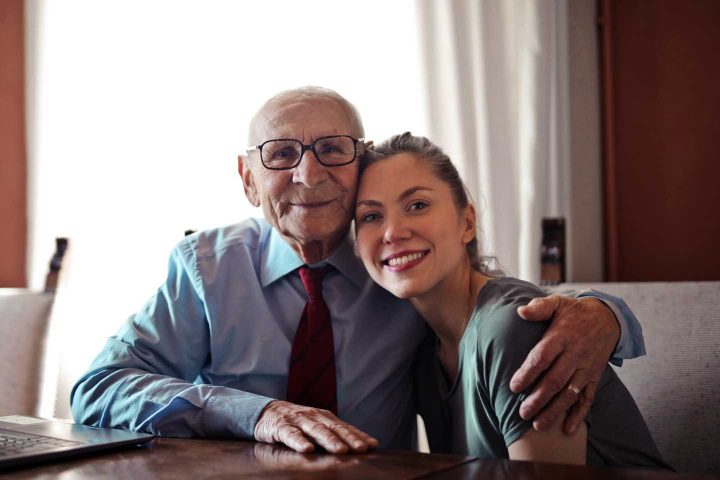
For example, it’s very important that they continue to be social, even if their old friends aren’t with them any longer. There’s no harm in being social with your kids or grandkids, and it gives you a much needed opportunity to get out of your shell once in awhile.

A senior being social with family

It’s not healthy to go from being social your whole life to suddenly being reclusive. You’re just not meant to endure that kind of change. It’s very, very important that you come to terms with the life you’ve lived by this point.

Living the later years of your life full of regret is not good, so just learn to be happy or accepting of the life you’ve had. There’s no sense in worrying about the past since you can’t change it, so you might as well do something more enjoyable than just worrying all day.

It can be good to reminisce about old times, but you shouldn’t spend an excessive amount of time on it. Looking back through an old photo album once in awhile with some family or friends and talking about the past can be a great way to fondly remember exactly what your life was like, but if you dwell on it or obsess over it, you’ll just start to become sad that you’re not there now.

It helps to just change things up a little here and there to break up the monotony. Get food from some place new, perhaps take a tour of a place you’ve never been to. Little things like this can make all the difference, because you’ll be able to essentially scratch something off of your bucket list, leaving you with one less thing to be able to regret.

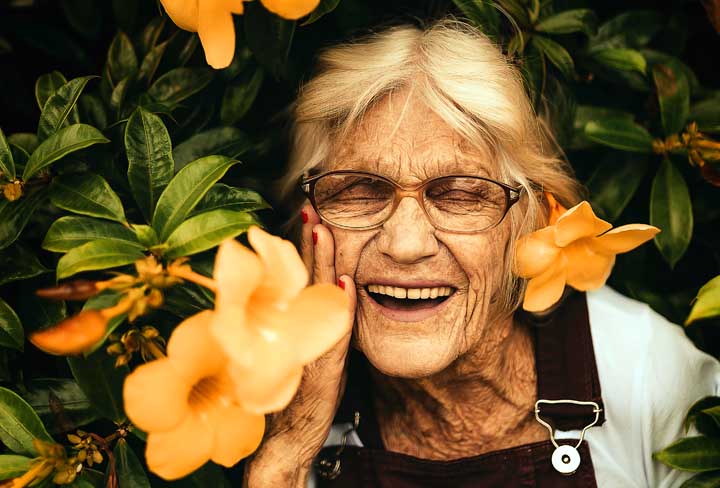
Elderly woman having fun outside

Stress can be at your side through your entire life. As a toddler, you may have endured a volatile family situation, then gone through bullying in school. You followed that up with bad decisions in college, and financial and career stress as a young adult.

As you aged, you experienced relationship stress, health stress and the looming stress of getting older. Because it’s something that everyone deals with in one form or another, it’s important that you learn to recognize when you, yourself are stressed as well as your loved ones.

Knowing stress is getting out of control can alert you that it’s time to seek out a solution or remedy. Because everyone is different, the treatment that works for one person may not work for another.

You might need professional help, or be able to handle it on your own, naturally. You also may need to experiment with a variety of stress relief solutions and find one or a combination of things that work best to alleviate your concerns and help you enjoy life and remain calm on a consistent basis.

Do you need a guide to help you understand how to cope with Stress in an all inclusive approach? Learn how to combat stress, mentally, physically, emotionally and strategically in your life.

Get Me the Guide

Filed Under: Mental Health, Phases of Life, Seniors, Stress Management

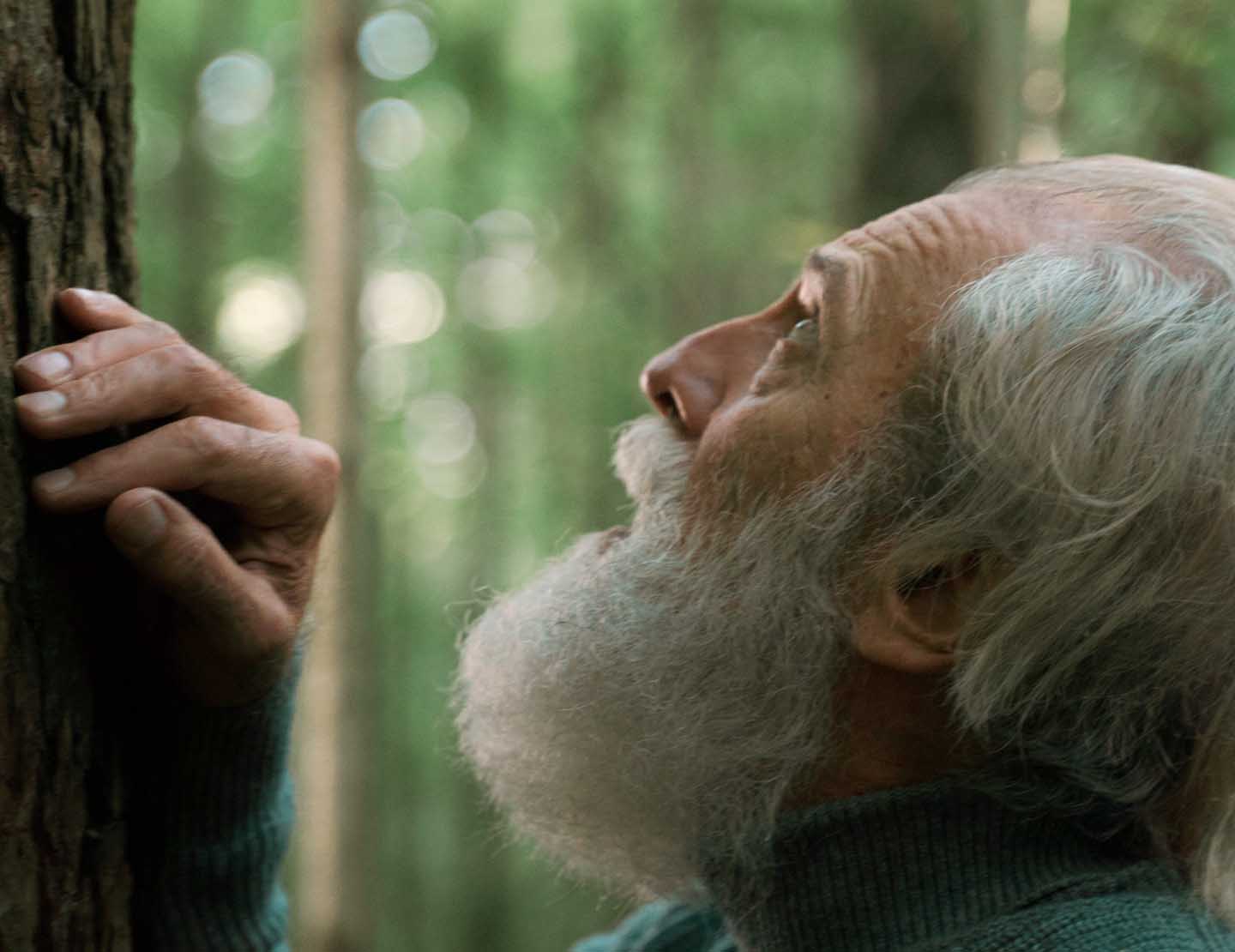
How can we delay aging?

March 20, 2022 by Esther Neumann - [rt_reading_time label="Reading Time:" postfix="minutes" postfix_singular="minute"]

Wie kann man das Altern verzögern?

1875 – 1997, that is the lifetime of the oldest woman in recent times, Jeanne Calment from France. She lived 44,724 days or more than 122 years. At 100 she was still cycling. According to her statement, she didn’t do anything special to get that old. So it’s the genes after all?

How can we delay aging?

Aging research says that genes only account for about 1/5 whether someone reaches a high age. Of course there are long-lived families. On the other hand, some families simply tend to accumulate certain illnesses. Mankind has always struggled with the travails of aging and the ailments of old age.

Meanwhile the anti-aging wave, the cult of eternal youth, has almost become a substitute religion. The business with anti-wrinkle creams, dietary supplements and special sports equipment to combat aging is booming. Most people want a long, fresh life and a healthy, fit body. Doctors and genetic researchers claim to open the gates to longevity. Just it is almost forgotten that it is in everyone’s hands, at least to a large extent, how one ages and how one spends his final years.

Not everyone is content about aging. But it is a losing battle to resist it. Aging is an inevitable part of our lives. It actually begins at conception and occurs at the cellular level. Our body cells are constantly dividing. And mistakes happen all the time. The free radicals that are produced during metabolic processes in our own body and as a result of environmental influences also damage our cells. Thankfully, our creator also included a repair system. But this also works worse and worse, as the cells have to divide more often. Mistakes in the genes accumulate. The aging process continues. We know the consequences: Poor memory, slower digestion, poorer enzyme system, balance disorders, stiff joints, insecurity in walking and much more.

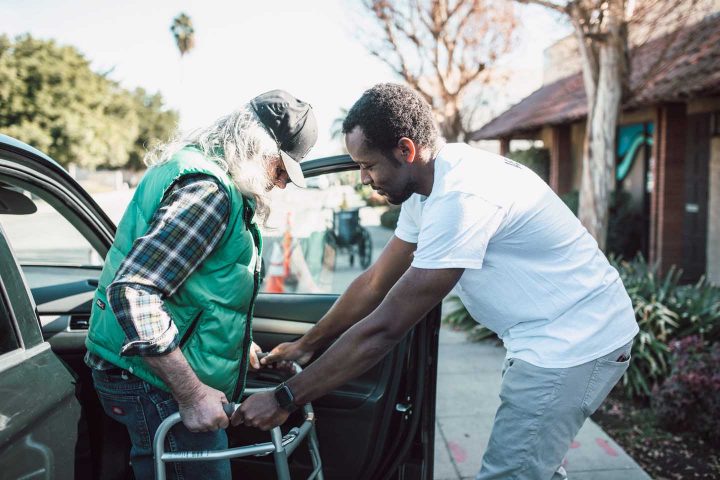
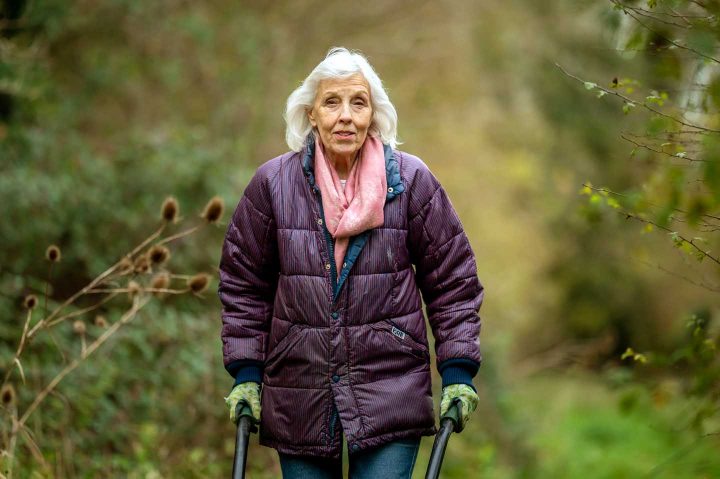
A senior needing a walker

Fighting a losing battle?

Is the battle already lost before we start? Ultimately yes, and considering all the misery around us it may be a great blessing that we do not have to live forever. But how we age and how we face that process is, to a large extent, in our own hands. Even if things don’t go the way we would like and illnesses are part of our lifes. Ultimately we all die, since we can hardly cope with the approximately 70,000 DNA damages per day that our repair system has to eliminate. Our enzyme system against free radicals isn’t always victorious either, and our stem cells can’t repair everything either.

Can we then live better and longer with help from the laboratory? Is it the supplements? spermidine? The glass of red wine? Or dinner canceling? There are always new success stories. But be careful: the resveratrol from red wine also protects cancer cells, and certain dietary supplements also nourish unwanted blackheads. So is it all useless?

Anti-Aging Agents

The advertising of many miracle cures promises us almost eternal youth. Many are too lazy, or believe they don’t have time to do something for their health, and want to do it the quick way. Anti-aging agents are not intended to heal illnesses, but to alleviate the symptoms of old age, to help the sensory organs get going again and to make wrinkles disappear. Associations for Consumer Information in various countries have examined such preparations and not given them good marks. No studies were found for any of the products that confirmed the life-prolonging active ingredients. The more euphoric the advertising is, the more skeptical one should be.

Many substances that have been tested in laboratories cannot simply be transferred to humans. Side effects cannot be ruled out for many preparations. Too much vitamins or minerals, for example, can be harmful. The collagen in many anti-wrinkle products can trigger allergies. Many supplements are marketed over the internet along with promising testimonials. But according to consumer associations, you can neither achieve physical fitness nor reduced susceptibility to illnesses nor organic improvements with such preparations. So another lost battle?

Supplements

Island of Centenarians

On Okinawa, 50% of the people live to be a hundred years old. Of these, 90% are women. Actually some genes have been found that are favorable to reach a higher age. But some amazing lifestyle habits were found as well. For example, these women eat mostly fruit and vegetables. They still do their garden for themselves, and centenaries still sit behind a cash register in the supermarket or wipe the floors. These are extremely healthy occupations. They also say: “We only eat so much that we could eat some more to be full.” “Hara Hachi Bu” is what they call their habit that we know as dinner canceling, sometimes forgoing dinner. The women also lead an exemplary social life. They pay close attention to each other. If the blinds at the neighbor’s are still down at nine o’clock, they check on how she’s doing. This is followed by a chat with her and the offer for help if needed. The brain is also constantly trained. They participate in everything and with everyone.

Love

An Australian study shows that people who maintain close friendships live longer and age more comfortably. Loving is not just about having sex, even though it is beneficial for slower aging. Loving is simply being there for the other, caring for them. That distracts a lot from your own ailments, makes you happier and more satisfied.

Running Around

Running around does not mean jogging, but simply making movement, targeted movement and not just house and garden work, even though this is beneficial. Jogging in old age could damage joints. But daily exercise, walks and light gymnastics help our immune system to cope with inflammation. And it is exactly those inflammations that many age related ailments, such as rheumatism and the like, can be traced back to. We can literally outrun them. Exercise lowers the concentration of inflammatory substances in the blood.

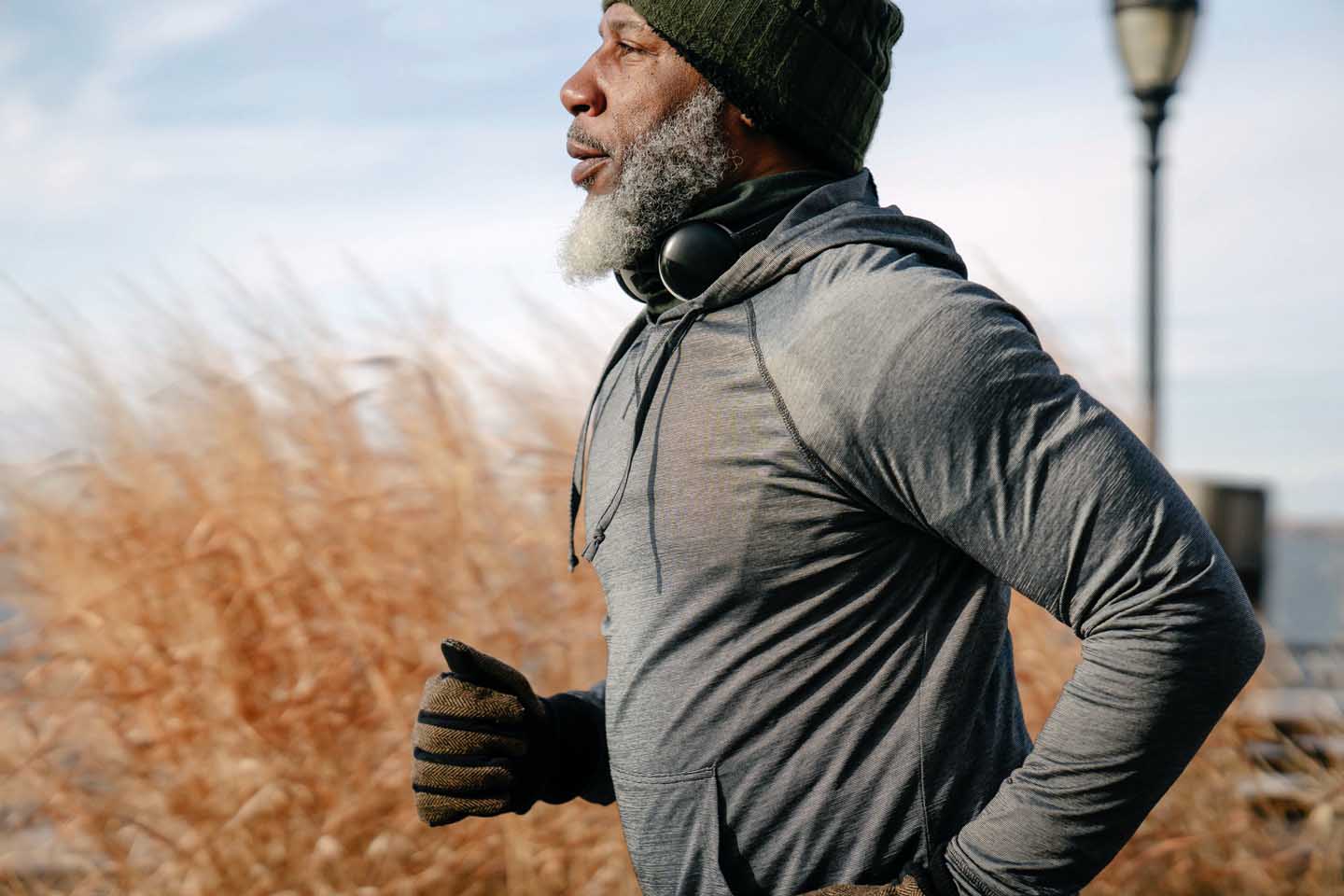
A senior walking

Learn

Lifelong learning has become a buzzword of our time. Our youth grow up with it. In the old days you had a job for your life. Today you are constantly challenged to learn something new. This should also continue beyond retirement. Anyone who remains mentally and spiritually fit ages very differently than someone who is no longer interested in anything. I admire every old person who – often with the help of their grandchildren – knows their way around computers and is touching base with the grandchildren overseas via chat or Skype. Crossword puzzles and Sudoko, reading good books, putting together jigsaw puzzles also help to stay mentally fit. It is not the TV pictures that stimulate our mind, but the knowledge we have actively acquired ourselves. When I deal with a problem myself, it stimulates my mind.

Those who remain physically and mentally fit deal with aging in a completely different way. We can accept it and embrace the change. Advancements in research and medicine are certainly sensational. Anti-aging treatments are though still a speculative field. How we grow old is still in our own hands.

Healthy Fruits

Stay Always Up to Date

Sign up to our newsletter and stay always informed with news and tips around your health.

Sign Up Now!

Filed Under: Phases of Life, Seniors

The Fountain of Youth for the Brain

November 21, 2021 by Dr. Cesar Vasconcellos de Souza - [rt_reading_time label="Reading Time:" postfix="minutes" postfix_singular="minute"]

A Fonte da Juventude

On October 15, 2009 my first granddaughter was born. I went to visit them to meet the baby and see the whole family. I watched over and over again how the baby in the crib was always moving its little hands, arms and legs. The baby did not need to learn that physical exercise is important for health, but responds he spontaneously with physical movement to its God-given life.

The Fountain of Youth for the Brain

A child who barely moves is probably emotionally or physically sick. Normally, babies and children are always in movement. Of course, some are exaggerated and impulsive, but the normal thing is to move your body. All human physiology is made up of movements, in cells in genes, in circulation. Movement is life. It is not possible to talk about health without regular systematic physical exercise, not only on weekends, sometimes with those competitive sports that generate adrenaline and cortisol. This is the first and main reason why I go for a walk; it’s not because of physical health, but because of mental and spiritual health, because I understand that exercising my brain will work better, and that’s what I want, to discern spiritual things and the purpose of life more clearly.

A 19th century author wrote the following statement:

Right physical habits promote mental superiority. ((Ellen White. Mind, Character and Personality Volume 2, p. 443))

And she also wrote this:

There is an intimate relation between the mind and the body, and in order to reach a high standard of moral and intellectual attainment the laws that control our physical being must be heeded. To secure a strong, well-balanced character, both the mental and the physical powers must be exercised and developed.((Ellen White. Our Father Cares, p.326))

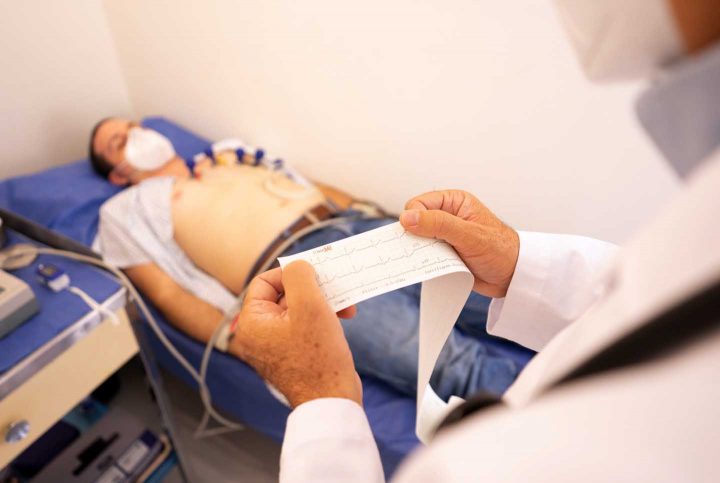
People often say that if you intend to start an exercise program, you should first see a doctor, usually a cardiologist, to see if you are cleared for this activity. This is prudent. However, a medical colleague once commented to me about what he had read in a scientific journal, which went something like this: “If a person decides not to exercise, then he will have to see a doctor.”

A doctor reading an ECG - Photo by Los Muertos Crew from Pexels

In the Journal of Applied Physiology of November 18, 2008, the article entitled: “Exercise, the Brain’s Fountain of Youth”, suggests that daily physical exercise keeps the brain young, and the recommendation is not to take too long to start to practice them. The earlier you start in your life, the better for your whole body and your brain. The researchers found that if a person takes a long time to start an exercise program, they run the risk of not having as many benefits, because as they age, the process of the brain creating new cells, which we call neuroplasticity, slows down, and as a consequence, memory and learning impairment occurs sooner.

But can age-related mental decline be reversed with exercise? Scientists trained mice to run on exercise wheels at 70% of their aerobic capacity every day over a five-week period. The mice started running at the age of 8 months, which is the beginning of the ripe age for a rat of that breed, or at the age of 12 months, which is the middle of the old age of the rats. Those who exercised every day had two and a half times more production of new brain cells called neurons than those who didn’t exercise. And these new neurons, the new nerve cells, integrated with the existing brain network. The researchers also concluded that treadmill exercise not only increases the quantity but also strengthens the quality of the new neurons. Rats that started exercising in mature age had better results compared to those that started at old age.

In another study, conducted by Feraz Rahman and colleagues, from the University of North Carolina, carried out with 12 healthy people aged between 60 and 80 years, they observed that regular exercise is associated with an increase in the total number of blood vessels in the brain, with an increase in blood flow in the main cerebral arteries. This would benefit areas that control functions such as consciousness, memory, emotional response and language. Assessing MRI images, experts found that those who for ten years or more had exercised about three hours a week in aerobic activity had the highest number of small vessels – 150 versus 100 for sedentary ones, and that they had the greatest blood flow in the brain.

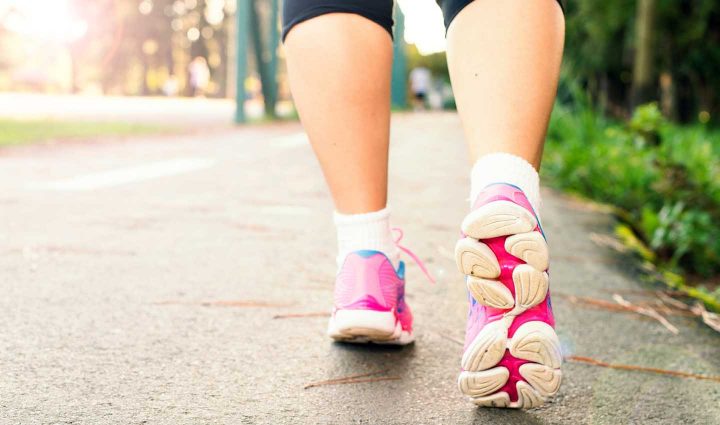
Walking

A study presented at the 10th National Conference on Child Psychological Health in Gainesville, FL, in April 2006 and published in a journal of Pediatrics, evaluated 208 overweight and sedentary children aged 7-11 years. Those who started to exercise after class, had lower scores on a scale about anger, in addition to improved physical conditioning. The authors emphasize that physical exercise can improve mood and cognitive function, allowing children to have more self-control. So, you can see once again how important exercise is for your brain. So get going!

In general, people say: “Oh okay. Now that I’ve learned it is important, I’ll start on Monday.” No! get started today; start little by little. You are very sedentary and when you start you will feel pain: “Oh, I went for a walk yesterday and now I am in pain; it’s better to stop.” No, pain is a sign that your body is in need of training your muscles, it is in need of physical activity. Don’t get heavy in the beginning, until you can develop that aerobic, muscular exercise capacity, remembering: Physical exercise is very important for our brain, for cerebral circulation, for reasoning. It helps to learn to deal with emotions, because it’s activating brain areas that have to do with mood, with cognition. This is going to be important for your mental health.

Healthy Fruits

Stay Always Up to Date

Sign up to our newsletter and stay always informed with news and tips around your health.

Sign Up Now!

Filed Under: Exercise, Healthy Lifestyle, Mental Health, Phases of Life, Psychosomatic Diseases, Seniors

Benefits of Exercise for Seniors

November 7, 2021 by Ricardo Vargas - [rt_reading_time label="Reading Time:" postfix="minutes" postfix_singular="minute"]

Benefícios do Exercício na Terceira Idade

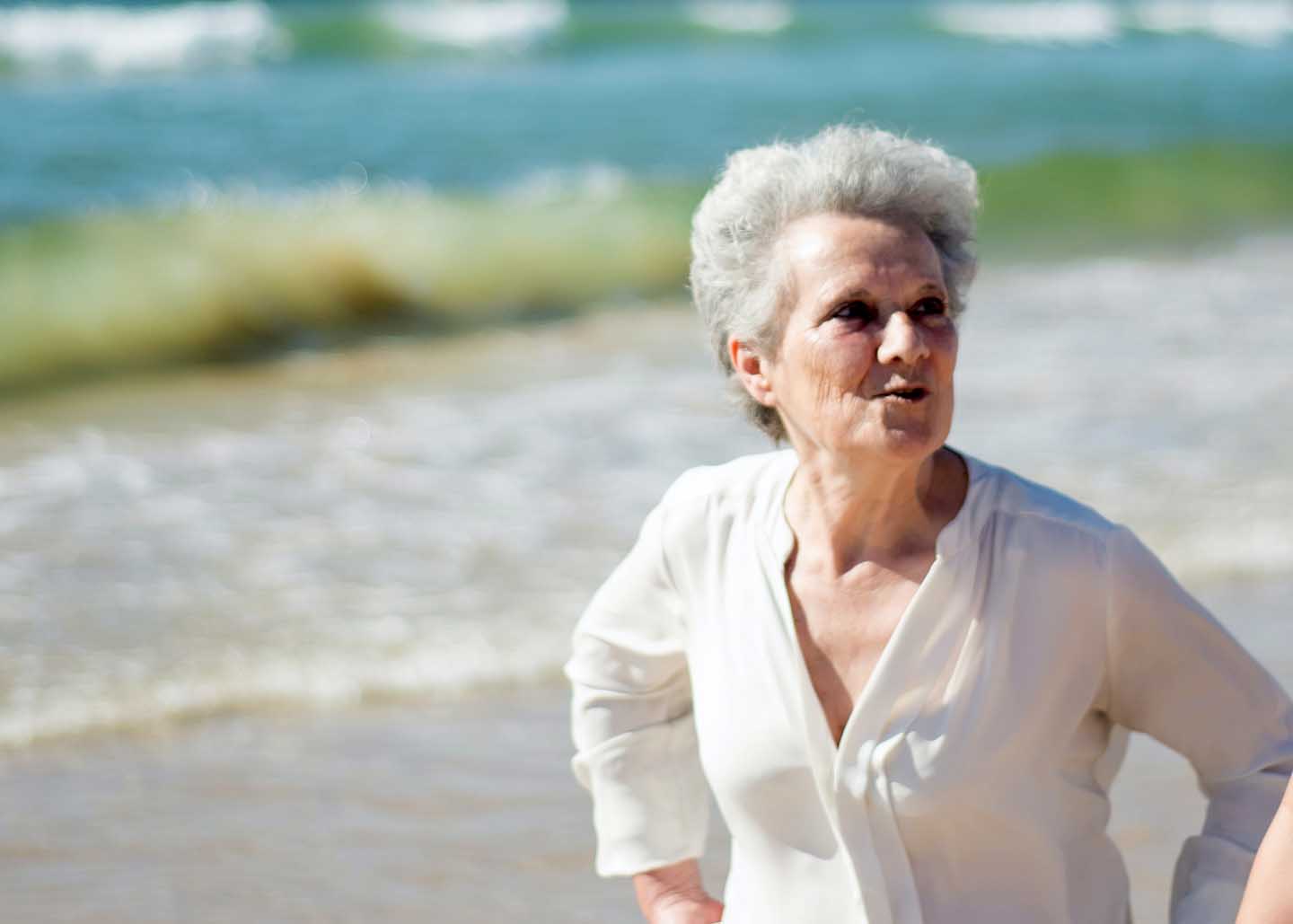
Life expectancy in the US is generally on the rise. While in 1900 the average life expectancy was 47.3 years, it increased to 68.2 years in 1950 and to 78.9 years in 2019. Advances are mainly due to improvements in sanitary measures and the healthcare system. However, increases in longevity are not always accompanied by a better quality of life.

Benefits of Exercise for Seniors

In addition to longevity, we need to consider the maintenance of the state of functional independence (ability to carry out activities of daily living). In old age, the elderly go through many physiological changes that contribute to the worsening of their quality of life. Exercise has a fundamental role in maintaining functional independence.

With advancing age, there is a decrease in lean body mass and its replacement by adipose tissue, thus the caloric expenditure in old age tends to decrease, which favors the increase of obesity and all the problems arising from it. The self-indulgence shown by the elderly is a problem, as it accelerates the appearance of these effects. It is important to overcome sluggishness, start a practice of physical activity and receive the countless benefits that can be achieved in spite of the age.

Among the benefits are increased energy expenditure and cardiorespiratory conditioning, a preventive factor for the onset of cardiovascular diseases, obesity, diabetes, hypertension, dyslipidemia, mental diseases and cancer.

A senior working in the garden - Photo by Centre for Ageing Better from Pexels

Exercise is important to digestion, and to a healthy condition of body and mind. You need physical exercise.

Ellen G. White. Counsels on Diet and Foods p. 103

One of the effects of the arrival of old age is the decrease in the production of gastric and pancreatic juices. Digestion slows down, food stays in the stomach longer. It increases the risk of gastritis and reflux, a common complaint among the elderly. Many complain of a large production of gas in the stomach or intestine. As the transit time of the digestive tract is slowing down, more fermentation takes place. A walk right after a meal can alleviate all of these symptoms.

Exercise improves muscle tone in the whole body. Our gastrointestinal tract is made up of involuntary smooth muscle. When we include a daily exercise routine, intestinal transit normalizes in most cases, and we achieve good results that promote better quality of life for the elderly.

The practice of exercise also helps to avoid physiological, morphological and functional changes that occur during the natural aging process, which negatively interfere with the individual’s functional capacity. The most important are the reduction in lean mass and the accumulation of adipose tissue, which increases the risk of early mortality, in addition to the loss of muscle strength, reduction in aerobic capacity and flexibility.

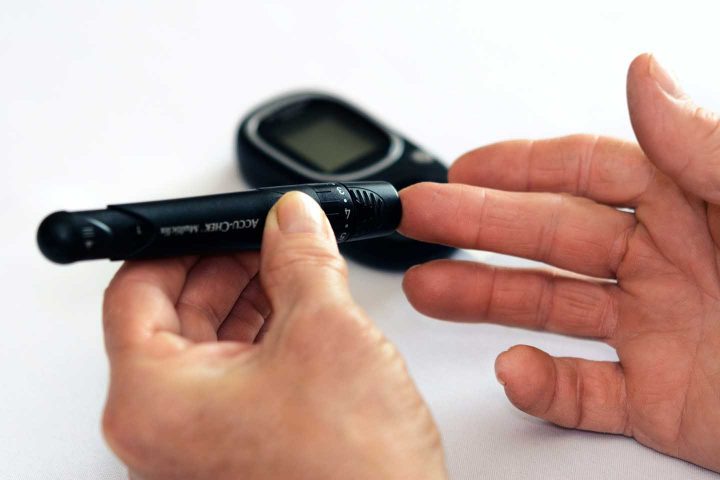
Decreased lean body mass reduces overall muscle uptake of glucose and free fatty acids, causing insulin resistance and leading to type 2 diabetes if not reversed. The increase in free fatty acids in the bloodstream contributes to the onset of dyslipidemia and a greater risk for the formation of arterial plaques.

Diabetes test - Photo by PhotoMIX Company from Pexels

From the age of 40 onwards, it is estimated that the accumulation of fat is 1kg per decade, in addition to the loss of 12% to 14% of strength, and about 5% of muscle mass, with a more evident decline after 65 years of age, particularly in the lower limbs.

Many elderly people have presented the loss of functional independence as their main problem. In the US, 2 in 5 persons over 65 years of age have reported some kind of disability. This problem needs to be corrected as soon as it is identified so as not to lead to a loss of functional independence in the future.

Another concern is that, with the reduction in lean body mass (sarcopenia), there is a decrease in bone mineral content. Using the combination of physical activities, ingestion of good sources of calcium, sunlight to stimulate the production of vitamin D, vitamin D supplements and sleep at adequate times, this symptom is alleviated. Physical activity impacts the bones causing growth stimulation, in addition to stimulating the production of growth hormone.

An active lifestyle can prevent or delay functional disability, improving neuromotor status, strength, flexibility, balance and cardiorespiratory capacity.

Exercise helps to have a long life, but with quality. Get moving today!

Healthy Fruits

Stay Always Up to Date

Sign up to our newsletter and stay always informed with news and tips around your health.

Sign Up Now!

Filed Under: Exercise, Healthy Lifestyle, Phases of Life, Seniors

Primary Sidebar

Social Channels

Coronavirus Immunity Challenge

Boost your immune system to be bullet-proof for the pandemic.

I Want to Participate

Recent Posts

  • 5 Habits to Live Longer
  • Better Sleep Can Protect Against Dementia
  • Finding Peace In Your Crazy-Busy World
  • Flaxseed – An Ancient Plant Rediscovered
  • Platelets – Triggers for Life or Death
  • Boderline Personality Disorder
  • In Praise of Almonds and Nuts
  • Are You Stuck in the Clutter Trap?

Categories

  • Body Systems (16)
    • Cell Function (2)
    • Circulatory System (1)
    • Digestive Tract (10)
    • Immune System (4)
  • Diseases (27)
    • Cancer (2)
    • Cold (1)
    • COVID-19 (11)
    • Dementia (1)
    • Diabetes (1)
    • Digestive Diseases (2)
    • Heart Disease (2)
    • Kidneys (1)
    • Metabolic Syndrome (2)
    • Skin (1)
  • Healthy Lifestyle (42)
    • Exercise (11)
    • Gardening (2)
    • Sleep (7)
    • Sunlight (2)
    • Temperance (14)
    • Water (4)
  • Mental Health (87)
    • Addictions (6)
    • Anxiety (7)
    • Burnout (1)
    • Depression (7)
    • Psychosomatic Diseases (6)
    • Stress Management (45)
    • Trust (6)
  • Nutrition (56)
  • Obesity (9)
  • Phases of Life (14)
    • Adults (3)
    • Babies and Infants (1)
    • Children (3)
    • Seniors (5)
    • Teenagers (3)
  • Therapies (7)
    • Herbs (5)
    • Hydrotherapy (1)
  • Uncategorized (3)

Archives

  • January 2025 (1)
  • March 2024 (5)
  • February 2024 (4)
  • January 2024 (4)
  • December 2023 (5)
  • November 2023 (4)
  • October 2023 (5)
  • September 2023 (4)
  • August 2023 (3)
  • July 2023 (2)
  • June 2023 (4)
  • May 2023 (4)
  • April 2023 (5)
  • March 2023 (4)
  • February 2023 (4)
  • January 2023 (4)
  • December 2022 (4)
  • November 2022 (4)
  • October 2022 (5)
  • September 2022 (4)
  • August 2022 (4)
  • July 2022 (5)
  • June 2022 (4)
  • May 2022 (5)
  • April 2022 (4)
  • March 2022 (4)
  • February 2022 (4)
  • January 2022 (5)
  • December 2021 (3)
  • November 2021 (4)
  • October 2021 (6)
  • September 2021 (4)
  • August 2021 (4)
  • July 2021 (5)
  • June 2021 (4)
  • May 2021 (3)
  • April 2021 (5)
  • March 2021 (4)
  • February 2021 (4)
  • January 2021 (5)
  • December 2020 (3)
  • November 2020 (4)
  • October 2020 (5)
  • September 2020 (5)
  • August 2020 (3)
  • July 2020 (1)
  • June 2020 (1)
  • May 2020 (1)
  • April 2020 (1)
  • March 2020 (1)

Copyright © 2026 · Abundant Health - Privacy Policy - Medical Disclaimer