Abundant Health

Up to date health information tailored for you

  • Home
  • Blog
  • Recipes
  • Shop
  • Contact
You are here: Home / 2021 / Archives for May 2021

Archives for May 2021

Pancreas, Diabetes and Meal Frequency

May 30, 2021 by Esther Neumann - [rt_reading_time label="Reading Time:" postfix="minutes" postfix_singular="minute"]

Pancreas

There’s something else behind the stomach – and that’s the pancreas. That’s how we learned it at school. In its first role, the pancreas is a vital digestive gland. In the unborn fetus, it is already developing on the 28th day and the Langerhans islet cells can be seen in the 8th and 9th week. Multipotent stem cells remain in the pancreas throughout their life, because they have to constantly produce replenishment, as a pancreatic cell only lives on average for about 40-50 days.
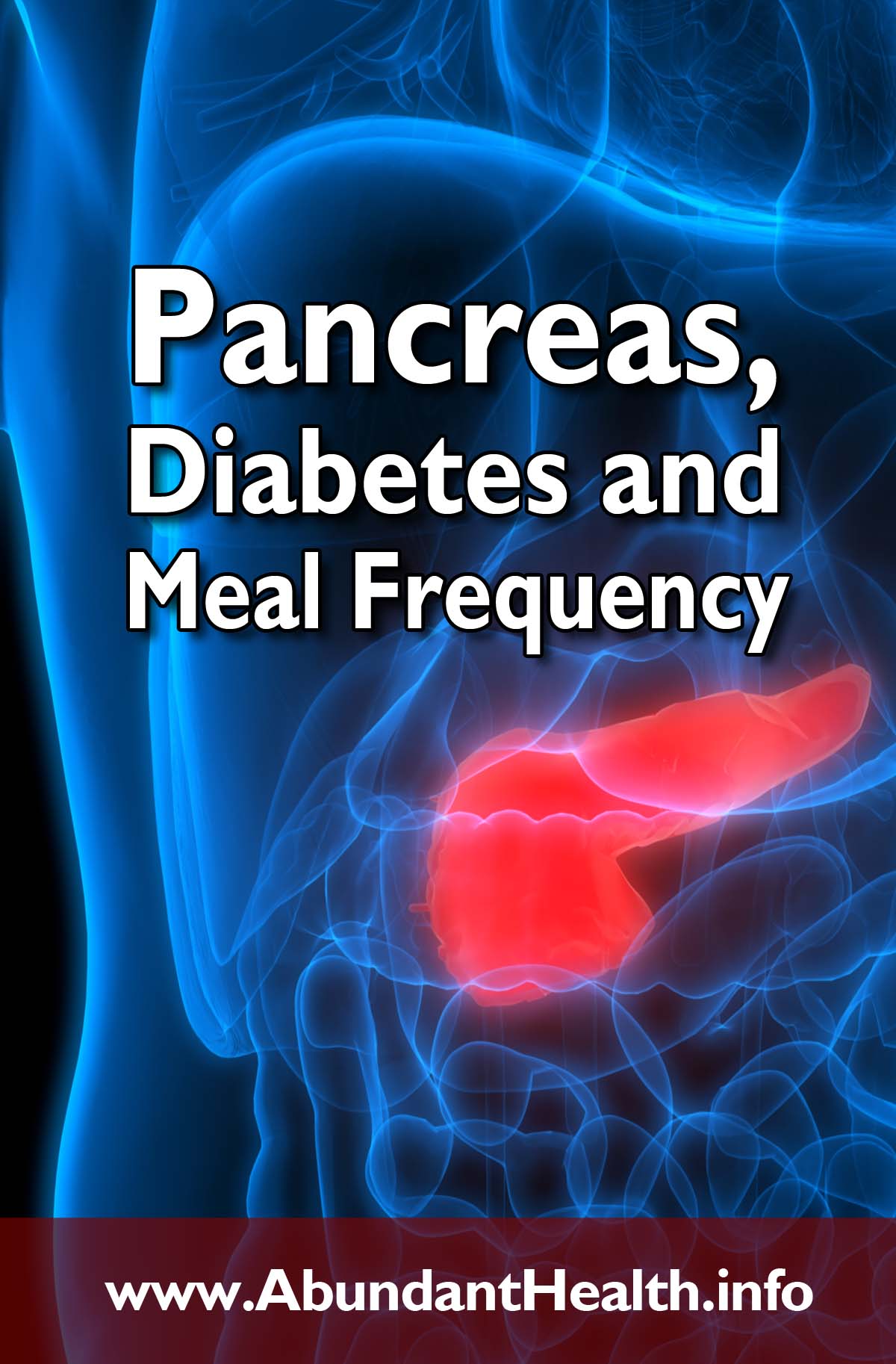
Pancreas, Diabetes and Meal Frequency

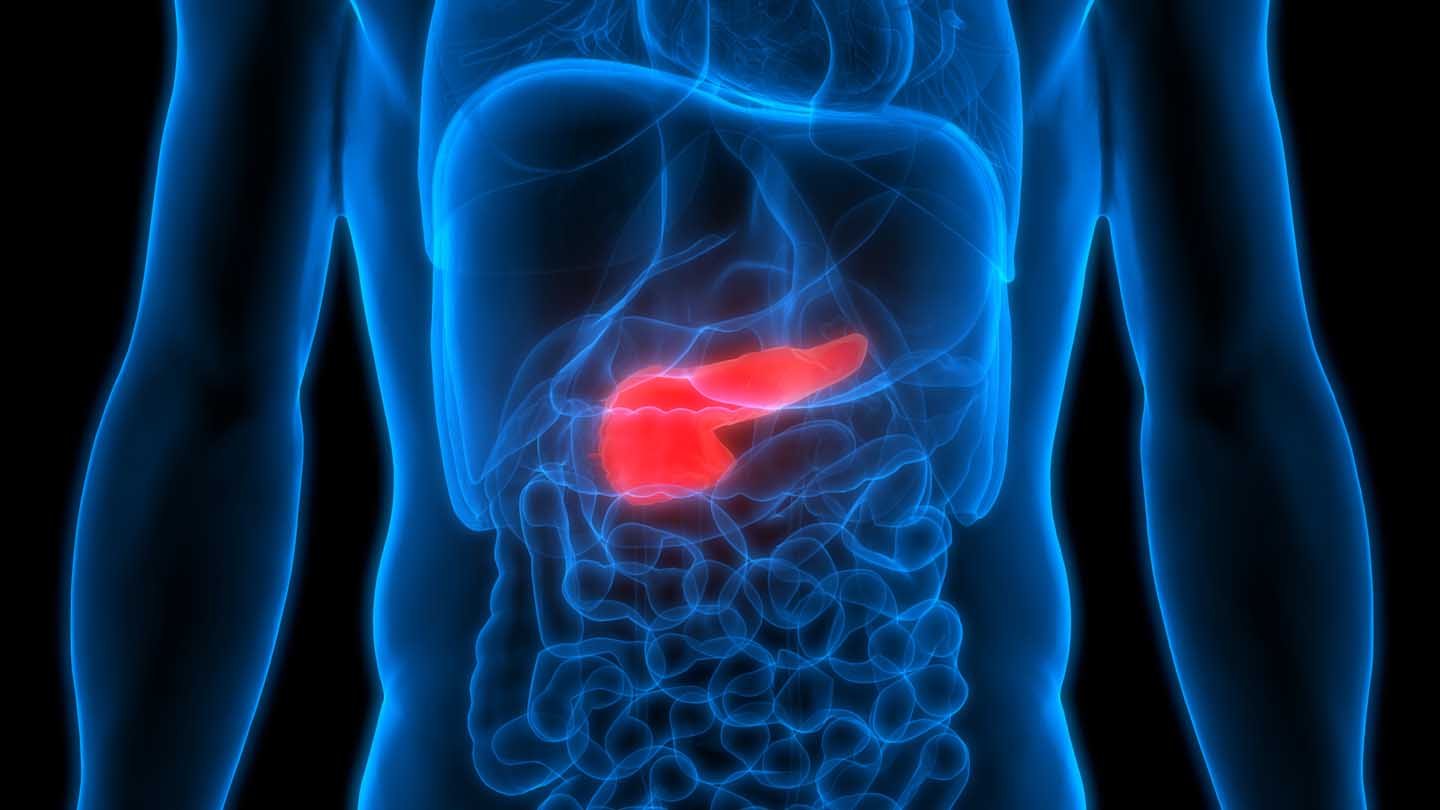
The pancreas is a relatively large gland that lies across the body behind the stomach between the spleen and liver. It is about 5-8 inch (14-20 cm) long and weighs 70-100 g. It is divided into head, body and tail. It is connected to the duodenum via an outlet duct. The duct runs the entire length of the gland. In most people, the main bile duct, the outlet from the gallbladder, unites with the outlet duct from the pancreas. They then flow together into the duodenum.

This junction can be different in some cases. In about a third of all people, both passages lead separately into the duodenum. This is an advantage, for in case that a gallstone sticks at the common duct after the union, it can lead to a backflow of digestive juice and bile in the pancreas and thus to a life-threatening inflammation of the pancreas (acute pancreatitis).
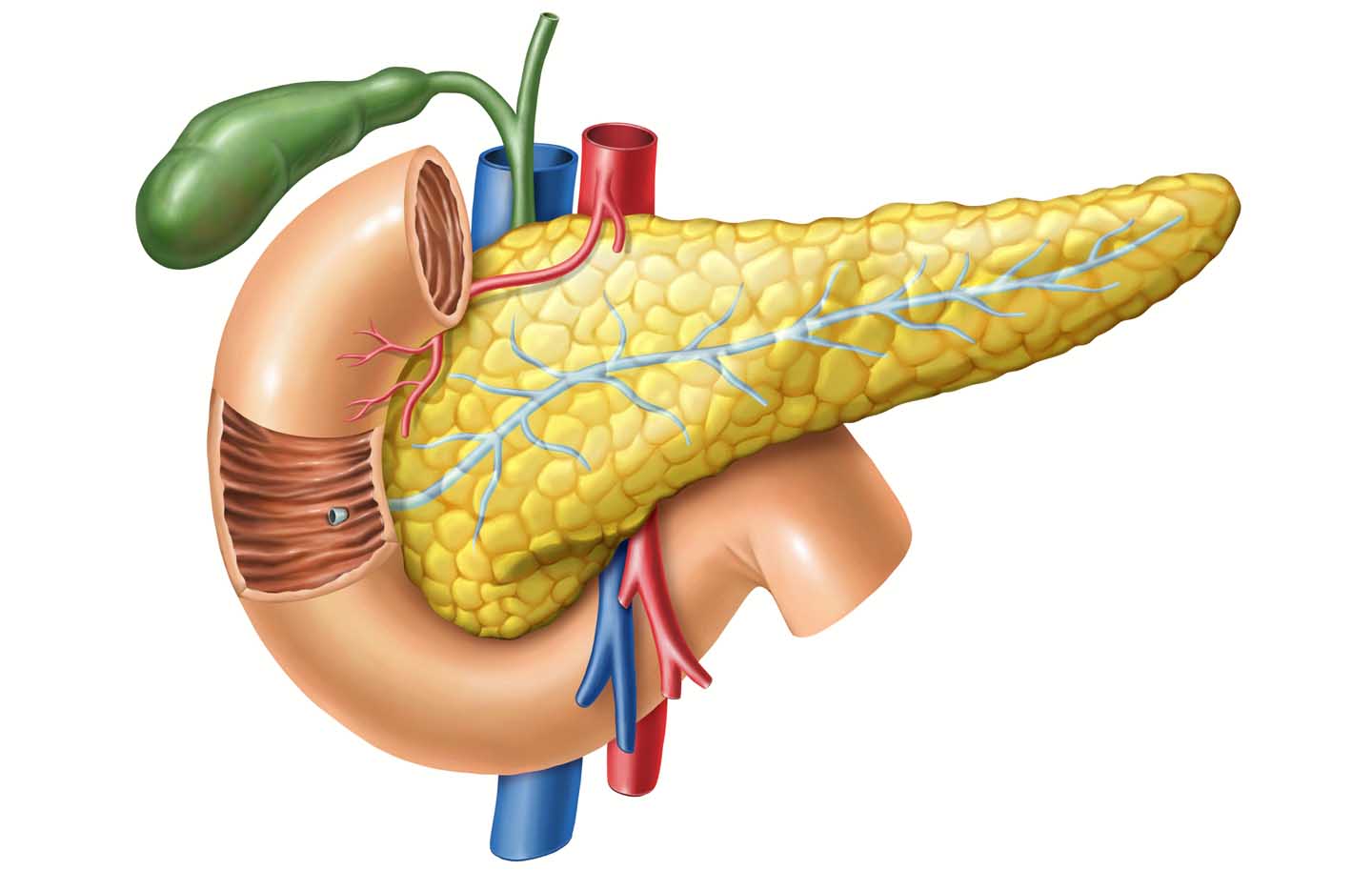
Anatomic drawing of the pancreas together with the bile duct

Exocrine Pancreas

The pancreas contains two parts with very different tasks: the exocrine and the endocrine part. Endocrine is called everything that secretes into the bloodstream and exocrine to the outside, in this case to the duodenum at the beginning of the colon. Note that anatomically speaking, the gastrointestinal tract is considered a tube that is a link of the body with the outside world. The pancreas is made up of several thousand lobules that are barely visible to the naked eye. These in turn are composed of several hundred glandular end pieces, the acini. The secretion of the acini is conducted into the duodenum via a duct system.

About 1.5 – 2 quarts (1.5 – 2 liters) of secretion are produced daily. The most important components are various digestive enzymes: lipases for digesting fat, amylases for digesting carbohydrates and various proteases for digesting protein. Most digestive enzymes, however, are formed in a preliminary stage, which are only converted into the active form inside the duodenum. This prevents the pancreas from digesting itself.

About 95% of the digestive juice consists of water. It is quite important that this juice is rather liquid and that the pH is around 8. In about one in 2000 newborns, the pancreatic secretion is very viscous due to a genetic defect and the pH is almost neutral. As a result, the environment in the duodenum is too acidic and fat digestion cannot function properly. It comes to fatty stools. In the pancreas itself, the ducts are blocked by the viscous secretion. The genetic defect affects various organs of the body. Even in the lungs occurs some blocking and scarring. The clinical picture is called cystic fibrosis.

Pancreatic carcinoma is the third most common tumor of the digestive tract after colon and stomach carcinoma. Smoking, frequent coffee consumption, type I diabetes and chronic pancreatitis can all increase the risk. The prognosis for pancreatic cancer is usually very poor, since rarely an early diagnosis is made, and at this point large parts of the pancreas or all of it have to be removed, often including part of the duodenum. 70 – 80% of cancer cases originate in the exocrine pancreas.

Endocrine Pancreas

The pancreas contains clusters of cells that form small islands within the tissue. They are named after their discoverer, the German physician Paul Langerhans – islets of Langerhans. These are collections of cells with a diameter of 0.1 to 0.4 mm. An adult has about a million of them. This corresponds to 2% of the pancreatic weight. They belong to the endocrine system and release their substances directly into the bloodstream.
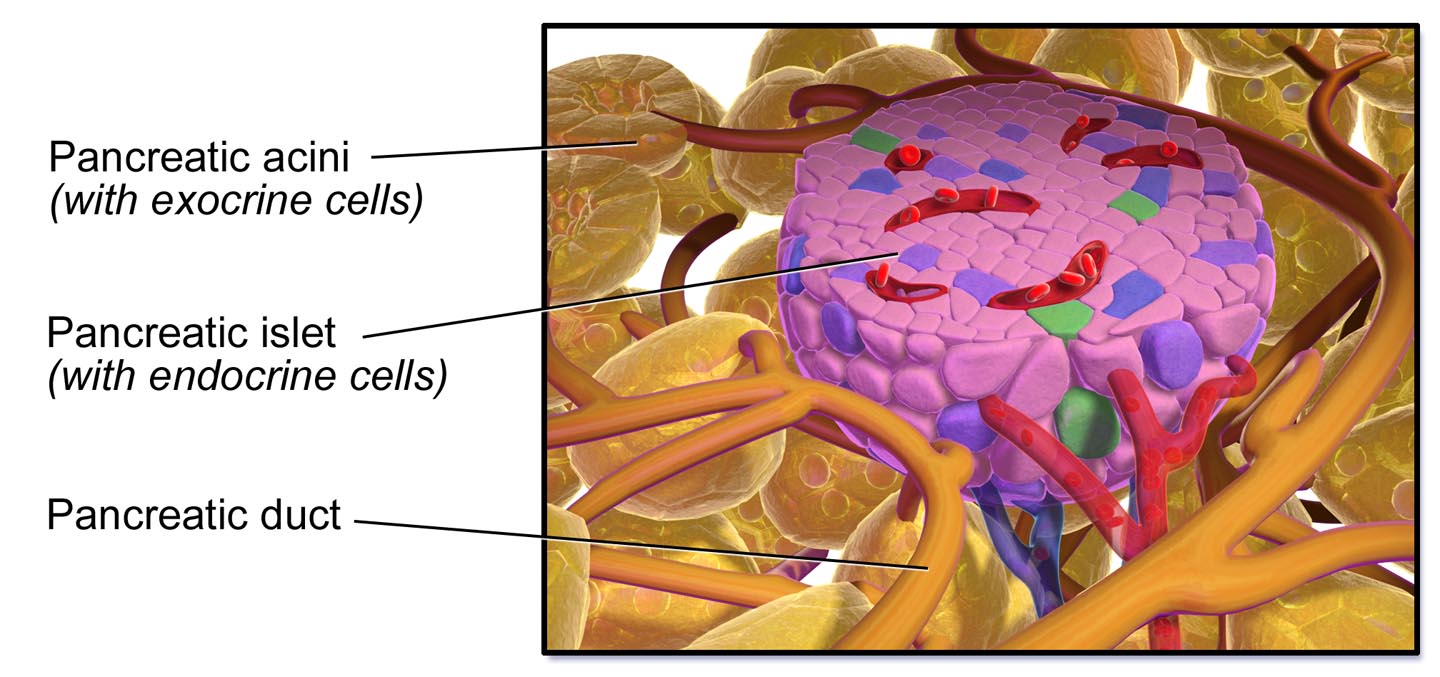
Islet of Langerhans - Source: Wikipedia/Medical gallery of Blausen Medical 2014
Illustration from Blausen.com at Wikimedia CC BY 3.0

The main function of these islands is to regulate blood sugar levels. Approximately 70% of islet cells produce insulin. These cells are called Beta cells. 20% are Alpha cells and form glucagon, the counter hormone to insulin. The Delta cells make up 5% and form somatostatin, which even in small amounts prevents the release of glucagon. Another 5% make up the PP cells. PP, the pancreatic polypeptide, consisting of proteins, increases the mobility of the small intestine. This is very important for digestion so that the chyme is well mixed and comes into close contact with the colon wall. This way the nutrients can be better absorbed.

Conductive Pathways

The pancreas is permeated by nerve tracts, lymphatic vessels, lymph nodes, arteries and veins. Blood is supplied through several arteries. It is supplied by a double vascular ring. The smallest veins, the capillaries, have tiny “windows” through which the endocrine cells are in direct contact with the blood. This way the cells “feel” the blood sugar level, so to speak, and the hormones can be released directly into the bloodstream.

Glucose Regulation

Regulating blood sugar levels is very important. The carbohydrates are released into the bloodstream in the form of glucose. The concentration in healthy adults is around 80-100 mg per 100 ml of blood. The two main hormones involved in regulation come from the pancreas: insulin and glucagon. They are opponents. Insulin lowers sugar levels and glucagon increases them. After a meal, the glucose is absorbed into the blood. The blood sugar level rises. In healthy people, this causes insulin to be released into the blood, which has the function of lowering sugar levels back to normal. The insulin opens the way for glucose to enter the body’s cells. There glucose is converted into energy, where it is supposed to be used for movement, heat production and other purposes. However, insulin also causes the excess glucose to be channeled into the liver or muscles. There glucose is converted into glycogen to be stored for the use of intervals between meals.

If the sugar level falls below normal (work, fasting), glucagon stimulates the liver to release glycogen, converting it into glucose which is released back into the bloodstream. The sugar level rises again. Renewed food intake will start the whole process all over again. Continuous food intake, such as constant snacking, overstrains this control loop, which sooner or later fails, leading to type II diabetes mellitus. Obesity also promotes the development of diabetes. This type used to be referred to as adult-onset diabetes. However, because patients with diabetes are getting younger and younger due to an unreasonable lifestyle, this term has been abandoned.

Snacking taxes the panreas - Photo by Tim Samuel from Pexels

Sometimes oral anti-diabetic drugs are used to increase the release of insulin from the Beta cells and can be used to treat type II diabetes. If the lifestyle is not corrected, their effectiveness is normally weaning with time.

Type I diabetes is an autoimmune disease with targeted destruction of the Beta cells that produce insulin. This diabetes can only be treated with insulin injections. Beta cells can also be damaged by viral infections. Research suggests that certain components of cow’s milk, if administered to infants whose intestines are still permeable, can trigger an autoimmune response that damages the Beta cells. So it really makes sense to breastfeed the newborn for as long as possible.

Even if the Delta cells are damaged, for example by a tumor, the blood sugar rises. Tumors affecting PP cells cause severe diarrhea.

We see that our pancreas is a very important organ for our digestion and the whole metabolism. We do well to take good care of our pancreas. We shouldn’t overwork our pancreas by constantly snacking or eating too many meals a day. A healthy adult will do well on three meals a day. He doesn’t need any snacks. Between meals he should consume only liquids, ideally water. In his wise creative power God has implanted a very interesting organ in our body. We can only be amazed how nicely and wonderfully our entire metabolism depends on small things that are interdependent like the many wheels of a clockwork.

Healthy Fruits

Stay Always Up to Date

Sign up to our newsletter and stay always informed with news and tips around your health.

Sign Up Now!

Filed Under: Body Systems, Diabetes, Digestive Tract

Stress and Your Health

May 20, 2021 by Martin Neumann - [rt_reading_time label="Reading Time:" postfix="minutes" postfix_singular="minute"]

Stress and Your Health

You ever felt jittery after a bout of stress? Do you have stomach cramps, a sudden outburst of pimples on your skin, or your blood pressure suddenly goes through the roof? You should be familiar with the symptoms of stress in your body and recognize when stress is taking its toll on your health.

Stress and Your Health

The body is wonderfully adapted to deal with many challenges, including stress. When we are in a dangerous spot, the body releases a number of hormones that help us to be alert, more energetic, run fast, make some quick decisions and do whatever is needed to face the crisis. When stress is chronic, like the deadlines at work or the debt that is not going away, then stress hormones like cortisol are chronically elevated as well.

Too much cortisol can suppress the immune system, increase blood pressure and sugar, decrease libido, produce acne, cause learning difficulties, lapse of memory, loss of muscle mass, aggravate obesity and much more. If cortisol is chronically elevated, the body is entering into a fatigue state, where the hormone stops to produce the desired effect. This is called glucocorticoid resistance, and will result in chronically elevated cortisol levels, and a body out of control.

The results of chronic stress on your health can be various. Have a close look at the following symptoms, and evaluate how stress is affecting your health.

Heart

As we’ve seen, cortisol constricts blood vessels and increases blood pressure. In addition to that, the stress response increases the clotting factor, preparing the body for faster wound healing in case of injury, but also facilitating the formation of arteriosclerotic plaques.

These plaques adhere to the inside of blood vessel walls, especially at locations where micro vascular damage has occurred, and attempt to “patch” it, resulting in large deposits of this mass along various areas of the blood vessel, which is reducing the blood flow and may eventually block the artery completely. When this happens in the coronary arteries of the heart itself, portions of muscle can die from oxygen starvation, which we call a heart attack. When this blockage happens in the brain, it results in a stroke. A study found that stress increases risks for development of cardiovascular diseases, which include deep venous thrombosis.((Dong, et al. Chronic Stress Facilitates the Development of Deep Venous Thrombosis, DOI:10.1155/2015/384535))

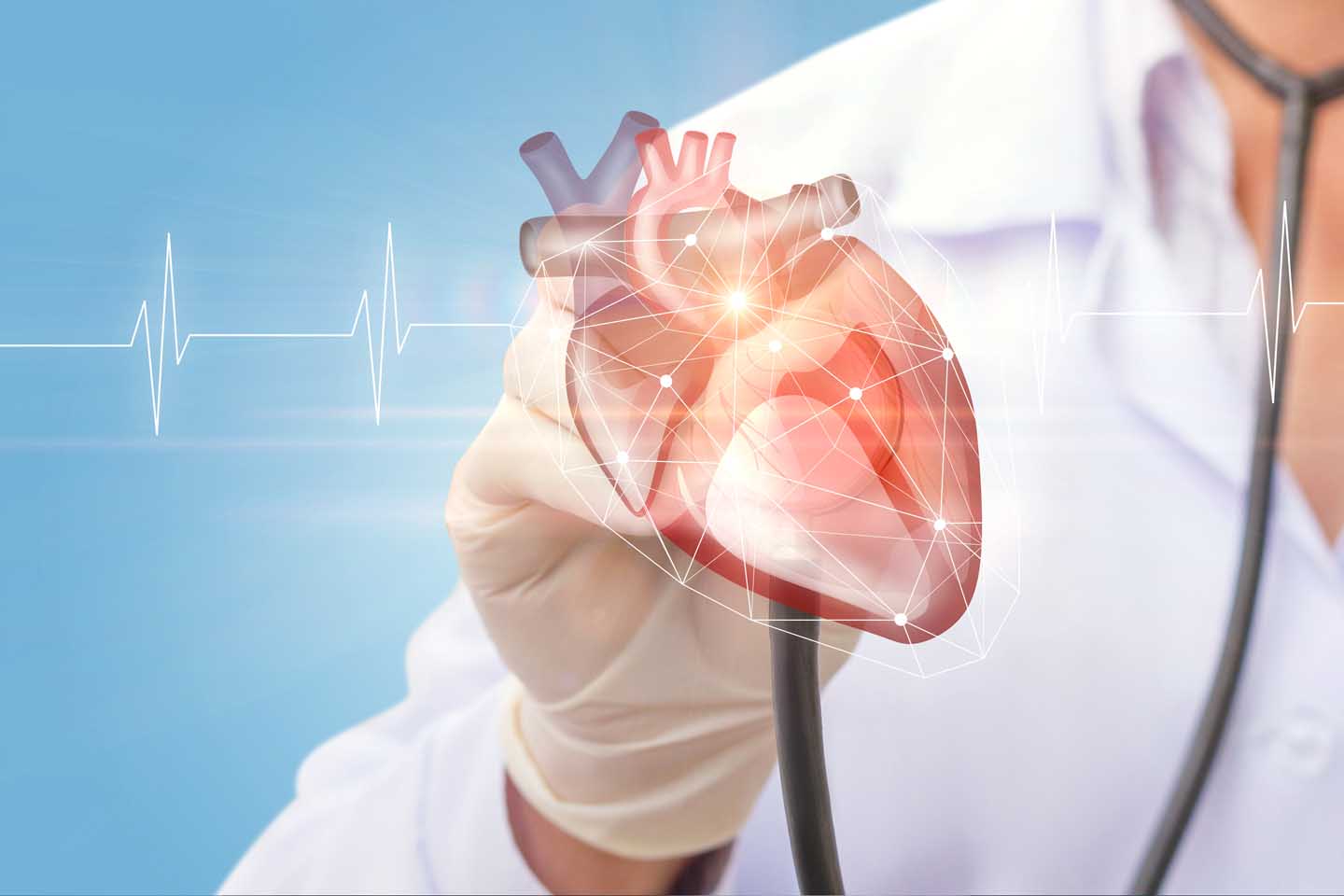
Examining the heart

Research shows that employees who are frequently exposed to high levels of work-related stress are at a higher risk of being diagnosed with cardiovascular disease.((Jaskanwal S et.al. Association Between Work‐Related Stress and Coronary Heart Disease: A Review of Prospective Studies Through the Job Strain, Effort‐Reward Balance, and Organizational Justice Models. DOI:https://doi.org/10.1161/JAHA.117.008073)) Stress causes massive depletion of the mineral magnesium, which is essential for muscle relaxation.((Tarasov E A et.al. Magnesium deficiency and stress: Issues of their relationship, diagnostic tests, and approaches to therapy. DOI: 10.17116/terarkh2015879114-122)) Tests have shown that a very large percentage of the adult population are magnesium-deficient, which very likely has a strong correlation to those affected by chronic stress.

As the heart is a muscle it is dependent on adequate magnesium for proper and healthy function. Current research is exploring the possible link between low magnesium levels and heart attacks.

Acute stress, such as may occur to people who are experiencing the sudden death of a loved one, a natural disaster or extreme accident may also lead to stress-induced cardiomyopathy. Thankfully, increased awareness means that professional emotional support is offered far more often than before, with better outcomes for those affected.

Digestive Disorders

Do you feel sometimes like your stomach has been invaded by butterflies? This is a normal reaction to many stressful or fearful circumstances. A regular stomach ache is one of the many symptoms that can be experienced by an individual who is suffering from stress. The digestive system is controlled by the parasympathetic nervous system, which is suppressed during the stress response.

As a result, digestion is compromised, indigestion develops, and the mucosal lining becomes irritated and inflamed. The diminished absorption of nutrients can cause various deficiencies, even while eating well. A study has shown that stress can dramatically change the gut microbiome, increasing the amount of inflammation-promoting bacteria.((Gao X et.al. Chronic stress promotes colitis by disturbing the gut microbiota and triggering immune system response. DOI: 10.1073/pnas.1720696115))

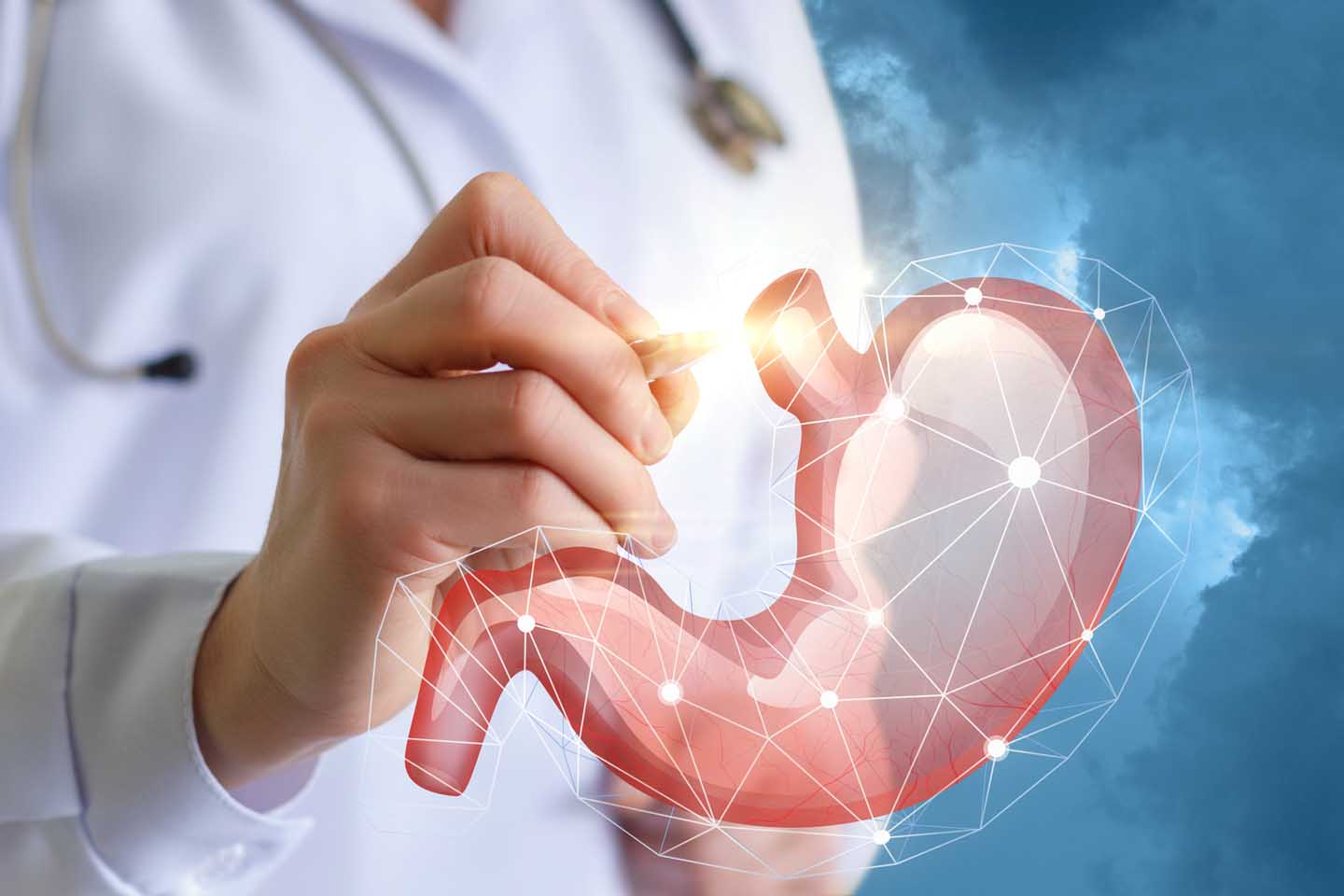
Treating the stomach

Cortisol stimulates also gastric acid formation. Gastritis and Ulcers are more common during stressful times, and continually feeling pressured can cause poor bowel elimination. If the cause is left unchecked, this could escalate into other gastric problems.

Many cases of gastrointestinal disorders such as diarrhea, constipation, colitis and irritable bowel syndrome have been linked to stress. This shows how our brain and our gut are so interconnected to each other. When you are able to resolve your problems and find that peace of mind, your whole body is going to thank you.

Immune System

It is known that chronic stress with elevated cortisol will reduce various functions of the immune system.((Dragos D et.al. The effect of stress on the defense systems. PMCID: PMC3019042)) As a result you are more susceptible to flus and colds or any other kind of infection. You will also increase your risk for cancer, since your immune system is not at peak performance to control and eliminate abnormal cancer cells.

Stress will have a cumulative effect on the immune system the longer we experience it. Think of the immune system as a firewall; the longer it is down, the greater the chances that some sort of infection can take hold of us and complicate our recovery.

Skin

Psoriasis, eczema, and other skin inflammations are often linked to prolonged exposure to stress. In most cases of skin diseases that have been brought on by stress, reducing stress levels have also been found to rapidly improve a person’s skin condition.

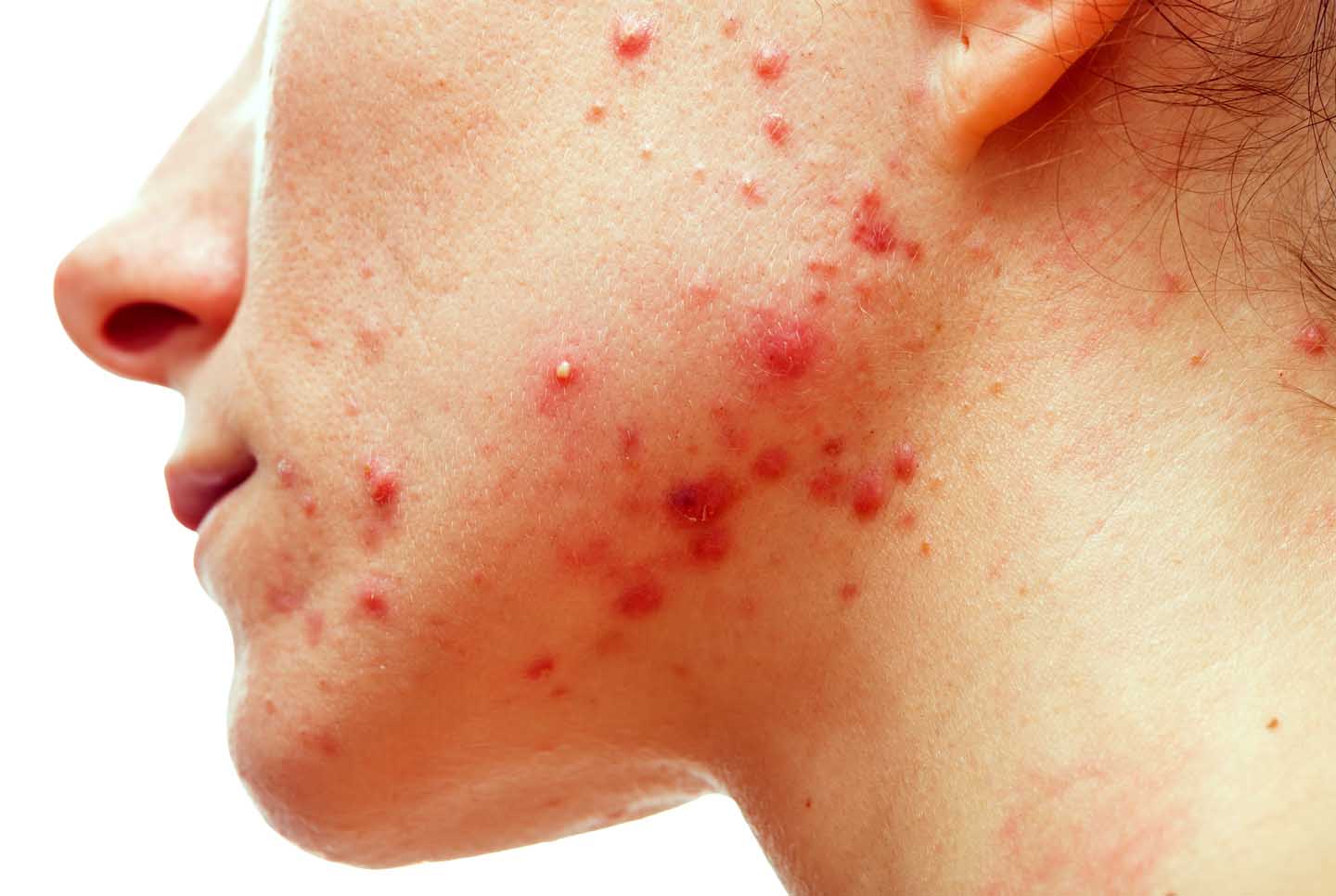
Chronic exposure to stress can lead to the overproduction of the sex hormone androgen, resulting in acne and other skin problems.

Akne

Stress causes excessive hormone production combined with a reduced healing ability, meaning you may experience the same types of skin problems you did as a teenager.

Hair

While hair loss can be a sign of other conditions, it can also be one of the most common symptoms of stress. Hair loss will be most likely to happen three to six months after a traumatic experience such as losing a loved one or losing a job. 

When a person is exposed to highly-stressful events their androgen hormone production will be imbalanced, possibly resulting in temporary hair loss. Sticking to a balanced diet is important at times of high stress, to give the body every possible assistance for healing and repair.

You may often hear people say that stress is turning their hair gray.  Stress can speed up this process especially if you are already genetically predisposed to having gray hair. During periods of prolonged stress, an individual’s white blood cells may attack their hair follicles thereby putting a halt to hair growth which is also called a “resting phase”. This gets visible when much hair is lost when being washed or combed.

Menstrual Cycle Problems

Missed and delayed periods can be a sign of stress in women. In severe cases, some women may suffer a complete stop of the menstrual cycle.

Other women still experience regular menstrual periods but many complain of dysmenorrhea that is twice as painful when they’re feeling excessive stress, and Pre Menstrual Symptoms may get worse or become more difficult to deal with.

Women with overly hectic and busy lives, filled with demands that promote chronic stress may feel a loss of sexual drive. And those who pass through menopause may feel an increase in intensity and frequency of hot flashes.

Decreased Libido

Elevated cortisol relating to prolonged stress, can lend itself to impotence and erectile dysfunction. Furthermore, the androgenic sex hormones are produced in the same glands as cortisol and epinephrine, so excess cortisol production may hamper the optimal production of these sex hormones.

It is common for people who are under a great deal of stress or feeling exhausted to have no desire in the bedroom. This can be frustrating for your partner as well. If you are suffering from a general lack of libido possibly caused by stress, it is essential to talk openly with your partner so that they can lend you a sympathetic ear and not take it personally.

Muscle Tightness

Tensed muscles are common indications of stress. This can further lead to muscle spasms which can cause great pain. Stress causes magnesium depletion in the body and without magnesium the muscles cannot relax, putting them in a state of near-constant contraction. Tense muscles can lead to migraines and tension headaches that are linked to muscle tension of the neck, head and shoulders.

Increased Cortisol levels will tend to activate an inflammatory response, causing sore muscles, aches and pains in the body. Prolonged muscle tension and possible subsequent muscle atrophy from a lack of physical activity, promote chronic, stress-related musculoskeletal conditions. Relief comes through exercise, massage, muscle relaxation exercises and adequate vitamin and mineral intake.

Pancreas, Diabetes and Obesity

People who are chronically stressed have a high tendency to indulge in sugary, feel-good foods. Also, increased cortisol levels will raise the blood glucose levels, causing difficulties especially for diabetics.

Cortisol will activate the transformation of fat into glucose. This is why stress makes it hard for diabetics to control blood glucose levels. Once the excessive glucose is not used for exercise, it will be transformed back into fat and stored in the visceral fat cells. This resuts in the dreaded belly fat that is not only unsightly but is another major health risk that can shorten your life span. On top of that, excessive cortisol levels can cause cravings for sweet, high-fat, and salty foods. Obesity in turn will increase the risk of developing diabetes.

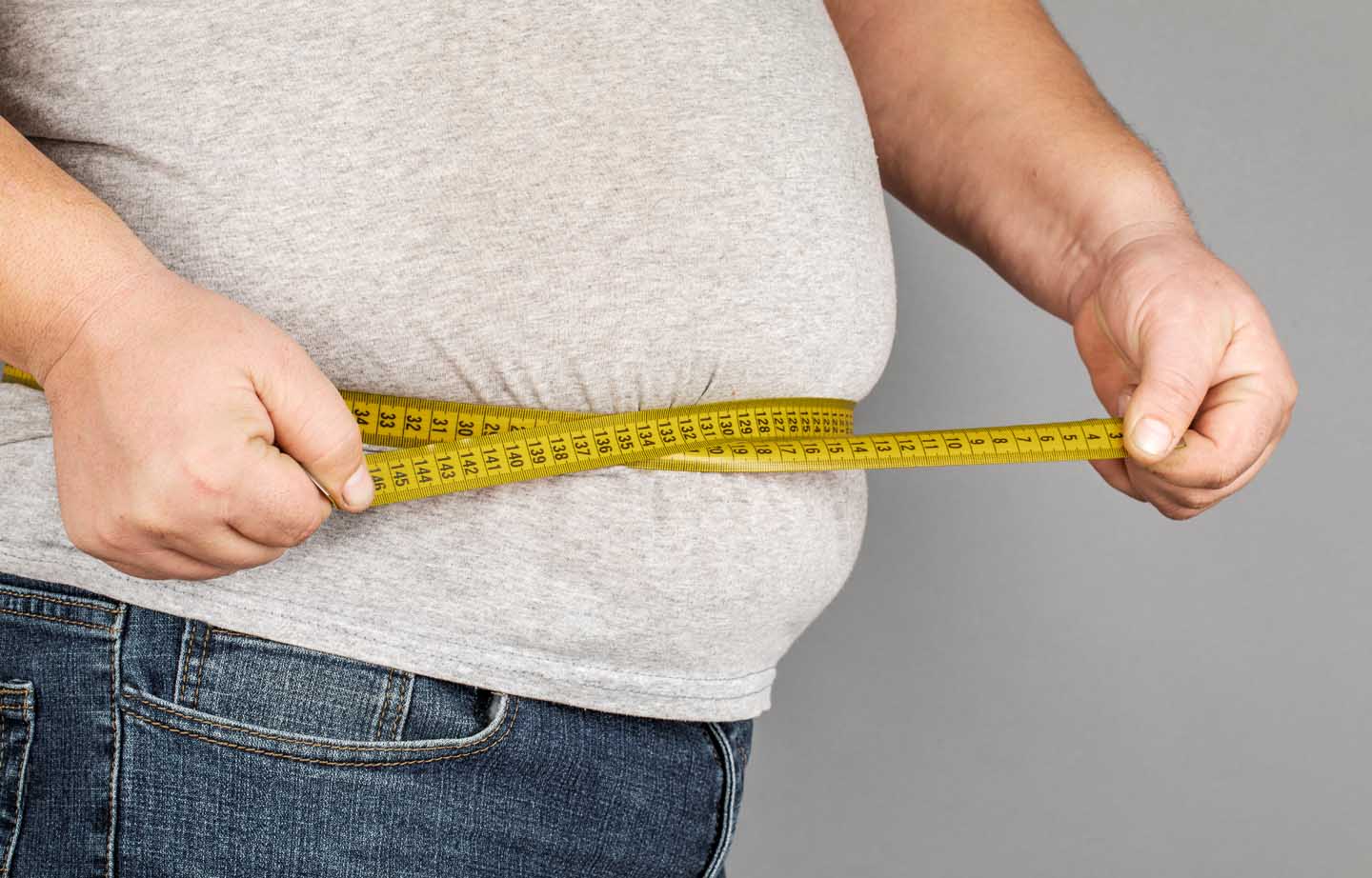
An obese man

Metabolic Syndrome

Chronic stress can increase blood pressure, glucose levels, cholesterol, triglycerides and weight gain, all of the factors involved in the metabolic syndrome.

One study found that “there is a dose-response relationship between exposure to work stressors over 14 years and risk of the metabolic syndrome, independent of other relevant risk factors.” The final results found that “employees with chronic work stress were more than twice as likely to have metabolic syndrome as compared with those subjects with without work stress.”((Chandola, et al. Chronic stress at work and the metabolic syndrome: prospective study, BMJ 2006; 332 doi: https://doi.org/10.1136/bmj.38693.435301.80))

Conclusion

We have seen that stress can compromise our health in various ways. If you experience one or several of those warning signs, you should take action to get your stress under control. In chronic stress we need to take action to decrease our cortisol levels, which can be achieved in two ways:

  • Firstly – by reducing the stress that is the root cause of the problem, either by eliminating the stressors, or by improving the ability to cope with them. A reduced emotional response to any stressor will mean less cortisol release.
  • Secondly – there are known lifestyle and dietary ‘hacks’ that assist the mind and body to reduce the release of cortisol into the system. Some bad habits can though increase cortisol production.

If you need some tips on how to achieve both of this approaches, download our Ten Minute Guide to Stress Management and start beating your stress with efficient strategies that put you into control of your life. Download your copy now!

Do you need a guide to help you understand how to cope with Stress in an all inclusive approach? Learn how to combat stress, mentally, physically, emotionally and strategically in your life.

Get Me the Guide

Filed Under: Mental Health, Stress Management

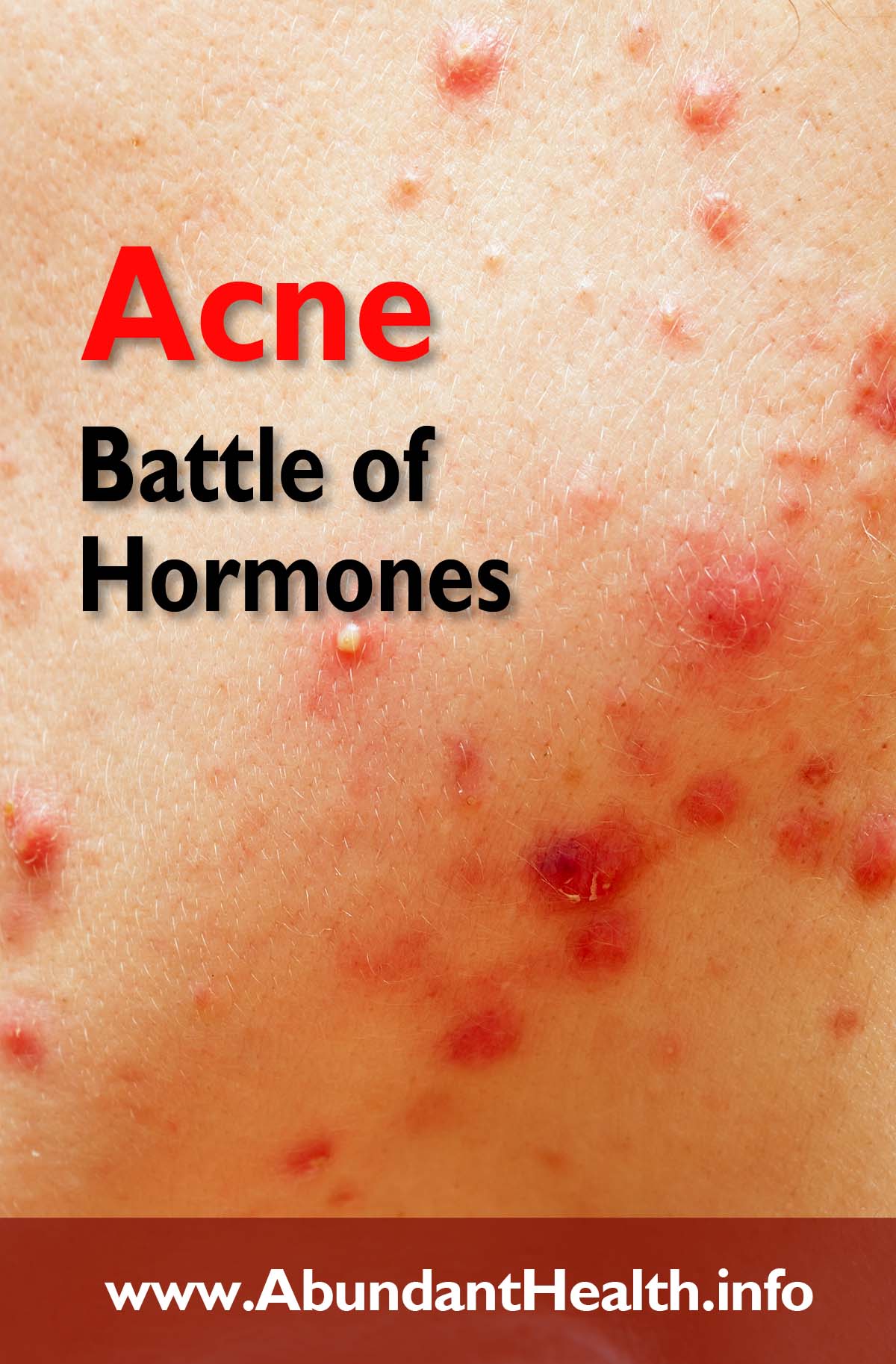
Acne – Battle of Hormones

May 15, 2021 by Esther Neumann - [rt_reading_time label="Reading Time:" postfix="minutes" postfix_singular="minute"]

Akne

Acne takes worldwide the top position of all dermatological diagnoses. 80 – 85% of all teenagers suffer from acne to a greater or lesser extent. Inadequate treatment in more severe cases can lead to physical and psychological consequences. It is generally believed that acne is a disease of puberty. But adults and already toddlers can suffer from it.

Acne - Battle of Hormones

Most of those affected in the second decade of life have a mild form of acne. The clinical presentation mostly regresses between the ages of 20 and 25. 30% have courses that require specialized medical treatment.

Acne is caused by a combination of several pathophysiological factors: overproduction of skin fats by the sebaceous glands of the skin, cornification disorders and microbial colonization of the sebaceous gland sheath as well as inflammatory changes. During puberty, the production of male sex hormones, so-called androgens, increases in boys and girls. The sebaceous glands are thus stimulated to increase the production of sebum. The oily skin has a stronger cornification on the surface than dry or normal skin, which results in a narrowing of the excretory ducts. The skin fat is therefore very difficult to excrete and accumulates.

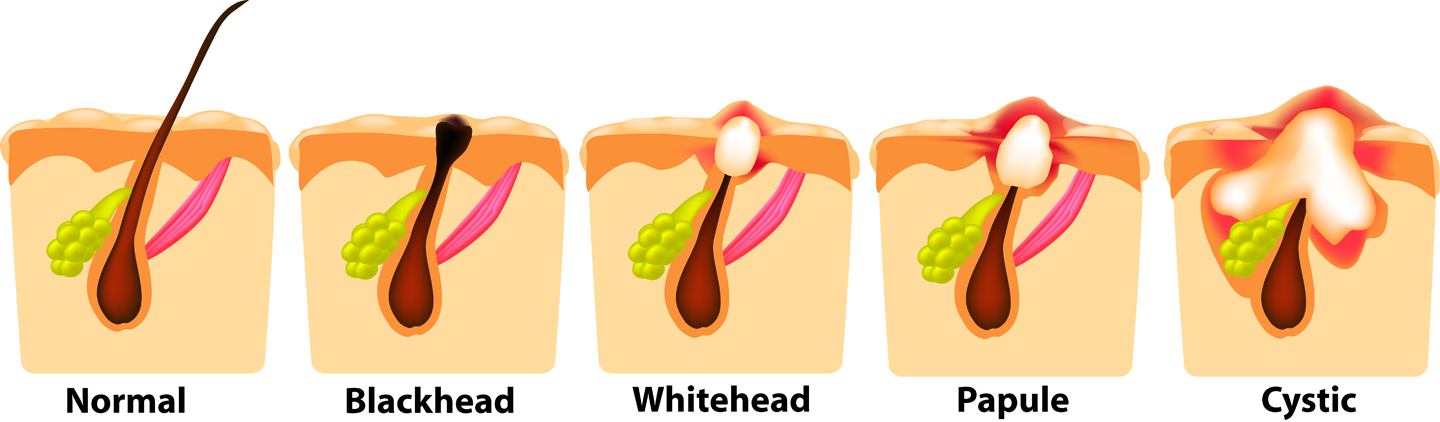
For the further course of the inflammatory process, it plays a role whether excessive colonization of bacteria can occur. As a metabolic product, free fatty acids are produced, which irritate the surrounding tissue. Initially, red nodules (papules) form, which can become ulcerated and then turn into pustules.

Types of Acne

Forms of acne can be classified by cause, age or severity of occurrence.

Acne neonatorum and acne infantum are forms that affect newborns and children. The formation is usually minor and healing occurs spontaneously, unless there are serious hormonal disorders. Acne vulgaris occurs during puberty and often extends into adulthood (acne tarda). It develops in the areas rich in sebaceous glands on the face, neck, chest and back.

The non-inflammatory comedonic acne only forms blackheads (comedones) or at most lightly inflamed papules (skin thickening). Papulopustular acne is the transition to inflammatory pustules and papules. The severe form is acne conglobata with large inflammatory nodules, abscesses, fistulas and scars.

Progression of Acne

Acne caused by environmental causes can in principle occur at any age. Acne aestivalis is also called Mallorca acne. It occurs after intense exposure to UV rays. Acne cosmetica occurs after long-term application of high-fat cosmetics. Acne medicamentosa is caused by drugs containing barbiturates, lithium or corticosteroids, misuse of anabolic steroids or overdoses of vitamins B6 and B12. People who take higher doses of vitamin D also suffer from acne more often.

Acne venenata is contact acne that can be triggered by chlorine, tar or lubricating oils. This list is not complete, but it should suffice to illustrate the wide range of causes and manifestations.

Consequences and Complications

Inflammation caused by acne can be accompanied by redness, swelling, and pressure pain. In the case of major inflammation, swelling of the lymph nodes can also occur. Squeezing out blackheads and pustules can lead to smear infections and boil formation. Severe forms of acne are associated with scarring. Psychological and social problems can arise. Those affected feel stigmatized or bullied. Self-esteem suffers. The pressure of suffering is often very high.

Teenager mit Akne

Acne and Diet

The influence of diet is still widely discussed, for the reason that there are not enough studies on the subject. The few studies show that there is a link between the consumption of dairy products and the formation of acne.((Adebamowo C et.al. High school dietary dairy intake and teenage acne. DOI: 10.1016/j.jaad.2004.08.007
LaRosa C et.al. Consumption of dairy in teenagers with and without acne. DOI: 10.1016/j.jaad.2016.04.030
Landro A et.al. Family history, body mass index, selected dietary factors, menstrual history, and risk of moderate to severe acne in adolescents and young adults. DOI: 10.1016/j.jaad.2012.02.018)) It is more pronounced in girls than in boys. It is not the fat content of the milk that matters, but the hormones in the milk. These are not associated with fat but with whey proteins. Even whey protein supplements manifested the same effects.((Pontes T et.al. Incidence of acne vulgaris in young adult users of protein-calorie supplements in the city of João Pessoa–PB. DOI: 10.1590/abd1806-4841.20132024)) Milk also contains other bioactive molecules such as steroids and growth factors that could also play a role in the development of acne.

What role milk really plays can vary from person to person. Certainly it is worth trying to avoid dairy products for a few weeks. My daughter had suffered badly from acne. Whenever she has completely canceled dairy products, her skin became very beautiful. But if she was careless, she spontaneously deteriorated. She also ate a lot of boiled carrots during this difficult time, and the beta carotene in them is the precursor of vitamin A. Vitamin A is very important for the skin structure. If there is a vitamin A deficiency, infections occur. Apricots, mangoes, oranges, peppers, spinach and Swiss chard also contain many carotenoids.

Salt should not be used too much, as high salt consumption promotes fluid retention in the skin, which can worsen inflammation of the sebaceous glands.

A fiber-rich diet with lots of fruits and vegetables, legumes and grains is appropriate because the fiber binds hormones such as androgens and excretes them. One study shows that blood serum and urine levels of androgens are lower in people who eat a high fiber diet.

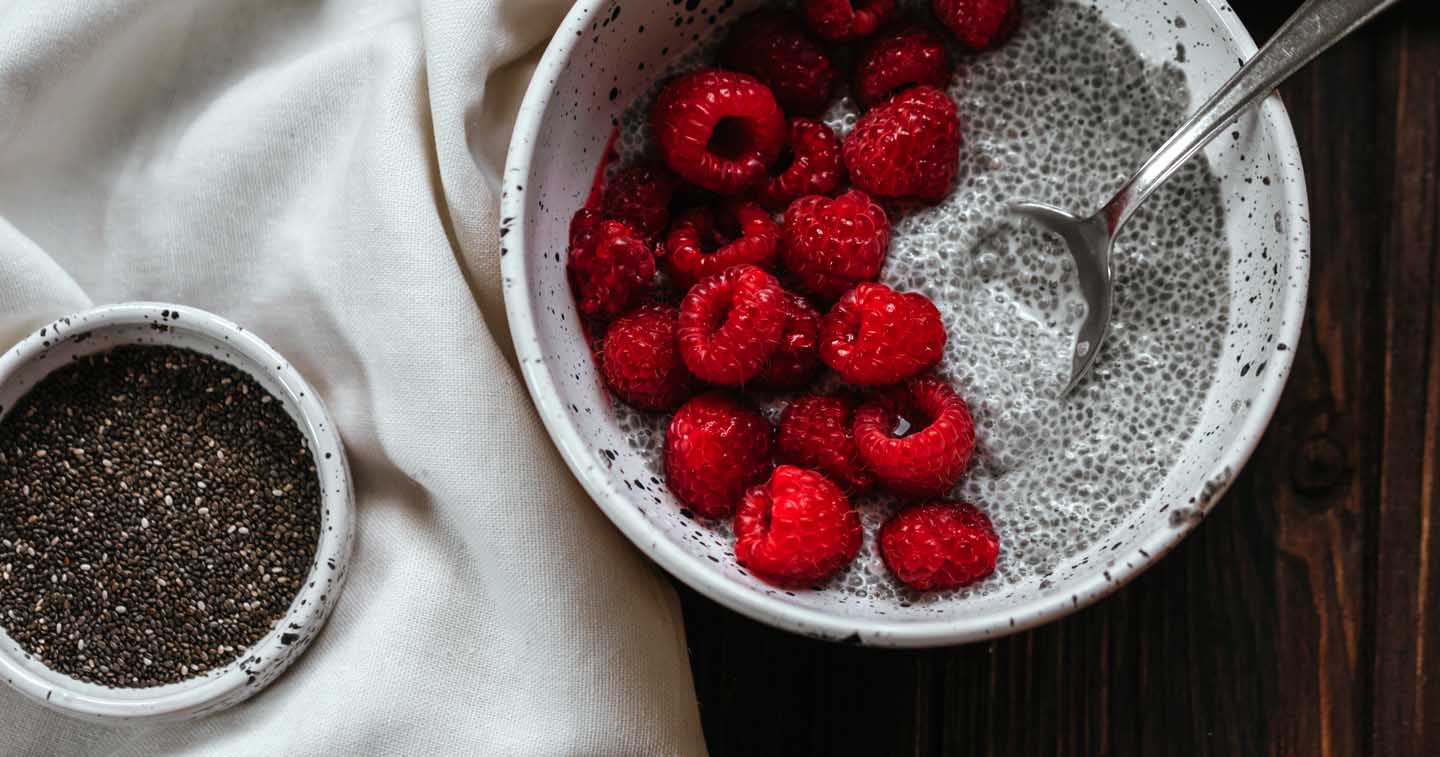
Omega 3 fatty acids also play a role. They have anti-inflammatory and inhibitory effects on the formation of leukotriene B4, which together with the androgens stimulate the production of sebum. Omega 6 fatty acids on the other hand have an inflammatory effect and will increase acne formation.((Cordain L. Implications for the role of diet in acne. DOI: 10.1016/j.sder.2005.04.002)) Omega 3 fatty acids are found in nuts, flaxseed, chia, wheat germ as well as flax, chia, hemp, canola, walnut and wheat germ oil. Teenagers who eat a lot of saltwater fish high in omega 3 fatty acids have significantly less acne. But fish is no longer recommended today because of the high levels of heavy metals.

Chia as Omega 3 source - Photo by Polina Kovaleva from Pexels

Lukotrienes are tissue hormones derived from arachidonic acid. Arachidonic acids occur in very high quantities in lard and hard cheeses such as Emmental. They should be avoided in acne and all other inflammatory processes.

There was found a link between eating chocolate and the development of acne. This was true also for the consumption of dark chocolate and pure cocoa powder.((Vongraviopap S. et.al. Dark chocolate exacerbates acne. DOI: 10.1111/ijd.13188
Caperton C et.al. Double-blind, Placebo-controlled Study Assessing the Effect of Chocolate Consumption in Subjects with a History of Acne Vulgaris. J Clin Aesthet Dermatol. 2014 May;7(5):19-23. PMCID: PMC4025515)) The consumption of fat, sugar and other refined products was associated as well with a higher risk of acne.((Aksu A et.al. Acne: prevalence and relationship with dietary habits in Eskisehir, Turkey. DOI: 10.1111/j.1468-3083.2011.04329.x)) This might be due to the increased release of insulin, which in turn makes the androgen hormones more active.((Julson E. Top 7 Foods That Can Cause Acne. Healthline, January 24, 2018))

Soybeans and derived products can have a beneficial effect. They contain phytoestrogens, which help to achieve a hormonal balance. Tumeric has anti-inflammatory properties, and probiotics can help as well to control inflammation. Vitamin A, D, E and zinc can help to strengthen the immune system and fight the bacteria involved in acne formation.((Julson E. Top 7 Foods That Can Cause Acne. Healthline, January 24, 2018))

Lifestyle Factors

Unfortunately, many teenagers suffering from acne smoke. High levels of arachidonic acid and polycyclic aromatic hydrocarbons have been found in cigarette smoke. These substances promote the development of inflammatory tissue hormones. The motto: “You are fine without smoke” should be spread much more widely among young people for many reasons.

Many acne patients have noticed for themselves that stress plays a large role. Around exam dates and in girls around the time of their menses, pustules can really flourish. If a new pimple is found on the nose in front of the mirror, it can be very stressful. It shows who has a good self-esteem or whether this nonsense on the nose can throw you off track.

The acne years coincide with the problem years due to the detachment from the parental home. This can involve a large amount of stress. An open ear within family circles and a more relaxed approach to the social pressures can help a lot. In a difficult case, you should seek professional help.

Pharmacological Treatment

Any treatment for acne requires patience. In difficult cases, you should work with a dermatologist. There are many active ingredients that suppress sebum production and normalize the cornification process. Alpha-hydroxy acids, benzoyl peroxide, linoleic acid creams, retinoids (vitamin E), isotretionin, salicylic acid, zinc and zinc compounds, hormones in women and antibiotics in severe cases are some of the agents used. The treatment depends on the clinical manifestations and is arranged together with the doctor. False concepts and expectations are widespread. Realistic goals must be explained and the patient’s personal responsibility must be emphasized. But before you shoot cannons on flies, it is advisable to first take a close look at your diet and lifestyle. Because many of the drugs also have side effects.

Recipe for an Acne Treatment Mask

Acne treatment mask - Foto by Ketut Subiyanto from Pexels
  • Use Luvos healing earth or powdered clay, amount as required
  • Mix with herbal tea until you have a spreadable mass.
  • Apply the compound to the affected areas using a brush, spatula or spoon.
  • Leave it until the mask is largely dry and then rub it off with your fingers to peel the skin at the same time. Then wash off the residue or wipe it off with a damp cosmetic tissue.

Herbs that are good for making the herbal tea for the pack: thyme, rosemary, peppermint, witch hazel
If the skin is rather sensitive: use sage or chamomile tea.
If you want, you can also take a facial steam bath before the pack with the mentioned teas.

Recipes

The beta carotene of carrots is absorbed better if they are cooked. It is though important to not cook them excessively, but preferably just cook them tender in steam, in order to not leak out the nutrients.

Carrot Spread

  • 2 large carrots
  • 2 garlic cloves
  • 1 small onion
  • 1 large tomato
  • 1 pinch of salt
  • 2 tbs. olive oil
  • 1 pinch of oregano optional
  • 1 tsp. nutritional yeast
  1. Cook the carrot with little water
  2. Saute the onion and garlic without oil, then add tomatoes, salt and oregano

  3. Blend the carrot with a little cooking water

  4. Add the remaining ingredients and blend well

  5. Add the olive oil
DiabeticDiet, GlutenFreeDiet, VeganDiet

Carrot Sushi

  • 1 large carrot
  • rice (tofu or guacamole for filling)
  1. Cut the carrot into thin slices. At best use a slicer to slice the carrot lengthwise.

  2. Steam for 10 minutes.

  3. Roll in the form of sushi.

  4. Stuff with cooked rice, tofu or guacamole.

Carrot Sweet Balls

  • 1 large grated carrot
  • 4 tablespoons shredded coconut
  • 3 tablespoon brown sugar or honey
  1. Grate the carrot with a fine grater.
  2. In a frying pan cook the carrot and sugar and stir to avoid sticking.

  3. Cover for a few minutes over low heat.
  4. When the carrot is cooked and starting to dry, add the grated coconut and stir for a few minutes until it starts to bind.
  5. Allow to cool slightly and mold into balls.
Dessert
GlutenFreeDiet, LowFatDiet, VeganDiet

Carrot Bread

  • 2 large carrots
  • 1 cup of oatmeal
  • 1/2 teaspoon salt
  1. Cut the carrots into slices.
  2. Cook until well cooked. You do not need to remove the skin.
  3. Smash the carrots while still hot with a fork.
  4. Add salt to taste and oatmeal until you achieve the right consistency. The dough is a little sticky. Wait about 5 minutes, as the oats absorb moisture and the dough will be easier to shape.
  5. Mold in the shape of small balls.
  6. Bake for 20 to 30 minutes until golden brown.

Eat preferably warm.

Appetizer
DiabeticDiet, GlutenFreeDiet, LowFatDiet, VeganDiet

Now we want a few recipes who provide us with good sources of Omega 3.

Chia Yogurt

  • 1 cup of coconut milk
  • 4 tablespoon chia
  • 1 small mango
  • 1 chopped apple
  • ¼ cup of raisins
  1. Put the coconut milk into a container and stir in the chia until it is well mixed.

  2. Take to the refrigerator for 6 hours or until the next day.

  3. Afterward mix with sliced mango, apple and raisins.

  4. If you prefer, place in a bowl layers of chia yogurt interspersed with the fruit. Serve pure or with granola.

Breakfast
DiabeticDiet, GlutenFreeDiet, LowCalorieDiet

Flaxseed Salt

The flaxseed salt can be used like sesame salt as a seasoning for salads and other dishes

  • ½ cup flaxseed
  • 1 tbsp salt
  1. Put the flaxseed into a skillet and roast for a few minutes on low heat, stirring every few seconds.

  2. When seeds start to pop in larger quantity, put on a lid and take the skillet off the heat.

  3. Let the seeds cool to room temperature.

  4. Transfer seeds to a spice grinder and mix with the salt.

  5. Pulse for a few seconds. If needed repeat until seeds are finely ground.

To get the maximum benefits of the Omega 3 fatty acids, keep inside an airtight container in the fridge and use within 3-4 days. Never buy flaxseed already ground, because Omega 3 fats oxidize and get rancid very quickly.

Healthy Fruits

Stay Always Up to Date

Sign up to our newsletter and stay always informed with news and tips around your health.
Sign Up Now!

Filed Under: Diseases, Skin, Teenagers

Primary Sidebar

Social Channels

Coronavirus Immunity Challenge

Boost your immune system to be bullet-proof for the pandemic.

I Want to Participate

Recent Posts

  • 5 Habits to Live Longer
  • Better Sleep Can Protect Against Dementia
  • Finding Peace In Your Crazy-Busy World
  • Flaxseed – An Ancient Plant Rediscovered
  • Platelets – Triggers for Life or Death
  • Boderline Personality Disorder
  • In Praise of Almonds and Nuts
  • Are You Stuck in the Clutter Trap?

Categories

  • Body Systems (16)
    • Cell Function (2)
    • Circulatory System (1)
    • Digestive Tract (10)
    • Immune System (4)
  • Diseases (27)
    • Cancer (2)
    • Cold (1)
    • COVID-19 (11)
    • Dementia (1)
    • Diabetes (1)
    • Digestive Diseases (2)
    • Heart Disease (2)
    • Kidneys (1)
    • Metabolic Syndrome (2)
    • Skin (1)
  • Healthy Lifestyle (42)
    • Exercise (11)
    • Gardening (2)
    • Sleep (7)
    • Sunlight (2)
    • Temperance (14)
    • Water (4)
  • Mental Health (87)
    • Addictions (6)
    • Anxiety (7)
    • Burnout (1)
    • Depression (7)
    • Psychosomatic Diseases (6)
    • Stress Management (45)
    • Trust (6)
  • Nutrition (56)
  • Obesity (9)
  • Phases of Life (14)
    • Adults (3)
    • Babies and Infants (1)
    • Children (3)
    • Seniors (5)
    • Teenagers (3)
  • Therapies (7)
    • Herbs (5)
    • Hydrotherapy (1)
  • Uncategorized (3)

Archives

  • January 2025 (1)
  • March 2024 (5)
  • February 2024 (4)
  • January 2024 (4)
  • December 2023 (5)
  • November 2023 (4)
  • October 2023 (5)
  • September 2023 (4)
  • August 2023 (3)
  • July 2023 (2)
  • June 2023 (4)
  • May 2023 (4)
  • April 2023 (5)
  • March 2023 (4)
  • February 2023 (4)
  • January 2023 (4)
  • December 2022 (4)
  • November 2022 (4)
  • October 2022 (5)
  • September 2022 (4)
  • August 2022 (4)
  • July 2022 (5)
  • June 2022 (4)
  • May 2022 (5)
  • April 2022 (4)
  • March 2022 (4)
  • February 2022 (4)
  • January 2022 (5)
  • December 2021 (3)
  • November 2021 (4)
  • October 2021 (6)
  • September 2021 (4)
  • August 2021 (4)
  • July 2021 (5)
  • June 2021 (4)
  • May 2021 (3)
  • April 2021 (5)
  • March 2021 (4)
  • February 2021 (4)
  • January 2021 (5)
  • December 2020 (3)
  • November 2020 (4)
  • October 2020 (5)
  • September 2020 (5)
  • August 2020 (3)
  • July 2020 (1)
  • June 2020 (1)
  • May 2020 (1)
  • April 2020 (1)
  • March 2020 (1)

Copyright © 2026 · Abundant Health - Privacy Policy - Medical Disclaimer