Abundant Health

Up to date health information tailored for you

  • Home
  • Blog
  • Recipes
  • Shop
  • Contact
You are here: Home / Archives for Therapies / Herbs

Herbs

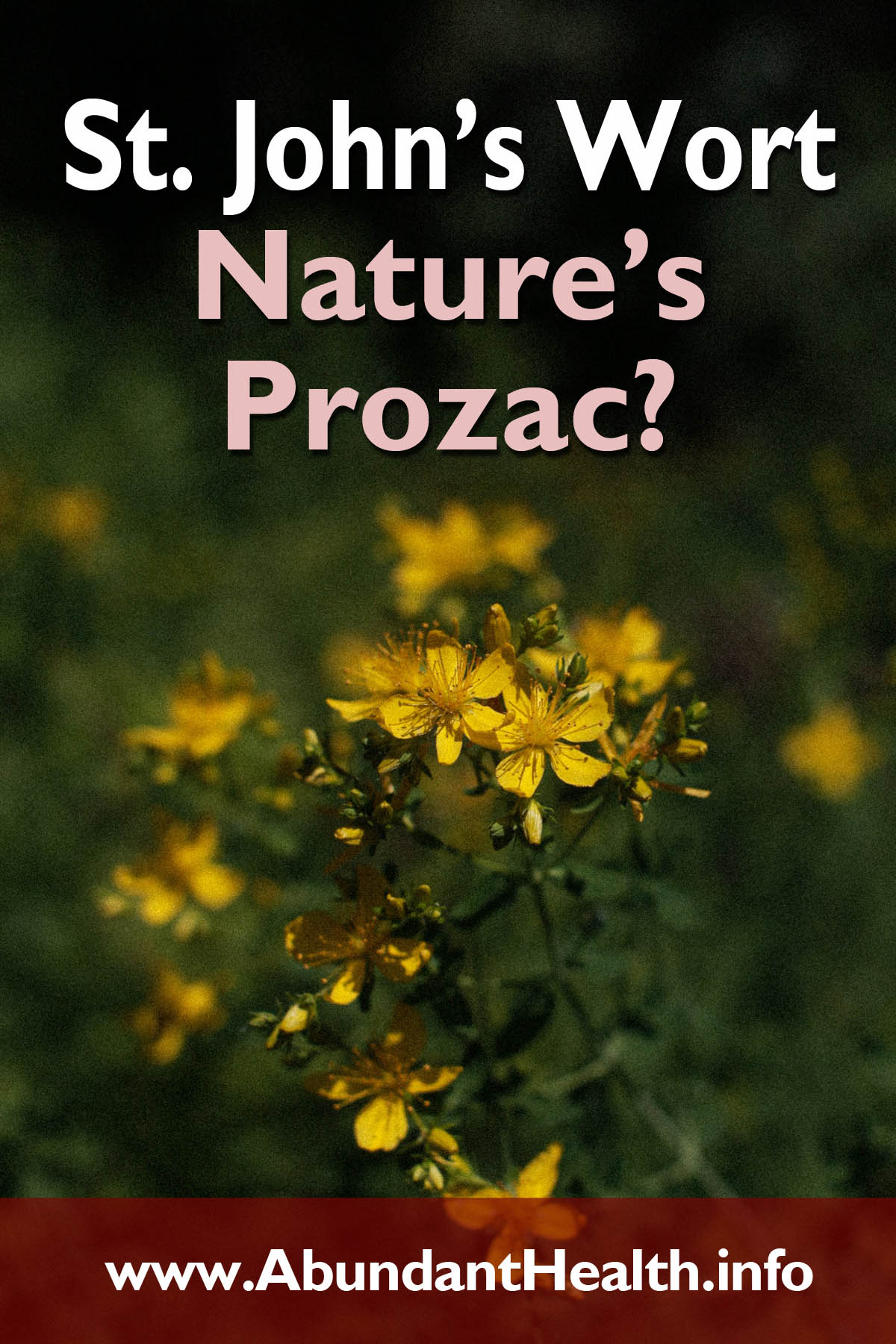
St. John’s Wort – Nature’s Prozac?

February 4, 2024 by Winston J Craig - [rt_reading_time label="Reading Time:" postfix="minutes" postfix_singular="minute"]

St. John's Wort

Every year, according to the National Institutes of Mental Health, about 11 million Americans suffer mild cases of depression and another 10 million suffer mild to severe depression. St. John’s Wort (Hypericum perforatum) has received increasing attention as a safe product that provides some natural relief from depression.
St. John’s Wort – Nature’s Prozac?

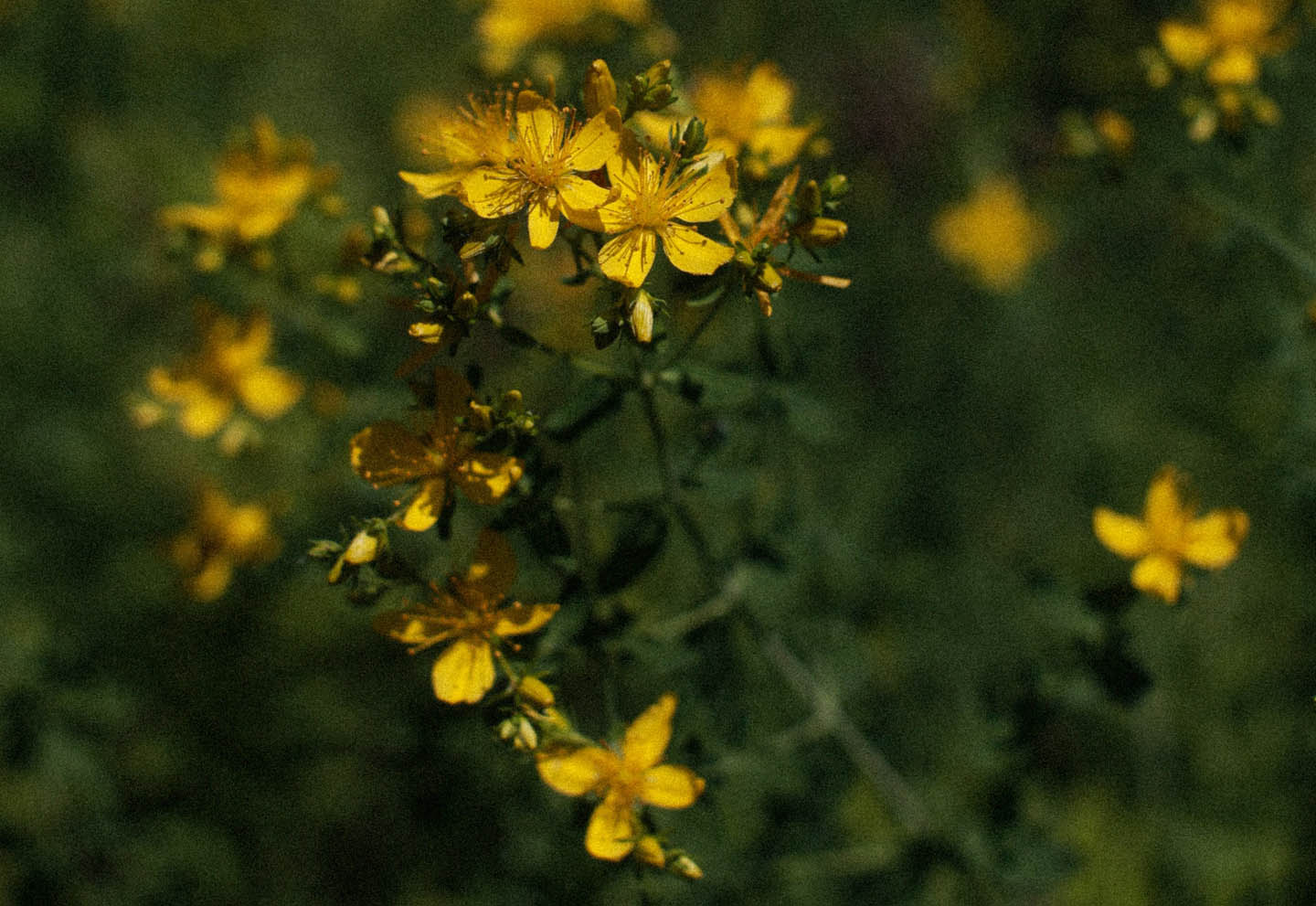
St. John’s Wort is a perennial herb that grows up to three feet tall in neglected fields and alongside country roads throughout North America and Europe. The erect, many-stemmed herb is topped with a cluster of bright yellow, star-shaped flowers (with five slightly asymmetrical petals) that bloom from June to August. There are numerous explanations as to how St. John’s Wort received its name. The preferred explanation refers to the fact that the flowers bloom around June 24 (St. John’s Day), while another refers to an ancient tradition of throwing the flowers into a bonfire on the eve of St. John’s Day. The word “wort” is an old English word for plant.

Anciently St. John’s Wort was used to treat neuralgic conditions such as sciatica and hip pain. In nineteenth-century America, St. John’s Wort was used for healing wounds and as a diuretic. Hypericum was also highly valued for its sedative properties. Herbalists today recommend it to treat wounds and to speed the healing of bruises and minor burns. Historically it has been one of the most dependable botanicals for the treatment of wounds. Today it is also highly prized as an antidepressant, without the side effects of conventional antidepressant drugs.

The dried herb usually consists of the flowering tops, unopened buds, and uppermost leaves of the plant. It has a slightly sweet and aromatic odor and a mildly bitter, somewhat astringent taste. When ground into a powder, it is usually greenish to yellowish-brown in color. When more flowers and buds are used, the mixture is more yellow.

Clinical Trials

The analysis of two dozen clinical trials involving over 1,700 outpatients revealed that St. John’s Wort given for 48 weeks’ duration can be considered a safe and effective herb for the treatment of mild depression and anxiety. It has an activity comparable to that of conventional antidepressants, such as Prozac, but with fewer side effects. The common side effects experienced with the conventional antidepressants include nausea and dizziness, sleeplessness, reduced sexual drive, headaches, dry mouth, and loss of appetite.

The people who took St. John’s Wort in the various clinical trials experienced significant improvement in depressive mood indicators such as feelings of sadness, hopelessness, helplessness, and fearfulness. Sleep difficulties and disruptive sleep patterns were also greatly improved after taking St. John’s Wort.

A woman peacefully sleeping in bed

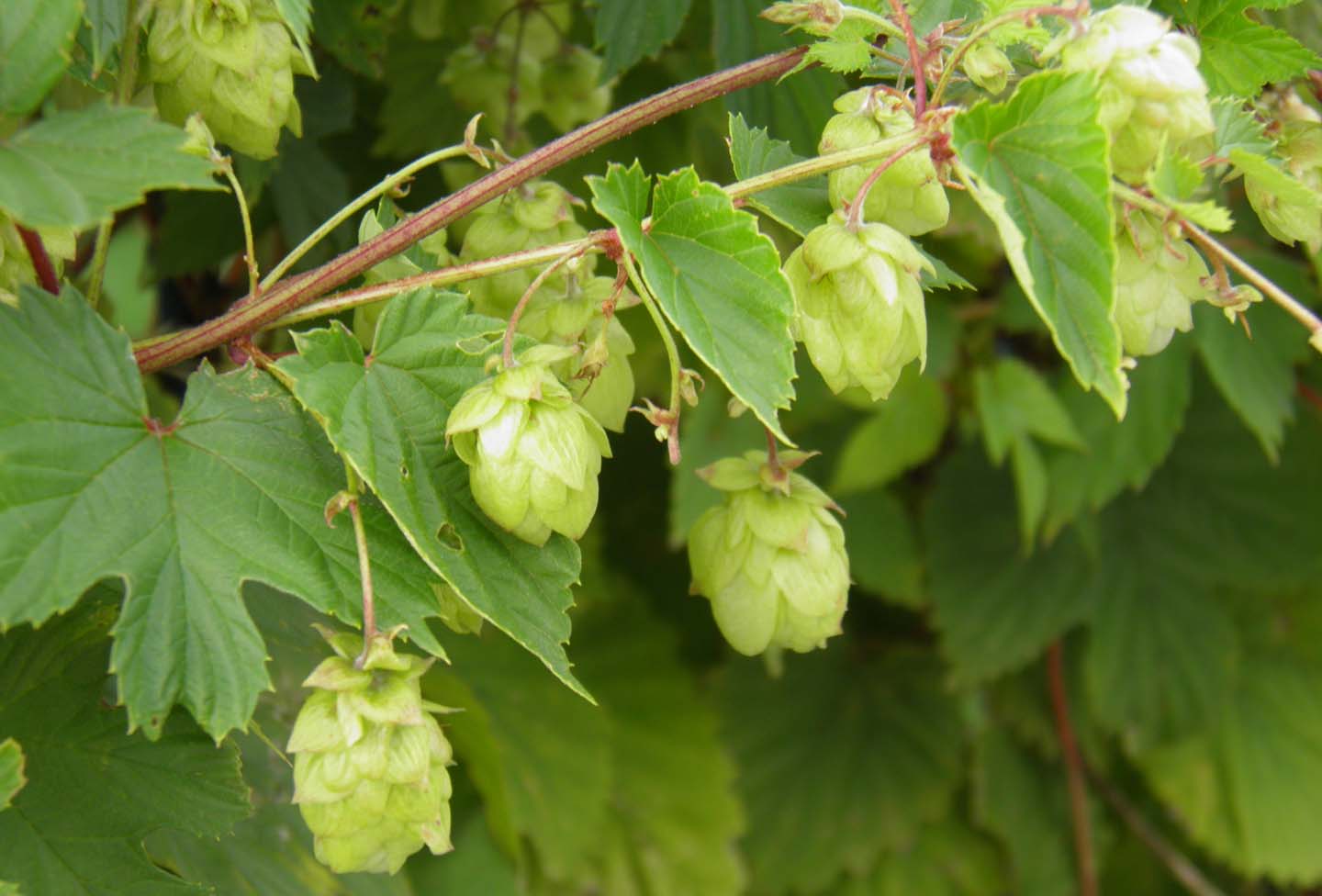
Among other useful herbs are licorice root, which has some useful antidepressant compounds, and rosemary, a real favorite. This contains cineole, which stimulates the central nervous system. Valerian and hops are herbs that provide useful sedative properties and can be used for their sleep-promoting action.

Hypericum contains several active compounds, including a variety of phenolics, terpenoids, and sterols. It is rich in flavonoids as well as naphthodianthrones, hypericin, and pseudohypericin. Hypericin in particular seems to be a monoamine oxidase (MAO) inhibitor,((“In combination with certain foods and drugs, MAO inhibitors may cause dangerously increased blood pressure. Symptoms include headache, stiff neck, nausea, vomiting, and clammy skin. In recommended amounts, St. John’s Wort is not as powerful as pharmaceutical MAO inhibitors. Nonetheless, those using the herb should follow certain precautions.” Castleman, M. The Healing Herbs, p. 324, Rodale Press, Emmaus, PA, 1991.)) which places it among a class of chemicals known to be antidepressant. However, the antidepressant activity of St. John’s Wort may be due to more than just hypericin and may be partly due to other minor constituents in the plant. Clearly, the best procedure is to consume the total herbal product and not just a hypericin-rich extract. The antimicrobial activity of Hypericum is attributed to the essential oil, phloroglucinols, and flavonoids.

Herbal Preparations

Recommendations for the use of the herb usually include drinking 1-2 cups per day of herbal tea made from 1-2 teaspoons of dried St. John’s Wort flowers steeped in a cup of boiling water for 10 minutes. Alternatively, a 300 mg capsule standardized to contain 0.3 percent hypericin may be used up to three times a day. Normally, it takes about 36 weeks of regularly using St. John’s Wort before its therapeutic effects are observed. High doses or prolonged use may sensitize the skin to sunlight exposure since hypericin has photodynamic properties.

Other Activities

St. John’s Wort has been shown to increase the storage levels in one’s body of the two neurochemicals, serotonin, and norepinephrine. Serotonin is known to be a mood-altering substance, normally producing a calming effect. Research has revealed that other components of St. John’s Wort alter the levels of interleukin-6, which may also alter mood. Heinze and Gobel reported in 1996 that Hypericum may be useful in the treatment of chronic tension-type headaches.

In another study, researchers observed that extracts of St. John’s Wort given over a three-week period caused a significant increase in the production of nocturnal melatonin, a substance produced by the pineal gland that regulates circadian rhythms.

Recently, interest has focused on the antiviral activity of St. John’s Wort. Substantial activity against several retroviruses has been reported. St. John’s Wort has been even researched for its potential usefulness in treating HIV-infected patients.

Conclusion

St. John’s Wort is clearly one of the leading plant medicinals for the treatment of mild to moderate depression. Studies are needed to determine its effectiveness and safety in long-term usage. It has been suggested for the treatment of more severe forms of depression, but controlled clinical trials are lacking at this time. In addition to its antidepressant effects, Hypericum has been used for a wide variety of neurological conditions such as anxiety, insomnia, irritability, migraine headaches, and chronic neuralgia stemming from trauma and injuries. Furthermore, Hypericum is useful as a wound-healing agent, an anti-inflammatory and antiviral agent, and for the treatment of ulcers, inflammatory bowel syndrome, hemorrhoids, and herpes lesions.
Healthy Fruits

Stay Always Up to Date

Sign up to our newsletter and stay always informed with news and tips around your health.

Sign Up Now!

This article was published originally in the Journal of Health and Healing, a publication of Wildwood Institute.
Filed Under: Depression, Herbs, Mental Health, Therapies

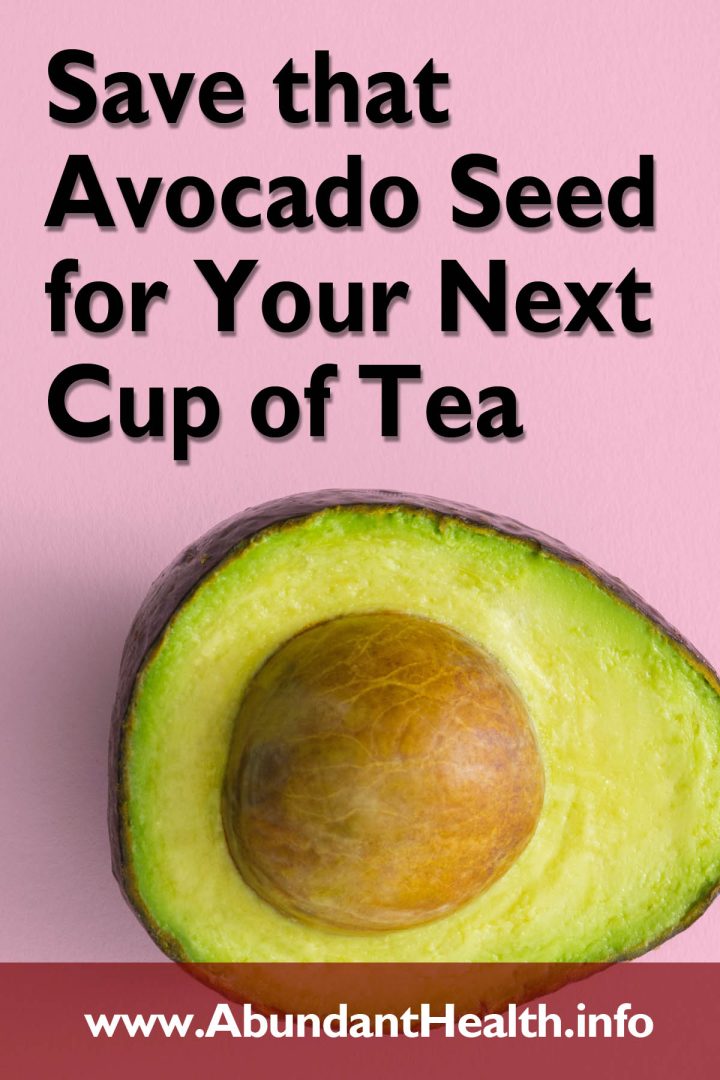
Save that Avocado Seed for Your Next Cup of Tea

November 5, 2023 by Cheryl Silvera - [rt_reading_time label="Reading Time:" postfix="minutes" postfix_singular="minute"]

Avocado Seed

Growing up on the island of Jamaica, Avocados (called “pear” by most Jamaicans), while in season, were a staple at almost every meal. We were chasing through the brush to bring back the prized Pear to our families or simply sit and eat as friends. Everyone in the district knew where a Pear tree was to be found and avidly watched it for the ripening fruit.

Save that Avocado Seed for Your Next Cup of Tea

Typically, we would have Pear and green bananas for breakfast with whatever vegetable was at hand, callaloo (a cousin to spinach) or cabbage. Pear and bread for Lunch. Pear and rice for dinner. According to the Jamaican Rural Agricultural Development Authority, the “Most common varieties grown are Simmonds, ripening in the summer months, and Collinson, Lula ripening in December to February.”((https://rada.gov.jm/post-harvest-management-avocado)) Whatever the growing season for avocado in your region of the world they are well loved by most people.

The avocado pear belongs to the plant group Persea Americana and is found in almost all kitchens. Traditionally only the creamy, buttery yellowish-green flesh is eaten. “It’s fruit, sometimes also referred to as an alligator or avocado pear, is botanically a large berry containing a single large seed.”((https://en.wikipedia.org/wiki/Avocado)) It is, therefore, one of those foods mentioned in the Bible as good for food.

God said to the first created man, Adam, “Behold, I have given you every plant yielding seed that is on the face of all the earth, and every tree with seed in its fruit. You shall have them for food” (Genesis 1:29).

Another look at the humble Avocado Seed

“Current research has shown that avocado seeds may improve hypercholesterolemia,((Hypercholesterolemia, also called high cholesterol)) and be useful in the treatment of hypertension, inflammatory conditions and diabetes.” In addition, the research further states, “Seeds have also been found to possess insecticidal, fungicidal, and anti-microbial activities. The avocado seeds are rich in phenolic compounds.”((https://pubmed.ncbi.nlm.nih.gov/23448442/
Dabas D, Shegog RM, Ziegler GR, Lambert JD. Avocado (Persea americana) seed as a source of bioactive phytochemicals. Curr Pharm Des. 2013;19(34):6133-40. doi: 10.2174/1381612811319340007. PMID: 23448442.))

What are the phenolic benefits? Research on antioxidants states, “… phenolic compound in plants exerts diverse pharmacological effects, including antioxidant, antibacterial, antiviral, anticancer, anti-inflammatory, anti-aging, and anti-arteriosclerotic activities.”((Matsumura Y, Kitabatake M, Kayano S-i, Ito T. Dietary Phenolic Compounds: Their Health Benefits and Association with the Gut Microbiota. Antioxidants. 2023; 12(4):880. https://doi.org/10.3390/antiox12040880))

So, the next time you are tempted to throw out the avocado seed. Think again and upcycle for your health.

Making the tea

To make the tea, air-dry the avocado seed, keeping the membrane and using it also. Grate the dried seed and add to boiling water. 4 cups of water to a seed are the usual ratio. Alternatively, adding the whole seed to the boiling water, then removing it after a few minutes to chop it into smaller pieces is also a good way to go.

A cup of tea

Further benefits of Avocado

The overall health benefits of Avocados are worth noting. While I typically write on brain health, the body is a whole and not to be separated simply by brain food and benefits to the other parts. However, that being said, the brain benefits from nutrients found in avocados.

B-vitamins

Most plant-based eaters must be mindful of their B-vitamins—deficiencies in B-vitamins can lead to various health complications. Avocados are rich in B6. A deficiency in B6 is linked to declining cognition.((https://pubmed.ncbi.nlm.nih.gov/14584010/))

Antioxidant Vitamins

Avocado fruit is a good source of vitamin C.((USDA (U.S. Department of Agriculture) Avocado, almond, pistachio and walnut Composition. Nutrient Data Laboratory. USDA National Nutrient Database for Standard Reference, Release 24. Washington, DC: U.S. Department of Agriculture; 2011.)) Vitamin C acts as one of the neuron transporters in the brain.((Harrison FE, May JM. Vitamin C function in the brain: vital role of the ascorbate transporter SVCT2. Free Radic Biol Med. 2009 Mar 15;46(6):719-30. doi: 10.1016/j.freeradbiomed.2008.12.018. Epub 2009 Jan 6. PMID: 19162177; PMCID: PMC2649700.))

Potassium

The potassium found in an Avocado may control blood pressure. Potassium may help ward off dementia.((Vintimilla RM, Large SE, Gamboa A, Rohlfing GD, O’Jile JR, Hall JR, O’Bryant SE, Johnson LA. The Link between Potassium and Mild Cognitive Impairment in Mexican-Americans. Dement Geriatr Cogn Dis Extra. 2018 Apr 24;8(1):151-157. doi: 10.1159/000488483. PMID: 29805381; PMCID: PMC5968281.))

Phenolics

Avocado fruit phenolics may reduce oxidative and inflammatory stress, enhancing blood flow to help maintain vascular health. Good vein health is good brain health as the veins take the blood to the brain.

Eye Health

Avocados may contribute to eye health. Avocados contain lutein which is expected to be more highly bioavailable than most other fruit and vegetable sources. Lutein also improves cognition in brain health.((Yagi A, Nouchi R, Butler L, Kawashima R. Lutein Has a Positive Impact on Brain Health in Healthy Older Adults: A Systematic Review of Randomized Controlled Trials and Cohort Studies. Nutrients. 2021 May 21;13(6):1746. doi: 10.3390/nu13061746. PMID: 34063827; PMCID: PMC8223987.))

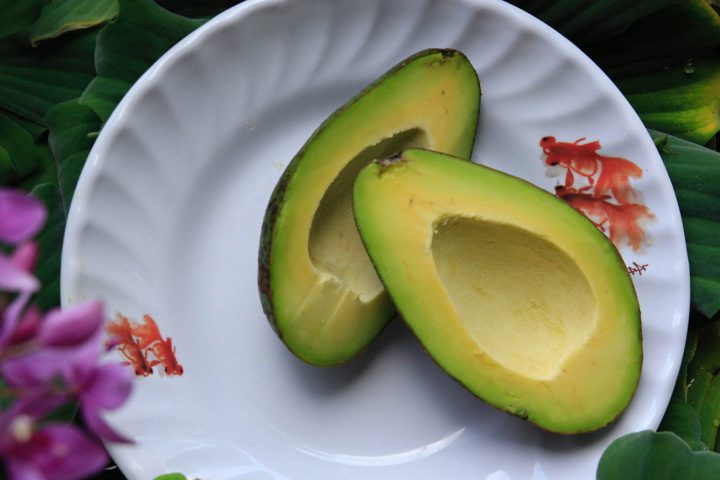
A tasty cut avocado

 The Magnesium connection

Let us have a look at the magnesium connection for brain health. “Magnesium assists with neurological pathways that, when not functioning correctly, are believed to lead to mood disorders like depression and anxiety. Several observational studies have linked lower magnesium levels with increased depression.”((https://www.hsph.harvard.edu/nutritionsource/magnesium/))

Also, the Signs of deficiency of Magnesium may include:

  • Fatigue, weakness
  • Poor appetite
  • Nausea, vomiting
  • Numbness or tingling in the skin
  • Muscle cramps
  • Seizures
  • Abnormal heart rate

Call to Action

In writing about the health benefits of God’s plants, we emphasize taking care of our bodies because it is the temple of God (1 Corinthians 6:19).

Sadly, we often wait until something is wrong before we attend to our health needs. The adage “If it ain’t broke, don’t fix it!” should not be our mainstay regarding our health. The Word of God, the Bible, asks us to offer our best to the Master and to keep our bodies in the best health (Proverbs 3:9). When God has spared our lives to share the gospel, more is asked of us in the care of our bodies (Luke 12:48). Let’s prepare for the coming of the Lord as if it is the last day to get it right with our health. Pray. Trust God. Eat to the glory of God (1 Corinthians 10:31) and be well.

Healthy Fruits

Stay Always Up to Date

Sign up to our newsletter and stay always informed with news and tips around your health.

Sign Up Now!

This article was originally published on the Time to Get Ready website.

Filed Under: Herbs, Nutrition, Therapies

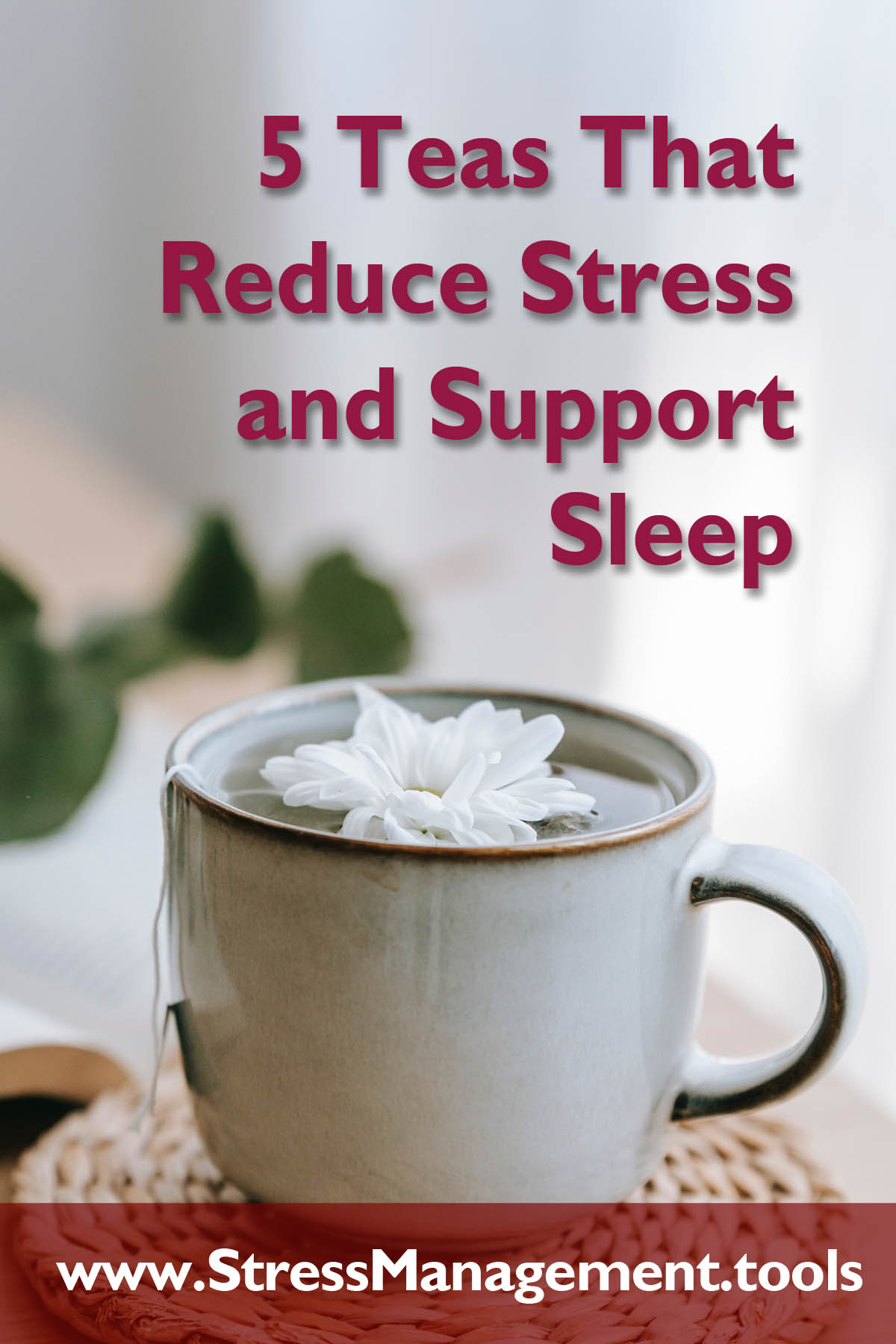
5 Teas That Reduce Stress and Support Sleep

September 24, 2023 by Martin Neumann - [rt_reading_time label="Reading Time:" postfix="minutes" postfix_singular="minute"]

Teas for stress control

Stress is called the silent killer for a reason. From panic attacks to trouble sleeping, a dose of stress can do a number of things with your health. Yet most of us are so used to keep up with the hamster wheel of chronic stress that we tend to ignore the issue until it’s too late.

5 Teas That Reduce Stress and Support Sleep

Excessive stress will quickly be felt on our quality of sleep, which in turn will increase our stress hormones. So implementing some calming teas into our night time routine can do wonders to control our stress. Not only do these teas promote relaxation, but they may help the estimated 30% of the population who suffer from chronic sleeplessness and insomnia too.((Roth T. Insomnia: definition, prevalence, etiology, and consequences. J Clin Sleep Med. 2007 Aug 15;3(5 Suppl):S7-10. PMID: 17824495))

Consider enjoying a cup of one of these teas each day:

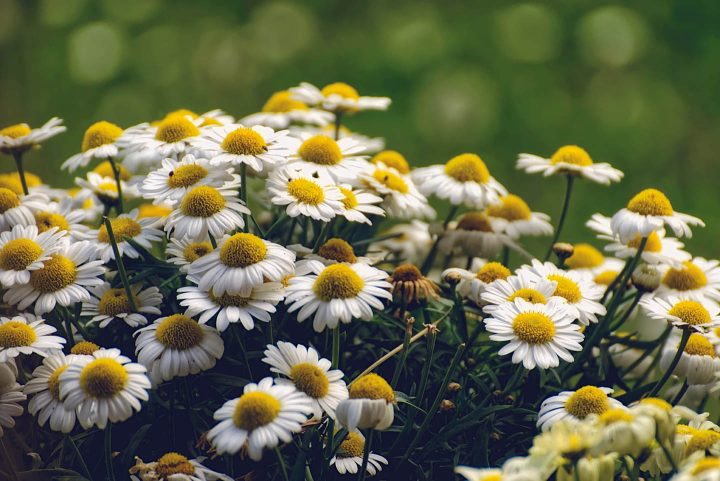
1. Chamomile Tea. Probably the best-known choice for relaxation, chamomile tea is an ancient remedy for inflammation, anxiety, and insomnia. Some experts say that the effects of chamomile are similar to that of a mild tranquilizer.

  • Chamomile is packed full of a substance called apigenin, which helps to decrease anxiety and initiate sleep. Studies have found that drinking around 400mg of chamomile extract a day can improve sleep quality.((Adib-Hajbaghery M, Mousavi SN. The effects of chamomile extract on sleep quality among elderly people: A clinical trial. Complement Ther Med. 2017 Dec;35:109-114. doi: 10.1016/j.ctim.2017.09.010.))
  • Further research has also gone on to show that postpartum women suffering from poor sleep quality were soothed with chamomile tea.
  • While not everyone will respond well to chamomile, the gentle taste and relaxing aroma are a great place to start if you suffer from stress.
Chamomile flowers

2. Valerian Tea. The valerian herb is another substance that has appeared throughout the centuries as a cure for nervousness and insomnia. The product was also used in England during World War II as a way to relieve stress caused by air raids.((Valerian. Fact Sheet for Health Professionals. National Institutes of Health))

  • Valerian is one of the most popular sleep aids in the world today, and it’s available in both liquid and capsule form, as well as a tea. Researchers believe that valerian root may improve GABA levels in the body, which can improve sleepiness, and reduce anxiety.((Dorn M. Wirksamkeit und Verträglichkeit von Baldrian versus Oxazepam bei nichtorganischen und nichtpsychiatrischen Insomnien: Eine randomisierte, doppelblinde, klinische Vergleichsstudie [Efficacy and tolerability of Baldrian versus oxazepam in non-organic and non-psychiatric insomniacs: a randomised, double-blind, clinical, comparative study]. Forsch Komplementarmed Klass Naturheilkd. 2000 Apr;7(2):79-84. German. doi: 10.1159/000021314.))
  • Studies into valerian root for insomnia indicate that it can reduce the amount of time it takes for a person to fall asleep at night and improve the quality of the sleep too. These studies also indicate minimal side effects after using valerian. There are no issues such as morning drowsiness to detract from the experience.((Leathwood PD, Chauffard F, Heck E, Munoz-Box R. Aqueous extract of valerian root (Valeriana officinalis L.) improves sleep quality in man. Pharmacol Biochem Behav. 1982 Jul;17(1):65-71. doi: 10.1016/0091-3057(82)90264-7.))
A girl smelling a valerian flower

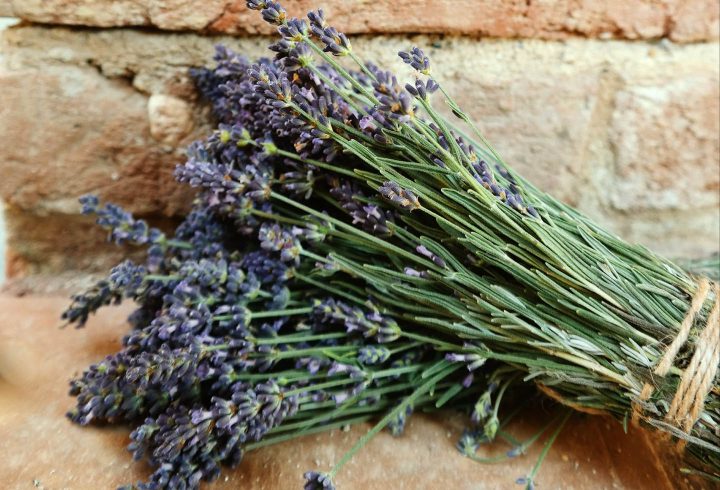
3. Lavender. There are few things more relaxing than the smell of lavender. This sweet and soothing herb is championed for its ability to reduce stress and improve sleep quality. The substance is available in tea form as a way of encouraging relaxation and stronger sleeping patterns.

  • According to one study, women who drank and enjoyed the aroma of lavender tea for two weeks had less fatigue than their counterparts.((Chen SL, Chen CH. Effects of Lavender Tea on Fatigue, Depression, and Maternal-Infant Attachment in Sleep-Disturbed Postnatal Women. Worldviews Evid Based Nurs. 2015 Dec;12(6):370-9. doi: 10.1111/wvn.12122.))
  • Other studies indicate that reductions in heart rate and heart rate variability were evident in women who inhaled the scent of lavender for 12 weeks, twice per week.((Chien LW, Cheng SL, Liu CF. The effect of lavender aromatherapy on autonomic nervous system in midlife women with insomnia. Evid Based Complement Alternat Med. 2012;2012:740813. doi: 10.1155/2012/740813.))
  • Try sweetening this tea with honey for a unique sleeping experience.
Lavender

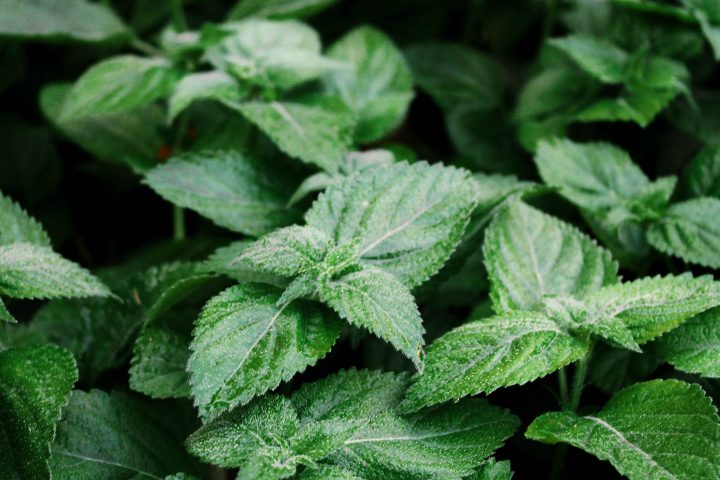
4. Lemon Balm. Lemon balm is an herb that actually comes from the mint family. It is great for reducing stress and improving relaxation. Evidence suggests that lemon balm could be effective at increasing GABA levels, which improve sleepiness.

  • Further studies show up to a 42% reduction in symptoms of insomnia after patients took a lemon balm extract for 15 days.((Cases J, Ibarra A, Feuillère N, Roller M, Sukkar SG. Pilot trial of Melissa officinalis L. leaf extract in the treatment of volunteers suffering from mild-to-moderate anxiety disorders and sleep disturbances. Med J Nutrition Metab. 2011 Dec;4(3):211-218. doi: 10.1007/s12349-010-0045-4.))
  • The warm and refreshing lemon balm tea could be an incredible benefit to your night-time routine, and the flavor will likely appeal to plenty of people.
Lemon Balm

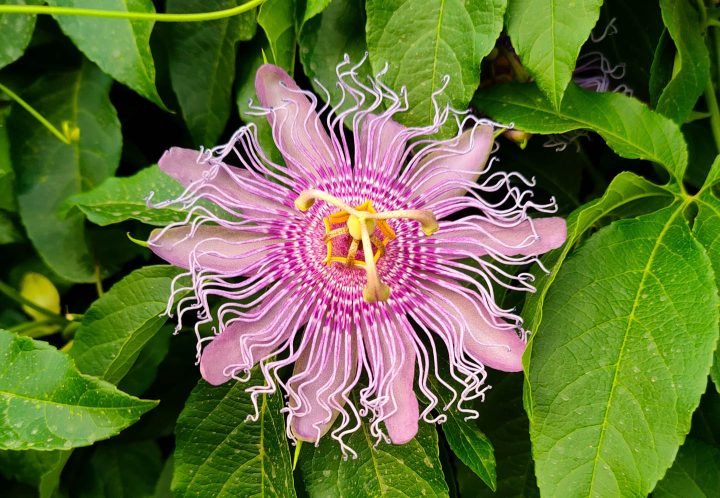
5. Passionflower. Made from the dried stems, flowers, and leaves of the Passiflora plant, passionflower tea is a traditional solution to feelings of anxiety and insomnia. Studies indicate that this substance may be suitable for improving sleep quality and insomnia.((La Forge T. Drink A Cup of Passionflower Tea Every Night for Better Sleep. Healthline, May 31, 2019))

  • A study among 40 adults found that those drinking passionflower tea for one week reported a significantly better quality of sleep than their counterparts.((Ngan A, Conduit R. A double-blind, placebo-controlled investigation of the effects of Passiflora incarnata (passionflower) herbal tea on subjective sleep quality. Phytother Res. 2011 Aug;25(8):1153-9. doi: 10.1002/ptr.3400.))
  • Further studies have shown that a combination of passionflower and other relaxing substances like valerian root can be excellent for treating insomnia.
Passionflower

Sip Your Way to Sleep

Many delightful herbal teas are now making their way into the market as powerful sleep aids. Although these teas won’t eliminate the underlying cause of your sleeping or stress issues, they can help you to get the relaxation you need.

For those suffering from high levels of anxiety and stress, the teas above offer a natural solution to common issues like insomnia. However, if you are using these teas for sleep improvement, try to avoid using any sweeteners, as these could increase your blood sugar levels and make you feel more awake.

For a natural and pleasant alternative to pharmaceuticals, consider trying these teas to help relieve stress and support a great night of sleep that refreshes you.

Do you need a guide to help you understand how to cope with Stress in an all inclusive approach? Learn how to combat stress, mentally, physically, emotionally and strategically in your life.

Get Me the Guide

Filed Under: Herbs, Mental Health, Stress Management, Therapies

Bitter Herbs for Our Health

May 1, 2022 by Esther Neumann - [rt_reading_time label="Reading Time:" postfix="minutes" postfix_singular="minute"]

Bitter Herbs

Because many people do not like anything bitter, agricultural science has bred out many a bitter substance from wild plants. However, sweet and mild foods encourage us to eat more than we should, beyond a healthy appetite. Why do so many plants produce bitter substances? Can we humans take advantage of them?

Bitter Herbs for Our Health

Many a herb that grows by the wayside or in the herb patch tastes bitter. But only those medicinal plants whose active principle can be traced back solely to the presence of so-called bitter substances are called bitter substance drugs. As a drug we don´t name here an addictive narcotic, but a herbal substance that acts as a medicine. In the cultivated plants, the percentage of bitter substances is generally much lower than in the wild forms due to selective breeding to refine the taste.

Amara

Bitter substance drugs are called amara in phytotherapy. Now, bitter substances are not a uniform group. In some cases, we don’t even know their structure. However, it is known that terpenoids, phenols, alkaloids and purines can taste bitter. Certain types of sugar, such as β-mannose and gentiobiose, also taste bitter. Certain forms of amino acids, which are the smallest components of protein, can produce a bitter taste. Epsom salt (magnesium sulfate) is well known for its bitter taste from the group of inorganic compounds. It occurs naturally in mineral water and has a stimulating effect on the production of saliva and gastric juice, stimulates intestinal movements and pancreatic secretion and thus improves general well-being.

Depending on which other chemical compounds contribute to the formation of the bitter taste, the bitter substances are divided into three large groups.

Amara tonica

Medicinal herbs that belong to these pure bitter substance drugs cause an intensive stimulation of gastric juice and bile secretion. It therefore makes sense to take bitter substances as an “aperitif” before eating. Bitter substance drugs are often prescribed for people who lack appetite and for better digestion. They also have a toning, strengthening effect. They help in cases of weakness in convalescents, in anemic, nervous or simply exhausted people. Furthermore they have a strengthening effect on the immune system. Typical representatives of such medicinal plants are centaury or the yellow gentian.

Bitter drugs are easily soluble in the cold water extract. They are prepared cold and left to steep for a few hours, stirring occasionally. Then it is strained and heated to drinking temperature. The tea should be drunk unsweetened before the meal. A proverb says: “A medicine must taste bitter, otherwise it has no effect.”

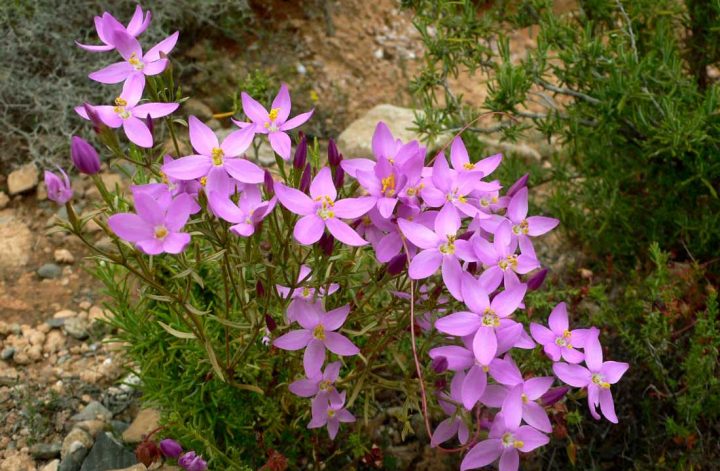
Centaury is protected in some countries. Pharmacies obtain the drug from countries where it is not protected. The bitter substances are found primarily in the flowers and stems. The drug is effective in case of appetite loss, insufficient gastric juice secretion, and stomach cramps. In the past, it was also used to treat fevers. You get used to the bitter tea over time. If you can’t adapt to it, you can mix it 1:1 with peppermint.

Centaury - Photo source: Wikimedia.org
Centaury

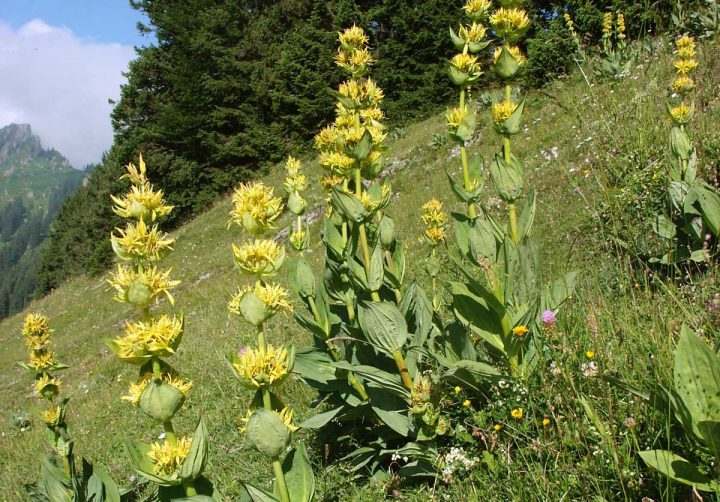
The yellow gentian (Gentiana lutea) is protected as well. It used to be an annoying weed for the alpine farmers. Because it was so popular for aperitifs, it was almost exterminated and had to be protected. The bitter substances are in the roots. The active ingredient with the highest bitterness is called Amarogentin. The substance still tastes bitter in a dilution of 1:20,000. In addition to stimulating the appetite, the most common areas of application for gentian are stomach, intestine, liver and gallbladder problems. However, gentian should not be used if the stomach is overly acidic and sensitive to irritation.

Yellow gentian - Photo by Bernd Haynold, Wikimedia.org
Yellow gentian

Amara aromatica

In addition to the bitter substances, this group also contains larger amounts of aromatic oils. Therefore, additional benefits are added by the essential oils. They have an anti-inflammatory, diuretic, expectorant (coughing up), antispasmodic and tonic effect.

Because essential oils are highly volatile, the infusion is a good choice when preparing them. Pour boiling water over the drug and let it steep for about 10-15 minutes. It makes often sense to take it after a meal.

The aromatic bitter substance drugs include yarrow, wormwood, blessed thistle (Cnicus benedictus) or angelica.

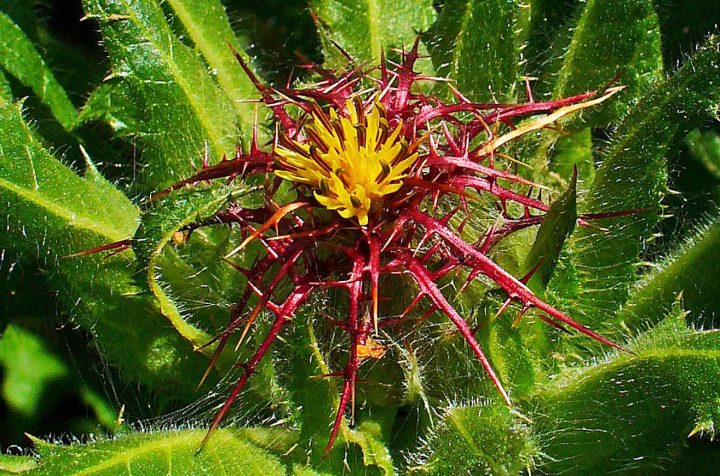
The blessed thistle (Cnicus benedictus) got its name from the Latin benedictus = blessed. This medicinal herb was used in the past for many diseases. Today we know that the bitter substance cnicin stimulates the glands in the gastrointestinal tract responsible for producing digestive juices. Liver and pancreas function are also enhanced. Furthermore the thistle has mucilage, producing a healing effect on irritations of the mucous membranes. Poorly healing wounds can be cleaned with a decoction of the herb, as cnicin is effective against gram-negative germs and gram-positive bacteria. It can be used to take sitz baths for hemorrhoids.

 Blessed thistle - Photo by H. Zell, wikimedia.org
Blessed thistle

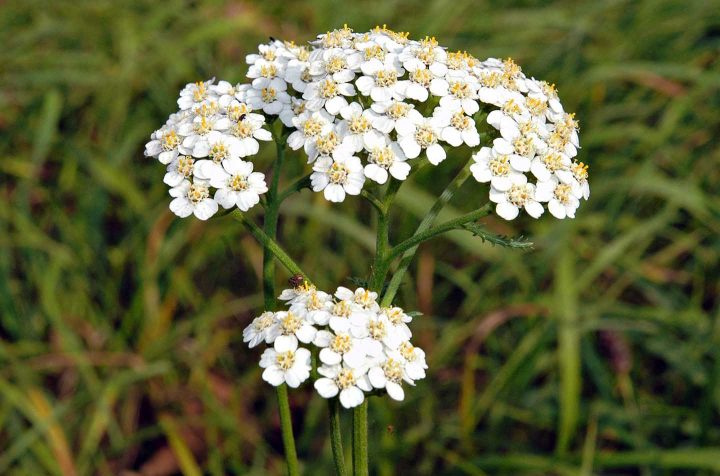
Yarrow (Achilea millefolium) is also used for gastrointestinal and gallbladder complaints and to stimulate the appetite. Because of the essential oil azulene, the herb also has a disinfecting, anti-inflammatory and antispasmodic effect. In girls and women, the tea works very well for painful menstrual bleeding and tightness in the breasts before the period. The high potassium content has a diuretic effect.

Yarrow - Photo by André Karwath, wikimedia.org
Yarrow

The young yarrow leaves can be finely chopped and used as a spice for salads, soups, stews and soft cheese preparations.

Amara acria

Bitter substances that also contain pungent substances are appropriately called amara acria. Such substances are rarely found in native medicinal plants. They are found in ginger, galangal, pepper and bell pepper. Such drugs also improve circulatory function. We now know that digestion puts a much greater strain on the circulatory system than was previously generally assumed. Therefore, it really makes sense not to eat dishes that are very difficult to digest if you already have circulatory problems.

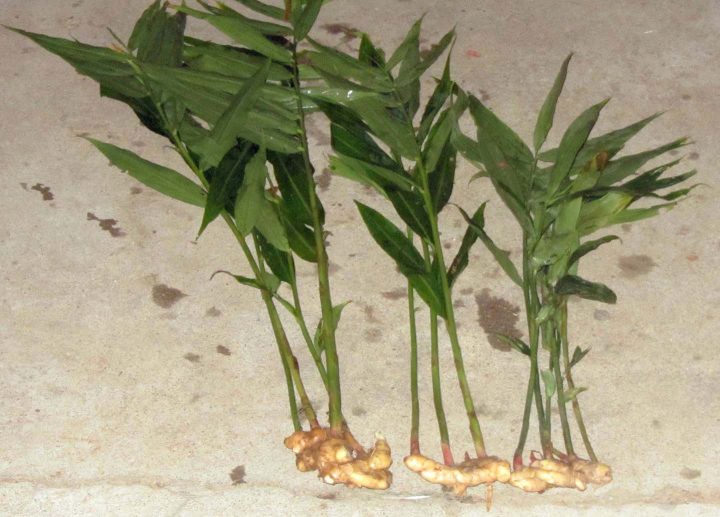
Ginger (Zingiber officinalis) is traded primarily as a spice. The pungent substances gingerol and shogaol stimulate digestive juices and appetite. Recently, ginger powder has also been used to treat travel sickness. However, it should not be used for nausea during pregnancy. Ginger also has a warming effect. This is why it is a popular winter tea.

Recently harvested ginger plants with roots - Photo by Sengai Podhuvan, wikimedia.org
Ginger plants with roots

Galangal (Alpinia officinarum) is very similar to ginger in appearance and active ingredients. He is native to China.

The pungent alkaloid piperidine is found in the shell of peppercorns. Therefore, the black, unpeeled pepper seasons more than the peeled white. In India, pepper is known to aid in digestion and also to kill intestinal parasites. In the usual doses there, however, it can irritate the mucous membranes of the urinary and digestive tract, so it also has pretty significant side effects.

Conclusion

The little foray through various medicinal and spice plants has shown us that bitter substances do have a healing and health-promoting effect. We should therefore use them more often. Especially in spring and summer, when we find many herbs, often as weeds along the way or in the vegetable patch, we should consciously include them in our diet or, if necessary, make tea cures with them. “Our meadows and forests are the best pharmacies!” Paracelsus said already back in the 16th century.

The plants actually produce the bitter substances for their own protection. They do not want to be eaten by animals and insects, that’s why they are producing the bitter taste. As we have seen, the same bitter substances also serve us humans for our healing. Isn’t that a marvelous idea of our Creator God? He thought about the protection of our plants and the same time the protective substances for our health, and for the animals there are many other more salubrious herbs left.

Healthy Fruits

Stay Always Up to Date

Sign up to our newsletter and stay always informed with news and tips around your health.

Sign Up Now!

Filed Under: Herbs, Therapies

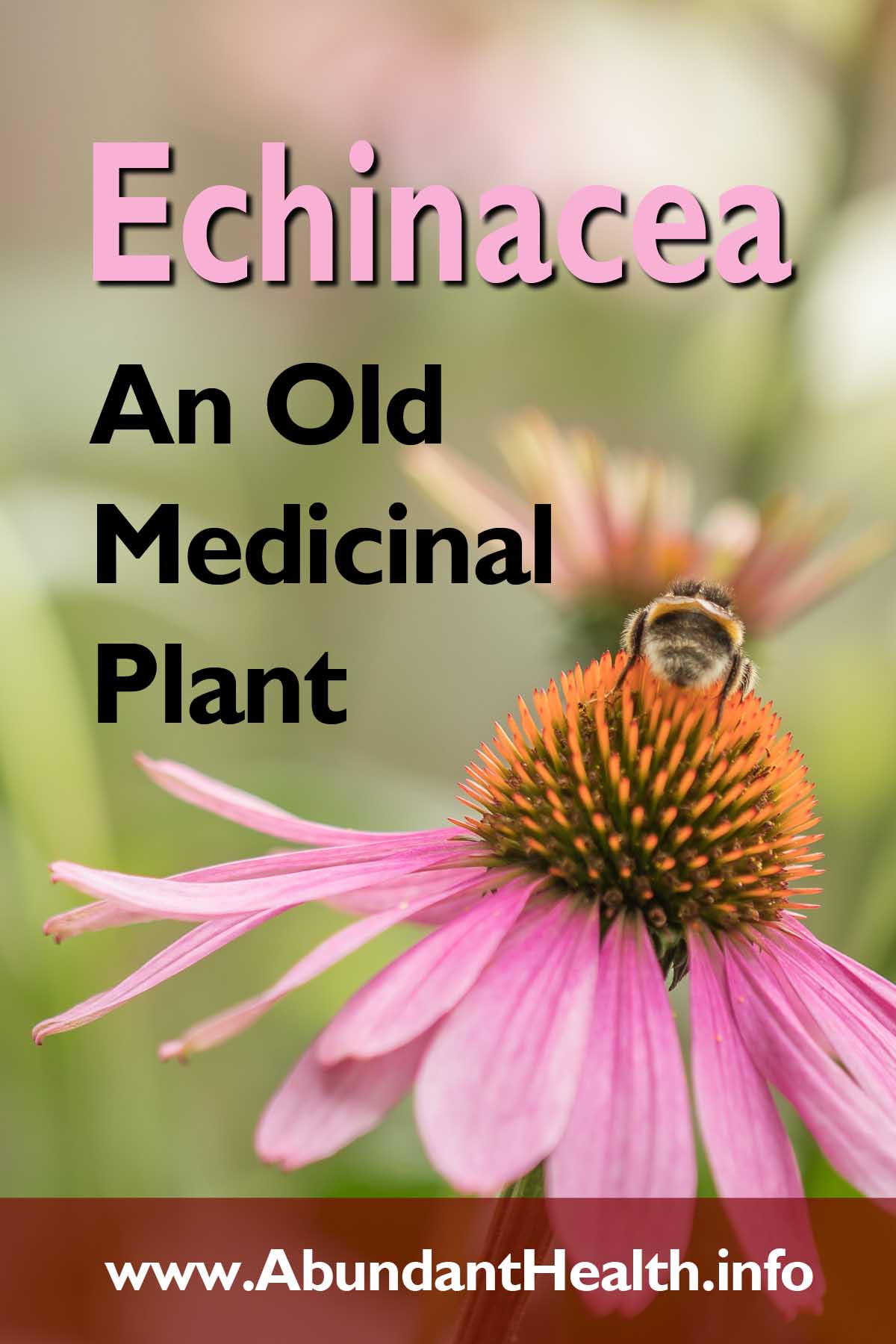
Echinacea – An Old Medicinal Plant

February 21, 2021 by Esther Neumann - [rt_reading_time label="Reading Time:" postfix="minutes" postfix_singular="minute"]

They are here again, the cold, wet days when we long for the hot summer days. And with them come colds, coughs and sore throats, the uninvited companions of the cold season. But we are not at their mercy for better or worse, we can strengthen our immune system. And if we do catch a cold, there are herbal ingredients that help us cope with it more easily. I would like to introduce you to a very pretty plant. It blooms in many of our gardens all summer long. But most of them only know it as an ornamental plant and don’t even know what kind of healing powers it contains.

Echinacea - An Old Medicinal Plant

Botany

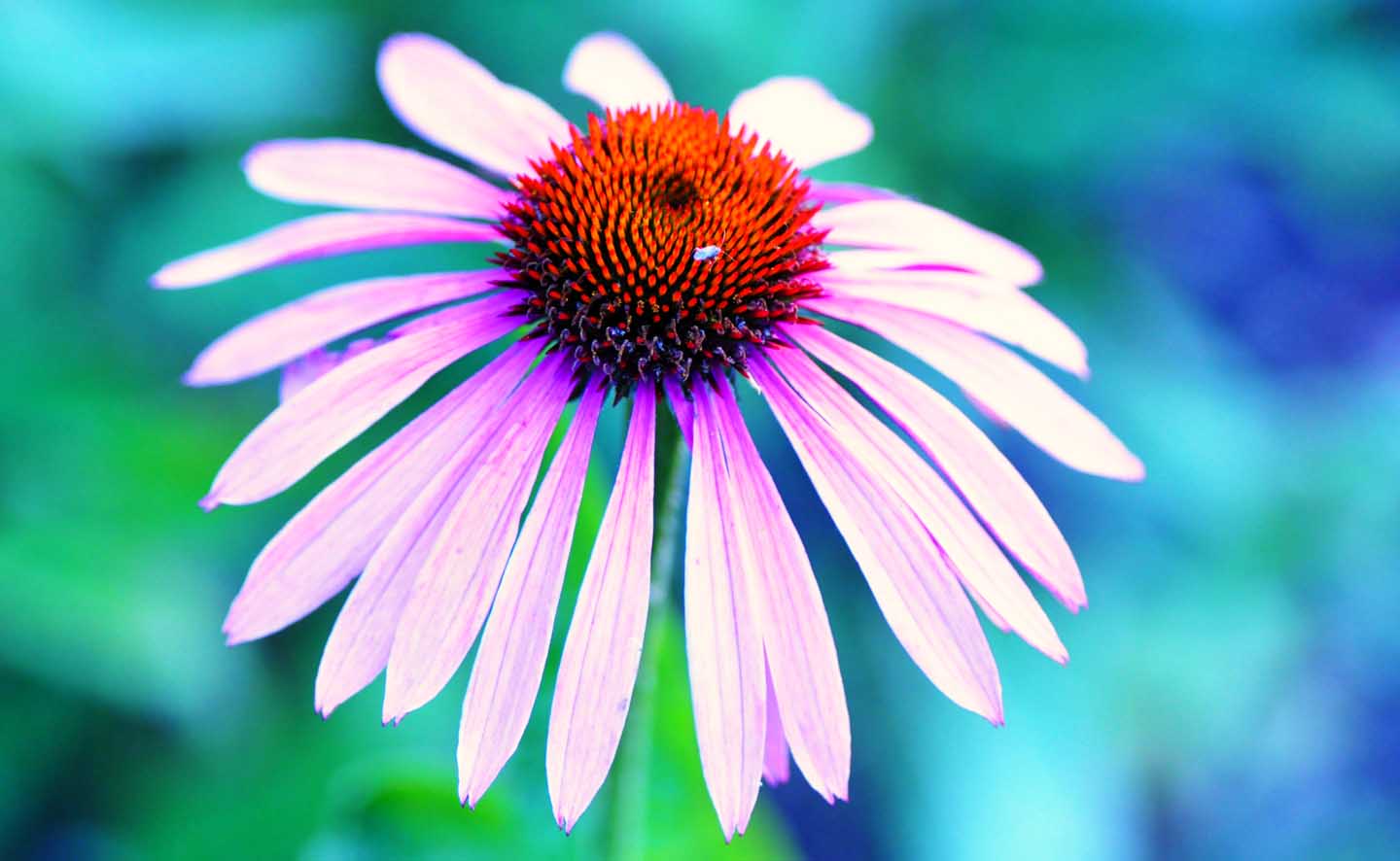
Echinacea is a genus of herbaceous flowering plants in the daisy family. It has ten species, which are commonly called coneflowers. Some species can get 4 feet high (140 cm). At the top there is a single, large daisy with a conical flower base and 12 to 15 pale pink to purple-colored ray-flowers. Coneflowers are native in North America, found in moist and dry prairies and open wooded areas. They are often cultivated in gardens for their showy flowers. There are different variations of coneflowers. The Echinacea purpurea, the red coneflower, is mainly used for healing purposes.

Historical

Echinacea is an ancient medicinal plant of the Indians. They used the fresh vegetable pulp or a root pulp for burns, snake and insect bites, poorly healing wounds and fever. The first settlers soon adopted the application as a home remedy for colds. About hundred years ago the plant migrated to Europe. Today preparations of this pretty flower are among the best-selling herbal immunostimulants. And rightly so, as many studies show.

Clinical Studies

The positive effect of Echinacea purpurea extract on the duration and the course of colds is found in numerous studies. In a controlled, double-blind study, in which neither the scientist nor the participants knew who was receiving the remedy and who the placebo, it could be shown that the application could shorten the duration of a cold; the cold symptoms were less severe. Some of the patients with symptoms of a cold were given 5 ml of Echinacea purpurea pressed juice twice a day, the other part an ineffective placebo, i.e. a product that looks the same as the drug but contains no active ingredients. Echinacea reduced the time for symptoms to subside to 6 days. In the placebo group, the duration of the cold was 9 days. The severity of symptoms such as nasal congestion, runny nose and sore throat could also be reduced significantly.

Another study with 755 participants showed that 46% of the ecinacea group got a cold within a 4 month period, compared to 54% in the placebo group. The participants treated with echinacea were 2.06 days sick on average, compared to 2.44 days in the placebo group.((M. Javad et.al. Safety and Efficacy Profile of Echinacea purpurea to Prevent Common Cold Episodes: A Randomized, Double-Blind, Placebo-Controlled Trial. https://doi.org/10.1155/2012/841315))

In vitro, that means in cell cultures in the lab, an echinacea extract was able to inactivate various types of coronaviruses, those responsible for the common cold as well as for SARS-CoV-1 and SARS-CoV-2.((J Signer et.al. In vitro virucidal activity of Echinaforce®, an Echinacea purpurea preparation, against coronaviruses, including common cold coronavirus 229E and SARS-CoV-2. Virol J. 2020 Sep 9;17(1):136. DOI: 10.1186/s12985-020-01401-2)) There seem to be no clinical trials available so far to prove the efficacy of echinacea for COVID-19, but we could conclude that it most likely will give us some protective effect against the virus.

Another advantage is that the alcohol-free preparations can be used by two-year-old children. Doctors and parents confirm that the preparations are well tolerated and significantly mitigate and shorten the ordeal of a cold in children.

A child sneezing - Photo by Andrea Piacquadio from Pexels

In the literature contradicting results of the effectiveness of Echinacea are found.((M Karsch-Völk et.al. Echinacea for preventing and treating the common cold. DOI: 10.1002/14651858.CD000530.pub3)) This can be attributed to the fact that these studies were made with ill-defined products. If different species, plant parts and extraction methods are used, this leads to falsification. It also depends much on where the plant grew and how the active ingredients were extracted.

Science is still researching the exact active ingredients. Modern analytical methods have already identified a large number of ingredients, such as various essential oils, terpenes, alkamides, glycoproteins, polysaccharides and many others. But it is still not known exactly which chemical compounds are actually responsible for the known effects. It is probably just the whole plant in its diverse composition.

Mechanisms of Action

Echinacea purpurea has a phagocytosis-stimulating effect on granulocytes. Granulocytes are white blood cells. They serve to ward off microorganisms. In our case of a cold, they render the invading pathogens harmless by englobing and thus incapacitating them. The extract also increases the number of white blood cells.

The entire immune system is being fortified, increasing the body’s defenses. The formation and activity of the antibodies is stimulated. Interleukins are increasingly formed, which are communication proteins that serve to regulate the immune system. Acute-phase proteins, which also serve to ward off infection, are increasingly formed in the liver.

The number of natural killer cells is also increased. They bind to virus-infected cells and destroy them.

Echinacea products are offered as drops, ointments, gels and injection solutions. To strengthen the immune system, the drops can be swallowed on a spoonful of honey as a preventive measure during the period when the flu is suspected. If the cold has already broken out, Echinacea helps to accelerate the natural healing process in a gentle way.

An Echinacea flower - Photo by Mabel Amber from Pexels

A Healthy Immune System

Always remember that prevention is better than cure and let us strengthen our immune system. This is best done through regular sport and persistent exercise in the fresh air. Sauna sessions, alternating showers, a vitamin-rich diet and clothing that is appropriate for the season also make a significant contribution to health. Let us also try to influence our thoughts positively through contemplating beautiful things. Because a balanced mood also serves to strengthen the immune system.

If we catch a cold anyway, we have to drink a lot and ensure sufficient humidity in the air, which is often neglected during the heating season. In addition, Echinacea purpurea helps us to cope with the cold faster.

We have a special opportunity just for you. If you want to receive practical and up to date advice on how to implement an immunity-boosting lifestyle, simply join the Coronavirus Immunity Challenge and prepare yourself to face the pandemic with a bullet-proof immune system.

Sign Up Now

Coronavirus Immunity Challenge

Filed Under: Cold, Herbs, Therapies

Primary Sidebar

Social Channels

Coronavirus Immunity Challenge

Boost your immune system to be bullet-proof for the pandemic.

I Want to Participate

Recent Posts

  • asdf
  • 5 Habits to Live Longer
  • Better Sleep Can Protect Against Dementia
  • Finding Peace In Your Crazy-Busy World
  • Flaxseed – An Ancient Plant Rediscovered
  • Platelets – Triggers for Life or Death
  • Boderline Personality Disorder
  • In Praise of Almonds and Nuts

Categories

  • Body Systems (16)
    • Cell Function (2)
    • Circulatory System (1)
    • Digestive Tract (10)
    • Immune System (4)
  • Diseases (27)
    • Cancer (2)
    • Cold (1)
    • COVID-19 (11)
    • Dementia (1)
    • Diabetes (1)
    • Digestive Diseases (2)
    • Heart Disease (2)
    • Kidneys (1)
    • Metabolic Syndrome (2)
    • Skin (1)
  • Healthy Lifestyle (42)
    • Exercise (11)
    • Gardening (2)
    • Sleep (7)
    • Sunlight (2)
    • Temperance (14)
    • Water (4)
  • Mental Health (87)
    • Addictions (6)
    • Anxiety (7)
    • Burnout (1)
    • Depression (7)
    • Psychosomatic Diseases (6)
    • Stress Management (45)
    • Trust (6)
  • Nutrition (56)
  • Obesity (9)
  • Phases of Life (14)
    • Adults (3)
    • Babies and Infants (1)
    • Children (3)
    • Seniors (5)
    • Teenagers (3)
  • Therapies (7)
    • Herbs (5)
    • Hydrotherapy (1)
  • Uncategorized (4)

Archives

  • November 2025 (1)
  • January 2025 (1)
  • March 2024 (5)
  • February 2024 (4)
  • January 2024 (4)
  • December 2023 (5)
  • November 2023 (4)
  • October 2023 (5)
  • September 2023 (4)
  • August 2023 (3)
  • July 2023 (2)
  • June 2023 (4)
  • May 2023 (4)
  • April 2023 (5)
  • March 2023 (4)
  • February 2023 (4)
  • January 2023 (4)
  • December 2022 (4)
  • November 2022 (4)
  • October 2022 (5)
  • September 2022 (4)
  • August 2022 (4)
  • July 2022 (5)
  • June 2022 (4)
  • May 2022 (5)
  • April 2022 (4)
  • March 2022 (4)
  • February 2022 (4)
  • January 2022 (5)
  • December 2021 (3)
  • November 2021 (4)
  • October 2021 (6)
  • September 2021 (4)
  • August 2021 (4)
  • July 2021 (5)
  • June 2021 (4)
  • May 2021 (3)
  • April 2021 (5)
  • March 2021 (4)
  • February 2021 (4)
  • January 2021 (5)
  • December 2020 (3)
  • November 2020 (4)
  • October 2020 (5)
  • September 2020 (5)
  • August 2020 (3)
  • July 2020 (1)
  • June 2020 (1)
  • May 2020 (1)
  • April 2020 (1)
  • March 2020 (1)

Copyright © 2026 · Abundant Health - Privacy Policy - Medical Disclaimer