Abundant Health

Up to date health information tailored for you

  • Home
  • Blog
  • Recipes
  • Shop
  • Contact
You are here: Home / 2021 / Archives for August 2021

Archives for August 2021

Understanding the Causes of Depression

August 27, 2021 by Dr. Cesar Vasconcellos de Souza - [rt_reading_time label="Reading Time:" postfix="minutes" postfix_singular="minute"]

Understanding the Causes of Depression

Depression is the leading mental illness, causing death and disability worldwide. We need to understand the possible psychological causes of depression, and what a person can do to gradually come out of this illness.

Understanding the Causes of Depression

John’s mother, whose name is fictitious, had postpartum depression and a new depressive episode 15 years later. His father was a melancholic, always complaining about life. John grew up in a family without major conflicts, but in an atmosphere of sadness and complaints that prevailed in his home. In adult life, after he got married, he had a depressive episode when he was anxiously awaiting a promotion and it didn’t happen. He even missed a few days of work due to symptoms of discouragement, apathy, insomnia, loss of determination to do things, decreased appetite and constant pessimistic ideas. John underwent treatment with a psychiatrist, used some medication for a few months and also underwent psychotherapeutic treatment. That helped him to come out of a depressive state.

Causes of Depression

What do we see in this brief clinical report about the influences on John’s life that favored the onset of the depressive episode? First it has to do with the genetic factor. John’s mother had important depressive episodes. Genetics is not everything, but it biologically influences the behavior of the descendants. The scientist Charles Nemeroff, a psychiatrist and professor at the University of Miami Miller School of Medicine who specializes in treating depression says:

The cause of unipolar depression is about 40% genetic factors and 60% environmental factors.((C. B. Nemeroff, 2003))

A second factor favoring the emergence of depression in John has to do with the family environment, with a strong tendency towards melancholy, complaints and a negative view of life on the part of his father.

Other scientists such as Kenneth Kendler, professor of human genetics and director of the Institute of Psychiatric and Behavioral Genetics at the Virginia Commonwealth University, have verified that, despite the importance of the genetic factor for many mental illnesses, this is not predominant or determinant. And Dr. Kendler is an expert in studies of genetic factors in psychiatry. His studies have focused heavily on the genetic factors in schizophrenia.

For him, the most important predictor for the appearance of mental illnesses is not genetics, but the existence of stressful events in the individual’s life, along with interpersonal problems and a personality with tendencies to neuroticism. The word neuroticism describes people who live cultivating negative pessimistic thoughts, always in a bad mood, too worried and complaining about everything.

So, we can see that in John’s clinical history, all of these factors, including genetics, are present, but one important thing that Dr. Kendler and colleagues found out about the cause of depression was that sensitivity to the effects of stressful life events leading to the depressive state, seems to be under genetic control, that is, genetics does not induce depression, but there is a control made by the individual’s genetics as to how he reacts to the stressful life events.

Research by Dr. Kendler and his team found that in people who had a higher genetic risk for depression, living at that time without major stressors, the chance of having depression was only 1.1%, but in the presence of significant stress at that moment, the risk increased to 14.6%. Do you know what were the most frequent stressful factors as triggers for the onset of depression in this scientist’s study? They were as follows:

  1. Death of a close relative
  2. Aggression
  3. Serious marital conflicts
  4. Separation and divorce
Mourning on the grave of a loved one - Photo by RODNAE Productions from Pexels

These scientists I mentioned admit that emotional distress very early in childhood, the neglect of caregivers to the child or separation, can generate a type of neurobiological sensitivity, which predisposed people to react to stressors of adulthood through depression. The American writer Ellen White already wrote about this at the turn of the 19th to the 20th century:

More than any natural endowment, the habits established in early years decide whether a man will be victorious or vanquished in the battle of life.((Ellen G. White. Child Guidance, p. 202))

So we see how important people’s childhood history is. Some types of abuse suffered in childhood increase the chance of developing depression in adult life. For example, physical abuse, such as beating a child; sexual abuse such as rape, incest, child molestation, the neglect of basic care for them, not encouraging them with hugs, kisses, kind words. All of this creates an emotional climate in the person’s mind, which in the future when some traumatic event in adulthood occurs can trigger depression.

Women who were victims of abuse or other poor emotional care during childhood are twice as likely to have an attitude of personal disrespect, low self esteem and repetition of complicated relationships in adult life, compared to women without these sufferings in the past. Those who have had a history of these problems in childhood are ten times more likely to experience depression in adulthood.((Brown e Eales, 1993; Bifulco et al. 1998))

In the example quoted at the beginning, John had a depressive episode triggered by great frustration at work. However, when we analyze his emotional history, that is, when we understand the history of the family of origin where he came from, we saw that he was born in a home with a predominance of melancholy, sadness and complaints of his father about life, and the mother who went through postpartum depression, and a relapse into depression, years later. In addition, John has a sensitive temperament, which favors melancholy in the face of discouraging situations. His depression wasn’t caused by not being promoted at work. Frustration at the company where he worked was the trigger for his depressive state.

Pathway to Healing

You might ask: what’s the point of understanding all these things? Actually it helps a lot. Remember the words spoken by Christ, “And you shall know the truth, and the truth shall make you free”.((The Bible, John 8:32))

When John understood that: First, that he had an emotional sensitivity that pushed him towards sadness. Second, that he had lived in a family environment as a boy where sadness and the mother’s depressed state predominated, he understood that he would need to fight this melancholic tendency, forgive his father for the pessimistic model he passed on to him, and accept that his mother could not give him the best care in childhood because of the depressive episodes she suffered.

John understood that some things needed to be done about the tendency to become easily sad: First, he would need to observe what kind of thoughts came to his mind most often, and detect the pessimistic negative thoughts of defeat, and thus avoid these thoughts dominating his mind.

Psychologic consultation

He also learned in psychological treatment that he needed to resist feelings of sadness, not focusing on them, but looking at his current life, and seeing the good things in it, the blessings, cultivating an expression of gratitude for those things. If John wouldn’t do that, didn’t work in his mind against the melancholic tendency, not letting himself focus on defeatist and pessimistic thoughts, the antidepressant drugs would probably work for a while, improving his sad mood, but with time it would no longer have an effect. Because he would continue letting sad feelings and negative thoughts predominate in his mind.

So an important question for a person who is dealing with depression is: What are you doing with your mind, with your life, with your thoughts, with your emotions, and with your relationships, without having to take medicine for depression?

Dimensions of Depression

Depression is a mental reaction to loss and frustration, trauma, violence, abuse, and it also has a physical and spiritual dimension. That is, depressed people who eat poorly, do not practice physical activities, are sedentary, live in an environment with a lot of air pollution, may have more difficulty in recovering compared to depressed people who strive to exercise, who decide to use healthy vegetarian food and living as close to nature as possible. Also depressed people who have a religious faith and practice this religion have better internal mental resources to deal with the difficult depressive moment they are living.

An outing in nature

Returning to the psychological aspects that contribute to the depressive state, an important thing for us to understand the causes of depression is the way each individual reacts to a stressful event. The same problem – like the separation of parents – hits one child in one way and the other child in a different way. Family members, friends and professionals who deal with the depressed person need to understand that what may seem an easy trauma to resolve can have a very strong meaning for the depressed person, being neither easy nor quick for the individual with depression to come out of it.

How to Treat a Depressive Person

Glen Gabbard is a clinical professor of psychiatry at the Baylor College of Medicine in Houston, Texas. He is also a training and supervisory analyst at the Center for Psychoanalytic Studies in Houston, in addition to directing the Gabbard Center. He comments on how to deal with the depressed patient:

Perhaps the most common mistake by both family members and novice mental health professionals is trying to cheer up the depressed patient by positively focusing on comments such as: “You have no reason to be depressed”, “you have such good qualities” or “Why to commit suicide?” “There’s a lot to live!” probably has the opposite effect than intended. These “encouraging” comments are experienced by depressed patients as profound failures of empathy, which lead them to feel even less understood and more isolated, and therefore more suicidal.((Gabbard G. Psychodynamic Psychiatry in Clinical Practice. Artmed, 2016))

That is, if you didn’t listen to the venting of the depressed person, if as soon as she starts talking about her suffering, you use these phrases right away, even in an attempt to help, it comes to him as lack of compassion, lack of understanding of his pain, creating in him more hopelessness, more feeling of loneliness, which can make everything worse.

If you want to help a depressed person, then let them talk first, let them vent. Just listen carefully, looking at him and not getting distracted by something else, but concentrating on what he says so that you focus on being really there with him. Even Solomon speaks of this in the Bible:

To everything there is a season,… A time to weep, and a time to laugh;… A time to keep silence, and a time to speak.((The Bible, Ecclesiastes 3:1,4,7 (NKJV) ))

Ecclesiastes 3:1,4, 7.

These phrases can be used when a depressed person needs to vent and you want to help him: “Wow, there must be something in your life that makes you suffer like this, right?” You can say, “Tell me how you feel, I’m here to listen.” “It must be so bad to feel this sadness right? Do you want to tell me something about it?”

Then, after using comments that convey to the depressed your intention to help, you can and need to invite them to participate in the healing process, asking, for example: “I want to help you, so let’s think about what can be causing the emotional pain in you. Tell me a little bit, I’ll listen to you”. This way you invite the person to speak, as only then will it be possible to understand what is happening inside them. A professional caring for a depressed person will try to carefully assess what stressor, or factors, contribute to triggering the depression. Dr. Gabbard comments as follows:

Did the stressor involve humiliation and loss? Did it bring back the losses or traumas of early childhood? What was the particular meaning of the stressor for the patient?((Gabbard G. Psychodynamic Psychiatry in Clinical Practice. Artmed, 2016))

The professional who cares for the depressed person will want to know what the patient associates with the factors that he says seem to have triggered the depressive state. Dr Gabbard, gives an example of a question to be asked to the patient, and that you family member can think and also ask your depressed relative, which would be like this:

Does the event that the person says caused depression recall other feelings, thoughts or fantasies that were present in the patient’s mind?((Gabbard G. Psychodynamic Psychiatry in Clinical Practice. Artmed, 2016))

Then we encourage the person to talk about it. Talking to an attentive person who wants to help can not only alleviate the depressed person, but also bring to light the true circumstances of the suffering, as it serves to reveal that the causes are not the ones that you might have thought they were.

Finding the Meaning

Dr. Constance Hammen, professor of psychology at the famous UCLA or University of California Los Angeles, found that the most important thing to drive a person into a depressed state is not necessarily the event that took place, for example, the death of a loved one, the dismissal of a job, the divorce, but the interpretation that the person gives of the meaning of the fact that occurred.

According to her research, the traumatic events that occurred in a person’s life, if they were linked to what the person felt was his self, were more likely to lead to a depressive state. In other words, Dr. Constance verified that a person whose sense of his self, of being a person, a human being from the psychological point of view, with the sense of being an identity; when this sense of self is partially defined by their social connections, the disruption of an emotional relationship important to that person can trigger depression. And when this same sense of self in the sense of self worth is connected with academic achievements or another work, there is a greater possibility of a depressive reaction to an apparent professional failure.

A man desperate at his computer - Photo by Tim Gouw from Pexels

That’s why it’s important for you to cultivate a sense of personal worth, not based on economic, academic and professional success, but on being a human being, a creature of God. You are the only person in this world with these specific characteristics. There is no one like you, not even if you have a twin brother or sister. Your worth has to do with the fact that the Creator God thought about your existence and allowed you to come to light, and maintains your life every millisecond. Think about that.

So, when a person, from an affective point of view, is overly attached to another, when he becomes too attached to another individual to feel important, he automatically puts himself in the hands of the other to have a sense of personal value. This is dangerous. What if that person leaves? What if the individual you’ve become too attached to dies before you do? So a question that a depressed person needs to ask himself at some point in order to get better is not who he lost that made him depressed, but what he lost in that loss. What is the meaning of the loss he is experiencing?

Conclusion

Dr. John Raymond Peteet, a psychiatrist at Harvard University, USA, commented on depression:

Depression is a major public health problem worldwide, including as a contributing factor to suicide. Compared to simple grief after a loss, it often involves a dynamic interplay between biological and psychological vulnerabilities, environmental factors, and spiritual aspects of the person.

One of the biggest challenges in responding to depression is recognizing how it distorts a person’s view of themselves and the world. For example, a depressed person may feel hopeless and justified in their pessimism and fear, or maladjusted when options seem limited and he feels out of control. If he is insecure, he feels worthless as a person. Severely depressed individuals often feel guilty and are unable to find forgiveness. All of this can make them give up on things we used to find meaningful, feel uncomfortable around other people, and withdraw.

Recognizing that someone is not seeing life clearly because of depression is an important step. Identifying what makes a person vulnerable to depression at any given time can help them re-evaluate priorities. Therapies such as CBT, cognitive-behavioral therapy, can help depressed individuals distinguish what is reasonable thinking and what is not, and take steps to protect against further relapse. Spiritual resources that offer hope, community, and forgiveness can be part of this recovery process.

Rather than thinking of depression as a temporary mood or moral weakness, it’s more helpful to think of it as a recurring but potentially manageable presence in someone’s life. I recommend a short online video from the World Health Organization called: “I had a black dog, his name was Depression,” which offers a number of suggestions for developing a relationship with your own black dogs.

Healthy Fruits

Stay Always Up to Date

Sign up to our newsletter and stay always informed with news and tips around your health.

Sign Up Now!

Filed Under: Depression, Mental Health

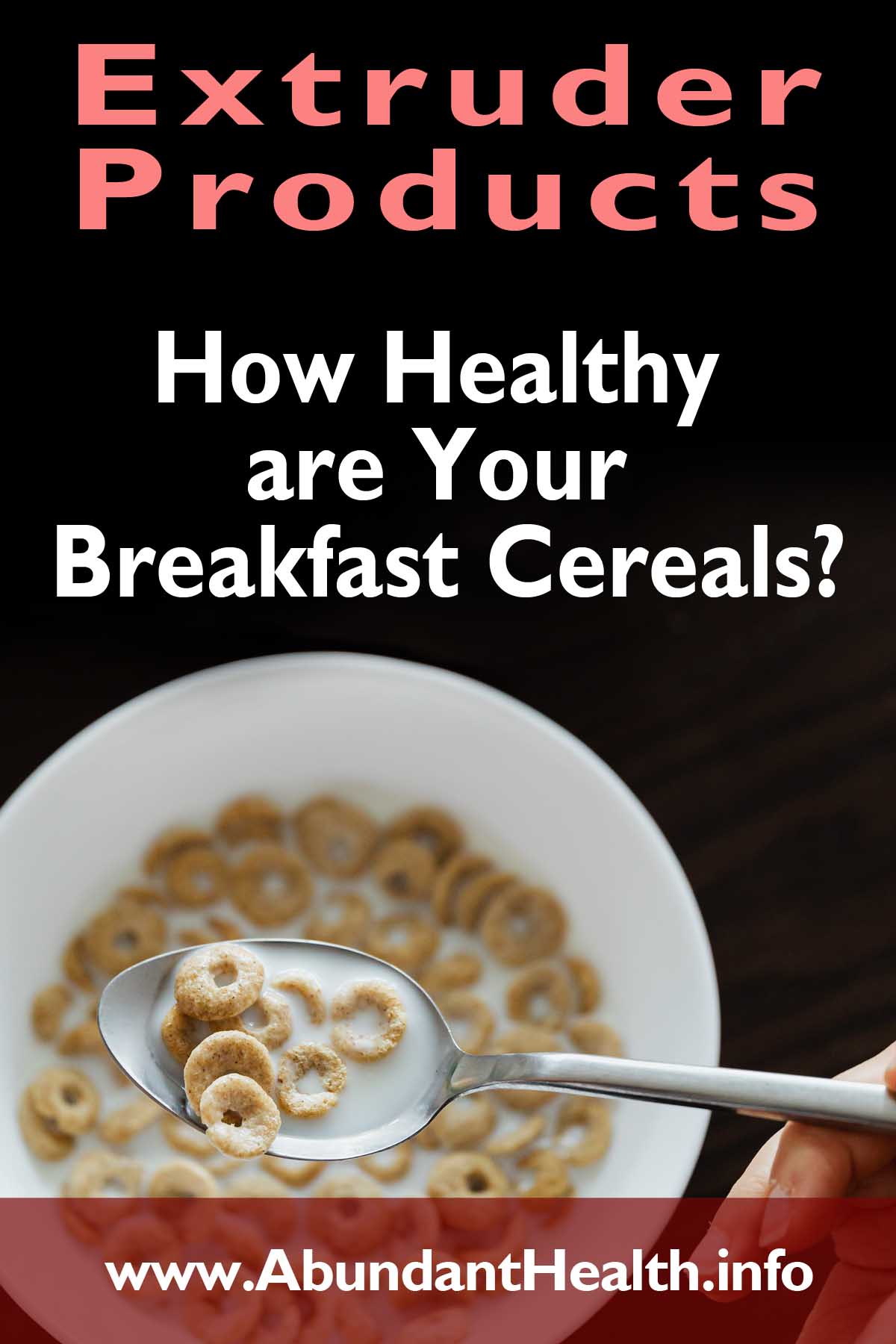
Extruder Products – How Healthy are Your Breakfast Cereals?

August 22, 2021 by Esther Neumann - [rt_reading_time label="Reading Time:" postfix="minutes" postfix_singular="minute"]

Wie gesund sind unsere Frühstücksflocken?

Licorice, peanut puffs, corn flakes, snack bars, breakfast cereals in all shapes and colors, pasta, crispbread, soy meat, cat and dog food, everything passes through the extruder. The extruder swallows almost everything and converts cheap raw materials into expensive products. But who knows this magic machine, responsible for a number of groceries that have found their way to the shelves of our supermarkets?

Extruder Products – How Healthy are Your Breakfast Cereals?

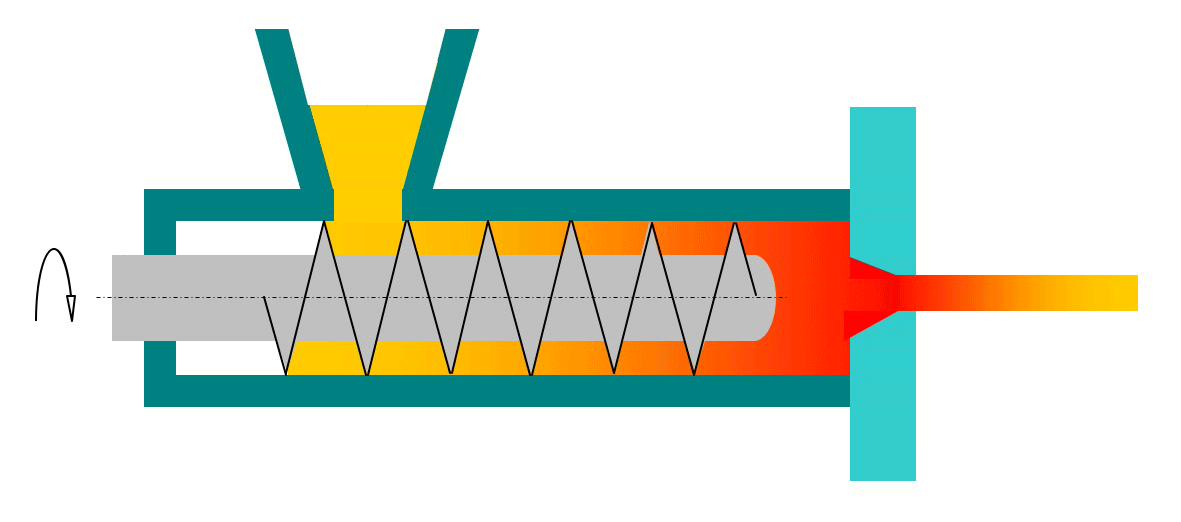
Slowly the semolina pulp sinks into the funnel of the extruder. Underneath, inside a metal sleeve, a steel spiral is turning, soaking up the nutritious mass and pushing it forward. It’s getting tighter. Huge shear and pressure forces mercilessly move the pulp forward. He’s getting hotter and hotter. At the end of the pipe, the mass is passing with high pressure through a nozzle. Suddenly the mass is released, water evaporates and the pulp puffs up. Rotating knives cut the airy mass into the desired shape. Vitamins that fell by the wayside during this procedure are injected from fine nozzles. Ready are your breakfast cereals!

History of the Extruder

According to the dictionary, extrusion means: “To express a product through a nozzle, a hole or a slot in order to obtain a certain shape.” The first products to come out of an extruder were seamless lead pipes. Today, a wide variety of plastic pipes and profiles are made, but also bricks, copper wires, coated wires, soaps and much more are pressed through the extruder.

Extruded aluminum profiles - Photo by Mike1024 from WikiMedia

It wasn’t long before the food industry discovered the extruder for its own purposes. In 1869, pieces of meat were squeezed through the machine and stuffed into sausage skins. The extruder is indeed reminiscent of the good old meat grinder. The extrusion principle has already for a long time been used in pasta processing. Hydraulically driven piston presses squeeze moistened semolina through perforated plates, forming spaghetti, macaroni, spirals, stars and letters. Roller extruders and piston presses also transform sugar masses in the confectionery industry into all conceivable shapes and forms.

With the introduction of the screw extruder in the pasta industry during the mid-1930s, began the modern age of the extrusion process in food technology.

Structure of the Cooking Extruder

In simple terms, each extruder can be divided into the following parts. First comes the feeding zone, comparable to a funnel. This is where the raw material, be it flour, semolina, a porridge, ground peanuts, starch or a sugar mass, is fed in. A screw, sometimes two co-rotating or counter-rotating screws, transport the mass forward.

Scheme of an extruder

This is followed by the conversion zone. This is where things are mixed, compressed, heated, melted, transformed. Mechanical and thermal reactions take place. That is why the extruder is sometimes referred to as a bioreactor.

Now the processed product comes to the discharge zone. A nozzle is the limit. The nozzle and subsequent rotating knives determine the shape of the product to a wide extent. When the heated mass is pressed through the nozzle, the water in the product evaporates abruptly due to the drop in pressure. It results in a blown-up product, giving it a porous, light an airy structure. In principle, extruding mimics the conventional production of popcorn. Popcorn puffs at around 9.5 bar and at a temperature of about 350⁰F (175⁰ Celsius).

The Result: Product Diversity

The extruder swallows almost everything, whether waste products or valuable raw materials. Depending on the process, dry raw materials, moistened or pulpy masses are processed. Often the heat generated by the shear forces and pressure alone is enough to transform the material into the desired shape. This is referred to as cold extrusion. The friction normally results in temperatures of 90 to 140⁰F (40 to 60⁰C). However, there are also processes where additional heat must be added. The warm extruder works with 160 to 270⁰F (70 – 130⁰C) and the hot extruder with 270 to 480⁰F (130 – 250⁰C). Most cooking extruders are based on combinations of frictional heat and externally supplied heat. The pressure is in the range up to 200 bar.

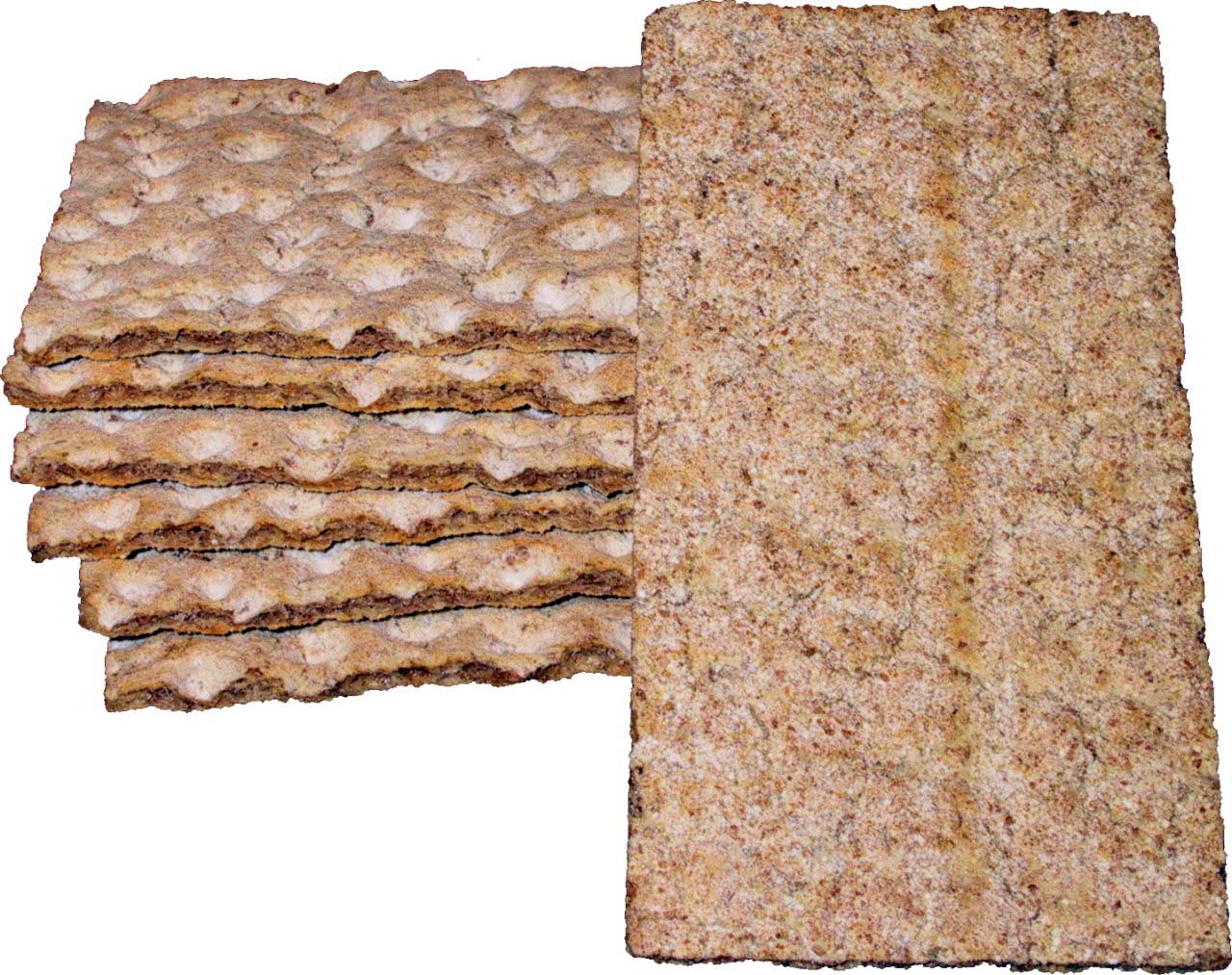
The variety of products from the extruder is overwhelming. Many conventional baking or cooking processes are replaced by the extruder. Today, almost all breakfast cereals come from the extruder. A new generation of crispbread has emerged. It has an airy, light, longitudinal fiber structure.

Crispbread - photo by Matthias Kabel from Wikimedia

Milling waste products such as bran and grinding meal are refined in the extruder, given new structures and afterwards are added to baked goods. Breadcrumbs and modified starch, as well as many instant foods, such as instant soups, are now produced in the extruder. Oil can be extracted. Chewing gum and even chocolates are made in the extruder. A lack of taste, due to the fast production or less valuable raw materials needs to be compensated by many tricks and trade secrets of the industry.

An interesting product is also the long egg. Boiled, sliced eggs are used a lot for garnishing. For practicality, egg yolk and egg white are separated and cleverly reassembled in the extruder. The end product is a meter-long rod, in which the yolk is always nicely placed in the middle of the egg white. There is no waste when slicing.

What Happens to the Nutrients?

The starch from raw products is almost completely broken down, so it becomes easily digestible. It comes to gelatinization and swelling, sometimes also to undesired roasting processes.

Little is known about the conversion of protein in the extruder. However, it is known that some important amino acids are destroyed. At the other hand, it has been shown that harmful enzymes in legumes, such as trypsin inhibitors in the soybean, are rendered harmless by the heat. The changes in extrusion are very versatile and can only be investigated in very complex and expensive processes. That is why there are not yet many independent results about adverse side effects of the extrusion process.

Cheese Puffs - Soure: Flickr

Losses are partially reduced because mass is only exposed to the high temperatures for a short time. Nevertheless, the high heat causes a substantial loss of vitamins. Cereal products provide us with the important vitamins of the B group and with folic acid. Depending on the process, there are losses of 50 – 80%. In comparison, with normal bread baking, the losses of B vitamins are between 5 and 30%. Nutrition experts recommend treating the raw materials as gently as possible. What happens in the extruder can certainly not be described as gentle. That’s why the breakfast cereals need to be subsequently enriched with vitamins.

Conclusion

Extruder products have become an integral part of our diet. Children especially demand them frequently. Be it in the form of snacks, sweets, snack bars, or breakfast cereals. But we would do well to limit it. In a nutshell, extruder products are mostly air that is sold with a lofty price tag. Expensive products are made from cheap raw materials. In case of doubt, the food industry will pay attention to the taste the consumer will crave for and less to the nutritional value that contributes to a healthy lifestyle.

A child with a bowl of extruded breakfast cereals - Photo by Tiago Pereira from Pexels

If we put extruder products on the table, we should definitely vary them with conventional cereal products, in addition to fresh, untreated fruits and vegetables, nuts, and seeds. They are the ones who provide our body with important nutrients for our health.

Healthy Fruits

Stay Always Up to Date

Sign up to our newsletter and stay always informed with news and tips around your health.
Sign Up Now!

Filed Under: Nutrition

Are You Stressed Out about Having no Time?

August 15, 2021 by Martin Neumann - [rt_reading_time label="Reading Time:" postfix="minutes" postfix_singular="minute"]

Are You Stressed Out About Having No Time?

You surely heard the phrase: Time is Money. We may agree, but in practical terms, are you one of those people who turn around any penny you spend, but you do not think much about how you are spending your time? Do you try to do everything at the same time, but at the end you are frustrated that there are not enough hours in the day, and you catch yourself saying: I have no time? I think it is on the time to think about budgeting our time.

Are You Stressed Out about Having no Time?

If you are successful, you are able to earn more money, but there is something that not even a millionaire has more than you, and this is time. Everybody has 24 hours a day. Time is a finite resource. If you think about your time, you need to think how you want to invest it the most effective way. Are you smart in investing your money? Now think about the return of investment you will get from your time. Where are you going to invest it the most sensible way? This phrase gets it to the point:

Time is what we want most, but what we use worst.

William Penn

Set Priorities

President Eisenhower had an interesting approach to time management. He organized all his tasks in four quadrants: urgent or not urgent, important or not important. The urgent and important quadrant is the one you should give your priority.

There are some tasks that are important but not urgent, like your continual education for example. They will be coming right next in the priority list, and you should schedule a regular time for them each week, so that you make continual progress on something that will give you a better position in the future.

Now the urgent but not important category, you need to evaluate carefully if they are worth your time. Some tasks you may be able to delegate. Others you may drop from your list. You need to learn to focus on items that make the biggest difference at the end. The list of neither urgent nor not important items, you better store away for a day that you have really nothing else to do, but do not let your mind dwell on them.

I have heard another approach that can be quite interesting as well. You define 2 or 3 projects that you want to work on for this week or the near future. Those are the things that need your full attention at this moment. Then you have 3 or 4 projects that you target as next on the list. You may do a little bit of preparation to get the ball rolling, or you may start to work on them if you have some time left, but they are not your top priority for now. Everything else will go into the Maybe Later list, and you do not need to even think about them. Whatever method you use, you need to have a clear criteria, what is the priority for you to tackle at this exact moment.

Invest your Time Wisely

Think about your time as an investment. You need to think, what investment will give you the best returns. Think about sleep for example. If you sleep the hours you need, you will be energized the next day to tackle the tasks at hand with efficiency. If your cut your corners on sleep, your performance will suffer.

Sleeping man -  Photo by Andrea Piacquadio from Pexels

It is actually a wise move to go to bed early and rise early, in order to start your most important tasks when your mind is fresh in the early morning hours. We know that one hour of sleep before midnight is worth two hours of sleep after midnight. So it is a wise investment to go to bed with the chicken and get the greatest benefit from your sleep time.

Be sure to start your day right. When you wake up, spend some time in the presence with God, so He can give you some insights for the day. You will see that things will flow differently when you are doing that. Be sure to get a good breakfast without any rush, because a substantial meal in the morning will give you the energy you need to start the day right.

Exercise is another time investment that will pay you high dividends. If you put in half an hour of vigorous exercise every day, it will surely safe you an hour or two while you work with more efficiency, plus you will put some time in your savings account, since it can prolong your live for several years. Talk about a wise investment!

Automation can be another investment that can pay you high dividends. Why do you need to tackle your payments every month, when you can automate them? It takes you once to set it up, but then you will never need to think about it again!

Budget Your Time

Like you have a budget for your expenses, you should have a budget on your time. When making a purchase, many people will be out to search for the best deal, instead of reflecting first: Do I really need this?

The same is true for time management. Most people will teach you how you can do your tasks the most effective way in order to save a minute here and get done more in your day. Instead of this, you should look at your schedule fist and reflect if you should not simply stop many of the activities you are doing.

Any commitment you make, think first if it is really worth your investment. What are your fist priorities? Your family? Your friends? Making a difference in your community? And at your work, what can make the biggest impact? Cut out some activities that are not essential and do not contribute to the advancement of your priorities.

Every activity you are planning to do, you need to estimate how much time it will take you. If it is something you have done in the past, you will have a good indicator how long it will take you. If it is something you never did before, you need to break it down in different steps, and estimate every step how long it will take you. Your estimate will be more accurate this way.

After having quantified your time investment, you need to evaluate if it is worth it, the same way you look at a product in the store to think if it is worth that price. Next you need to schedule the time in your calendar. If you do not have the time available, you need to either decline the commitment, or you need to drop off some low priority activities you have already scheduled in your calendar. Doing your proper planning can help to avoid a lot of surprises on the way, and will maximize the impact you can achieve with your limited time.

Price tag for fruits - Photo by Wendy Wei from Pexels

Track your Time

There are many ways you can track your time. Some apps can track your activities you do on the computer. Some people like a Fitbit watch that will track their sleep, their exercise and various other activities during the day. Some do a simple feedback on the end of your day, while others like to use an app to do a more sophisticated evaluations of their time. Tracking style can vary, but you should be conscious on how you are using your time.

It happens so often that we are just quickly looking something up on the internet, and before we realize, we have spent an hour surfing around without any purpose. Multitasking is another thing that was increasing greatly in the digital era. On average we are checking every 6 minutes on emails and instant messaging. That is draining your productivity. You need to get into the habit of being focused on one task, and when you are done, you can have a look whether somebody was writing you on messenger.

According to studies, an internet user is spending on average 2:25 hours a day on social media.((Daily time spent on social networking by internet users worldwide from 2012 to 2020. Statistica)) You add to that almost 3 hours of TV time per day, and you see quickly why we have no time left.((Average daily time spent watching TV in the United States from 2014 to 2023. Statistica))

Start to reflect on your habits. Are the 2 hours of scrolling the infinite feed of Facebook really well spent? And when you watch a video on YouTube, how many suggested videos you end up binge watching afterwards? Is this time really well invested, or are there other activities that would be really worth your time?

Do you have no time to play with your kids? Are you wanting to start a hobby for a long time? You are thinking to learn a new language? You want to learn an instrument that you desired to play since you were a kid? I have just freed you up 5 hours a day to do all of that if you want.

Be Realistic in Your Expectations

It is interesting to see how times have changed. When a hundred years ago, a farmer was plowing a field, it may have taken him a day or two, and another week for planting, but at the end he was looking back at his work and he was satisfied with his accomplishments.

A traditional farmer after plowing the field - Photo by Archie Binamira from Pexels

Nowadays things are going faster. A tractor will plow the field within an hour, and an email can go around the globe within seconds. Things are moving much faster. But with that we have also different expectations. If we have no time, because we have overcommitted ourselves.

Our changed expectations will also show up in our homes. While the farmer’s wife was not worried about the dirty kitchen floor while cooking lunch, our kitchen today needs to be sparkling clean. The house got bigger, consuming more time for cleaning and maintenance, and the yard needs to be perfectly cared as well. Think about this statement:

Life is a disappointment and a weariness to many persons because of the unnecessary labor with which they burden themselves in meeting the claims of custom. Their minds are continually harassed with anxiety as to supplying wants which are the offspring of pride and fashion…

The sweet word “Home” is perverted to mean “something with four walls, filled with elegant furniture and adornments,” while its inmates are on a continual strain to meet the requirements of custom in the different departments of life.((Ellen White, The Adventist Home p. 150))

I think it is time to make some adjustment on our expectations. Not everything needs to be perfect, and normally simpler is better.

Better Done than Perfect

We can roughly divide people in two groups: Maximisers and Satisficers. Maximizers are a tribe of perfectionists. If they buy a new phone, they will study all the available reviews for a week, and try to purchase the very best. And even then, they are still concerned whether they have made the right choice.

A satisficer at the other hand will walk into the store, look for the first phone that looks right, asks the dealer if it does what he is looking for and purchase it on the spot.

When it comes to answer an email, the maximiser will investigate the question he was asked, try to write a lengthy response, rewrite it three times to formulate it better, getting all the punctuation right and sending it out when he thinks it is perfect. The satisficer will simply throw in a quick response, maybe not even write a complete phrase, and hoping that it answers the question he was asked for, because if not, they will ask back anyways.

It is easy to see that the satisficer will get much more done in a shorter time, and he will feel more satisfaction on the end of the day. I guess it is important to find a healthy balance between the two. We need to learn to invest our time where it matters most. If my work can really have an impact, it is worthwhile to invest some more time, but when it comes to writing an email, we better get it over, so we can make time for things that really count. And even on the impactful projects, sometimes it is better to get it out and improve later, then to try to make it perfect and never get done.

Plan Your Week

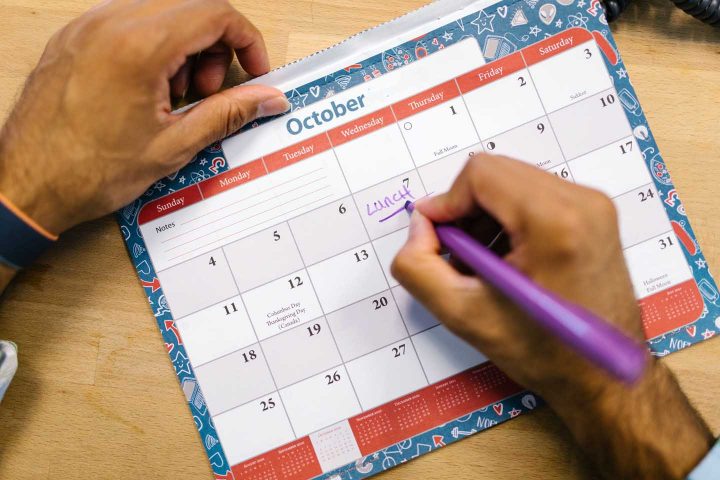
When you are planning your week, you want to look at the bigger picture. You think about maybe 2 or 3 major projects to tackle and schedule their time. You also want to block out some time for essential goals that are not in the urgent category.

A Calendar - Photo by RODNAE Productions from Pexels

Then you look at your last week. You have scheduled anything that was left undone? Next look at the upcoming meetings and commitments that you have scheduled. Are they still your priorities? If not, you can decline or reschedule some of them.

And do not fill up your schedule to the maximum. Some tasks may take you longer than planned, and unexpected surprises are coming up all the time. Maybe keep some time open on Friday to catch up with things you could not get done during the week. This way you can get into the weekend with a satisfaction that you have accomplished your goals.

Daily Planning

When starting out in the morning, you need to spend a few minutes to get on track with your operating plan of the day. Is there anything left undone from the day before? What meetings do you have scheduled? Was there anything new coming up that needs to be treated with urgency? What are your top priorities?

Plans are important, but they are not set in stone, so you need to always recalibrate to reach your goals. But having something sketched out on paper, helps you to be more efficient in order to accomplish your priorities.

Get in Alignment with Your Passions

In a study of more than 3000 working people, researchers found out that those who were passionate about what they were doing, did feel less of a time pressure.((Jachimowicz J et.al. Why Passionate Employees Can Have It All: Passion Lowers Time Stress by Enhancing Goal Integration. https://psyarxiv.com/qd2zf/)) It is not so much about how long the activity takes, but more of how much you enjoy it. A sense of accomplishment did mean that they did not feel that their time was wasted.

A satisfied man - Photo by Jonathan Borba from Pexels

Researchers found also that some people perceived activities as competing for their time. For example, they felt that engaging themselves in the company was conflicting with coming home in time for dinner. Passionate workers on the other hand felt that activities were complementing, since a healthy meal at home with family was giving them more energy for the next day’s work.

Get Divine Wisdom

You have done everything and you are still struggling to make ends meet in your schedule? Is there an emergency coming up and you don’t know how to handle it? James was giving us an interesting counsel many years ago:

If any of you lacks wisdom, let him ask of God, who gives to all liberally and without reproach, and it will be given to him.((The Bible, James 1:5, NKJV))

James 1:5

If you are on a tight spot, you can always turn to God, and He will give you wisdom on how to deal with your situation. So often He is able to show us the right priorities, or what to do to avoid being stressed out about our day. And He has promised to be on your side as your Heavenly Father. Jesus gave us another wonderful promise:

Come to Me, all you who labor and are heavy laden, and I will give you rest. Take My yoke upon you and learn from Me, for I am gentle and lowly in heart, and you will find rest for your souls.((The Bible, Matthew 11:28.29))

Matthew 11:28.29

We do not need to resolve everything on our own. If there is something burdening you, then you can bring it to Jesus and he promised to help you. When you do not know whether you should take up a commitment, have a conversation with Jesus and ask him if he wants you to do this, or pass it on. Understand the purpose that God has for your life. Then you will have a clearer picture on how you can make really the best of every hour that God has given to you.

Do you need a guide to help you understand how to cope with Stress in an all inclusive approach? Learn how to combat stress, mentally, physically, emotionally and strategically in your life.

Get Me the Guide

Filed Under: Mental Health, Stress Management

Selenium – A Vital Trace Element

August 8, 2021 by Esther Neumann - [rt_reading_time label="Reading Time:" postfix="minutes" postfix_singular="minute"]

Selenium - A Vital Trace Element

Selenium occurs only in traces in the human body. An adult weighing 70 kg has just about 7 milligrams on average. In medicine, selenium is considered a vital, essential trace element. It plays an important role in detoxifying the body, protects the membrane of our body cells, prevents red blood cells from oxidizing and is part of some important enzymes.

Selenium - A Vital Trace Element

Occurrence

Selenium belongs to the semi-metals. It stands at the 59th place in the frequency of the elements in the Earth’s surface. It rarely occurs in nature in its pure form. We usually find it in compounds with sulfur. Selenium minerals are also rare. Clausthalite and naumannite are known examples. Selenides are found in copper gravel and zinc blend. Selenium is used in the semiconductor industry for the production of photodiodes, photocells, radar systems, solar cells and light meters. It is used in photocopiers because of its photoelectric property. Tiny additions to glass give it a bright red color. In the red traffic lights, we experience this color in daily life.

The vital necessity of selenium for plants, humans and animals was only discovered in 1957. With selenium deficiency, young animals do not gain weight properly. In humans occur very specific deficiency diseases.

Functions in the body

Selenium fulfills its most important function as a component of the enzyme glutathione peroxidase. This important enzyme is mainly found in red blood cells. It protects them from attack by harmful oxygen radicals that are produced in normal metabolic processes, but also by smoking, alcohol, ozone, smog and ionizing radiation.

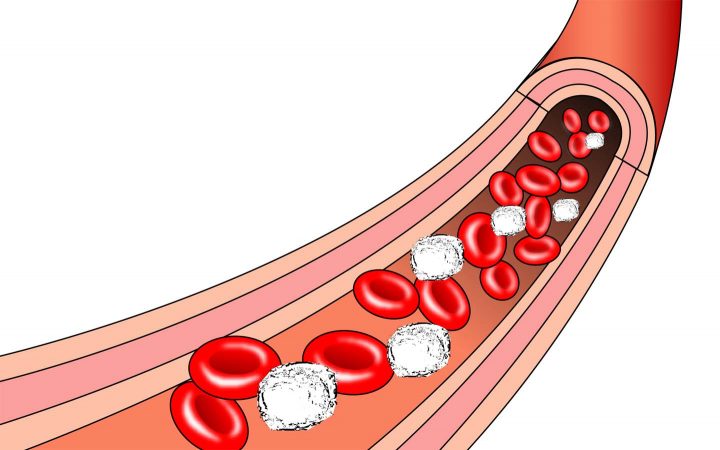
Red blood cells in the bloodstream

Together with vitamin E, the enzyme also protects all cell membranes. Various fats are built into the membrane, which are wafer-thin boundary layers, that must be particularly protected. If such biological membranes are destroyed, premature cell death or genetic damage to the DNA occurs.

However, the body uses this selenium-containing enzyme very sparingly. If it is consumed, it is regenerated by vitamins C and E. Vitamin B2, carotenoids and anthocyanins also play an important role in this metabolic process. So we see the importance of a diet rich in vitamin-packed unprocessed plants.

Selenium is also contained in another enzyme, iodinethyronine-5-deiodase. Here it controls the conversion of the thyroid hormone thyroxine into the biologically active form. It therefore has an influence on the basal metabolic rate, cell differentiation, cell growth and the rate of cell division.

Selenium also plays a role in the detoxification of heavy metals. It binds cadmium, lead and mercury, so that these toxic metals can no longer bind to vital proteins.

Selenium also stimulates the immune system. Research in recent years also suggests that selenium plays an important role in cancer prevention. In cancer patients, a much lower selenium levels are found in the blood.

Deficiencies

Some soils are very low in selenium. This affects Central and Northern Europe but also large parts of China. An increased incidence of the so-called Keshan’s disease has also been found there. In its chronic form, this disease manifests itself as cardiac insufficiency with simultaneous enlargement of the heart muscle. In the area where this disease has occurred more frequently, the salt has been enriched with selenium and has thus been able to be suppressed.

The first symptoms of selenium deficiency include myopathies, which are muscle weaknesses. Metabolic disorders of the liver and pancreas are often associated with a selenium deficiency. Low levels of selenium in tissues have also been found in various forms of arthritis and degenerative joint diseases.

It is interested to notice that in those areas of China where the soil is selenium deficient, mortality of COVID-19 was much higher than in other parts o the country. That stresses again the importance of Selenium for the immune system.

Chemotherapy of cancer as well as oxygen therapies lead to increased formation of free radicals, which can be intercepted by selenium and other antioxidants.

Selenium-rich Foods

Animal foods generally contain higher amounts of selenium than plant foods. But selenium from the plant is more bioavailable, so it is more easily absorbed by the body. High amounts of vitamin C, being still in the physiological range, improve the absorption from the gastrointestinal tract.

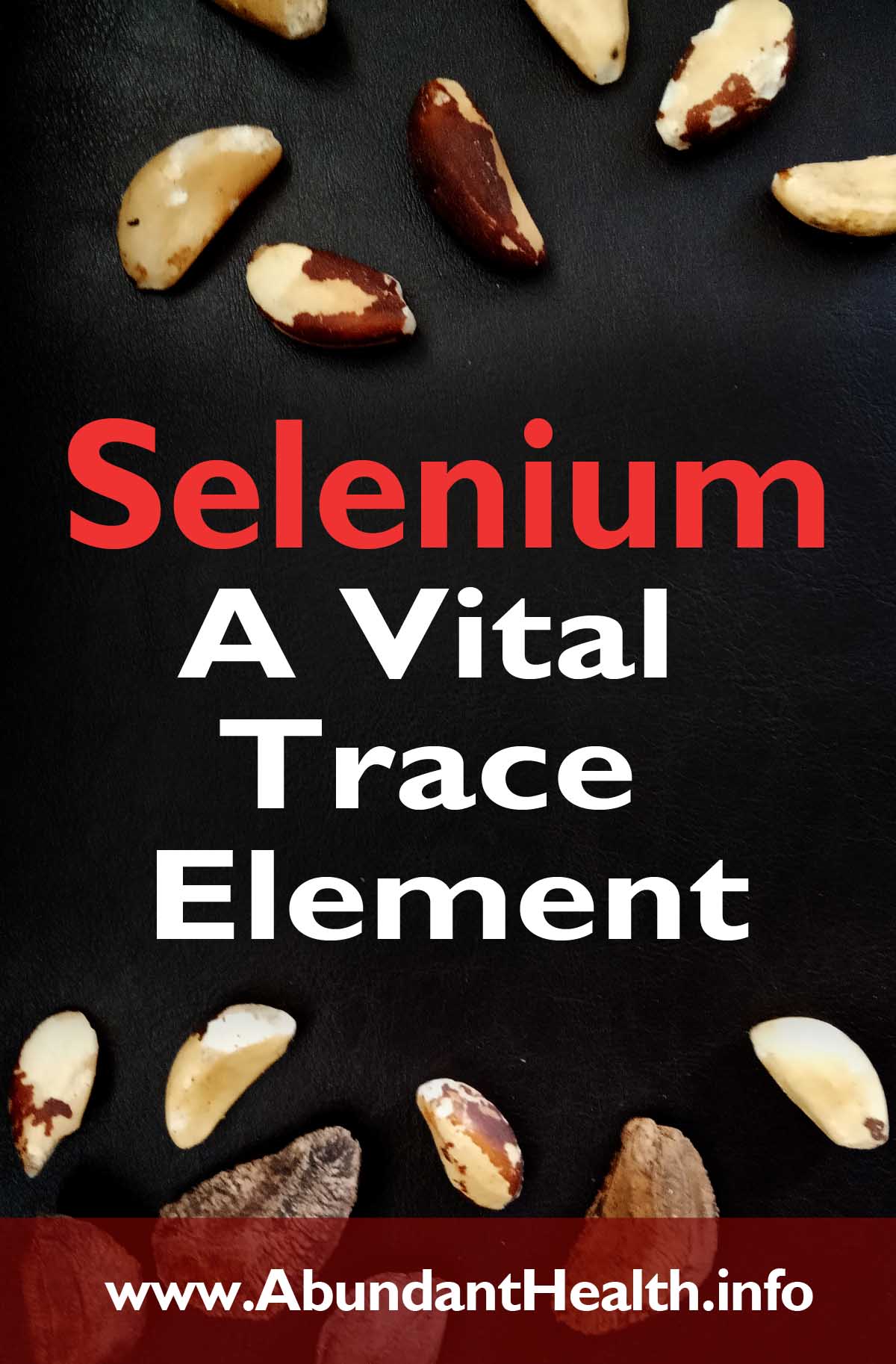
Nuts and seeds have high amounts of selenium. The Brazil nut has by far the highest selenium content, even multiple times more than animal products. Chia and sunflower seeds have moderate amounts of selenium, Soybeans and white beans are also good sources. Substantial amounts are also found in whole grain, millet and rice, but this depends on the selenium content of the soil. Finland is a very selenium-poor area. The soils there are enriched with selenium. Other countries in Central and Northern Europe are also discussing enrichment.

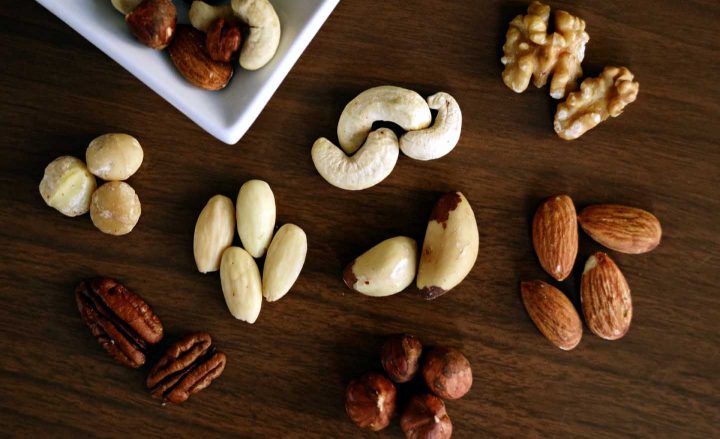
An assortment of nuts - Photo by Marta Branco from Pexels

Those who live in areas with selenium-poor soils should not eat exclusively products from their own garden or the farmers from the surrounding area. Supplementing your diet with some nuts and seeds grown in tropical areas can help to balance this deficiency. Brazil nuts tend to be especially high in selenium, but can vary greatly depending on soil conditions. Eating just two Brazil nuts normally gives you more than your daily need. Since Brazil Nuts are so high in selenium, you should be cautious to not overuse them, though eating up to 4 nuts daily on a regular basis you should be still in the safe zone.

Overdosage and Poisoning

Before it was discovered that selenium is vital for humans, the trace element was considered one of the most toxic elements. However, acute selenium poisoning has occurred very rarely. In the production of glass and paints and in electronics, where selenium is used, however, protection of employees is necessary.

An overdosage is highly unlikely via food alone. However, supplementation with selenium is increasingly popular. Corresponding preparations are already on the shelves of supermarkets and drugstores. Whether a general supplementation can be recommended is controversial because the knowledge about the trace element is still insufficient. Therefore, an independent intake of selenium-containing supplements should be discouraged. They belong in the hands of an experienced doctor. It is certain that the additional intake of selenium is recommended for cancer, special forms of arthritis and certain cardiovascular diseases. However, the amounts to be taken vary depending on the respective course of treatment. This again shows that only the attending physician should decide on selenium supplementation.

A doctor consulting a patient - Photo by cottonbro from Pexels

Varied Diet

To avoid a selenium deficiency, a balanced diet is key. Problems are only likely to arise in areas with selenium-poor soils and limited food choices at the same time. With the exception of the Brazil nut, plant products have lower selenium levels, but this is made up by better absorption and better recycling of selenium containing enzymes. Once again it has been shown that a varied diet with a high proportion of plant-based food is the right way to go.

Filed Under: Nutrition

Primary Sidebar

Social Channels

Coronavirus Immunity Challenge

Boost your immune system to be bullet-proof for the pandemic.

I Want to Participate

Recent Posts

  • 5 Habits to Live Longer
  • Better Sleep Can Protect Against Dementia
  • Finding Peace In Your Crazy-Busy World
  • Flaxseed – An Ancient Plant Rediscovered
  • Platelets – Triggers for Life or Death
  • Boderline Personality Disorder
  • In Praise of Almonds and Nuts
  • Are You Stuck in the Clutter Trap?

Categories

  • Body Systems (16)
    • Cell Function (2)
    • Circulatory System (1)
    • Digestive Tract (10)
    • Immune System (4)
  • Diseases (27)
    • Cancer (2)
    • Cold (1)
    • COVID-19 (11)
    • Dementia (1)
    • Diabetes (1)
    • Digestive Diseases (2)
    • Heart Disease (2)
    • Kidneys (1)
    • Metabolic Syndrome (2)
    • Skin (1)
  • Healthy Lifestyle (42)
    • Exercise (11)
    • Gardening (2)
    • Sleep (7)
    • Sunlight (2)
    • Temperance (14)
    • Water (4)
  • Mental Health (87)
    • Addictions (6)
    • Anxiety (7)
    • Burnout (1)
    • Depression (7)
    • Psychosomatic Diseases (6)
    • Stress Management (45)
    • Trust (6)
  • Nutrition (56)
  • Obesity (9)
  • Phases of Life (14)
    • Adults (3)
    • Babies and Infants (1)
    • Children (3)
    • Seniors (5)
    • Teenagers (3)
  • Therapies (7)
    • Herbs (5)
    • Hydrotherapy (1)
  • Uncategorized (3)

Archives

  • January 2025 (1)
  • March 2024 (5)
  • February 2024 (4)
  • January 2024 (4)
  • December 2023 (5)
  • November 2023 (4)
  • October 2023 (5)
  • September 2023 (4)
  • August 2023 (3)
  • July 2023 (2)
  • June 2023 (4)
  • May 2023 (4)
  • April 2023 (5)
  • March 2023 (4)
  • February 2023 (4)
  • January 2023 (4)
  • December 2022 (4)
  • November 2022 (4)
  • October 2022 (5)
  • September 2022 (4)
  • August 2022 (4)
  • July 2022 (5)
  • June 2022 (4)
  • May 2022 (5)
  • April 2022 (4)
  • March 2022 (4)
  • February 2022 (4)
  • January 2022 (5)
  • December 2021 (3)
  • November 2021 (4)
  • October 2021 (6)
  • September 2021 (4)
  • August 2021 (4)
  • July 2021 (5)
  • June 2021 (4)
  • May 2021 (3)
  • April 2021 (5)
  • March 2021 (4)
  • February 2021 (4)
  • January 2021 (5)
  • December 2020 (3)
  • November 2020 (4)
  • October 2020 (5)
  • September 2020 (5)
  • August 2020 (3)
  • July 2020 (1)
  • June 2020 (1)
  • May 2020 (1)
  • April 2020 (1)
  • March 2020 (1)

Copyright © 2026 · Abundant Health - Privacy Policy - Medical Disclaimer