Abundant Health

Up to date health information tailored for you

  • Home
  • Blog
  • Recipes
  • Shop
  • Contact
You are here: Home / Archives for Healthy Lifestyle / Temperance

Temperance

Binge Eating, Anorexia and Bulimia

January 28, 2024 by Dr. Cesar Vasconcellos de Souza - [rt_reading_time label="Reading Time:" postfix="minutes" postfix_singular="minute"]

Anorexia

Today we are going to talk about eating disorders and you might think, “‘But I have nothing to do with it, I don’t suffer from that”. If you do not have this problem, take the opportunity to learn about it and help someone who does. Not much is being said about eating disorders.
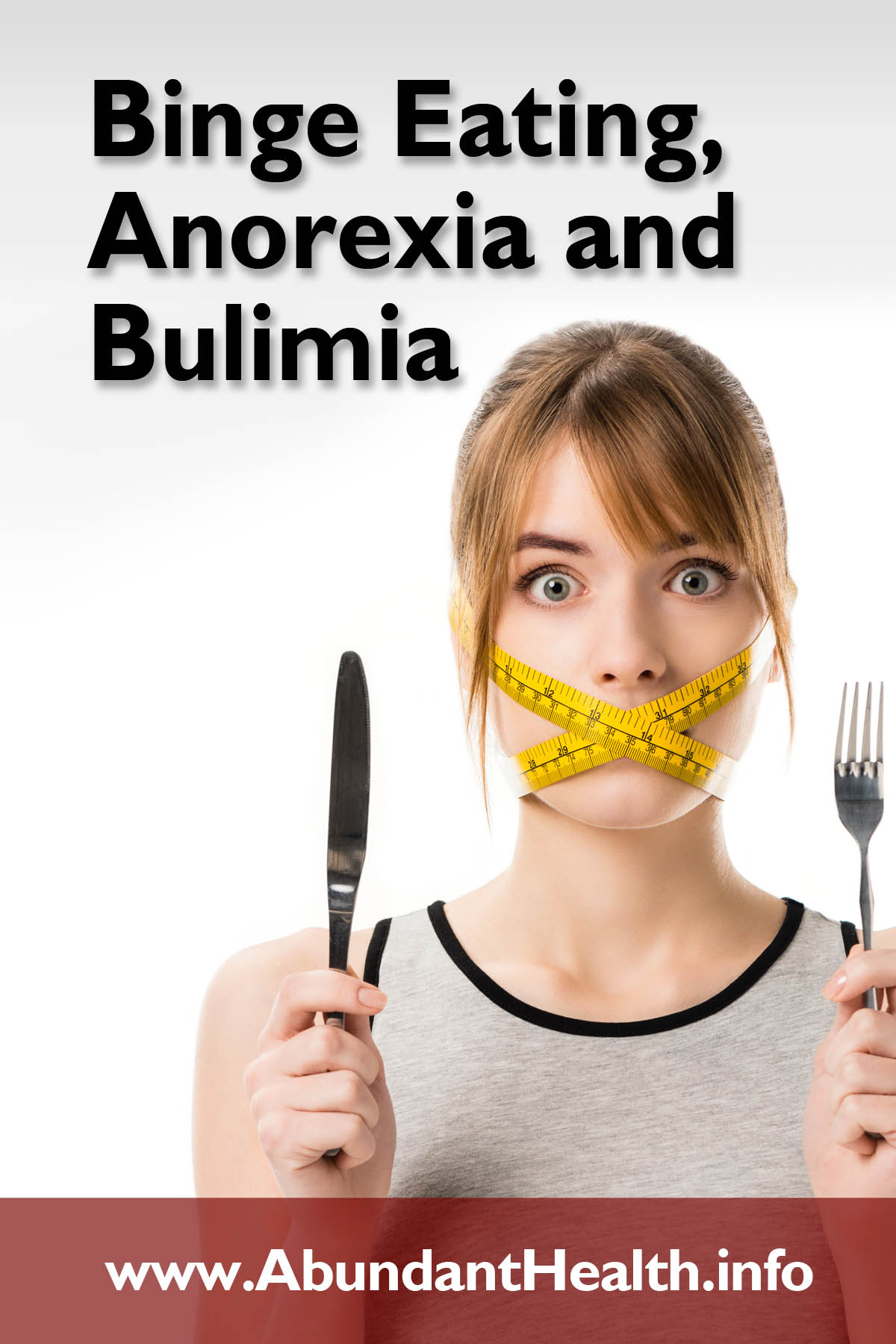
Binge Eating, Anorexia and Bulimia

There are three main types: anorexia nervosa, bulimia nervosa and compulsive eating, also known as binge eating. It is estimated that 70 million people in the world suffer from eating disorders. These disorders occur 20 times more often in women than in men, and are rare in men. Anorexia nervosa usually begins in adolescence or young adulthood, while bulimia seems to start a little later. The higher socioeconomic classes, as well as professions such as mannequins and dancers, represent the individuals most at risk of these afflictions.

Scientists estimate that over the course of their lives, between 0.5% and 4% of women will suffer from anorexia nervosa, 1% to 4.2% from bulimia nervosa and 2.5% from binge eating disorder. In anorexia nervosa, 50% of patients make a complete recovery, 30% have a reasonable evolution with periods of improvement and relapse. The mortality rate can vary from 6% to 15%. Of those who die from anorexia, 54% die from physical complications of the illness, 27% from suicide and 19% from unknown causes.

But what is anorexia nervosa anyway? It’s a mental illness characterized by a person’s refusal to maintain a minimum body weight. They have a relentless pursuit of thinness, an intense fear of losing or gaining weight, altered perception of body image, denial about being thin and having problems. They don’t accept help from anyone and insist on feeling fat, even though they are underweight. Girls with anorexia nervosa also experience an interruption of menstruation for at least three months.

The person with anorexia nervosa anxiously tries to please others, but believes that no one will like them because of the character defects they feel they have. They tell lies about the amount of food they eat. The anorexic moves towards severe and dangerous self-induced weight loss. To do this, she fasts for long periods, exercises excessively and gets angry if anyone tells her she’s overdoing it. They use laxatives, diuretics, appetite suppressants and induce vomiting to force their body to lose weight.

A girl with anorexia, being in anguish about eating a single pea

And what is bulimia nervosa? Bulimia is characterized by a feeling of loss of self control in eating. The person has repeated episodes of binge eating a large amount of food, of any kind, for a short period of time, causing guilt, shame and fear of gaining weight. This leads to inappropriate compensatory behaviors, such as inducing vomiting several times a day, uncontrolled use of laxatives, diuretics, appetite suppressants and other medications. They also fast or exercise excessively. Some bulimics eat, vomit, use laxatives, diuretics, enemas and others fast and exercise excessively.

The third type of eating disorder is compulsive eating, also called binge eating disorder. It is an eating disorder characterized by recurrent episodes of compulsive eating, in which the person eats quickly until they are overly full, consuming large quantities of food, even though they are not hungry. They usually eat alone because they are ashamed of the amount of food they eat. The person feels guilty, depressed and ashamed after eating a large amount of food. They usually feel uncomfortable with their compulsive eating and struggle with it.

The first sign that distinguishes anorexia nervosa from bulimia nervosa is body weight. Around 70% of people with bulimia tend to be of normal weight, and 15% are moderately overweight, so they don’t suffer from the absence of food. The central point in eating disorders is not food itself, but deep emotional pain. What determines these disorders is the state of mind.

Young people with anorexia, when they look in the mirror, don’t see themselves as thin and perceive themselves as fat, even though they are dangerously underweight, i.e. they have an altered body image. At the root of this is a significant lack of self-esteem, self-disgust and panic about getting fat. This can start with a simple diet that the person decides to go on, turning into an obsession that takes over their life; when losing weight becomes an obsession and a compulsion. Just to remind you, obsession is the thought that won’t leave your head, compulsion is the act of doing, the uncontrolled attitude. Thinking too much is obsession, and doing something without control is compulsion. Compulsion is a quest to avoid emotional pain, which can be sadness, anguish, a feeling of lovelessness, fear of rejection and other sensations.

People with eating disorders generally suffer from perfectionism and an obsessive-compulsive personality structure. They worry too much about how others see them. Although they may be intelligent people with a successful career, they see themselves as inadequate and worthless. The obsession around food may be a way for the individual to try to exert some control, as they generally feel they have no control over their personal life.

Some people with anorexia nervosa feel powerful when they step on the scale and see that they’ve lost another pound, even though they’re already very thin. It’s as if they’re saying: “You see, I have something in my life that I can control, I know how to control my life.” In her family, people are usually rigid, controlling, demanding, super methodical, where the person with the eating disorder is judged by what they can do and not by what they are. This family model seems to have everything planned, everything controlled, to the detriment of personal freedom. As a result, the only thing the individual feels they can control is their mouth. It is through this that the anorexic or bulimic person believes they can gain some control and make decisions for themselves.

The psychiatrist will assess whether the problem the person has is really an eating disorder and whether it occurs at the same time, which we call comorbidity. Comorbidity, in medicine, means one illness together with another. In the case of eating disorders, 30% of people also have obsessive-compulsive disorder. Between 12% and 18% of those with anorexia nervosa and between 30% and 70% of those with bulimia have substance abuse, such as alcohol, marijuana and other drugs. Depression occurs in 80% of cases, and personality disorders affect between 20% and 97% of people with eating disorders.

A woman eating secretly behind some blinds and being also addicted to alcohol

Culture and the media unfortunately contribute to these disorders. Studies carried out in Fiji in 1995 revealed that the ideal female body was chubby and round. After 38 months of an American sitcom, as well as other TV shows, there was a change in the ideal female body model in that Fijian society, with many cases of teenage girls with serious eating disorders. A study by Health magazine showed that 32% of American women who appear on TV are underweight, compared to only 5% of the female population in the United States. In addition, only 3% of women who appear on TV are obese, compared to 25% of regular US women.

When we try to understand what happens in the emotional world of people who develop eating disorders, by trying to understand the psychological meaning of these sufferings, we usually find that, for some of these people, the eating disorder has become a way of unconsciously trying to succeed in life. When difficulties or seemingly unsolvable problems arise, by focusing their thoughts on food and eating or not eating, they block out painful feelings. This is because they believe and feel that they are incapable of dealing with painful feelings in an adapted, functional, normal, balanced way.

In some people, the eating disorder represents an escape process, in other words, a way of avoiding the consequences and everything that goes into growing from an adolescent into a mature adult. For the person, at first, anorexia, bulimia or binge eating seems to be the solution to all their problems; in other words, a way of controlling events. But what ends up happening is that the eating disorder acquires control over all aspects of the person’s life. This is because the eating disorder is a dysfunctional, unhealthy way for the person to deal with their conflicts, but it is what they have achieved so far.

We can understand why she is ambivalent about treatment. Being ambivalent means wanting and not wanting, liking and disliking, accepting and rejecting. These people generally become ambivalent about eating disorder treatment because, on the one hand, the illness is their way of dealing with the pains of life, it’s a defense, and on the other hand, they want to get better, but they fear the consequences of abandoning the disorder.

A teenager in a mirror room looking at her multiple images

At the Psychiatry Institute of the Hospital das Clínicas of the USP Medical School, at the University of São Paulo, they provide a treatment service for people suffering from eating disorders. According to the team, there is no single cause responsible for these health problems. It is believed that there are multiple factors, involving biological, genetic, psychological, socio-cultural and family components. Some factors trigger eating disorders, such as important life changes like adolescence, moving away from home, graduation, starting university, starting a new job, death, divorce, marriage, family problems, among others.

However, these disorders don’t necessarily start with something dramatic. Some people are predisposed and more vulnerable to becoming ill, and a simple comment from someone about their body image can lead them to take it seriously and start obsessing about it. Triggering factors catch up with the fragile person who feels unable to cope well with the situation.

Treatment for anorexia nervosa, bulimia nervosa or binge eating needs to be done with the person’s agreement. The obstacles we encounter have to do with denial of the illness, excessive fear of becoming fat and losing control, fear of abandoning the disorder that they feel is part of their identity. Professional counseling is needed, where the psychologist will help the sufferer deal with their emotions and gain control of their body and their life again.

In therapy, the person will learn to focus their thoughts away from food and their body weight and onto their feelings, so that they can deal with them in a healthy way. Because these feelings, buried, repressed, poorly elaborated, unexpressed, not experienced or partially experienced and then thrown into the unconscious, are the psychological basis of this type of mental suffering.

Very important in the treatment of eating disorders is family counseling, because this allows each member of the family to understand the problem and establish a better relationship between each other and, of course, with the person suffering from the disorder. Hospitalization is indicated if body weight is 40% or more below normal or weight loss of around 33 pounds (15 kg) or more within 3 months. If you know somebody with this disorder, try to help. Tell them that they have a serious problem. They will deny it, because these are diseases of denial and secrecy, but gently, firmly and persistently insist that they recognize the illness and accept treatment. They won’t admit it easily.

Avoid talking about their bad eating habits and instead, talk about how they might be feeling unhappy and the possible causes of this. Focus the conversation on how things can be changed. Explain that the obsession with food, exercise and body weight doesn’t need to continue, and that it’s a real problem. A person with anorexia or bulimia is unlikely to overcome the illness on their own, without help. They need outside help. Recovery involves admitting the illness, asking for help, being willing to be vulnerable and opening up to people who can help.

Healthy Fruits

Stay Always Up to Date

Sign up to our newsletter and stay always informed with news and tips around your health.

Sign Up Now!

Filed Under: Addictions, Mental Health, Temperance Tagged With: eating disorders

Healthy Weight Helps

August 20, 2023 by Martin Neumann - [rt_reading_time label="Reading Time:" postfix="minutes" postfix_singular="minute"]

Healthy Weight Helps

Cindy had many challenges in her life. She made a positive choice to quit smoking but then gained 80 pounds. “I felt miserable and had a terrible self-image. I was plagued by headaches and stomach pain. I decided that it was time to change my attitude, my thinking, and my choices to turn my life around. I went from wanting to lose weight to winning my battle of the bulge.”

Healthy Weight Helps

Here’s how:

  1. I saw my need and potential as they really were. Knowing I had a problem was one thing — discovering that God had a purpose for my life gave me hope and helped me address my depression as well as my lifestyle choices.  “For I know the plans I have for you, declares the Lord, plans for welfare and not for evil, to give you a future and a hope” (Jeremiah 29:11 ESV)
  2. I chose to believe I could change. I stopped listening to the negative “failure-based” messages I had rehearsed for years. I stopped making excuses and feeling sorry for myself.
  3. I chose faith in God to activate my decision. My faith gave me the power to push through obstacles and learn new habits. “I will instruct you and teach you in the way you should go; I will counsel you with my eye upon you” (Psalm 32:8 ESV).
  4. I accepted the support I needed to persist in my decision. I joined a walking/jogging club with other positive-minded people. My husband, Brian, was a tremendous support, and he lost 45 pounds himself!  Daily exercise became a priority for me.
  5. I learned to daily accept responsibility. I daily rehearsed new positive choices instead of giving up on mistakes.  
  6. I chose to act on my decision every day. I made two key lifestyle decisions that were key to moving forward to reach my goals. I learned how to choose healthful, high-fiber fruits, vegetables, whole grains, and beans and stopped buying impulse “comfort” foods (See Five Shopping Secrets). I determined to exercise every day, and gradually increase the intensity and frequency, challenging myself to become stronger.
  7. I learned to see tomorrow’s reward in today’s discipline. Cindy lost 80 pounds and has kept it off for years now. Most importantly, her thinking and mindset were healed in the process, not just her body. Every good choice today yields a gift tomorrow. Now that’s something to look forward to!

Five Shopping Secrets for Successful Weight Loss

  1. Plan ahead.  Create a grocery list and stick to it. Go shopping right after a meal so you are satisfied and not hungry. Stay in the area of the store that has healthier choices.
  2. Go veggie! Focus on fresh fruits, salads with lots of leafy greens, crunchy raw veggies, and whole grains. Choose healthy fats like walnuts, avocados, and lemon and olive oil on salads.
  3. Beware of bottles, bags, and bars. Bottles: Soda pop and sweetened drinks are the number one source of added sugar in the American diet. Just one 12 oz. can of soda a day adds 75 cups of sugar to your diet in one year! Bags: A small bag of fried chips can be as much as 420 calories! A baked potato is only 110 calories. A savory ear of corn is just 60 calories!  What a difference in flavor as well as fill-up value! Bars: Candy bars, even so-called “health food bars” are often loaded with calories, low in fiber, and short on appetite satisfaction.
  4. Shift from calorie “dense” to calorie “sense.” When you take away the fiber and nutrition of whole plant foods, you get sugar, fat, and salt. You would have to eat 25 carrots to get the calories in just one 8 oz. chocolate bar! And how quickly does a bar like that disappear, only to leave you hungry and craving more?  When it comes to weight loss, the real question is, “Are you eating ENOUGH to lose weight?” “Are you eating enough fiber foods (at least 30-50 grams per day) that provide true satisfaction?”
  5. Watch for hidden calories. The closer you stick to the produce department, including wholesome beans, unrefined grains such as brown rice, oats, and whole wheat, and fresh vegetables, the less you have to be concerned about calories, fat, sugar, and salt!
A woman shopping at the fruit market

Each good choice makes way for another. Eating delicious, high-fiber foods eliminates the need for eating all day long.  Put a “fence” around mealtime and drink plenty of water between meals. This reduces cravings for snacks and sugary drinks, and improves digestion and energy.

More energy and fewer eating episodes mean more time, energy, and inclination for daily exercise!  And that means more muscle, better metabolism, and deeper, more refreshing sleep — all essential to balanced living, better mood, and successful weight management.

The Living Word

It takes time and perseverance to recover lost ground and form healthy habits. God will give you guidance, power, and the will to stick with it. Cindy won her battle of the bulge and learned to replace the negativity trap of failure-based thinking with positive, can-do thinking. She tapped into God’s power, promises, and plan, and so can you. “He satisfies your mouth with good things, so that your youth is renewed like the eagles” (Psalm 103:5) God knows your needs and understands the challenges you face. We all need His plan and power in life.

Call to Action

Would you like His renewing power in your life? Would you like to tell Him now, “I am ready — let’s do this!”

What is a powerful new habit that you would like to focus on or strengthen this week as your first step? God will give you the power and the will to make this positive choice so that you can reach and maintain your healthful weight — and enjoy better health, better habits, and a better life!

Healthy Fruits

Stay Always Up to Date

Sign up to our newsletter and stay always informed with news and tips around your health.
Sign Up Now!

Filed Under: Healthy Lifestyle, Temperance Tagged With: weight control

Changing Bad Habits — for Good!

May 28, 2023 by Vicki Griffin - [rt_reading_time label="Reading Time:" postfix="minutes" postfix_singular="minute"]

Changing Bad Habits

Habits — we all have them.  American author Elbert Hubbard said: “Habit is the great economizer of energy.” He was exactly right.  Habits are our friends — when they’re good ones. Habits are routines that help us repeat safe and effective behaviors and build consistency and security into our lives. 

Changing Bad Habits — for Good!

But bad habits can become addictions. In the past, the term addiction was used only to refer to problems with substances such as drugs, alcohol, or nicotine. But addictions can include many behaviors and activities including gambling, shopping, overwork, sex, internet abuse, and food.”((Substance Use Misuse 1997:32(11)1573.))

Brain on a Binge.  A hallmark of addiction is continued self-destructive behavior despite adverse consequences. When an addiction develops, what is happening in the brain? For one thing, the pleasure circuits in the brain become “hijacked” by the addictive substance or behavior, producing intense cravings. 

The Tangled Roots of Addiction. Addictions have many possible roots, including emotional, spiritual, physical, environmental, and genetic. Addictions are strong — but the weapons available to win the war against addiction are even stronger.  In any war, it is important to have a plan in order to achieve a decided victory.

If you think you have an addiction, work closely with a health care professional, and especially if the addiction includes drugs or alcohol.

The Learning Brain. Can bad habits be broken? God has designed the human brain — even in adulthood — with a powerful capacity to reshape itself according to what it learns and even grow new connections, or neurons.  Psychiatrist John Ratey explains:  “Experiences, thoughts, actions, and emotions actually change the structure of our brains. By viewing the brain as a muscle that can be weakened or strengthened, we can exercise our ability to determine who we become. Indeed, once we understand how the brain develops, we can train our brains for health, vibrancy, and longevity.”((Ratey J. User’s Guide to the Brain (New York, NY: Vintage Books, 2002) p. 17))

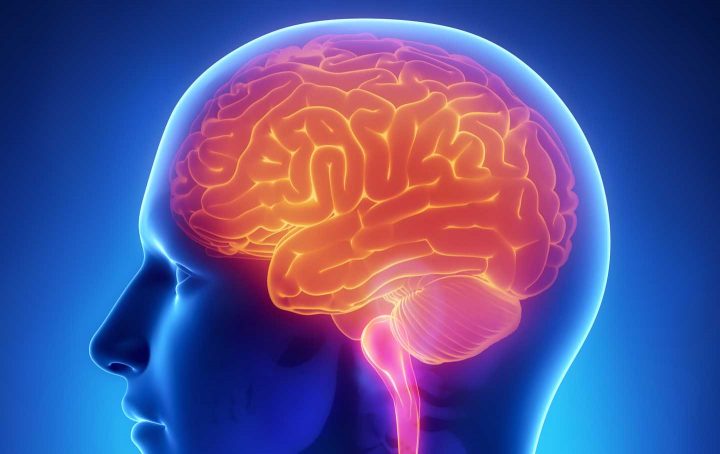
Illustration of the brain

Good habits can become just as strong as bad ones! Creating good habits works the same way as creating bad habits. Doing the same thing over and over sets a pattern in the brain that creates a habit.

Freedom Keys.  Potent, powerful, and protective weapons are available to help you make and maintain permanent change over time. They include:

Creating an Environment — Internally and Externally.  Pay attention to your internal environment — your thoughts.  Cultivate thankfulness in place of negativity. What you make up your mind to be, you will be. “As man thinks in his heart, so is he.” Proverbs 23:7. John Ratey states it this way: “We can actually change our brains. By altering the external environment or the internal environment of our bodies, we can take better advantage of our strengths and amend our weaknesses…One necessary precursor to change, though, is often a change in attitude.”((Ratey J. User’s Guide to the Brain (New York, NY: Vintage Books, 2002) p. 356))

Pay attention to your external environment — the things that surround you. Make sure your surroundings are helping you, not hurting you. Create an environment where it is easier to make the positive choice. Remove temptation. Practice new behaviors. For example, place a bowl of fresh fruit on the counter to replace the candy dish or ashtray. Keep your walking shoes by the door. Have your gym bag in the car for ready access.

Creating a Lifestyle. Positive lifestyle choices protect the brain and body, making it easier to cope with stress and enjoy new things to do in life. Daily exercise improves learning, increases energy, and lowers anxiety.  Eating plenty of fresh fruits, vegetables, and whole grains, beans, and nuts — builds mental strength and eases stress. Regular rest and plenty of water refresh the body and mind and prepare it for new challenges.

A senior woman getting a glass of water

Creating Connections.  Get connected with friends who will encourage you in your new choices.  Personal growth takes place as we interact with others. Connecting with church and community resources makes our world bigger than our circumstances.

It creates opportunities for giving, receiving, and learning communication skills, and building meaningful experiences. Connections can provide support and accountability that increase long-term success. 

Establish or strengthen your connection with God.  This will give you power to make positive choices and stick with them over time. God will help you discover your true value and purpose in life.  

Practice on Purpose!  We have all heard the expression “practice makes perfect.” Purposeful repetition builds good habits. The more times a positive thought or action is repeated, the more it is cemented in the brain. Successful people are not mistake-free — they just refuse to give up. Adopting healthful habits of living and thinking requires determination.  But knowing that the brain can recover from addictions and move forward provides hope.

Call to Action

“Trust in the Lord with all your heart, and do not rely on your own insight. In all your ways acknowledge Him, and He will direct your path.” Proverbs 3:5-6. You can trust your Redeemer who died to create a new heart in you; new desires, new motives, new strength.

“Don’t you be afraid, for I am with you. Don’t be dismayed, for I am your God. I will strengthen you. Yes, I will help you. Yes, I will uphold you with the right hand of my righteousness” (Isaiah 41:10 WEB). God sees your potential. You are here for a reason. Jesus is reaching out to you.  Will you take His hand right now and say, “Yes, Lord, I believe.  Help my unbelief.  Strengthen me and guide me in your way.”

Healthy Fruits

Stay Always Up to Date

Sign up to our newsletter and stay always informed with news and tips around your health.

Sign Up Now!

This article was originally published on the Time to Get Ready website.

This information is adapted from the book Living Free: Finding Freedom from Habits that Hurt.  Visit us at LifestyleMatters.com or call 1-866-624-5433 for your resources to build a better brain, body, and lifestyle.

Filed Under: Addictions, Healthy Lifestyle, Mental Health, Temperance

Caffeine Makes You Borrow Energy, But You Pay The Bill

May 14, 2023 by Emma Beckett - [rt_reading_time label="Reading Time:" postfix="minutes" postfix_singular="minute"]

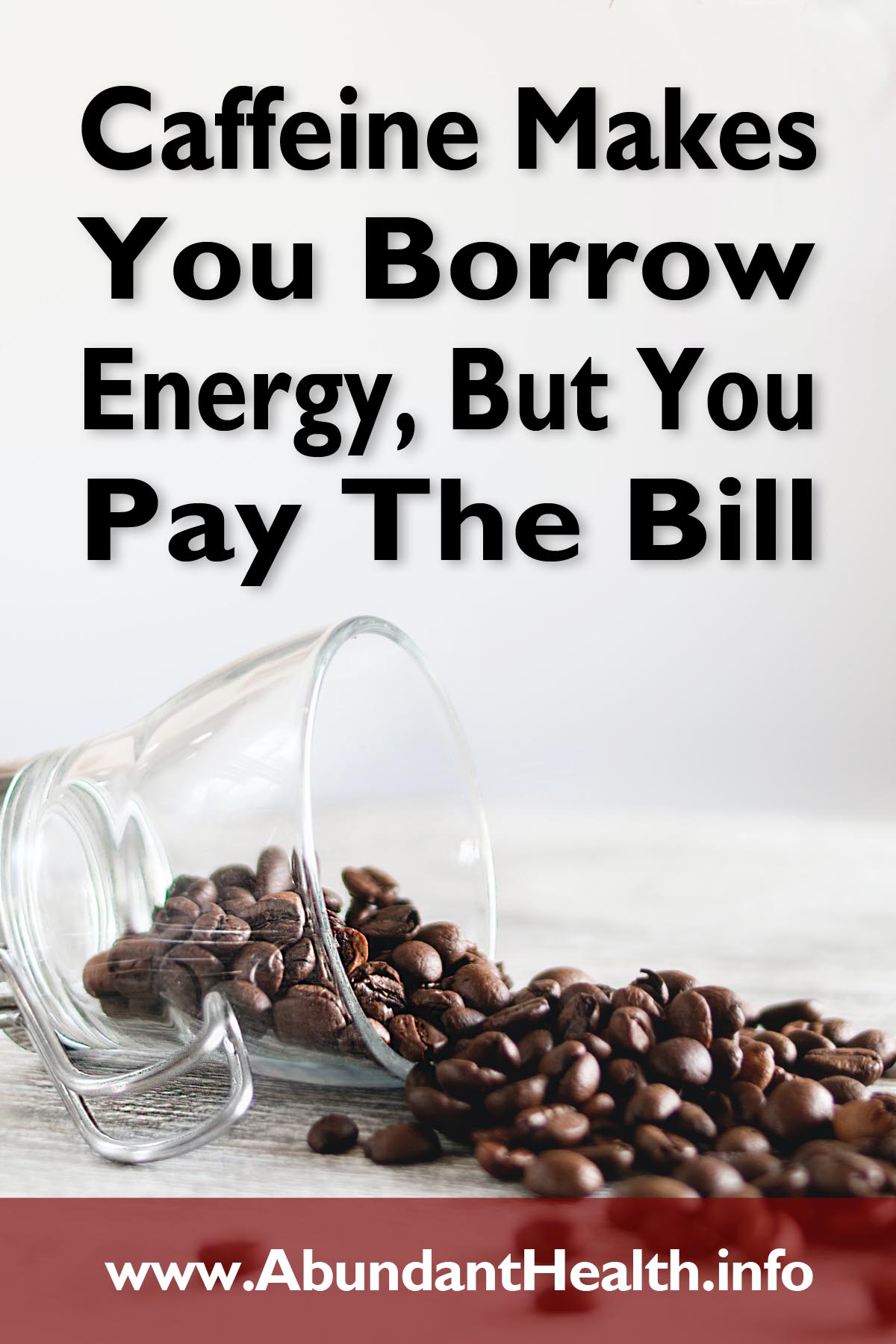
Caffeine Makes You Borrow Energy, But You Pay The Bill

Many of us want (or should I say need?) our morning coffee to give us our “get up and go”. Altogether, the people of the world drink more than two billion cups of coffee each day.((Surma, S., Oparil, S. Coffee and Arterial Hypertension. Curr Hypertens Rep 23, 38 (2021). https://doi.org/10.1007/s11906-021-01156-3)) You might think coffee gives you the energy to get through the morning or the day – but coffee might not be giving you as much as you think.

Caffeine Makes You Borrow Energy, But You Pay The Bill

The main stimulant in coffee is the caffeine. And the main way caffeine works is by changing the way the cells in our brain interact with a compound called adenosine.((Timothy Roehrs, Thomas Roth, Caffeine: Sleep and daytime sleepiness, Sleep Medicine Reviews, Volume 12, Issue 2, 2008, Pages 153-162, https://doi.org/10.1016/j.smrv.2007.07.004.))

Getting busy, getting tired

Adenosine is part of the system that regulates our sleep and wake cycle and part of why high levels of activity lead to tiredness.((Tarja Porkka-Heiskanen, Lauri Alanko, Anna Kalinchuk, Dag Stenberg, Adenosine and sleep, Sleep Medicine Reviews, Volume 6, Issue 4, 2002, Pages 321-332, ISSN 1087-0792, https://doi.org/10.1053/smrv.2001.0201.)) As we go about our days and do things, levels of adenosine rise because it is released as a by-product as energy is used in our cells.((Huang Z et.al. The Role of Adenosine in the Regulation of Sleep. https://doi.org/10.2174/156802611795347654))

Eventually adenosine binds to its receptor (parts of cells that receive signals) which tells the cells to slow down, making us feel drowsy and sleepy. This is why you feel tired after a big day of activity. While we are sleeping, energy use drops lowering adenosine levels as it gets shuffled back into other forms.((Bjorness T et.al. Adenosine and Sleep. https://doi.org/10.2174/157015909789152182)) You wake up in the morning feeling refreshed. Well, if you get enough sleep that is.

If you are still feeling drowsy when you wake up caffeine can help, for a while. It works by binding to the adenosine receptor, which it can do because it is a similar shape.((Fredholm B. Adenosine, Adenosine Receptors and the Actions of Caffeine. https://doi.org/10.1111/j.1600-0773.1995.tb00111.x)) But it is not so similar that it triggers the drowsy slow-down signal like adenosine does. Instead it just fills the spots and stops the adenosine from binding there. This is what staves off the drowsy feeling.

No free ride

But there is a catch. While it feels energising, this little caffeine intervention is more a loan of the awake feeling, rather than a creation of any new energy.

This is because the caffeine won’t bind forever, and the adenosine that it blocks doesn’t go away. So eventually the caffeine breaks down, lets go of the receptors and all that adenosine that has been waiting and building up latches on and the drowsy feeling comes back – sometimes all at once.

So, the debt you owe the caffeine always eventually needs to be repaid, and the only real way to repay it is to sleep.

A woman sleeping

Timing is everything

How much free adenosine is in your system, that hasn’t attached to receptors yet, and how drowsy you are as a consequence will impact how much the caffeine you drink wakes you up. So, the coffee you drink later in the day, when you have more drowsy signals your system may feel more powerful.((Smith A. P. The effects of caffeine, impulsivity and time of day on performance, mood and cardiovascular function. https://doi.org/10.1177/026988119100500205))

If it’s too late in the day, caffeine can make it hard to fall asleep at bedtime. The “half life” of caffeine (how long it takes to break down half of it) is about five hours.((Caffeine for the Sustainment of Mental Task Performance. Formulations for Military Operations. Chapter 2. National Academies, 2001)) That said, we all metabolise caffeine differently, so for some of us the effects wear off more quickly.((Nehlig A. Interindividual Differences in Caffeine Metabolism and Factors Driving Caffeine Consumption. Pharmacol Rev. 2018 Apr;70(2):384-411. doi: 10.1124/pr.117.014407)) Regular coffee drinkers might feel less of a caffeine “punch”, with tolerance to the stimulant building up over time.((Ammon HP. Biochemical mechanism of caffeine tolerance. Arch Pharm (Weinheim). 1991 May;324(5):261-7. doi: 10.1002/ardp.19913240502.))

Caffeine can also raise levels of cortisol, a stress hormone that can make you feel more alert.((Lovallo WR, Whitsett TL, al’Absi M, Sung BH, Vincent AS, Wilson MF. Caffeine stimulation of cortisol secretion across the waking hours in relation to caffeine intake levels. Psychosom Med. 2005 Sep-Oct;67(5):734-9. doi: 10.1097/01.psy.0000181270.20036.06.)) This might mean caffeine feels more effective later in the morning, because you already have a natural rise in cortisol when you wake up. The impact of a coffee right out of bed might not seem as powerful for this reason.

If your caffeinated beverage of choice is also a sugary one, this can exacerbate the peak and crash feeling. Because while sugar does create actual energy in the body, the free sugars in your drink can cause a spike in blood sugar, which can then make you feel tired when the dip comes afterwards.

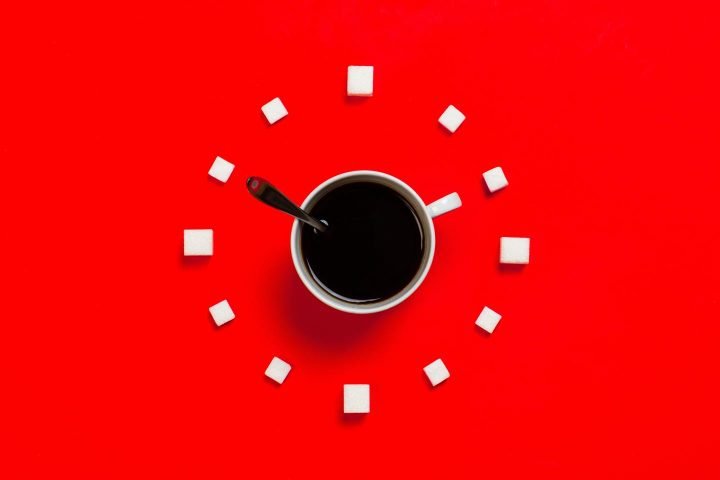
A clock symbolized by a coffee cup and sugarcubes.

While there is no proven harm of drinking coffee on an empty stomach, coffee with or after a meal might hit you more slowly. This is because the food might slow down the rate at which the caffeine is absorbed.((Caffeine. The Nutrition Source. Harvard School of Public Health))

What about a strong tea or fizzy cola?

Coffee, of course, isn’t the only caffeinated beverage that can loan you some energy.

The caffeine in tea, energy drinks and other beverages still impacts the body in the same way. But, since the ingredients mostly come from plants, each caffeinated beverage has its own profile of additional compounds which can have their own stimulant effect, or can interact with caffeine to change its impacts.((Barbara Penolazzi, Vincenzo Natale, Luigi Leone, Paolo Maria Russo, Individual differences affecting caffeine intake. Analysis of consumption behaviours for different times of day and caffeine sources, Appetite, Volume 58, Issue 3, 2012, Pages 971-977, ISSN 0195-6663, https://doi.org/10.1016/j.appet.2012.02.001.))

Caffeine isn’t magic. To create energy and re-energise our bodies we need enough food, water and sleep.


For more information on the negative impacts of caffeine, continue with this article:
What Caffeine is doing to You and Your Child?

Healthy Fruits

Stay Always Up to Date

Sign up to our newsletter and stay always informed with news and tips around your health.

Sign Up Now!

This article is republished from The Conversation under a Creative Commons license. Read the original article.

The Conversation

Filed Under: Healthy Lifestyle, Temperance

Plea for a Simpler Life – Less is More

December 11, 2022 by Esther Neumann - [rt_reading_time label="Reading Time:" postfix="minutes" postfix_singular="minute"]

If my grandfather, born in 1890, were to come into my house, he would not find his way around, neither in my household nor in my office. Our present generation has so many more opportunities to shape our working world and our private lives. But life has also gotten more complicated. We need to be familiar with so many modern communication tools. So many machines and gadgets with complex procedures that we can’t figure out, do the heavy, tedious work for us. Actually, these modern technical achievements are supposed to give us more time for ourselves.

Plea for a Simpler Life – Less is More

When I’ve finished writing this article, I won’t have to write it clean on paper, put it in an envelope and take it to the post office for my editor-in-chief. I remain seated in my office chair and send it via the Internet. If the editor wants to, he can open and read it on his computer a few minutes later.

What do I do with the time I’ve saved? Am I going to fold my arms, be happy about the successful article, and reflect on the essentials? I have to watch over my time, my health, my thoughts. I don’t want to plunge into the next activity like the fast swimmer with a head dive into the cold water.

I want to take the liberty – and fortunately I can afford it – to structure my working hours for myself. Instead of getting dragged by the daily grind, I want to consciously take responsibility for my everyday life. After a few hours at the computer, it’s time to do some gardening or kitchen work. Every now and then a nature walk is allowed. During this time, I come up with all sorts of things.

Sowing seeds in the garden

Most people live outside of their “assets”. It’s not just about money, about consumption, but also about time, about food, about relaxation. It’s not about asceticism, but about simply doing without the superfluous, which we find difficult to deal with anyway.

Too many pounds make me short of breath. Why did I eat so much again? I have been wanting to lose a few pounds for a long time! Yes, I can afford a pumpkin pie with whipped cream every now and then. Tomorrow, however, there will be an apple for dessert – and I’ll simply enjoy it! Actually, a fruit day every now and then is good for my health. Or should I try just drinking tea for a whole day? That’s definitely good for me and I’m happy when I’ve grown beyond myself and my appetite.

While I’m tidying up, I can go through my closet. What has accumulated there, such an abundance! I haven’t worn this lovely piece in a year. That’s why my friend recently said to me: “I always see you in the same sweater.” Both pieces are still in good condition: so wash one of them and off it goes to the thrift store. There’s still enough in the closet.

A man struggles with a pile of clothes

What else can I get rid of in order to live a simpler life? How was it last night before falling asleep? I was worried and anxious about the future. The car is getting in his years, the roof of the house would need some repairs. The winter is still long and the wood supplies are running out. All this costs money. Where does it come from? How am I going to do this? Then even the past came into play. Do you still remember the mistake you made back then? You really weren’t fair to your child. Hopefully it hasn’t been hurt and is getting over that.

Fears and worries about the future, lingering in the past are robbing me the strength and time to simply live in the now. And I can only live in the now. Have I ever experienced anything in the past or done anything in the future? The answer is simple: I live in the now. I can cope with today, this attitude gives me strength, but today I don´t get what I need for tomorrow.

So I can also simplify my thoughts, I can remove the superfluous. Simply by not brooding too much over things I can’t change; but also, simply by looking forward to the new day every morning, to the sun that will rise again, even if the weather should remain cloudy, it’s still there. For me, every new day is an invitation to simply live – or live simply – simply in both senses.

It’s up to me to shape my day to be simpler, to find joy in the simple things of everyday life, in the opening of a flower, in the laughter of a child, in the surprised expression on my work colleague’s face when I have greeted him with enthusiasm and wished him a very good day.

An opening flower

No amount of possessions can buy me the joy of life. Proverbs 13:7 says, “There is one who makes himself rich, yet has nothing; And one who makes himself poor, yet has great riches.” If I give in to every wish and fulfill it, then I cannot be happy in the long run. Neither money nor confirmation, not even success can still my longing for a fulfilling life. True joy comes from living a simple life, enjoying nature, being accepted by my circle of friends and feeling safe with my God, Creator and Sustainer.

Healthy Fruits

Stay Always Up to Date

Sign up to our newsletter and stay always informed with news and tips around your health.

Sign Up Now!

Filed Under: Healthy Lifestyle, Mental Health, Stress Management, Temperance Tagged With: Minimalistic lifestyle, Simplifying

How Fasting Improves Mental Health and Stress Control

November 13, 2022 by Martin Neumann - [rt_reading_time label="Reading Time:" postfix="minutes" postfix_singular="minute"]

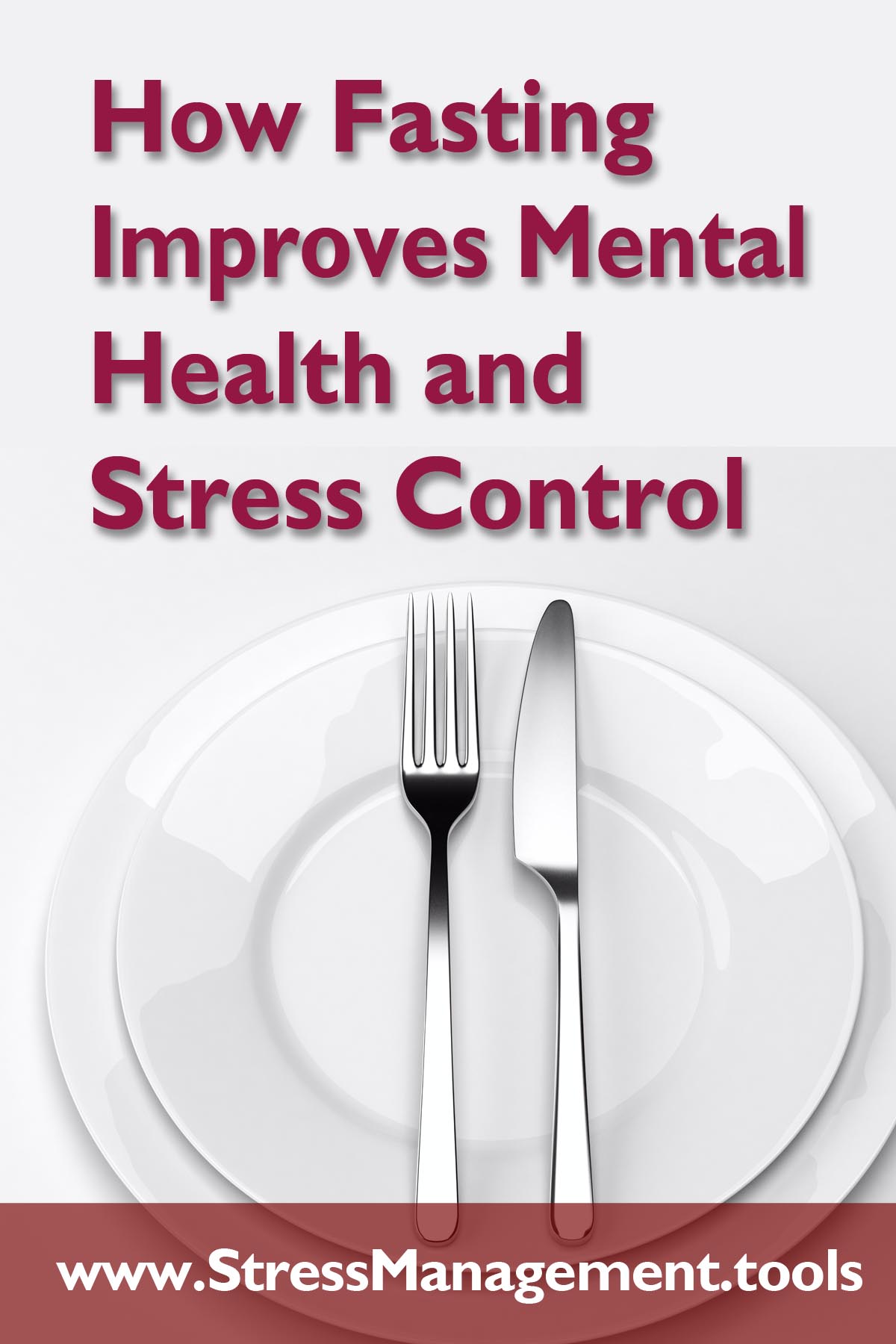
Fasting can improve Mental Health

There are many different motives why people choose to do fasting. Some will do it to lose weight, others to clean the body, and often it is done for religious purposes. While all of that can be achieved when done properly, many do not realize that fasting has a positive effect on our mental health and stress control.

How Fasting Improves Mental Health and Stress Control

What is Fasting?

Fasting is a routine whereby you decide not to eat food for a certain time. Several metabolic adjustments occur during fasting. Some forms of fast restrict even liquid intake, which can get detrimental to the health very quickly. A fast for health reason is often done in the form of intermittent fasting, where food intake is alternated with a few hours of fasting.

Skipping food for some hours can help increase the level of ketones in your body. They are produced when energy from carbohydrates is used up and the liver depends on breaking down fat to supply energy in form of ketones. They are not only influencing health and aging, but are also beneficial in improving brain health. However, fasting offers still some more advantages. It has a great benefit to our mental health in a way that is not well known by many people.

Common Types of Fasting

Before we go into full detail about how fasting helps mental health, it is important to state the different types of fasting. The most common types of fasting are:

16/8 fasting: 16/8 fasting is very common and is all about fasting and eating intermittently. Every day you eat within an allowed period of eight hours, after which you will fast for the next 16 hours.

5:2 Approach: The 5:2 approach is about eating regularly five days every week. For 2 days of the week (not in a row), you would then limit your food to a single very light meal of about 500-600 calories.

Alternate-Day Fasting: That is the toughest form of intermittent fasting, where you alternate between days where you eat what you want and days where you eat nothing at all. It can lead to weight loss and improved health, but it is hard to stick to this protocol for the long run.

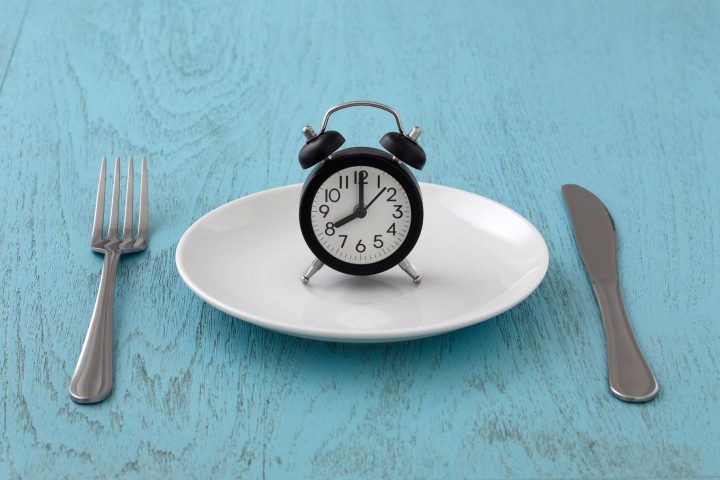
Intermittent Fasting Concept

The Dangers of Improper Fasting

Fasting is fine when done correctly, but if done in the wrong way, it can do more harm than good. If we go into long fasting periods, metabolism will slow down and make it more difficult to shed those extra pounds in the long run. Pregnant women, breastfeeding mothers, children and very frail people should be more cautious with fasting, and diabetics should be closely monitored to avoid complications. It is important to learn how to fast correctly in order to reap the maximum benefits.

Fasting to Help Increase Your Mental Health

Fasting can be used to increase your mental health in various ways. From improving brain function to reversing mild cognitive impairments in older people, fasting has several benefits to mental health.

Here are 6 ways fasting can improve your mental health:

Enhances mental functioning: Each time we fast, our bodies have fewer toxic materials passing through the lymphatic and blood systems. This way, we can think clearly. During fasting, the energy which the body usually uses for food digestion will then be used by the brain. Initially, you will not be able to detect any change until a few days into the fasting. This is because the body usually takes some time to adjust to the new routine. Also, when you first begin fasting, you may suffer headaches or other pains. But as soon as the body adapts to the new routine, your brain will begin functioning optimally. This will result in better memory, clearer thoughts, and enhanced functioning of other body senses.

Improves brain function among older adults: Fasting can improve specific parts of brain function as people grow older. This works especially with mild cognitive impairment, which is usually associated with seniors as this is a phase they experience before dementia. It can cause problems with thinking or memory and is reversible. Clinical studies have confirmed that mild cognitive impairment can be reversed with fasting.

A smart elderly person working on a computer

Empowers the brain: Fasting can lead to a short-term restriction on calories. This can help the brain produce more anti-depressant chemicals. Since fasting causes the body to produce ketones from available fats, our brains use this as fuel. With the brain being boosted by ketones, intermittent fasting can be used to treat the symptoms of Alzheimer’s disease, Parkinson’s disease, as well as many other neurodegenerative diseases.

Helps with autophagy: Fasting is also important to mental health due to its ability to trigger autophagy. This is a necessary process whereby the brain cleanses itself from all the trash it accumulates during the day. Autophagy is a process of self-cleaning whereby the all cells of the body, including the brain are cleaning themselves and get rid of old debris and damaged cells. Autophagy is a process that happens efficiently after a fasting period of 16-20 hours, which is easily achieved with intermittent fasting. It helps the brain to create healthier and newer cells.

Improve your memory: It has been proven clinically that our memory is improved significantly when we restrict the hours we eat. Some studies have shown that intermittent fasting can help improve memory in humans.

Reduce stress and anxiety: Fasting has been proven to help improve issues of mental health, which include depression, anxiety, and stress. A recent study conducted was able to prove that people who fasted during a certain period like Ramadan showed improvements in anxiety, stress, as well as symptoms of depression. Any kind of intermittent fasting will give you this benefit. The study revealed that the depression and anxiety levels of the participants went down after intermittent fasting.

Conclusion

Intermittent fasting is good for our health, increases longevity and is beneficial for our brain. When we are stressed, we should think more often about intermittent fasting as a way to deal with the challenges in a more efficient way. It is easy to implement and can give you a long-lasting benefit in your stress control. With that many benefits, what are you waiting for?

Do you need a guide to help you understand how to cope with Stress in an all inclusive approach? Learn how to combat stress, mentally, physically, emotionally and strategically in your life.

Get Me the Guide

Filed Under: Healthy Lifestyle, Mental Health, Stress Management, Temperance Tagged With: Intermittent Fasting, Stress Control

Next Page »

Primary Sidebar

Social Channels

Coronavirus Immunity Challenge

Boost your immune system to be bullet-proof for the pandemic.

I Want to Participate

Recent Posts

  • 5 Habits to Live Longer
  • Better Sleep Can Protect Against Dementia
  • Finding Peace In Your Crazy-Busy World
  • Flaxseed – An Ancient Plant Rediscovered
  • Platelets – Triggers for Life or Death
  • Boderline Personality Disorder
  • In Praise of Almonds and Nuts
  • Are You Stuck in the Clutter Trap?

Categories

  • Body Systems (16)
    • Cell Function (2)
    • Circulatory System (1)
    • Digestive Tract (10)
    • Immune System (4)
  • Diseases (27)
    • Cancer (2)
    • Cold (1)
    • COVID-19 (11)
    • Dementia (1)
    • Diabetes (1)
    • Digestive Diseases (2)
    • Heart Disease (2)
    • Kidneys (1)
    • Metabolic Syndrome (2)
    • Skin (1)
  • Healthy Lifestyle (42)
    • Exercise (11)
    • Gardening (2)
    • Sleep (7)
    • Sunlight (2)
    • Temperance (14)
    • Water (4)
  • Mental Health (87)
    • Addictions (6)
    • Anxiety (7)
    • Burnout (1)
    • Depression (7)
    • Psychosomatic Diseases (6)
    • Stress Management (45)
    • Trust (6)
  • Nutrition (56)
  • Obesity (9)
  • Phases of Life (14)
    • Adults (3)
    • Babies and Infants (1)
    • Children (3)
    • Seniors (5)
    • Teenagers (3)
  • Therapies (7)
    • Herbs (5)
    • Hydrotherapy (1)
  • Uncategorized (3)

Archives

  • January 2025 (1)
  • March 2024 (5)
  • February 2024 (4)
  • January 2024 (4)
  • December 2023 (5)
  • November 2023 (4)
  • October 2023 (5)
  • September 2023 (4)
  • August 2023 (3)
  • July 2023 (2)
  • June 2023 (4)
  • May 2023 (4)
  • April 2023 (5)
  • March 2023 (4)
  • February 2023 (4)
  • January 2023 (4)
  • December 2022 (4)
  • November 2022 (4)
  • October 2022 (5)
  • September 2022 (4)
  • August 2022 (4)
  • July 2022 (5)
  • June 2022 (4)
  • May 2022 (5)
  • April 2022 (4)
  • March 2022 (4)
  • February 2022 (4)
  • January 2022 (5)
  • December 2021 (3)
  • November 2021 (4)
  • October 2021 (6)
  • September 2021 (4)
  • August 2021 (4)
  • July 2021 (5)
  • June 2021 (4)
  • May 2021 (3)
  • April 2021 (5)
  • March 2021 (4)
  • February 2021 (4)
  • January 2021 (5)
  • December 2020 (3)
  • November 2020 (4)
  • October 2020 (5)
  • September 2020 (5)
  • August 2020 (3)
  • July 2020 (1)
  • June 2020 (1)
  • May 2020 (1)
  • April 2020 (1)
  • March 2020 (1)

Copyright © 2026 · Abundant Health - Privacy Policy - Medical Disclaimer