Abundant Health

Up to date health information tailored for you

  • Home
  • Blog
  • Recipes
  • Shop
  • Contact
You are here: Home / Archives for Healthy Lifestyle

Healthy Lifestyle

Better Sleep Can Protect Against Dementia

March 31, 2024 by Andrée-Ann Baril - [rt_reading_time label="Reading Time:" postfix="minutes" postfix_singular="minute"]

Better Sleep Can Prevent Dementia

Dementia is a progressive loss of cognitive abilities, such as memory, that is significant enough to have an impact on a person’s daily activities. It can be caused by a number of different diseases, including Alzheimer’s, which is the most common form. Dementia is caused by a loss of neurons over a long period of time. Since, by the time symptoms appear, many changes in the brain have already occurred, many scientists are focusing on studying the risk and protective factors for dementia.
Better Sleep Can Protect Against Dementia

A risk factor, or conversely, a protective factor, is a condition or behaviour that increases or reduces the risk of developing a disease, but does not guarantee either outcome. Some risk factors for Alzheimer’s disease and dementia, such as age or genetics, are not modifiable, but there are several other factors we can influence, specifically lifestyle habits and their impact on our overall health.((Livingston G. et.al. Dementia prevention, intervention, and care: 2020 report of the Lancet Commission. https://doi.org/10.1016/S0140-6736(20)30367-6))

These risk factors include depression, lack of physical activity, social isolation, high blood pressure, obesity, diabetes, excessive alcohol consumption and smoking, as well as poor sleep.

We have been focusing our research on the question of sleep for over 10 years, particularly in the context of the Framingham Heart Study.((Framingham Heart Study (FHS) https://www.nhlbi.nih.gov/science/framingham-heart-study-fhs)) In this large community-based cohort study, ongoing since the 1940s, the health of surviving participants has been monitored to the present day. As researchers in sleep medicine and epidemiology, we have expertise in researching the role of sleep and sleep disorders in cognitive and psychiatric brain aging.

As part of our research, we monitored and analyzed the sleep of people aged 60 and over to see who did — or did not — develop dementia.

Sleep as a risk or protective factor against dementia

Sleep appears to play an essential role in a number of brain functions, such as memory. Good quality sleep could therefore play a vital role in preventing dementia.((Musiek ES, Ju YS. Targeting Sleep and Circadian Function in the Prevention of Alzheimer Disease. JAMA Neurol. 2022;79(9):835–836. doi:10.1001/jamaneurol.2022.1732))

Sleep is important for maintaining good connections in the brain.((Xie L. et. al. Sleep Drives Metabolite Clearance from the Adult Brain. https://doi.org/10.1126/science.1241224)) Recently, research has revealed that sleep seems to have a function similar to that of a garbage truck for the brain: deep sleep could be crucial for eliminating metabolic waste from the brain, including clearing certain proteins, such as those known to accumulate in the brains of people with Alzheimer’s disease.((Astara K. et.al. Sleep disorders and Alzheimer’s disease pathophysiology: The role of the Glymphatic System. A scoping review, Mechanisms of Ageing and Development, Volume 217, 2024, 111899, https://doi.org/10.1016/j.mad.2023.111899.))

However, the links between deep sleep and dementia still have to be clarified.
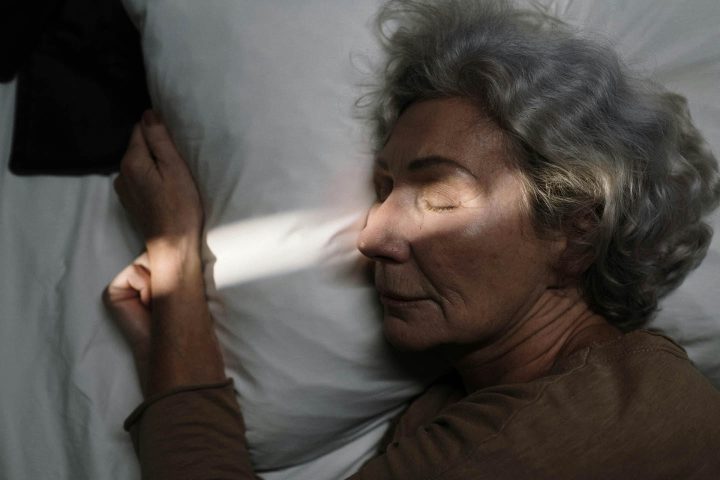
A senior woman sleeping

What is deep sleep?

During a night’s sleep, we go through several sleep stages that succeed one another and are repeated.((Normal sleep. CEAMS))

NREM sleep (non-rapid eye movement sleep) is divided into light NREM sleep, NREM sleep and deep NREM sleep, also called slow-wave sleep. The latter is associated with several restorative functions. Next, REM sleep (rapid eye movement sleep) is the stage generally associated with the most vivid dreams. An adult generally spends around 15 to 20 per cent of each night in deep sleep, if we add up all the periods of deep NREM sleep.

Several sleep changes are common in adults, such as going to bed and waking up earlier, sleeping for shorter periods of time and less deeply, and waking up more frequently during the night.

Loss of deep sleep linked to dementia

Participants in the Framingham Heart Study were assessed using a sleep recording — known as polysomnography — on two occasions, approximately five years apart, in 1995-1998 and again in 2001-2003.((Himali JJ, Baril A, Cavuoto MG, et al. Association Between Slow-Wave Sleep Loss and Incident Dementia. JAMA Neurol. 2023;80(12):1326–1333. doi:10.1001/jamaneurol.2023.3889))

Many people showed a reduction in their deep slow-wave sleep over the years, as is to be expected with aging. Conversely, the amount of deep sleep in some people remained stable or even increased.

Our team of researchers from the Framingham Heart Study followed 346 participants aged 60 and over for a further 17 years to observe who developed dementia and who did not.

Progressive loss of deep sleep over time was associated with an increased risk of dementia, whatever the cause, and particularly Alzheimer’s type dementia. These results were independent of many other risk factors for dementia.

Although our results do not prove that loss of deep sleep causes dementia, they do suggest that it could be a risk factor in the elderly. Other aspects of sleep may also be important, such as its duration and quality.

A senior woman making tea in her antique home

Strategies to improve deep sleep

Knowing the impact of a lack of deep sleep on cognitive health, what strategies can be used to improve it?

First and foremost, if you’re experiencing sleep problems, it’s worth talking to your doctor. Many sleep disorders are underdiagnosed and treatable, particularly through behavioral (i.e. non-medicinal) approaches.

Adopting good sleep habits can help, such as going to bed and getting up at consistent times or avoiding bright or blue light in bed, like that of screens.

You can also avoid caffeine, limit your alcohol intake, maintain a healthy weight, be physically active during the day, and sleep in a comfortable, dark and quiet environment.

The role of deep sleep in preventing dementia remains to be explored and studied. Encouraging sleep with good lifestyle habits could have the potential to help us age in a healthier way.

Healthy Fruits

Stay Always Up to Date

Sign up to our newsletter and stay always informed with news and tips around your health.

Sign Up Now!

This article is republished from The Conversation under a Creative Commons license. Read the original article.


The Conversation

Filed Under: Dementia, Diseases, Healthy Lifestyle, Phases of Life, Seniors, Sleep

Binge Eating, Anorexia and Bulimia

January 28, 2024 by Dr. Cesar Vasconcellos de Souza - [rt_reading_time label="Reading Time:" postfix="minutes" postfix_singular="minute"]

Anorexia

Today we are going to talk about eating disorders and you might think, “‘But I have nothing to do with it, I don’t suffer from that”. If you do not have this problem, take the opportunity to learn about it and help someone who does. Not much is being said about eating disorders.

Binge Eating, Anorexia and Bulimia

There are three main types: anorexia nervosa, bulimia nervosa and compulsive eating, also known as binge eating. It is estimated that 70 million people in the world suffer from eating disorders. These disorders occur 20 times more often in women than in men, and are rare in men. Anorexia nervosa usually begins in adolescence or young adulthood, while bulimia seems to start a little later. The higher socioeconomic classes, as well as professions such as mannequins and dancers, represent the individuals most at risk of these afflictions.

Scientists estimate that over the course of their lives, between 0.5% and 4% of women will suffer from anorexia nervosa, 1% to 4.2% from bulimia nervosa and 2.5% from binge eating disorder. In anorexia nervosa, 50% of patients make a complete recovery, 30% have a reasonable evolution with periods of improvement and relapse. The mortality rate can vary from 6% to 15%. Of those who die from anorexia, 54% die from physical complications of the illness, 27% from suicide and 19% from unknown causes.

But what is anorexia nervosa anyway? It’s a mental illness characterized by a person’s refusal to maintain a minimum body weight. They have a relentless pursuit of thinness, an intense fear of losing or gaining weight, altered perception of body image, denial about being thin and having problems. They don’t accept help from anyone and insist on feeling fat, even though they are underweight. Girls with anorexia nervosa also experience an interruption of menstruation for at least three months.

The person with anorexia nervosa anxiously tries to please others, but believes that no one will like them because of the character defects they feel they have. They tell lies about the amount of food they eat. The anorexic moves towards severe and dangerous self-induced weight loss. To do this, she fasts for long periods, exercises excessively and gets angry if anyone tells her she’s overdoing it. They use laxatives, diuretics, appetite suppressants and induce vomiting to force their body to lose weight.

A girl with anorexia, being in anguish about eating a single pea

And what is bulimia nervosa? Bulimia is characterized by a feeling of loss of self control in eating. The person has repeated episodes of binge eating a large amount of food, of any kind, for a short period of time, causing guilt, shame and fear of gaining weight. This leads to inappropriate compensatory behaviors, such as inducing vomiting several times a day, uncontrolled use of laxatives, diuretics, appetite suppressants and other medications. They also fast or exercise excessively. Some bulimics eat, vomit, use laxatives, diuretics, enemas and others fast and exercise excessively.

The third type of eating disorder is compulsive eating, also called binge eating disorder. It is an eating disorder characterized by recurrent episodes of compulsive eating, in which the person eats quickly until they are overly full, consuming large quantities of food, even though they are not hungry. They usually eat alone because they are ashamed of the amount of food they eat. The person feels guilty, depressed and ashamed after eating a large amount of food. They usually feel uncomfortable with their compulsive eating and struggle with it.

The first sign that distinguishes anorexia nervosa from bulimia nervosa is body weight. Around 70% of people with bulimia tend to be of normal weight, and 15% are moderately overweight, so they don’t suffer from the absence of food. The central point in eating disorders is not food itself, but deep emotional pain. What determines these disorders is the state of mind.

Young people with anorexia, when they look in the mirror, don’t see themselves as thin and perceive themselves as fat, even though they are dangerously underweight, i.e. they have an altered body image. At the root of this is a significant lack of self-esteem, self-disgust and panic about getting fat. This can start with a simple diet that the person decides to go on, turning into an obsession that takes over their life; when losing weight becomes an obsession and a compulsion. Just to remind you, obsession is the thought that won’t leave your head, compulsion is the act of doing, the uncontrolled attitude. Thinking too much is obsession, and doing something without control is compulsion. Compulsion is a quest to avoid emotional pain, which can be sadness, anguish, a feeling of lovelessness, fear of rejection and other sensations.

People with eating disorders generally suffer from perfectionism and an obsessive-compulsive personality structure. They worry too much about how others see them. Although they may be intelligent people with a successful career, they see themselves as inadequate and worthless. The obsession around food may be a way for the individual to try to exert some control, as they generally feel they have no control over their personal life.

Some people with anorexia nervosa feel powerful when they step on the scale and see that they’ve lost another pound, even though they’re already very thin. It’s as if they’re saying: “You see, I have something in my life that I can control, I know how to control my life.” In her family, people are usually rigid, controlling, demanding, super methodical, where the person with the eating disorder is judged by what they can do and not by what they are. This family model seems to have everything planned, everything controlled, to the detriment of personal freedom. As a result, the only thing the individual feels they can control is their mouth. It is through this that the anorexic or bulimic person believes they can gain some control and make decisions for themselves.

The psychiatrist will assess whether the problem the person has is really an eating disorder and whether it occurs at the same time, which we call comorbidity. Comorbidity, in medicine, means one illness together with another. In the case of eating disorders, 30% of people also have obsessive-compulsive disorder. Between 12% and 18% of those with anorexia nervosa and between 30% and 70% of those with bulimia have substance abuse, such as alcohol, marijuana and other drugs. Depression occurs in 80% of cases, and personality disorders affect between 20% and 97% of people with eating disorders.

A woman eating secretly behind some blinds and being also addicted to alcohol

Culture and the media unfortunately contribute to these disorders. Studies carried out in Fiji in 1995 revealed that the ideal female body was chubby and round. After 38 months of an American sitcom, as well as other TV shows, there was a change in the ideal female body model in that Fijian society, with many cases of teenage girls with serious eating disorders. A study by Health magazine showed that 32% of American women who appear on TV are underweight, compared to only 5% of the female population in the United States. In addition, only 3% of women who appear on TV are obese, compared to 25% of regular US women.

When we try to understand what happens in the emotional world of people who develop eating disorders, by trying to understand the psychological meaning of these sufferings, we usually find that, for some of these people, the eating disorder has become a way of unconsciously trying to succeed in life. When difficulties or seemingly unsolvable problems arise, by focusing their thoughts on food and eating or not eating, they block out painful feelings. This is because they believe and feel that they are incapable of dealing with painful feelings in an adapted, functional, normal, balanced way.

In some people, the eating disorder represents an escape process, in other words, a way of avoiding the consequences and everything that goes into growing from an adolescent into a mature adult. For the person, at first, anorexia, bulimia or binge eating seems to be the solution to all their problems; in other words, a way of controlling events. But what ends up happening is that the eating disorder acquires control over all aspects of the person’s life. This is because the eating disorder is a dysfunctional, unhealthy way for the person to deal with their conflicts, but it is what they have achieved so far.

We can understand why she is ambivalent about treatment. Being ambivalent means wanting and not wanting, liking and disliking, accepting and rejecting. These people generally become ambivalent about eating disorder treatment because, on the one hand, the illness is their way of dealing with the pains of life, it’s a defense, and on the other hand, they want to get better, but they fear the consequences of abandoning the disorder.

A teenager in a mirror room looking at her multiple images

At the Psychiatry Institute of the Hospital das Clínicas of the USP Medical School, at the University of São Paulo, they provide a treatment service for people suffering from eating disorders. According to the team, there is no single cause responsible for these health problems. It is believed that there are multiple factors, involving biological, genetic, psychological, socio-cultural and family components. Some factors trigger eating disorders, such as important life changes like adolescence, moving away from home, graduation, starting university, starting a new job, death, divorce, marriage, family problems, among others.

However, these disorders don’t necessarily start with something dramatic. Some people are predisposed and more vulnerable to becoming ill, and a simple comment from someone about their body image can lead them to take it seriously and start obsessing about it. Triggering factors catch up with the fragile person who feels unable to cope well with the situation.

Treatment for anorexia nervosa, bulimia nervosa or binge eating needs to be done with the person’s agreement. The obstacles we encounter have to do with denial of the illness, excessive fear of becoming fat and losing control, fear of abandoning the disorder that they feel is part of their identity. Professional counseling is needed, where the psychologist will help the sufferer deal with their emotions and gain control of their body and their life again.

In therapy, the person will learn to focus their thoughts away from food and their body weight and onto their feelings, so that they can deal with them in a healthy way. Because these feelings, buried, repressed, poorly elaborated, unexpressed, not experienced or partially experienced and then thrown into the unconscious, are the psychological basis of this type of mental suffering.

Very important in the treatment of eating disorders is family counseling, because this allows each member of the family to understand the problem and establish a better relationship between each other and, of course, with the person suffering from the disorder. Hospitalization is indicated if body weight is 40% or more below normal or weight loss of around 33 pounds (15 kg) or more within 3 months. If you know somebody with this disorder, try to help. Tell them that they have a serious problem. They will deny it, because these are diseases of denial and secrecy, but gently, firmly and persistently insist that they recognize the illness and accept treatment. They won’t admit it easily.

Avoid talking about their bad eating habits and instead, talk about how they might be feeling unhappy and the possible causes of this. Focus the conversation on how things can be changed. Explain that the obsession with food, exercise and body weight doesn’t need to continue, and that it’s a real problem. A person with anorexia or bulimia is unlikely to overcome the illness on their own, without help. They need outside help. Recovery involves admitting the illness, asking for help, being willing to be vulnerable and opening up to people who can help.

Healthy Fruits

Stay Always Up to Date

Sign up to our newsletter and stay always informed with news and tips around your health.

Sign Up Now!

Filed Under: Addictions, Mental Health, Temperance Tagged With: eating disorders

10 Tips for Sleeping Well Without Medicine

October 8, 2023 by Dr. Cesar Vasconcellos de Souza - [rt_reading_time label="Reading Time:" postfix="minutes" postfix_singular="minute"]

10 Tips for Sleeping Well Without Medicine

Do you sleep well? Do you wake up rested? Do you have insomnia? Is sleep really important for our mental health? Let’s think for a moment about some important issues in relation to sleep.

10 Tips for Sleeping Well Without Medicine

Levels of cortisol, the hormone produced by the adrenal glands, are highest in the morning because it is important for our body to function during the day. When night comes, cortisol levels drop so that we can rest. And, opposed to cortisol, at the end of the day, when it gets dark, if the person remains in a dark environment when sleeping, the production of a neurohormone increases, which is melatonin.

Sleep is essential for proper rest of mind and body. Melatonin, then produced by the pineal gland in our brain, plays a fundamental role during sleep. Serotonin and melatonin alike are produced from an amino acid called tryptophan, obtained from foods such as nuts, legumes, bananas, brown rice, potatoes, beans, lentils, nuts, avocados, soybeans, and derivatives. Tryptophan is transformed into serotonin, and this turns into melatonin.

The concentration of serotonin is increased during the day in the pineal gland while there is light, contrary to what occurs with melatonin. When light enters our eyes and travels towards our retina, which is the back of the eyeball, the optic nerve and its connections carry this information to the pineal gland, inhibiting the production of melatonin. The peak of melatonin production occurs between two and three o’clock in the morning, with a normal lifestyle and a dark environment. The less melatonin there is, the worse your sleep will be, and consequently the more tired you will be.

Melatonin is an antioxidant, capable of crossing the blood brain barrier, being able to perform functions in brain cells, called neurons. As melatonin levels drop, there may be a simultaneous decline in brain function. Sleep disorders can also be one of the effects of decreased melatonin. As we age, the pineal gland starts to function less and there is a drop in melatonin production. This ends up causing some elderly patients to complain about their sleep quality or insomnia. However, they may easily fall asleep when they shouldn’t during the day, for example while watching TV.

A senior falling asleep in front of the TV

Sleep is produced by specific brain activities. Certain bodily functions change during sleep. Blood pressure and heart rate decrease, growth hormone is secreted in stage 4 Sleep, called non-REM. Body temperature in the later stages of sleep also drops. Sleep is divided into two categories: REM (Rapid Eye Movement) sleep, and non-REM sleep. This non-REM sleep is classified into four phases. The majority of dreams occur during REM sleep and correspond to between 20% and 25% of total sleep.

Sleep specialists at Oxford University reported a study in which they chose four volunteers who tend to sleep deeply. They were hooked up to devices that track sleep quite accurately. They slept for 8 hours straight on the first three nights, when they didn’t have to go through any kind of interruption in that experiment. Over the next three nights, they slept only 4 hours, as their sleep was interrupted by the study team. The scientists filled out a questionnaire each day to identify any emotional changes and recorded daily videos of these participants in the scientific experiment.

Do you know the result? It was found that there was an increase in anxiety, depression and stress. There was also an increase in paranoia and a feeling of distrust towards other people. The scientists were amazed that after just three nights of sleep deprivation these symptoms appeared. Three of the four volunteers found the experience to be unpleasant, but one participant said he was unaffected and felt fine. However, in the questionnaires it was found that positive feelings decreased significantly after two nights of interrupted sleep, while negative feelings began to increase. In other words, although he said he was feeling well, there were signs that his mental health was beginning to suffer by having his sleep interrupted on three nights.

An irritated woman

The research, considered the largest controlled study of psychological treatment for mental health, strongly suggests that insomnia can cause mental health problems, rather than insomnia simply being a consequence. Daniel Freeman, Professor of Clinical Psychology at Oxford University, who led the study, believes that one of the reasons sleep deprivation is so harmful to our brains is because it encourages repetitive negative thinking. He said: “We have more negative thoughts when we are sleep deprived, and what’s more, we get caught up in them.” He did not state, however, that a few nights of poor sleep mean that the person will develop a mental illness, but that the risk, in fact, increases. Sleeping well protects your mental health.

Do you want some tips to sleep better? So first, get just enough sleep to feel good. Staying in bed longer than necessary can lead to superficial sleep the following night. Second, avoid coffee, black tea, Cola soft drinks, and chocolate, as caffeine impairs sleep. What’s more: stop smoking, as nicotine can have a stimulating effect and disturb your sleep. Exercise daily, as it promotes muscle relaxation and contributes to better quality sleep. Seek treatment for sinusitis, rhinitis and asthma, as they can disrupt sleep, causing many nighttime wake ups. Another point that helps you sleep better is maintaining regular times for going to bed and getting up, as this helps maintain the regularity of your biological rhythm.

Avoid heavy meals at night. It is best to have your last meal two hours before going to bed. It is also important to avoid watching TV in the bedroom. I know a lot of people do it, but it’s best to avoid it. Sounds, light and temperature can interfere with sleep quality. Your body needs a pleasant temperature, quiet and dark environment for good sleep. The best time to produce restful sleep is between nine in the evening and six in the morning. And one last thing: only use sleeping pills under medical advice. I hope you have a good sleep today!

Healthy Fruits

Stay Always Up to Date

Sign up to our newsletter and stay always informed with news and tips around your health.

Sign Up Now!

Filed Under: Healthy Lifestyle, Mental Health, Sleep

Water Helps to Relief Anxiety

September 3, 2023 by Nikolaj Travica - [rt_reading_time label="Reading Time:" postfix="minutes" postfix_singular="minute"]

Water Helps to Relief Anxiety

Many can feel overwhelmed at some stage of their life with feelings of tension, nervousness and fear for the worst. In a 2020 Survey, 62% reported having some degree of anxiety, and around 31% will experience an anxiety disorder in some point in their life.((Anxiety statistics 2023, SingleCare))

Water Helps to Relief Anxiety

The growing field of nutritional psychiatry focuses on the effects of foods and drinks on our mental health.((F Jacka, Nutritional psychiatry: implications for public health, European Journal of Public Health, Volume 31, Issue Supplement_3, October 2021, ckab164.019, https://doi.org/10.1093/eurpub/ckab164.019)) Despite water constituting 60–80% of the human body, it is often overlooked as a significant nutrient. A recent tweet by federal health authorities suggesting water could help reduce anxiety was received with some online scepticism.((https://twitter.com/healthgovau/status/1492038209181728770))

In fact, the evidence shows water and hydration can play a role in preventing and managing the symptoms of anxiety.

A well-oiled machine

We all enjoy the cooling sensation a cold drink of water provides on a sweltering summer day. Our bodies are masterfully programmed to let us know when it’s time to rehydrate. We may be nourishing our brain too.

Several years ago, a group of researchers undertook a review that focused on the various ways hydration impacts health. The results were promising.((Benton D, Young HA. Do small differences in hydration status affect mood and mental performance? Nutr Rev. 2015 Sep;73 Suppl 2:83-96. doi: 10.1093/nutrit/nuv045.))

Overall, negative emotions such as anger, hostility, confusion and tension as well as fatigue were found to increase with dehydration. One trial induced mild dehydration and found increased reports of tension or anxiety and fatigue in participants.((McDermott BP, et.al. Mild dehydration impairs cognitive performance and mood of men. Br J Nutr. 2011 Nov;106(10):1535-43. doi: 10.1017/S0007114511002005.))

Researchers have also found people who usually drink lots of water feel less calm, less content, and more tense when their water intake drops.((Pross N, Demazières A, Girard N, Barnouin R, Metzger D, Klein A, Perrier E, Guelinckx I. Effects of changes in water intake on mood of high and low drinkers. PLoS One. 2014 Apr 11;9(4):e94754. doi: 10.1371/journal.pone.0094754.)) When researchers increased the participants’ water intake, people in the study felt more happiness, no matter how much water they normally drank.

Another large study found people who drink five cups or more of water per day were at lower risk of depression and anxiety.((Haghighatdoost F, et.al. Drinking plain water is associated with decreased risk of depression and anxiety in adults: Results from a large cross-sectional study. World J Psychiatry. 2018 Sep 20;8(3):88-96. doi: 10.5498/wjp.v8.i3.88.)) In comparison, drinking less than two cups per day doubles the risk. This link was less noticeable for anxiety alone (although feelings of depression and anxiety often influence each other).

A refreshing glass of water

More recently, researchers found water with electrolytes may prevent anxiety more than plain water, but it was noted that the placebo effect may explain this connection as study participants were aware when they were given the electrolyte drink.((Cousins AL, Young HA, Thomas AG, Benton D. The Effect of Hypo-Hydration on Mood and Cognition Is Influenced by Electrolyte in a Drink and Its Colour: A Randomised Trial. Nutrients. 2019 Aug 24;11(9):2002. doi: 10.3390/nu11092002.))

The link between dehydration and anxiety is also observed in children, who are a group at risk of dehydration.((Benton D. Dehydration influences mood and cognition: a plausible hypothesis? Nutrients. 2011 May;3(5):555-73. doi: 10.3390/nu3050555.)) Dehydration might also affect how well we sleep.((Rosinger AY, Chang AM, Buxton OM, Li J, Wu S, Gao X. Short sleep duration is associated with inadequate hydration: cross-cultural evidence from US and Chinese adults. Sleep. 2019 Feb 1;42(2). doi: 10.1093/sleep/zsy210.)) Poor sleep can exacerbate feelings of anxiety.

Water on the brain?

Almost every bodily function relies on water. Because 75% of brain tissue is water, dehydration reduces energy production in the brain and can change brain structure,((Biller A, et.al. Responses of the Human Brain to Mild Dehydration and Rehydration Explored In Vivo by 1H-MR Imaging and Spectroscopy. AJNR Am J Neuroradiol. 2015 Dec;36(12):2277-84. doi: 10.3174/ajnr.A4508.)) causing the brain to slow down and not function properly.((Pross. N. Effects of Dehydration on Brain Functioning: A Life-Span Perspective. https://doi.org/10.1159/000463060))

At the molecular level, if water levels are too low, our brain cells cannot function properly, with the brain showing signs of working harder to complete tasks.((Wittbrodt MT, Sawka MN, Mizelle JC, Wheaton LA, Millard-Stafford ML. Exercise-heat stress with and without water replacement alters brain structures and impairs visuomotor performance. Physiol Rep. 2018 Aug;6(16):e13805. doi: 10.14814/phy2.13805.))

Our cells recognize a state of dehydration as a threat to survival, leading to a state of anxiety. Serotonin is a neurotransmitter (a chemical messenger between brain cells) that stabilizes our mood and regulates emotions. During dehydration, we struggle to get the chemicals required to produce serotonin into our brain.((R.J. Maughan, S.M. Shirreffs & P. Watson(2007)Exercise, Heat, Hydration and the Brain,Journal of the American College of Nutrition,26:sup5,604S-612S,DOI: 10.1080/07315724.2007.10719666))

Being just half a liter dehydrated may also increase the stress hormone cortisol, which has been associated with a range of mental disorders, including anxiety.((Barry M Popkin and others, Water, hydration, and health, Nutrition Reviews, Volume 68, Issue 8, 1 August 2010, Pages 439–458, https://doi.org/10.1111/j.1753-4887.2010.00304.x))

The big picture

So, based on what is currently known and emerging evidence, the government health communication provides some good advice.((https://twitter.com/healthgovau/status/1492038209181728770)) Addressing lifestyle factors including your water intake in the context of your overall diet, physical activity levels, and sleep are important foundations that can support a person’s mental health. And there is evidence to suggest dehydration can affect our mood.

But it’s important to note there are a wide range of factors that affect an individual’s level of anxiety. No single thing is likely to be responsible for completely resolving those feelings. This is particularly true in people experiencing significant anxiety, where simply drinking more water is unlikely to be helpful on its own.

Healthy Fruits

Stay Always Up to Date

Sign up to our newsletter and stay always informed with news and tips around your health.

Sign Up Now!

This article is republished from The Conversation under a Creative Commons license. Read the original article.
The Conversation

Filed Under: Anxiety, Healthy Lifestyle, Mental Health, Water

Healthy Weight Helps

August 20, 2023 by Martin Neumann - [rt_reading_time label="Reading Time:" postfix="minutes" postfix_singular="minute"]

Healthy Weight Helps

Cindy had many challenges in her life. She made a positive choice to quit smoking but then gained 80 pounds. “I felt miserable and had a terrible self-image. I was plagued by headaches and stomach pain. I decided that it was time to change my attitude, my thinking, and my choices to turn my life around. I went from wanting to lose weight to winning my battle of the bulge.”

Healthy Weight Helps

Here’s how:

  1. I saw my need and potential as they really were. Knowing I had a problem was one thing — discovering that God had a purpose for my life gave me hope and helped me address my depression as well as my lifestyle choices.  “For I know the plans I have for you, declares the Lord, plans for welfare and not for evil, to give you a future and a hope” (Jeremiah 29:11 ESV)
  2. I chose to believe I could change. I stopped listening to the negative “failure-based” messages I had rehearsed for years. I stopped making excuses and feeling sorry for myself.
  3. I chose faith in God to activate my decision. My faith gave me the power to push through obstacles and learn new habits. “I will instruct you and teach you in the way you should go; I will counsel you with my eye upon you” (Psalm 32:8 ESV).
  4. I accepted the support I needed to persist in my decision. I joined a walking/jogging club with other positive-minded people. My husband, Brian, was a tremendous support, and he lost 45 pounds himself!  Daily exercise became a priority for me.
  5. I learned to daily accept responsibility. I daily rehearsed new positive choices instead of giving up on mistakes.  
  6. I chose to act on my decision every day. I made two key lifestyle decisions that were key to moving forward to reach my goals. I learned how to choose healthful, high-fiber fruits, vegetables, whole grains, and beans and stopped buying impulse “comfort” foods (See Five Shopping Secrets). I determined to exercise every day, and gradually increase the intensity and frequency, challenging myself to become stronger.
  7. I learned to see tomorrow’s reward in today’s discipline. Cindy lost 80 pounds and has kept it off for years now. Most importantly, her thinking and mindset were healed in the process, not just her body. Every good choice today yields a gift tomorrow. Now that’s something to look forward to!

Five Shopping Secrets for Successful Weight Loss

  1. Plan ahead.  Create a grocery list and stick to it. Go shopping right after a meal so you are satisfied and not hungry. Stay in the area of the store that has healthier choices.
  2. Go veggie! Focus on fresh fruits, salads with lots of leafy greens, crunchy raw veggies, and whole grains. Choose healthy fats like walnuts, avocados, and lemon and olive oil on salads.
  3. Beware of bottles, bags, and bars. Bottles: Soda pop and sweetened drinks are the number one source of added sugar in the American diet. Just one 12 oz. can of soda a day adds 75 cups of sugar to your diet in one year! Bags: A small bag of fried chips can be as much as 420 calories! A baked potato is only 110 calories. A savory ear of corn is just 60 calories!  What a difference in flavor as well as fill-up value! Bars: Candy bars, even so-called “health food bars” are often loaded with calories, low in fiber, and short on appetite satisfaction.
  4. Shift from calorie “dense” to calorie “sense.” When you take away the fiber and nutrition of whole plant foods, you get sugar, fat, and salt. You would have to eat 25 carrots to get the calories in just one 8 oz. chocolate bar! And how quickly does a bar like that disappear, only to leave you hungry and craving more?  When it comes to weight loss, the real question is, “Are you eating ENOUGH to lose weight?” “Are you eating enough fiber foods (at least 30-50 grams per day) that provide true satisfaction?”
  5. Watch for hidden calories. The closer you stick to the produce department, including wholesome beans, unrefined grains such as brown rice, oats, and whole wheat, and fresh vegetables, the less you have to be concerned about calories, fat, sugar, and salt!
A woman shopping at the fruit market

Each good choice makes way for another. Eating delicious, high-fiber foods eliminates the need for eating all day long.  Put a “fence” around mealtime and drink plenty of water between meals. This reduces cravings for snacks and sugary drinks, and improves digestion and energy.

More energy and fewer eating episodes mean more time, energy, and inclination for daily exercise!  And that means more muscle, better metabolism, and deeper, more refreshing sleep — all essential to balanced living, better mood, and successful weight management.

The Living Word

It takes time and perseverance to recover lost ground and form healthy habits. God will give you guidance, power, and the will to stick with it. Cindy won her battle of the bulge and learned to replace the negativity trap of failure-based thinking with positive, can-do thinking. She tapped into God’s power, promises, and plan, and so can you. “He satisfies your mouth with good things, so that your youth is renewed like the eagles” (Psalm 103:5) God knows your needs and understands the challenges you face. We all need His plan and power in life.

Call to Action

Would you like His renewing power in your life? Would you like to tell Him now, “I am ready — let’s do this!”

What is a powerful new habit that you would like to focus on or strengthen this week as your first step? God will give you the power and the will to make this positive choice so that you can reach and maintain your healthful weight — and enjoy better health, better habits, and a better life!

Healthy Fruits

Stay Always Up to Date

Sign up to our newsletter and stay always informed with news and tips around your health.

Sign Up Now!

Filed Under: Healthy Lifestyle, Temperance Tagged With: weight control

Changing Bad Habits — for Good!

May 28, 2023 by Vicki Griffin - [rt_reading_time label="Reading Time:" postfix="minutes" postfix_singular="minute"]

Changing Bad Habits

Habits — we all have them.  American author Elbert Hubbard said: “Habit is the great economizer of energy.” He was exactly right.  Habits are our friends — when they’re good ones. Habits are routines that help us repeat safe and effective behaviors and build consistency and security into our lives. 

Changing Bad Habits — for Good!

But bad habits can become addictions. In the past, the term addiction was used only to refer to problems with substances such as drugs, alcohol, or nicotine. But addictions can include many behaviors and activities including gambling, shopping, overwork, sex, internet abuse, and food.”((Substance Use Misuse 1997:32(11)1573.))

Brain on a Binge.  A hallmark of addiction is continued self-destructive behavior despite adverse consequences. When an addiction develops, what is happening in the brain? For one thing, the pleasure circuits in the brain become “hijacked” by the addictive substance or behavior, producing intense cravings. 

The Tangled Roots of Addiction. Addictions have many possible roots, including emotional, spiritual, physical, environmental, and genetic. Addictions are strong — but the weapons available to win the war against addiction are even stronger.  In any war, it is important to have a plan in order to achieve a decided victory.

If you think you have an addiction, work closely with a health care professional, and especially if the addiction includes drugs or alcohol.

The Learning Brain. Can bad habits be broken? God has designed the human brain — even in adulthood — with a powerful capacity to reshape itself according to what it learns and even grow new connections, or neurons.  Psychiatrist John Ratey explains:  “Experiences, thoughts, actions, and emotions actually change the structure of our brains. By viewing the brain as a muscle that can be weakened or strengthened, we can exercise our ability to determine who we become. Indeed, once we understand how the brain develops, we can train our brains for health, vibrancy, and longevity.”((Ratey J. User’s Guide to the Brain (New York, NY: Vintage Books, 2002) p. 17))

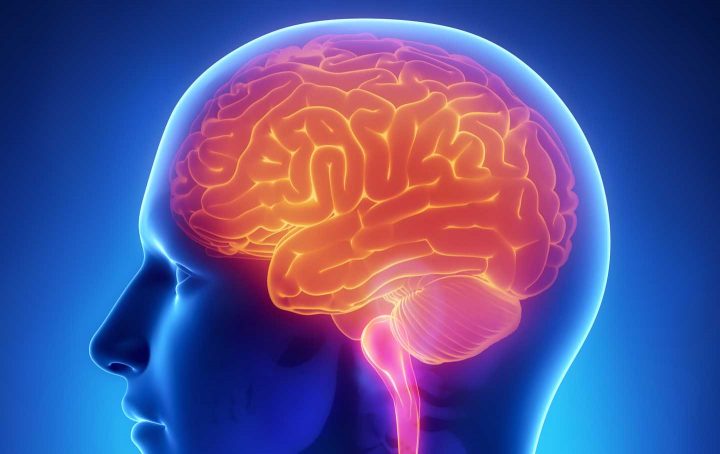
Illustration of the brain

Good habits can become just as strong as bad ones! Creating good habits works the same way as creating bad habits. Doing the same thing over and over sets a pattern in the brain that creates a habit.

Freedom Keys.  Potent, powerful, and protective weapons are available to help you make and maintain permanent change over time. They include:

Creating an Environment — Internally and Externally.  Pay attention to your internal environment — your thoughts.  Cultivate thankfulness in place of negativity. What you make up your mind to be, you will be. “As man thinks in his heart, so is he.” Proverbs 23:7. John Ratey states it this way: “We can actually change our brains. By altering the external environment or the internal environment of our bodies, we can take better advantage of our strengths and amend our weaknesses…One necessary precursor to change, though, is often a change in attitude.”((Ratey J. User’s Guide to the Brain (New York, NY: Vintage Books, 2002) p. 356))

Pay attention to your external environment — the things that surround you. Make sure your surroundings are helping you, not hurting you. Create an environment where it is easier to make the positive choice. Remove temptation. Practice new behaviors. For example, place a bowl of fresh fruit on the counter to replace the candy dish or ashtray. Keep your walking shoes by the door. Have your gym bag in the car for ready access.

Creating a Lifestyle. Positive lifestyle choices protect the brain and body, making it easier to cope with stress and enjoy new things to do in life. Daily exercise improves learning, increases energy, and lowers anxiety.  Eating plenty of fresh fruits, vegetables, and whole grains, beans, and nuts — builds mental strength and eases stress. Regular rest and plenty of water refresh the body and mind and prepare it for new challenges.

A senior woman getting a glass of water

Creating Connections.  Get connected with friends who will encourage you in your new choices.  Personal growth takes place as we interact with others. Connecting with church and community resources makes our world bigger than our circumstances.

It creates opportunities for giving, receiving, and learning communication skills, and building meaningful experiences. Connections can provide support and accountability that increase long-term success. 

Establish or strengthen your connection with God.  This will give you power to make positive choices and stick with them over time. God will help you discover your true value and purpose in life.  

Practice on Purpose!  We have all heard the expression “practice makes perfect.” Purposeful repetition builds good habits. The more times a positive thought or action is repeated, the more it is cemented in the brain. Successful people are not mistake-free — they just refuse to give up. Adopting healthful habits of living and thinking requires determination.  But knowing that the brain can recover from addictions and move forward provides hope.

Call to Action

“Trust in the Lord with all your heart, and do not rely on your own insight. In all your ways acknowledge Him, and He will direct your path.” Proverbs 3:5-6. You can trust your Redeemer who died to create a new heart in you; new desires, new motives, new strength.

“Don’t you be afraid, for I am with you. Don’t be dismayed, for I am your God. I will strengthen you. Yes, I will help you. Yes, I will uphold you with the right hand of my righteousness” (Isaiah 41:10 WEB). God sees your potential. You are here for a reason. Jesus is reaching out to you.  Will you take His hand right now and say, “Yes, Lord, I believe.  Help my unbelief.  Strengthen me and guide me in your way.”

Healthy Fruits

Stay Always Up to Date

Sign up to our newsletter and stay always informed with news and tips around your health.

Sign Up Now!

This article was originally published on the Time to Get Ready website.

This information is adapted from the book Living Free: Finding Freedom from Habits that Hurt.  Visit us at LifestyleMatters.com or call 1-866-624-5433 for your resources to build a better brain, body, and lifestyle.

Filed Under: Addictions, Healthy Lifestyle, Mental Health, Temperance

Next Page »

Primary Sidebar

Social Channels

Coronavirus Immunity Challenge

Boost your immune system to be bullet-proof for the pandemic.

I Want to Participate

Recent Posts

  • 5 Habits to Live Longer
  • Better Sleep Can Protect Against Dementia
  • Finding Peace In Your Crazy-Busy World
  • Flaxseed – An Ancient Plant Rediscovered
  • Platelets – Triggers for Life or Death
  • Boderline Personality Disorder
  • In Praise of Almonds and Nuts
  • Are You Stuck in the Clutter Trap?

Categories

  • Body Systems (16)
    • Cell Function (2)
    • Circulatory System (1)
    • Digestive Tract (10)
    • Immune System (4)
  • Diseases (27)
    • Cancer (2)
    • Cold (1)
    • COVID-19 (11)
    • Dementia (1)
    • Diabetes (1)
    • Digestive Diseases (2)
    • Heart Disease (2)
    • Kidneys (1)
    • Metabolic Syndrome (2)
    • Skin (1)
  • Healthy Lifestyle (42)
    • Exercise (11)
    • Gardening (2)
    • Sleep (7)
    • Sunlight (2)
    • Temperance (14)
    • Water (4)
  • Mental Health (87)
    • Addictions (6)
    • Anxiety (7)
    • Burnout (1)
    • Depression (7)
    • Psychosomatic Diseases (6)
    • Stress Management (45)
    • Trust (6)
  • Nutrition (56)
  • Obesity (9)
  • Phases of Life (14)
    • Adults (3)
    • Babies and Infants (1)
    • Children (3)
    • Seniors (5)
    • Teenagers (3)
  • Therapies (7)
    • Herbs (5)
    • Hydrotherapy (1)
  • Uncategorized (3)

Archives

  • January 2025 (1)
  • March 2024 (5)
  • February 2024 (4)
  • January 2024 (4)
  • December 2023 (5)
  • November 2023 (4)
  • October 2023 (5)
  • September 2023 (4)
  • August 2023 (3)
  • July 2023 (2)
  • June 2023 (4)
  • May 2023 (4)
  • April 2023 (5)
  • March 2023 (4)
  • February 2023 (4)
  • January 2023 (4)
  • December 2022 (4)
  • November 2022 (4)
  • October 2022 (5)
  • September 2022 (4)
  • August 2022 (4)
  • July 2022 (5)
  • June 2022 (4)
  • May 2022 (5)
  • April 2022 (4)
  • March 2022 (4)
  • February 2022 (4)
  • January 2022 (5)
  • December 2021 (3)
  • November 2021 (4)
  • October 2021 (6)
  • September 2021 (4)
  • August 2021 (4)
  • July 2021 (5)
  • June 2021 (4)
  • May 2021 (3)
  • April 2021 (5)
  • March 2021 (4)
  • February 2021 (4)
  • January 2021 (5)
  • December 2020 (3)
  • November 2020 (4)
  • October 2020 (5)
  • September 2020 (5)
  • August 2020 (3)
  • July 2020 (1)
  • June 2020 (1)
  • May 2020 (1)
  • April 2020 (1)
  • March 2020 (1)

Copyright © 2026 · Abundant Health - Privacy Policy - Medical Disclaimer