Abundant Health

Up to date health information tailored for you

  • Home
  • Blog
  • Recipes
  • Shop
  • Contact
You are here: Home / 2022 / Archives for September 2022

Archives for September 2022

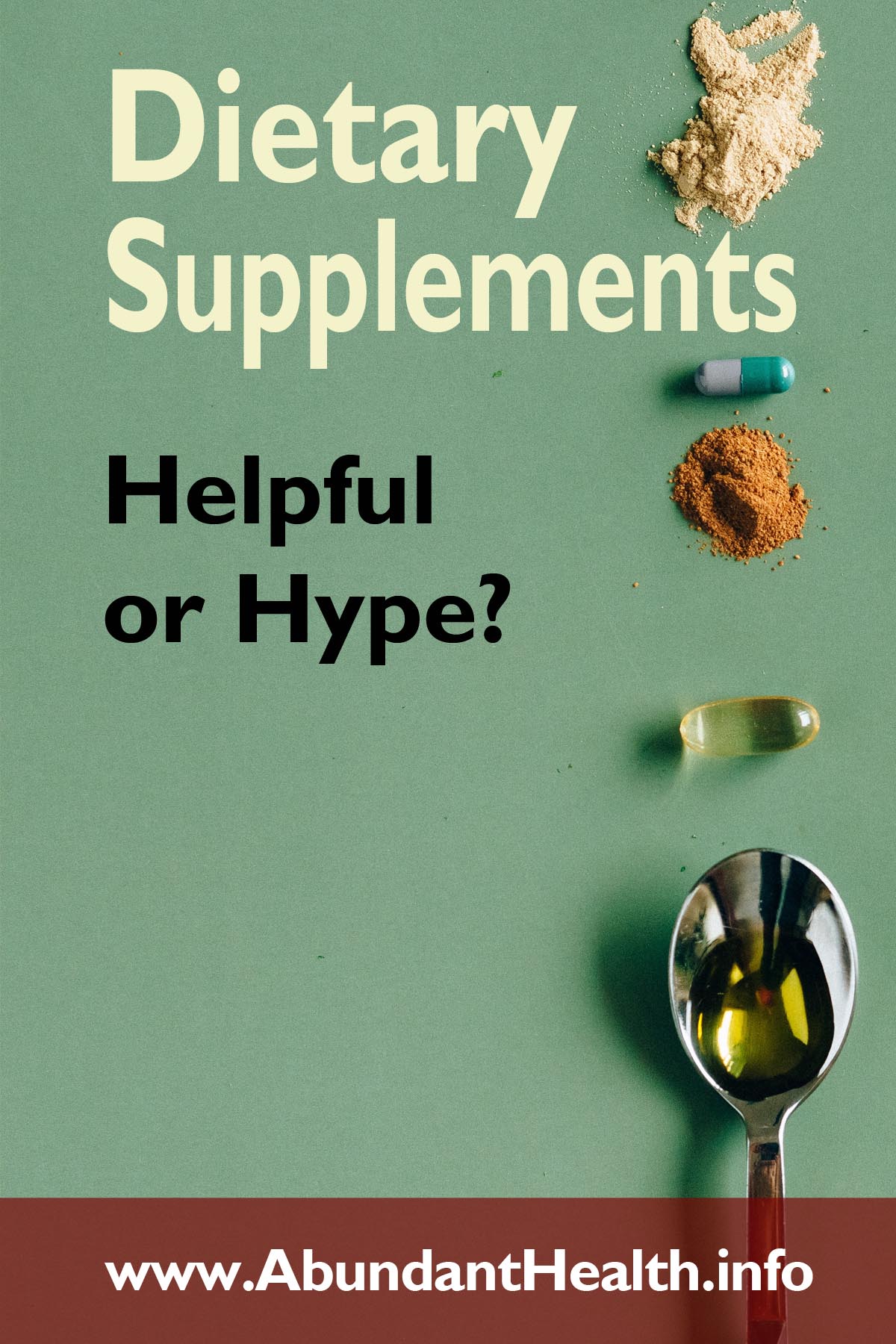
Dietary Supplements: Helpful or Hype?

September 25, 2022 by Martin Neumann - [rt_reading_time label="Reading Time:" postfix="minutes" postfix_singular="minute"]

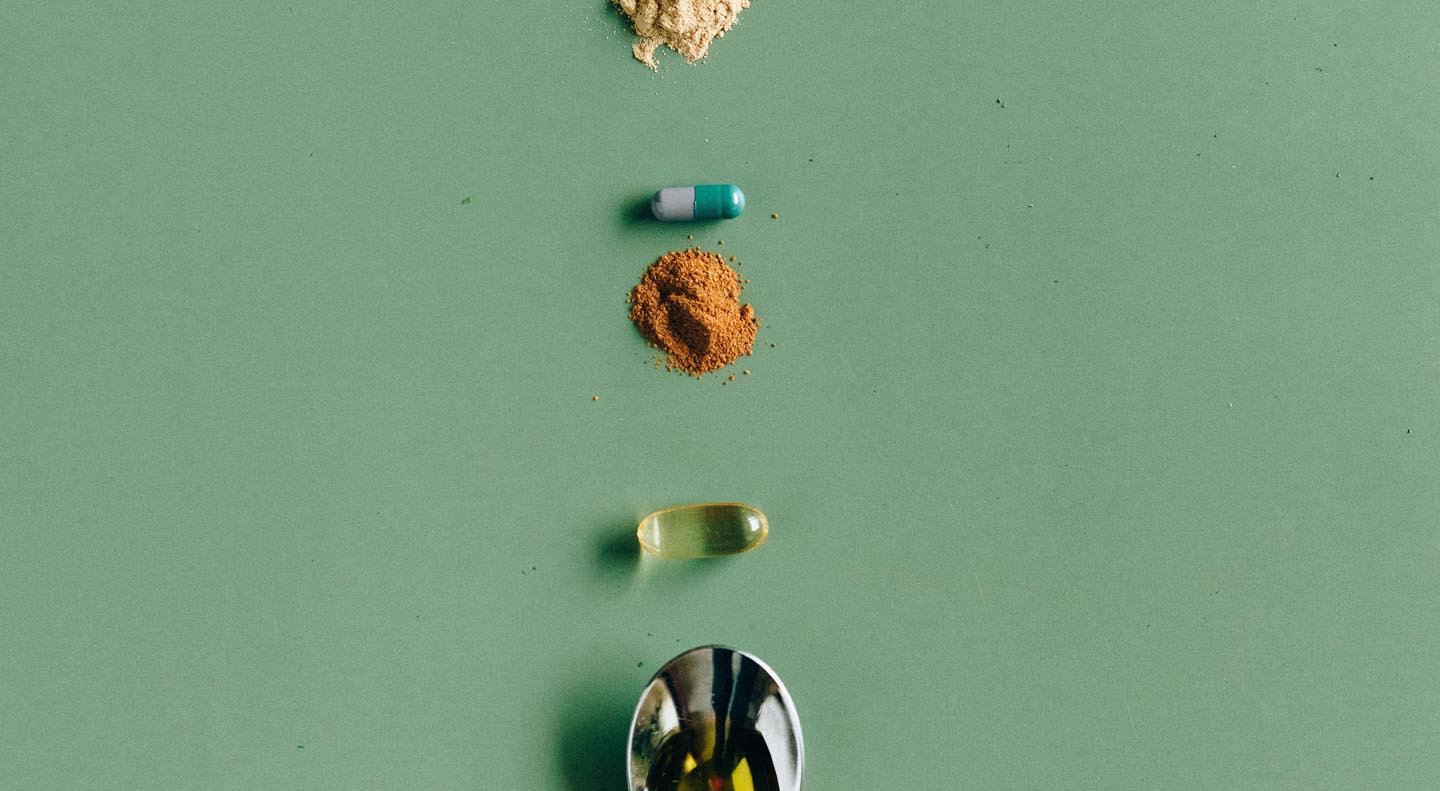
Dietary Supplements

The supplement industry is estimated to generate a revenue of 37 billion dollars per year just in the US alone and continues to grow every year. Being such a lucrative market, companies are trying to churn the marketing machine to convince you at every price that you depend on their products to be in good health. What is the truth? Are those products really the key for perfect health, or are they only a marketing hype?
Dietary Supplements: Helpful or Hype?

Dietary Supplement Efficacy

A recent meta-analysis reviewed 84 studies in order to find an answer to this question. The results were astonishing. Although the study found a slight decrease in cancer risk for using a multivitamin supplement, there was no statistically significant benefit for cardiovascular health nor for all-cause mortality. Beta carotene supplements showed even a slightly increased risk of lung cancer and cardiovascular mortality. The study also concluded that vitamin E supplements could possibly increase your risk of hemorrhagic stroke and calcium supplements could increase your risk of kidney stones.((O’Connor EA, Evans CV, Ivlev I, et al. Vitamin and Mineral Supplements for the Primary Prevention of Cardiovascular Disease and Cancer: Updated Evidence Report and Systematic Review for the US Preventive Services Task Force. JAMA. 2022;327(23):2334–2347. doi:10.1001/jama.2021.15650))

Another study done in 2011 observed the supplementation status of 38,772 elderly women in Iowa and found actually an increase in mortality for those who used multivitamins and a number of other supplements. Only calcium supplementation was associated with a slight increase in longevity.((Mursu J, Robien K, Harnack LJ, Park K, Jacobs DR. Dietary Supplements and Mortality Rate in Older Women: The Iowa Women’s Health Study. Arch Intern Med. 2011;171(18):1625–1633. doi:10.1001/archinternmed.2011.445))

The conclusion: For a healthy person, your supplements are probably not worth their money. As a matter of fact, you are probably better off spending your money on healthy food. There are numerous studies that will show the benefits of a healthy balanced diet on your health and well-being.

An assortment of vitamin rich fruits

Harmful Supplementation

Like with most anything, the difference between benefit and harm lies in the dosage. Some vitamins and minerals can be harmful when the dosage is too high. When it comes to vitamins, there is a significant difference between water-soluble and fat-soluble vitamins.

Water soluble vitamins like vitamin C and the B complex are easily eliminated with the urine when levels are higher than needed. Excessive vitamin C can cause you some digestive issues, but beyond that you will not have much problems with overdosing water-soluble vitamins.

All other vitamins are fat-soluble and the body has no good mechanism to get rid of any excess. Vitamin D toxicity is rather rare and will occur only with extremely high doses. Vitamin A toxicity at the other hand is pretty common.

Vitamin A, C and E are antioxidants that are found in fruits and berries and are known to protect against several diseases, including cancer. Randomized trials with smokers showed though an increased risk for lung cancer for those who took beta carotene supplements, much to the contrary that the researchers expected.((The alpha-tocopherol, beta-carotene lung cancer prevention study: design, methods, participant characteristics, and compliance. The ATBC Cancer Prevention Study Group. Ann Epidemiol. 1994 Jan;4(1):1-10. doi: 10.1016/1047-2797(94)90036-1.
Albanes D et.al. Alpha-Tocopherol and beta-carotene supplements and lung cancer incidence in the alpha-tocopherol, beta-carotene cancer prevention study: effects of base-line characteristics and study compliance. J Natl Cancer Inst. 1996 Nov 6;88(21):1560-70. doi: 10.1093/jnci/88.21.1560.))

A meta-analysis tried to determine the effect of antioxidant supplementation on mortality. They found that beta carotene, vitamin A and vitamin E supplements all increased mortality risk, while vitamin C and selenium supplements showed no significant change in mortality. The quintessence of all those studies are, that antioxidant supplementation generally tend to be harmful.((Bjelakovic G et.al. Mortality in randomized trials of antioxidant supplements for primary and secondary prevention: systematic review and meta-analysis. JAMA. 2007 Feb 28;297(8):842-57. doi: 10.1001/jama.297.8.842.))

The problem actually seems to appear when antioxidant doses are higher than naturally found in our food. For example, wheat germs have the highest concentration of vitamin E in our foods, yet the dosage used in the trials were 10 times higher. Seems that high doses of antioxidants are causing the opposite of the desired effect. Pregnant women should be especially cautious about Vitamin A supplements, since excessive dosage can lead to congenital birth defects.((Rothman KJ, Moore LL, Singer MR, Nguyen US, Mannino S, Milunsky A. Teratogenicity of high vitamin A intake. N Engl J Med. 1995 Nov 23;333(21):1369-73. doi: 10.1056/NEJM199511233332101.))

Fresh carrots

In the mineral realm there is a potential for overdoses as well. For example selenium is very sensitive for overdosage. And we have seen already that excessive calcium supplementation can increase the risk for kidney stones. What is aggravating the problem even more are the interactions between different vitamins and minerals. For example, high doses of iron can impede the absorption of zinc. Additionally, some supplements can possibly interact with medications you are taking. It is a good idea to check with a doctor or nutritionist to get an adequate prescription of your supplements, that will really benefit your health instead of harming you.

Who Needs to Use Supplements?

There are cases where supplements can be very helpful to improve your health. It is a good idea to do regular blood work and know where you are standing. Vegetarians should carefully monitor their B12 status, and even for meat eaters, B12 deficiency is a growing problem, especially among the elderly. Supplementing with about 3,000 mcg weekly can prevent the serious health risks of B12 deficiency.

Vitamin D is another component that often needs to be supplemented since it is rarely found in food. During summer, the body is able to produce adequate amounts of Vitamin D, provided that you are getting plenty of sun exposure around lunch time. During the winter months it is difficult to get adequate amounts outside the tropical and subtropical zone. Supplementation of about 4,000 IU daily can resolve such a deficiency.

Shop for Reliable Supplements

Vitamin D

Vitamin B12

Pregnant women should take 400 mcg of folic acid daily, since it helps to prevent serious birth defects in the baby´s brain or spinal cord. Actually women who plan to get pregnant would be doing well in starting supplementation in order to prevent this problem, since the first weeks of pregnancy are the most critical moments to prevent this condition. During pregnancy, supplementation iron, calcium, Vitamin D and the DHA form of Omega 3 may be indicated as well.

A pregnant woman

The NIH recommends further to consider a supplementation of calcium and Vitamin B6 for the elderly above 50 years of age.((Dietary Supplements for Older Adults https://www.nia.nih.gov/health/dietary-supplements-older-adults)) Elderly people definitely have a limited absorption and are more vulnerable to nutrient deficiencies.

Certain digestive conditions like celiac disease, ulcerative colitis or gastric bypass surgery may limit your vitamin absorption and can make a multivitamin supplement an interesting option. Other situations like alcohol and tobacco use, excessive stress, prolonged medication, the use of contraceptive pills, and recovery from disease can all increase the necessity for some specific vitamins. And of course there are specific diagnosed deficiencies that need to be treated with proper supplementation. Your doctor or nutritionist can prescribe a supplementation in certain specific situations.

Of course, your vitamin intake will greatly depend on the food you eat. At least 5 portions of mostly raw fruits and vegetables are a must for an adequate supply. And we know that organic products have much higher vitamin concentrations than conventionally grown products. If you have a balanced diet and none of the conditions above, you should be probably doing fine without using a multivitamin or other supplementation beyond vitamin B12 and vitamin D.

What are the Best Supplements?

In the US, supplements are regulated as food, not as drugs. Supplement companies do not need to get an approval by the FDA nor do they need to prove that their products are safe or efficient. That means that you need to do your diligent research to confirm the quality of the product you are purchasing.

Look for a USP (United States Pharmacopeia) symbol on the label. This symbol indicates that the manufacturer followed good manufacturing practices, and that the supplements contain what the label claims. A GMP (Good Manufacturing Practices) certification is sometimes mentioned, but it has a different meaning, related to the quality of the production, while USP is mainly about the content of the pills. Also look for the expiration date of the supplements. There are many products out there that do not contain the labeled quantities, and others that are past their expiration date.

Quality control with a microscope

An additional bonus would be if the company performs peer-reviewed clinical studies about the efficacy of their products. Especially if they are double-blind randomized trials, this is a good sign that you are applying your money on a product that is going to give you a real health benefit, at least when applied at the condition that would indicate the need of the supplement.

There is also a significant difference between vitamins from food sources and synthetically produced components. In the natural state, vitamins have an intricate interaction with other micronutrients and phytochemicals, that will produce a benefit that goes far beyond an isolated substance.

In an observational study, more than 30,000 adults were questioned about their nutritional and supplement status, and being followed for more than 6 years. They concluded that adequate intake of vitamin A, vitamin K, magnesium, zinc and copper was reducing mortality from cardiovascular diseases, but only when the nutrients came from food. If they were supplemented, they failed to show these benefits. Isolated supplements rarely give you the same benefits that you get from real food sources.((Fan Chen et.al. Association Among Dietary Supplement Use, Nutrient Intake, and Mortality Among U.S. Adults. https://doi.org/10.7326/M18-2478))

Another study has found that 100g of apple with skin has shown the antioxidant activity that is equivalent of 1500 mg of vitamin C, even though that it contains only 5,7 mg of this vitamin. In other words, vitamin C contributed for less than 0.4% of its antioxidant activity, all the rest was supplied by a variety of phytochemicals contained in the apple. A synthetic supplement can never give you this benefit.((Eberhardt MV, Lee CY, Liu RH. Antioxidant activity of fresh apples. Nature. 2000 Jun 22;405(6789):903-4. doi: 10.1038/35016151.))
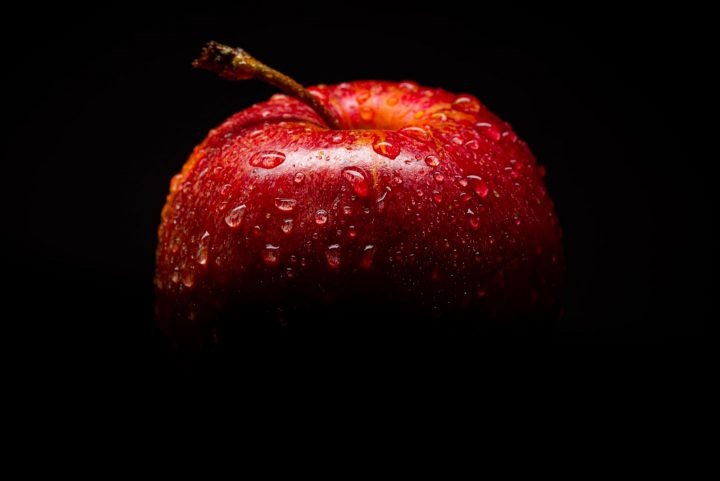
A nutritious apple

It is increasingly clear that a healthy person should obtain their vitamins and minerals mainly from fresh fruits and vegetables. If supplements are needed for any reason, they should be used in combination with the natural food sources of the micronutrient, in order to potentialize the benefit.

Another interesting option are supplements that are extracted from real foods. There are several companies like for example MegaFood, who provide supplements that are extracted from organically grown fruits and vegetables. This way, the synergistical benefit of the whole plant is to a large extent maintained within the supplement.

As a conclusion, not everybody will need to make use of supplementation. But if you need something beyond the basics, be sure to get a proper prescription from a doctor or nutritionist in order to get it right. Wherever possible, make use of food extract supplements instead of their synthetic counterpart, or combine the supplement with real food sources of the vitamin or mineral needed, in order to get the synergistic benefit that only real food can provide.
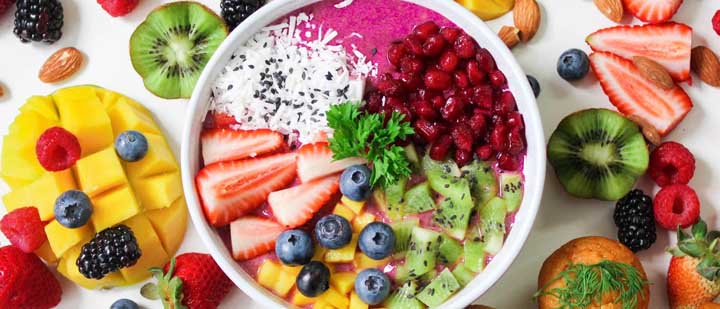
Healthy Fruits

Stay Always Up to Date

Sign up to our newsletter and stay always informed with news and tips around your health.

Sign Up Now!

Filed Under: Nutrition Tagged With: dietary supplements, supplement efficacy, supplement risks

5 Ways to Keep Financial Stress Under Control

September 18, 2022 by Martin Neumann - [rt_reading_time label="Reading Time:" postfix="minutes" postfix_singular="minute"]

How to Keep Your Financial Stress Under Control

Right now, financial stress is causing a lot of turmoil for individuals and families around the globe. Actually, 87% of Americans are stressed about ever rising prices.((Stress in America 2022 https://www.stress.org/daily-life)) While many in the media might downplay it and tell consumers things might not be as bad as they seem, the truth is many are fearful about the economic outlook. Do you know how to navigate your finances in the midst of a financial crisis? This can be an important tool to control your stress in this difficult times.

5 Ways to Keep Financial Stress Under Control

It started with an influx of rising prices for groceries, which were blamed on supply chain shortages. Then gas prices skyrocketed, and blame was put on a distant war. Rent and mortgages are tripling and displacing many people from their homes.

It’s hard to remain calm when you’re finding that your dollar doesn’t stretch as far as it once did. Inflation and recessions are something we’ve been through before, but that doesn’t mean you have to sit idly by watching as your money struggles increase.

Instead, you can be an action-taker who doesn’t succumb to the stress of economic hardships and implement a plan that not only sustains your way of life, but allows you to thrive under poor financial conditions nationwide.

Don’t Be Afraid to Know the Truth About Where You Stand

You can’t stay stress-free if you don’t know the truth about what state your finances are in. Some people actively avoid looking into this because they feel it’s a dire situation and it’s easier to turn a blind eye than to face the reality of it.

There’s a level of guilt and shame knowing you’ve let your finances spiral out of control, but in this situation, you have to set that aside and handle your money so that things don’t get worse and put you in danger of a financial catastrophe.

Start with the roof over your head and the utilities that you need, such as water, electricity, phone and Internet. If you’re spending money on things like cable or streaming plans, jot those down, too.

Next, figure out how much you currently spend on food and gas as well as medical needs, clothing, and other bills. Once you’ve compiled those numbers, go through other debt you make regular payments on – such as retail and credit cards, loans, etc.

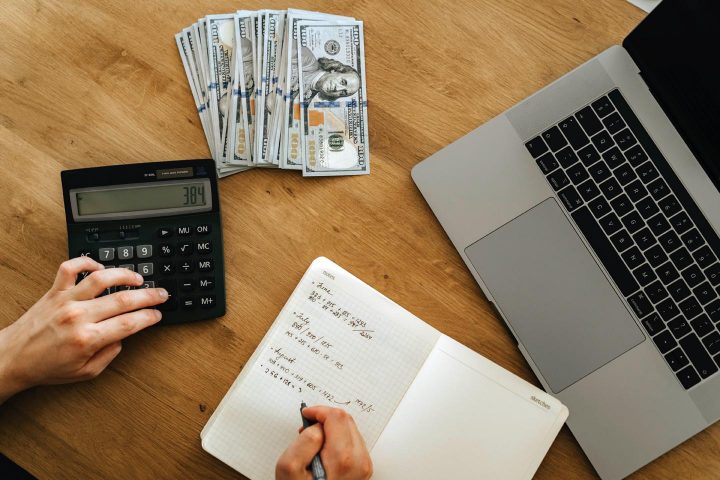
Doing accounting to determine a budget

Don’t get overwhelmed. This is a starting point for you to begin gaining control over the health of your bank account. You can’t do anything if you’re ignorant to the ruth of the matter.

Make sure you know the total amount due, the date it’s due, the minimum amount you need to pay each month, and the interest rate (if applicable). You’re going to want to meet your monthly needs first then plan for the repayment and pay off of the loans and debt that is weighing you down.

By the end of this exercise, you might feel like this burden is a lot to handle, but now you get to attack the money situation in a way that lets you breathe easy once again, so look to the immediate future from this day forward and don’t harp on what you’ve done in the past.

Know Your Necessities Versus Wants

For many, it’s hard to differentiate between needs and wants. Sometimes, you get so used to having something in your life that you feel as if it’s a necessity, when it’s really not.

You can chalk some things up as necessities easily, like food, electricity, gas, mortgage (or rent), and so on. You might easily be able to mark off a Starbucks or fast food as a want that you don’t really need.

The key will be for you to get tough on yourself and truly identify what’s necessary and what you can do without (at least for the time being). This doesn’t mean you have to always go without something, but you’re tightening up for a temporary pause while you get your financial worries cleaned up.

With the needs versus wants, you’re going to have to make some important decisions. Some things will be defined as a necessity, but the way in which you handle it financially is detrimental to you.

For example, you need clothes. But you don’t need designer clothes from an expensive store. You could get away with cheaper shops, hand-me-downs or even thrifting if necessary, depending on your current financial state.

Selecting clothes at the thrift store

The same goes with food. You need food – but you don’t need to order Door Dash three times a week from your favorite restaurants. You can plan and cook meals at home on a budget.

You might find working out to be a necessity for good health, but it doesn’t mean you have to keep your expensive gym membership. Instead, you can work out at home or outdoors.

These are decisions that might be difficult for you to explain to the rest of your family. But if you’re in charge of the financial health of your household, it may be a discussion you have to have.

Your kids may feel like they need Netflix, but the truth is, it’s a luxury that not everyone can afford. They may say they need their phone, but they don’t need unlimited text and minutes if you can’t afford a plan like that.

Go through your list to identify what’s necessary and what’s simply a desire to have, and if something is in the necessity column, look for ways you can alter spending to save you money.

Start Operating on a Budget That Works

Budgets are the self-control you need to get yourself on the right track financially. Most people don’t live on a budget, instead spending whatever comes in and hoping they can make it until the next payday.

You have to have willpower and control over what you allow to be spent out of your income. In normal times you should have a three-pronged system where you have money going toward necessities, some toward an emergency fund and a tiny bit toward things you don’t need, but want. If you have debts, you of course pay them back before creating an emergency fund.

Your budget has to fit within your income. So that may mean that instead of spending $250 a week at the grocery store, you only allow yourself $200 or even $175. To achieve these budgetary goals, you’ll need to spend some times planning.

You may need to create an affordable meal plan with rice and beans or pasta dishes that stretch far, fruits that are in season selling for a cheaper price, and store brands instead of brand name products.

If, to date, you’ve allowed everyone to pretty much place an order from the store for whatever meals they want, you might need to start preparing one meal for the entire family that everyone has to eat.

A family working together on meal preparation

Instead of using fresh broccoli crowns, you might use a bag of frozen ones and save money that way. Do the same with every expense you have when you’re preparing a budget.

Allot a specific amount for gas. If that means you can’t drive somewhere, then that’s what it means. You may need to carpool or take public transportation. You can also plan your errands strategically so that you’re traveling in a logical order and not zigzagging all over town back and forth.

If you come to an item in your necessities list and it looks as if your budget has run out already, look over it again and see what can be cut or transformed in terms of spending that will open up new funds for the necessity in question.

Living on a budget can be uncomfortable in the beginning. But the reality is, once you get used to it, you can feel peace of mind knowing you’ve properly planned for your spending in a way where you know your needs will be met.

Get Everyone in the House to Pitch In

When it comes to tackling a financial crisis, this is not a task you do silently on your own while everyone else lives life as usual. It’s important for your spouse and children to be aware of what you’re working on.

It’s important that you approach it the right way. You don’t want to start crying and talking in a panic about how broke you are or how you worry about losing the roof over your head or not being able to eat.

Kids don’t need to know the intricate details. What they can know is that right now, the nation (and world) is experiencing some high prices and limited income, so everyone has to be onboard to tighten up spending and get through this.

When kids know there’s something happening, they will want to help out. They’ll know not to ask for luxuries like a new gaming system or a big birthday party with their entire class being invited to an expensive place.

You can reward their ability to pitch in with ideas such as inexpensive meals the family may all like or family outings that don’t cost a penny. You might take turns letting them choose from this sort of thing so that they feel like they’re assisting mom and dad in their efforts to get through a financial tough spot.

A family going for an outing

Your spouse will definitely need to be onboard to help. Sometimes, only one parent or spouse handles all of the finances. No matter what the situation is, in terms of debt you’ve accumulated, now is the time to be honest with them so they can be mindful of their spending, too.

They need to know that lunch will be meal prep and not fast food, that the morning Starbucks is off the budget for now, and that now is not the time to upgrading things that can wait.

Because you might be working longer hours or even just stressed from handling the finances, it’s important that you get everyone to help in other ways, too. They can help with chores to allow you to either work on a side hustle in the evenings or do the other things you need to do to work within your budget, like cooking dinner or fixing lunches for the following day.

You might have teens who are old enough to work. If so, let them get a job so that they can begin earning their own money for extra activities or even new clothes if they want something trendy that you can’t afford in that moment.

Make Your Income Grow Steadily

Taking care of your income and spending based on what you have coming in and going out now is a priority. But when the dust settles and you have a budget and plan working for you, it’ll be time to bump up your earnings to take the pressure off a bit.

You may want to look into getting some extra income. Start with your current career. Have you been there long enough or have any qualifications that will make you eligible for a raise? Is there a different position within the company you could apply for in order to earn more?

What about adding on a second job? Some people work more than one job just during tough financial times so that they can afford their needs and wants better. You could have one fulltime job and a parttime job a few hours per week.

If you want to, you can also add a side hustle. This is similar to a second job, but you’re usually working more for yourself or as a freelancer than being a permanent employee who is assigned work hours.

If you have a car, you might want to sign up for companies like Uber, Uber Eats, Lyft, Door Dash and other delivery services or rideshare programs. Even if the payout is not much, you’ll set your own hours and earn money that includes tips.

You can also start your own online business if you want. There are many options for people who may need to be home with their kids in the evenings, but still want to add to their income streams.

You can teach some classes online for kids, and parents will be willing to pay for getting their kids up to par on subjects that they were falling behind. Sometimes they are even willing to invest in teaching their kids some extracurricular skills.

Teaching online as a side income

Freelance workers online can do administrative work for companies or entrepreneurs. You can do administrative tasks, ghostwrite content for brands who need things like blog posts, emails and eBooks, or create graphics if you’re good with programs like Photoshop.

You might want to create your own info products like video or text courses. Or, start a blog where you make recommendations for a niche audience where you earn a commission for every sale that goes through. It will take some time to learn the trade of online marketing, but if you get it right, it can give you a steady income.

There are many different platforms you can use to promote something and earn money – including Amazon, Etsy, ClickBank, Share-a-Sale, Commission Junction, Warrior Plus and JVZoo. Don’t sit idly by trying to survive on your current income when there are endless opportunities at your fingertips that can alleviate the financial stress you currently feel.

Now you need to decide how much time you want to spend on extra jobs. If you are threatened by a mortgage foreclosure, you may want to get some extra money at any price. But if you alleviated your debts, you need to decide between some extra income to sustain your lifestyle, or simplifying your lifestyle and having extra spare time to spend with your family.

As a conclusion, financial planning is essential if your finances are tight, and will help you to overcome even a tough economic crisis like we are passing through right now. That will help you quite a bit to get an important stress factor under control.

Do you need a guide to help you understand how to cope with Stress in an all inclusive approach? Learn how to combat stress, mentally, physically, emotionally and strategically in your life.

Get Me the Guide

Filed Under: Mental Health, Stress Management Tagged With: budget, financial stress, Stress Control

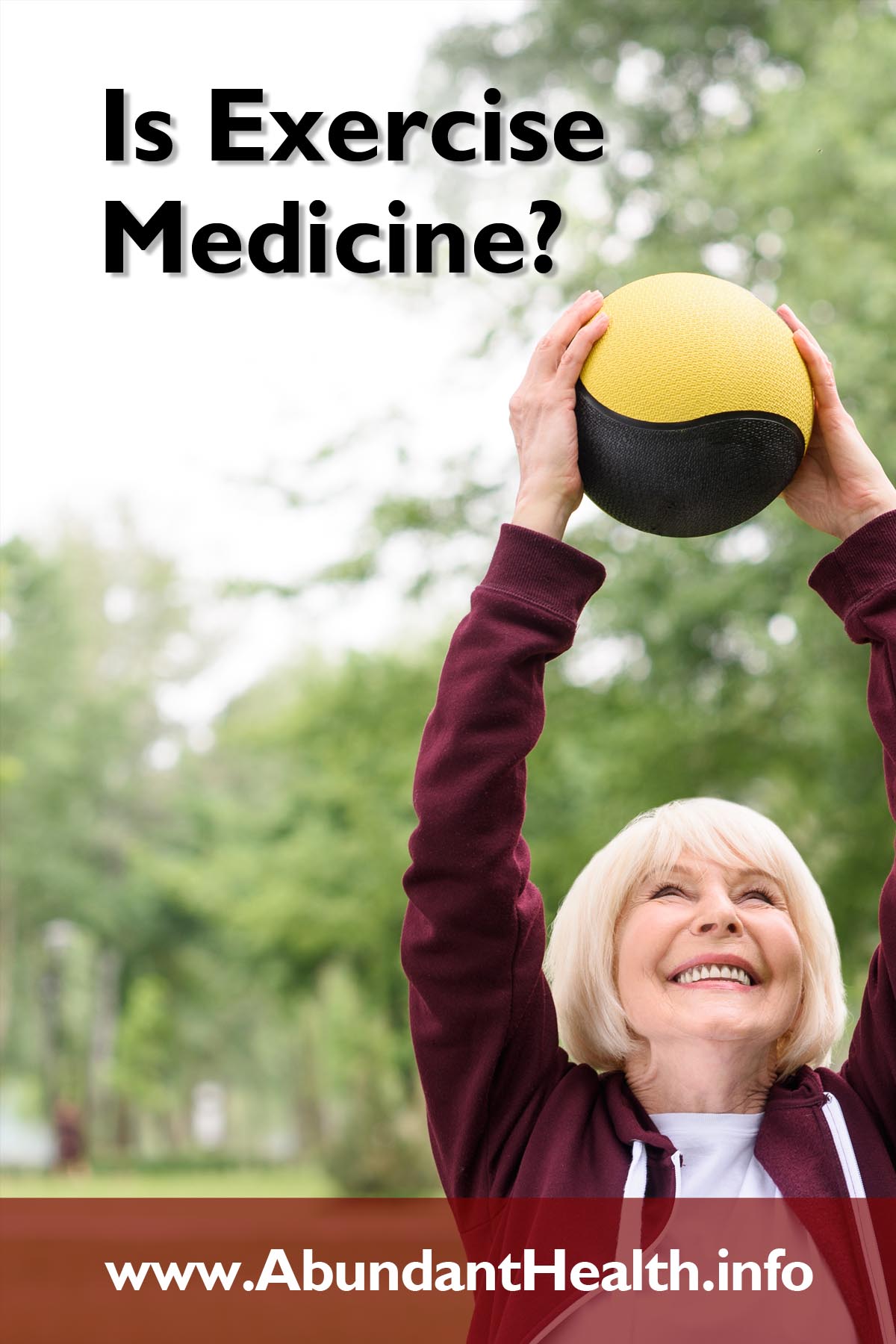
Is Exercise Medicine?

September 11, 2022 by Franklin V. Cobos II - [rt_reading_time label="Reading Time:" postfix="minutes" postfix_singular="minute"]

Is Exercise Medicine?

Despite the resistance of some, I personally continue to insist that exercise plays a vital role in the maintenance of wellness. Exercise has proven to be more than merely a preventative measure that simply maintains a pre-existing state of good health; it is also very therapeutic and can slow or reverse serious illness. And we know much today how exercise can help you to improve your immune system.

Is Exercise Medicine?

I find it strange and disappointing that mice with cancer will spontaneously choose to use an exercise wheel placed in their cage and enjoy measurably improved health outcomes, but that human counterparts will actively resist the prescription of exercise programs and thus lose the proven benefits that they would otherwise accrue.((Hojman P, Gehl J, Christensen JF, Pedersen BK. Molecular Mechanisms Linking Exercise to Cancer Prevention and Treatment. Cell Metab. 2018 Jan 9;27(1):10-21. doi: 10.1016/j.cmet.2017.09.015. Epub 2017 Oct 19. PMID: 29056514.)) I just have to ask, “Why is that!?” Why is it that animals will voluntarily do the right thing, but often with only great difficulty will people be coerced to do what is in their own best interests? It reminds me of when all the animals spontaneously showed up on their own to board Noah’s ark after 120 years’ worth of failed attempts to give away free tickets to ride out the coming storm and cataclysmic, worldwide flood!

If exercise is medicinal, how “medicinal” is it? Well, in the aforementioned study involving mice with cancer researchers deprived a control group of mice of having the option to freely exercise on spinning wheels inside their cages.((Hojman P, Gehl J, Christensen JF, Pedersen BK. Molecular Mechanisms Linking Exercise to Cancer Prevention and Treatment. Cell Metab. 2018 Jan 9;27(1):10-21. doi: 10.1016/j.cmet.2017.09.015. Epub 2017 Oct 19. PMID: 29056514.)) This dramatically reduces their physical activity. These mice were then compared to a matched group of cancerous mice that were granted their very own, private little version of Planet Fitness inside their cages (totally free of charge to them and open 24 hours a day, seven days a week).

Mouse in exercise wheel

The results of the study indicate that tumor growth was reduced in all mice that exercised. In cases of liver and lung cancer, the reduction was 59% and 58% respectively. And in mice with melanoma, tumor growth was reduced by 67%. That’s medicinal enough to grab my attention, how about you? If I had cancer, I would be happy to engage in therapy that had those kinds of proven outcomes. Especially if I didn’t have health insurance, or didn’t want to risk experiencing the known side effects and adverse events associated with standard cancer treatments such as chemotherapy.

At this point, you should probably be asking the questions, “How does exercise actually achieve these amazing immune-enhancing effects?” Before pharmaceutical agents are approved for general use in the public, regulatory requirements typically demand evidence of their mechanism of action. If it’s not a placebo, then you should expect to see some scientific reason that explains exactly why it works to help people. So then, what is it that happens in the body when one exercises that is so beneficial as to consider it to be medicinal? For simplicity, I will narrow the discussion of the known mechanisms whereby exercise improves how the body more successfully fights against disease. The mechanisms are complex and many, so let’s start with one that is not too hard to understand. Relax, I’ll try to make this less complex than your average doctor would!

Role of Natural Killer Cells

One of the important issues we have identified is the role that natural killer (NK) cells have in immune function. NK cells are a sub-type of lymphocytes. They make up about 5-15% of all your lymphocytes, which in turn make up around one-third of all your white blood cells (WBCs). These are the ones that respond to help you fight infection, as opposed to red blood cells (RBCs) which contain the hemoglobin that transports oxygen throughout the circulatory system.

What makes normal functioning NK cells so interesting and important is that they do not require any knowledge, prior instruction, or memory of an invader to identify, attack, and destroy it. No antibodies are required, no previous exposure or vaccinations (just like the conditions presently dominating the SARS-CoV-2 pandemic). If you isolate NK cells from a healthy person and put them into a culture with cancer cells, it only takes a few hours before most of the cancer cells are dead! How this happens is largely beyond the scope of this article. BUT… I will tell you how exercise improves NK cell’s function.

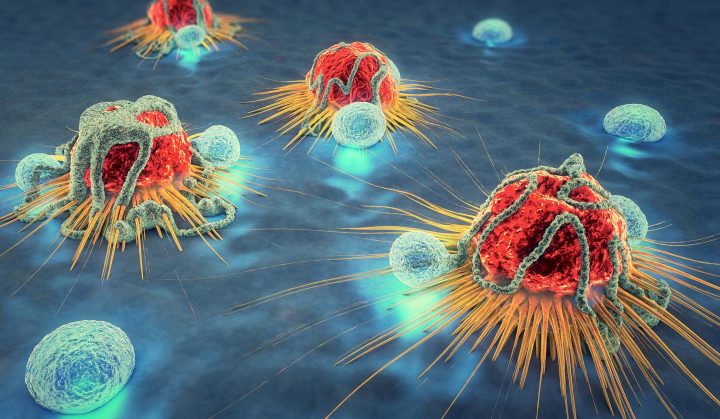
immune system cells attacking cancer cells
3d illustration of immune system cells attacking cancer cells

Catecholamines (epinephrine, for example, is one of them) are released into the bloodstream during exercise. NK cells have receptors on their surface that respond favorably to these catecholamines, making NK cells move around more, and become more active in their assault against your body’s enemies (both foreign and domestic). Research showed that after 30 minutes of moderate exertion on a stationary exercise bicycle the number of lymphocytes in the bloodstream increased by 100%.((Graff RM, Kunz HE, Agha NH, Baker FL, Laughlin M, Bigley AB, Markofski MM, LaVoy EC, Katsanis E, Bond RA, Bollard CM, Simpson RJ. β2-Adrenergic receptor signaling mediates the preferential mobilization of differentiated subsets of CD8+ T-cells, NK-cells and non-classical monocytes in response to acute exercise in humans. Brain Behav Immun. 2018 Nov;74:143-153. doi: 10.1016/j.bbi.2018.08.017. Epub 2018 Aug 30. PMID: 30172948.)) And, the specific sub-type of lymphocytes that increased the most, 400-500%, was the NK cells! Researchers continued taking blood samples, and within only 5 minutes from stopping exercise, about half of all those NK cells had left the bloodstream and entered adjacent tissues looking for a fight to win.

Call to Action

These types of laboratory findings have hopeful implications for the current pandemic, suggesting those who follow the recommended guidelines for regular exercise could reasonably expect to have a much greater margin of safety for their immune function when they are exposed to others around them who are actively shedding viruses (of all types). What those recommendations are, and how one might go about beginning to implement them into daily practice will be the topic of upcoming articles, along with additional encouraging research findings relating to exercise and immune function.

Healthy Fruits

Stay Always Up to Date

Sign up to our newsletter and stay always informed with news and tips around your health.
Sign Up Now!

This article was originally published on the Time to Get Ready website.

Filed Under: Exercise, Healthy Lifestyle, Immune System Tagged With: exercise health benefits, immune system

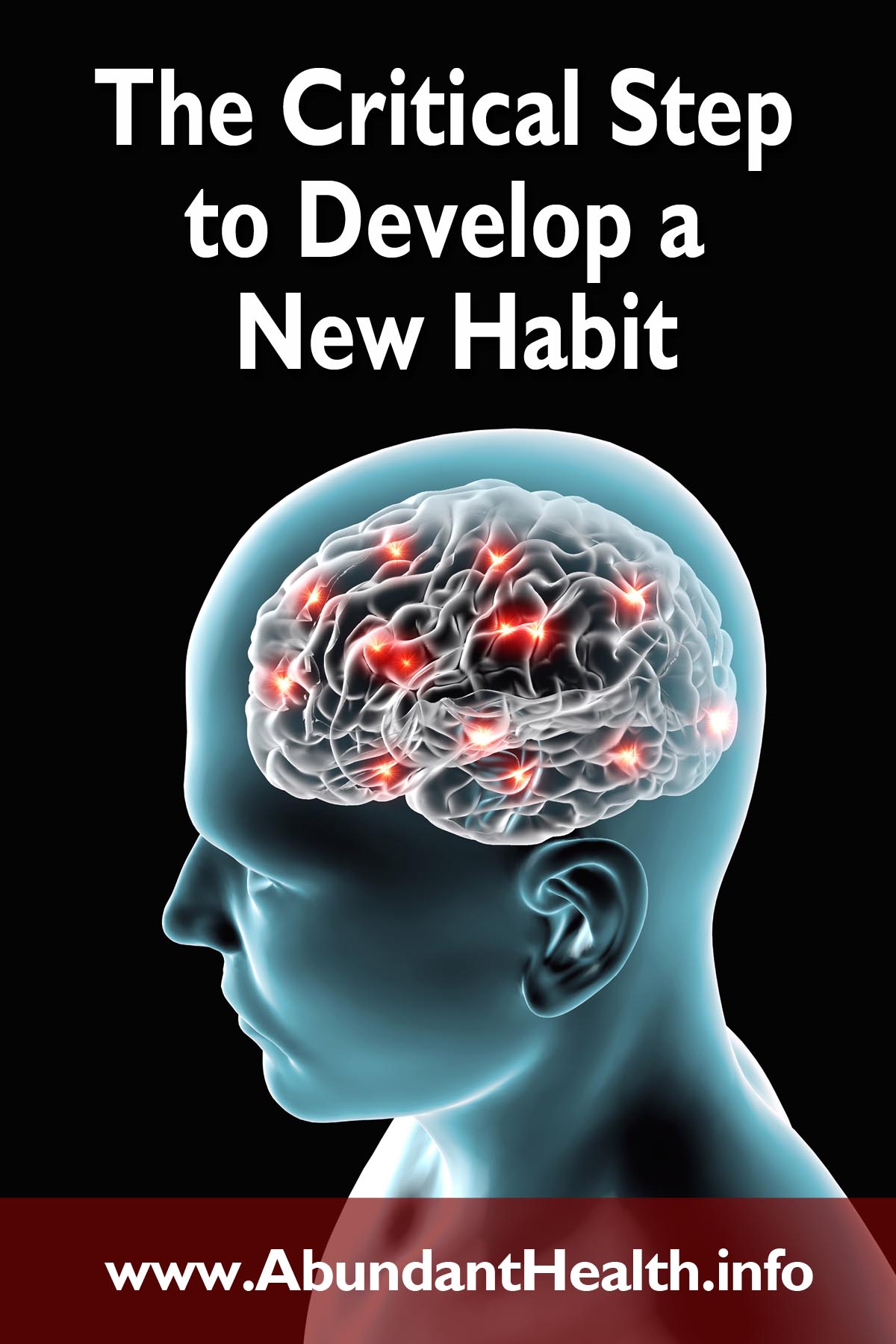
The Critical Step to Develop a New Habit

September 4, 2022 by Dr. Cesar Vasconcellos de Souza - [rt_reading_time label="Reading Time:" postfix="minutes" postfix_singular="minute"]

Have you ever wondered how a habit is formed? Do you find it hard to change your customs? You are not alone. Let’s look at the right way to change your habits in a lasting way.

The Critical Step to Develop a New Habit

Our mind works with thoughts, feelings and actions: attitudes and choices. We think, feel and do something. By repeating the same actions day after day, month after month, year after year, we create a habit. With the repetition of habits, be it food, clothing or the way you think and relate to yourself and others, character is built. So, repeated actions form our character. The sequence is:

  • thoughts lead to feelings
  • feelings lead to actions
  • actions produce habits
  • habits generate character

Remember when you took your first driving lessons? For a while, even after you had your driver’s license in hand, your mind needed to think about what pedal you use to accelerate and which one is the break, when to signal that you take a turn and that you need to put into park position when you stop. But over time, with habit, all of that was starting to happen in autopilot without you needing to think about that. A habit, a conditioning, emerged.

To create a new habit, effort, perseverance and self-control are necessary. Look at this text:

The power of self-restraint strengthens by exercise. That which at first seems difficult, by constant repetition grows easy, until right thoughts and actions become habitual.

E.G.White, Mind, Character and Personality Vol, 1, p. 285.

Brain cells, neurons, form an electrochemical circuit in the brain, a network with billions of neurons that communicate with each other. When you habitually think the same way about some subject, that thought becomes an ingrained belief in your psyche. Your habitual way of thinking then becomes a strong influence in your life, affecting your relationships, your work, and your social life. We become what we think about most. Brain circuits are working in such a way that it repeats functions that have been conditioned over time; and this is called habit.

Neurons forming a neural pathway in the brain.

People who are used to looking at the negative side of things, who tend to focus their minds on tragic matters, who always think pessimistically, favor the brain to function in unhealthy conditioning. Positive psychology studies show that cultivating thoughts of gratitude and hope helps with physical health as well. But when a person harbors negative thoughts and ideas, their immune system is affected in a way that can make infections easier to develop.

For example, researchers at the University of Arizona, studying stress, found that people who lost hope due to loss in life had not only more frequent infections, but also infections that took longer to resolve. This is because sadness seems to weaken immunity, making defenses such as T lymphocytes and B lymphocytes less effective in fighting viruses and bacteria, that is: the mental attitude affects the body, which can generate psychosomatic diseases and clinical situations, such as a weakened immune system.

So individuals who cultivate bad habits of thinking may experience more physical ailments throughout life. And the opposite is also true: good physical habits, a positive, optimistic, hopeful mental attitude and trust in God, make it easier for our bodies to respond to illness in a better and more protective way. The good news is that there is a mechanism in our brain called neurogenesis, which has to do with brain flexibility, neuroplasticity; a type of biological resilience. In other words, a possibility of change.

In other words: brain cells that have become accustomed to functioning in a certain neural pathway, which produces addiction, can return to normal functioning in the adult state, making it possible to create a new habit. Some studies suggest that a new habit can be built in three weeks, or 21 days. Other studies have shown that it takes 40 days to create a different habit. The important thing is that this is possible.

Freed from a handcuffing habit

But it is true that in many cases change is not coming easy. Some negative habits may need something more than physical and psychological resources to disappear, or come under control. There are habits that are so ingrained in the person, that have been in the individual’s life for so many years and that produce unhealthy pleasure, with a strong feeling of satisfaction, that willpower alone is not enough to break them. Hence the need to believe in a higher power, which I call God the Creator, to give us the strength to overcome that bad habit.

Do you want to change a bad habit in your life? Take the first step. Place a target. Something like: Just for today I’m not going to practice this bad habit. In other words, the fight is today! What tomorrow will be like, leave it for tomorrow. You may have to struggle with splitting the day, in the sense of deciding to avoid the bad habit at least in the morning. Make the decision by saying to yourself: this morning I will not practice…. . Mention the addiction you don’t want to practice that day. If you feel the force of a bad habit taking hold of you, turn to spiritual resources, as members of Alcoholics Anonymous do:

  1. Admitting your powerlessness in the face of you bad habit.
  2. Believing that a power greater than yourself, the God of the Universe can help you.
  3. Deciding to turn the will of your life over to the care of this Creator God.

So start believing. Believe that it is possible to change a bad habit, because it will be worth reaping the results of your right choices.

Healthy Fruits

Stay Always Up to Date

Sign up to our newsletter and stay always informed with news and tips around your health.
Sign Up Now!

Filed Under: Addictions, Healthy Lifestyle, Mental Health, Temperance Tagged With: breaking addictions, creating habits

Primary Sidebar

Social Channels

Coronavirus Immunity Challenge

Boost your immune system to be bullet-proof for the pandemic.

I Want to Participate

Recent Posts

  • 5 Habits to Live Longer
  • Better Sleep Can Protect Against Dementia
  • Finding Peace In Your Crazy-Busy World
  • Flaxseed – An Ancient Plant Rediscovered
  • Platelets – Triggers for Life or Death
  • Boderline Personality Disorder
  • In Praise of Almonds and Nuts
  • Are You Stuck in the Clutter Trap?

Categories

  • Body Systems (16)
    • Cell Function (2)
    • Circulatory System (1)
    • Digestive Tract (10)
    • Immune System (4)
  • Diseases (27)
    • Cancer (2)
    • Cold (1)
    • COVID-19 (11)
    • Dementia (1)
    • Diabetes (1)
    • Digestive Diseases (2)
    • Heart Disease (2)
    • Kidneys (1)
    • Metabolic Syndrome (2)
    • Skin (1)
  • Healthy Lifestyle (42)
    • Exercise (11)
    • Gardening (2)
    • Sleep (7)
    • Sunlight (2)
    • Temperance (14)
    • Water (4)
  • Mental Health (87)
    • Addictions (6)
    • Anxiety (7)
    • Burnout (1)
    • Depression (7)
    • Psychosomatic Diseases (6)
    • Stress Management (45)
    • Trust (6)
  • Nutrition (56)
  • Obesity (9)
  • Phases of Life (14)
    • Adults (3)
    • Babies and Infants (1)
    • Children (3)
    • Seniors (5)
    • Teenagers (3)
  • Therapies (7)
    • Herbs (5)
    • Hydrotherapy (1)
  • Uncategorized (3)

Archives

  • January 2025 (1)
  • March 2024 (5)
  • February 2024 (4)
  • January 2024 (4)
  • December 2023 (5)
  • November 2023 (4)
  • October 2023 (5)
  • September 2023 (4)
  • August 2023 (3)
  • July 2023 (2)
  • June 2023 (4)
  • May 2023 (4)
  • April 2023 (5)
  • March 2023 (4)
  • February 2023 (4)
  • January 2023 (4)
  • December 2022 (4)
  • November 2022 (4)
  • October 2022 (5)
  • September 2022 (4)
  • August 2022 (4)
  • July 2022 (5)
  • June 2022 (4)
  • May 2022 (5)
  • April 2022 (4)
  • March 2022 (4)
  • February 2022 (4)
  • January 2022 (5)
  • December 2021 (3)
  • November 2021 (4)
  • October 2021 (6)
  • September 2021 (4)
  • August 2021 (4)
  • July 2021 (5)
  • June 2021 (4)
  • May 2021 (3)
  • April 2021 (5)
  • March 2021 (4)
  • February 2021 (4)
  • January 2021 (5)
  • December 2020 (3)
  • November 2020 (4)
  • October 2020 (5)
  • September 2020 (5)
  • August 2020 (3)
  • July 2020 (1)
  • June 2020 (1)
  • May 2020 (1)
  • April 2020 (1)
  • March 2020 (1)

Copyright © 2026 · Abundant Health - Privacy Policy - Medical Disclaimer