Abundant Health

Up to date health information tailored for you

  • Home
  • Blog
  • Recipes
  • Shop
  • Contact
You are here: Home / Archives for Healthy Lifestyle / Temperance

Temperance

Autophagy – A Key to Better Health

October 23, 2022 by Esther Neumann - [rt_reading_time label="Reading Time:" postfix="minutes" postfix_singular="minute"]

Autophagie

It is happening in every cell of our body, but hardly anyone knows about autophagy. It is an important process to maintain cellular health. In 2016, the Japanese researcher Yoshinori Ohsumi received the Nobel Prize in medicine for discovering important links between fasting and autophagy. But already in 1963 the Belgian biochemist Christian de Duve described the processes of autophagy.
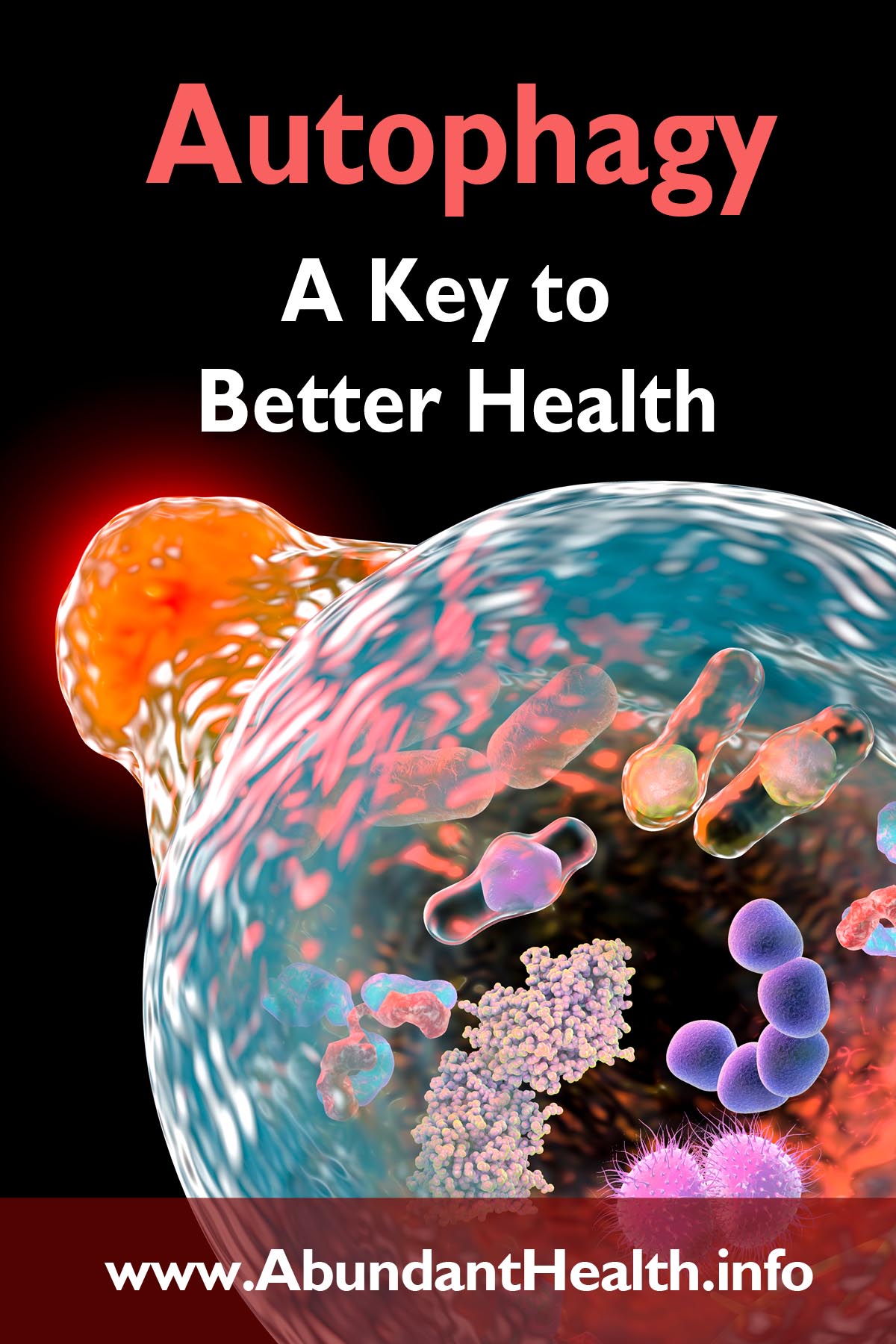
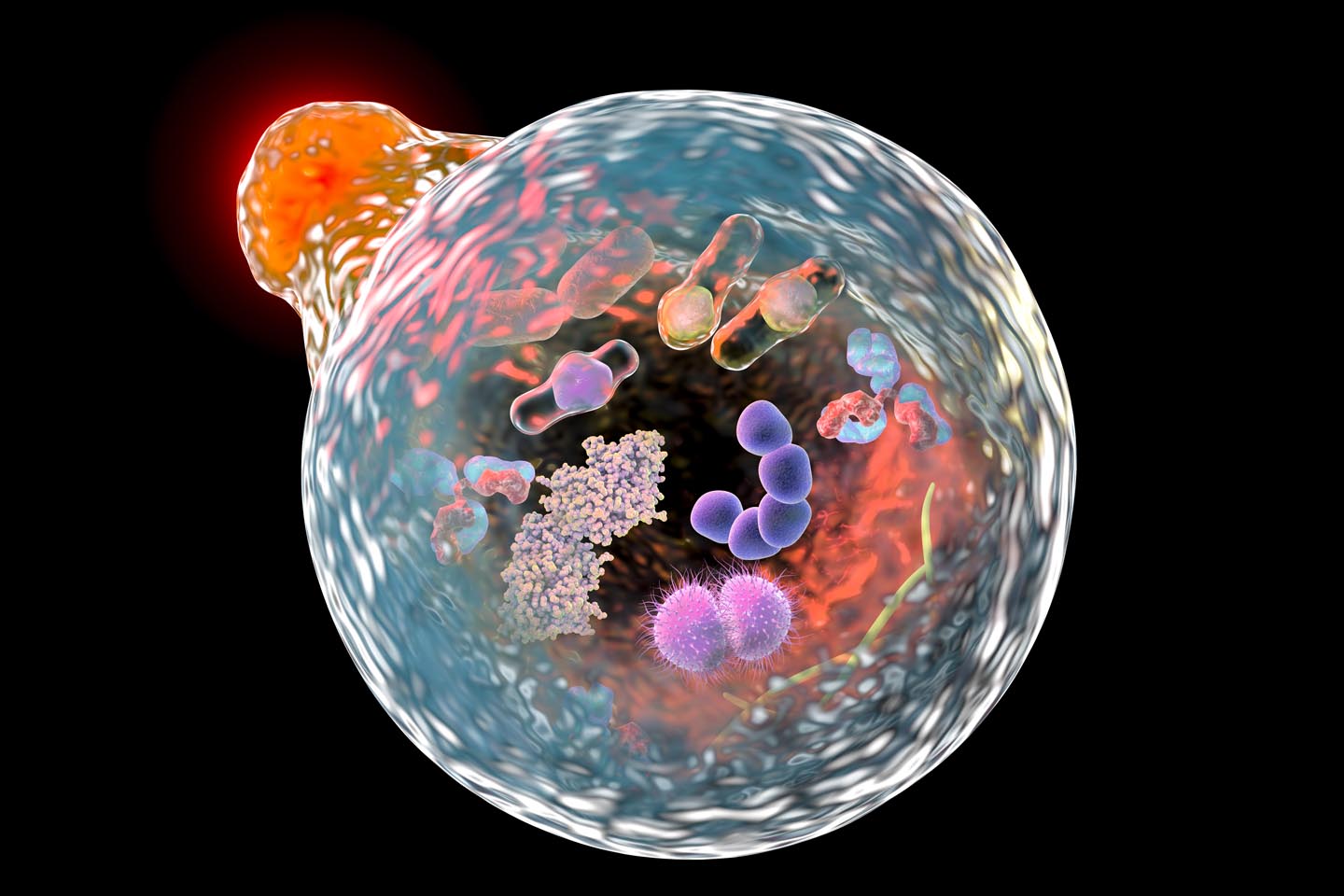
Autophagy – A Key to Better Health

The word autophagy comes from the Greek. “Auto” means itself and “phagein” means to eat. It is a process that takes place in the lysosomes within our cells and eliminates and recycles cell components such as broken proteins or other damaged cell organelles – e.g. mitochondria, our power plants in the cells.

Some of the degradation products are recycled or converted into energy. Therefore, autophagy is strongly boosted by fasting. Furthermore, microorganisms, bacteria and viruses that have penetrated the body are also combated by autophagy. It therefore also plays a major role in the immune system, in infections, in the aging process and in the development of tumors. Well-functioning autophagy can help to prevent cancer.

Autophagy no longer works as well as we age. This causes many diseases. Dementia, Parkinson’s, Alzheimer’s and diabetes can be traced back to it. All of this fits well with the observation that people age healthier when they consume less calories. It’s no wonder that autophagy has become a major research topic. Many centenarians on the island of Okinawa state, “We only eat so much that we’re not quite full.”

A well-functioning autophagy is therefore advantageous for the prevention of various diseases. In Parkinson’s specifically, we know that brain cell death is the cause of the disease, and deficient autophagy seems to be a major reason. We’ve talked about cancer prevention before, and there are possibilities that osteoarthritis is also strongly related to autophagy.

A man with Parkinson

Intermittent Fasting

Some researchers in Austria are also significantly involved in autophagy research, especially when it comes to implementation strategies. University Professor Dr. Frank Madeo is supervising a large-scale study at the Institute for Molecular Biosciences at the Karl-Franzens University in Graz. Fasting triggers autophagy, which is rejuvenating, life-prolonging, and regenerative. Even a short-term fast of 16-20 hours triggers this effect.

Cells need time to get rid of their waste or to recycle it. When you eat constantly, you need insulin all the time, and your body is always busy digesting. Insulin inhibits autophagy. Looks like the recommendation to eat five to seven smaller meals throughout the day will soon be a thing of the past. Prof. Madeo says: “Welcome your hunger like a friend and your body will get cleaned up.”

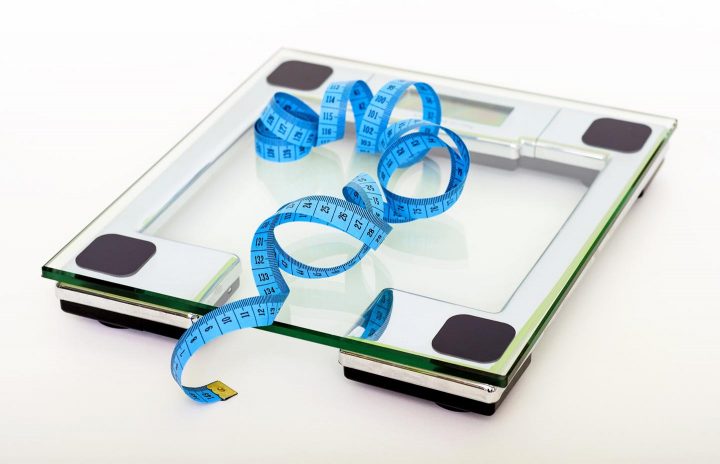
There is no need to fast for a few days in a row to enjoy autophagy. Intermittent or short-term fasting is also sufficient. An interval of 16:8 is sufficient, i.e. eating only twice during an 8 hour block, and then fasting for 16 hours, abstaining from all food, including fruit juices. Water is allowed to drink. Preferrably the dinner is skipped. There is also the method of eating normally for a day and then fasting for a day. A side effect of short-term fasting is that fewer calories are usually ingested, which means that we can shed a few extra pounds.
A scale and a tape

In fact, long periods of fasting can become a problem in some circumstances. If you fast for several days, your body will begin to break down muscle as soon as all other reserves have been used up. This not only reduces muscle strength, but also slows down metabolism, which has a negative effect on weight control. Intermittent fasting avoids these problems while reaping the full benefits of autophagy.

Pregnant women should avoid long-term fasts, and breastfeeding mothers often experience problems with milk production after just one day of fasting. Children and seniors should also be careful with long-term fasting. Sick or frail persons such as advanced cancer patients not only may lose strength, a lack of protein in the diet for several days can also negatively impact the immune system. Therefore, prolonged fasting should be used with caution, while intermittent fasting is well tolerated in most cases.

Plant Based Diet

There have been found some substances in food that boost autophagy. This includes polyphenols. They are mainly found in the outer layers of vegetables, fruits and grains. They protect the interior of the plants from oxidation, and take on this function in the human body as well.

Spermidine, a substance that the body also produces itself, is found in many types of fruit and vegetables. The connection to the seminal fluid is correct. It is found there in high concentrations. Researchers have found that spermidine boosts autophagy as well.

It proves once again that a plant-based diet has many advantages. Animal protein actually inhibits autophagy.

A hand cutting a bell pepper

By the way, exercise will help as well. The cells are put into a nutrient deficiency that increases autophagy. It is smart not to eat anything for a few hours after exercising. Then the effect will be even greater.

Getting Practical

We have already seen that intermittent fasting has a beneficial effect on autophagy. It is best to eat a hearty breakfast and a moderate lunch, then skip dinner and eat nothing until the next morning. During the night, calorie consumption is very low, and eating in the evening quickly adds some extra pounds.

Skipping dinner also has a positive effect on sleep. The stomach is not occupied with digestion and can rest. The lying position with a full stomach can sometimes lead to reflux. And since digestion is slower at night, it can lead to unwanted fermentation processes. The quality of sleep is often affected as well.

How do you make this transition in practical terms? Initially, many have problems going to sleep on an empty stomach. If that’s the case, you can try to do a gradual transition. Either you do this by increasing your nightly fasting time by moving dinner gradually to an earlier time. After a few days, when you’ve managed to get dinner down to 5pm, you can try skipping it altogether.

Another option would be to gradually reduce the amount of food you eat until you can suffice with one piece of fruit in the evening. If necessary, you can switch to fruit juice for a few days until you can manage to skip dinner altogether. Drinking a glass of water or a cup of herbal tea can help to control hunger. Once you get used to the new rhythm, it’s usually not a problem to maintain it.

A man and a woman drinking a cup of tea.

Another variation of intermittent fasting is to fast one full day a week. Ideally, you should only drink water. If you can’t keep it up, you can help yourself out with some fruit. These do not burden the digestion and are not too high in calories. Most of the time they are sufficient to control the feeling of hunger. In addition to the health benefits of autophagy, a weekly fasting day also helps with weight loss, and if needed, you spread out 2 fasting days during the week.

The third variant, which also has positive effects on autophagy, is limiting the calorie intake at every meal. Following the example of Okinawa’s centenarians, you stop eating before you’re full. After eating your first portion, you stop for a moment and examine if it was enough to satisfy your first hunger. If so, put the silverware aside and stop eating. Studies have shown that calorie restriction significantly extends the lifespan of mice. It pays off to take care of your body.

We have seen the benefits autophagy brings to our health. You may need to experiment a bit with the implementation to see what option you manage to adapt the best. Let’s help our body to clean up and recycle its cellular waste, and he will reward us with good health. All the best with the implementation!
Healthy Fruits

Stay Always Up to Date

Sign up to our newsletter and stay always informed with news and tips around your health.

Sign Up Now!

Filed Under: Body Systems, Cell Function, Healthy Lifestyle, Obesity, Temperance Tagged With: Autophagy, Intermittent Fasting

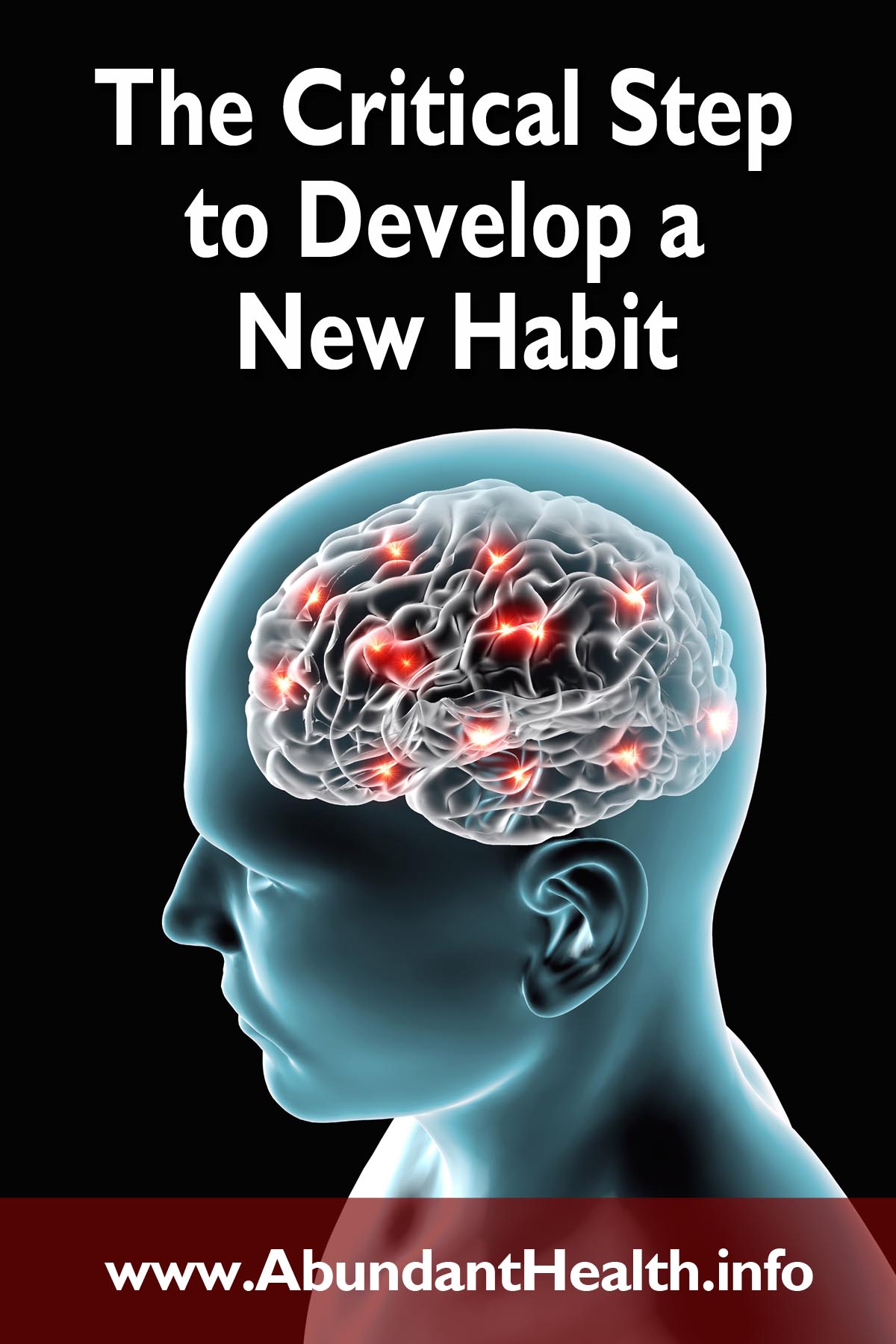
The Critical Step to Develop a New Habit

September 4, 2022 by Dr. Cesar Vasconcellos de Souza - [rt_reading_time label="Reading Time:" postfix="minutes" postfix_singular="minute"]

Have you ever wondered how a habit is formed? Do you find it hard to change your customs? You are not alone. Let’s look at the right way to change your habits in a lasting way.

The Critical Step to Develop a New Habit

Our mind works with thoughts, feelings and actions: attitudes and choices. We think, feel and do something. By repeating the same actions day after day, month after month, year after year, we create a habit. With the repetition of habits, be it food, clothing or the way you think and relate to yourself and others, character is built. So, repeated actions form our character. The sequence is:

  • thoughts lead to feelings
  • feelings lead to actions
  • actions produce habits
  • habits generate character

Remember when you took your first driving lessons? For a while, even after you had your driver’s license in hand, your mind needed to think about what pedal you use to accelerate and which one is the break, when to signal that you take a turn and that you need to put into park position when you stop. But over time, with habit, all of that was starting to happen in autopilot without you needing to think about that. A habit, a conditioning, emerged.

To create a new habit, effort, perseverance and self-control are necessary. Look at this text:

The power of self-restraint strengthens by exercise. That which at first seems difficult, by constant repetition grows easy, until right thoughts and actions become habitual.

E.G.White, Mind, Character and Personality Vol, 1, p. 285.

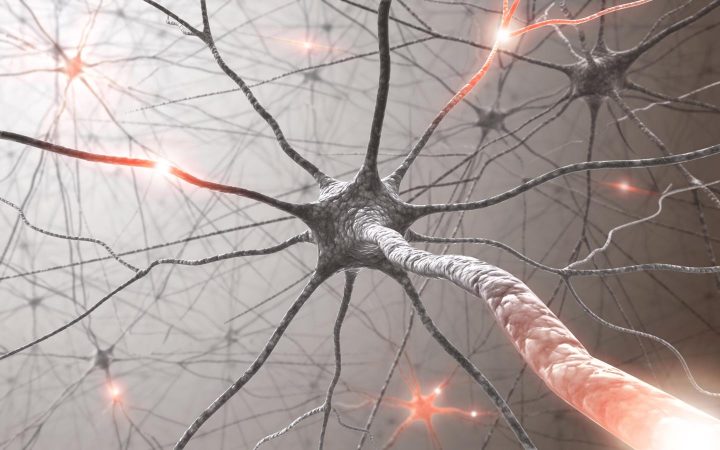
Brain cells, neurons, form an electrochemical circuit in the brain, a network with billions of neurons that communicate with each other. When you habitually think the same way about some subject, that thought becomes an ingrained belief in your psyche. Your habitual way of thinking then becomes a strong influence in your life, affecting your relationships, your work, and your social life. We become what we think about most. Brain circuits are working in such a way that it repeats functions that have been conditioned over time; and this is called habit.

Neurons forming a neural pathway in the brain.

People who are used to looking at the negative side of things, who tend to focus their minds on tragic matters, who always think pessimistically, favor the brain to function in unhealthy conditioning. Positive psychology studies show that cultivating thoughts of gratitude and hope helps with physical health as well. But when a person harbors negative thoughts and ideas, their immune system is affected in a way that can make infections easier to develop.

For example, researchers at the University of Arizona, studying stress, found that people who lost hope due to loss in life had not only more frequent infections, but also infections that took longer to resolve. This is because sadness seems to weaken immunity, making defenses such as T lymphocytes and B lymphocytes less effective in fighting viruses and bacteria, that is: the mental attitude affects the body, which can generate psychosomatic diseases and clinical situations, such as a weakened immune system.

So individuals who cultivate bad habits of thinking may experience more physical ailments throughout life. And the opposite is also true: good physical habits, a positive, optimistic, hopeful mental attitude and trust in God, make it easier for our bodies to respond to illness in a better and more protective way. The good news is that there is a mechanism in our brain called neurogenesis, which has to do with brain flexibility, neuroplasticity; a type of biological resilience. In other words, a possibility of change.

In other words: brain cells that have become accustomed to functioning in a certain neural pathway, which produces addiction, can return to normal functioning in the adult state, making it possible to create a new habit. Some studies suggest that a new habit can be built in three weeks, or 21 days. Other studies have shown that it takes 40 days to create a different habit. The important thing is that this is possible.

Freed from a handcuffing habit

But it is true that in many cases change is not coming easy. Some negative habits may need something more than physical and psychological resources to disappear, or come under control. There are habits that are so ingrained in the person, that have been in the individual’s life for so many years and that produce unhealthy pleasure, with a strong feeling of satisfaction, that willpower alone is not enough to break them. Hence the need to believe in a higher power, which I call God the Creator, to give us the strength to overcome that bad habit.

Do you want to change a bad habit in your life? Take the first step. Place a target. Something like: Just for today I’m not going to practice this bad habit. In other words, the fight is today! What tomorrow will be like, leave it for tomorrow. You may have to struggle with splitting the day, in the sense of deciding to avoid the bad habit at least in the morning. Make the decision by saying to yourself: this morning I will not practice…. . Mention the addiction you don’t want to practice that day. If you feel the force of a bad habit taking hold of you, turn to spiritual resources, as members of Alcoholics Anonymous do:

  1. Admitting your powerlessness in the face of you bad habit.
  2. Believing that a power greater than yourself, the God of the Universe can help you.
  3. Deciding to turn the will of your life over to the care of this Creator God.

So start believing. Believe that it is possible to change a bad habit, because it will be worth reaping the results of your right choices.

Healthy Fruits

Stay Always Up to Date

Sign up to our newsletter and stay always informed with news and tips around your health.
Sign Up Now!

Filed Under: Addictions, Healthy Lifestyle, Mental Health, Temperance Tagged With: breaking addictions, creating habits

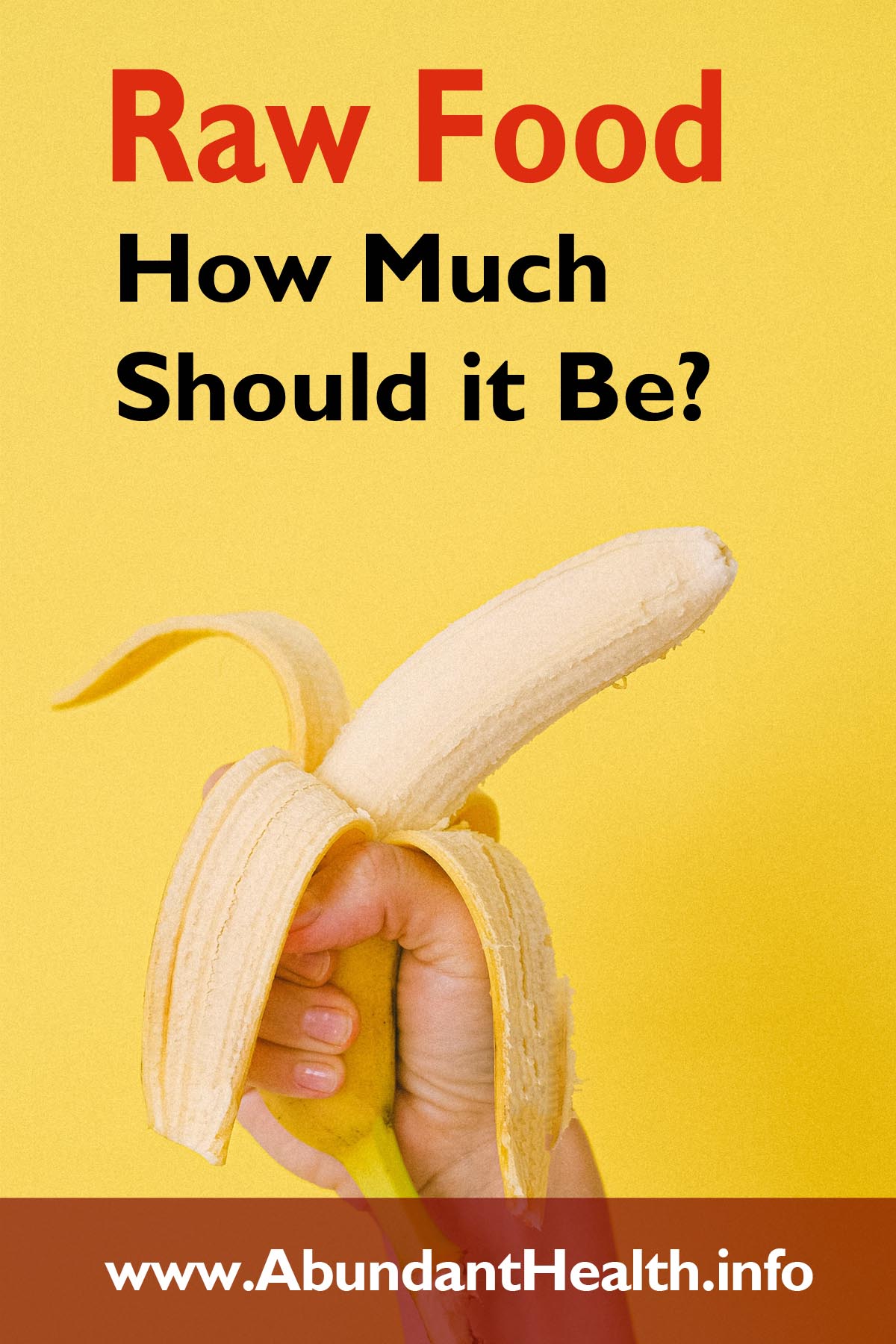
Raw Food – How Much Should it Be?

July 31, 2022 by Esther Neumann - [rt_reading_time label="Reading Time:" postfix="minutes" postfix_singular="minute"]

Rohkost-Wie viel?

In summer, the farmers’ markets are a real feast for the eyes, a treasure trove of fresh fruit and vegetables. A large part of the population associates good health with raw fruit and vegetables. In practice, however, things look rather bleak. Most eat far too little raw fruit and vegetables. On the other hand, there are people who advocate an exclusive raw food diet. Others advocate a moderate raw food diet, with a proportion between 70-100%.

Raw Food - How Much Should it Be?

In the last hundred years, numerous raw food diets have been developed. The majority of them come from lay people who had to struggle with health problems and were treating themselves by changing their diet to eating exclusively or partially raw food.

Raw Food Types

The raw food types are often based on idiosyncratic nutritional concepts that are not explained scientifically. Some take a very one-sided approach and simply reject certain foods. That is why it is very difficult to make a general assessment of raw food diets. You have to consider them individually. Most raw food types are named after their “inventors”: Evers diet, Waerland diet, raw food after Walker, Dr. Nolfi, Schnitzer or Wandmaker. But then there are also fantasy names like Rainbow Diet, Hallelujah Diet or “Fit for life”.

The majority of raw food diets are vegetarian. Almost half abstain from meat altogether. Some allow raw or lightly smoked meats. Milk and cereal products usually have a bad reputation. Most people don’t manage to stick very long to a 100% raw food diet. Many give social reasons, such as isolation, for discontinuing the diet. A third cite health reasons: feeling cold, problems with teeth, bloating and weight loss.

Body Weight on a Long-term Raw Food Diet

Being overweight is unknown among raw foodists. Three quarters have a BMI in the normal range. There’s no obesity. On the other hand, there are a number of underweight people on the other end of the weight curve, especially those with a very high proportion of raw food. Weight plays a subordinate role for raw foodists. They care more about their well-being.

The underweight could probably be reduced to a large extent if more nuts and avocados, i.e. high-fat foods, were eaten. However, when the majority of calories are consumed as fat, it takes complicated metabolic reactions to convert that fat into the proper form of energy. This is not ideal for our health.

With most raw foodists, carbohydrates and proteins are neglected, since cereals and legumes can only be consumed raw to a limited extent. Raw grains and legumes contain a number of phytates that cause bloating and prevent the absorption of a number of minerals. These phytates are greatly reduced during cooking.

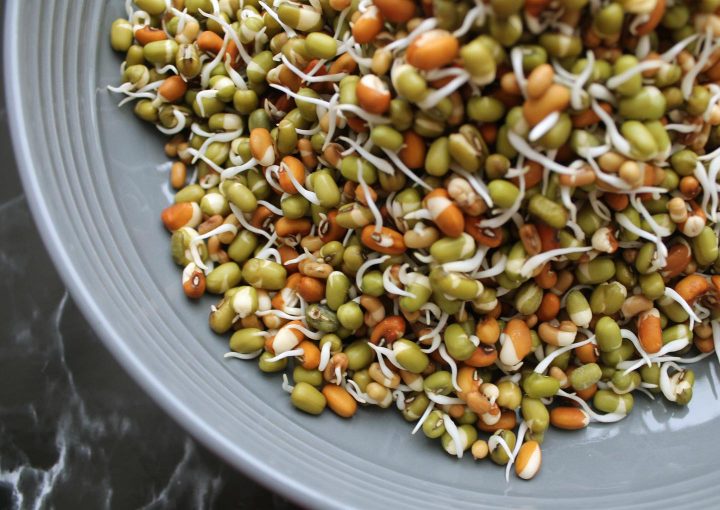
Sprouting is another way of reducing phytates. Grains and legumes are therefore often consumed in sprouted form by raw foodists. When sprouting, the vitamins contained in the grain are potentialized, making sprouted seeds an interesting addition to our diet. However, if they are consumed in large quantities, this can lead to an excess of vitamins.

Sprouted beans

Convictions of Raw Foodists

Most of the time, it is health reasons that proponents of the raw food diet give as to why they chose this alternative diet. For others, ethics play a role or the good taste of the raw food. Two thirds are convinced that cooking leads to a reduction food in value and even to the creation of harmful products. Digestive leukocytosis, enzymes in raw food and the formation of Maillard products are cited very often. These are browning products that result from the combination of sugar types and amino acids when food is heated.

Digestive Leukocytosis

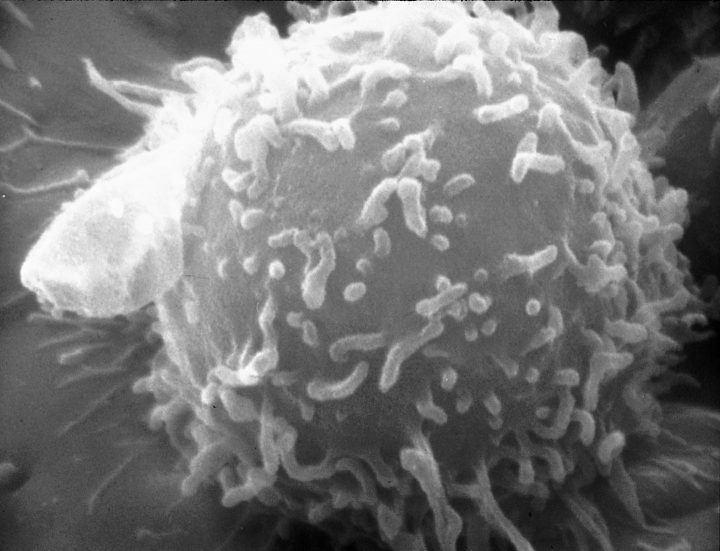
This term describes the temporary increase in the number of white blood cells, the leukocytes, after eating. This is a physiological condition and does not indicate a disease. This increase is repeatedly seen by raw foodists as a reaction to unsuitable foods. Supposedly, cooked foods are considered by the body to be a foreign substance that need to be attacked by the immune system. They claim that there is no increase in leukocytes if you only eat raw food or at least eat something raw before you eat cooked food.

The medical background was provided by the physician Kouchakoff in 1930, who found an increase in leukocytes after ingestion of cooked food, but no increase in uncooked food. Subsequent, more detailed investigations showed that his observation period was much too short and that any food intake caused an increase in leukocytes, especially neutrophilic granulocytes. However, why this increase is happening needs to be researched more closely. Maybe it’s simply a matter of fighting germs that may be smuggled in with food and possibly cause illness.

A Lymphocyte, which is a subgroup of leucocytes in the human immune system.

Kouchakoff’s thesis that leukocytosis only occurs when food is cooked has turned out to be wrong. Leukocytes increase by 50-140% after eating, whether the food is cooked or eaten raw. It is interesting, however, that most people have their highest leukocyte count after eating meat.

Enzymes

The enzymes are another reason that raw foodists often cite as a benefit of their diet. The raw food should contain live enzymes that are lost during cooking. Therefore, raw food products are supposed to be living foods, while cooked products are already dead and supposedly have very little nutritional value.

What are enzymes? They are chemical structures that are vital to a variety of metabolic functions in our body. They have important functions in digestion, body metabolism, DNA replication, cell signaling and countless other processes within the body.

So it’s true that raw foods contain a lot of enzymes. Since these enzymes consist largely of proteins, they are broken down into amino acids in the stomach and therefore do not benefit the body. Some people need enzyme supplements to help with digestion. However, these must be packed in specially developed capsules, which are resistant to stomach acid and only release the enzymes in the intestine. Without these protective capsules, the digestive enzymes wouldn’t get to the intestines. The enzymes that the body needs it can usually produce by itself.

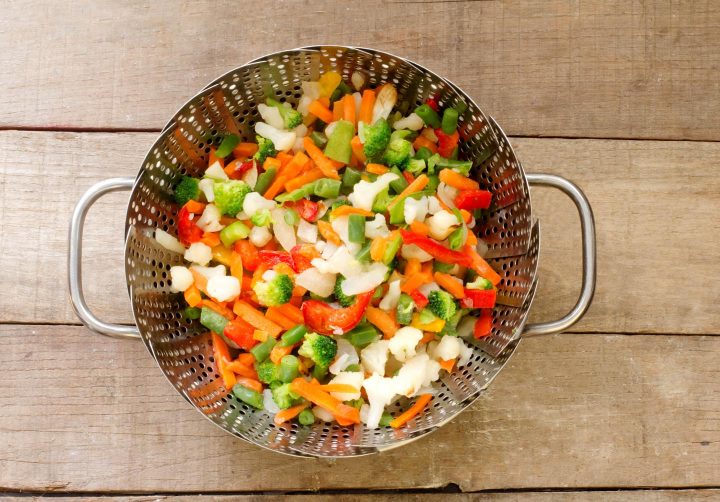
When it comes to vitamins, however, the raw food diet is a step ahead. Vitamins are largely lost upon heating and are normally found in much higher concentrations in raw products. There are, however, exceptions here as well. For example, steamed kale has a higher vitamin C content than raw, and the beta-carotene in carrots is easier to absorb when cooked. If you want to cook vegetables, then careful steaming is usually the gentlest form of preparation.

vegetable inside steam basket for steam cooking

Raw Food as a Treatment

Nutrition is a key factor in the development of chronic diseases and the maintenance of good health. The WHO agrees with that. Of course, lifestyle also plays an important role. In addition to lack of exercise and tobacco consumption, the changed diet is mentioned in first place.

The traditional plant-based diet has been replaced by a calorie-dense, high-fat diet with a high proportion of animal products. Low fruit and vegetable consumption and low fiber go hand in hand. In numerous developing countries, which are adapting their lifestyle and diet to industrialized countries, precisely those diseases that go hand in hand with this lifestyle are increasing: cardiovascular diseases, diabetes, cancer and obesity.

Is it any wonder that alternative doctors are increasingly turning to raw food! When changing from a typical Western diet, success is inevitable. However, the raw food diet must be adjusted individually, because there are a number of contraindications. And in most cases, a well-balanced healthy diet that includes some cooked grains would probably perform better than a restrictive raw food diet.

Raw Food as a Permanent Diet: Yes or No?

As the raw food studies show, it is not easy to eat exclusively raw. It might make sense for a short time, whether it’s to lose weight or regain your health. When it comes to raw food as a permanent form, you should never eat a restrictive diet. One should not arbitrarily avoid some foods that are important for a balanced diet.

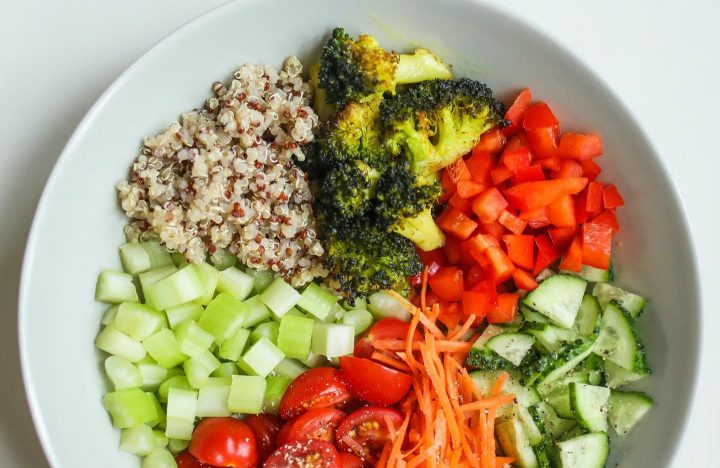
Everyone has to decide for themselves how high the proportion of raw food should be in their diet. Eating about half of everything raw, as recommended by Whole Foods Diets, is certainly a good way to go. It is well justified in terms of taste, socially, scientifically and from a health point of view. But cooking makes sense too.

Salad plate with steamed broccolis and cooked quinoa

Why Cooking?

Cooking kills harmful microorganisms, destroys harmful food components, such as in legumes, and increases the absorption of some nutrients, such as beta-carotene. Cooking changes the texture and taste. Cooking, roasting and baking contribute to palatability. Let’s just think about potatoes! Boiling is often increasing durability, helps to preserve food in canning, and adds convenience. We quickly have a meal on the table from pre-prepared menus, supplemented by fresh raw vegetables.

Everyone has to decide for themselves how much raw food is good for them. The fact is, most know they should be eating more of it. If one wants to increase the amount, he should do it gradually, remembering to chew well. Only then can the digestive tract can adapt to the changed circumstances.

Incidentally, there are no scientific findings available – for a better physical and mental performance of the raw food compared to the usual mixed diet. But if someone feels more comfortable with a raw food diet, they should choose a balanced type that also optimally provides them with everything they need for life.

Healthy Fruits

Stay Always Up to Date

Sign up to our newsletter and stay always informed with news and tips around your health.
Sign Up Now!

Filed Under: Nutrition, Obesity, Temperance

What Caffeine is doing to You and Your Child?

March 13, 2022 by Dr. Cesar Vasconcellos de Souza - [rt_reading_time label="Reading Time:" postfix="minutes" postfix_singular="minute"]

A cup of coffee

Caffeine is a drug that is heavily used in various forms all over the world. An article by Jennifer Temple from the Department of Exercise and Nutrition Sciences at the University at Buffalo, shows the results of studies on the effects of caffeine in children.((Temple JL.  Caffeine use in children: what we know, what we have left to learn, and why we should worry.  Neurosci Biobehav Rev. 2009;33(6):793-806.  doi:10.1016/j.neubiorev.2009.01.001))

What Caffeine is doing to You and Your Child?

Let’s see what Dr. Jennifer and other scientists say about caffeine consumption. Caffeine is a substance that acts on our brain, legally permitted, easy to obtain, and socially acceptable to consume. Previously, it was relatively restricted to adults, but caffeinated beverages nowadays are being regularly consumed by children. In addition, some drinks that contain caffeine are marketed specifically for children starting with the tender age of 4 years.

Caffeine is classified as a stimulant drug typically used for its ability to activate the central nervous system. Although generally recognized as safe by the US Food and Drug Administration, the FDA, excessive caffeine use can result in serious health risks, and in rare cases can lead to death.

The use of caffeine in children has not been sufficiently studied so far. Children and teenagers are the fastest growing population of caffeine users, with an increase of 70% in the last 30 years. Along with this goes the development of new caffeine-containing drinks, called energy drinks, which contain levels of caffeine ranging from 50mg, equivalent to a can of soda to 500mg, the equivalent of five cups of coffee, and often very high levels of sugar.

Energy drink sales have grown by over 50% since 2005, and they are unfortunately the fastest growing segment of the beverage industry. Energy drinks are marketed specifically to young adults and children, with ads showing high-risk activities, extreme sports like rock climbing or paragliding, using catchy slogans, which is a commercial wickedness to do so.

An adolescent consuming an energy drink

Caffeine is found in coffee, black tea, chocolate, mate tea, green tea and guarana. It is naturally produced in the grains and leaves of the plants used to make these products. Caffeine is also used as an additive in other products such as soft drinks, energy drinks and pain relievers. Caffeine levels can vary greatly in these products, depending on the concentration and preparation, as in the case of tea and coffee, or the amount added as in the case of soft drinks and energy drinks.

Even though caffeine consumption is banalized by many, there are according to Dr. Jennifer two things that should be considered about caffeine consumption by children and teens. First, there is a wide range of caffeine use among teenagers, with some consuming considerably more than average, which makes them also vulnerable of developing other types of high-risk behavior.

Second, due to the paucity of research on caffeine use in adolescents, we do not know the “safe” level of caffeine use in this population. Consumption of caffeinated beverages in general and consumption of soft drinks in particular is of concern because of their potentially negative health effects, as well as their established relationship with sleep disturbance, obesity and tooth decay. In addition to traditional caffeine-containing products like coffee, tea and soda, people can now get their caffeine fix from a variety of nontraditional sources. It appears that caffeinated consumables are being marketed to younger populations.

In addition to its well-known effects on sleep disturbances and restlessness, caffeine exerts some more behavioral effects. Its use produces tolerance and dependence, that is, tolerance means the need to use larger doses to obtain the same stimulating effect, and dependence is addiction.

A teenager suffering from insomnia

Acute caffeine use has dose-dependent effects on mood, attention span and physiology. For example, moderate doses of caffeine ranging from 200 to 300mg often produce the perception of heightened feelings of well-being, improved concentration and increased arousal and energy, but high doses above 400 mg lead to feelings of anxiety, nausea, agitation, headache, fatigue and nervousness. Worse though, acute administration of a moderate dose of caffeine of 200 to 300 mg, already decreases heart rate and increases blood pressure. In children and adolescents, caffeine consumption may be driven by peer pressure or a desire for increased sports performance.

Irregularly high levels of caffeine consumption, like above 400 to 450 mg per day increase the risk of cardiovascular disease. High levels of caffeine use are also associated with calcium excretion and bone loss, which may contribute to osteoporosis.

Dr. Jennifer continues to point out, that although data differ between studies, most agree that high levels of caffeine consumption in women trying to become pregnant may be associated with lower rates of conception, and higher rates of miscarriage. As with other peer-reviewed articles, the consensus is that some high levels of caffeine consumption can have adverse effects on fertility, and the recommendation is that women trying to get pregnant should limit caffeine to less than 300 milligrams per day, and it’s even better not to use it at all.

In children, the main vehicle for caffeine is soft drinks, which also contain a lot of sugar. This facilitates the development of caffeine dependence, and perhaps also contributes to an increased preference for foods and beverages containing added sugar. Sugar activates reward pathways similar to drugs like cocaine, amphetamine and nicotine.

A child consuming a soft drink

Childhood and adolescence are periods of rapid growth and the final stage of brain development. In order to maximize growth and development, adequate sleep and nutrition are essential. Caffeine use disrupts sleep patterns, and excessive soda consumption is associated with a poor diet, excess weight, and tooth decay. If caffeine increases preferences for sweet foods and beverages, it can contribute to excess energy intake, and increase the risk of overweight and obesity in adulthood. Children and teens can be particularly vulnerable to caffeine, as their brains are still undergoing significant development, in specific areas of the brain involved in executive function, impulsivity control and planning.

Consumption of energy drinks can lead to several negative consequences, especially in children and adolescents, because of their high caffeine content, explains Dr. Jennifer. First, she says, children and adolescents may be more susceptible to caffeine intoxication, which results in a number of physiological and psychological effects, and can in some cases lead to death.

Second, in addition to the harmful effects of energy drinks, they are often combined with alcohol as a way to increase the symptoms of euphoria. This can lead to increased alcohol intake and consequently an increase in harmful alcohol-related symptoms.

Third, excessive consumption of energy drinks has been associated with involvement in various high-risk behaviors, including smoking, drinking, illicit drug use, risky sexual behavior and fighting.

I want to end by leaving a text by a last century writer, who already gave us this advice over 100 years ago:

Tea and coffee do not nourish the system. The relief obtained from them is sudden, before the stomach has time to digest them. This shows that what the users of these stimulants call strength is only received by exciting the nerves of the stomach, which convey the irritation to the brain, and this in turn is aroused to impart increased action to the heart and short-lived energy to the entire system. All this is false strength that we are the worse for having. They do not give a particle of natural strength.((Ellen White. Temperance, p. 75. Pacific Press))

So the best attitude to caffeine is to avoid its use in whatever forms it is present in beverages and foods. It preserves your health, and your brain as well. Cutting caffeine out of your life is worth it!

Healthy Fruits

Stay Always Up to Date

Sign up to our newsletter and stay always informed with news and tips around your health.

Sign Up Now!

Filed Under: Children, Healthy Lifestyle, Teenagers, Temperance

Addicted to What?

January 23, 2022 by Esther Neumann - [rt_reading_time label="Reading Time:" postfix="minutes" postfix_singular="minute"]

Süchtig worauf?

Hands speak volumes. The Russian author Tolstoy describes in a stirring language how a visitor observes the hands of the players in a casino. They express so many things. There are the completely relaxed ones, because they don’t care whether they win or not. Perhaps the one who owns the hands can still afford to lose. The other’s fingers clench, they twitch, they’re wet. It’s all or nothing. It’s whether they can lift up their head leaving the place, or get away beaten, destroyed, deprived of dignity, without a future, with a lot of gambling debts.

Addicted to What?

The non-material addictions, as they are called, are not limited to gambling addiction. Addiction to work can also distract us from our real purpose in life. The list below is not complete, but shows us that almost all activities can lead to addiction: addiction to shopping, internet addiction, computer game addiction, television addiction, cell phone addiction, sex addiction, craving for recognition, binge eating, obesity, anorexia, sleep addiction, exercise addiction…

Relaxation and Pleasure

The activities listed above are not inherently bad. We can all use them in a positive way. We work in order to be able to live our lives, in order to fulfill our desires, in order to be able to help others. Sex is a pleasant thing when it is connected to a relationship of genuine love. When we sleep we can rest and relax. Playing brings us socializing and relaxation. The children learn to follow rules and lose without anger. Eating gives us moments of pleasure, helps us to socialize and can be very satisfying.

Compulsion

When do normal activities become a problem? When they have to be done over and over again under compulsion. The desire to pursue the dominant activity is so great that it occupies me all the time. Work is often neglected, partners and family members are hardly noticed. Your own well-being and health are being neglected. A power stronger than myself has taken hold of me.

When someone can no longer cope with the demands of everyday life, an outlet is sought. One often slips into daydreams. You create your own world. In this world you are invulnerable. At first you feel comfortable, secure, no demands are made. It is only over time that such daydreams turns into problems again.

Also, one reason many become addicted is because of the ease of access to accessories. TVs, computers are in almost every home, even in the bedrooms. Slot machines for gambling can be found in many inns and are an additional source of income. Finding a casino is already taking some effort, but who is addicted to gambling will find its way.

Spielautomat

When Things Go Bad

Initially, satisfaction is really found in the act of addiction. One can escape the pressure from outside. An own world, in which one feels comfortable, is created. But if the compulsion to keep immersing in this self-created world becomes too great, problems begin. Eventually everything gets neglected, including oneself. The essence of addiction is that you can’t get out of it by your own willpower. You cannot rely on your own willpower. An addict cannot be freed from his addiction against his own will either. Any attempt to help him will fail until he makes up his own mind to get out of his illness, which is in fact an addiction. But what can be managed is for the addict to recognize that they need help. However, this requires a basis of trust for many joint discussions.

How Can You Help?

No accusations should be made. The addict usually makes them himself. In all situations one must remain firm but cordial. Withdrawing support often helps. If, for example, the gambling addict who gambles for money and loses it, or the alcoholic realizes that people are always helping him out with money, he is not feeling the psychological strain of his actions. When you solve the problems for an addict and try to keep his life under control, you support him to carry on as before. If you withdraw the help, he gets into a big crisis, but it can force him to reorganize his life.

Relatives must not allow themselves to be abused or extorted. You can’t do anything for the addict or without his presence, everything must be done with their participation. This usually requires professional help. Advice centers for all kinds of assistance have been set up in all larger cities. Visiting a self-help group is a great help for those affected. There, in a relaxed atmosphere, he hears about the problems of others and how they are re-mastering their lives. He can exchange thoughts, take encouragement and have fun together. Many self-help groups use the 12-step Alcoholics Anonymous program.

self help group - Photo by Tima Miroshnichenko from Pexels

Liberation is a Process and Spiritual Growth

Addicts need to realize that they cannot rely on their own willpower. It is not necessary to find out why one is addicted in order to have something to blame. Many addicts have been neglected in their childhood. They have never known real security. They find it difficult to confide in anyone. But they have to realize that only a greater power than they have in themself can help. And that power is sure to be found in God, our Creator and Sustainer. This is why the AA serenity prayer is so important and should be part of any therapy.

God grant me the serenity to accept the things I cannot change; the courage to change things that I can change; and the wisdom to distinguish one from the other.

Sticking to certain principles is a great help. The Twelve Step Alcoholics Anonymous program is a spiritual program that leads to healing and spiritual growth and is helpful with virtually any addiction. Instead of alcohol, simply substitute the addiction in question. Everyone can face their problem without fear and learn that there is liberation, also for them. However, getting rid of addiction is a process that you have to work on for the rest of your life. But it’s worth it. God wants us to break the chains of slavery, and He promises victory when we enlist His help.

Alcoholics Anonymous 12 Step Program:

1. Step

We admitted we were powerless over alcohol — that our lives had become unmanageable.

2. Step

Came to believe that a Power greater than ourselves could restore us to sanity.

3. Step

Made a decision to turn our will and our lives over to the care of God as we understood Him.

4. Step

Made a searching and fearless moral inventory of ourselves.

5. Step

Admitted to God, to ourselves, and to another human being the exact nature of our wrongs.

6. Step

Were entirely ready to have God remove all these defects of character.

7. Step

Humbly asked Him to remove our shortcomings.

8. Step

Made a list of all persons we had harmed, and became willing to make amends to them all.

9. Step

Made direct amends to such people wherever possible, except when to do so would injure them or others.

10. Step

Continued to take personal inventory and when we were wrong promptly admitted it.

11. Step

Sought through prayer and meditation to improve our conscious contact with God as we understood Him, praying only for knowledge of His will for us and the power to carry that out.

12. Step

Having had a spiritual awakening as the result of these Steps, we tried to carry this message to alcoholics, and to practice these principles in all our affairs.

Source: Alcoholics Anonymous

Healthy Fruits

Stay Always Up to Date

Sign up to our newsletter and stay always informed with news and tips around your health.
Sign Up Now!

Filed Under: Addictions, Healthy Lifestyle, Mental Health, Temperance

Is Wine Good for the Heart?

December 26, 2021 by Dr. Cesar Vasconcellos de Souza - [rt_reading_time label="Reading Time:" postfix="minutes" postfix_singular="minute"]

Is Wine Good for the Heart?

Could it be, that the solution to avoid health problems due to alcohol consumption, is to drink in moderation, as many ads are recommending? Is wine really good for the heart, as some studies are claiming? We will get into details about this subject in this article.

Is Wine Good for the Heart?

The World Health Organization has identified alcohol consumption as one of the top ten risk factors for the global burden of disease. See this statement from the National Institute on Alcohol Abuse and Alcoholism, which reads:

Results of autopsy studies show that patients with a history of chronic alcohol consumption have smaller, lighter, more shrunken brains than nonalcoholic adults of the same age and gender. This finding has been repeatedly confirmed in living alcoholics using structural imaging techniques, such as computed tomography (CT) and magnetic resonance imaging (MRI)… Imaging reveals shrinkage to be more extensive in the folded outer layer (i.e., cortex) of the frontal lobe, which is believed to be the seat of higher intellectual functions… Shrinkage also occurs in deeper brain regions, including brain structures associated with memory, as well as in the cerebellum, which helps regulate coordination and balance.((National  Institute  on  Alcohol  Abuse  and  Alcoholism,  No. 47, April 2000.))

An article in the journal of the American Medical Association, JAMA stated the following:

Alcohol should be considered an immunosuppressive drug of long-range effects.((MacGregor, RR. Alcohol and immuno defense. JAMA Set, 19,1986, v 256, no. 11.))

This means, alcohol decreases the ability of your body’s defense system to function. Regarding the possible benefits of alcohol for the heart, the World Health Organization concluded the following:

Although regular low to moderate consumption of alcohol is protective against coronary heart disease, other cardiovascular and health risks associated with alcohol do not favor a general recommendation for its use.((Diet,  Nutrition  and  the  Prevention  of  Chronic  Diseases,WHO, 2003, p. 90))

A woman taking an alcoholic drink - 
Photo by Olya Prutskova from Pexels

What Helps Then the Heart?

But after all, is wine good for the heart or not? A study done in the Second Department of Cardiology, General Hospital, University of Attikon, Greece, published in December 2005 with the following title: Polyphenolic compounds from red grapes acutely improve endothelial function in patients with coronary heart disease.((Lekakis J et.al. Polyphenolic compounds from red grapes acutely improve endothelial function in patients with coronary heart disease. ·  DOI: 10.1097/00149831-200512000-00013 ))

 This study showed that drinking red wine improves blood vessel dilation by acting on the endothelium, the tissue in the blood vessel wall. So in the study a group of men who had coronary heart disease were given a polyphenol extract from red grapes (600mg) dissolved in 20ml of water and some were given the 20ml of water with a placebo, so all the men thought they were taking the grape extract, and they were chosen at random by the researchers. They used high-resolution ultrasound to assess the dilation of the brachial artery, the main artery in the arm, after hyperemia, which is a redness caused by obstruction with a cuff in the arm. They measured vessel dilation in fasting, and 30, 60 and 120 minutes after taking the true extract or placebo.

Do you know the result? Those taking the grape extract actually had a dilation of the affected artery after 60 minutes, which was significantly higher than the baseline values. There was no change in the dilation of the arteries in the men who took the placebo.

The researchers concluded that components called polyphenols from red grapes improve the function of the blood vessel wall in patients with coronary heart disease. A substance that God put in the grape called Resveratrol is what benefits the vessels. These results, they say, could probably explain, at least in part, the favorable effects of red wine on the cardiovascular system. But serious science knows that ethanol alcohol is toxic to the human body in any amount, however some components of the grape are healthy, which are acquired in the same form with the consumption of grape or grape juice.

Tasty Grapes - Photo by Kai-Chieh Chan from Pexels

Other Problems with Alcohol

The liver is the main organ responsible for the elimination of alcohol. On average it takes an hour to process a drink. After a few weeks of drinking four to five drinks a day, liver cells begin to accumulate fat, and if the person insists on drinking, alcoholic hepatitis can develop with inflammation and destruction of liver cells, which leads to cirrhosis. Cirrhosis is an irreversible progressive disease, which leads to death. Fifteen percent of people who insist on drinking after alcoholic hepatitis develop cirrhosis of the liver.

A meta-analysis indicated that women who drink three or more drinks a day have a 69% higher risk of breast cancer than women who don’t drink. Another meta-analysis showed that women who had two to four drinks a day increased their risk of breast cancer by 41%. Studies do not distinguish between wine, beer or mixed drinks. Neither is safer than the other, the studies say. In 1993 the NIAAA published the results of studies that showed the link between heavy drinkers and cancer of the esophagus and mouth, larynx and colon.((Research links alcohol abuse and breast cancer. Hazelden Foundation, Hazelden Foundation, www.hazelden.org consulted on March 21, 2006))

Alcohol impairs diabetes control. Normally the liver helps to raise blood sugar between meals by releasing glucose. This does not happen when drinking alcohol, because the liver’s priority in this case will be eliminating alcohol. Thus, alcohol destabilizes blood glucose levels, which complicates the treatment of diabetics.

A spilled glass of wine - Photo by Polina Tankilevitch from Pexels

Alcohol abuse can interfere with male sexual function, causing infertility by atrophy of testosterone-producing cells, can impair sexual desire and create impotence by damaging nerves linked to erections. In women, alcohol can alter the production of female hormones, reducing menstruation and causing infertility.

In summary, we can see what protects the heart, what is good for the blood vessels is not red wine or other wine, but substances from the grape, especially a substance called Resveratrol. And we saw that due to the toxic effects of alcoholic beverages, it is best not to drink in moderation, but rather not to drink anything that contains alcohol. Think about it and better stay sober!

Healthy Fruits

Stay Always Up to Date

Sign up to our newsletter and stay always informed with news and tips around your health.
Sign Up Now!

Filed Under: Healthy Lifestyle, Temperance

« Previous Page
Next Page »

Primary Sidebar

Social Channels

Coronavirus Immunity Challenge

Boost your immune system to be bullet-proof for the pandemic.

I Want to Participate

Recent Posts

  • 5 Habits to Live Longer
  • Better Sleep Can Protect Against Dementia
  • Finding Peace In Your Crazy-Busy World
  • Flaxseed – An Ancient Plant Rediscovered
  • Platelets – Triggers for Life or Death
  • Boderline Personality Disorder
  • In Praise of Almonds and Nuts
  • Are You Stuck in the Clutter Trap?

Categories

  • Body Systems (16)
    • Cell Function (2)
    • Circulatory System (1)
    • Digestive Tract (10)
    • Immune System (4)
  • Diseases (27)
    • Cancer (2)
    • Cold (1)
    • COVID-19 (11)
    • Dementia (1)
    • Diabetes (1)
    • Digestive Diseases (2)
    • Heart Disease (2)
    • Kidneys (1)
    • Metabolic Syndrome (2)
    • Skin (1)
  • Healthy Lifestyle (42)
    • Exercise (11)
    • Gardening (2)
    • Sleep (7)
    • Sunlight (2)
    • Temperance (14)
    • Water (4)
  • Mental Health (87)
    • Addictions (6)
    • Anxiety (7)
    • Burnout (1)
    • Depression (7)
    • Psychosomatic Diseases (6)
    • Stress Management (45)
    • Trust (6)
  • Nutrition (56)
  • Obesity (9)
  • Phases of Life (14)
    • Adults (3)
    • Babies and Infants (1)
    • Children (3)
    • Seniors (5)
    • Teenagers (3)
  • Therapies (7)
    • Herbs (5)
    • Hydrotherapy (1)
  • Uncategorized (3)

Archives

  • January 2025 (1)
  • March 2024 (5)
  • February 2024 (4)
  • January 2024 (4)
  • December 2023 (5)
  • November 2023 (4)
  • October 2023 (5)
  • September 2023 (4)
  • August 2023 (3)
  • July 2023 (2)
  • June 2023 (4)
  • May 2023 (4)
  • April 2023 (5)
  • March 2023 (4)
  • February 2023 (4)
  • January 2023 (4)
  • December 2022 (4)
  • November 2022 (4)
  • October 2022 (5)
  • September 2022 (4)
  • August 2022 (4)
  • July 2022 (5)
  • June 2022 (4)
  • May 2022 (5)
  • April 2022 (4)
  • March 2022 (4)
  • February 2022 (4)
  • January 2022 (5)
  • December 2021 (3)
  • November 2021 (4)
  • October 2021 (6)
  • September 2021 (4)
  • August 2021 (4)
  • July 2021 (5)
  • June 2021 (4)
  • May 2021 (3)
  • April 2021 (5)
  • March 2021 (4)
  • February 2021 (4)
  • January 2021 (5)
  • December 2020 (3)
  • November 2020 (4)
  • October 2020 (5)
  • September 2020 (5)
  • August 2020 (3)
  • July 2020 (1)
  • June 2020 (1)
  • May 2020 (1)
  • April 2020 (1)
  • March 2020 (1)

Copyright © 2026 · Abundant Health - Privacy Policy - Medical Disclaimer