
Abundant Health

Up to date health information tailored for you

  • Home
  • Blog
  • Recipes
  • Shop
  • Contact
You are here: Home / Archives for Dr. Cesar Vasconcellos de Souza

Dr. Cesar Vasconcellos de Souza

How to Avoid 5 Thoughts That Can Lead to Depression

June 18, 2023 by Dr. Cesar Vasconcellos de Souza - [rt_reading_time label="Reading Time:" postfix="minutes" postfix_singular="minute"]

How to Avoid 5 Thoughts That Can Lead to Depression

Depression is a very common mental illness in today’s reality. An estimated 21 million adults in the U.S. had at least one episode of depression in their lives. That represents 8.4% of all U.S. adults. Among women, that number was rising to 10.5%, and the age range of 18-25 years had a 17% prevalence of depression. We need to know how to deal with this disease more appropriately.
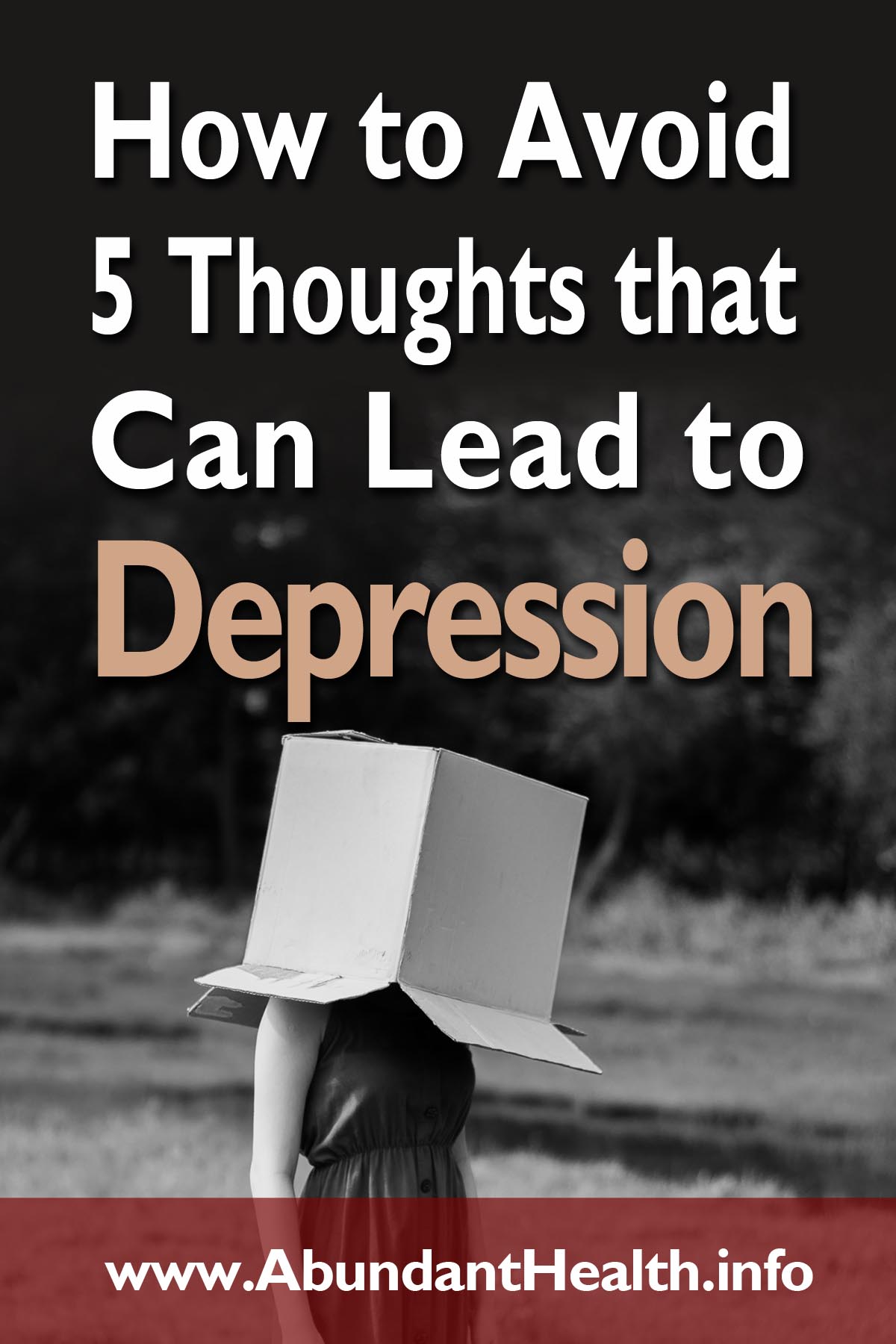
How to Avoid 5 Thoughts That Can Lead to Depression

A person experiencing sadness and decreased interest or loss of pleasure in day-to-day activities, which has been going on for at least two weeks straight, also having changes in appetite, sleep disturbances, lack of energy, difficulty making decisions, suicidal thoughts and feelings of guilt, indicates the presence of depression. The most important mental factor for someone depressed being at risk for suicide is hopelessness. That is, the person sees no way out of their suffering, so they start thinking about killing themselves to end the pain.

Before thinking that someone is depressed, if there are physical diseases, such as thyroid problems, chronic infections, tumors, and encephalitis, among others, it is necessary to treat them, because these diseases can produce depressive symptoms. In addition, it is common for people to have comorbidities, where they present more than one disease at the same time.

For example, it seems that about 50% of people diagnosed with depression also suffer from excessive anxiety. Some may have exaggerated anxiety, depression, and alcoholism, for example. A person may begin to become depressed because of already being a socially withdrawn person for years, as well as depression contributes to the individual withdrawing himself from social life.

Other people experiencing pressure at work, going into burnout syndrome, or suffering moral abuse in the company, can also become depressed. When a person has gone through a depression and the depressive state has produced important losses in his life, he may have been left with a negative signal in his mind, and when some triggering factor happens years later, he may go back into depression.

For example, if a person became depressed because he suffered from moral abuse in the company and when he could no longer bear this suffering at work, he ended up quitting, even though it was causing economic turmoil, it is a situation that could trigger a depression. By coming out of the situation that was causing the suffering and receiving effective treatment, he became well. But if after some time he has the feeling that some kind of abuse against him may occur again, the depressive state may begin to return. Therefore, it is important to be aware of the triggering factors that can trigger painful thoughts and feelings in the person’s mind.

A man being bullied at work

There are different types of depressive states, such as clinical depression, in contrast to dysthymia, which is a type of chronic depression, only milder. There is also bipolar affective disorder, in which the person, in addition to euphoric episodes, suffers from depressive periods. Another type of depression is seasonal, which occurs more in regions of long winter, with a long time without sunlight. Still another is postpartum depression which happens shortly after the baby is born. Some suffer from psychotic depression, which includes delusions, hallucinations, and important changes in the perception of reality.

One of the psychological factors that favors the onset of depression is the tendency to cultivate thoughts of complaint, pessimism, defeat, personal contempt, and hopelessness. Some are hard on themselves, blame themselves too much for failures that have occurred in life, and also attack themselves when they perceive flaws or mistakes in their behavior. In these cases, these individuals need to cultivate self-compassion instead of self-deprecation and learn to forgive themselves instead of blaming themselves all the time.

One factor that produces depression is the very sociable person, but who places too much emphasis on their self-worth in relationships. Thus, when problems arise, such as a financial loss or a divorce, he may fall into depression precisely because he had based his self-worth on something outside himself, on another person, or on some external acquisition. In these cases, the individual can be helped not to fall into depression, correcting this attitude in life of centering their self-respect and self-worth on objects, acquisitions, and external relationships.

It is well known that traumatic experiences throughout childhood greatly increase the risk of depression later in life. This includes the child being a victim of abuse, having suffered illnesses that required hospitalization, divorce from the parents, and death of one of the parents, especially the one with whom the child had more attachment, all happening until the third year of life. In addition, children of depressed mothers have a higher risk of depression in adulthood.

A young girl with marks of abuse

In therapy, it is common for a person to say that he started to have depression since, for example, he discovered that his son was using illicit drugs. But the truth is that this fact may be one of many problems that the person has been experiencing over the years and would then be the triggering factor of depression, but not the only cause of it. It may have been the last straw for him to become depressed.

He may have suffered from the death of loved ones in recent years before the depression hit, he may have been fired, he may live in a place of violence, he may have marital difficulties and all this may have accumulated and ended up bursting into depression.

Factors that can prevent going into depression are having good social support, having friends and relatives who give a helping hand, a healthy lifestyle with regular exercise, a healthy diet, the elimination of toxic substances from the brain, adequate water intake, sun exposure, the practice of faith and a purpose for life.

For the treatment of depression, it is important to understand that lifestyle change needs to be made, rather than just using medications. This includes personal work on the thought patterns the person nurtures most, battling tragic, dysfunctional and hopeless thoughts, and cultivating a mindset of gratitude, hope and meaning in life.

Some want to know which antidepressant works best. There is not one remedy that works best for everyone who suffers from depression. The same drugs produce different results for different people. Many depressed may improve with any antidepressant, while others do not improve long-term with any of them.

Some studies show that depressed people who have undergone psychotherapy with cognitive behavioral therapy may be less likely to have depression again than those who have only used antidepressants without psychotherapy. A challenge for us psychiatrists when treating a patient with depression who has, for example, a lot of insomnia and anxiety, is that by prescribing a tranquilizer, as it is a central nervous system depressant, the depressed person may sleep better and have their anxiety decreased, but may become more lethargic or sluggish.

Finally, if a person with depression says that they prefer psychotherapeutic treatment without medication, it is important to respect this and see how they will evolve when undergoing psychotherapy only.

A psycotherapy session

If you have always cultivated thoughts and negative beliefs about yourself, about your life, about trusting others, predominating in your mind the lack of hope and solutions, you are more likely to have a depressive state than the individual who is optimistic, who cultivates healthy thoughts, trust and hope.

Individuals who are emotionally dependent find themselves inadequate in almost everything, and so they feel they need to have someone to cling to in order to live. These people have a higher risk of developing depression. And when the person to whom you attach yourself in an exaggerated way, fails, leaves, cheats, or dies, this can be enough to trigger depression.

With this, we learn that, from an early age, the child needs to be taught to have some independence, rather than being raised too attached to the father, mother, or other caregiver. We need to release our children to life, otherwise they won’t believe they can face reality by themselves. So, whenever possible, encourage your children to do things that feed them the thought that they are smart, capable, and autonomous.

Of course, we educate children well, helping them not to go into depression later in life when we combine tasks for them, which they can solve on their own with other tasks that require the help of others to complete. And when it comes to activities in which it is normal to ask others for help, we pass them the idea that it is all right to ask for help and praise them for those they have done alone.

A good number of people develop depression because having failed to obtain love and acceptance from important people in their lives, they come to feel that they are full of flaws and unworthy of receiving love. This can become a pattern of thinking, which maintains the depressive state.

Some become very hung up on attention. This can be a trap that favors the depressive state because not everyone can pay attention all the time, and not receiving this, they depreciate themselves and become depressed, instead of looking at reality and thinking that the people around them are not responsible for what they lacked in childhood, and even the present people in their life cannot offer everything all the time, what they want in terms of affection.

In these cases, this person who consciously or unconsciously nurtures the idea that he needs attention from others all the time so as not to fall into depression, if he wants to get improve, he will need to change this psychological belief, understanding that he must be liked by some, but that it is not possible to receive from them a perfect love.

You need to lower your expectations of receiving attention, affection, and care from others. When the depressed person begins to think that in his mind there are negative beliefs such as wanting the attention of others all the time to feel good, it is his responsibility to fight against it instead of not wanting to think about these things, and thinking that the remedy, the medication will fix everything.

The depressed can learn to have new and better thoughts without having to stick with the old ways of thinking that push them into depression. Managing to change negative psychological core beliefs can be difficult without professional help, but it’s not impossible.

Changing thought patterns

If psychological treatment is needed, it will be useful in helping the depressed person to perceive his pessimistic or faulty way of thinking, encouraging him to resist it, and cultivating thoughts of gratitude, realistic optimism, compassion and forgiveness. This is important in the treatment of depression because the way a person interprets what happens to him is more important than what actually happens. When events are interpreted negatively, pessimistically with hopelessness, this produces anxious and depressive feelings and makes everything worse.

Of course, when there is a real painful loss, it is normal for negative thoughts of sadness, anger, and pain to arise, but this is different from keeping distorted thoughts in the mind by assessing reality in an unhealthy way. If you are a family member of the depressed and need to deal with that individual’s depression, it is important to understand that even if they say things that seem like they are strong to overcome the depressive state, talking is different from having the strength to do so. Some depressed people push themselves to please others by saying things that give the idea that they will know how to get out of depression, but that’s not always the truth.

In these cases, the family member, and of course, the professional who attends to the depressed, can teach some social or personal skills for the depressed to improve, and not only listen to what he says. Some depressed people are even experiencing very difficult situations, which do not seem to have a short-term solution. In these cases, there is no distortion of reality, but a real difficulty that can lead to hopelessness.

Then the person himself or someone else can help by remembering situations from their past, which seemed insoluble, but that solutions emerged, or remembering that those that did not have a good solution were faced and the person survived. Depressed people usually focus their attention on their feelings, which can be sadness, anger, fear, guilt, or shame. But it is important to force the mind to think about the kind of thinking that is causing the feeling.

A smilie inside a box, representing a positive change in emotions

Understanding thought is fundamental to the solution of what one feels because it all begins in the thoughts. What we think produces what we feel, and feelings lead to actions. If the thought has been distorted, then it needs to be corrected because it influences the feeling that the person will experience.

Taking medicine to improve the painful feeling without changing negative and tragic pessimistic thinking does not solve the underlying problem. Distortions of thoughts are based on exaggerated or unrealistic ways of reasoning. People can’t always find the thought that is behind what they feel, it’s true.

In these cases, he needs to better analyze what is going on in his mind to find the thought that produced that emotion, because it is there in the mind. Too bad a good part doesn’t want to think. You can reason like this: But what thought can be behind this feeling? Or you can think: Did something happen to me today that made me think something bad, and with that, I was left feeling bad? Could it be that I’ve been cultivating a way of thinking that is always negative and makes me depressed?

A problem that can harm the person and cause him not to improve from depression is that he may have become so accustomed to thinking in a bad, negative and pessimistic way, that on one hand, he says he wants to get better, but on the other hand, he feels it is difficult to change his way of thinking.

Incredible as it may seem, we can get used to suffering, and find it difficult to take action to get out of it. This happens even with people undergoing psychiatric and psychological treatment, which is when they sabotage the improvement they could have. Several times I gave the person tasks to do at home, and I put in writing what was to be done until the next appointment. In the next consultation, when I asked about what he had managed to do with that list I had given, some patients said that they had lost the list or forgotten about the tasks. Improving depression and other mental illnesses does not depend on the professional alone. The person needs to be committed to the treatment. And changing thoughts is often already half the way to healing.

Healthy Fruits

Stay Always Up to Date

Sign up to our newsletter and stay always informed with news and tips around your health.

Sign Up Now!

Filed Under: Depression, Mental Health Tagged With: Thought Patterns

A Secret for Boosting Your Self Esteem

May 21, 2023 by Dr. Cesar Vasconcellos de Souza - [rt_reading_time label="Reading Time:" postfix="minutes" postfix_singular="minute"]

Self Esteem

Do you like yourself? Is it possible to like ourselves, even if we have character defects, as we all do? Is there any difference between how society conceptualizes self-esteem and how God our creator defines it?

A Secret for Boosting Your Self Esteem

I came across a good article by the journalist Emanuelle Sales, entitled: The Different Way God Treats Self-Esteem.

In addition to being a journalist, she is the creator of a blog and author of books such as: “Mirror, Mirror, Now the Mirror is God”, as well as the book “Image and Likeness” and “Daughter of the King”. I now bring you insights from her text and my own thoughts on the subject of self-esteem. Between 2005 and 2007 I studied and worked in a Lifestyle Center in Wildwood, GA, when I changed my concept of self-esteem, living with a couple of scientists, Dr. Bernell Baldwin, Ph.D. in Neurophysiology from George Washington University, and his wife, author Marjorie Baldwin, a physician specializing in the digestive tract and nutrition. Both had been professors at Loma Linda University School of Medicine in California.

I often had lunch with them in the cafeteria of that institution, where I learned, among other things, a new concept about self-esteem. As Christian scientists, they based their ideas about self-esteem on biblical teachings. And one of them commented to me about how he can have self-esteem if we look at our spiritual contamination.

I kept thinking about this as I began to understand that I would need to change my concept of self-esteem. But what is self-esteem anyways? One of the definitions may be: Self-esteem means a value we give to ourselves and has to do with our ability to love ourselves. Self-esteem relates to self-respect, self-acceptance, and self-knowledge.

A person can have good or bad self-esteem. You can have high, low or normal self-esteem. When you keep putting yourself down, disrespecting yourself, and rejecting yourself, then your self-esteem is low. On the other hand, exalting oneself is not synonymous with good self-esteem. It can be the result of insecurity, pride, or arrogance.

A man with an arrogant look

Part of developing good self-esteem is self-understanding. When we improve our self-awareness, we can become more humble, because we see that we have strengths and weaknesses and that we are not better than anyone else. Emanuelle cites in her article a survey conducted by photographers Viola Gaskell and Alisson Luntz, who asked the following question: What makes you feel beautiful? They asked the question to people passing through the streets of Seattle and New York. The survey was part of a project called: What Makes Me Feel Beautiful? created for Ebay’s fashion and style blog.

The two photographers heard testimonials such as people saying: The only thing that makes me feel beautiful is my body and my heels. A girl always feels beautiful with her curves and high heels. Another person said: my smile, my skin. Those are some of my favorite things about myself.

One person commented on what makes her feel beautiful, saying: Getting all dressed up like I am now! I’m just going out for a walk with some friends, so I put on this dress and this jewelry, which I love. It definitely makes me feel beautiful.

An interesting comment came from someone else who said, in a more spiritual way: I think your beauty is your posture, you know? A person can be very beautiful, but when he opens his mouth he can kill all his beauty.

One person commented: My self-esteem is much better when I’m painted and made up, I feel prettier with well-designed makeup and beautiful high heels.

A woman with a face mask, hair treatment and sunglasses, trying to lift her self esteem

It’s funny how people generally link self-esteem solely to what they can see in the mirror. And when you grow old? And the skin is not silky anymore, what now? And the age wrinkles appear? Will plastic surgery fix everything? If you build your self-esteem based solely on your image, this parallels what Jesus said about the danger and imprudence of building a castle on sand.

The journalist Emmanuelle went on to write that a woman is likely to feel more powerful and confident, standing in beautiful high heels, using careful make-up, wearing expensive designer clothes, and exhaling the smell of an imported perfume. And a man is likely to feel confident, wearing a suit custom-made by an elite tailor, wearing a gold watch, putting on designer shoes, and having spent some good money to trim his beard.

But what do you feel for yourself? When you get back home, you take off your makeup, throw your expensive dress on the bed, take off your imported suit, take a shower, and stay in your natural body, without paint, without makeup, without jewelry, without perfume. Do you like what you see or not?

The Bible advises us not to build our self-esteem on external things, because they pass and will not sustain us forever. She recommends that we build the notion of value as people, in things that moth and rust do not destroy and where thieves do not break in to steal. The physician Dr. Luke narrated these words of Jesus in his Gospel like this:

Life is more than food, and the body is more than clothing.

Luke 12:23

Our self-respect, our self-esteem must be based on what God sees in us if we are to submit to his help through his power called grace.

A radiant woman demonstrating a healthy self esteem

Whenever Jesus was meeting a person, no matter how bad his behavior was, he looked and dealt with that person, thinking about what he could become if he surrendered to him and followed him by practicing the master’s instructions. Emmanuelle commented in her article that self-help books and self-love gurus, raise banners that collaborate to inflate the ego in search of the applause of crowds and a feeling of power. But our creator looks at us and says:

“All flesh is grass, and all its loveliness is like the flower of the field. The grass withers, the flower fades, because the breath of the Lord blows upon it; surely the people are grass. The grass withers, the flower fades, but the word of our God stands forever.”

Isaiah 40:6-8

In other words, we are small, mortal, limited, and we die. This comment in Isaiah is not a depreciation of life and the human person, but a statement of our limitation, smallness, and finitude. God so loved and loves people, his creatures, that God himself, Jesus Christ comes into the world to lift us up, heal us, save us, and restore our self-esteem. Your value as a person and your self-esteem needs to be based on the value that the creator gives you, and not on your outward appearance, because that will change. Think it through deeply.

We can respect ourselves, even being imperfect as we are. Along with the bad characteristics of our personality, God sees that there are potential virtues that he can develop if we want to, if we let him act in our life, and if we surrender to him and follow the beauty and simplicity of the Master Jesus Christ, as described in the Gospels.

Proper self-esteem depends on what God establishes in our character. Think about it. Leave aside this idea of constructing only your exterior. Of course, you are not going to be a relaxed person, wear poorly ironed clothes, or not have proper personal hygiene. It’s okay for you to take care of your body aesthetics, that’s healthy. It just can’t become an obsessive thing. It’s not good for your mental health if you put that external view, what you see in the mirror, as the only source of satisfaction, the only source of self-worth. Think about it, God will give you a wonderful self-esteem.

Healthy Fruits

Stay Always Up to Date

Sign up to our newsletter and stay always informed with news and tips around your health.

Sign Up Now!

Filed Under: Mental Health, Trust Tagged With: Self esteem

Lessons from Pain – How to Grow in Difficult Times

April 23, 2023 by Dr. Cesar Vasconcellos de Souza - [rt_reading_time label="Reading Time:" postfix="minutes" postfix_singular="minute"]

Lessons from Pain

We all suffer in this life. Some more, others less, but no one escapes. What do you do with suffering? Let’s think together about this subject and how you can start to see your pains in a different light.

Lessons from Pain - How to Grow in Difficult Times

In this life, we all have struggles, disappointments, and suffering. I’ve never met anyone who hasn’t gone through, or who isn’t currently experiencing some kind of struggle, be it financial, family, personal, emotional, physical, or even spiritual. Of course, and unfortunately, we have trials, but thankfully, Jesus promised to set an end to our trials when he will return in his glory.

Mental health does not mean having an absolute absence of emotional pain, such as sadness, anxiety, or fear. A person with good mental health has some moments of sadness, suffers anguish, and experiences some fears within the context of situations that provoke these painful feelings. Even the most successful people, famous or not, went through or are going through trials.

When we look at most famous people, we often look at their appearance or the outside, and wonder if they suffer too, since what they report in the media, on TV shows, radio, and social media suggests that they live a wonderful life, filled with goodies. But behind the scenes of their show, there are struggles, depression, excessive anxiety, divorces, drug involvement, unhealthy sexual practices, and a lot of pain.

In the face of emotional suffering, there is a danger of using medication to deal with unpleasant feelings instead of reflecting on their meaning and understanding where they come from. A good part of the population is being medicated with psychiatric drugs.

Various psychiatric medications

This happens because there seems to be a lack of conscious elaboration of suffering, that is, the person avoids thinking about their pain, trying to understand: “Where does it come from? What does it mean?” and prefers taking a pill without thinking about anything else. I’m not saying you should never use psychiatric medications. However, many who want to function well in life, at work, and with their family, resort to pills, prioritizing the search for an emotional improvement, placing exaggerated and perhaps mistaken hope for a cure in pills.

They do this because they need to move on with life, as they still do not know how to deal with pain in a functional and effective way through psychoeducation, which means learning to deal with emotions, especially the painful or unpleasant ones that produce and cause pain.

If you pay attention, you’ll see that some trials come to destroy your life, it’s true, but you can learn to face them as an opportunity to mature. It will help a lot to change the way you handle painful situations in your life if you change the question from “Why is this happening to me” to “What can I learn from this painful situation”?

Of course, in pain you experience sadness, anger, guilt, anxiety, and fear, because that is part of the loss, the conflict, and the approval. But as soon as possible, it’s important to change the question and start reflecting on what this difficult situation you’re going through can teach you. What can you learn from this?

I like a text written by Ellen White:

God’s power is constantly exercised to counteract the agencies of evil; He is ever at work among men, not for their destruction, but for their correction and preservation.

Ellen White, Patriarcs and Prophets, p. 694

She is saying what throughout biblical history is revealed about God’s dealing with humanity, which is a combination of justice and mercy, always predominating mercy.

Traumatic experiences, be it a traffic accident, a financial loss, a divorce, complicated marital conflicts, the death of a loved one, disappointment with someone, marital infidelity, job loss, or harassment at work, all of that we can use to strengthen us. It depends on how we look at these traumas, it depends on the support network to deal with them, on the conscious intention to learn from suffering, and on the strength to face all that can come from God, the creator of the universe.

A resilient flower growing in the crack of the street.

Trials come to everyone at different times in life; some more devastating, some less. But in all of them, we can see there is strength to face them, even if you have to temporarily go through depression or excessive anxiety in any clinical manifestation.

Life is not easy. Religions that promise an easy life, full of material prosperity and the absence of suffering, are preaching falsehood. The head of Christianity, Jesus Christ, told those who were following him and those who would follow them in the future:

These things I have spoken to you, that in Me you may have peace. In the world you will have tribulation; but be of good cheer, I have overcome the world.

John 16:33

Jesus said that it would be possible not to get discouraged by clinging to Him, who has overcome all the trials we have experienced or will still experience. Taking a general look at the biblical text, seeing the experiences of those characters who went through many and severe trials and surrendered themselves to God, it is neither fair nor true to say that following Jesus guarantees financial success and the absence of problems.

There are no easy answers to the problem of suffering in humanity, a topic studied by thinkers, philosophers, and psychologists. We know that there is a conflict between good and evil that affects all dimensions of society and also affects us. Suffering exists even for people who are more consecrated and who practice good spirituality.

The sufferings of today may serve to prepare us, to strengthen us for the trials that lie ahead; and they will come. The world will speak of peace and prosperity, but God says in His Word that in this end time that we are living in, there will be anguish, such as never was before, and much destruction of good morals, peace, and freedom, which is what we have already begun to see and experience.

Regardless of this, and despite this, it is possible to have peace and even inner personal joy, as long as you are not thinking and focusing on the difficulties, but changing your eyes to the promises of help that God has made in His word, clinging to Him through faith. It is possible to develop serenity in the face of conflicts, if we turn to prayer to the Lord, as long as it is sincere, persevering, conscious, thoughtful, and believing that God is listening to us and helping us.

Finding peace in the midst of conflict depends on where you place your hope. It depends on your concept of the meaning of this existence and a good understanding of the spiritual war between good and evil. It depends on what you do with your pain or what you allow it to do to you. It depends on personal psychological and spiritual resources that, if they are weak or insufficient, God will strengthen them. It depends on the family and social support you have, and especially on faith that your Creator is kind to you, who is attentive to your suffering and doing his best to preserve your mental and spiritual sanity and your physical life.

Believe that God is not distracted to be unaware of your suffering. Believe that he is even now providing solutions for you, even if it is inner peace, despite the conflicts. Reflect on that. Believe in a kind God, surrender to Him, and pray to Him. That way you can face your pain in a more positive way.

Healthy Fruits

Stay Always Up to Date

Sign up to our newsletter and stay always informed with news and tips around your health.

Sign Up Now!

Filed Under: Mental Health, Trust Tagged With: pain, resilience

Does Fibromyalgia Come From Your Mind?

March 26, 2023 by Dr. Cesar Vasconcellos de Souza - [rt_reading_time label="Reading Time:" postfix="minutes" postfix_singular="minute"]

Fibromyalgia

In this article, we are going to analyze the psychological aspects of this disease called fibromyalgia. Fibro comes from fiber, mio means muscle, and algia is pain. Therefore, fibromyalgia is pain in the muscle fibers, in a literal translation, but there are several other symptoms in this complex disease, affecting 2% of the population in the United States.

Does Fibromyalgia Come From Your Mind?

Fibromyalgia is characterized by body pains of at least three months, fatigue, sleep disturbances, which can be insomnia, or non-restorative sleep, tingling in the hands, feet, and middle of the back, intestine sometimes constipated and sometimes with diarrhea, and mood changes including discouragement. About 25% of fibromyalgia patients have depression, that is, one in four people.

Commonly it involves anxiety, difficulty in concentrating and performing common tasks, headache, and swelling in the body. In fibromyalgia, there are some pain points in the body, in the trapezius muscle which is in the shoulder area, on both sides of the neck, in the buttocks, in the region of the joints of arms and legs, and some other places.

The cause of fibromyalgia is still unknown. It is believed to be due to the decrease of a neurotransmitter called serotonin in the brain, the person loses the ability to regulate pain and the impulses are misinterpreted. It is a painful syndrome, without inflammation. It affects twenty women for one man.

It appears at any age, but most commonly between forty and sixty years of age. It is common for women with fibromyalgia to be perfectionists, taking on too much at home and at work. Clinical histories reveal that before they became ill, they were the best at work, they were super mothers, and superwomen at home. With the disease, they feel limited and by ceasing to be the best, it is lowering their self-esteem.

The more they feel inferior, the more symptoms appear. The patients themselves are amazed at the disease because they were very well, they felt super powerful, they did everything, solved everything for everyone, and colleagues and family members are also puzzled, saying that these people are inventing the disease and that they have nothing at all. It is common for people with fibromyalgia to go from doctor to doctor. Some uninformed people may think that the person only has psychological problems and nothing else.

The main specialist to be consulted with symptoms of fibromyalgia is the rheumatologist. It cannot be said that fibromyalgia is curable, but it is controllable. There are no tests that identify the disease, the diagnosis is clinical. The specialist will order tests to evaluate a differential diagnosis, that is, excluding other possible diseases, especially of the thyroid, which can have some symptoms that would mix with the symptoms of fibromyalgia.

Blood tests

The individual with fibromyalgia can improve by 20% when the well-informed doctor tells him that he is not crazy and that he has such a disease. He can improve another 20% when he finds out that the disease, although painful, does not kill, and for the other 60%, medicine has many limitations to offer a cure.

It is necessary to start a permanent lifestyle change including aerobic exercises, such as daily walking, using more natural foods, pure water, family understanding, looking for relaxation that reduces tension and improves sleep, also reducing the tragic interpretation of events, and learning a strategy of dealing with problems without overloading himself. It may be useful a temporary medication to improve mood, for sleep, and also using an analgesic. It is important that the fibromyalgia patient makes an effort to change their own behavior at the pace they can.

Among those suffering from this disease, some are perfectionists, very demanding, take on burdens that are not theirs, and in this case, you need to learn to set limits, not to take on what is not your responsibility, even if others complain that you have stopped doing what you did before, and learn to disconnect from the problems that they want to throw at you for you to assume, and that does not mean that you have become an irresponsible person.

It is not uncommon in families where someone has fibromyalgia, to see a tendency for some members of that family to omit themselves, and to throw the load on a single person, and this person, accepting this, takes on everyone’s problems, looking for solutions alone, that is, taking on burdens that are not theirs.

But if that person tends to take on everything, the other family members or co-workers settle in and leave the burdens on him, that person will be overworked. So this person ends up carrying other people’s problems, and this can become so suffocating and so heavy, that there comes a time when the body and mind say: We can’t take it anymore!

an overworked student feeling tired

Then symptoms may arise, which may be, for example, those of fibromyalgia. It is possible to be a responsible, productive, helpful person without taking on what is not yours, and not absorbing unfair criticism from those who want to play on the person what they should assume. Fibromyalgia also affects children and adolescents and occurs mainly in girls between nine and fifteen years of age.

This gives rise to symptoms that may be, for example, fibromyalgia. It is possible to be a responsible, productive, helpful person, without taking on what is not yours, and without absorbing unfair criticism from those who want to throw all the responsibility at the person.

Fibromyalgia also affects children and adolescents and occurs mainly in girls between nine and fifteen years of age. The symptoms are similar to those of adults, adding frequent school absences due to illness. Some scientific studies have shown that children and young people with fibromyalgia had an average of 41 days of absence from school per year, while in the general population, the average is 9 days per year.

From a psychological point of view, people with fibromyalgia have a worse quality of life, and have more symptoms of depression and anxiety, generating a greater amount of suffering behaviors. Some studies have shown that young people with fibromyalgia seem to come from families whose members are more disorganized and anxious, and this would influence the way they face life’s problems.

Fibromyalgia treatment involves medications only for the control of symptoms, such as pain, insomnia, excessive anxiety, and depression. Physiotherapy, the practice of physical exercises, preferably outdoors, as well as psychotherapy are needed. It helps a lot to learn coping strategies for everyday problems to help with stress reduction. If that involves the cause of your illness, it will also be the best form of cure.

Healthy Fruits

Stay Always Up to Date

Sign up to our newsletter and stay always informed with news and tips around your health.

Sign Up Now!

Filed Under: Diseases, Mental Health, Psychosomatic Diseases Tagged With: fibromyalgia, overworked, perfectionism

How to Treat Anxiety Without Medications

February 26, 2023 by Dr. Cesar Vasconcellos de Souza - [rt_reading_time label="Reading Time:" postfix="minutes" postfix_singular="minute"]

Tratando Ansiedade

Many are wanting to treat their anxiety only with tranquilizers. People are becoming more and more medicalized, and living under the influence of synthetic drugs. Is there a better way?

How to Treat Anxiety Without Medications

Many are wanting to treat their anxiety only with tranquilizers. People are becoming more and more medicalized, and living under the influence of synthetic drugs. Is there a better way?

In fact, it is not just tranquilizers, but drugs in general, because it is easier to take a pill, thinking it will cure everything, instead of working to change our lifestyle, which involves food, exercise, the way you think, how you deal with emoticons, breathing pure air, drinking pure water and getting sunlight.

So there are general principles of lifestyle medicine that really should be applied, practiced in our lives constantly, and thus gradually improving our health, so that those who use medication, whatever it is, can with medical supervision reduce or even eliminate some of that medicine, precisely because they managed to modify the lifestyle so that it favors our body and our brain to function better.

So, the amount of prescriptions for anxiolytics, which are medications to reduce excessive anxiety, is frightening. What can help to prevent abuse of this medication in people who have excessive anxiety?

An anxious man with a huge amount of tranquilizers

Remembering that, this excessive anxiety manifests itself differently for different people. Some people have a lot of anxiety and this leads to a panic attack. Others will have a phobia, simple phobia or social phobia. Others will have some somatization, and their body ends up suffering because they have exaggerated emotional stress of high anxiety. So there are several ways in which excessive anxiety manifests itself in people. It also manifests itself explicitly, purely with anxiety, the person is anxious, nervous, and distressed all the time.

So what can you do to not become dependent on anxiety medication? First, it is important to accept that there may be something in your life that produces excessive anxiety and to understand and accept that there may be conflicts in your life that increase your anxiety. Accepting is not agreeing, accepting is admitting the reality.

The person may have excessive anxiety about some conflicts, and run away from them, not wanting to face and resolve them. But with the guidance of a professional and with God’s help, your choice and determination to understand why that conflict arose, it will certainly resolve itself. Could it be something from your past life that you’ve carried into your adult life, often adding current conflicts there?

You have to stop to think, analyze, and pray about the matter so that your mind is clear. And then you will begin to realize that there may be some things you can do, in the way you think, feel and deal with people, in the expectation of receiving attention and affection from others. Perhaps you will need some adjustment in these behaviors and attitudes so that the anxiety can gradually subside.

It is important to remember that excessive anxiety can be a red light, indicating that there may be some situation in your way of functioning as a person that needs change, adjustment, or repair.

A red warning light on the dashboard of a car

It could also be that you have always been a person with an anxious profile and that you have a tendency to have anxiety in your personality structure. We call this trait anxiety, which is different from state anxiety. State anxiety is when a person is experiencing a somewhat tense situation and their anxiety increases for a while, but after that stressful event passes, anxiety returns to its normal level. Trait anxiety, on the other hand, is when the person has high anxiety almost all the time, perhaps since childhood.

So, the first step is this: if there is a problem in your life that you need to accept, which is a reality, although it is hard to accept, instead of running away, or not thinking about it, admit that this is a reality that you are living. Second, it’s important that you look outside of yourself instead of focusing on the feeling of anxiety you may experience.

Try to think that you are not the anxiety; it’s just something on your mind. Think that you can use the healthy side of your mind to learn how to deal with it. So, don’t freak out. Take a deep breath and think, “I’m overly anxious here. Let me think where that comes from.” You are not anxiety; anxiety is something that is disturbing you excessively, but you can think, you can work, and you can study. So even though your mind has an anxious side, there’s also another healthy side that’s working.

Also, think that everyone has anxiety. Therefore, the aim is not to eliminate anxiety, but to see how it can be diminished if it is exaggerated. If there is, for example, tension in a relationship, what can you do to resolve it? What is depending on you? Exaggerated anxiety can be explicit, that is, appear as restlessness, a feeling of emptiness, or a tightness in the chest, or it can arise through another disorder such as phobia, which is exaggerated fear; obsessive-compulsive disorder, which are obsessive thoughts, that lead to compulsive acts disrupting the proper functioning of the person. Excessive anxiety can appear through a panic attack, which is an overflow of anxiety. But it can manifest itself in other ways as well.

Another thing that helps you work on your life and avoid becoming dependent on tranquilizers is to take action instead of doing nothing to resolve, and freaking out with exaggerated anxiety or distress. For example: Decrease the pace of work, do not despair, and perform your tasks more slowly on that day when you are most anxious. Of course, as far as possible, without demanding from yourself that you have to perform the same as before the anxiety disorder.

Breathing can also help. Very anxious people often breathe poorly. Therefore, throughout the day, breathe deeply and slowly, about five or six times in a row, pulling air through your nose and letting it out through your mouth very slowly. This extra oxygenation helps the brain to function better.

Deep breathing to control anxiety

Also, check how your diet is doing. Caffeinated beverages, for example, can make anxiety worse. Therefore, eliminate these substances, or reduce their consumption as much as possible. In the case of caffeine, it is better to eliminate it. Doing some exercise, especially outdoors, such as hiking, also contributes to the relief of excessive anxiety. Preferably exercise in nature, because you will reach the benefits of fresh air, Sunshine and a calming landscape! Nature calms down.

Finally, examine your thoughts. Think about what you have been thinking about most often. A person with excessive anxiety often exaggerates things and tends to focus on problems that haven’t happened, and probably never will. So, don’t anticipate tragic events that possibly won’t happen. Check whether your most frequent thoughts, which increase anxiety, have a real basis. Are they reasonable? Are they based on truth or an assumption? Do you have proof? Do you have concrete evidence that this thought that comes into your head, which generates anxiety, is true, or is it just produced by an anxious mind that imagines things?

You can keep imagining countless negative, tragic, catastrophic things, which have no basis in reality, and which may never happen. So, analyze the reason for the catastrophic thoughts, your pessimistic thoughts of tragedy. If you cultivate them, it will increase anxiety. Then you can choose what kind of thought you will allow to linger in your mind. We call this psychoeducation, or education of thoughts.

Seek to develop your spiritual life and your faith. Scientific studies show that prayer, meditation on a biblical text, and helping others for free, on a voluntary basis, help us become more serene. Attitudes like this, practiced with perseverance, insisting with patience, with humility and determination, will help to reduce anxiety. The person who practices this may not even need a tranquilizer, or if he does, he may use it for less time and without needing a high dose. As you practice these principles and ask God for help, you can overcome this excessive anxiety.

Healthy Fruits

Stay Always Up to Date

Sign up to our newsletter and stay always informed with news and tips around your health.

Sign Up Now!

Filed Under: Anxiety, Mental Health Tagged With: tranquilizers

5 Signs That You May Have an Unresolved Childhood Trauma

January 29, 2023 by Dr. Cesar Vasconcellos de Souza - [rt_reading_time label="Reading Time:" postfix="minutes" postfix_singular="minute"]

Signs of unresolved childhood trauma

A boy lived in a family where his nervous mother constantly belittled him, although she took good care of him in terms of his physical health, food, hygiene, and medical care. He grew up feeling worthless and this affected his career and some relationships, as is the case with many children who were victims of abuse in childhood and adolescence.

5 Signs That You May Have an Unresolved Childhood Trauma

Several scientific studies have shown that emotional abuse, abandonment, and emotional traumas in childhood can cause changes in the brain that will result in psychological difficulties for these individuals as they reach adulthood. Some may develop psychological disorders and even abuse substances such as alcohol, medication, and illicit drugs. Emotional and physical abuse against children can include cursing, threatening to harm the child physically, doing things that scare the child, hitting, belittling, and devaluing the child.

One of the mistakes of parents or caregivers of a child is neglect, which means failing to meet the child’s emotional needs. Neglect can happen when the father is excessively involved in work and neglects the family or when the mother is obsessed with romances or her own appearance, leaving the children in second or third place.

Taking good care of children involves believing in them, making time to play with them, taking them to the playground, making sincere compliments on their accomplishments, no matter how small, fighting to keep the family united, supporting children in their difficulties at school, in social interactions, and having a genuine love for children, sincerely wanting them to be successful in their tasks.

A father playing with his son.

The brain of children is rapidly developing and things like early exposure to electronic screens and emotionally traumatic experiences in the family, such as the presence of a drug-addicted father or mother, divorce, and constant fighting, harm the children’s brain development, which later may favor the emergence of anxiety, depression, bipolar disorder, post-traumatic stress disorder, personality disorder, among others.

Dr. Martin Teicher and colleagues at Harvard Medical School’s McLean Hospital and Northeastern University studied the relationship between abuse and brain structure, using MRI scans to discover structural brain changes among young adults who suffered abuse or neglect in childhood.

They found differences in nine brain regions in those who suffered childhood traumas, more present in brain regions that help balance emotions, impulses, and thinking. Some of the negative effects on the brain development victims of abuse and neglect in childhood are:

  • decreased size of the corpus callosum, which is a brain structure linked to motor, sensory, and cognitive performance, connecting the left and right hemispheres;
  • decreased size of the hippocampus, which is an important area in learning and memory;
  • less volume in the prefrontal cortex, in the forehead region, which affects behavior, emotional balance, and perception, among other functions.

Child abuse and neglect affect the way the brain’s chemistry works, damaging children’s behavior, how they deal with emotions, and their social interactions. Children who have emotionally uncontrolled parents may often be in a state of alert, have difficulty relaxing, feel afraid most of the time, and have learning difficulties.

According to attachment theory, when parents abuse or neglect their children, it harms the formation of a secure attachment between the child and their caregiver, causing distress in the child and influencing how the child sees himself and others.

A toddler holding the hand of his father

Child abuse also disrupts the emotional image that children build about God, as one thing is what one thinks God is, and another is how one feels about him. If the relationship of parents with their children is traumatic, predominantly neglectful and abusive, they may come to feel that God is the same way, even if they learn rationally in their religion that God is good.

Studies have shown that children who have suffered emotional abuse or neglect in childhood may later present:

  • lack of emotional control
  • feelings of devaluation
  • hopelessness
  • automatic negative thoughts and
  • difficulty dealing with stressful situations in adulthood.

The severity of the emotional disorder due to emotional suffering in childhood depends on the frequency of the traumas, the child’s age when it happened, who the abuser was, whether or not the child had a trustworthy and loving adult in their life, the duration of the abuse, the type and severity of the abuse, whether or not there was help for the child in the face of the abuse, among other factors, such as the emotional sensitivity of the child.

Adults who were victims of childhood abuse who developed emotional disorders can be treated with individual psychotherapy and, in some cases, with medication. There are different types of psychological therapy to help adults who have suffered or are suffering the consequences of child abuse, such as Exposure Therapy, which involves interacting with something that normally causes fear while gradually learning to stay calm.

Also there is family therapy, which is a psychological treatment aimed at improving relationships within the entire family and creating a better and more supportive home environment. The consultation with the family therapist happens with all members of that family nucleus at the same time.

In psychotherapy, the person can also learn to become more aware of their thoughts and feelings and be instructed on how to regulate their emotions and face stressors in a better way.

A psycotherapy session

Trauma-focused cognitive behavioral therapy focuses on helping people learn new coping skills, restructuring negative thoughts, regulating mood and overcoming trauma.

Rather than treating traumas caused by child abuse, it is better to prevent them from happening. This is done with parents who are aware of the impact of their words and actions towards their children, who are concerned with learning to manage their own dysfunctional thoughts and disturbed feelings, so they can offer better emotional education to their children.

Parents need to remember that their children did not ask to be born and deserve to be treated well. It is also important to consider that children are not to blame for the suffering that their parents had in their childhood, and that, therefore, these parents need to control themselves so as not to repeat the same mistakes that occurred in the past in their family of origin. Think about it. May God help you control your past suffering so as not to repeat it in the present. Your child deserves it.

Healthy Fruits

Stay Always Up to Date

Sign up to our newsletter and stay always informed with news and tips around your health.

Sign Up Now!

Filed Under: Mental Health Tagged With: childhood trauma, Self esteem

« Previous Page
Next Page »

Primary Sidebar

Social Channels

Coronavirus Immunity Challenge

Boost your immune system to be bullet-proof for the pandemic.

I Want to Participate

Recent Posts

  • 5 Habits to Live Longer
  • Better Sleep Can Protect Against Dementia
  • Finding Peace In Your Crazy-Busy World
  • Flaxseed – An Ancient Plant Rediscovered
  • Platelets – Triggers for Life or Death
  • Boderline Personality Disorder
  • In Praise of Almonds and Nuts
  • Are You Stuck in the Clutter Trap?

Categories

  • Body Systems (16)
    • Cell Function (2)
    • Circulatory System (1)
    • Digestive Tract (10)
    • Immune System (4)
  • Diseases (27)
    • Cancer (2)
    • Cold (1)
    • COVID-19 (11)
    • Dementia (1)
    • Diabetes (1)
    • Digestive Diseases (2)
    • Heart Disease (2)
    • Kidneys (1)
    • Metabolic Syndrome (2)
    • Skin (1)
  • Healthy Lifestyle (42)
    • Exercise (11)
    • Gardening (2)
    • Sleep (7)
    • Sunlight (2)
    • Temperance (14)
    • Water (4)
  • Mental Health (87)
    • Addictions (6)
    • Anxiety (7)
    • Burnout (1)
    • Depression (7)
    • Psychosomatic Diseases (6)
    • Stress Management (45)
    • Trust (6)
  • Nutrition (56)
  • Obesity (9)
  • Phases of Life (14)
    • Adults (3)
    • Babies and Infants (1)
    • Children (3)
    • Seniors (5)
    • Teenagers (3)
  • Therapies (7)
    • Herbs (5)
    • Hydrotherapy (1)
  • Uncategorized (3)

Archives

  • January 2025 (1)
  • March 2024 (5)
  • February 2024 (4)
  • January 2024 (4)
  • December 2023 (5)
  • November 2023 (4)
  • October 2023 (5)
  • September 2023 (4)
  • August 2023 (3)
  • July 2023 (2)
  • June 2023 (4)
  • May 2023 (4)
  • April 2023 (5)
  • March 2023 (4)
  • February 2023 (4)
  • January 2023 (4)
  • December 2022 (4)
  • November 2022 (4)
  • October 2022 (5)
  • September 2022 (4)
  • August 2022 (4)
  • July 2022 (5)
  • June 2022 (4)
  • May 2022 (5)
  • April 2022 (4)
  • March 2022 (4)
  • February 2022 (4)
  • January 2022 (5)
  • December 2021 (3)
  • November 2021 (4)
  • October 2021 (6)
  • September 2021 (4)
  • August 2021 (4)
  • July 2021 (5)
  • June 2021 (4)
  • May 2021 (3)
  • April 2021 (5)
  • March 2021 (4)
  • February 2021 (4)
  • January 2021 (5)
  • December 2020 (3)
  • November 2020 (4)
  • October 2020 (5)
  • September 2020 (5)
  • August 2020 (3)
  • July 2020 (1)
  • June 2020 (1)
  • May 2020 (1)
  • April 2020 (1)
  • March 2020 (1)

Copyright © 2026 · Abundant Health - Privacy Policy - Medical Disclaimer