Abundant Health

Up to date health information tailored for you

  • Home
  • Blog
  • Recipes
  • Shop
  • Contact
You are here: Home / Archives for Clare Collins

Clare Collins

How to Restore your Microbiome After You’ve Been on Antibiotics

February 19, 2023 by Clare Collins - [rt_reading_time label="Reading Time:" postfix="minutes" postfix_singular="minute"]

Restoring the Microbiome after Antibiotics

Antibiotics treat infections caused by bacteria. But they can also destroy the good bacteria in your gut. For some people, this results in an upset stomach and diarrhea.
How to Use Probiotics After You’ve Been on Antibiotics

One UK review of the research looked at changes in gut bacteria after antibiotics commonly prescribed for respiratory and urinary tract infections found that after treatment, the numbers and diversity in bacteria types rapidly declines.((Elvers KT, et.al. Antibiotic-induced changes in the human gut microbiota for the most commonly prescribed antibiotics in primary care in the UK: a systematic review. BMJ Open. 2020 Sep 21;10(9):e035677. doi: 10.1136/bmjopen-2019-035677.))

It also found some types of “bad” microorganisms increased while some “good” ones decreased.

For most people, once antibiotic treatment was stopped, the gut bacteria recover to some degree. But other studies suggest some antibiotics can have long-lasting effects on the balance of microorganisms.((Zimmermann P, Curtis N. The effect of antibiotics on the composition of the intestinal microbiota – a systematic review. J Infect. 2019 Dec;79(6):471-489. doi: 10.1016/j.jinf.2019.10.008.))

It’s important to use antibiotics only when needed, and definitely not for viral infections, because antibiotics can’t kill viruses such as the common cold or COVID-19.

So what should you eat after a course of antibiotics? You might have heard of probiotics and prebiotics, but what are they, and what evidence is there to show they’re beneficial?

Probiotics contain ‘good gut bacteria’

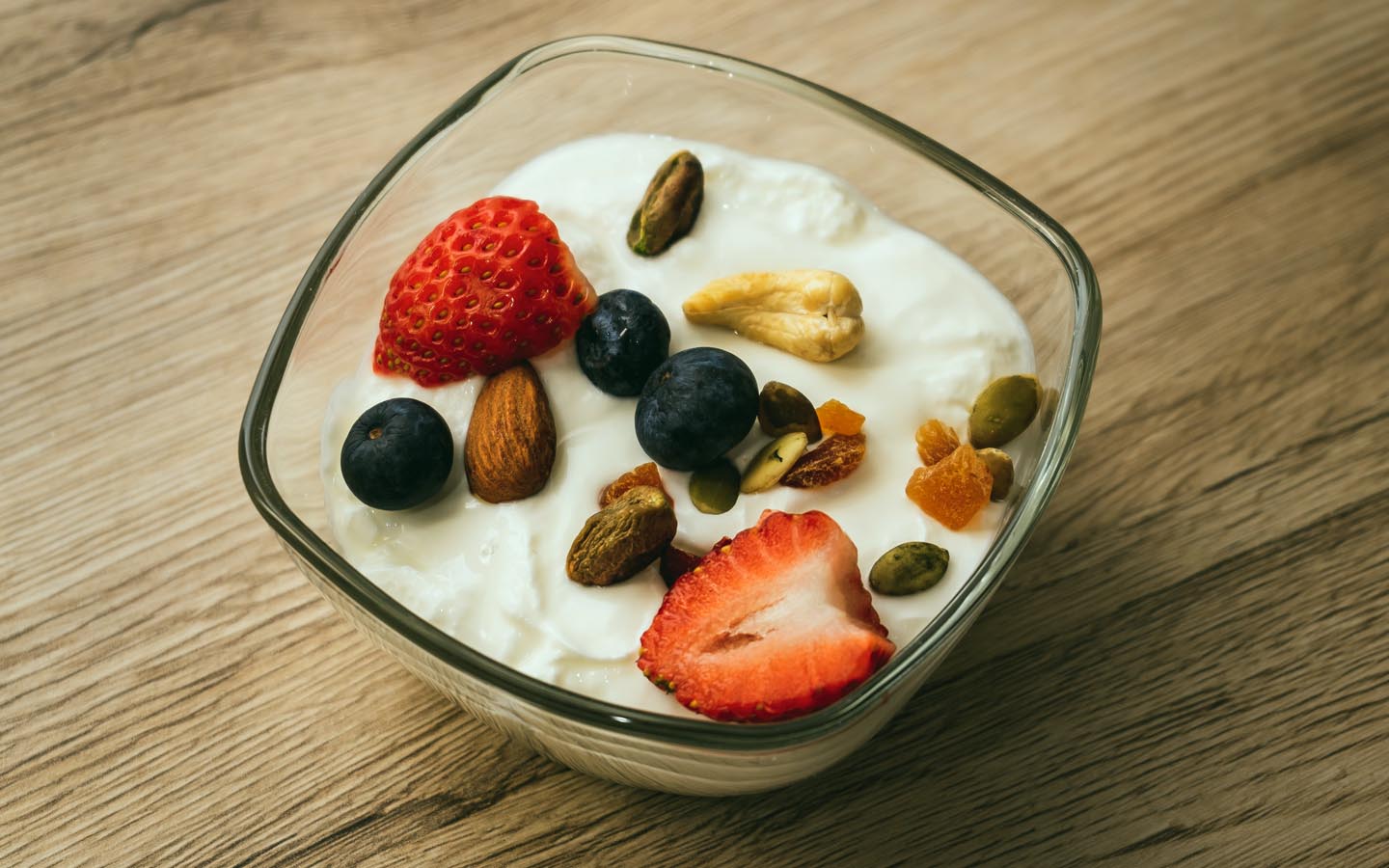
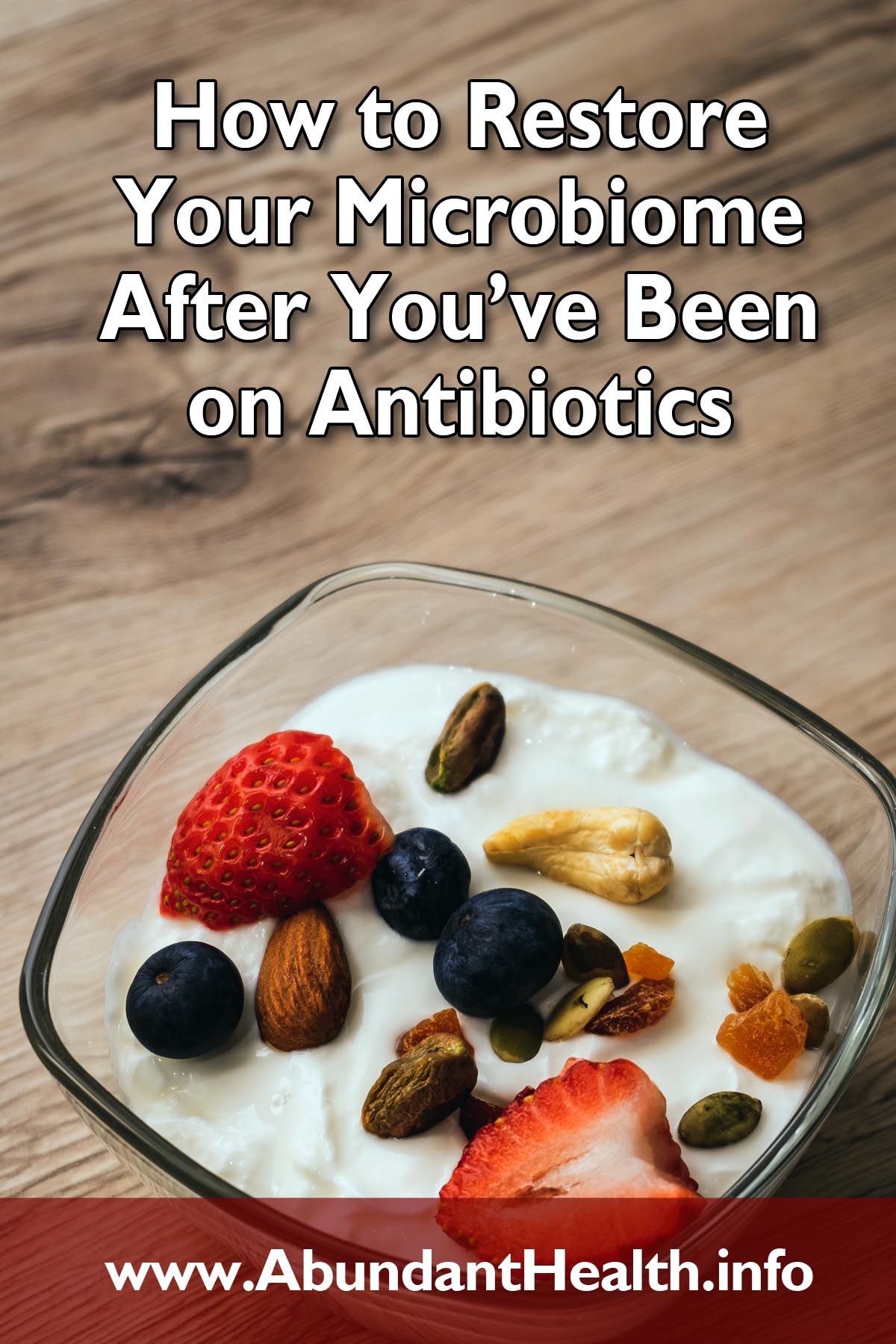
Probiotics are foods, typically yoghurts and yoghurt drinks, that contain “good gut bacteria”: live microorganisms that can recolonize the gut or improve your gut health.

To be called a probiotic, they must be able to resist stomach acid and digestive processes, and then be able adhere to the gut walls and grow, while not causing any issues for the gut wall. They must also be tested for safety and efficacy in controlled trials.((Martinez RC, Bedani R, Saad SM. Scientific evidence for health effects attributed to the consumption of probiotics and prebiotics: an update for current perspectives and future challenges. Br J Nutr. 2015 Dec 28;114(12):1993-2015. doi: 10.1017/S0007114515003864.))

To be called a probiotic, the dose of microorganisms needs to be sufficient to help restore the “good” bacteria, by elbowing out the “bad bacteria”.
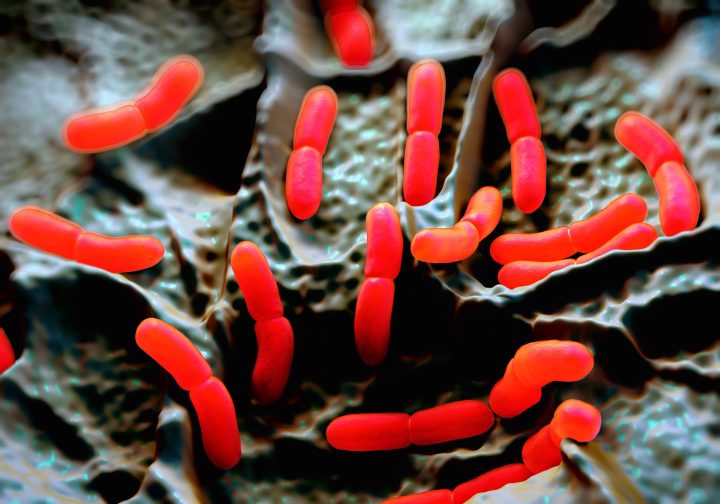
An illustration of gut bacteria

Most yoghurts contain “good bacteria” but not all can survive the acidity of the stomach acid or the bacteria won’t grow in the bowel, so there is no probiotic benefit.

For probiotics to exert these beneficial effects, they not only have to make it to the large bowel, but once there they need the right fuel to help them grow well. That’s where prebiotics come into play – but more on them shortly.

What does the science say about probiotics?

Probiotics are widely promoted as being good for your overall health. The science on that has been mixed, but it does suggest people who are likely to get diarrhea after antibiotics may benefit from consuming them.((Moles L, Otaegui D. The Impact of Diet on Microbiota Evolution and Human Health. Is Diet an Adequate Tool for Microbiota Modulation? Nutrients. 2020 Jun 2;12(6):1654. doi: 10.3390/nu12061654.))

One review of the evidence found probiotics may be useful for those at high risk of antibiotic-associated diarrhea, such as the elderly and people in hospital.((Goldenberg JZ, Yap C, Lytvyn L, Lo CK, Beardsley J, Mertz D, Johnston BC. Probiotics for the prevention of Clostridium difficile-associated diarrhea in adults and children. Cochrane Database Syst Rev. 2017 Dec 19;12(12):CD006095. doi: 10.1002/14651858.CD006095.pub4.))

The review found side effects were common when taking antibiotics and include taste disturbances, nausea, abdominal cramping, soft stools, fever and flatulence. But people taking probiotics reported fewer side effects, suggesting they may be helpful in countering some of the side effects.

So what are prebiotics?

Prebiotics are compounds that help beneficial gut microorganisms grow and survive. Prebiotic foods contain complex carbohydrates that can’t be digested and dietary fibers that resist digestive processes in the stomach and small intestine.((Martinez RC, Bedani R, Saad SM. Scientific evidence for health effects attributed to the consumption of probiotics and prebiotics: an update for current perspectives and future challenges. Br J Nutr. 2015 Dec 28;114(12):1993-2015. doi: 10.1017/S0007114515003864.))

They pass undigested into the large bowel where they are fermented by the healthy “good” bacteria.

To be called a prebiotic, they need to undergo the processes above, and be shown in clinical trials to selectively improve the microorganism composition in the gut.((Martinez RC, Bedani R, Saad SM. Scientific evidence for health effects attributed to the consumption of probiotics and prebiotics: an update for current perspectives and future challenges. Br J Nutr. 2015 Dec 28;114(12):1993-2015. doi: 10.1017/S0007114515003864.))

Not all dietary fibers are prebiotic. Common ones include complex carbohydrates called fructo-oligosaccharides, inulin and resistant starch.((Kaur AP, Bhardwaj S, Dhanjal DS, Nepovimova E, Cruz-Martins N, Kuča K, Chopra C, Singh R, Kumar H, Șen F, Kumar V, Verma R, Kumar D. Plant Prebiotics and Their Role in the Amelioration of Diseases. Biomolecules. 2021 Mar 16;11(3):440. doi: 10.3390/biom11030440.))
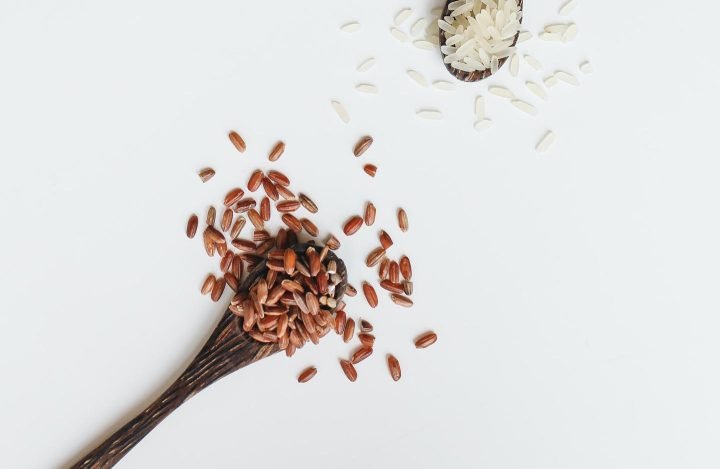
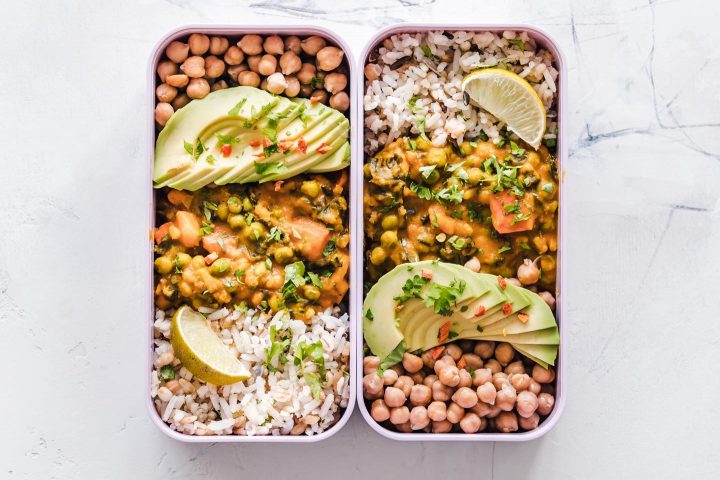
whole wheat and white rice

You can find foods at the supermarket with added prebiotics, but non-digestible carbohydrates occur naturally in many everyday foods, including:((Prebiotic diet – FAQs, Monash University))

  • grains: barley, rye bread, rye crackers, pasta, gnocchi, couscous, wheat bran, wheat bread, oats
  • legumes: chickpeas, lentils, red kidney beans, baked beans, soybeans
  • vegetables: artichokes, asparagus, beetroot, chicory, fennel bulb, garlic, green peas, leek, onion, shallots, spring onion, snow peas, sweetcorn, savoy cabbage
  • fruit: nectarines, white peaches, persimmon, tamarillo, watermelon, rambutan, grapefruit, pomegranate, dates, figs
  • nuts: cashews, pistachios.

Additional sources of resistant starch include under-ripe bananas, cooked and cooled rice, corn flour, cooked and cooled potatoes.

For babies, breast milk is naturally rich in oligosaccharides.

So who should have them?

Prebiotic foods are good for everyone, contain a range of nutrients and help promote a healthy bacterial gut environment.

The benefits of probiotics for a range of health conditions are unclear – they’re likely to be small, and depend on what is being taken and the underlying health issues.

But people at high risk of diarrhea after antibiotics may benefit from consuming probiotic – as well as prebiotic – foods daily.

There is also emerging evidence that combining specific probiotics and prebiotics can increase the beneficial effects of both. Both the pro- and prebiotics could be added to the one food, termed a “symbiotic”, or they could be from separate sources but eaten together.((Martinez RC, Bedani R, Saad SM. Scientific evidence for health effects attributed to the consumption of probiotics and prebiotics: an update for current perspectives and future challenges. Br J Nutr. 2015 Dec 28;114(12):1993-2015. doi: 10.1017/S0007114515003864.))

When it comes to antibiotics, the bottom line is to only take them when prescribed for bacterial infections. Take them according to instructions from the manufacturer, your pharmacist and your doctor.
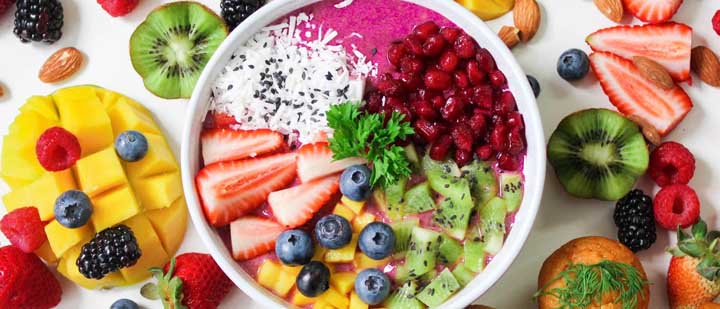
Healthy Fruits

Stay Always Up to Date

Sign up to our newsletter and stay always informed with news and tips around your health.

Sign Up Now!

This article is republished from The Conversation under a Creative Commons license. Read the original article.


The Conversation

Filed Under: Body Systems, Digestive Tract, Nutrition Tagged With: antibiotics, microbiome, prebiotics, probiotics

How to Save $50 off Your Food Bill and Still Eat Tasty, Nutritious Meals

January 22, 2023 by Clare Collins - [rt_reading_time label="Reading Time:" postfix="minutes" postfix_singular="minute"]

Save on food bill while eating healthy

Grocery prices have taken a hike upwards for a host of reasons, including the rising costs of petrol, fertilizer and labor. You could “shop around” for cheaper groceries, but that would cost you more in fuel or travel, not to mention time.

How to Save $50 off Your Food Bill and Still Eat Tasty, Nutritious Meals

Research shows a healthy diet costs low-income households 20 to 30% of their disposable income.((Lee AJ, Kane S, Ramsey R, Good E, Dick M. Testing the price and affordability of healthy and current (unhealthy) diets and the potential impacts of policy change in Australia. BMC Public Health. 2016 Apr 12;16:315. doi: 10.1186/s12889-016-2996-y)) But a healthy diet remains cheaper than one dominated by highly processed foods and drinks. Cutting your grocery bill takes planning and flexibility – and knowing your budget.

So how do you do it?

Start by checking which vegetables and fruits are in season, and find recipes that include these.((Seasonal Produce Guide. Sustainable Table))

Swap some fresh veggies and fruit with canned and frozen varieties, and substitute very expensive items for cheaper alternatives.

Have a meat-free meal at least once a week.

Next, create a grocery list. This helps save money by reducing in-store impulse buys. Look at what you already have in the pantry, fridge and freezer, and only buy what you need. This will reduce food waste.

Check online catalogues for specials before heading to the shops. Once in store, compare prices and choose brands that are cheaper. This makes nutritious meals more affordable.((Lewis M, McNaughton SA, Rychetnik L, Lee AJ. Cost and Affordability of Healthy, Equitable and Sustainable Diets in Low Socioeconomic Groups in Australia. Nutrients. 2021 Aug 23;13(8):2900. doi: 10.3390/nu13082900))

How much do households spend on groceries?

A 2021 survey in Australia found the average supermarket grocery bill was A$98 per week for a single person, $145 for two, $168 for three, $187 for four and $255 for five or more people.((Birot M. What is the average grocery bill? Canastar))

An older survey from 2016 found the average household (2.6 people) spent $269 per week across all food ($237) and alcohol ($32) purchases, both at the supermarket and other outlets.((Household Expenditure Survey, Australia: Summary of Results. Australian Bureau of Statistics))

About half the money was spent was on “discretionary” items such as meals out or fast food ($80), with $20 spent on lollies, chocolate, savory snacks and potato crisps, and $10 on cakes, biscuits and puddings. At the supermarket, $26 was spent a week on fruit and vegetables.((Discretionary food and drink choices. Eat for Health))

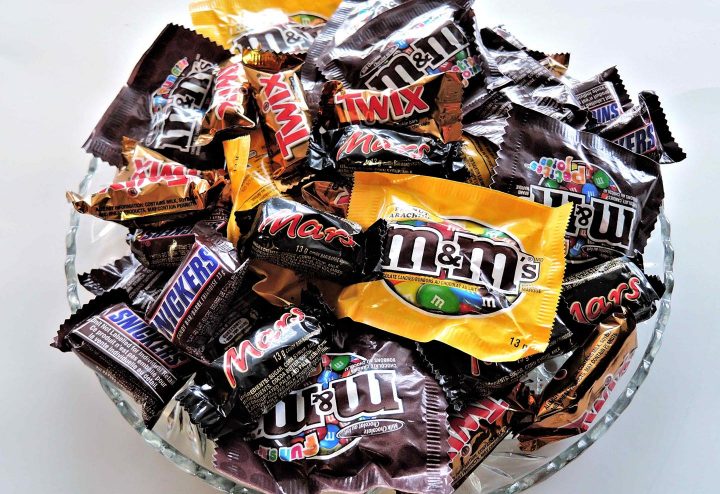
Unhealthy snacks

A 2019 survey found the average person spent $300 a week for all food and drinks. This included groceries ($135), eating out ($52), alcohol ($31), take-aways ($22), barista coffee/tea ($13), food delivery services ($12), supplements ($12) and health foods ($11).((Food for thought: Australians spend $272 billion on food annually. Suncorp, 21 December 2019))

These surveys show it’s common to spend more on foods and drinks consumed away from home than on groceries and more on unhealthy items than healthy ones.

5 Tips to Help You Save

Putting all this together, here are five key tips to keep in mind when planning food for your household:

1. Have a food budget

Total food budget dollars will be influenced by how many people you need to feed, their age and your household income. A rough rule of thumb is it shouldn’t cost more than one-third of your total household disposable income.

Allocate target amounts in your budget for both core, nutritious foods and discretionary foods and drinks (softdrinks, chips, biscuits, cakes, lollies, pies, pastries and deli meats) and on foods away from home (coffees, fast food, pubs, clubs, bottle shops and restaurants).

2. Make a weekly plan for breakfast, lunch, dinner and snacks

Write a matching grocery list. Check the pantry, fridge and freezer to see what you already have or whether any ingredients can be swapped to save a purchase.((Running low on key ingredients? Try these swaps. No money, no time))

3. Pack your lunch

Buy a lunch box and pack it the night before. Put it in the fridge so you can grab and go in the morning. If your mornings are too busy, pack in breakfast foods too.

A lunch box prepared at home

4. Cook more meals at home

Cooking more meals at home might include cheaper and healthier versions of some of your take-out favourites such as pizza and burgers.

A study from the United States found those who cooked more at home spent half the amount of money on food eaten away-from-home than those who cooked infrequently. They also spent 17% less on food overall.((Tiwari A, Aggarwal A, Tang W, Drewnowski A. Cooking at Home: A Strategy to Comply With U.S. Dietary Guidelines at No Extra Cost. Am J Prev Med. 2017 May;52(5):616-624. doi: 10.1016/j.amepre.2017.01.017.))

Interestingly, both groups spent the same on groceries suggesting that infrequent home cookers either wasted more food, ate more, or both.

5. Cook double batches

Cook greater quantities of meals like curries, soups and casseroles, and either freeze them or have the same meal twice.

Healthy Fruits

Stay Always Up to Date

Sign up to our newsletter and stay always informed with news and tips around your health.

Sign Up Now!

This article is republished from The Conversation under a Creative Commons license. Read the original article.
The Conversation

Filed Under: Nutrition Tagged With: food budget, healthy on a budget

Six Tips for Losing Weight Without Fad Diets

January 8, 2023 by Clare Collins - [rt_reading_time label="Reading Time:" postfix="minutes" postfix_singular="minute"]

weight control

Monday – start diet. Tuesday – break diet! Wednesday – plan to start again next Monday. If this is you, it’s probably time to get off the diet roller coaster and make some bigger changes to the way you eat, drink and think about food.

Six Tips for Losing Weight Without Fad Diets

Here are six tips to help you get started.

1. Improve your diet quality score

When trying to lose weight, it might be tempting to quit carbs or another food group altogether.

But to stay healthy, you need to meet your requirements for important nutrients like iron, zinc, calcium, vitamins B and C, folate and fiber. These nutrients are essential for metabolism, growth, repair and fighting disease.

Our review of diet quality indexes used to rate the healthiness of eating habits found that eating nutritious foods was associated with((Aljadani, H., Patterson, A., Sibbritt, D. et al. Diet Quality and Weight Change in Adults Over Time: A Systematic Review of Cohort Studies. Curr Nutr Rep 4, 88–101 (2015). https://doi.org/10.1007/s13668-014-0115-1)) lower weight gain over time.((Fung TT, Pan A, Hou T, Chiuve SE, Tobias DK, Mozaffarian D, Willett WC, Hu FB. Long-Term Change in Diet Quality Is Associated with Body Weight Change in Men and Women. J Nutr. 2015 Aug;145(8):1850-6. doi: 10.3945/jn.114.208785.))

Improving your diet quality means eating more fruit and vegetables, tofu, nuts and seeds, legumes, dried beans, and whole grains.

2. Mum was right – eat your veggies

Fruit and veg are high in fiber, vitamins and phytonutrients, but low in total calories. So eating more can help you manage your weight.

A study of more than 130,000 adults found that those who increased their intake of fruit and vegetables over four years lost weight. For each extra daily serve of vegetables, there was a weight loss of 110 grams over the four years. It was 240 grams for fruit. Small, but it all adds up.((Bertoia M. et.al. Changes in Intake of Fruits and Vegetables and Weight Change in United States Men and Women Followed for Up to 24 Years: Analysis from Three Prospective Cohort Studies. https://doi.org/10.1371/journal.pmed.1001878))

Farmers Market - Photo by Michigan Municipal League on Pexels, CC2.0 license 
https://www.flickr.com/photos/michigancommunities/15168955986/

Drilling down to specific fruit and veg gets interesting. Increasing cauliflower intake was associated with a four-year weight reduction of about 620 grams, with smaller reductions for capsicum (350g), green leafy vegetables (230g) and carrots (180g). The reduction was 620g for blueberries and 500g for apple or pears.

It was not good news all round, though. Corn was associated with a weight gain of 920g, peas 510g and mashed, baked or boiled potatoes 330g.

3. Limit your portion size

If you are served larger portions of food and drinks, you eat more and consume more calories. That sounds obvious, yet everybody gets caught out when offered big portions – even when you’re determined to stop when you’re full.((Rolls BJ. What is the role of portion control in weight management? Int J Obes (Lond). 2014 Jul;38 Suppl 1(Suppl 1):S1-8. doi: 10.1038/ijo.2014.82.))

Research shows offering larger portions leads adults and children to consume an extra 600 to 950 kilojoules (150-230 calories). This is enough to account for a weight gain of more than seven kilograms a year, if the calories aren’t compensated for by doing more exercise or eating less later.((Hollands GJ, Shemilt I, Marteau TM, Jebb SA, Lewis HB, Wei Y, Higgins JP, Ogilvie D. Portion, package or tableware size for changing selection and consumption of food, alcohol and tobacco. Cochrane Database Syst Rev. 2015 Sep 14;2015(9):CD011045. doi: 10.1002/14651858.CD011045.pub2.))

4. Watch what you drink

A can of soft drink contains about 600 kilojoules (150 calories). It takes 30-45 minutes to walk those calories off, depending on your size and speed. Children and adolescents who usually drink a lot sugary drinks are 55% more likely to be overweight.((Hu FB. Resolved: there is sufficient scientific evidence that decreasing sugar-sweetened beverage consumption will reduce the prevalence of obesity and obesity-related diseases. Obes Rev. 2013 Aug;14(8):606-19. doi: 10.1111/obr.12040.))

Switch to lower sugar versions, water or diet drinks. A meta-analysis of intervention studies (ranging from ten weeks to eight months) found that adults who switched had a weight reduction of about 800 grams.((Morenga L T et.al. Dietary sugars and body weight: systematic review and meta-analyses of randomised controlled trials and cohort studies. https://www.ncbi.nlm.nih.gov/books/NBK116814/))

5. Cue food

Our world constantly cues us to eat and drink. Think food ads, vending machines and chocolate bars when trying to pay for petrol or groceries. Food cues trigger cravings, prompt eating, predict weight gain and are hard to resist.((Boswell RG, Kober H. Food cue reactivity and craving predict eating and weight gain: a meta-analytic review. Obes Rev. 2016 Feb;17(2):159-77. doi: 10.1111/obr.12354.)) They can make you feel hungry even if you are not.((Jansen A, Houben K, Roefs A. A Cognitive Profile of Obesity and Its Translation into New Interventions. Front Psychol. 2015 Nov 27;6:1807. doi: 10.3389/fpsyg.2015.01807.))

A lady snacking on popcorn inside a cinema - Photo by rpb1001 on Flickr https://www.flickr.com/photos/rpb1001/257368762/

Try to minimize the time you spend in highly cued food environments. Avoid food courts, take a list when you go to the supermarket and take your own snacks to places where highly palatable food is advertised, like the movies. This will reduce autopilot eating, which sabotages your willpower.

6. Resist temptation

A treatment for food cue reactivity is called exposure therapy.((Schyns G, Roefs A, Mulkens S, Jansen A. Expectancy violation, reduction of food cue reactivity and less eating in the absence of hunger after one food cue exposure session for overweight and obese women. Behav Res Ther. 2016 Jan;76:57-64. doi: 10.1016/j.brat.2015.11.007.)) With the help of a psychologist or health professional, you expose yourself to the sight and smell of favorite foods in locations that commonly trigger overeating, like eating chocolate when watching TV. But, rather than eat the chocolate, you only have a taste without eating it.((Jansen A, Houben K, Roefs A. A Cognitive Profile of Obesity and Its Translation into New Interventions. Front Psychol. 2015 Nov 27;6:1807. doi: 10.3389/fpsyg.2015.01807.))

Over time, and with persistence, cravings for chocolate reduce, even when cues such as TV ads or people eating chocolate in front of you are present.

You can also draw on your brain’s own self-management skills to resist temptation, but it takes conscious practice. Try this food cue acronym, RROAR (remind, resist, organized alternative, remember and/or reward), to train your brain to resist temptation on autopilot.

When you feel yourself pulled by cues to eat or drink:

  • Remind yourself that you are the boss of you, not a food cue.
  • Resist the tempting food or drink initially by turning your back on the cue. (This gives you time to think about next steps.)
  • Have a pre- Organized Alternative behavior to use against food cues. Grab a drink of water, walk around the block, check your phone messages, read, take a walk in the opposite direction. Diversion works.((van Dillen LF, Andrade J. Derailing the streetcar named desire. Cognitive distractions reduce individual differences in cravings and unhealthy snacking in response to palatable food. Appetite. 2016 Jan 1;96:102-110. doi: 10.1016/j.appet.2015.09.013.))
  • Remember what your big-picture goal is. Do you want to eat better to help you feel better, reduce medications, lower blood pressure, improve diabetes control or manage your weight?

You can add another R for Reward. Financial incentives help change behavior. Each time you complete your organized alternative behavior put $1 in a jar. When it builds up, spend it on something you really want.

You need a plan

The journey off the diet roller coaster needs a cunning plan. Here’s how you can put it all together.

  1. Start by assessing your diet quality using the Healthy Eating Quiz.
  2. Next, plan weekly meals, drinks and snacks. Write a grocery list and buy extra fruit and vegetables.
  3. Swap to small plates, cups and serving utensils. You’ll serve and eat less without thinking.
  4. Aim for half your plate covered with vegetables and salad, one-quarter protein (legumes, if meat, then lean) and one-quarter grains or starchy vegetables (potato, peas, corn).
  5. Change your food environment to avoid constant prompts to eat.
  6. Minimize the places you allow yourself to eat and drink to reduce food cue exposure (not in front of TV or computer, at a desk, or in the car).
  7. Keep food out of sight (unless it is fruit and vegetables). Store in opaque containers.
  8. Remove workplace food displays, such as food fundraisers.
  9. Plan driving and walking routes that do not take you past fast-food outlets or vending machines.
  10. Prerecord TV shows and fast-forward food ads.
Healthy Fruits

Stay Always Up to Date

Sign up to our newsletter and stay always informed with news and tips around your health.

Sign Up Now!

This article was republished from The Conversation under a Creative Commons license. Read the original article.
The Conversation

Filed Under: Obesity Tagged With: Fad Diets, weight control

Is salt good for you after all? Checking the Evidence!

July 10, 2022 by Clare Collins - [rt_reading_time label="Reading Time:" postfix="minutes" postfix_singular="minute"]

Is salt good for you after all? Checking the Evidence!

Salt is the most common form of sodium and is added to food during manufacturing, home cooking or at the table to enhance the taste or to extend the shelf life. Most people have heard the advice to cut down on salt. That’s because high sodium intakes are associated with high blood pressure, a major risk factor for cardiovascular disease, heart attacks and strokes.((Graudal NA, Hubeck-Graudal T, Jurgens G. Effects of low sodium diet versus high sodium diet on blood pressure, renin, aldosterone, catecholamines, cholesterol, and triglyceride. Cochrane Database Syst Rev. 2020 Dec 12;12(12):CD004022. doi: 10.1002/14651858.CD004022.pub5.))

Is salt good for you after all? Checking the Evidence!

So the recent headline “Food myths busted: dairy, salt and steak may be good for you after all” was bound to grab-attention.((Food myths busted: dairy, salt and steak may be good for you after all. The Guardian, September 6, 2021))

I'll file this one under good newshttps://t.co/LVKrP2lZfD

— 🌻 Franck (@Franck_chester) September 26, 2021

In the research article this headline is based on, the authors examined whether advice to substantially lower sodium intakes was supported by robust evidence.((Mente A. Sodium Intake and Health: What Should We Recommend Based on the Current Evidence? Nutrients2021, 13(9), 3232; https://doi.org/10.3390/nu13093232))

The article’s premise is that current advice to limit sodium consumption to 2.3 grams a day is unachievable for most people in the long term. And it claims there isn’t good quality evidence to show lower salt intakes reduce the risk of heart attacks and strokes.

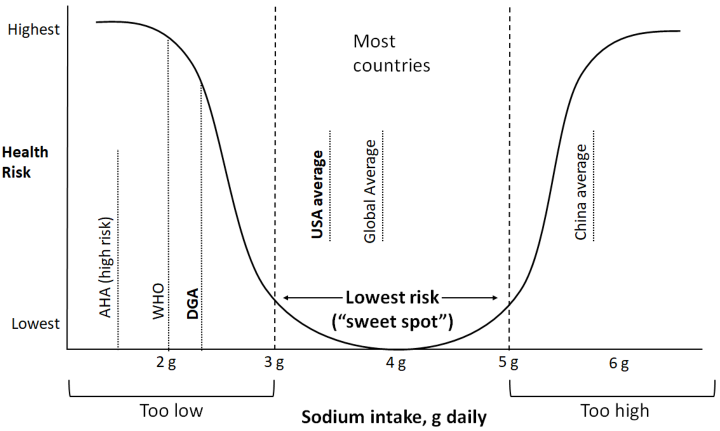
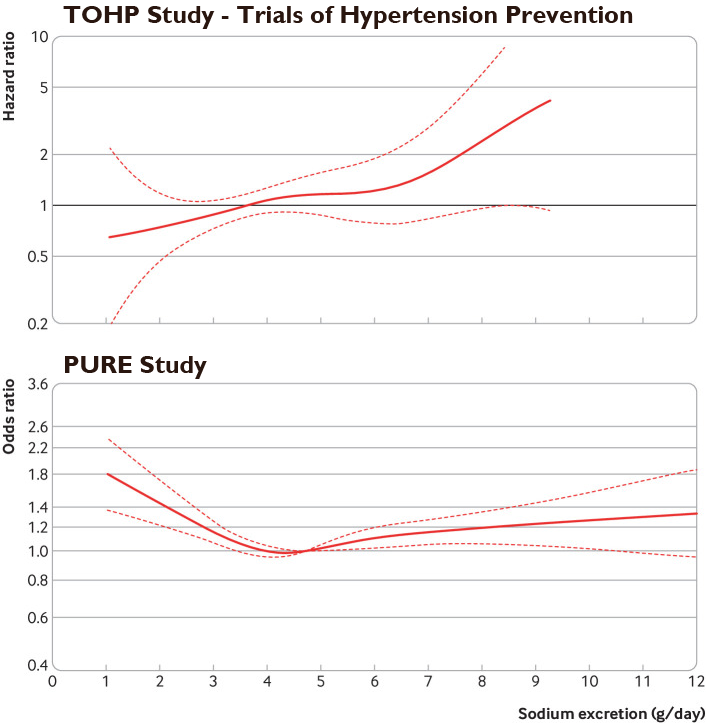
The authors suggest that current global sodium intakes, which range from 3-5 grams per day, are associated with the lowest risks for a heart attack, stroke or dying prematurely. And that heart attacks and strokes increase only when sodium intakes are higher or lower than this.

Graph illustrating that supposedly a medium amount of sodium consumption is the healthiest.

The researchers argue there’s a ‘sweet spot’ for salt intake and heart disease risk. We will check the evidence.

But there are a number of controversies about these claims, and the existing advice to limit salt consumption remains. Lets take a closer a look at some of the issues associated with these claims, as well as important research the authors missed.

Most of us could afford to cut down on salt

One teaspoon of salt weighs around 5 grams and contains 2 grams of sodium.

Americans consume about 3.6 grams of sodium per day, equivalent to 9.2 grams (about 2 teaspoons) of table salt.

This is higher than the suggested dietary target of 2 grams of sodium (5 grams of salt) per day and the adequate intake range of 460-920 milligrams (1.3-2.6 grams of salt) a day.((Nutrient Reference Values for Australia and New Zealand: Sodium
Antmann E M et.al. Stakeholder discussion to reduce population-wide sodium intake and decrease sodium in the food supply: a conference report from the American Heart Association Sodium Conference 2013 Planning Group. DOI: 10.1161/CIR.0000000000000051))

Sodium intakes in the US are similar to the rest of the world. Data from 66 countries, accounting for three-quarters of the world’s adult population, reported the average sodium consumption is 3.95 grams per day and ranges from 2.2 to 5.5 grams per day.((Mozaffarian D, et. al. Global Burden of Diseases Nutrition and Chronic Diseases Expert Group. Global sodium consumption and death from cardiovascular causes. N Engl J Med. 2014 Aug 14;371(7):624-34. doi: 10.1056/NEJMoa1304127.))

Yes, it’s possible to cut down on salt

Changing individual behaviour long term is challenging. But it’s possible.

A 2017 systematic review of dietary salt-reduction interventions found individual dietary counselling could reduce a person’s salt consumption by about 2 grams a day (equivalent to 780mg of sodium), over time periods up to five years.((Hyseni L et. al. Systematic review of dietary salt reduction policies: Evidence for an effectiveness hierarchy? PLoS One. 2017 May 18;12(5):e0177535. doi: 10.1371/journal.pone.0177535.))

Population-wide strategies that include reformulating manufactured food with lower levels of salt, improved labelling and mass media education were even more effective in some regions, reducing average salt intakes by around 4 grams a day in Finland and Japan.((Hyseni L, Elliot-Green A, Lloyd-Williams F, Kypridemos C, O’Flaherty M, McGill R, Orton L, Bromley H, Cappuccio FP, Capewell S. Systematic review of dietary salt reduction policies: Evidence for an effectiveness hierarchy? PLoS One. 2017 May 18;12(5):e0177535. doi: 10.1371/journal.pone.0177535.))

Reading food labels in the supermarket.

The authors of the above mentioned paper highlight a lack of studies in the population showing they’ve achieved dietary sodium intakes of less that 2.3 grams per day. But this fails to acknowledge the challenges in conducting such a study to test that, or the importance of reducing your sodium intake relative to what you usually consume.

Cutting salt lowers your risk of heart disease

A recently published randomised trial across 600 villages in rural China shows cutting salt intakes can reduce a person’s risk of cardiovascular disease, heart attack and stroke.((Neal B, et. al. Effect of Salt Substitution on Cardiovascular Events and Death. N Engl J Med. 2021 Sep 16;385(12):1067-1077. doi: 10.1056/NEJMoa2105675.))

The study included more than 20,000 people with high blood pressure who either had a history of stroke or were aged over 60 years. One group was randomly assigned to use a salt substitute to reduce their sodium intake. The second group continued to use regular salt. Both groups were followed up over five years.

The intervention led to a reduction in sodium excreted in the urine (indicating complicance) and a reduction in blood pressure.

The rate of any major cardiovascular event, including heart attack, was 13% lower among those in the salt-substitute group compared to the regular salt group. The rate of strokes was 14% lower.

This trial demonstrates the benefit of reducing dietary sodium intakes, irrespective of a specific daily target.

Is it risky to have too little salt?

Humans need sodium to maintain essential bodily processes such as fluid volume and cell stability. Sodium levels are balanced though a sensitive system of hormones, chemical processes and nerves to ensure that sodium in excess of needs is excreted in the urine.

There is conflicting evidence about heart health when you have very low sodium intakes. Some researchers have suggested there is a J-shaped relationship, where both low and very high intakes increase the risk of poor outcomes (the end of a “J” shape), while the lowest risk is across a broad mid-point of salt intake (the curve in the “J”).

Comparison of TOHP and PURE study, two examples of conflicting evidence about healthy sodium levels.
Association of sodium excretion with cardiovascular disease in the Trials of Hypertension Prevention (top) and PURE study (bottom)

The J-shaped curve in some studies on salt and blood pressure can be explained by issues such as measurement error, random variation, other differences (in age, sex, smoking status or socioeconomic status), existing dietary patterns or other health problems, interactions between a major sodium reduction, and the body’s physiological pathways that regulate blood pressure.((Cook NR, He FJ, MacGregor GA, Graudal N. Sodium and health-concordance and controversy. BMJ. 2020 Jun 26;369:m2440. doi: 10.1136/bmj.m2440.))

Or it could be explained by reverse causation, where the people recruited into the study report low sodium intakes because they have already been advised to follow a low salt diet before enrolling in the trial.

While we wait for more research to explaining discrepancies related to a J-shape curve, the evidence overwhelmingly finds lower sodium intakes, compared to higher intakes, lead to important reductions in blood pressure.((Graudal NA, Hubeck-Graudal T, Jurgens G. Effects of low sodium diet versus high sodium diet on blood pressure, renin, aldosterone, catecholamines, cholesterol, and triglyceride. Cochrane Database Syst Rev. 2020 Dec 12;12(12):CD004022. doi: 10.1002/14651858.CD004022.pub5. ))

Healthy Fruits

Stay Always Up to Date

Sign up to our newsletter and stay always informed with news and tips around your health.

Sign Up Now!

This article is republished from The Conversation under a Creative Commons license. Read the original article.
The Conversation

Filed Under: Nutrition

Primary Sidebar

Social Channels

Coronavirus Immunity Challenge

Boost your immune system to be bullet-proof for the pandemic.

I Want to Participate

Recent Posts

  • 5 Habits to Live Longer
  • Better Sleep Can Protect Against Dementia
  • Finding Peace In Your Crazy-Busy World
  • Flaxseed – An Ancient Plant Rediscovered
  • Platelets – Triggers for Life or Death
  • Boderline Personality Disorder
  • In Praise of Almonds and Nuts
  • Are You Stuck in the Clutter Trap?

Categories

  • Body Systems (16)
    • Cell Function (2)
    • Circulatory System (1)
    • Digestive Tract (10)
    • Immune System (4)
  • Diseases (27)
    • Cancer (2)
    • Cold (1)
    • COVID-19 (11)
    • Dementia (1)
    • Diabetes (1)
    • Digestive Diseases (2)
    • Heart Disease (2)
    • Kidneys (1)
    • Metabolic Syndrome (2)
    • Skin (1)
  • Healthy Lifestyle (42)
    • Exercise (11)
    • Gardening (2)
    • Sleep (7)
    • Sunlight (2)
    • Temperance (14)
    • Water (4)
  • Mental Health (87)
    • Addictions (6)
    • Anxiety (7)
    • Burnout (1)
    • Depression (7)
    • Psychosomatic Diseases (6)
    • Stress Management (45)
    • Trust (6)
  • Nutrition (56)
  • Obesity (9)
  • Phases of Life (14)
    • Adults (3)
    • Babies and Infants (1)
    • Children (3)
    • Seniors (5)
    • Teenagers (3)
  • Therapies (7)
    • Herbs (5)
    • Hydrotherapy (1)
  • Uncategorized (3)

Archives

  • January 2025 (1)
  • March 2024 (5)
  • February 2024 (4)
  • January 2024 (4)
  • December 2023 (5)
  • November 2023 (4)
  • October 2023 (5)
  • September 2023 (4)
  • August 2023 (3)
  • July 2023 (2)
  • June 2023 (4)
  • May 2023 (4)
  • April 2023 (5)
  • March 2023 (4)
  • February 2023 (4)
  • January 2023 (4)
  • December 2022 (4)
  • November 2022 (4)
  • October 2022 (5)
  • September 2022 (4)
  • August 2022 (4)
  • July 2022 (5)
  • June 2022 (4)
  • May 2022 (5)
  • April 2022 (4)
  • March 2022 (4)
  • February 2022 (4)
  • January 2022 (5)
  • December 2021 (3)
  • November 2021 (4)
  • October 2021 (6)
  • September 2021 (4)
  • August 2021 (4)
  • July 2021 (5)
  • June 2021 (4)
  • May 2021 (3)
  • April 2021 (5)
  • March 2021 (4)
  • February 2021 (4)
  • January 2021 (5)
  • December 2020 (3)
  • November 2020 (4)
  • October 2020 (5)
  • September 2020 (5)
  • August 2020 (3)
  • July 2020 (1)
  • June 2020 (1)
  • May 2020 (1)
  • April 2020 (1)
  • March 2020 (1)

Copyright © 2026 · Abundant Health - Privacy Policy - Medical Disclaimer