Abundant Health

Up to date health information tailored for you

  • Home
  • Blog
  • Recipes
  • Shop
  • Contact
You are here: Home / Archives for 2020

Archives for 2020

9 Reasons to Consume Honey

December 17, 2020 by Esther Neumann - [rt_reading_time label="Reading Time:" postfix="minutes" postfix_singular="minute"]

They finally wanted to know whether honey really protects against so many ailments. And whether it is true that you sleep better or have more energy when eating honey. For this reason, the Austrian Beekeeping Association commissioned some scientists to carry out a detailed study.
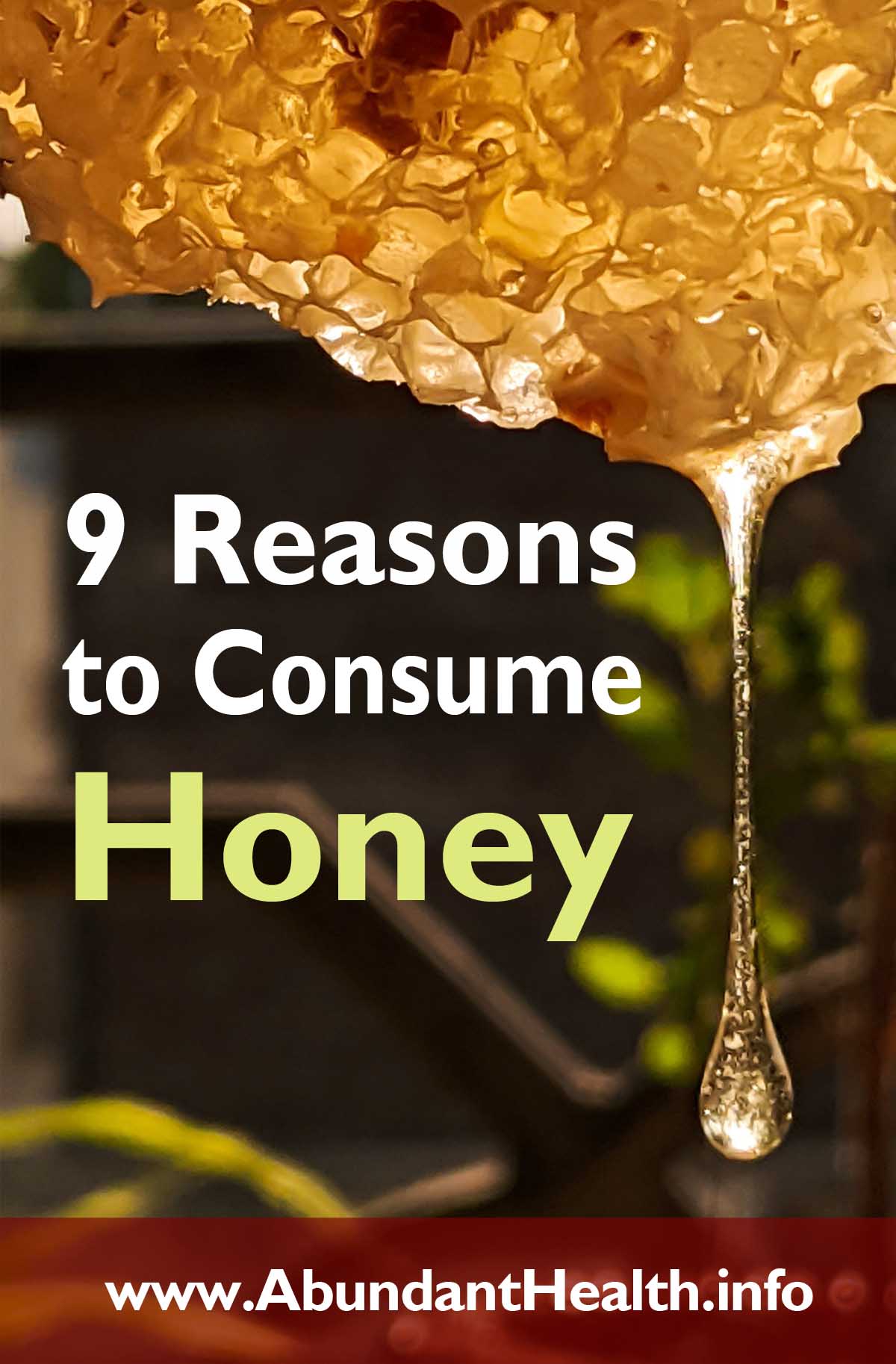
9 Reasons to Consume Honey

The study with EU funding selected 50 healthy participants between the ages of 25 and 65 who had hardly consumed honey before. Now they had to consume at least two tablespoons of honey a day. The results are interesting. Several blood tests were made before and after the test period.

The eating habits should be maintained as before the study, just two full tablespoons of honey were added every day! That brings extra calories. How will this influence the weight after the eight weeks and what about the blood sugar?

Honey and the Sweet Tooth

84% of the study participants regularly craved something sweet, being chocolate the most popular snack. Now the two tablespoons of honey were added every day. But lo and behold, the desire for chocolate disappeared in almost everyone. Only one person continued to nibble on their sweets every day. 76% said they found it easier to snack less or nothing at all. Honey can therefore satisfy the desire for sweets very well.

Honey consists of 52% fructose. This type of sugar is slowly absorbed in the small intestine and therefore does not lead to blood sugar spikes. The honey also provides small amounts of vitamins B1, B2 and B6. These play an important role in energy metabolism. They also help convert simple sugars into the storage form, glycogen. Glycogen is stored in the liver and muscles and is released again between meals for a stable energy supply. That is also the reason why the additional honey consumption did not affect negatively the blood fat parameters. Total cholesterol, HDL, LDL, triglycerides and uric acid hardly changed. An excess of refined carbohydrates like table sugar and white flour usually has a negative impact on fat metabolism. Refined carbohydrates result in blood sugar spikes, and as soon as glycogen stores are full, excess carbohydrates are converted into harmful fatty acids. Such a diet also lacks the B group vitamins.

Honey and Obesity

58% of participants were struggling with obesity. But the changed attitude towards sweets also shed some extra pounds. 23 people were able to reduce their weight in these eight weeks. One person even by 5 kilograms, although she had “nibbled” 3 tablespoons of honey every day. Although honey is sweet, it does not cause addictive behavior. In addition to fructose, honey also contains other types of sugar. After consuming honey, blood sugar rises slowly but steadily and then remains constant for a long time until it slowly falls again. Because it also leads to a lower insulin secretion, there are no cravings during meals. A steady blood sugar curve also ensures that the feeling of satiety lasts longer. So honey can even help you lose weight.
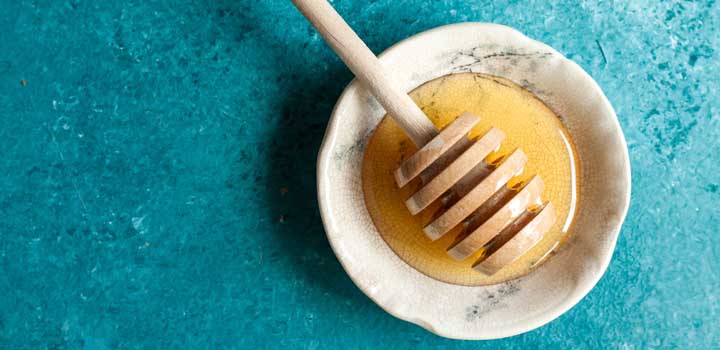
Honey in a dish

Honey and Sleep

Of course, sleep problems may be the result of grief, stress, excitement and fear. However, waking up at night can also result from a sharp drop in blood sugar levels during the night when nothing is eaten. Honey provides, as we have seen, a slower drop in blood sugar curve. Before the study, 31 participants said they slept well. After eight weeks numbers increased to 43 subjects.

Honey Keeps You Fit

Serotonin, a hormone-like substance, elevates our mood and our ability to concentrate. Although some foods contain serotonin, it cannot pass through the blood-brain barrier to enter the brain. So it has to be formed there directly. But for this the brain needs all the components and the right vitamins. Honey meets these conditions, thus promoting the formation of serotonin in the brain. Honey for breakfast is therefore a good energizer.

Honey Reduces Headaches

Headaches have many causes. One reason may be magnesium deficiency. If that is the cause, the blood vessels become more sensitive and cramp more easily. This leads to lack of oxygen and causes headaches. Also, a high-protein and low-carbohydrate diet can lead to a headache because the brain then suffers from a lack of serotonin. But serotonin stimulates the brain to produce pain-relieving substances. This effect is particularly pronounced when little protein is eaten. 34 people had regular headaches before the study. In the end, only 17 were still affected.

Honey and Leg Cramps

40% said before the study of suffering from leg cramps. After the test phase it was only 30% and those who had eaten three or more tablespoons of honey suffered even less from leg cramps. This has to do with the magnesium content and the B vitamins in honey.

Honey Improves Digestion

Before the study, 20 people stated that they did not have regular digestion. After the test, only five were unsatisfied. Honey ingredients such as pollen, potassium, acids and fructose are the reason for this. Lactic, malic and tartaric acid promote the growth of beneficial intestinal bacteria. Acetic, butyric, and gluconic acid contain putrefying bacteria. The result is a healthy intestinal flora. This in turn has a positive effect on the immune system.

Honey and Immune System

The different cell types of the lymphocytes were examined by means of special tests. The T lymphocytes are the immune police in the body. They fight off bacteria and viruses before they can multiply. In infectious diseases, many such cells are activated to form antibodies. Another police force are the natural killer cells. They kill tumor cells and cells infected with viruses. They track down cancer cells that are often caused by free radicals. The honey diet increased the proportion of T lymphocytes by 6 percent and the proportion of natural killer cells by as much as 20%.

Honey and Free Radicals

Free radicals act like terrorists in the body. They cause genetic defects in the cell nucleus, which can lead to the formation of cancer cells. They also tear holes in cell walls and they are involved in the development of many diseases. The body has several ways to intercept free radicals. Among other things, the so-called antioxidants are included. These are vitamin C and E, flavonoids and enzymes, as well as trace elements such as chromium, copper and zinc. Honey also contains a lot of such radical scavengers. This could be shown well by measuring the free radicals in the blood before and after the honey diet. The free radicals in the subjects’ blood decreased by up to 40%. Blossom honey showed a greater effect than forest honey because it contains a higher flavonoid content from the pollen.

Conclusion

With this honey study it was possible to scientifically show what popular wisdom has long known: honey is healthy. Its valuable ingredients have a positive effect on the intestinal flora and thus the entire immune system. It has 20% less calories than sugar, while providing more sweetness at the same time. Part of its value is due to the fact that it is not being heated during production. All other alternative sweeteners such as maple syrup, agave syrup, molasses, sugar and cane sugar were heated to a high temperature during production. But like all other sweeteners, honey should be used with moderation. Excessive use can be detrimental for blood sugar levels, the immune system and much more.

A honey bee

Tips for Honey Use

The most popular and easiest use is honey bread. It is advantageous to use cream honey to spread it on bread. For sweetening drinks it is easier to use a liquid one because it dissolves more quickly. But if you want to sweeten a pudding or grits with honey, the problems begin. The result is watery. And if macaroons are baked with honey, you notice that they quickly are soft and chewy.

There are dishes that cannot be made with honey. Honey does not go well with starch such as corn, rice or potato starch, arrowroot flour or some sauce thickeners with starch. Even dishes thickened with wheat flour become more liquid again when sweetened with honey. Why? Honey contains a starch-breaking enzyme called diastase. This causes the starch to split and the pudding or cream liquefies again. Just if honey has been boiled for a long time that the diastase is destroyed. If you want to thicken dishes with honey, you have to use agar agar, locust bean gum or gua gum. Breadcrumbs can also be used to thicken sauces.

A sugar glaze to decorate a cake cannot be made with honey. Caramel won’t work either because honey browns too quickly. When nuts and oatmeal are roasted with honey, they burn very quickly and also quickly soften again. Preserving jam with honey has also not proven to be effective, unless you make cold-stirred jams from fruit purees and honey. I myself make a delicious rose hip jam this way every year.

cookies with honey

Honey Crystallization and Durability

Any honey not treated with heat will crystallize sooner or later. Some honey varieties stay liquid for longer. Many beekeepers also offer a cream honey. The honey is stirred for a while during the crystallization process so that large crystals that are felt in the mouth cannot form. The honey stays creamy and spreads easily on the bread.

If stored correctly, honey has an almost unlimited shelf life. Honey has inherent antibacterial properties, and was even used to mummify dead bodies. But of course, the consumer wants a fresh product. That is why a good beekeeper limits himself to a shelf life of two years. Honey should always be stored with the lid tightly closed, since it attracts moisture and odors. Properly stored, it does not require refrigeration. If too cold, it does not develop its flavor to the fullest.

If honey is crystallizing, it is a sign that he has never been treated with heat. But as already said, some honey varieties crystallize very late. If you want crystallized honey to become liquid again, you heat it gently in a water bath, stirring frequently.

The cheap, liquid types of honey were usually treated with heat when being filled, to speed up the process in industrial filling stations. But a good beekeeper doesn’t do that. He has patience and knows how to treat correctly his natural product. He gently heats solid honey to around 40 degrees, then it is reaching a consistency that can be portioned using the filling system. To maintain the nutritional qualities, add honey to tea after cooling down, and to dishes preferably after cooking.
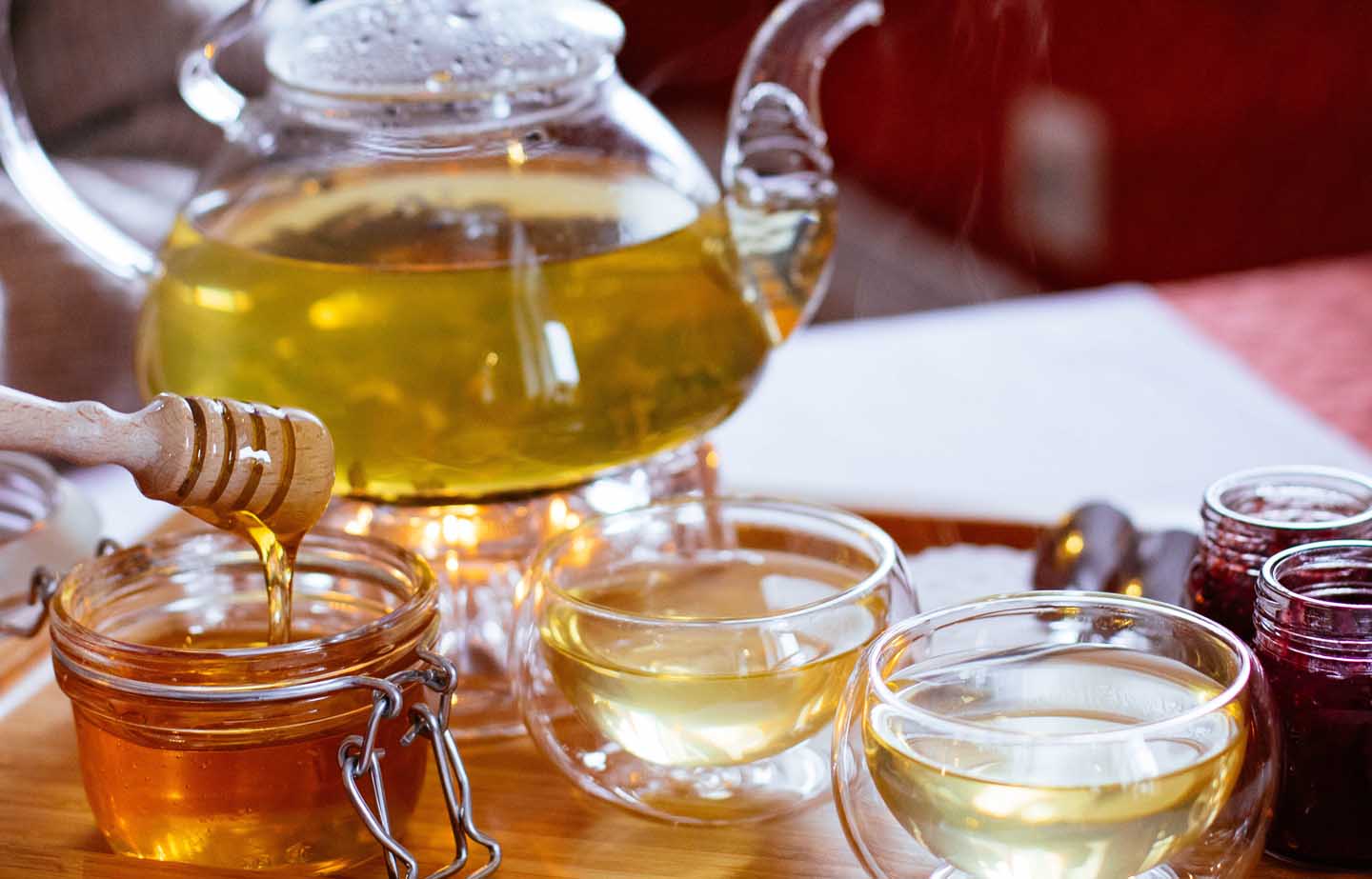
Tea sweetened with honey - Photo by Valeria Boltneva from Pexels

Which Variety?

There is a wide range of varieties available. Therefore, there will always be personal preference. In the case of unifloral honey, more than half must come from the specified plant. This can be determined by a pollen analysis. Caution is advised with varieties of a pronounced inherent flavor if you want to sweeten with them, since they can significantly alter the taste of a dish. But certain drinks or baked goods may call for strong-flavored varieties.

Without much inherent flavor is acacia honey. The rapeseed honey is delicately sweet, almost white in color. Forest honey tastes pleasantly spicy, is dark and less sweet than blossom honey. It comes from honeydew secretions of certain insects. Dark honey varieties tend to have higher concentration of minerals.

Mild honey rounds off the flavor of sour dishes. Food with acidity such as lemon juice as well as sour fruits or vegetables taste much better if the sharpness of the acids is softened by honey. Depending on the amount, half a teaspoon to a full teaspoon or, with salad dressings, just a knife tip is sufficient.

When baking with honey, it should be noted that honey browns the pastries faster than sugar. So turn back the heat a little. Honey is sweeter than sugar. Depending on the variety, 110 – 160 g correspond to around 200 g sugar. Honey has a certain amount of water. Therefore reduce the liquid content a little.

Honey Quality

Admittedly: good honey has its price. But it’s worth it. The bees work without labor union and without wages. But the beekeeper is many hours behind his colonies. Even if the bees are no longer flying, he still has a lot of work to do for the next year. Then there are also production failures due to bee diseases or cold weather. No toxic products are allowed to be used in the treatment of the colonies. Otherwise they would destroy the bees or pass into the honey. Good quality has its price everywhere.
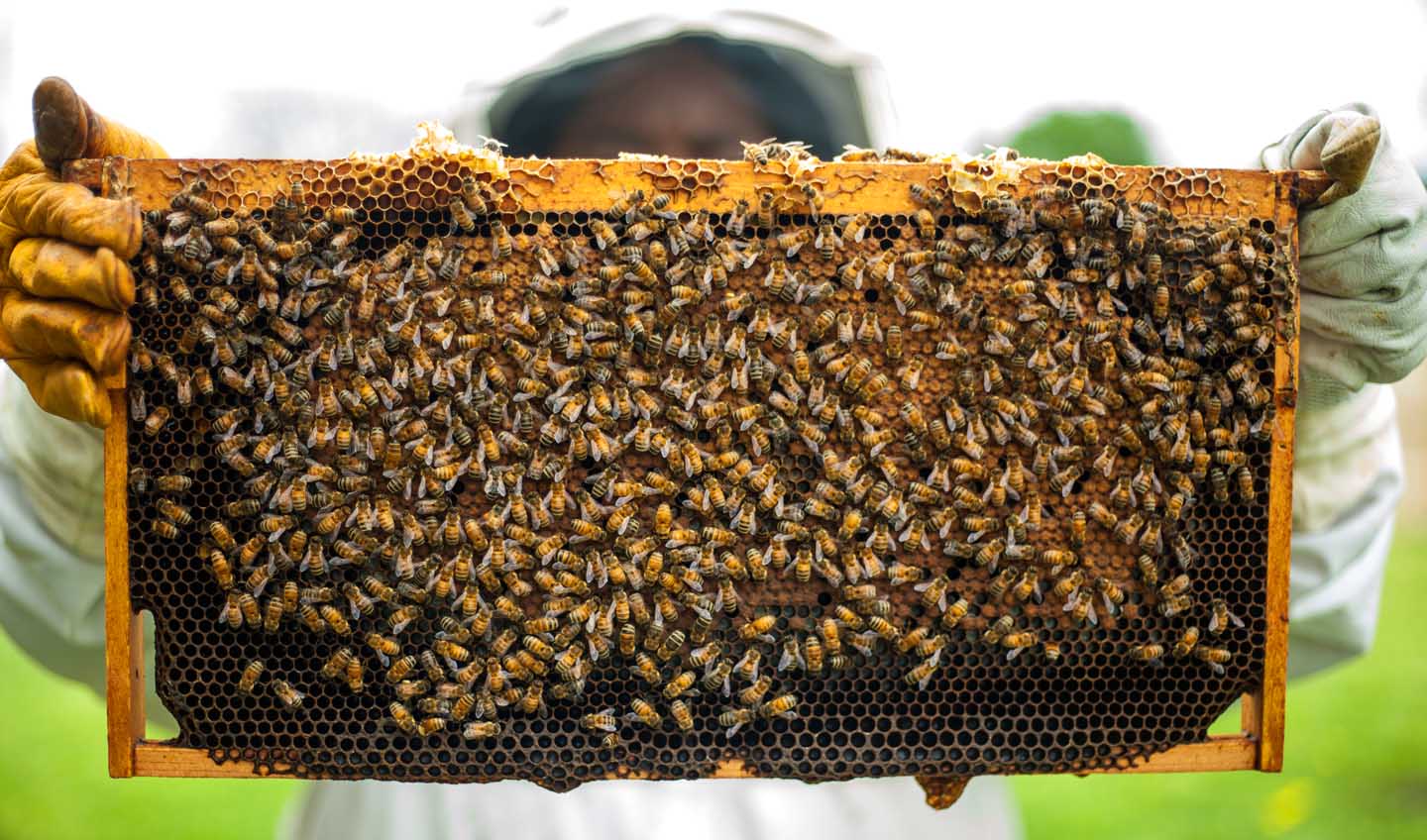
A local beekeeper being proud for producing quality honey - Photo by Timothy Paule II from Pexels

Honey from the region is a food with a short transport route. It therefore also contributes to environmental protection. Bees provide pollination work for the region. When beekeepers can no longer market their products, they reduce their colonies. The pollination activity for the regional flora is lost. The beekeeper already has many problems with introduced bee diseases, fire blight, plant protection and mysterious colony deaths. Think about supporting your local beekeeper by buying regional honey.

Recipes

Lebkuchen

A traditional German recipe, especially popular during the christmas season.

  • 1 cup honey
  • 1 cup whole wheat flour
  • 1 1/4 All-Purpose Flour
  • 1 teaspoon yeast
  • 1/2 cup finely chopped blanched almonds
  • 1/2 tablespoon soy lecitine (or 2 tablespoons flaxseed)
  • 2 teaspoons finely grated lemon peel
  • 2 teaspoons finely grated orange peel
  • 1 teaspoon ground or finely grated ginger
  • 3 teaspoons ground coriander
  • 1 ½ teaspoons ground sweet anise
  1. In a large bowl, beat together honey, soy lecitine, and the lemon and orange peel. If you use flaxseed instead of soy lecitine, soak them in a little bit of water for 2 hours and blend well.
  2. Add the rest of the ingredients and stir well. The dough will be stiff and sticky. If needed, add a little bit of water to be able to form the dough.

  3. Cover the bowl and put into the fridge overnight.

  4. The next day: Preheat the oven to 350°F (180°C).
  5. Lightly grease a cooking sheet.

  6. On a floured surface, roll the dough open and cut out cookies in your preferred shape and transfer to the sheet.

  7. Bake for 20 to 25 minutes, or until a knife inserted in the center comes out clean. The cookies will be still soft and will harden when cooling down.

  8. Store the cookies in an airtight container with a slice of apple (for its softening powers). If you make the lebkuchen 2 to 3 days ahead of time, they'll taste even better and be softer. They'll last for several weeks.

Dessert
German
LowFatDiet, VegetarianDiet
Christmas

Peanut Oat Cookies

Delicious! Children will love these tasty cookies!

  • 3 cups oats
  • 1 pinch of salt
  • 1/3 cup honey
  • 1 cup roasted peanuts
  1. Beat the peanuts in a blender with a little water to form a cream.
  2. Pour into a bowl and put the remaining ingredients, mix well.
  3. Make cookies in the format you want.
  4. Bake in moderate heat until golden brown.
Dessert
GlutenFreeDiet, VegetarianDiet

Sweet Wheat

You are familiar with sweet rice? Why not try out sweet wheat as well?

  • 1 cup cooked wheat
  • 1 handful of coconut
  • Raisins
  • 2 tablespoons of honey
  • 1 pinch of salt
  1. Wash the wheat and soak for 12 hours.
  2. Wash again and cook for 40 minutes in the pressure cooker.
  3. Blend half of the wheat with the coconut and 1 cup of water.
  4. Pour into a pan together with the rest of the wheat and raisins and bring to a boil for 5 minutes.
  5. Turn off the heat and add honey.
  6. Serve in bowls and decorate with pieces of coconut, apricot or other dried fruit.
Breakfast
LowFatDiet, VegetarianDiet

Sweet Bulgur Bowl

Bulgur wheat is commonly used to make kibe and salads, but did you ever eat it sweet? Here you go!

Dough:

  • 1 cup of bulgur wheat for kibe
  • 1 cup of coconut
  • 3 tablespoons of honey
  • 1 pinch of salt
  • 1 tablespoon orange peel

Syrup:

  • 1 cup orange juice
  • 2 small grated apples
  • 2 tablespoons of honey
  • 1/2 cup chopped plums

Dough:

  1. Liquify 1 cup of coconut with a 1 1/2 cup of water.

  2. Place the bulgur in a bowl, mixing with the coconut milk.

  3. Add the orange peel, salt and honey.
  4. Put into the refrigerator overnight.
  5. The next day, place the dough in individual forms and bake for approximately 40 minutes.
  6. Remove from the oven, wait for it to cool slightly and cover with the syrup.

Syrup:

  1. Peel the apples and grate.
  2. Mix with orange juice and plums.
  3. Bring to a boil for about 5 minutes over medium heat. If necessary, add a little water.
Dessert
LowFatDiet, VegetarianDiet

Peanut Nutella

You have a hard time to try out alternatives to the spreads you are used to for such a long time? Check out if that is not tasty, and done quickly as well!

  • ½ cup water
  • 1 cup unsweetened peanut butter
  • ½ cup honey
  • 1 tablespoon carob powder
  • 1 pinch of salt
  1. In a blender first put the water and then the other ingredients
  2. Blend everything together and then place in a glass jar with a lid
Spread
American
GlutenFreeDiet, VegetarianDiet

Honey Granola

  • 10 cups of rolled oats
  • 1 cup of water
  • 1 cup of chopped Brazil nuts
  • 1 cup chopped almonds
  • 1 cup chopped dried apple
  • 2 cups shredded coconut
  • 1 cup of honey
  • 1 cup raisins
  • 2 teaspoons salt
  1. Put all the ingredients, except the raisin, in a large bowl and stir well.
  2. Pass the ingredients to a large sheet (or two small ones) and bake at 180ºC (350°F).

  3. Every 15 minutes open the oven and with the help of a spoon stir the granola (repeat this process for about 5 times or until the granola is very dry).
  4. Remove the baked granola from the oven, add the raisin and store in a large glass jar or smaller pots.

Breakfast
American
GlutenFreeDiet, VegetarianDiet

Coconut Cream with Plumb Syrup

Cream:

  • 1 liter coconut milk (1 quart)
  • 6 tablespoons cornstarch
  • 5 tablespoons honey
  • 1 pinch of salt

Syrup:

  • 10 chopped dried prunes
  • 1 cup of water
  • 2 tablespoons of honey
  1. Blend 1 coconut with water to make the milk (Or buy an industrial coconut milk).
  2. Place in a saucepan and bring to a boil
  3. Add the cornstarch dissolved in water and boil for about 5 minutes over low heat and finally add the honey.
  4. Place the plums, water and honey in a saucepan, boil a few minutes until a slightly thick syrup forms.
  5. Allow the cream to cool slightly and place in bowls.
  6. Decorate with the syrup and grated coconut and refrigerate for about 4 hours to harden.

If you prefer you can top the cream with a strawberry sauce
Dessert
GlutenFreeDiet, VegetarianDiet
Healthy Fruits

Stay Always Up to Date

Sign up to our newsletter and stay always informed with news and tips around your health.
Sign Up Now!

Filed Under: Nutrition

Protect Yourself Against Free Radicals

December 11, 2020 by Esther Neumann - [rt_reading_time label="Reading Time:" postfix="minutes" postfix_singular="minute"]

Antioxidants

Everyone is talking about them! About the free radicals. But who knows exactly what they are? They are not a terrorist group that is spreading death around them. Nevertheless, they act as killers in our body. On the one hand they help us to fight diseases, on the other hand they are causing them. But we are not at the mercy of them helplessly. A sensible lifestyle and a diet rich in vitamins and minerals are the best protection against free radicals.

Protect Yourself Against Free Radicals

The Defender

Let’s start with the good side of free radicals. The macrophages, which are a type of phagocyte, are part of the health police of our body. If they have caught an unwanted intruder, they engulf him. The macrophages produce free radicals inside of them. In doing so, they render invaders such as bacterias or toxins harmless. They destroy parts of their structure so that they can no longer live or are rendered harmless. Then the enemy is literally digested. The free radicals are capable to exert the same destructive activity on our own body if they are not prevented from doing their work by a very sophisticated protective system in our body.

The Destroyer

Every day hundreds of thousands of free radicals are produced in our body. As villains, they invade the cells of the body and try to destroy whatever is in front of them. They don’t even stop at genetic material! They incorporate false information, destroy cell parts such as protein structures and fats, or render hormones and enzymes ineffective. Through their work, cancer cells can develop, as well as cataracts, diabetes, arteriosclerosis, skin diseases, our cells age and therefore we ourselves.

The Sources

Where do these intruders come from? We know sources outside the body like ionizing rays, ozone and smog. They also arise when smoking, and during normal metabolic processes in the body itself, because it is a long way from the salad plate we eat for lunch to the energy that the body can use. During this process, molecules are broken down, rebuilt, and reconstructed. Molecules are made up of atoms. In them are electrons buzzing around, that like to pair in a certain manner. No electron likes to be alone. If it does happen, the lonely electron looks for a new partner. This happens very quickly and at the expense of another molecule, which then becomes a free radical itself. A chain reaction occurs. This chain reaction is often triggered by oxygen. One well known example of free radical damage is the oxidation of unsaturated fat. When oxygen attacks the unsaturated double bond of a fat, it becomes rancid. We therefore also speak of oxidative stress, because most free radicals are created by oxygen and UV rays. The body is not at the mercy of this stress, however; a whole defensive force is available to protect it.

Possible Sources of Free Radicals

  • Cigarette smoke
  • Ionizing radiation
  • Ultraviolet light
  • Ozone
  • Smog
  • Extreme exercise
  • Inflammation
  • Grilled meat
  • Overheated fats
Grilled meat is a source of free radicals - Photo by samer daboul from Pexels

The Protection

Now fruits and vegetables come into play. Vitamins A, C and E provide what the free radicals are looking for: an electron. This turns the aggressive attacker into a peaceful compound that serves the body well. The vitamins themselves become free radicals due to the loss of the electron. But they are not dangerous. They wait patiently until another vitamin comes along and gives them an electron. In this wonderful way, the vitamins connect to complement each other. That is also the reason why we get along with such small amounts of vitamins.

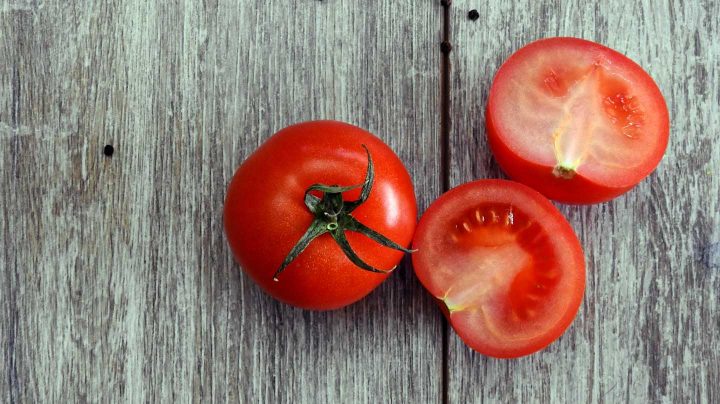
Carotenoids are also free radical scavengers. The most famous is currently lycopene, which is found in tomatoes. Watermelons, rose hips and grapefruits also provide a lot of lycopene, everything that is red, because lycopene is contained in the red coloring matter of fruits and vegetables. Interestingly, it was already known a hundred years ago that tomatoes were a natural remedy for cell damage, just lycopene was still unknown at the time.

Tomatoes are a good source of lycopene.

Many so-called phytochemicals also aim to trap radicals. This includes a wide variety of chemical compounds that the plants actually form primarily for their own protection. Because event the plants are also at the mercy of free radicals and have to protect themselves from them. The ultraviolet rays of the sun and the oxygen around them create loads of free radicals. Therefore, the plants have acquired a sophisticated protection system. For example, they lignify some of their shoots. The lignin that is formed, is a radical scavenger. We have already got to know the carotenoids. These protect the plant from aggressive rays. A variety of plant pigments have the same protective function. And the best thing is that through the diet, we humans can use the same protective factors that the plant created for us. That is why eating a lot of fruit and vegetables offers optimal protection against many diseases that can arise from free radical damage.

But our miraculous body does not rely solely on plant compounds. He mobilizes a well-functioning defense force himself to catch radicals. He builds enzymes with such complicated names like glutathione peroxidase or superoxide dismutase, which also go out to catch radicals like the vitamins. But selenium, zinc, magnesium and copper are needed for their formation. These are minerals that again plants are providing for us.

We see that there has to be a very fine balance between free radicals and the entire defense force. Without them, our bodies would rust, become rancid and age quickly. To a large extent, it is also up to us how quickly we get old or what diseases we get. Varied meals rich in fruits and vegetables, along with a sensible lifestyle with little stress, without smoking, alcohol and poor air are the best conditions for good health.

It is important to state that plants are rich sources of antioxidants, while animal products are almost devoid of them. Some plant sources are 30 times higher in antioxidants than meat.((Monica H. Carlson et.al. The total antioxidant content of more than 3100 foods, beverages, spices, herbs and supplements used worldwide. Nutr J. 2010; 9: 3.)) So what are you going to put on your salad plate today?

Best Antioxidant Sources

Berries: They have the highest concentration of antioxidants among fruits. Blueberries, Rose hips, Strawberries, Raspberries and Goji Berries are among the top contenders.

Spices: They are the plant group with the highest antioxidant concentrations. Even though you use them in small quantities, they can provide a positive contribution for your antioxidant mix. Oregano, mint, thyme and rosemary are among the top contenders in this category, but a good variety of spices will give you a boost for your health.

Nuts: Another food group high in antioxidants. Walnuts and Pecans are on the top of the list, but in all nuts the pellicle is the richest antioxidant source. Due to the high fat content, nuts should be of course consumed in moderation.

Fruits: Most fruits are a good antioxidant source, while those with more color are higher in antioxidant concentration. We know that dark grapes protect the heart for that reason. Prunes are another good option. Always eat your fruits with the skin, which is the most valuable component of the fruit. Dried fruits are more concentrated in all their nutrients, including antioxidants.

Vegetables: Dark green vegetables are nutrient rich and high in antioxidants. Don´t forget to include kale into your diet. Artichokes are especially high in antioxidants as well as moringa leafs, fresh as well as dried. Red cabbage will be another good option. Orange vegetables like carrots, squash and sweet potatoes are rich in carotenoids. And don´t forget the sulphur components in garlic and onions.

This is just a selection of some of the best antioxidant sources. Use a good variety of fruits and vegetables, and you will have an ample supply of protective foods in your diet. We did not include in this list coffee, green tea, cocoa powder, cinnamon and clove, which are rich in antioxidants, but will cause other kind of health concerns.

Healthy Fruits

Stay Always Up to Date

Sign up to our newsletter and stay always informed with news and tips around your health.
Sign Up Now!

Filed Under: Nutrition

How Confidence Can Control Your Stress

December 6, 2020 by Martin Neumann - [rt_reading_time label="Reading Time:" postfix="minutes" postfix_singular="minute"]

Confidence

Have you noticed that some people are just thriving under stress while others passing through the same circumstances are at the brink of a collapse? Have you seen some people that are successful in everything they do, while others seem to go nowhere, while having the same opportunities? What makes the difference? It is Confidence!

How Confidence Can Control Your Stress

It’s a widely known fact that confident people are often successful in whatever endeavor they strive to accomplish. When you have confidence, you have the self-assurance that you have the ability to take control of your situation or circumstances.

Without confidence, you won’t fare as well in anything that you attempt to do. This is because a lack of confidence can alter the way that you make decisions. Without confidence, you compare yourself to others and you are scared to make the moves that will help you to advance.

If you have confidence, you will be finishing the race, while others are still too scared to pass the starting line. Many people have found success because they made bold moves driven by nothing more than the confidence they had.

You’ll find those stories all around you – how people risked everything they owned because they believed that they could start a business or risked their lives to take a solo sailing trip around the world.

Some people are natural leader personalities. They can influence the crowd, because they have the confidence that they are in charge of the situation.

While you can develop your confidence levels, there are two things that can impact your efforts negatively – those two things are stress and anxiety.

Anxiety

Anxiety is worrying about something that might happen or fretting about the eventual outcome of an event. This can also be defined as nervousness. You are fearful of something bad that could happen in the future. In extreme cases, anxiety can lead to a panic attack.

Besides depression, anxiety is the most common mental disorder. In most metropolitan areas, one in three persons is suffering from anxiety.((A. J. Baxter et al, “Global prevalence of anxiety disorders: a systematic review and meta-regression”. Psychological Medicine (2013): 43(5),
897-910. DOI: 10.1017/S003329171200147X.))

Anxious women -  Photo by Ana Bregantin from Pexels

While anxiety is considered an excessive concern with the future, stress is an excessive concern with the present, and depression is often an excessive concern with the past. Many times all three of them tend to be interconnected. And low confidence levels will have a large influence in triggering those manifestations.

If two people both have to deal with the exact same kind of stress, you’ll have one person who will react with anxiety, while the other person won’t. And the reaction depends much on the behavioral actions from past circumstances.

Anxiety can be an emotional platform that stress lands on. The heavier the stress, the shakier the platform can become. But if you have enough confidence, the platform is able to handle the turbulence.

Since your emotional platform is how you go through life, you want to make sure that it can withstand the troubles you have to deal with. If you have a higher anxiety level, it can cause you to have a limited ability to cope.

If you have high anxiety, you’ll find that you often struggle to cope with things that someone with low anxiety can handle with ease. For example, in someone with high anxiety, having a financial upheaval could cause a lot of fear and many sleepless nights. In someone with low anxiety, it doesn’t – because they have the self-assurance that they’re going to be able to take care of whatever needs to be done.

High anxiety will sooner or later lead to negative thoughts, and negative thoughts will lead to negative emotions. When you’re caught up in a cycle of negative thinking and negative emotions that stem from anxiety, it impacts your confidence. It will start to erode your beliefs, the self-assurance that you’re as smart as or as capable as the next person of handling a circumstance, a job project, having a great relationship or anything else in life.

Handling Anxiety

When you feel your anxiety levels to rise, take a short break. Breath in deeply through your nose. Then breath out slowly through your mouth. This exercise will have a calming effect on your heart, and will help even to calm down your thoughts.

Deep breathing to control anxiety -  Photo by VisionPic .net from Pexels

Exercise can be very helpful as well. Whenever you exercise, your body releases endorphins, the feel good hormones that can lift your mood and calm anxiety. Even just five minutes of exercise can restore calmness.

A cheerful attitude or even laughter can go a long way to keep anxiety under control. You may have heard the saying that laughter is the best medicine. There’s a lot of truth behind that statement.

One way that you can lower your anxiety is by journaling. You can write out what you’re feeling and why. Detail how it makes you feel and take note of any similar circumstances that you may have dealt with in the past.

It can help to look back over what you have gone through and see that you were able to deal with it and move on. Avoid things that trigger a higher anxiety level in you. For some people, this means avoiding things that are shocking or upsetting.

This might be the evening news, or people who always seem to have a doom and gloom outlook on life that ends up bringing you down. If you know a situation is going to make you feel anxious, if you can avoid putting yourself in that situation, then do so.

Positive Stress

With all of the articles and books on combating stress, you might get the idea that any kind of stress was bad for you, and that’s simply not true. Stress can actually help you in many areas of your life.

Let´s think for example about a tailor who needs to deliver a dress by Friday. The day before she is working hard to deliver in time. She is focused, works with precision and efficiency and even forgets to eat her supper. Friday she delivers in time and is able to relax. A healthy level of stress has helped her to finish the task.

Or if you are stressed about your meager finances, you may decide to go after a better job. You push yourself forward, you make an effort and in the end, you reach the desired job you were looking for. In this case, stress acted as a motivator for positive change.

Stress will start to be negative when you feel that you are out of control, and you do not know how to handle the situation. Besides the magnitude of your challenges, your confidence levels will greatly determine whether you experience stress as a motivator or a traumatic mind crippling experience.

Getting Confidence

Our confidence level and belief system about our own capabilities are to a large degree formed during childhood. If you were brought up in a safe environment and felt you were encouraged to develop yourself, you have an enormous advantage over others, who may be carrying lots of limiting beliefs about themselves.

We are carrying a baggage of beliefs about ourselves, which can be helpful, undesired or even destructive. Many of those ingrained thoughts are based on our interpretation of past experiences, may they be positive or painful. It is possible to change this belief system about ourselves, but it will take some conscientious effort to do so.

In order to help you to change, you need to find a secure fortress that you can trust. If you feel you are in a protected place, you can develop the confidence level that you are in control and stress will be a motivator for you. This safe haven of trust is created by an atmosphere of genuine love.

Psalm 139 is for me one of the most profound descriptions of this needed environment of trust. The first part describes the all-knowledge of God:

O Lord, You have searched me and known me.
You know my sitting down and my rising up;
You understand my thought afar off.
You comprehend my path and my lying down,
And are acquainted with all my ways.
For there is not a word on my tongue,
But behold, O Lord, You know it altogether.
You have hedged me behind and before,
And laid Your hand upon me.
Such knowledge is too wonderful for me;
It is high, I cannot attain it.

Psalm 139:1-6

It is wonderful to know that there is nobody else who knows us on such an intimate level as God. He knows us and He understands us. There is no need to hide us behind masks, no need to fake something, we can be just the way we are. That gives us a basis for a relationship of trust.

Hiding - Photo by Anete Lusina from Pexels

The second part speaks of the all-presence of God:

Where can I go from Your Spirit?
Or where can I flee from Your presence?
If I ascend into heaven, You are there;
If I make my bed in hell, behold, You are there.
If I take the wings of the morning,
And dwell in the uttermost parts of the sea,
Even there Your hand shall lead me,
And Your right hand shall hold me.
If I say, “Surely the darkness shall fall on me,”
Even the night shall be light about me;
Indeed, the darkness shall not hide from You,
But the night shines as the day;
The darkness and the light are both alike to You.

Psalm 139:7-12

This text assures us, that it does not matter what we have done, no matter where we are or where we go, there is no place in the universe where God´s love is not able to reach us. This assurance, that wherever we are, He is able to take care of us, can give us an incredible confidence boost.

The third part is speaking about our all-powerful God that has created us:

For You formed my inward parts;
You covered me in my mother’s womb.
I will praise You, for I am fearfully and wonderfully made;
Marvelous are Your works,
And that my soul knows very well.
My frame was not hidden from You,
When I was made in secret,
And skillfully wrought in the lowest parts of the earth.
Your eyes saw my substance, being yet unformed.
And in Your book they all were written,
The days fashioned for me,
When as yet there were none of them.

Psalms 139:13-16

It is a great thing to know that God had a purpose for your life and He was seeing your future even before you were born.

If you can fully understand the way that God is taking care of you, then you have a foundation to build your confidence that is solid enough to withstand the trials around you. There may be difficulties all around you, but you can go forward with confidence that God is able to carry you through. What better foundation can you have to build up your confidence?

Do you need a guide to help you understand how to cope with Stress in an all inclusive approach? Learn how to combat stress, mentally, physically, emotionally and strategically in your life.

Get Me the Guide

Filed Under: Mental Health, Stress Management

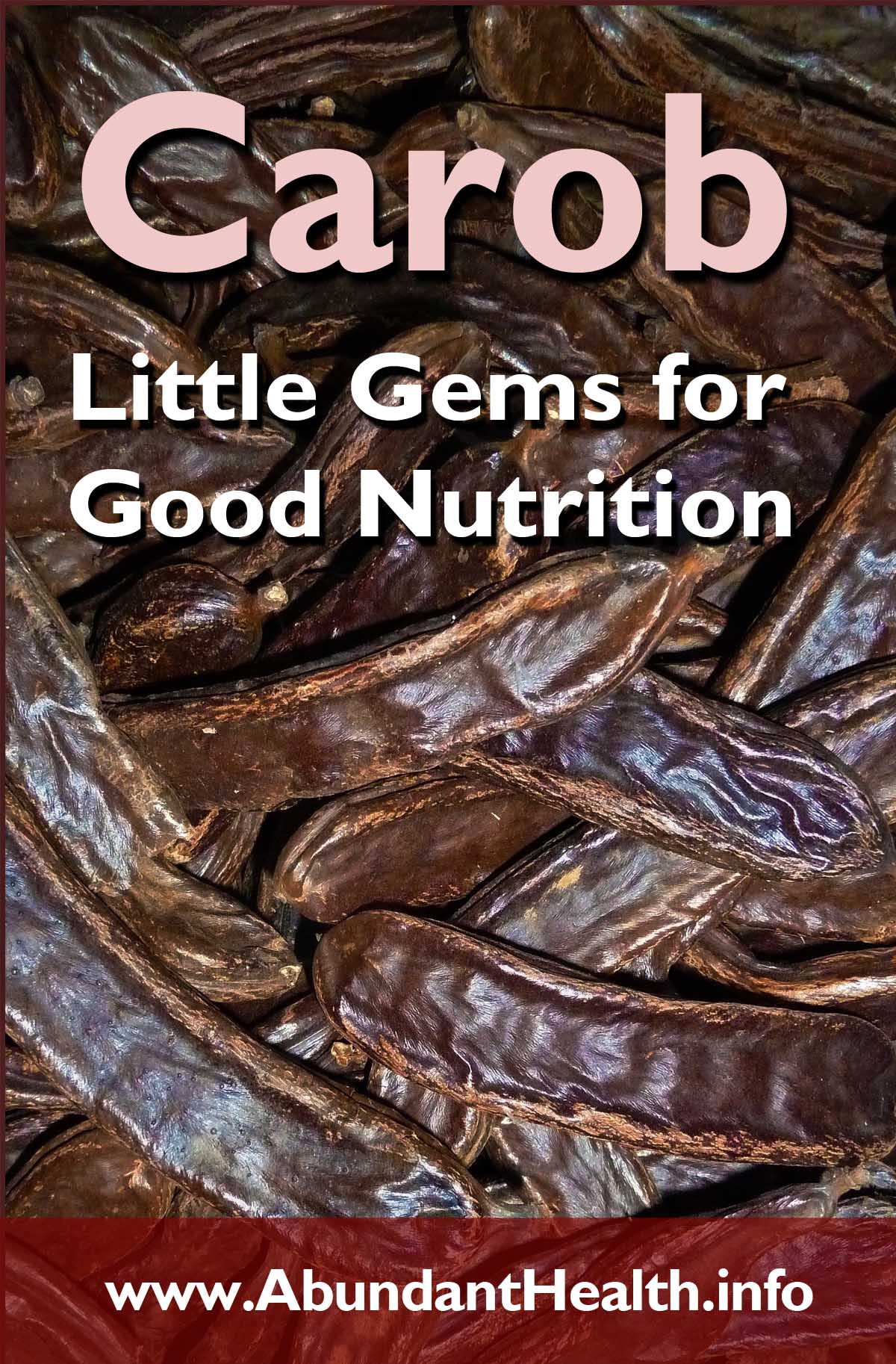
Carob – Little Gems for Good Nutrition

November 27, 2020 by Esther Neumann - [rt_reading_time label="Reading Time:" postfix="minutes" postfix_singular="minute"]

Ripe Carob pods on a tree

Sweet things are part of our life, but chocolate has a bad reputation. Therefore, diet-conscious people resort to carob. But carob can do much more than just replace cocoa powder. Studies have shown that this natural substance can be used in the prevention and treatment of elevated blood fats and the metabolic syndrome.

Carob - Little Gems for Good Nutrition

I don’t believe my eyes. Some cows are standing under a 10 meter high tree with widely spreading branches. Again and again they stretch their necks and tear long, brown pods from the tree with their mouths. Then they grind the pods slowly and with relish in their wetting mouth. I’m in Spain near the coast of Costa Blanca. There is no doubt this is a carob tree. I know carob as a cocoa substitute, but that the cows like it so much, amazes me.

Botanic and Habitat

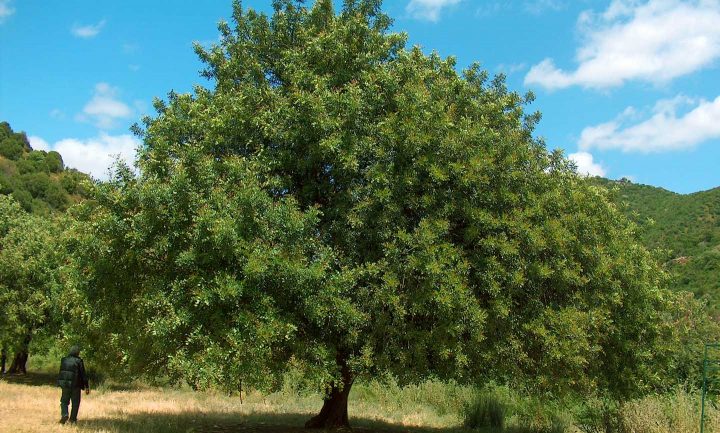
The carob tree is an evergreen tree. It is very heat and drought resistant. He doesn’t like frost. That is why he is only found up to an altitude of about 500 meters. The tree belongs to the legume family, botanically called fabaceae. Like our beans, it lives in symbiosis with nitrogen-fixing soil bacteria. You don’t have to fertilize it, on the contrary: it enriches the soil with nitrogen from the air, making it ideal for organic farming. The tree is getting very old. It also has no natural pests.

A lage Carob Tree in Sardinia, Italy
Carob tree by Giancarlo Dessi via Wikimedia CC 3.0 BY

It blooms for the first time after about six years. After pollination, the flowers develop into thick pods that are about 1 inch (2 cm) wide and 2 – 8 inches long (6 – 20 cm), straight and later often curved. First they are green, then they become leathery, brown-black and hard. They hang on the tree for up to a year. These pods are called “Kharub” by the Arabs, hence the name Carob. Locust bean is another name for the carob pod. John the Baptist has probably eaten the pods of the locust beans, but it was transcribed erroneously to locusts in the bible account. The botanical name is “Ceratonia siliqua”.

The wood of the tree is very rot resistant. Therefore, it is suitable for fences and wood floors, for walking sticks and tool handles. Charcoal made from the carob tree burns for a long time. The tree was probably first cultivated in Egypt. There is evidence that pharaohs used wood as construction timber. With the Romans, the tree then traveled to Greece and later to all the Mediterranean coastline. Emigrants eventually brought the tree to Australia and South America. The main growing areas for the industry are: Portugal, Italy, Spain, Morocco and Cyprus.

Harvest and Processing

From August to October the pods are knocked off the tree with sticks, similar to olives. You shouldn’t wait until they fall off the tree by themselves, otherwise the natural moisture will make them moldy very quickly. The juice (caftan) is pressed from the green, fleshy pods. You can also use it to make caftan honey. It is thickened into syrup or fermented into alcoholic beverages. In areas where the carob tree grows, the pods are consumed fresh or dried as a whole. You can’t peel them. They have a peculiar sweetness because they contain a lot of simple sugars. The well-known carob powder is obtained by grinding the dried and roasted pulp. For high-quality powder you only use the middle part of the pod, because the ends are usually bitter. The seeds are also removed and processed separately.

Ripe Carob pods on a tree
Carob pods by Chixoy via Wikimedia CC 3.0 BY

The carob powder is fine as flour. Depending on roasting it is light to dark brown. It shouldn’t be too dark, otherwise it will taste bitter. The tart, aromatic taste is not quite the same like chocolate. The pure powder smells and tastes just as bad as cocoa powder. The pleasant taste develops only when mixed with other ingredients, and you need normally only small amounts to develop the taste that resembles somewhat to chocolate. As long as being dry and in a well sealed container, the powder can be stored for years because it contains hardly any fat. You can sometimes buy whole, dried pods in the health food store around Christmas time.

Carob Advantages

Carob is a valuable, hardly processed natural product. Due to the high proportion of natural sugars, it is a source of energy, but it hardly contains any fat. 100 g powder contains around 200 mg fat and provides 255 kcal; Cocoa powder on average around 470 kcal. Due to the high fiber content, especially pectin and tannin, it promotes digestion, whereas cocoa tends to constipate. Carob is free from the stimulating theobromine and caffeine, which are found in cocoa. It contains important vitamins like beta-carotene, and riboflavin; also minerals such as iron, magnesium, calcium and potassium. However, this should not be overestimated, as the low intake levels are hardly significant. Carob is used more like a spice.

Usage

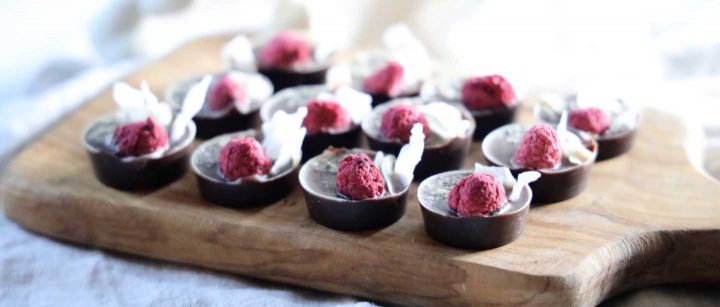
Carob can be used as a substitute of cocoa powder in recipes. It is suitable as a coating of pastries, cakes and coated nuts. You can mix the powder into cake batter. Carob goes very well in homemade ice cream and drinks. Mixing it with cane sugar, it makes an excellent chocolate drink substitute. You can mix it with yogurt, cereal and milk. Ingenuity has no limits. It is also processed to a coffee substitute, the carob coffee. The glue industry processes carob, and it is also mixed into animal feed.

Frozen carob sweets

Locust Bean Gum

The carob gum must not be confused with the carob powder. It is obtained from the separately ground kernels. It’s a light-colored, almost tasteless powder that consists almost entirely of indigestible fiber. As E number 410, it is an important additive in the food industry. As a little processed, natural thickener and as a stabilizer, it is used in baked goods, gluten-free bread, confectionery, puddings, jams, ice cream, in beverage production, for soups and sauces. 1 gram of locust bean gum binds around 50 milliliters of liquid when cold and up to 100 milliliters when heated. Locust bean gum itself is not a gelling agent, but it does improve the gelling effect of agar-agar, carrageenan and xanthan gum. Therefore it is often used together with these.

Health Potential of Carob Gum

Acute digestive disorders such as vomiting, diarrhea, colitis or celiac disease are areas of application for the administration of diet products made from locust bean gum. Studies also show it can be used to treat high cholesterol and triglycerides. This effect is due to the dietary fiber, which consists mainly of galactose and mannose. The polyphenols in the carob also play an important role, lowering the glycemic index of foods and having anti-inflammatory effects. This is especially important for people with metabolic syndrome. People who suffer from this syndrome have impaired glucose and insulin metabolism, combined with high blood pressure and high fat and cholesterol levels. This usually results also in obesity. In a study, volunteers with this syndrome were given 15 g of a carob fiber supplement in the form of breakfast cereals, fruit bars and powdered drinks to eat every day. After six weeks, it turned out that the total cholesterol and LDL dropped significantly.

On the Gold Scales

Incidentally, the word “carat” comes from the carob tree, which is called “ceratonia” in Latin. The seeds almost all weigh exactly the same, about 0.2 g, i.e. one carat. In ancient times, the seeds were used as weights for gold and precious stones.

Carob is really a little gem with the worth of gold. Don´t be shy to include it more regularly into your diet!

Recipes

Peanut Nutella

You have a hard time to try out alternatives to the spreads you are used to for such a long time? Check out if that is not tasty, and done quickly as well!

  • ½ cup water
  • 1 cup unsweetened peanut butter
  • ½ cup honey
  • 1 tablespoon carob powder
  • 1 pinch of salt
  1. In a blender first put the water and then the other ingredients
  2. Blend everything together and then place in a glass jar with a lid
Spread
American
Gluten Free, Vegetarian

Carob Balls

  • 1 cup of raisins dates (figs or apricots)
  • ½ cup of nuts of your choice
  • 3 tbsp. sesame
  • 2 tbsp. grated coconut
  • 2 tbsp. carob powder
  1. Crush the sesame seeds and nuts
  2. Beat the dried fruit in a food processor (or in a blender with a little water).
  3. Add the other ingredients to the food processor and form a homogenous paste.
  4. Form balls and cover with grated coconut.
Dessert

Carob Mousse

  • 1 ripe avocado
  • 2 very ripe bananas
  • 1 spoon of grated coconut
  • 1 spoon carob powder
  1. With a fork mash the avocado and bananas
  2. Mix in a processor and serve soon

Carob Brownie

  • 2 cups of whole wheat flour
  • 2 cups brown sugar
  • 1 cup crushed almond or hazelnut
  • 1 cup of pure sugar-free peanut butter
  • 3 tablespoons carob powder
  • 1 pinch of salt
  • 1 ½ cups water
  1. Place all ingredients in a bowl and mix well.
  2. Pass the dough to a greased form and bake (preheated) for about 20 minutes at 450F (230ºC).
  3. Take it out of the oven, wait for it to cool and enjoy =)
Dessert
American

Carob Sweet Potato Ice Cream

What a tasty, creamy and healthy popsicle !!!

  • 2 cups of boiled and peeled sweet potatoes
  • 1 cup and a half of almond milk
  • 6 tablespoons carob powder
  • 4 tablespoons of organic sugar
  1. Mix all ingredients in a blender until creamy.
  2. Pour into a bowl or popsicle mold and freeze for at least 3 hours.
  3. Remove from the freezer and let it sit for 10 minutes before serving.
  4. Get ready. It’s delicious!
Dessert
American

Carob Clusters

  • 3 cups carob chips
  • ½ cup peanut or almond butter
  • 2 cups sliced almonds
  • 1 cup raisins
  1. Roast almonds in a 300°F oven for 10 minutes and let cool

  2. Put first 2 ingredients into a saucepan and melt on medium heat with frequent stirring

  3. Pour over the rest of the ingredients and mix well

  4. Form tablespoon sized clusters on a greased cookie sheet

  5. Refrigerate until firm

  6. Store in the refrigerator or freezer

Dessert

Carob Pudding

  • 3 tbsp carob powder
  • 3 tbsp honey
  • ½ tsp salt
  • 1 tsp vanilla
  • ½ tsp maple extract or a few drops peppermint extract
  • 1 tbsp water
  • 12 oz firm tofu
  1. Put all ingredients except tofu in a food processor and mix well

  2. Add tofu and blend well

  3. Pour into dessert dishes and refrigerate.

  4. Serve chilled

Healthy Fruits

Stay Always Up to Date

Sign up to our newsletter and stay always informed with news and tips around your health.

Sign Up Now!

Filed Under: Nutrition

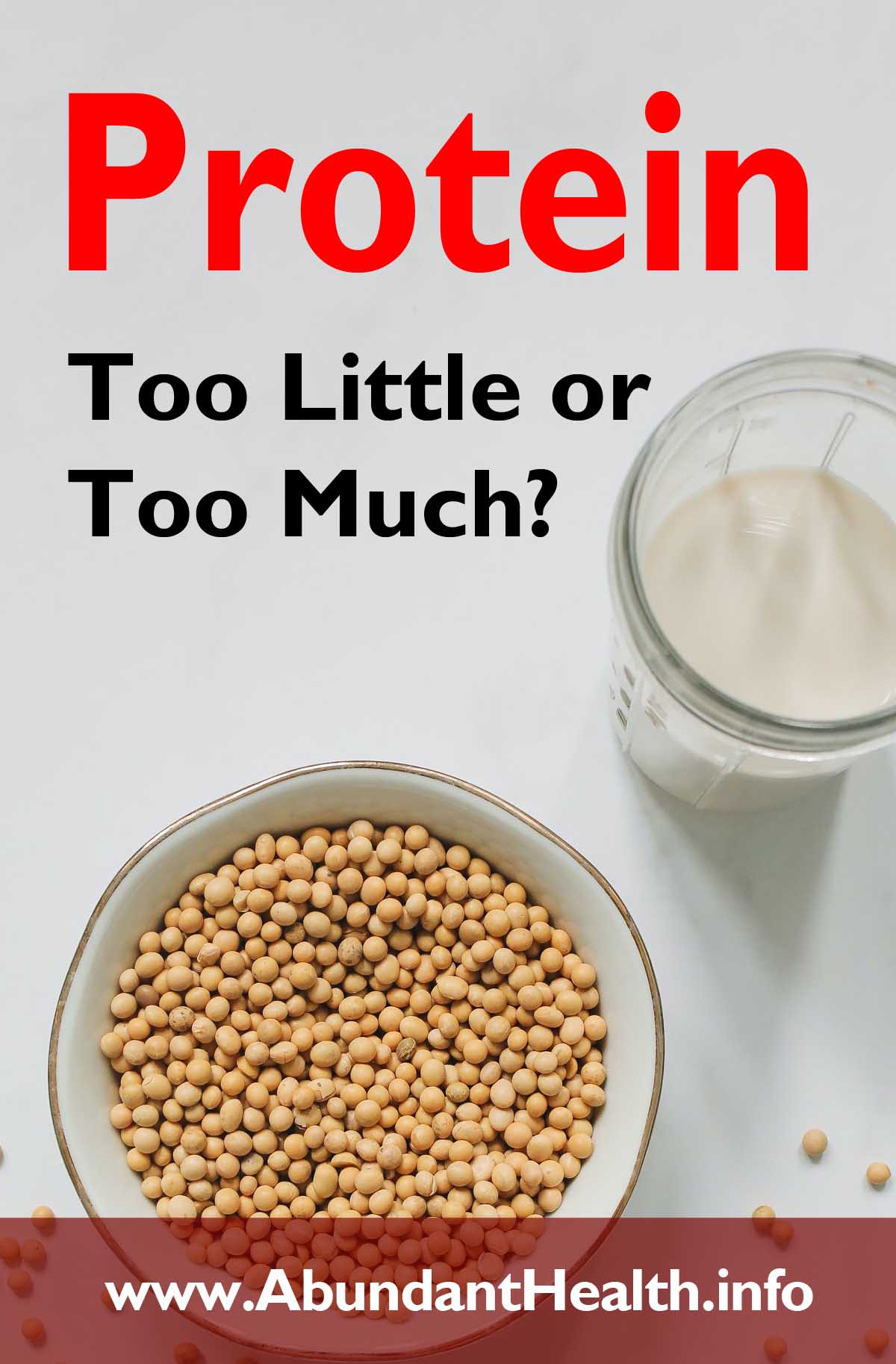
Protein – Too Little or Too Much?

November 20, 2020 by Esther Neumann - [rt_reading_time label="Reading Time:" postfix="minutes" postfix_singular="minute"]

Proteins play an important role in many physiologic processes of the body. They occur in the genetic material, the hormones, the enzymes, in the hemoglobin as well as in the bones, the hair, the nails in every cell of our body. They are responsible for many allergies, but at the same time essential for the immune system to protect us. They work as a means of transport for the absorption of vitamins, minerals and fat.

Protein - Too Little or Too Much?

Smallest Building Blocks

Proteins are made up of so-called amino acids. We know 20 amino acids, which we take in through different protein food sources and convert them to the body’s own protein. These 20 tiny building blocks can be assembled in countless combinations to form chains and intertwined structures. Assuming we were assembling a chain of only 10 out of these 20 different parts, this would give 10,240,000,000,000 different possibilities. Human proteins, however, consist of 50 to 1000 or more amino acids. This is the source of the infinite variety, and God created every human being with its own personal protein pattern. But here lies the problem of organ transplants. A transplanted organ is rejected as foreign by the immune system, since it has a completely different protein composition. This needs to be resolved with rigorous compatibility tests and the application of immune depressing drugs after the operation.

Sources of Dietary Proteins

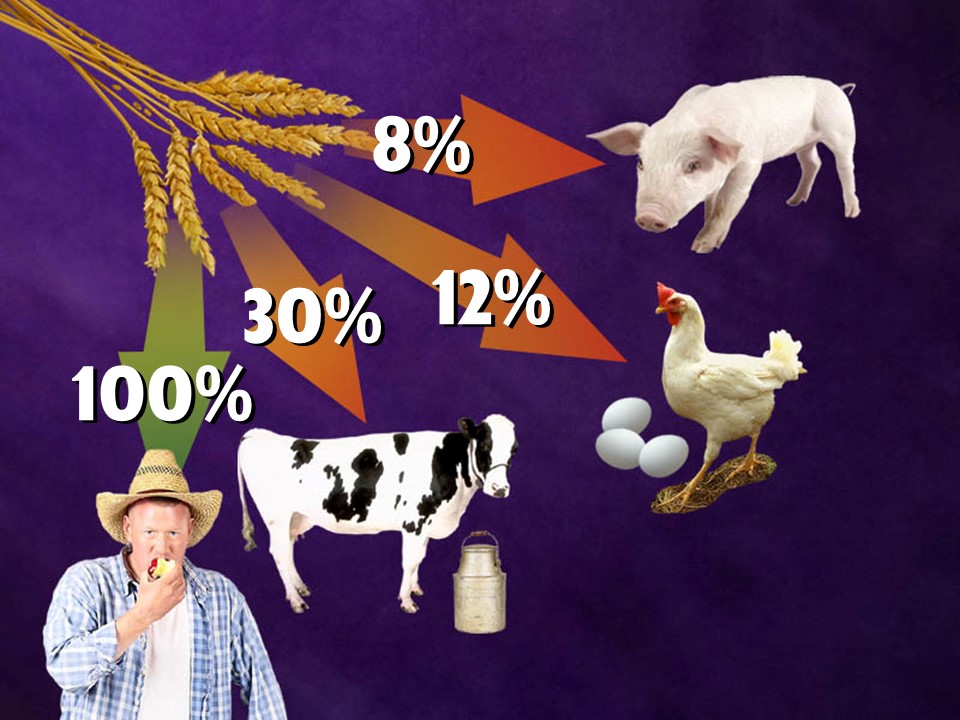
Plants are the only ones able to produce protein from inorganic compounds, such as minerals from the soil and gases from the air. Animals and humans assemble their own body protein from amino acids found in plants: legumes, fruits, vegetables, seeds, herbs and grasses. The protein that humans take in from animal nutrition such as milk, eggs and meat are originating the same way from plants. But this detour is an enormous waste. Because from 100 grams of ingested vegetable protein, the animal can only produce 8 to 10 grams of meat protein. Truly a waste of raw materials when we think of the steady increase in the world population.

Chart of the energy efficiency in the production of animal protein

The question now arises as to which protein is more valuable, that of animals or plants? Which one is utilized better by the body? The value of a food protein is traditionally determined by its amino acid pattern. The better the pattern corresponds to people’s needs, the higher the value. This in turn is determined by the quantity of each of the essential amino acids a food contains.

Essential Amino Acids

The body can build some of the 20 amino acids on its own. Those he doesn’t necessarily need to get through his diet. There are nine amino acids he is not able to produce, but they are vital to our health and must be supplied through our diet. A protein that contains all essential amino acids in sufficient quantity is considered a complete protein.

The protein contained in meat is considered to be a complete protein. The protein contained in eggs and milk is superior to meat in terms of digestibility and value. Grains have a low value because it contains little of an important essential amino acid called lysine. However, this is not a problem, because we do not only eat cereals for a meal. Combining our grains with legumes, this deficiency is made up and all essential amino acids are present in sufficient amounts. We combine all kinds of foods and so we get all the important amino acids with a varied diet.

In addition, the body itself provides important protein. It recycles cells that are being renewed, as well as hormones and enzymes that have performed their function. The body is very economical with this protein. Little is excreted in the stool and urine, but a large part is broken down into the individual amino acids and goes into the storage pool, from which new protein compounds are built up. So we don’t need to worry that we might be missing an amino acid in a certain meal, since the body has enough protein storage for 2 to 3 days. A purely plant-based diet can provide us optimally if we put together clever combinations. Very valuable combinations are, for example, lettuce and potatoes, or legumes and cereals. Nuts and seeds also provide valuable protein and can be incorporated very easily. It doesn’t have to be meat. The consumption of animal protein goes hand in hand with an increased consumption of cholesterol, fat and purines, all risk factors for diseases such as gout and cardiovascular diseases.

Excessive Protein

Excess fat is deposited in the fat cells. Excess carbohydrates are converted into glycogen, stored in the muscles and the liver; when these stores are also full it is converted into fat and stored in fat cells. Excess protein cannot be stored as such. It has to be metabolized. When protein is broken down, ammonia is produced, which is a cell poison. The body immediately converts it into urea, which can then be excreted through the kidneys. This process puts an extra burden on liver and kidneys. The increased uric acid levels will increase the risks of gout. The scientific literature also describes an increase in the excretion of calcium via the kidneys. This has a negative effect on calcium balance and can lead to osteoporosis. The risk of calcium oxalate stones forming in the kidney also increases with an increased protein intake.

Another problem of excess protein is heart disease. Interestingly, animal protein is able to raise cholesterol levels, while plant protein can lower cholesterol levels.((Van der Meer, R,, Beynen, A.C.. 1987. Species-dependant responsiveness of serum cholesterol to dietary proteins.
J.Am.Oil.Chem. Soc. 64:1172-1177; Sanches A., Horning M.C., Shavlin G.W., Wingeleth D.C., Hubbard R.W. 1985. Changes
in levels of cholesterol associated with plasma amino acids in humans fed plant proteins. Nutr.Rep.Int. 32:1047-1056.)) An important factor that differentiates animal from plant protein is the ratio between the amino acids arginine and lysine. For the same reason, animal protein is responsible for the development of cancer, while certain plant proteins can have even a protective function.

Excess protein can have a negative influence on endurance. It is interesting that the majority of high performing athletes are nowadays vegetarians, loading up on complex carbohydrates for optimal performance. This makes sense, since carbohydrates are the best energy source, while the protein demands to promote healthy muscle growth are actually quite moderate.

There are several high protein diets that are being promoted for several reasons. Bodybuilders are using protein shakes to promote muscle growth, while others are opting for high protein diets to achieve weight loss. All of those high protein diets will show though a heavy toll on our health.

How Much Protein?

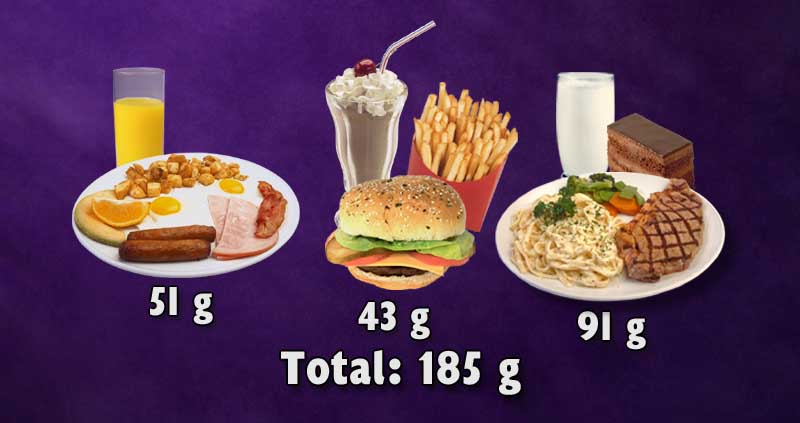
Experts recommend an intake of 0.8 g protein per kilo of body weight per day, which is around 56 g for an adult weighing 150lb (70 kg). These recommendations have already a generous safety margin.

Yet as you can see from this illustration, the average person eating a westernized diet is eating twice the recommended amount, and often even more.

Three meals of a typical animal based diet resulting in 185g of protein.

Just 3 meals of these commonly eaten foods contain over 180 grams of protein! The protein excess is the cause of many so-called lifestyle diseases.

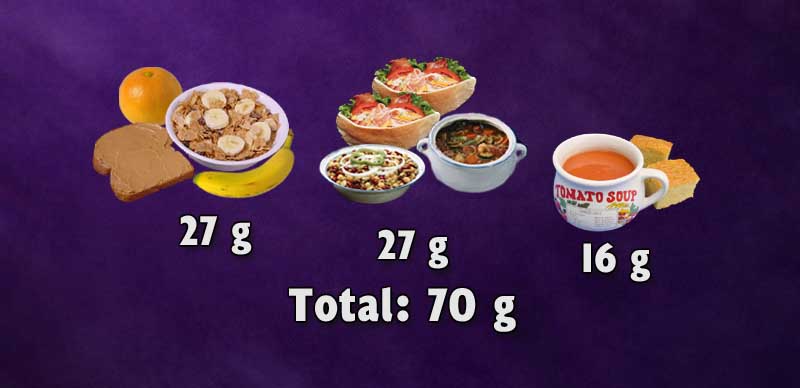
Switching to a plant based diet, protein consumption is normally closer to the recommended amounts. Eating a variety of unrefined plant-based foods, will be sufficient to meet or even exceed the required daily amounts, without creating any excess in protein.

Three meals of a typical plant-based diet resulting in 70g of protein.

Protein Deficiency

Developing countries have often problems with protein deficiencies. Growing children need more protein than adults. Therefore, young children are particularly affected by protein deficiency. The growth is slow, and muscle loss occurs. The liver is often enlarged. Water accumulates in the tissue, leading to the formation of edema, hence the distended bellies of malnourished children. Skin and hair change. It often leads to diarrhea. The immune system is weakened. It comes to hormone deficiency. In western countries, those protein deficiencies are extremely rare.

A Whole Food Diet with Variety

A variety of foods is contributing to our protein requirements. There is no need to cover all the required amino acids in every meal. This could put too much strain on our digestive system. The diversity should be achieved over a longer period of time. If one meal is protein deficient, the next one can make up for it. Since animal foods are very rich in protein and have other disadvantages, a maximum of one-third of the total amount of protein should come from such foods. At least two thirds should come from plant sources. But even a strictly plant based diet, in which animal products are completely avoided, covers the needs of all essential amino acids, when you maintain a healthy variety.

Healthy Fruits

Stay Always Up to Date

Sign up to our newsletter and stay always informed with news and tips around your health.
Sign Up Now!

Filed Under: Nutrition

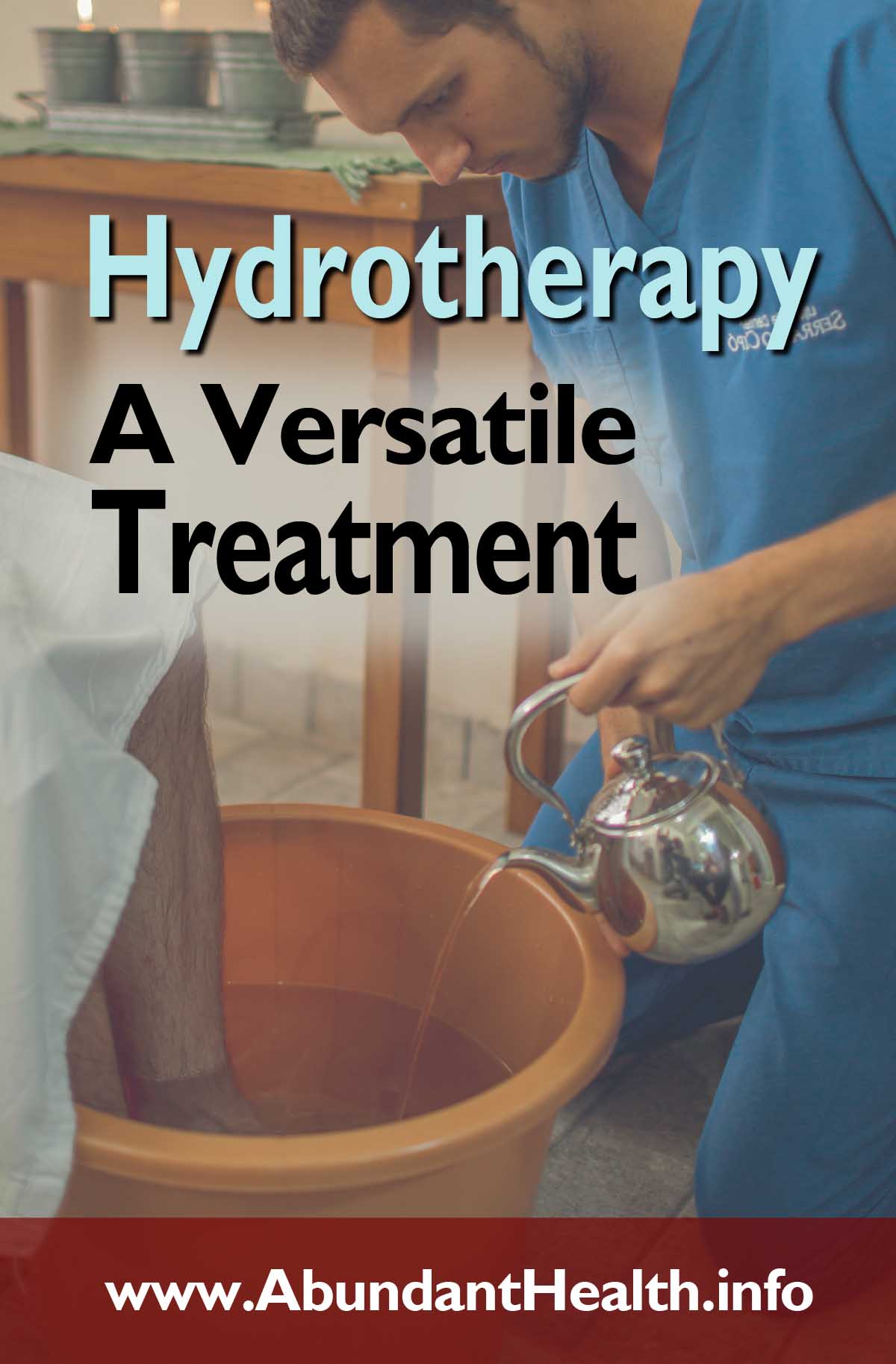
Hydrotherapy – A Versatile Treatment

November 15, 2020 by Martin Neumann - [rt_reading_time label="Reading Time:" postfix="minutes" postfix_singular="minute"]

Have you ever heard about a hot foot bath, a steam inhalation, or a hot compress? Yes, we are talking about a number of different hydrotherapy treatments. But how can the simple application of hot and cold water cure pneumonia, relieve the swelling of arthritis, alleviate menstrual cramps, speed up recovery from a sprained ankle, decrease dangerously high blood pressure, and give relief from a headache? Read on to find out!

Hydrotherapy - A Versatile Treatment

What is hydrotherapy? It is the application of hot and cold water in liquid form, steam or ice, in order to increase circulation, alleviate pain, strengthen the immune system and cure diseases.

But how is that all working? The body has incredible mechanisms to regulate temperature within our organism, and we can make use of that for therapeutic purposes.

Just before we go into details about that, let’s speak a bit about the amazing properties of water. It is the most abundant liquid on planet earth, and for good reasons, about 70% of our body is made up of water. It has a quite impressive quantity of latent heat, being able to transmit heat to your body without cooling down rapidly. Water has at the same time impressive heat transmission properties. That is why on a humid day the heat feels more intense than in dry climate.

Next, we need to explore a bit the caloric properties of steam and ice. You probably remember from physics that temperature is nothing more than a vibration on a molecular level. The higher the temperature, the more vibration is happening.

Now inside an ice cube, water is organized in a crystal-like structure, thus being solid. With movement increasing, the crystal structure is broken and water liquifies. Just to break down the crystal structure, the energy of 80 calories is needed, the same energy that will heat up a liter of water from 32 °F to 176 °F (0 °C to 80 °C). For this reason, an ice cube can keep our water cold for a long time, being a great ally in the application of cold treatments.

At the temperature of 212 °F (100 °C) water vaporizes, expanding greatly in volume. At this moment, the latent heat((https://en.wikipedia.org/wiki/Latent_heathttps://en.wikipedia.org/wiki/Latent_heat)) of about 530 calories is needed to make the transition. Conversely, steam that is condensing will release this enormous amount of energy. That´s why a steam fomentation will stay hot for so much longer, and a steam sauna is so efficient in making us sweat.

Effects of Hot and Cold

Let’s get back to the temperature regulation mechanism of the body. Maintaining the right body temperature is essential for survival and the body has specialized mechanisms to control that. If the weather is hot, the body breaks out in a sweat. The water droplets at the skin need 530 calories to vaporize and are cooling down the body in the process. Some toxins are eliminated together with the sweat, and sweating a little is actually pretty healthy.

Now with the skin being cooled down, the body opens up the arteries of the skin, so that the blood can circulate and cool down the rest of the body. For this reason, the application of heat leads to vasodilation and increased blood flow.

A hot hydrotherapy full body bath

This increased blood flow is beneficial in many ways. There comes in the famous phrase: “Perfect health depends upon perfect circulation”((E. G. White. Healthful Living. p. 31)) Everything in our body is transported via the blood. The oxygen we breathe, the nutrients we eat, the soldiers of the immune system, all of them are depending on proper blood flow.

When we bruise or cut ourselves, the damaged cells need to be repaired. Injured cells need to be removed, and nutrients for new cell formation needs to be transported to the site. The immune system will be on alert to control any infectious agent that may be entering through the wound. All of those processes are happening via the circulatory system, and by increasing circulation, we can speed up the healing process. Hot water can be a powerful therapeutic agent in these cases. And the application of heat can be very relaxing to tense muscles as well as reduce the stiffness and swelling of arthritic joints.

Nevertheless, we need to be cautious with heat and bleeding. When increasing circulation, bleeding will intensify, as well as internal hemorrhagic processes. Inflammation and swelling of edemas will increase as well, that is the reason we apply ice for the first 24 hours of any bruise and sprain.

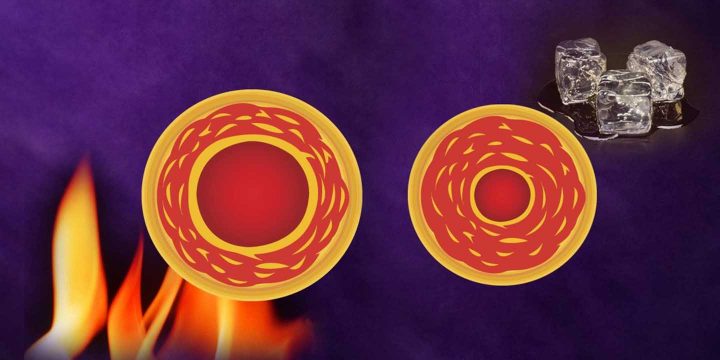
The reaction of the body to cold is heat conservation. The arteries are constricted to reduce blood flow and conserve the heat inside the body. So by the application of heat or cold, we can easily control the circulation of the entire body.

Effects of hot and cold on circulation - vasoconstriction and vasodilation

So we may conclude that hot treatments are the most effective way to increase circulation, but it is actually not quite this way for prolonged heat. After a while, the nerve endings sensing heat will get used to the temperature, and the circulation boost will be moderate. To resolve this problem, we will utilize alternating hot and cold treatments.

Most alternating treatments will use a cycle of 3 minutes of hot and 30 seconds to 1 minute of cold. The brief cold application will reset the response of the nerve endings, and the achieved contrast will boost circulation even more than just a prolonged application of heat.

Fever – Good or Bad?

Most people are used to fight off a fever with Tylenol, ibuprofen or another antipyretic drug. They treat fever like an enemy, but they do not realize that fever can be the best ally in our disease recuperation process.((Juliet J. Ray and Carl I. Schulman. Fever: suppress or let it ride? J Thorac Dis. 2015 Dec; 7(12): E633–E636.))

Fever is actually nothing more than the reaction of the body to an infectious process that is getting out of control. By increasing body temperature, the immune system is put into an alert state,((Silke Schmidt. Fevers can have some cool benefits. ScienceNews for Students, March 20,2019))((Elevated body temperature helps certain types of immune cells to work better, evidence suggests.ScienceDaily, December 13, 2011)) while it may reduce the activity of some microbes.((Fever. MedlinePlus)) So the best treatment of a fever is to go to bed and let it run its course.

Moderate fever should be cured in bed - Photo by cottonbro at Pexels

If the fever goes very high, it may need some intervention in order to prevent seizures. The first approach would be a cold cloth or an ice pack to the forehead. If needed, you can take a cold shower. An otherwise healthy person normally should tolerate fever well unto a temperature of 105 °F (41 °C).

There are treatments that can create an artificial fever and give an enormous boost to the immune system. One of them is a hot full body bath. Several studies showed its efficiency in significantly boosting the immune system.((Conti C, et al. Antiviral effect of hyperthermic treatment in rhinovirus infection. Antimicrob Agents Chemother. 1999 Apr;43(4):822-9.
Santoro G, Amici C, Rossi A. Role of Heat Shock Proteins in Viral Infection. In Pockley AG, et al. Prokaryotic and Eukaryotic Heat Shock Proteins in Infectious Disease. (51-84). Springer Science+Business Media(2010) )) The immune system boost can even help in cancer treatment.((Burd R, et.al. Tumor cell apoptosis, lymphocyte recruitment and tumor vascular changes ar induced by low temperature, long duration whole body hyperthermia. J Cell Physiol. 1998 Oct; 177(1):137-47.
Sakaguchi Y, et al. Apoptosis in tumors and normal tissues induced by whole body hyperthermia in rats. Cancer res. 1995 Nov 15;55(22):5455-64.
Robins Hl, et. al. Cytokine induction by 41.8 degrees C whole body hyperthermia. Cancer Lett. 1995 Nove 6;97(2):195-201
Pettigrew, RT, et.al. Clinical Effects of Whole Body Hyperthermia in Advanced Malignancy. BJ, 1974 Dec; 679-682.
Atanachovic, D, et. al. 41.8C Whole Body Hyperthermia as an Adjunct to Chemotherapy induces Prolonged T Cell Activation in Patients with Various Malignant Diseases. Cancer Immunol Immunother. 2002 Oct 18;51:603-613)) A more rigorous treatment should be done under the supervision of an experienced therapist, checking pulse and body temperature on a regular basis, and maintaining a cold cloth on the forehead. Doing it right, you can maintain body temperature elevated around 103 °F (39,5 °C) for 20 minutes.

A steam bath is another treatment that is able to raise the body temperature, and even a hot foot bath or a contrast shower can give a significant boost to the immune system. Even ending a shower with cold has been shown to be beneficial.((Buijze GA, et. al. The Efect of Cold Showering on Health and Work: A Randomized Controlled Trial. PLoS One. 2016 Sep 15;11(9):e0161749)) Getting 20 to 30 minutes of rest after those treatments will multiply the immune system boost of these therapies.

Precautions

There are a few precautions to consider with all hydrotherapy treatments. Diabetics have a decreased sensibility and reduced circulation, both are factors that will reduce their capacity to react to heat and increase their likelihood to get burned. Be very cautious to adapt the water temperature accordingly for diabetics or any other person with impairments of circulation or sensory nerves. For vigorous treatment like a sauna or steam bath you need to consider the constitution of the heart. And for cancer patients alternating treatments and most hot treatments are discouraged, since they increase circulation and increase the likelihood for cancer cells to spread. An exception is a hot bath which is strengthening the immune system.

The therapist should have some understanding of the proper procedure and their right application, since doing it wrong can possibly annulate the efficiency of the therapy or cause some other unforeseen problems. For example, doing a treatment in a room with drafts can have detrimental effects on the treatment.

Considering these precautions, the application of hydrotherapy is very safe and will cause no negative side effects for the patient. Unless many other conventional treatments, it is working together with the innate healing mechanism of the body, just strengthening the immune system, circulation and other mechanisms to give the body a helping hand to heal itself. Now let us look at some specific treatments and their benefits.

Hot Foot Bath

This is one of the most versatile hydrotherapy treatments. It consists in immersing the feet of the patient in hot water while wrapping the entire body inside a blanket. This will raise body temperature and induce sweating. An interesting fact is that circulation in the feet is larger than in any other part of the body (that’s why it is essential to keep your feet warm), and applying hot water to the feet will influence circulation of the entire body.

Hot Foot Bath

The hot foot bath is an excellent treatment to apply at the first sign of a cold or flu. Since it is inducing sweating, it can help to clean impurities and bring great benefits in smoking and caffeine cessation for example. Since it facilitates circulation in the entire body, it can be very helpful in treating headaches, menstrual cramps and other forms of congestions in the body. It relieves fatigue and relaxes, being very efficient in anxiety and other nervous conditions. It even helps to alleviate pain in the body.

Steam Bath

A steam bath is kind of an intensified version of the hot foot bath. Sweating is intensified as well as the immune system boost. This makes it an ideal treatment for colds and flues. The detoxifying effect of sweating is another interesting application. It is very relaxing and therefore helpful to combat stress and anxiety. Since it increases metabolism, it can complement a diet and exercise program for weight control. It can control pain and swelling in case of gout and arthritis. The sweating opens up the pores and cleans the skin. The heat helps to relax tight muscles and speeds up a workout recovery.

A Russian Steam Bath can be improvised with an electric heating plate and a pot of water that is brought to a boil and creates steam. Everything is covered by a blanket, creating a steam tent that warms up the body. There are nowadays affordable portable steam saunas available. We have some options for you to acquire your own unit.

Portable steam sauna

You should avoid applying a steam bath in persons with heart problems like angina, pacemaker and others. Be cautious on very high or low blood pressure, diabetes and during pregnancy. Apply a cold cloth with ice water to the forehead throughout the entire bath.

Contrast Shower

An alternating hot and cold shower can give an incredible boost to the circulation of your entire body, helping in the recovery of various conditions. It boosts our immunity, being again helpful in colds, flues and various other infections. It helps also to prevent muscle soreness after vigorous exercise.

Contrast Shower

The treatment is simple, you start with 3 minutes of hot water, as hot as you can comfortably tolerate. Afterwards you switch to 30 seconds to 1 minute of cold. Switch back to hot, just increasing temperature for a little bit more. You will see that your tolerance increases with every change. Go for up to 3 cycles and end with cold.

Contrast Baths

This treatment consists of a localized bath of either hands, feet or the face alternatingly in hot and cold water. You ever had a sprained ankle? It happened to me already several times. The first time I had no clue of any kind of treatment and stayed at home for 2 weeks, and afterwards continuing to walk with crutches for another month. The second time it happened, I had just finished my natural remedies course and was preparing to travel home. For the first day, I applied plenty of ice, and I even asked for a bag of ice cubes during the overnight flight on the airplane. Coming home, I started a daily contrast bath to the feet, and after a week I was back to walking normally again.

Besides a sprained ankle, a contrast bath can speed up the healing process of any lesion, infection or edema. I have seen the healing of a diabetic foot, that did not heal for years (applied with caution about proper temperatures of course). If you have a fractured leg, you can do a contrast bath at the opposite leg and have a beneficial effect on circulation on both legs, speeding up the healing process. A contrast bath to the face is an excellent treatment for sinusitis, showing rapid results like nothing else. A contrast bath to the pelvic area can be used for urinary infections.

Hot and Cold Compresses

For areas that cannot be treated with contrast baths, a compress can be applied. You would use hot compresses for muscle relaxation. A hot compress over the spine is an excellent preparation for massage and can be doing wonders for backaches.

Alternating hot and cold compresses can be applied to increase circulation, and the same way like a contrast bath it can speed up wound healing, as well as help with infections and edemas. It can help sometimes with neuralgic pain. Furthermore can you apply alternating compresses to certain organs to improve their function. Pancreas and liver are good examples. Compresses in the middle of the back, at the upper side of the kidneys can help to lower blood pressure in an acute situation. The adrenal glands are responsible to produce the hormones regulating blood pressure, and applying compresses will show immediate results.

In case of respiratory problems like a cough, bronchitis, pneumonia or asthma, hot and cold compresses to the chest can be speeding up the healing process. There is a modality called revulsive treatment, where you apply a hot compress to the back, an alternating hot and cold compress to the chest and a hot foot bath, all at the same time. This treatment needs though a bit of practice in order to be done right.

A Variety of Treatment Options

We have covered here just a few of the most important treatment modalities. We would still need to cover about a heating compress, a wet sheet pack, a steam inhalation, a cold mitten friction, an ice massage and a few other options. I think it was though sufficient to exemplify the variety of applications that hydrotherapy can have to cure diseases and recuperate our health. Proper knowledge and practice can multiply the efficiency of those simple water treatments. Everybody should know about the right application of those treatments that can turn out to be essential for yourself or one of your loved ones.
A steam bath - the head is kept outside the steam chamber

My friends at the LIGHT training institute have assembled an excellent hydrotherapy training course. It will train you in the proper application of 12 different hydrotherapy procedures, together with its indications and contraindications. You will see in 11 videos step by step how the treatments are properly applied. They have packed into the course over 75 years of practical experience, gained at Wildwood Lifestyle Center, in the application of hydrotherapy treatment for various health concerns. Start today to learn these essential and versatile treatment modalities for yourself.

Get the Hydrotherapy Training

EVERYBODY CAN DO IT

Filed Under: Therapies

Next Page »

Primary Sidebar

Social Channels

Coronavirus Immunity Challenge

Boost your immune system to be bullet-proof for the pandemic.

I Want to Participate

Recent Posts

  • 5 Habits to Live Longer
  • Better Sleep Can Protect Against Dementia
  • Finding Peace In Your Crazy-Busy World
  • Flaxseed – An Ancient Plant Rediscovered
  • Platelets – Triggers for Life or Death
  • Boderline Personality Disorder
  • In Praise of Almonds and Nuts
  • Are You Stuck in the Clutter Trap?

Categories

  • Body Systems (16)
    • Cell Function (2)
    • Circulatory System (1)
    • Digestive Tract (10)
    • Immune System (4)
  • Diseases (27)
    • Cancer (2)
    • Cold (1)
    • COVID-19 (11)
    • Dementia (1)
    • Diabetes (1)
    • Digestive Diseases (2)
    • Heart Disease (2)
    • Kidneys (1)
    • Metabolic Syndrome (2)
    • Skin (1)
  • Healthy Lifestyle (42)
    • Exercise (11)
    • Gardening (2)
    • Sleep (7)
    • Sunlight (2)
    • Temperance (14)
    • Water (4)
  • Mental Health (87)
    • Addictions (6)
    • Anxiety (7)
    • Burnout (1)
    • Depression (7)
    • Psychosomatic Diseases (6)
    • Stress Management (45)
    • Trust (6)
  • Nutrition (56)
  • Obesity (9)
  • Phases of Life (14)
    • Adults (3)
    • Babies and Infants (1)
    • Children (3)
    • Seniors (5)
    • Teenagers (3)
  • Therapies (7)
    • Herbs (5)
    • Hydrotherapy (1)
  • Uncategorized (3)

Archives

  • January 2025 (1)
  • March 2024 (5)
  • February 2024 (4)
  • January 2024 (4)
  • December 2023 (5)
  • November 2023 (4)
  • October 2023 (5)
  • September 2023 (4)
  • August 2023 (3)
  • July 2023 (2)
  • June 2023 (4)
  • May 2023 (4)
  • April 2023 (5)
  • March 2023 (4)
  • February 2023 (4)
  • January 2023 (4)
  • December 2022 (4)
  • November 2022 (4)
  • October 2022 (5)
  • September 2022 (4)
  • August 2022 (4)
  • July 2022 (5)
  • June 2022 (4)
  • May 2022 (5)
  • April 2022 (4)
  • March 2022 (4)
  • February 2022 (4)
  • January 2022 (5)
  • December 2021 (3)
  • November 2021 (4)
  • October 2021 (6)
  • September 2021 (4)
  • August 2021 (4)
  • July 2021 (5)
  • June 2021 (4)
  • May 2021 (3)
  • April 2021 (5)
  • March 2021 (4)
  • February 2021 (4)
  • January 2021 (5)
  • December 2020 (3)
  • November 2020 (4)
  • October 2020 (5)
  • September 2020 (5)
  • August 2020 (3)
  • July 2020 (1)
  • June 2020 (1)
  • May 2020 (1)
  • April 2020 (1)
  • March 2020 (1)

Copyright © 2026 · Abundant Health - Privacy Policy - Medical Disclaimer