Abundant Health

Up to date health information tailored for you

  • Home
  • Blog
  • Recipes
  • Shop
  • Contact
You are here: Home / Archives for 2020

Archives for 2020

Stress-Induced Insomnia – A Vicious Cycle

November 8, 2020 by Martin Neumann - [rt_reading_time label="Reading Time:" postfix="minutes" postfix_singular="minute"]

Stress Induced Insomnia

Lack of sleep caused by stress is a combination that can literally kill you. Relaxation and sleep are two things that can truly make a difference in how your body and mind react to stress. Just if you are stressed, sleep may be coming more difficult. And the insomnia will drastically increase your stress levels. This can lead to a vicious cycle that can easily lead to a collapse.
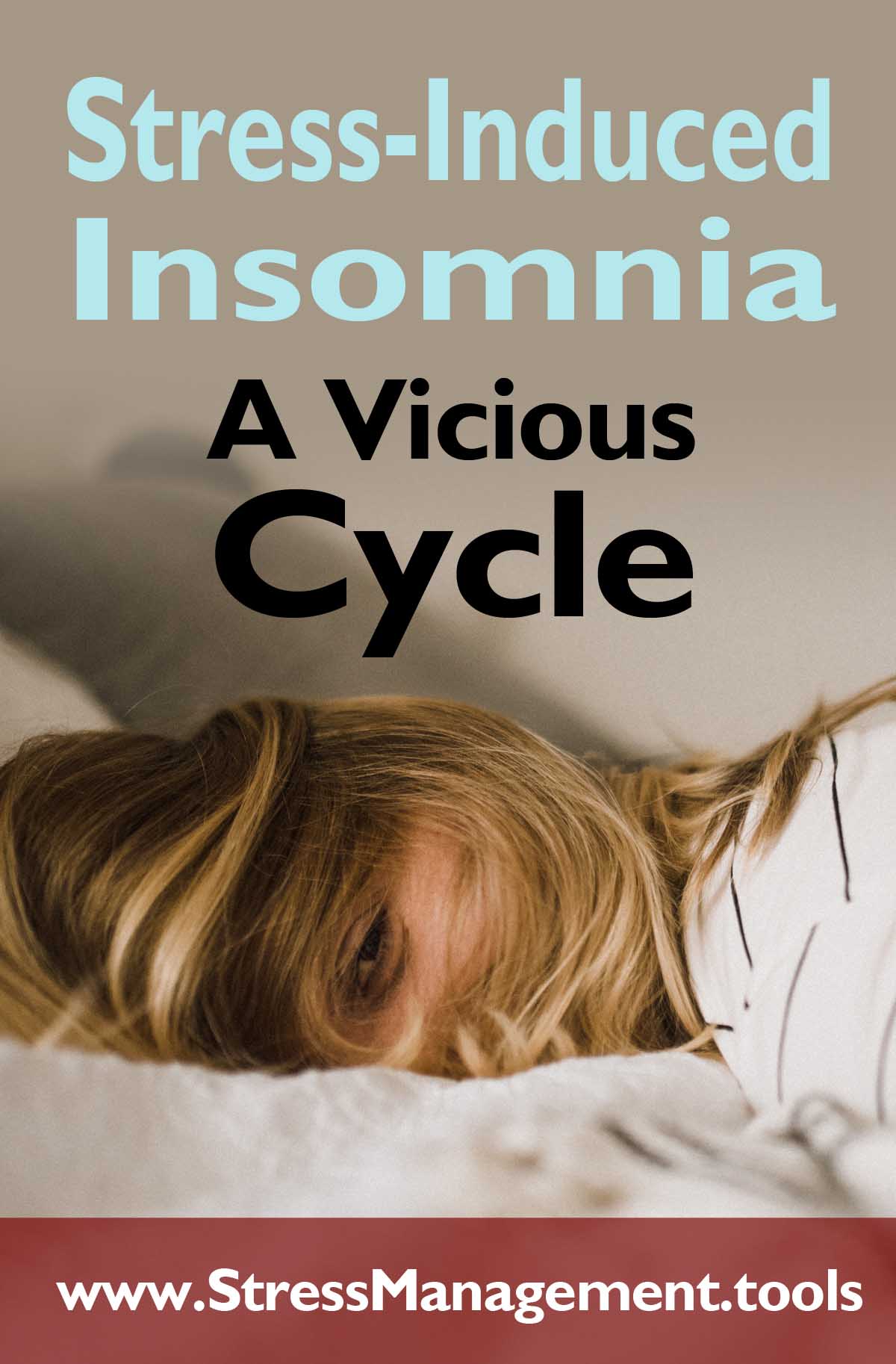
Stress-Induced Insomnia - A Vicious Cycle

It does not matter what you are fixing first – the stress or the insomnia, but unless at least one is fixed, they will both get worse. The effects of stress on your body and mind can slow your productivity and make your life much less enjoyable.

Stress can be fixed if you have a commitment to seeing it through. After the stress factors are reduced, sleep should come more easily.

Causes of Stress-Induced Insomnia

Too much stress in your life may cause insomnia and vice-versa. When you try to get through the day without getting enough sleep the night before, your efficiency will suffer and you will drag through the day, just increasing your stress again.

Sleep times vary from one person to another, but most adults should get 7 to 8 hours per night to keep up energy levels, keep up mental acuity to be able to get through the work day and maintain a good quality of life.

You may experience a short-term bout of acute insomnia that lasts for only a few days. A stressful event in your life might trigger this type of insomnia, but if you experience it for more than a month, you need to take immediate action.

Stress-induced insomnia may be caused by worrying or serious concerns about your health, finances, work or loved ones. You may also experience stress-induced insomnia if you’ve just gone through a divorce or lost a loved one.

Insomnia can be caused by various other motives as well, like medications, certain diseases, an irregular sleep schedule, a disruptive sleep environment, or a number of other lifestyle habits. It is always good to deal with the real cause in order to tackle the problem head on.

Symptoms of Stress-Induced Insomnia

Dealing with the symptoms of stress-induced insomnia can make you feel disconnected from most everyone and everything. You’re not as mentally alert and you might also be irritable and anxious.

Depression may set in and cause other problems such as fatigue and inability to focus on anything. You may never feel well-rested, even when you think you get a good night’s sleep.

Mood swings are also symptoms of stress-induced insomnia. Tension headaches and aches in the shoulders and neck are caused by stress and can keep you from getting a good night’s sleep without help from medications or relaxation techniques. If you’re finding it difficult to be around people, this may be another warning sign of insomnia taking its toll.
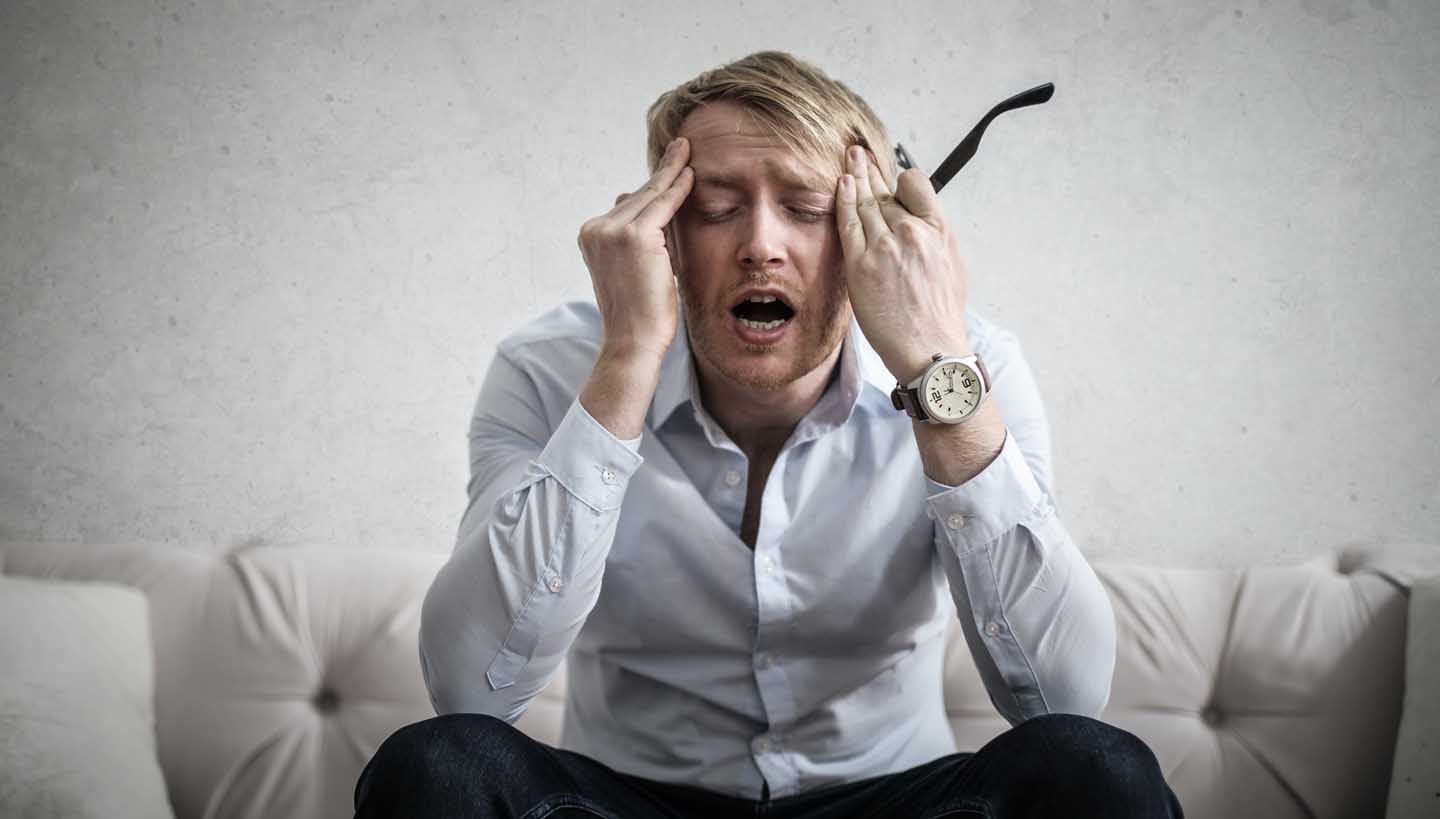
Tension headaches can be caused by stress-induced insomnia / Photo by Andrea Piacquadio from Pexels

Stress-induced insomnia will increase your risk of developing chronic diseases. Heart disease, diabetes, premature aging and even an early death are just a few of the issues that could be caused by stress-induced insomnia.

This type of insomnia can also cause people to eat more and gain weight, drink or take drugs and exercise less. Those are all actions that cause negative consequences to our health. One of the most common risks of long-term, stress-induced insomnia is catching a common cold or any other virus coming around.

Weight gain can also be a health issue related to stress-induced insomnia. When stress hormones are released into the body, your preference for unhealthy foods containing sugar, fat and refined carbohydrates is increased. If you haven’t had enough sleep, you get a double dose of stress hormones which can lead to binge eating.

If you don’t sleep well at night, you may be tense and feel back, shoulder and neck pain when you get up in the morning. Stress during the day at work or home may make the pain worse or cause inflammation that makes it more difficult to heal. Seniors suffering from stress-induced insomnia may experience a slower healing process from medical procedures or surgeries.

Treatments for Stress-Induced Insomnia

If there are worries that keep you awake at night, you need to start working on controlling your thoughts. Cognitive-behavioral therapy may have some interesting tools for you. One of these methods is thought challenging. If a negative thought comes to your mind, you simply challenge it. Is it really true? If not, just discard the thought that was coming to your mind.

Some people are getting all wrapped up about what may happen to them tomorrow. They tend to get worried about things that never may happen at all. Jesus gave some interesting counsel about that:

Therefore I tell you, do not worry about your life, what you will eat or drink, or about your body, what you will wear. Isn’t there more to life than food and more to the body than clothing? Look at the birds in the sky: They do not sow, or reap, or gather into barns, yet your heavenly Father feeds them. Aren’t you more valuable than they are? And which of you by worrying can add even one hour to his life? … So then, do not worry about tomorrow, for tomorrow will worry about itself.  Today has enough trouble of its own.

Matthew 6:25-27 & 34

There are cases you need to make provision for something, and if it is for a good reason, go ahead and do what needs to be done. But to worry about something that probably never happens, or when it really happens you cannot change it, does not make any sense. If you believe in God, the best thing to do is to turn over your problems simply to Him, because He is able to take care of it all. And simply stop worrying, because it is probably not going to help you in any way.

You can find peace of mind by committing yourself to God in prayer. In order to do that, speak to God like a friend. Present him your worries, your struggles and your cares. Be honest. Tell whatever is on your heart. There is nothing too great for Him to carry, and nothing too small for Him to note. The more you are able to honestly express, the more you will be able to let things go.

Be confident! After having done your part, commit yourself into His hands, and accept whatever the outcome may be. We can conquer the stressors around us through the power that God is giving to us.

If you still have trouble falling asleep you can try a relaxing tea at night. Valerian and Passionflower are some herbs that can help you fall asleep easier.
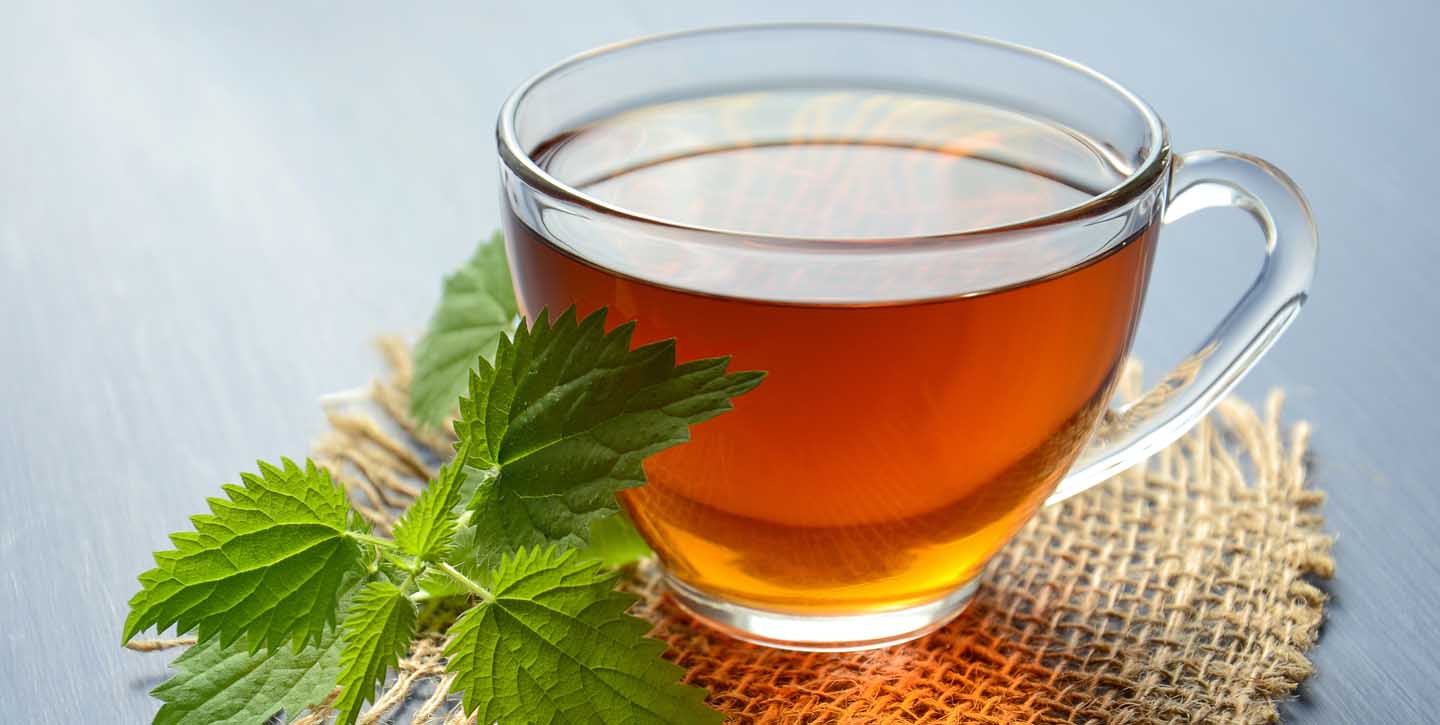
A relaxing tea can help to fall asleep. Photo by Mareefe from Pexels

Sleep studies are done if nothing seems to help your insomnia or control your stress that’s keeping you awake at night. You’ll spend the night at a sleep center and during that time, your breathing, heart and brain waves and eye and body movement will be monitored.

If you’ve tried everything else but just can’t seem to get a good night’s sleep you may need to resort to meds for a short period, because the side effects of lacking a good night’s sleep are various. Just work on resolving quickly the underlying problems that caused your insomnia, so that you do not create a dependency on those medications.

Prevention Techniques for Stress-Induced Insomnia

After you get into the vicious cycle of stress-induced insomnia, you may have a long road to travel before you get back to a normal sleep pattern. The best thing you can do for yourself and your health is to prevent it from happening. But even if you are in the vicious cycle already, taking care of those basic measures will be fundamental to improve your quality of sleep.

One thing you can do if you suspect that the stress-related insomnia is caused by work is to set boundaries such as letting you spend time with family or relaxing in the evening without answering calls or emails.

Don’t get roped into so many requests that you can’t handle them all without acute stress. Just say no to the ones that aren’t that critical. Don’t check your email every few minutes. Designate a time during the day and let it go in the evening so your distractions are lessened.

Schedule the things you like to do in the evening hours. Other requests from friends or organizations should be secondary to what means the most to you and how you can unwind in the evening.

When you are at home and relaxing before bedtime, put your cellphone away. Take time to relax or converse without distractions – including television. After you watch a show, turn off the television and avoid watching it just before bedtime or especially in the bedroom after you go to bed.

News is stressful to watch any time during the day, so limit what you watch that makes you stressful to 30 minutes or less per day. The same with your computer – don’t have it on and blinking at you when you’re trying to relax. Allow for no screen time for an hour before going to bed, be it computer, cell phone or TV.

During the daytime hours it’s important to stay active. Exercise helps to reduce stress so it doesn’t bother you at bedtime and promotes a great night’s sleep. You’ll also want to plan the bedtime hours to be consistent from one day to the next – even on weekends when possible.

Avoid caffeine or alcohol and kick the smoking habit, if necessary. These substances can make your nerves jittery at bedtime and keep you from getting the required amount of sleep.

A bedtime ritual can help over time to relax your body and mind and ready it for a good night’s sleep. A warm bath, soft music or a few minutes of reading can go a long way to calm nerves and make you sleepy. Deep breathing exercises and progressive muscle relaxation may help you to relax. Make it a habit to commit yourself to God in prayer.
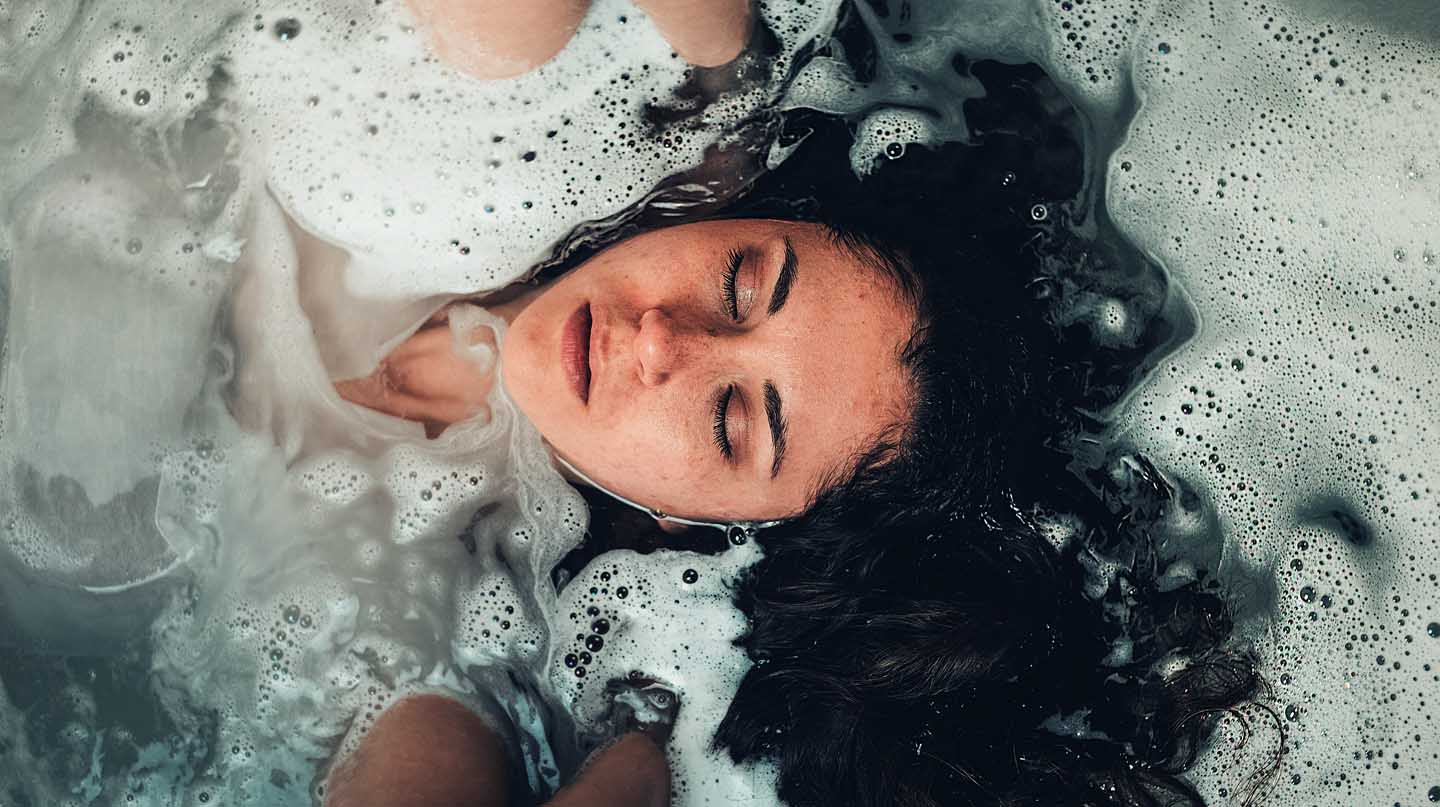
A relaxing bath can help wind down after a busy day. Photo by Craig Adderley from Pexels

When insomnia makes it difficult for you to function during the daytime hours, it’s best to see your doctor. A sleep disorder may need special treatment other than the type you purchase over the counter.

You should be as committed to getting the full amount of restful sleep you need as much as you are to a healthy diet and exercise to keep your body in shape. You could suffer a poor quality of life for an extended period of time unless you get the stress – and the sleep problems under control. It is true especially with stress control: A healthy sleep is the best preparation to face the problems of tomorrow.

In order to help you with the best strategies to get your stress under control, we have prepared a free guide for you. A good stress management strategy needs to use an all inclusive approach, including lifestyle changes, emotional control, and time management strategies. Download the Ten Minute Guide to Stress Control and start today to develop proper coping skills for your stress.

Do you need a guide to help you understand how to cope with Stress in an all inclusive approach? Learn how to combat stress, mentally, physically, emotionally and strategically in your life.

Get Me the Guide

Filed Under: Mental Health, Sleep, Stress Management

The Pleasure Trap

October 31, 2020 by Marcia Lobo Vidoto - [rt_reading_time label="Reading Time:" postfix="minutes" postfix_singular="minute"]

I know it’s not healthy, but…

Have you ever enjoyed an extra cheese pizza, an iced soft drink, or some temptation in the form of a dessert, like a chocolate cream cake, with filling, icing and chocolate chips everywhere, even though you know they are not healthy? Of course, yes! I think all of us. I hope I have not aroused any desire. Come and read on.

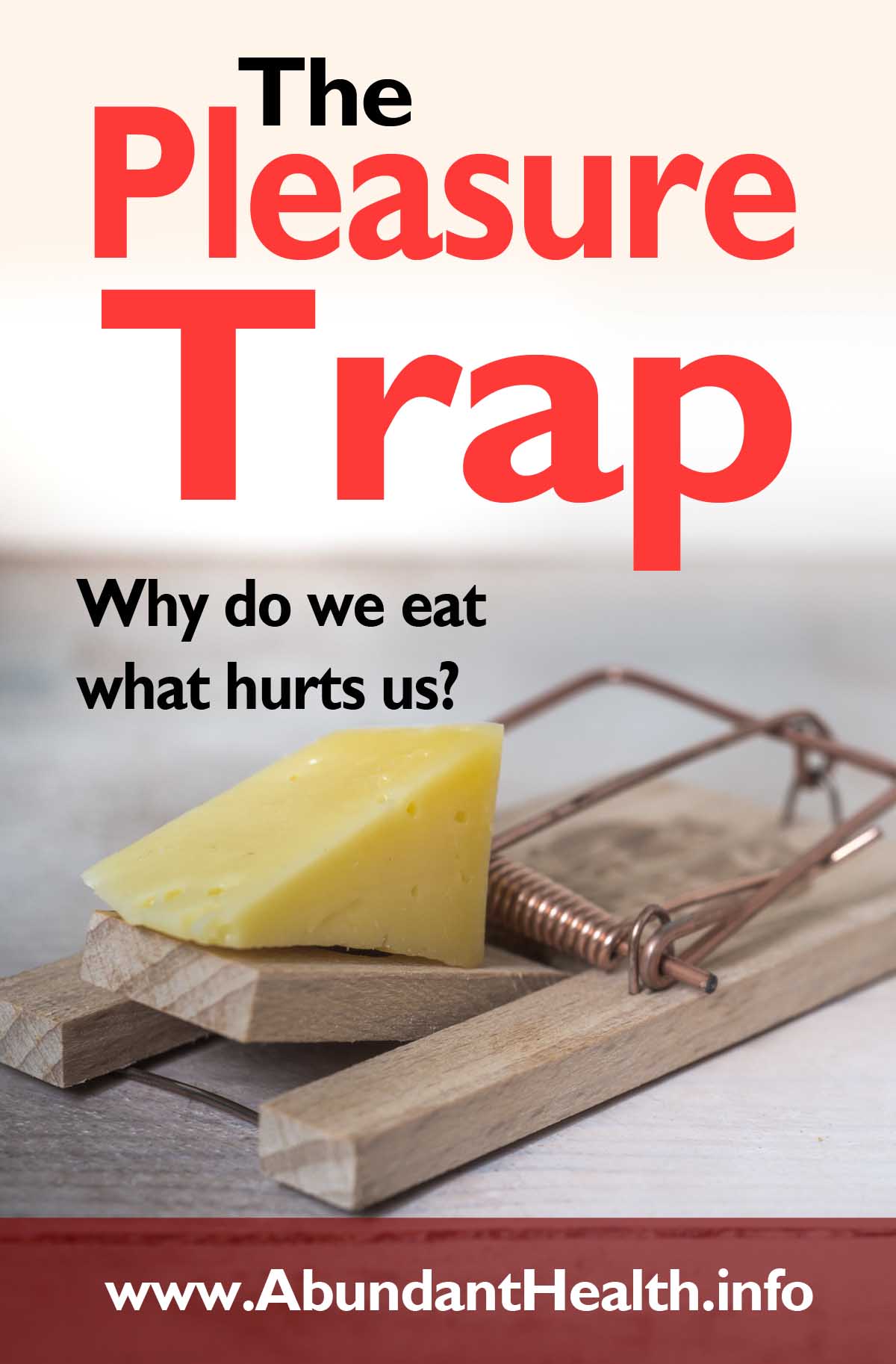
The Pleasure Trap - Why do we eat what hurts us?

Even though you know that some foods are harmful, you still can’t resist, like a moth attracted to light. Why does this happen? In fact, explains Dr. Neal Barnard in his book “Power Foods for the Brain”, a war is being waged in your brain, and the weapon used is called dopamine. This weapon is powerful enough to kill your desire to be healthy and could end up killing you “.((BARNARD, Nal B. (2013). Power Foods for the Brain: An Effective 3-Step Plan to Protect Your Mind and Strengthen Your Memory. New York: Grand Central Life & Style., 2013, p. 177.))  

Just when the Beatles reached the height of their popularity. drug culture also exploded. Marijuana, hallucinogens, cocaine and heroin were widespread around the world. The musicians seemed to be especially vulnerable to the deadly effects of drugs and alcohol. Jimi Hendrix, Janis Joplin, Jim Morrison, and guitarist Brian Jones of the Rolling Stones, were part of the fateful Club 27, so named because of the age at which they all died. But if the drugs are so harmful why do people continue to use: The reason is dopamine – which is not only related to drugs.

Dopamine

In your brain is located the reward center, where dopamine is stored in tiny rounded pockets within the brain cells, continues explaining Dr Barnard. Dopamine is a neurotransmitter, that is, a chemical substance used in the nervous system. It is part of the set of natural so-called opiates because they produce and awaken feelings of relaxation, pleasure and well-being.

Dopamine is literally waiting for you to eat something – something really tasty. As soon as you eat, it is released from each of these cells, creating a “little party” in your brain, giving you an incredibly pleasurable sensation.((Idem, p. 179-180))

Your brain is programmed to do just that, using dopamine to remind you of scents, flavors, colors and sounds. So today, tomorrow and every day, you go back to feed yourself and stay alive. The brain organizes your list of priorities in such a way that you stop what you are doing and prioritize your next dopamine release – your food ingestion and the resulting survival are always guaranteed. The same goes for sex. Not that sex keeps you alive, but it also receives favorable treatment so that the species is preserved.

After an intense dopamine interlude, a second type of pleasure neurotransmitter floods the brain. It is the so-called endorphin, which causes a feeling of relaxation, also very pleasant. These two neurochemicals often work together, with a double reward of pleasure.

Dopamine, however, explains Drs. Lisle and Goldhamer, does not relate much to longer-lasting periods of well-being, which we call happiness. This state of happiness is regulated by a different neurochemical, especially serotonin. When you mistreat your body with unhealthy foods, lack of sleep, chronic lack of exercise or drug use, this long-lasting state of happiness is also seriously compromised.((Lisle; Goldhamer, 2003, Pleasure Trap: Mastering the Hidden Force that Undermines Health & Happiness. Summertown, TN: Healthy Living Publications, p. 157-158.))

The Kidnapped Reward Center

This perfectly balanced system can be hijacked by drugs. Marijuana, cocaine, heroin and virtually all drugs of abuse trigger an enormous release of dopamine. The same goes for a glass of wine, a cigarette or a cup of coffee. That is why people use such substances. The legal and illegal drug market has been manipulating the release of dopamine. Drugs are much more powerful dopamine triggers than food and sex; This is why addicts often lose interest in food, sex and just about everything else in life in favor of their drug.

The food industry has found a way to enter the game. The release of dopamine that your brain triggers when eating an apple or an orange is actually quite modest. Processed foods are manufactured in order to increase the dopamine release. As a consequence, these products are less and less like food and more and more like drugs.

The industry is producing all the time more addictive foods.

Three Weapons of the Industry

1. Sugar

A papaya, a mango or a pear are pleasantly sweet, but why stop there? Thus, the sugar industry extracts and purifies the juice from sugarcane, resulting in pure and concentrated sucrose or refined sugar. In the brain, sugar stimulates the release of dopamine, endorphins and other natural opiates.((Ibid))

Sugar thus takes on a prominent position in the food industry, marking a massive presence in an increasing number of products. The use of this weapon has really been a success – not for health, but for sales!

2. Fat

Dr. David Kessler, in his book The End of Overeating, quotes the work of Dr. Adam Drewnowski, ((Dr. Adam Drewnowski is professor of Epidemiology at the University of Washington, spent thirty years of his life researching the human taste, preferences and food choices.)) leader of international renown in the prevention and treatment of obesity. Dr. Drewnowski found that people don’t like sugar alone, but its combination with fat.

Fat, he said, “is responsible for the texture, flavor and aroma of many foods and largely determines the palatability ((Palatability:. That is pleasant to taste)) of a diet.” In addition, similar amounts of fat and sugar make it a palatable food.((KESSLER, David A. (2009). The End of Overeating: Taking Control of the Insatiable American Appetite. New York: Rodale, p. 13.))

An example of this “fatal combination” is chocolate. Chocolate is so “special” that it won a specific chapter, in the book Saúde Nua e Crua [Health – Naked and Raw]. The two main ingredients of chocolate are sugar and fat, in an almost irresistible caloric combination and also extremely effective in releasing dopamine.

3. Salt

“When the mixture is correct, the food becomes more stimulating. Eating products with a high concentration of sugar, fat and salt makes people crave for more products with a high concentration of sugar, fat and salt”, says Dr. Kessler.((Idem, p. 14.))

“People love salt … salt completes the taste of everything … and they devour it daily in almost everything they buy … People yearn to eat salty foods”;((MOSS, Michael. (2013). Salt, Sugar, fat: How the Food Giants Hooked Us. New York: Random House, p. 270, 275.)) the trap continues to be set and continues to capture its victims.

Vicious Circle

When you don’t feel well, you instinctively try to do something to solve your problem. In this case, you hardly associate the problem with a lack of good sleep, exercise or poor choices of food. You will rarely identify, for example, caffeinated drinks, chocolate, fatty foods, TV until late at night, or a sedentary lifestyle as factors to be reviewed.

On the contrary, you usually suspect that a pleasure deficiency is the cause and conclude that the solution is to eat something very “tasty”. During the pleasure cycle, the brain releases dopamine, and you feel good. The action is repeated, more dopamine is released and you continue to feel more pleasure. By reinforcing the pleasure, the mechanism guarantees the repetition of the action. “That’s why the pleasure trap is so cunning and powerful.”((Lisle; Goldhamer, 2003, op. cit., p. 160.))

Snacking on calory rich foods can release large doses of dopamine.

“Leaving a bad habit is already a difficult task, but breaking free from the vicious circle of pleasure can be the biggest challenge of your life,” warns Drs. Lisle and Goldhamer. “Changing just one factor, such as removing caffeinated drinks or an ordinary glass of milk, will make a person feel even worse – the so-called withdrawal syndrome.

Common symptoms are headache, nausea, fatigue and anxiety also characteristic of drug withdrawal in general. This is because the body is trying to maintain the continual intake of vicious substances”.((Fuhrman, Joel (2011) Eat to live:.. The Amazing Nutrient-Rich Program for Fast and Sustained Weight Loss, New York: Little Brown, p . 204.)) In addition, healthy eating habits are often seen initially as “devoid of pleasure and bland. It is no longer a mystery why New Year’s resolutions related to eating habits do not last more than a few days.”((Lisle; Goldhamer, 2003, op. Cite, p. 160.))

Back to the subject: Why do you eat certain foods even though you know they are not healthy? Because they release a dopamine bath in your brain. Dopamine intensifies the taste and colors of food, and you continue to consume each one to gain that well-deserved and expected feeling of well-being.((Barnard, 2013, op. cit., p. 180-186.))

The natural integration between serotonin and dopamine, for example, or between the states of happiness and pleasure, has been partially lost. This integration is compromised by poor eating and lifestyle habits. When using foods that are not natural and healthy, you’re taking shortcuts to produce extra dopamine. The result is always the same: your health, contentment and happiness are compromised and impaired.((Lisle; Goldhamer, 2003, op. cite, p. 159.))

And now?

This situation can be reversed, shows Dr. Barnard. You can get your dopamine in a healthy way. And don’t forget physical exercise, which also triggers the release of endorphins and dopamine. If you have an active sex life, this is another natural way. But with regard to food, how to get rid of the powerful trap of foods that are harmful to health?

The first step is to establish strict personal rules and simply stop consuming unhealthy products. Dr. Barnard explains that it is easier to stop consumption at once than to provoke yourself with an occasional consumption.

Those who insist on saying, that they will eat only once in a while, or just a little does not hurt, will not succeed. The problem, he continues, is that every little bit of these foods triggers an explosion of dopamine that reinforces your desire to continue making use of those foods. The addiction will continue to speak louder.

Each bite will now make it harder to say no the next time. The vicious circle needs to be broken. The first few days are the most difficult, but over time, you will forget about the extra amount of dopamine that these foods release, and you will find pleasure in eating natural foods. With that, dopamine in the right dosage will suffice.((Barnard, 2013, op. cite, p. 186-190.))

The need to remove any food addiction is also highlighted by Dr. Fuhrman. The introduction of healthy foods and the reprogramming of tastes is an effective way to permanently get rid of the pleasure trap.((Fuhrman, 2011b, op. cite, p. 206.))

A Forceful Motivation

Another step in the process of reprogramming the body is looking for other motivators. See Paul McCartney’s experience. At a Sunday lunch, where the main course was roasted lamb, he was sitting next to the window. Watching the sheep grazing on the hills and the meat on the plate, he concluded that he no longer wanted to be part of that act of cruelty. So he decided never to eat meat again.

The cruelty of killing innocent animals can be a motive to stop eating meat.

For many, an important motivator has been a greater awareness of the environmental damage caused by the consumption of animal foods and processed products. For others, new medical research is warning about the health risks of those foods.

Another strong motivating element has been the desire to return to eating according to the original plan of creation described in the biblical book of Genesis. Perhaps you want to help the body cope with an illness, or just to go back to an optimal fitness level. Any and every motivation is welcome in this phase of forming new eating habits.

Whatever your family history or current condition, you can overcome your physical dependence in relation to the addictive properties of animal and processed foods. Through willpower, physical endurance and the use of external elements of motivation, change is absolutely possible. You will develop a new taste for the natural flavors of food, forget the old tastes and no longer feel the urge for the harmful tastes of the past, guarantees Dr. Esselstyn.((Esselstyn, Cadwell B. (2008). Prevent and Reverse Heart Disease: The Revolutionary, Scientifically Proven, Nutrition-Based Cure. New York: Penguim Group, p. 14.))


This article was translated and published with permission of the author from the book: Saúde Nua e Crua (Health – Naked and Raw). The book is available in Portuguese.

Filed Under: Nutrition, Obesity

Water – The Cheapest Medicine

October 25, 2020 by Esther Neumann - [rt_reading_time label="Reading Time:" postfix="minutes" postfix_singular="minute"]

Water – the cheapest medicine! A few years ago you could read this slogan on large posters in the streets of Vienna. Indeed, a lack of water can cause pain. If we drink a few glasses of water over our thirst, we feel noticeably better. Simply drinking water can resolve confusion. Anyone who has ever suffered from thirst in the desert knows what we’re talking about. Why is water so important?

Water - The Cheapest Medicine

Structure of Water

Water is a special liquid. Even his unusual chemical and physical properties make this small molecule to a great helper in the human ecosystem. We all know the chemical structure H2O. Two hydrogen atoms are connected to an oxygen atom at a very special angle so that two oppositely charged poles are formed. This dipole characteristic is the prerequisite for the special property of water. It can form hydrogen bonds with many other substances. In this way it can dissolve substances, bind, transport, excrete, yes life processes are made only possible by water. By the high specific heat capacity and latent heat released with the evaporation of the water, our body is protected from temperature fluctuations.

Water Balance

When nutrients are broken down, water is formed. Together with the hydration via drinks and food, it forms one side of the balance in relation to water absorption. The water loss occurs via the lungs, skin, kidneys and intestines. Consumption needs to be adequate to maintain a healthy balance. Drinking additional water beyond our thirst helps us to stimulate our body metabolism. Children naturally crave more drinks. Unfortunately, adults are less aware of thirst signals. Therefore, the water content in the cells decreases more and more with age. Chronic dehydration of the cells is the result, which can lead to symptoms like an illness. If the various signals of dehydration are not recognized, they are treated with medication. Hence the above saying makes sense: water – the cheapest medicine.

A good way to check that you are getting enough water is to check your urine. During the day it should be clear. That doesn’t apply to morning urine, it is more concentrated. The composition of the food also has an influence on the amount of water released. Increased salt and protein intake dramatically increases the amount of water excreted. Therefore, the cells also dry out when drinking seawater.

How Much Shall We Drink?

The body needs 6 to 8 glasses of water a quarter of a liter. Alcohol, coffee, black tea, diuretic teas and caffeine-containing beverages should not be included in the fluid balance. They stimulate the body to excrete more water. In coffee houses you get therefore a glass of water with a cup of coffee.

The first glasses of water should be drunk immediately after getting up. This stimulates the elimination of kidneys and intestines. The first glasses after getting up can be compared to washing the gastrointestinal tract. Ideally, water should be consumed between meals. Start drinking about two hours after meals, and stop drinking half an hour before the main meals. If more water is drunk, thirst is better recognized.

Drink 2 cups of water just when you wake up.

Plain tap water is best. Chlorine in tap water can evaporate when the water is poured into open jugs and left to stand. The hardness of the water does not matter. On the contrary; the calcium is good for our bones. Mineral water can also be used. But if it is used habitually, the analysis should be studied and water that is tailored to our health conditions should be preferred. In the case of high blood pressure, these are, for example, low-sodium mineral waters.

Fruit and vegetable juices will contribute to the water balance. But keep in mind that they will activate digestion. In small amounts they can be included with the meal. A vegetable juice is included best half an hour before lunch. If fruit juices are used between meals, they should be diluted because of the calorie content and because they stimulate the desire for sweet. And your main drink should always be water. It is simply the elixir of life.

Dangerous Water Loss

Humans are made up of around 70% water. Already 3% decrease in the total body fluid leads to a decrease in saliva production. 10% loss leads to confusion. Increasing the amount of drinking in nursing homes drastically reduces the confusion of residents. 20% of water loss is leading to death. Physical resistance and strength can also be increased by drinking appropriate amounts. For the expedition of Edmund Hillary, who was the first man who reached the summit of Mount Everest, drinking about 12 cups of water was crucial to their success.

Water as Medicine

Drinking too little water increases the risk of a heart attack. Drinking water makes the blood thinner and prevents it from clumping. High blood pressure is often a result of a lack of water. The vascular system of the whole body adapts to a reduced amount of blood by reducing its diameter. However, this means that the heart has to work more and some parts of the body will suffer from reduced blood flow.

Water can be very helpful for gastritis or inflammation of the duodenum. Mucous membranes that have enough water available act as an acid barrier. They are able to secrete more mucus then with lack of water. So drinking water is a natural protection against stomach acid.

Joint pain can also be a warning sign of a lack of water. The surface of the cartilage in a joint needs water to increase lubricity. In addition, when there is a lack of water, the blood supply and nutrient supply of the bone are reduced.

Many more illnesses, at least in the early stages, are probably related to a lack of water. We are definitely doing something good for our body when we drink water beyond our thirst.

Water of Life

Water is the source of life.

Let us thank our Creator that we are allowed to live in countries where good drinking water is part of the quality of life and let us use it responsibly. Unfortunately, even in our part of the world, there are communities here and there where proper water supply are not always guaranteed.

Life is not possible without water. Water is so precious that in Christianity it is even compared to eternal life. In the fourth chapter of the Gospel of John, Jesus is talking to a Samaritan woman at Jacob’s well. She has to come to this well again and again to draw water. Everyone who drinks water gets thirsty again. Jesus offers the woman living water that flows into a source of eternal life. Jesus, the water of life, is just as necessary as the precious liquid that makes life possible. They belong together. Let’s keep this in mind when we have our next glass of cool water.

Filed Under: Healthy Lifestyle, Water

Are Fruits and Vegetables not as Nutritious as they Were 50 Years Ago?

October 18, 2020 by Esther Neumann - [rt_reading_time label="Reading Time:" postfix="minutes" postfix_singular="minute"]

Autumn has filled our pantries again. The potatoes are stored. The apples are lined up in the hurdles. Cabbage heads wandered into the sauerkraut barrel. Celery, carrots and beets are waiting to be eaten. Everything provides us with vitamins and minerals in winter. Or are they maybe deficient today? In the back of our minds there are advertising claims of supplement producers: Our food no longer provides us with enough vital nutrients. The soils are depleted, the environmental pollution is great, the living conditions are unfavorable. Can we really maintain our health only by taking pills?

Are Fruits and Vegetables not as Nutritious as they Were 50 Years Ago?

Anyone who wants a feast for his eyes and the smell of fresh produce in his nose, goes to a fruit and vegetable market. It is particularly colorful and rich in the fall. How many delicacies are piled up on the stands!

Two women are talking about the rich variety. Who knows if it still makes sense to spend all this money on these fruits and vegetables. Maybe it looks just beautiful and doesn’t live up to its promise. There is so much advertising that tries to make us believe that we all suffer from vitamin and mineral deficiencies because the plants are no longer the way they used to be. Once I even saw a comparison chart – ingredients, today and 50 years ago. Supposedly today there is much less than in the past.

Such advertisements are unsettling consumers. It is made clear to them that only the daily use of mineral and vitamin pills can provide them optimally. The arguments: the soil is depleted, the cultivation in greenhouses is not optimal, and the acid rain is contributing to the problem. But there are hardly any data and facts that can stand up to scientific methods.

Changes in Analysis

The evidence used are charts that compare our foods from today with the past. You can see that there is much less carotene in carrots today than before. Why this? That must be because of the depleted soil! Just today we know around 600 different carotenoids. Some of them are important for us humans as vitamins or precursors of vitamins. The plant actually produces the carotenoids for itself, for its own protection. 50 years ago, it was not even possible to detect many of those ingredients. And it is not so easy to separate and analyze the individual ingredients exactly. Today the methods are getting better and more precise. We are able now to separate the different carotenoids. In the past, they were all counted together. Today you can tell them apart. There is lycopene in tomatoes and lutein in corn. Beta-carotene is the most important carotenoid for us humans, and it is the one that is showing up in nutritional tables of today. And of course, there is less of the beta-carotene than the total amount of carotenes. Today as well as 50 years ago!

Some vitamins have a very complex chemical structure. If just one small appendix is missing, it no longer has the effect of an active vitamin. Due to the much more detailed analysis, today some will no longer be recognized as a vitamin, what used to be counted in the analytic methods of the past.

Soils are Better than its Reputation

Ecologists confirm that the soils are better supplied today than they were at the time when fertilizers were spread in large quantities on the fields just to increase the amount of harvest. There are exceptions, of course. But wherever crop rotation, green manuring and the targeted use of fertilizers are used, the soils are well supplied and with them the plants. If soils were missing certain minerals, they would not even grow and mature.

Soil management today is overall better than a few years ago.

Nutrient Content in the Plants

The nutrient content in the plants is not only dependent on the properties of the soil. Conditions such as watering, sunlight, temperature and harvest time also play an important role. The choice of variety is very important. Newer apple varieties often have much more vitamin C than old varieties. They were bred with that intention. If you take all these reasons into account, it is not surprising that, for example, two analysis of different types of pepper can result in a difference of 50 – 80% in the vitamin C content.

New Storage Technology

Large-scale storage technology makes it possible for vitamins to be retained in apples for a long time. Controlled atmosphere storage is the name of the achievement that in recent years has given us crisp, vitamin-rich apples even in spring. In the so-called CA storage, maturity and metabolic processes are greatly slowed down. Compared to cold storage, the vitamin C content in apples from CA storage is 70% higher in spring.

A Controlled Atmosphere room for apples.

Just with the delivery to retailers, this quality control ends. The responsibility now rests with retailers and consumers. How will the goods be treated further? How long has it been lying around on the shelves? Is it exposed to direct sunlight or other light sources? Fruits and vegetables should be fresh in color and crisp when opened. Regional and seasonal products should be preferred. But that doesn’t mean that you can’t eat a tomato or pineapple in the winter. Food preparation also plays a major role. Long cooking times, discarding the cooking water and keeping things warm for a long time significantly reduce the nutrient content.

Lifestyle

When vitamin C is advertised with the words: “Never again a heart attack” this is misleading. This benefits only the bank accounts of supplement manufacturers. And it is easier to take a pill than to make lifestyle changes. Just we know that not only vitamin C protects against heart attack, it requires the whole lifestyle. A high-fat diet, sedentary lifestyle and smoking are just as much a killer as a vitamin deficiency.

The Whole Apple – Not Just a Part

The protective effect of plant-based foods is not limited to vitamins and minerals. Scientific research shows more and more clearly that the supplementary effects of phytochemicals help our health. We need the whole apple, not just the vitamins and minerals. And most are undersupplied because of their abstinence from fruits and vegetables, and not because of the depleted soil. 650 g of fruit and vegetables daily, combined with whole-grain products and nuts, that is what nutrition experts recommend. Governments around the world advocate the consumption of at least 5 portions of fruits and vegetables daily. But only 1 in 11 Americans are reaching this recommended minimum. So how much fruits and vegetables did you eat today?

Healthy Fruits

Stay Always Up to Date

Sign up to our newsletter and stay always informed with news and tips around your health.

Sign Up Now!

Filed Under: Nutrition

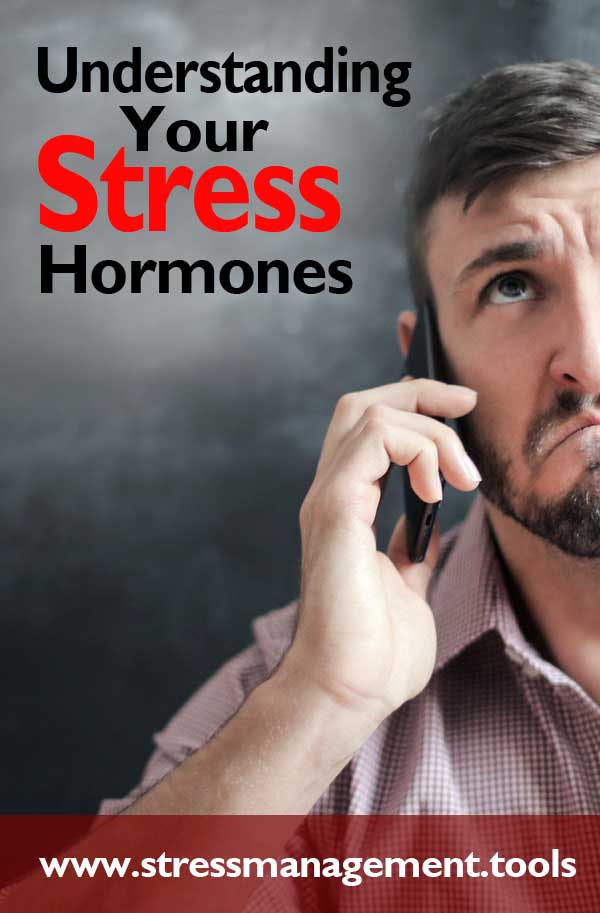
Understanding Your Stress Hormones

October 11, 2020 by Martin Neumann - [rt_reading_time label="Reading Time:" postfix="minutes" postfix_singular="minute"]

Did you ever face a doberman and you were not sure whether he is going to eat you? You felt your heart pounding? Or were you ever trapped in a traffic jam on the way to the airport, and no way to get there in time? I guess you felt the effects of stress hormones in your life. What are these hormones, and what are they doing in your life?

Understanding Your Stress Hormones

Biologically, stress is a healthy and normal response to any ‘stressor’. The purpose of stress is to prime our body for action in the face of a physical threat. This is called the “fight or flight” response. If you sit in your living room and a tiger walks in the door, how do you react? Well, your brain and your body needs to work overtime, to figure out an escape route for flight, or get prepared for a fight, and either way you definitely will need some extra energy for that. At this moment, the body releases a number of hormones such as adrenaline, norepinephrine, dopamine and cortisol. These chemicals in turn trigger our bodies to reduce our routine functions (such as our immunity and digestive system) and direct the blood to our brains and muscles. Meanwhile, the neurotransmitters will increase focus, awareness and bring on feelings of anxiety and perception of danger. Our heart rates also increase and ultimately, we end up far more on-edge and ‘wired’. Even our feeling of pain is reduced and our blood thickens to encourage clotting in case of injury. All this is involved in what we know as the ‘fight or flight’ response.

Adrenaline, along with norepinephrine are the hormones which are largely responsible for the immediate reactions we feel when stressed. Imagine you’re trying to change lanes in your car. Suddenly, from your blind spot, comes a car racing at high speed. You return to your original lane and your heart is pounding. Your muscles are tense, you’re breathing faster, you may start sweating. That’s adrenaline.

Cortisol and Chronic Stress

Cortisol on the other hand takes a few minutes to kick in, and helps to maintain a healthy balance while you are resolving your stress mission. One major function is providing energy by stimulating several catabolic reactions, that are transforming protein and fat into energy. It controls the release or action of a number of other hormones, and this way helps to maintain fluid balance and blood pressure, while regulating some body functions that aren’t crucial in the moment, like reproductive drive, immunity, digestion and growth. Some effects of cortisol can last even a couple of days.

Today’s stressors are normally not the tiger walking in the door, but an argument with a friend or bills that need to be paid will still trigger that same stress response. And anything that our mind perceives as a threat will be a stressor, like angry bosses, empty bank accounts, upset partners, deadlines at work, and public speaking appointments.

And this is where the problem comes in. The body´s stress response is very adequate for an acute physical stressor, because it allows us to run faster, to spot danger, and to fight when needed. Once the danger goes away, our parasympathetic nervous system would kick in putting us back into the ‘rest and digest’ state, and our body would recover.

But when your stressor is something chronic and abstract, like the conflicts in your team, or the debt that doesn’t just go away, it means you’re constantly in an alert state, with a constantly elevated level of cortisol. Too much cortisol can suppress the immune system, increase blood pressure and sugar, decrease libido, produce acne, cause learning difficulties, lapse of memory, loss of muscle mass, increased obesity and much more.

When we reach a point of continuous chronic stress, the glands producing all those secondary hormones are now going on strike, leading to a condition called glucocorticoid resistance. That means cortisol remains to be elevated, but our cortisol receptors and hormone glands become overwhelmed and resistant to its effects. As a result, the stress recuperation is not taking place anymore.

Cortisol and Immunity

Increased cortisol levels can make your susceptible to colds.

One major problem of cortisol resistance is the depression of the immune system.A particular research study published in the Proceedings of the National Academy of Sciences((Sheldon Cohen et.al. Chronic stress, glucocorticoid receptor resistance, inflammation, and disease risk. Proc Natl Acad Sci U S A. 2012 Apr 17;109(16):5995-9.)) had two objectives.

The first one was to determine whether stress can cause cortisol resistance while the second objective was to determine whether cortisol resistance increases a person’s risk of acquiring an infection such as a common cold. 

The study had 276 healthy volunteers whose levels of stress, BMI, race, age, sex and glucocorticoid resistance were thoroughly assessed at the start of the research.

The volunteers were exposed to rhinovirus (i.e. the kind of virus that causes common colds), quarantined and observed for five days.

At the end of the study, researchers found that those volunteers who had recent exposure to an event that contributes to long-term stress developed glucocorticoid resistance which also put them at higher risk of developing a common cold.

Another study was conducted which was aimed at determining whether cortisol resistance could cause increased levels of inflammation. This time 79 volunteers had virus exposure and were monitored for five days. The results showed that those volunteers who were found to have glucocorticoid resistance had more proinflammatory cytokines, which promote systemic inflammation. Chronic stress definitely puts your immune system at risk.

Controlling Cortisol Levels

We see that reducing cortisol level will be an important goal in stress control. Now we can take a two-pronged approach to reducing cortisol levels:

  • Firstly – by reducing the stress that is the root cause of the problem, either by eliminating the stressors, or by improving the ability to cope with them. A reduced emotional response to any stressor will mean a reduced chemical reaction and less cortisol release.
  • Secondly – there are known lifestyle and dietary ‘hacks’ that assist the mind and body to reduce the release of cortisol into the system. Exercise, sleep, a light nutrition with lots of vitamin C and Omega 3 are some of the factors that can help reduce cortisol. Some bad habits can though increase cortisol production, like the consumption of caffeine, alcohol or an excessive amount of sugar.

Key is to learn how to deal effectively with chronic stress, which is responsible for high cortisol levels. If you want some more practical tips on how to effectively deal with stressors, and which lifestyle factors can help you reduce cortisol, get The 10 Minute Guide to Stress Management.

Filed Under: Mental Health, Stress Management

Health and Beauty from Nutritional Yeast

October 1, 2020 by Esther Neumann - [rt_reading_time label="Reading Time:" postfix="minutes" postfix_singular="minute"]

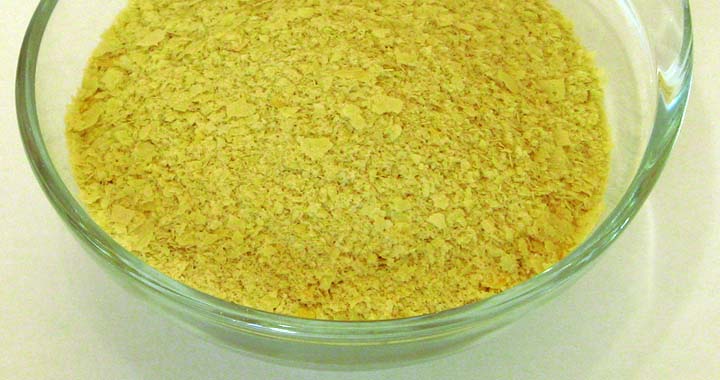
Yeast flakes

Corn in the morning, corn at noon, corn in the evening. Corn as bread, groats, porridge and soup. The corn eaters in Louisiana state are getting sick. Around 1920, the Washington Department of Health sends Dr. Joseph Goldberger, a bacteriologist, to the Mississippi. But it is not bacteria or viruses that have contaminated corn and make people sick. Goldberger gives people brewer’s yeast as a supplement to corn and they get healthy. The meager, one-sided diet was to blame. At that time it was not known that vitamins and trace elements were bringing the cure.

Yeasts are one of the microorganisms. Louis Pasteur was the first to see the spherical unicellular organisms under the microscope. On the one hand, these microorganisms are autonomous and maintain an independent cell metabolism. On the other hand, they are very dependent on a highly nutritious solution in order to multiply. In the case of brewer’s yeast (Saccharomyces cervisiae) it is the germinated grain or molasses. Diverse enzymes make the dormant grain during germination a highly vital food that benefits the yeast cells.

Brewer’s Yeast – An Ancient Nutrient of Humanity

The nutritional value of brewer’s yeast was already known in the high culture of the Sumerians. Beer was considered a nutritious drink. It has not been so thoroughly filtered as nowadays, and the containing yeast sediment was drunk together. The Egyptians even considered the beer sludge as a medicine. And in the Middle Ages, the friars used barley juice as medicine. Today we can examine the ingredients of brewer’s yeast in the laboratory. We are also no longer tied to the brewery to make brewer’s yeast. It is grown on other nutritious solutions. Nutritional Yeast, grown this way has a milder taste compared to the slightly bitter taste of Brewer’s Yeast. The yeast is grown on molasses, wood sugar, beer or whey basis. The yeast milk is then dried on rollers and more or less crushed or ground. In contrast to baker’s yeast, nutritional yeast dried in this way is no longer a raising agent.

Ingredients of Nutritional Yeast

Let’s start with the vitamins that have helped our corn eaters on the Mississippi so well to fight the dreaded pellagra disease. It is mainly the vitamins of the B group: B1, B2, B6, B12, niacin, but also pantothenic acid and folic acid that make yeast so valuable. B vitamins are essential for the entire metabolism, for the brain and nerves, skin and hair, as well as bone and tooth formation. Yeast provides numerous trace elements. They are needed for coenzymes along with vitamins. Zinc is needed for the immune system, chromium for glucose tolerance factor in sugar utilization; Selenium for the capture of free radicals; Iron and cobalt are needed for blood formation. In addition, there is a lot of phosphorus, sodium, potassium, calcium and even iodine in nutritional yeast.

Alpha-lipoic acid is one of the most versatile free radical scavengers because it can hunt down dangerous free radicals in both fat-soluble and water-soluble media, protecting cell components, enzymes and genetic information from damage. Free radicals are involved in the development of most diseases. Glutathione, a sulfur-containing compound, is also part of the antioxidative protection system. Beta-glucans from the yeast cell walls have an immune-stimulating effect, especially in the digestive tract.

A Smart and Clear Mind Up to Old Age

Another substance in nutritional yeast is choline. The body can produce this substance in the liver itself. However, this self-synthesis must be supplemented by dietary choline. Choline is essential for the elastic structure of the cell walls, but also for signal transmission from cell to cell and for the formation of messenger substances. Declining brain performance and poor memory in old age are associated with reduced choline synthesis. The targeted supply of choline leads to an improvement in nerve and memory performance. The various substances in nutritional yeast, which we have already got to know as radical scavengers, also act as a protective factor. Glutathione in particular is considered a miracle weapon against premature aging and chronic ailments. The number of Alzheimer’s patients is constantly increasing. A lot can be prevented here with a targeted diet rich in active ingredients. Nutritional yeast is a real powerhouse of active ingredients!

Elderly woman with a clear mind - Photo by Edu Carvalho from Pexels

A Variety of Yeast Products

In what form can we consume nutritional yeast? One form is yeast extract, a brown, spicy paste. It is made from yeast cultures, with or without added salt or added spices. The taste and composition vary depending on the production method. Yeast extract is superior to meat extract in taste. You can use yeast extract as a spread, to flavor soups and sauces. It can be used as a supplement when there are deficiencies in B vitamins. However, the nucleic acid content is very considerable. In the case of gout, you should use it sparingly because of its relatively high purine content. Drinking a lot of water can help so that the uric acid can be excreted properly.

Yeast flakes are becoming increasingly popular. I use them regularly as an addition to salads. My guests will always ask what is the special twist of my salads. It is “only” the yeast flakes that taste very special – slightly nutty. Yeast flakes can also be stirred into soups, sauces, soy milk or into muesli and yoghurt. You shouldn’t cook them. Yeast flakes are mixed into homemade spreads, be they sweet or savory. Nutritional yeast is also available in liquid form.

Yeast flakes

In the form of yeast tablets, nutritional yeast has also established itself as a dietary supplement. Some of them are enriched with vitamins and minerals. Even in animal husbandry are they being used. Yeast tablets are used as a cure for skin blemishes, for beautiful hair and for a lack of B vitamins. Diabetics and those with liver disease also benefit from a yeast cure.

Baker’s yeasts are live yeasts that are offered fresh or dried. Such living yeasts are fermentable used to raise the dough of bread and pastries. Baker’s yeast is a pure yeast culture and does not contain any brewer’s yeast. For humans, they have no nutritional value because their cell walls are indigestible and the nutrients present in the interior of the cells can not be utilized.

Nutritional Yeast for Beauty

Nutritional yeast helps with skin blemishes. A simple peeling can be made with one tablespoon of yeast flakes and 2 tablespoons of cream. Mix well the two ingredients. The face needs to be cleaned with lukewarm water. Now the mixture is applied by hand, massaged in and then washed off again with lukewarm water.

A honey yeast flake mask is made from two tablespoons of vegetable oil, which is gently warmed in a water bath. Then dissolve in it one tablespoon of honey and add two tablespoons of brewer’s yeast. Mixing everything very well you apply the mask with the hand on the face and decollete. They are allowed some time to dry and then rinse off with lukewarm water.

It’s amazing how versatile nutritional yeast is. They should be used much more often in the kitchen, in animal husbandry and in skin care. Initially, it was hailed as a high-quality protein. Of these, we have more than enough anyway. Today it is used as what it really is: a high-quality food supplement.

Nutritional Yeast Salad Dressing

2 tbs Olive Oil
3 tbs lemon juice
1 tbs nutritional yeast
1/2 tbs oregano
1 tbs minced parsley
1 tsp salt

Mix well and toss into your favorite salad.

Filed Under: Nutrition

« Previous Page
Next Page »

Primary Sidebar

Social Channels

Coronavirus Immunity Challenge

Boost your immune system to be bullet-proof for the pandemic.

I Want to Participate

Recent Posts

  • 5 Habits to Live Longer
  • Better Sleep Can Protect Against Dementia
  • Finding Peace In Your Crazy-Busy World
  • Flaxseed – An Ancient Plant Rediscovered
  • Platelets – Triggers for Life or Death
  • Boderline Personality Disorder
  • In Praise of Almonds and Nuts
  • Are You Stuck in the Clutter Trap?

Categories

  • Body Systems (16)
    • Cell Function (2)
    • Circulatory System (1)
    • Digestive Tract (10)
    • Immune System (4)
  • Diseases (27)
    • Cancer (2)
    • Cold (1)
    • COVID-19 (11)
    • Dementia (1)
    • Diabetes (1)
    • Digestive Diseases (2)
    • Heart Disease (2)
    • Kidneys (1)
    • Metabolic Syndrome (2)
    • Skin (1)
  • Healthy Lifestyle (42)
    • Exercise (11)
    • Gardening (2)
    • Sleep (7)
    • Sunlight (2)
    • Temperance (14)
    • Water (4)
  • Mental Health (87)
    • Addictions (6)
    • Anxiety (7)
    • Burnout (1)
    • Depression (7)
    • Psychosomatic Diseases (6)
    • Stress Management (45)
    • Trust (6)
  • Nutrition (56)
  • Obesity (9)
  • Phases of Life (14)
    • Adults (3)
    • Babies and Infants (1)
    • Children (3)
    • Seniors (5)
    • Teenagers (3)
  • Therapies (7)
    • Herbs (5)
    • Hydrotherapy (1)
  • Uncategorized (3)

Archives

  • January 2025 (1)
  • March 2024 (5)
  • February 2024 (4)
  • January 2024 (4)
  • December 2023 (5)
  • November 2023 (4)
  • October 2023 (5)
  • September 2023 (4)
  • August 2023 (3)
  • July 2023 (2)
  • June 2023 (4)
  • May 2023 (4)
  • April 2023 (5)
  • March 2023 (4)
  • February 2023 (4)
  • January 2023 (4)
  • December 2022 (4)
  • November 2022 (4)
  • October 2022 (5)
  • September 2022 (4)
  • August 2022 (4)
  • July 2022 (5)
  • June 2022 (4)
  • May 2022 (5)
  • April 2022 (4)
  • March 2022 (4)
  • February 2022 (4)
  • January 2022 (5)
  • December 2021 (3)
  • November 2021 (4)
  • October 2021 (6)
  • September 2021 (4)
  • August 2021 (4)
  • July 2021 (5)
  • June 2021 (4)
  • May 2021 (3)
  • April 2021 (5)
  • March 2021 (4)
  • February 2021 (4)
  • January 2021 (5)
  • December 2020 (3)
  • November 2020 (4)
  • October 2020 (5)
  • September 2020 (5)
  • August 2020 (3)
  • July 2020 (1)
  • June 2020 (1)
  • May 2020 (1)
  • April 2020 (1)
  • March 2020 (1)

Copyright © 2026 · Abundant Health - Privacy Policy - Medical Disclaimer