Abundant Health

Up to date health information tailored for you

  • Home
  • Blog
  • Recipes
  • Shop
  • Contact
You are here: Home / Archives for 2020

Archives for 2020

Sleep Deficiencies and Obesity

September 26, 2020 by Charlotte Hardman - [rt_reading_time label="Reading Time:" postfix="minutes" postfix_singular="minute"]

Sleep deficiencies and obesity

Few people would argue with the idea that sleep is good for us, but not many of us know that a lack of sleep can cause weight gain.

The health benefits of sleep are extremely well-documented((Phyllis C. Zee, MD, PhD; Fred W. Turek, PhD. Sleep and Health. Everywhere and in Both Directions. Arch Intern Med. 2006;166(16):1686-1688.)). It provides protection from many medical and psychiatric conditions as well as having positive effects on mood, quality of life and well-being.

But more recently, mounting evidence has suggested that poor sleep is associated with an increased risk of obesity((Cappucio F.P. et.al. Meta-analysis of short sleep duration and obesity in children and adults. Sleep 2008 May;31(5):619-26.)).
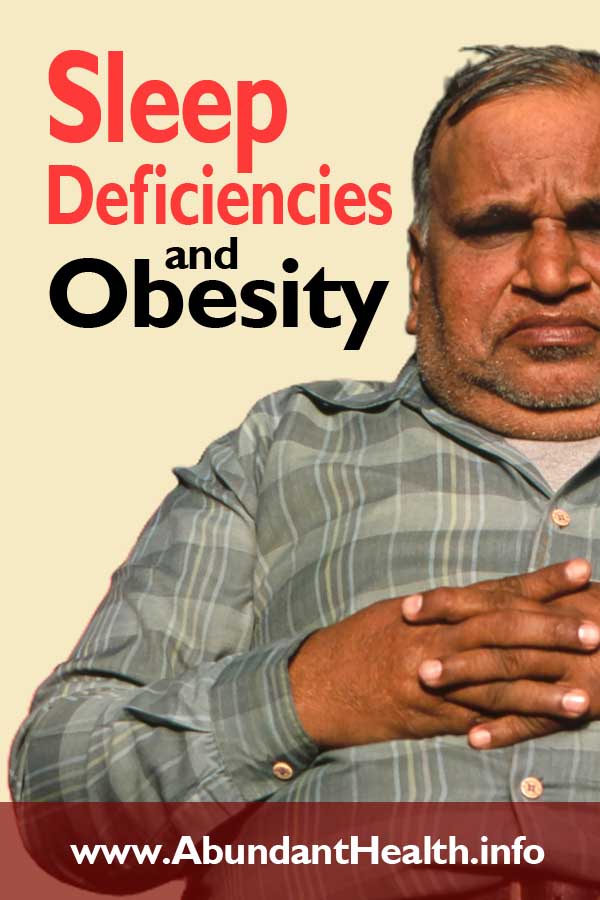
Sleep Deficiencies and Obesity

Short sleep duration appears to predict changes in weight over time. Children who were poor sleepers at three years of age, for instance, have been found more likely to be obese by the age of seven((John J Reilly et.al. Early life risk factors for obesity in childhood: cohort study BMJ 2005 Jun 11;330(7504):1357)).

Sleep and brain function

While there are a number of possible explanations for the relationship between poor sleep and obesity, there’s growing support for the idea that disrupted sleep increases food intake((Marie-Pierre St-Onge. The role of sleep duration in the regulation of energy balance: effects on energy intakes and expenditure. J Clin Sleep Med. 2013 Jan 15;9(1):73-80)). This may be due to the effect of sleep deprivation on brain function and the physiological control of appetite.

Some studies((Shahrad Taheri et.al. Short sleep duration is associated with reduced leptin, elevated ghrelin, and increased body mass index. PLoS Med. 2004 Dec;1(3):e62.)), for instance, indicate that short sleep duration increases levels of the gut hormone, ghrelin, which makes us feel hungry and often leads to increased eating.

Poor sleep might also increase the reward value of eating by making certain foods seem more attractive and increasing our motivation to obtain them. This idea is supported by recent research using functional magnetic resonance imaging (fMRI), which measures activity in specific regions of the brain by detecting changes in blood flow.

The study found((Marie-Pierre St-Onge et.al. Sleep restriction leads to increased activation of brain regions sensitive to food stimuli. Am J Clin Nutr. 2012 Apr;95(4):818-24.)) that, in people with limited sleep, the brain regions associated with reward “lit up” more in response to pictures of tasty food, suggesting that sleepy people found these foods more appealing.

At the same time, lack of sleep might also impair our ability to make decisions and exert self-control over food intake.

In another recent brain imaging study((Stephanie M Greer et.al. The impact of sleep deprivation on food desire in the human brain. Nat Commun. 2013;4:2259.)), 23 healthy people had a night of normal sleep and a night of total sleep deprivation followed by fMRI scans.

After sleep deprivation, there was greater activity in the amygdala region of the brain (which is important for reward behavior) in response to pictures of food. Sleep-deprived participants also reported a greater desire specifically for high-calorie foods compared to low-calorie foods.
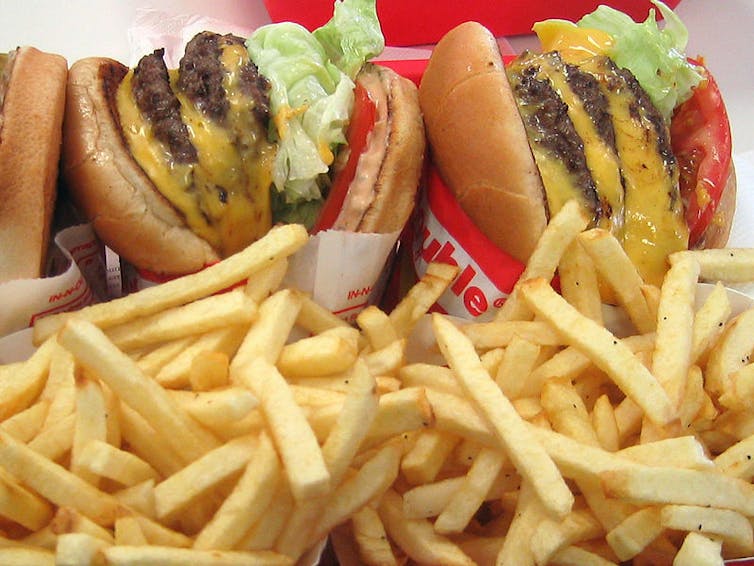
At the same time, the scans showed other regions of the brain believed to be important for “higher-level” brain function and self-control were less active after sleep deprivation. This means sleepy people may be less able to control what and how much they eat.

So it seems sleep deprivation may promote over-eating via a two-pronged effect on brain function – the desirability of food is increased at the same time as higher-level processes that enable us to control how much we eat fail.

Understanding self-control

The idea that sleep deprivation reduces our ability to inhibit certain behaviors also appears to make sense in the context of more general theories of self-control.

The Limited Resource theory((M Muraven, R F Baumeister. Self-regulation and depletion of limited resources: does self-control resemble a muscle? Psychol Bull. 2000 Mar;126(2):247-59.)), for instance, proposes that we have a finite reserve of self-control that can be used to regulate our behavior, similar to a muscle that becomes fatigued under too much pressure.

When you are tired after poor sleep, you might have reduced self-control “strength”, making you more likely to engage in disinhibited behaviors, such as over-eating unhealthy foods.

Indeed, a longitudinal study((Maria M Wong et.al. Childhood sleep problems, response inhibition, and alcohol and drug outcomes in adolescence and young adulthood. Alcohol Clin Exp Res. 2010 Jun;34(6):1033-44.)) found over-tiredness in childhood predicted lower inhibitory control in adolescence which, in turn, predicted illicit drug use.

The next step for this line of research is to illustrate whether these findings apply to excessive consumption of food.

There is, in fact, growing evidence that poor inhibitory control is a critical factor((Katrijn Houben. Overcoming the urge to splurge: influencing eating behavior by manipulating inhibitory control. J Behav Ther Exp Psychiatry. 2011 Sep;42(3):384-8)) in over-eating, along with other substance use disorders.

But it’s important to consider alternative mechanisms that might account for the association between sleep, eating and obesity such as the dampening effect poor sleep has on mood. After bad sleep, we may feel fed up or depressed, which might promote the eating of high-calorie “comfort foods”.

Research in this area provides important insight into the causes of over-eating, obesity and potential intervention strategies. Helping people to improve the length and quality of sleep may be one such approach.The Conversation

This article is republished from The Conversation under a Creative Commons license. Read the original article.

Filed Under: Obesity, Sleep

Sweet, Too Sweet

September 20, 2020 by Jorge Pamplona - [rt_reading_time label="Reading Time:" postfix="minutes" postfix_singular="minute"]

We were created with a liking for sweet, but not all sweet things are alike or have the same effects. Even natural sweets vary in their properties. Here are some facts about “sweets” you may wish to consider as you make progress in the health journey you have started.

Sweet, Too Sweet

Fruits

The natural or “intrinsic” sugar found in fruit has two great advantages over “extrinsic” sugar added to foods, particularly if those foods are refined: it is better tolerated by diabetics, and it is less fattening. In addition to that, fiber, found in fruit, slows the absorption of sugars; thus less insulin is required. The less insulin is secreted, the less fat is produced (since one of insulin’s effects is promotion of lipogenesis, synthesis of lipids or fats in the body).

The Sweet Herb

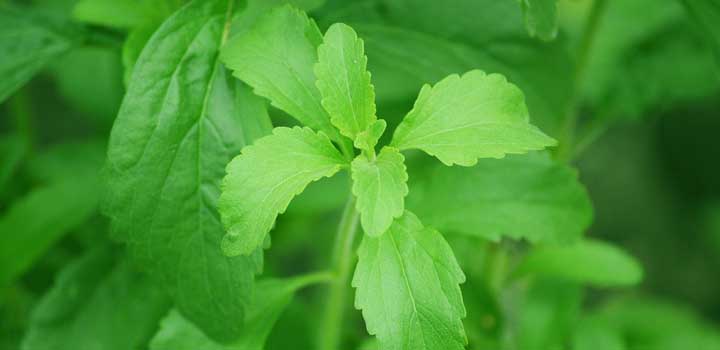
Stevia (stevia rebaudiana) is used as a no-calorie sweetener. The ground herb is usually refined to a white powder, with its sweetness concentrated. Depending on how it is processed, it can have a bitter aftertaste.
Benefits of stevia:

  • Provides a sweet taste with no calories
  • Does not cause dental caries
  • Effective in blood pressure reduction (it acts as a vasodilator)
  • Improves glucose tolerance, being beneficial for diabetics
Stevia is a good natural sweetener

Natural Syrups

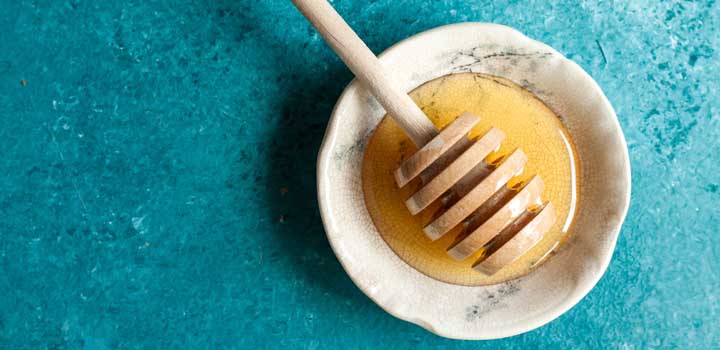
When used in moderation, such sweeteners as molasses, honey, and maple syrup are a good option for diabetic persons. Molasses contains less sugar, provides vitamin B6, and is very rich in minerals, particularly iron, calcium, and magnesium. Honey contains enzymes and properties endowed with medicinal properties. Maple syrup provides no vitamins, but it contains certain amount of minerals (calcium, magnesium, iron, potassium, and particularly zinc).

Honey and natural syrups are more natural options than sugar

Chemical Sweeteners

The use of these substances is growing, due to the increasing interest in the developing world in lowering caloric intake. Saccharine, cyclamates, aspartame, and acesulfame K are the most commonly-used chemical sweeteners by the food industry as well as by individuals. They are also the most criticized.
Drawbacks to Chemical Sweeteners:

  • They provide no nutrients.
  • They pose health risks. All synthetic intense sweeteners present some risk of undesirable effects, from nervous disturbances to carcinogenic effects. There is an ADI (Acceptable Daily Intake) for each that should not be exceeded.
  • Paradoxical effect. Contrary to what would be expected of these sweeteners, they could produce an increase in appetite, with its accompanying weight gain.

Bitter Side of Sugar

Sugar can cause dependencies and results in a number of adverse health effects

A century ago, sugar was used as a seasoning. Today it is used as a staple food. Most families buy more sugar than rice. The abuse of sugar has caused a number of detrimental side effects for our health:

  • Calcium loss. Sugar metabolism requires B-complex vitamins (particularly B1) and minerals (calcium in particular). When sugar (which contains no vitamins or minerals) or refined foods are consumed, the body is forced to use its own reserves, thus risking deficiencies.
  • Dental caries. All simple sugars promote tooth decay.
  • Triglycerides. Sugar consumption increases the level of these fatty substances in the blood, which, in turn, promotes arteriosclerosis and heart disease.
  • Obesity. Sugar and sugary foods are major causes of obesity in children and adults.
  • Hyperactivity. There is a relationship between sugar consumption and certain behavioral disorders such as hyperactivity or attention deficit (ADHD).
  • Gallstones.
  • Crohn’s Disease. The combination of a great deal of sugar and little fiber is one of the causative factors of this disease.
  • Gastroduodenal Ulcer. The use of sugar, together with a diet of refined foods low in fiber, increases the risk.
  • Diabetes. There are no studies that prove that the liberal use of sugar is a cause of diabetes, but evidently it does make it worse and more serious.
  • Bone Brittleness. A high-fat, high-sugar diet depletes calcium reserves in the body. This causes the bones to become brittle and fracture.
  • Stomach Cancer. Sugar, saturated fat, and calcium increase the risk of stomach cancer.
  • Colon Cancer.
  • Retarded Fetal Growth. Pregnant adolescents who consume excess sugar have the probability of giving birth to low-weight babies.

Conclusion

There are differences between white sugar and more natural sweeteners. But all concentrated sweeteners need to be used with moderation. We need to get used to the natural taste of fruits. Anything that will taste sweeter than that will cause some harm, no matter what source they come from. Moderation is the key. And it is time to adjust our tastebuds to the natural tastes that God has created for us.


This article was published originally in the Journal of Health and Healing, a publication of Wildwood Institute.

Filed Under: Nutrition

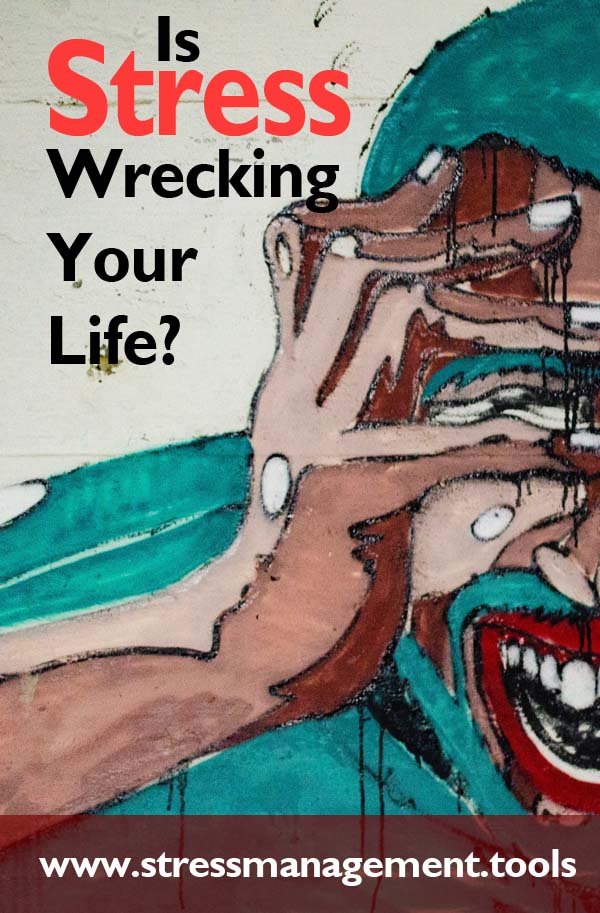
Is Stress Wrecking Your Life?

September 11, 2020 by Martin Neumann - [rt_reading_time label="Reading Time:" postfix="minutes" postfix_singular="minute"]

Stress ruins your quality of life. It can steal your physical health, rob you of mental well-being, ruin your relationships and cause problems at work. But it doesn’t have to be in control of your world every day.

You have to first be willing to have awareness as to the level of impairment stress is causing you. Once you’re honest about that, you can pinpoint strategies that give you back the reins of your personal satisfaction.

Is Stress Wrecking Your Life?

Do You Constantly Feel Like You Just Want to Get Away?

Stress can make you feel an assortment of emotions. It can hammer at you until you feel like you just can’t take it anymore. At first, the desire to get away might ebb and flow, but eventually, it feels like there’s always this craving to escape.

This can happen when you have situations at work that are draining your energy. You’re tired of the whiny colleagues and the demanding boss. You can’t take another second of trying to balance a never-ending workload in a place where you’re overworked and underpaid.

To add insult to injury, you know what you do isn’t appreciated. You feel like you’re just a cog in the machinery. Even worse, things at home aren’t much better. There’s always a bill to pay – always something going on so you can’t relax.

Your to-do list seems like it grows by the second and you just can’t catch a break. No one is listening to you, so you’ve been keeping everything inside and now you want to isolate yourself from everyone and everything causing chaos in your life.

Sometimes, you feel like you can’t even stand to be alone. You’re not happy with yourself and you want to run away from your job, your home life and from who you are as a person.

Stress can cause people to experience an intense feeling of being at their breaking point. It can come on slowly or it can build over time. That’s because you’re only built to handle so much stress.

Just like a pot that’s cooking on the stove burner, too much heat is going to cause you to eventually boil over. When you reach that point, it’s because the stress hormones have been cooking within you and causing mental and physical reactions.

This is your body’s normal response and it’s not designed to harm you. Feeling like you just want to get away is your body’s way of saying, “Pay attention. Something is going on here and it’s wrong. Get away from the danger.”

You get that signal and it can be confusing if you don’t realize that this signal is a stress-based way of trying to help save your mental and physical well-being. The more stress that you’re under or have been under for awhile, the greater the desire will be to just run away as far and fast as you can.

When you feel like this, consider it to be a wake up call. Your body wants you to know that if you don’t take action, you’re going to eventually break. The stress load that you’ve been carrying is too heavy for you to bear and your body wants you to figure out a way to give it relief.

Are You Taking It Out on Others?

Stress can wreck your life when it spills out on those around you. When you feel that internal pressure building up and your coworker comes to you with the same problem you’ve already tried to help them with and they didn’t listen, you might find that your response is to snap at them.

If they reach out to you by email, you might end up answering them tersely, clearly letting them know that you’re irate. Instead of going out with your coworkers like you used to, you avoid them after hours.

You’re angry or sad and instead of understanding that what you feel has nothing to do with the other person, you lash out at them. This stress spillover can cause you to snap at your spouse.

You’ll find that their actions bother you and stress can cause you to take it personally. Stress can also blind you to what’s actually going on. You might find dozens of ways that your spouse is suddenly at fault and blame what you’re feeling and going through on the one that you love.

You might yell, argue or give your spouse the cold shoulder. You shut yourself off from them and keep your distance. The tension in the relationship just makes the stress you feel get worse.

If you have kids, you might take your stress out on them. Instead of playing a game with the kids or being present in their lives when you get home, you just want them to go play on their own and be quiet so you can unwind.

Where before, you thought their antics were cute and funny, now you find them irritating. You might go into a room alone and turn on the TV and ignore your kids altogether, pushing the care of them off onto your spouse.

Wanting to watch TV alone can be a sign that stress is affecting your social life.

If the stress that you’re dealing with is related to your finances or your health, this can exacerbate the tension between adults in the house. Other family members can also be a target of stress.

You might be trying to juggle too many responsibilities. There’s so much to do that you feel like you’re not even making a dent and the next thing you know, your parents want you to do something or a sibling asks you for help.

Maybe one of them drops by just to chat when spending time with someone is the last thing you want to face. You might say something that you regret because you take your frustration out on them.

The stress that you’re under has sent you beyond the limit of what you’re capable of holding in and you act in a way that later you feel guilty about. This causes even more stress and when you’re around them at all, you can tell they were hurt by what you said or did. As a result, this stress might make you start avoiding your family altogether.

Are You So Frazzled You Can’t See a Way Out?

When stress frazzles you, it can make you think there’s no way out. That’s because it’s overwhelming you. The stress that you’re under feels as if you’re stuck in the middle of the ocean and you keep swimming and swimming, but the safety of land isn’t anywhere on the horizon.

A lot of people give up because being under too much stress can incapacitate you to the point that you don’t even know what to do, much less have the ability to take any action.

You do your best to juggle everything in your life. Trying to keep up with work and home responsibilities and take care of everyone in your life is draining. When the stress frazzles you, it can start to feel like everything is just hopeless.

Maybe you don’t try to change anything because you think, “What’s the use?” You believe that the change won’t last, that everything will go back to the way that it was anyway.

Stress frazzle is when you get to the place in your life where you’re mentally and physically exhausted. Things start to slide at this point. You lose your concentration at work.

You get behind. You snap at your coworkers or tell off your boss. At home, you argue with your spouse and withdraw from your kids. You avoid your responsibilities because you can’t drum up the energy to do anything.

You’ve basically decided to stop because everything looks like it’s a dead end. There’s no use trying to decide how you can change things. When you reach this stage, it’s easy to believe that whatever has caused you stress is unfixable.

This is when feelings of anger or anxiety can turn into depression. But keep in mind that just because things look and feel hopeless doesn’t meant that they actually are. It only means that what you’ve been doing, how you’ve been living and letting the stress accumulate just isn’t working for you any longer.

There are solutions available and you can stop the stress from wrecking your life. You don’t have to put up with feeling like everything is hopeless. Some of the solutions that you can find can offer you relief right now without you having to wait weeks or months to feel better.

But you have to take that first step and realize that you can’t keep going on the way things are. You need help to stop stress from causing any additional damage and you need to heal from the damage that it’s already caused.

Are You Starting to See Physical Symptoms?

Stress is something that can be pretty sneaky. It’s not like it announces its presence with one glaring symptom. Instead, stress spreads the symptoms around. So you could have a variety of symptoms, all seemingly unrelated when they actually all point back to stress. 

Headaches are a common occurrence in some people and they’re also one of the most often overlooked signs of stress. A headache every now and then is normal. Recurring headaches are not.

Headaches can be caused by stress

These are tension headaches and the stress can reach a point so that they’re so bad, they wake you from a sound sleep. Some people develop migraines with stress. These are usually targeted areas of pain in the head and you may also get nauseous at the same time.

You can experience both light and noise sensitivity as well. Experiencing aches and pains throughout the body is a sign that stress is starting to manifest in physical symptoms.

You can feel muscle or joint pain. When you get stressed, your body tenses. This is a normal response and with healthy stress, the tension dissipates. But constant stress causes long lasting tension in the muscles.

This leads to painful shoulders, neckaches, backaches and more. Digestive issues can be stress related. You can have stomach cramps and feel like you’re going to be sick to your stomach.

You can also develop trouble going to the bathroom or have bouts of diarrhea. You might have a loss of appetite or a raging hunger. Stress is known to cause insomnia. The anxiety and worry keeps you from being able to sleep and when you don’t sleep well, that can acerbate other stress related physical symptoms like muscle aches and headaches.

Stress can also cause chest pain and tachycardia. Your heart might beat so hard that you’re sure something is wrong. Some people have gone to the emergency room certain that they were having a heart attack, but it turned out their symptoms were caused by stress.

The thing about stress manifesting in physical problems is that by the time your stress reaches this point, it’s serious and you need to do something about it to protect your health.

Has Stress Become Your Norm?

Stress is different for everyone. What’s stressful to you might not bother someone else and vice versa. The reason stress doesn’t create a one-size-fits-all reaction in everyone is because the stressor isn’t the real problem.

Many people have trouble at work or home. There are bills and responsibilities all around and issues that create emotional and mental havoc. So it’s not what creates the stress that affects you – it’s the lack of coping skills.

When a person is unable to deal with the stressor or the results of the stressor, then they push it aside and don’t do anything with it. It doesn’t go anywhere, but they learn to live with the stress the situation causes them.

This happens because sometimes trying to fix the stress is uncomfortable. It might involve digging into things that you don’t want to face. But not facing stress is like having a huge stain in the middle of your living room floor.

This stain has been there in your home for a long time. You don’t know exactly when the stain first occurred and maybe you don’t even know what caused it, but it’s there and it’s not going anywhere. It used to bother you to see the stain, but over time, you’ve learned to turn a blind eye toward it. You’ve gotten used to and it’s now your normal. You’ve learned how to accept it.

The same can happen with stress. You might not even realize that you’ve made stress a normal part of your life that you simply accept. When stress has become your norm, it means that you’ve learned how to adapt. You’ve altered some things about your life in order to make it as comfortable as possible to live with that stress.

Below the surface, this situation could be destroying your health. Stress wrecks your immune system. Plus, people who are stressed are two times more likely to have a heart attack than people who created coping skills for their stress.

Planning your day can help get stress under control

Your physical and mental health cannot live with stress, no matter how well you think you’re surviving in spite of it. There are many options that you can choose so that this chaos you’ve been living with ends and you get your serene life back. There is hope that you can find peace and freedom from stress – you just have to be willing to seek it out.

If you need some tips how you can get stress under control, download the Ten Minute Guide to Stress Control and start today to develop proper coping skills for your stress.

Filed Under: Mental Health, Stress Management

Finding the Perfect Dose of Iron

September 4, 2020 by Esther Neumann - [rt_reading_time label="Reading Time:" postfix="minutes" postfix_singular="minute"]

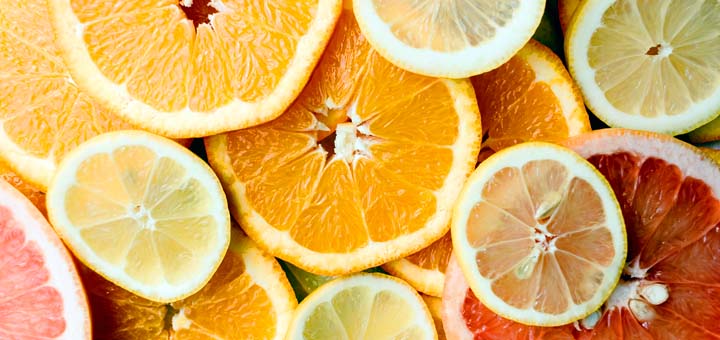
Citrus fruits are a good source of Vitamin C, being essential for iron absorption.

Globally, between one and two billion people in both developed and developing countries suffer from iron deficiency. It is the most frequently observed nutritional deficiency.

Even so should iron consumption be considered critical, because an iron overload has its own problems. The healthy body protects itself for a long time from being overloaded with iron by means of various mechanisms. But unfortunately, this mechanism doesn’t work for some people. They suffer from haemochromatosis, the iron storage disease.

Finding the Perfect Dose of Iron

Iron Inside the Organism

The primary role of iron is the binding of oxygen to hemoglobin in red blood cells. It transports the oxygen from the alveoli via the blood vessels to the body cells. On the way back, the hemoglobin takes the carbon dioxide formed in the cells with it into the lungs, where it is excreted with the breath.

But iron has yet many other tasks. It helps the immune system fight pathogens. Experiments have shown that both an iron deficiency and an excess hinder the body’s phagocytes in their task of rendering bacterial pathogens harmless.

Proper iron levels are essential for the immune system -  Photo by Andrea Piacquadio from Pexels

Iron is also a component of many enzymes, which in turn perform a wide variety of tasks in the body. They help to ward off oxygen from producing free radicals, they transfer electrons during energy production, and they help to produce bile acids and hormones.

The total iron stock of a 170lbs (75 kg) man is about 4 g, a 120lbs (55 kg) woman about 2.1 g. A little more than two thirds of it is bound to hemoglobin, around a quarter is bound to ferritin, the iron store, and a small remainder is still found in myoglobin, the red muscle pigment.

Iron is stored in the liver, the spleen, the bone marrow and the intestinal mucosa. The amount of iron in the blood plasma is around 3 – 4 mg and is subject to daily fluctuations.

Iron Requirements

The organism’s iron requirement is very low. The body is very economical with its iron reserves. Iron can only be excreted with difficulty through the intestines, urine, bile and sweat. Larger amounts are lost only when bleeding. That is why women need more iron than men up to menopause. Pregnant and breastfeeding women also need more iron, but will have savings by the absence of the period during pregnancy. Growing children have higher requirements. Children need about 8 mg per day, adolescent men 12 mg, female adolescents and women up to menopause 15 mg, after that about 10 mg as do men.

Which Foods are Rich in Iron?

Meat, cereals and leafy vegetables are the main contributors to the iron supply. Iron from meat is more easily absorbed by the body than iron from a plant-based diet. In the plant, iron is mostly present in poorly soluble compounds. But the simultaneous presence of vitamin C remedies this deficiency. Experiments have shown that vitamin C can increase the uptake of iron from the plant up to seven times. This is why vegetarians can still get enough iron. They usually have a higher consumption of vitamin C than meat-eaters. An increased intake of vitamin C has a better effect on iron absorption than additional iron intake, whether through diet or iron supplements.

Citrus fruits are a good source of Vitamin C, being essential for iron absorption.

Good plant sources of iron include lentils, chickpeas, beans, tofu, cashew nuts, chia seeds, ground flaxseed, dark green leafy vegetables, dried apricots and figs, raisins, and quinoa.

Iron Deficiency

A deficiency arises when the intake via the diet is too low, the absorption is disturbed, there is an increased need or there is a loss of iron through bleeding. Iron deficiency is the most common nutritional deficiency worldwide. It is caused by an unbalanced diet in poverty, or avoidance of nutritious foods in affluent countries. However, some food ingredients can also hinder iron absorption. Particularly widespread is the iron deficiency in areas where a lot of black tea is consumed, because it contains a high amount of tannin, which hinders the absorption of iron. Parasites in the digestive tract also lead to deficiency symptoms as they cause a higher blood loss.

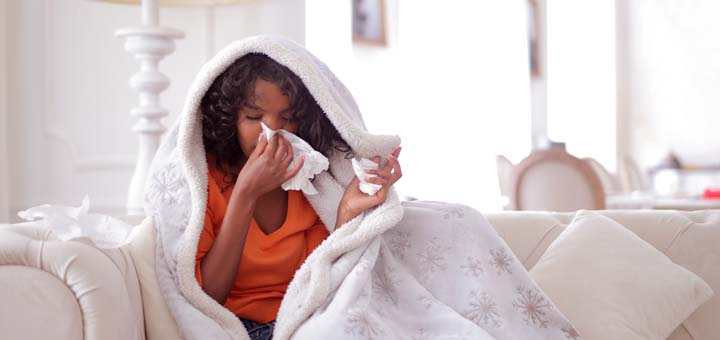
A deficiency can also be caused by certain diseases such as rheumatism, cancer, hormonal disorders, infections or by drugs such as antibiotics or painkillers.

Symptoms of iron deficiency include fatigue, decline in performance, weather sensitivity, grooves in the nails, cracks in the corners of the mouth, dry skin, shortness of breath, and palpitations on exertion.

The clinical picture is hypochromic, microcytic anemia. Caused by a lack of iron and thus also a lack of hemoglobin, there is a deficiency in red blood cells. In turn, less oxygen can be transported. The whole oxygen-dependent metabolism is impaired.

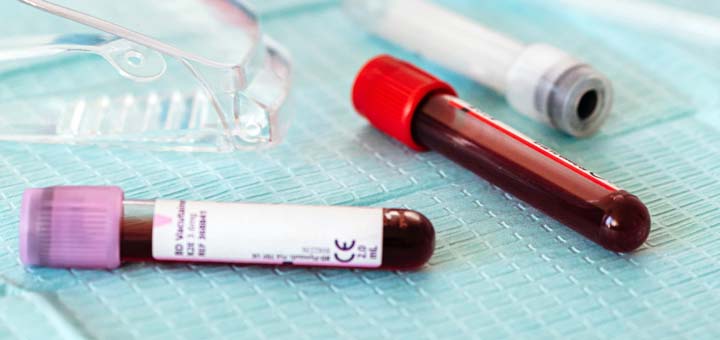
Blood tests can be used to find out hemoglobin levels - Photo by Karolina Grabowska from Pexels

People who suffer from iron deficiency should first find out the reason. Is it due to insufficient intake or absorption? Chronic blood loss must also be eliminated. This is done by testing for hidden blood in the stool. Self-prescribed use of iron-containing drugs or preparations is not recommended. They should only be taken under medical supervision. If the iron stores are filled, further iron absorption can be dangerous. Iron overload can lead to many negative effects such as joint pain, diabetes, heart problems, hormonal imbalances, impotence, cirrhosis of the liver, and liver cancer. The resulting pathology is called hemochromatosis, or iron storage disease.

Iron Overload

Hemochromatosis is one of the most common genetic disorders in the United States, affecting about 1 million people. It most often affects people of European descent. It is caused by increased iron absorption by the intestines. This leads to deposits in various organs and to considerable damage. The total iron content in the body is increased by up to 80 g. In lab tests this can be proven by a very high transferrin saturation. Without therapy, the disease leads to a significant reduction in quality of life and longevity. In this hereditary disease, the damaged gene is not on a sex chromosome. If the damage is to only one chromosome, the carrier will not become ill. For the offspring to fall ill, both parents must be carriers of the trait. Men get sick much more often than women. The disease does not manifest itself before the age of 20, usually between 40 and 60. In women only after the menopause, as the menstrual period causes iron loss. This brings us to the only sensible treatment: it is bloodletting, with the technical term phlebotomy. Initially, about 500 ml of blood is drawn from the patient once or twice a week. The intervals are reduced later. About 200 mg of iron can be removed with each bloodletting. Unfortunately, the patients are not qualifying as blood donors because their blood does not correspond to the normal values. A low iron diet will not cure the disease. However, it is advisable to avoid foods that are very iron-rich, such as offal, oysters and clams. With timely diagnosis and therapy, quality of life and lifespan are not restricted. If treatment does not take place, about 70% develop diabetes and many develop cirrhosis of the liver.

Summary

To avoid iron deficiency, you should pay attention to the increased consumption of fruits and vegetables containing vitamin C. This allows iron to be better absorbed. Additional iron supplements should only be taken under medical supervision, as the limit to the toxic dose can be exceeded very easily.

Filed Under: Nutrition

Time to Move

September 1, 2020 by Lee Wellard - [rt_reading_time label="Reading Time:" postfix="minutes" postfix_singular="minute"]

Walking is good for the mind - Photo by Clem Onojeghuo from Pexels

With over 50 million American adults practicing chronic inactivity, this habit could be “the biggest public health problem of the 21st century.”(( Blair, S., PED, Speaking at the American Psychological Association’s 117th Annual Convention.))

Time to Move

 A well-known health educator, Ellen White, once wrote, “Perfect health depends upon perfect circulation.”(( White, E., Healthful Living, p. 30.)) The scientific validation of this profound statement is becoming increasingly clearer. Researchers are now understanding that inactivity decreases the circulation of the blood and causes the body to begin shutting down. The Australian journal Circulation found that a person’s risk of dying increases as much as 11 percent for every hour of television watched per day—even when researchers controlled for age, sex, education, smoking, BMI (body mass index), and leisure-time exercise. Pennington Medical Research Center has shown that inactivity gives us a 54-percent increased risk of heart disease, so it is no surprise that the sedentary lifestyle of Americans is partly responsible for heart disease being the number-1 cause of death. People who spent more than four hours a day sitting in front of the T.V. had an 80-percent greater likelihood of dying from cardiovascular-related disease than those who watched less than 2 hours per day.(( Dunstan, D., et al., Television Viewing Time and Mortality: The Australian Diabetes, Obesity and Lifestyle Study. Circulation: JAHA, 121:384-391, 2010.))

Today’s Trend

 In the 1950s, roughly 75 percent of the workforce was engaged in manual labor, while the other 25 percent was comprised of clerical or managerial jobs that were chiefly sedentary. However, in the last 50 years, this ratio has completely reversed. At present, about 80 percent of the workforce are in sedentary positions or positions that require only light activity. We are now living in a generation that will “RUST OUT” rather than “WEAR OUT,” in spite of the fact that the pressures of modern society may be in certain respects more stressful and demanding than those of previous generations.

Who’s the Slowest?

 Are you curious to know what regions have the highest level of inactivity? It appears that parts of Appalachia and the South are the most inactive, according to research findings in which more than 29 percent of adults in those areas indicated that they get no exercise or physical activity outside of their work. Areas of the West Coast, Colorado, and Minnesota are among the regions demonstrating the highest activity levels.(( CDC (Center for Disease Control).))Not only are states affected, but ethnic and racial groups as well. Hispanic women who did not complete high school are at the greatest risk of inactivity, at 32.3 percent. Black men with a college education had the lowest prevalence of inactivity, at four percent. Hispanics and non-Hispanic Blacks reported similar levels of inactivity, but both groups were more inactive than their Caucasian counterparts. Women tended to report being less physically active than men.(( Marshall, S., et al., Study Links Social Class and Physical Inactivity. JACSM, 39(1):44-51, 2007.))

 Why Sitting Still Can Kill

 Although we don’t need to be told by the experts that sitting around too long can lead to a potbelly or backache, we may be imbibing false concepts of the benefits that can be gained by exercise done to offset these sedentary habits. Do you think that going to the gym three to four times a week can make up for sitting down most of the day? Marc Hamilton, an inactivity researcher at the Pennington Biomedical Research Center, states, “Exercise is not a perfect antidote for sitting.” Useful work, however, offers many benefits, including an increased tendency to resist disease. It is interesting how exercise (or lack of it) has played a role in the escalation of diabetes. Inactivity researchers (yes, there is such a thing) at Mayo Clinic have confirmed that being sedentary is disastrous to one’s metabolism: just 24 hours of being sedentary can result in a 40-percent reduction in insulin’s ability to uptake glucose. This makes sitting around an especial no-no for anyone with diabetes.

Sitting for a long time can be detrimental to your health - Photo by Andrea Piacquadio from Pexels

 Exercise is very important to the powerhouses of the cells, called mitochondria. These little organelles help convert ATP (adenosinetriphosphate) into the energy required for our bodily functions. Significantly, the amount of physical activity in which we engage determines to a great degree, the number, size, and efficiency of our mitochondria. This generally means that the more physically active you are, the more energy you will have. The old saying “Use it or lose it!” holds true— not only for the muscles but on a cellular level as well! Sitting burns a mere one calorie per minute— which correlates to a 67-percent decrease in caloric expenditure, compared to walking. At this lowered metabolic rate, the breakdown of lipids and triglycerides slows significantly, the helpful HDL cholesterol is depleted, and insulin effectiveness rapidly decreases. Although poor posture has a definite effect on our health, it is not the only ill of sedentary behavior. The amount of time that we spend sitting, as well as the activity in which we are engaged while sitting, are also problematic. For example, the physiological effects of watching an intense game of football for two hours is not going to be the same as that of having a meaningful conversation with a good friend for the same length of time.

Tips for Sedentary Workers

You may not be able to move out of your sedentary job, but you can move while in your sedentary job. If you are at a desk, do some periodic stretching; climb the stairs instead of riding the elevator; do many little errands for your office workers—they will love you for it! Try some deep-breathing exercises; take advantage of your breaks, walk around if you are using a cell phone, or just take a little time to clean your office or water the plants. There are thousands of ways you can keep active in a sedentary job, so just take some time to think of creative ideas for keeping on the move!

 Inactivity and Longevity

 Alpa Patel, an epidemiologist at the American Cancer Society, tracked the health of 123,000 Americans between the years 1992 and 2006. Patel estimated that on average, people who sit too much shave a few years off their lives. The men in the study who spent 6 hours or more per day of their leisure time sitting had an overall death rate that was about 20 percent higher than men who sat for 3 hours or less per day. What was interesting is that the same statistics did not apply to women: those who sat for more than 6 hours a day had about a 40 percent higher overall death rate, or twice that of men.(( Vlahos, J., New York Times,  April 14, 2011.))

 Exercise and Calories

 Dr. Levine, a professor of medicine from Mayo Clinic and considered to be one of the most authoritative researchers of inactivity, was interested in finding out why eating an extra 3,500 calories didn’t necessarily put on an extra pound of fat. He discovered that the small movements of daily activity that would not technically be considered as exercise also play a role in the utilization of calories by the body. He coined the acronym NEAT, which stands for non-exercise activity thermogenesis, a name for the concept of reaping large benefits from thousands of minor movements each day. Although it doesn’t account for all the aspects of caloric expenditure, we have to admit that it is a NEAT part of the equation!

 Effects on the Mind

 Exercise is not just an activity to improve heart function, weight or blood-sugar control; it also has a profound effect upon one of the most important organs of the human body, the brain. “Continued inactivity is one of the greatest causes of debility of body and feebleness of mind. Many are sick who ought to be in very good health and thus in possession of one of the richest blessings they could enjoy.”(( White, E., Counsels on Health, p. 95.)) Mental workers and students, would you like your mind to be more efficient and vitalized? Get adequate physical activity! “The time spent in physical exercise is not lost. A proportionate exercise of all the organs and faculties of the body is essential to the best work of each. When the brain is constantly taxed while the other organs of the living machinery are inactive, there is a loss of strength, physical and mental. The physical system is robbed of its healthful tone, the mind loses its freshness and vigor, and a morbid excitability is the result.”(( White, E., Counsels for the Church, p. 160.))

Walking is good for the mind -  Photo by Clem Onojeghuo from Pexels

 Not only is bodily activity necessary for a healthy mind, but also for a victorious spiritual life. Useful labor increases the strength and force of the will so that we can choose the right and shun the wrong. It is no surprise that our Savior, who conquered and vanquished sin at every step, spent a life of prayer coupled with one of constant activity, working, walking from village to village healing, and teaching.

 As we contemplate His life of active service, maybe the Lord is calling you to walk more closely with Him. Why not take the next step of faith, be it ever so small or great, and journey on in the “path of life” that leads to “fullness of joy” in His presence forevermore?(( The Bible, Psalm 16:11.)) It will be sure to be a move worth making! 


This article was published originally in the Journal of Health and Healing, a publication of Wildwood Institute.

Filed Under: Exercise, Healthy Lifestyle

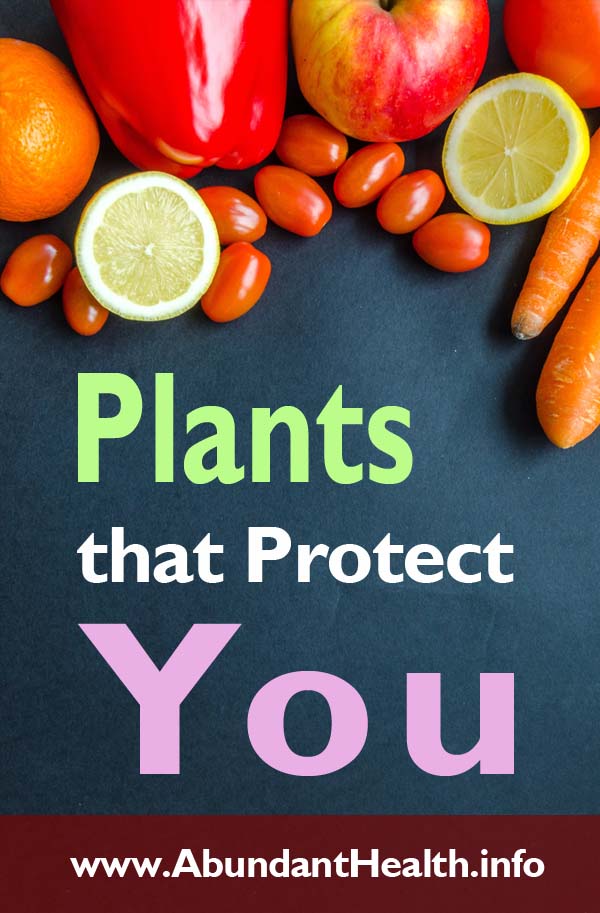
Plants that Protect You

August 23, 2020 by Esther Neumann - [rt_reading_time label="Reading Time:" postfix="minutes" postfix_singular="minute"]

Children enjoying veggies. Photo by Gustavo Fring from Pexels.

Enjoy and do something for your health at the same time. Isn’t that wonderful? So begins a brochure published by the Austrian Cancer Society, in which the health benefits of fruit and vegetables are praised. Scientists are discovering the secrets of plants more and more.

Many countries adopted the campaign to recommend the consumption of at least 5 portions of fruits and vegetables daily. Statistics show it: around 40% of cancer cases are caused by poor diet. People who consume daily lots of fruits and vegetables are better protected against cardiovascular diseases and cancer. Much of the protective benefit comes from fibers and phytochemicals.

Plants that Protect You

Fiber is no Luxury

For many years, fiber was considered superfluous. Therefore, they were removed from the food. The rice was peeled from the grain the germ and fiber were removed and included in the animal feed. It wasn’t until the 1960s that the English doctor Dr. Burkit got the idea that fiber could have something to do with our so-called lifestyle diseases. He realized that the native Africans he treated were less likely to have colon cancer, bowel disease, constipation and diabetes than those of his home country England. Since then we found out that Fiber is very essential to health. Fiber binds carcinogenic substances and pollutants and excretes them out quickly. The stool becomes softer and the bowel movement is faster.

Whole Wheat Bread is a good source of fiber. Photo by Kaboompics.com from Pexels

Phytochemicals

What are phytochemicals? Nutritionists have known them for a long time, but they used to be considered anti-nutrients. Actually, the plants produce them for their own protection. Color and flavoring substances, protective substances against pests and diseases, sun protection factors are just as much a part of this group as vegetable toxins, acids and hormones.

These plant substances can be very helpful for us humans. They protect us from bacteria and viruses. They lower cholesterol, estrogen and blood sugar levels, get the gut going and act as antioxidants.

Health from Garlic and Onions

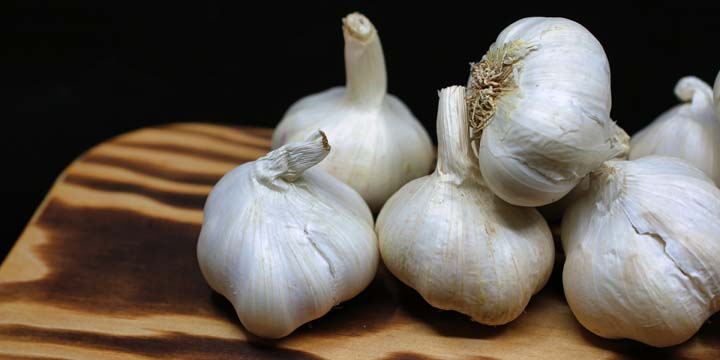
Garlic has lots of protective phytochemicals. Photo by Nick Collins from Pexels.

The typical smell of all onion plants comes from sulfur compounds. They are called sulfides. They stimulate digestion, stimulate the flow of saliva and bowel movement, protect against free radicals and influence blood clotting. They strengthen the immune system and inhibit the deposits of cholesterol in the arteries. No wonder that onions and garlic can protect us against cardiovascular diseases, even though they often bring tears to our eyes.

Protective Colorings

Flavonoids bring yellow colors, anthocyanins blue, red and purple. Fruit and vegetables shine in the brightest colors and these dyes protect us twice. First they prevent the clumping of blood platelets (thrombosis) and secondly they protect us from free radicals, which play a role in both cardiovascular diseases and cancer.

Spicy Substances in Radish and Cabbage

Radish is full of Glucosinolates. Photo by Daria Shevtsova from Pexels.

Glucosinolates are the spicy aromas in various types of cabbage, cress and radish. They inhibit the growth of bacteria, help ward off infectious diseases and protect us against cancer. The strong aromatic compounds are only created when the vegetables are chopped up. The mustard oils in cress and horseradish act as broad-spectrum antibiotics. They probably intervene in the metabolism of the microorganisms and thus render them harmless.

Plant Hormones

Phytosterols are found in nuts, high-fat seeds, sesame seeds, and soybeans. They are similar in structure to animal cholesterol, but have exactly the opposite effect, therefore lowering the cholesterol level. In addition to that they prevent colon cancer. Plant-based estrogens from soybeans and cereals protect against hormonal cancers. Therefore, Japanese women who are known to eat a lot of soy products suffer less from breast and uterine cancer.

Carotinoids

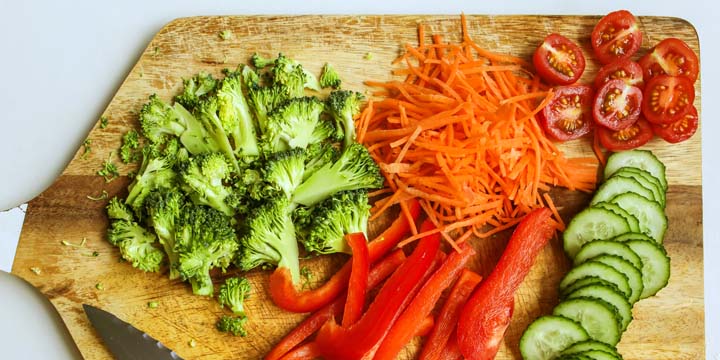
Yellow and red peppers, carrots, apricots, tomatoes, but also green vegetables, in which the bright colors are covered by chlorophyll, protect us from dangerous UV rays and thus from skin cancer. Carotenoids, we know about 600 different types, stimulate the immune system. Beta-carotene increases the number of natural killer cells that can attack malignant or infected cells and then kill them. Carotenoids also cause the formation of more antibodies, which then target foreign substances and prevent malignant cells from spreading as quickly.

Red and yellow pepper, carrots and tomatoes are carotinoid rich foods. Photo by Polina Tankilevitch from Pexels.

More than 10.000 Substances

Research of phytochemicals is just in the beginning. It is believed that there are between 10,000 and 20,000 different compounds, but only for a few of them we know the exact protective effect for humans. The plants produce most of these substances during their ripening. Therefore, freshly harvested, mature fruits and vegetables contain the highest concentrations. Wild plants and organic vegetables, plants that did not grow overprotected and overfertilized, usually produce more phytochemicals because they have to protect themselves better.

Pills Versus Fruits and Vegetables

The health-promoting effects of phytochemicals sounds very promising. The pharmaceutical companies are already queuing up for the researchers. They would like to mix together a cocktail of some active ingredients and advertise it in pill form or as a dietary supplement. But does that make sense? The diversity of active ingredients make up the protective effect. The targeted selection of some isolated substances would be a weak substitute. The best guarantee of getting all the active ingredients in the right amount is still to eat the appropriate food, as nature offers to us. Best raw, fresh and crunchy. You can eat almost anything raw. Salads and fruits add variety to the menu. If it does have to be cooked, it should be done gently, briefly and with little or no fat. Season with a little salt but with a good amount of herbs. Eat it as soon as you can, because valuable compounds will be lost when keeping cooked food warm.

Now with all those valuable and essential compounds we find in fruits and vegetables we wish you good health and a long life as you make use of an abundance of protective foods that your Creator has provided for you. Enjoy!

Children enjoying veggies. Photo by Gustavo Fring from Pexels.

Filed Under: Nutrition

« Previous Page
Next Page »

Primary Sidebar

Social Channels

Coronavirus Immunity Challenge

Boost your immune system to be bullet-proof for the pandemic.

I Want to Participate

Recent Posts

  • 5 Habits to Live Longer
  • Better Sleep Can Protect Against Dementia
  • Finding Peace In Your Crazy-Busy World
  • Flaxseed – An Ancient Plant Rediscovered
  • Platelets – Triggers for Life or Death
  • Boderline Personality Disorder
  • In Praise of Almonds and Nuts
  • Are You Stuck in the Clutter Trap?

Categories

  • Body Systems (16)
    • Cell Function (2)
    • Circulatory System (1)
    • Digestive Tract (10)
    • Immune System (4)
  • Diseases (27)
    • Cancer (2)
    • Cold (1)
    • COVID-19 (11)
    • Dementia (1)
    • Diabetes (1)
    • Digestive Diseases (2)
    • Heart Disease (2)
    • Kidneys (1)
    • Metabolic Syndrome (2)
    • Skin (1)
  • Healthy Lifestyle (42)
    • Exercise (11)
    • Gardening (2)
    • Sleep (7)
    • Sunlight (2)
    • Temperance (14)
    • Water (4)
  • Mental Health (87)
    • Addictions (6)
    • Anxiety (7)
    • Burnout (1)
    • Depression (7)
    • Psychosomatic Diseases (6)
    • Stress Management (45)
    • Trust (6)
  • Nutrition (56)
  • Obesity (9)
  • Phases of Life (14)
    • Adults (3)
    • Babies and Infants (1)
    • Children (3)
    • Seniors (5)
    • Teenagers (3)
  • Therapies (7)
    • Herbs (5)
    • Hydrotherapy (1)
  • Uncategorized (3)

Archives

  • January 2025 (1)
  • March 2024 (5)
  • February 2024 (4)
  • January 2024 (4)
  • December 2023 (5)
  • November 2023 (4)
  • October 2023 (5)
  • September 2023 (4)
  • August 2023 (3)
  • July 2023 (2)
  • June 2023 (4)
  • May 2023 (4)
  • April 2023 (5)
  • March 2023 (4)
  • February 2023 (4)
  • January 2023 (4)
  • December 2022 (4)
  • November 2022 (4)
  • October 2022 (5)
  • September 2022 (4)
  • August 2022 (4)
  • July 2022 (5)
  • June 2022 (4)
  • May 2022 (5)
  • April 2022 (4)
  • March 2022 (4)
  • February 2022 (4)
  • January 2022 (5)
  • December 2021 (3)
  • November 2021 (4)
  • October 2021 (6)
  • September 2021 (4)
  • August 2021 (4)
  • July 2021 (5)
  • June 2021 (4)
  • May 2021 (3)
  • April 2021 (5)
  • March 2021 (4)
  • February 2021 (4)
  • January 2021 (5)
  • December 2020 (3)
  • November 2020 (4)
  • October 2020 (5)
  • September 2020 (5)
  • August 2020 (3)
  • July 2020 (1)
  • June 2020 (1)
  • May 2020 (1)
  • April 2020 (1)
  • March 2020 (1)

Copyright © 2026 · Abundant Health - Privacy Policy - Medical Disclaimer