Abundant Health

Up to date health information tailored for you

  • Home
  • Blog
  • Recipes
  • Shop
  • Contact
You are here: Home / Archives for 2020

Archives for 2020

Does the Pandemic Stress You Out?

August 16, 2020 by Martin Neumann - [rt_reading_time label="Reading Time:" postfix="minutes" postfix_singular="minute"]

Pandemic Stress

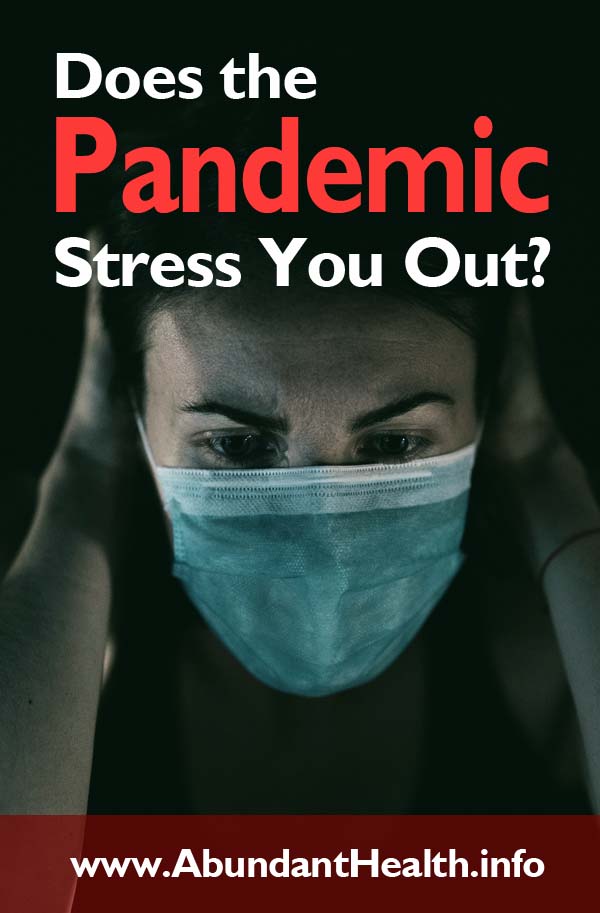
Almost half of the Americans report that the pandemic is affecting their mental health.((Coronavirus is harming the mental health of tens of millions of people in U.S., new poll finds. Washington Post, April 2, 2020)) A federal disaster distress hotline ha seen a more than 10x spike in incoming text messages during the pandemic.((The Health 202: Texts to federal government mental health hotline up roughly 1,000 percent. Washington Post, May 4, 2020)) In the UK a study ascertained the anxiety level of the population on a scale of 1 to 10. They found out that the average anxiety level jumped from 3 before the pandemic to 5.2 right after the lockdown.((Coronavirus and anxiety, Great Britain: 3 April 2020 to 10 May 2020. Office of National Statistics)) Especially couples and elderly people have seen a drastic rise in anxiety level.
Does the Pandemic Stress You Out?

The reasons for the steep increase of anxiety and stress are manifold. One of the more obvious ones is fear of getting infected when leaving home. News from relatives or friends who succumbed to the disease will just increase the fear of being the next victim. Although some simple protective measures are healthy, the more anxious ones are getting neurotic in their hygiene attempts. When studies were published that the virus can stay airborne for about 3 hours, this heightened the ill effects of coronaphobia in a large number of people. It is important to put the risk into a healthy perspective, and I wrote an article about the naked truth of the coronavirus that can help in that matter.

Quarantine is another source of stress. Especially those who reported being lonely have felt a greater rise in anxiety levels. As about one-third of the world’s population is put under quarantine, a number of mental health issues like low mood, irritability, stress, insomnia, anxiety, depression and others are on the rise.((Lockdown is the world’s biggest psychological experiment – and we will pay the price. World Economic Forum, April 9, 2020)) Social isolation is a big factor in that, together with feeling trapped at home and interruptions of the usual daily routines.

For families with children, the stress of schooling their children and entertaining them at home puts an extra burden on the parents that they are often not used to handle (We have some tips in the article: 15 Creative & Fun Family Activities You Can Do at Home). In some cases, a dysfunctional relationship is aggravated by the fact that the family is forced to stay together in quarantine, and having no place to escape. Domestic violence is increasing drastically during the lockdown.

Others are even more stressed with the thought of getting back to normal. After returning to work, will there be a risk for a second outbreak? What is my risk of getting infected being in touch with people again? Some risks are for real, but after doing some healthy precautions, put your worries away. And it is alright to take your time and return gradually into social life once the lockdowns are lifted.

Another source of stress is news overload. Some are trying to catch up with all the latest news, and chasing the newest studies to try to understand a disease that even experts have a hard time to understand. Coupled with that are a number of conspiracy theories that are gaining much popularity. One example is a video of Judy Micovits who went viral, claiming that the virus was released from a Chinese lab, and that most information published is just a big scam. Fact-checking revealed that her video was the bigger scam, and most of her statements were simply made up.((Fact-checking Judy Mikovits, the controversial virologist attacking Anthony Fauci in a viral conspiracy video. Science Magazine website, May 8, 2020))

Finding a scapegoat for the pandemic seems to be attractive for many, but it may be just a way of avoiding to take their own responsibility of needing to respond to the crisis. Some others have an urgent desire to find out the truth. Yes, it is very likely that China has underreported their COVID-19 death rates since they do not correlate to the Wuhan crematory activities.((Cremation numbers reveal possible suppression of true COVID-19 data in China. News Medical, June 8, 2020)) On the other hand in the western hemisphere the death rates are more likely to be a bit overreported since financial benefits are associated with the treatment of COVID-19 patients. But finding some proof that the virus was man-made in any way would be a pretty hard task, even in the hypothetical case that it would be the truth. And at the end of the day, what difference will it make for your life?

A much more tangible stressor is the economic impact that the pandemic is causing worldwide. With a large number of people losing their job, financial difficulties are a reality in many homes. There are plenty of families out there just struggling to put food on the table, and that can be stressful.

Health profesionals who are on the frontline of the battlefield are especially vulnerable of suffering from stress during the pandemic. Those who are exposed to patients dying around them every day can suffer from post-traumatic stress disorder.

How to Stay Sane During the Pandemic

Have a Plan

Being prepared can do a lot to minimize the stress you face during this crisis. Preparation will include provisions for maintaining your food supply (stocking some food, maybe considering an own garden to help out), implementing safety precautions, things to do during the pandemic, how to protect your financial interests and more.

Manage your finances

Control your finances and savings during a pandemic

Mishandling your finances is quite easy when you are dealing with economic turmoil all around us. Hence, you need to start managing your finances wisely to avoid having regrets when the problem has passed. When you are on a tight budget, you need to be doing proper financial planning, recording all the expenses and analyzing where you can save. Then you should avoid debt wherever you can. Buy things when you can afford them, paying the full price in cash. Any debt will add extra stress during uncertain times like we are passing now.

Filter Information

Avoid bad news whenever you can. Spending time reading alarming tales of the horrors of COVID-19 will probably increase anxiety, not reduce it. Do not focus on the kind of information that will not help rectify the situation. Pay attention to material that gives advice on how you can overcome or guard against being affected by the worsening of the pandemic. Filtering information can also mean changing the subject when bad news are brought up countless times.

Keep Exercising

As you know, exercising is a great way of staying positive, staying healthy, and improving your overall physical and mental well-being. You may be tempted to cancel your workout routine while the gym is closed or severely restricted. But you can do an exercise routine right at your home, or go out for a walk with all the needed safety precautions. Exercise does a lot to eliminate stress or anxiety from your mind, and keeps your thoughts clear and focused. Therefore, keep exercising and enjoy the process.

Stay Connected with People

Stay in touch with friends and family during a pandemic lockdown.

While you are not able to meet up with friends and family the way you would like, you need to make an effort to reach out to them. Schedule some regular time to check in with those you care about. It will do a lot to keep your mind sane in a time you are restricted in what you can do. Be especially mindful about the needs of your parents, grandparents or other elderly people around you.

Find some Meaningful Activities

We all have a need to belong and to have a purpose in our life. While you are at home, find some activities that can be meaningful to you and to others. Sometimes caring for someone else is all it takes to take off the focus from yourself and see the needs of somebody else. You may be doing some remote work, so even you are not going to the office you are keeping up with your regular activities. If your job does not allow for remote work, use your chance to educate yourself and be better prepared once the pandemic is over.

Dwell on the Positive

When things are falling apart all around us, it is easy to get caught in a worry round of fears and negative thinking. Are you afraid of getting infected? Remind yourself of all the protective measures you have implemented, and dwell on all the cases that recovered already. You are weary about the restrictions? Think about what you want to do when the lockdown is over. You are worried about the future? What does it help you to get all wrapped up with your worries?

Jesus expressed it right in the Sermon of the Mount: “Therefore I tell you, do not worry about your life, what you will eat or drink, or about your body, what you will wear. Isn’t there more to life than food and more to the body than clothing? Look at the birds in the sky: They do not sow, or reap, or gather into barns, yet your heavenly Father feeds them. Aren’t you more valuable than they are? And which of you by worrying can add even one hour to his life?… So then, do not worry about tomorrow, for tomorrow will worry about itself.” Matthew 6:25-34

It is correct to properly protect yourself. You should do the part that you are able to do. But after having done your part, what does it help you to keep worrying?

Find a Save Haven of Rest

When troubles abound all around you, there seems to be plenty of reason to get worried. But stress will take hold of you if you are feeling that there is a threat to your life that you are not able to control. What you need in this moment is a fortress for your mind to find safety.

A Christian will find this save haven in a meaningful relationship with his Creator. If God was creating you, is He not able to take care of your health? And if he feeds the birds in the sky, is he not going to take care of you? Knowing that we have a Heavenly Father that takes care of us, will provide a fortress to our mind that will resist any storm that may go on around us.

The Bible is giving us lots of examples how our Heavenly Father was taking care of His children in the past. But you need to rest assured that He will do the same thing in your life, if you commit yourself into His care. In order to have this assurance, you need to have a living relationship with Him. You need to take a step of faith and experience for yourself that you can trust your Heavenly Father to take care of you.

Would you like to have this experience? Would you like to discover the promises that your Heavenly Father has given you that He will take care of you? Do you want to discover the purpose that He has for your life? Do you want to know what more your Heavenly Father has prepared just for you? If that is your desire, you should take a guided study of the Bible to discover what your Heavenly Father has to tell you today. Use the chance and get your study guide for free.
I Want the Free Bible Study Guide

Filed Under: COVID-19, Mental Health, Stress Management

Spices and Your Health

August 2, 2020 by Elizabeth Hall - [rt_reading_time label="Reading Time:" postfix="minutes" postfix_singular="minute"]

Does the enticing smell of freshly baked cinnamon rolls, gingerbread, spice cake, or fruitcake awaken aromatic memories of holidays and cozy kitchens? Perhaps the punch-packed savory East Indian foods or zesty Mexican dishes are among your favorites. As implied by the old ditty,” sugar and spice and everything nice…”, spices have long been considered among the culinary delectables of the world.

Many of these pungent or aromatic plant food substances are used to flavor a great variety of foods from sweet to savory. Although culinarily popular, and at times also touted for medicinal value, a number of commonly used spices are actually deleterious to our health. Let’s explore the available information; but, before doing so, we will briefly review some pertinent physiology.

Gastric Mucosa 101

Our stomachs are regularly exposed to hydrochloric acid (HC1), a very strong substance released to facilitate proper digestion. The healthy stomach is protected from potent HCl and other powerful digestive enzymes by mucus-producing cells in its lining, called the mucosal barrier. The mucus produced by this integral barrier serves both to neutralize HCl and shield the stomach wall from irritation, erosion, and ulceration.

Research reveals a recipe for trouble

In research done while they were at Loma Linda University, neurophysiologist Dr. Bernell Baldwin and his wife,((Baldwin, M. and B., Spices: recipe for trouble. 1 Health & Healing, 12(1):41.)) Dr. Marjorie Baldwin, wiretapped the major nerve on the surface of the stomach (vagus nerve), in dogs. This important nerve, among other duties, carries messages between the brain and the stomach. When the very delicate nerve endings of the stomach’s mucosa are irritated, this information is flashed instantly to the brain. When the Drs. Baldwin put a diluted salt solution (similar to body fluids) into the stomachs of anesthetized dogs, very little happened. However, when black pepper, cayenne pepper, mustard, or cinnamon was added to the salt solution, the stomach released bursts of electrical spikes—thus conveying irritation.

The Baldwins performed further studies, this time with rats. The rats were placed in small quarters. Physical restraint is a known stressor for rats, and the Baldwins wanted to evaluate the potential effect of stress coupled with a spicy diet—lifestyle factors not uncommon in society today. The results further implicated the tested spices as clearly harmful. Those rodents receiving spiced chow showed significant damage to the gastric mucosal barrier. From the greatest to the least effect, black pepper, cinnamon, cloves, and mustard were all shown to be harmful. Note that although mustard appears less damaging, its harmful effects were found to increase with continued use. The irritation it produced initially prompted an increased production of protective mucus. But with repeated usage, the mucus-producing mechanism became worn out and ulcers began to appear.

Effect of Certain Spices on the Stomachs of Stressed Rats

Area of mucosal damage (sq mm)
Control Diet (CD): 1.2
CD + mustard: 1.6
CD + cloves: 4.8
CD + cinnamon: 5.7
CD + black pepper: 7.1

Cloves, allspice, and cinnamon produce a similar effect. These spices contain eugenol, a phenol that also initially prompts increased mucus production but with continued intake exhausts this response. Again, increased susceptibility to ulcer formation results. Indeed, studies have demonstrated that eugenol emulsion applied directly to the gastric mucosa causes gastritis, inflammation, and compromise of the gastric mucosal barrier. Ouch! Those cinnamon rolls are beginning to sound a bit painful!

But the spices did not affect only the stomach. Black pepper, cloves, and cinnamon also produced significant deleterious effects on the electrical activity of the brain and heart. Blood pressure increases were frequently observed. And the rodents looked worse! But what really surprised the Drs. Baldwin was the rats’ poor dispositions. Those fed the spicy rat chow were much more irritable than the controls—fearful, feisty, and ready to bite. Hmmm… might make us think twice about what we eat! Irritating foods can make irritable people!

Let’s look a bit closer at some of these spices individually.

Black Pepper

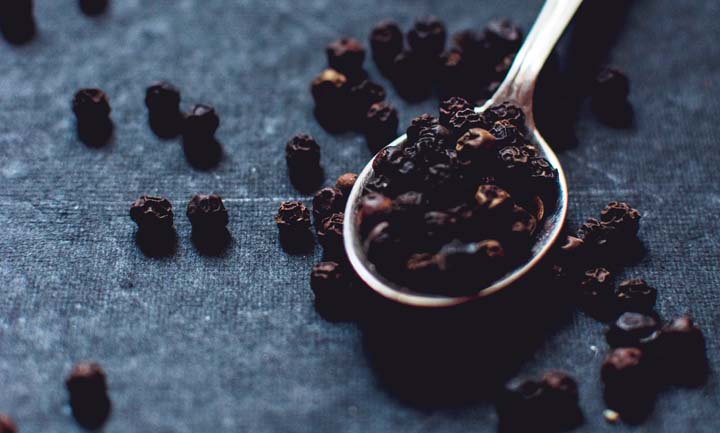
Black Pepper Seeds

Black pepper contains piperidine, a substance that causes the increased release of a hormone that stimulates the stomach to secrete more hydrochloric acid. Piperidine, also found in tobacco smoke, is a strong irritant to the skin and mucous T membranes. its potent nicotine-like actions on the peripheral and central nervous system produce synaptic stimulation followed by depression. When directly administered into the stomach, red or black pepper is associated with a significant increase in gastric acid and pepsin secretion, mucosal exfoliation and potassium loss-all of which may be undesirable and contribute to gastritis. Another high stress/high spice diet study by the Baldwins focused specifically on black peppers effects. Their findings also demonstrated its harmful effects on the stomach. The rats fed black pepper in their chow showed more than double the amount of stomach lesions with twice the area of damage to the mucosa.((Baldwin, M. and B. Spices: recipe for trouble, in Nutrition for the Nineties, W.J. Craig, Golden Harvest Bks, 1999, pp. 245-6.))

Cayenne pepper

Chili pepper

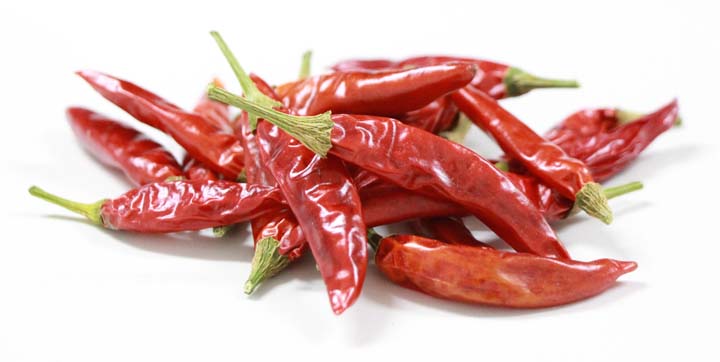
Hot and spicy cayenne, also known as red or chili pepper, is indigenous to Mexico and Central America. Many herbalists recommend it for its purported medicinal benefits; some studies do show that when taken internally, it may help to burn fat as well as reduce blood cholesterol, triglyceride levels, and platelet aggregation. However, the evidence is conflicting as to whether the capsaicin in cayenne acts as a cancer-inducing or as a preventive agent, and whether it protects the stomach from ulcer formation or actually damages the gastric mucosal barrier. The jury does still seem to be out on this spice, but let’s consider what is known.

Dangers of internal use

Consumption of chili pepper increases gastric acid secretion and may aggravate duodenal ulcers.((Craig, W.J., Herbs for Your Health. Golden Harvest Books, 2005, p. 16.)) Capsaicin has been known to cause gastric ulcers, while the consumption of red pepper can aggravate symptoms of duodenal ulcers. Furthermore, consumption of chili pepper may increase the risk of stomach cancer. In a randomly selected study done in Mexico, chili pepper consumers had a 5.49 percent increased risk for gastric cancer compared with non-consumers. Among consumers, there was a highly significant positive association between self-rated increased levels of consumption (low, medium, and high) and increased risk. The odds-ratio for increased gastric cancer risk for high-level consumers as compared with non-consumers was 17:11.((Lopez-Carnillo, L., et al., Chili Pepper Consumption and Gastric Cancer in Mexico: A Case-Control Study. Am J Epidemiology, l39(3):263—27l, 1994.))

Topical applications

When applied externally to the skin, cayenne works as an analgesic. Capsicum depletes the nerve endings of substance P, a chemical involved in the transmission of pain signals and inflammation of the nerves, hence desensitizing the nerve fibers. According to nutritionist and herbalist Winston Craig, PhD., topical applications of capsaicin have been shown to be an effective treatment for decreasing the tenderness and pain of osteoarthritis as well as relieving the pain of muscle tension, shingles, diabetic neuropathy, and postmastectomy surgery.((Craig, Herbs for Your Health, pp. 16-19.))

However, longer-term use of capsicum ointment damages the nerve fibers in the epidermis of the skin. Within six weeks after usage cessation, this damage is repaired. Craig recommends that capsicum cream be applied no more than three or four times per day for several days. It is best to allow at least two weeks before applying any other solutions to the same area. The herbalist Varro Tyler, PhD. suggests three to four applications a day for up to a month as a safe option. When applying capsicum cream, be sure to avoid putting it on open wounds, cuts, or near the eyes. Immediately wash with soap your hands or any other area where capsicum has been applied before exposing the same body area(s) to hot or cold applications because heat plus capsicum cream increases the risk of burns.

Nutmeg (and mace)

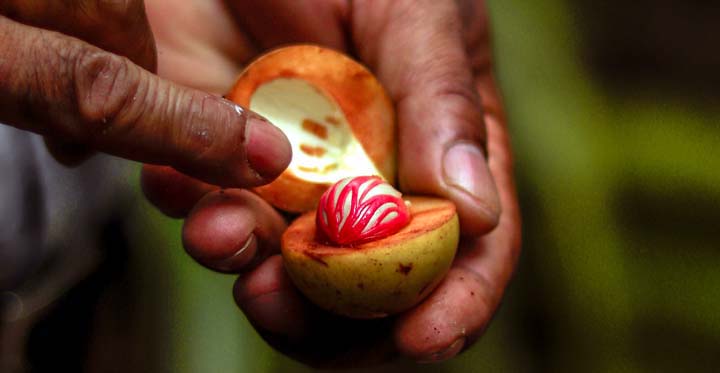
Nutmeg

Did you know that the seeds of nutmeg are utilized for more than flavoring foods and drinks? Due to its mind—altering properties, this spice is not uncommonly also used as a drug. Producing frightening and unpleasant side effects, nutmeg abuse is responsible for numerous documented cases of poisoning and intoxication, at least one of which was fatal. This ought to wave a red flag for those tempted to embellish their holiday or special-occasion cookery with this aromatic but psychotropic spice! Nutmeg contains several compounds with structural similarities to that of substances involved in modulating the central nervous system – resulting in potentially adverse effects. Researchers believe that the body can convert some of the spice’s chemical components into amphetamine—like compounds.((Angalli, B.C., et al, Toxicology of nutmeg abuse, J Clin Toxicol, 38(6):6781-8, 2000.))

One teaspoon of ground nutmeg can cause hallucinations, nausea, vomiting, visual disturbances and/or circulatory collapse within one to six hours after consumption. Very large doses can be fatal.

The cholinergic pathways of the central nervous system play a prominent role in the learning and memory processes. Acetylcholinesterase is an enzyme that inactivates acetylcholine, one of the neurotransmitters involved in learning and memory. Nutmeg significantly decreases acetylcholinesterase activity. Although this might seem to help memory, it is at the expense of other faculties of the mind. In other words, by exaggerating cholinergic activity, nutmeg lessens self-control and increases stimulation of the lower passions.

The spice mace is derived from the outer portion of the nutmeg seed; it contains the same harmful properties as nutmeg, and is therefore also not recommendable for internal use.

Cinnamon

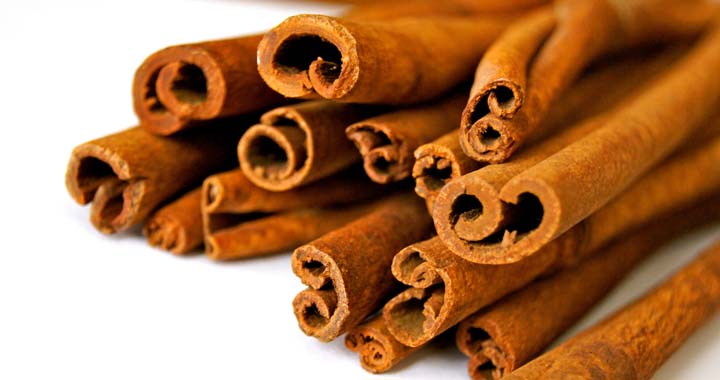
Cinnamon

Beyond adding that unique and aromatic flavor to numerous favorite recipes, cinnamon is also considered by many herbalists to be useful medicinally. its primary purported beneficial properties can be summarized as the following:

Blood thinner: The cinnaldehyde in cinnamon appears to help prevent unwanted clumping of blood platelets.

Antimicrobial agent: Studies show that cinnamon has the ability to help stop the growth of both bacteria and fungi, including the commonly problematic yeast, candida.

Diabetic support: You may have heard about cinnamon’s purported boons for individuals with diabetes. Several small recent studies, but not all, suggest that it may improve insulin—response ability in those with type 2 diabetes. When 1 to 6 grams of cinnamon per day for 40 days was given to 60 Pakistani volunteers with type 2 diabetes, they experienced an 18 to 29 percent drop in blood sugar. Cholesterol and triglyceride levels were lowered as well.((Khan, et al, Cinnamon improves glucose and lipids of people with type 2 diabetes. Diabetic Care, December 26, 3215-8, 2003.))

In another small placebo—controlled study, the effect of cinnamon was evaluated on 60 people with type 2 diabetes. Thirty men and thirty women ranging in age from 44 to 58 years were divided into six groups. Groups 1, 2, and 3 were given 1, 3, or 6 grams of cinnamon daily, while groups 4, 5, and 6 received 1, 3 or 6 grams of the placebo. After 40 days, all three levels of cinnamon had reduced blood sugar levels by 18 to 29 percent, triglycerides by 23 to 30 percent, LDL cholesterol by 7 to 27 percent, and total cholesterol by 12 to 26 percent, while no significant changes were seen in those groups receiving the placebo.((Anderson, R.A., Chromium and polyphenols from cinnamon promote insulin sensitivity. Proc Nutr Soc, 67(1):48-53, 2008.))

In contrast, a randomized study from the Nutrition and Toxicology Research institute showed that 12 weeks of taking l.5 grams of cinnamon a day did not improve the blood sugar or blood lipids in patients with type 2 diabetes.((Vanschoonbeek, K., et al, Cinnamon supplementation does not improve glycemic control in post-menopausal type 2 diabetic patients. J Nutr, 136(4):977-80, 2006.)) As late as 2006, the authors of this study concluded that, “More research on the proposed health benefits of cinnamon supplementation is warranted before health claims should be made.” Other researchers have reported likewise, thus larger, controlled, and double-blinded studies are needed, before ”jumping on the bandwagon.”

Hidden dangers in cinnamon

The potentially toxic compounds in cinnamon bark have been found to be primarily present in the fat-soluble fractions. Levels of these compounds are very low in the water-soluble cinnamon extracts, which are the ones containing the insulin-enhancing compounds. We might postulate that certain medicinal preparations of cinnamon could then be relatively safe to use, but a number of factors ought to put the judicious on hold. It would need to be ascertained whether the botanical processing of cinnamon for medicinal preparations would remove all or some of these toxic fat-soluble compounds. But the regular ground or stick cinnamon commonly used in food and beverages is certainly implicated; these forms of the spice definitely still contain the incriminated fat-soluble fractions.

Let’s look more closely at the harmful compounds found in cinnamon’s fat-soluble portions, namely that of methyl eugenol and estragole. Eugenol has been demonstrated to produce chromosomal aberrations and other adverse changes in DNA.((Maralhas, A., et al, Genotoxicity and endore-duplication inducing activity of food flavouring eugenol. Mutagenesis, 21 (3):199-204, 2006.)) Estragole, a natural organic compound found in cinnamon and other plants, is used in perfumes and as a food additive for flavor. Studies appear to implicate it as being both carcinogenic and genotoxic.((Smith, R.1.., Safety assessment of allylalkoxybenzene derivatives used as flavouring substances—methyl eugenol and estragole. Food Chem Toxicol,40(7):851-70, 2002.)) Using animal models, researchers have found that methyl eugenol adversely affects the liver, kidney, and stomach. The development of liver cancers, glandular stomach lesions, and malignant neuroendocrine tumors may result.((Johnson, J.D., et al., Two-year toxicity and carcinogenicity study of methyl eugenol in F344/N rats and B6C3F(l) mice. JAgriC Food Chem, 48(8):3620-32, 2000.)) In addition, aldehydes from cinnamon-flavored chewing gum were found to be a contributing factor in inflammation of the mouth and gums, precancerous white spots on mouth tissues (leukoplakia), and cancer of the tongue.((Miller, R.K., et al, Ora1Su1gMed Oral Pathol, 73(6):708-16, 1992.
Endo, H. and Rees, T.D., Compend Cont Educ Demt, 27(7):403-9, 2006.
Endo, H. and Rees, T.D., Cinnamon products as a possible etiologic factor in oralfacial granulomatosis. Med Oral Pathol Cir Bucal, (12(6):E440-4, 2007.
Chalandussia, E., et al, Oral Dis, 13(1):93-8, 2007.))

Although the doses of methyl eugenol used in animal experiments are much greater than humans generally consume, “further studies are needed to define both the nature and implications of the dose-response curve in rats at low levels of exposure to methyl eugenol and estragole.” Furthermore, according to the Opinion of the Scientific Committee on Food on Methyleugenol, European Commission on Health and Consumer Protection, Directorate-General, September 26,2001, “…the existence of a threshold [for methyl eugenol] cannot be assumed and the Committee could not establish a safe exposure limit. Consequently, reductions in exposure and restrictions in use levels are indicated.”((Smith, Safety assessment of allylalkoxy-benzene…. Food Chem Toxicol.)) Because many prevalent lifestyle factors such as alcohol, obesity, diabetes, street drugs, and prescribed medications damage the liver and the stomach, is it plausible that even smaller amounts of methyl eugenol and cinnamon could prove harmful to already taxed bodies? Is it possible that other phytochemicals in cinnamon might counteract methyl eugenol’s detrimental effects somewhat or altogether? These and other questions remain; thus it seems wise to wait until more conclusive research is done before cinnamon be recommended for medicinal use. Laying aside these unknowns, additional concerns with cinnamon exist. Cinnamaldehyde is an irritant that produces major electronic spikes in the hypothalamus. The hypothalamus, along with other members of the limbic system, regulates appetite, sexual passions and rage. Cinnamon, therefore, after stimulating receptors in the stomach, arouses the lower nature of man. Both the cinnamaldehye in cinnamon and eugenol in cloves disturb enzymes involved in the release of energy from ATP, the major energy-producing molecule in the body.”((Usta, J. et al, A comparative study on the effect of cinnamon and clove extract and their main components on different types of ATPases. Human Exp Toxicol, 22(7):355—62, 2003.))

It should also be noted that cinnamon oil is highly irritating to the skin and mucous membranes and should never be used undiluted. One of its oils not only inflames and corrodes the stomach lining, but also that of the upper intestines.”((Baldwin, B. and M. Spices—recipe for trouble, in Nutrition for the Nineties, p. 246.))

Because cinnamon is a spice with considerable documented adverse side effects, the medical staff advising this publication cannot recommend its use.

Summary on Spice Status

Spices, wisely administered, can serve useful and pleasant purposes. Capsaicin ointment can provide relief of diabetic neuropathy. Ginger and turmeric, if internally taken, provide a number of medicinal benefits, as well as a rich load of healthful phytochemicals.

Whether providing culinary, aromatic, cleansing, or medicinal benefit, the Creator surely had a good purpose in mind for each of the plants He made. It behooves us to carefully search out the safest ways to utilize these natural gifts, for as we’ve seen, improperly used, spice is not always so “nice!” What science has not already revealed regarding their actual properties may very well be more fully clarified in the future. But with confidence we can accept the Great Designers promise that, “The blessing of the Lord maketh rich, and He addeth no sorrow unto it.” (Proverbs 10:22) Whatever benefits God has provided for us, whether for culinary enjoyment, nutritional benefit, or medicinal use, will only help and not hurt when properly utilized. The blessings He offers are not mixed ones, even in the realm of health! And thankfully we can claim His help to renew us—right down to our taste buds! Flavors that we may have thought we could just not do without can be satisfactorily replaced with something better! We hope some or all of the following recipes will offer just that!

Recipes

The following recipes are just a few examples of non-irritating spice options.

Try experimenting yourself, too, and enjoy!

Curry Powder

Mix well in small bowl:

3 tbsp cumin
2 tsp coriander
1/4 tsp fenugreek
1/2 tsp salt
1/4 tsp cardamon

Bottle and label.

Chili seasoning

6 bay leaves
2 tsp basil
1/3 c parsley flakes
1 tbsp oregano

Transfer to a small mixing bowl and add:

1 1/2 tsp onion powder
1/2 tsp garlic powder
1/4 c paprika
5 tbsp cumin

Grind all. Store in an airtight container.

Various cinnamon alternatives

#1: ground coriander seed

#2: 1 part cardamom
3 parts coriander

Mix well, bottle, and label.

#3: 3 parts coriander seeds
1 part sweet anise seed

Grind together. Bottle and label.

#4: Ingredients such as lemon or orange extract or peel, butterscotch, vanilla, or maple do not replicate cinnamon’s taste but can add other pleasant flavors to recipes.


This article was published originally in the Journal of Health and Healing, a publication of Wildwood Lifestyle Center.

Filed Under: Nutrition

What Symptoms does Stress Cause in Your Life?

July 19, 2020 by Martin Neumann - [rt_reading_time label="Reading Time:" postfix="minutes" postfix_singular="minute"]

Symptoms of Stress

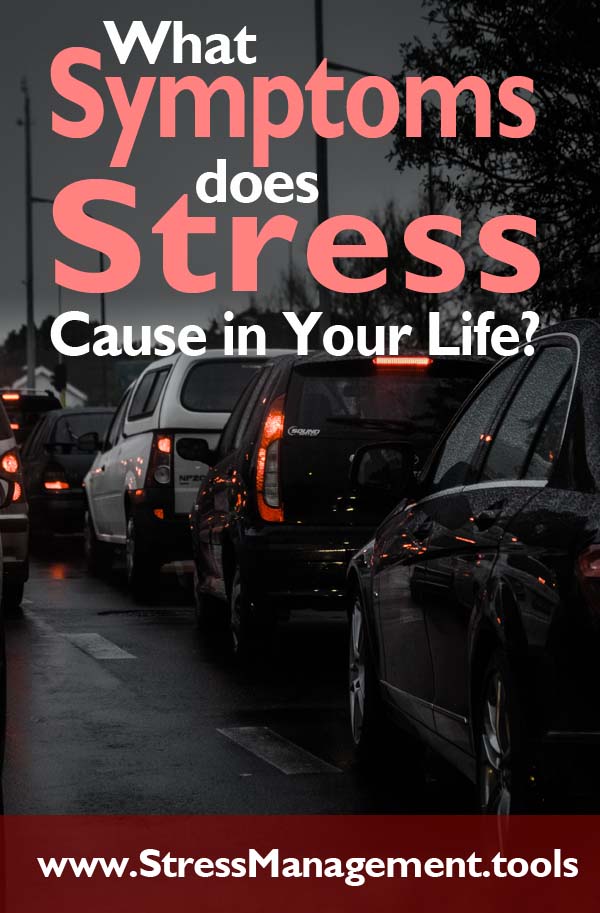
You know how life goes. There’s always something that interrupts your plans and it happens on the day when you can least afford to encounter a stressor. You might be on your way to work because you have to go over a project with your boss before the client gets there for a scheduled appointment. But the next thing you know, you’re trapped in a traffic jam. There’s no way around it and you can’t turn back. You’re just stuck. When this happens, your body reacts and floods your system with stress hormones. And the symptoms your body will manifest can be manifold.

What Symptoms does Stress Cause in Your Life?

The reaction from your body is based on the fight or flight response and it’s meant to be a help to you. However, when the situation isn’t life or death, this response isn’t needed.

When this is an occasional circumstance where you get a flood or stress hormones, it’s not a big deal. But when you don’t know the right coping techniques for stress, your body is constantly getting this flood of hormones, and this constant cycle of having a stress response within the body wreaks havoc on your physical health.

Over time, the overuse of your stress hormone starts to take a toll on your immune system. A part of the immunity army is known as natural killer cells. These are designed to battle against serious conditions such as cancer, but these cells are also designed to fight things like bacterial or viral illnesses.

They work to protect your body. Stress weakens the ability of these cells to work the way that they’re supposed to, leaving you with little protection so you’re constantly catching whatever is going around.

It’s not just illnesses that you’ll face more often when you fail to break your stress addiction. You’ll be at a higher risk for developing conditions that are related to stress such as diabetes. When you get stressed, it raises your glucose level – even if you don’t have the disease.

Stress can make you more likely to have a heart attack because when you’re stressed, your blood pressure goes up. The flood of stress hormones that you get are supposed to temporarily narrow your blood vessels. But when you’re dealing with chronic stress, these blood vessels can be constantly narrowed, which restricts blood flow and oxygen to the heart. In addition to that, the stress response increases the clotting factor, facilitating the formation of arteriosclerotic plaques. This can result in a heart attack or stroke.

When you’re stressed, it can also affect your digestive health. You can develop nausea, stomach cramps and suffer from diarrhea or constipation. You can also suffer from heartburn.

People who are addicted to stress can develop reproductive problems. Women might skip a monthly cycle or they might notice that their periods last longer, while men can experience lower levels of testosterone, which is linked with impotence. 

Mental Concerns

But it’s not just your physical health that will show the signs of stress. You can also struggle with mental health. For many people, prolonged exposure to stress can cause depression.

This happens because the stress hormones linger, and you don’t get that break from them that you’re normally supposed to get. It’s common for stress to have an impact on your emotions and when you constantly get that flood of stress hormones, it brings out negative feelings such as grief, which can lead to depression.

Anxiety is another consequence of not dealing with a chronic stress. You don’t have to have an anxiety disorder to develop anxiety. This is something that happens as a result of whatever stress you have in your life.

When you have anxiety, it can show up as both physical and emotional symptoms. When it has to do with your mental health, the anxiety that you experience usually reveals itself through a feeling of dread.

You might feel nervous at random times or consistently. Sometimes anxiety can show up as feeling like something is just off. You feel wary. This mental reaction can happen whenever you’re about to face a certain situation or when you think about that situation.

It can also happen because you fear the results of a situation. When stress is what’s behind your anxiety, then what you’re experiencing lingers and doesn’t just go away. Not dealing with stress can also lead to panic attacks.

A panic attack is what happens when you get a feeling of overwhelming fear or you experience a deep anxiety. Many people who have stress and develop panic attacks have these because of something in the past that they haven’t dealt with, or something that they’re afraid of that might occur in the future.

A panic attack is a sense of impending doom, even if nothing bad is going on at the moment or they’re not in any danger. When a panic attack disrupts your daily routine and you have difficulty being able to carry on, this is a severe episode and may need professional treatment.

Stress can manifest itself in many different ways. If you experience one of those symptoms of stress in your life, it is time to act and develop better coping skills to get your stress under control. Because uncontrolled chronic stress can cause havoc in your life in so many different ways.

Do you need a guide to help you understand how to cope with Stress in an all inclusive approach? Learn how to combat stress, mentally, physically, emotionally and strategically in your life.

Get Me the Guide

Filed Under: Mental Health, Stress Management

10 Tips for Aging Persons During the Pandemic

June 7, 2020 by Martin Neumann - [rt_reading_time label="Reading Time:" postfix="minutes" postfix_singular="minute"]

The Elderly need our care at the pandemic

Most European countries are working already on easing their COVID-19 restrictions. All the US states are also gradually reopening, although with significant state by state differences. That does not mean there is no need for caution, especially for the elderly people. Once restrictions are lifted, new infections will be on the rise, and the elderly will be the first ones to suffer the consequences.

Older people face a higher risk of getting infected during a pandemic because they may have weaker immune systems, making them more susceptible to illnesses. Especially those who are suffering from a chronic disease like heart and lung diseases as well as diabetes, are more likely to suffer serious complications when conducting a COVID-19 infection.

When assessing your risk, you should consider also your overall health status. Are you consistently fatigued? Can you walk around the block? Can you climb up the stairs? When getting in this fragile zone, you should double up your caution for avoiding a coronavirus infection.

Here are other means of protecting you during a pandemic, if you or one of your loved ones form part of this more vulnerable group:

  • Continue taking vitamin supplements

You must continue to take vitamin supplements to support a healthy immune system. Hence, it is wise to keep up with your supplements to help your body fight infections more effectively. If you are not taking any supplements, you can get in touch with your health advisor to find out if you can start, especially if you have any chronic illnesses. Some of the supplements recommended are vitamin C and Zinc, but also consider Vitamin B12, calcium, and vitamin D. it is essential to bear in mind that not all supplements aid in supporting a healthy immune system.

  • Continue taking your medications

You must continue your medication while quarantined. In order to increase your protection, you need to make sure that your diabetes and blood pressure is under control. Therefore, make sure you have your regular medication readily available or well-stocked.

  • Thoroughly wash your hands

Washing your hands thoroughly or staying sanitized whenever you have been in contact with other people can never be overemphasized. Wash your hands thoroughly with soap and, ideally, warm water using the 20 seconds rule. Use antibacterial hand sanitizers and avoid touching your face, nose, and mouth. Keep your home and frequently touched surfaces disinfected.

  • Maintain a healthy diet

Being in isolation does not need to include cutting corners on your healthy diet. Making eating a healthy diet one of your priorities is advisable. Focus on foods that aid in boosting your immune system, like citrus fruits and bell peppers being high in vitamin C. Limit or avoid sugary foods, fatty foods, and alcohol. Focus on diets rich in fruits and vegetables as well as unrefined plant foods, and reduce your consumption of meat and other animal products. Increase your intake of food rich in antioxidants, which help protect your cells from damage. 

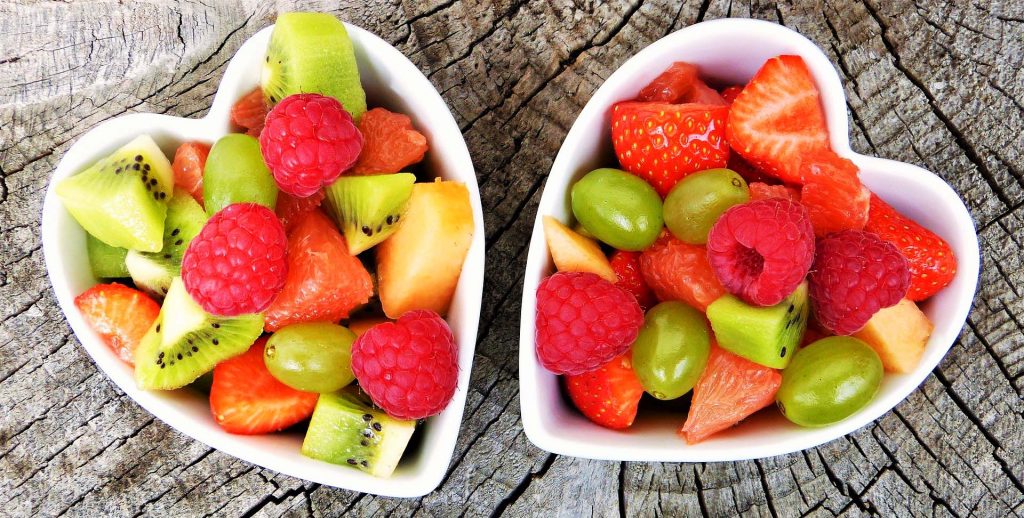
Fruits are a good source of antioxidants
  • Avoid sharing personal items

Avoid sharing personal or hygiene items such as utensils, water bottles, food, and bathing soap with others. This small reflex can play a significant role in protecting you and your loved ones from getting infected or spreading the infection.

  • Get enough sleep

Getting plenty of rest is a compelling way of staying healthy and reducing your stress levels. Make sure you not only get enough sleep every night but that you get enough rest throughout the day. One of the significant reasons you may be more vulnerable to illnesses during a pandemic is due to too much stress and not getting enough rest. So make sure you reduce your stress levels by getting enough sleep, proper rest, and remaining active.

  • Remain active

Staying healthy and remaining active does not necessarily require you to go out, although you should go outside for a walk if you can. You can continue improving your health even if you have to stay at home by being active every day. Moving around and getting active plays a significant role in helping your body fight off infections and inflammation. You can stay active by doing non-strenuous exercises such as doing household chores.  You should implement every day some stretching exercises, and complement it with cardiovascular exercise and strength exercise as far as you can. However, you should avoid any excesses to prevent fatigue.

  • Keep in touch with your caregiver

A lot of older people have caregivers, and some are caregivers. If you have a caregiver and he or she cannot afford to come over to your house, you can keep in touch via calls or messaging. Talk to your caregiver about who can provide you with care if he or she falls ill. If you are a caregiver, you need to make sure that you and the person you are caring for take the necessary precautions to avoid getting infected.

  • Stay at home

Understand that the advice to stay at home during a pandemic is good advice that is for your benefit. If you are not infected, avoid contact with strangers, as you are more vulnerable to getting infected. If you are concerned about groceries, you can do online shopping or ask a family member to do your groceries. Going outside for a walk while you take extra caution to remain distance from other people carries little risk to get infected, and can do a lot to strengthen the immune system and to lift up the mood. Some elderly people may though be saver to go out with a caregiver, so they do not forget to maintain the proper precautions.

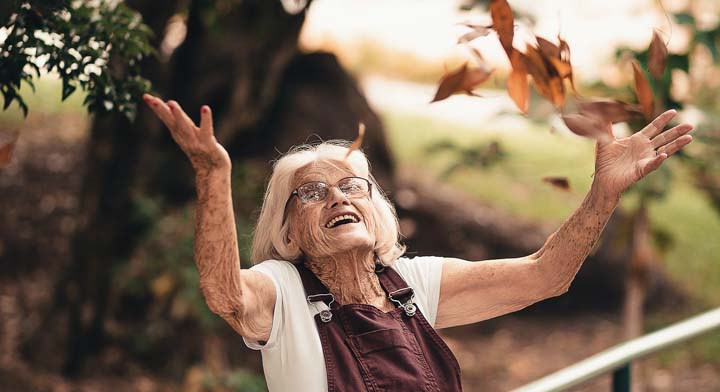
Elderly enjoying nature
  • Avoid large groups

If you are at a residential care home, make sure you avoid large groups. If you have a large family, make sure you keep a safe distance from others and avoid shaking hands or close physical contact. When receiving visitors, be sure to maintain a 6 foot or 2m distance.

Be sure though to stay in touch via regular video calls. Being connected helps a lot to ease the impacts of social distancing. We live in the technology era, which makes it possible to remain connected with people regardless of the distance. It is even possible to have group calls where the whole family can participate in different locations.

Adapting to the New Normal

Event with restrictions starting to be lifted, we still need to act with caution. The government was able to flatten the curve by implementing social distancing. These measures were effective to withhold the explosive growth of the pandemic, so that the health care system would not enter into collapse. Unfortunately, even with vigorous restrictions we are not able to completely eliminate the virus.

Once the restrictions are lifted, new surges of the pandemic will arise, which will cause additional risks for infections, and possibly the necessity for repeated lockdowns in the future. Elderly people should continue to act with some caution, even if restrictions around them get lifted. And in order to be save, it is more important than ever to work on strengthening the immune system. Implementing an immunity boosting lifestyle can go a long way to stay safe during the next few years we need to deal with the pandemic.

We have a special opportunity just for you. If you want to receive practical and up to date advice on how to implement an immunity-boosting lifestyle, simply join the Coronavirus Immunity Challenge and prepare yourself to face the pandemic with a bullet-proof immune system.

Sign Up Now

Coronavirus Immunity Challenge

Filed Under: COVID-19

15 Creative & Fun Family Activities You Can Do at Home

May 19, 2020 by Martin Neumann - [rt_reading_time label="Reading Time:" postfix="minutes" postfix_singular="minute"]

Being stuck at home as a family can sometimes get boring, especially if you always stick to the same tried and tested activities like watching movies and playing monopoly. The things you do at home with your family often condition the amount and quality of fun you will experience. If you have an abnormally long amount of time to spend at home with your family, you have to be creative and try new exciting activities.

15 Creative & Fun Family Activities You Can Do at Home

Here are some fun and innovative ideas to boost your family time:

Origami

Origami is an ancient Japanese art that involves folding paper to make different kinds of shapes like animals, plants, etc. It is an engaging form of art that anyone can learn. To learn origami, all you need is some white paper, color pencils, scissors and glue. You can easily follow tutorials on YouTube together as a family. It is fun once you figure out how things are working.

Origami swan

When I was a child, I had a book with more then 50 origami figures, and I did them all. It was very much fun to figure it out, and I had the collection of the figures all around me. And when you do it together as a family it is even more entertaining.

Indoor Camping

Indoor camping is another fun activity for families. It is easy to set up, and everything you need is usually already available in the house. You can turn the living room into a camp out space, turn off the lights, and take turns telling stories while roasting corn on a portable burner. If you have a backyard, you can even pitch a tent in the garden and put a hammock on the veranda and brave it outside in the protected space of your backyard.

Launch your YouTube Channel

Depending on your expertise, you can teach your skills on YouTube. You can show off do it yourself projects, you can give practical tips, you can show your favorite recipes, you can do something more informative or go for curiosity subjects. There are no limits, whatever you are passionate about, present it to others on YouTube. This can be your personal project, or even a family endeavor. If no other subject comes to your mind, you can show off what your family is doing during the lockdown.

Treasure Hunt

A treasure hunt is another way of having fun as a family. To make it enjoyable, have one person set up the hunting clues and divide the rest of the family into groups. The hunting clues should cater to all different age groups of the family so everyone can actively participate.

Create Your Own Workout

Create your own “high intensity” workout with your family. Each person chooses their favorite exercise, such as lunges, jumping jacks, squats, or even hops. Using a timer, do each exercise for 20 seconds, then take a 10-second break. Do four sets of each exercise, then take a 30-second break. During the break rotate to the next activity. This “interval training” is fun, fast-paced and really gets hearts pumping!

Family Master Chef

Family Master Chef - Everybody gets involved

Depending on the resources you have in the house, another very fun activity you can engage in is a cook-off. Just like the TV Master Chef, divide into teams and create an entirely new dish using a chosen set of ingredients. To make it more interesting, write down the different ingredients on a spin wheel and take turns to spin the wheel to select the ingredients. Use only the selected ingredients for the cook-off! Or you can get into international recipes, going every day to the culinary delicacies of a different country.

Family Project

Starting a family project is an excellent idea if you are going to spend a considerable number of days at home together as a family. The choice of a project depends on the family’s interest, but they can range from redecorating the house to making a craft project. You can also start a family garden if you have space. If not, get some plants going in pots.

Learn a New Language

Learning a new language is a fun activity to engage every member of the family. Since it is a new language, everyone will be at par and can start together. Just agree on the language and get it going. There are so many learning apps and free online tutorials available that you cannot miss this opportunity! To get things more exciting, plan a future trip to a country that new language is spoken!

Turn Your Home Into an Art Gallery

Get your kids to do painting

Get the inner artist out of every family member by organizing a home art festival. Everyone must participate and use his creativity and imagination to express his artistic side by painting, drawing, googling or making a collage with old newspapers. At the end, stick all the masterpieces on the walls to create your own family art gallery!

Write a Letter

Get out an envelope, stamps, pen and paper and everybody writes up a letter to Grandma or anybody else that you love. And be sure to include the drawings of the kids. Put it in the mail, and they will be up for a treat.

Put a Puzzle Together

Puzzle pieces

Putting together a 5,000 piece puzzle will need some patience, but can involve the entire family. It is fun to figure out where the pieces are going, and it is an activity that will keep you occupied for a while. If you do not dare to tackle such a monstrous project, you can start out with a 1,000 piece puzzle.

Get Creative

While having time, learn to do knitting or crochet. The site Ravelry is a good resource for knitters of all skill levels. Macrame is another interesting hobby that allows you to create a variety of decorative pieces. Another fun activity to involve everybody is to paint your own T-shirts. If you want, you can also do a painting with wax and then dye the shirt. A newspaper and an iron will help you get the wax out after the ink is dry.

Make a Vision Board

Discuss with the family what you want to do this year together. Then get some photos on the internet to illustrate it. Put up the board on a place that everybody will see.

Revamp Your Family Photo Album

Remove the “digital” dust from your old photos kept on your computer and start a fresh family photo album. This can be a fun activity to do with the family as each family member reminisces the good old souvenirs. Revamping your digital photos will also be a good opportunity to clear up duplicates and irrelevant pictures, freeing up valuable space on your computer or cloud storage.

Make a Virtual Outing

There are several resources online that offer virtual tours. Check out museums, art galleries, national parks, zoos and much more. Get a live cam stream running on your TV and let your kids alert you about their discoveries as they happen in real time. Or you can visit some places on Google Maps and explore in satellite and street view. Tell stories about what you experienced there, tell your family what has changed since you were a child, or just explore some famous sites. Here some listings you can check out for a virtual tour:

Aquarium of the Pacific Online
Whale or Sea Otter webcam of Georgia Aquarium
Los Angeles Zoo – Virtual Learning
Find your Virtual National Park
100 Virtual Tours
Explore.org Nature Livecams
Stuck at Home Science from California ScienCenter
Boston Children’s Museum Virtual Tour
Art Galleries

How to Entertain Your Kids

During a pandemic, everyone is affected irrespective of gender or age. People of all walks of life are affected and kids are not spared. By their very nature, kids are hyperactive- they need to move, they need to interact and focus on specific activities. Not being able to go to school, play with other kids or just run outside can have a lasting impact in their lives. It is every parent’s and guardian’s responsibility to minimize the negative impact of the lock down on children. Doing this requires a certain level of creativity to get plenty of ideas throughout the duration of the lockdown.

Play fun group games

There are quite a number of board games that your kids can play to stay distracted during a pandemic. The most important thing to keep in mind is to stick to the kind of games that they love. You can also take part in some of the games to make things more interesting. You could pick the game once in a while but involve the kids in the selection of a game.

Have an Alphabet Day

Have your child choose a letter in the evening — any letter. The next day, create activities surrounding things that begin with that letter. For example, if the letter is “L”, you might include a lemon in something you eat that day and get a lightbulb decorated with color paper. Then think of animals that begin with “L”, and come up with silly phrases where each word begins with “L”, like “Lovely Little Leopard”.

Paint with shaving cream in the shower

Painting with shaving cream can be a lot of fun for kids. If you want to make it more interesting, you can add food dye to the shaving cream. In order to stay safe, do the activity on the tiles of the bathroom or inside the shower, where you can clean up the mess very easily.

Build a Blanket Tent

Get together some blankets and spread them over some small tables, chairs or anything else you find to give the tent the right shape. Kids will have fun to play for hours in their newly formed world.

Let your kids help with the household chores

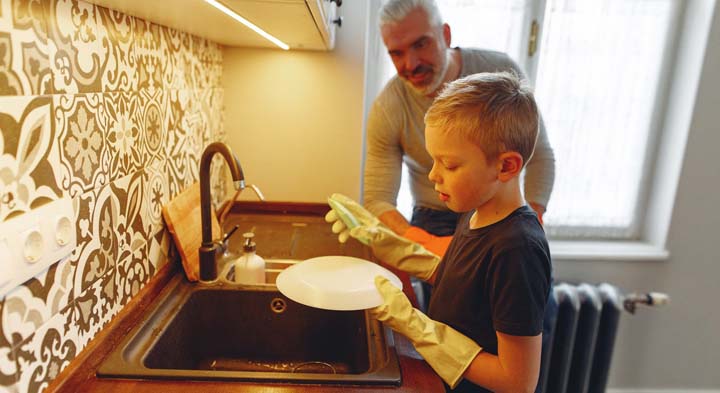
Children are happy if they can help with household chores

Household chores are yet another activity, aside of games, you can engage with your kids. Teach them or ask them to give you a hand with the chores and make it interesting. They can help prepare their favorite meal, help set the table, and help clean the house by dusting the furniture. They can also help with washing or folding the laundry. Some kids love it when they do something that their parents encourage or ask them to do. So, give it a try!

Baking Cookies

Kids love to get involved in baking cookies. Let them prepare their favorite shapes, and the cookies will taste twice as good at the end. Or if you give them a bread dough, they can shape up a character, a house or their favorite animal. And while preparing the dough, you can include some lessons in counting, measuring or even mathematics.

Give them books to read

Books are helping children to develop intellectually

Books are a great way of keeping your kids’ minds off the pandemic. So, try giving them books to read. You could give every child a different book according to their age and then ask for a 5-minute summary every day before they go to bed. This will not only keep them busy, but it will also develop their intellect as well as feed their curiosity.

Help with their schoolwork

While kids are asked to stay at home while schools are closed, they may be given assignments and homework. You can keep your kids entertained by helping them out with their homework. What children want more than anything else, is to spend some exclusive time just with you, and they will appreciate your attention in helping them out. If the school does not give them any work to do while at home, you can come up with your own assignments. Focus on areas that your child is currently struggling with at school so as to help make the work comprehensible.

Help cultivate their talents

It is true that every dark cloud has a silver lining. Even during a pandemic your kids’ talent can be improved. You can take advantage of the situation and find ways of improving or even discovering your child’s talent. For example, if your child is an aspiring artist encourage the artist in him or her by buying color books, pencils, and crayons. You could also go the extra mile by visiting some art galleries online and explaining what each photo symbolizes, where and when the painting was made, and what inspired the artist to produce that particular painting. Older kids can start out learning an instrument. Flute is an easy one to start with, but with a certain age you can consider piano or violin.

We have a special opportunity just for you. If you want to receive practical and up to date advice on how to implement an immunity-boosting lifestyle, simply join the Coronavirus Immunity Challenge and prepare yourself to face the pandemic with a bullet-proof immune system.

Sign Up Now

Coronavirus Immunity Challenge

Filed Under: COVID-19

How to Bullet-Proof Your Immune System Against the Coronavirus

April 2, 2020 by Martin Neumann - [rt_reading_time label="Reading Time:" postfix="minutes" postfix_singular="minute"]

We are passing through difficult times. A pandemic affecting the entire world, and not yet an end in sight. So far there are no effective remedies, and the development of a vaccine is at least a year away. Health professionals are struggling to keep the pandemic under control. But there is a protection available for everybody, this is our immune system.

Our immune system is like an army of soldiers inside of us, that is prepared to fight off any invader that is coming along. Each cell of the immune system has a very specific function. There are T-lymphocytes who are like a special intelligence force trying to identify the invaders, and producing antibodies to recognize them faster in the future. There are phagocytes that work to engulf invading germs and dissolve them with powerful enzymes. Some cells have specialized weapons against germs, like the natural killer cells.

In short, the immune system is well prepared to protect our body against an infection. We just need to help the immune system, so that it is able to work effectively and with peak performance. It is good to remember, that elderly persons and those with chronic diseases need to take extra care to keep their immunity strong. Let’s dive right in to see what we can do to keep our immune system bullet-proof against any invader.

Focus on balanced Nutrition

Making nutrition a priority is something that you need to constantly pay attention to. Be sure to focus on variety in your diet. There are many restrictive diets that can get you in trouble. A keto diet for example can give you several side effects like bad breath, fatigue, irregular menstrual cycles and sleep issues. Carbohydrates are essential for energy, though you should focus on unrefined sources and avoid excess. If you are on raw food, you may have a hard time getting sufficient protein, which is crucial for the production of immunity cells. In the realm of fats, focus on healthy sources like avocados, olives, nuts and especially Omega 3 sources like flaxseed and chia. Making nutrition a priority during a pandemic means making sure everyone in the house eats healthy by having a balanced diet.

Nutrient-rich foods such as beans or lentils, whole wheat foods, and foods high in fiber should be on your grocery list. The best thing about such foods is that they can be prepared in various ways and they can be mixed with other foods. You not only enjoy your meal, but you get the complete nutritional benefits as well.

Foods from animal sources tend to weaken your health and should be avoided. A study found that a vegetarian diet increases Natural Killer cell activity by a factor of 2.34 compared to an omnivorous diet. And the fiber content in all-natural plant foods can do a lot to control inflammation in the body. A balanced natural diet has also a beneficial effect on gut microflora. Going vegetarian and focusing as much as you can on natural food sources can go a long way to strengthen your immune system.

Avoid Refined Sugar

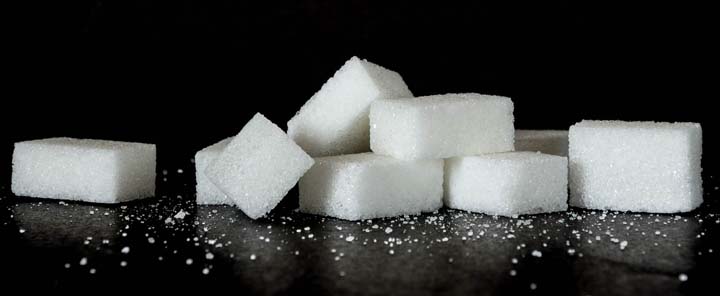
Sugar is an enemy of the immune system

One of the greatest enemy of the immune system is refined sugar. Sugar quickly inactivates the germ-killing foot soldiers—the phagocytes. For example, just one soft drink, containing 12 teaspoons of sugar, is enough to weaken the protective ability of our body’s white blood cells by 60%, for a period of 5 hours. In plain English, a phagocyte that normally kills about 14 germs, will now tackle only 5. That’s not going to protect you enough. If you are drinking 2-3 cans of soft drinks per day, your immune system will be literally without any defense.

Some people think they need to avoid only refined sugar but can indulge freely on honey, maple syrup, raw sugar, molasses, agave syrup, fructose and other sugar substitutes. While these options are slightly healthier, all of them will cause the same damage to our immune system, when used in excess.

Unfortunately, our sugar consumption has increased drastically during the last centuries. While in 1870 the average American consumed around 10 teaspoons of sugar a day, this figure has risen to 43 teaspoons in 1991. And sugars are hiding everywhere, including breakfast cereals, ketchup, tomato sauce, yogurt, and bread.

There is no way around, if we want to stay healthy, we need to train our taste buds to a gentle sweetness in our food. Appreciate the natural tastes of your fruits. To give a little zest to your recipes, a moderate dose of dates or dried fruits can help. The consumption of honey or other sweeteners you may want to limit to 2-3 teaspoons per day.

You may find these measures very restrictive. You may find out that you are addicted to sugar and have a hard time to quit. But think about it. Does it come easy to stay at home and avoid contact to other people? Is it easy to follow all the other restrictions? We are going at great lengths to avoid any exposure to the virus. But if there is anything that can keep you save in this crisis, it is avoiding sugar. It will be surely worth your efforts.

Eat More Fruits and Vegetables

Fruits are beneficial for the immune system

Fruits and vegetables are excellent sources of high-nutrient foods that will keep you healthy during a pandemic. By eating natural foods that contain an abundance of vitamins and minerals, you can help keep your immune system operating smoothly. They are loaded with lots of phytochemicals and antioxidants, substances that are able to protect you in many different ways. Each one has a different function, that’s why it is recommended to eat a rainbow of different colors and varieties of our fruits and veggies.

There are many concerns that may arise when it comes to best ways of treating your groceries, such as safe ways of washing and preparing them. Some social media posts have suggested even to keep groceries for 3 days in the garage before bringing them in. Nonetheless, this is not something that you need to worry too much about.

Experts say that in a period of 8 hours half of the germs have already died off. Continue washing your fruits and vegetables the same way you always do. There is no need for using sanitizers to wash your fruits and vegetables like most people assume. Soap should never be used to wash your food. Experts advice though to take extra precautions to wash hands after coming home from shopping, before and after preparing your meals, and before eating.

Supplementation

Ideally you should get your vitamins and minerals from fruits and vegetables. Governments recommend a minimum of 5 daily portions to keep you healthy. If your consumption is below that level, there are good chances that you can develop vitamin and mineral deficiencies. Elderly people tend to have less absorption, and certain conditions like alcohol and tobacco consumption, stress and the use of contraceptive pills can increase the demand of those essential vitamins.

Further aggravating is the production of many fruits and vegetables based on chemical fertilizer. Lacking the supply of essential micronutrients, the soil gets depleted over time, and lacking adequate organic matter, most of the soil is sterile, without essential microorganisms that help in the absorption of nutrients at the root level of the plant. If you have access to fresh organic produce, it is definitely going to have much higher concentrations of vitamins and minerals then your conventionally grown veggies.

Vitamins are sensitive to light, heat and oxidation. Therefore, the fresher you can get your vegetables, the better for you. Overcooking will greatly reduce the vitamin concentration in foods, and it is recommended to eat 50 to 70% of your fruits and vegetable in raw. Sprouting some of our seeds can be very powerful to potentialize their vitamin concentration.

If you need to complement your vitamin intake with supplements, it is beneficial to combine them with their natural sources. Several studies have shown that the body absorbs and uses vitamins better when they are coming from a dietary source. Fruits and vegetables are loaded with phytochemicals that show beneficial effects way beyond the realm of vitamins. It was discovered that a single tomato contains more than 10,000 different phytochemicals, many of them being antioxidants or protecting the body in some other manner.

Vitamin C

Vitamin C is probably the most popular supplement to increase immune system function. It supports a variety of immune system cells and serves as a powerful antioxidant. Studies have shown the efficiency of Vitamin C to reduce the duration and severity of a common cold. A hospital in Shanghai used intravenous Vitamin C to successfully treat coronavirus patients. Being a water-soluble vitamin, any excess is excreted by the kidneys, and since it is not stored by the body, it needs to be consumed daily.

Common food sources are all citrus friuts, papayas, kiwis, mangos, strawberries, bell peppers, rucola, spinache, cabbage and broccoli. Kale is an excellent option, and it will increase in Vitamin C concentration when it is slightly steamed.

For supplementation, a daily dose of 500 mg is recommended. A higher dose will just put an extra burden on the kidneys, and very high levels can lead to diarrhea.

Zinc

Zinc is essential for immune cell development and communication, and plays an important role in the inflammatory response. A deficiency can significantly affect your immune system and make your more susceptible for viral infections. The probability of zinc deficiency increases with age, and about 30% of older adults are considered to be deficient.

The main plant sources of zinc are legumes like beans, lentils, chickpeas and peanuts. Flaxseed and sesame are good sources as well. If you plan to supplement, a daily dose of 20 mg would be fine.

Vitamin D

This is the only vitamin that you rarely get from food sources, but acquire it normally by exposure to sunshine. The hours for optimum vitamin D production are between 10 am and 2 pm. If you expose a substantial amount of your skin to the sun, you need about 15 minutes of exposure on a hot summer day, without using any sunscreen. If you have a darker skin color or your area of exposure is less, you need to increase this time. Elderly people tend to have lower absorption as well. Be sure to start slowly and increase your exposure gradually to avoid sunburn.

It is a good idea to get your Vitamin D levels tested, since deficiency is very common in our days. If your sun exposure is not sufficient, most people do fine with a supplementation between 1,000 and 4,000 UI, though those with more serious deficiencies often require much higher doses. Vitamin D is a fat-soluble vitamin. For better absorption, take the supplement together with a meal, since it will depend on the fat present in the meal to be transported into the bloodstream. Be cautious about the right dosage, since any excess is stored in the fat tissues and can accumulate in the body.

Magnesium

Magnesium is important for more than 300 biochemical reactions in the body, among them it supports a healthy immune system. About 57% of the US population does not meet the recommended daily intake of this mineral.

Common food sources are various types of nuts, sesame, flaxseed, soy, beans, chickpeas, peanuts, spinach and several whole grains. If you need to supplement, a dose of 400 mg per day would be adequate.

Selenium

Selenium has an important function for our immune system, and in certain areas of the world, the soil is deficient in selenium. For that reason, selenium concentration in food sources can vary widely. One of the best sources are Brazil nuts, and a daily dose of just 2 nuts will already exceed your daily requirements.

B Vitamins

B vitamins, including B12 and B6, are important for healthy immune response.  Many adults are deficient in them which can negatively affect the immune system. A B12 deficiency is quite common among vegetarians and elderly people, and regular testing is recommended to avoid adverse side effects for the nervous system as well as immunity.

Probiotics

The digestive tract serves as an immune organ by protecting your body from harmful microbes, that you may have consumed with your food. Having a healthy flora of beneficial microorganisms in your gut can go a long way to protect you against those invaders. You can find probiotics in fermented foods like yogurt, sauerkraut and kombucha. Probiotics are available as supplements as well.

Herbs and Spices

Garlic has powerful anti-inflammatory and antiviral properties. It stimulates several immune cells like Natural Killer cells and Macrophages. Together with onion, they are probably the best spices to strengthen your immune system.

Tumeric is known for its powerful anti-inflammatory properties, and studies indicate it may improve immune function.

Echinacea has been shown to improve immune health and may have an antiviral effect on several respiratory infections.

Propolis is a resin-like substance produced by honeybees and is known for its immune-boosting capacities.

Elderberry has been shown to improve immunity, reduce upper respiratory infections, and demonstrates potent antibacterial and antiviral properties.

Licorice is another good option to try. According to test tube research, it was shown to provide antiviral activity against the SARS coronavirus. However, individuals who have high blood pressure, eating disorders, diabetes, heart and kidney conditions, and low potassium should avoid taking licorice. Avoid licorice candy because of the adverse effects of sugar, and use licorice for no more than 2 weeks, since it will lower postassium levels.

Stay Hydrated

Drinking lots of water will keep your body hydrated and will drain any accumulation of bacteria or viruses in your mouth or throat. Avoid drinking sugared or soda drinks – the sugar will only contribute in dehydrating your body. Did you ever try to wash your hands with coke? Just imagine! Or did you try to wash a pile of plates with only one cup of water? Does not work too well either! So what you need to clean your body is nothing else than pure water, and plenty of it.

The bloodstream, which is the highway to transport the immune system’s troops, is kept flowing freely by adequate amounts of water. In addition, the mucus membranes of the nose and mouth also need plenty of water to maintain a protective barrier against invading germs. A generous consumption of water helps also the kidneys to clean out toxins from the body.

Get Plenty of Exercise

Exercise makes the circulatory system stronger—this includes
the lungs, heart, and blood vessels. The circulation is the carrier that will transport the immunity cells to their field of labor. A vigorous exercise guarantees that the stale capillaries are getting nourished with fresh blood and the circulation of the entire body is getting revitalized. This results in an improved communication of the various cells of the immune system. The lymphocyte activity is greatly enhanced as well.

Exercise also neutralizes the harmful effects of stress by stimulating the release of natural “feel good” chemicals like endorphins. Stress is especially counteracted when exercise is combined with the immune system’s allies—fresh air and sunlight.

What exercise is best? You can do anything that is fun for you, but walking would be a good starting point. And don’t be afraid about getting infected when leaving your four walls, if you maintain distance to other people, you are pretty safe. If you prefer a home workout, that is fine as well. But whatever you do, be sure to implement a daily exercise routine. Start slowly and build up your forces gradually. And you don’t need to run a marathon, actually any excessive activity that leaves you exhausted can even weaken your immune system.

Avoid Addictive Substances

It makes a lot of sense to avoid anything that can harm your body in order to strengthen your immune system. That said, we should shed some light on some common pratices of substance abuse.

Alcohol cripples the body’s internal army. This suppression of the immune system is seen even with moderate amounts of alcohol. Its use increases the risk of diseases such as tuberculosis, viral hepatitis, cancer, and AIDS.

Tobacco also contains harmful chemicals that immobilize the immune forces and stimulate the development of cancer. The large airways contain cilia, which are special hair-like cells that keep sweeping germs and injurious particles away from the delicate lung tissues. Tobacco smoke paralyses these protective cilia, so that germs and particles can easily enter the lungs and cause serious damage. Smokers and those with respiratory disease have a higher risk of serious illness and complications from coronavirus.

Caffeine, one of the world’s most popular drugs, is found in coffee, tea, and soft drinks, as well as some traces in chocolate. Recently caffeine has been on the news, touting the health benefits of your daily cup of coffee. However, few people tell you that caffeine contributes to mental stress, irritability, anxiety, and depression, which stimulate chemicals that further weaken the immune system.

Many prescription medications may also be injurious to the immune system. Be aware of the dangers and don’t use them unnecessarily.

Contrast Shower

Working your circulation with a contrast shower can do much to improve your immune system. Start your shower with 3 minutes of hot water, as hot as you can stand. Then finish off with 30 seconds of cold. If you need an extra boost, you can repeat the hot and cold cycle for 3 times. Resting for a few minutes after the shower will potentialize the immune system boost.

Get more Sleep

Rest plays an important role in immune function. The hours of deep sleep before midnight is prime time for the repair and replacement of worn-out cells and tissues. During this period, the body’s housekeepers and work best to restore its guardians to top fighting shape. Under ideal sleep conditions, damaged immunity cells are more rapidly replaced by new ones.

This immunity restoration takes place starting at 9:30 pm, if you manage to get to bed in time. If you are staying in front of the TV until midnight, you have already lost out on the immunity repairing phase of your sleep.

Reduce Stress

Excessive stress can do a lot of harm to your immune system. When the stress response kicks in and the body focuses all the energies to deal with a crisis, the immune system is considered to be of secondary importance. This is fine for a short term reaction to an emergency, but gets problematic if stress levels are chronic.

Chronic stress will increase your cortisol levels, which in turn will reduce various functions of the immune system. As a result you are more susceptible to colds or even the COVID-19 coronavirus. Stress can also affect your sleep, causing even more prejudice to the immune system.

Stress will have a cumulative effect on the immune system the longer we experience it. Think of the immune system as a firewall; the longer it is down, the greater the chances that some sort of infection can take hold of us and complicate our recovery.

The Coronavirus regulations brought substantial change to our lives. For some, it brought a much-needed break from the rat race of life, for many others it brought quite an amount of additional stress. Any change in our daily routine is causing us stress, and the uncertainties of what is going to happen, and how we are going to pay the bills, are quite stressful for many. When facing such challenges, maintaining an optimistic attitude is doing much to keep your stress under control.

It is important to take all necessary precautions, but after you have done your part, watch your thoughts to maintain a positive attitude. If you are fearful about this pandemic, make an exercise to challenge your thoughts. You have done all the necessary precautions, so what is the probability of you catching this virus? And if you really got infected, what is the chance of you dying from this disease? If you are below 40 and have strong immunity, chances are rather slim. With age, the risk will increase, but there is still quite a lot that you can do to prevent it.

So the best thing you can do, after having done your part, simply stop worrying about it. Jesus is giving us the following counsel:

Therefore I tell you, do not worry about your life, what you will eat or drink; or about your body, what you will wear. Is not life more than food, and the body more than clothes? Look at the birds of the air; they do not sow or reap or store away in barns, and yet your heavenly Father feeds them. Are you not much more valuable than they? Can any one of you by worrying add a single hour to your life? … Therefore do not worry about tomorrow, for tomorrow will worry about itself. Each day has enough trouble of its own.

Matthew 6:25-34

This is really a timely counsel for us today. Think about it. What do you gain by worrying about something that you cannot change? Just do your part, and for the rest simply trust that you have a Heavenly Father who is well able to take care of you. If He provides food for the birds every day, how much more will He provide for your needs?

Then take some time and think about the purpose of your life. You have made some achievements, maybe you have even gathered some wealth. But a crisis like that can show us how fast the world around us can change. What we have done today may not be helpful for tomorrow. Just think for a moment, at the end of your life, what would you like to be remembered for? What makes your life really worthwhile?

Maybe take your eyes a bit away from yourself and look around you. Who is there who needs some help? Is there somebody that you can help to transform their life? Are there maybe some elderly around you who need your help to do shopping or other chores? Are there some people you can call and give some words of encouragement? Do you have the opportunity to make somebody a pleasant surprise? Cause the joy the other one feels that you have helped, will result in satisfaction for yourself. And this is the best you can do to strengthen your immunity.

We have a special opportunity just for you. If you want to receive practical and up to date advice on how to implement an immunity-boosting lifestyle, simply join the Coronavirus Immunity Challenge and prepare yourself to face the pandemic with a bullet-proof immune system.

Sign Up Now

Coronavirus Immunity Challenge

Interesting Links

Stress Management Tools

Sermon: How to thrive in a time of crisis – Mark Finley

The 15 Best Supplements to Boost Your Immune System

How to Protect Yourself from Super Viruses – Part 1 – Part 2

Viral Kindness – Find a Facebook support group near you and get involved in helping others

Filed Under: COVID-19, Immune System

« Previous Page
Next Page »

Primary Sidebar

Social Channels

Coronavirus Immunity Challenge

Boost your immune system to be bullet-proof for the pandemic.

I Want to Participate

Recent Posts

  • 5 Habits to Live Longer
  • Better Sleep Can Protect Against Dementia
  • Finding Peace In Your Crazy-Busy World
  • Flaxseed – An Ancient Plant Rediscovered
  • Platelets – Triggers for Life or Death
  • Boderline Personality Disorder
  • In Praise of Almonds and Nuts
  • Are You Stuck in the Clutter Trap?

Categories

  • Body Systems (16)
    • Cell Function (2)
    • Circulatory System (1)
    • Digestive Tract (10)
    • Immune System (4)
  • Diseases (27)
    • Cancer (2)
    • Cold (1)
    • COVID-19 (11)
    • Dementia (1)
    • Diabetes (1)
    • Digestive Diseases (2)
    • Heart Disease (2)
    • Kidneys (1)
    • Metabolic Syndrome (2)
    • Skin (1)
  • Healthy Lifestyle (42)
    • Exercise (11)
    • Gardening (2)
    • Sleep (7)
    • Sunlight (2)
    • Temperance (14)
    • Water (4)
  • Mental Health (87)
    • Addictions (6)
    • Anxiety (7)
    • Burnout (1)
    • Depression (7)
    • Psychosomatic Diseases (6)
    • Stress Management (45)
    • Trust (6)
  • Nutrition (56)
  • Obesity (9)
  • Phases of Life (14)
    • Adults (3)
    • Babies and Infants (1)
    • Children (3)
    • Seniors (5)
    • Teenagers (3)
  • Therapies (7)
    • Herbs (5)
    • Hydrotherapy (1)
  • Uncategorized (3)

Archives

  • January 2025 (1)
  • March 2024 (5)
  • February 2024 (4)
  • January 2024 (4)
  • December 2023 (5)
  • November 2023 (4)
  • October 2023 (5)
  • September 2023 (4)
  • August 2023 (3)
  • July 2023 (2)
  • June 2023 (4)
  • May 2023 (4)
  • April 2023 (5)
  • March 2023 (4)
  • February 2023 (4)
  • January 2023 (4)
  • December 2022 (4)
  • November 2022 (4)
  • October 2022 (5)
  • September 2022 (4)
  • August 2022 (4)
  • July 2022 (5)
  • June 2022 (4)
  • May 2022 (5)
  • April 2022 (4)
  • March 2022 (4)
  • February 2022 (4)
  • January 2022 (5)
  • December 2021 (3)
  • November 2021 (4)
  • October 2021 (6)
  • September 2021 (4)
  • August 2021 (4)
  • July 2021 (5)
  • June 2021 (4)
  • May 2021 (3)
  • April 2021 (5)
  • March 2021 (4)
  • February 2021 (4)
  • January 2021 (5)
  • December 2020 (3)
  • November 2020 (4)
  • October 2020 (5)
  • September 2020 (5)
  • August 2020 (3)
  • July 2020 (1)
  • June 2020 (1)
  • May 2020 (1)
  • April 2020 (1)
  • March 2020 (1)

Copyright © 2026 · Abundant Health - Privacy Policy - Medical Disclaimer